Article

In-Situ and Predicted Performance of a Certified Industrial Passive House Building under Future Climate Scenarios

by
Alison Conroy
1,*,
Phalguni Mukhopadhyaya
2 and
Guido Wimmers
3
1
Department of Geography, Earth and Environmental Sciences, University of Northern British Columbia, Prince George, BC V2N 4Z9, Canada
2
Department of Civil Engineering, University of Victoria, Victoria, BC V8W 2Y2, Canada
3
School of Engineering, University of Northern British Columbia, Prince George, BC V2N 4Z9, Canada
*
Author to whom correspondence should be addressed.
Buildings 2021, 11(10), 457; https://doi.org/10.3390/buildings11100457

Submission received: 30 June 2021 / Revised: 20 September 2021 / Accepted: 24 September 2021 / Published: 4 October 2021
(This article belongs to the Special Issue Climate Resilient Buildings)

Abstract

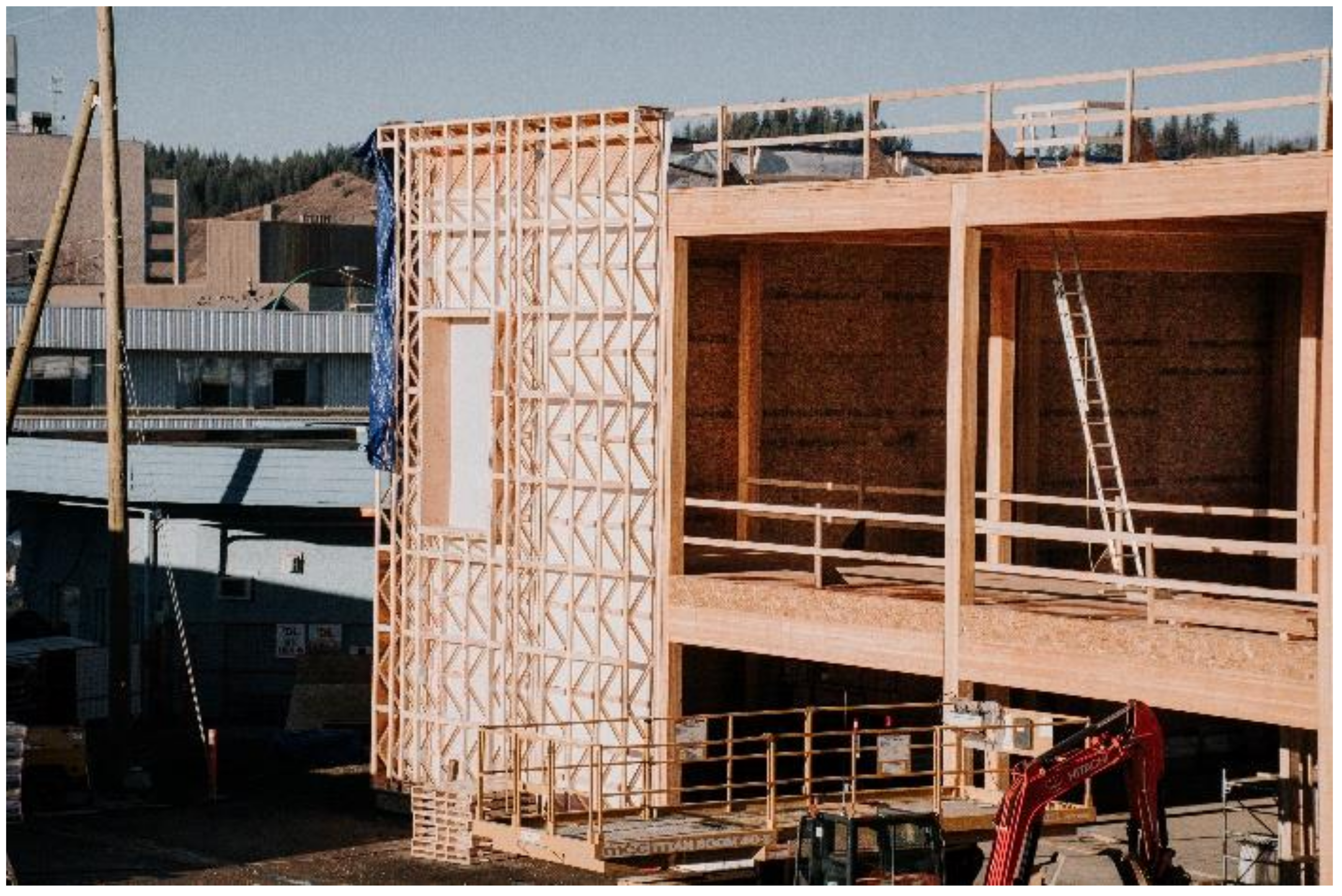
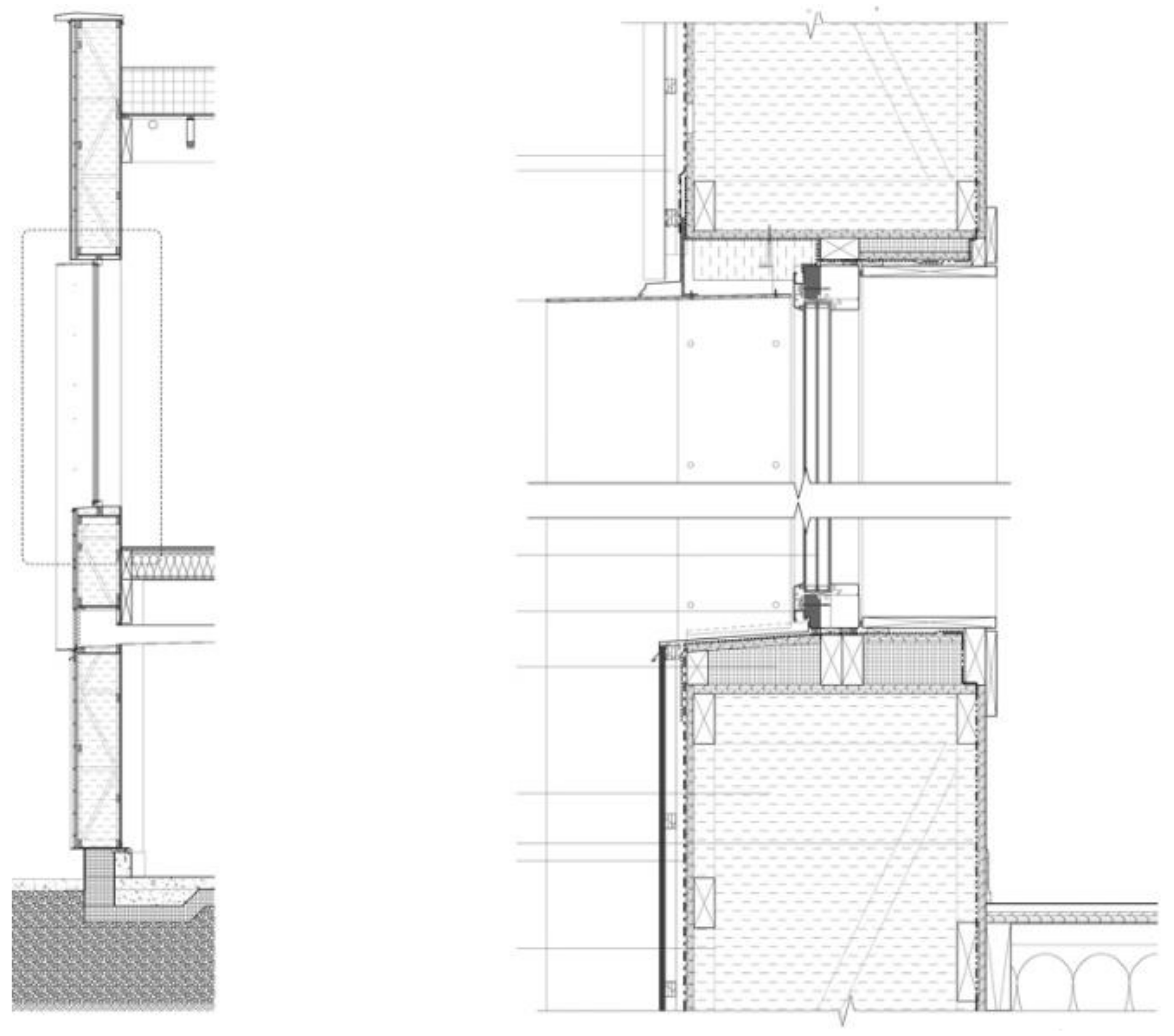
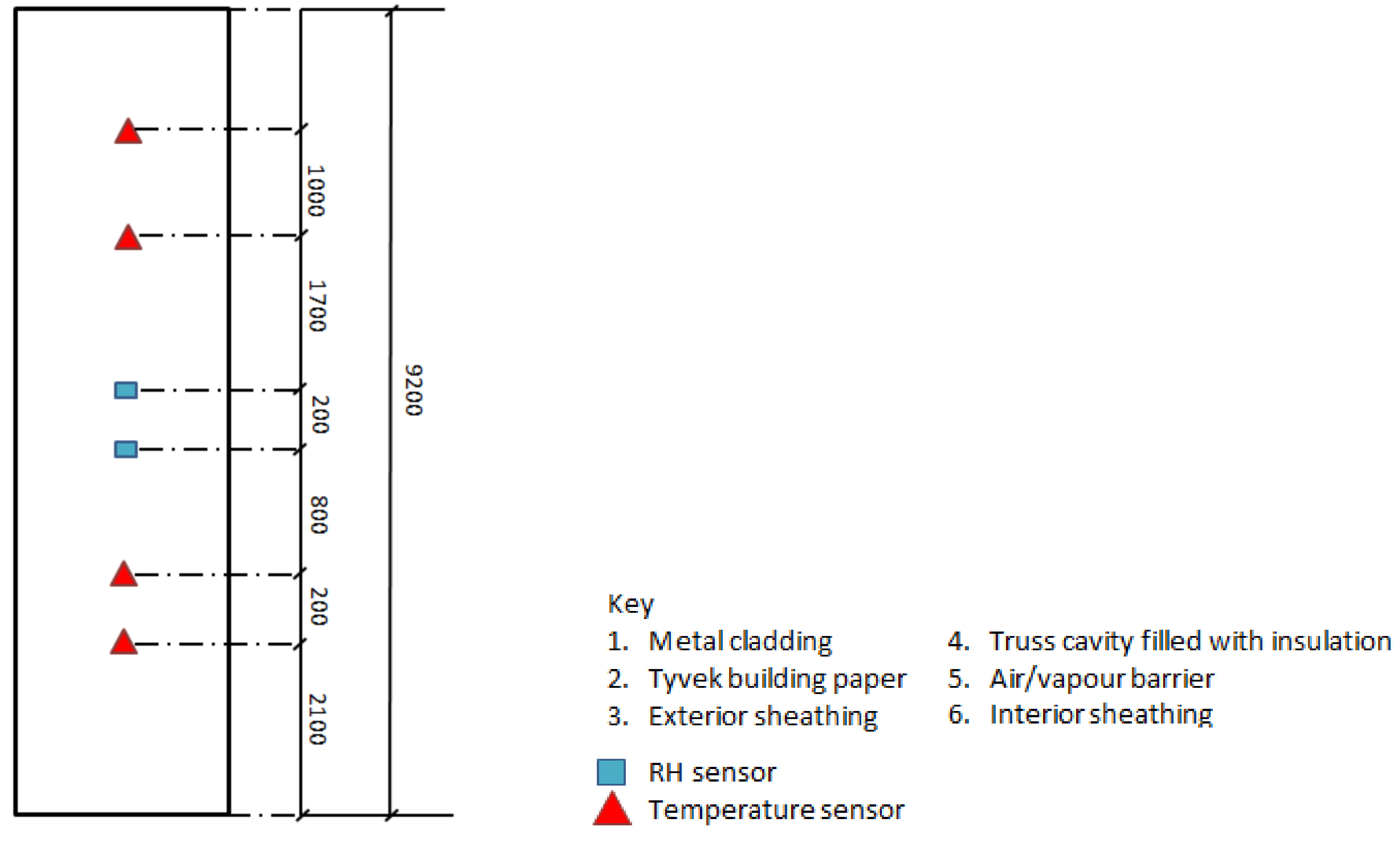
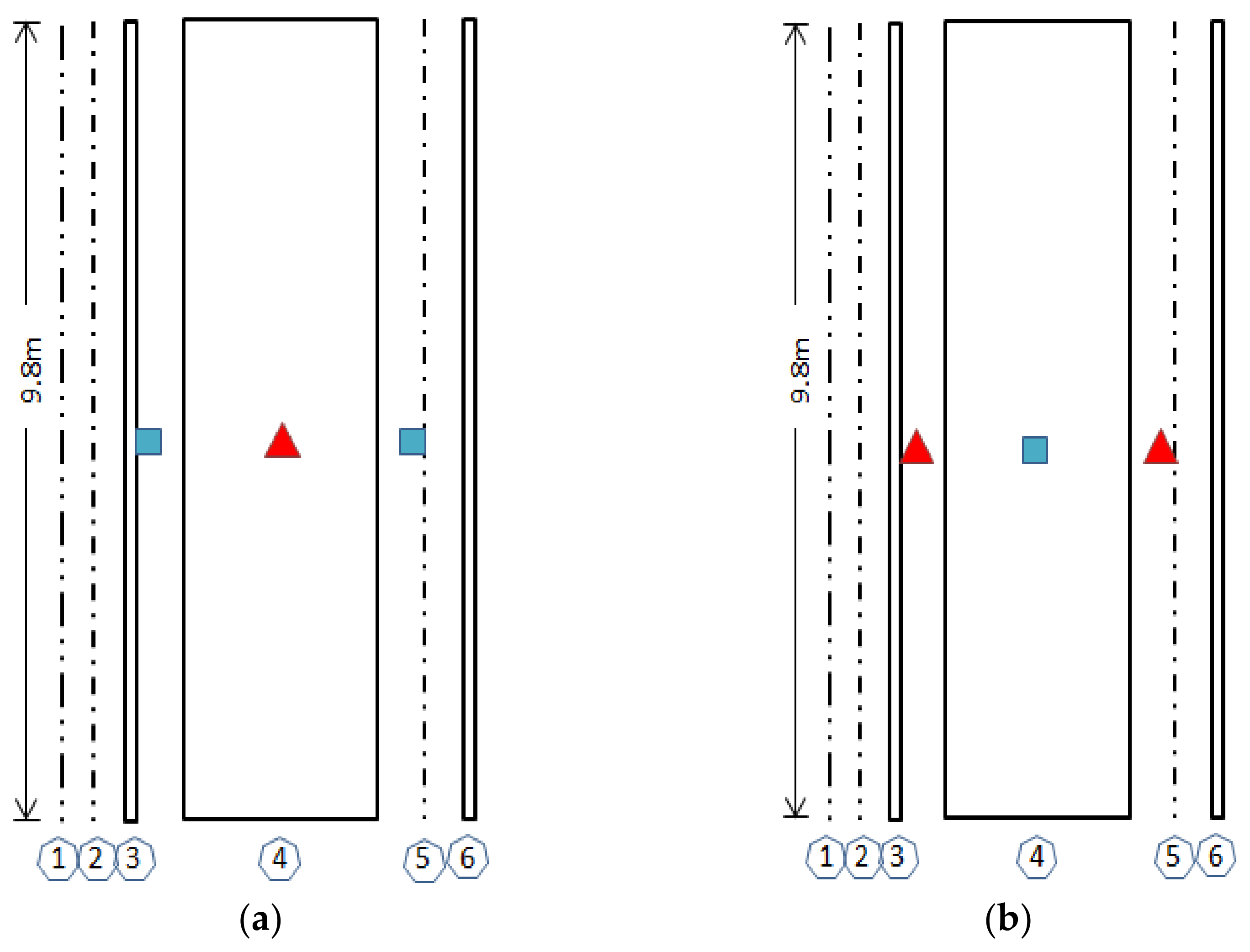
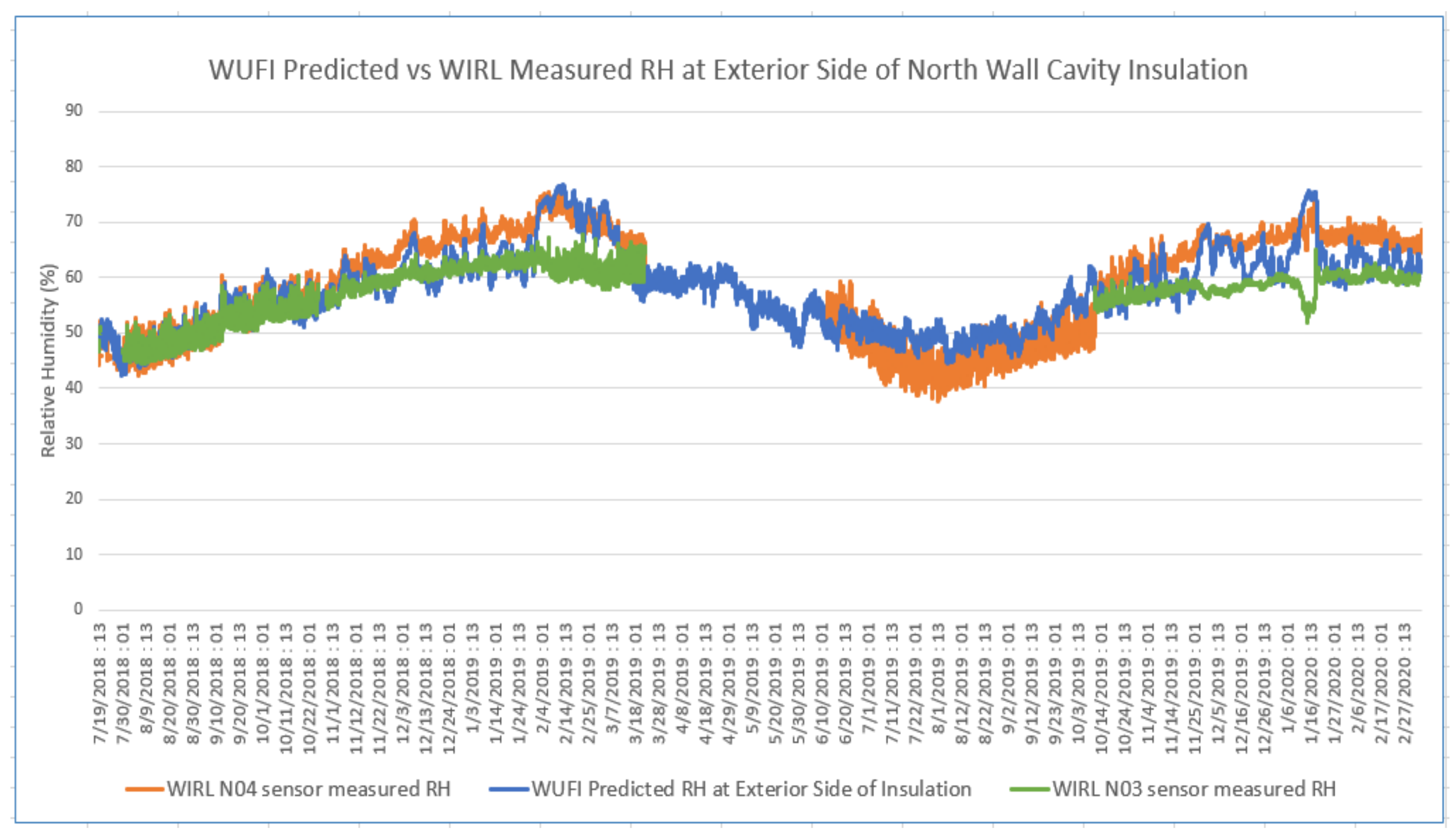
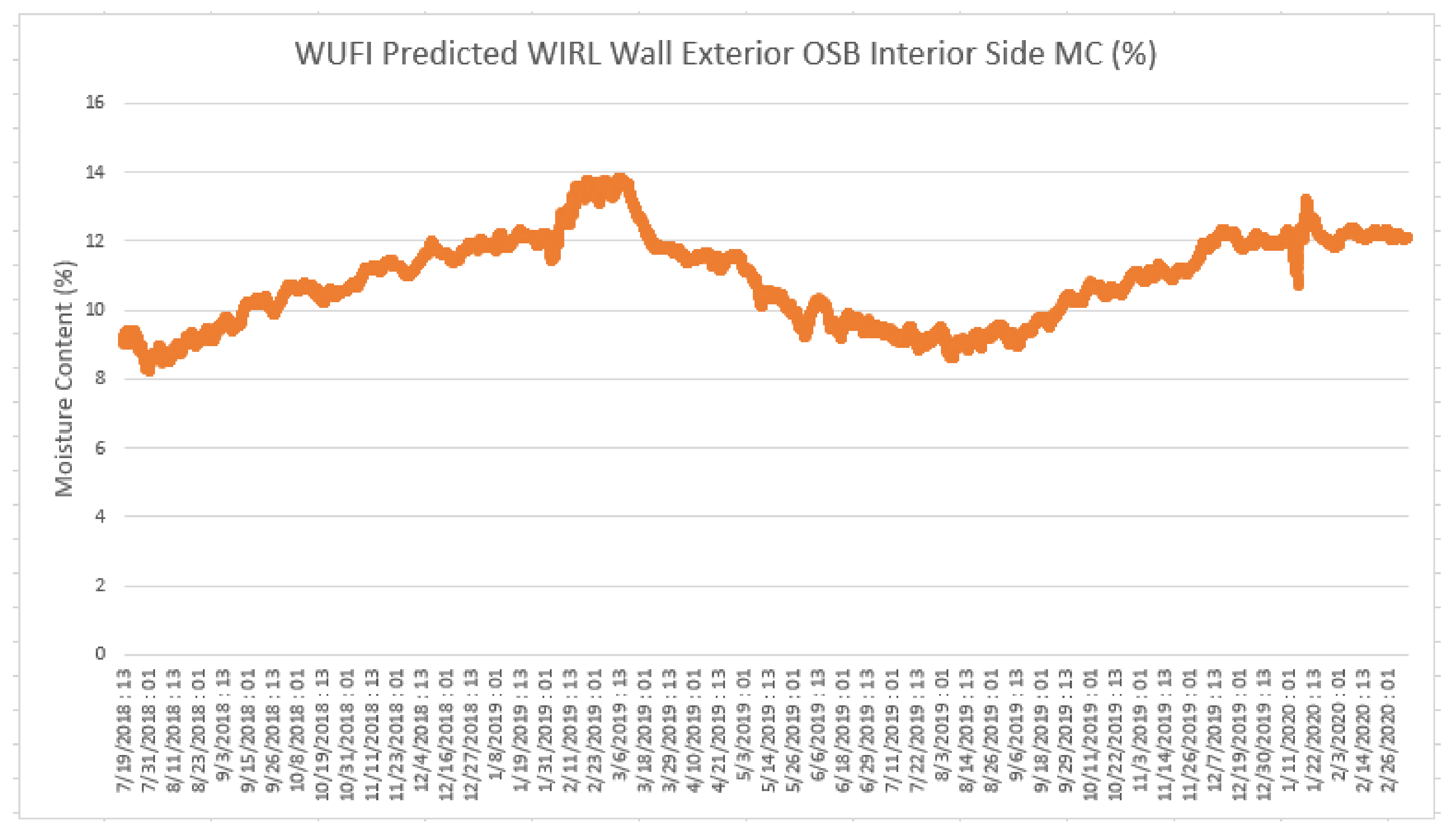
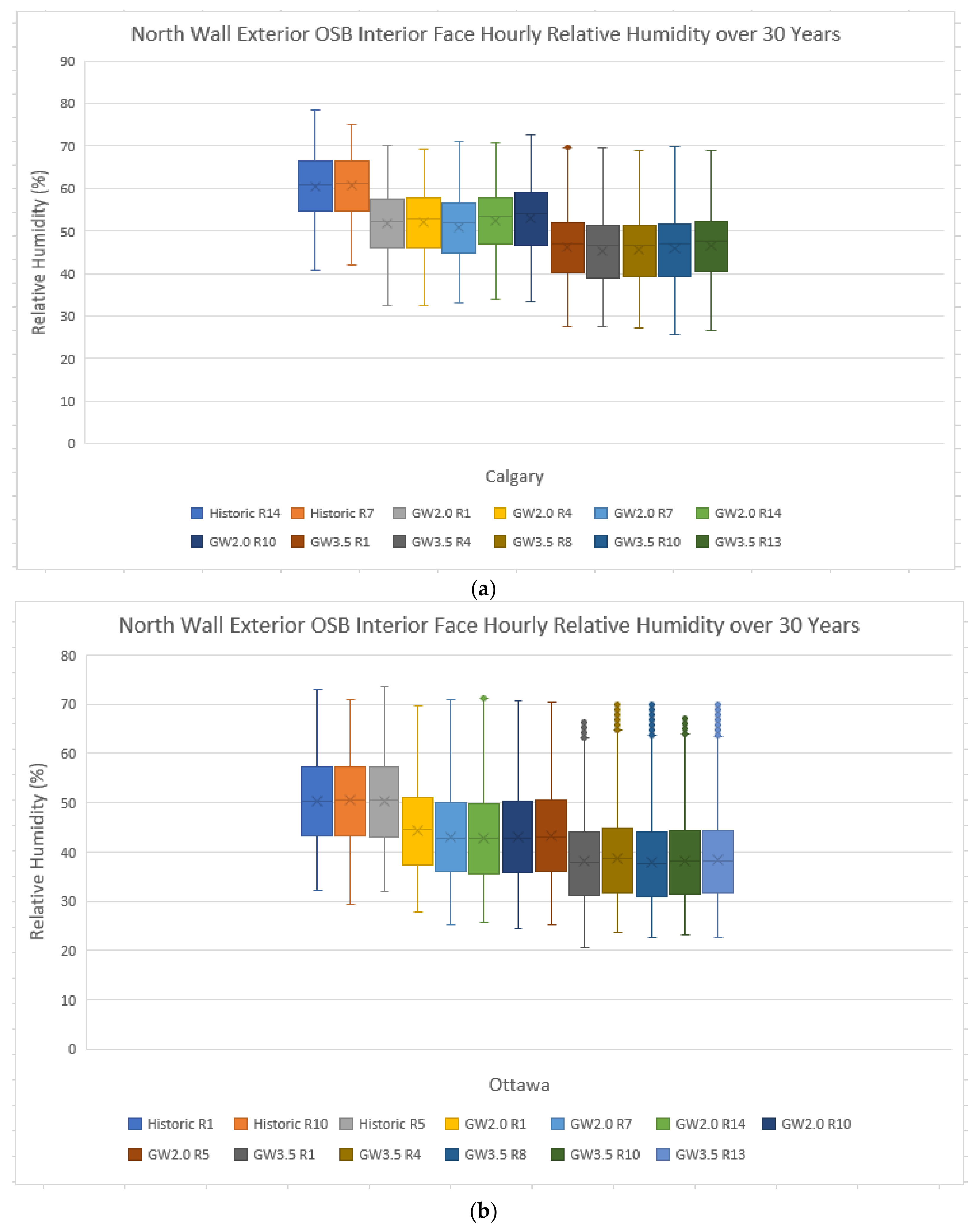
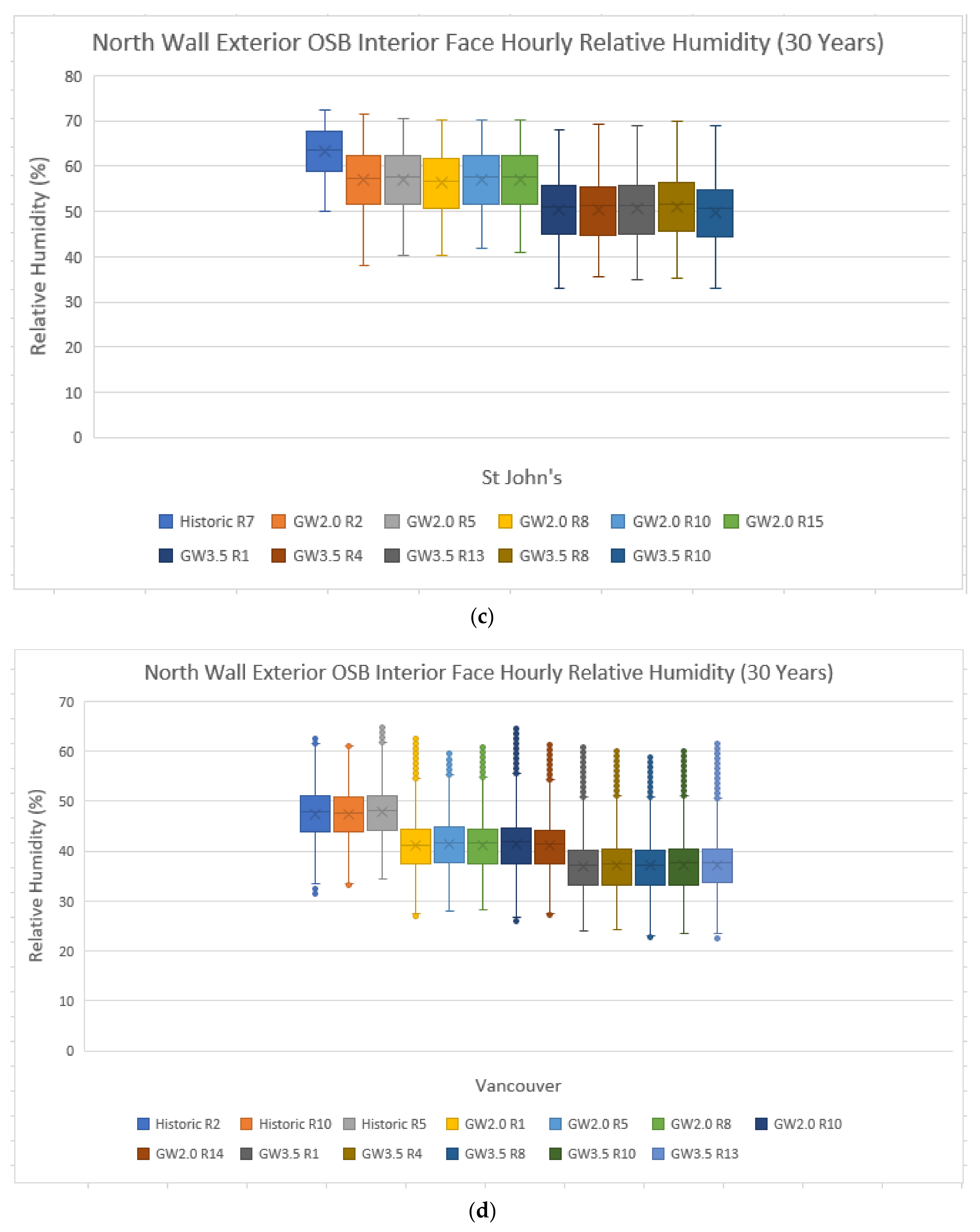
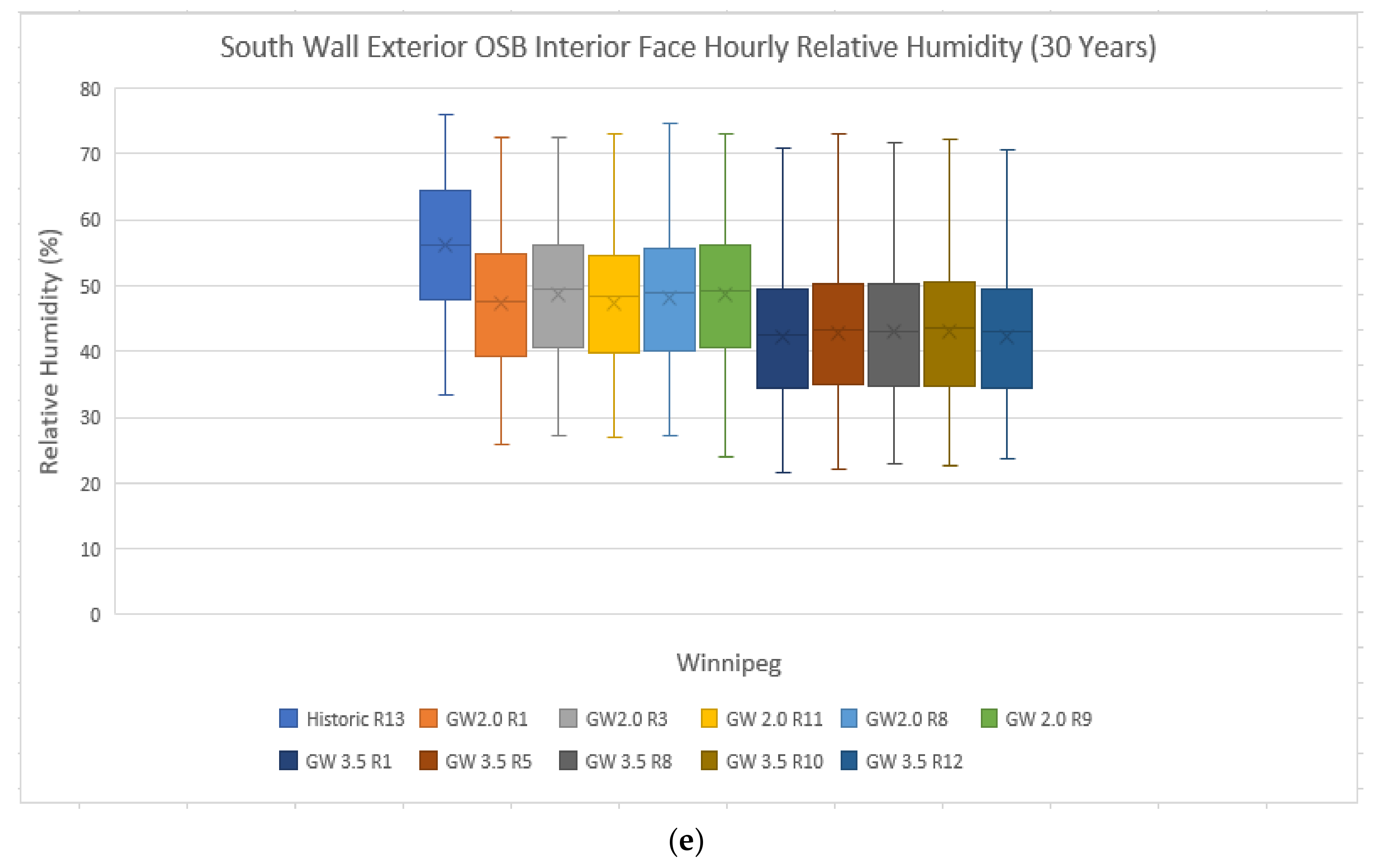
The Wood Innovation Research Lab was designed as a low energy-use building to facilitate the construction and testing of engineered wood products by the faculty and staff of the Master of Engineering in Integrated Wood Design Program at the University of Northern British Columbia in Prince George, BC, Canada. Constructed using a 533 mm thick-wall and 659 mm flat roof assembly, it received certification as Canada’s first industrial facility built to the International Passive House standard. Temperature and humidity sensors were installed in the north and south exterior wall assemblies to measure long-term hygrothermal performance. Data collected between 2018–2020 shows no record of long-term moisture accumulation within the exterior assemblies. Data collected during this time period was used to validate hygrothermal performance models for the building created using the WUFI® Plus software. Long-term performance models created using future climate data for five cities across Canada under two global warming scenarios shows favorable results, with an increase in average annual temperatures resulting in lower average relative humidity values at the interior face of the exterior sheathing board in the exterior wall assemblies.
Keywords: passive house; durability; climate modeling; climate change; hygrothermal behavior; WUFI passive house; durability; climate modeling; climate change; hygrothermal behavior; WUFI