Article

Machinability Analysis of Finish-Turning Operations for Ti6Al4V Tubes Fabricated by Selective Laser Melting

by
Guangxian Li
1,2,
Rizwan Abdul Rahman Rashid
2,3,
Songlin Ding
1,2,
Shoujin Sun
2,4 and
Suresh Palanisamy
2,3,*
1
School of Engineering, RMIT University, Melbourne, VIC 3000, Australia
2
DMTC Ltd., Hawthorn, VIC 3122, Australia
3
School of Engineering, Swinburne University of Technology, Hawthorn, VIC 3122, Australia
4
School of Engineering and Built Environment, Griffith University, Gold Coast, QLD 4222, Australia
*
Author to whom correspondence should be addressed.
Metals 2022, 12(5), 806; https://doi.org/10.3390/met12050806
Submission received: 3 April 2022 / Revised: 28 April 2022 / Accepted: 4 May 2022 / Published: 7 May 2022
(This article belongs to the Special Issue Advancements in Machining Technologies of Titanium-Based Alloys)

Abstract

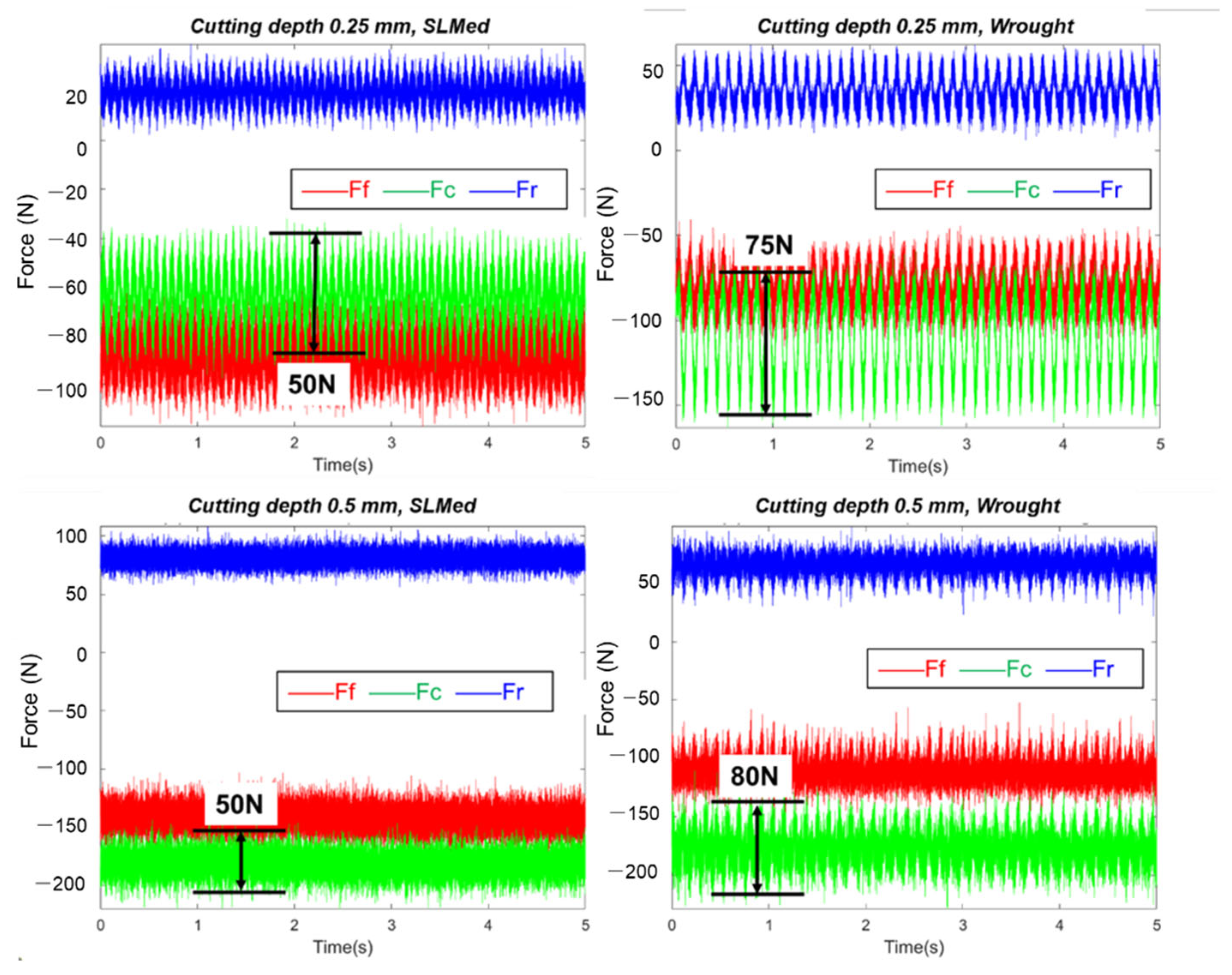
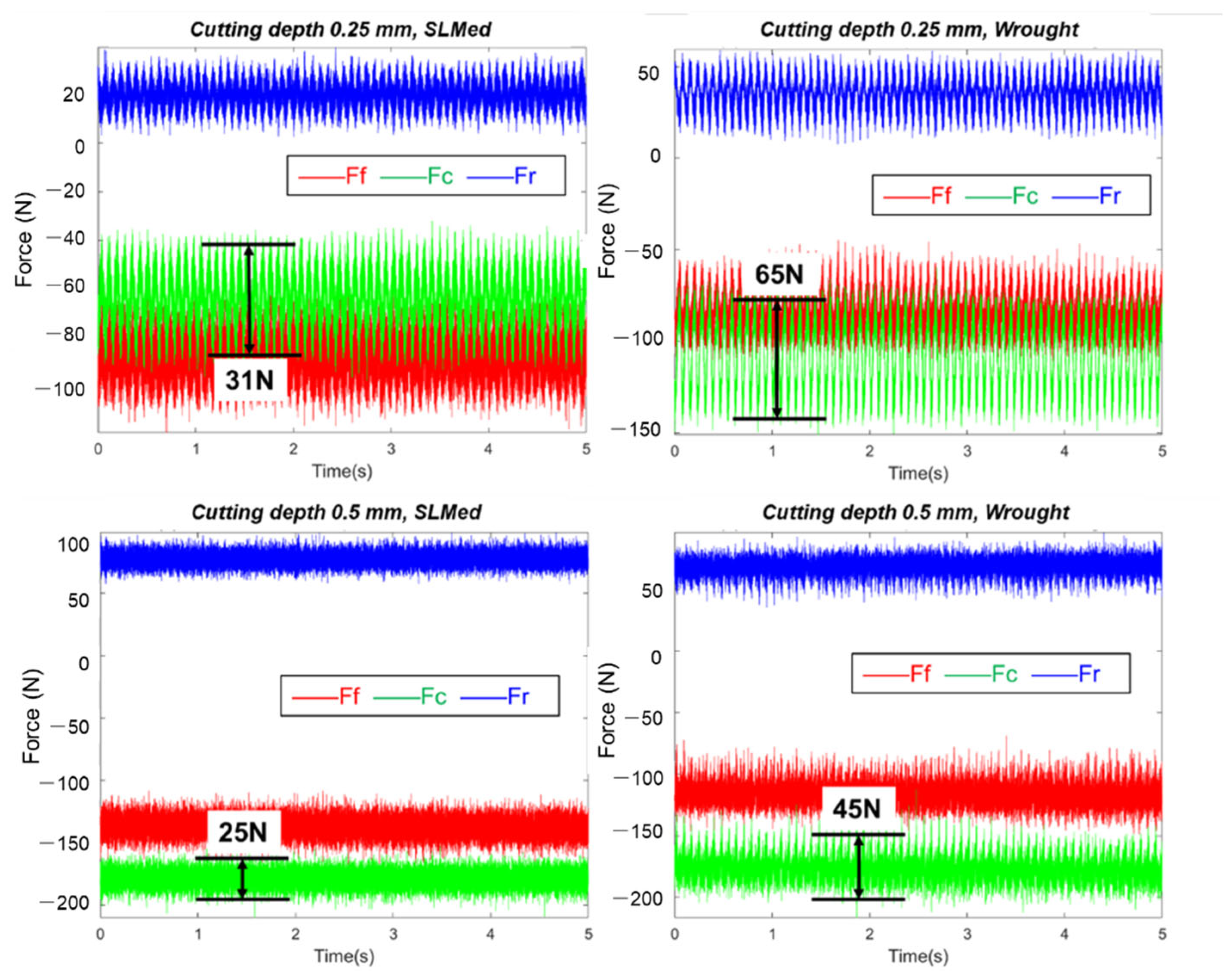
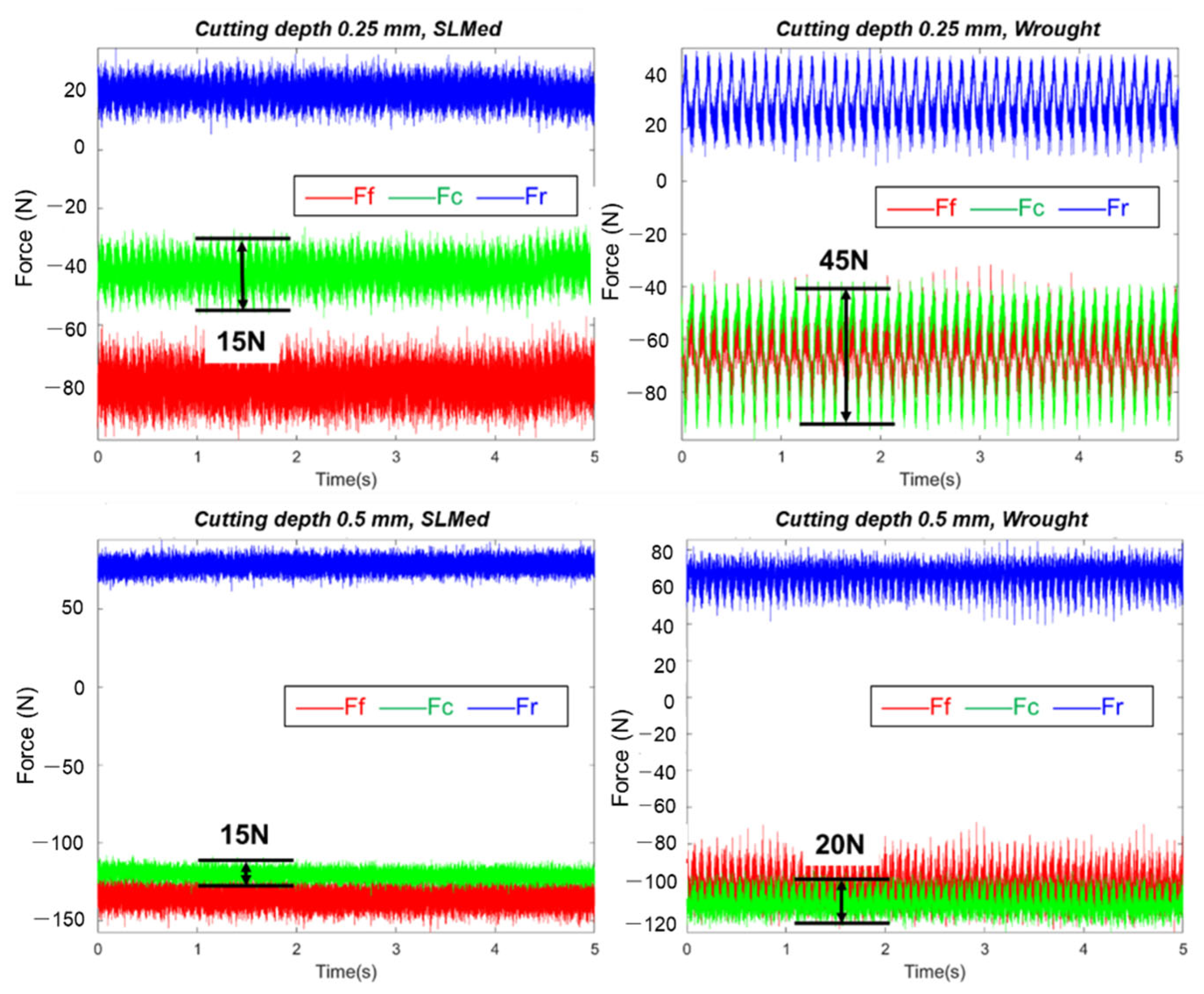
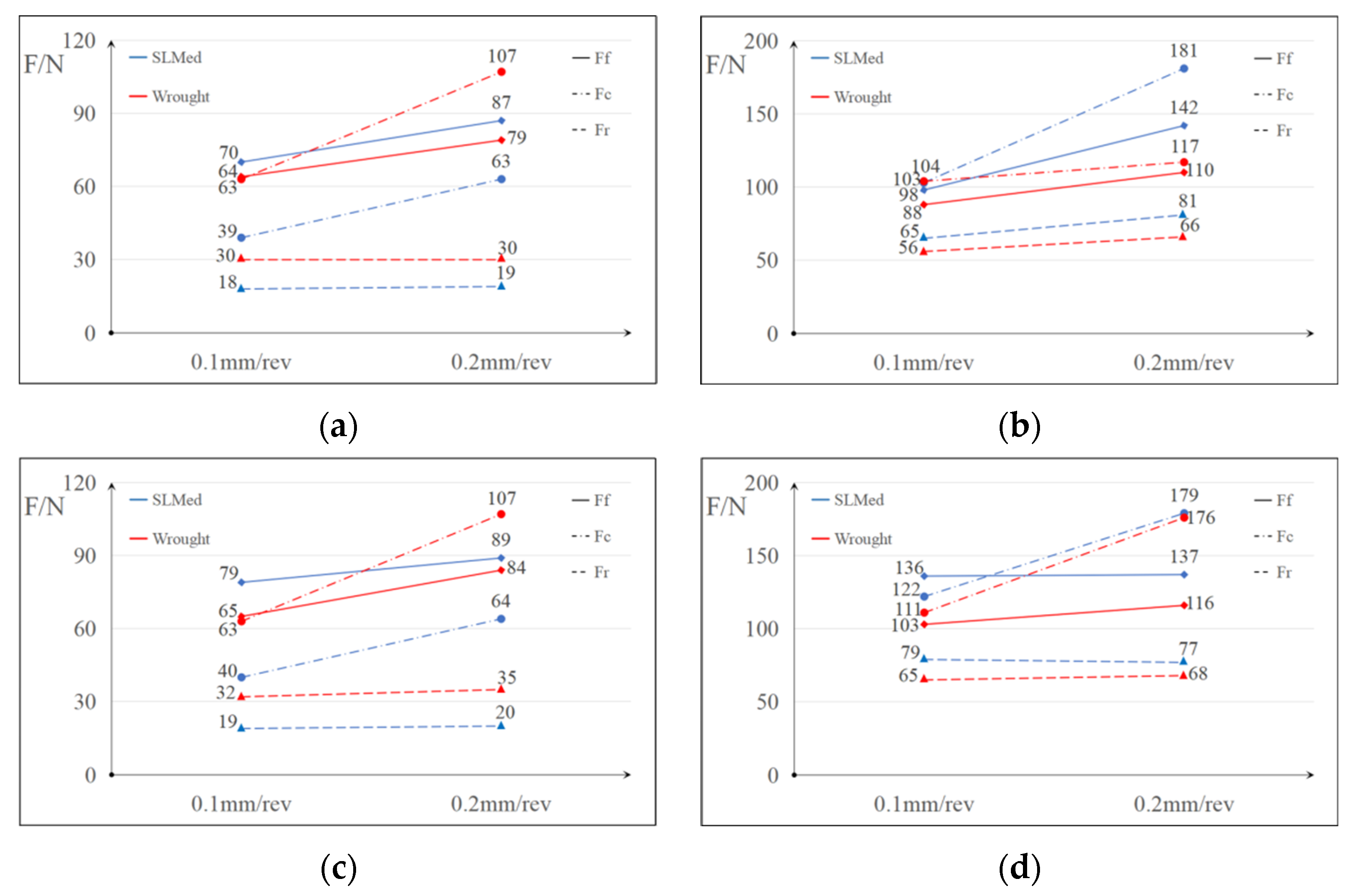
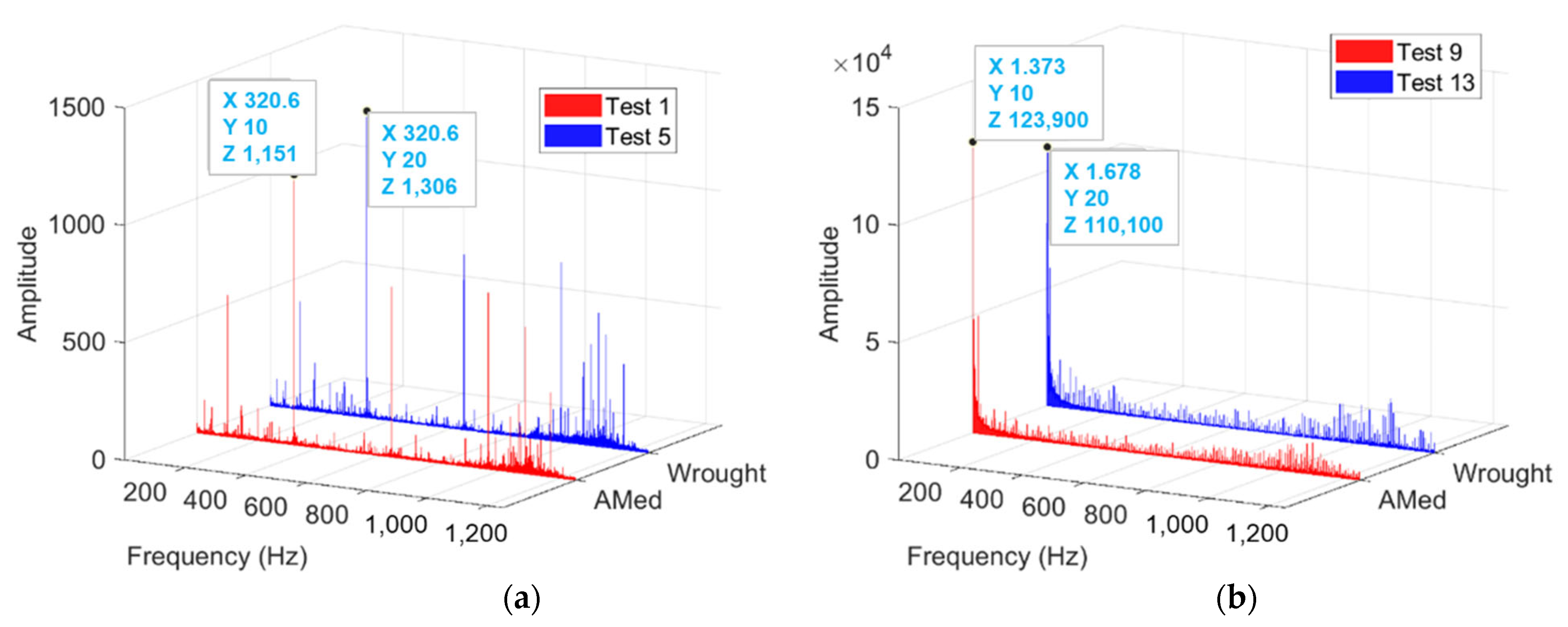
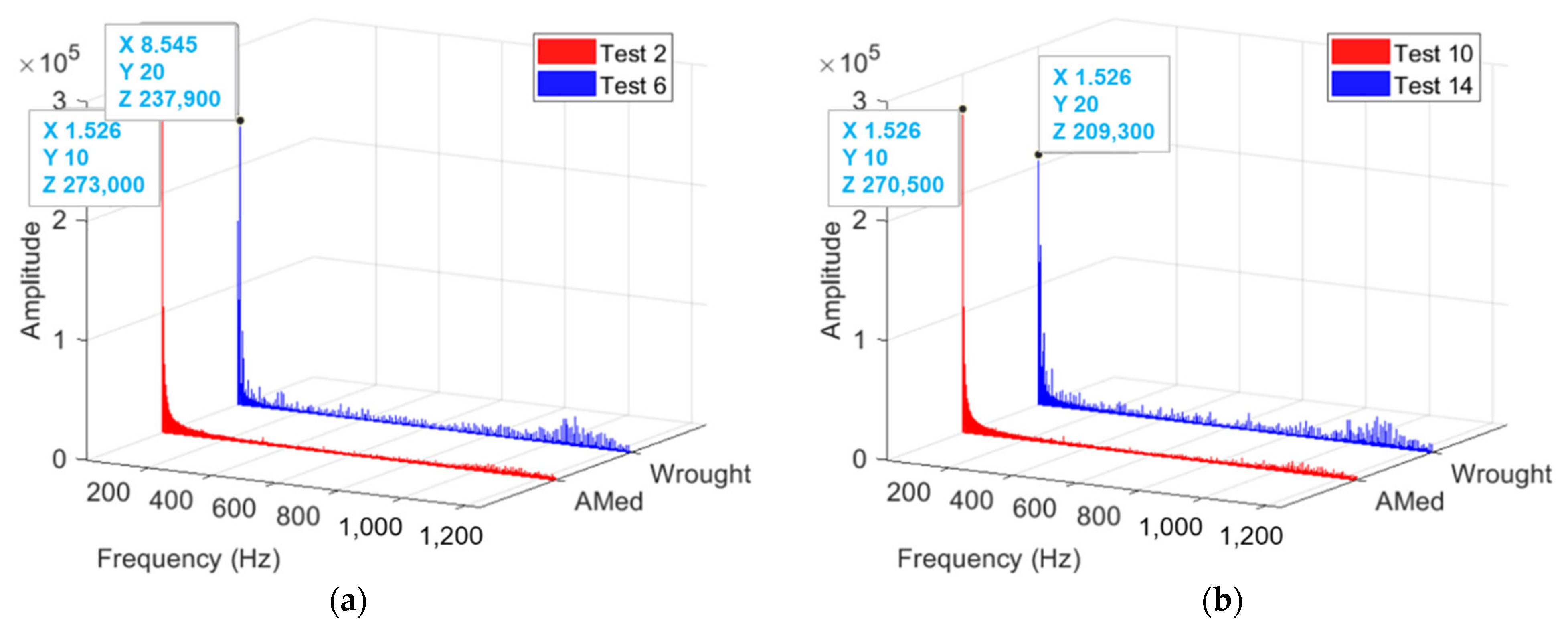
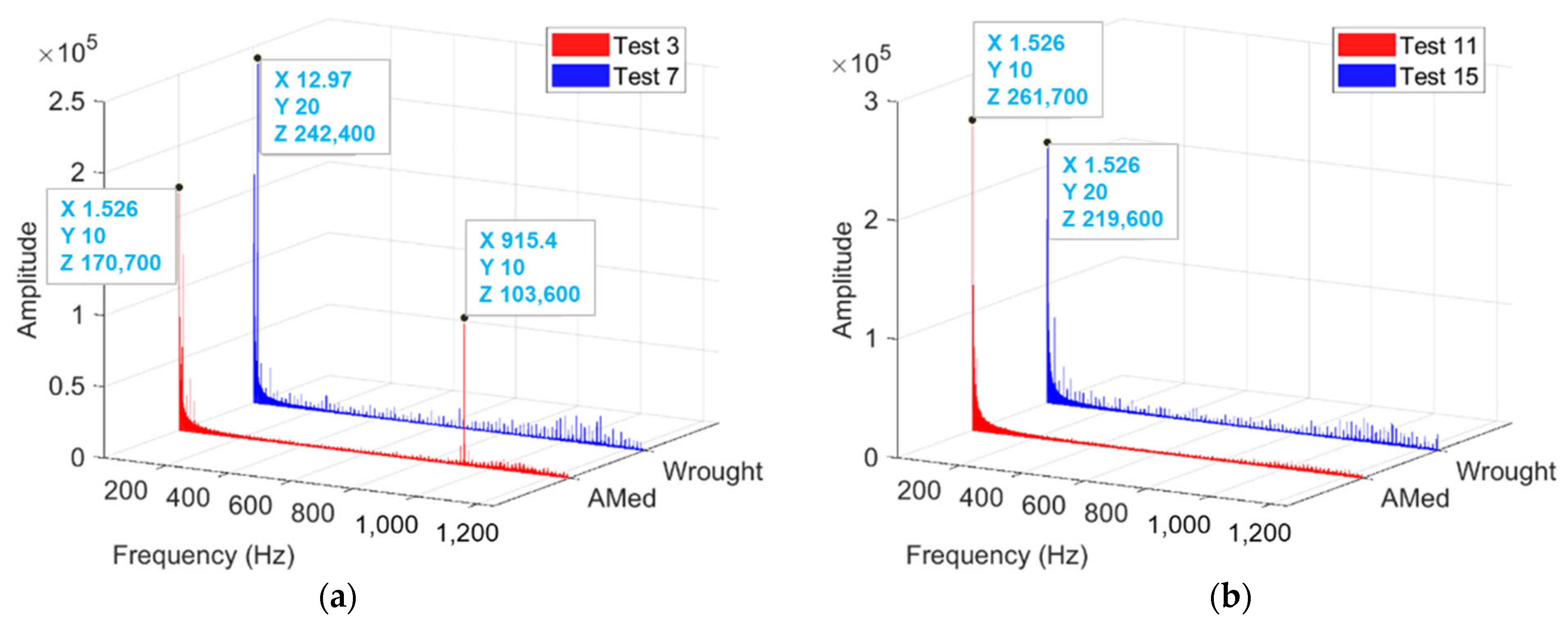
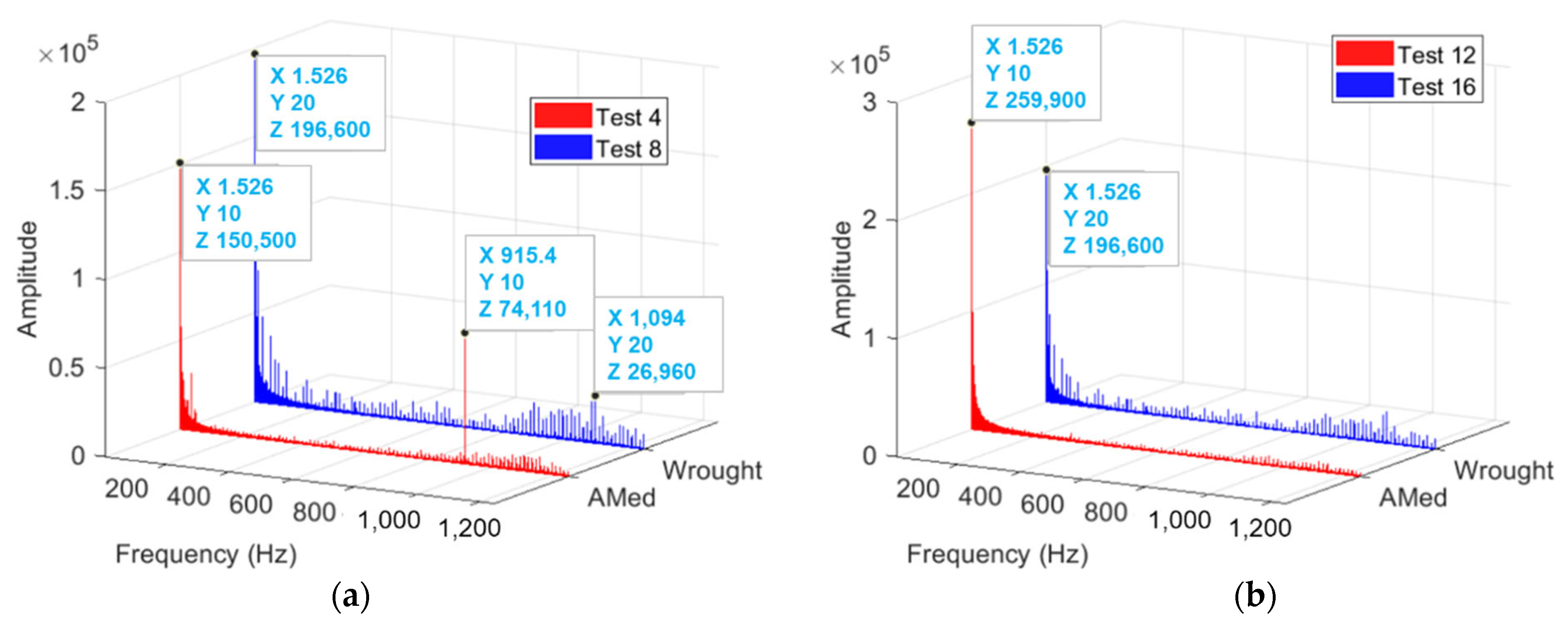
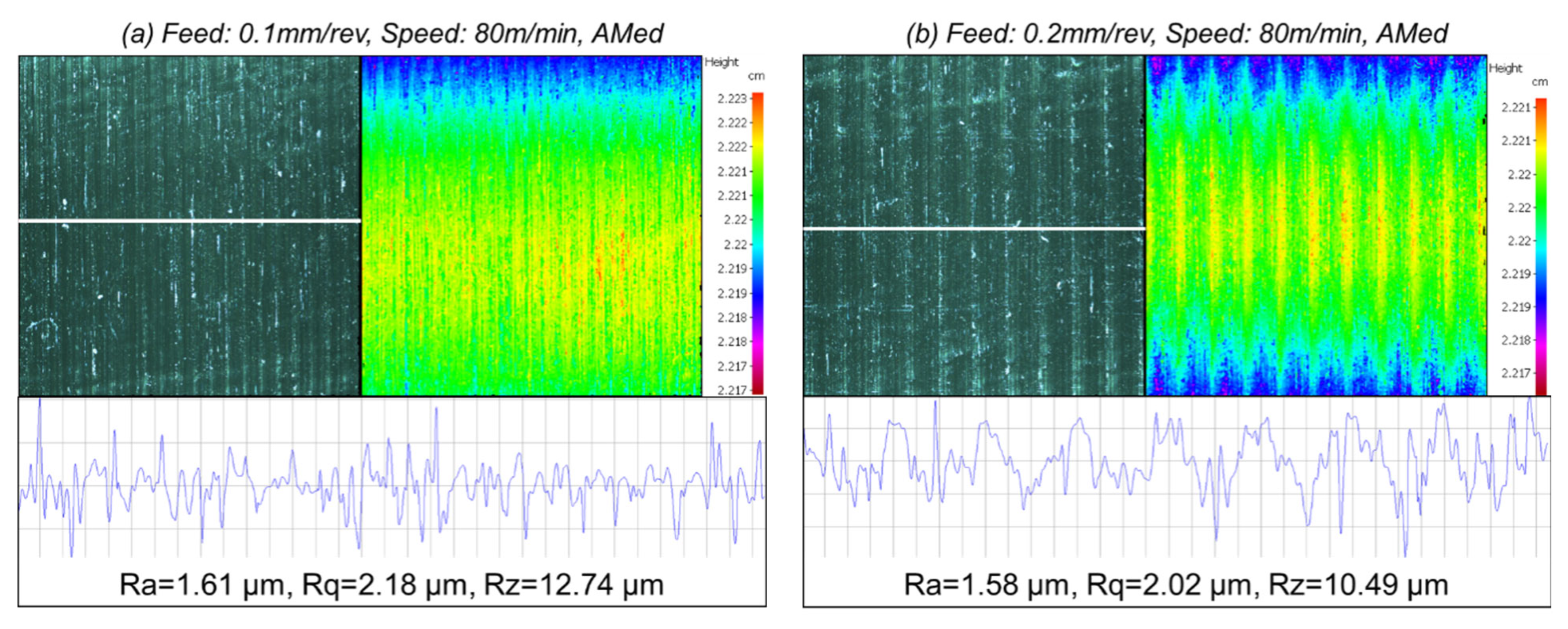
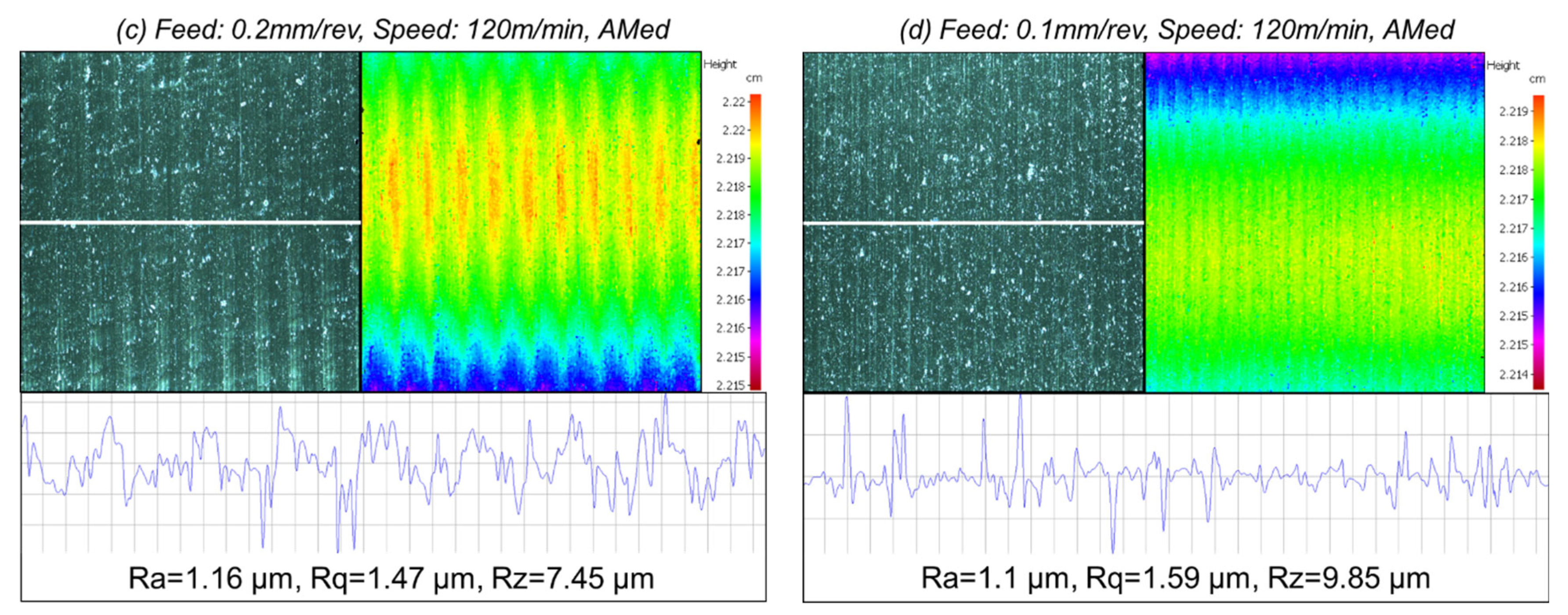
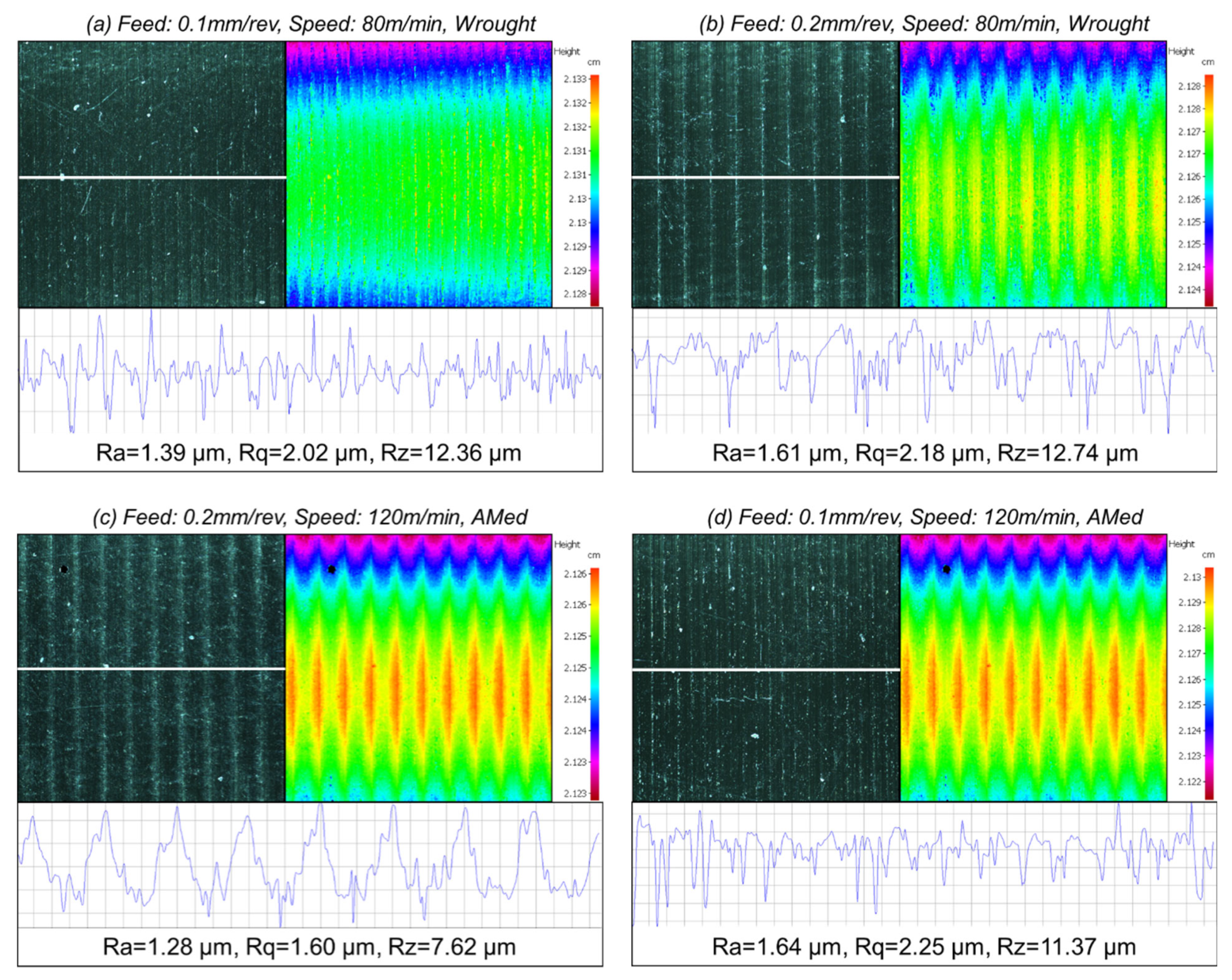
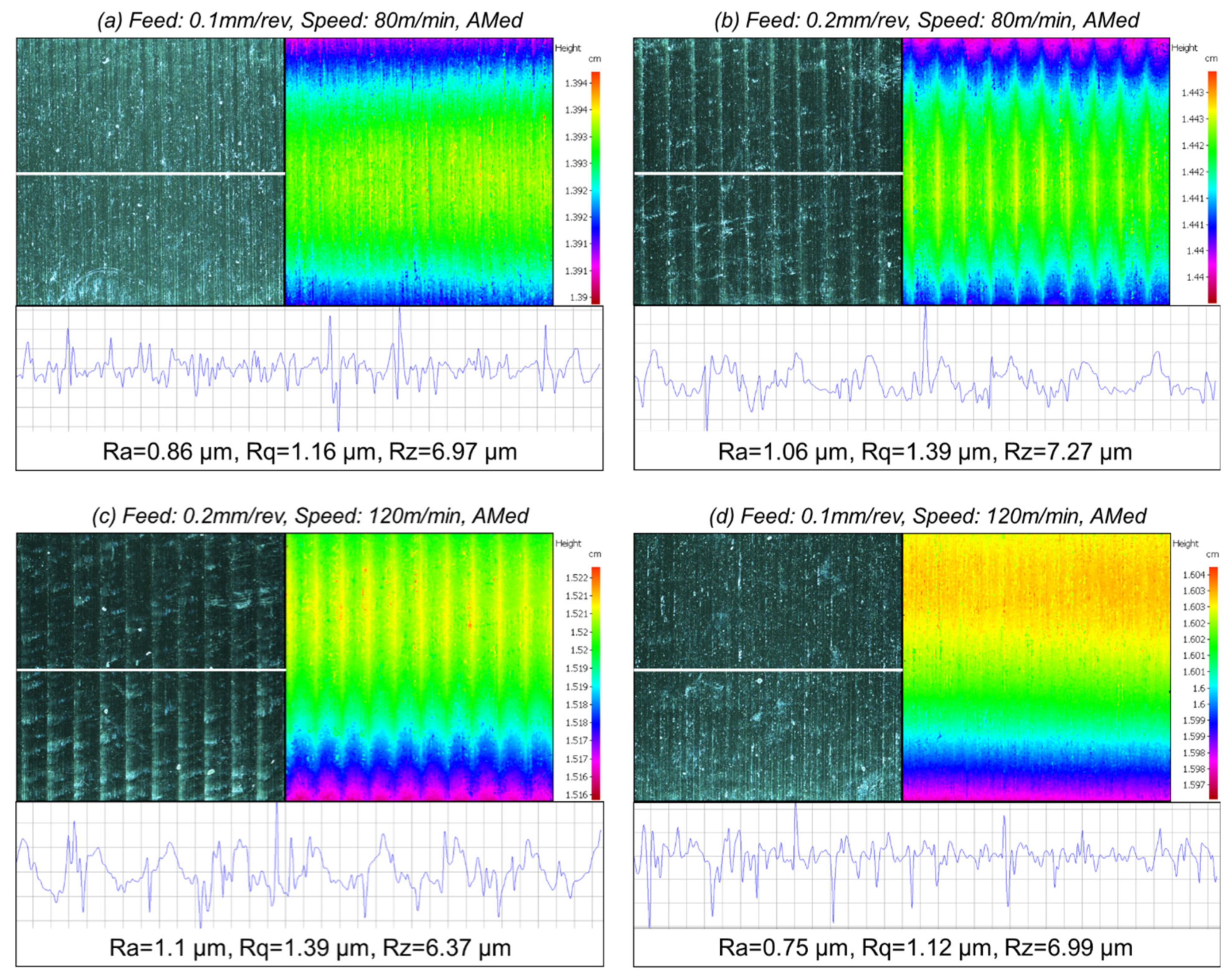
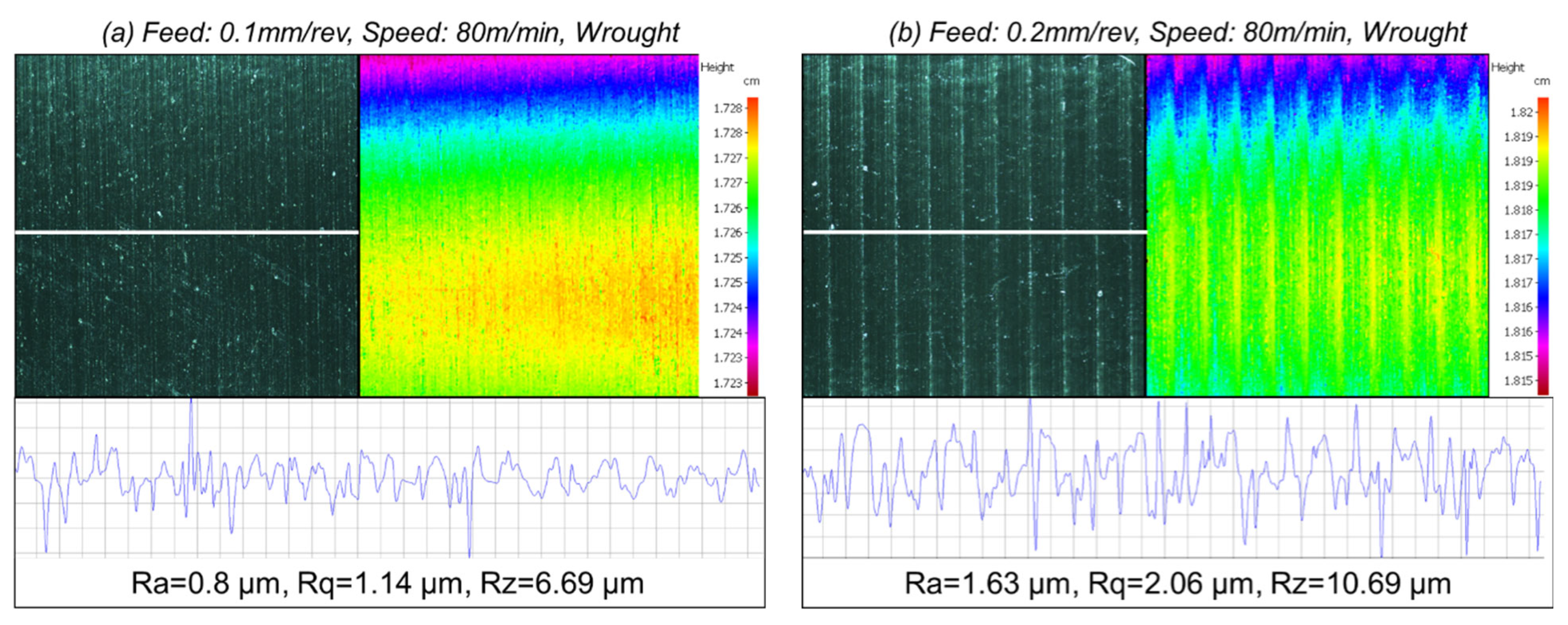
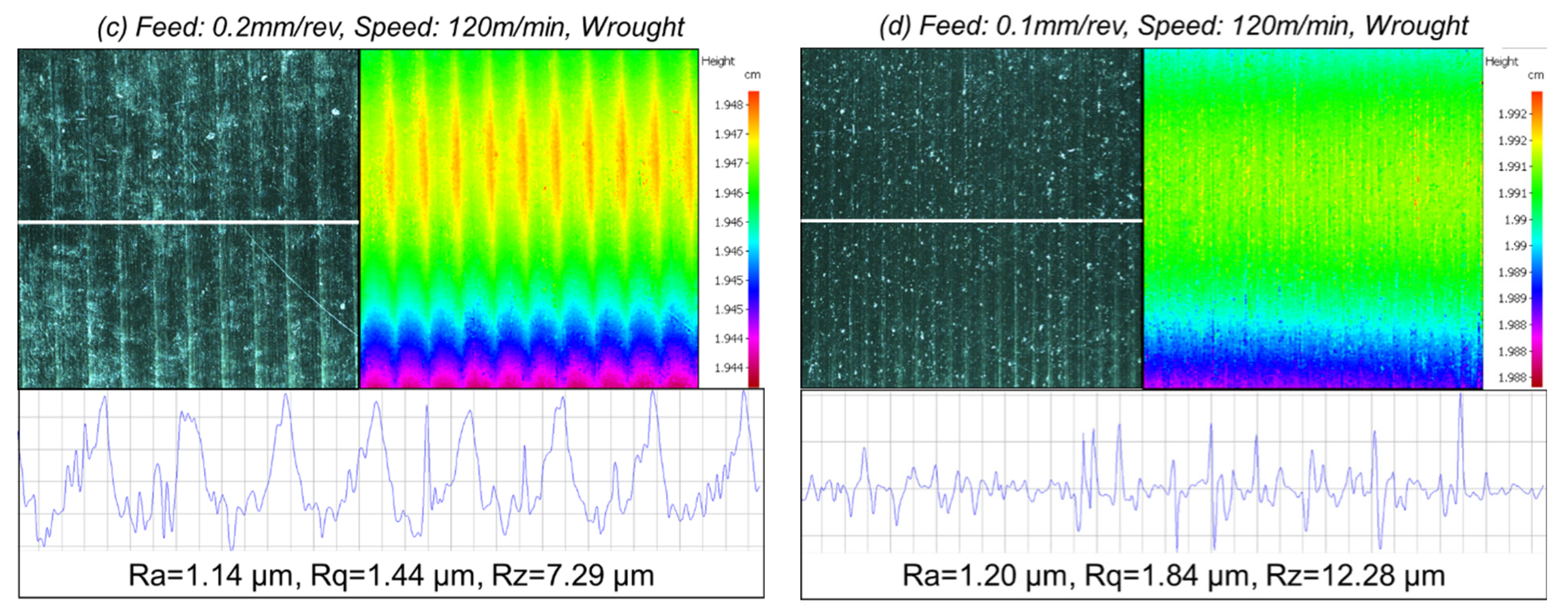
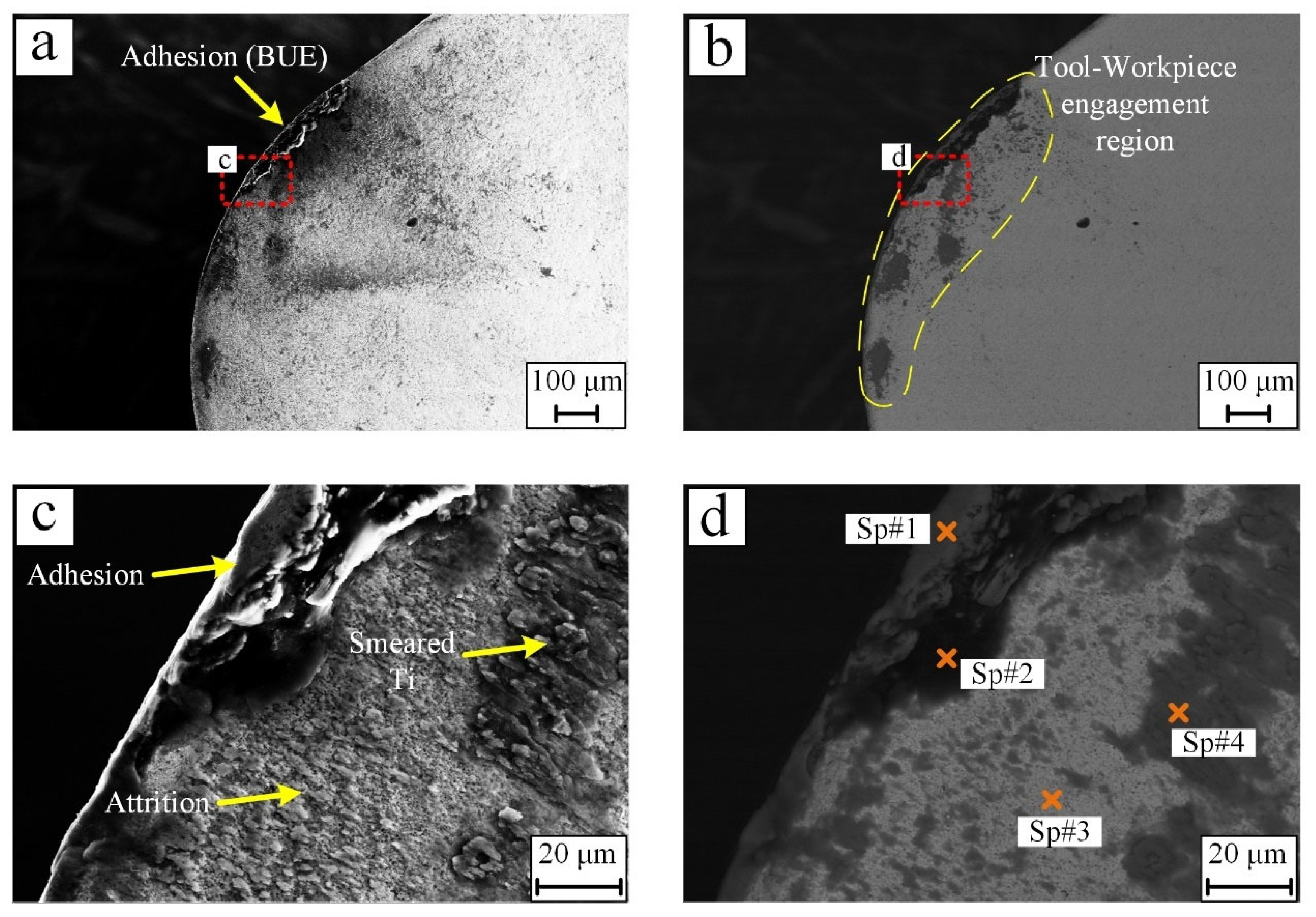
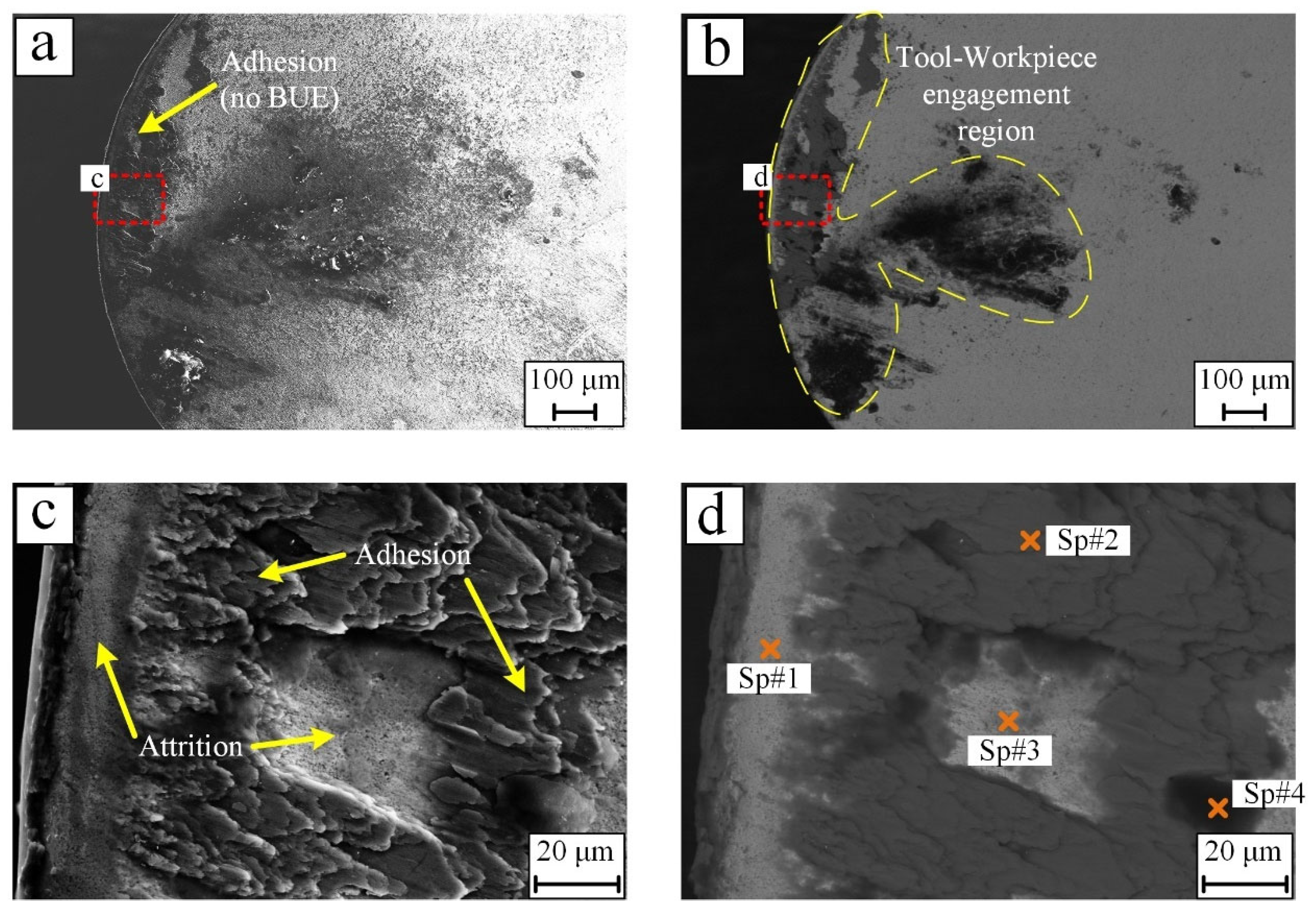
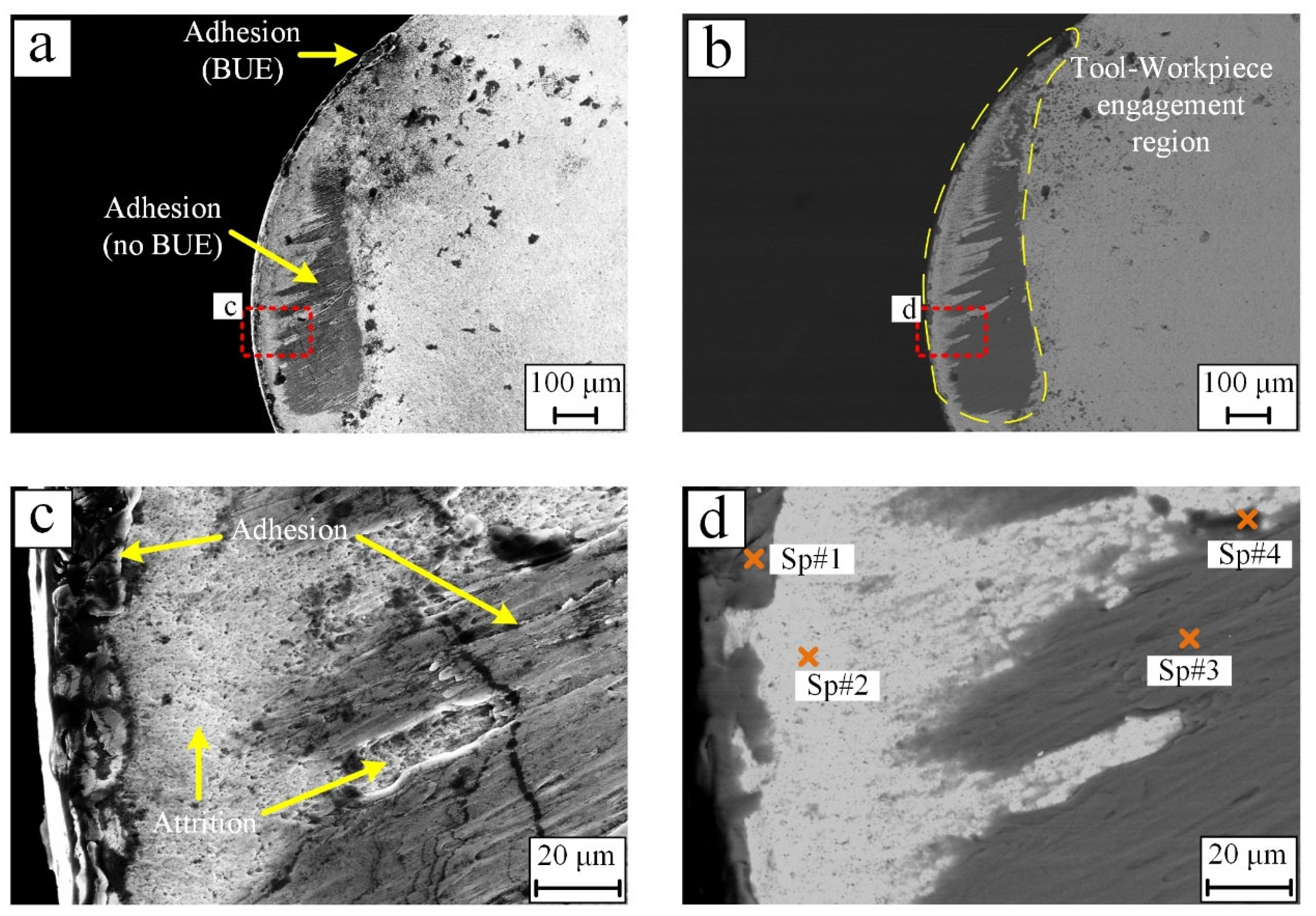
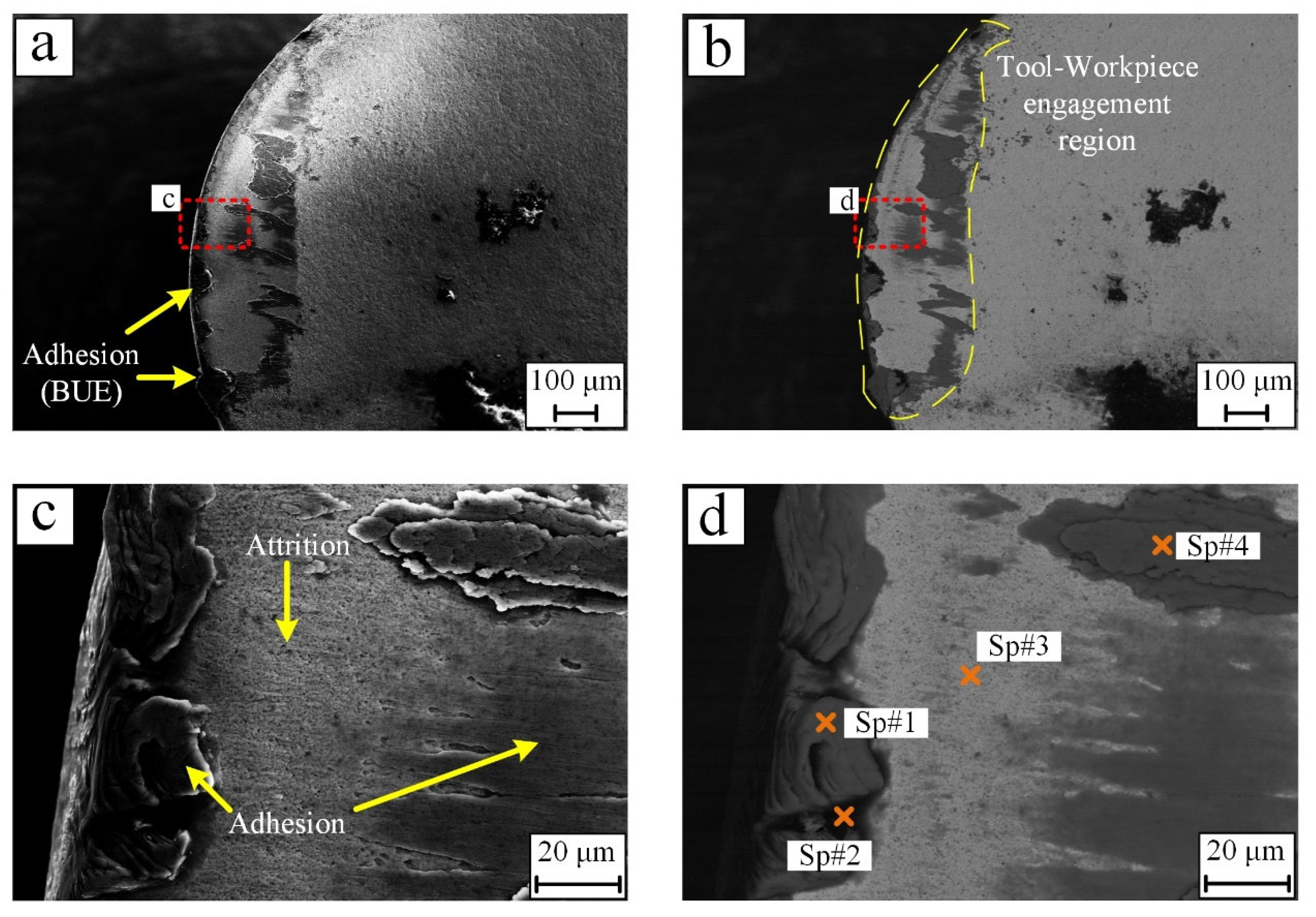
With the advent of additive manufacturing as an advanced technology for the fabrication of titanium components, there is a pressing need to investigate the machinability of parts produced using these techniques compared to components made with conventional wrought methodologies. The motivation for this study was to investigate the influences of machining parameters, especially cutting depth, on the machinability of selective laser melted (SLMed) Ti6Al4V tubes, by analyzing the cutting responses, including cutting forces, machined surface roughness and tool wear at varying cutting parameters. Generally, it can be inferred that specific cutting tools used to machine wrought titanium components can also be used for SLMed parts when carrying out finish-machining operations. Cutting forces in the machining of SLMed workpieces could be up to 70% higher than those in machining the wrought counterparts. In contrast, the tool-wear analysis correspondingly showed larger tool-workpiece engagement area on the tool rake face for tools used for machining wrought parts. Adhesion on the cutting edge in the form of built-up edge and attrition of the tool surface were found to be the two most dominant tool-wear mechanisms, and the oxidation condition of the tool surface in machining SLMed parts was more severe (about 8% and 21%). Vibration analysis was also carried out, but no significant difference between the SLMed and wrought workpieces was observed, and the quality of the machined surface was similar.
Keywords: machining; turning; titanium; Ti6Al4V; SLM; cutting forces; vibration; tool wear machining; turning; titanium; Ti6Al4V; SLM; cutting forces; vibration; tool wear