Article

Study on the Dissolution and Precipitation Behavior of Self-Designed (NbTi)C Nanoparticles Addition in 1045 Steel

1
College of Physics & Electronic Science, Shanxi Datong University, Datong 037009, Shanxi, China
2
Key Lab of Metastable Materials Science & Technology and College of Materials Science & Engineering, Yanshan University, Qinhuangdao 066004, Hebei, China
*
Authors to whom correspondence should be addressed.
Metals 2021, 11(2), 184; https://doi.org/10.3390/met11020184
Submission received: 13 December 2020 / Revised: 14 January 2021 / Accepted: 15 January 2021 / Published: 20 January 2021
(This article belongs to the Special Issue Advances in Production and Refining of Metals)

Abstract

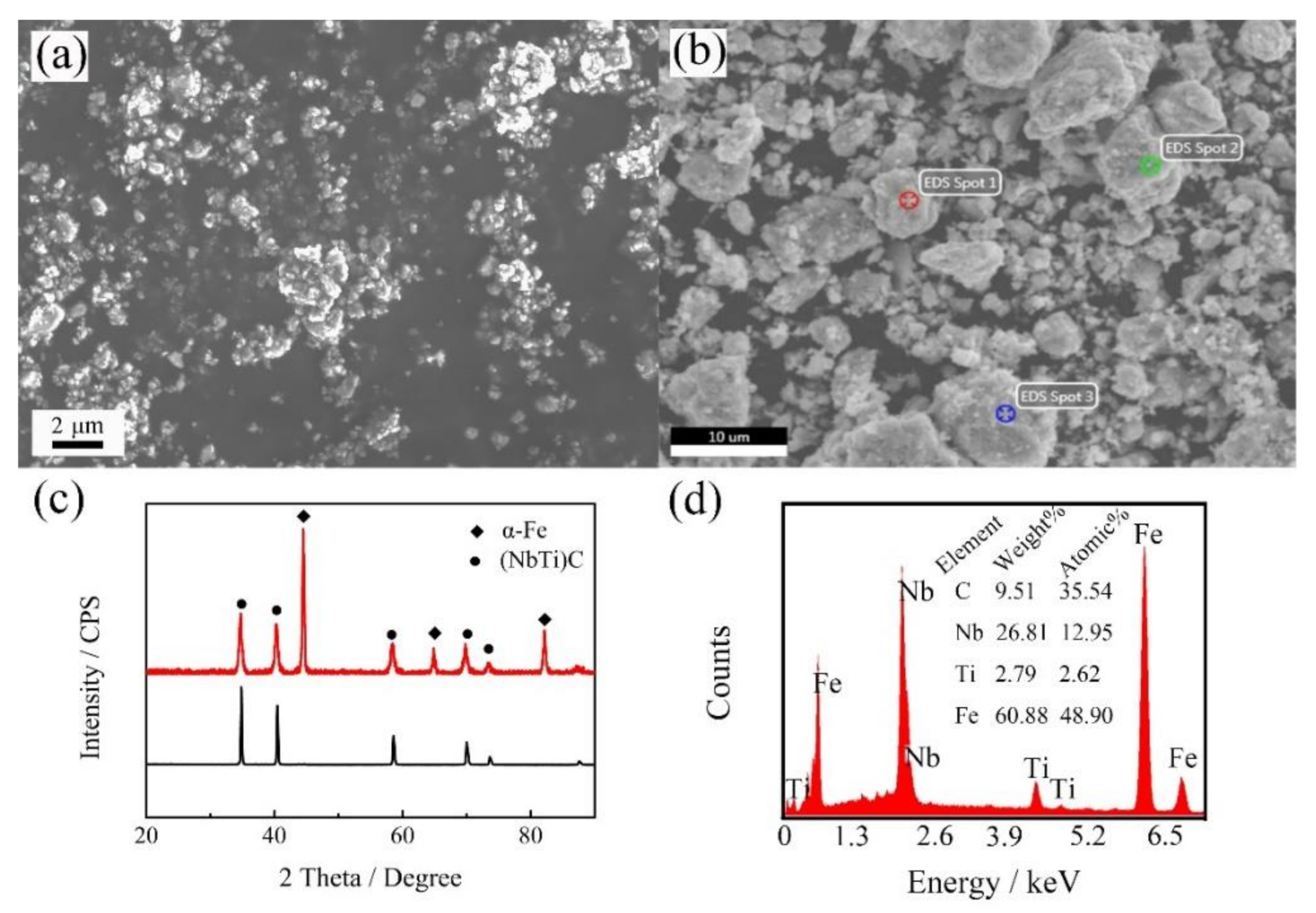
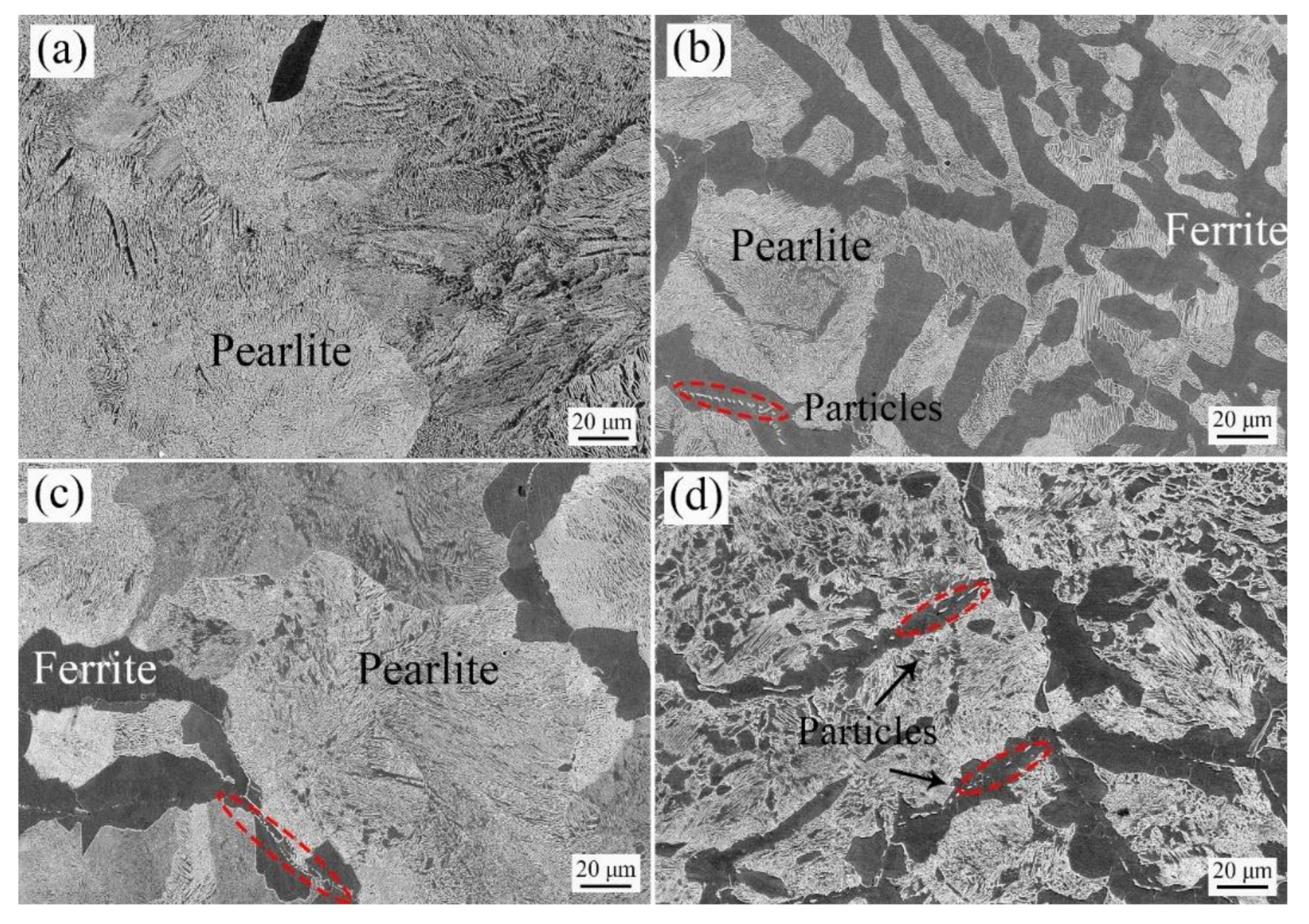
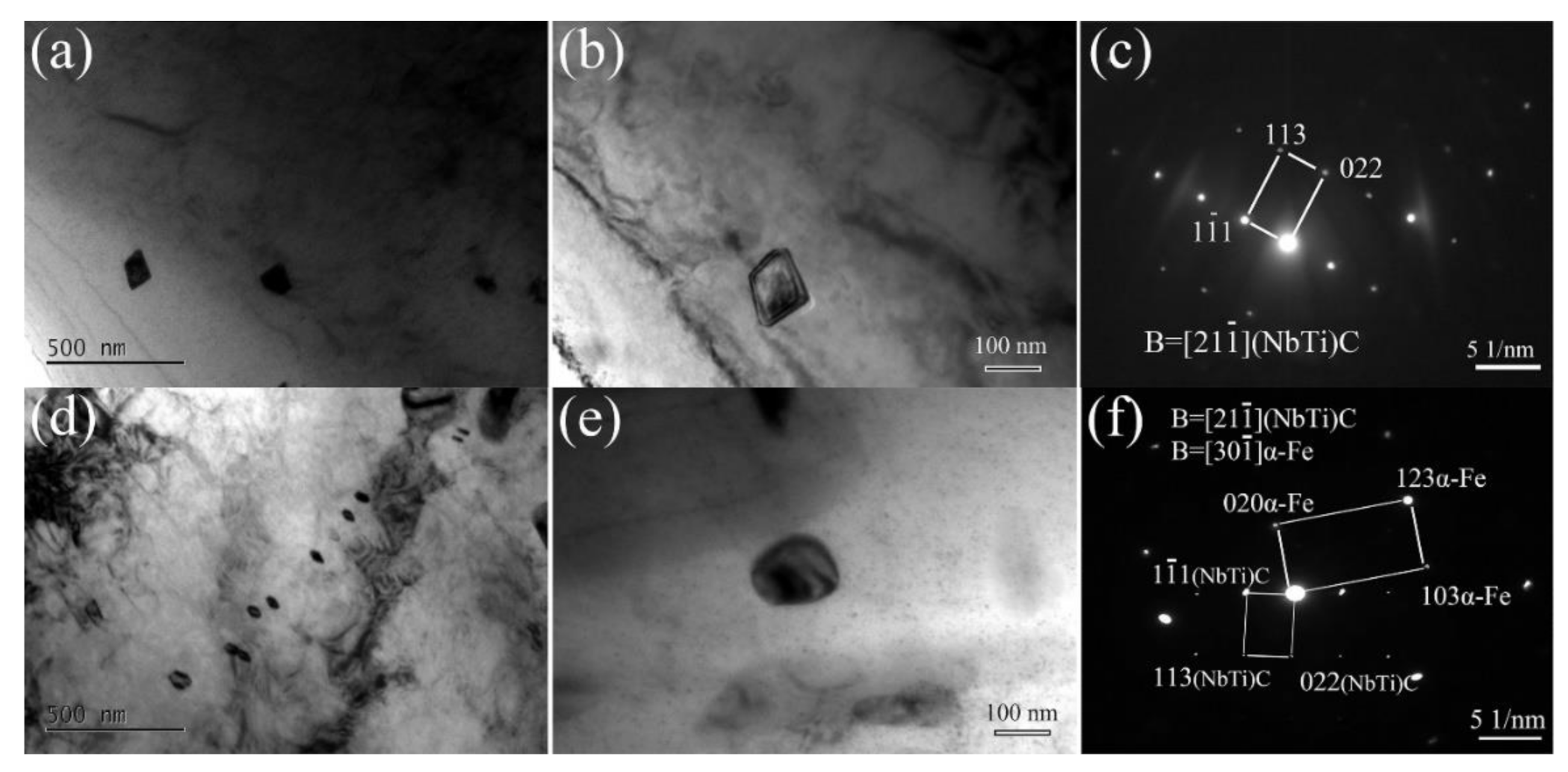
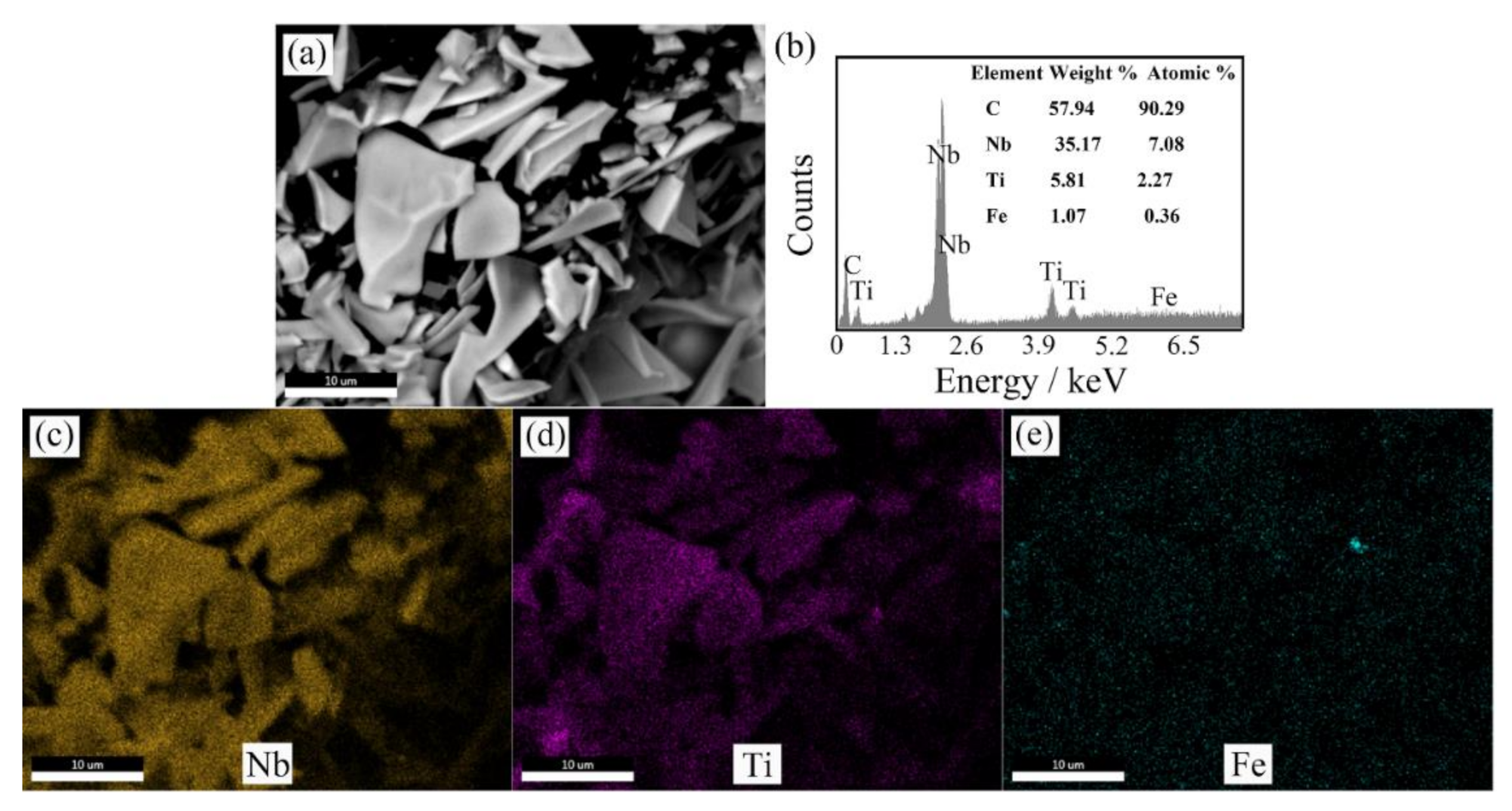
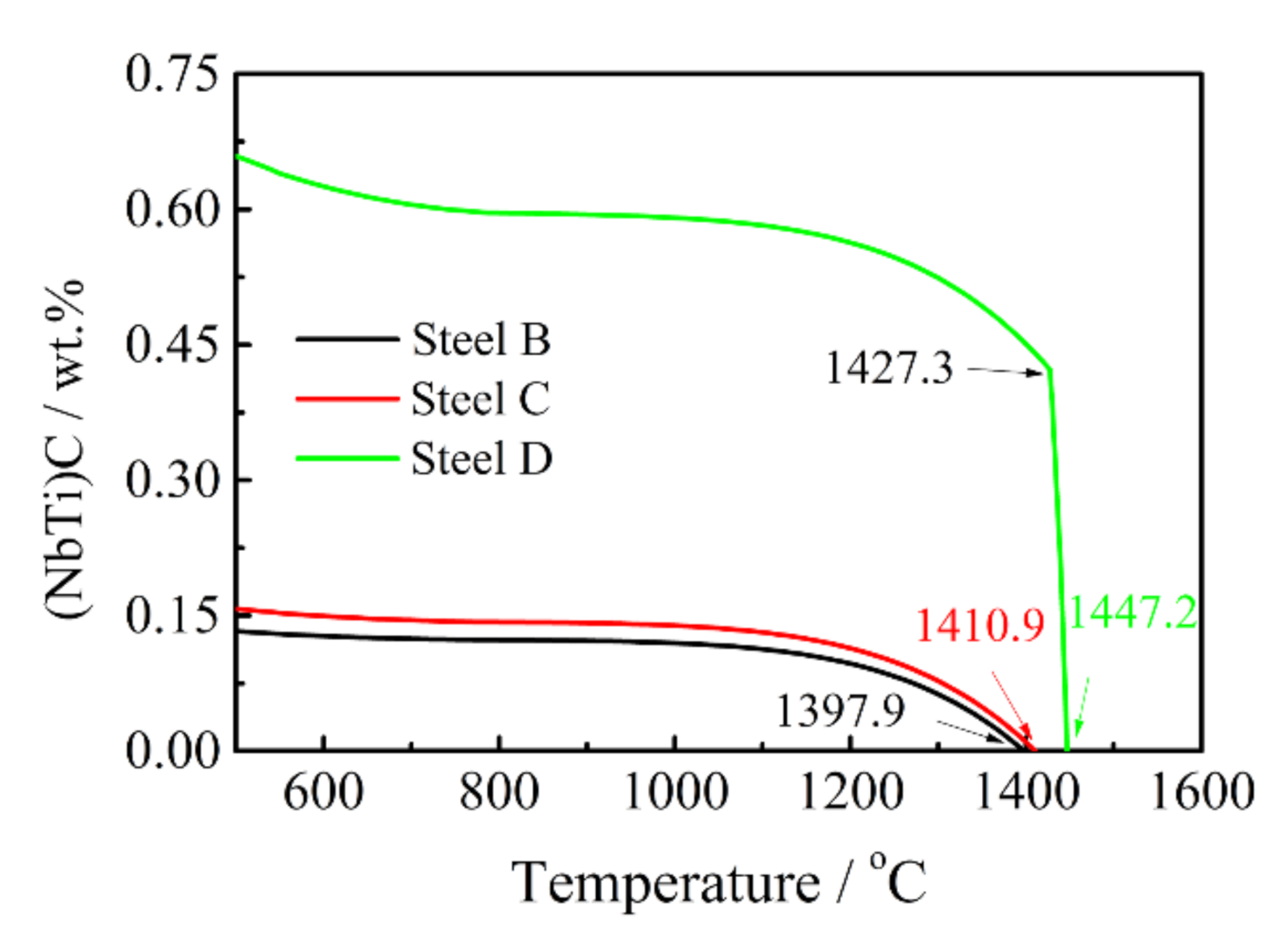
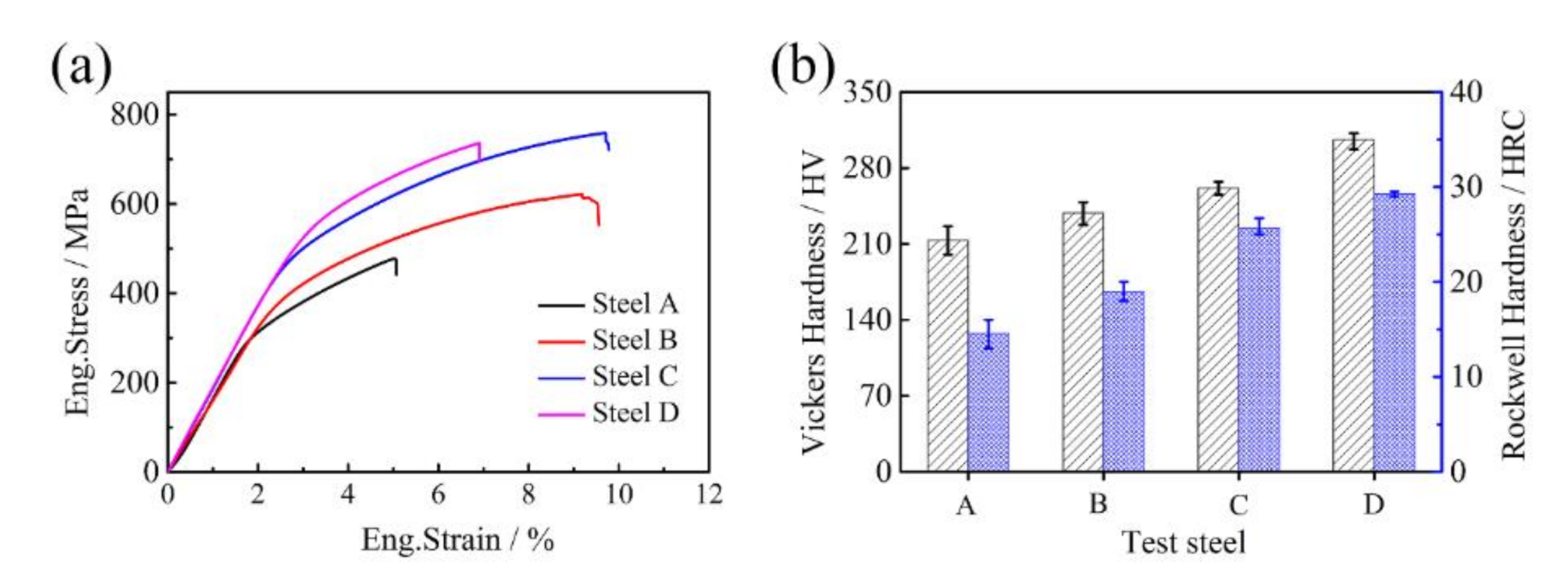
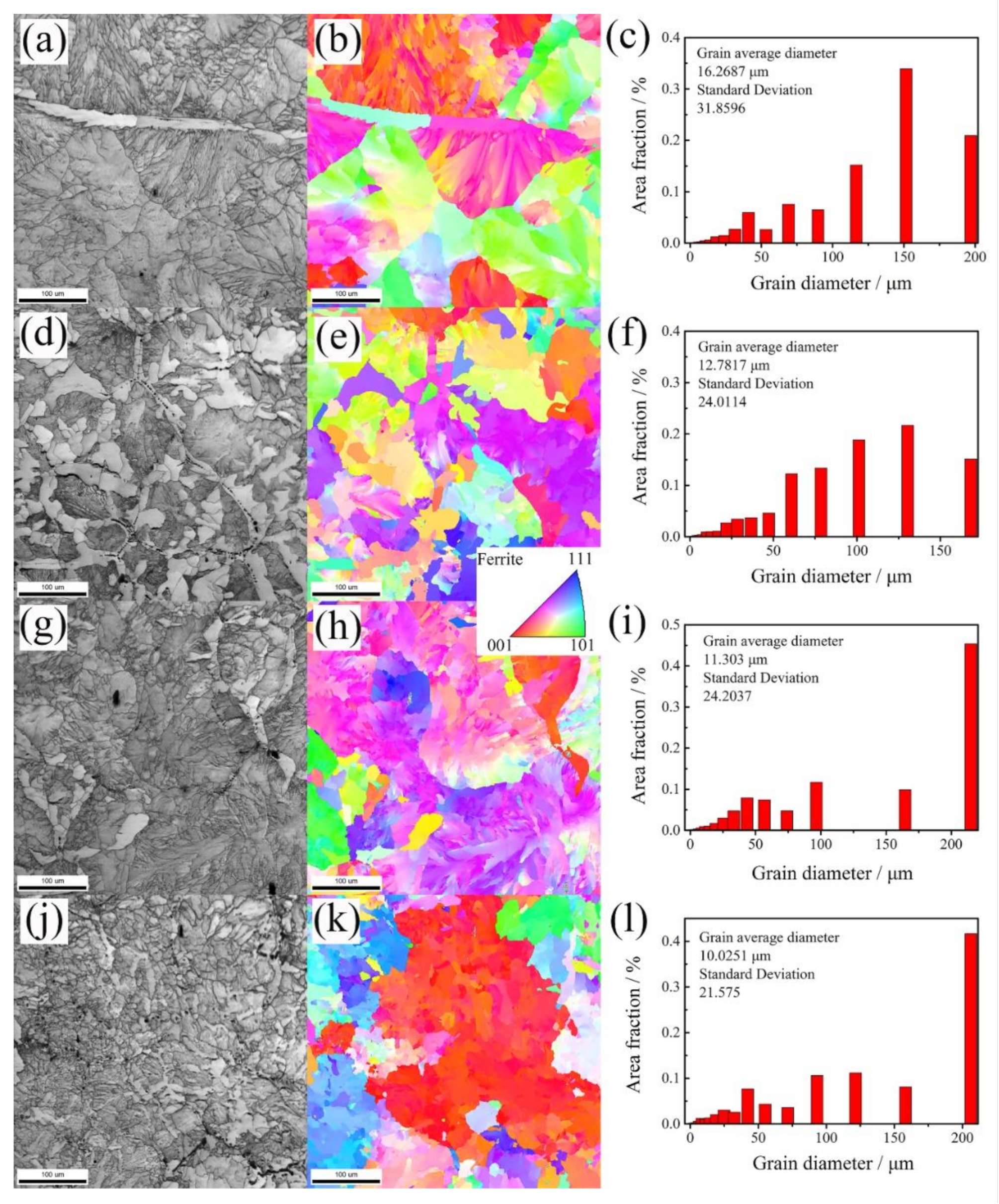
Self-designed (NbTi)C nanoparticles were obtained by mechanical alloying, predispersed in Fe powder, and then added to 1045 steel to obtain modified cast steels. The microstructure of cast steels was investigated by an optical microscope, scanning electron microscope, X-ray diffraction, and a transmission electron microscope. The results showed that (NbTi)C particles can be added to steels and occur in the following forms: original ellipsoidal morphology nanoparticles with uniform dispersion in the matrix, cuboidal nanoparticles in the grain, and microparticles in the grain boundary. Calculations by Thermo-Calc software and solubility formula show that cuboidal (NbTi)C nanoparticles were precipitated in the grain, while the (NbTi)C microparticles were formed by eutectic transformation. The results of the tensile strength of steels show that the strength of modified steels increased and then declined with the increase in the addition amount. When the addition amount was 0.16 wt.%, the modified steel obtained the maximum tensile strength of 759.0 MPa, which is an increase of 52% compared with to that with no addition. The hardness of the modified steel increased with the addition of (NbTi)C nanoparticles. The performance increase was mainly related to grain refinement and the particle strengthening of (NbTi)C nanoparticles, and the performance degradation was related to the increase in eutectic (NbTi)C.
Keywords: (NbTi)C nanoparticles; microstructure; hardness; strength (NbTi)C nanoparticles; microstructure; hardness; strength