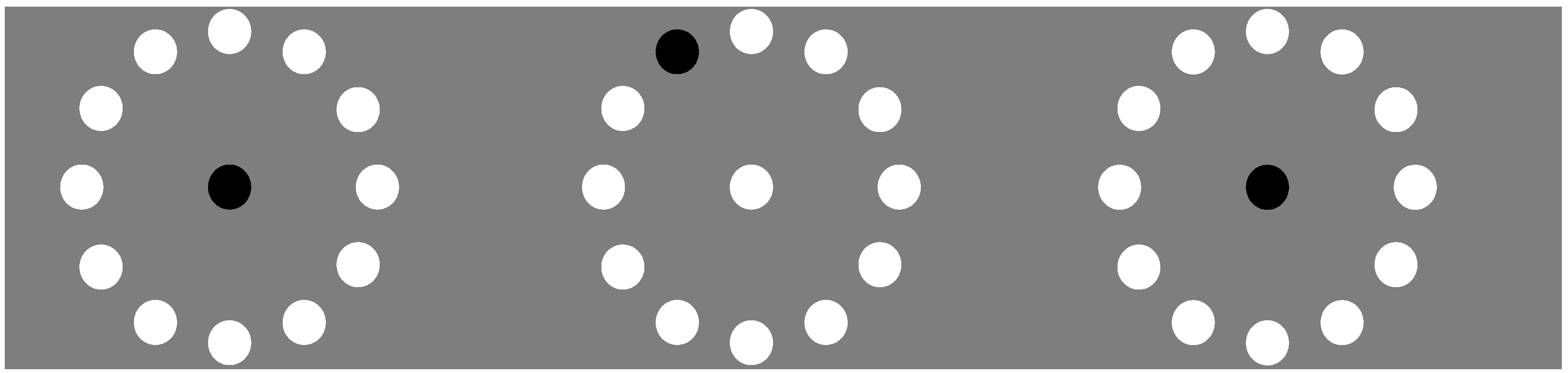


Preliminary Evaluation of the Circle Sequencing Task (CST) as a Cognitive–Motor Tool for Concussion Assessment

 , and
, and
Abstract
1. Introduction
2. Materials and Methods
2.1. Participants
2.2. Procedure
2.3. Measures
2.4. Data Processing
2.5. Data Analysis
3. Results
4. Discussion
5. Conclusions
Author Contributions
Funding
Institutional Review Board Statement
Informed Consent Statement
Data Availability Statement
Conflicts of Interest
Abbreviations
| CMI | Cognitive Motor Integration |
| CST | Circle Sequencing Task |
| DS | Digit Span |
| GNG | Go/No Go |
| HCs | Healthy Controls |
| ImPACT | Immediate Post-Concussion Assessment and Cognitive Testing |
| mTBI | mild traumatic brain injury |
| MS | Memory Score |
| PL | Path Length |
| PV | Peak Velocity |
| REST | Research Engagement Survey Tool |
| RT | Reaction Time |
| SCAT | Sport Concussion Assessment Tool |
| SPSS | Statistical Package for the Social Sciences |
| SRT | Simple Reaction Time |
| TBI | Traumatic Brain Injury |
| TMT | Trail Making Task |
| TTC | Time to Complete |
| TTS | Time to Stop |
References
- Yue, J.K.; Phelps, R.R.L.; Chandra, A.; Winkler, E.A.; Manley, G.T.; Berger, M.S. Sideline concussion assessment: The current state of the art. In Neurosurgery; Oxford University Press: Oxford, UK, 2020; Volume 87, pp. 466–475. [Google Scholar] [CrossRef] [PubMed]
- Broglio, S.P.; Vagnozzi, R.; Sabin, M.; Signoretti, S.; Tavazzi, B.; Lazzarino, G. Concussion occurrence and knowledge in Italian football (soccer). J. Sports Sci. Med. 2010, 9, 418–430. Available online: https://www.ncbi.nlm.nih.gov/pmc/articles/PMC3761699/ (accessed on 2 April 2026). [PubMed]
- Fraas, M.R.; Coughlan, G.F.; Hart, E.C.; McCarthy, C. Concussion history and reporting rates in elite Irish rugby union players. Phys. Ther. Sport 2014, 15, 136–142. [Google Scholar] [CrossRef] [PubMed]
- Delaney, J.S.; Caron, J.G.; Correa, J.A.; Bloom, G.A. Why Professional Football Players Chose Not to Reveal Their Concussion Symptoms During a Practice or Game. Clin. J. Sport Med. 2018, 28, 1–12. [Google Scholar] [CrossRef] [PubMed]
- Echemendia, R.J.; Brett, B.L.; Broglio, S.; Davis, G.A.; Giza, C.C.; Guskiewicz, K.M.; Harmon, K.G.; Herring, S.; Howell, D.R.; Master, C.L.; et al. Introducing the Sport Concussion Assessment Tool 6 (SCAT6). Br. J. Sports Med. 2023, 57, 619–621. [Google Scholar] [CrossRef] [PubMed]
- Elbin, R.J.; Fazio-Sumrok, V.; Anderson, M.N.; D’Amico, N.R.; Said, A.; Grossel, A.; Schatz, P.; Lipinski, D.; Womble, M. Evaluating the suitability of the Immediate Post-Concussion Assessment and Cognitive Testing (ImPACT) computerized neurocognitive battery for short-term, serial assessment of neurocognitive functioning. J. Clin. Neurosci. 2019, 62, 138–141. [Google Scholar] [CrossRef] [PubMed]
- Westerman, R.; Darby, D.; Maruff, P.; Collie, A. Computer-assisted cognitive function assessment of pilots. Aust. Def. Force Health 2001, 2, 29–36. [Google Scholar]
- Alsalaheen, B.; Stockdale, K.; Pechumer, D.; Broglio, S.P. Measurement Error in the Immediate Postconcussion Assessment and Cognitive Testing (ImPACT): Systematic Review. J. Head Trauma Rehabil. 2016, 31, 242–251. [Google Scholar] [CrossRef] [PubMed]
- Alsalaheen, B.; Stockdale, K.; Pechumer, D.; Broglio, S.P. Validity of the Immediate Post Concussion Assessment and Cognitive Testing (ImPACT). Sports Med. 2016, 46, 1487–1501. [Google Scholar] [CrossRef] [PubMed]
- Doan, B.K.; Heaton, K.J.; Self, B.P.; Butler Samuels, M.A.; Adam, G.E. Quantifying head impacts and neurocognitive performance in collegiate boxers. J. Sports Sci. 2022, 40, 509–517. [Google Scholar] [CrossRef] [PubMed]
- Powell, D.; Stuart, S.; Godfrey, A. Sports related concussion: An emerging era in digital sports technology. npj Digit. Med. 2021, 4, 164. [Google Scholar] [CrossRef] [PubMed]
- Daly, E.; Pearce, A.J.; Finnegan, E.; Cooney, C.; McDonagh, M.; Scully, G.; McCann, M.; Doherty, R.; White, A.; Phelan, S.; et al. An assessment of current concussion identification and diagnosis methods in sports settings: A systematic review. BMC Sports Sci. Med. Rehabil. 2022, 14, 125. [Google Scholar] [CrossRef] [PubMed]
- Farnsworth, J.L.; Dargo, L.; Ragan, B.G.; Kang, M. Reliability of Computerized Neurocognitive Tests for Concussion Assessment: A Meta-Analysis. J. Athl. Train. 2017, 52, 826–833. [Google Scholar] [CrossRef] [PubMed]
- McCrea, M.; Iverson, G.L.; Echemendia, R.J.; Makdissi, M.; Raftery, M. Day of injury assessment of sport-related concussion. Br. J. Sports Med. 2013, 47, 272–284. [Google Scholar] [CrossRef] [PubMed]
- Palmer, J.L.; Baker, R.; Regardsoe, A.; Irwin, G.; Williams, G. Perceptions of concussion management and testing among healthcare professionals in rugby union: A qualitative analysis. BMJ Open Sport Exerc. Med. 2026, 12, e003141. [Google Scholar] [CrossRef] [PubMed]
- Faria, C.d.A.; Alves, H.V.D.; Charchat-Fichman, H. The most frequently used tests for assessing executive functions in aging. Dement. Neuropsychol. 2015, 9, 149–155. [Google Scholar] [CrossRef] [PubMed]
- Harvey, P.D. Clinical applications of neuropsychological assessment. Dialogues Clin. Neurosci. 2012, 14, 91–99. [Google Scholar] [CrossRef] [PubMed]
- Ord, J.S.; Greve, K.W.; Bianchini, K.J.; Aguerrevere, L.E. Executive dysfunction in traumatic brain injury: The effects of injury severity and effort on the Wisconsin Card Sorting Test. J. Clin. Exp. Neuropsychol. 2010, 32, 132–140. [Google Scholar] [CrossRef] [PubMed]
- Woods, D.L.; Wyma, J.M.; Herron, T.J.; Yund, E.W. Computerized Analysis of Verbal Fluency: Normative Data and the Effects of Repeated Testing, Simulated Malingering, and Traumatic Brain Injury. PLoS ONE 2016, 11, e0166439. [Google Scholar] [CrossRef] [PubMed]
- Arciniega, H.; Shires, J.; Furlong, S.; Kilgore-Gomez, A.; Cerreta, A.; Murray, N.G.; Berryhill, M.E. Impaired visual working memory and reduced connectivity in undergraduates with a history of mild traumatic brain injury. Sci. Rep. 2021, 11, 2789. [Google Scholar] [CrossRef] [PubMed]
- Sergio, L.E.; Gorbet, D.J.; Adams, M.S.; Dobney, D.M. The Effects of mild traumatic brain injury on Cognitive-Motor Integration for Skilled Performance [Perspective]. Front. Neurol. 2020, 11, 541630. [Google Scholar] [CrossRef] [PubMed]
- Galetta, K.M.; Brandes, L.E.; Maki, K.; Dziemianowicz, M.S.; Laudano, E.; Allen, M.; Lawler, K.; Sennett, B.; Wiebe, D.; Devick, S.; et al. The King-Devick test and sports-related concussion: Study of a rapid visual screening tool in a collegiate cohort. J. Neurol. Sci. 2011, 309, 34–39. [Google Scholar] [CrossRef] [PubMed]
- Richardson, C.; Atkins, S.; Hurst, H.; Quinn, M.; Sinclair, J. Executive function testing to assist identification of pitch-side concussion in elite rugby players. Lancet 2017, 389, S83. [Google Scholar] [CrossRef][Green Version]
- Scharfen, H.E.; Memmert, D. Measurement of cognitive functions in experts and elite athletes: A meta-analytic review. Appl. Cogn. Psychol. 2019, 33, 843–860. [Google Scholar] [CrossRef]
- Falvey, É.; Tucker, R.; Fuller, G.; Raftery, M. Head injury assessment in rugby union: Clinical judgement guidelines. BMJ Open Sport Exerc. Med. 2021, 7, e000986. [Google Scholar] [CrossRef] [PubMed]
- Ehrsson, H.H.; Fagergren, A.; Jonsson, T.; Westling, G.; Johansson, R.S.; Forssberg, H. Cortical activity in precision-versus power-grip tasks: An fMRI study. J. Neurophysiol. 2000, 83, 528–536. [Google Scholar] [PubMed]
- Prodoehl, J.; Corcos, D.M.; Vaillancourt, D.E. Basal ganglia mechanisms underlying precision grip force control. Neurosci. Biobehav. Rev. 2009, 33, 900–908. [Google Scholar] [CrossRef] [PubMed]
- Kenzie, E.S.; Parks, E.L.; Bigler, E.D.; Wright, D.W.; Lim, M.M.; Chesnutt, J.C.; Hawryluk, G.W.; Gordon, W.; Wakeland, W. The dynamics of concussion: Mapping pathophysiology, persistence, and recovery with causal-loop diagramming. Front. Neurol. 2018, 9, 203. [Google Scholar] [CrossRef] [PubMed]
- Brown, J.A.; Dalecki, M.; Hughes, C.; Macpherson, A.K.; Sergio, L.E. Cognitive-motor integration deficits in young adult athletes following concussion. BMC Sports Sci. Med. Rehabil. 2015, 7, 25. [Google Scholar] [CrossRef] [PubMed]
- Caffey, A.L.; Dalecki, M. Evidence of residual cognitive deficits in young adults with a concussion history from adolescence. Brain Res. 2021, 1768, 147570. [Google Scholar] [CrossRef] [PubMed]
- Dalecki, M.; Albines, D.; Macpherson, A.; Sergio, L.E. Prolonged cognitive–motor impairments in children and adolescents with a history of concussion. Concussion 2016, 1, CNC14. [Google Scholar] [CrossRef] [PubMed]
- Dalecki, M.; Gorbet, D.J.; Macpherson, A.; Sergio, L.E. Sport experience is correlated with complex motor skill recovery in youth following concussion. Eur. J. Sport Sci. 2019, 19, 1257–1266. [Google Scholar] [CrossRef] [PubMed]
- Hurtubise, J.; Gorbet, D.; Hamandi, Y.; Macpherson, A.; Sergio, L. The effect of concussion history on cognitive-motor integration in elite hockey players. Concussion 2016, 1, CNC17. [Google Scholar] [CrossRef] [PubMed]
- Hurtubise, J.; Gorbet, D.; Hughes, C.; Macpherson, A.; Sergio, L. White matter integrity and its relationship to cognitive-motor integration in females with post-concussion syndrome. Br. J. Sports Med. 2017, 51, A37. [Google Scholar] [CrossRef]
- Smeha, N.; Kalkat, R.; Sergio, L.E.; Hynes, L.M. Sex-related differences in visuomotor skill recovery following concussion in working-aged adults. BMC Sports Sci. Med. Rehabil. 2022, 14, 72. [Google Scholar] [CrossRef] [PubMed]
- Echlin, H.V.; Gorbet, D.J.; Sergio, L.E. Assessment of a Cognitive-Motor Training Program in Adults at Risk for Developing Dementia. Can. Geriatr. J. 2020, 23, 190–198. [Google Scholar] [CrossRef] [PubMed]
- Ellis, M.J.; Russell, K. The Potential of Telemedicine to Improve Pediatric Concussion Care in Rural and Remote Communities in Canada [Hypothesis and Theory]. Front. Neurol. 2019, 10, 840. [Google Scholar] [CrossRef] [PubMed]
- Goodman, M.S.; Ackermann, N.; Haskell-Craig, Z.; Jackson, S.; Bowen, D.J.; Sanders Thompson, V.L. Construct validation of the Research Engagement Survey Tool (REST). Res. Involv. Engagem. 2022, 8, 26. [Google Scholar] [CrossRef] [PubMed]
- King, N.S.; Crawford, S.; Wenden, F.J.; Moss, N.E.; Wade, D.T. The Rivermead Post Concussion Symptoms Questionnaire: A measure of symptoms commonly experienced after head injury and its reliability. J. Neurol. 1995, 242, 587–592. [Google Scholar] [CrossRef] [PubMed]
- Curry, L.M.; Ivins, R.G.; Gowen, T.L. Philadelphia Head Injury Questionnaire; Western Psychological Services: Los Angeles, CA, USA, 1991. [Google Scholar]
- Peirce, J.; Gray, J.R.; Simpson, S.; MacAskill, M.; Höchenberger, R.; Sogo, H.; Kastman, E.; Lindeløv, J.K. PsychoPy2: Experiments in behavior made easy. Behav. Res. Methods 2019, 51, 195–203. [Google Scholar] [CrossRef] [PubMed]
- Schatz, P.; Maerlender, A. A Two-Factor Theory for Concussion Assessment Using ImPACT: Memory and Speed. Arch. Clin. Neuropsychol. 2013, 28, 791–797. [Google Scholar] [CrossRef] [PubMed]
- Kontos, A.P.; Reches, A.; Elbin, R.J.; Dickman, D.; Laufer, I.; Geva, A.B.; Shacham, G.; Dewolf, R.; Collins, M.W. Preliminary evidence of reduced brain network activation in patients with post-traumatic migraine following concussion. Brain Imaging Behav. 2016, 10, 594–603. [Google Scholar] [CrossRef] [PubMed]
- Xu, B.; Sandrini, M.; Levy, S.; Volochayev, R.; Awosika, O.; Butman, J.A.; Pham, D.L.; Cohen, L.G. Lasting deficit in inhibitory control with mild traumatic brain injury. Sci. Rep. 2017, 7, 14902. [Google Scholar] [CrossRef] [PubMed]
- Coenen, J.; Henckert, S.; Lausberg, H.; Helmich, I. Post-concussion symptoms and clinical reaction time performance of athletes with a history of concussion. J. Sports Med. Phys. Fit. 2022, 62, 1391–1396. [Google Scholar] [CrossRef] [PubMed]
- Del Rossi, G. Evaluating the Recovery Curve for Clinically Assessed Reaction Time After Concussion. J. Athl. Train. 2017, 52, 766–770. [Google Scholar] [CrossRef] [PubMed]
- Lempke, L.B.; Howell, D.R.; Eckner, J.T.; Lynall, R.C. Examination of Reaction Time Deficits Following Concussion: A Systematic Review and Meta-analysis. Sports Med. 2020, 50, 1341–1359. [Google Scholar] [CrossRef] [PubMed]
- Locklin, J.; Bunn, L.; Roy, E.; Danckert, J. Measuring Deficits in Visually Guided Action Post-Concussion. Sports Med. 2010, 40, 183–187. [Google Scholar] [CrossRef] [PubMed]
- Ashton, J.; Coyles, G.; Malone, J.J.; Roberts, J.W. Immediate effects of an acute bout of repeated soccer heading on cognitive performance. Sci. Med. Footb. 2021, 5, 181–187. [Google Scholar] [CrossRef] [PubMed]
- Kelty-Stephen, D.G.; Qureshi Ahmad, M.; Stirling, L. Use of a tracing task to assess visuomotor performance for evidence of concussion and recuperation. Psychol. Assess. 2015, 27, 1379–1387. [Google Scholar] [CrossRef] [PubMed]
- Williams, R.M.; Puetz, T.W.; Giza, C.C.; Broglio, S.P. Concussion Recovery Time Among High School and Collegiate Athletes: A Systematic Review and Meta-Analysis. Sports Med. 2015, 45, 893–903. [Google Scholar] [CrossRef] [PubMed]
- Lagacé-Legendre, C.; Boucher, V.; Robert, S.; Tardif, P.-A.; Ouellet, M.-C.; de Guise, E.; Boulard, G.; Frémont, P.; Émond, M.; Moore, L.; et al. Persistent Postconcussion Symptoms: An Expert Consensus-Based Definition Using the Delphi Method. J. Head Trauma Rehabil. 2021, 36, 96–102. [Google Scholar] [CrossRef] [PubMed]
- Kamins, J.; Bigler, E.; Covassin, T.; Henry, L.; Kemp, S.; Leddy, J.J.; Mayer, A.; McCrea, M.; Prins, M.; Schneider, K.J.; et al. What is the physiological time to recovery after concussion? A systematic review. Br. J. Sports Med. 2017, 51, 935. [Google Scholar] [CrossRef] [PubMed]
- Bridges, D.; Pitiot, A.; MacAskill, M.R.; Peirce, J.W. The timing mega-study: Comparing a range of experiment generators, both lab-based and online. PeerJ 2020, 8, e9414. [Google Scholar] [CrossRef] [PubMed]


| Group | n | Age (Years) | Time Since Concussion (Days) | Self-Diagnosed Concussion | Gender |
|---|---|---|---|---|---|
| Concussed | 13 | 26 ± 7 | 8 ± 2 | 4 | 7 M 3 F 3 NB |
| Control | 13 | 28 ± 9 | n/a | n/a | 8 M 5 F |
| Measurement | Description | Relevant CST Block |
|---|---|---|
| Reaction time (RT; s) | The time between stimulus presentation and initial movement towards target. | Sequencing |
| Time to Complete (TTC; s) | The time between the sequence starting and the participant entering the final target of each four-element sequence. | Sequencing |
| Time to Stop (TTS; s) | The first time point that the participant is not moving following presentation of a No-Go (red) target. With a possible value of 0 if no movement occurs. | Inhibition |
| Peak Velocity (PV; pixel/s) | Maximum velocity obtained during the movement between targets. | Sequencing |
| Pathlength (PL; pixels) | The distance travelled between the first movement and the movement’s endpoint, calculated via Pythagorean theorem. | Sequencing and Memory |
| Memory Score (MS; total out of 4) | The number of targets correctly recalled. | Memory |
| Trail Making Task—A, Time to Complete (TMT-A_TTC; s) | The time taken to complete the TMT-A section. | Cognitive Battery |
| Trail Making Task—B, Time to Complete (TMT-B_TTC; s) | The time taken to complete the TMT-B section. | Cognitive Battery |
| Go/No-Go Accuracy (GNG accuracy) | The number of correct responses (assigned 1; incorrect assigned 0) divided by the total number of Go/No-Go trials. | Cognitive Battery |
| Go/No-Go Reaction Time (GNG_RT; s) | The time taken to start to move to a Go stimulus. | Cognitive Battery |
| Digit Span length (DS length) | The length of the last correctly recalled number sequence. | Cognitive Battery |
| Simple Reaction time (Simple RT; s) | The time between the presentation of the stimulus and a button click. | Cognitive Battery |
| Metric | Concussed | Healthy Controls |
|---|---|---|
| PV (px/s) | 3.04 ± 0.95 | 3.45 ± 0.86 |
| PL (px) | 0.40 ± 0.20 | 0.40 ± 0.02 |
| RT (s) | 0.46 ± 0.15 | 0.46 ± 0.18 |
| TTC (s) | 0.74 ± 0.20 | 0.64 ± 0.13 |
| TTS (s) | 0.08 ± 0.05 | 0.04 ± 0.02 |
| MS (out of 4) | 2.83 ± 0.92 | 3.45 ± 0.65 |
Disclaimer/Publisher’s Note: The statements, opinions and data contained in all publications are solely those of the individual author(s) and contributor(s) and not of MDPI and/or the editor(s). MDPI and/or the editor(s) disclaim responsibility for any injury to people or property resulting from any ideas, methods, instructions or products referred to in the content. |
© 2026 by the authors. Licensee MDPI, Basel, Switzerland. This article is an open access article distributed under the terms and conditions of the Creative Commons Attribution (CC BY) license.
Share and Cite
Moore, T.; Brock, K.; Palmer, J.; Baker, R.; Taleshi, N.; Williams, G. Preliminary Evaluation of the Circle Sequencing Task (CST) as a Cognitive–Motor Tool for Concussion Assessment. Sports 2026, 14, 269. https://doi.org/10.3390/sports14070269
Moore T, Brock K, Palmer J, Baker R, Taleshi N, Williams G. Preliminary Evaluation of the Circle Sequencing Task (CST) as a Cognitive–Motor Tool for Concussion Assessment. Sports. 2026; 14(7):269. https://doi.org/10.3390/sports14070269
Chicago/Turabian StyleMoore, Tyler, Kirsty Brock, Jac Palmer, Ryan Baker, Naser Taleshi, and Genevieve Williams. 2026. "Preliminary Evaluation of the Circle Sequencing Task (CST) as a Cognitive–Motor Tool for Concussion Assessment" Sports 14, no. 7: 269. https://doi.org/10.3390/sports14070269
APA StyleMoore, T., Brock, K., Palmer, J., Baker, R., Taleshi, N., & Williams, G. (2026). Preliminary Evaluation of the Circle Sequencing Task (CST) as a Cognitive–Motor Tool for Concussion Assessment. Sports, 14(7), 269. https://doi.org/10.3390/sports14070269