
Article

Enhancing Fundamental Movement Competency in Rural Middle School Children Through a Strength Training Intervention: A Feasibility Study

by
Janelle M. Goss
1,
Janette M. Watkins
1,2,
Megan M. Kwaiser
1,
Andrew M. Medellin
3,
Lilian Golzarri-Arroyo
4,
Autumn P. Schigur
1,
James M. Hobson
5,
Vanessa M. Martinez Kercher
6 and
Kyle A. Kercher
1,*
1
Department of Kinesiology, School of Public Health-Bloomington, Indiana University, Bloomington, IN 47405, USA
2
Program in Neuroscience, College of Arts and Sciences, Indiana University, Bloomington, IN 47405, USA
3
Department of Epidemiology and Biostatistics, School of Public Health-Bloomington, Indiana University, Bloomington, IN 47405, USA
4
Biostatistics Consulting Center, School of Public Health-Bloomington, Indiana University, Bloomington, IN 47405, USA
5
White River Valley Middle School, Lyons, IN 47443, USA
6
Department of Health & Wellness Design, School of Public Health-Bloomington, Indiana University, Bloomington, IN 47405, USA
*
Author to whom correspondence should be addressed.
Sports 2025, 13(7), 200; https://doi.org/10.3390/sports13070200

Submission received: 17 May 2025 / Revised: 12 June 2025 / Accepted: 20 June 2025 / Published: 22 June 2025

Abstract

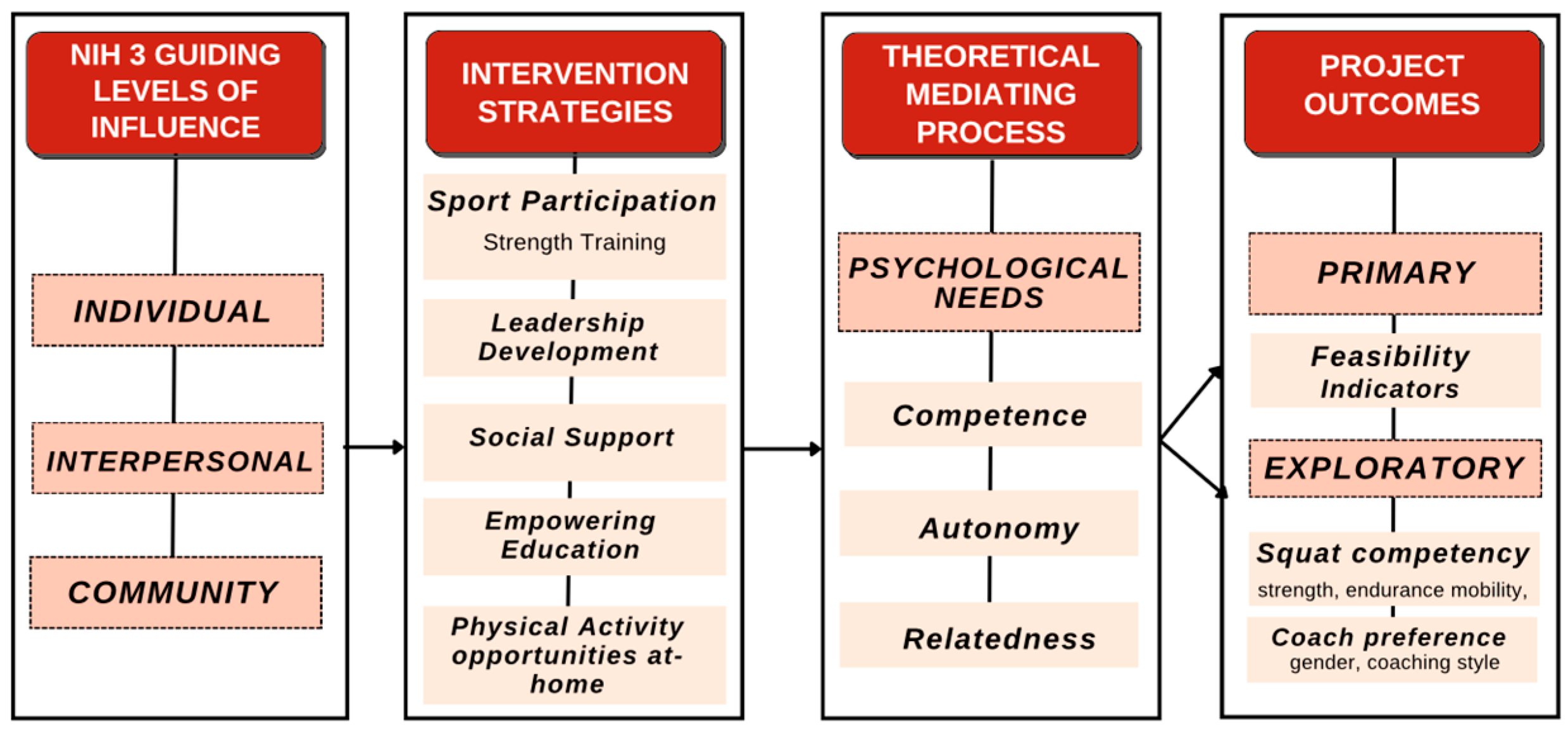
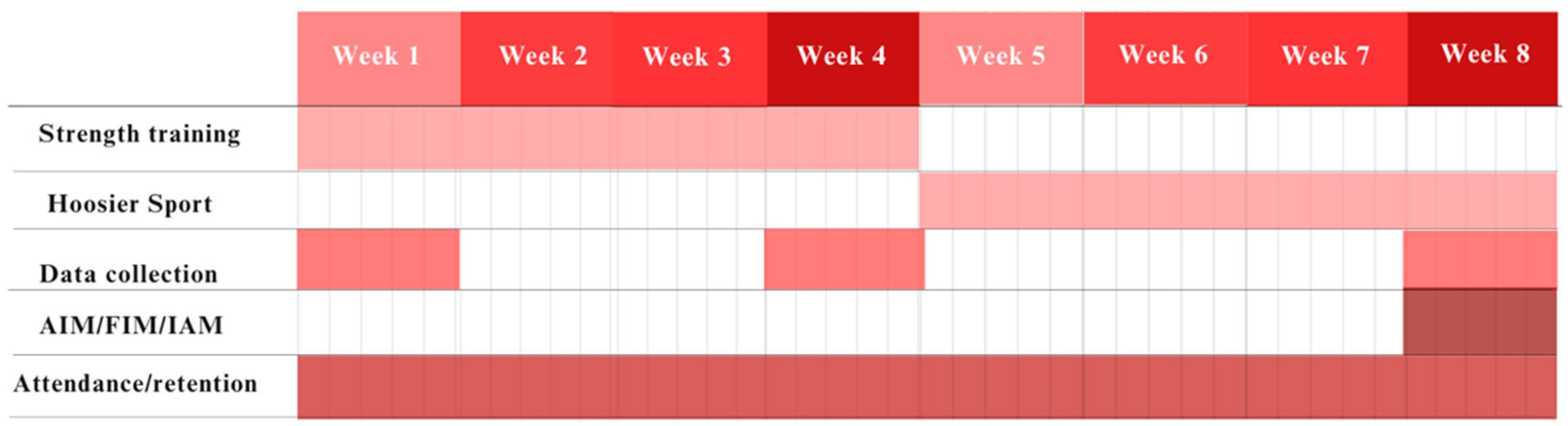
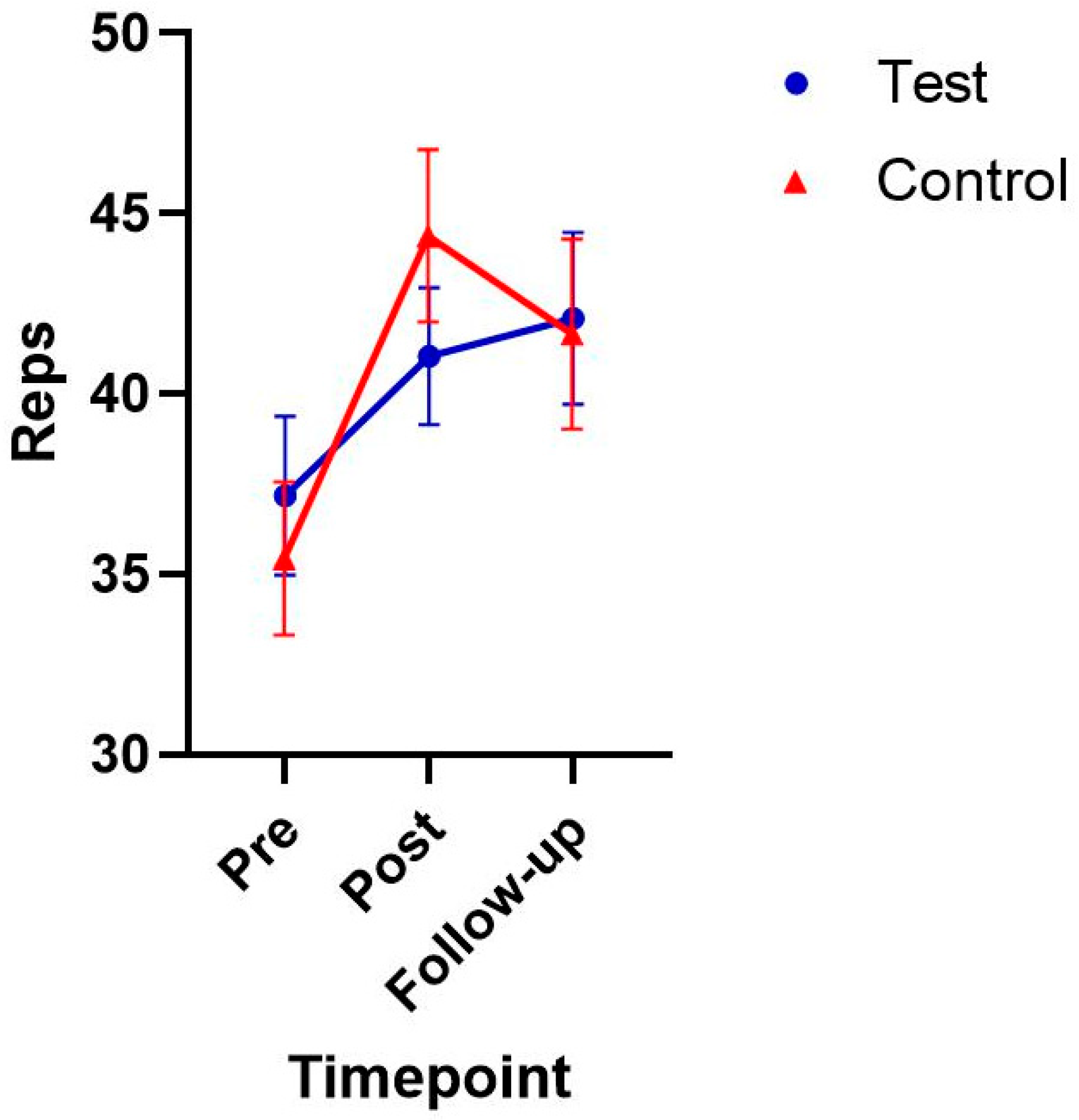
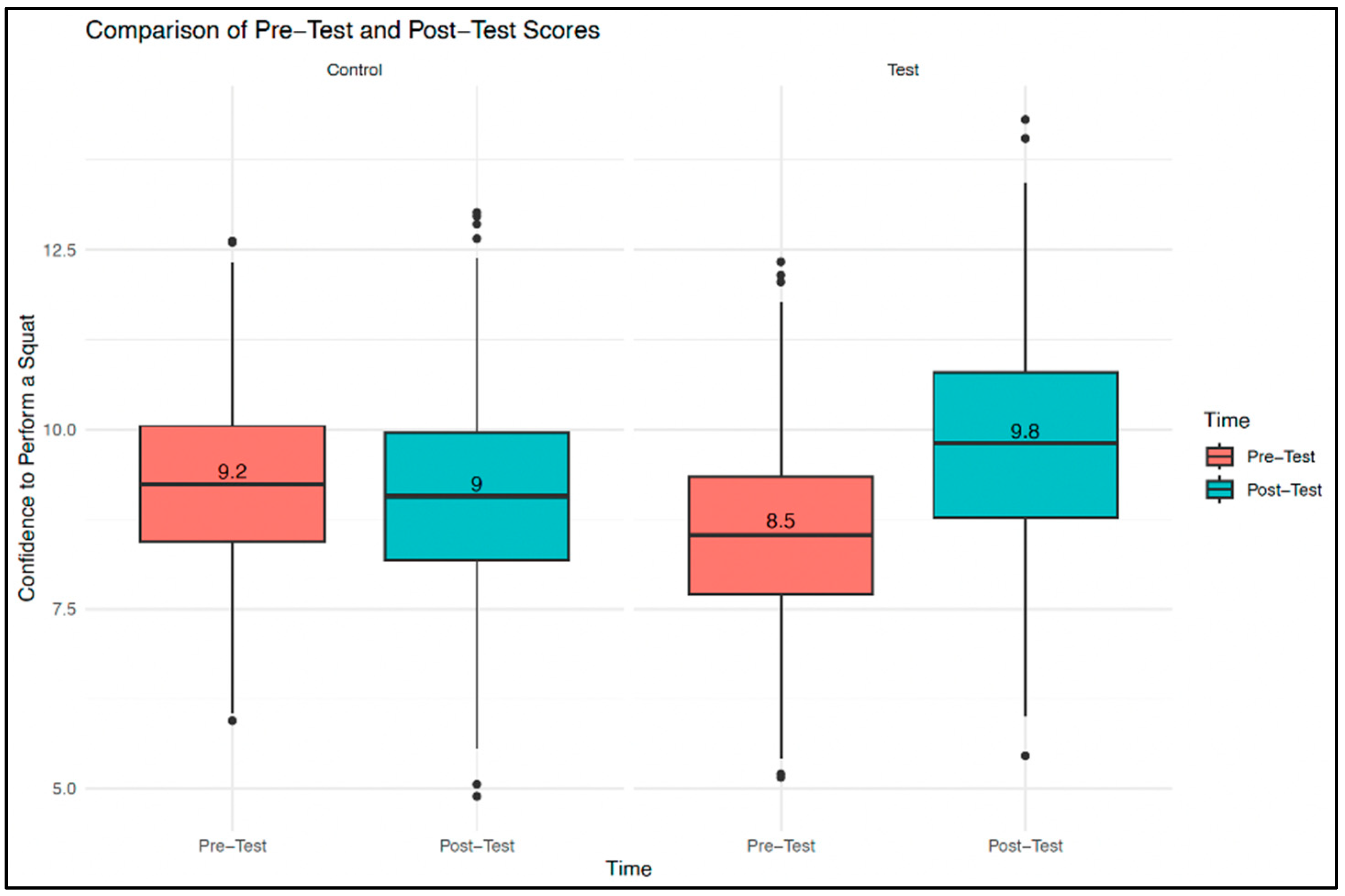
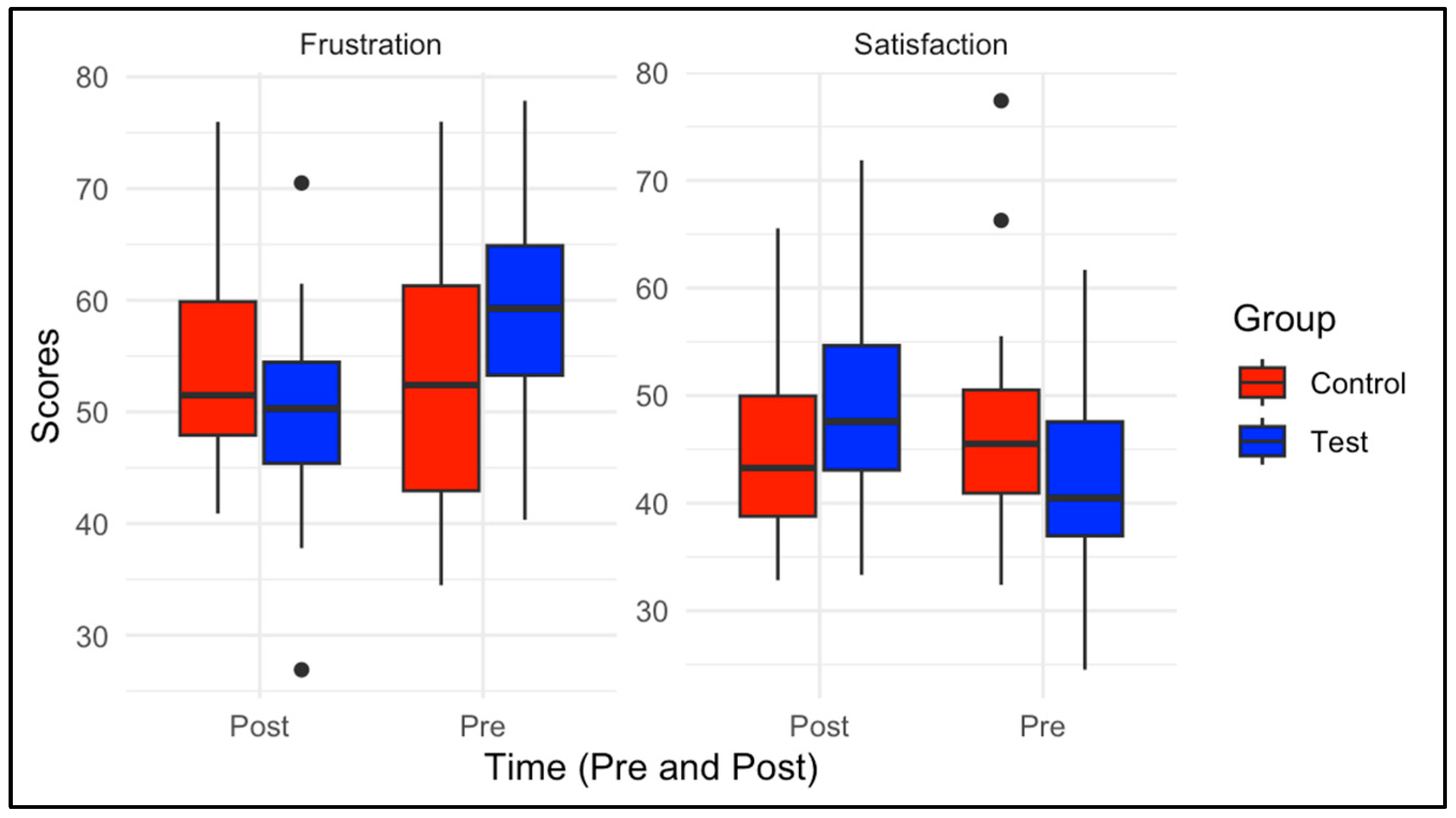
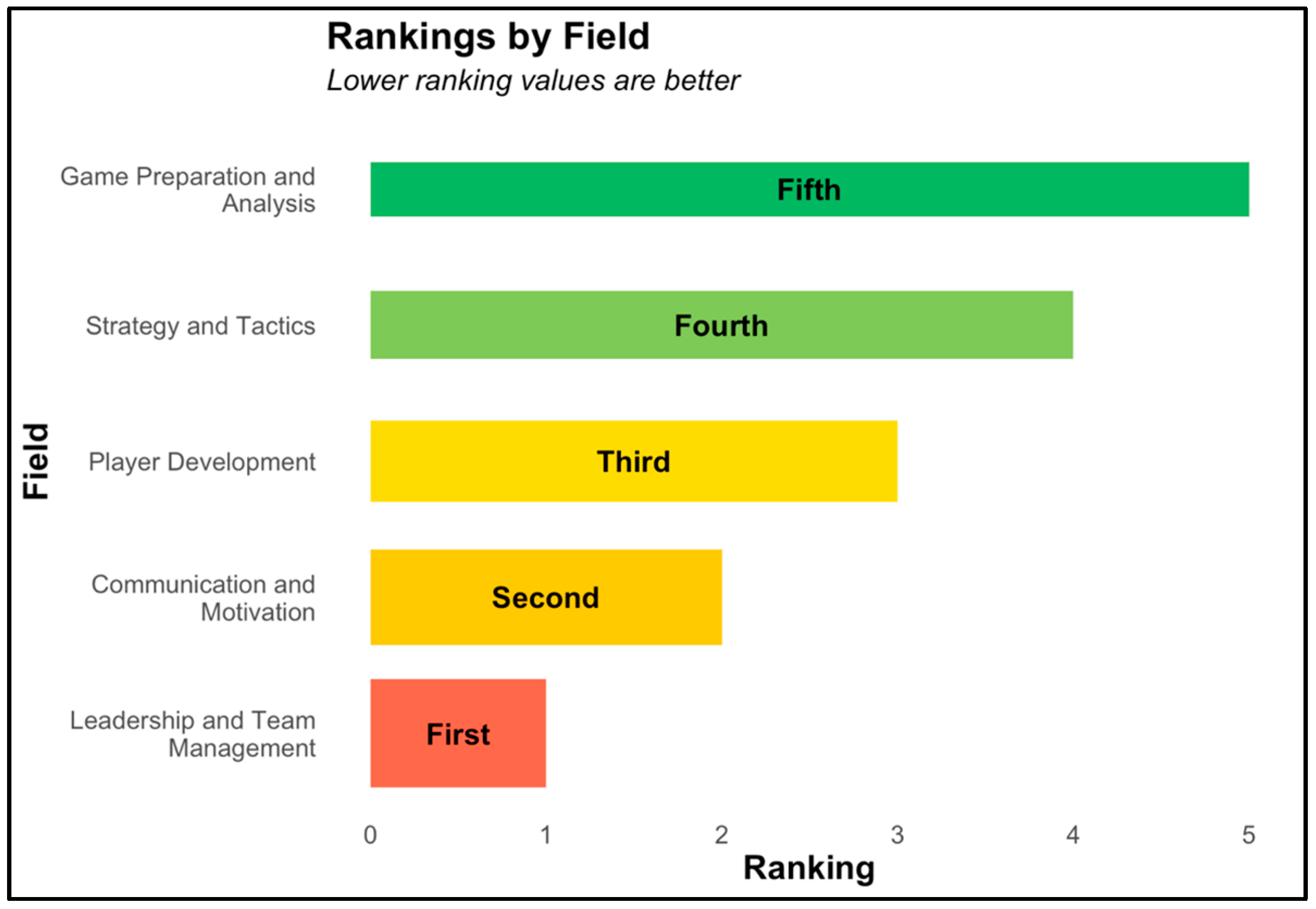
Background: Fundamental movement skills (FMS)—including muscular strength, endurance, and mobility—are linked to better health-related quality of life and higher physical activity in children. Rural children often score lower on FMS tests than urban peers due to resource limitations rather than ability. Thus, increasing access to FMS activities in under-resourced rural areas is essential. The primary objective was to test the feasibility of Hoosier Strength in a rural middle school sample, and the secondary objective was to observe the preliminary changes in FMS-related outcomes pre- to post-intervention and at follow-up. The exploratory objective was to explore how participants responded to different coaches on the Hoosier Strength coaching team (i.e., gender, coaching style during activities). Methods: This study used a Hybrid Type 3 design to evaluate feasibility and FMS outcomes, integrating qualitative and quantitative data. The four-week intervention included a test group (n = 24; 14 females, 10 males; mean age: females 12.4 ± 0.5 years, males 12.7 ± 0.4 years) and a control group (n = 12; 8 females, 4 males; mean age: females 12.9 ± 0.3 years, males 12.7 ± 0.3 years). Data analysis included descriptive statistics for feasibility indicators (Acceptability of Intervention Measures [AIM], Intervention Appropriateness Measure [IAM], and Feasibility of Intervention Measure [FIM]), linear regression for mobility and muscular endurance changes, t-tests for psychological need satisfaction and frustration, and regression analysis for squat knowledge and post-intervention confidence. Results: (1) There was high feasibility across the 4-week Hoosier Strength intervention and at follow-up; (2) there were no statistically significant changes in squat performance; (3) participants’ confidence in their ability to squat at the end of the intervention was significantly predicted by their squat knowledge at baseline; and (4) participants prioritized leadership and team management over tactical analysis, highlighting a preference for coaches who foster teamwork. Conclusions: The findings offer a transparent approach for evaluating the feasibility and preliminary outcomes of the Hoosier Strength intervention in an under-resourced rural middle school, thereby encouraging further investigation into strength training interventions in rural schools.
Keywords: pediatric exercise; physical literacy; sport-based youth development; mobility; endurance pediatric exercise; physical literacy; sport-based youth development; mobility; endurance