
Case Report

Porcine Collagen Injection Therapy Affects Proximal Hamstring Tendinopathy in Athletes by Reducing Time to Return to Sport

by
Matteo Baldassarri
1,*,
Sarino Ricciardello
1,
Diego Ghinelli
2,
Luca Perazzo
1 and
Roberto Buda
3
1
Clinic-Hospital “Villa Laura”, 40139 Bologna, Italy
2
Clinic-Hospital “Villa Maria”, 47921 Rimini, Italy
3
Private Clinic-Hospital “Gruppioni”, 40036 Bologna, Italy
*
Author to whom correspondence should be addressed.
Sports 2025, 13(10), 359; https://doi.org/10.3390/sports13100359

Submission received: 23 July 2025 / Revised: 12 September 2025 / Accepted: 16 September 2025 / Published: 10 October 2025
(This article belongs to the Special Issue The Prevention and Rehabilitation of Training Injuries)

Abstract

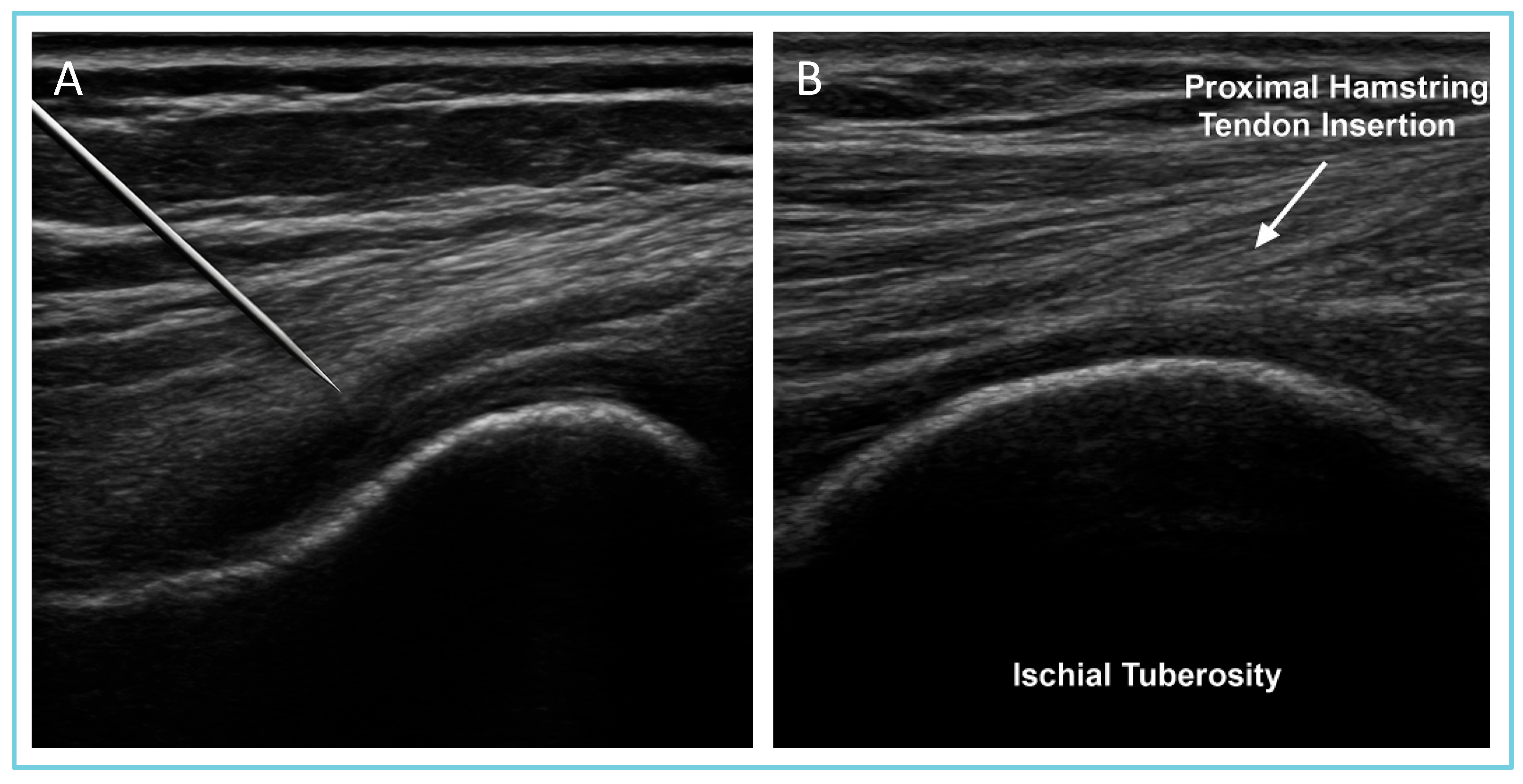
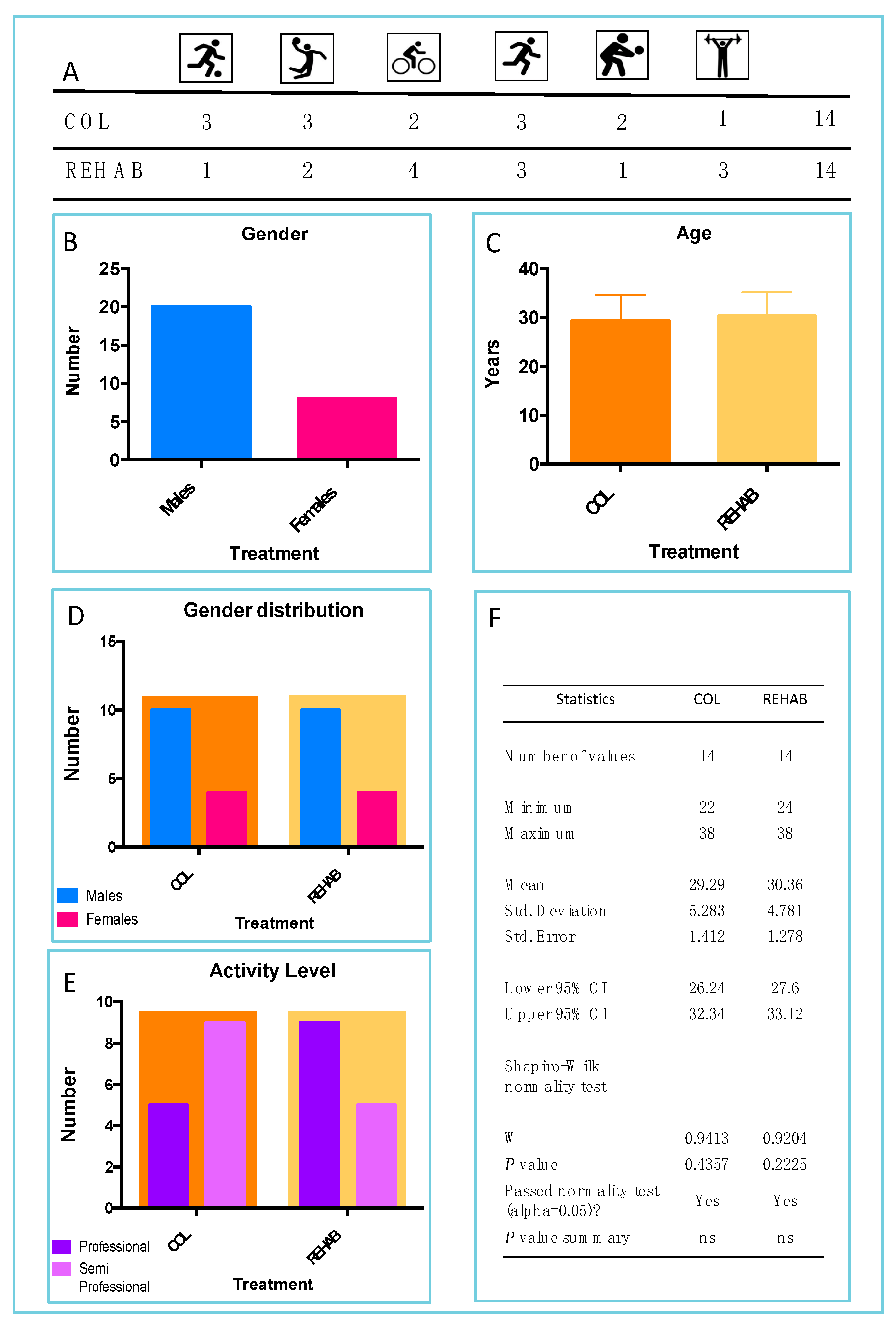
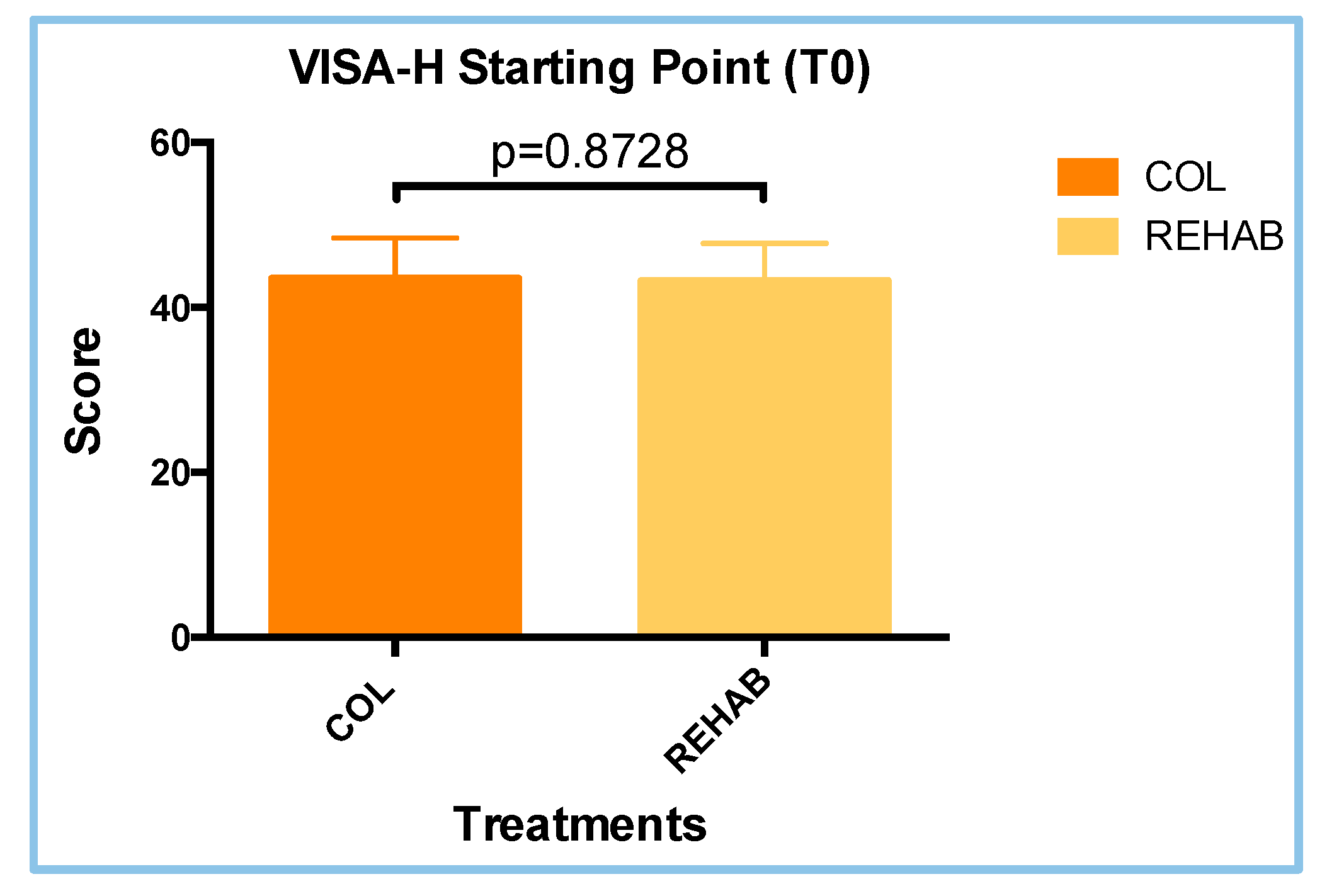
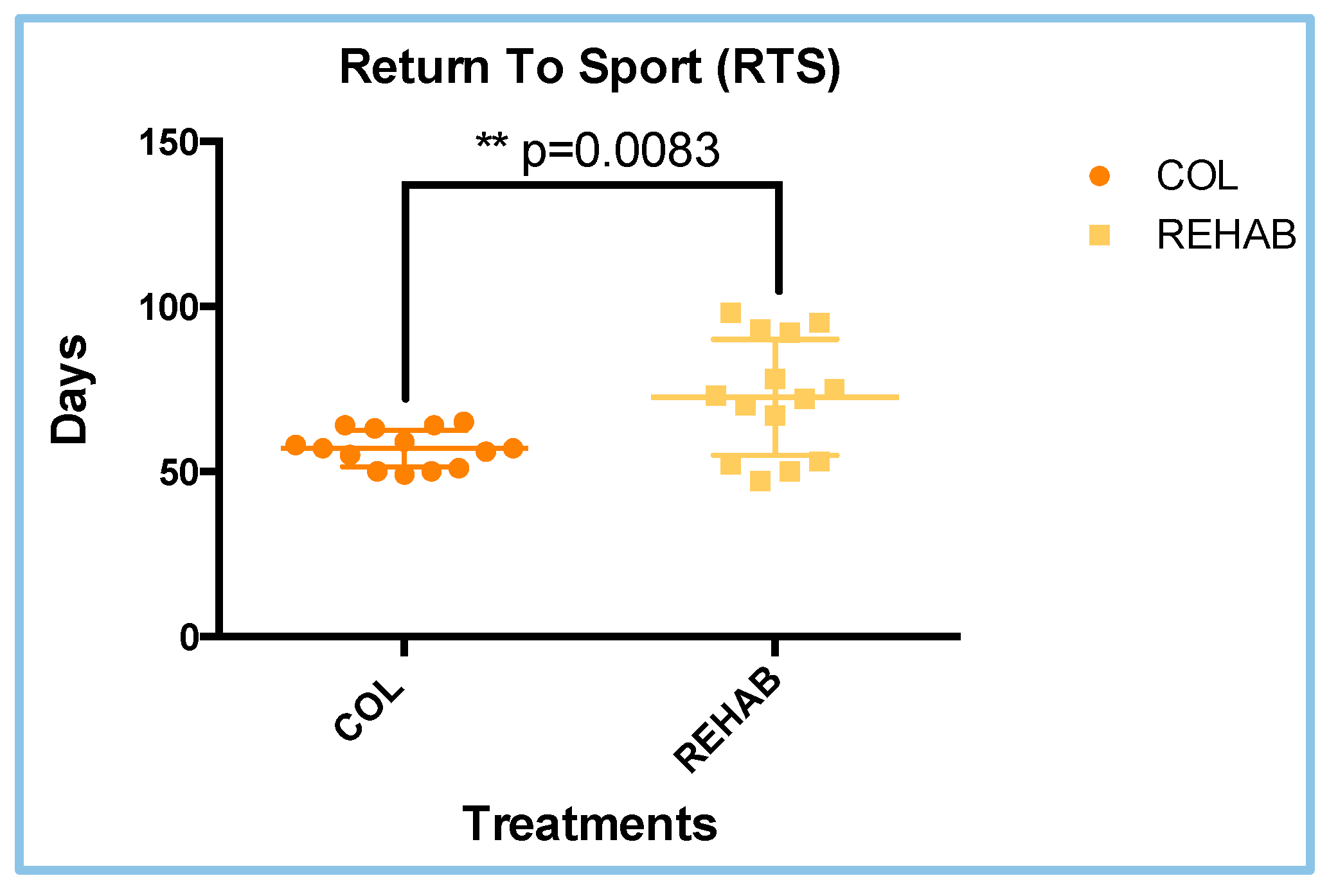
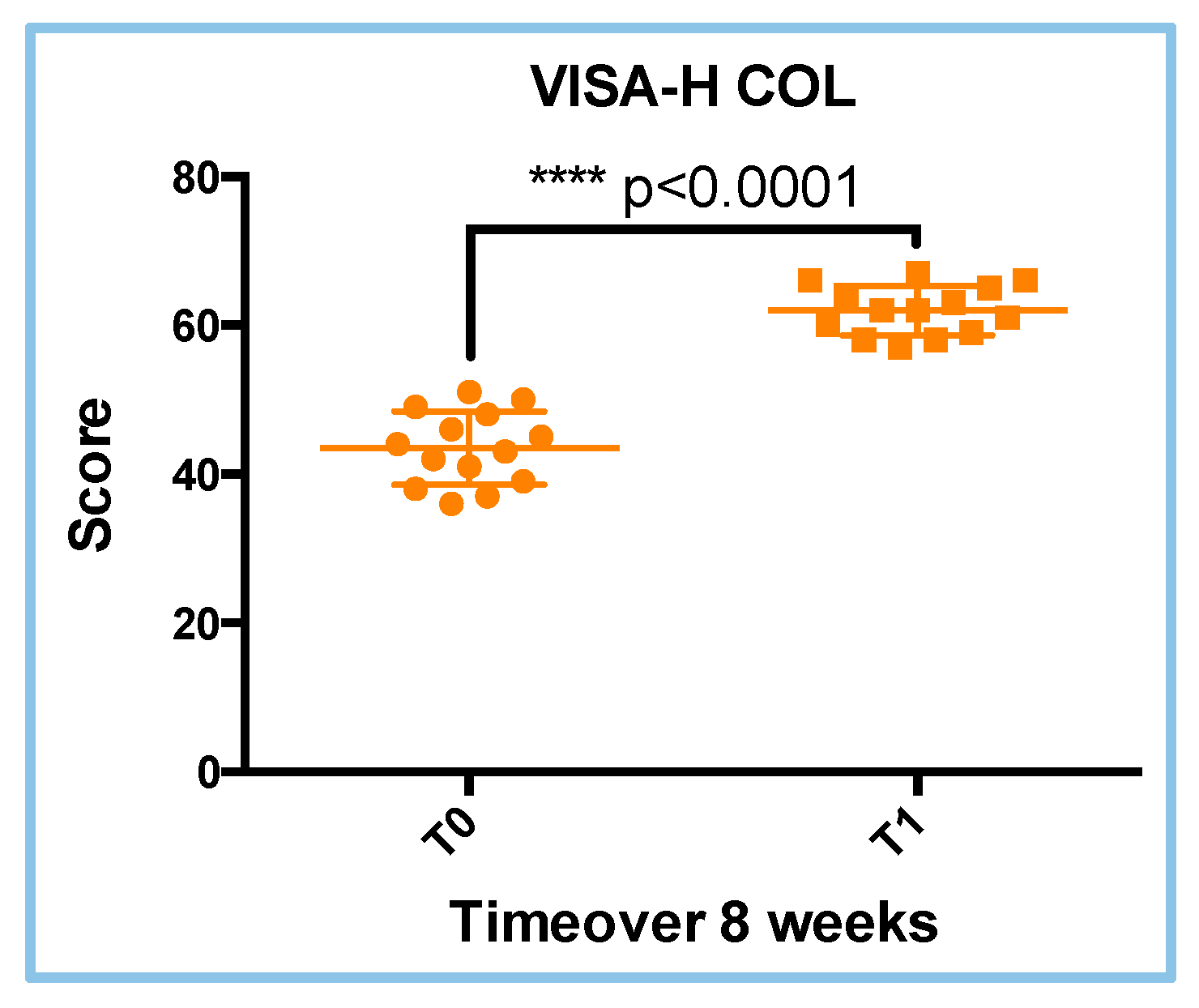
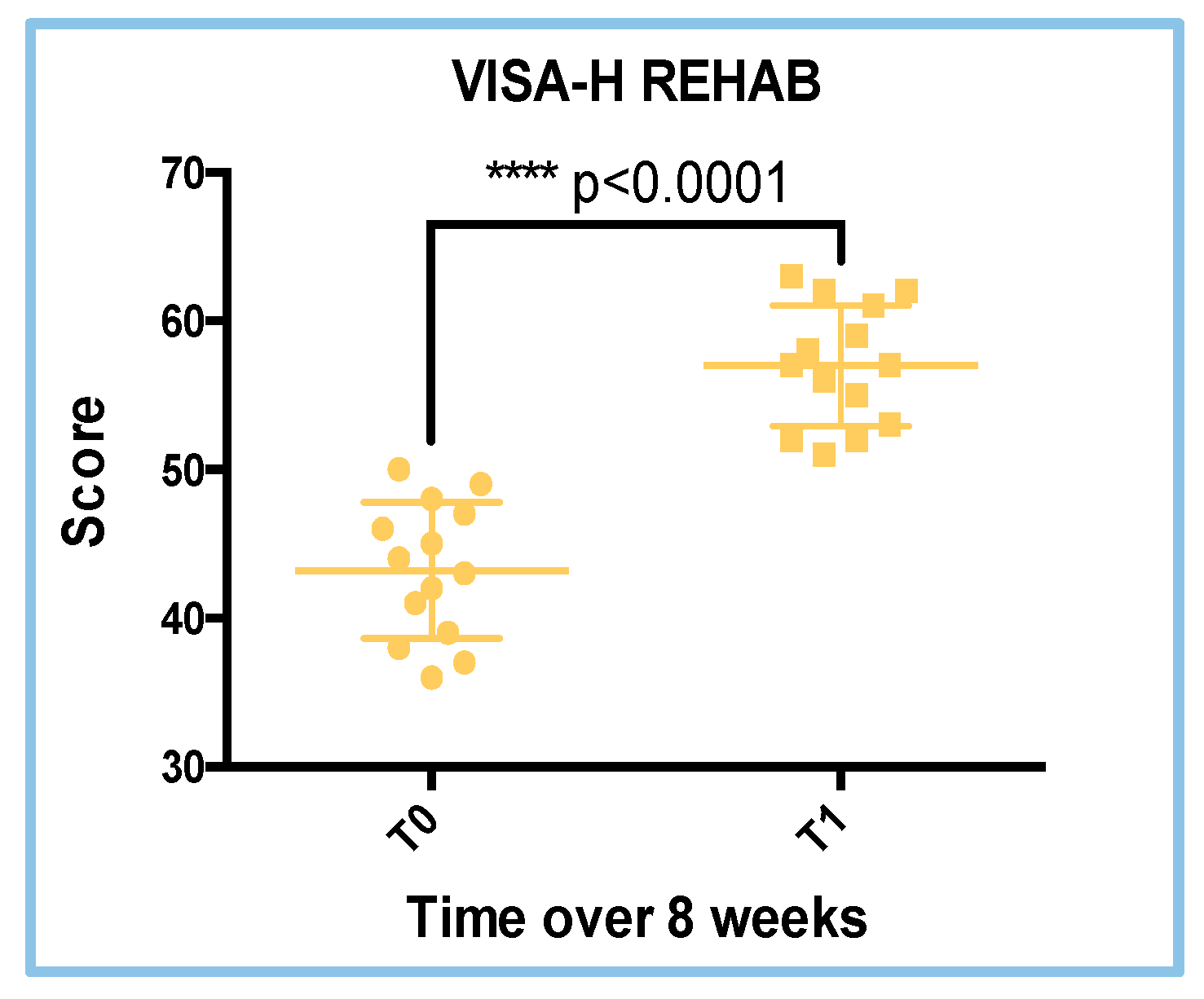
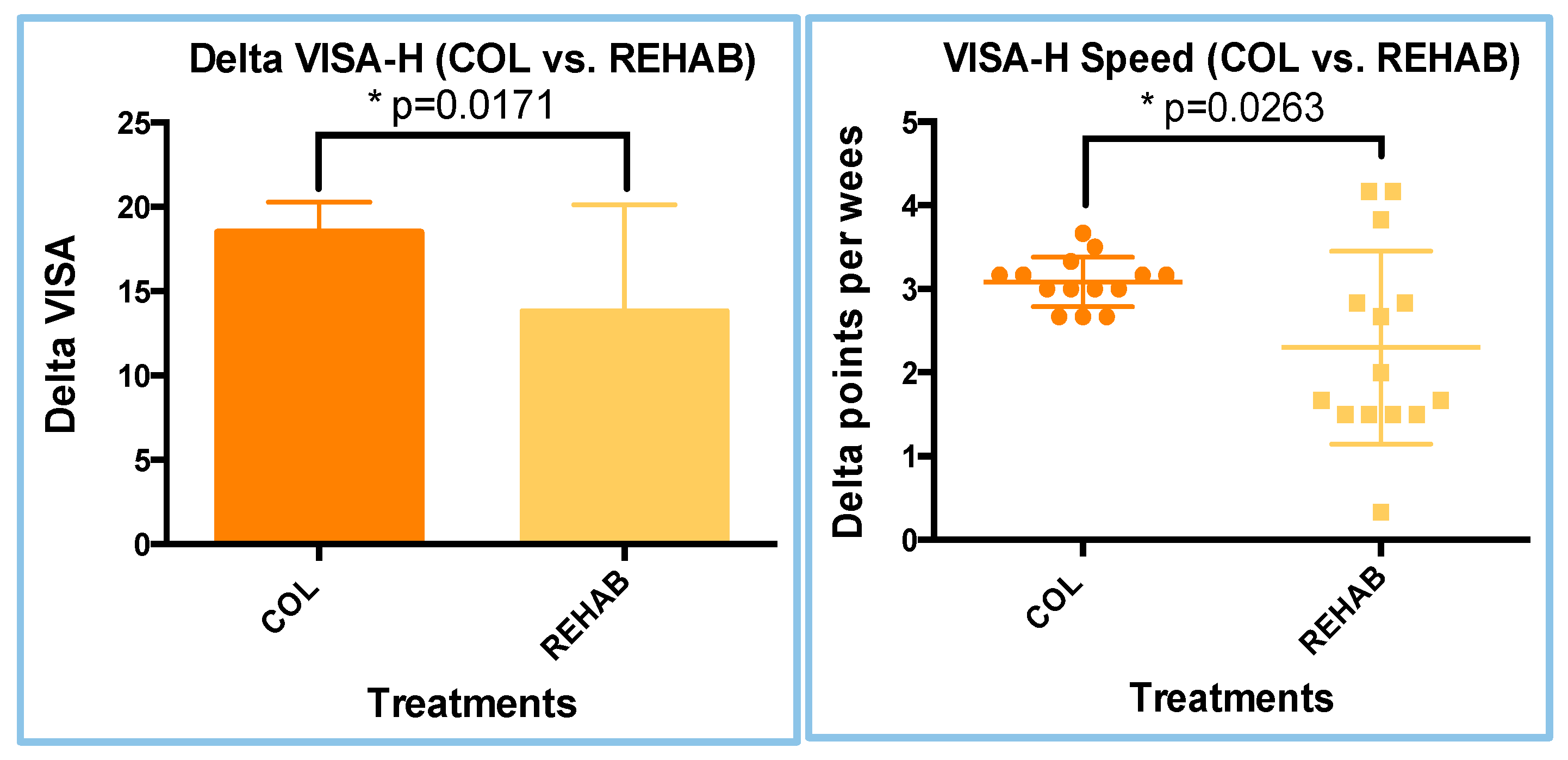
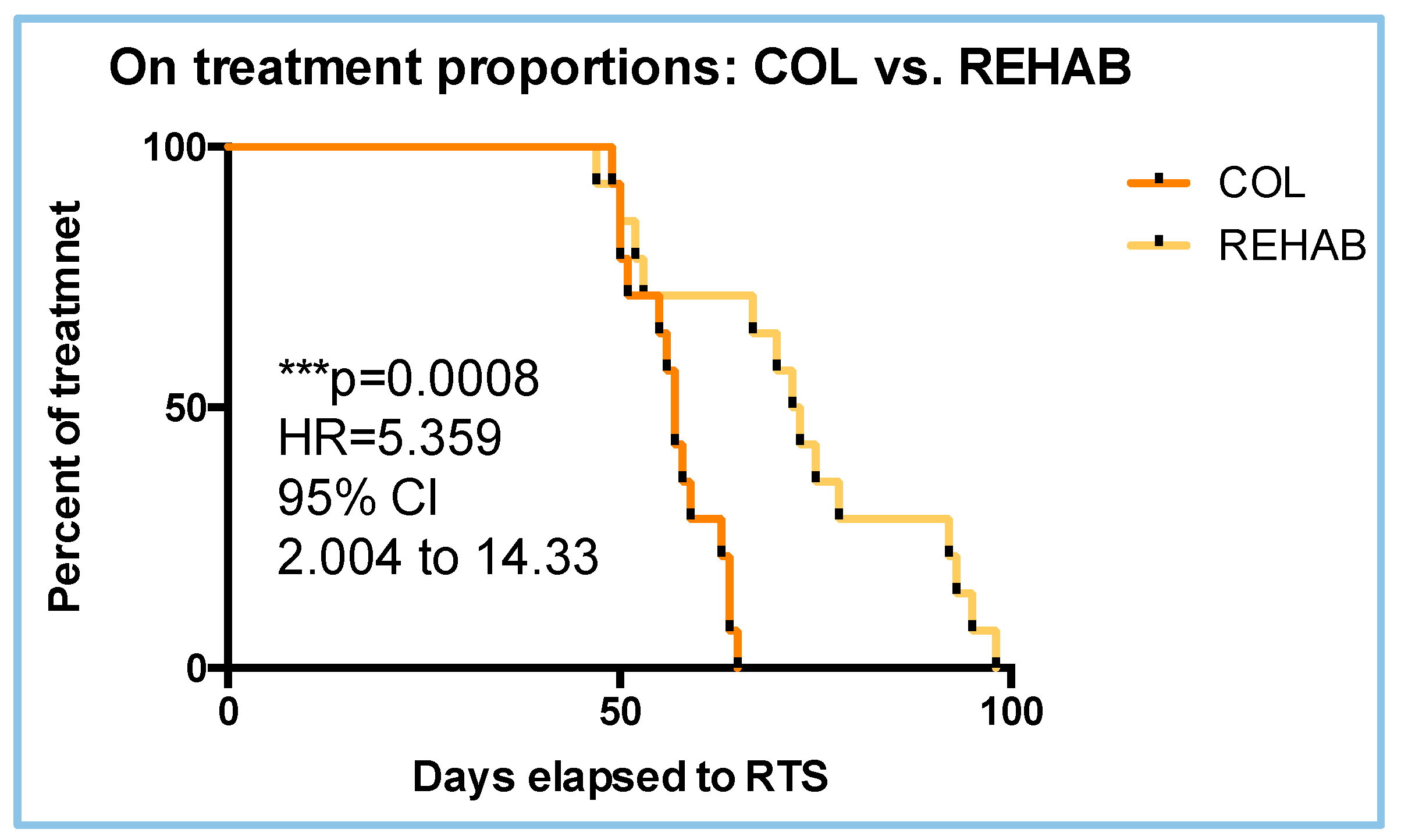
Background: Proximal hamstring tendinopathy (PHT) is a challenging overuse injury, particularly in athletes, characterized by deep buttock pain localized to the ischial tuberosity and often exacerbated by sports activities. This condition can impact an athlete’s performance, limiting high-level athletic activity. Return to sport (RTS) thus becomes a medical, physical, athletic, and economic necessity. Previous research has explored several conservative and injection-based therapies, but evidence regarding the efficacy of porcine collagen injections remains limited. Therefore, this study aims to compare the results obtained from ultrasound-guided porcine collagen injections versus a structured rehabilitation program in reducing time to return to sport (RTS) and improving Victorian Institute of Sport Assessment—Hamstring (VISA-H) scores with respect to athletes with clinically diagnosed PHT. Conservative approaches for PHT treatments include various options, such as physiotherapy, corticosteroids, plasma-rich-platelet, shockwave therapy, and collagen injection. Collagen demonstrated to be a validated option for tendinopathies treatment due its regenerative and restorative mechanism of action. Methods: Retrospective data were collected from twenty-eight athletes with a clinical diagnosis of PHT, confirmed based on pain provocation tests (Puranen–Orava, bent-knee, and modified bent-knee tests), who were divided into two groups: COL and REHAB. The VISA-H outcomes were recorded for all subjects. The COL group received three ultrasound-guided collagen injections at weekly intervals, plus standard care instructions. The REHAB group completed a progressive exercise program targeting hamstring and lumbopelvic stabilization. The primary outcomes were RTS time (days) and VISA-H scores at baseline and 8 weeks. Adverse effects were recorded. Results: The two groups of treatment were very homogeneous and showed parametric distribution concerning the biological and pathophysiological conditions. No adverse events were reported. The mean times to RTS were 57 and 72 days for COL and REHAB, respectively (p = 0.0083). The VISA-H results revealed better improvement for the COL group than the REHAB treatment (p < 0.0001), and the log-rank test showed a higher odds ratio (HR) for RTS, 5.35 (p = 0.0008), for the COL athletes. Conclusions: Ultrasound-guided porcine collagen injections, combined with standard care, significantly reduced RTS time and improved VISA-H scores compared with rehabilitation alone in athletes with PHT. However, a larger cohort of athletes might be needed to gather more information about this conservative treatment in PHT pathology.
Keywords: porcine collagen injection therapy; hamstring injury; athletes; return to sport; VISA-H score; efficacy; safety porcine collagen injection therapy; hamstring injury; athletes; return to sport; VISA-H score; efficacy; safety