Article

Controlled Laser Sintering as a Strategy for Improved Tribological Performance of Ni-Cr-Ti3SiC2 Coatings †

1
Department of Mechanical Engineering, University of Arkansas at Little Rock, Little Rock, AR 72204, USA
2
Department of Physics, University of Arkansas at Little Rock, Little Rock, AR 72204, USA
3
Department of Mechanical Engineering, University of Arkansas at Fayetteville, Fayetteville, AR 72701, USA
4
Independent Researcher, Los Alamos, NM 87544, USA
*
Author to whom correspondence should be addressed.
This paper is an extended version of our paper published in Alam, M.A.; Ahmed, N.; Shen, B.; Ghosh, S.; Shou, W. Influence of Ti3SiC2 Max Phase Addition on the Tribological Performance of Ni-Cr Coatings. In Proceedings of the ASME 2025 Aerospace Structures, Structural Dynamics, and Materials Conference, Houston, TX, USA, 5–7 May 2025; p. V001T03A009. https://doi.org/10.1115/SSDM2025-152031.
Lubricants 2026, 14(5), 183; https://doi.org/10.3390/lubricants14050183

Submission received: 16 March 2026 / Revised: 11 April 2026 / Accepted: 17 April 2026 / Published: 23 April 2026
(This article belongs to the Special Issue Laser Surface Engineering for Advanced Tribological Performance)

Abstract

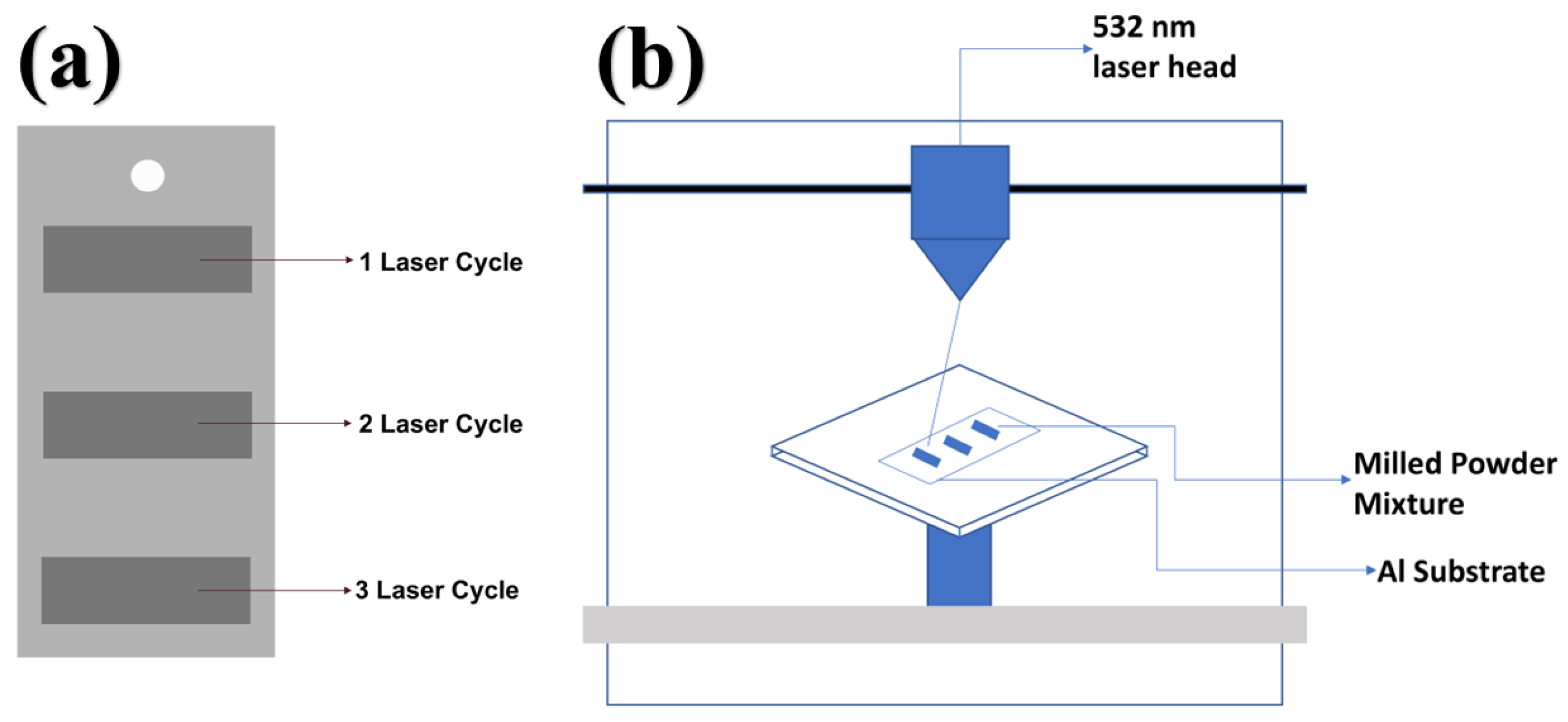
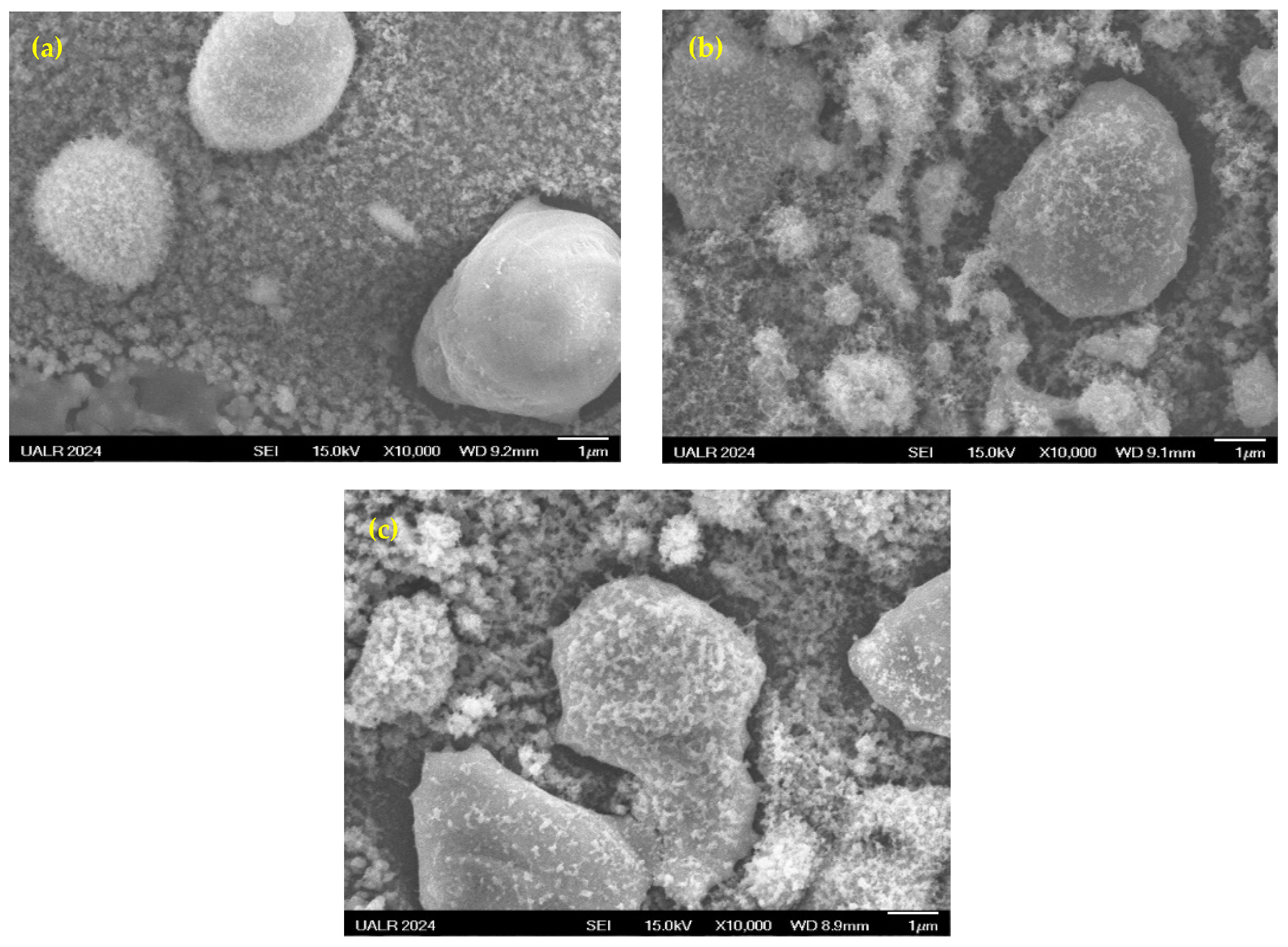
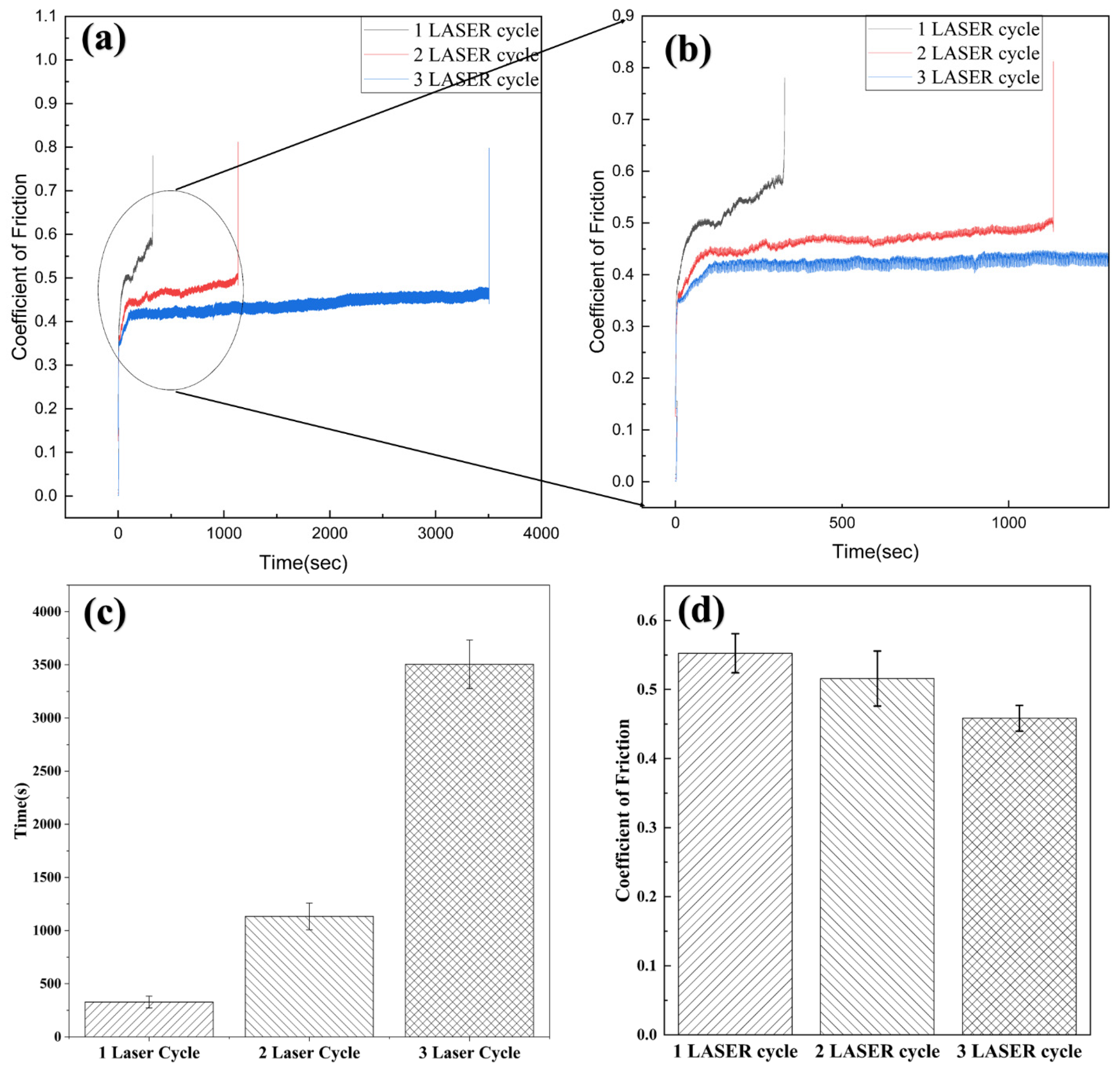
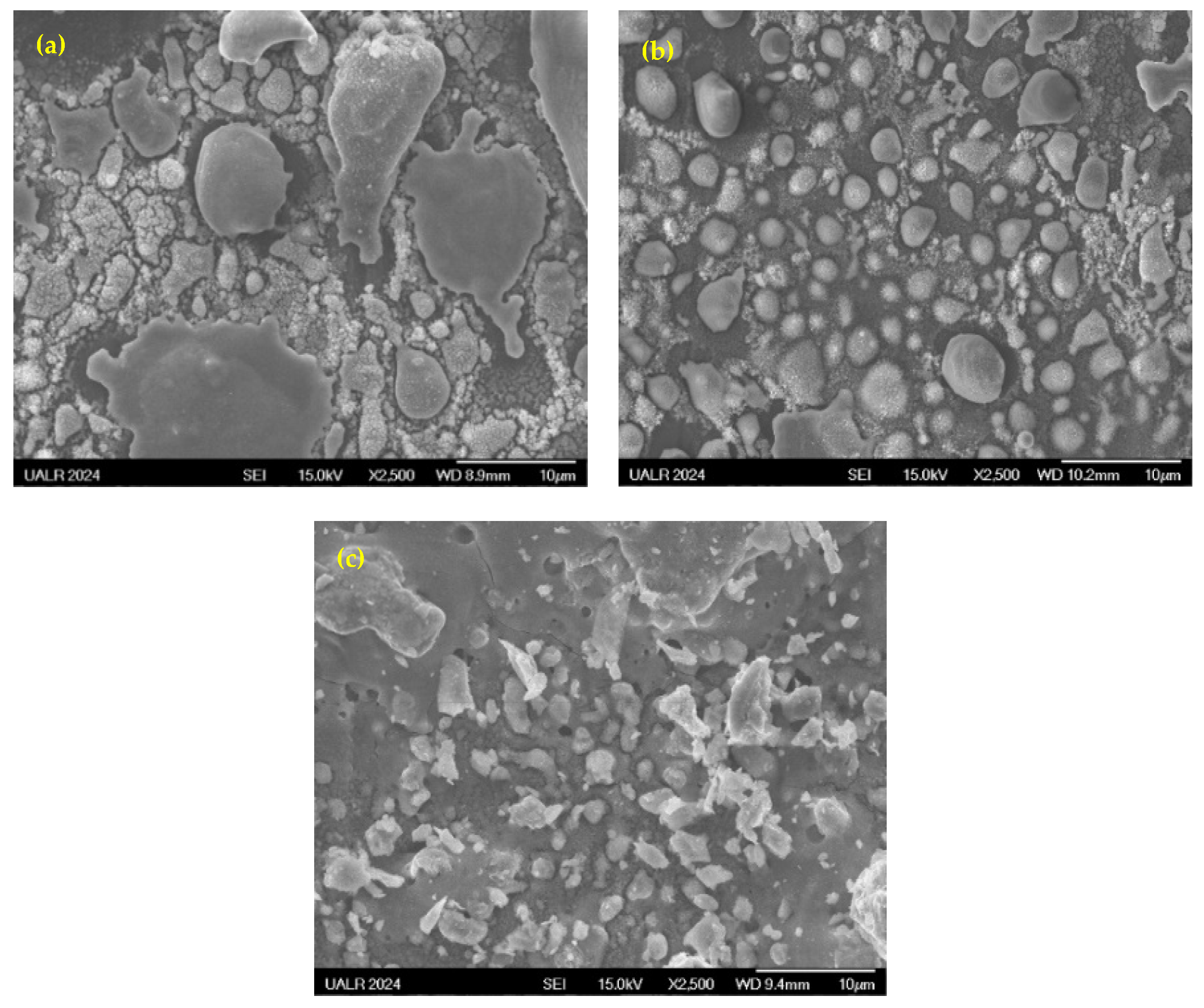
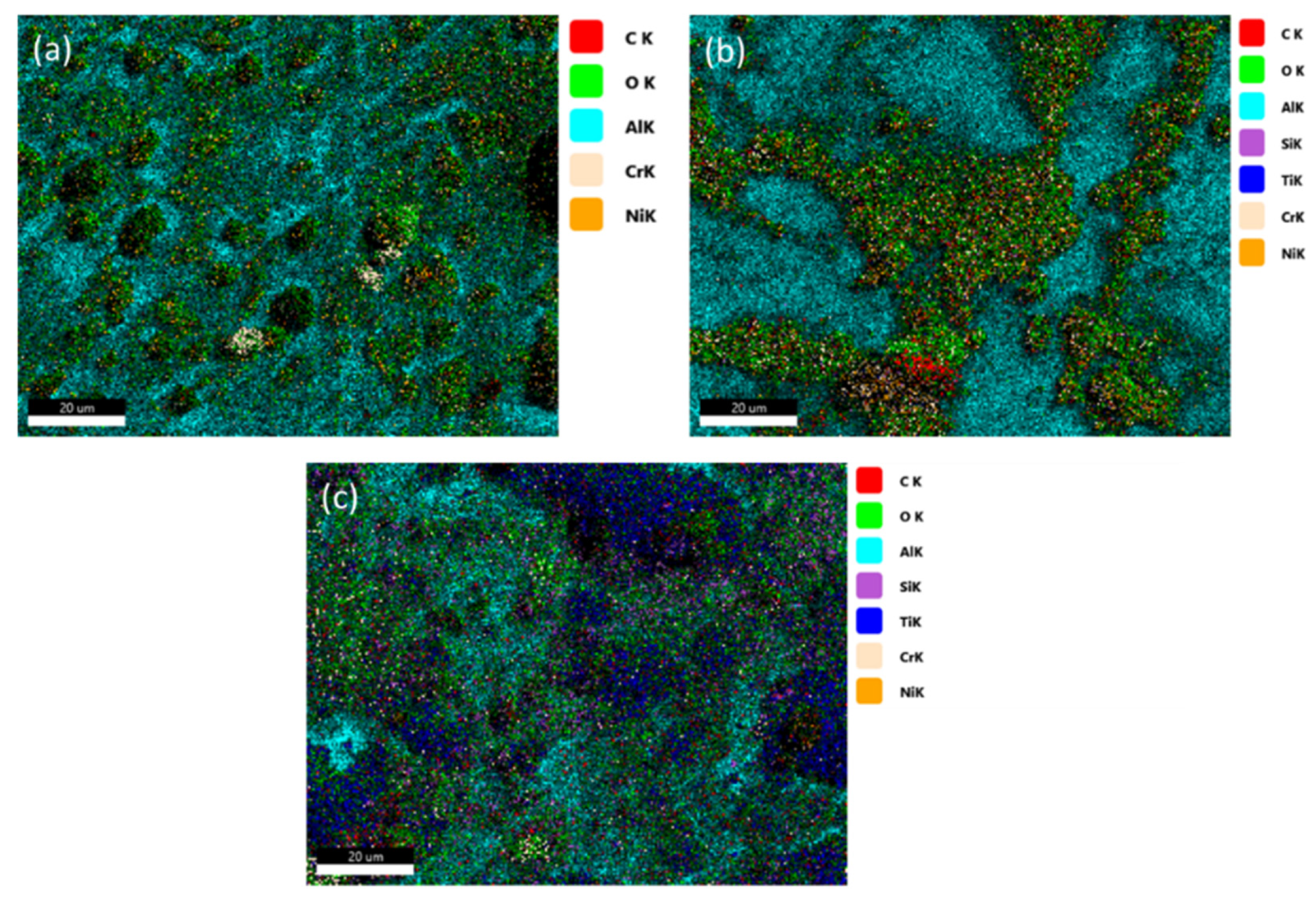
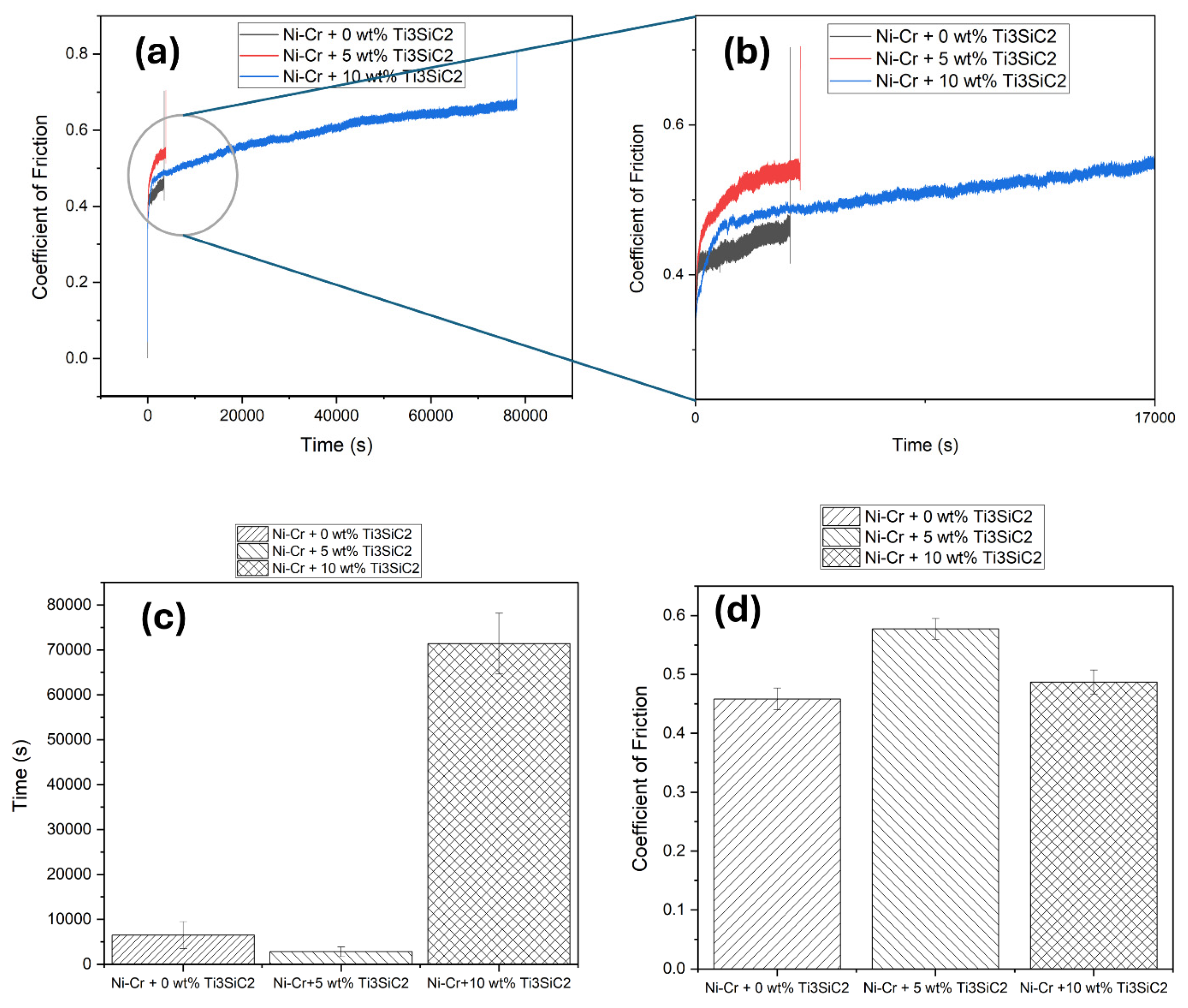
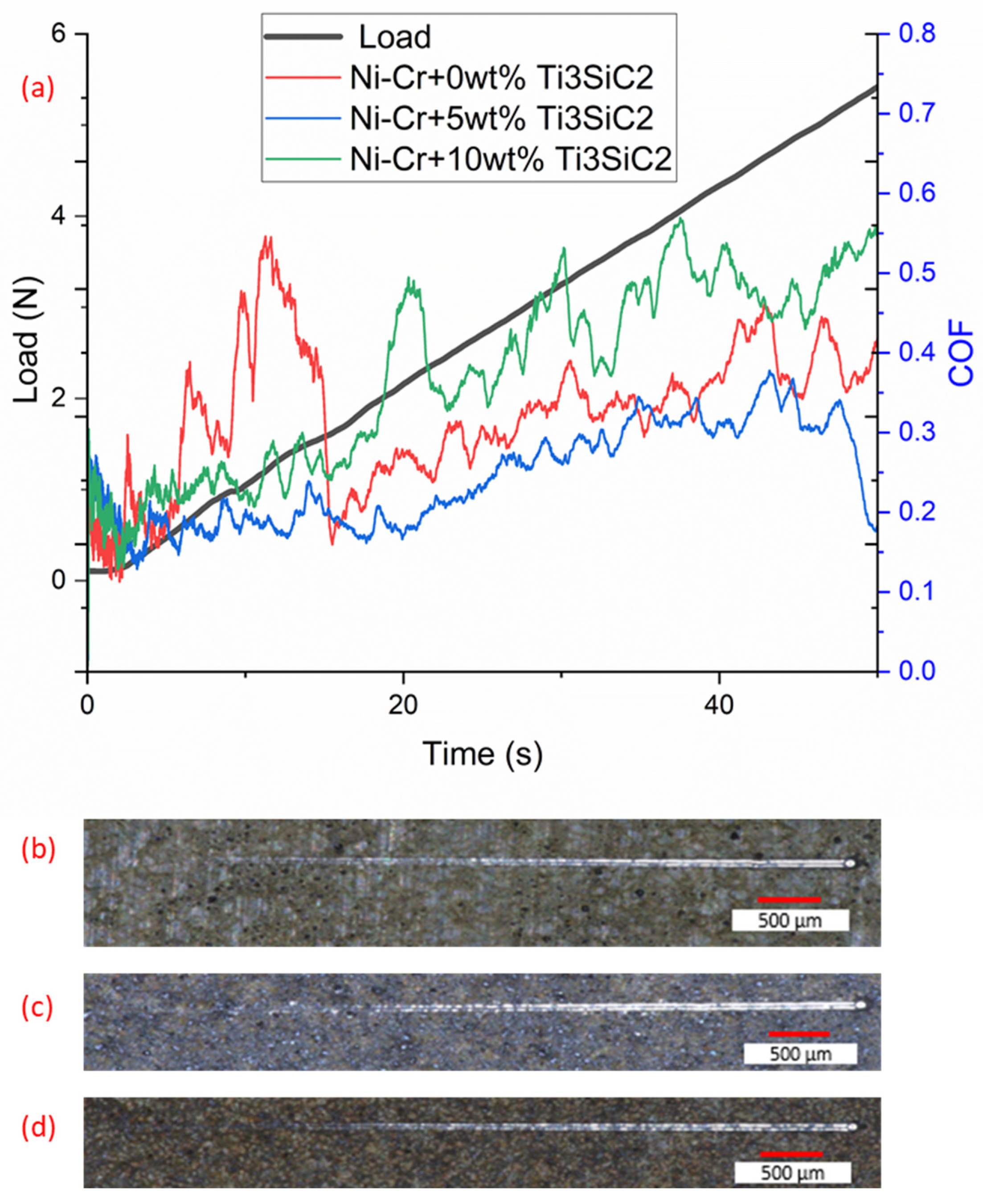
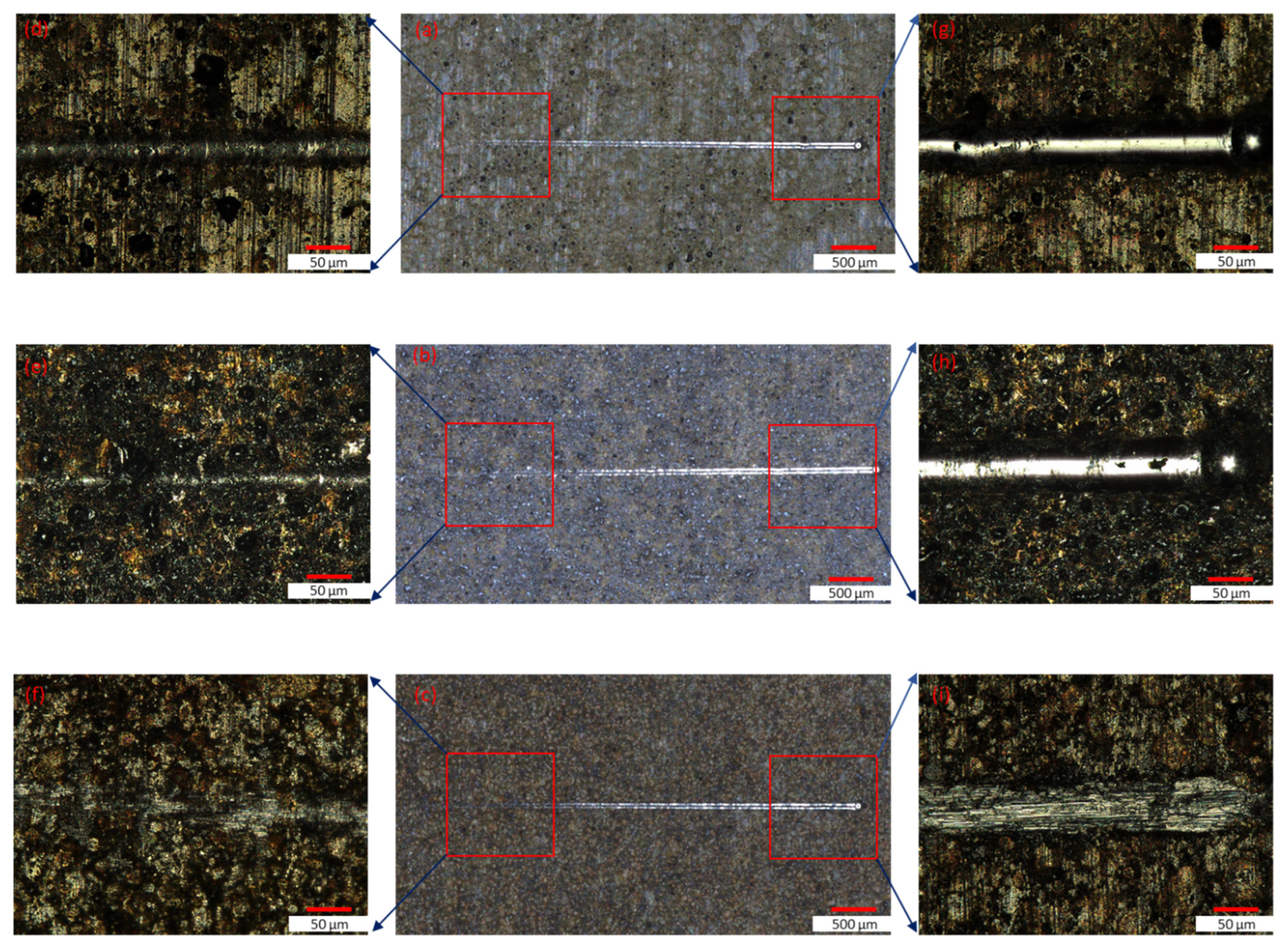
The poor tribological and mechanical performance of Al alloys hinders their use in practical applications where low COF and high durability are required. This study examined and evaluated a novel laser-sintered Ni-Cr coating to improve the load-carrying capacity and tribological performance of an Al alloy (Al 6061) substrate. The authors demonstrate that laser sintering cycle count is a decisive process variable governing coating dispersion, microstructural consolidation, and tribological performance in Ni-Cr coatings fabricated via Selective Laser Sintering (SLS). Increasing the laser cycle count progressively refined the surface morphology, improved coating dispersion, and strengthened interparticle bonding. As a result, the average durability after three cycles was seven times that after one laser cycle, accompanied by markedly improved COF. To further improve durability and load-carrying capacity, Ti3SiC2 was introduced into the Ni-Cr coating. The coating containing 10 wt% Ti3SiC2 exhibited a 20-fold increase in durability, extending the time to failure to approximately 70,000 s (700 m) while maintaining a low coefficient of friction (~0.48) compared with the coating containing no Ti3SiC2. The greater durability of the Ni-Cr-10wt%Ti3SiC2 coating in this novel study was attributed to improved adhesion to the substrate, better particle distribution during sintering, and greater load-carrying capacity. While further process changes do not yield feasible samples, this study showed that surface properties can be improved within the available small-process regime. Overall, laser sintering of a Ni-Cr-10wt%Ti3SiC2 coating shows promise as a means to improve the tribological and mechanical performance of Al 6061. This study should aid researchers and other stakeholders in fabricating well-adhering, durable, and tribotactic composite coatings on Al6061 and similar material systems.
Keywords: Ni-Cr; Ti3SiC2 MAX phase; selective laser sintering; tribology; wear; scratch Ni-Cr; Ti3SiC2 MAX phase; selective laser sintering; tribology; wear; scratch