
Article

Comprehensive Analysis and Experimental Validation of a Novel Estrogen/Progesterone-Related Prognostic Signature for Endometrial Cancer

1
Department of Gynecologic Oncology, National Cancer Center/National Clinical Research Center for Cancer/Cancer Hospital, Chinese Academy of Medical Sciences and Peking Union Medical College, Beijing 100021, China
2
Department of Blood Grouping, Beijing Red Cross Blood Center, Beijing 100088, China
3
The Fourth Affiliated Hospital, Zhejiang University School of Medicine, Yiwu 322000, China
4
State Key Laboratory of Molecular Oncology, National Cancer Center/National Clinical Research Center for Cancer/Cancer Hospital, Chinese Academy of Medical Sciences and Peking Union Medical College, Beijing 100021, China
5
Department of Laboratory, The Affiliated Suzhou Hospital of Nanjing Medical University, Suzhou 215000, China
6
Gusu School, Nanjing Medical University, Suzhou 215000, China
*
Authors to whom correspondence should be addressed.
J. Pers. Med. 2022, 12(6), 914; https://doi.org/10.3390/jpm12060914
Submission received: 10 March 2022 / Revised: 16 May 2022 / Accepted: 23 May 2022 / Published: 31 May 2022
(This article belongs to the Special Issue Frontiers in Pathogenesis and Therapeutics of Cancer)

Abstract

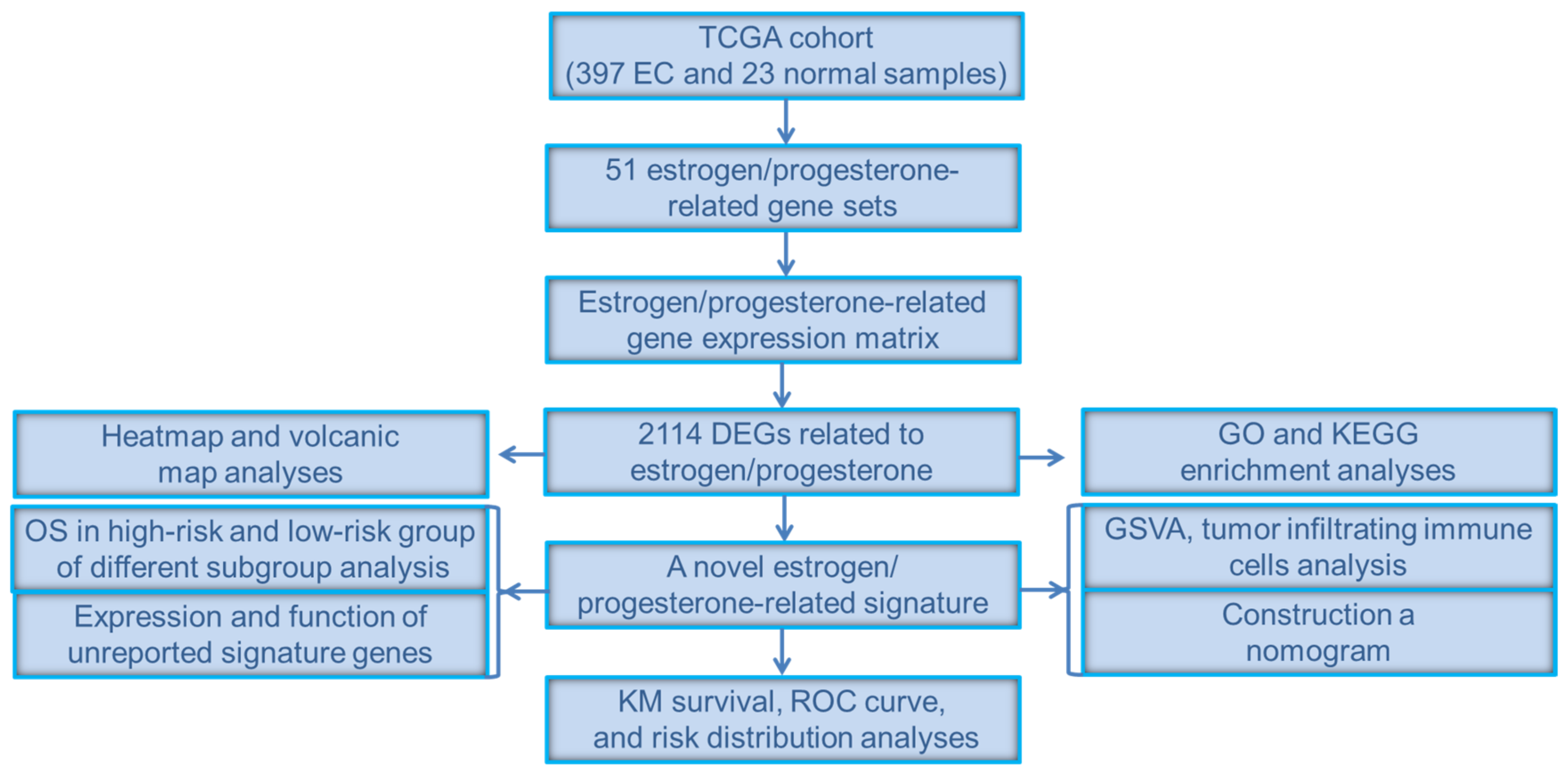
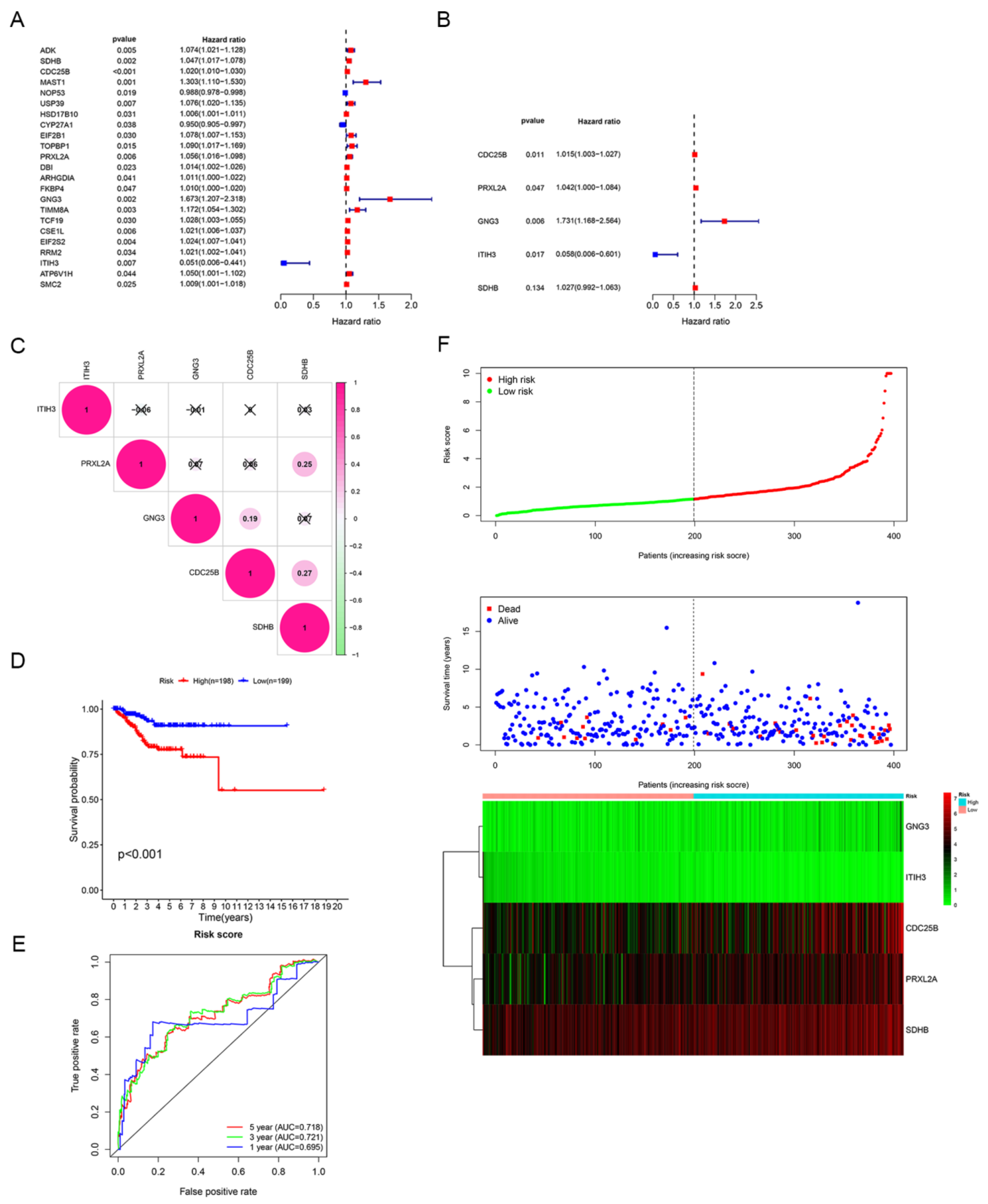
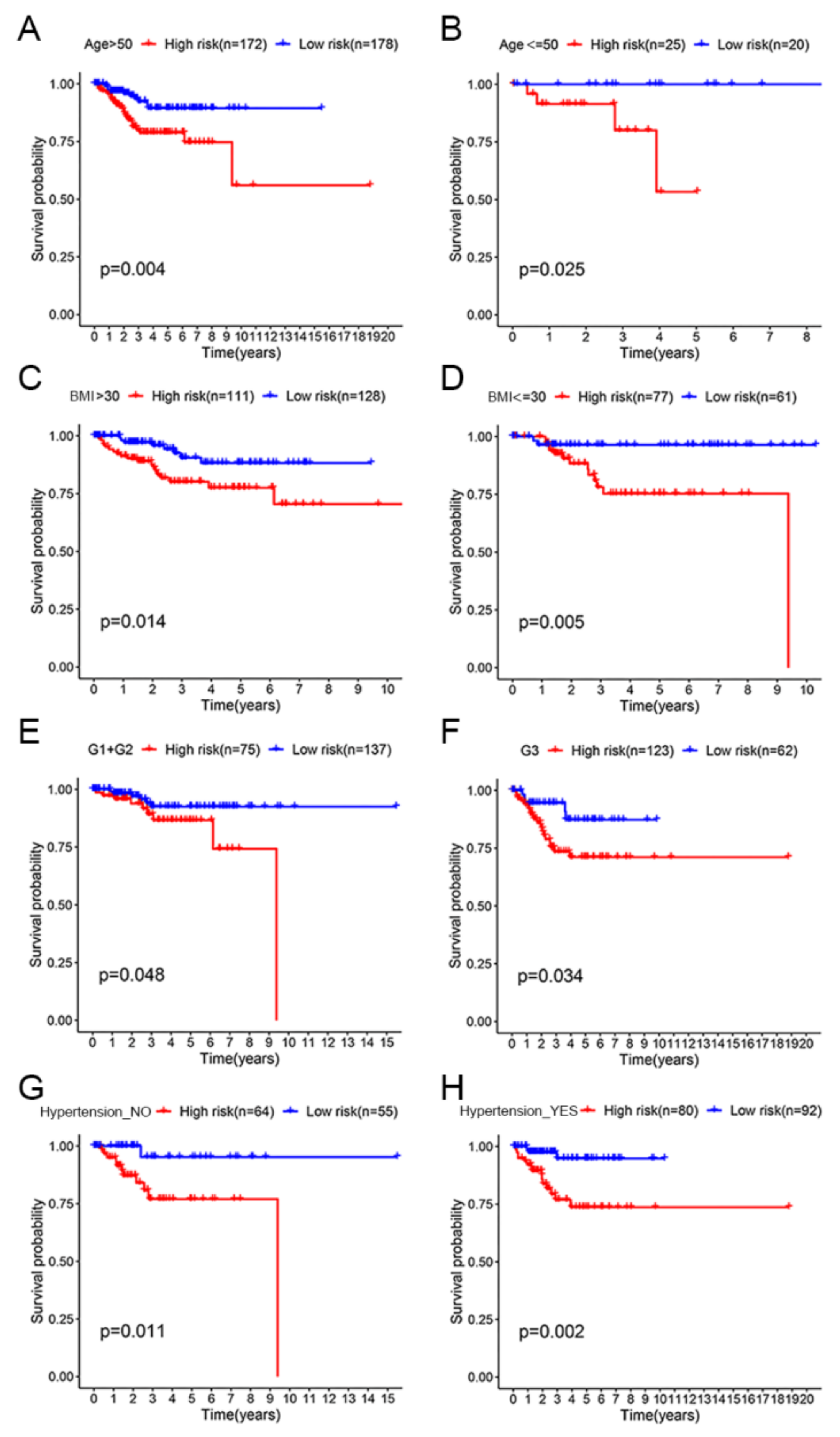
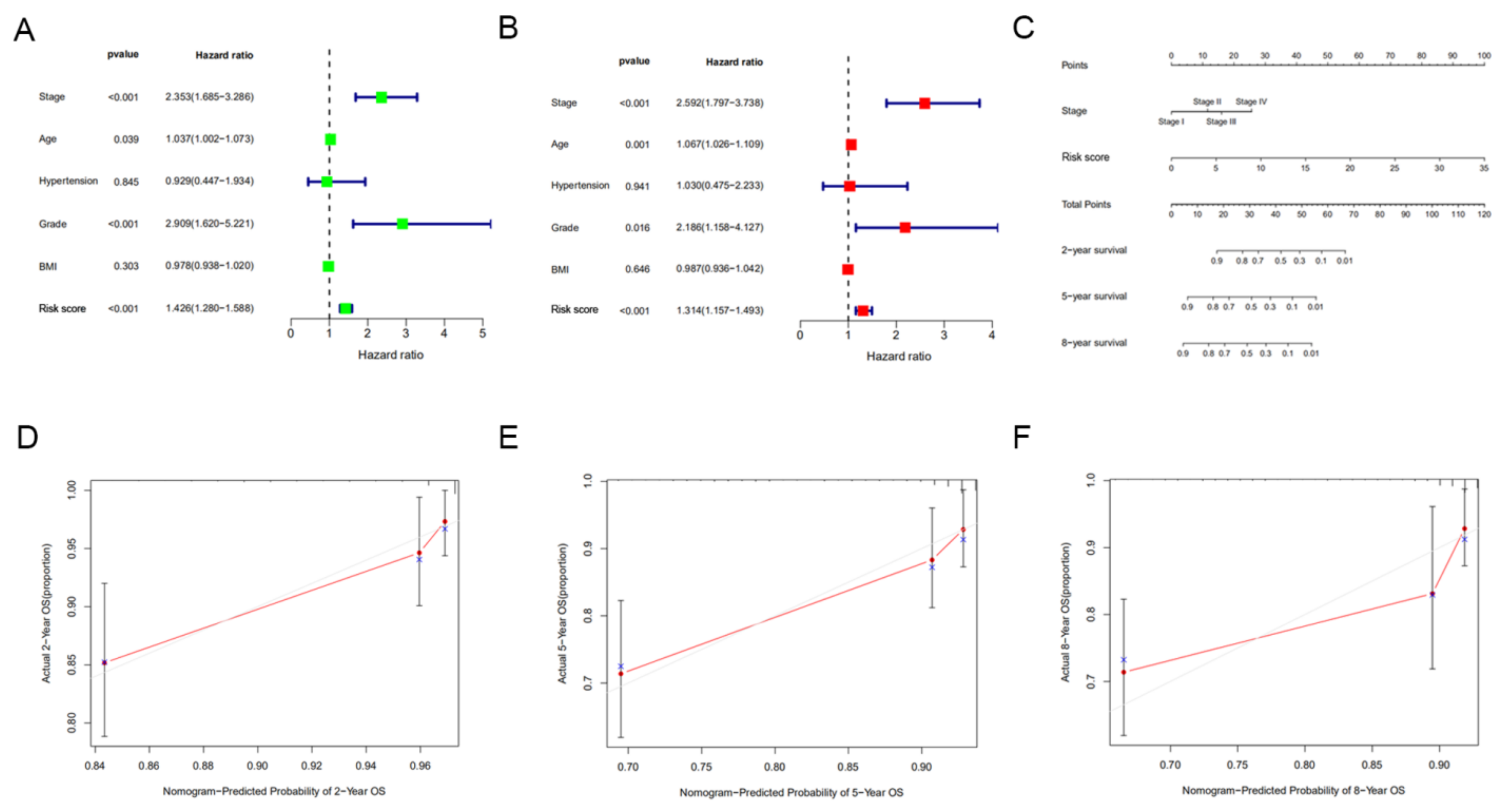
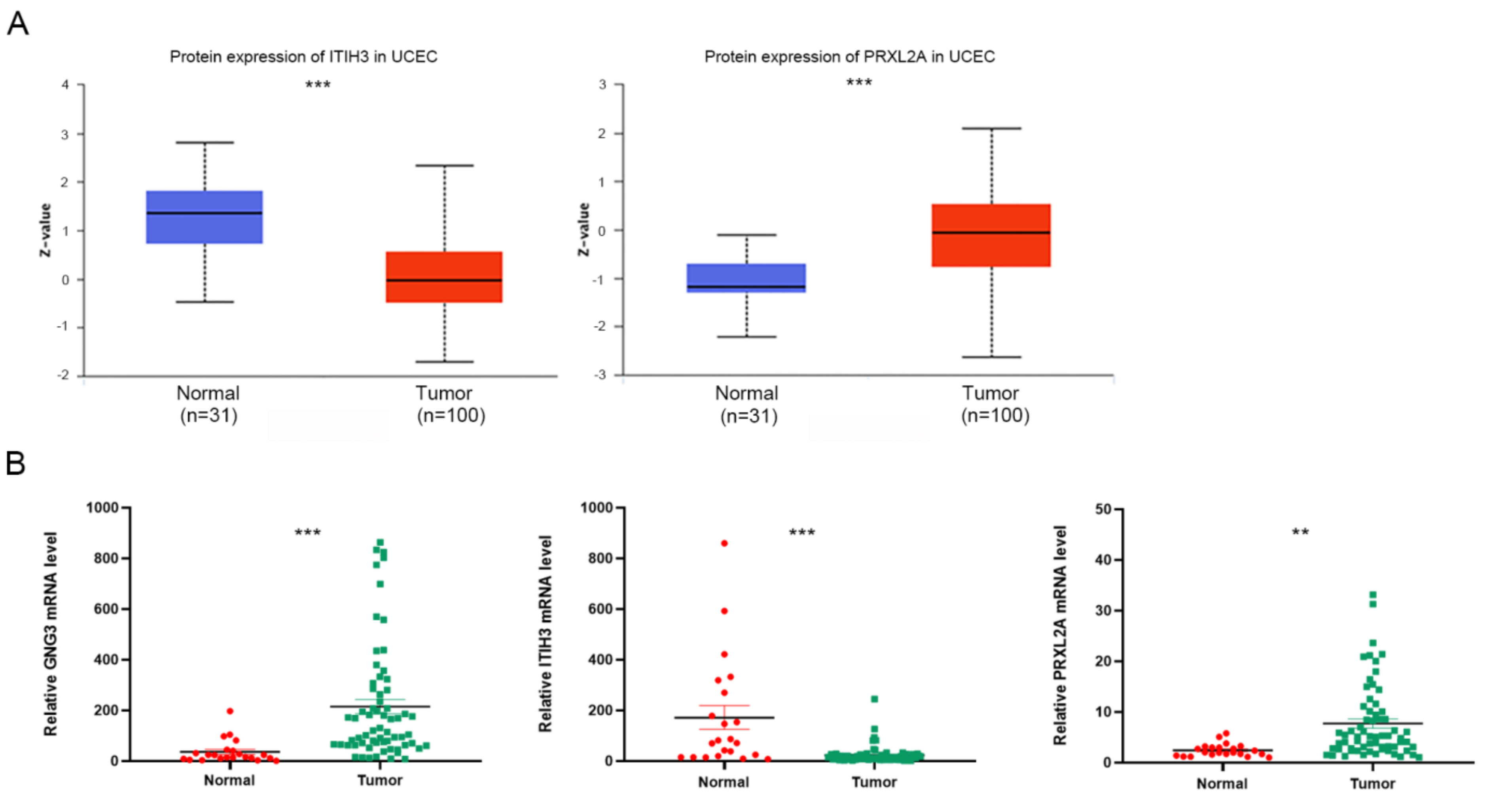
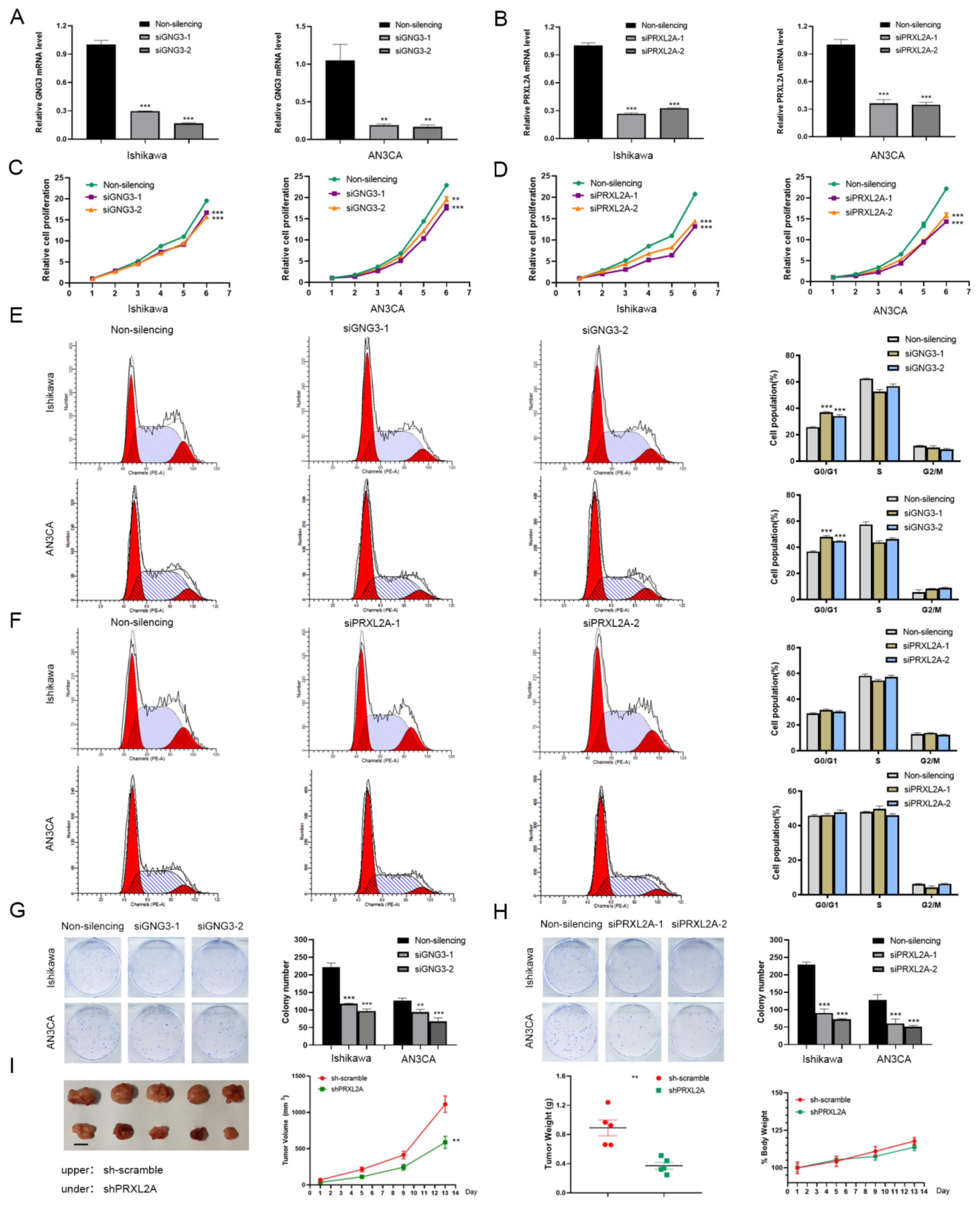
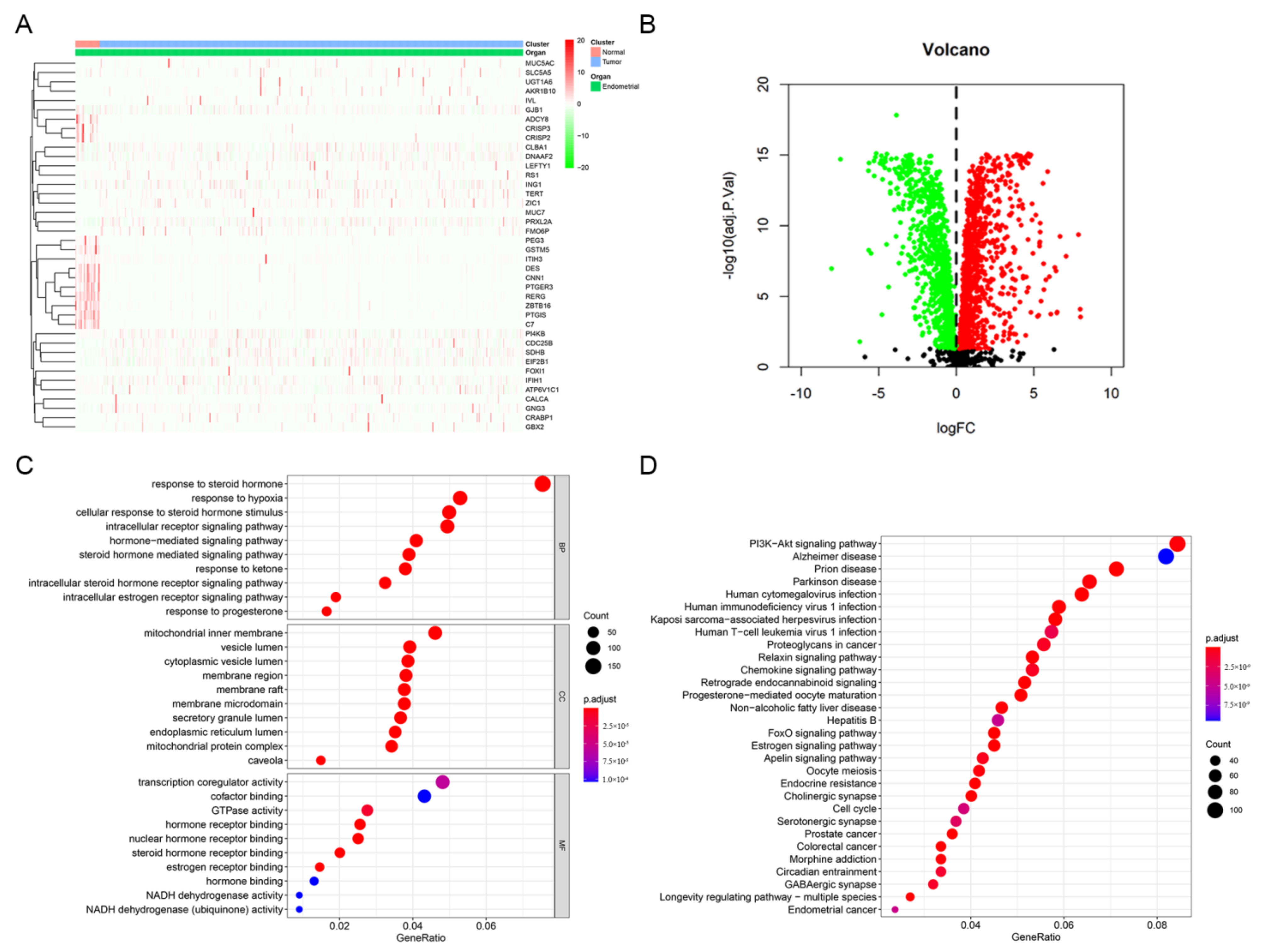
Estrogen and progesterone are the major determinants of the occurrence and development of endometrial cancer (EC), which is one of the most common gynecological cancers worldwide. Our purpose was to develop a novel estrogen/progesterone-related gene signature to better predict the prognosis of EC and help discover effective therapeutic strategies. We downloaded the clinical and RNA-seq data of 397 EC patients from The Cancer Genome Atlas (TCGA) database. The “limma” R package was used to screen for estrogen/progesterone-related differentially expressed genes (DEGs) between EC and normal tissues. Univariate and multivariate Cox proportional hazards regression analyses were applied to identify these DEGs that were associated with prognosis; then, a novel estrogen/progesterone-related prognostic signature comprising CDC25B, GNG3, ITIH3, PRXL2A and SDHB was established. The Kaplan–Meier (KM) survival analysis showed that the low-risk group identified by this signature had significantly longer overall survival (OS) than the high-risk group; the receiver operating characteristic (ROC) and risk distribution curves suggested this signature was an accurate predictor independent of risk factors. A nomogram incorporating the signature risk score and stage was constructed, and the calibration plot suggested it could accurately predict the survival rate. Compared with normal tissues, tumor tissues had increased mRNA levels of GNG3 and PRXL2A and a reduced mRNA level of ITIH3. The knockdown of PRXL2A and GNG3 significantly inhibited the proliferation and colony formation of Ishikawa and AN3CA cells, while the inhibition of PRXL2A expression suppressed xenograft growth. In this study, five estrogen/progesterone-related genes were identified and incorporated into a novel signature, which provided a new classification tool for improved risk assessment and potential molecular targets for EC therapies.
Keywords: EC; estrogen; progesterone; signature; TCGA EC; estrogen; progesterone; signature; TCGA