MicroRNAs as Diagnostic and Prognostic Biomarkers in Melanoma and Non-Melanoma Skin Cancers: An Updated Review

 ,
, 

Abstract
1. Introduction—The Role of miRNA in Skin Cancers
2. Non-Melanoma Skin Cancers
3. Melanoma
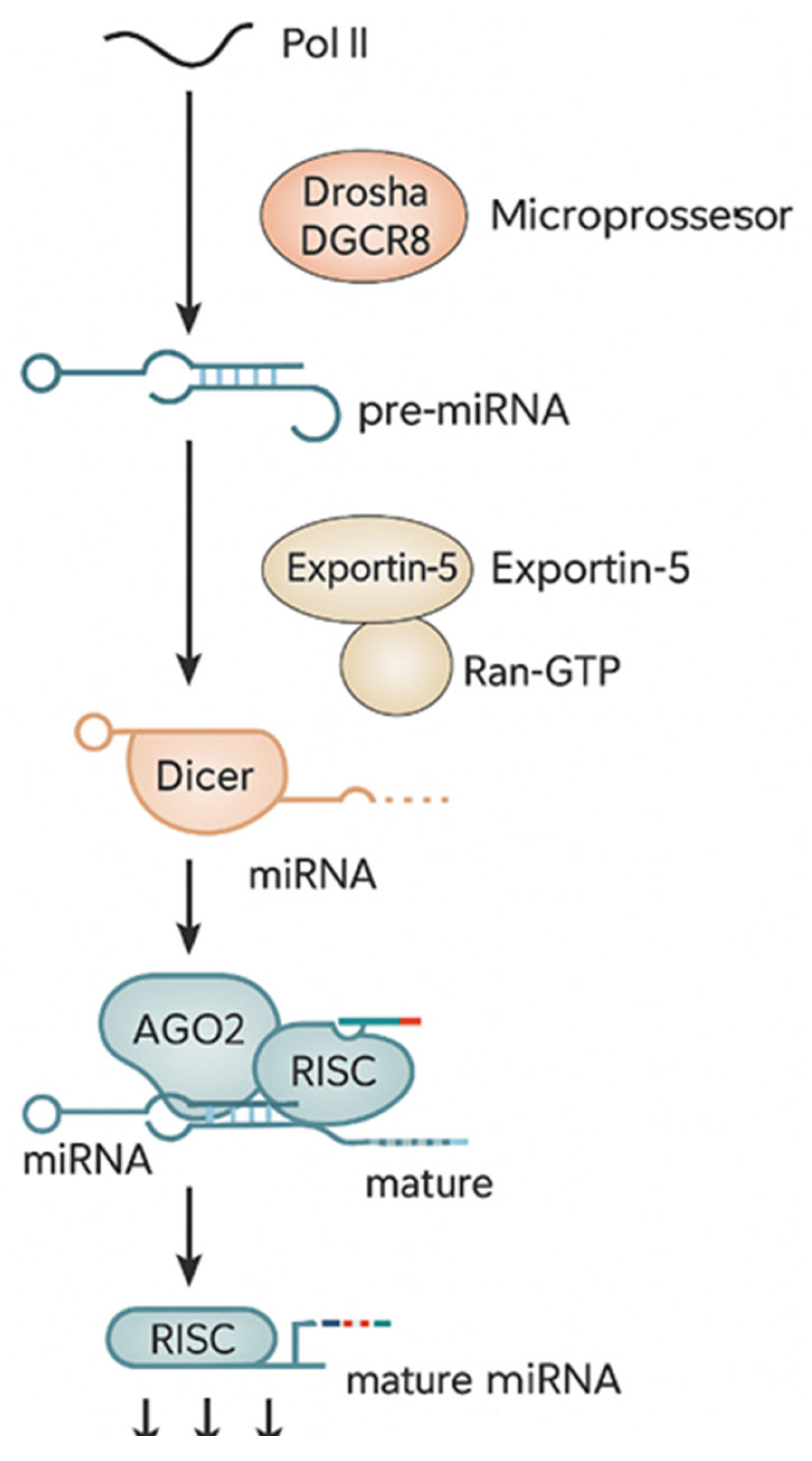
4. MiRNA Biogenesis and Their Role in Oncogenesis
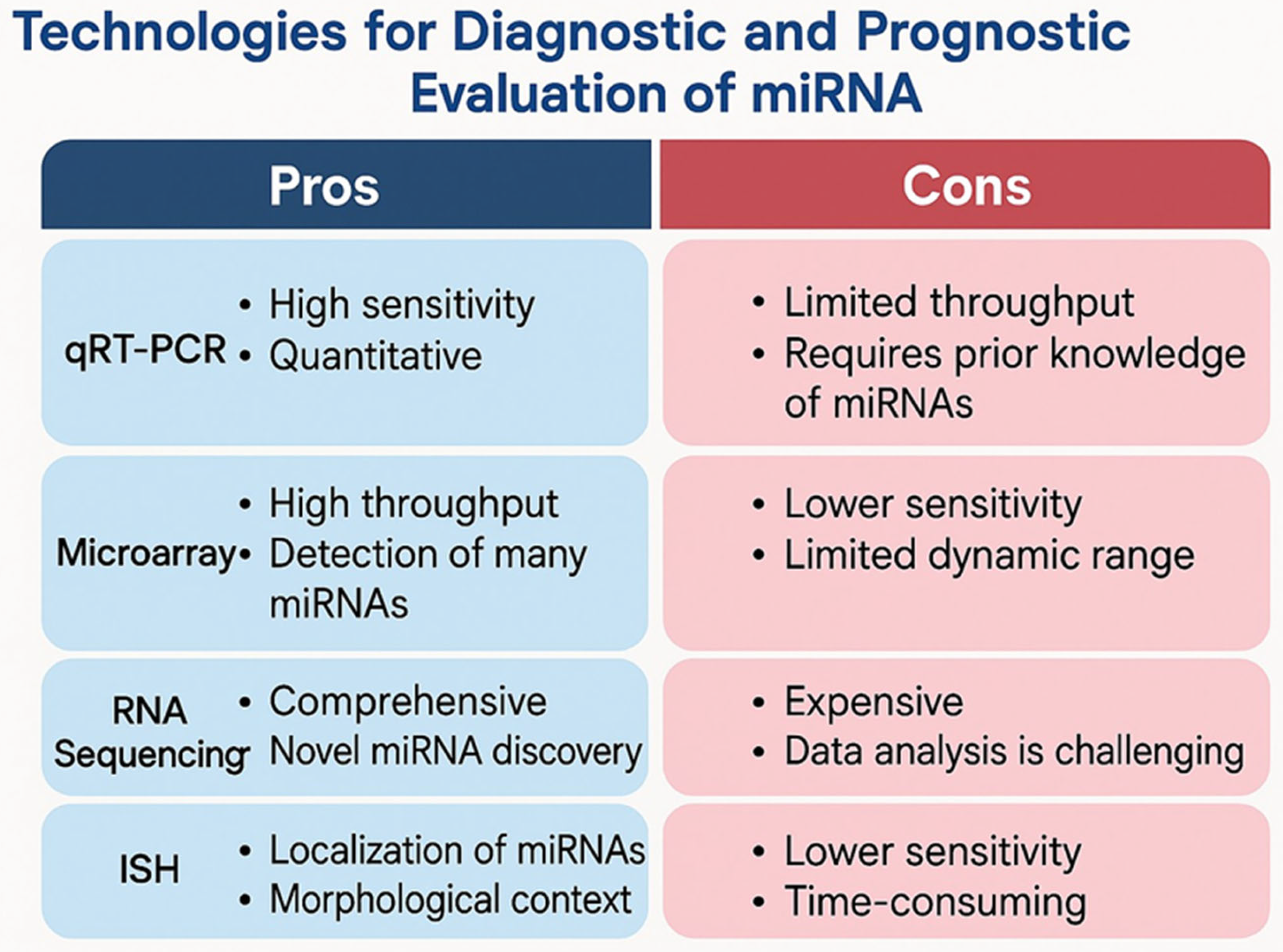
5. Main Technologies Used for the Identification of microRNAs from Biological Samples
6. The Role of miRNAs in Basal Cell Carcinoma
7. The Role of miRNAs in Cutaneous Squamous Cell Carcinoma
8. The Role of miRNA in Merkel Cell Carcinoma
9. The Role of miRNA in Melanoma
10. Dysregulation Across Models and Patient Data in Skin Cancer
11. Discussion
12. Conclusions
Author Contributions
Funding
Institutional Review Board Statement
Informed Consent Statement
Data Availability Statement
Conflicts of Interest
Abbreviations
| BCC | basal cell carcinoma |
| cSCC | cutaneous squamous cell carcinoma |
| MCC | Merkel cell carcinoma |
| BD | Bowen’s disease |
| AK | actinic keratosis |
| miRNAs | microRNAs |
| pri-miRNAs | primary miRNAs |
| DNA | deoxyribonucleic acid |
| pre-miRNAs | precursor miRNAs |
| EMT | epithelial-to-mesenchymal transition |
| NMSC | non-melanoma skin cancers |
| MSC | melanoma skin cancer |
| UV | ultraviolet |
| SCC | squamous cell carcinoma |
| CDKN2A | cyclin-dependent kinase inhibitor 2A |
| MC1R | melanocortin 1 receptor |
| CDK4 | cyclin-dependent kinase 4 |
| BRAF | v-Raf murine sarcoma viral oncogene homolog B1 |
| AGO | Argonaute proteins |
| HDL | high-density lipoprotein |
| qRT-PCR | quantitative RT-PCR |
| E2F1 | E2 promoter binding factor 1 |
| NOTCH4 | neurogenic locus Notch homolog-4 |
| KRAS | Kirsten rat sarcoma virus |
| MAPK | mitogen-activated protein kinase |
| TRBP | TAR-RNA binding protein |
| EGFR | Epidermal Growth Factor Receptor |
| MCPyV | Merkel cell polyomavirus |
| ATOH1 | Atonal homolog 1 |
| PTEN | Phosphatase and Tensin Homolog |
| TIMP3 | Tissue Inhibitor of Metalloproteinases 3 |
| RHOB | Ras Homolog Family Member B |
| COAD | colon adenocarcinoma |
| PDCD4 | Programmed Cell Death Protein 4 |
| BTG2 | BTG Anti-Proliferation Factor 2 |
| NK cells | natural killer cells |
| EPHA7 | EPH Receptor A7 |
References
- Tamas, T.; Raduly, L.; Berindan-Neagoe, I.; Dinu, C.; Botan, E.; Bumbu, B.; Tamas, A.; Stoia, S.; Leucuta, D.C.; Bran, S.; et al. The Role of miRNA-221 and miRNA-34a in Non-Melanoma Skin Cancer of the Head and Neck Region. Genes 2023, 14, 503. [Google Scholar] [CrossRef]
- Wang, Y.; Sun, B.; Wen, X.; Hao, D.; Du, D.; He, G.; Jiang, X. The Roles of lncRNA in Cutaneous Squamous Cell Carcinoma. Front. Oncol. 2020, 10, 158. [Google Scholar] [CrossRef] [PubMed]
- Neagu, M.; Constantin, C.; Cretoiu, S.M.; Zurac, S. miRNAs in the Diagnosis and Prognosis of Skin Cancer. Front. Cell Dev. Biol. 2020, 8, 71. [Google Scholar] [CrossRef] [PubMed]
- Nikolouzakis, T.K.; Falzone, L.; Lasithiotakis, K.; Krüger-Krasagakis, S.; Kalogeraki, A.; Sifaki, M.; Spandidos, D.A.; Chrysos, E.; Tsatsakis, A.; Tsiaoussis, J. Current and Future Trends in Molecular Biomarkers for Diagnostic, Prognostic, and Predictive Purposes in Non-Melanoma Skin Cancer. J. Clin. Med. 2020, 9, 2868. [Google Scholar] [CrossRef] [PubMed]
- Poniewierska-Baran, A.; Zadroga, Ł.; Danilyan, E.; Małkowska, P.; Niedźwiedzka-Rystwej, P.; Pawlik, A. MicroRNA as a Diagnostic Tool, Therapeutic Target and Potential Biomarker in Cutaneous Malignant Melanoma Detection-Narrative Review. Int. J. Mol. Sci. 2023, 24, 5386. [Google Scholar] [CrossRef]
- Giunta, E.F.; Arrichiello, G.; Curvietto, M.; Pappalardo, A.; Bosso, D.; Rosanova, M.; Diana, A.; Giordano, P.; Petrillo, A.; Federico, P.; et al. Epigenetic Regulation in Melanoma: Facts and Hopes. Cells 2021, 10, 2048. [Google Scholar] [CrossRef]
- Tamas, T.; Baciut, M.; Nutu, A.; Bran, S.; Armencea, G.; Stoia, S.; Manea, A.; Crisan, L.; Opris, H.; Onisor, F.; et al. Is miRNA Regulation the Key to Controlling Non-Melanoma Skin Cancer Evolution? Genes 2021, 12, 1929. [Google Scholar] [CrossRef]
- Xu, M.; Yan, J.; Wang, X.; Zhang, Y.; Yang, S. New insights into microRNA in dermatological diseases. Front. Med. 2025, 12, 1624085. [Google Scholar] [CrossRef]
- Zhang, S.; Cheng, Z.; Wang, Y.; Han, T. The Risks of miRNA Therapeutics: In a Drug Target Perspective. Drug Des. Devel Ther. 2021, 15, 721–733, Erratum in Drug Des. Devel Ther. 2021, 15, 1423. https://doi.org/10.2147/DDDT.S310264. [Google Scholar] [CrossRef]
- Martino, M.T.D.; Tagliaferri, P.; Tassone, P. MicroRNA in cancer therapy: Breakthroughs and challenges in early clinical applications. J. Exp. Clin. Cancer Res. 2025, 44, 126. [Google Scholar] [CrossRef]
- Garzon, R.; Marcucci, G.; Croce, C.M. Targeting microRNAs in cancer: Rationale, strategies and challenges. Nat. Rev. Drug Discov. 2010, 9, 775–789. [Google Scholar] [CrossRef] [PubMed]
- Tigu, A.B.; Ivancuta, A.; Uhl, A.; Sabo, A.C.; Nistor, M.; Mureșan, X.M.; Cenariu, D.; Timis, T.; Diculescu, D.; Gulei, D. Epigenetic Therapies in Melanoma-Targeting DNA Methylation and Histone Modification. Biomedicines 2025, 13, 1188. [Google Scholar] [CrossRef] [PubMed]
- Di Vincenzo, M.; Diotallevi, F.; Piccirillo, S.; Carnevale, G.; Offidani, A.; Campanati, A.; Orciani, M. miRNAs, Mesenchymal Stromal Cells and Major Neoplastic and Inflammatory Skin Diseases: A Page Being Written: A Systematic Review. Int. J. Mol. Sci. 2023, 24, 8502. [Google Scholar] [CrossRef] [PubMed]
- Durante, G.; Broseghini, E.; Comito, F.; Naddeo, M.; Milani, M.; Salamon, I.; Campione, E.; Dika, E.; Ferracin, M. Circulating microRNA biomarkers in melanoma and non-melanoma skin cancer. Expert. Rev. Mol. Diagn. 2022, 22, 305–318. [Google Scholar] [CrossRef]
- Tanese, K. Diagnosis and Management of Basal Cell Carcinoma. Curr. Treat. Options Oncol. 2019, 20, 13. [Google Scholar] [CrossRef]
- Kim, D.P.; Kus, K.J.B.; Ruiz, E. Basal Cell Carcinoma Review. Hematol. Oncol. Clin. North. Am. 2019, 33, 13–24. [Google Scholar] [CrossRef]
- Kilgour, J.M.; Jia, J.L.; Sarin, K.Y. Review of the Molecular Genetics of Basal Cell Carcinoma; Inherited Susceptibility, Somatic Mutations, and Targeted Therapeutics. Cancers 2021, 13, 3870. [Google Scholar] [CrossRef]
- Hadian, Y.; Howell, J.Y.; Ramsey, M.L.; Chris, B. Cutaneous Squamous Cell Carcinoma. In StatPearls [Internet]; StatPearls Publishing: St. Petersburg/Tampa, FL, USA, 2025. Available online: https://www.ncbi.nlm.nih.gov/books/NBK441939 (accessed on 13 November 2025).
- Hedberg, M.L.; Berry, C.T.; Moshiri, A.S.; Xiang, Y.; Yeh, C.J.; Attilasoy, C.; Capell, B.C.; Seykora, J.T. Molecular Mechanisms of Cutaneous Squamous Cell Carcinoma. Int. J. Mol. Sci. 2022, 23, 3478. [Google Scholar] [CrossRef]
- Patel, P.; Hussain, K. Merkel cell carcinoma. Clin. Exp. Dermatol. 2021, 46, 814–819. [Google Scholar] [CrossRef]
- Konstatinell, A.; Coucheron, D.H.; Sveinbjørnsson, B.; Moens, U. MicroRNAs as Potential Biomarkers in Merkel Cell Carcinoma. Int. J. Mol. Sci. 2018, 19, 1873. [Google Scholar] [CrossRef]
- Heistein, J.B.; Acharya, U.; Mukkamalla, S.K.R. Malignant Melanoma. In StatPearls [Internet]; StatPearls Publishing: St. Petersburg/Tampa, FL, USA, 2025. [Google Scholar] [PubMed]
- Karami Fath, M.; Azargoonjahromi, A.; Soofi, A.; Almasi, F.; Hosseinzadeh, S.; Khalili, S.; Sheikhi, K.; Ferdousmakan, S.; Owrangi, S.; Fahimi, M.; et al. Current understanding of epigenetics role in melanoma treatment and resistance. Cancer Cell Int. 2022, 22, 313. [Google Scholar] [CrossRef] [PubMed]
- Payandeh, Z.; Yarahmadi, M.; Nariman-Saleh-Fam, Z.; Tarhriz, V.; Islami, M.; Aghdam, A.M.; Eyvazi, S. Immune therapy of melanoma: Overview of therapeutic vaccines. J. Cell Physiol. 2019, 234, 14612–14621. [Google Scholar] [CrossRef]
- Eddy, K.; Chen, S. Overcoming Immune Evasion in Melanoma. Int. J. Mol. Sci. 2020, 21, 8984. [Google Scholar] [CrossRef] [PubMed]
- Antonova, E.; Hambikova, A.; Shcherbakov, D.; Sukhov, V.; Vysochanskaya, S.; Fadeeva, I.; Gorshenin, D.; Sidorova, E.; Kashutina, M.; Zhdanova, A.; et al. Determination of Common microRNA Biomarker Candidates in Stage IV Melanoma Patients and a Human Melanoma Cell Line: A Potential Anti-Melanoma Agent Screening Model. Int. J. Mol. Sci. 2023, 24, 9160. [Google Scholar] [CrossRef] [PubMed]
- Wang, J.; Chen, J.; Sen, S. MicroRNA as Biomarkers and Diagnostics. J. Cell Physiol. 2016, 231, 25–30. [Google Scholar] [CrossRef]
- Nik Mohamed Kamal, N.N.S.B.; Shahidan, W.N.S. Non-Exosomal and Exosomal Circulatory MicroRNAs: Which Are More Valid as Biomarkers? Front. Pharmacol. 2020, 10, 1500. [Google Scholar] [CrossRef]
- Peng, Y.; Croce, C. The role of MicroRNAs in human cancer. Sig Transduct. Target. Ther. 2016, 1, 15004. [Google Scholar] [CrossRef]
- Rupaimoole, R.; Slack, F.J. MicroRNA therapeutics: Towards a new era for the management of cancer and other diseases. Nat. Rev. Drug Discov. 2017, 16, 203–222. [Google Scholar] [CrossRef]
- Saliminejad, K.; Khorram Khorshid, H.R.; Soleymani Fard, S.; Ghaffari, S.H. An overview of microRNAs: Biology, functions, therapeutics, and analysis methods. J. Cell Physiol. 2019, 234, 5451–5465. [Google Scholar] [CrossRef]
- Du, P.; Wang, L.; Sliz, P.; Gregory, R.I. A Biogenesis Step Upstream of Microprocessor Controls miR-17∼92 Expression. Cell 2015, 162, 885–899. [Google Scholar] [CrossRef]
- Wu, Y.; Li, Q.; Zhang, R.; Dai, X.; Chen, W.; Xing, D. Circulating microRNAs: Biomarkers of disease. Clin. Chim. Acta 2021, 516, 46–54. [Google Scholar] [CrossRef] [PubMed]
- Leidinger, P.; Keller, A.; Borries, A.; Reichrath, J.; Rass, K.; Jager, S.U.; Lenhof, H.P.; Meese, E. High-throughput miRNA profiling of human melanoma blood samples. BMC Cancer 2010, 10, 262. [Google Scholar] [CrossRef] [PubMed]
- Komina, A.; Palkina, N.; Aksenenko, M.; Tsyrenzhapova, S.; Ruksha, T. Antiproliferative and Pro-Apoptotic Effects of MiR-4286 Inhibition in Melanoma Cells. PLoS ONE 2016, 11, e0168229. [Google Scholar] [CrossRef] [PubMed]
- Van Laar, R.; Lincoln, M.; Van Laar, B. Development and validation of a plasma-based melanoma biomarker suitable for clinical use. Br. J. Cancer 2018, 118, 857–866. [Google Scholar] [CrossRef]
- Salehi, M.; Sharifi, M. Exosomal miRNAs as novel cancer biomarkers: Challenges and opportunities. J. Cell Physiol. 2018, 233, 6370–6380. [Google Scholar] [CrossRef]
- Sand, M.; Skrygan, M.; Sand, D.; Georgas, D.; Hahn, S.A.; Gambichler, T.; Altmeyer, P.; Bechara, F.G. Expression of microRNAs in basal cell carcinoma. Br. J. Dermatol. 2012, 167, 847–855. [Google Scholar] [CrossRef]
- Sand, M.; Hessam, S.; Amur, S.; Skrygan, M.; Bromba, M.; Stockfleth, E.; Gambichler, T.; Bechara, F.G. Expression of oncogenic miR-17-92 and tumor suppressive miR-143-145 clusters in basal cell carcinoma and cutaneous squamous cell carcinoma. J. Dermatol. Sci. 2017, 86, 142–148. [Google Scholar] [CrossRef]
- Hu, P.; Ma, L.; Wu, Z.; Zheng, G.; Li, J. Expression of miR-34a in basal cell carcinoma patients and its relationship with prognosis. J. BUON 2019, 24, 1283–1288. [Google Scholar]
- Fastner, S.; Rahman, H.; Gutierrez, J.; Shen, N.; Florell, S.R.; Florell, A.; Stubben, C.J.; Boucher, K.M.; Deacon, D.C.; Judson-Torres, R.L.; et al. MicroRNA Signatures Associated with Basal Cell Carcinoma Subtypes. JID Innov. 2024, 4, 100286. [Google Scholar] [CrossRef]
- Sun, H.; Jiang, P. MicroRNA-451a acts as tumor suppressor in cutaneous basal cell carcinoma. Mol. Genet. Genomic Med. 2018, 6, 1001–1009. [Google Scholar] [CrossRef]
- Mi, X.; Lai, K.; Yan, L.; Xie, S.; Qiu, X.; Xiao, S.; Wei, S. miR-18a expression in basal cell carcinoma and regulatory mechanism on autophagy through mTOR pathway. Clin. Exp. Dermatol. 2020, 45, 1027–1034. [Google Scholar] [CrossRef] [PubMed]
- Chang, J.; Tran, D.C.; Zhu, G.A.; Li, R.; Whitson, R.; Kim, Y.H.; Gupta, A.; Afshari, A.; Antes, T.; Spitale, R.C.; et al. Initial in vitro functional characterization of serum exosomal microRNAs from patients with metastatic basal cell carcinoma. Br. J. Dermatol. 2017, 177, e187–e190. [Google Scholar] [CrossRef] [PubMed]
- Conley, J.; Genenger, B.; Ashford, B.; Ranson, M. Micro RNA Dysregulation in Keratinocyte Carcinomas: Clinical Evidence, Functional Impact, and Future Directions. Int. J. Mol. Sci. 2024, 25, 8493. [Google Scholar] [CrossRef] [PubMed]
- Konicke, K.; López-Luna, A.; Muñoz-Carrillo, J.L.; Servín-González, L.S.; Flores-de la Torre, A.; Olasz, E.; Lazarova, Z. The microRNA landscape of cutaneous squamous cell carcinoma. Drug Discov. Today 2018, 23, 864–870. [Google Scholar] [CrossRef]
- Wang, A.; Landén, N.X.; Meisgen, F.; Lohcharoenkal, W.; Ståhle, M.; Sonkoly, E.; Pivarcsi, A. MicroRNA-31 is overexpressed in cutaneous squamous cell carcinoma and regulates cell motility and colony formation ability of tumor cells. PLoS ONE 2014, 9, e103206. [Google Scholar] [CrossRef]
- Lin, N.; Zhou, Y.; Lian, X.; Tu, Y. MicroRNA-31 functions as an oncogenic microRNA in cutaneous squamous cell carcinoma cells by targeting RhoTBT1. Oncol. Lett. 2017, 13, 1078–1082. [Google Scholar] [CrossRef]
- Chen, S.; Luo, L.; Chen, H.; He, C. The Current State of Research Regarding the Role of Non-Coding RNAs in Cutaneous Squamous Cell Carcinoma. Onco Targets Ther. 2020, 13, 13151–13158. [Google Scholar] [CrossRef]
- Cañueto, J.; Cardeñoso-Álvarez, E.; García-Hernández, J.L.; Galindo-Villardón, P.; Vicente-Galindo, P.; Vicente-Villardón, J.L.; Alonso-López, D.; De Las Rivas, J.; Valero, J.; Moyano-Sanz, E.; et al. MicroRNA (miR)-203 and miR-205 expression patterns identify subgroups of prognosis in cutaneous squamous cell carcinoma. Br. J. Dermatol. 2017, 177, 168–178. [Google Scholar] [CrossRef]
- Gong, Z.H.; Zhou, F.; Shi, C.; Xiang, T.; Zhou, C.K.; Wang, Q.Q.; Jiang, Y.S.; Gao, S.F. miRNA-221 promotes cutaneous squamous cell carcinoma progression by targeting PTEN. Cell Mol. Biol. Lett. 2019, 24, 9. [Google Scholar] [CrossRef]
- Zhang, L.; Xiang, P.; Han, X.; Wu, L.; Li, X.; Xiong, Z. Decreased expression of microRNA-20a promotes tumor progression and predicts poor prognosis of cutaneous squamous cell carcinoma. Int. J. Clin. Exp. Pathol. 2015, 8, 11446–11451. [Google Scholar]
- Chen, B.; Pan, W.; Lin, X.; Hu, Z.; Jin, Y.; Chen, H.; Ma, G.; Qiu, Y.; Chang, L.; Hua, C.; et al. MicroRNA-346 functions as an oncogene in cutaneous squamous cell carcinoma. Tumour Biol. 2016, 37, 2765–2771. [Google Scholar] [CrossRef]
- Hughes, M.P.; Hardee, M.E.; Cornelius, L.A.; Hutchins, L.F.; Becker, J.C.; Gao, L. Merkel Cell Carcinoma: Epidemiology, Target, and Therapy. Curr. Dermatol. Rep. 2014, 3, 46–53. [Google Scholar] [CrossRef] [PubMed]
- Ning, M.S.; Kim, A.S.; Prasad, N.; Levy, S.E.; Zhang, H.; Andl, T. Characterization of the Merkel Cell Carcinoma miRNome. J. Skin. Cancer 2014, 2014, 289548. [Google Scholar] [CrossRef] [PubMed]
- Fan, K.; Gravemeyer, J.; Ritter, C.; Rasheed, K.; Gambichler, T.; Moens, U.; Shuda, M.; Schrama, D.; Becker, J.C. MCPyV Large T Antigen-Induced Atonal Homolog 1 Is a Lineage-Dependency Oncogene in Merkel Cell Carcinoma. J. Invest. Dermatol. 2020, 140, 56–65.e3. [Google Scholar] [CrossRef] [PubMed]
- Fogli, S.; Polini, B.; Carpi, S.; Pardini, B.; Naccarati, A.; Dubbini, N.; Lanza, M.; Breschi, M.C.; Romanini, A.; Nieri, P. Identification of plasma microRNAs as new potential biomarkers with high diagnostic power in human cutaneous melanoma. Tumour Biol. 2017, 39, 1010428317701646. [Google Scholar] [CrossRef]
- Solé, C.; Tramonti, D.; Schramm, M.; Goicoechea, I.; Armesto, M.; Hernandez, L.I.; Manterola, L.; Fernandez-Mercado, M.; Mujika, K.; Tuneu, A.; et al. The Circulating Transcriptome as a Source of Biomarkers for Melanoma. Cancers 2019, 11, 70. [Google Scholar] [CrossRef]
- Babapoor, S.; Horwich, M.; Wu, R.; Levinson, S.; Gandhi, M.; Makkar, H.; Kristjansson, A.; Chang, M.; Dadras, S.S. microRNA in situ hybridization for miR-211 detection as an ancillary test in melanoma diagnosis. Mod. Pathol. 2016, 29, 461–475. [Google Scholar] [CrossRef]
- Barbato, A.; Iuliano, A.; Volpe, M.; D’Alterio, R.; Brillante, S.; Massa, F.; De Cegli, R.; Carrella, S.; Salati, M.; Russo, A.; et al. Integrated Genomics Identifies miR-181/TFAM Pathway as a Critical Driver of Drug Resistance in Melanoma. Int. J. Mol. Sci. 2021, 22, 1801. [Google Scholar] [CrossRef]
- Zhou, X.; He, J.; Wang, Q.; Ma, T. MiRNA-128-3p Restrains Malignant Melanoma Cell Malignancy by Targeting NTRK3. Front. Oncol. 2021, 10, 538894. [Google Scholar] [CrossRef]
- Guo, Y.; Shi, W.; Fang, R. miR 18a 5p promotes melanoma cell proliferation and inhibits apoptosis and autophagy by targeting EPHA7 signaling. Mol. Med. Rep. 2021, 23, 79. [Google Scholar] [CrossRef]
- Felicetti, F.; Errico, M.C.; Bottero, L.; Segnalini, P.; Stoppacciaro, A.; Biffoni, M.; Felli, N.; Mattia, G.; Petrini, M.; Colombo, M.P.; et al. The Promyelocytic Leukemia Zinc Finger–MicroRNA-221/-222 Pathway Controls Melanoma Progression through Multiple Oncogenic Mechanisms. Cancer Res. 2008, 68, 2745–2754. [Google Scholar] [CrossRef] [PubMed]
- Kanemaru, H.; Fukushima, S.; Yamashita, J.; Honda, N.; Oyama, R.; Kakimoto, A.; Masuguchi, S.; Ishihara, T.; Inoue, Y.; Jinnin, M.; et al. The circulating microRNA-221 level in patients with malignant melanoma as a new tumor marker. J. Dermatol. Sci. 2011, 61, 187–193. [Google Scholar] [CrossRef] [PubMed]
- Errico, M.C.; Felicetti, F.; Bottero, L.; Mattia, G.; Boe, A.; Felli, N.; Petrini, M.; Bellenghi, M.; Pandha, H.S.; Calvaruso, M.; et al. The abrogation of the HOXB7/PBX2 complex induces apoptosis in melanoma through the miR-221&222-c-FOS pathway. Int. J. Cancer 2013, 133, 879–892. [Google Scholar] [CrossRef] [PubMed]
- Aksenenko, M.; Palkina, N.; Komina, A.; Tashireva, L.; Ruksha, T. Differences in microRNA expression between melanoma and healthy adjacent skin. BMC Dermatol. 2019, 19, 1. [Google Scholar] [CrossRef]
- Achberger, S.; Aldrich, W.; Tubbs, R.; Crabb, J.W.; Singh, A.D.; Triozzi, P.L. Circulating immune cell and microRNA in patients with uveal melanoma developing metastatic disease. Mol. Immunol. 2014, 58, 182–186. [Google Scholar] [CrossRef]
- Yong, F.L.; Law, C.W.; Wang, C.W. Potentiality of a triple microRNA classifier: miR-193a-3p, miR-23a and miR-338-5p for early detection of colorectal cancer. BMC Cancer 2013, 13, 280. [Google Scholar] [CrossRef]
- Hu, T.; Chong, Y.; Cai, B.; Liu, Y.; Lu, S.; Cowell, J.K. DNA methyltransferase 1-mediated CpG methylation of the miR-150-5p promoter contributes to fibroblast growth factor receptor 1-driven leukemogenesis. J. Biol. Chem. 2019, 294, 18122–18130. [Google Scholar] [CrossRef]
- Greenberg, E.; Besser, M.J.; Ben-Ami, E.; Shapira-Frommer, R.; Itzhaki, O.; Zikich, D.; Levy, D.; Kubi, A.; Eyal, E.; Onn, A.; et al. A comparative analysis of total serum miRNA profiles identifies novel signature that is highly indicative of metastatic melanoma: A pilot study. Biomarkers 2013, 18, 502–508. [Google Scholar] [CrossRef]
- Torres, R.; Lang, U.E.; Hejna, M.; Shelton, S.J.; Joseph, N.M.; Shain, A.H.; Yeh, I.; Wei, M.L.; Oldham, M.C.; Bastian, B.C.; et al. MicroRNA Ratios Distinguish Melanomas from Nevi. J. Invest. Dermatol. 2020, 140, 164–173.e7. [Google Scholar] [CrossRef]
- Hayes, J.; Peruzzi, P.P.; Lawler, S. MicroRNAs in cancer: Biomarkers, functions and therapy. Trends Mol Med. 2014, 20, 460–469. [Google Scholar] [CrossRef]
- Ferracin, M.; Negrini, M. Micromarkers 2.0: An update on the role of microRNAs in cancer diagnosis and prognosis. Expert. Rev. Mol. Diagn. 2015, 15, 1369–1381. [Google Scholar] [CrossRef] [PubMed]
- de Planell-Saguer, M.; Rodicio, M.C. Analytical aspects of microRNA in diagnostics: A review. Anal. Chim. Acta 2011, 699, 134–152. [Google Scholar] [CrossRef] [PubMed]
- Greenberg, E.; Hershkovitz, L.; Itzhaki, O.; Hajdu, S.; Nemlich, Y.; Ortenberg, R.; Gefen, N.; Edry, L.; Modai, S.; Keisari, Y.; et al. Regulation of cancer aggressive features in melanoma cells by microRNAs. PLoS ONE 2011, 6, e18936. [Google Scholar] [CrossRef] [PubMed]
- Larrea, E.; Sole, C.; Manterola, L.; Goicoechea, I.; Armesto, M.; Arestin, M.; Caffarel, M.M.; Araujo, A.M.; Araiz, M.; Fernandez-Mercado, M.; et al. New Concepts in Cancer Biomarkers: Circulating miRNAs in Liquid Biopsies. Int. J. Mol. Sci. 2016, 17, 627. [Google Scholar] [CrossRef]
- Wang, K.; Zhang, Z.W. Expression of miR-203 is decreased and associated with the prognosis of melanoma patients. Int. J. Clin. Exp. Pathol. 2015, 8, 13249–13254. [Google Scholar]
- Hunt, E.A.; Broyles, D.; Head, T.; Deo, S.K. MicroRNA Detection: Current Technology and Research Strategies. Annu Rev Anal Chem (Palo Alto Calif) 2015, 8, 217–237. [Google Scholar] [CrossRef]
- Ouyang, T.; Liu, Z.; Han, Z.; Ge, Q. MicroRNA Detection Specificity: Recent Advances and Future Perspective. Anal. Chem. 2019, 91, 3179–3186. [Google Scholar] [CrossRef]



| Ref | Expression | miRNA | Role |
|---|---|---|---|
| Sand M. et al. [39] | upregulated | miR-17 | pro-growth miRNA regulated in vitro by MAPK/ERK-induced phosphorylation of TRBP |
| miR-18a, miR-18b | cell proliferation and the suppression of apoptosis | ||
| miR-19b, miR-19b-1 | enhanced cell proliferation and the suppression of apoptosis | ||
| miR-93 | transcription factor E2F1 (E2 promoter binding factor 1) target gene | ||
| miR-106b | transcription factor E2F1 is a target gene | ||
| miR-125a-5p | induces apoptosis | ||
| miR-130a | regulatory effect on the apoptosis | ||
| miR-181c, hsa-miR-181c*, 181d | targets NOTCH4 (neurogenic locus Notch homolog-4) and KRAS (Kirsten rat sarcoma virus) | ||
| miR-182 | negatively regulates human Forkheadbox O1 (FOXO1) | ||
| miR-455-3p, miR-455-5p miR-542-5p | not mentioned | ||
| downregulated | mir-143-5p mir-145-5p | targets EGFR | |
| Pei Hu et al. [40] | downregulated | mir-34a | regulates the apoptosis of cells, and inhibits abnormal cell differentiation, proliferation, invasion, and migration |
| Fastner et al. [41] | downregulated | Mir-383-5p, miR-145-5p | discriminates between BCC subtypes and normal skin |
| Hui Sun et al. [42] | downregulated | miRNA-451a | suppresses cell growth through G1 cell cycle arrest |
| X Mi et al. [43] | upregulated | mir-18a | discriminates between BCC tissues and normal skin; an oncogenic role through a novel Akt/mTOR/Beclin 1/LC3 axis and the antitumor effects of miR-18a inhibitor may make it suitable for BCC therapy |
| Chang et al. [44] | upregulated | miR197-5p | potential role in metastasis process |
| Ref | Expression | miRNA | Role |
|---|---|---|---|
| Wang A et al. [47] | upregulated | miR-31 | promotes migration and invasion of cSCC cells |
| Canueto J et al. [50] | upregulated | miRNA-205 | maintains a poorly differentiated and more aggressive epithelial phenotype in the tumors |
| miRNA-203 | tumor suppressor in human cSCC | ||
| Gong ZH et al. [51] | upregulated | miR-221 | promotes cell proliferation |
| Zhang et al. [52] | downregulated | mir-20a | associates with the TNM stage of cSCC |
| Chen et al. [53] | upregulated | mir-346 | promotes cSCC cell proliferation and migration by directly targeting SRCIN1 |
| Ref | Expression | MiRNA | Role |
|---|---|---|---|
| Fogli et al. [57] | upregulated | miR-150-5p | increases tumor immunoresistance by post-transcriptionally downregulating perforin-1 in mouse NK cells |
| miR-149-3p | p53-dependent survival by increasing the expression of the anti-apoptotic Mcl-1 protein | ||
| miR-15b-5p | increasing cell proliferation and decreasing apoptosis in melanoma cell lines | ||
| downregulated | Mir-193a-3p | tumor suppressor in many human cancers, including melanoma | |
| miR-524-59 | inhibits melanoma cell proliferation and migration in human melanoma cell lines | ||
| Babapoor et al. [59] | downregulated | miR-211 | potent tumor suppressor—influencing gene pathways involved in cell invasion |
| Barbato et al. [60] | upregulated | miR-181a/b | new potential modulators of melanoma resistance to BRAF inhibitors; miR-181a/b depletion may trigger tumor growth in vitro |
| Zhou et al. [61] | downregulated | miR-128-3p | tumor suppressor |
| Guo Y et al. [62] | upregulated | miR-18a-5p | inhibition of EPHA7 expression induces melanoma cell proliferation and suppresses apoptosis and autophagy |
| upregulated | miR-221 | loss of expression of the tyrosine kinase receptor c-KIT | |
| Aksenenko et al. [66] | upregulated | miR-146a | not mentioned |
| upregulated | miR-149-3p miR-193-3p miR-150-5p miR-155-5p mir-21-5p | not mentioned | |
| Sole C: et al. [58] | downregulated | MiR-134-5p | tumor suppressor, regulates cell proliferation, apoptosis, invasion, and migration |
| MiR-320a-3p | inhibitor of cell proliferation |
| Data/Model Type | What miRNA Up-/Downregulation Reflects | Concordance With Patient Data | Utility (Diagnostic/Prognostic) | Key References |
|---|---|---|---|---|
| Cell Lines | Intracellular miRNA expression; direct molecular mechanisms (proliferation, apoptosis, invasion) | Moderate—directionality often conserved, magnitude differs | Diagnostic: High (screening); Prognostic: Low | Wang et al., 2016 [27]; Hayes et al., 2014 [72] |
| Animal Models | Tumor tissue expression plus systemic release of miRNAs (including circulating miRNAs) | Moderate–High—closer to human context than cell lines | Diagnostic: Moderate–High; Prognostic: Moderate | Peng & Croce, 2016 [29]; Wang et al., 2016 [27] |
| Human Tumor Tissue | Tumor-specific miRNA profiles reflecting disease stage and progression | Reference standard for biological validation | Diagnostic: High; Prognostic: Moderate | Hayes et al., 2014 [72]; Peng & Croce, 2016 [29] |
| Human Biofluids (Serum/Plasma) | Circulating miRNAs (exosomal and protein-bound | Variable, influenced by biological and pre-analytical factors | Diagnostic: Moderate–High; Prognostic: Moderate | Nik Mohamed Kamal & Shahidan, 2020 [28]; Wang et al., 2016 [27] |
Disclaimer/Publisher’s Note: The statements, opinions and data contained in all publications are solely those of the individual author(s) and contributor(s) and not of MDPI and/or the editor(s). MDPI and/or the editor(s) disclaim responsibility for any injury to people or property resulting from any ideas, methods, instructions or products referred to in the content. |
© 2025 by the authors. Licensee MDPI, Basel, Switzerland. This article is an open access article distributed under the terms and conditions of the Creative Commons Attribution (CC BY) license.
Share and Cite
Oiegar, A.; Tigu, A.B.; Baican, A.; Candrea, E.; Negrutiu, M.; Danescu, S. MicroRNAs as Diagnostic and Prognostic Biomarkers in Melanoma and Non-Melanoma Skin Cancers: An Updated Review. Diagnostics 2026, 16, 51. https://doi.org/10.3390/diagnostics16010051
Oiegar A, Tigu AB, Baican A, Candrea E, Negrutiu M, Danescu S. MicroRNAs as Diagnostic and Prognostic Biomarkers in Melanoma and Non-Melanoma Skin Cancers: An Updated Review. Diagnostics. 2026; 16(1):51. https://doi.org/10.3390/diagnostics16010051
Chicago/Turabian StyleOiegar, Alexandra, Adrian Bogdan Tigu, Adrian Baican, Elisabeta Candrea, Mircea Negrutiu, and Sorina Danescu. 2026. "MicroRNAs as Diagnostic and Prognostic Biomarkers in Melanoma and Non-Melanoma Skin Cancers: An Updated Review" Diagnostics 16, no. 1: 51. https://doi.org/10.3390/diagnostics16010051
APA StyleOiegar, A., Tigu, A. B., Baican, A., Candrea, E., Negrutiu, M., & Danescu, S. (2026). MicroRNAs as Diagnostic and Prognostic Biomarkers in Melanoma and Non-Melanoma Skin Cancers: An Updated Review. Diagnostics, 16(1), 51. https://doi.org/10.3390/diagnostics16010051