Article

Interpretable Machine Learning for Predicting Cefoperazone–Sulbactam-Associated Coagulation Abnormalities in Elderly Inpatients: A Dual-Center Retrospective Study


1
Department of Vascular Surgery, Xuanwu Hospital, Capital Medical University, Beijing 100053, China
2
Department of Vascular Surgery, Fu Xing Hospital, Capital Medical University (FXH-CMU), Beijing 100038, China
*
Author to whom correspondence should be addressed.
Diagnostics 2026, 16(1), 103; https://doi.org/10.3390/diagnostics16010103

Submission received: 30 November 2025 / Revised: 21 December 2025 / Accepted: 25 December 2025 / Published: 28 December 2025

Abstract

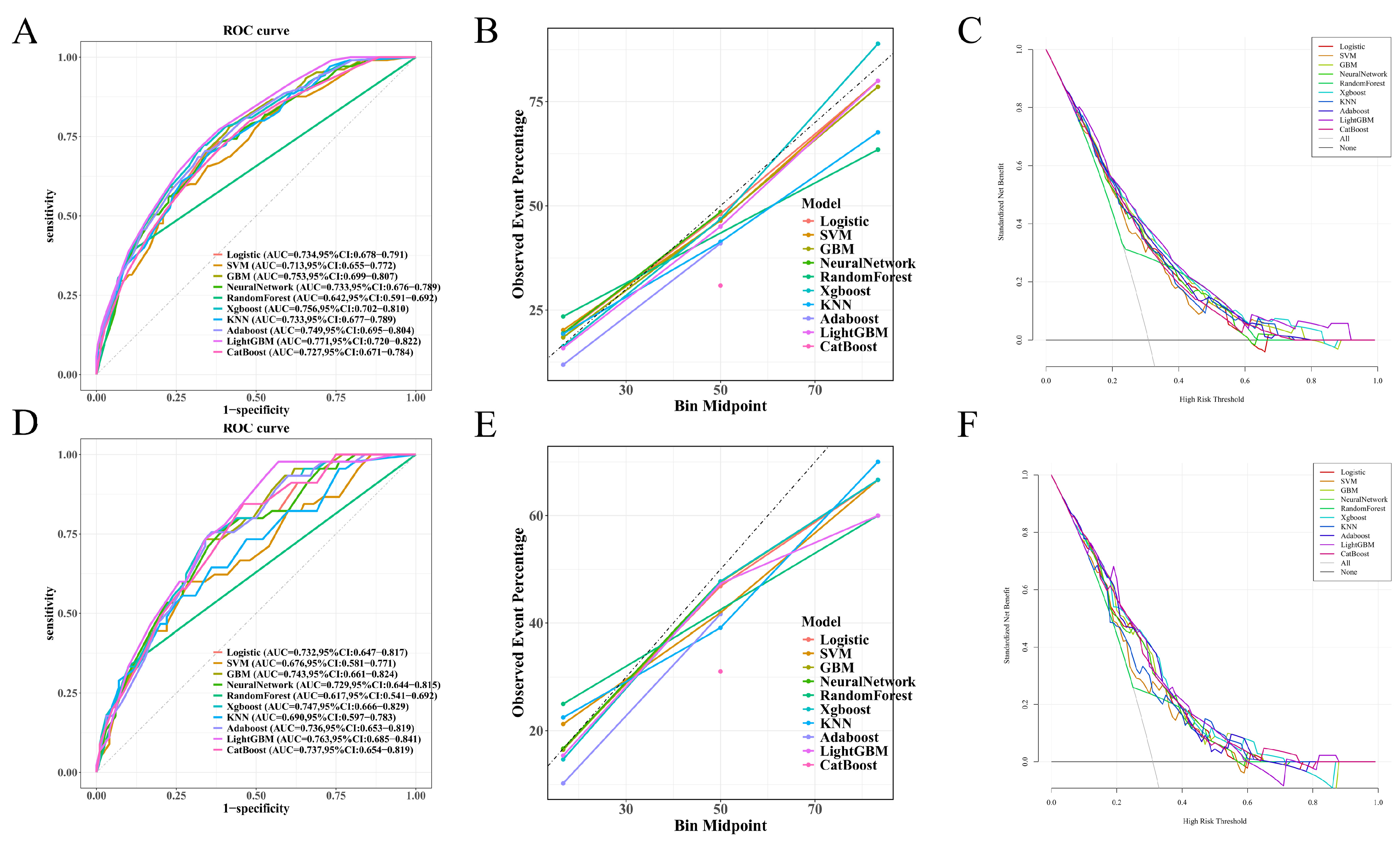
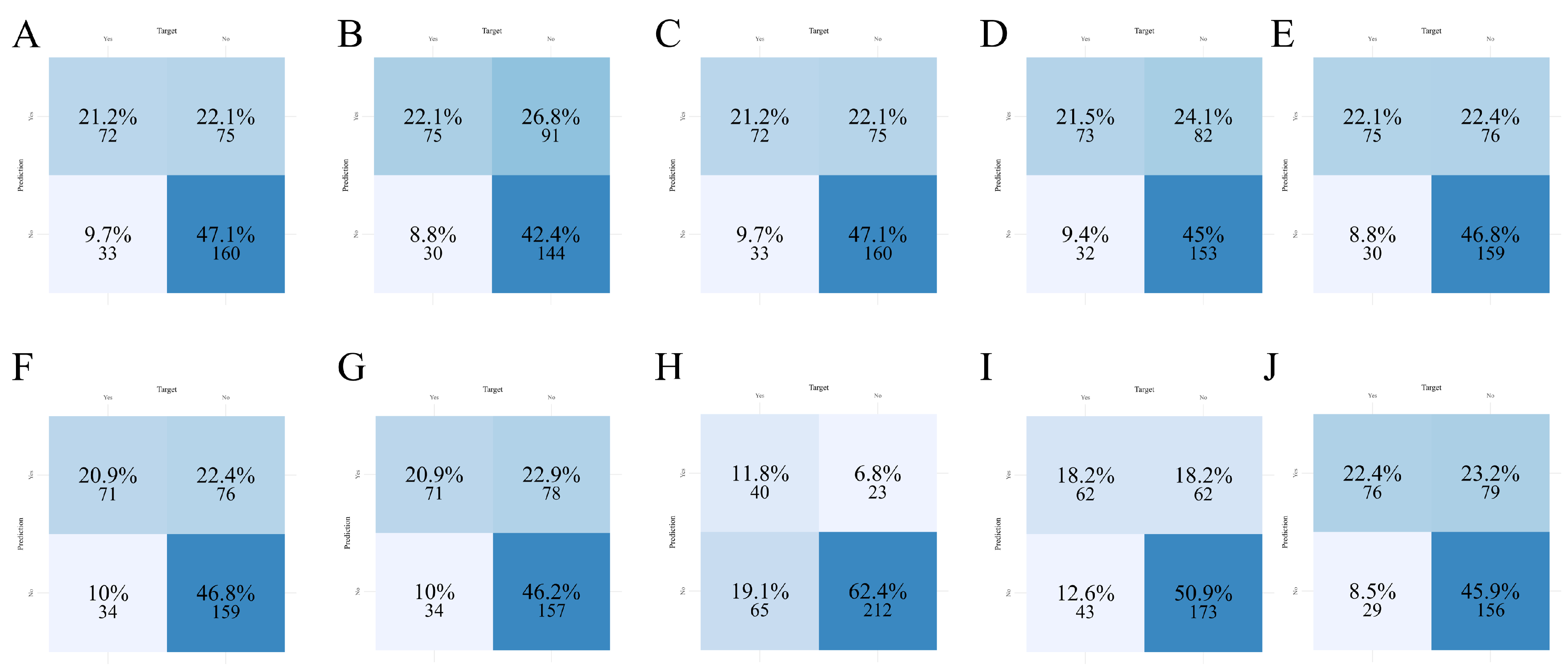
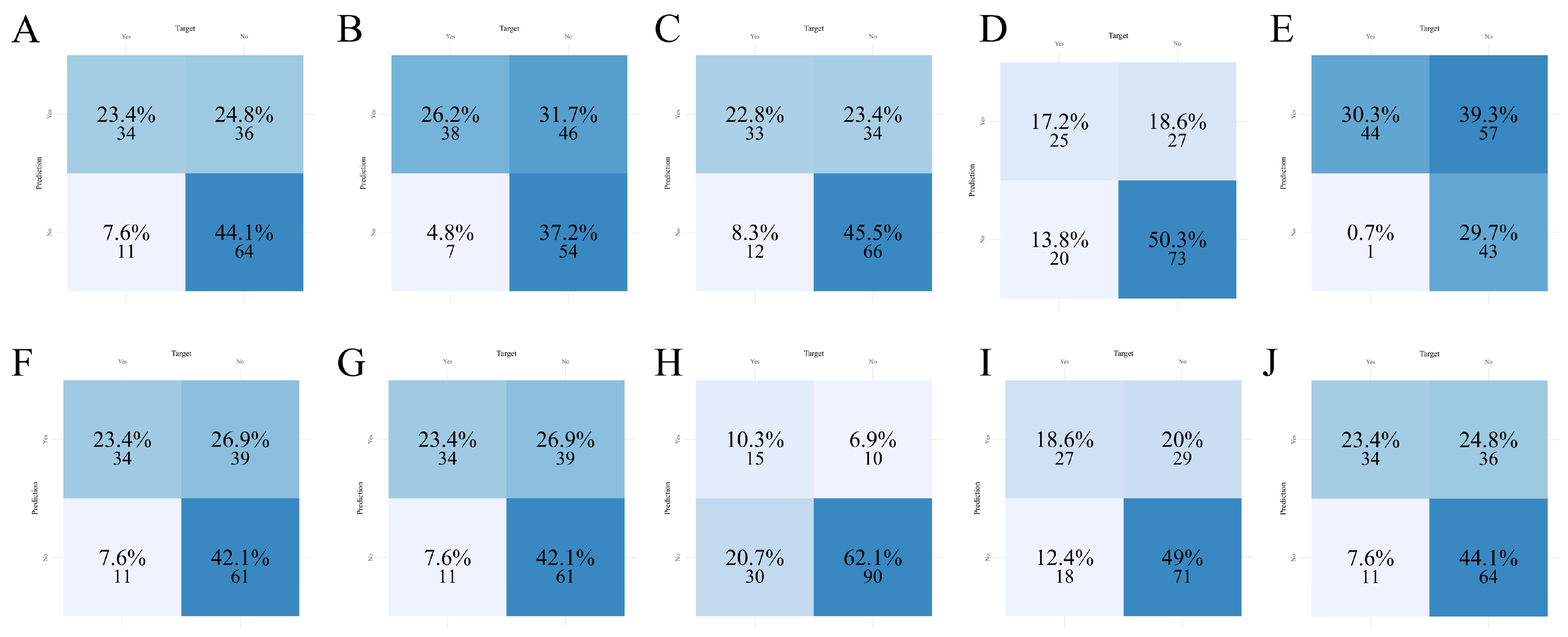
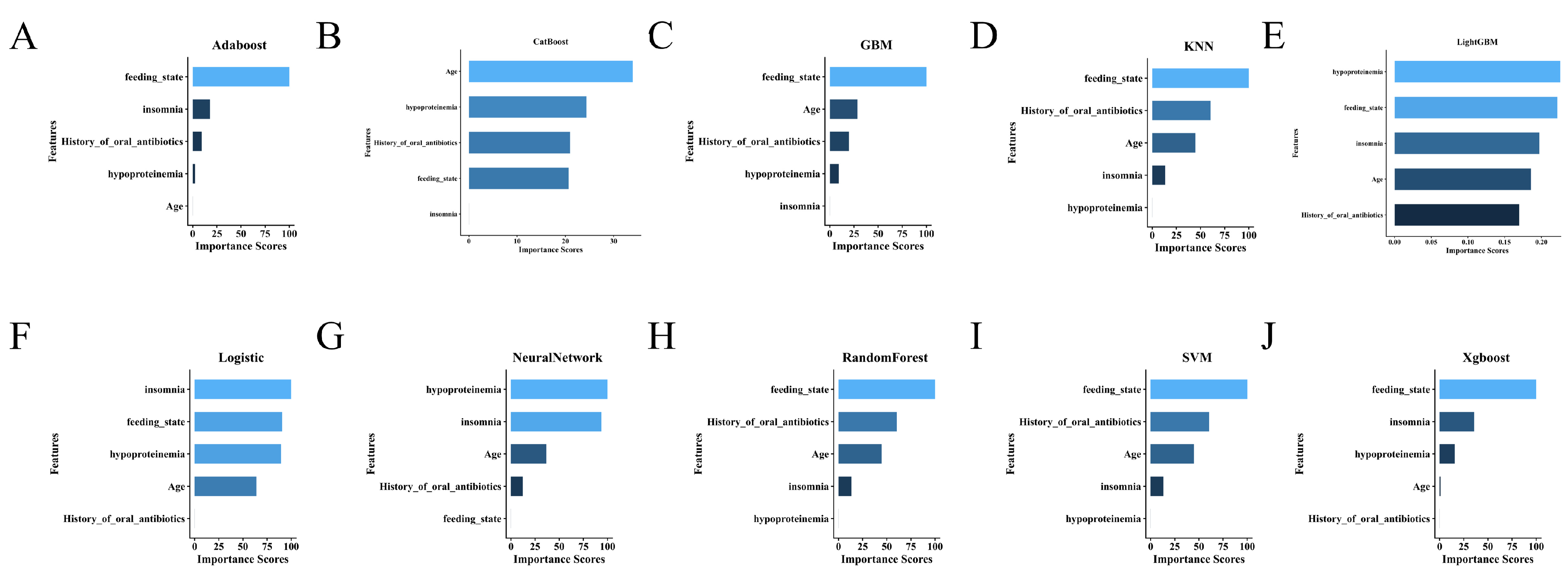
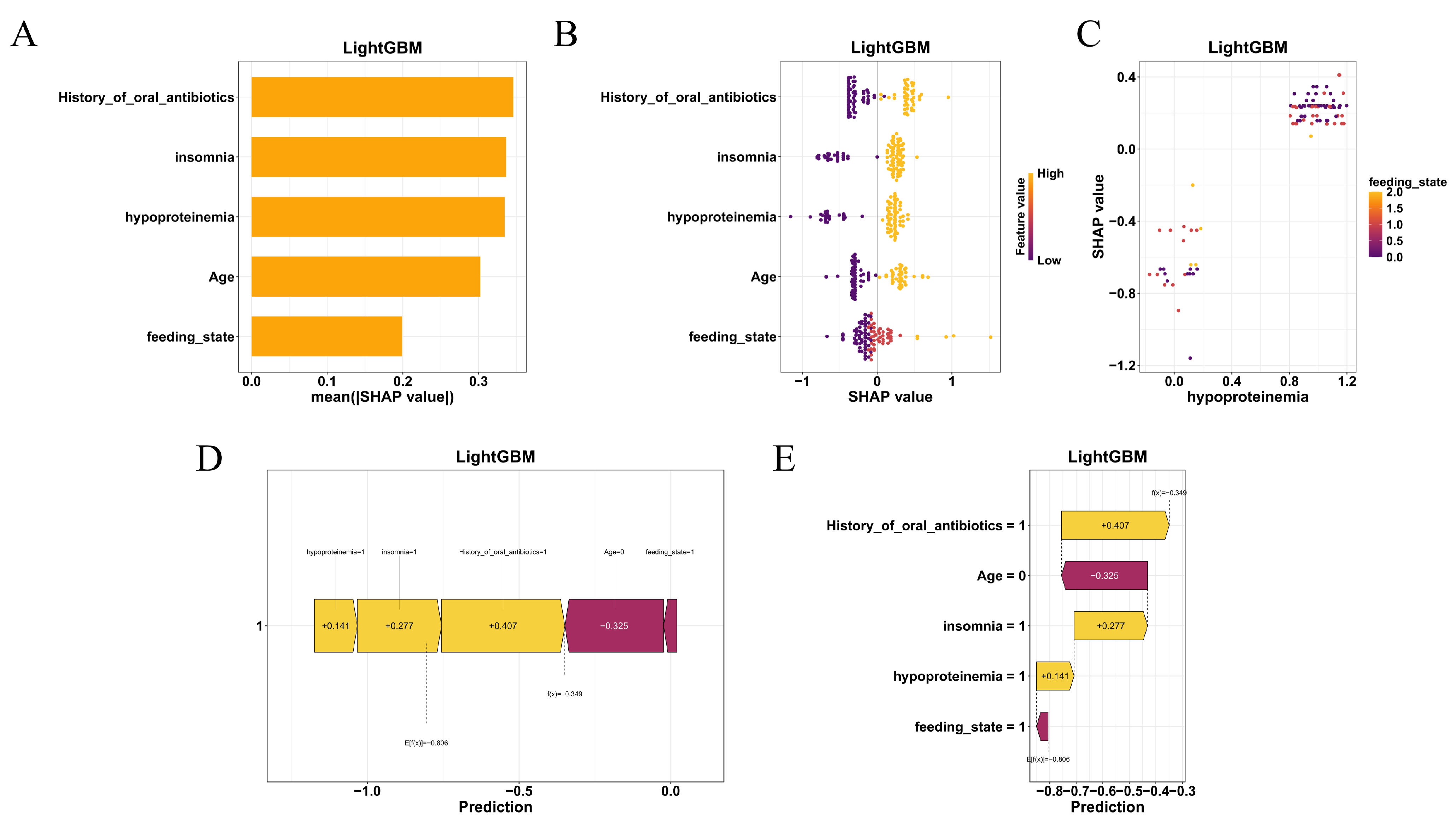
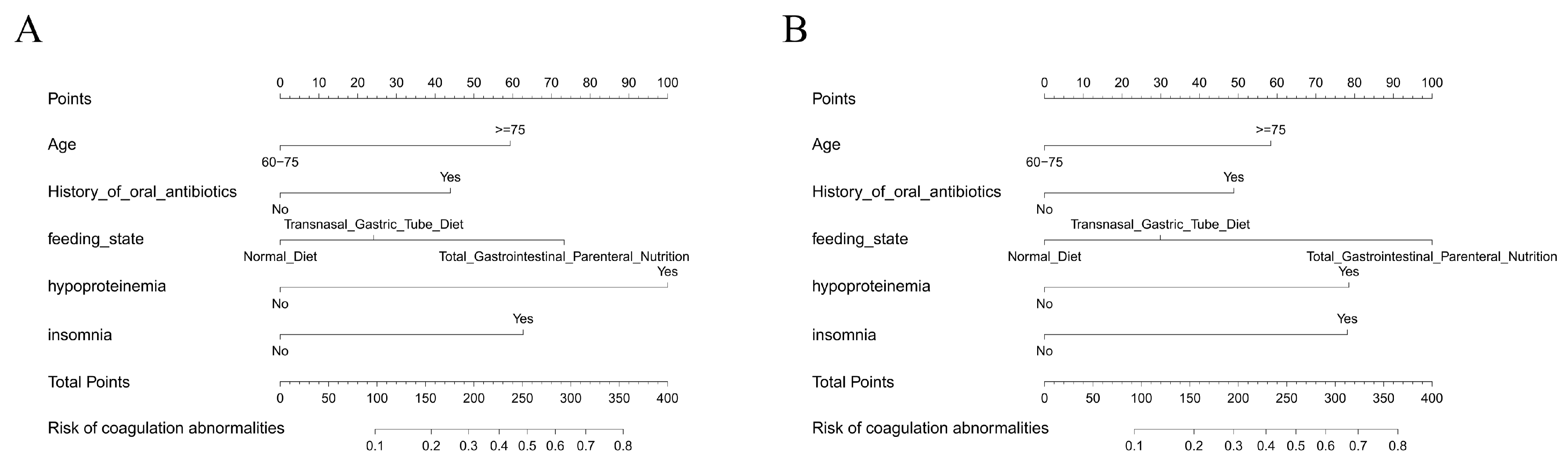
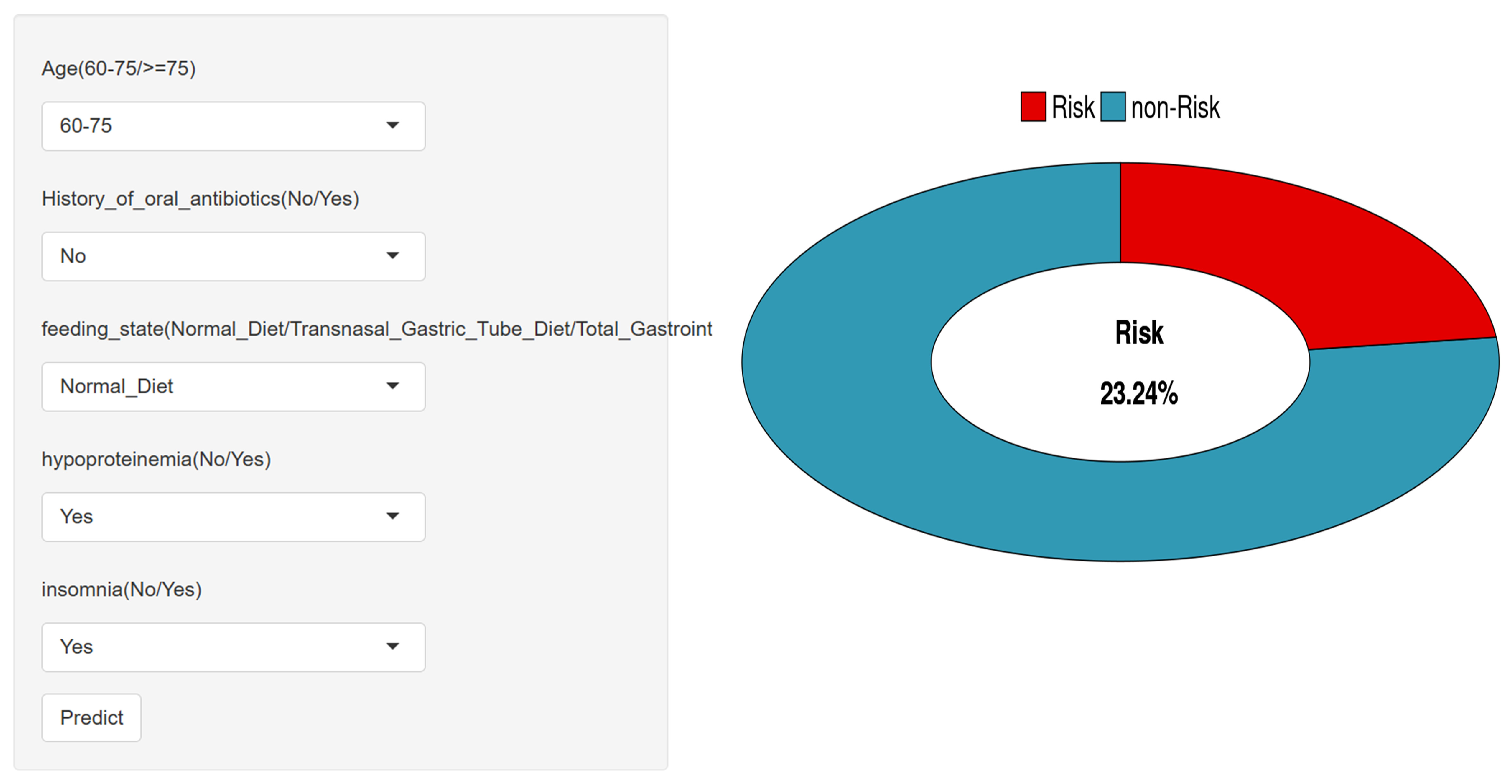
Background/Objectives: Cefoperazone–sulbactam is frequently prescribed to older inpatients for severe infections but has been associated with coagulation abnormalities, particularly among individuals with malnutrition or hepatic dysfunction. Early identification of at-risk patients remains challenging. To develop and validate a clinically interpretable model for predicting cefoperazone–sulbactam-related coagulation abnormalities in elderly inpatients and to provide practical tools for bedside risk estimation. Methods: We conducted a retrospective, dual-center study of 485 patients aged ≥ 60 years treated at Fuxing Hospital and Xuanwu Hospital of Capital Medical University who received cefoperazone–sulbactam for ≥72 h. Baseline clinical and demographic variables were analyzed using univariate and multivariable logistic regression to identify independent risk factors. Ten supervised machine-learning models were trained and evaluated using area under the ROC curve (AUC), accuracy, sensitivity, specificity, precision, and F1-score. SHapley Additive exPlanations (SHAP) were applied to assess model interpretability. A nomogram was constructed from the final logistic regression model, and a web-based calculator was developed for clinical use. Results: Multivariable analysis identified age ≥ 75 years, hypoproteinemia, total parenteral nutrition, insomnia, and recent oral antibiotic use as independent predictors of coagulation abnormalities. Among machine-learning models, LightGBM achieved the best overall performance by AUC and balanced classification metrics. SHAP analyses provided individualized and global explanations of feature contributions, facilitating clinical interpretation. The nomogram and web calculator enable rapid, patient-specific risk estimation. Conclusions: An interpretable machine-learning approach, complemented by a nomogram and web calculator, accurately stratifies the risk of cefoperazone–sulbactam-induced coagulation abnormalities in elderly inpatients. These tools may support personalized risk evaluation and earlier preventive interventions in routine care. The web-based calculator facilitates rapid bedside risk estimation and may help guide earlier monitoring and preventive interventions in routine care.
Keywords: cefoperazone–sulbactam; coagulation abnormality; elderly inpatients; machine learning; SHAP interpretability cefoperazone–sulbactam; coagulation abnormality; elderly inpatients; machine learning; SHAP interpretability