Article

A Hybrid MCDM and Machine Learning Framework for Thalassemia Risk Assessment in Pregnant Women

by
Shefayatuj Johara Chowdhury
1,
Tanjim Mahmud
2,*,
Farzana Tasnim
1,
Sanjida Sharmin
1,
Saida Nawal
1,
Umme Habiba Papri
1,
Samia Afreen Dolon
1,
Md. Eftekhar Alam
3,
Mohammad Shahadat Hossain
4,5 and
Karl Andersson
5
1
Department of Computer Science and Engineering, International Islamic University Chittagong, Chittagong 4318, Bangladesh
2
Department of Computer Science and Engineering, Rangamati Science and Technology University, Rangamati 4500, Bangladesh
3
Department of Electrical and Electronic Engineering, International Islamic University Chittagong, Chittagong 4318, Bangladesh
4
Department of Computer Science and Engineering, University of Chittagong, Chittagong 4331, Bangladesh
5
Cybersecurity Laboratory, Luleå University of Technology, S-931 87 Skellefteå, Sweden
*
Author to whom correspondence should be addressed.
Diagnostics 2025, 15(22), 2833; https://doi.org/10.3390/diagnostics15222833

Submission received: 21 September 2025 / Revised: 28 October 2025 / Accepted: 5 November 2025 / Published: 8 November 2025
(This article belongs to the Section Machine Learning and Artificial Intelligence in Diagnostics)

Abstract

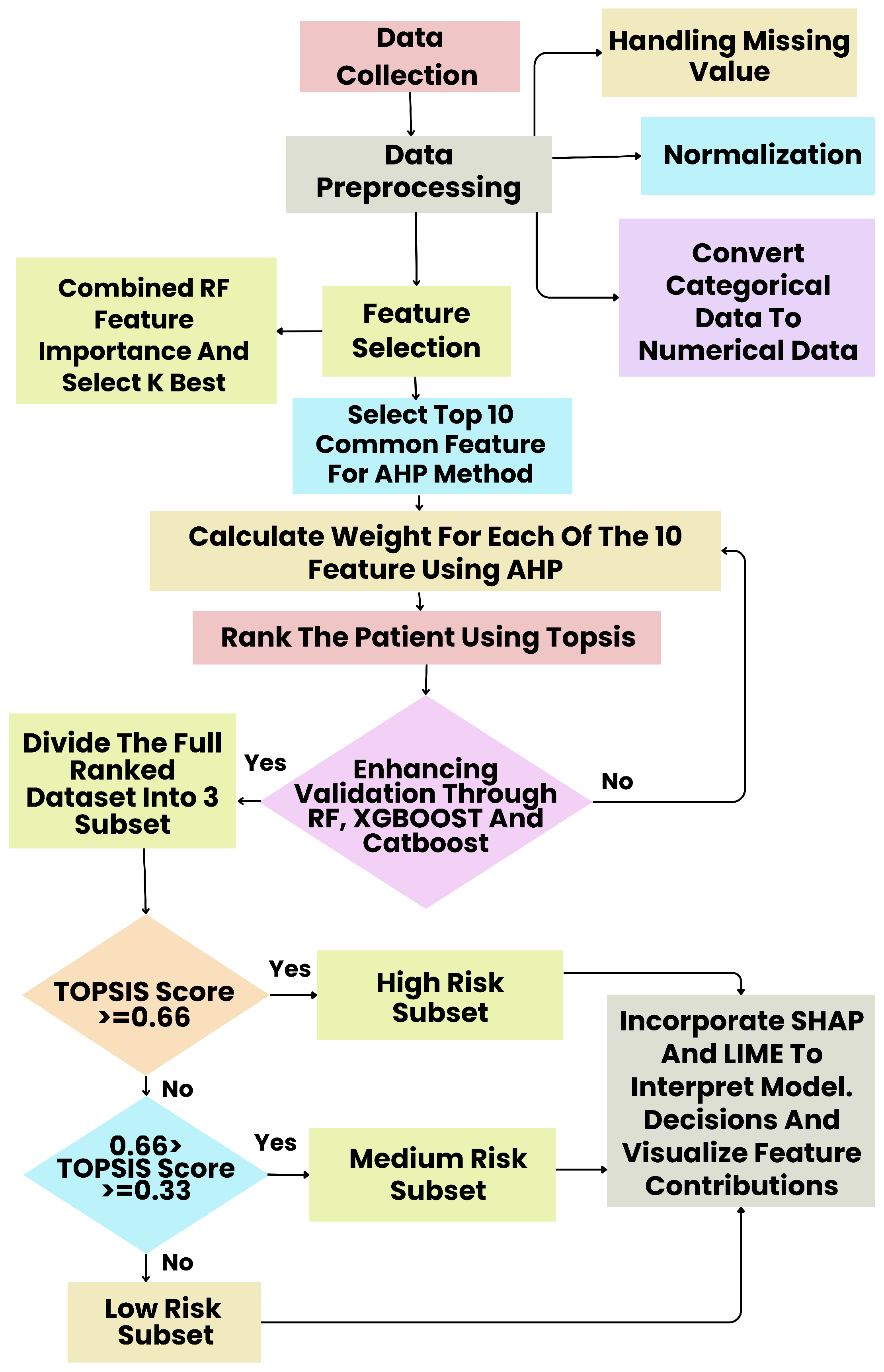
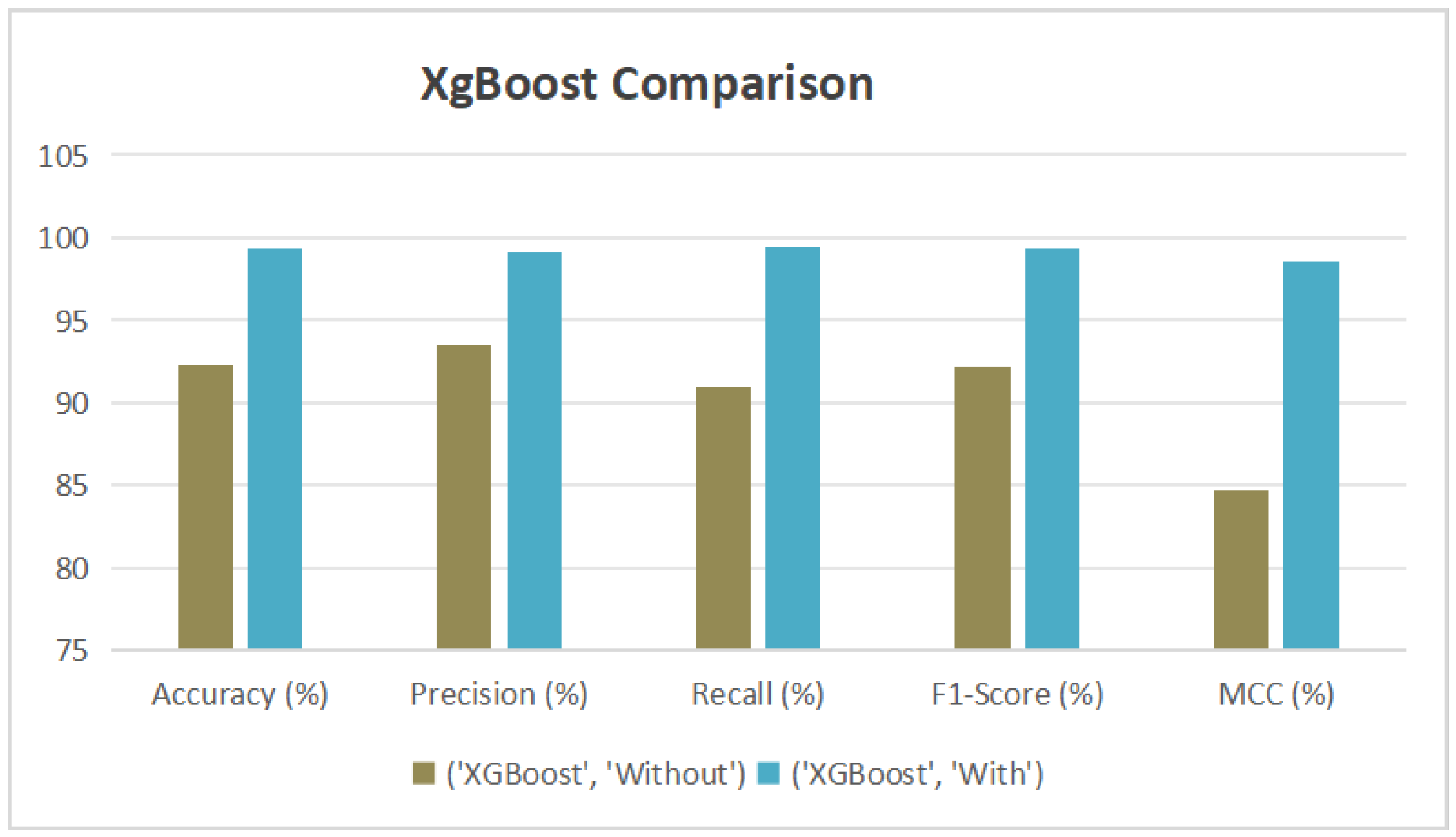
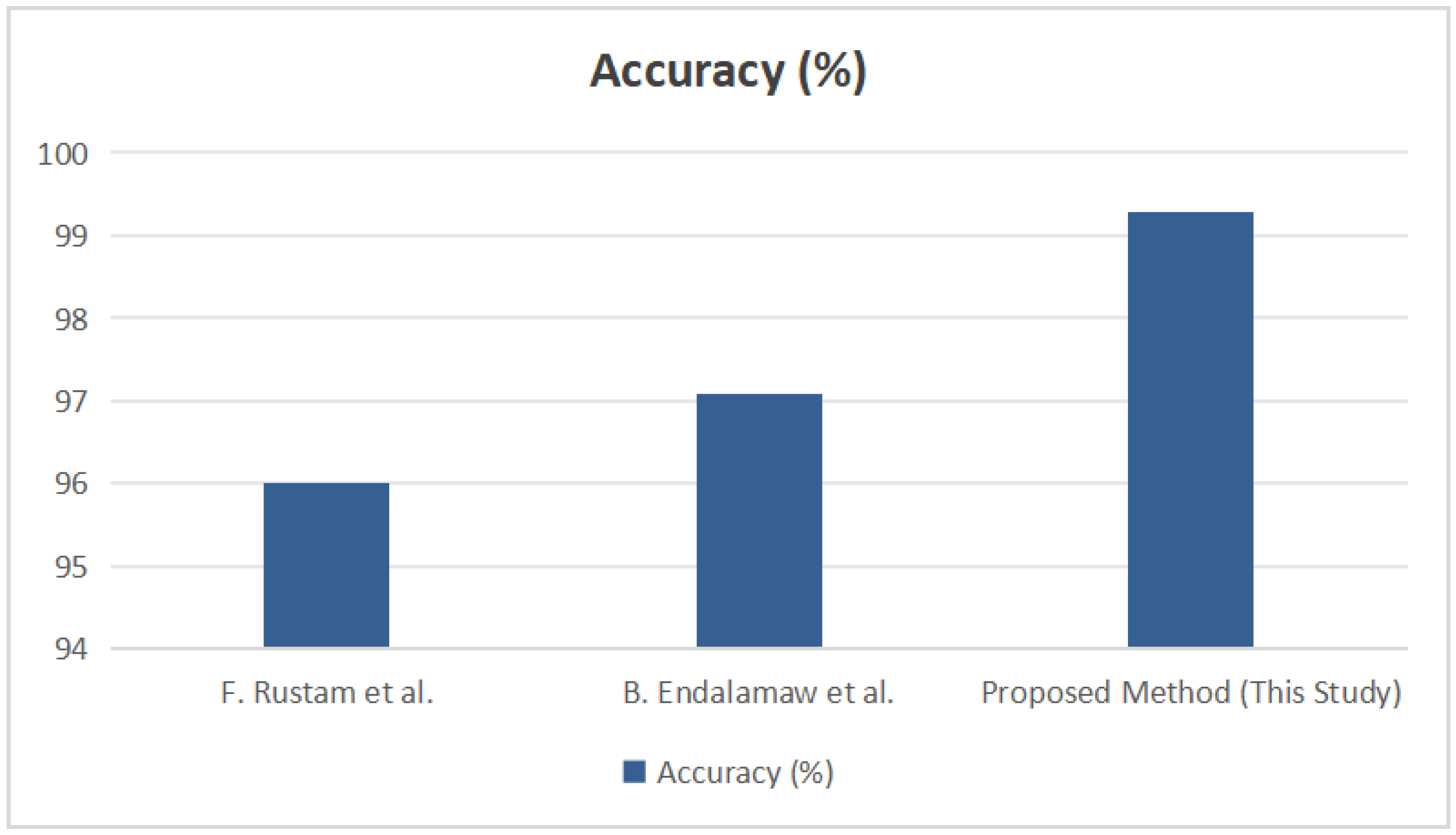
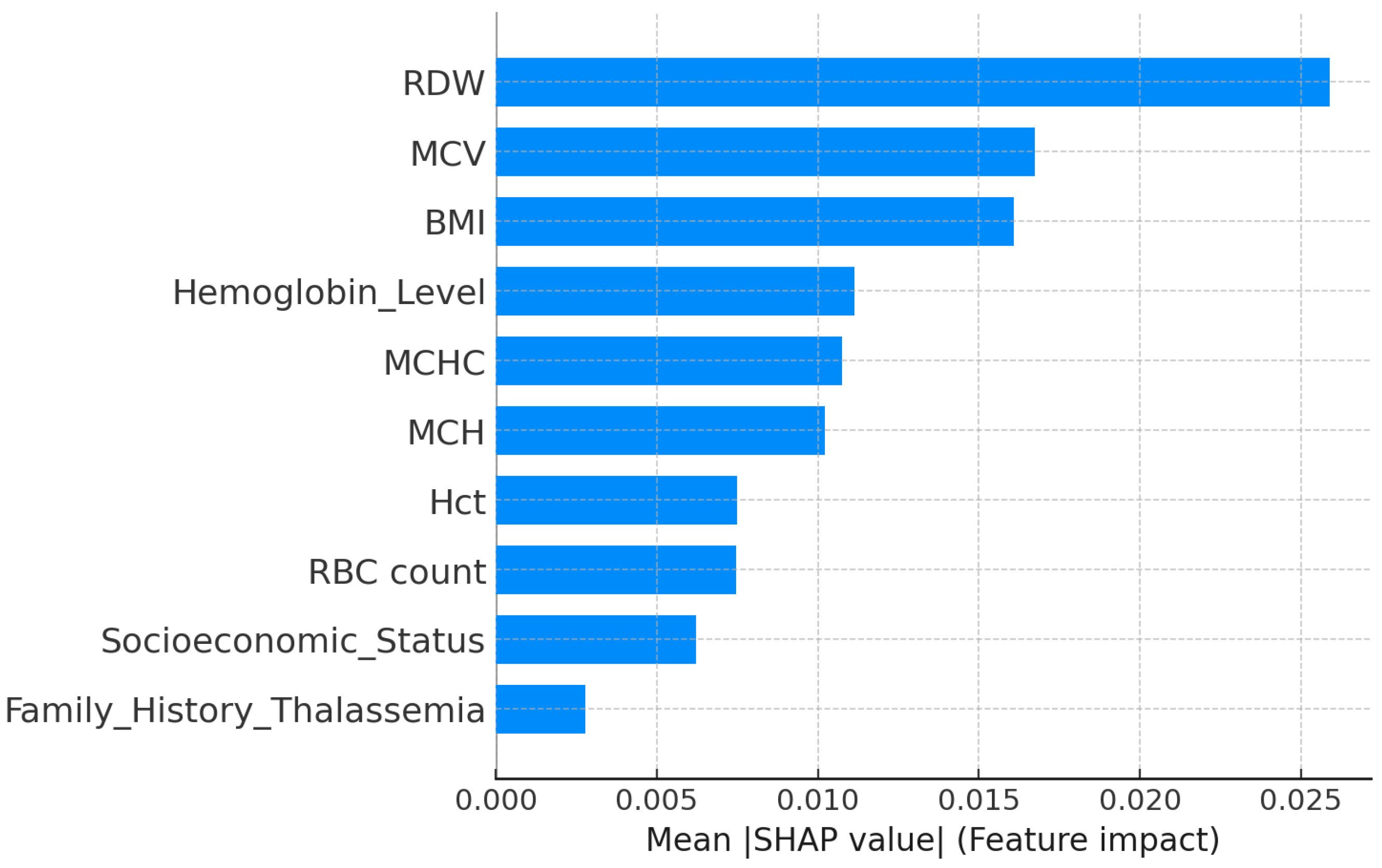
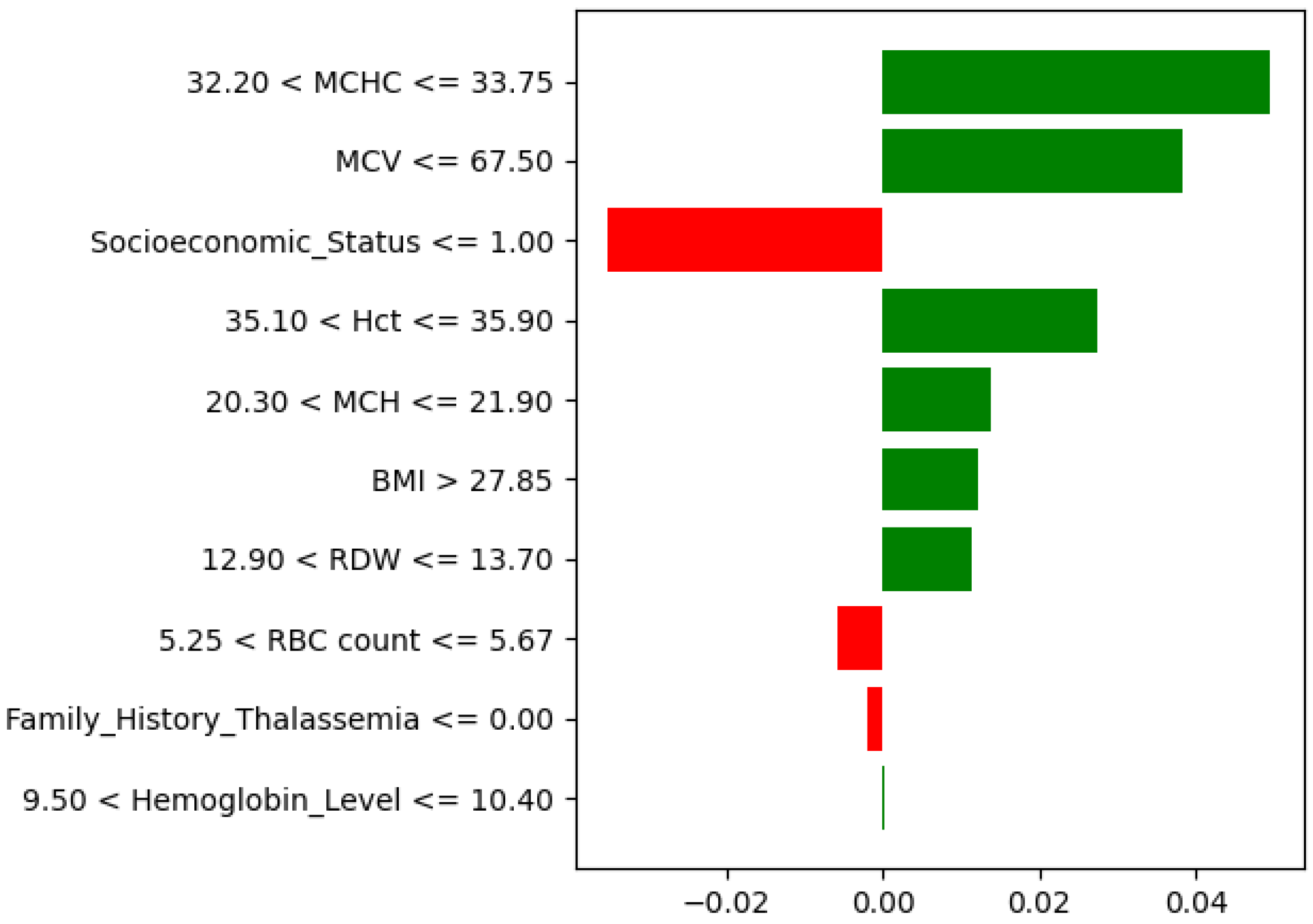
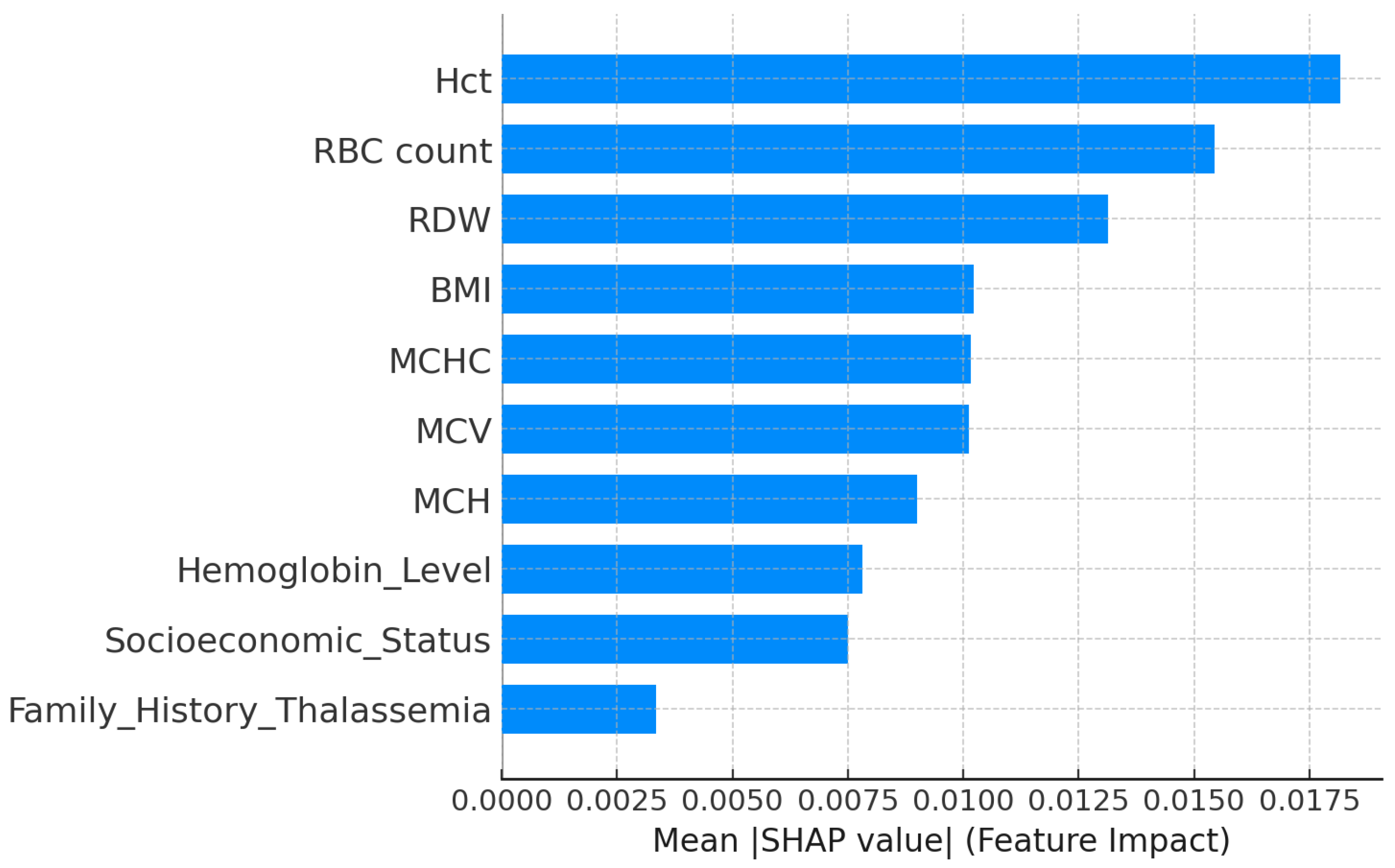
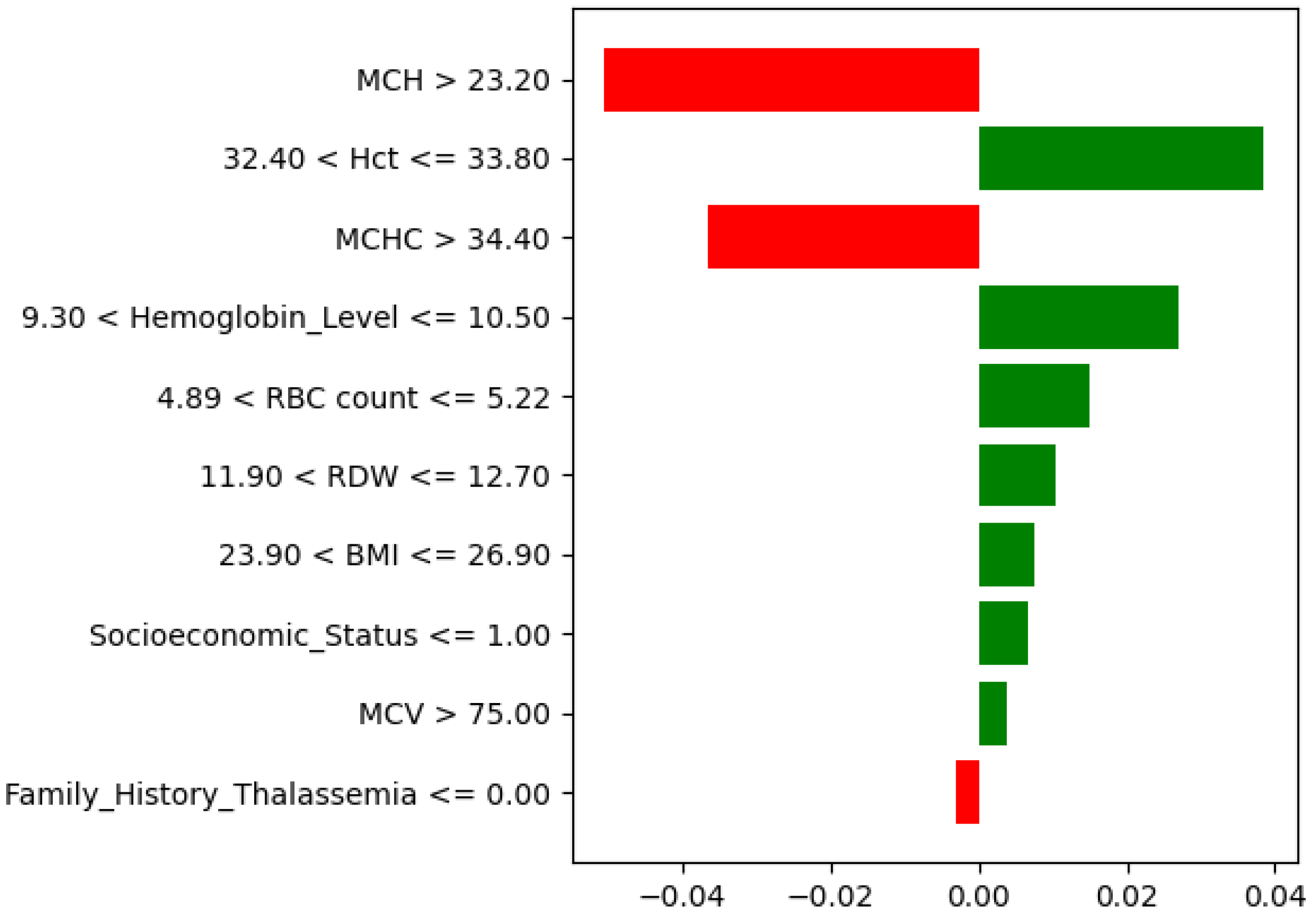
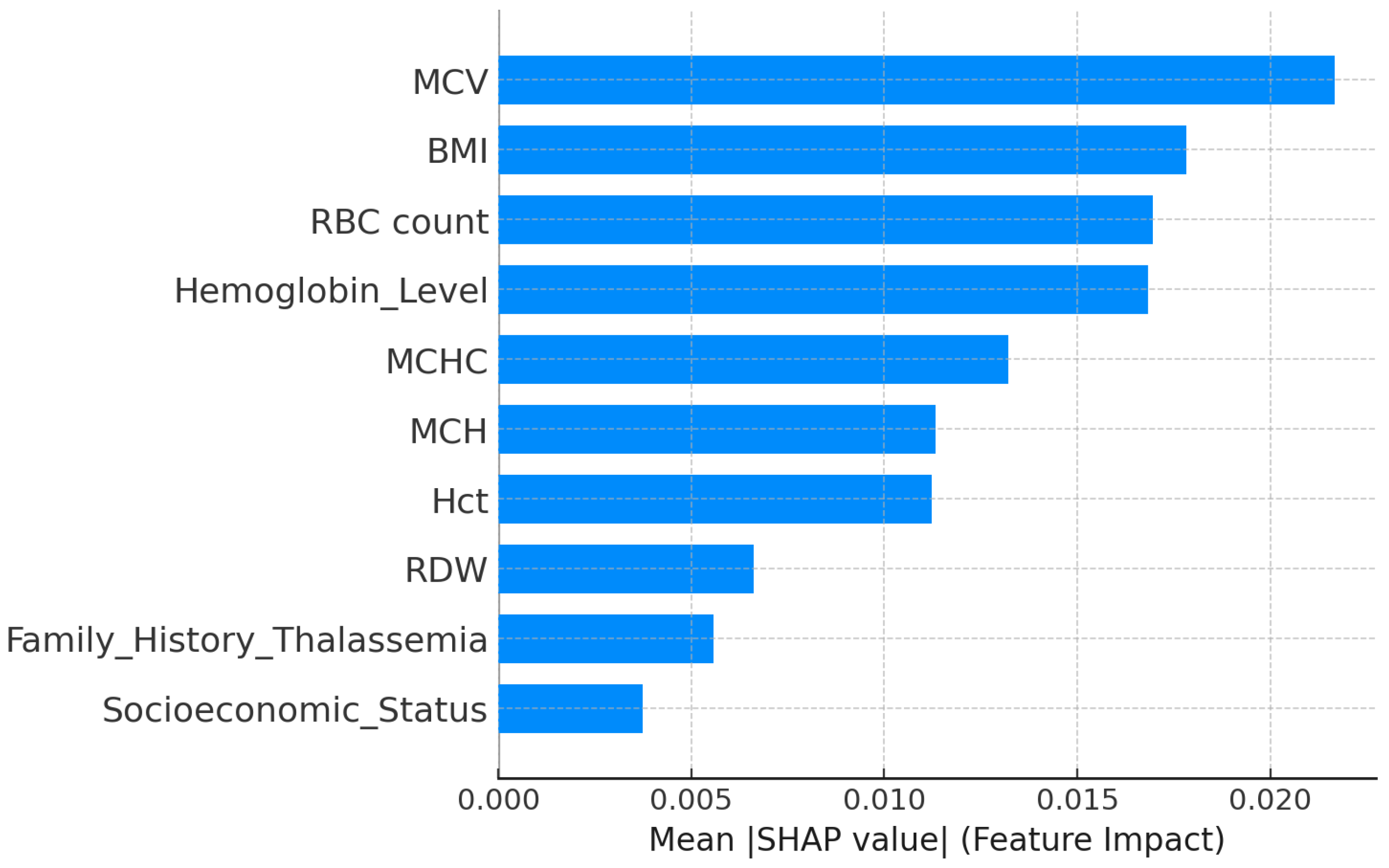
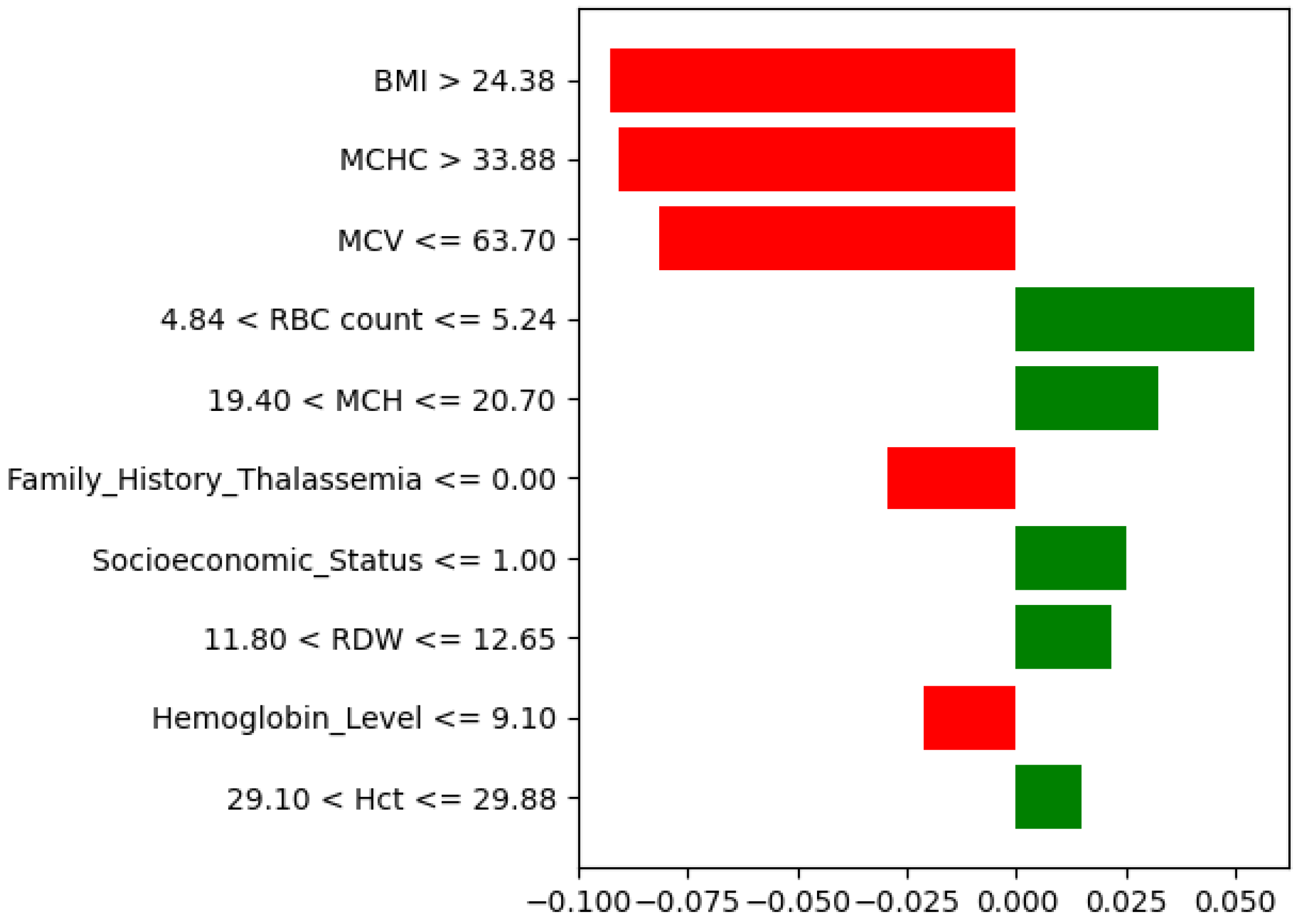
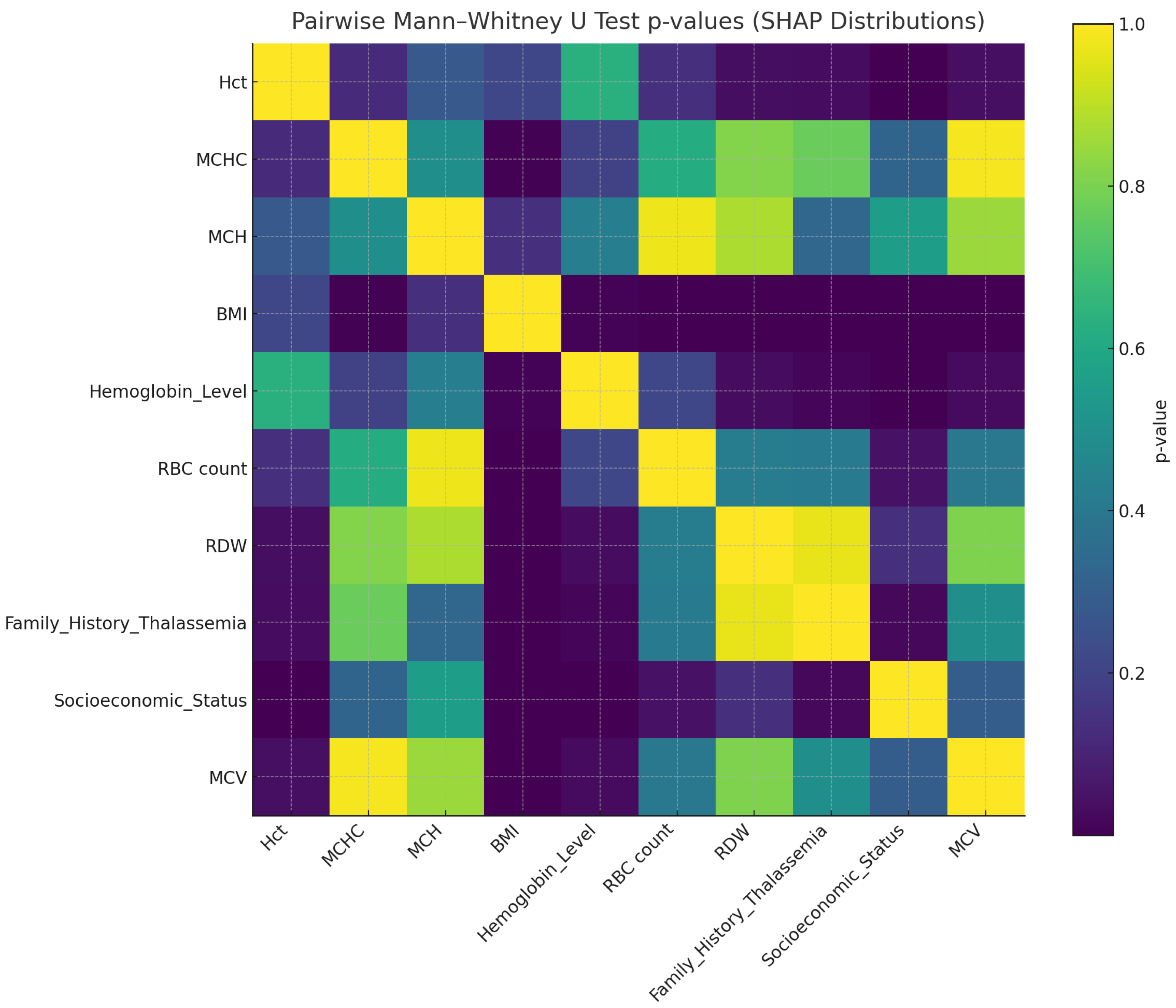
Background: Thalassemia has been recognized as a critical public health issue in Bangladesh, especially among pregnant women, due to its hereditary nature and the lack of early screening infrastructure. Early identification of at-risk individuals is essential to prevent the transmission of this genetic disorder to future generations and to reduce the burden on an already strained healthcare system. Methods: In this study, an innovative framework for thalassemia risk assessment has been developed by integrating Multi-Criteria Decision-Making (MCDM) methods—specifically AHP-TOPSIS—with machine learning algorithms including Random Forest, XGBoost, and CatBoost. Explainable Artificial Intelligence (XAI) techniques such as SHAP and LIME have also been incorporated to improve model transparency and trustworthiness. Real-world clinical and demographic data, consisting of 16 features and 1200 samples, have been collected through a structured survey and processed using rigorous feature selection and ranking methods. Risk stratification has been performed to classify patients into high, medium, and low categories, enabling targeted intervention. Results: Among all models, the XGBoost classifier trained on AHP–TOPSIS–prioritized features achieved a consistent accuracy of 99.28% under stratified 20-fold cross-validation, demonstrating robust diagnostic classification performance. The model predominantly captures hematologic patterns characteristic of thalassemia manifestations, functioning as an assistive diagnostic framework rather than a causal risk predictor. The explainability of predictions, ensured through comprehensive visual and statistical analyses, further enhances the model’s clinical transparency and reliability. Conclusions: The proposed MCDM–machine learning framework demonstrates strong potential for improving thalassemia risk assessment, enabling early detection and informed decision-making in maternal healthcare. The proposed framework should be regarded as a preliminary proof-of-concept system that demonstrates the feasibility of integrating Multi-Criteria Decision-Making (AHP–TOPSIS) with advanced machine learning and explainable-AI techniques for thalassemia assessment. Although the model achieved strong diagnostic performance under nested cross-validation, additional external validation and inclusion of causal predictors are required before clinical deployment.
Keywords: thalassemia prediction; machine learning; explainable AI; SHAP; LIME; AHP-TOPSIS; feature selection; clinical decision support; CatBoost; maternal health; biomedical informatics; risk assessment thalassemia prediction; machine learning; explainable AI; SHAP; LIME; AHP-TOPSIS; feature selection; clinical decision support; CatBoost; maternal health; biomedical informatics; risk assessment