Article

Interactions Between the Gut Microbiome and Genetic and Clinical Risk Factors for Metabolic Dysfunction-Associated Steatotic Liver Disease (MASLD) in Patients with Type 2 Diabetes Mellitus from Different Geographical Regions of Argentina


by
Bárbara Suarez
1,2,†,
Adriana Mabel Álvarez
3,†,
María Florencia Mascardi
1,2,
Ana Laura Manzano Ramos
3,
Dong Hoon Woo
4,
María Mercedes Gutiérrez
4,
Guillermo Alzueta
5,
María del Carmen Basbus
6,
Santiago Bruzone
7,
Patricia Cuart
8,
Guillermo Dieuzeide
9,
Teresita García
10,
Olga Escobar
11,
Ramón Diego José Carulla
12,
Cristina Oviedo
13,
Natalia Segura
14,
Olguita Del Valle Vera
15,
Javier Nicolás Giunta
3,
Adrián Gadano
16 and
Julieta Trinks
1,2,*
1
Instituto de Medicina Traslacional e Ingeniería Biomédica (IMTIB), Consejo Nacional de Investigaciones Científicas y Técnicas (CONICET), Universidad del Hospital Italiano (UHIBA), Hospital Italiano de Buenos Aires (HIBA), Buenos Aires C1199ACJ, Argentina
2
Consejo Nacional de Investigaciones Científicas y Técnicas (CONICET), Buenos Aires C1425FQB, Argentina
3
Endocrinology Unit, Department of General Medicine, Hospital Italiano de Buenos Aires (HIBA), Buenos Aires C1199ABB, Argentina
4
Nutrition Unit, Department of General Medicine, Hospital Italiano de Buenos Aires (HIBA), Buenos Aires C1199ABB, Argentina
5
Independent Researcher, Balcarce B7620ELO, Buenos Aires Province, Argentina
6
Centro de Investigaciones Endocrinológicas (CIDEN) Private Center, San Salvador de Jujuy Y4600APP, Jujuy Province, Argentina
7
Instituto de Diagnóstico e Investigaciones Metabólicas (IDIM) Private Center, Buenos Aires C1406GLN, Argentina
8
Diagnostic Center, Ituzaingó W3302, Corrientes Province, Argentina
9
Center for Integral Care in Diabetes, Chacabuco B6740ELF, Buenos Aires Province, Argentina
10
Centro Médico de Atención y Prevención Clínica (CMIC) Private Center, San Miguel de Tucumán T4000EBC, Tucumán Province, Argentina
11
Dr. Mario Stivala Public Hospital, La Cocha T4164, Tucumán Province, Argentina
12
Albarracín Medical Consultation Center, Bariloche R8400BFC, Río Negro Province, Argentina
13
Independent Researcher, Buenos Aires C1405CDT, Argentina
14
Dr. Alberto Maggio Municipal Diabetes Center, Malvinas Argentinas B1613FIJ, Buenos Aires Province, Argentina
15
Independent Researcher, Río Gallegos Z9400BAM, Santa Cruz Province, Argentina
16
Hepatology Unit, Department of General Medicine, Hospital Italiano de Buenos Aires (HIBA), Buenos Aires C1199ABB, Argentina
*
Author to whom correspondence should be addressed.
These authors contributed equally to this work.
Life 2026, 16(2), 283; https://doi.org/10.3390/life16020283
Submission received: 14 November 2025 / Revised: 25 December 2025 / Accepted: 30 December 2025 / Published: 6 February 2026

Abstract

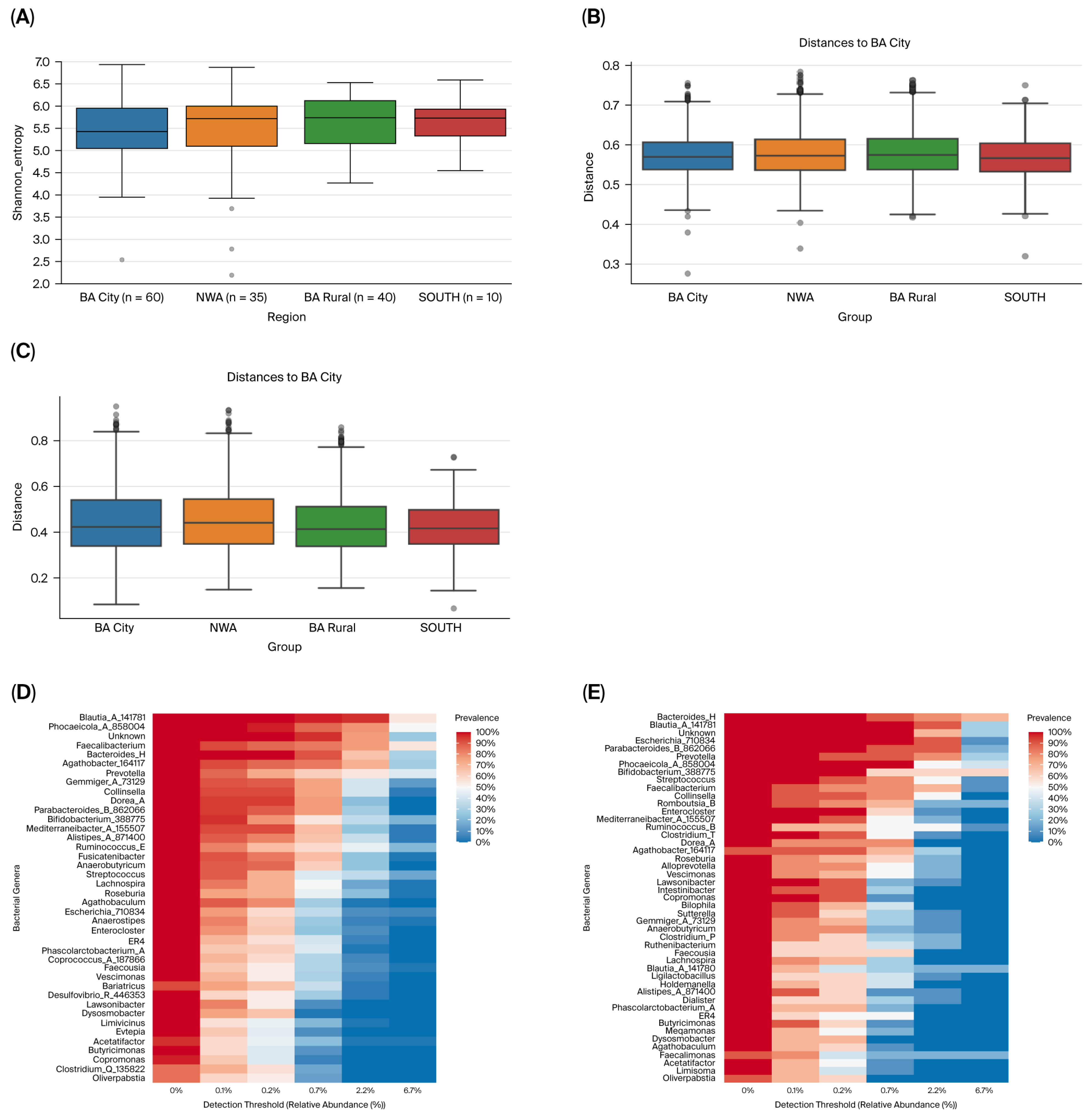
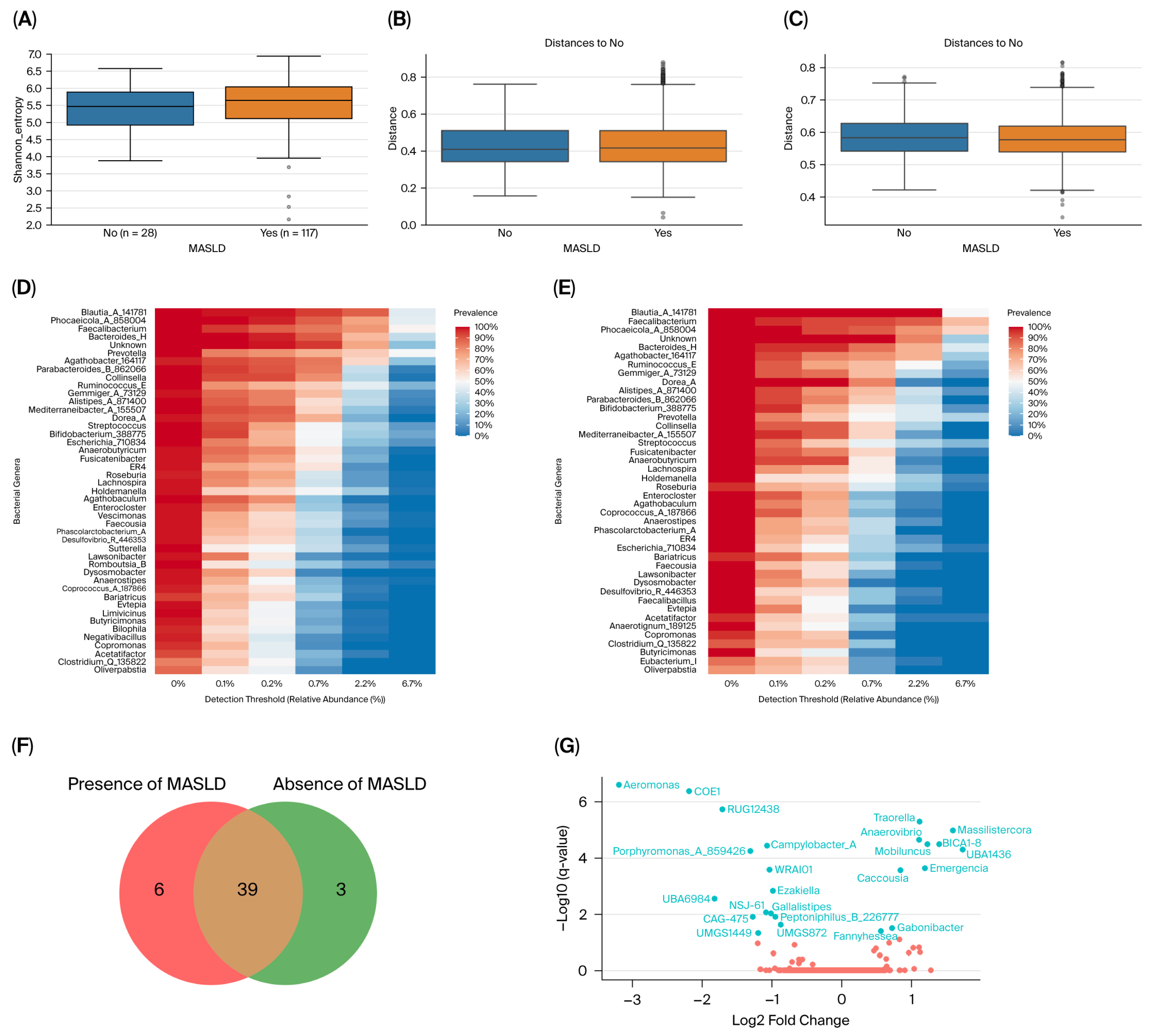
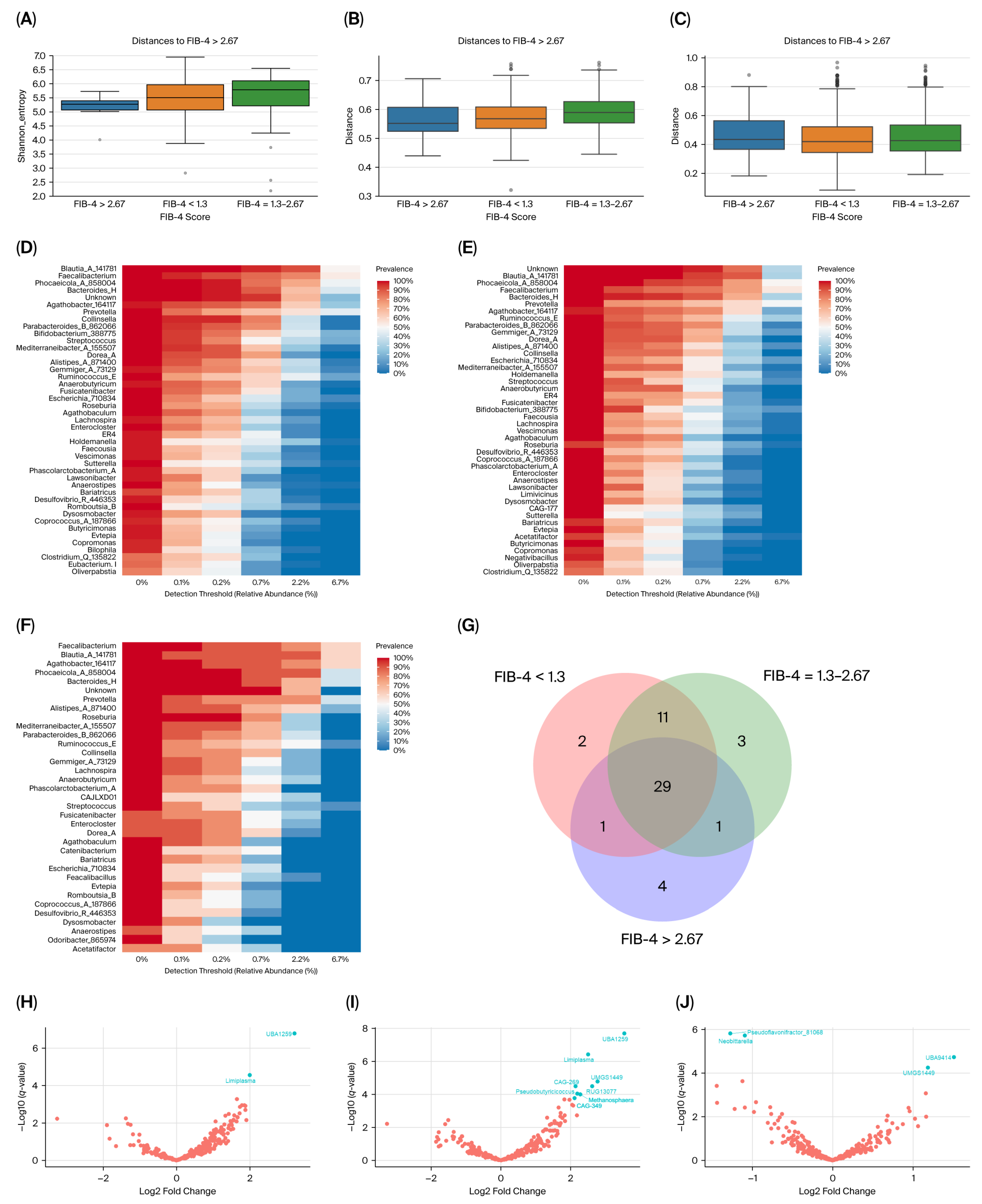
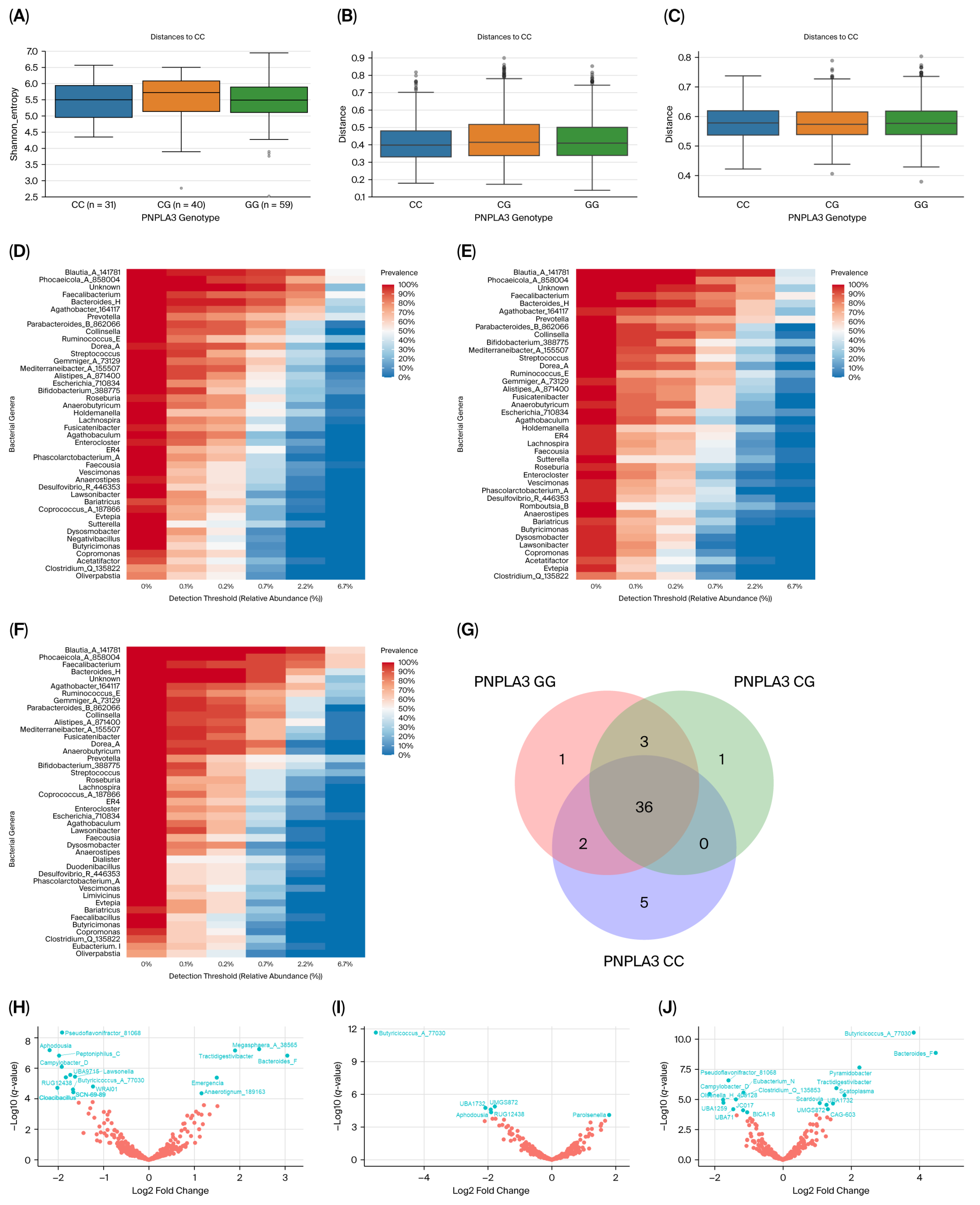
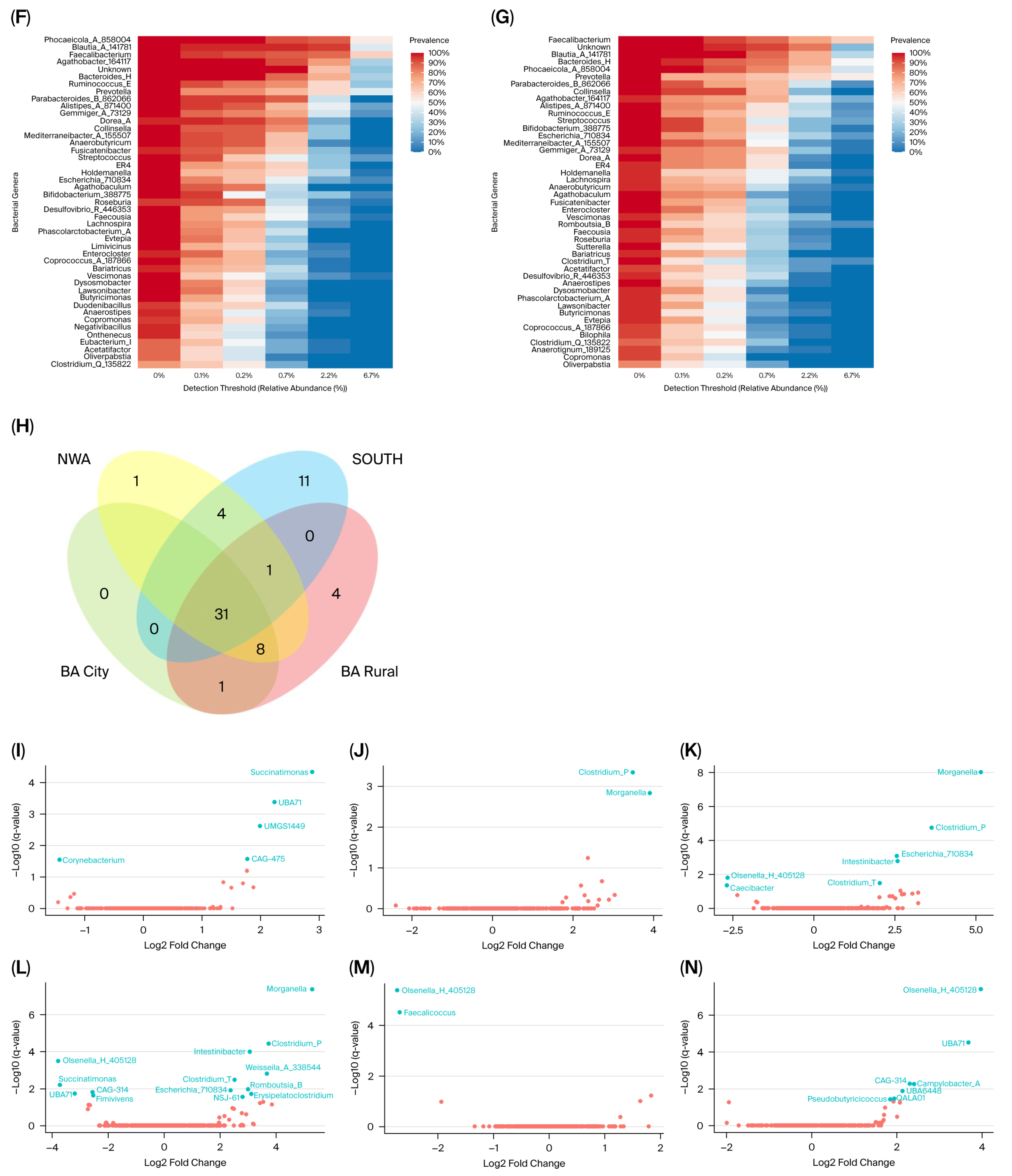
Background: Local specific biomarkers for MASLD risk stratification are urgently needed in Argentina. Aim: The aim of the study was to characterize the interaction of gut microbiome signatures and genetic and clinical risk factors for MASLD in patients with diabetes from different regions of Argentina. Materials and Methods: We recruited 214 patients with diabetes from different regions of Argentina. Anthropometric, clinical, and lifestyle data were obtained from all participants, who also underwent abdominal ultrasound for MASLD diagnosis and oral swabbing. The PNPLA3 gene was amplified by PCR from the swabs, and the rs738409 genotype was determined via bidirectional sequencing. To profile the MASLD-associated microbiome, stool was collected from 170 participants. V4 16S rRNA gene sequencing was performed, and reads were analyzed using QIIME2 2024.10.1. R Studio 2023.05.1 was used for statistical analyses. Results: MASLD prevalence was 77.9%, with similar rates of occurrence in all regions represented. FIB-4 scores < 1.3 and > 2.67 were detected in 55.3% and 7.4% of patients, respectively. Half of the diabetic patients had the PNPLA3 GG genotype, with the highest rates occurring in patients from Northwestern Argentina (64.9%; p = 0.02 vs. Buenos Aires). The PNPLA3 GG genotype was an independent risk factor for FIB-4 score (p = 0.0008) and a protective factor against glycated hemoglobin (p = 0.004), fasting plasma glucose (p = 0.008), and cholesterol levels (p = 0.02). Marked regional differences were observed in microbiota diversity and composition in Argentina. After adjusting for geographical region, Negativibacillus genus was exclusively detected in diabetic patients with MASLD and GG carriers. The Catenibacterium genus was related to FIB-4 > 2.67. Short-chain fatty acid-producing bacteria were linked to the absence of MASLD. Conclusions: Although some geographical regions of Argentina were not represented in this study and these results therefore cannot be generalized to the country as a whole, these specific signatures could be useful as biomarkers for MASLD risk stratification in Argentines with diabetes.
Keywords: MASLD; microbiota; diabetes: FIB-4; PNPLA3 MASLD; microbiota; diabetes: FIB-4; PNPLA3