Article

Virulence Plasmid Modulates Glucose-Mediated Biofilm Regulation in Yersinia enterocolitica

Department of Forest Products and Biotechnology, Kookmin University, Seoul 02707, Republic of Korea
*
Author to whom correspondence should be addressed.
Life 2025, 15(11), 1689; https://doi.org/10.3390/life15111689
Submission received: 11 October 2025 / Revised: 28 October 2025 / Accepted: 29 October 2025 / Published: 30 October 2025
(This article belongs to the Section Microbiology)

Abstract

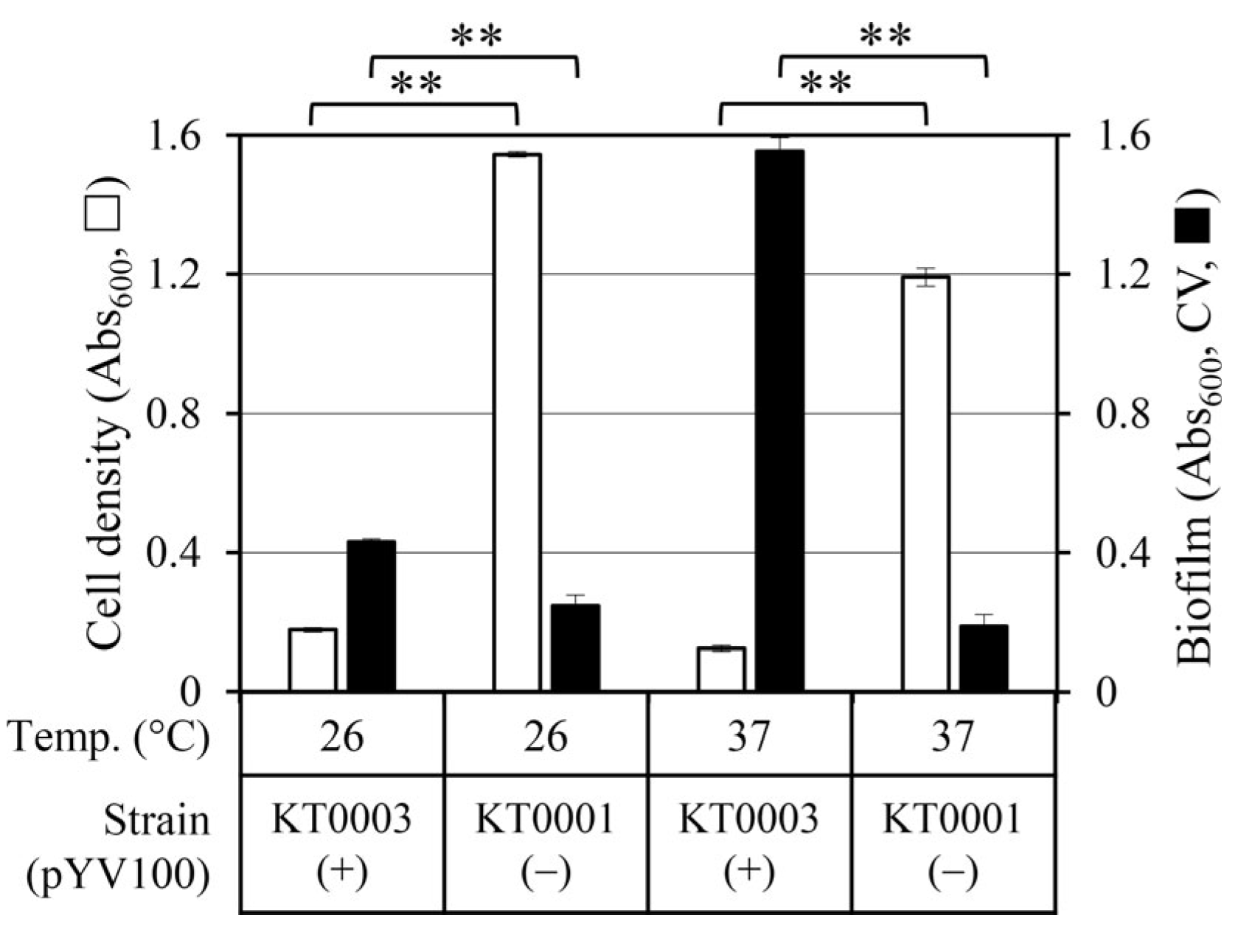
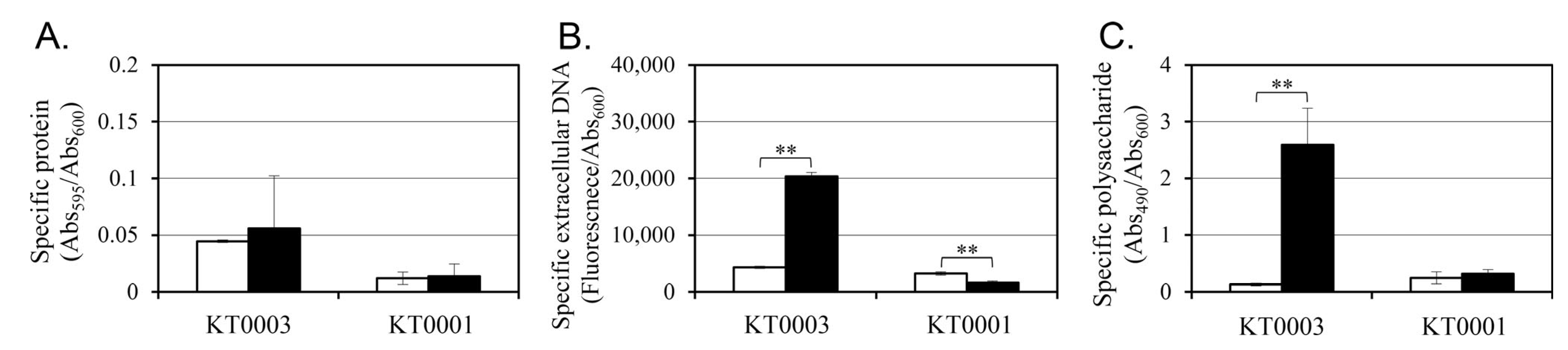
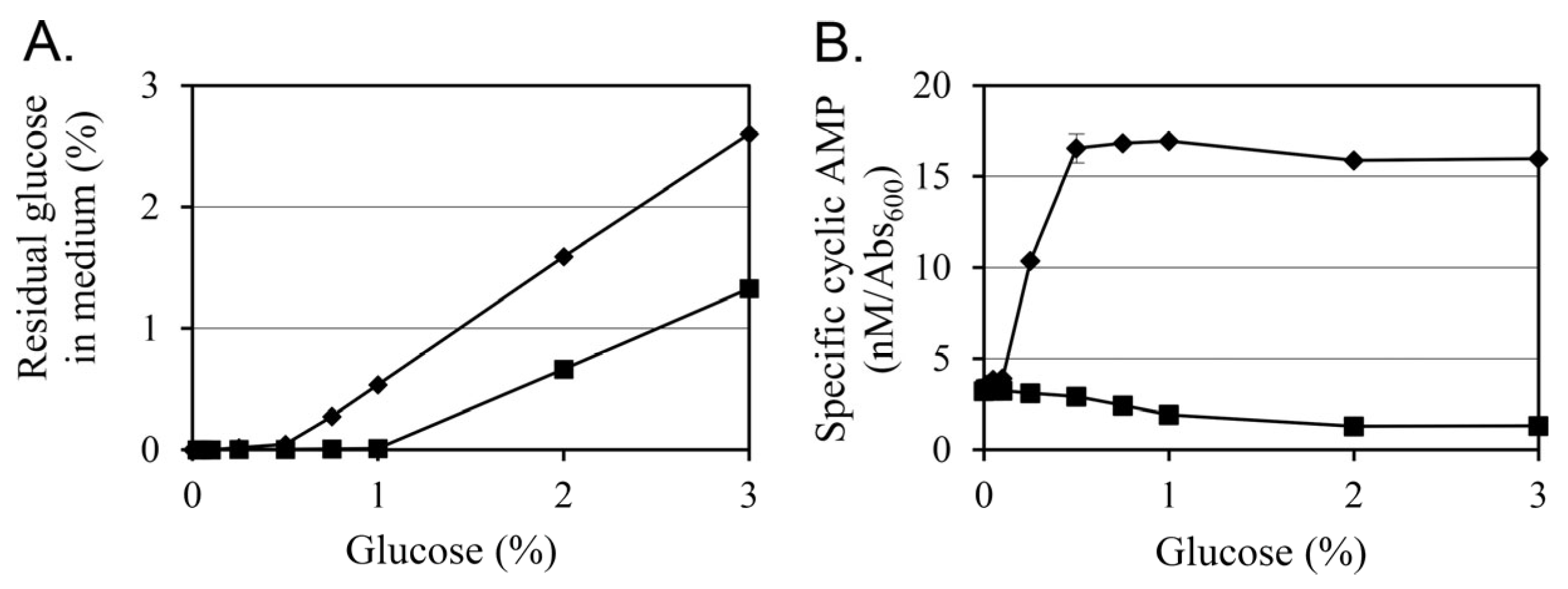
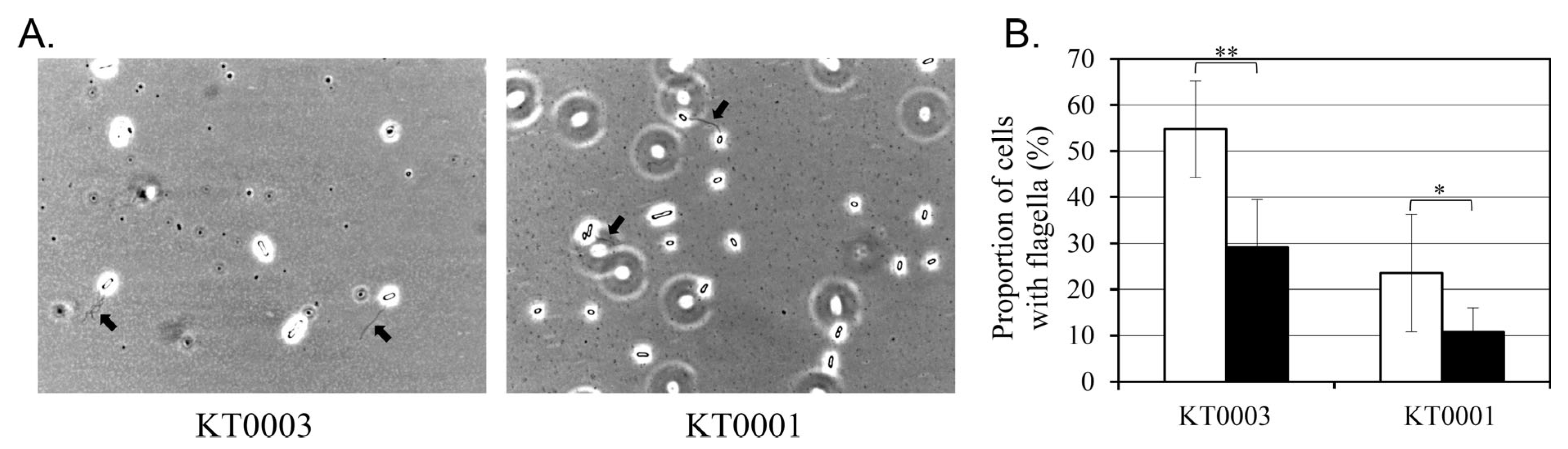
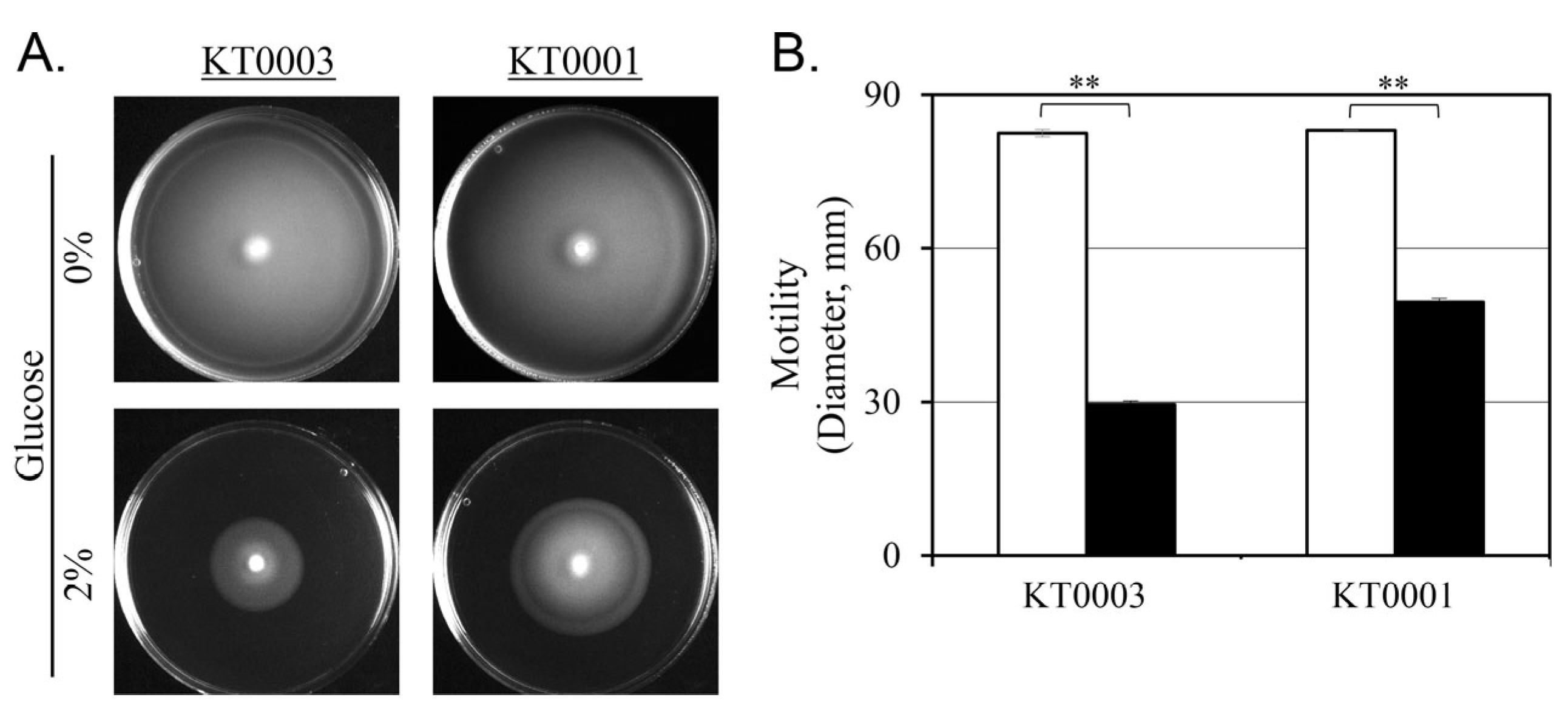
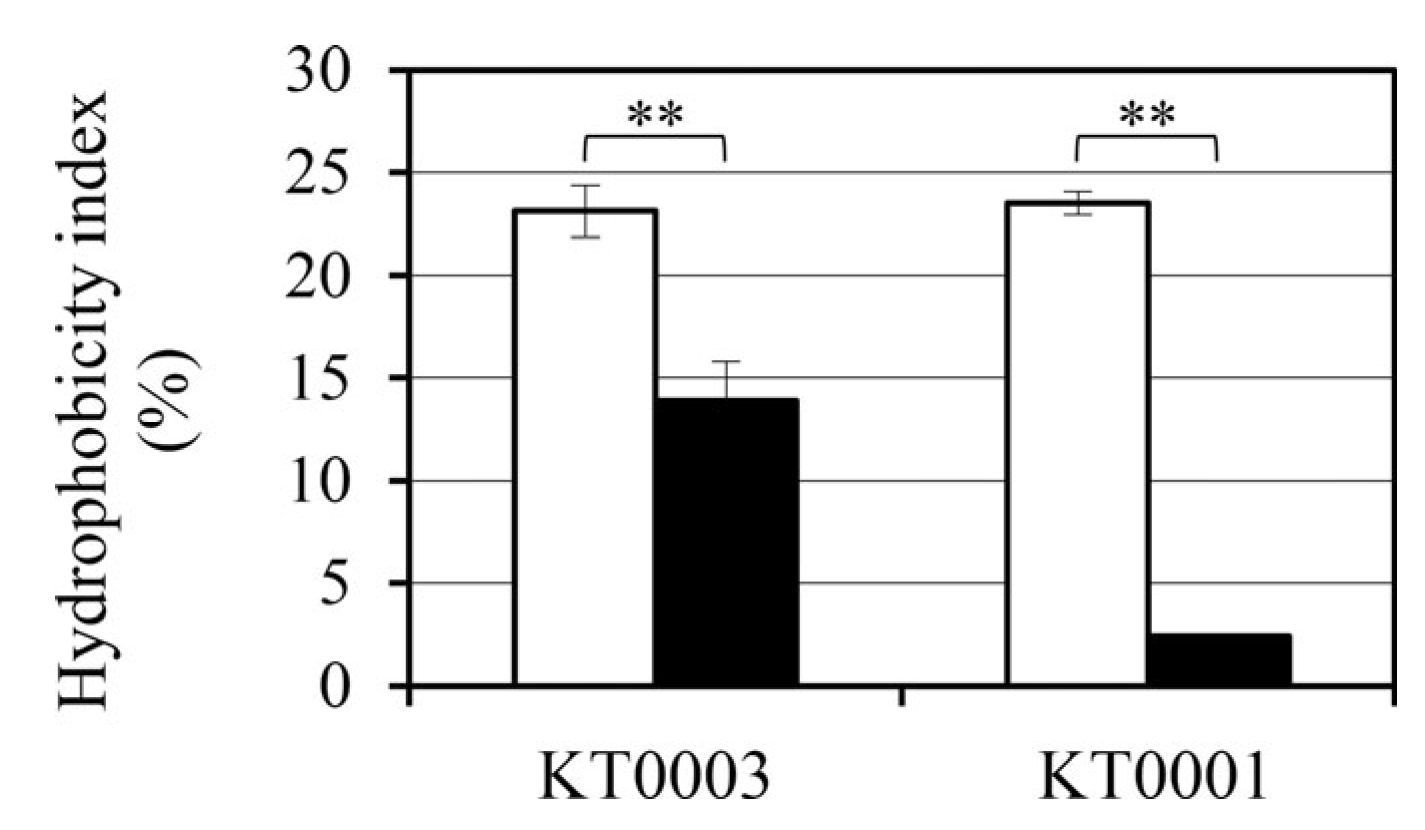
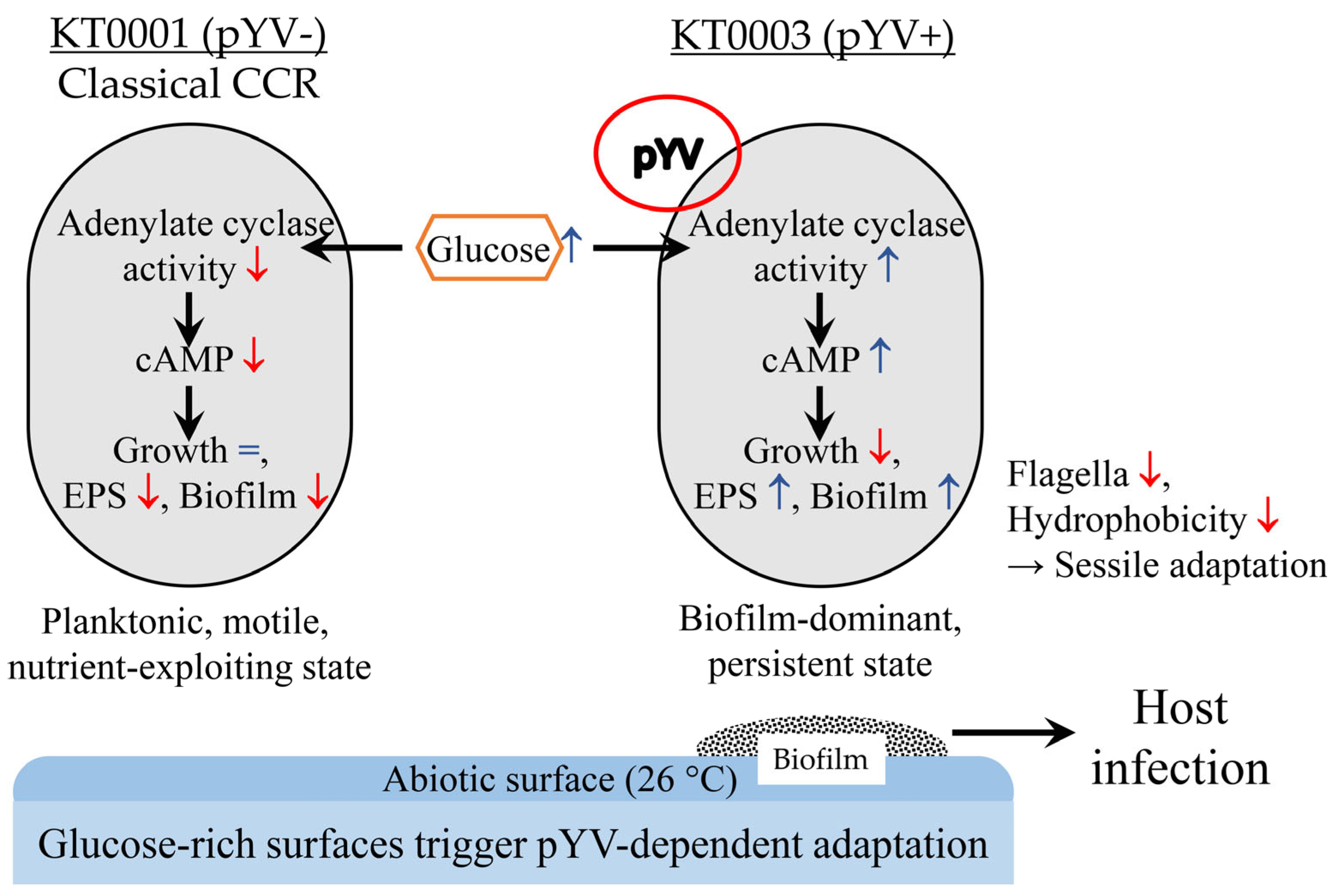
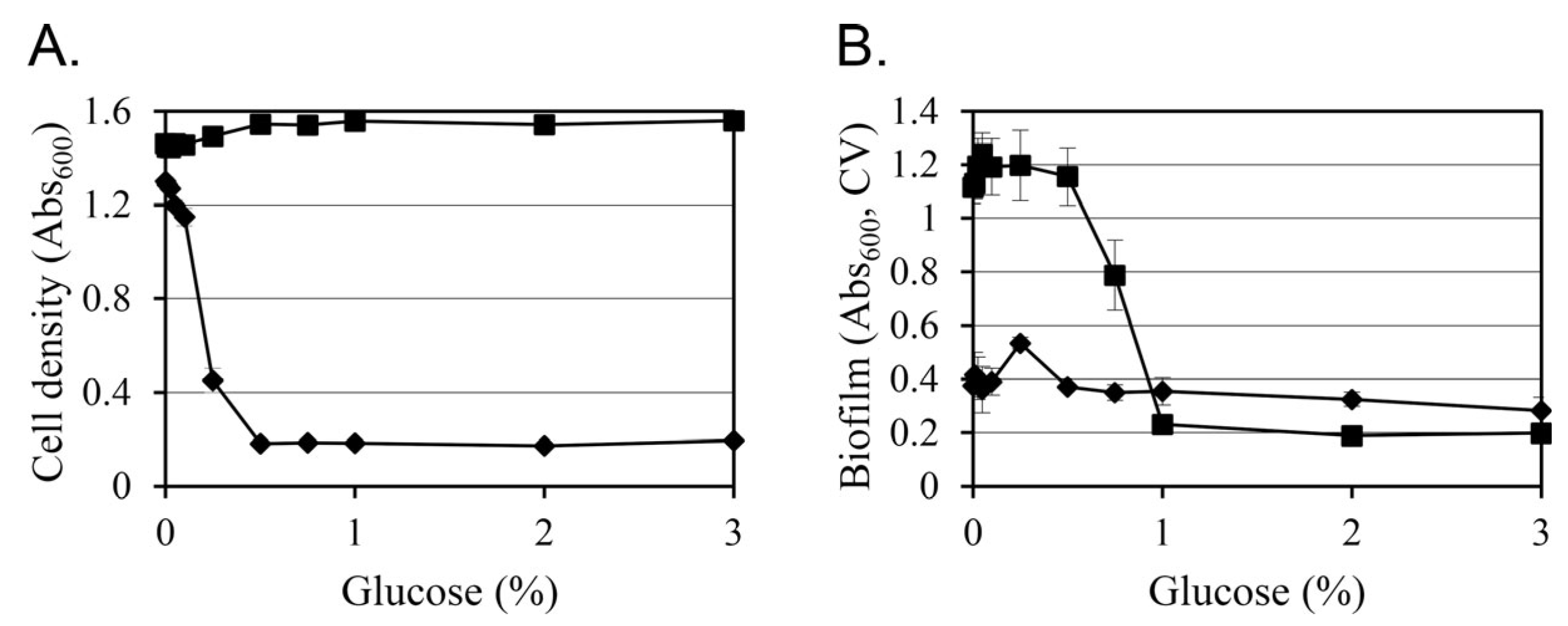
Yersinia enterocolitica is a foodborne pathogen capable of biofilm formation and virulence modulation in response to environmental signals. Among these, glucose—present at physiologically relevant concentrations in the human body—may serve as a regulatory cue affecting infection-associated pathways, including those governed by the pYV virulence plasmid. Although the role of glucose has been investigated under host-mimicking conditions, its impact in non-host environments remains poorly understood. This study was designed to evaluate the glucose-dependent physiological responses of two isogenic Y. enterocolitica strains, KT0001 (pYV-negative) and KT0003 (pYV-positive), under non-host conditions (26 °C). Both strains were cultured in TYE medium containing 0–3% glucose. Comparative analyses were conducted under identical in vitro conditions to elucidate plasmid-associated phenotypic differences. Glucose elicited markedly divergent responses. In KT0001, growth remained unaffected; however, biofilm formation declined by 77.7%, accompanied by a 90% reduction in surface hydrophobicity, a 40% decrease in motility, and a 59% drop in intracellular cyclic AMP—suggesting classical carbon catabolite repression. Conversely, KT0003 exhibited 86% growth inhibition but maintained biofilm levels. This was associated with substantial extracellular polymeric substance induction (~20-fold increase in polysaccharides and ~4.7-fold in extracellular DNA) and nearly fivefold elevation in cyclic AMP levels, despite concurrent decreases in motility (64%) and hydrophobicity (40%). These findings indicate that glucose functions as a strain-specific modulator in Y. enterocolitica. In particular, KT0003’s response suggests that the pYV plasmid enables the bacterium to interpret glucose as a host-associated cue, even under non-host conditions, potentially initiating virulence-related adaptations prior to host contact.
Keywords: Yersinia enterocolitica; virulence plasmid; biofilm formation; glucose metabolism; extracellular polymeric substances; cyclic AMP Yersinia enterocolitica; virulence plasmid; biofilm formation; glucose metabolism; extracellular polymeric substances; cyclic AMP