
Article

Design and Optimization of a Novel Compliant Z-Positioner for the Nanoindentation Testing Device

Faculty of Mechanical Engineering, Ho Chi Minh City University of Technology and Education, Ho Chi Minh City 700000, Vietnam
*
Author to whom correspondence should be addressed.
Machines 2025, 13(6), 485; https://doi.org/10.3390/machines13060485

Submission received: 10 April 2025 / Revised: 28 May 2025 / Accepted: 2 June 2025 / Published: 3 June 2025
(This article belongs to the Special Issue Optimization and Design of Compliant Mechanisms)

Abstract

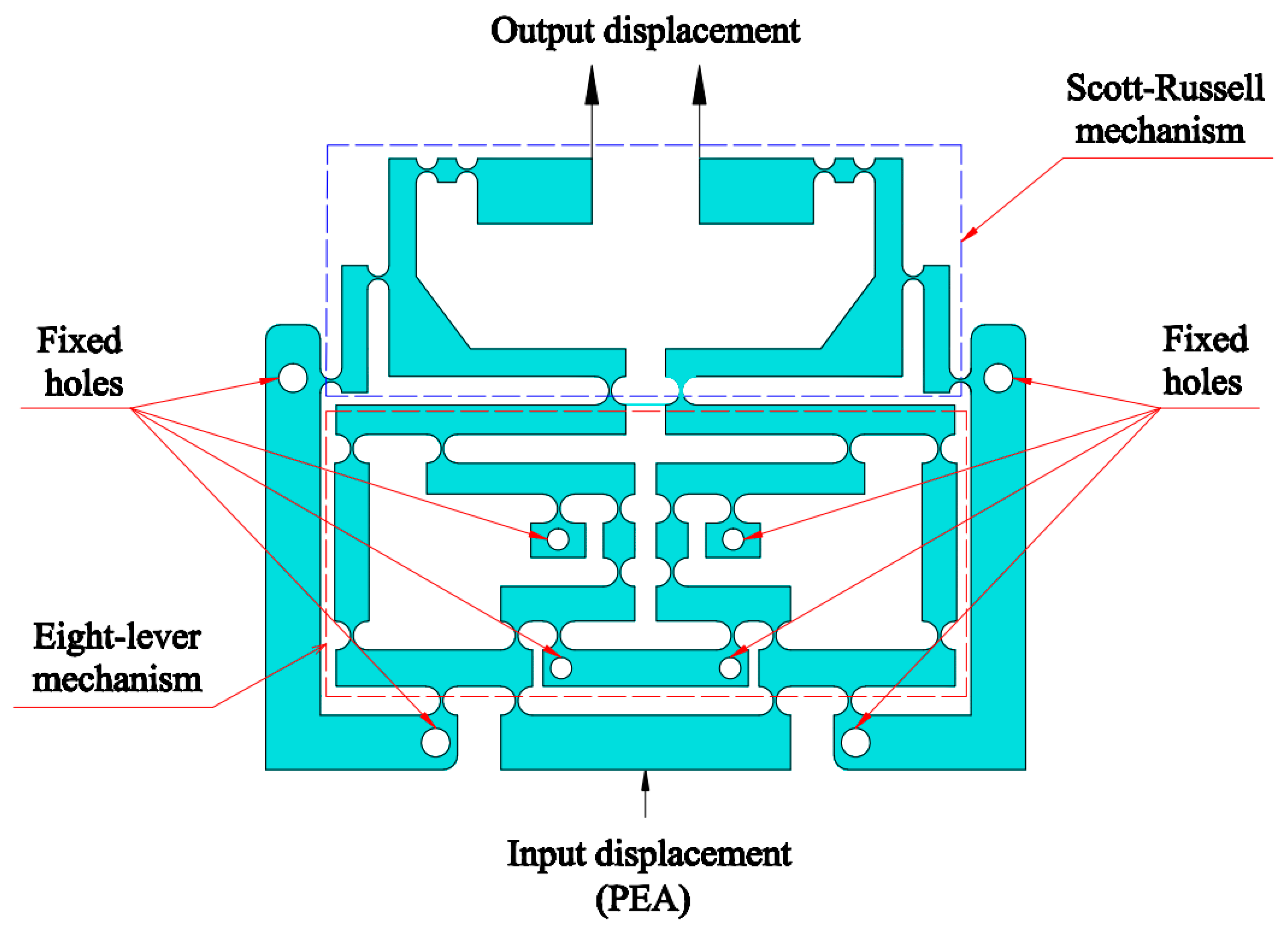
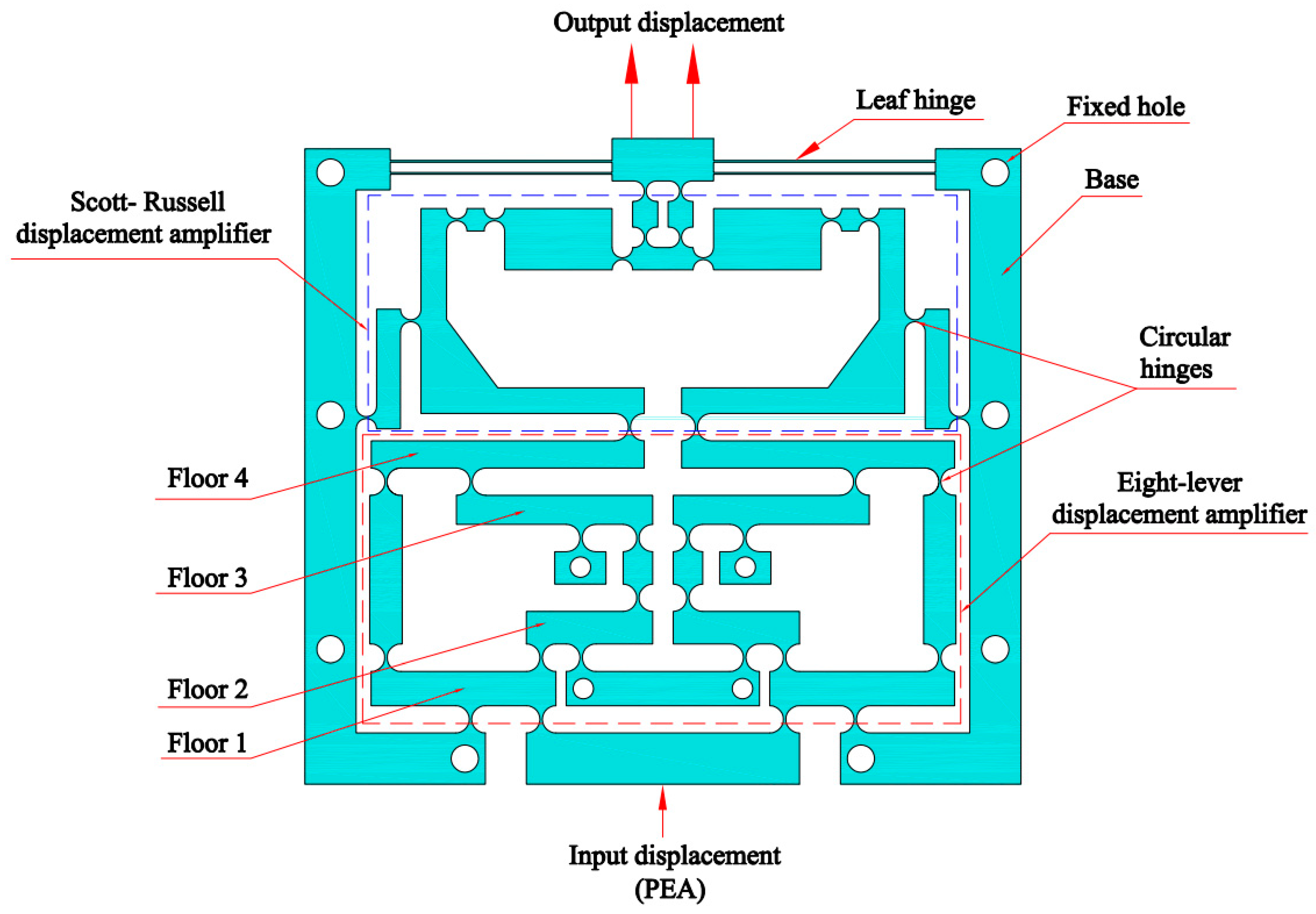
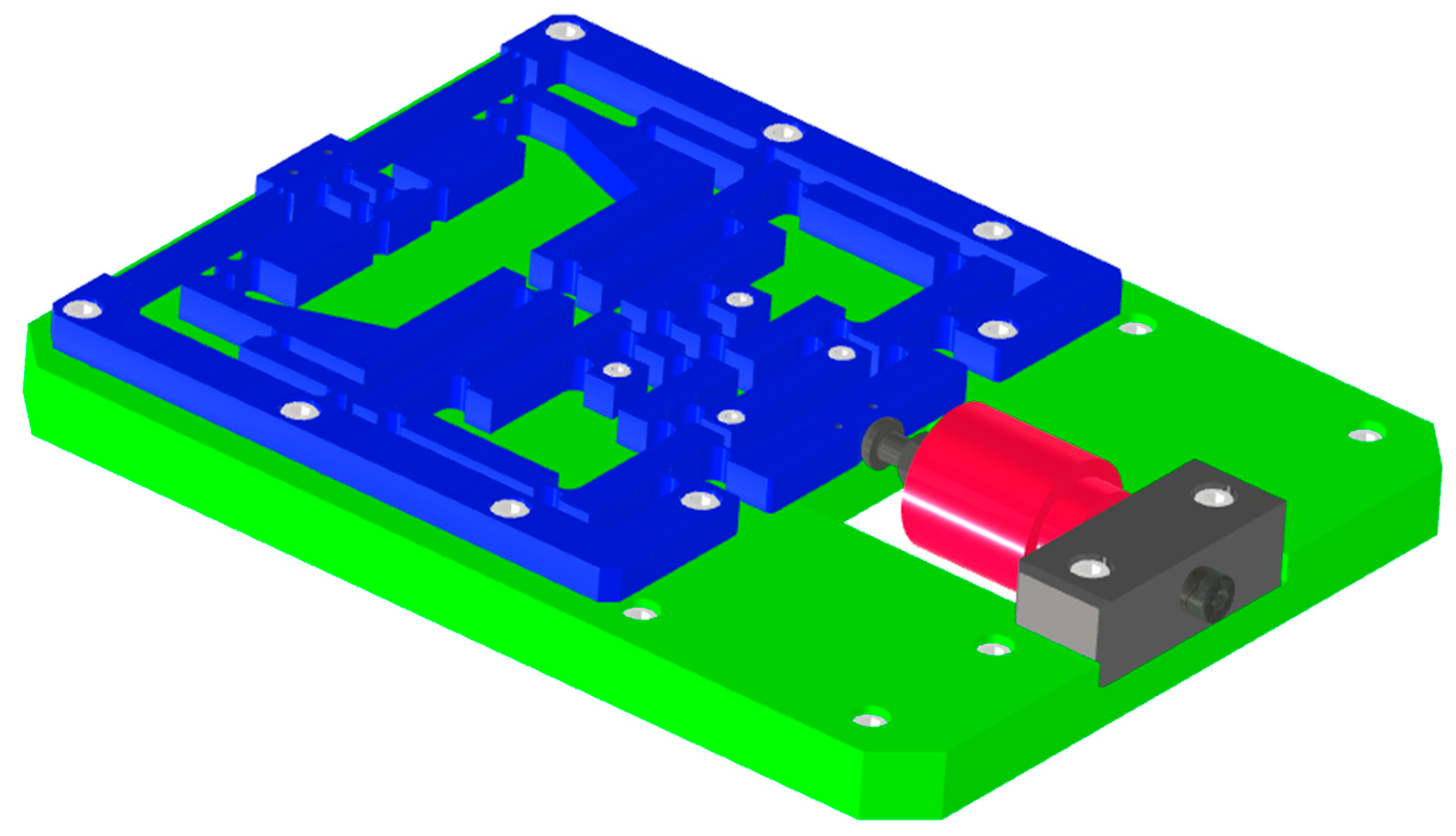
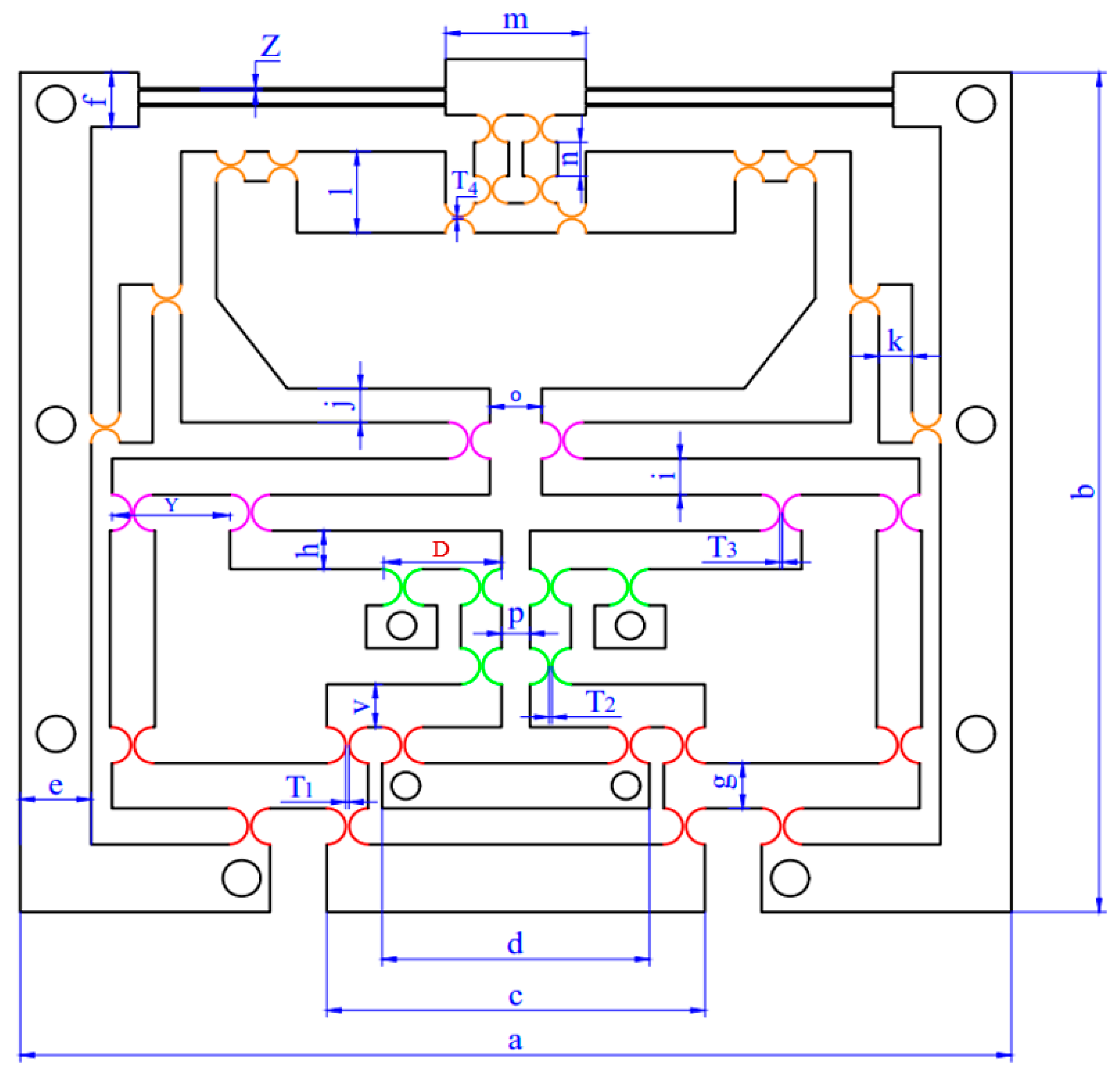
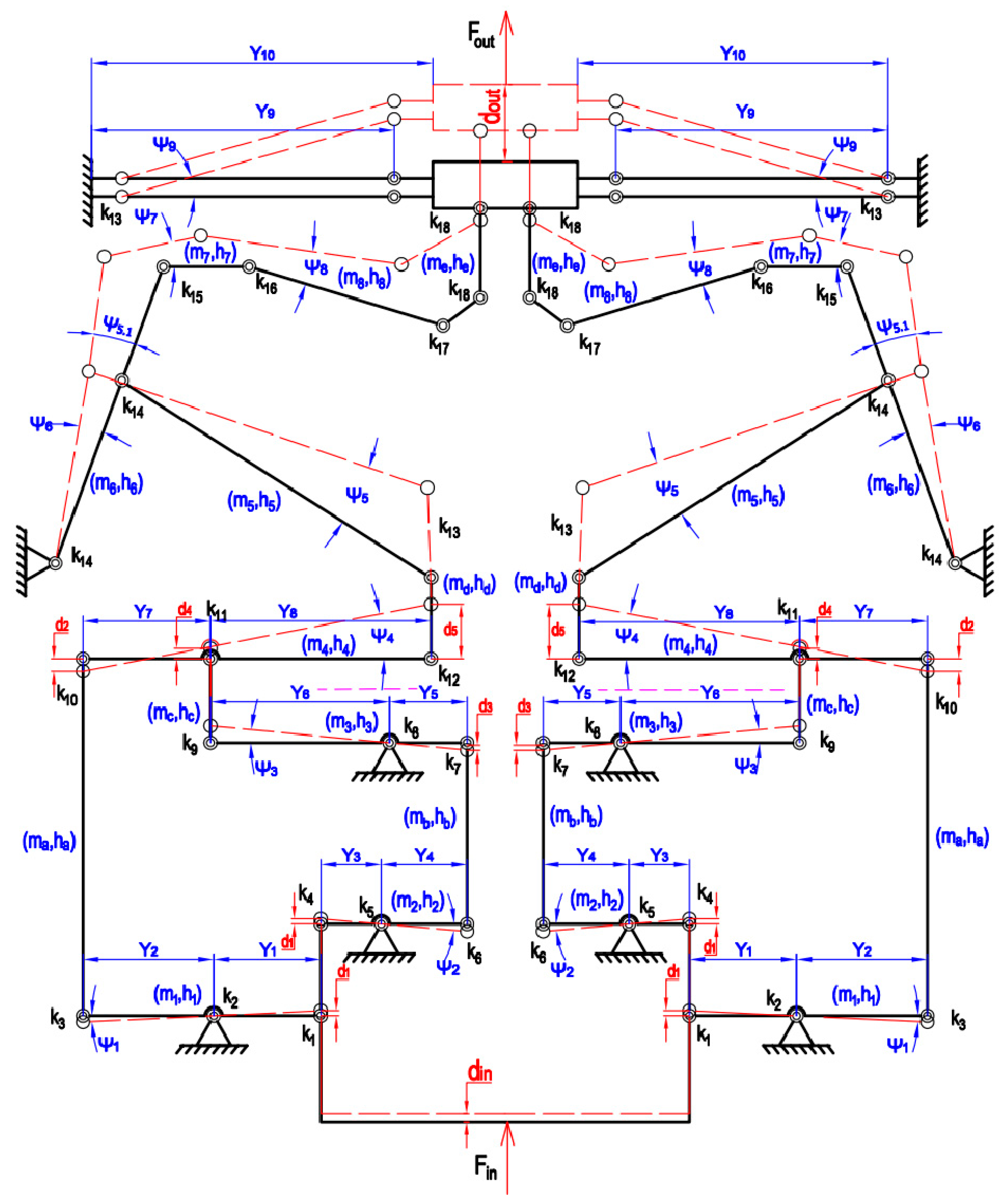
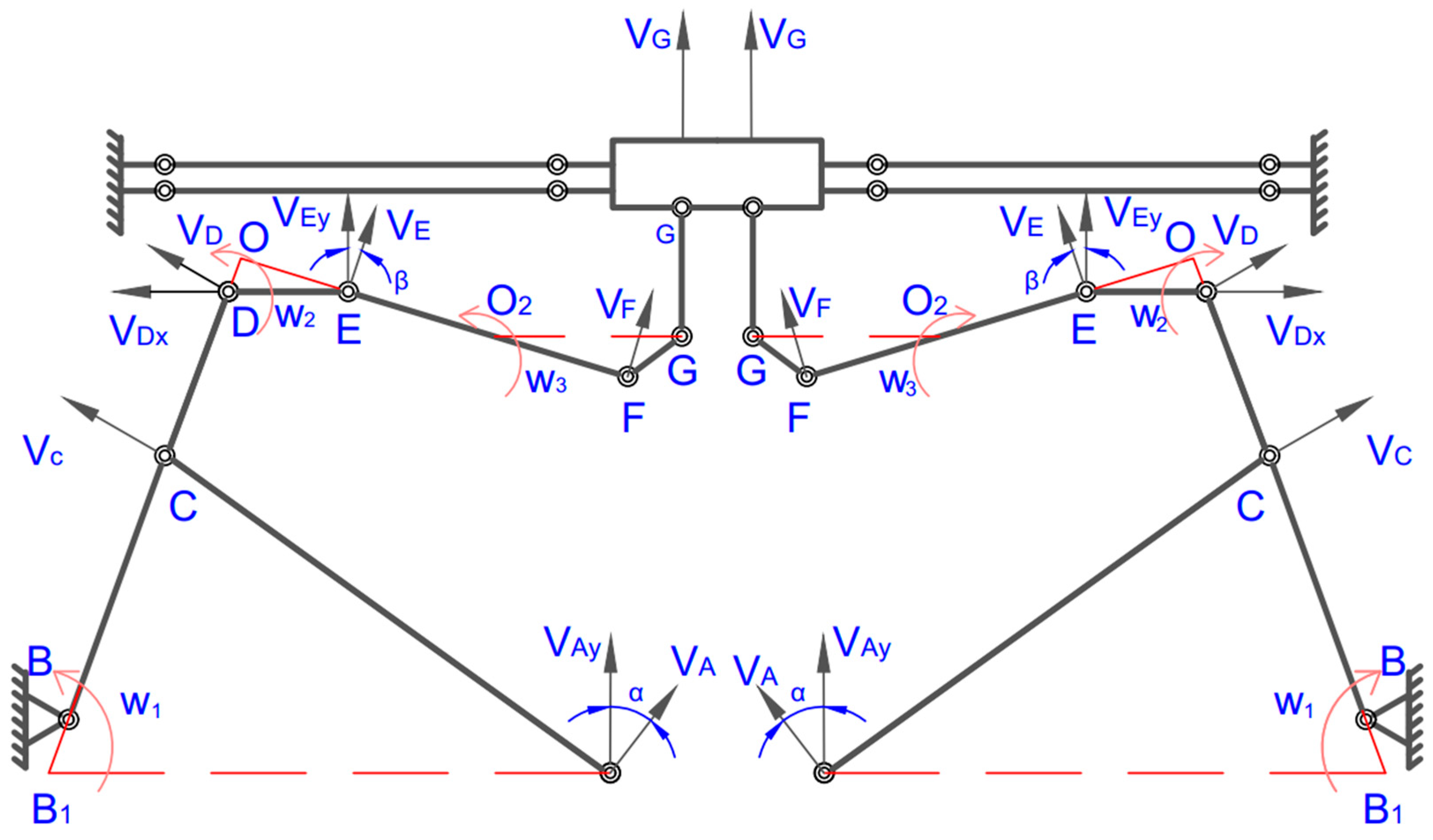
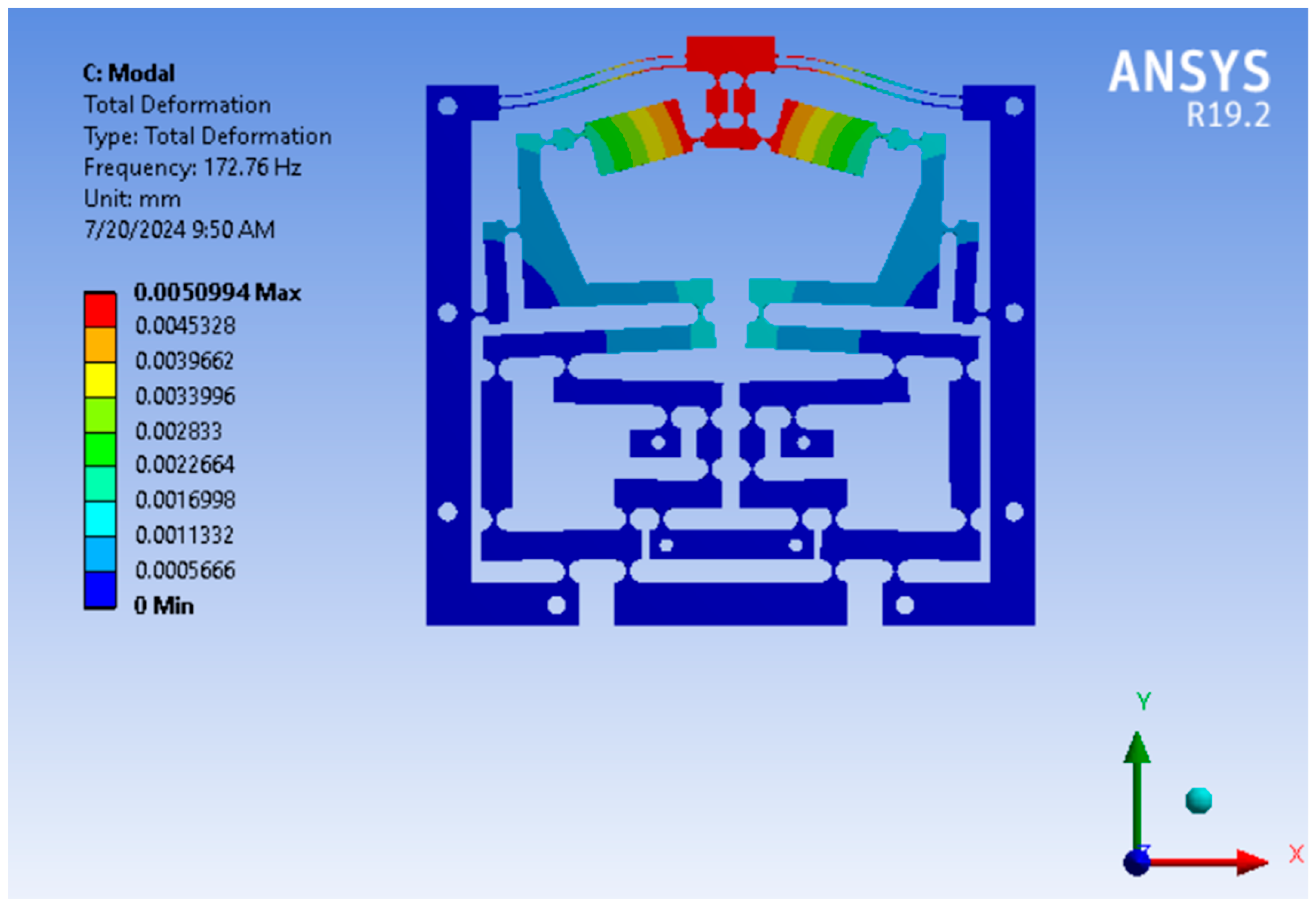
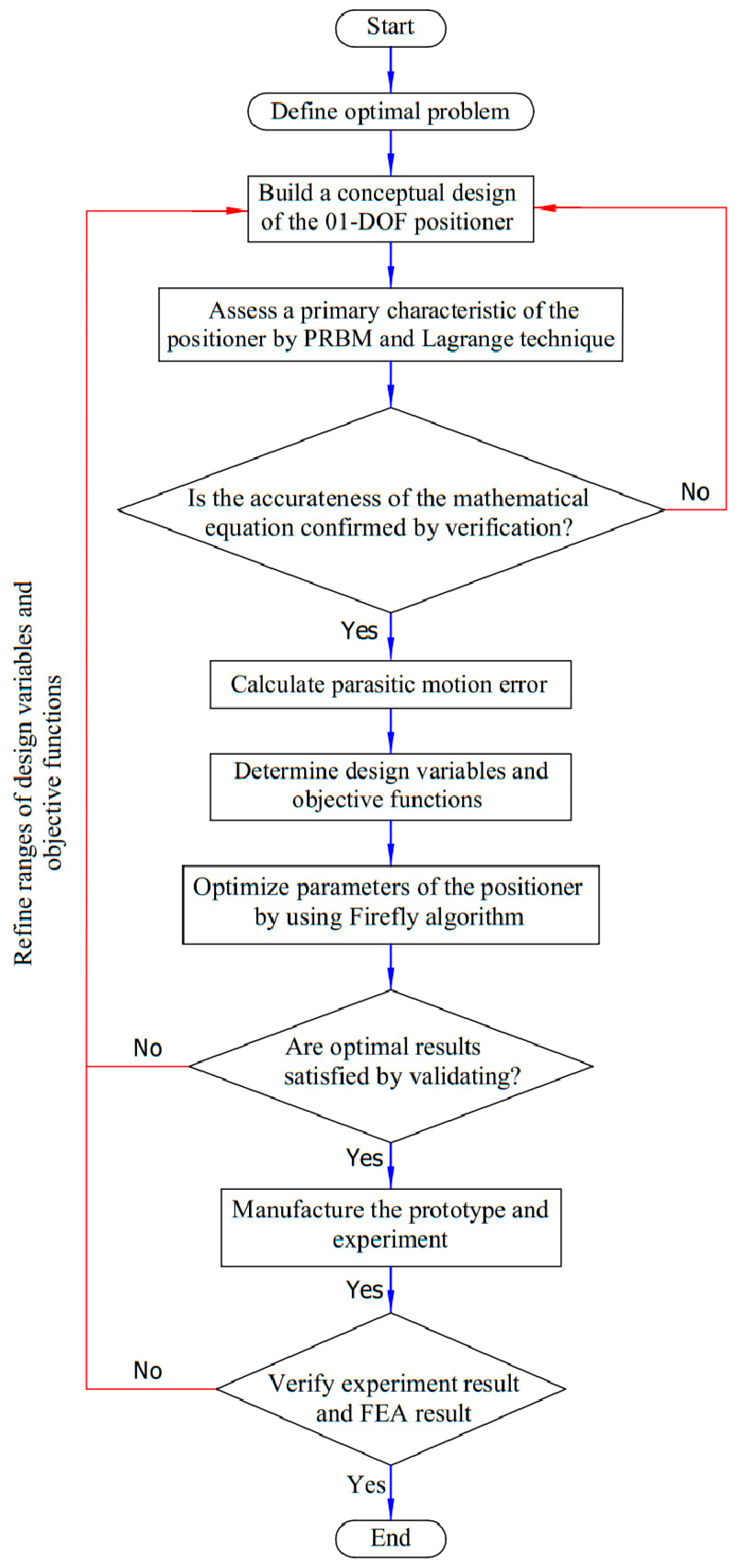
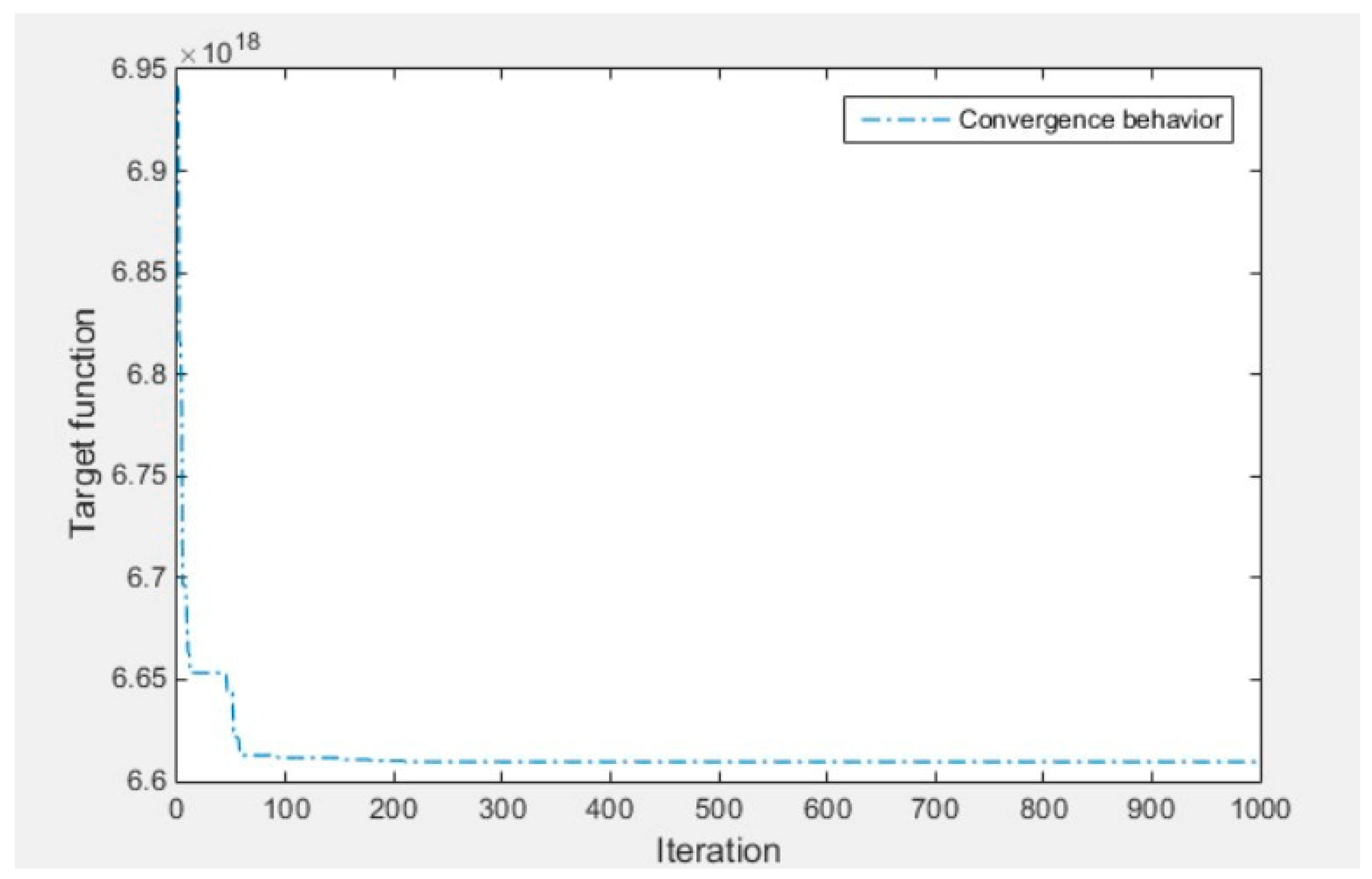
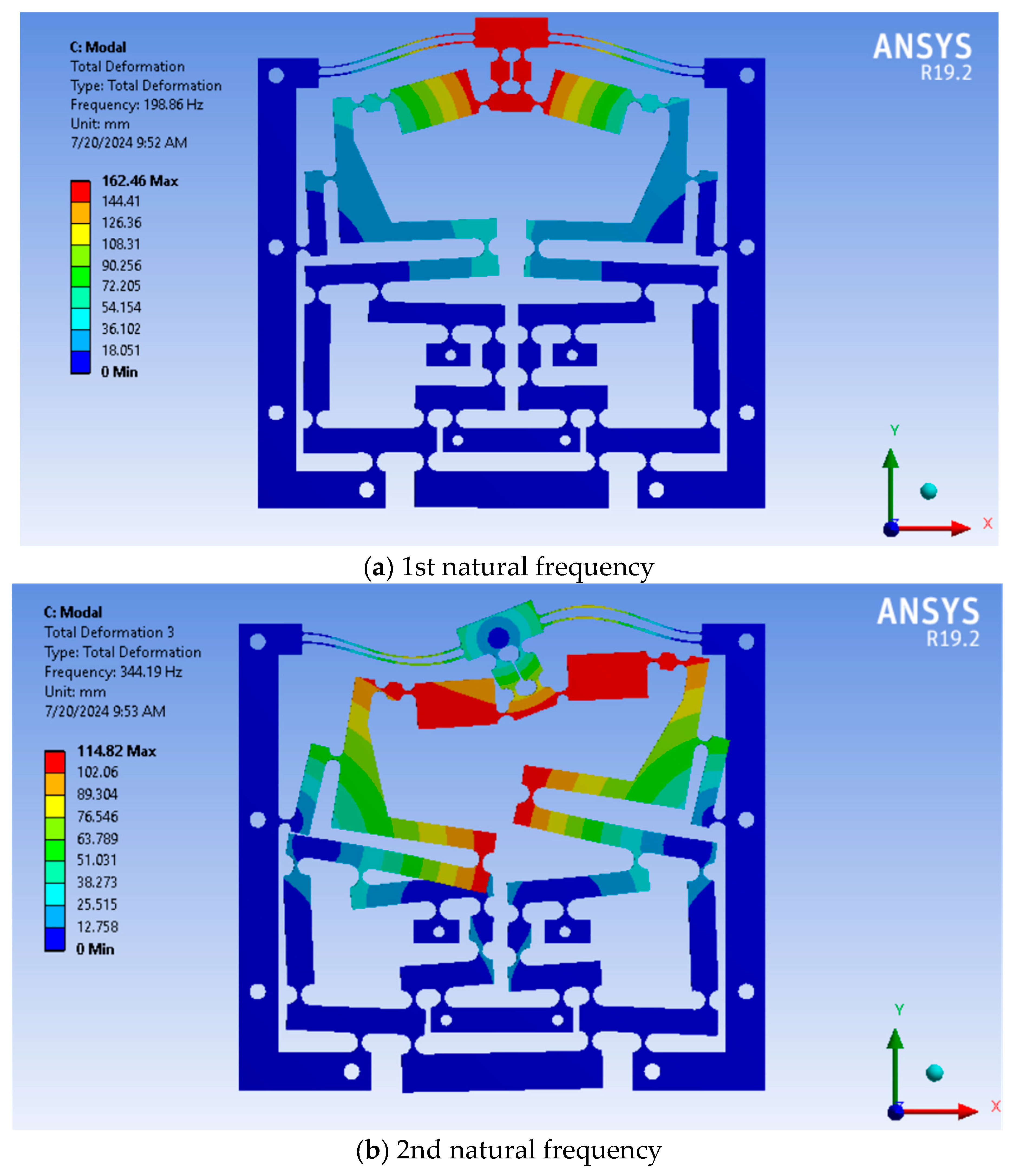
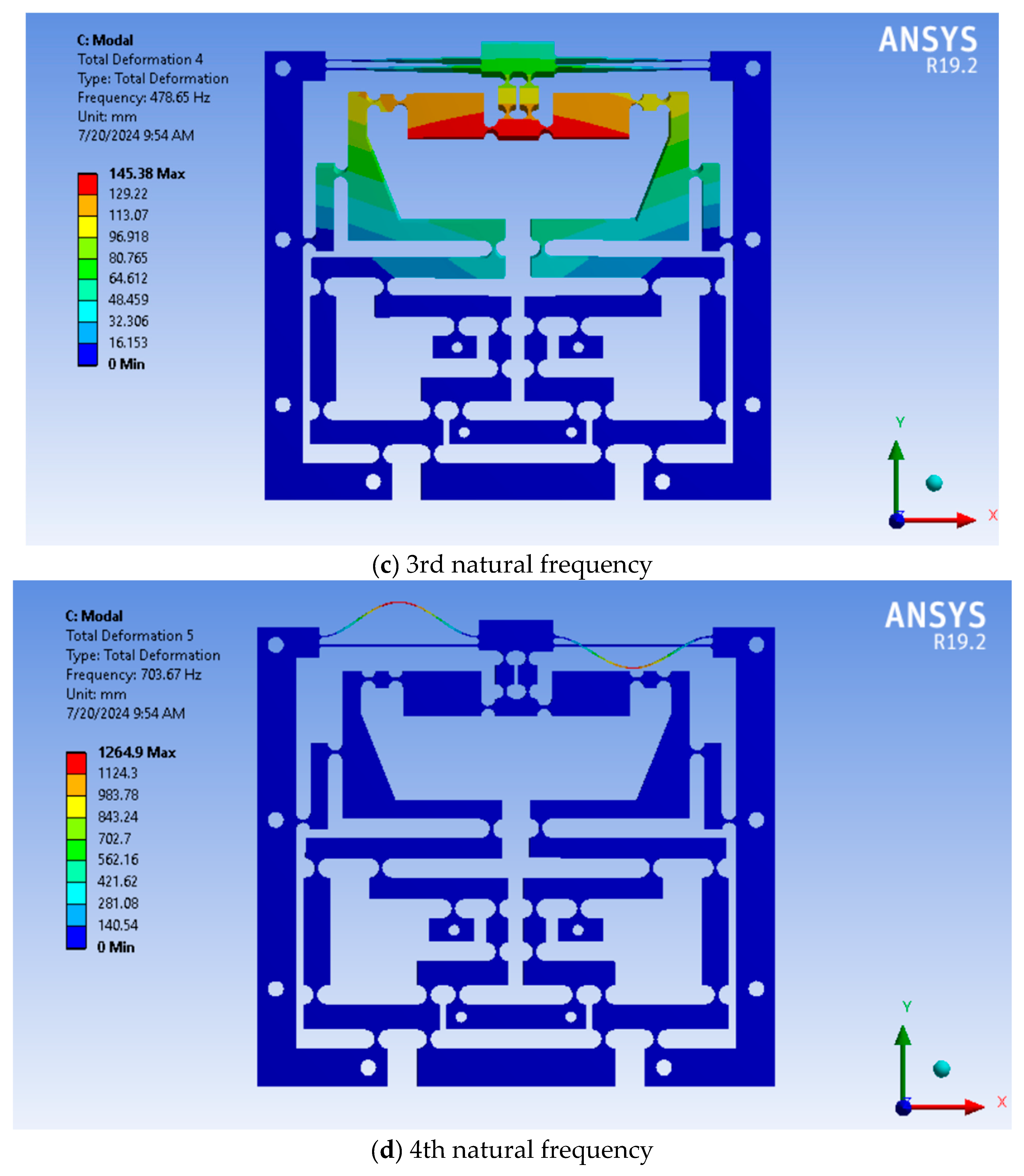
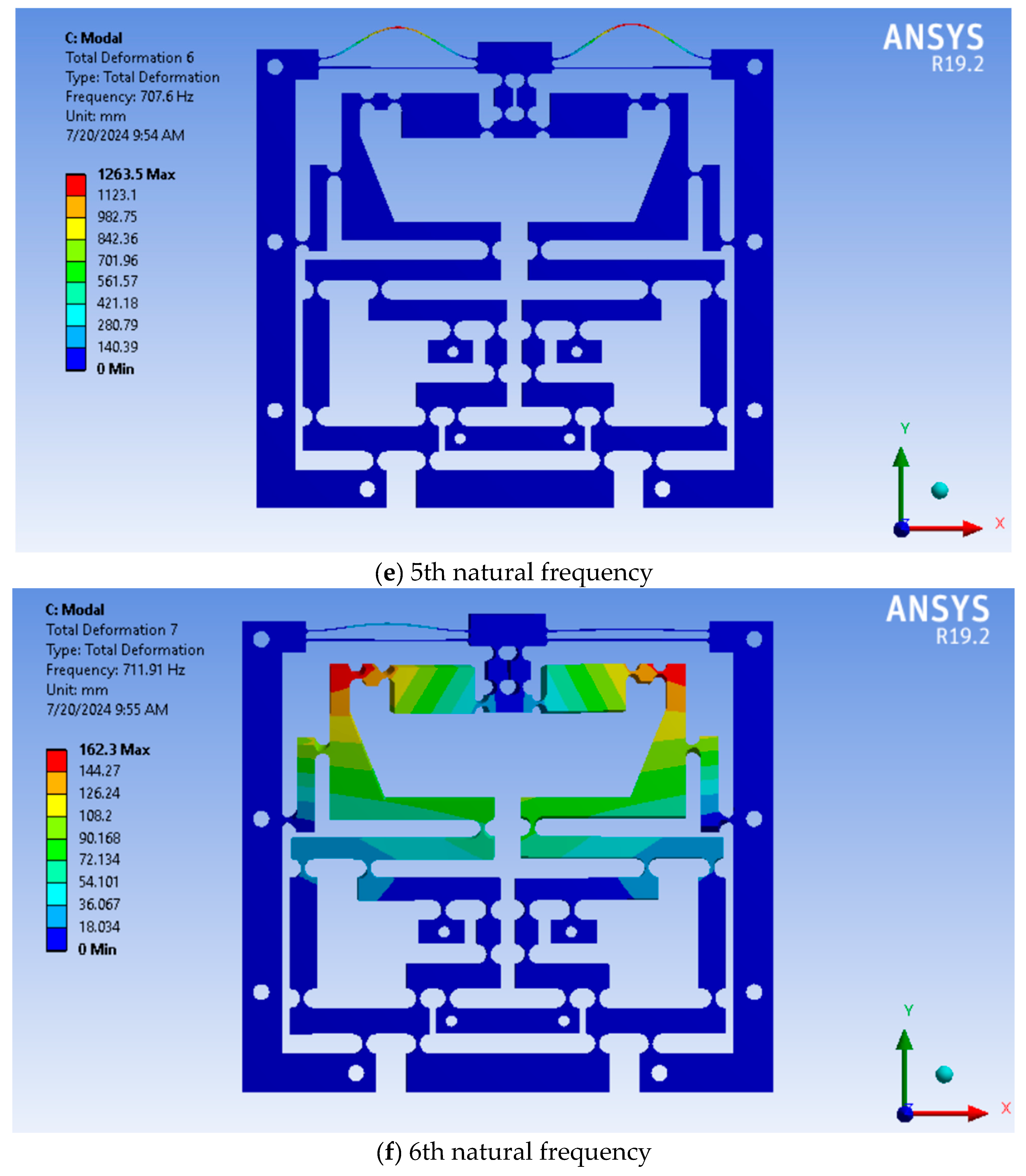
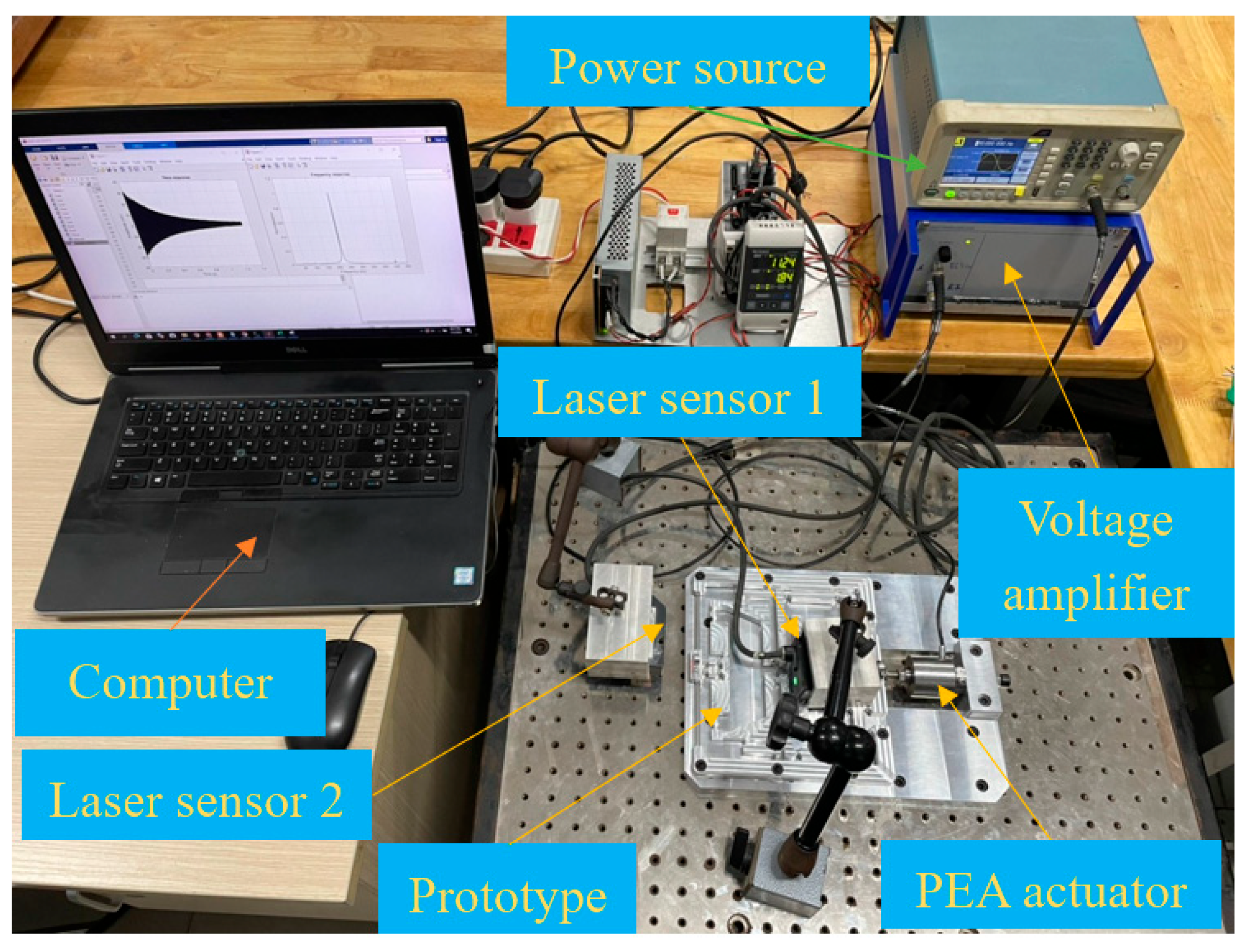
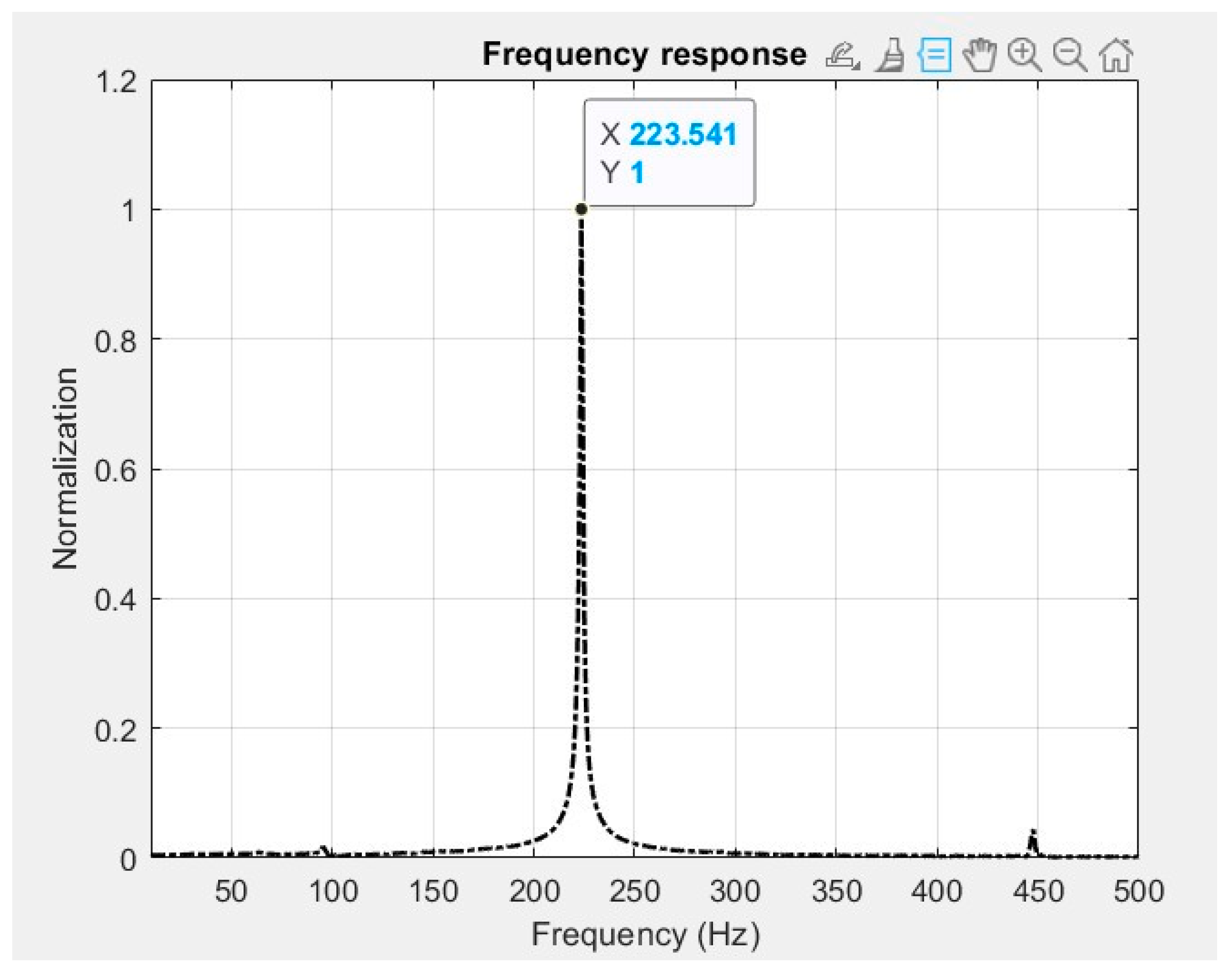
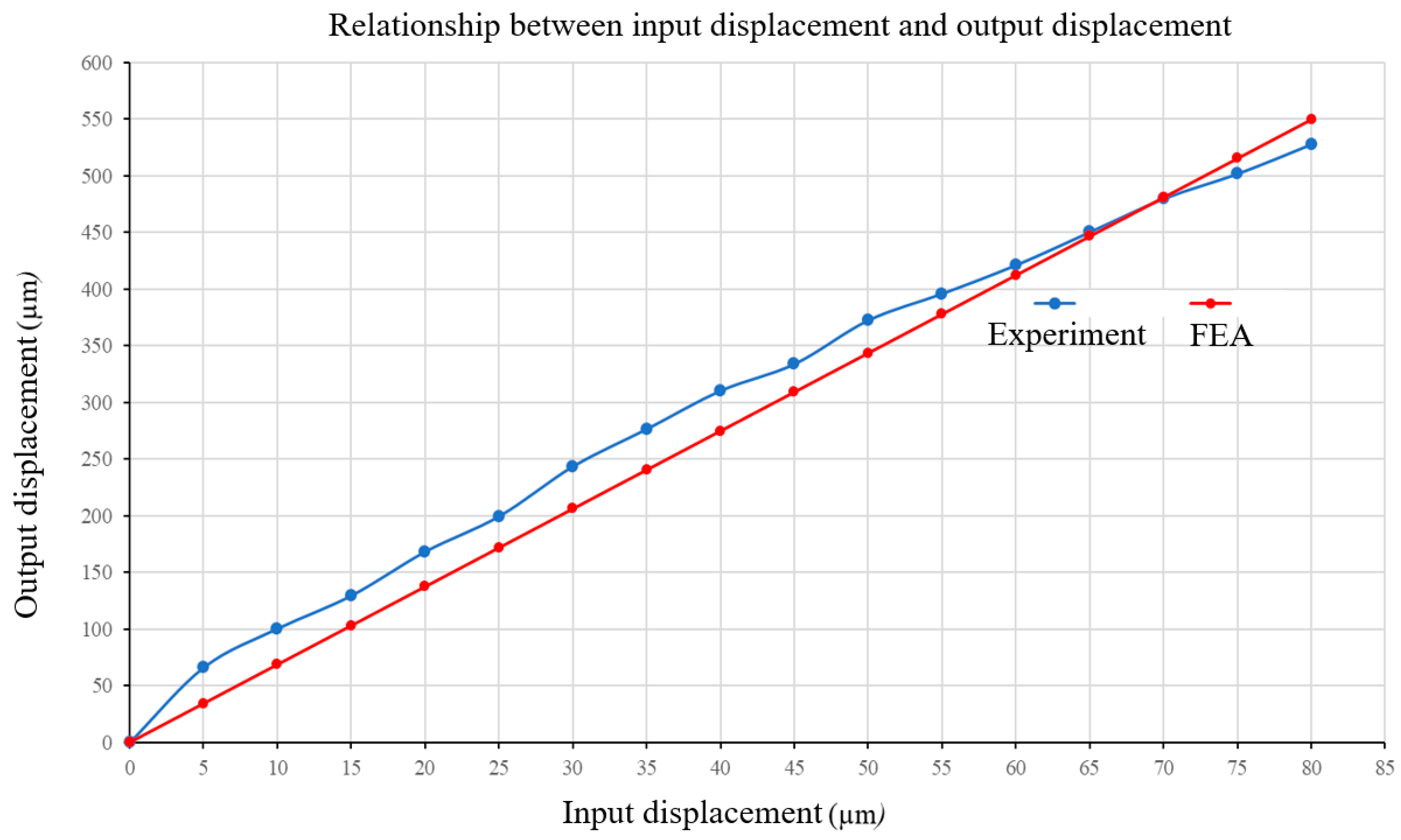
Compliant mechanisms are extensively utilized in precise positioning systems. This work presents a novel compliant fine Z-positioner for directing the indenter in a nanoindentation testing positioning system. Initially, the suggested positioner consists of a novel hybrid symmetric compliant displacement amplifier of four-lever and Scott Russell structures combined with a parallel guiding mechanism. Subsequently, a static–dynamic characteristic of the proposed positioner is modeled by the pseudo-rigid body method and the Lagrange technique. Based on the FEA results, the parasitic motion error of the developed fine Z-positioner was 0.0956%. Thirdly, the analytical result was verified by FEA analysis, and the error between the two methods was 0.5869%. Therefore, the proposed analytical approach was reliable for quickly assessing the output response of the proposed positioner. Finally, to enhance the quality of the proposed structure’s response, the main design variables of the fine Z-positioner are optimized using the Firefly algorithm. The optimal findings indicated that the first natural frequency occurs at around 220.16 Hz. The imprecision between the optimal result and the FEA result was 9.67%. The analytical results are in close agreement with the confirmed FEA result. The prototype was manufactured by the computerized numerical milling method. The inexactness between the FEA outcome and the experimentation outcome was 11.04%. Based on the FEA and experiment results, displacement amplification proportions were 6.8725 and 8, respectively. In addition, the experimental results demonstrated a good linear relationship for guiding mechanisms in nanoindentation testing positioning systems.
Keywords: compliant mechanism; fine Z-positioner; static–dynamic analysis; precise positioning nanoindentation testing compliant mechanism; fine Z-positioner; static–dynamic analysis; precise positioning nanoindentation testing