Article

The Anisotropic Permeability Insights of Nano-Scale Pore Networks Evolution in the Overmature Shales

1
Qilicun Oil Production Plant, Yanchang Oilfield Co., Ltd., Yangchang 716000, China
2
Petrochemical Technology Service Branch of Liaohe Oilfield Company, PetroChina, Panjin 124010, China
3
Institute of Geomechanics, Chinese Academy of Geological Sciences, Beijing 100081, China
*
Author to whom correspondence should be addressed.
Minerals 2026, 16(3), 315; https://doi.org/10.3390/min16030315
Submission received: 5 February 2026 / Revised: 15 March 2026 / Accepted: 16 March 2026 / Published: 17 March 2026

Abstract

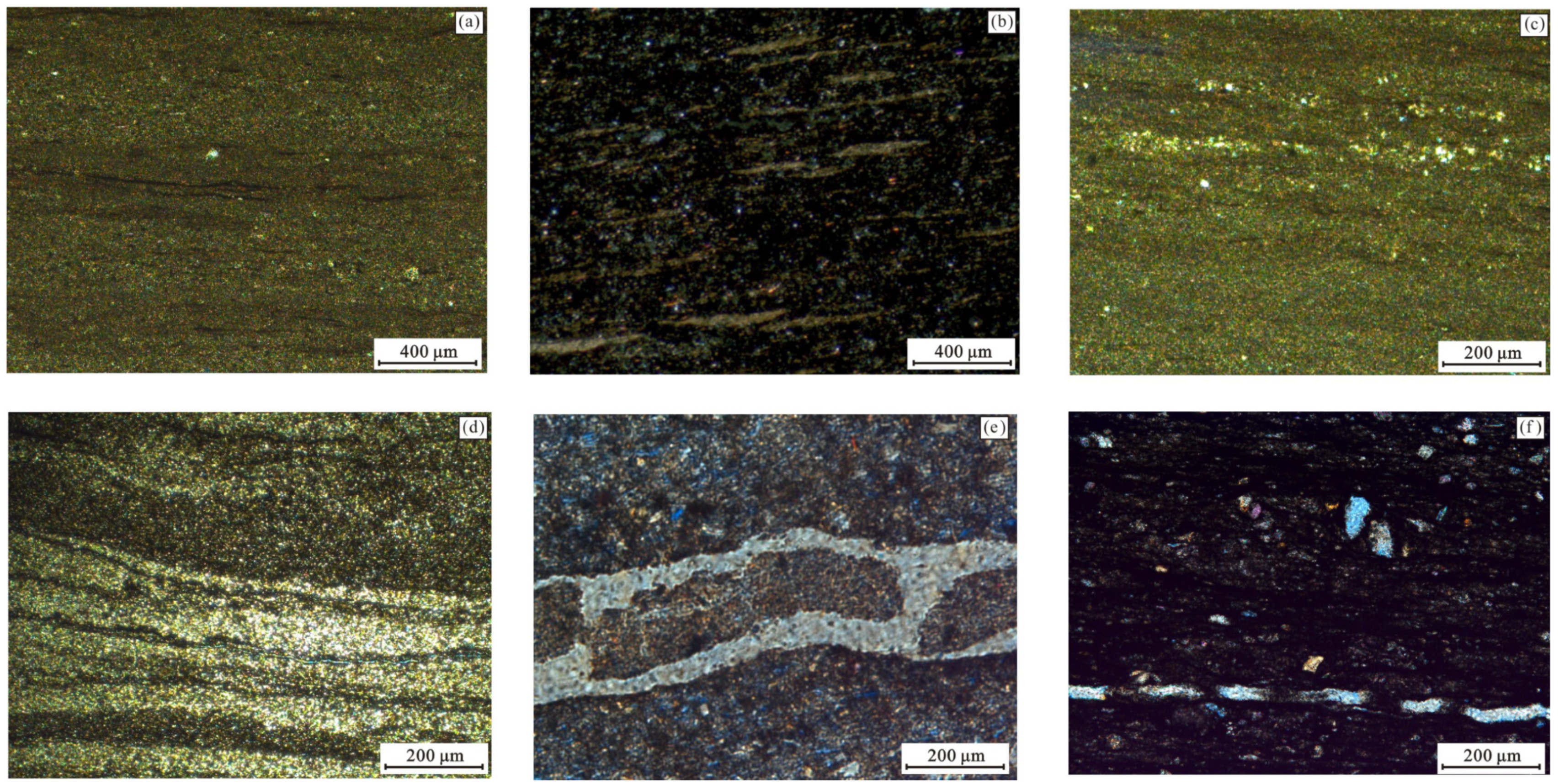
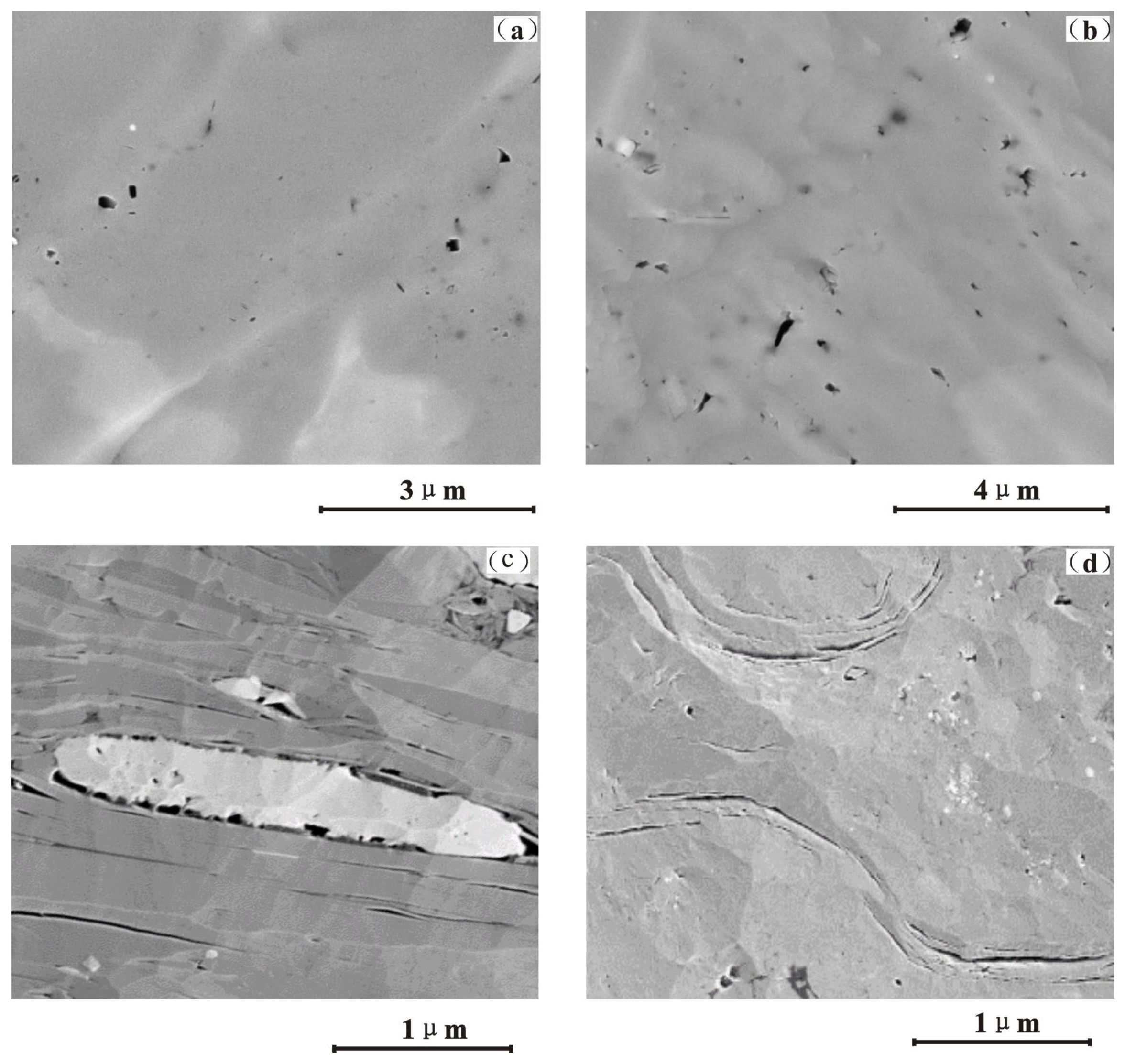
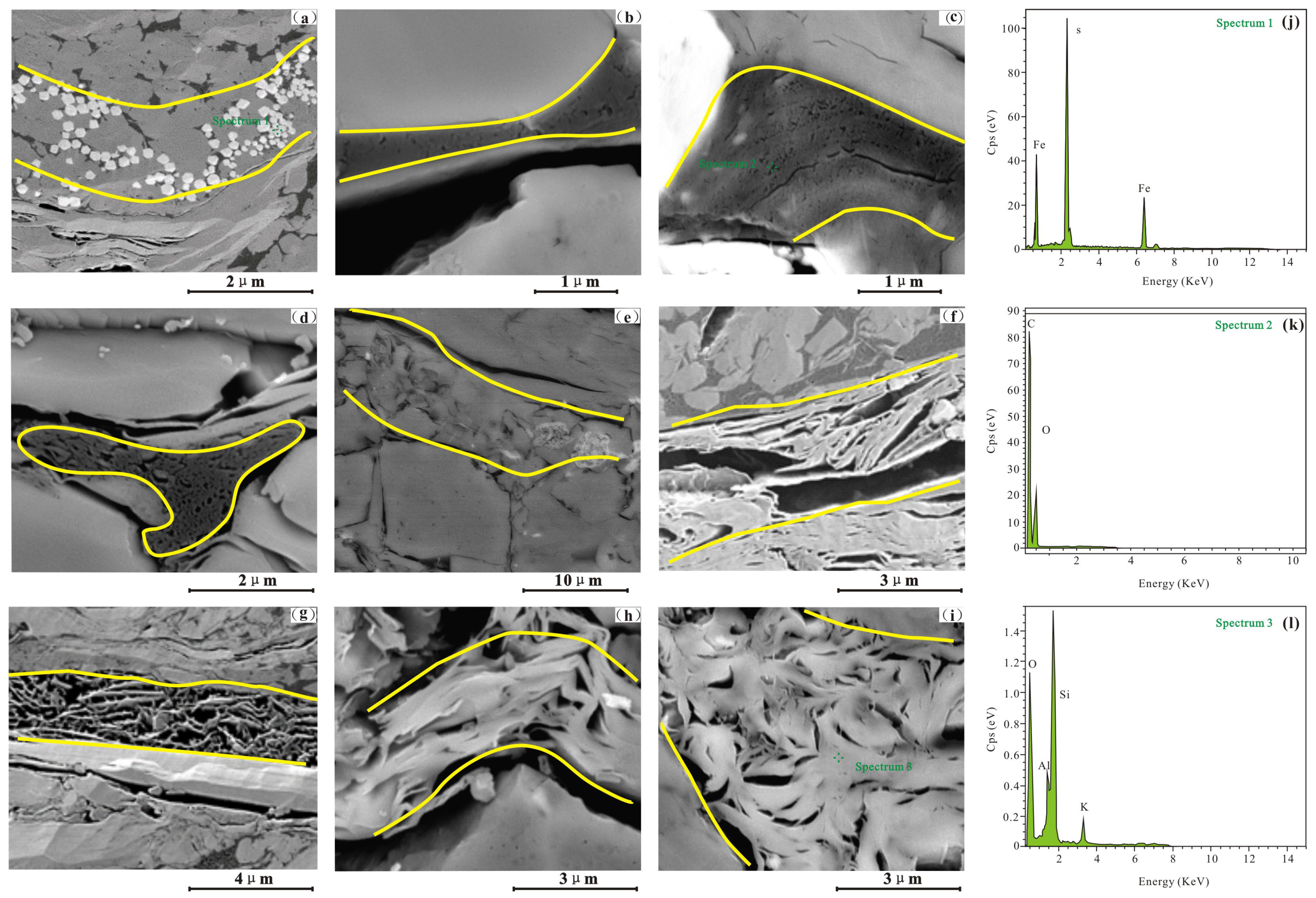
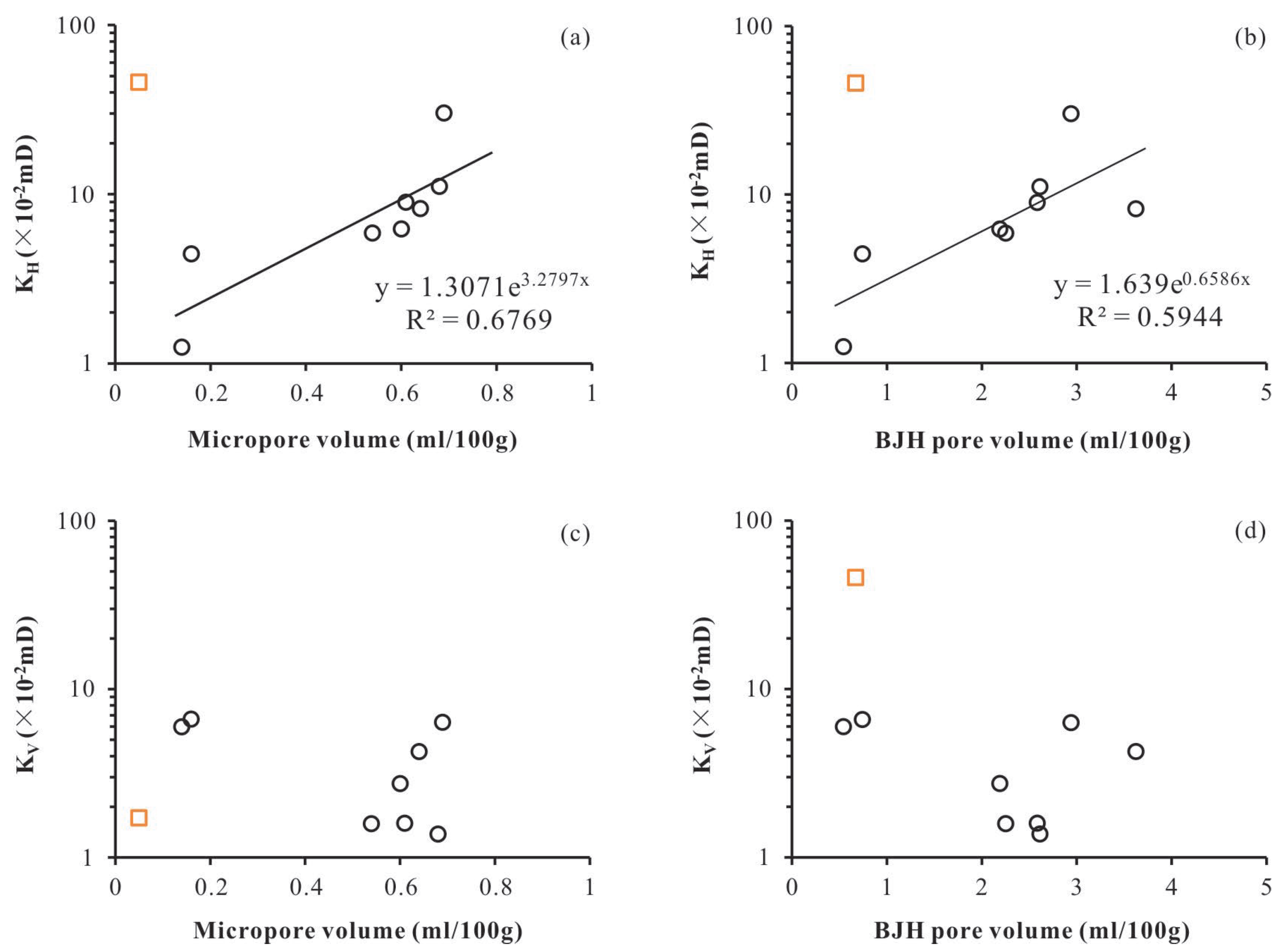
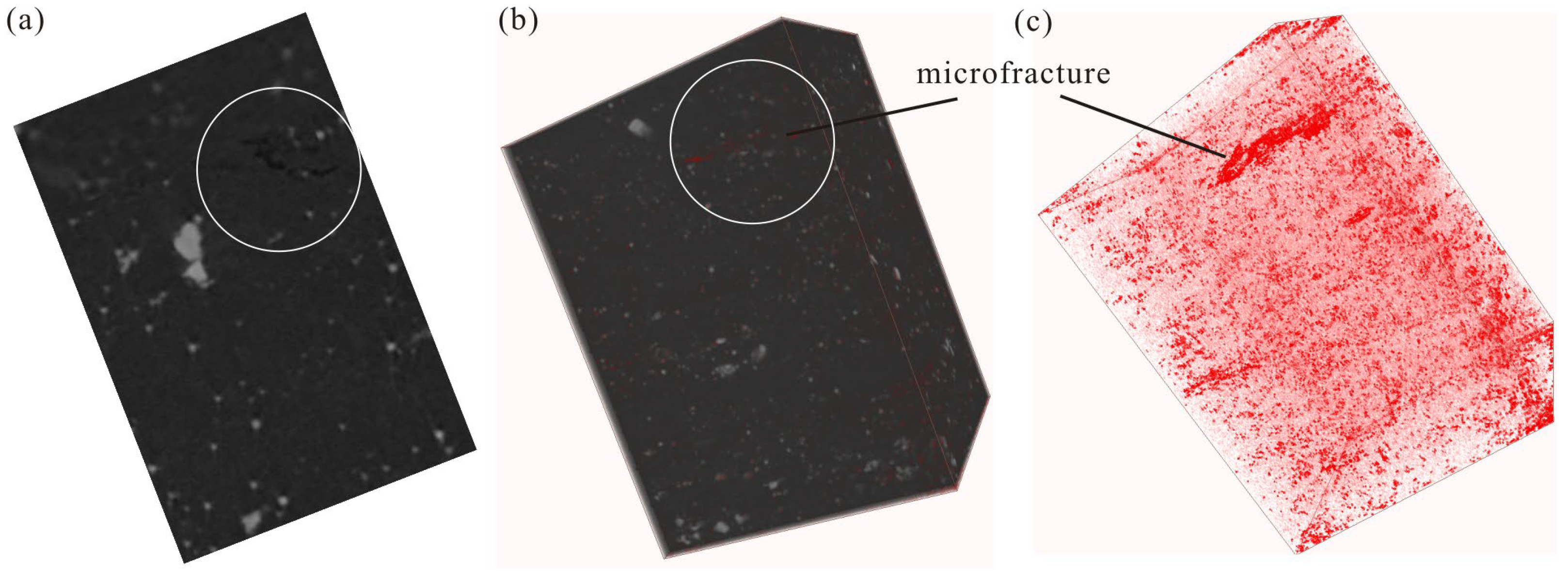
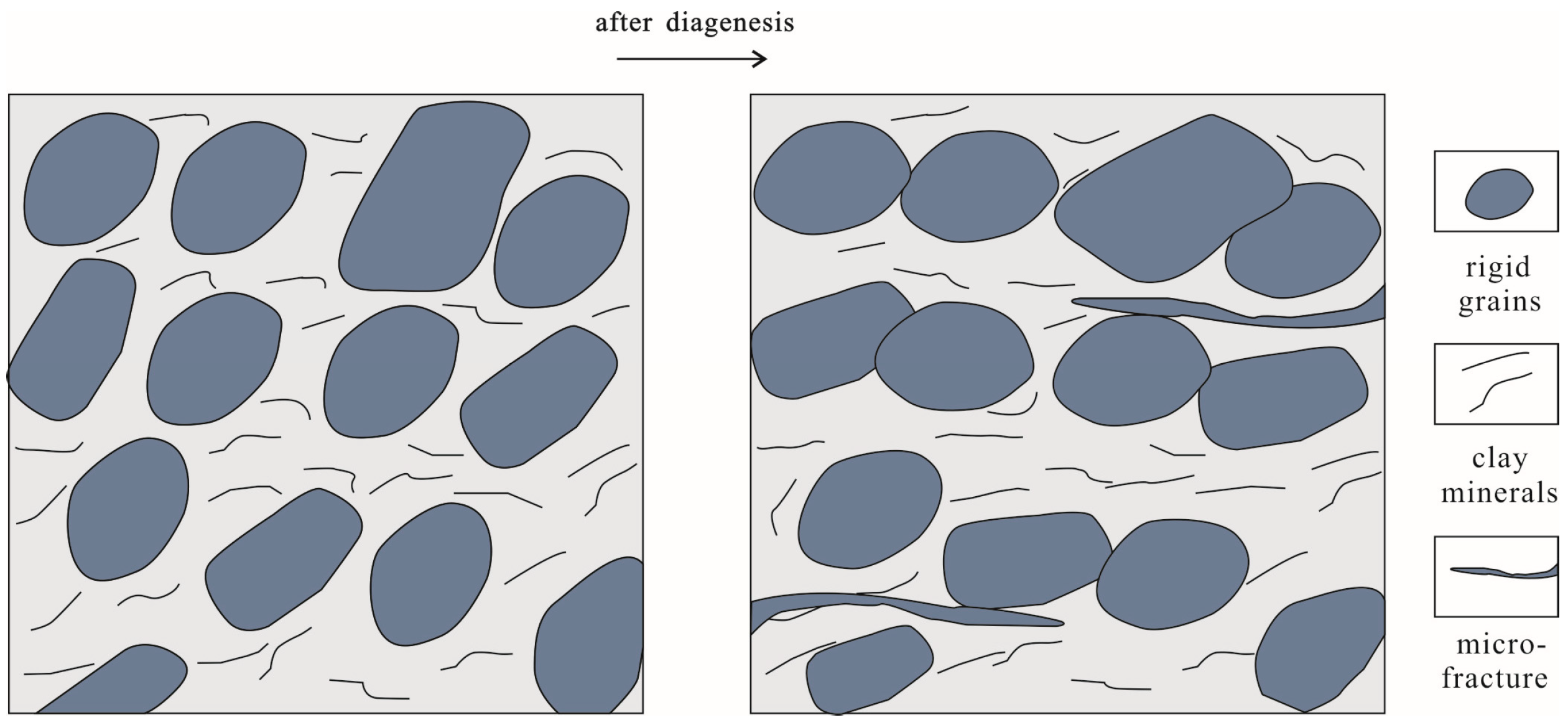
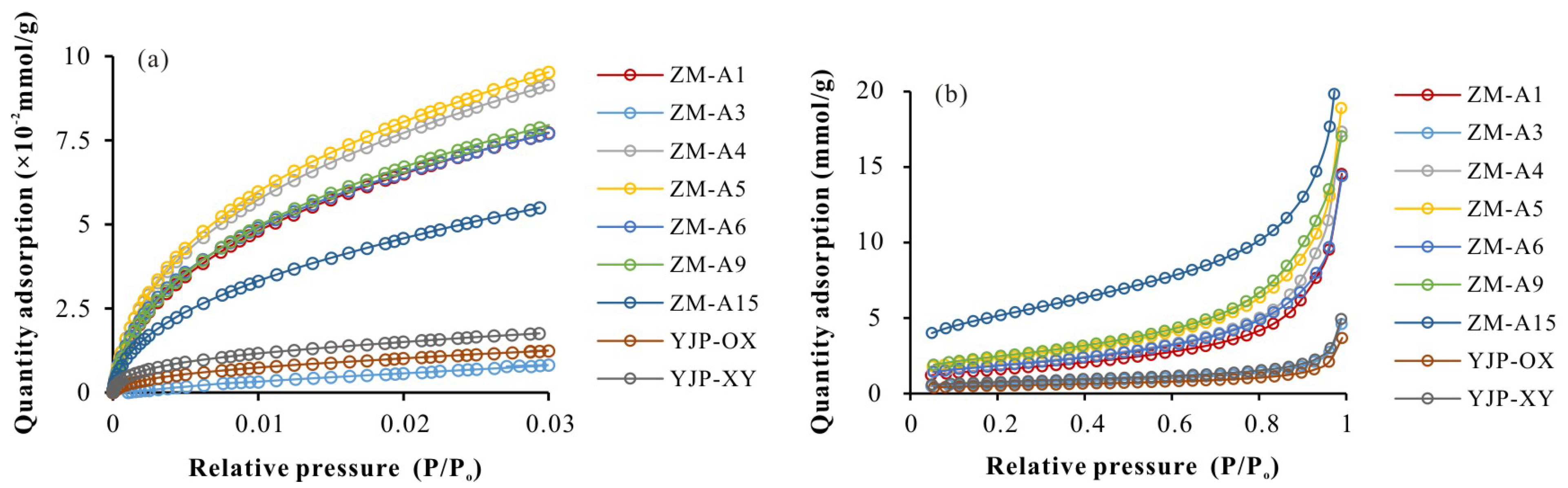
Permeability is affected by nanopores and pore structure, and anisotropic permeability is the result of shale lamination, orientation, and stratification of minerals. To understand the reasons for permeability anisotropy, the pore networks of over-mature shale has been studied. The mineral compositions, petrophysical properties, and pore structures of the Lower Cambrian Niutitang Formation shales were analyzed using subcritical gas adsorption, field-emission scanning electron microscopic, and X-ray micro-computed tomographic methods. Quartz, clay minerals, and carbonate are the dominant minerals in the shales. The bedding-parallel and bedding-perpendicular permeabilities are 1.25–46.21 × 10⁻² and 1.38–6.62 × 10⁻² mD, respectively. The anisotropy of permeability, which is the ratio between the bedding-parallel and bedding-perpendicular permeability, is 0.21–26.87. The micropore and Barrett–Joyner–Halenda pore volumes are 0.54–3.62 and 0.05–0.69 mL/100 g, respectively. The bedding-parallel permeability is correlated positively with the micropore and Barrett–Joyner–Halenda pore volumes. Thin-section observations indicate the shales exhibit a bedding-parallel alignment of phyllosilicate minerals and planar deformation bands. The scanning electron microscopy shows deformation of the lamination and parallel alignment of the clay minerals due to compaction or differential compaction over coarser-grained quartz grains. The scanning electron microscopy images and subcritical gas adsorption data indicate that the pore fracture system is parallel to bedding and formed after diagenesis. Furthermore, X-ray micro-computed tomographic analysis shows that the micro-fractures are also preferentially oriented, parallel to bedding.
Keywords: anisotropic permeability; mineral orientation; pore structure; evolution anisotropic permeability; mineral orientation; pore structure; evolution