Article

Geochemical Signatures and Economic Evaluation of Rare Earth Element Enrichment in the Şahinali Coals, Western Anatolia


by
Neslihan Ünal-Kartal
Gölhisar School of Applied Sciences, Burdur Mehmet Akif Ersoy University, Burdur 15400, Türkiye
Minerals 2026, 16(2), 167; https://doi.org/10.3390/min16020167
Submission received: 4 January 2026 / Revised: 29 January 2026 / Accepted: 30 January 2026 / Published: 31 January 2026
(This article belongs to the Section Mineral Geochemistry and Geochronology)

Abstract

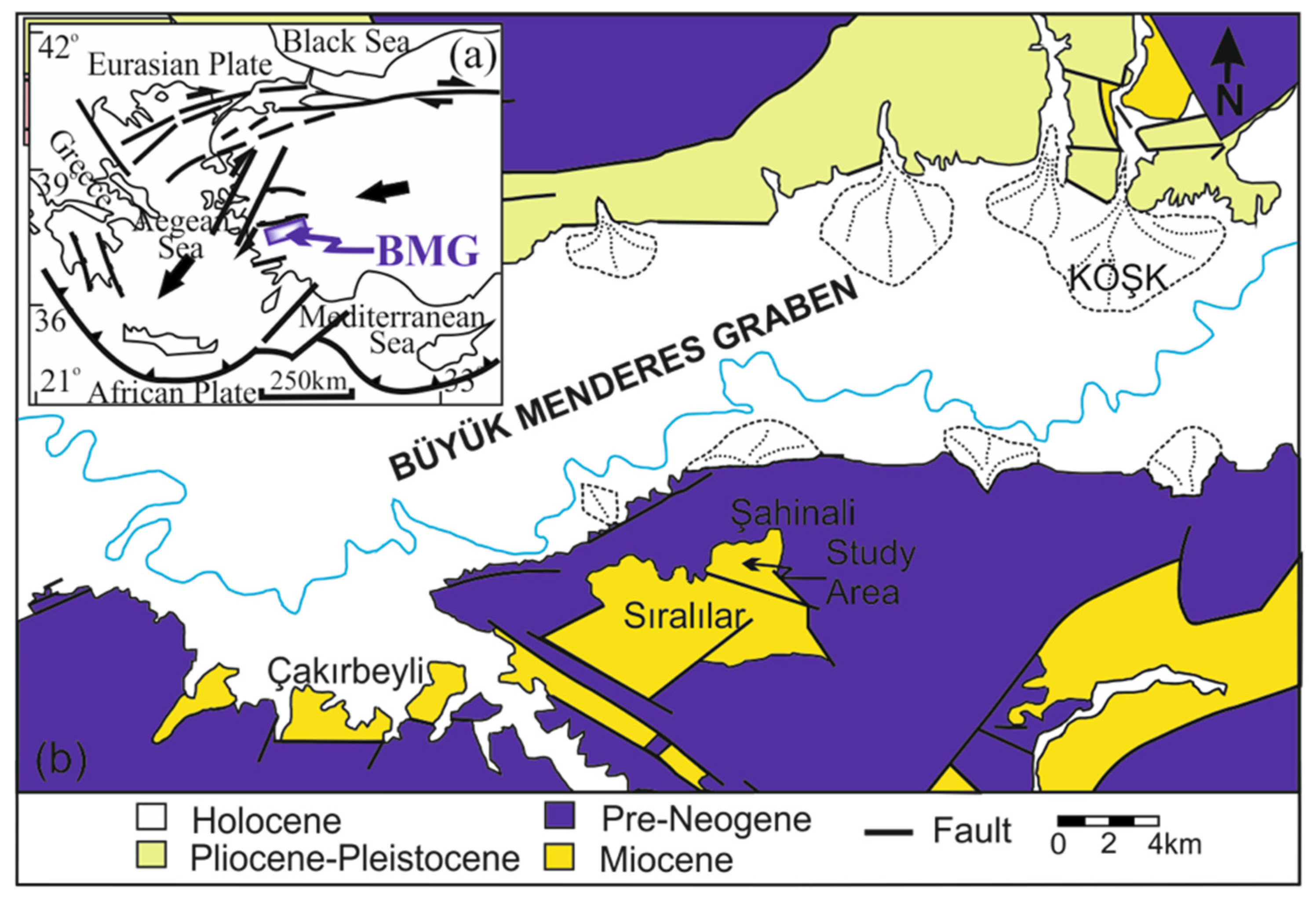
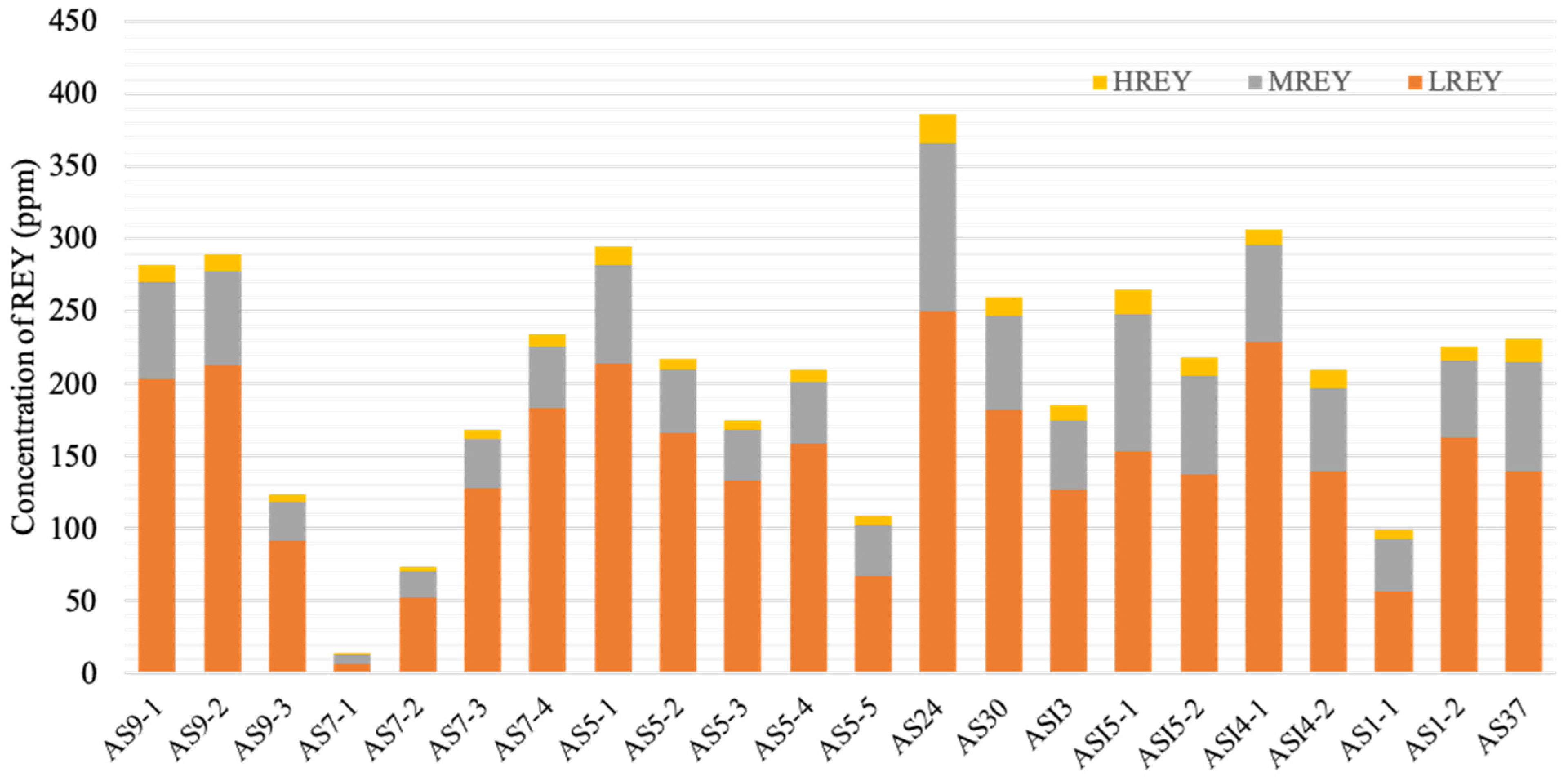
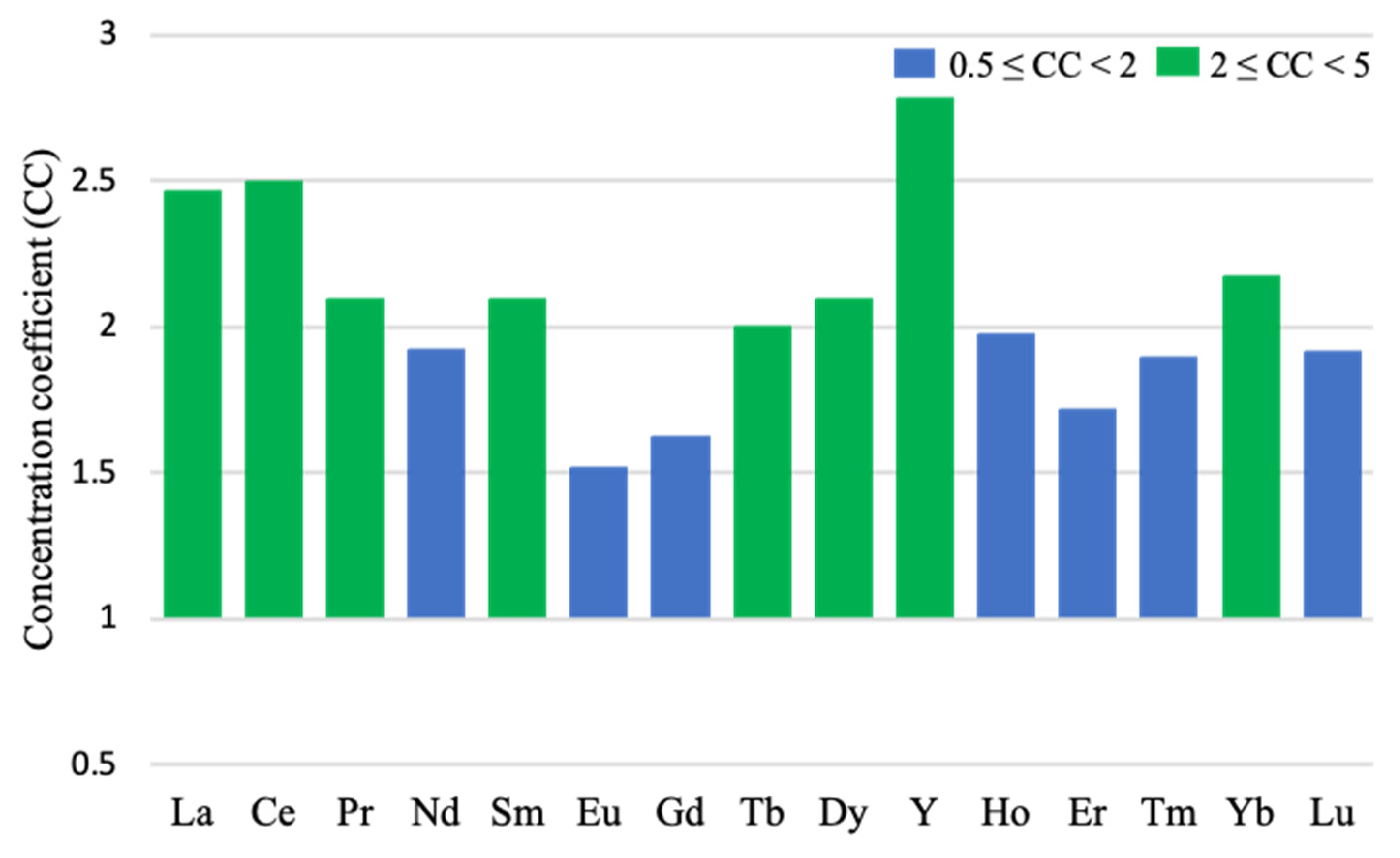
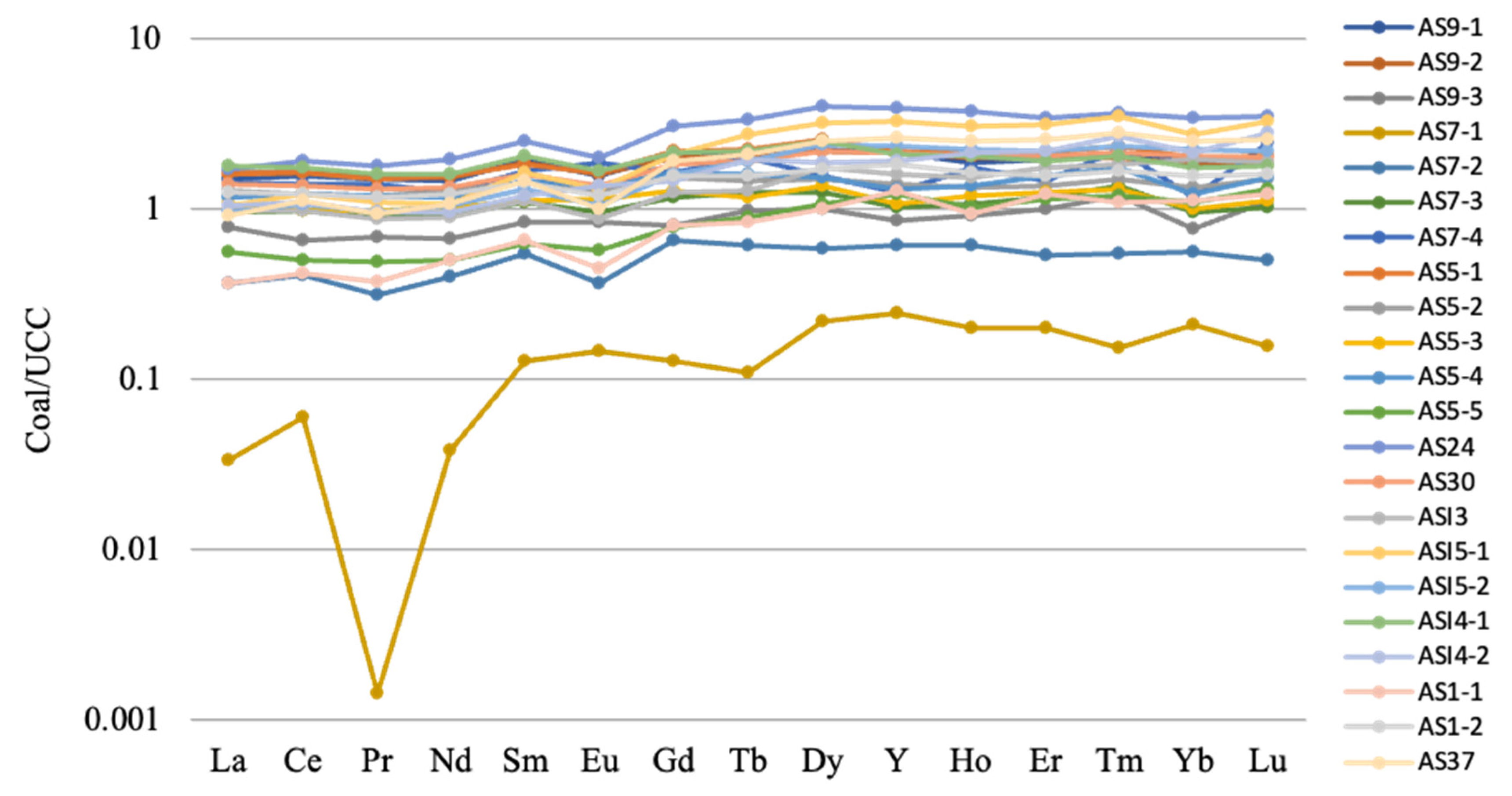
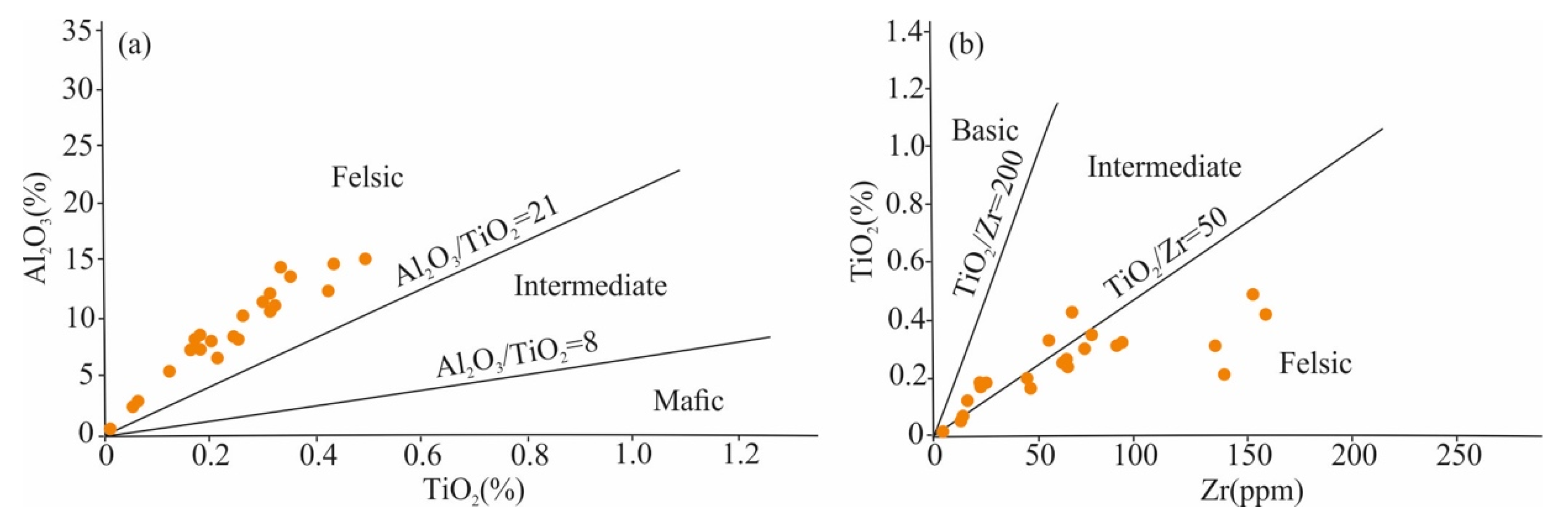
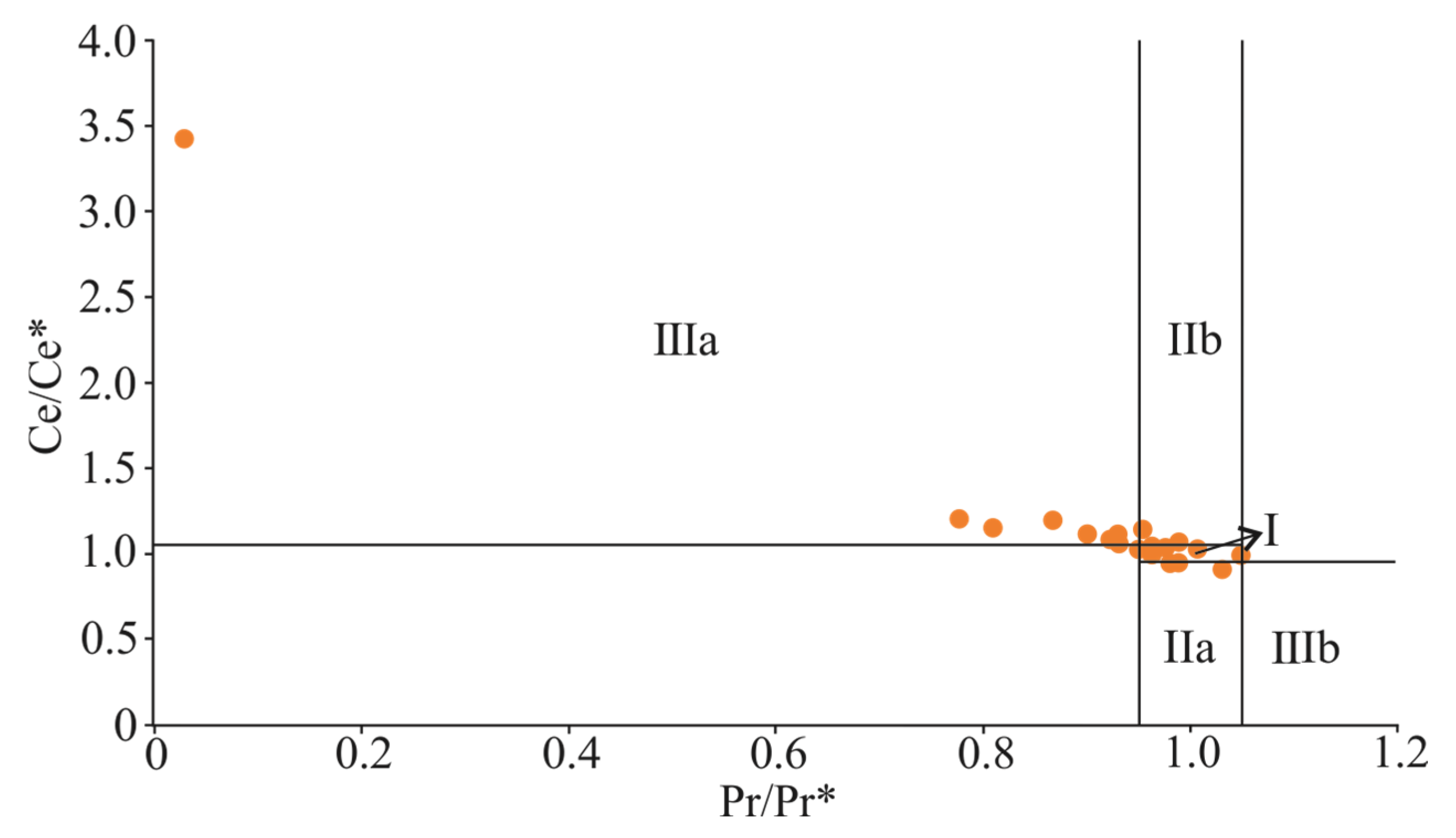
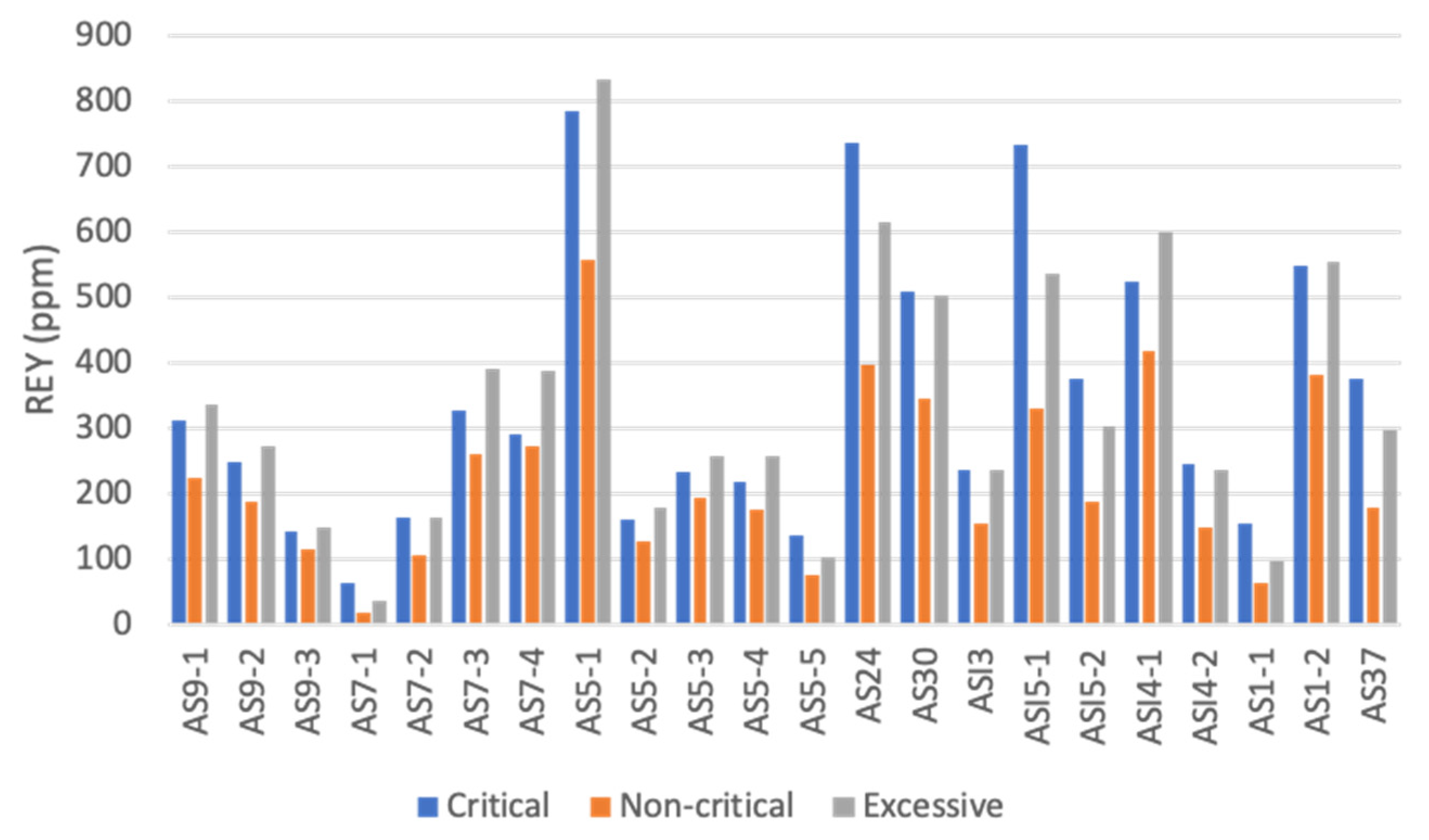
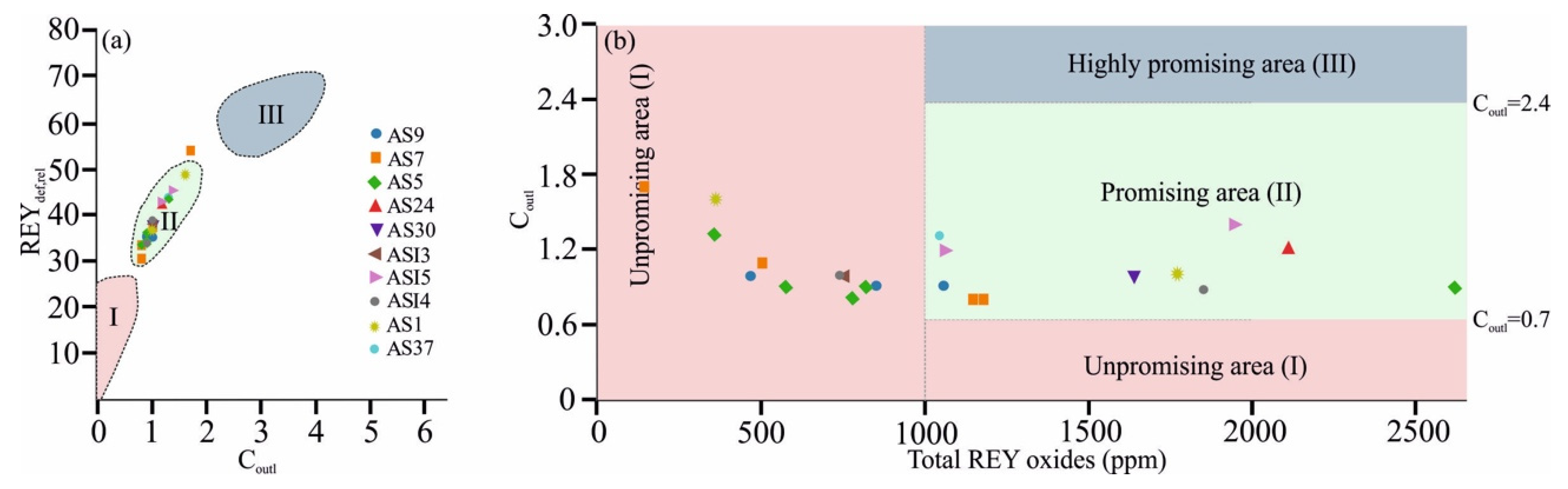
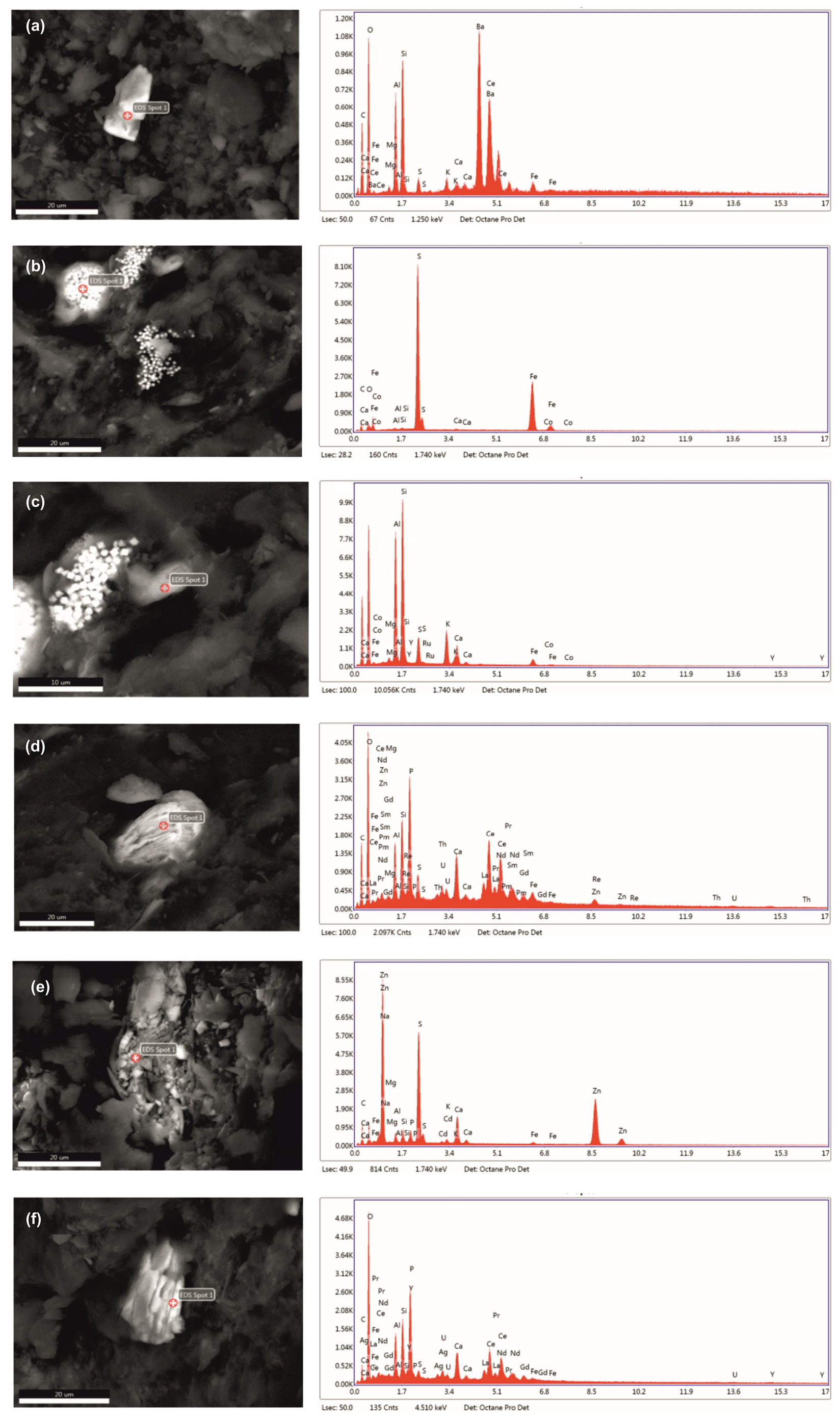
The horst and graben system in Western Anatolia lies on the eastern boundary of the Aegean extensional system, one of the most active extensional zones in the world. The Şahinali coal basin is located south of the Büyük Menderes Graben, which is part of this system. This study examines the rare earth elements and yttrium (REY) geochemistry, accumulation conditions, and economic potential of the Şahinali coals. Compared to world coals, the REE concentration in Şahinali coals (208.3 ppm) is quite high, and all REY groups are slightly enriched. Light REY (LREY) is dominant compared to medium REY (MREY) and heavy REY (HREY). The most abundant element in this group is Ce, reaching a concentration of 123.3 ppm. REY distribution patterns indicate H-type enrichment in most samples and, to a lesser extent, M-H-type enrichment. Element ratios (Al2O3/TiO2, TiO2/Zr, La/Sc, Co/Th) and REY anomalies (Ce, Eu, Gd) indicate that the sedimentary input is predominantly derived from felsic rocks, with limited intermediate to mafic contributions. SEM-EDS findings and correlation analyses indicate that REY are predominantly associated with aluminosilicate minerals. LREY-Th and MREY/HREY-Y relationships are supported by monazite and Y-rich illitic K-aluminosilicates. Paleoenvironmental indicators (V/Cr, Ni/Co, U/Th, Sr/Cu, Rb/Sr, Sr/Ba) indicate that the coal accumulated under oxic–suboxic, warm and humid conditions. The average REY oxide (REO) content slightly exceeds the commonly cited 1000 ppm screening threshold for coal ash. The majority of samples contain elevated proportions of critical REY (30.7%–54.3%) and show promising outlook coefficients (Coutl: 0.8–1.7). Together, these results indicate a favourable compositional signature for preliminary REY resource screening in the Şahinali coals, particularly with respect to elements relevant for high-technology applications.
Keywords: rare earth elements and yttrium (REY); REY enrichment; critical REY; modes of occurrence; Şahinali coalfield rare earth elements and yttrium (REY); REY enrichment; critical REY; modes of occurrence; Şahinali coalfield