Article

Extraction and Separation of Ytterbium and Nickel from Heavy Metal Solutions Containing Manganese and Calcium Impurities

1
Research Institute of Physics and Chemistry Engineering of Nuclear Industry, Tianjin 300180, China
2
National Key Laboratory of Particle Transport and Separation Technology, Tianjin 300180, China
*
Author to whom correspondence should be addressed.
Minerals 2025, 15(4), 414; https://doi.org/10.3390/min15040414
Submission received: 23 February 2025 / Revised: 24 March 2025 / Accepted: 12 April 2025 / Published: 14 April 2025
(This article belongs to the Section Mineral Processing and Extractive Metallurgy)

Abstract

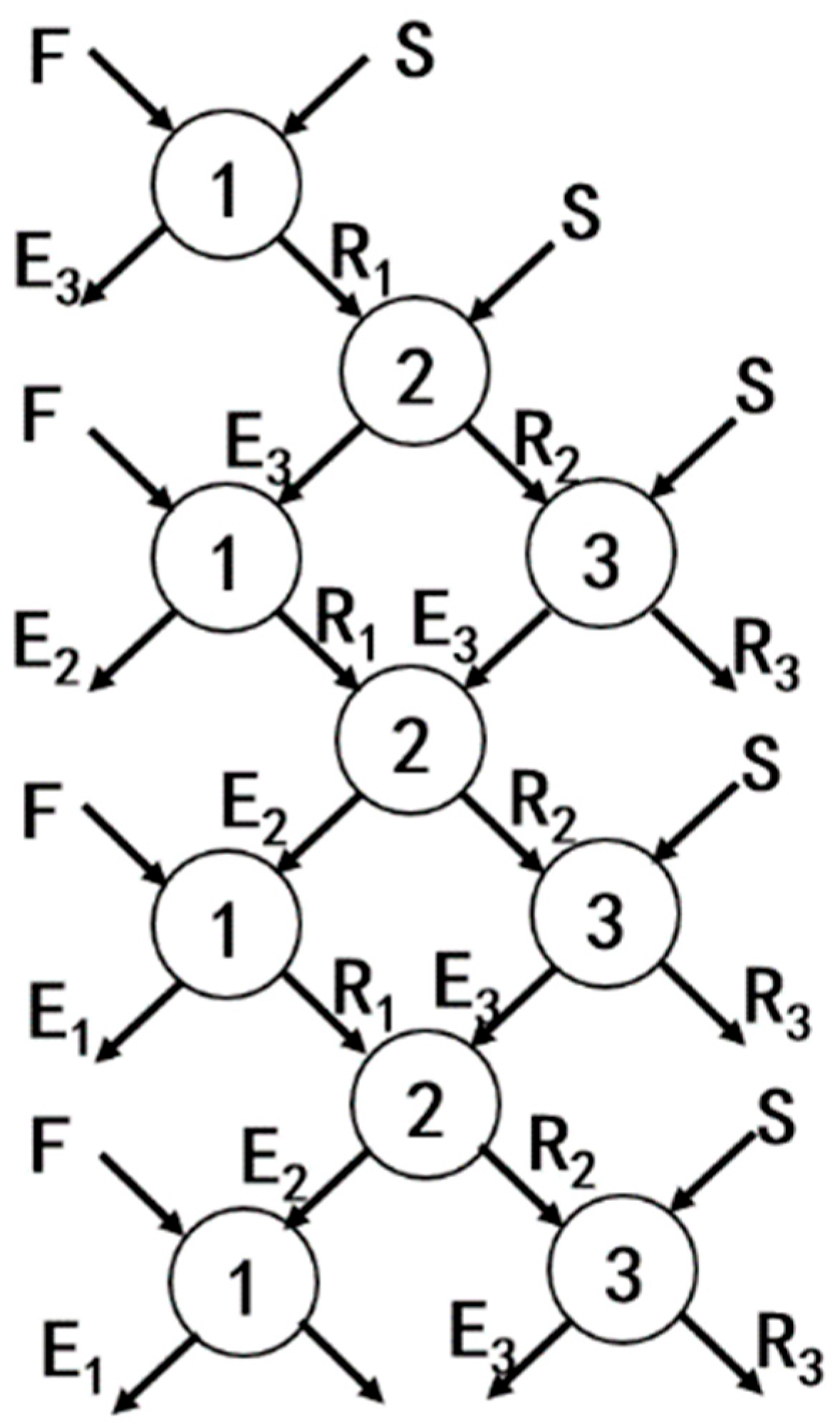
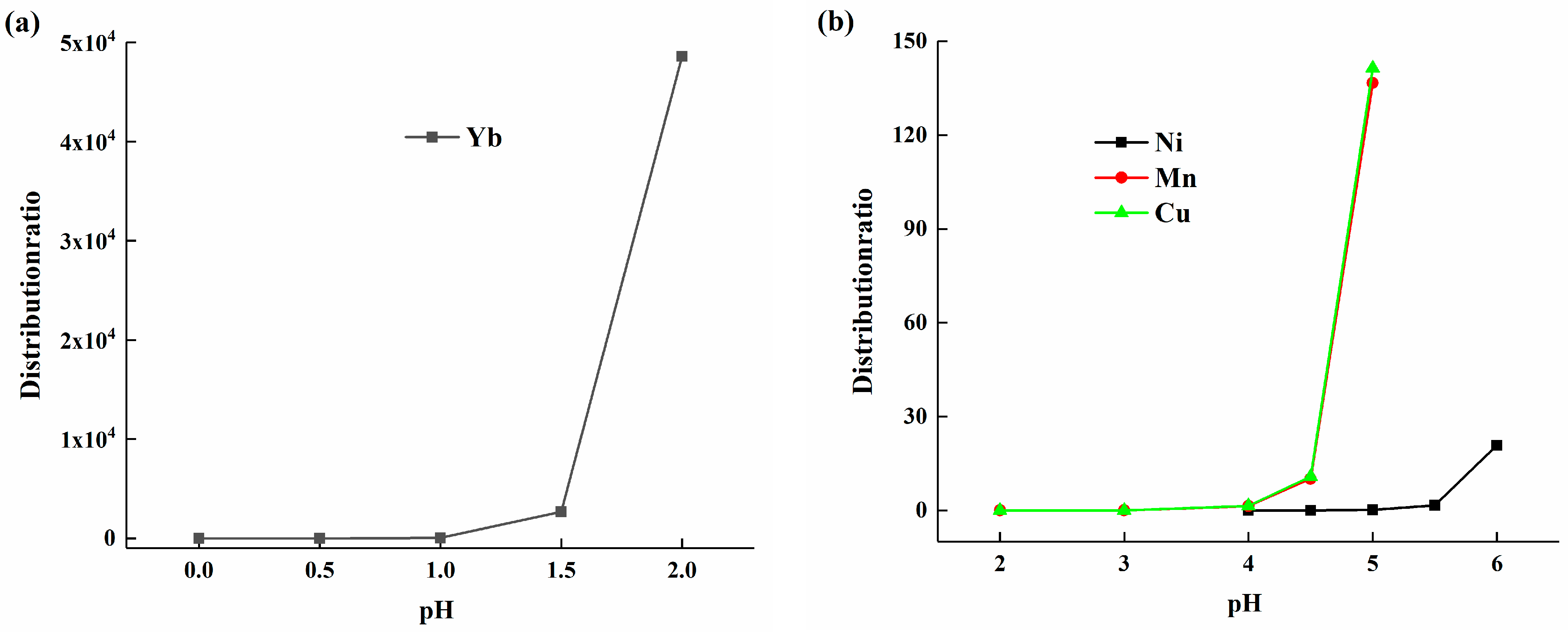
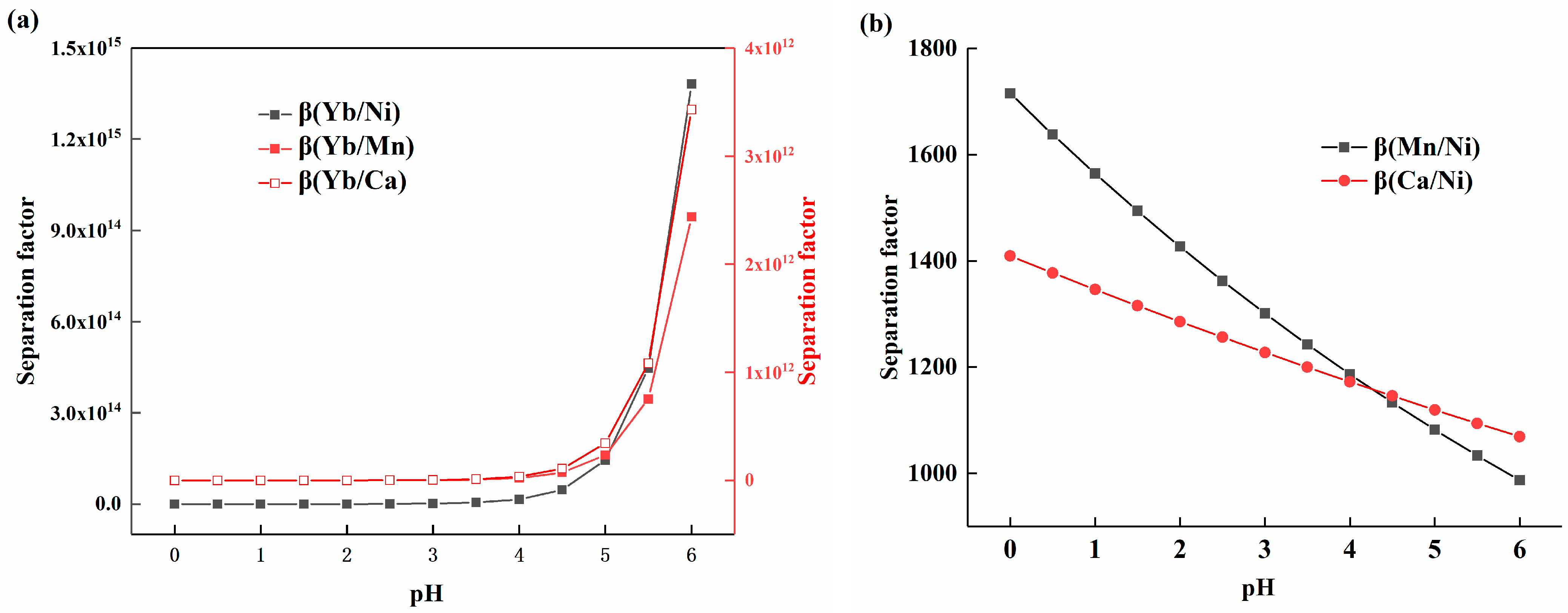
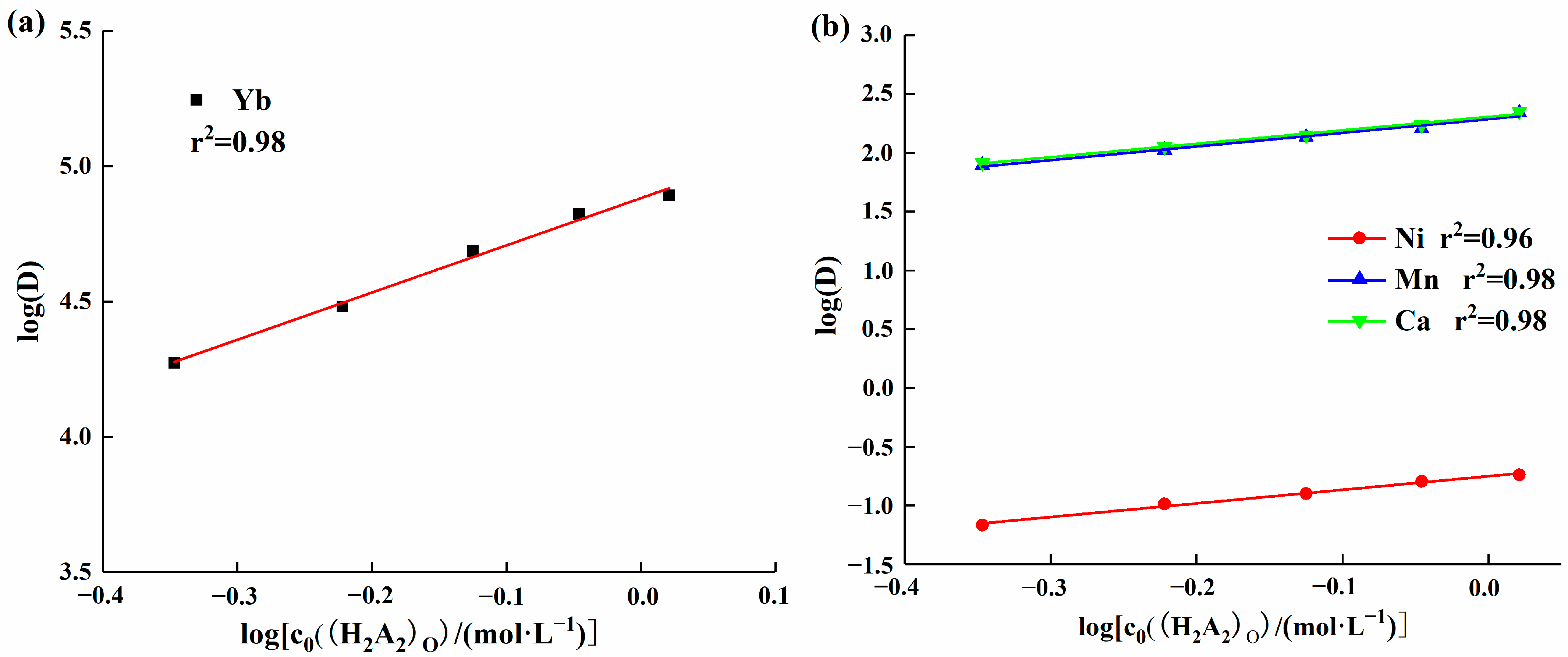
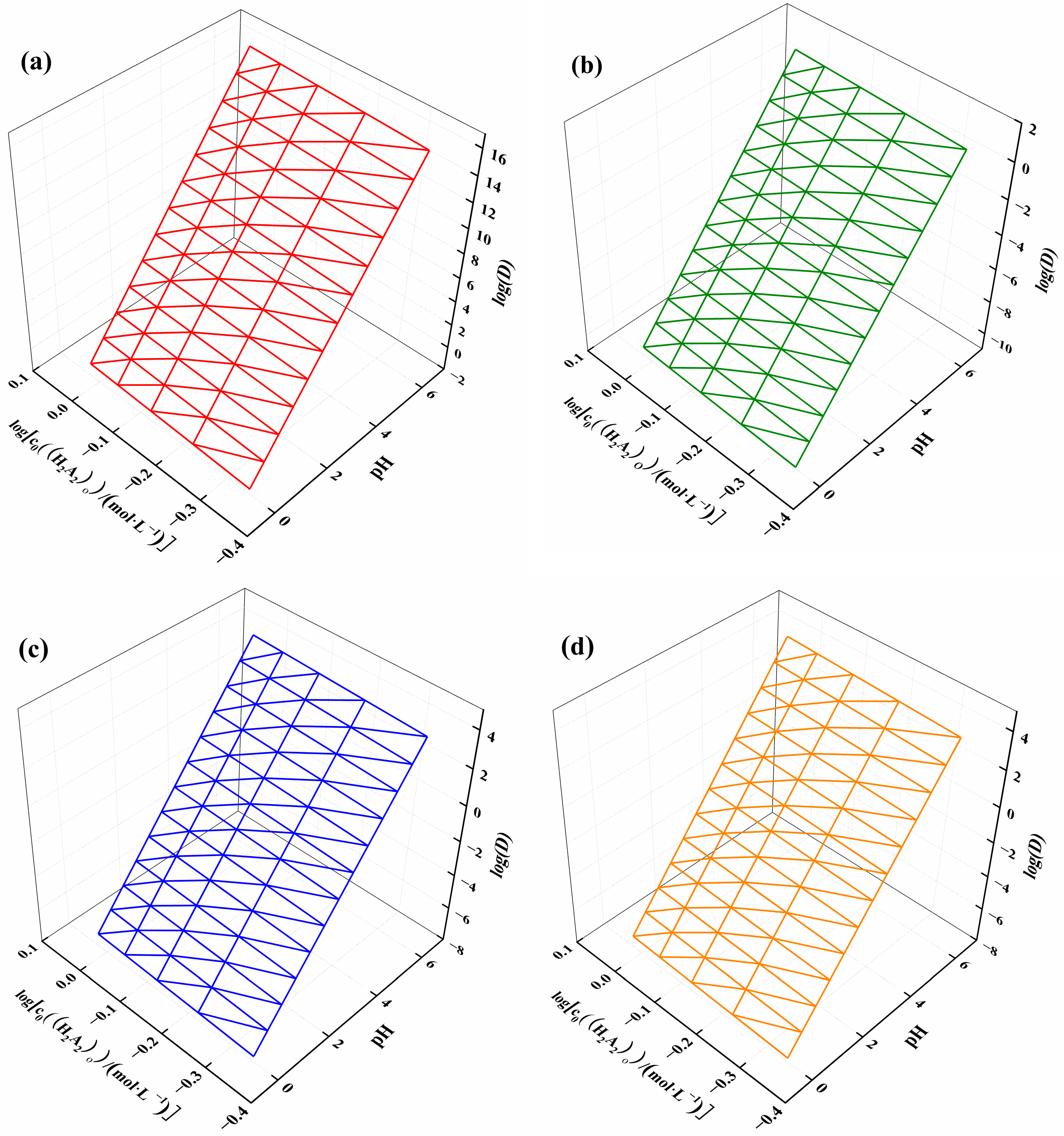
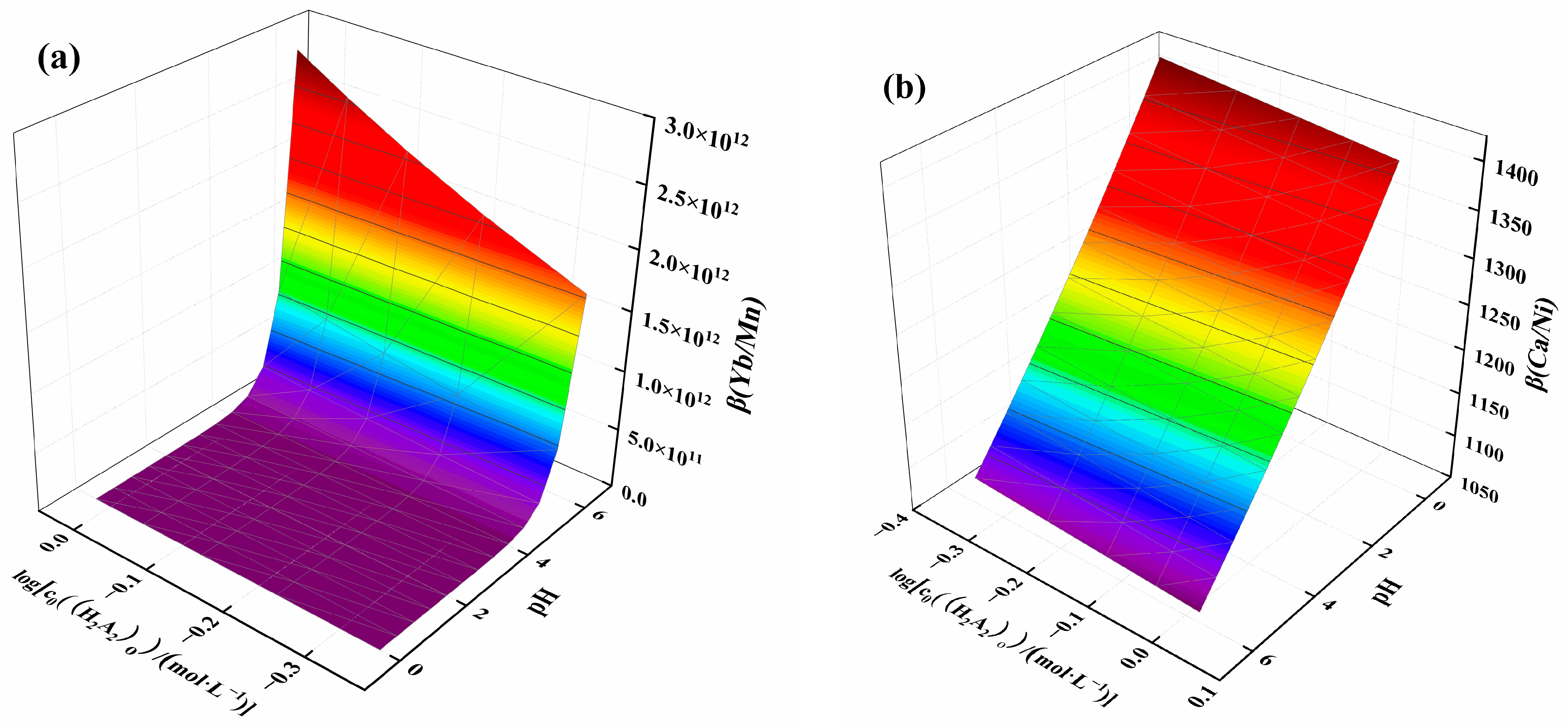
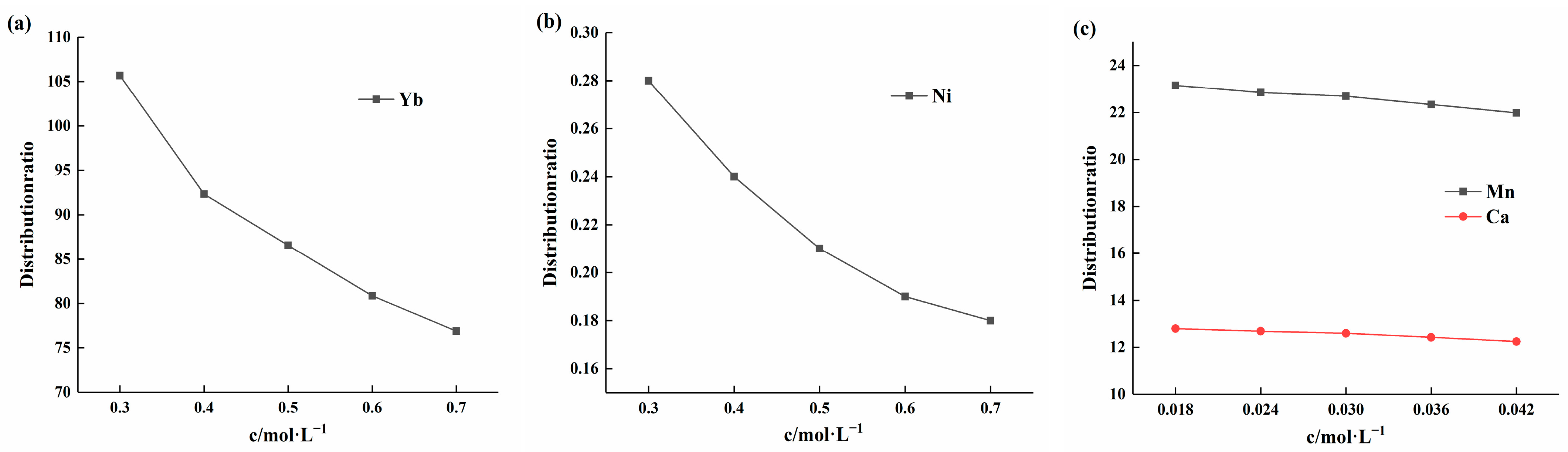
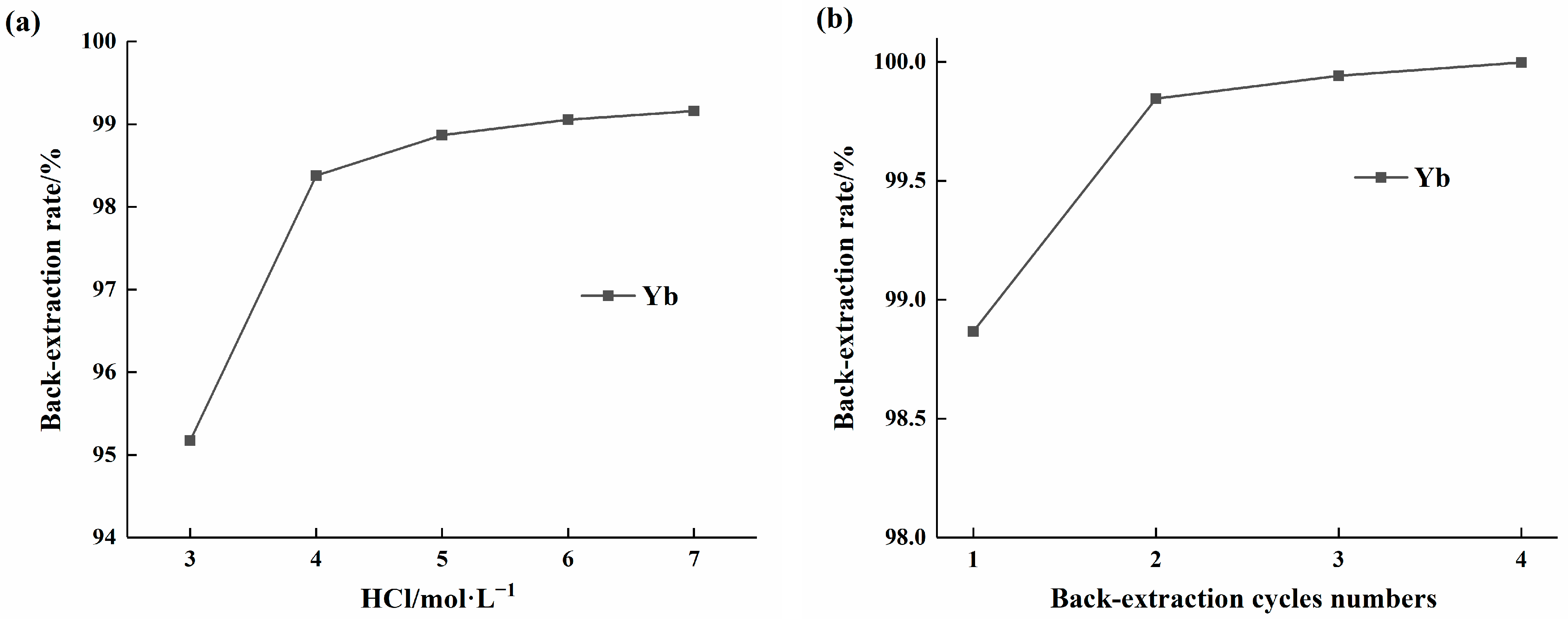
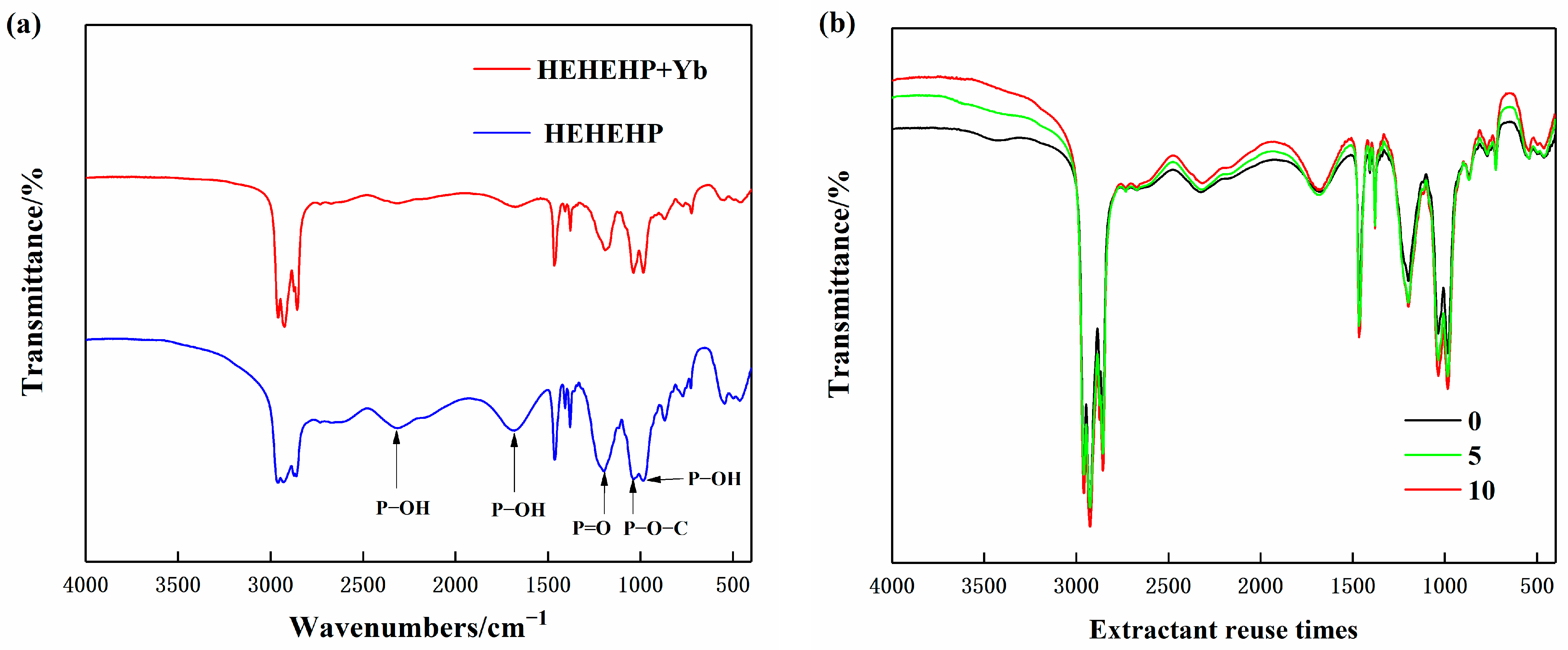
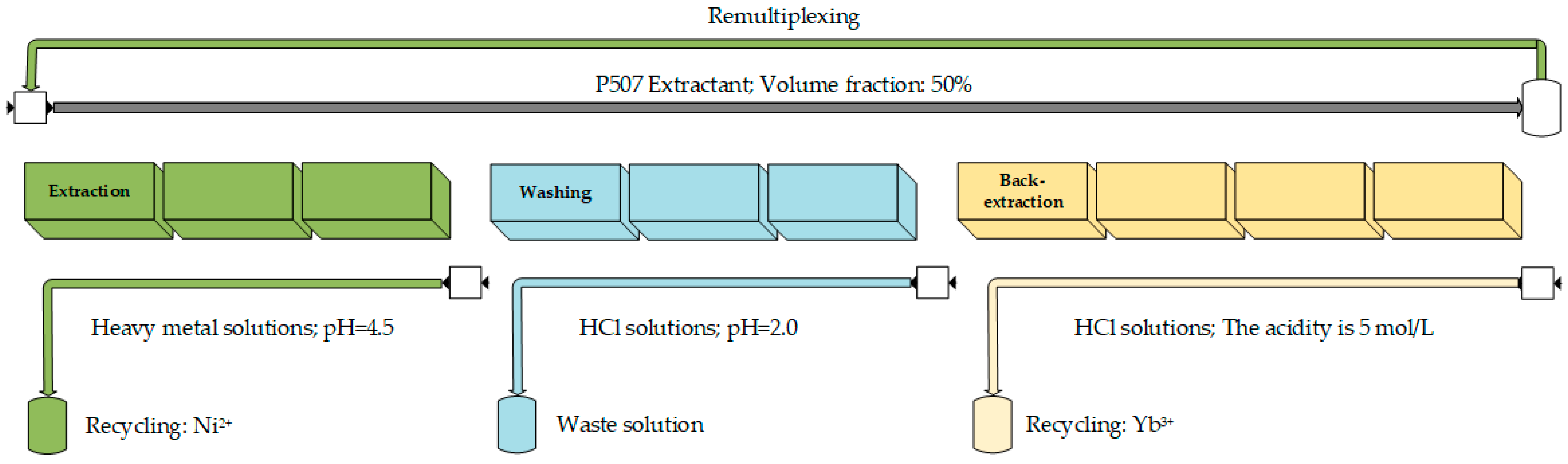
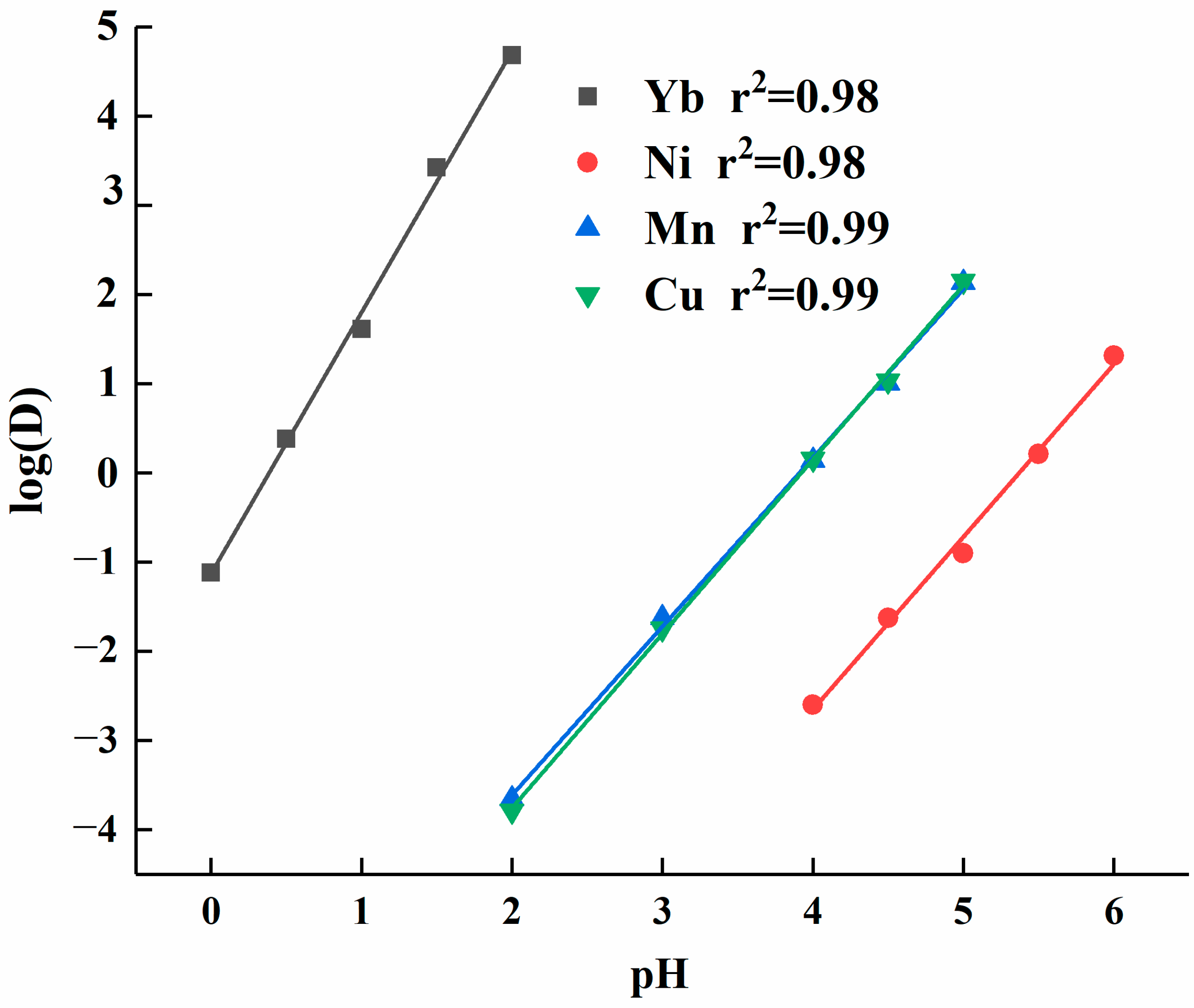
This study systematically investigated the extraction and separation of ytterbium (Yb) and nickel (Ni) from manganese (Mn)- and calcium (Ca)-containing heavy metal solutions using 2-ethylhexyl phosphoric acid mono-2-ethylhexyl ester (HEHEHP) in nitric acid media. Results demonstrated that the logarithms of distribution ratios for Yb, Ni, Mn, and Ca exhibited positive correlations with both solution pH and the logarithm of extractant concentration, consistent with theoretical models. Elevated initial metal concentrations reduced distribution ratios for all elements, indicating extraction inhibition. Ytterbium back-extraction efficiency increased proportionally with hydrochloric acid concentration and the number of back-extraction stages. Optimization of key extraction parameters established predictive equilibrium relationships: Yb/Ni and Mn/Ca separation coefficients increased with decreasing acidity and extractant concentration, whereas Mn/Ni and Ca/Ni coefficients rose under higher acidity and extractant conditions. Infrared spectroscopy confirmed HEHEHP-Yb complexation mechanisms, with extractant stability retained through multiple reuse cycles. Optimized cascade processing parameters (3 extraction stages, 3 washing stages, 4 back-extraction stages) achieved >99.9% purity for both Yb and Ni. This validated methodology provides a robust technical framework for heavy metal waste treatment and high-value element recovery.
Keywords: ytterbium; nickel; manganese; calcium; extraction; HEHEHP ytterbium; nickel; manganese; calcium; extraction; HEHEHP