Article

Ultrasound-Assisted Selective Leaching of Arsenic from Copper Smelting Flue Dust

by
Bagdaulet Kenzhaliyev
1,
Tlek Ketegenov
2,
Lyazzat Mussapyrova
2 and
Rashid Nadirov
2,3,*
1
Institute of Metallurgy and Ore Beneficiation JSC, Satbayev University, Almaty 050010, Kazakhstan
2
Institute of Combustion Problems, Almaty 050012, Kazakhstan
3
Faculty of Chemistry and Chemical Technology, Al-Farabi Kazakh National University, Almaty 050040, Kazakhstan
*
Author to whom correspondence should be addressed.
Minerals 2024, 14(6), 532; https://doi.org/10.3390/min14060532
Submission received: 4 May 2024 / Revised: 15 May 2024 / Accepted: 21 May 2024 / Published: 22 May 2024
(This article belongs to the Section Mineral Processing and Extractive Metallurgy)

Abstract

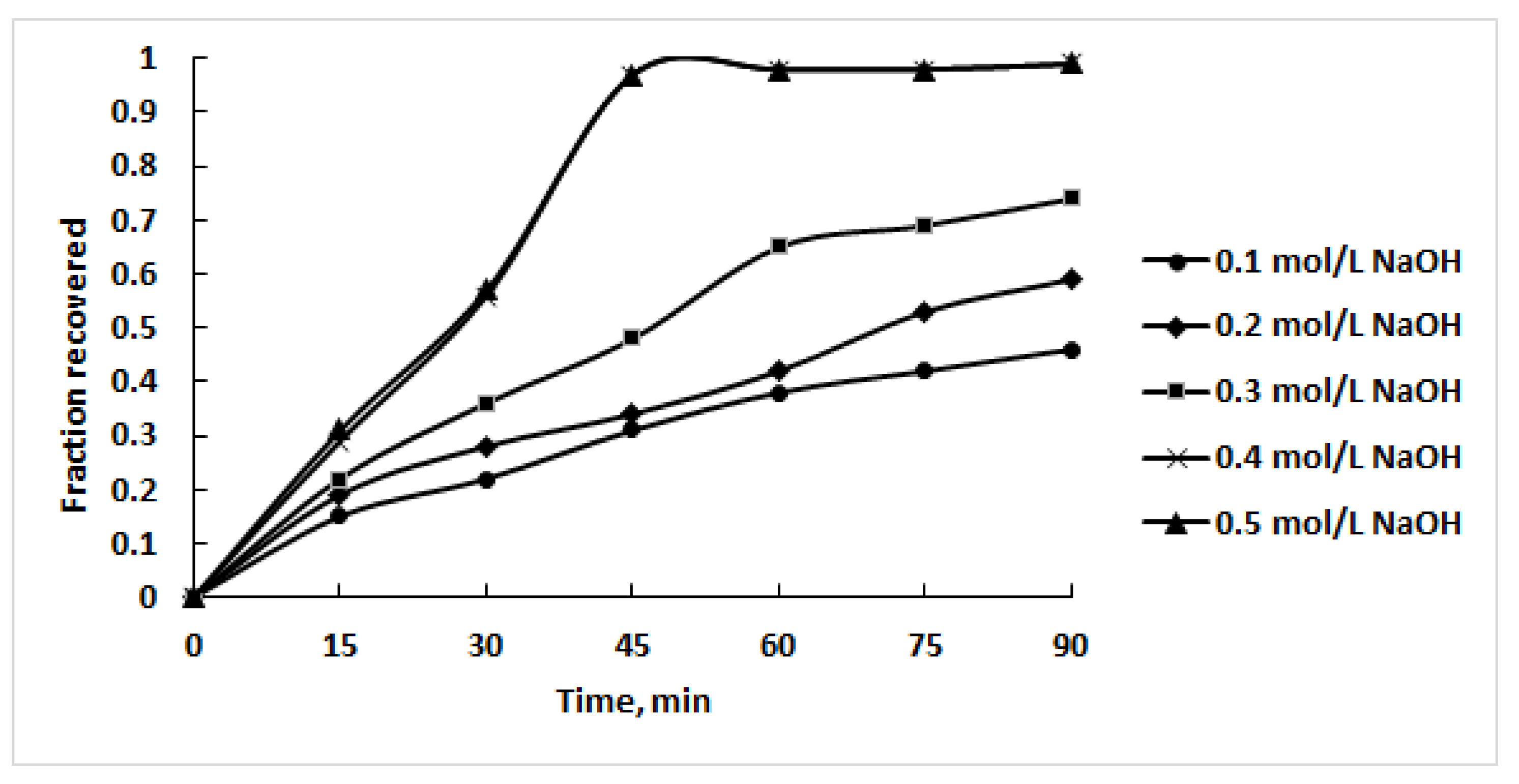
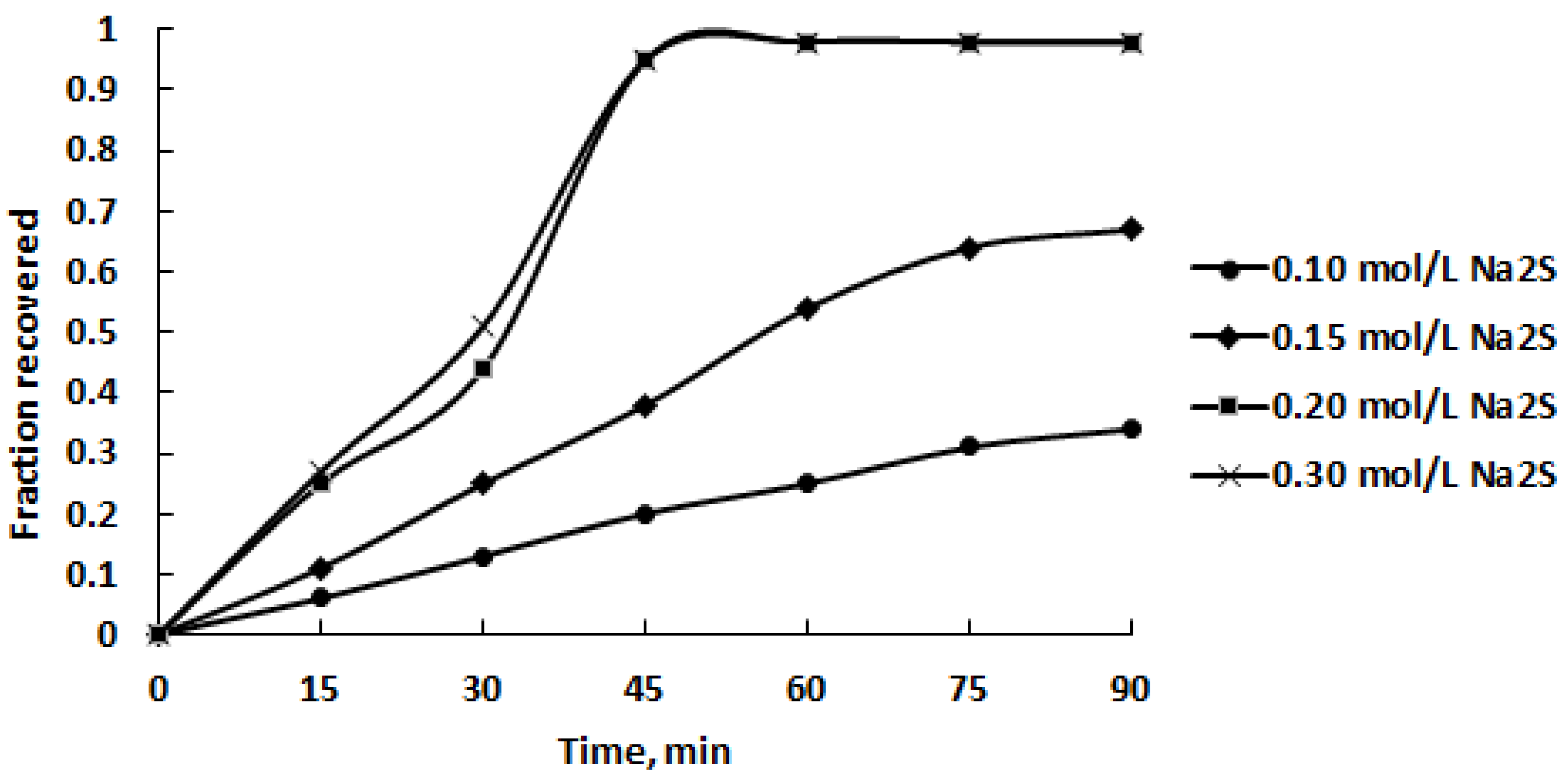
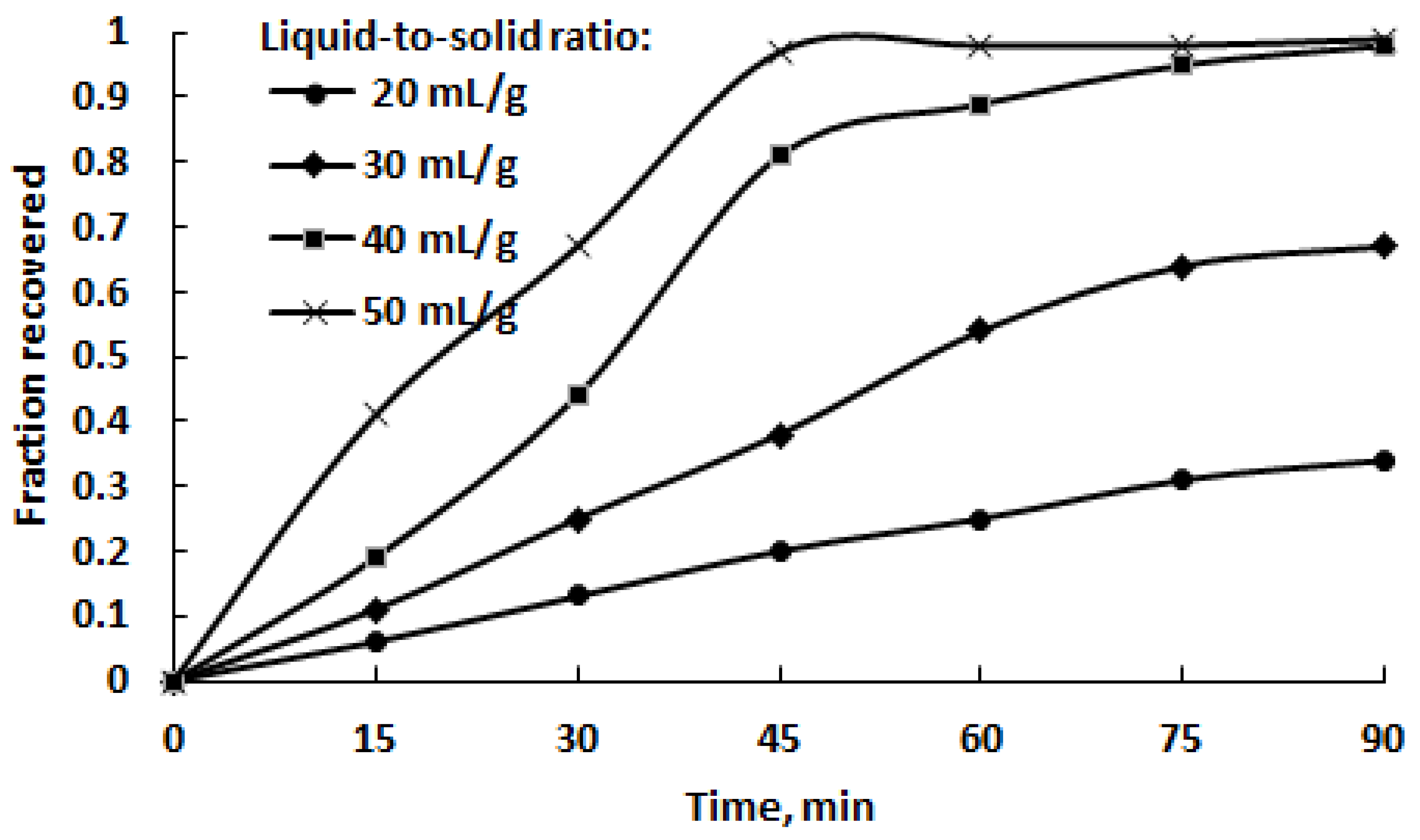
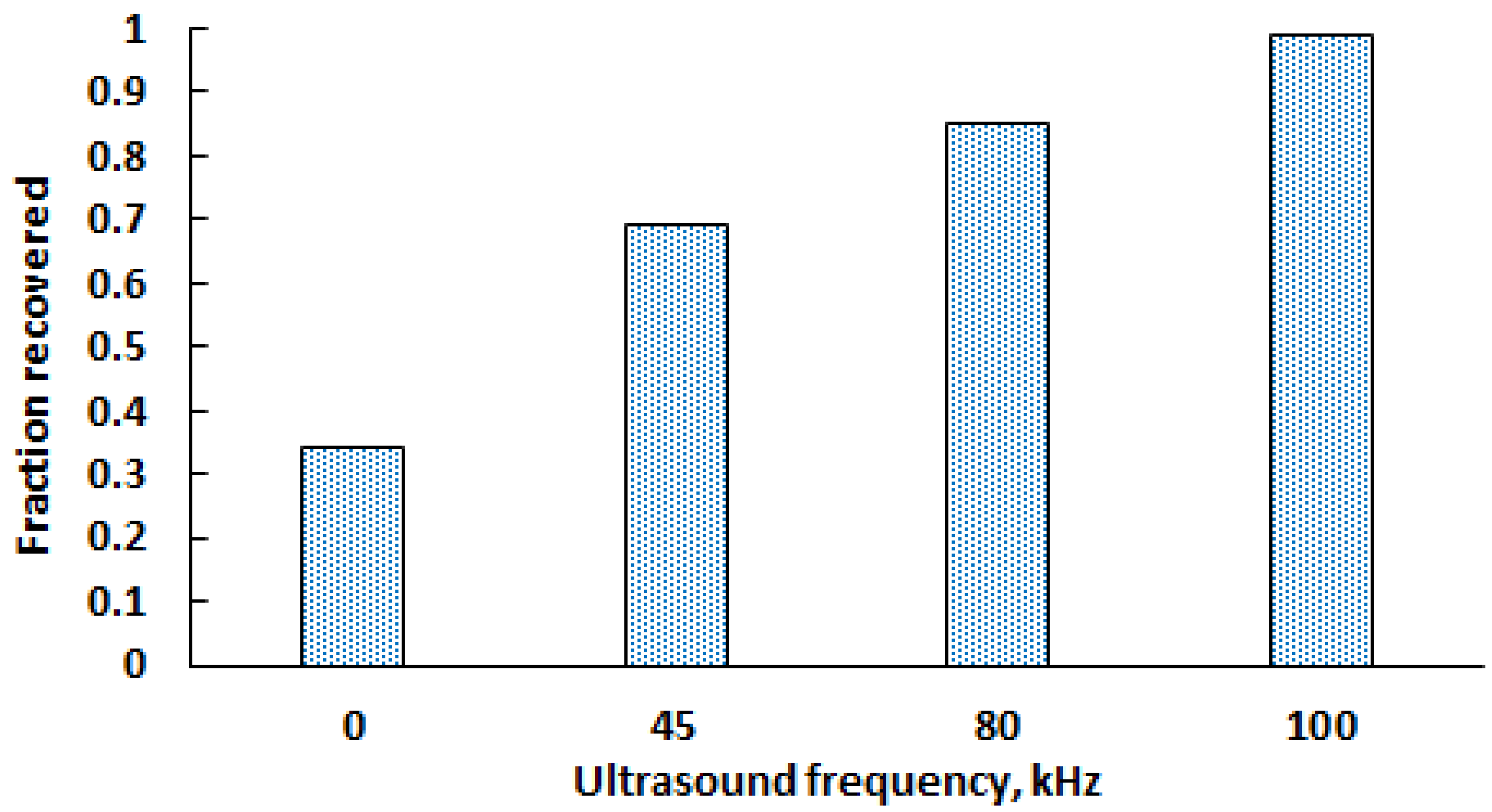
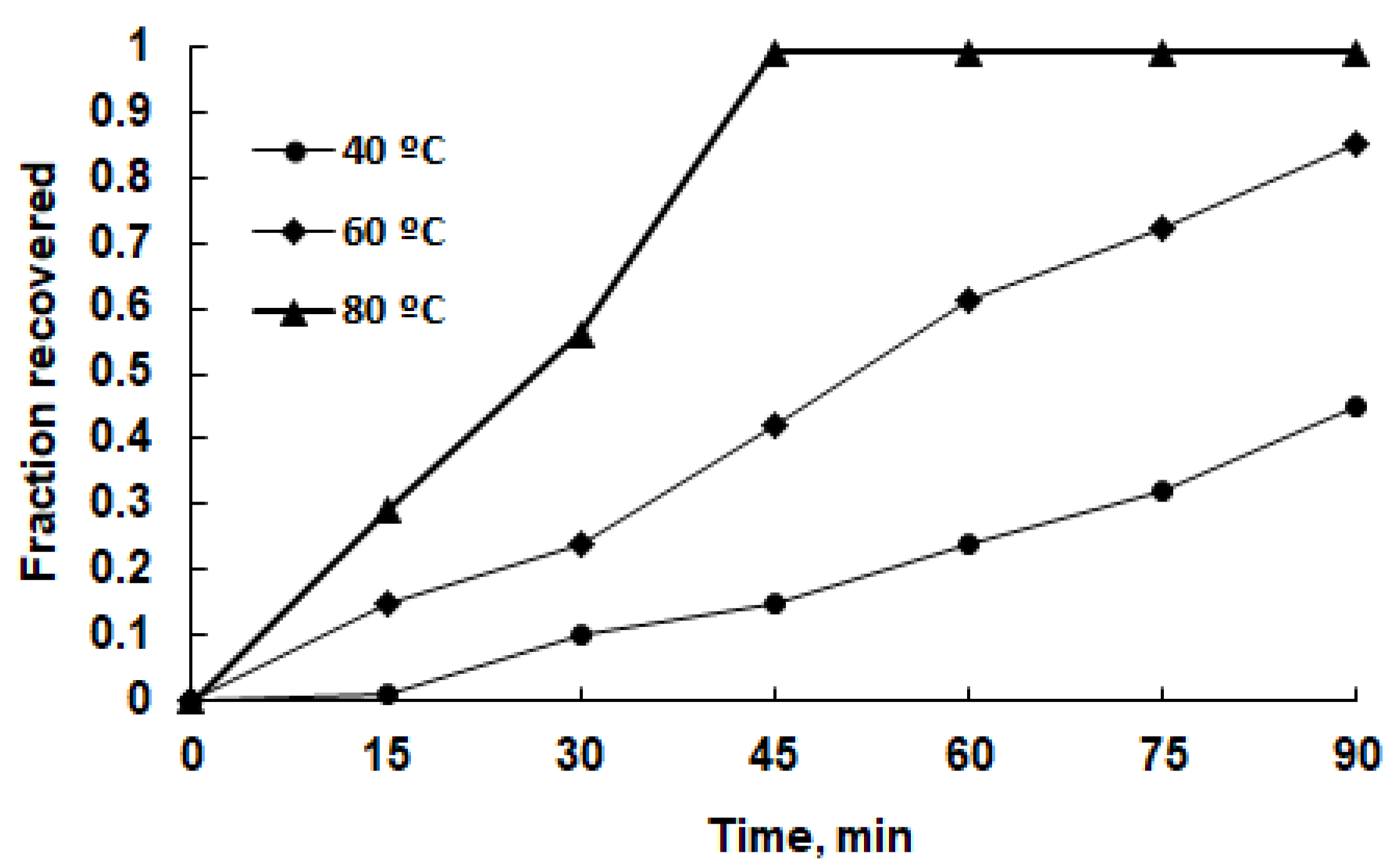
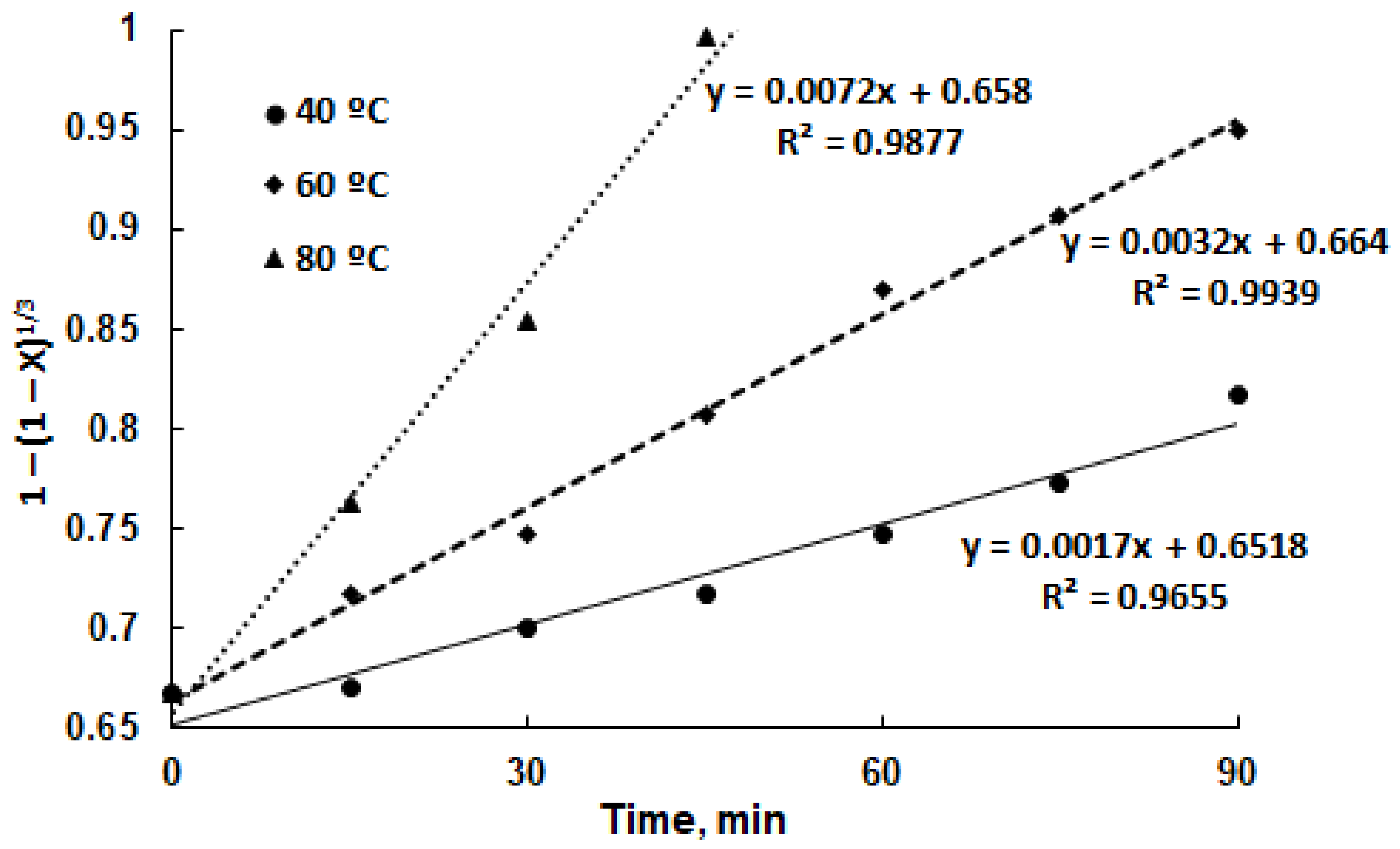
Copper smelting flue dust (CFD) is a byproduct of pyrometallurgical copper production, containing valuable metals like lead, zinc, and copper, but also hazardous arsenic, which complicates its handling and recycling. Traditional methods for arsenic removal from CFD, such as pyrometallurgical and hydrometallurgical processes, are often inefficient or result in the loss of valuable metals. This study explores the efficacy of ultrasound-assisted leaching for selective arsenic extraction from CFD, offering a potentially more efficient and environmentally friendly alternative. We employed a combination of sodium hydroxide and sodium sulfide in an aqueous solution, enhanced by ultrasonic waves, to selectively recover arsenic into solution. The optimal leaching conditions were determined to be 0.4 M NaOH, 0.2 M Na2S, a liquid-to-solid ratio of 50 mL/g, a temperature of 80 °C, an ultrasound power of 150 W, and an ultrasound frequency of 100 kHz, under which up to 99% of arsenic was extracted within 45 min. The kinetic analysis conducted suggests that the leaching process is controlled by the chemical reactions occurring at the surface of the particles.
Keywords: copper flue dust; alkaline leaching; arsenic removal; ultrasound copper flue dust; alkaline leaching; arsenic removal; ultrasound