Article

Research on a Refined Decision-Making Method for the Multimodal Fuzzy Design Intent of Complex Products Based on Noncooperative–Cooperative Game Serialization


1
School of Architecture & Art Design, Lanzhou University of Technology, Lanzhou 730050, China
2
Gansu Academy of Mechanical Sciences Co., Ltd., Lanzhou 730030, China
*
Author to whom correspondence should be addressed.
Symmetry 2026, 18(5), 772; https://doi.org/10.3390/sym18050772
Submission received: 5 March 2026 / Revised: 19 April 2026 / Accepted: 26 April 2026 / Published: 30 April 2026
(This article belongs to the Topic Fuzzy Optimization and Decision Making)

Abstract

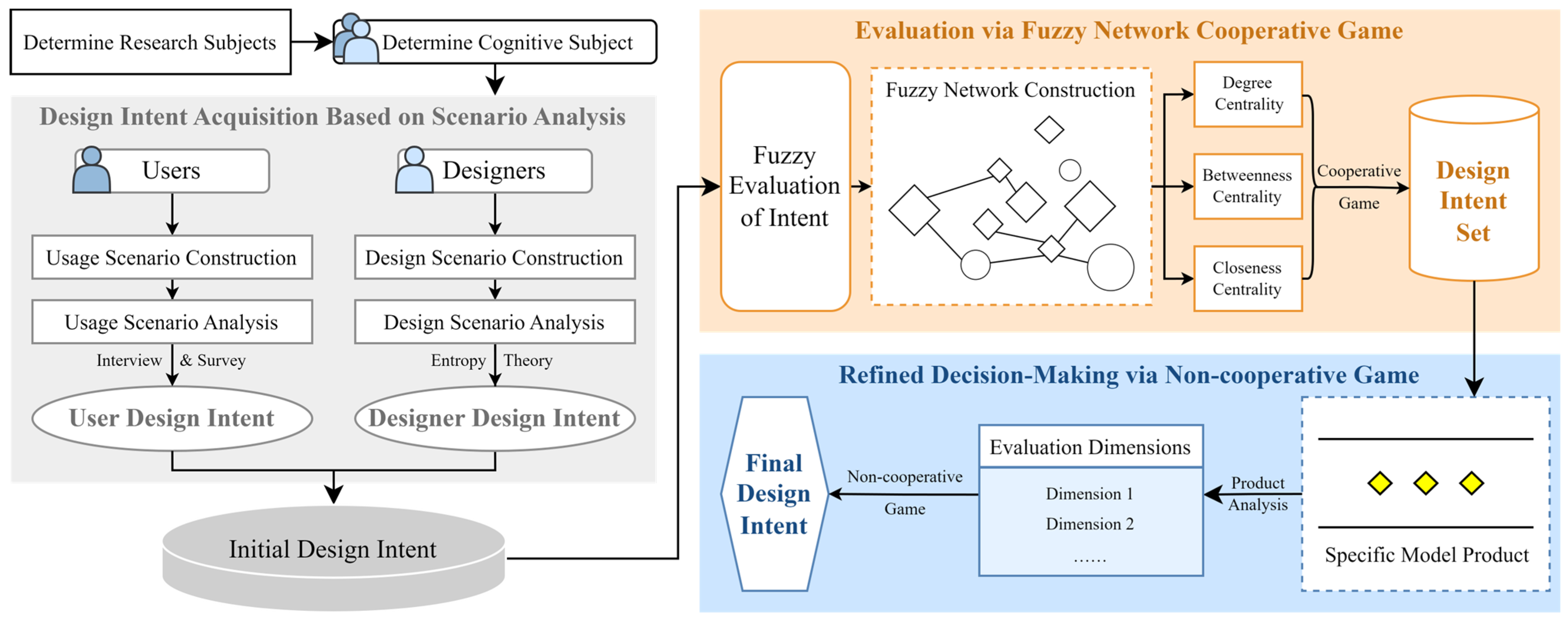
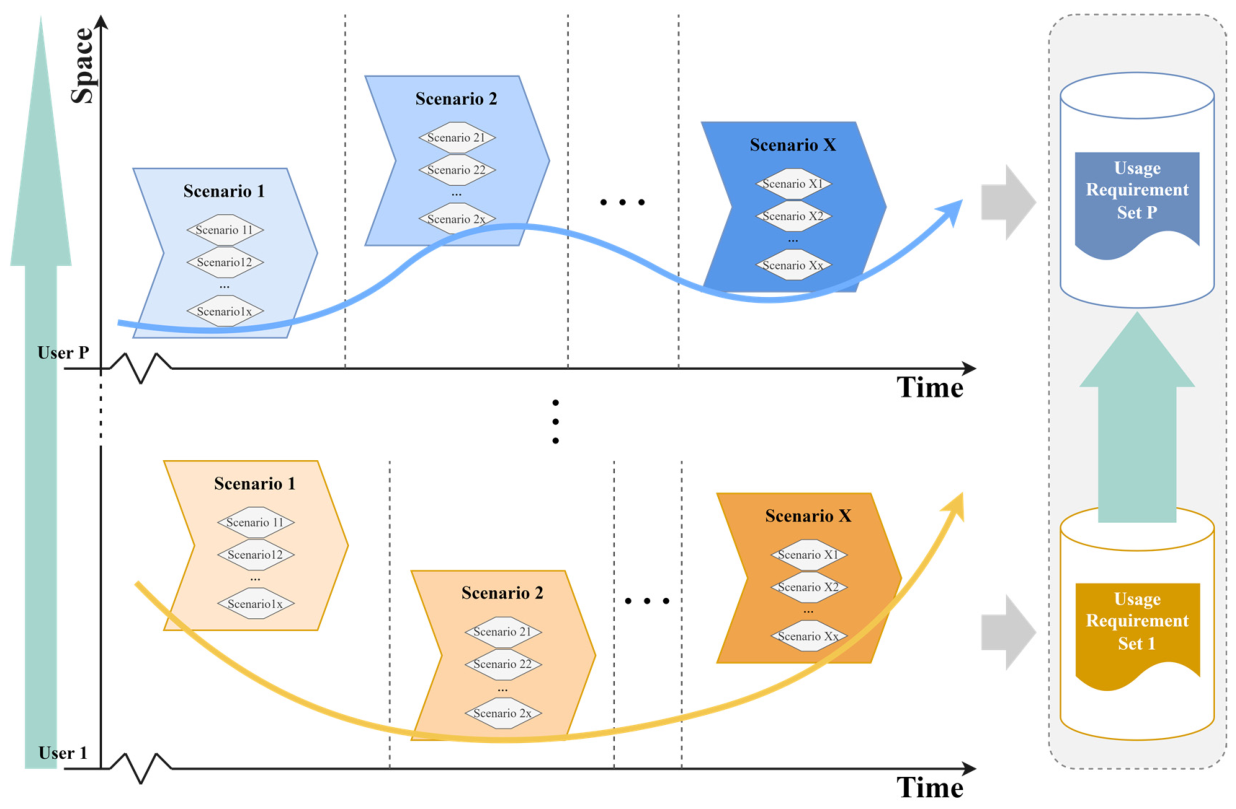
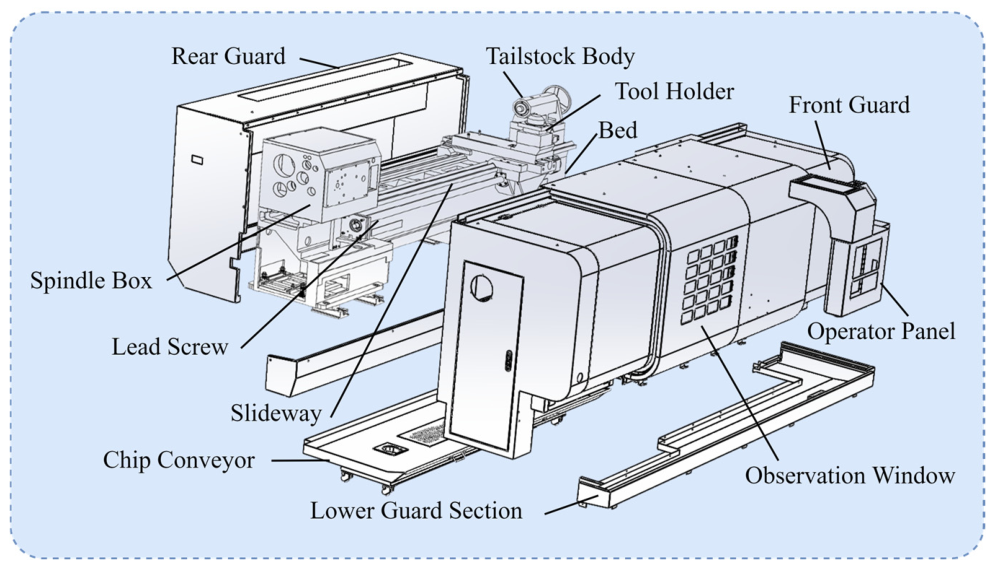
Refined decision-making of the design intent is a key factor affecting the iterative design of complex equipment products. While current research on design intent decision-making generally emphasizes methodological innovation, it often neglects the individualized and fuzzy expressive characteristics of cognitive agents, as well as the actual status of the research object. This oversight leads to uncertainty in both design intent and design outcomes. To address these issues, in this paper, a refined decision-making method for the multimodal fuzzy design intent of complex products based on noncooperative–cooperative game serialization is proposed. First, through scenario analysis, the fuzzy design intent evaluation process of different cognitive agents is transformed into a cooperative game model based on a fuzzy network, achieving a preliminary assessment of design intent. On this basis, a noncooperative game-based refined matching and decision-making model for design intent across different dimensions is constructed, thereby completing the final design intent decision-making for a specific product model. Finally, the proposed method is applied to the design intent decision-making process of a CKA6180 CNC machine tool, yielding the conclusion that the two design intents of “good protective performance” and “grand appearance” should be prioritized, thereby verifying the practicality and effectiveness of the method. The analysis of the results reveals the following: ① The application of scenario analysis theory enables a more comprehensive and precise characterization of the design intents of different cognitive agents; ② The construction of a model combining a fuzzy network with a cooperative game facilitates a more complete representation and evaluation of multimodal fuzzy design intent data; ③ The integration of a refined design concept with a noncooperative game model leads to more definitive design intent decision outcomes, thereby reducing the “disturbance” of experience dependence in the early design phase and consequently enhancing subsequent design satisfaction.
Keywords: fuzzy design intent; noncooperative–cooperative game; refined decision-making; CNC machine tool fuzzy design intent; noncooperative–cooperative game; refined decision-making; CNC machine tool