Article

IAVOA–EATCN: An Adaptive Deep Framework for Accurate Power Load Forecasting

Faculty of Electrical and Control Engineering, Liaoning Technical University, Huludao 125000, China
*
Author to whom correspondence should be addressed.
Symmetry 2026, 18(1), 102; https://doi.org/10.3390/sym18010102
Submission received: 4 December 2025 / Revised: 24 December 2025 / Accepted: 3 January 2026 / Published: 6 January 2026
(This article belongs to the Section F: Engineering and Materials)

Abstract

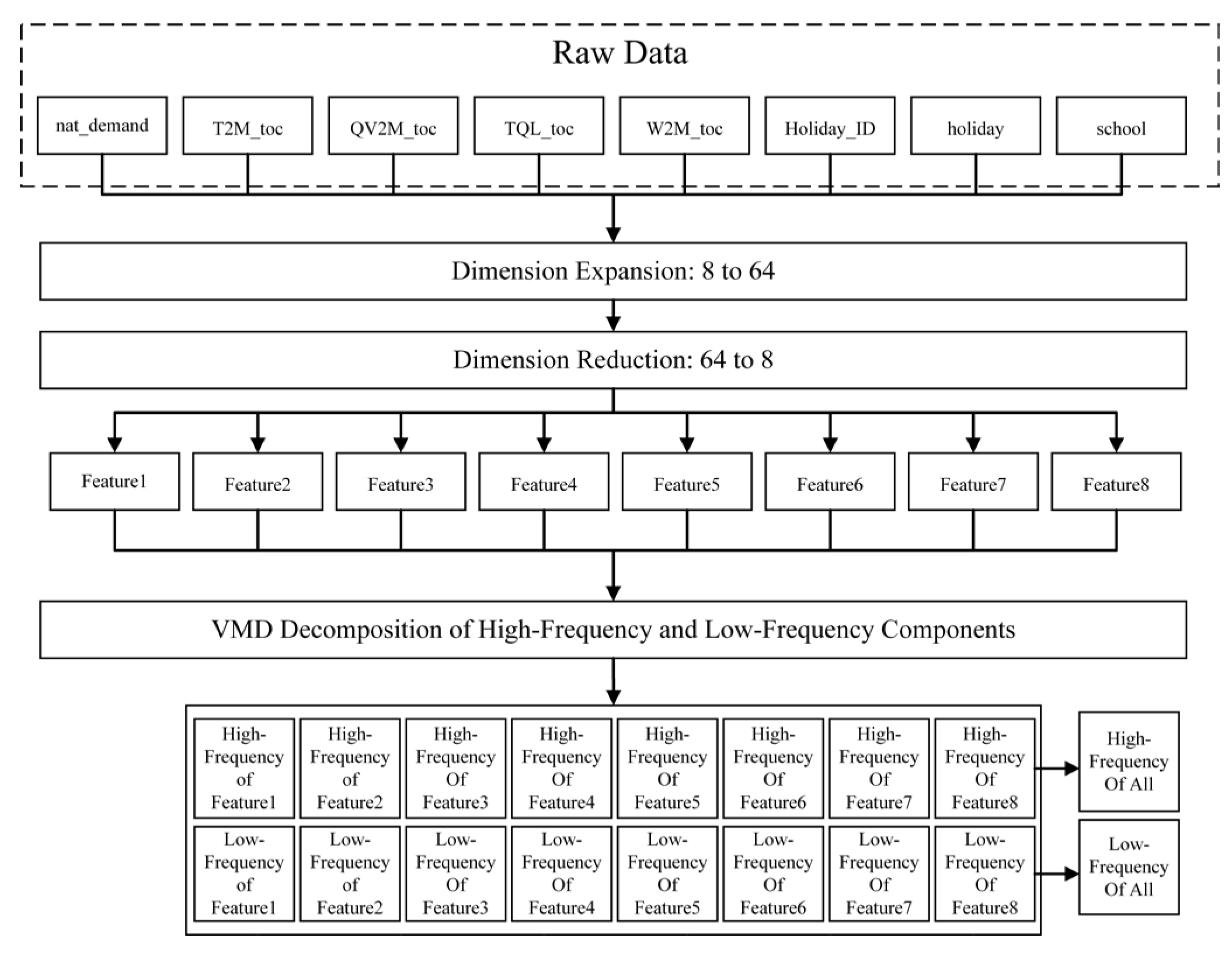
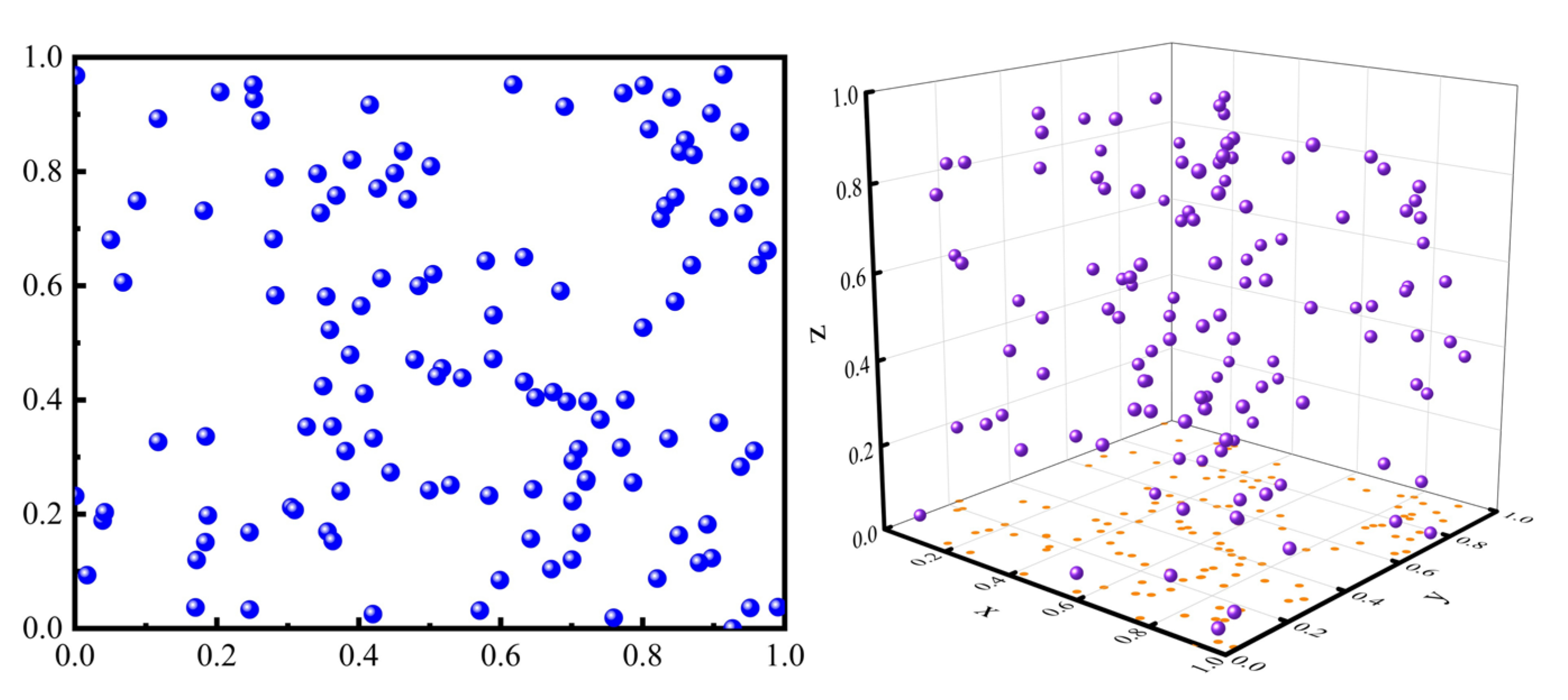
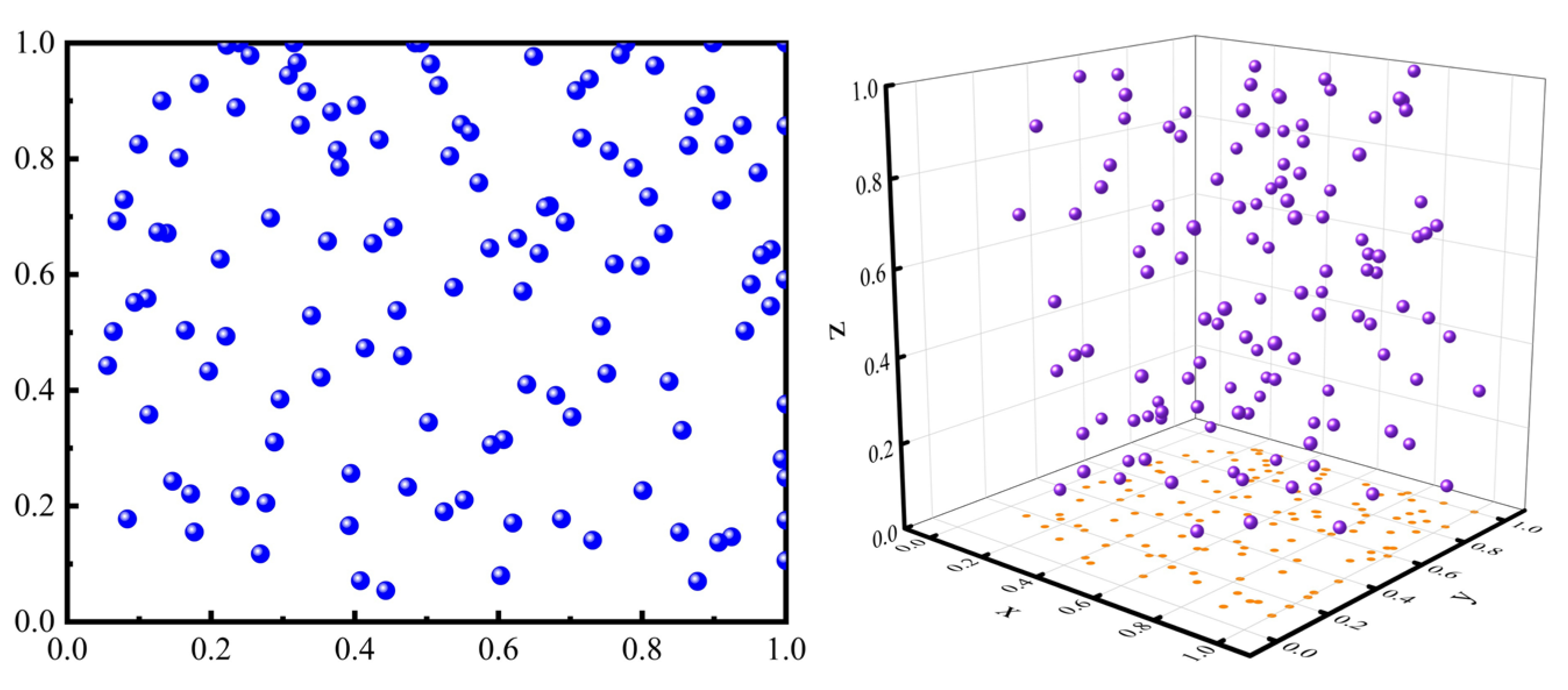
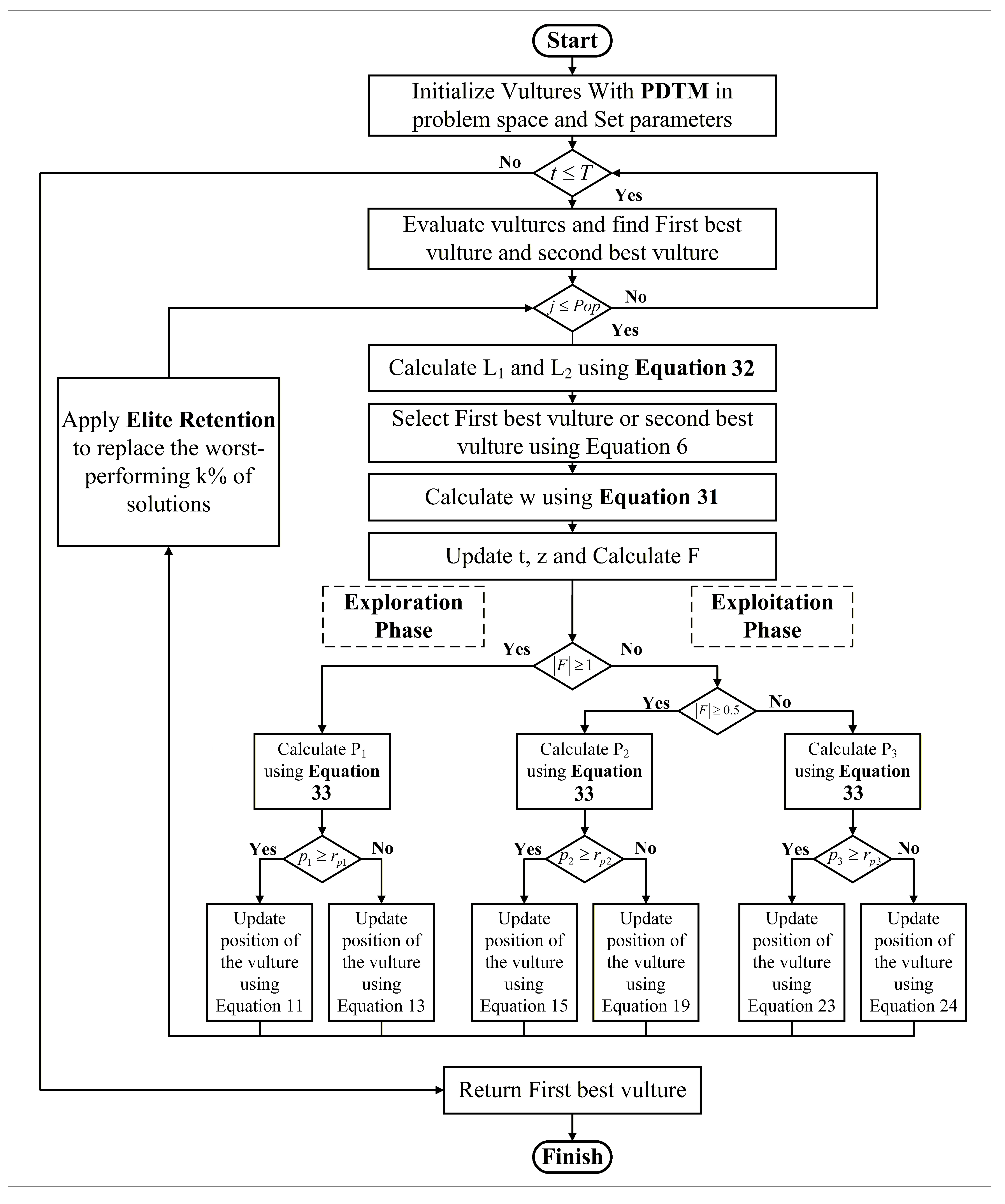
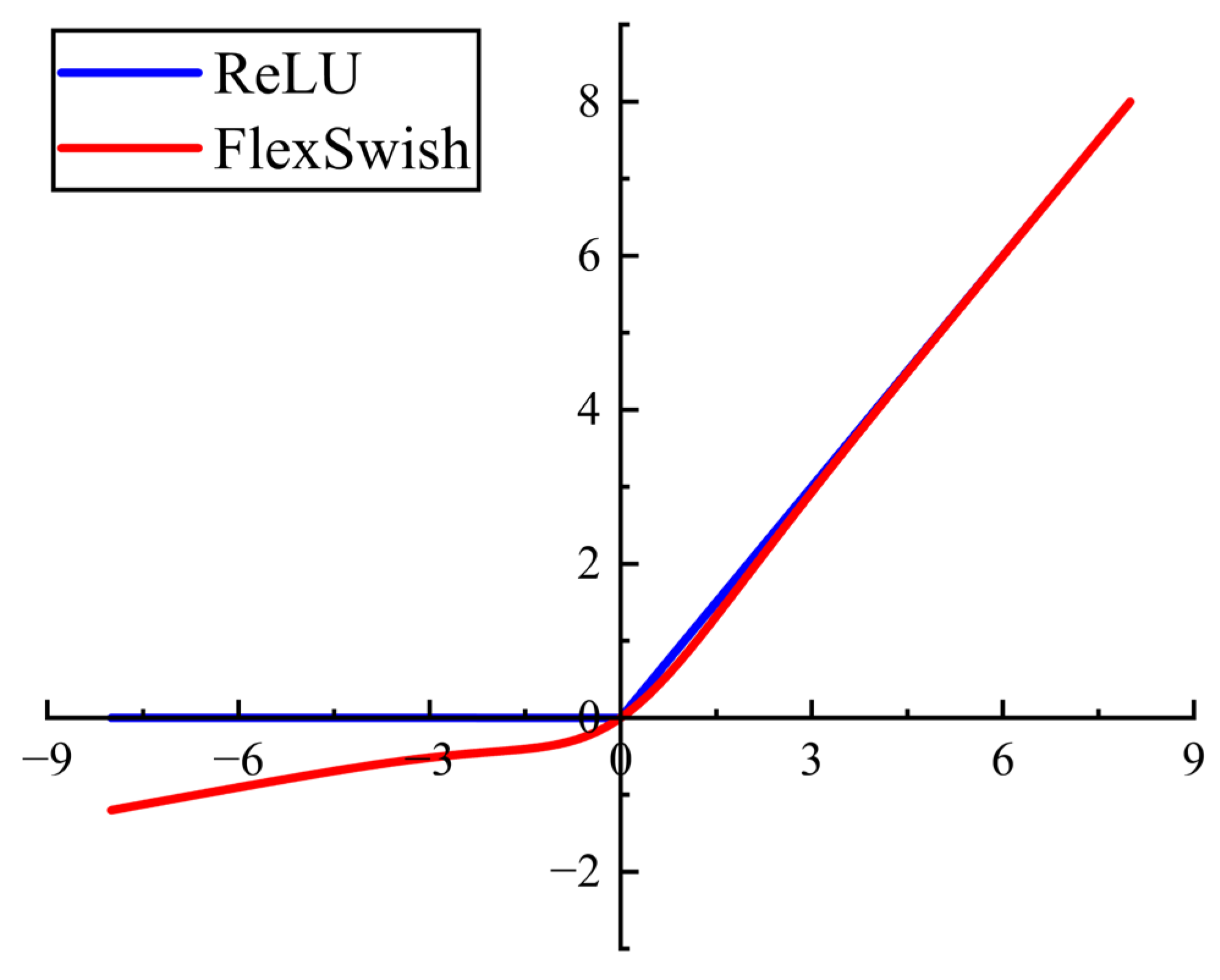
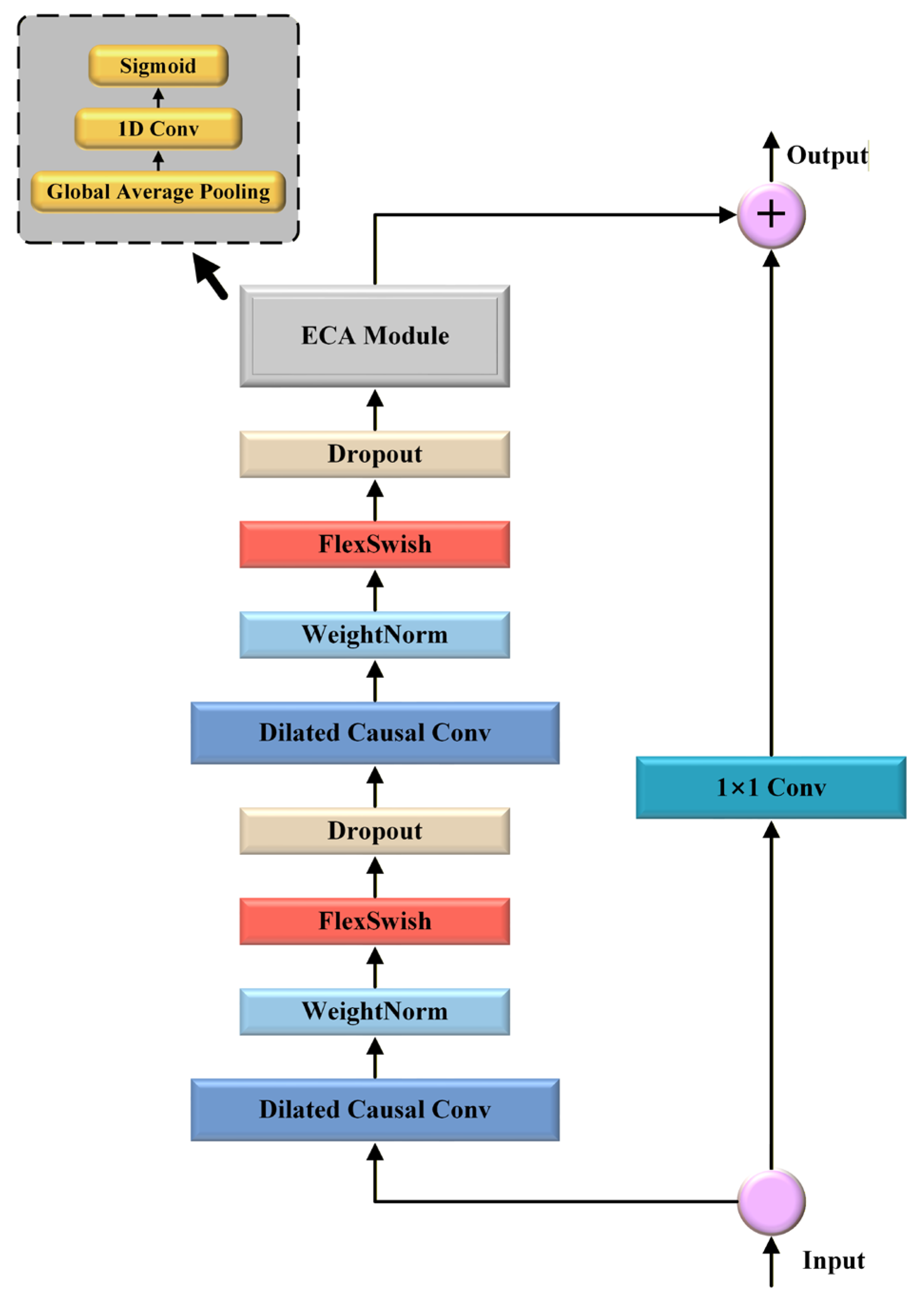
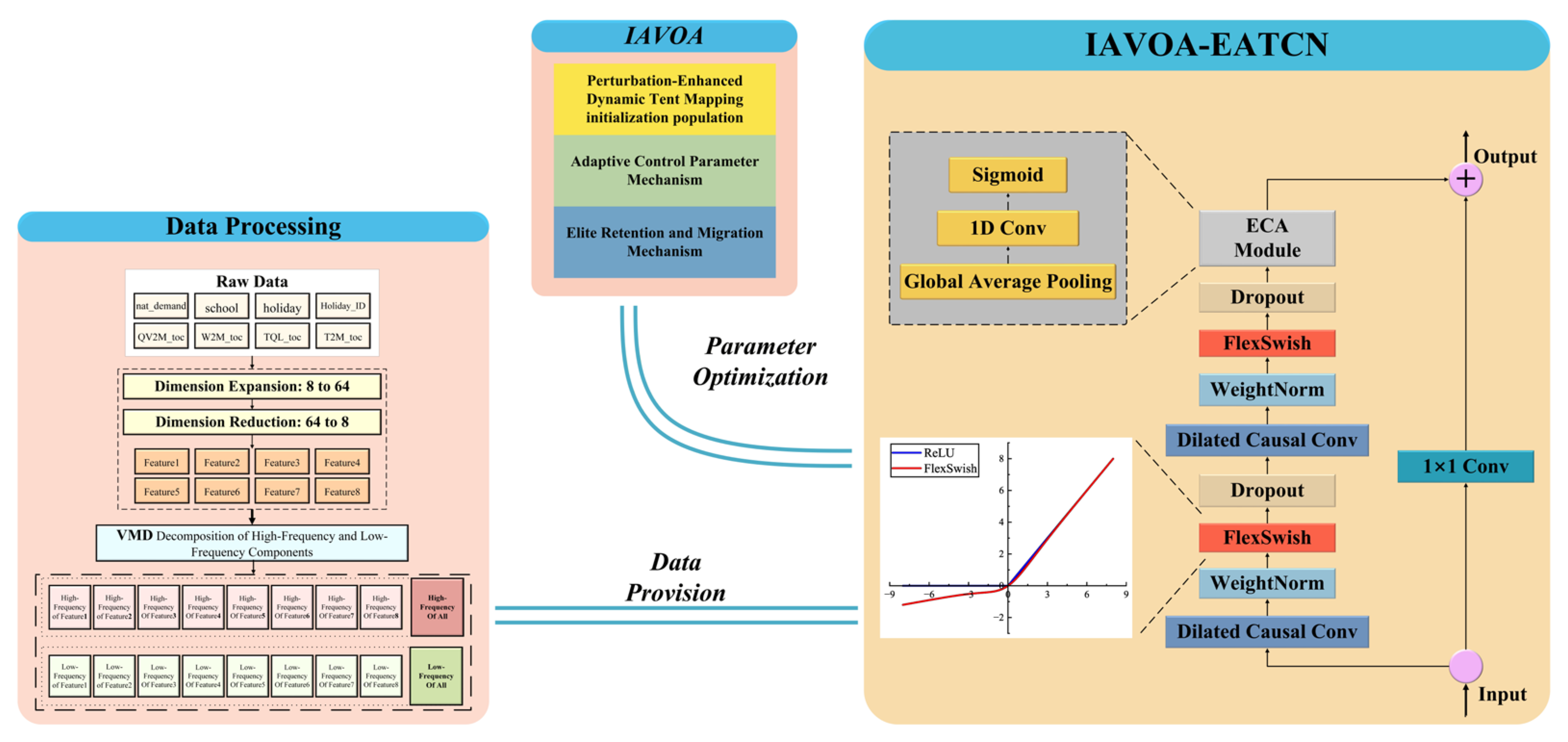
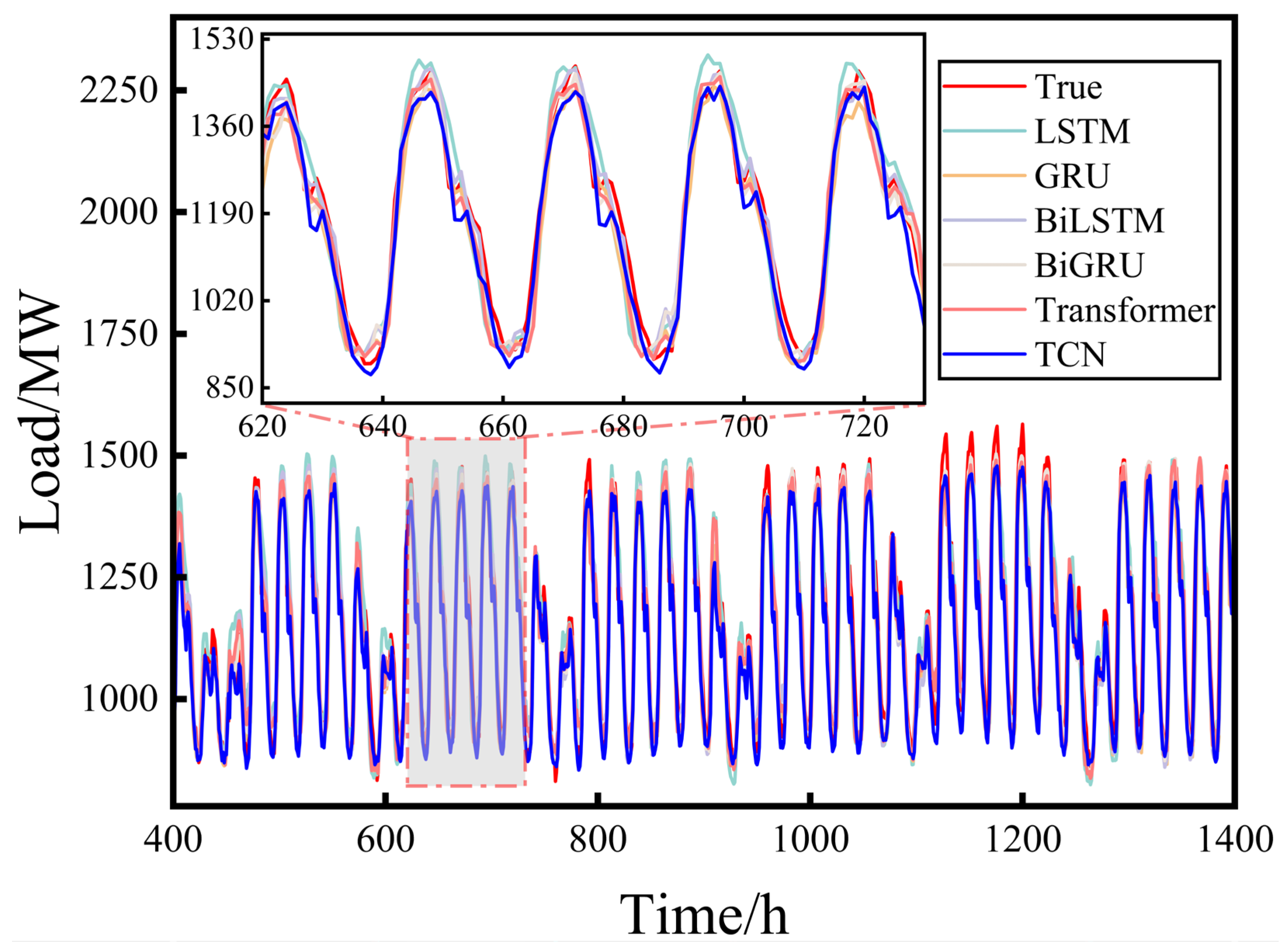
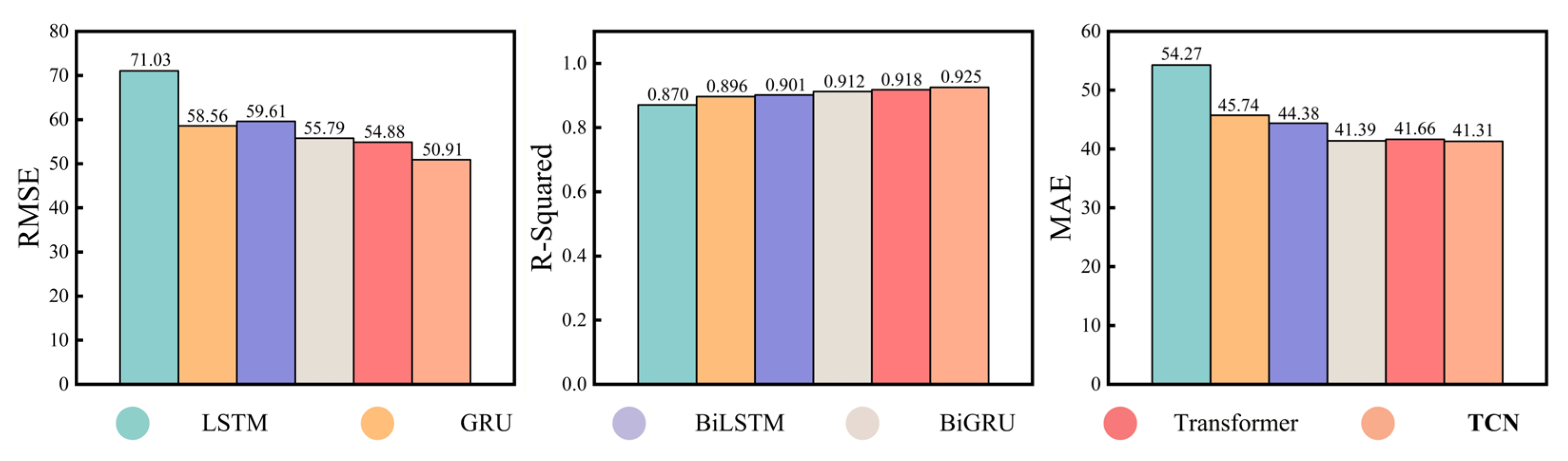
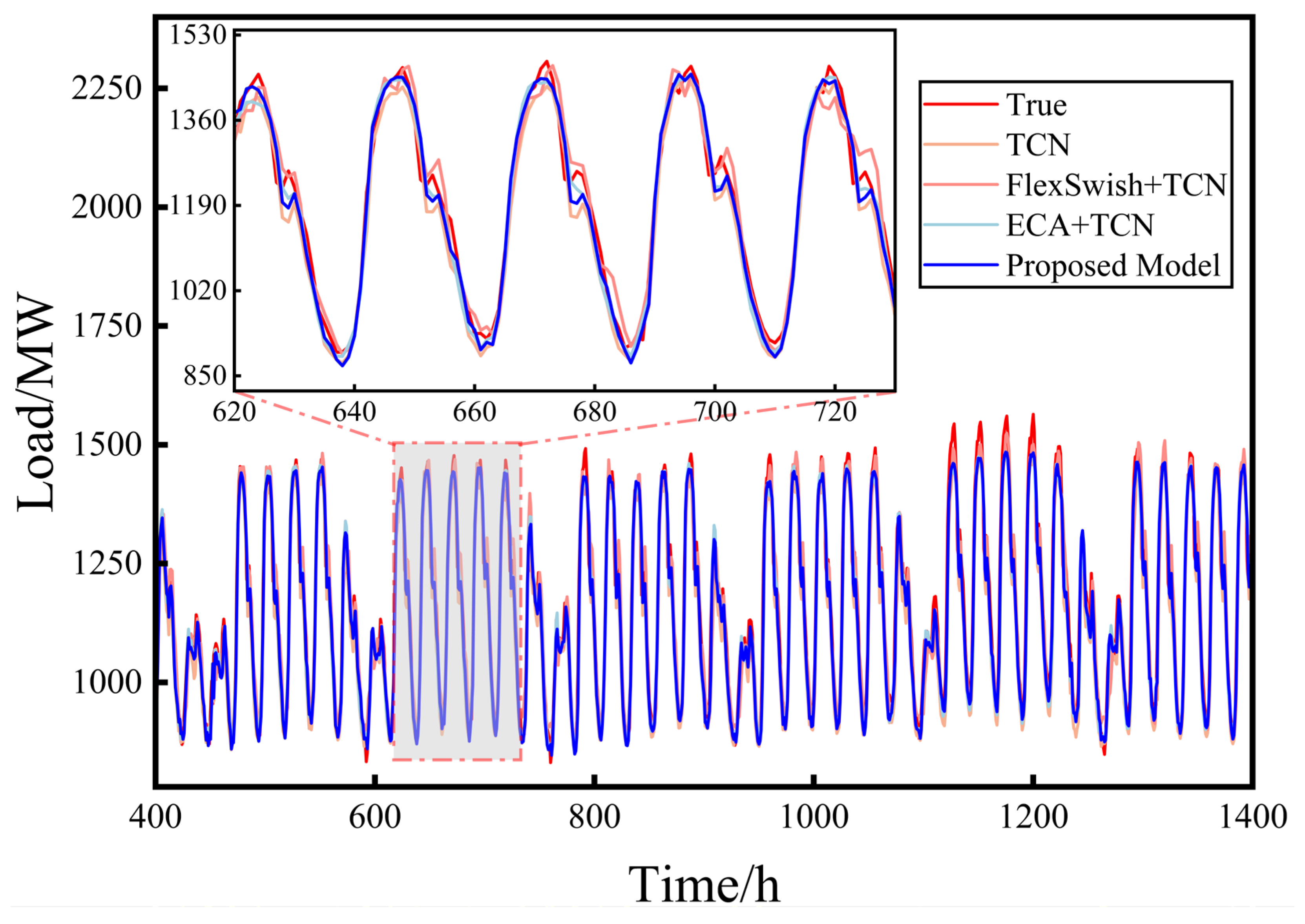
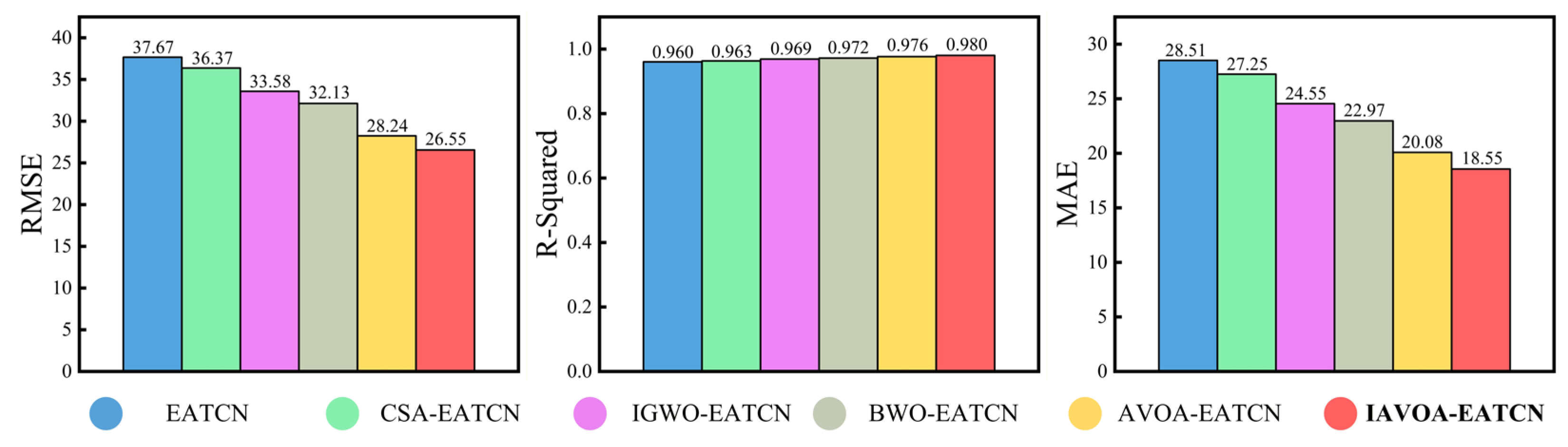
With the large-scale integration of renewable energy, the operational complexity of power systems has increased, placing higher demands on the accuracy of load forecasting. To address the nonlinear characteristics of load variations and improve feature utilization, this paper proposes an IAVOA–EATCN load forecasting model. In the feature engineering stage, an expand–reduce transformation is employed to reconstruct the original multi-feature inputs, and variational mode decomposition (VMD) is further applied to extract low- and high-frequency components, thereby compressing redundant features while preserving essential information structures. In terms of model architecture, the nonlinear representation capability of the temporal convolutional network (TCN) is enhanced by introducing the FlexSwish activation function, and an Efficient Channel Attention (ECA) mechanism is integrated to strengthen the perception of critical features. For parameter optimization, an improved African Vulture Optimization Algorithm (IAVOA) is proposed, which initializes the population using perturbation-enhanced dynamic Tent mapping, balances global exploration and local exploitation through adaptive parameter control, and incorporates elite retention and migration mechanisms to avoid premature convergence. Experimental results on real-world load data demonstrate that the proposed model achieves RMSE, R2, and MAE values of 26.5544, 0.9804, and 18.5589, respectively, significantly outperforming benchmark methods and exhibiting strong generalization capability and practical potential for intelligent load forecasting.
Keywords: load forecasting; dilated convolution; efficient channel attention; African vultures optimization; deep learning load forecasting; dilated convolution; efficient channel attention; African vultures optimization; deep learning