Article

A Novel Deep Learning Model for Sea State Classification Using Visual-Range Sea Images
by
Muhammad Umair
1,2,*,
Manzoor Ahmed Hashmani
1,2,
Syed Sajjad Hussain Rizvi
3,
Hasmi Taib
4,
Mohd Nasir Abdullah
4 and
Mehak Maqbool Memon
1,2
1
Department of Computer and Information Sciences, Universiti Teknologi PETRONAS, Seri Iskandar 32610, Perak, Malaysia
2
High Performance Cloud Computing Center, Universiti Teknologi PETRONAS, Seri Iskandar 32610, Perak, Malaysia
3
Department of Computer Science, Shaheed Zulfiqar Ali Bhutto Institute of Science and Technology, Karachi 75600, Pakistan
4
Group Technical Solutions, PETRONAS, Kuala Lumpur 50450, Malaysia
*
Author to whom correspondence should be addressed.
Symmetry 2022, 14(7), 1487; https://doi.org/10.3390/sym14071487
Submission received: 29 May 2022 / Revised: 12 July 2022 / Accepted: 16 July 2022 / Published: 20 July 2022
(This article belongs to the Special Issue Machine Learning and Data Analysis)

Abstract

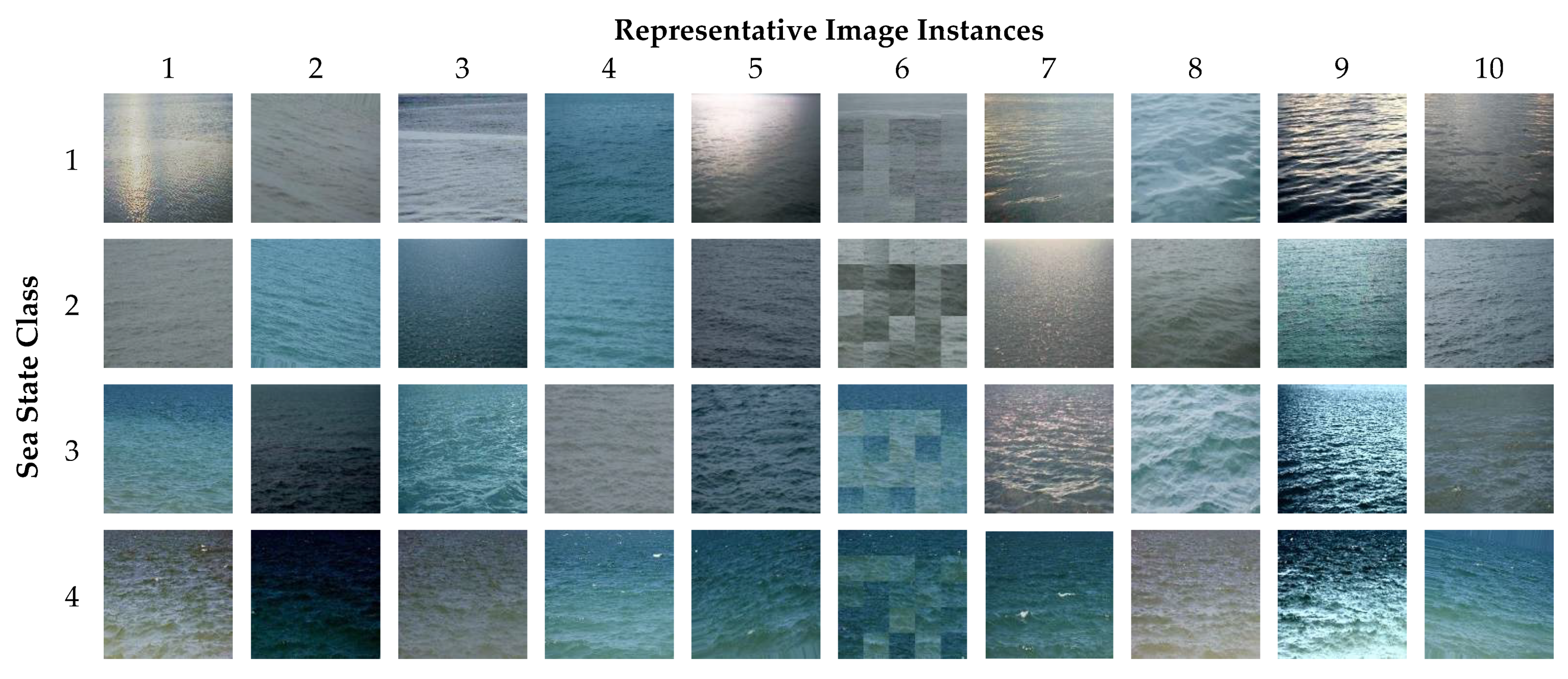
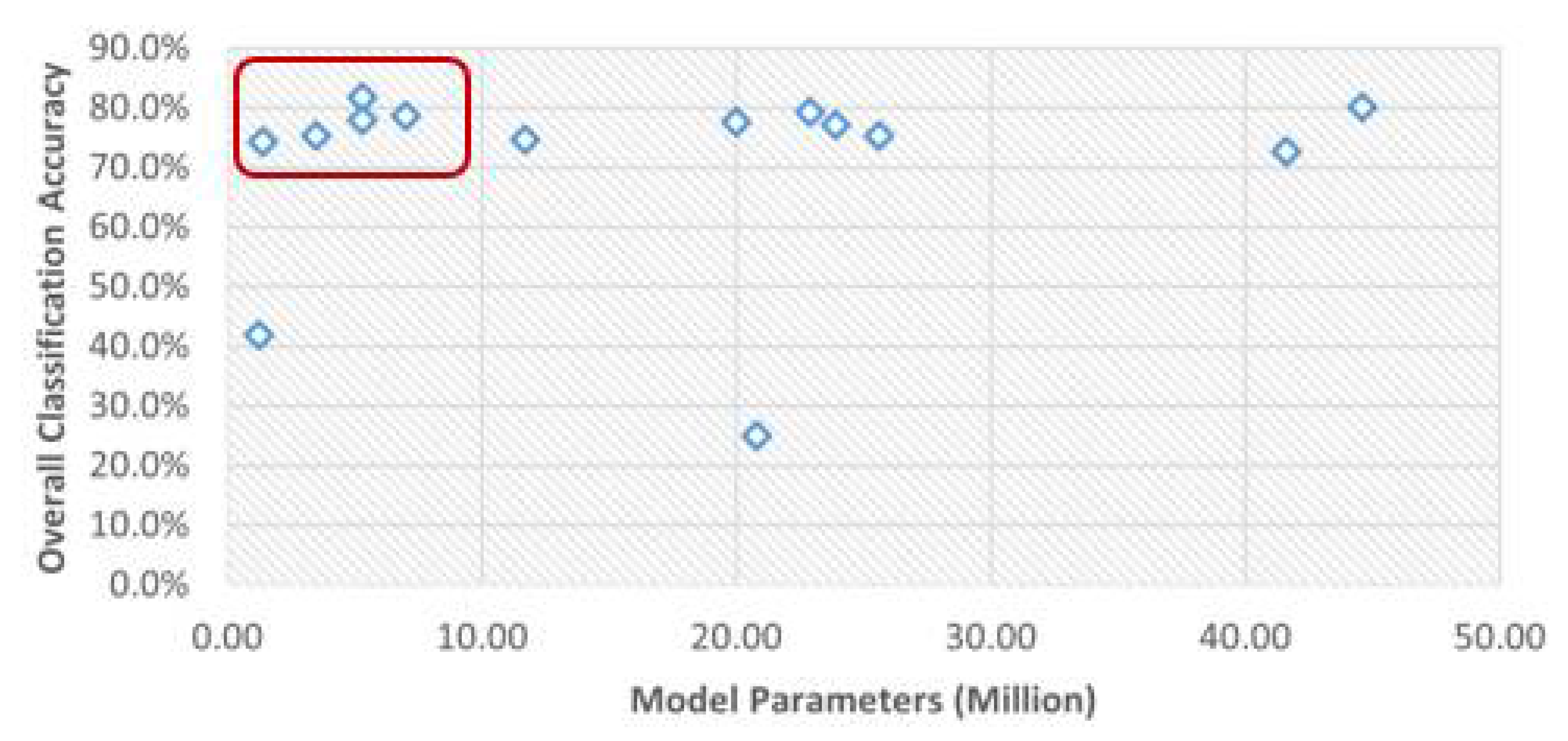
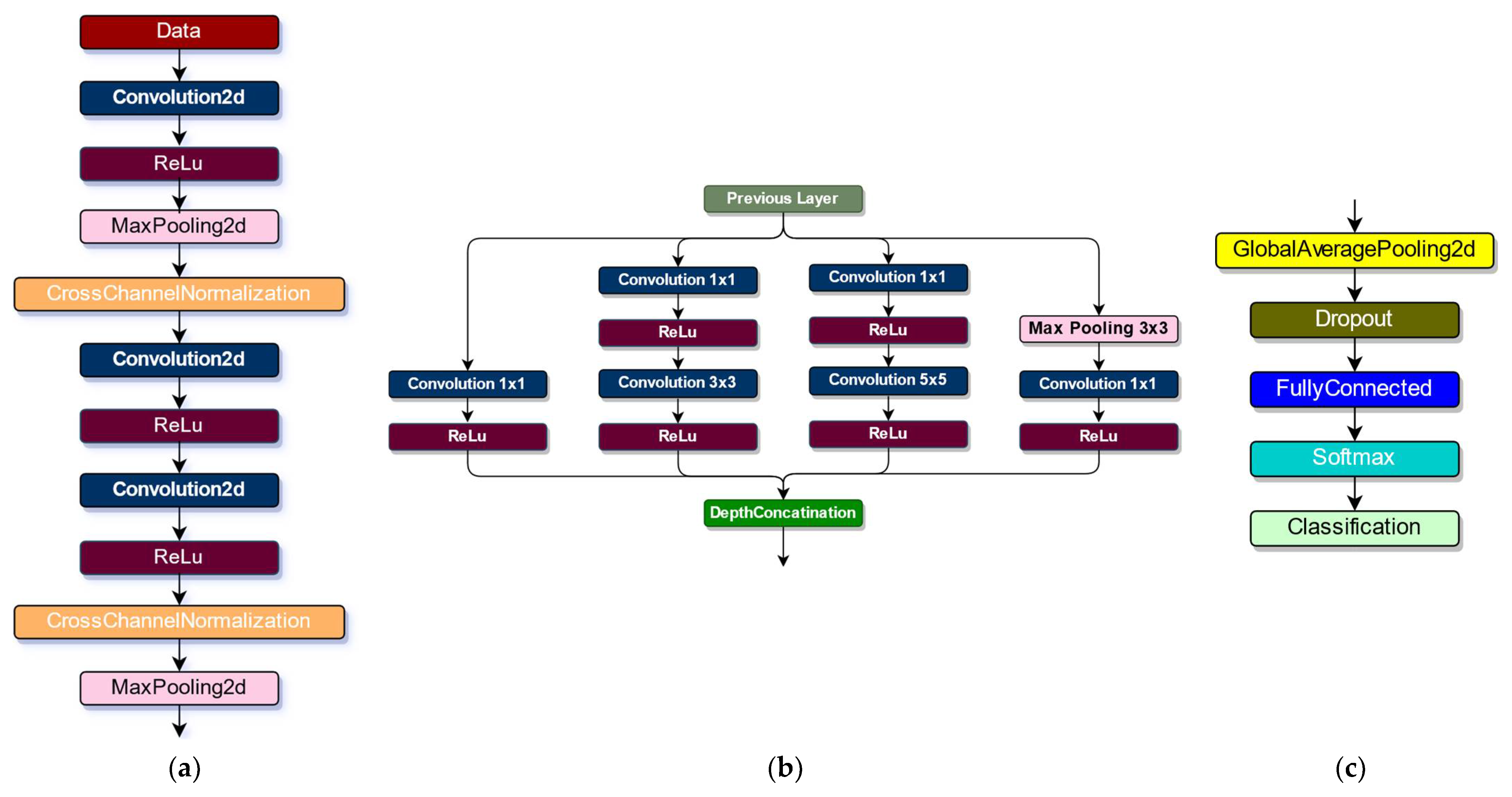
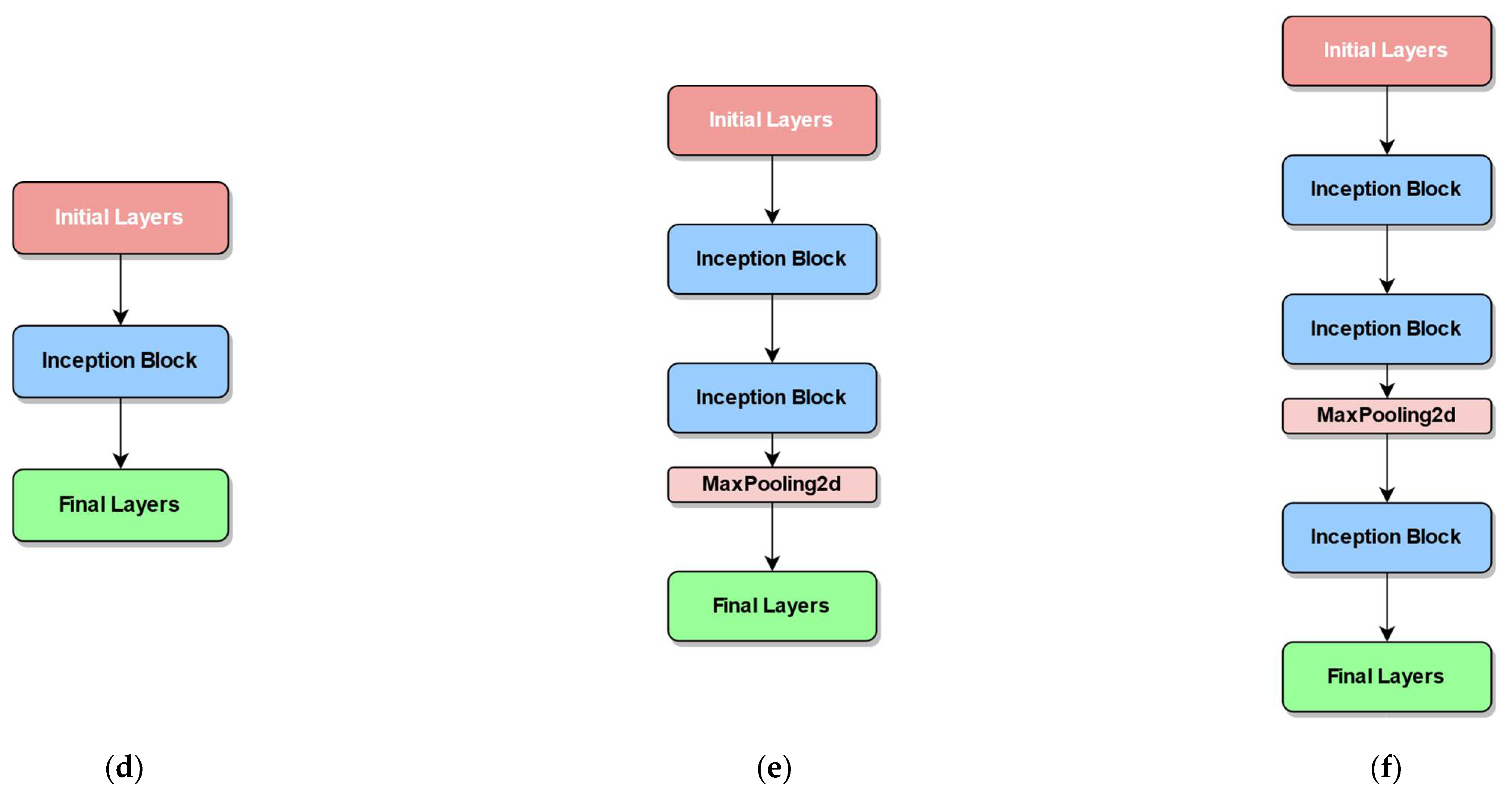
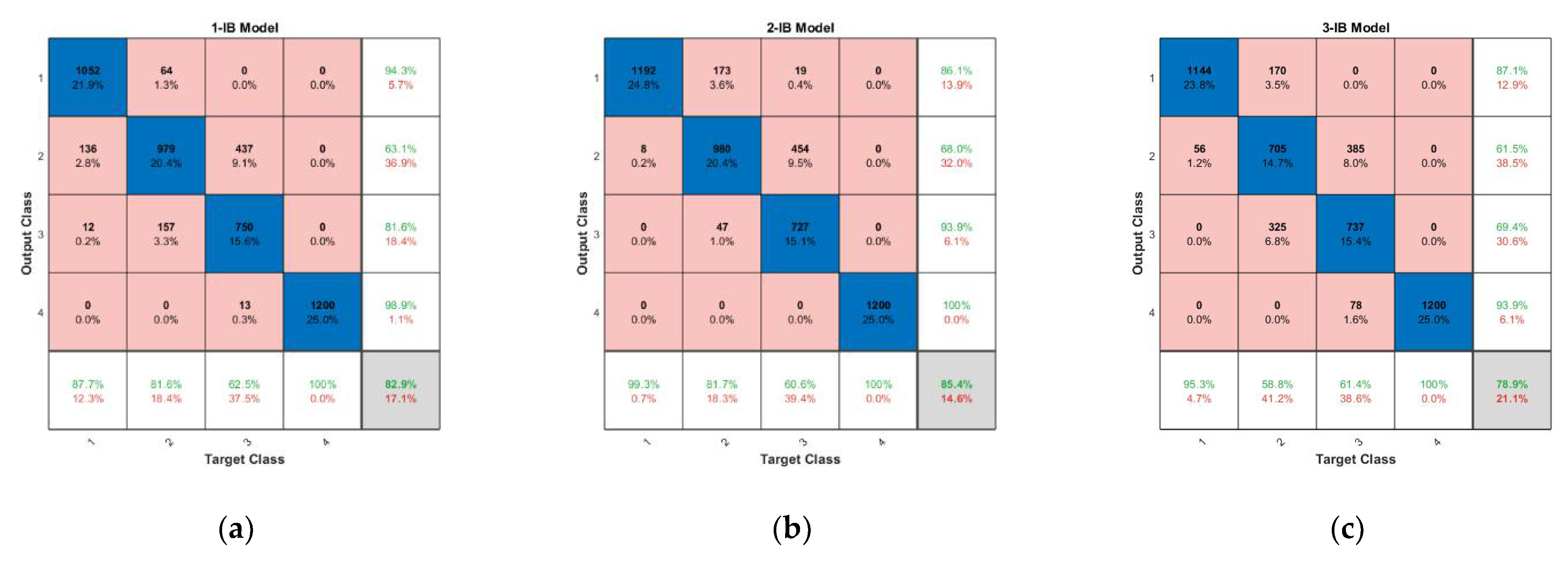
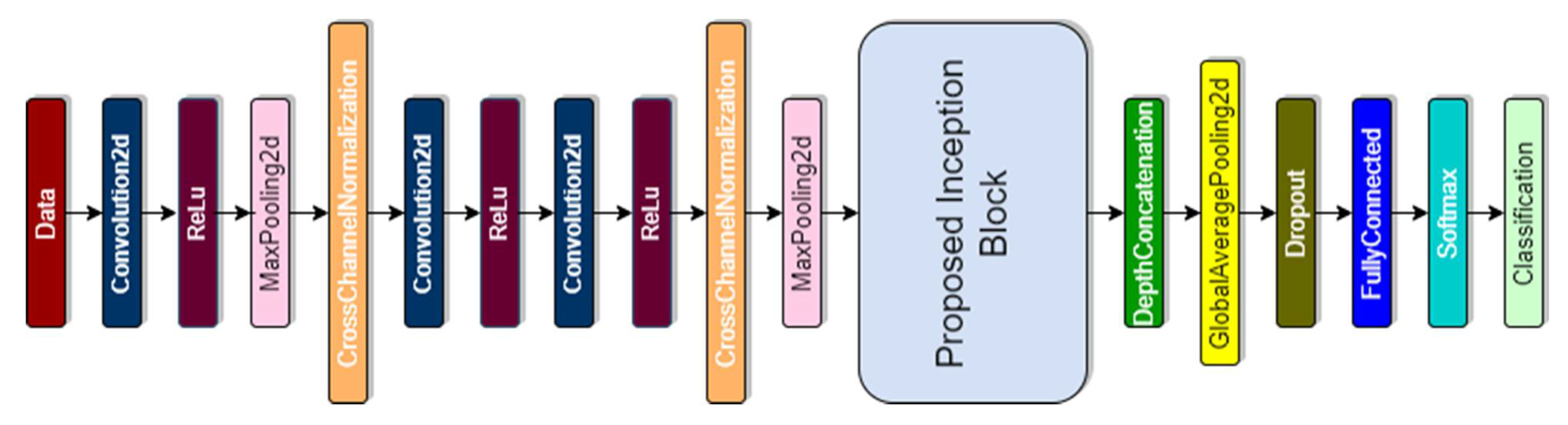
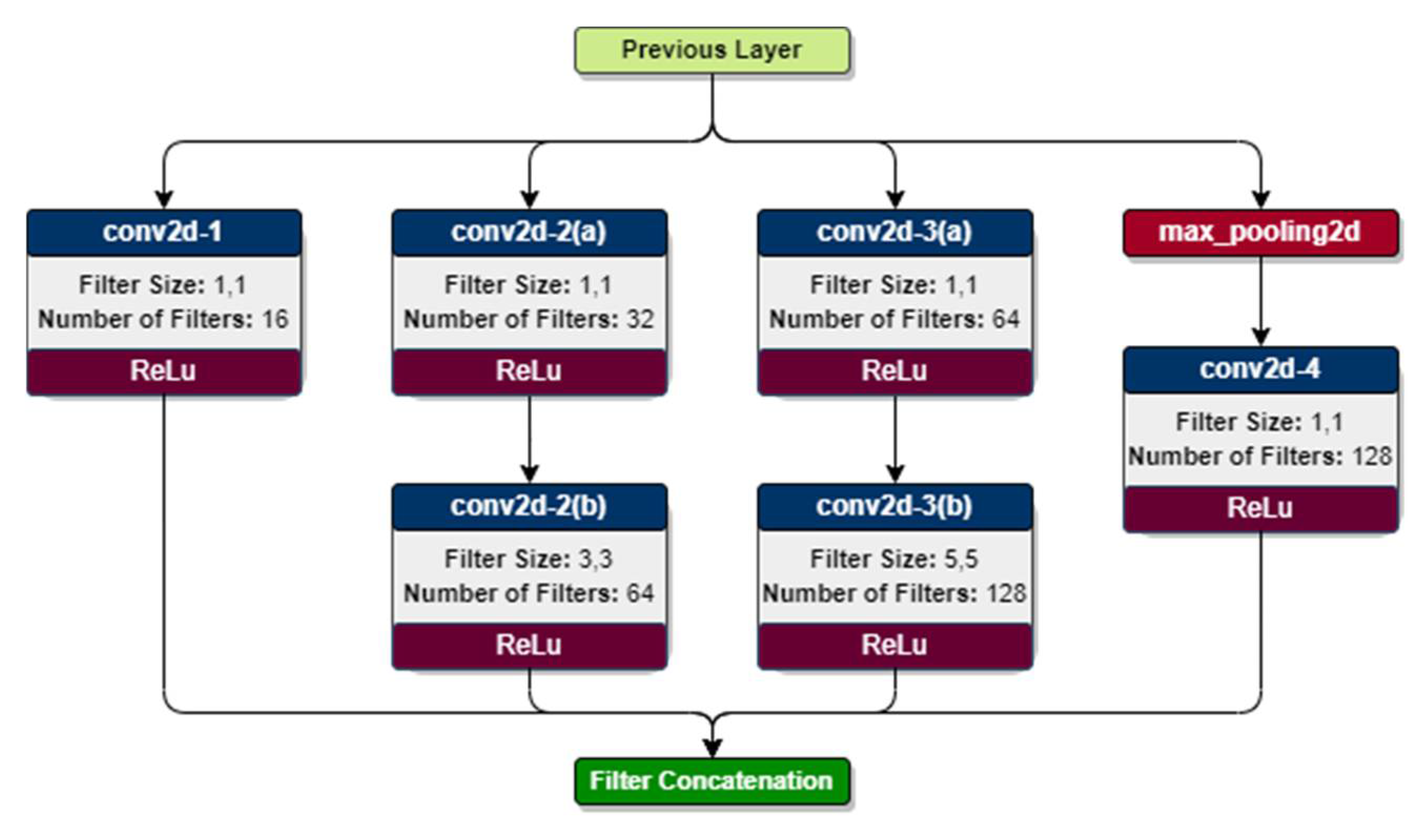
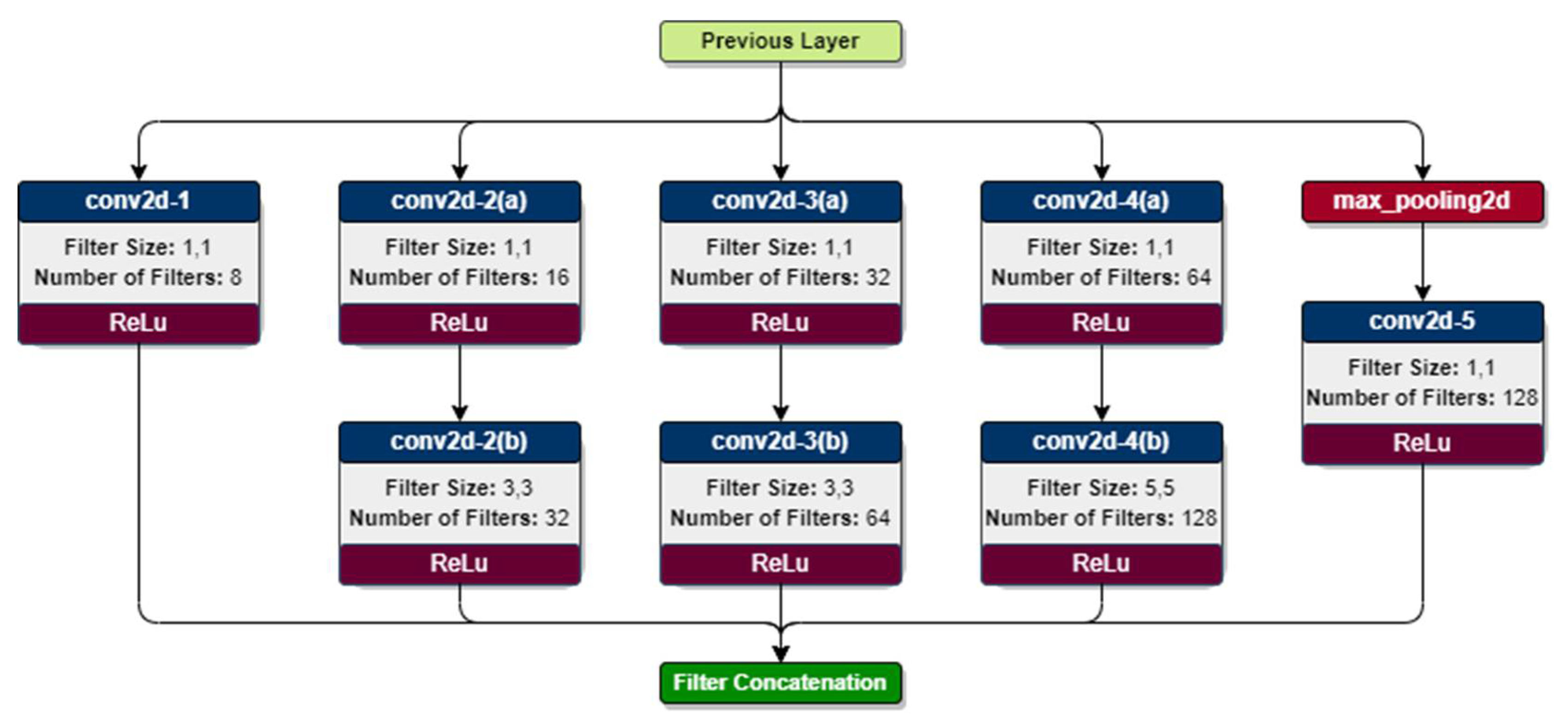
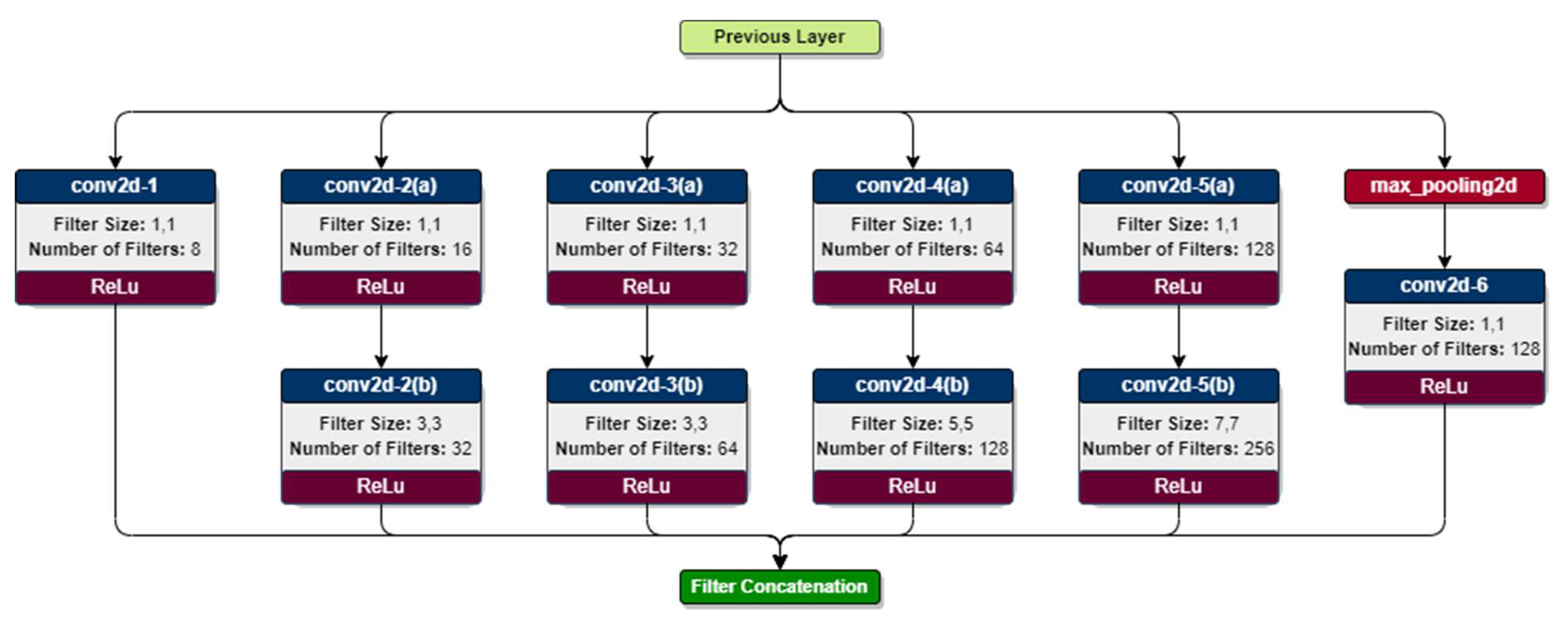
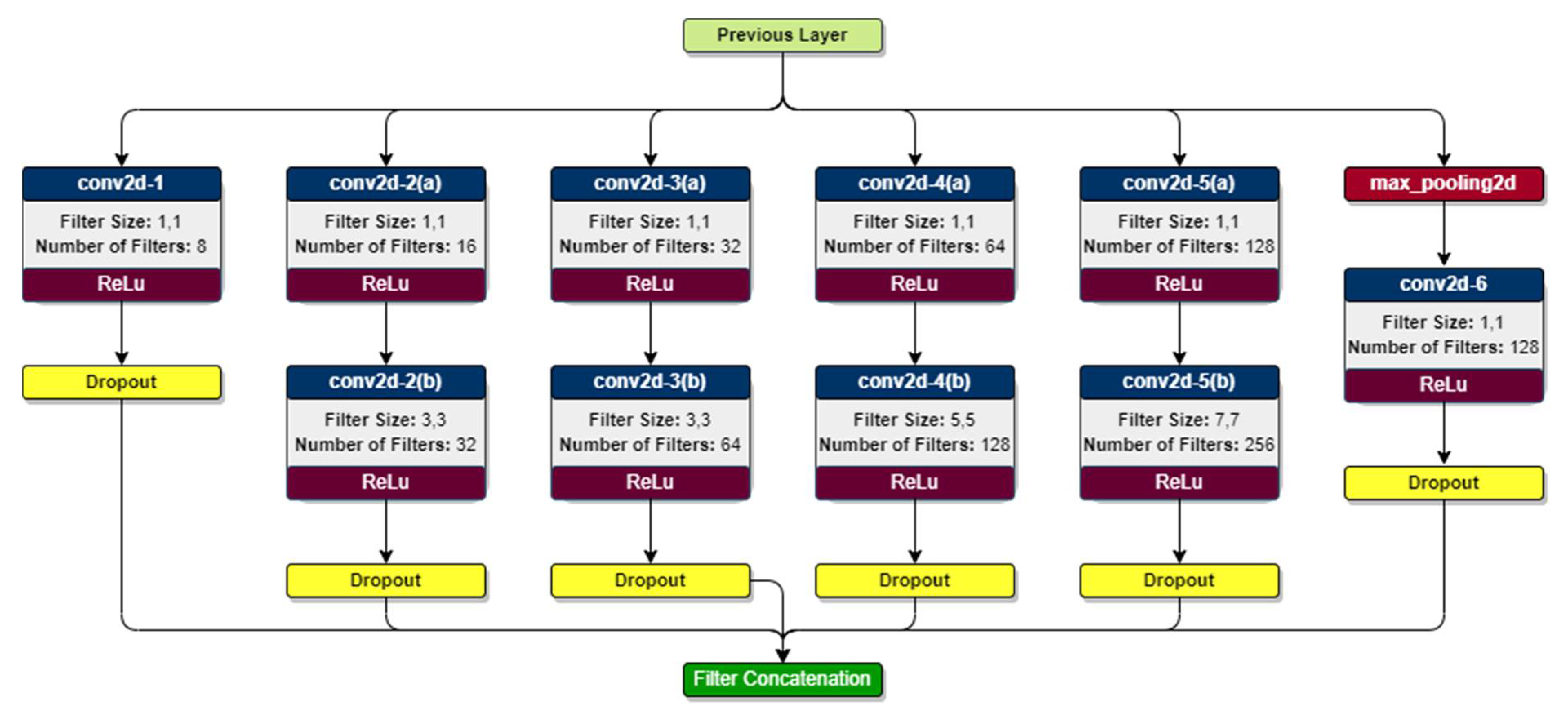
Wind-waves exhibit variations both in shape and steepness, and their asymmetrical nature is a well-known feature. One of the important characteristics of the sea surface is the front-back asymmetry of wind-wave crests. The wind-wave conditions on the surface of the sea constitute a sea state, which is listed as an essential climate variable by the Global Climate Observing System and is considered a critical factor for structural safety and optimal operations of offshore oil and gas platforms. Methods such as statistical representations of sensor-based wave parameters observations and numerical modeling are used to classify sea states. However, for offshore structures such as oil and gas platforms, these methods induce high capital expenditures (CAPEX) and operating expenses (OPEX), along with extensive computational power and time requirements. To address this issue, in this paper, we propose a novel, low-cost deep learning-based sea state classification model using visual-range sea images. Firstly, a novel visual-range sea state image dataset was designed and developed for this purpose. The dataset consists of 100,800 images covering four sea states. The dataset was then benchmarked on state-of-the-art deep learning image classification models. The highest classification accuracy of 81.8% was yielded by NASNet-Mobile. Secondly, a novel sea state classification model was proposed. The model took design inspiration from GoogLeNet, which was identified as the optimal reference model for sea state classification. Systematic changes in GoogLeNet’s inception block were proposed, which resulted in an 8.5% overall classification accuracy improvement in comparison with NASNet-Mobile and a 7% improvement from the reference model (i.e., GoogLeNet). Additionally, the proposed model took 26% less training time, and its per-image classification time remains competitive.
Keywords: sea state classification; deep learning; visual-range dataset sea state classification; deep learning; visual-range dataset