Article

Does Symmetry Control Photocatalytic Activity of Titania-Based Photocatalysts?

1
Faculty of Chemical Technology, Institute of Chemical Technology and Engineering, Poznan University of Technology, ul. Berdychowo 4, 60-965 Poznan, Poland
2
Institute for Catalysis, Hokkaido University, Sapporo 001-0021, Japan
3
Hubei Provincial Key Laboratory of Green Materials for Light Industry, Hubei University of Technology, Wuhan 430068, China
4
Graduate School of Environmental Science, Hokkaido University, Sapporo 060-0810, Japan
5
Northwest Research Institute, Co., Ltd. of China Railway International Group, Lanzhou 730000, China
*
Authors to whom correspondence should be addressed.
Symmetry 2021, 13(9), 1682; https://doi.org/10.3390/sym13091682
Submission received: 15 August 2021 / Revised: 2 September 2021 / Accepted: 9 September 2021 / Published: 12 September 2021
(This article belongs to the Special Issue Heterogeneous Catalysis: Topics and Advances)

Abstract

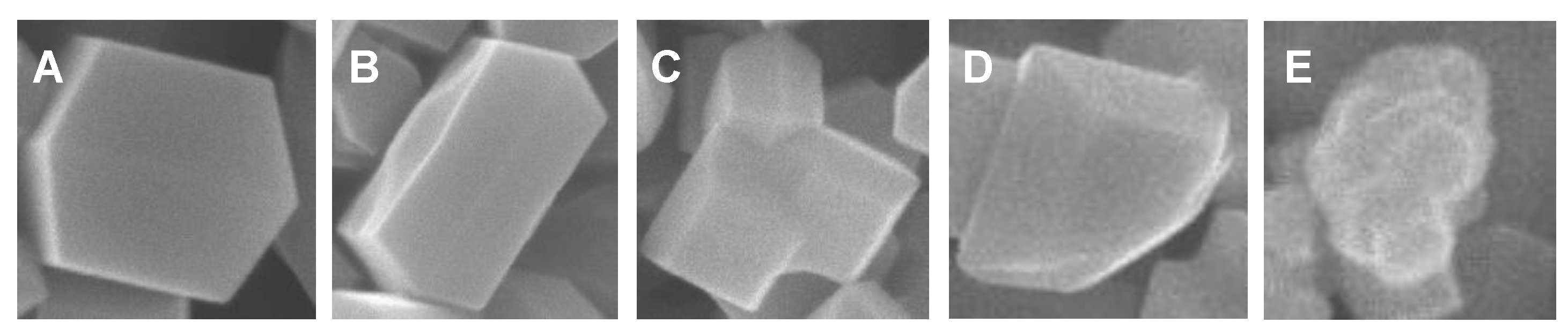
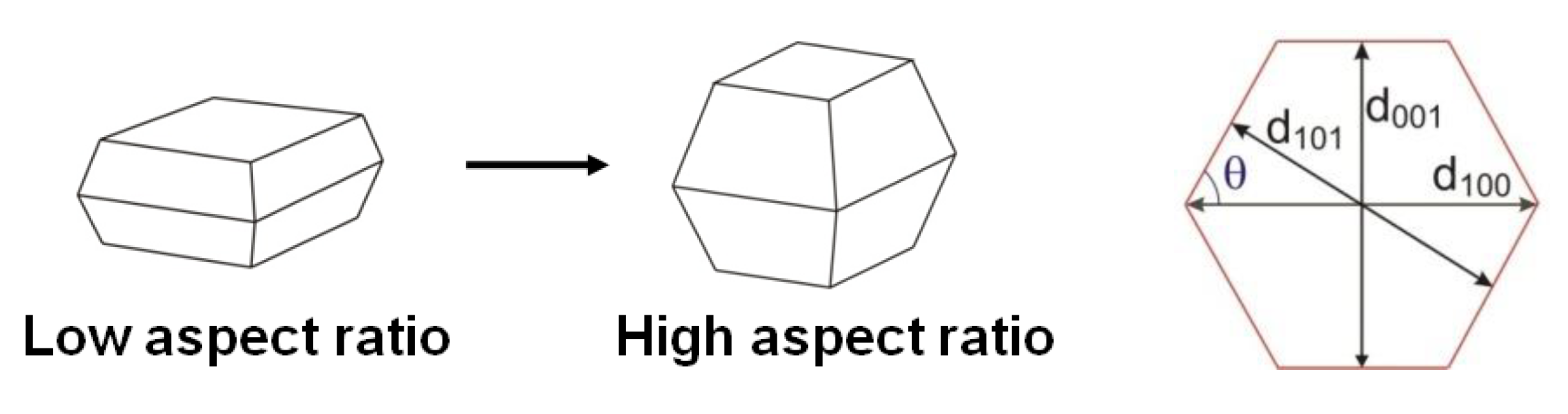
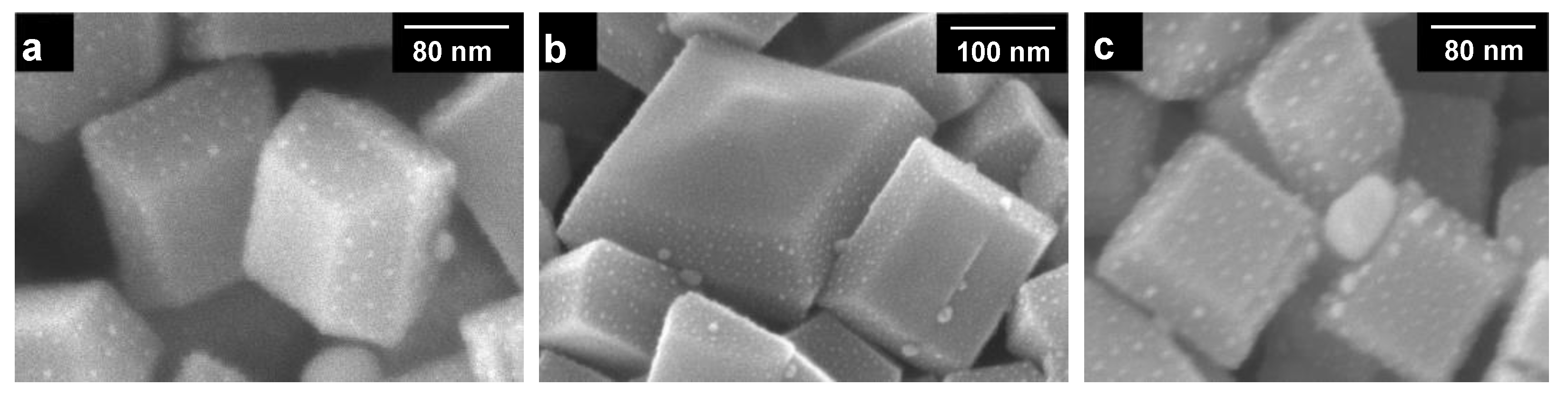
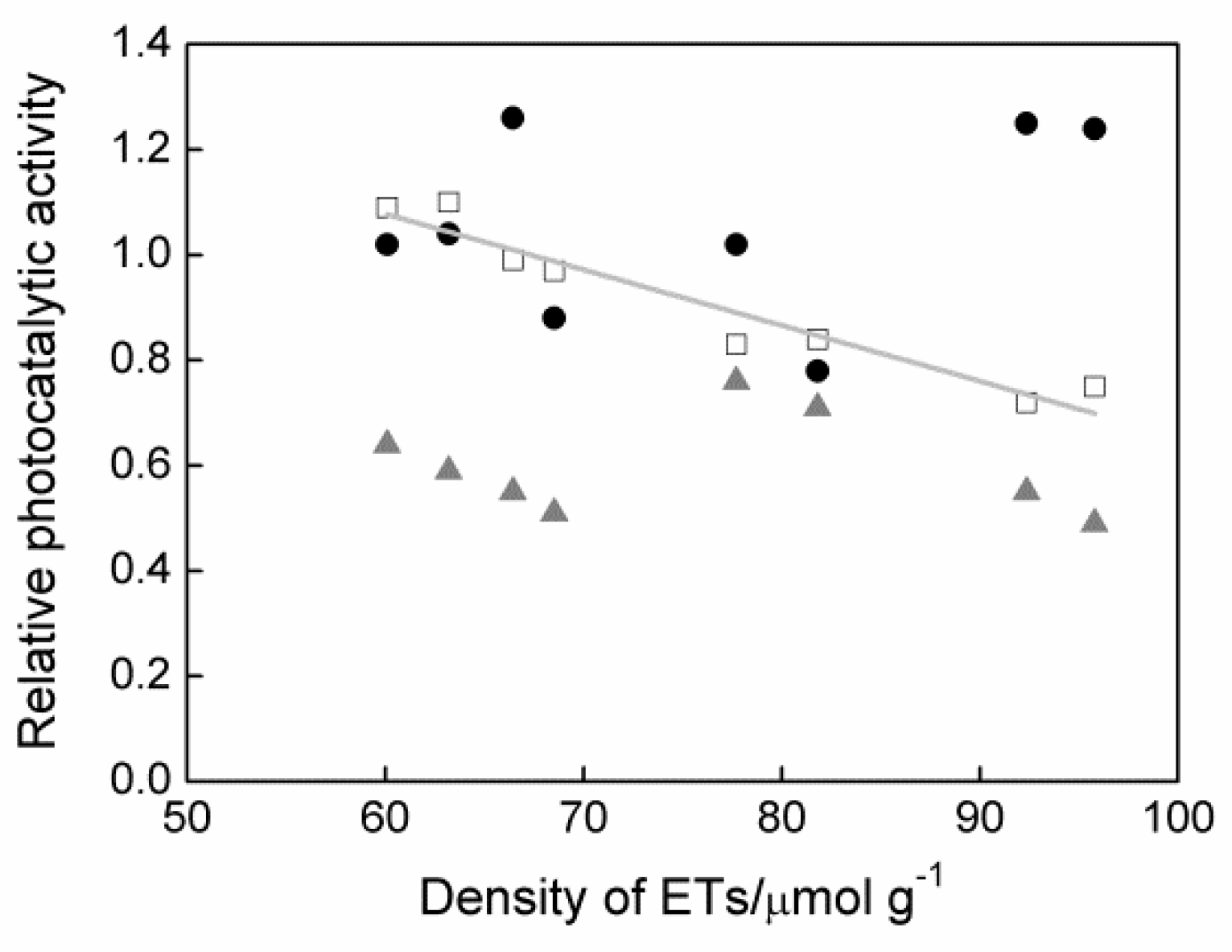
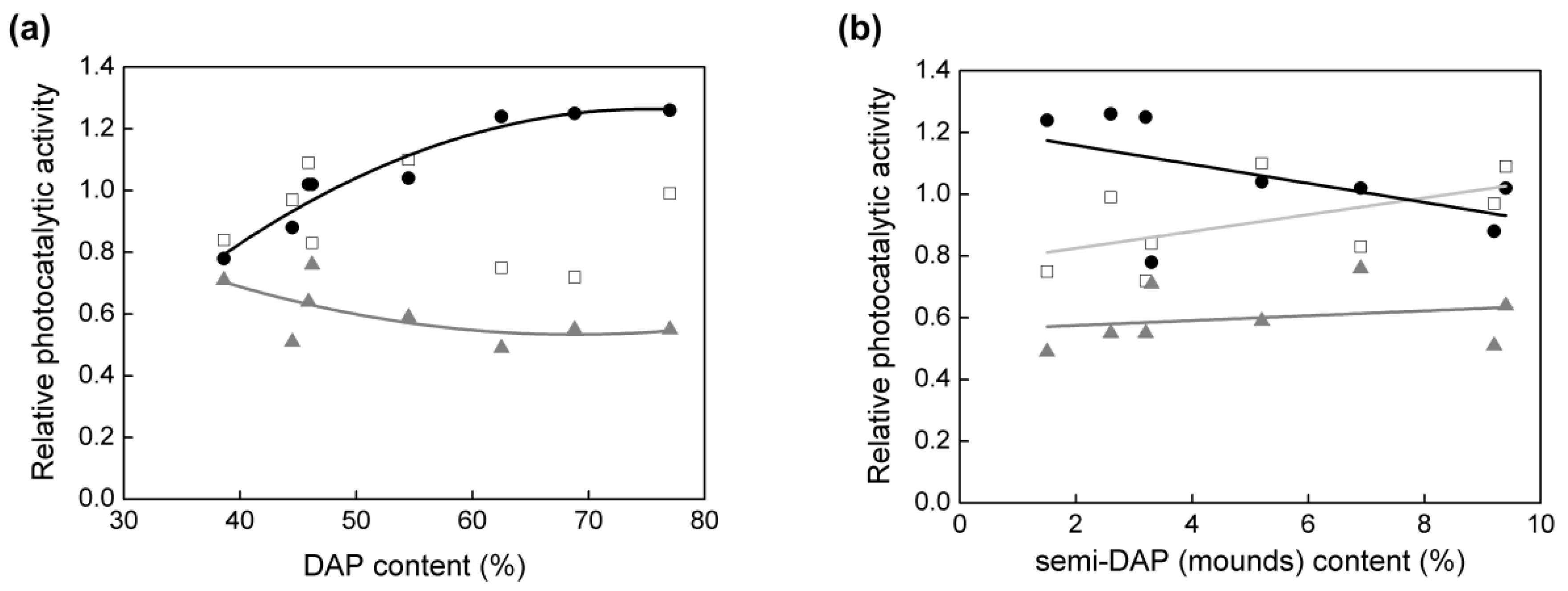
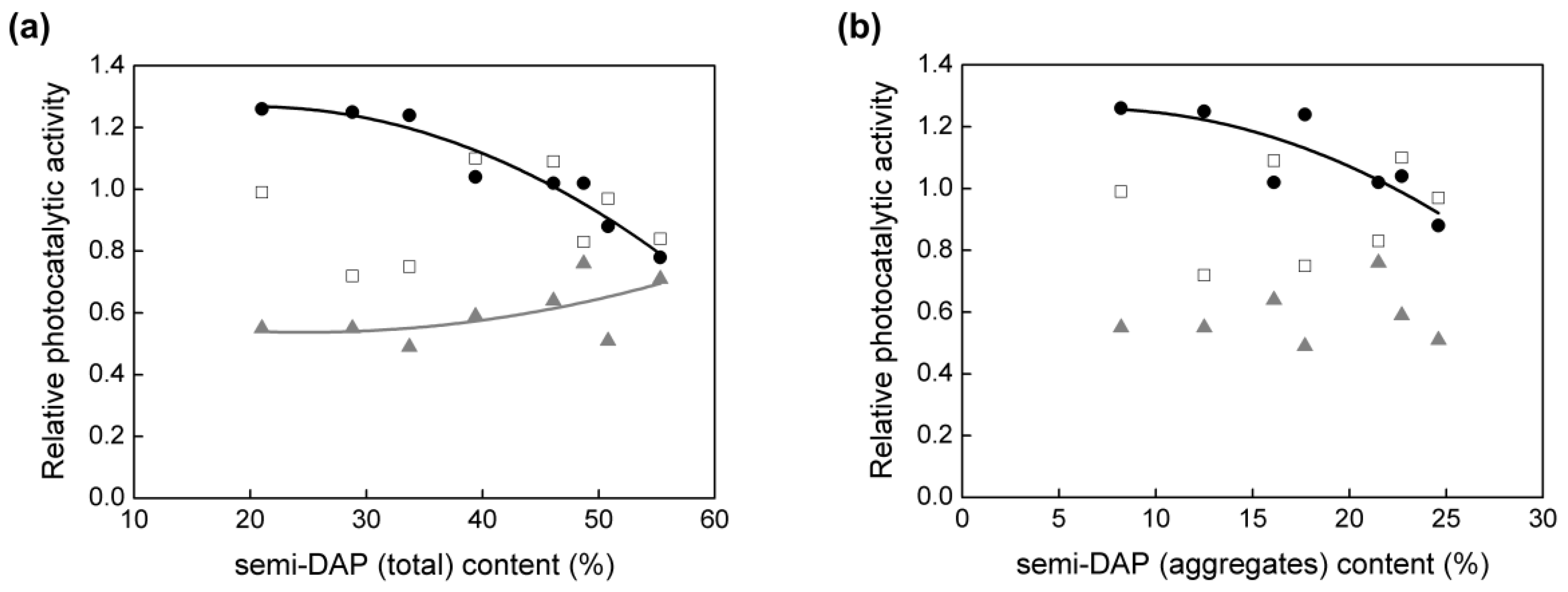
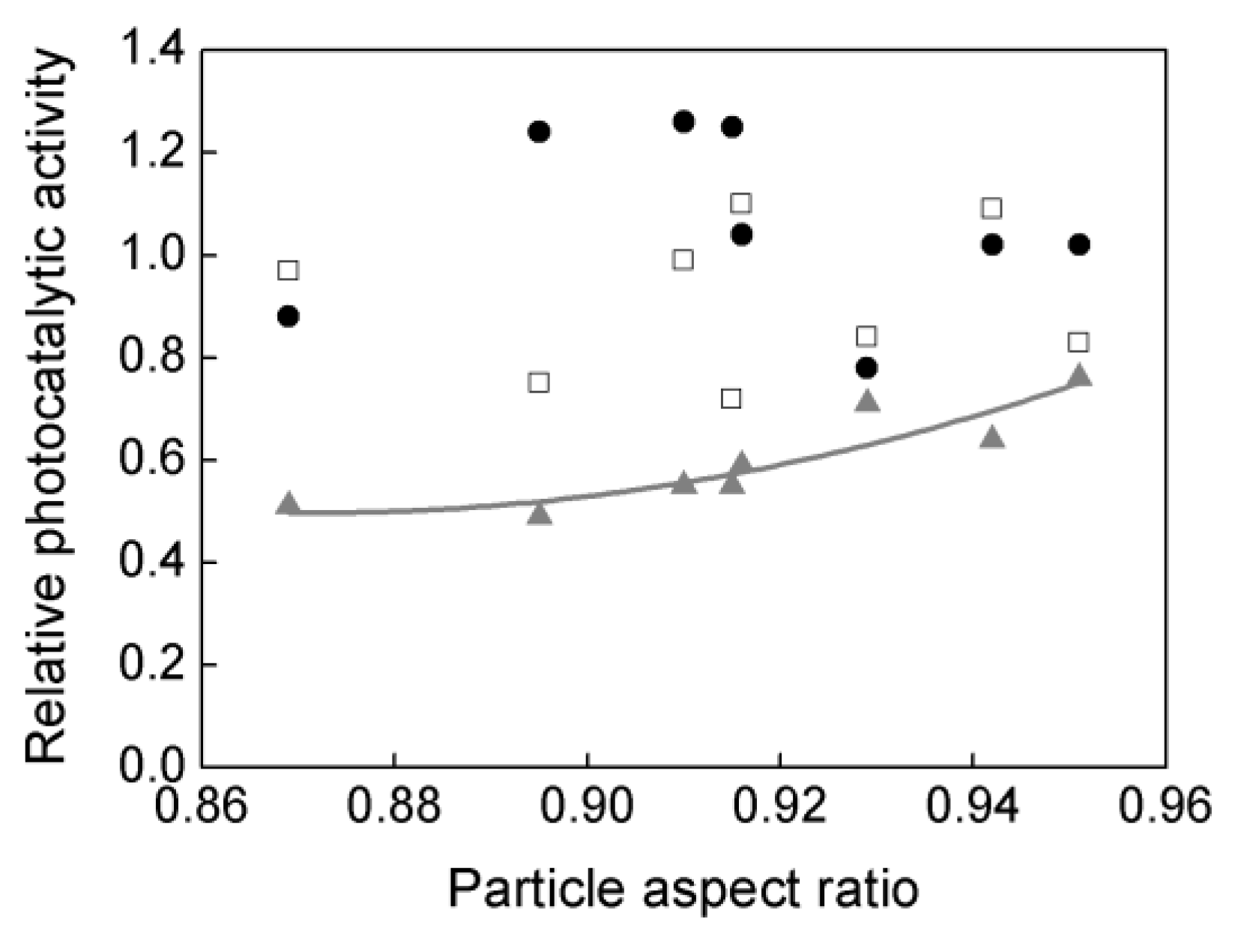
Decahedral anatase particles (DAPs) have been prepared by the gas-phase method, characterized, and analyzed for property-governed photocatalytic activity. It has been found that depending on the reaction systems, different properties control the photocatalytic activity, that is, the particle aspect ratio, the density of electron traps and the morphology seem to be responsible for the efficiency of water oxidation, methanol dehydrogenation and oxidative decomposition of acetic acid, respectively. For the discussion on the dependence of the photocatalytic activity on the morphology and/or the symmetry other titania-based photocatalysts have also been analyzed, that is, octahedral anatase particles (OAP), commercial titania P25, inverse opal titania with and without incorporated gold NPs in void spaces and plasmonic photocatalysts (titania with deposits of gold). It has been concluded that though the morphology governs photocatalytic activity, the symmetry (despite its importance in many cases) rather does not control the photocatalytic performance.
Keywords: heterogeneous photocatalysis; faceted anatase; decahedral anatase; octahedral anatase; morphology; symmetry; photocatalytic activity heterogeneous photocatalysis; faceted anatase; decahedral anatase; octahedral anatase; morphology; symmetry; photocatalytic activity