Article

Characterization of Insulin Mucoadhesive Buccal Films: Spectroscopic Analysis and In Vivo Evaluation


1
School of Pharmacy, University of Jordan, Amman 11942, Jordan
2
Al-Taqaddom Pharmaceutical Industries, Amman 11947, Jordan
3
Faculty of Pharmacy, Philadelphia University, Amman 19392, Jordan
4
Diamond Light Source Ltd., Harwell Science and Innovation Campus, Didcot OX11 0DE, Oxfordshire, UK
5
Faculty of Pharmacy and Medical Sciences, Petra University, Amman 11196, Jordan
*
Author to whom correspondence should be addressed.
Corresponding author for the FTIR part.
Symmetry 2021, 13(1), 88; https://doi.org/10.3390/sym13010088
Submission received: 21 November 2020 / Revised: 24 December 2020 / Accepted: 30 December 2020 / Published: 6 January 2021
(This article belongs to the Special Issue Symmetric and Asymmetric Structure in Drug Design and Biomolecules)

Abstract

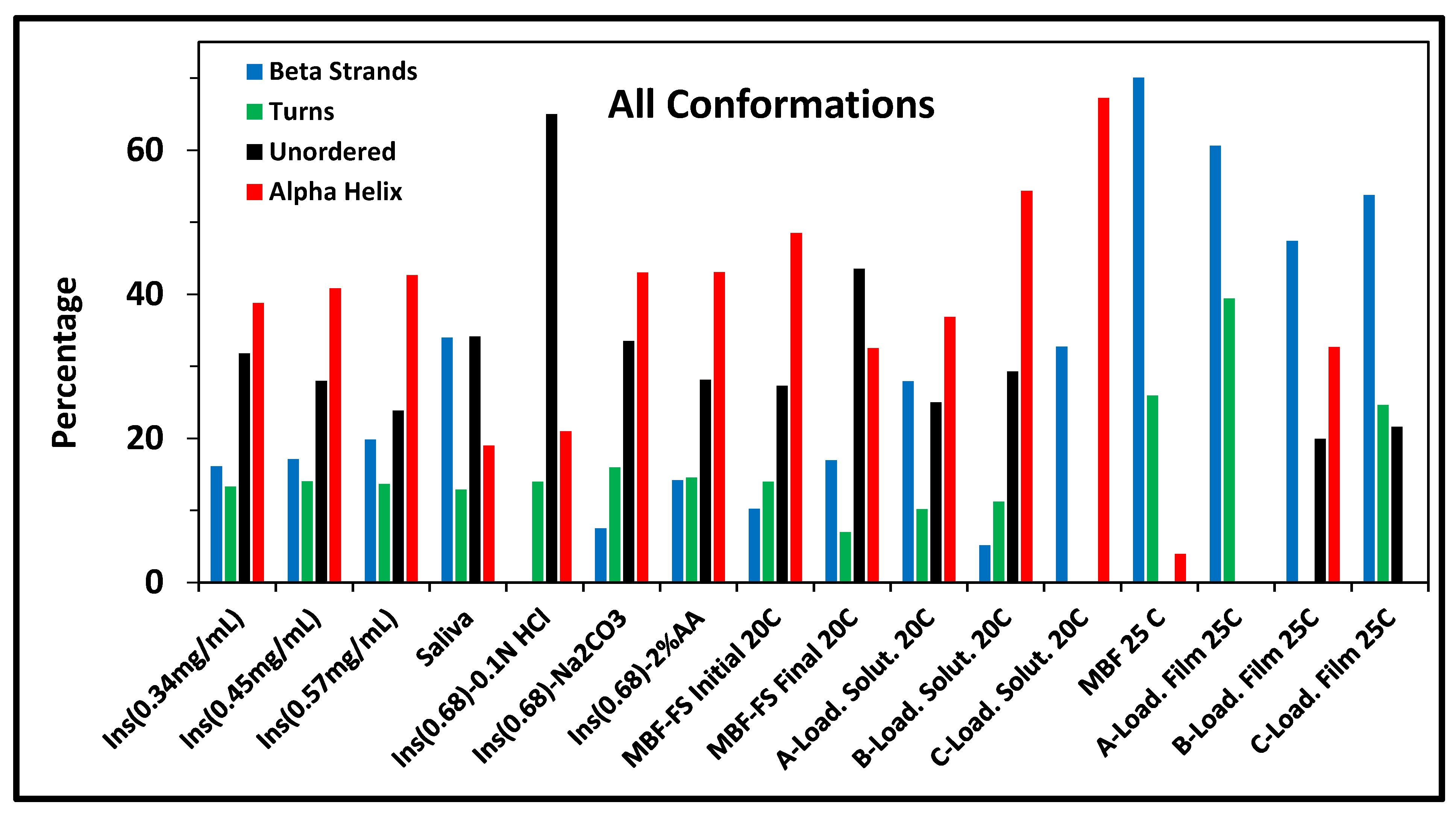
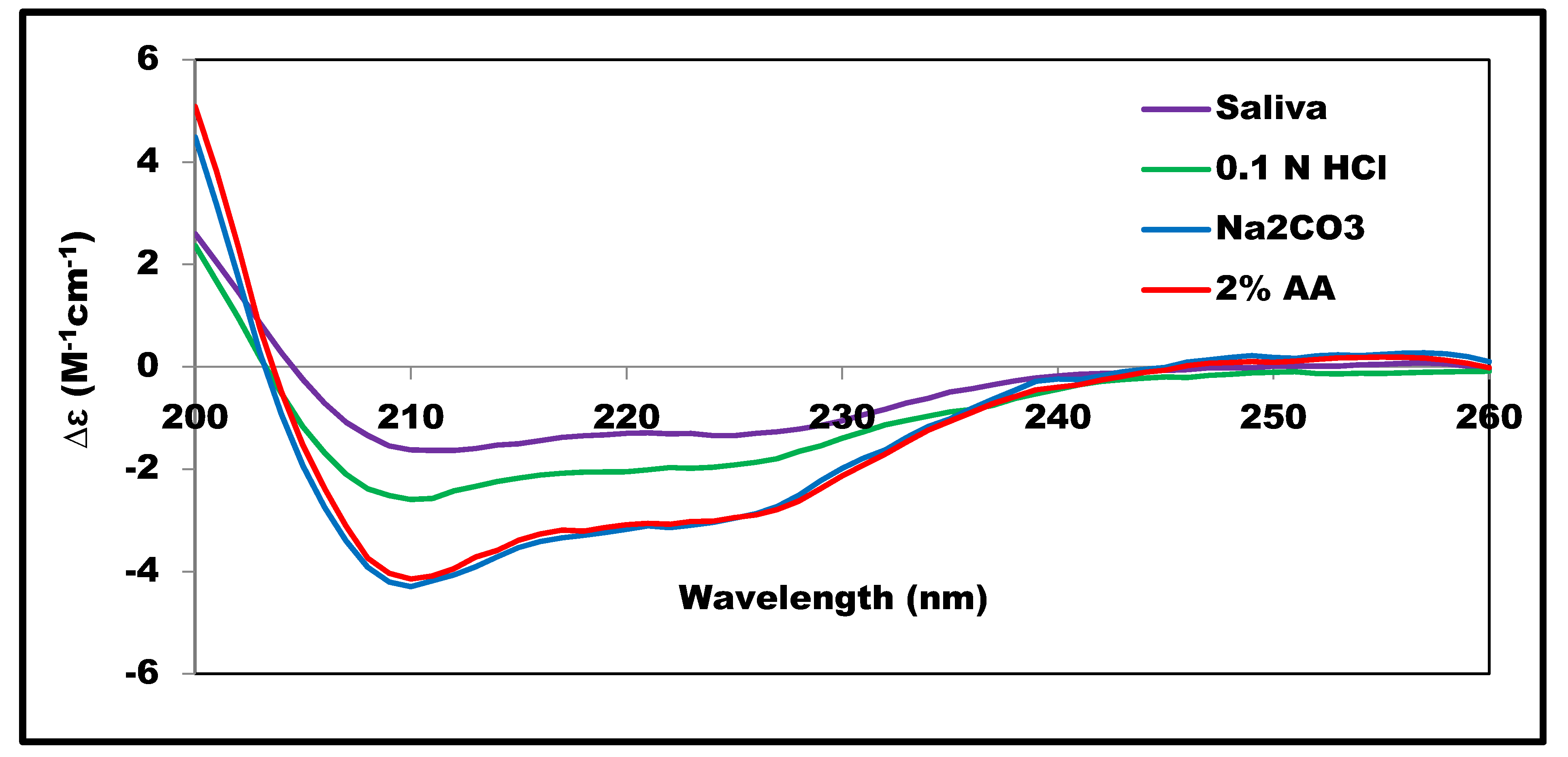
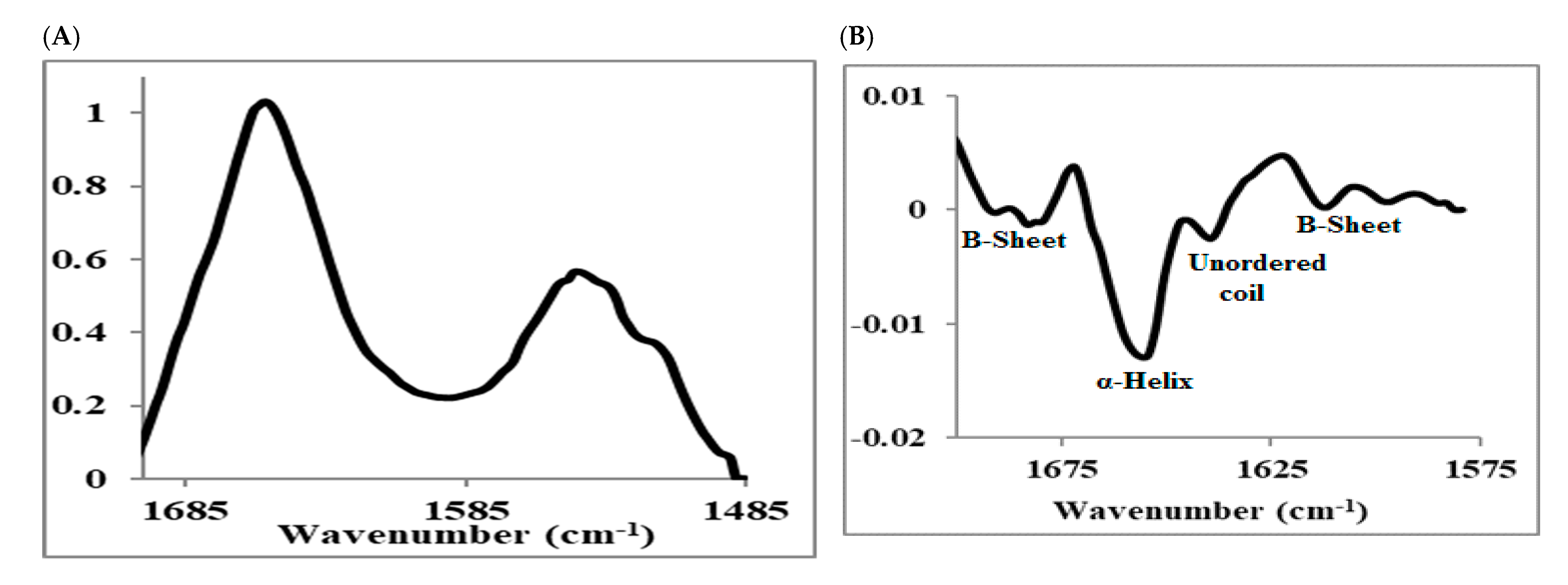
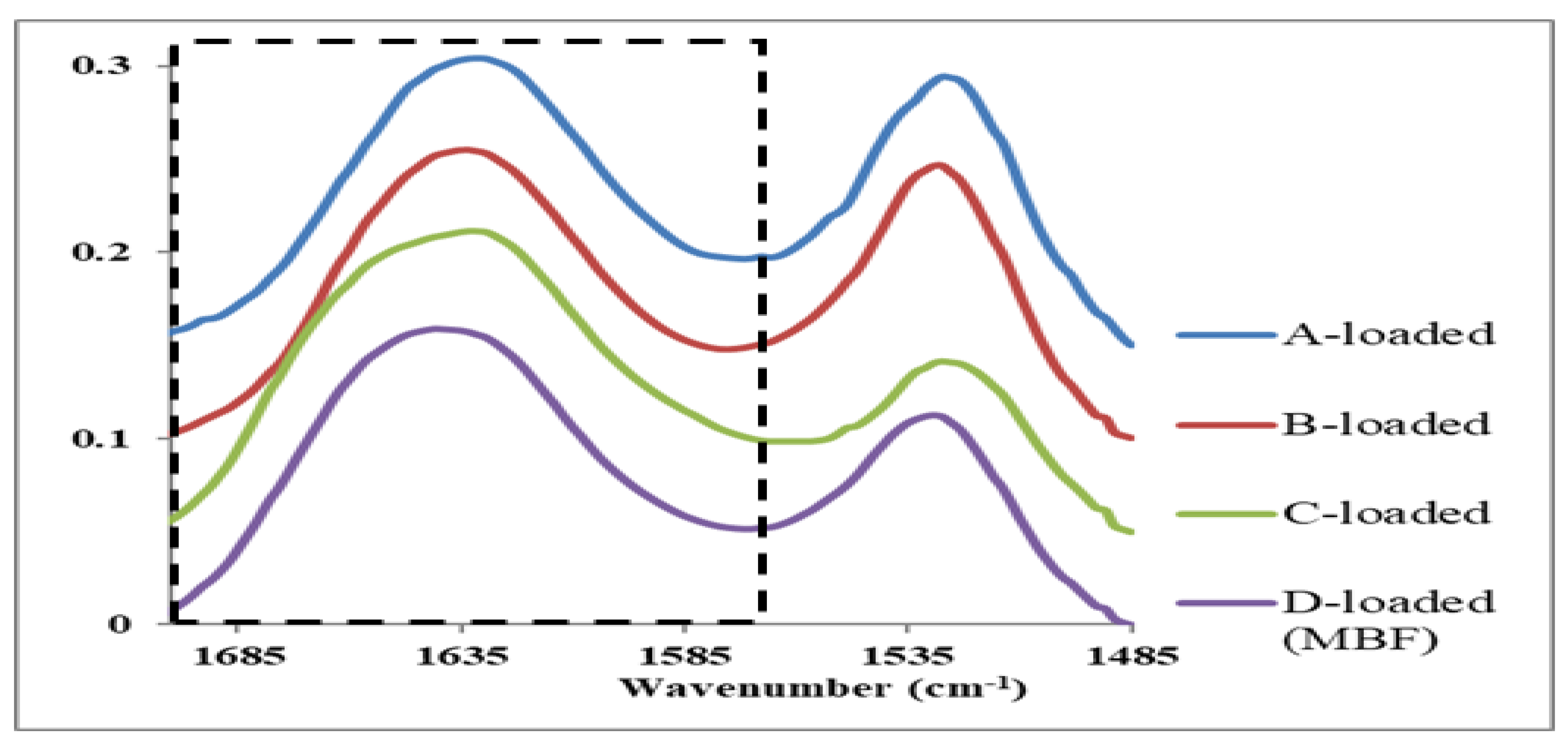
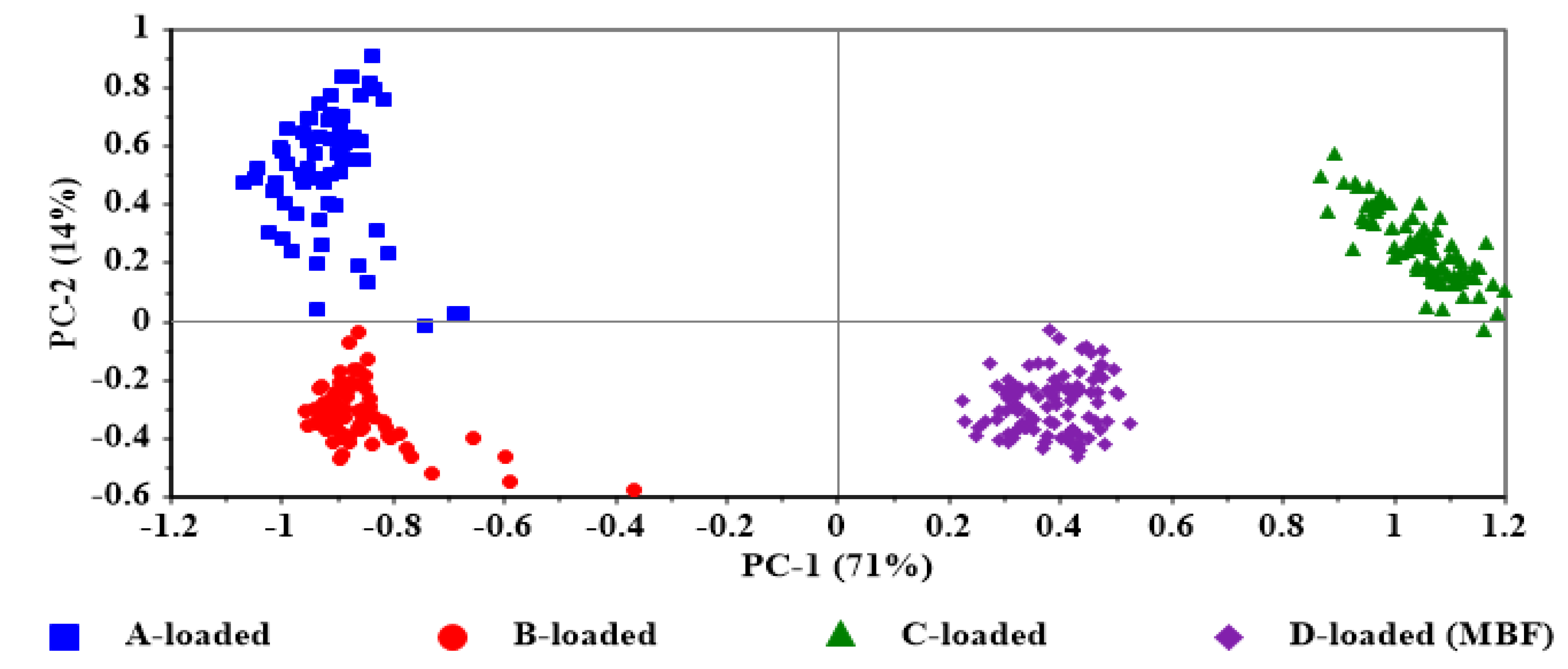
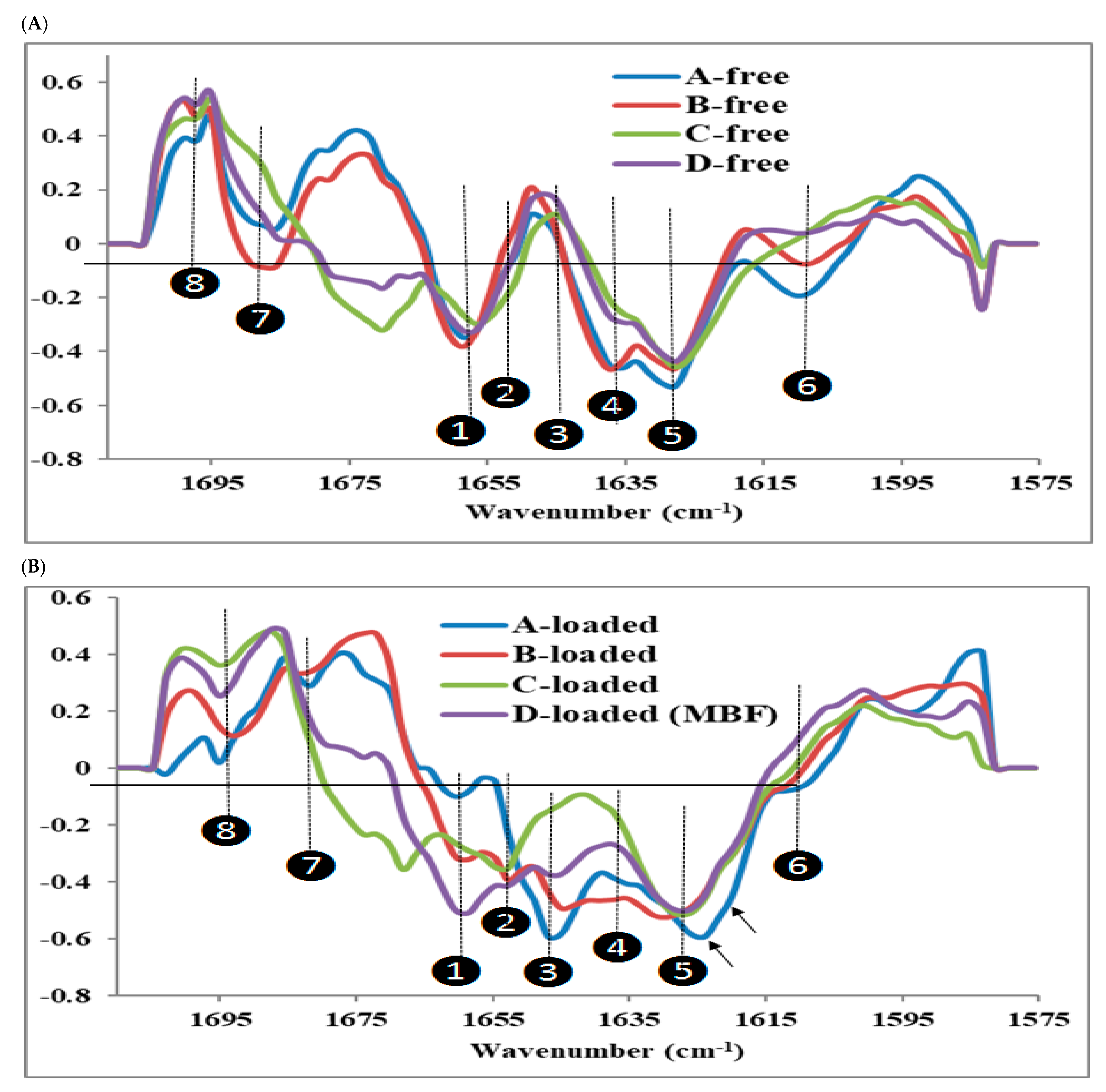
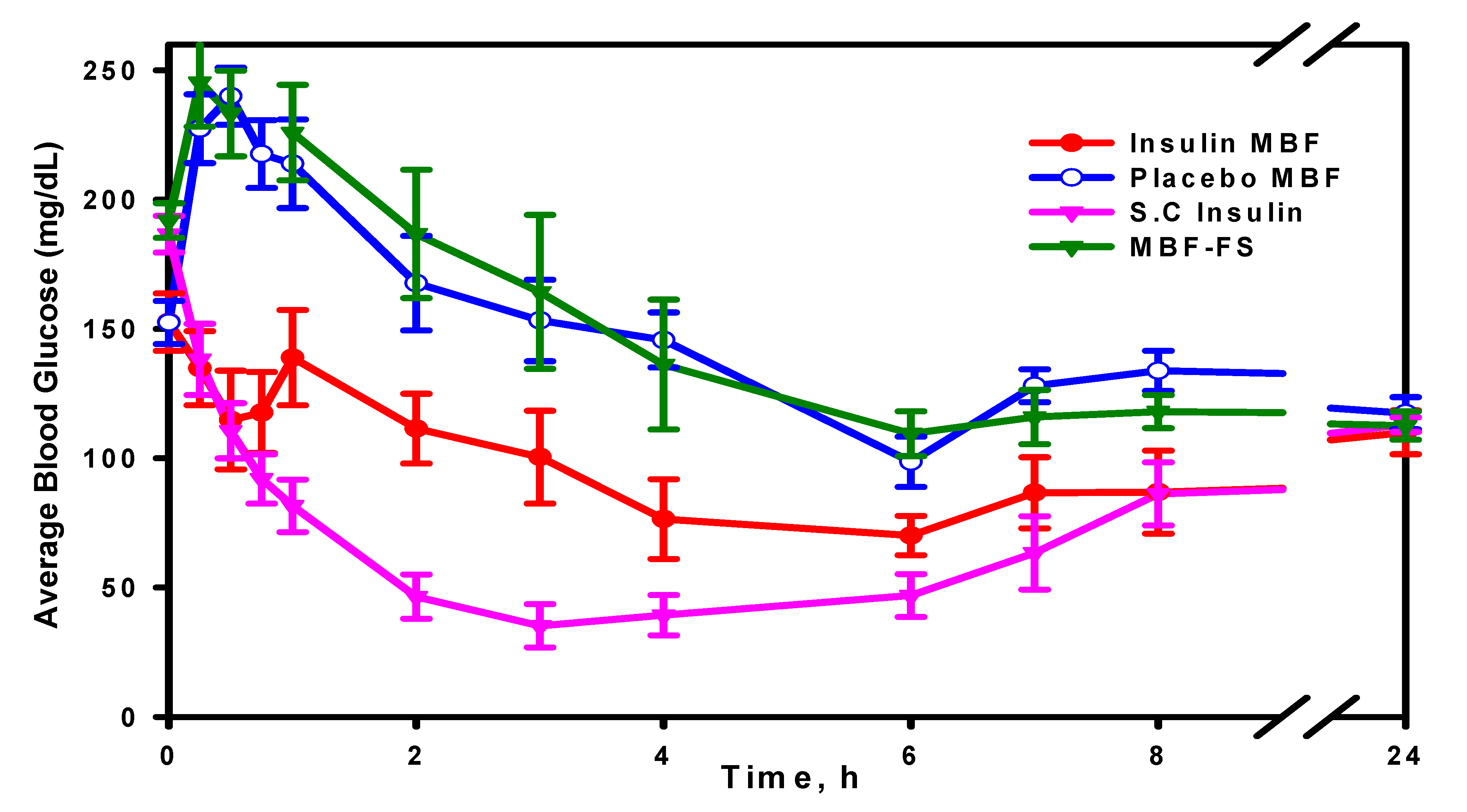
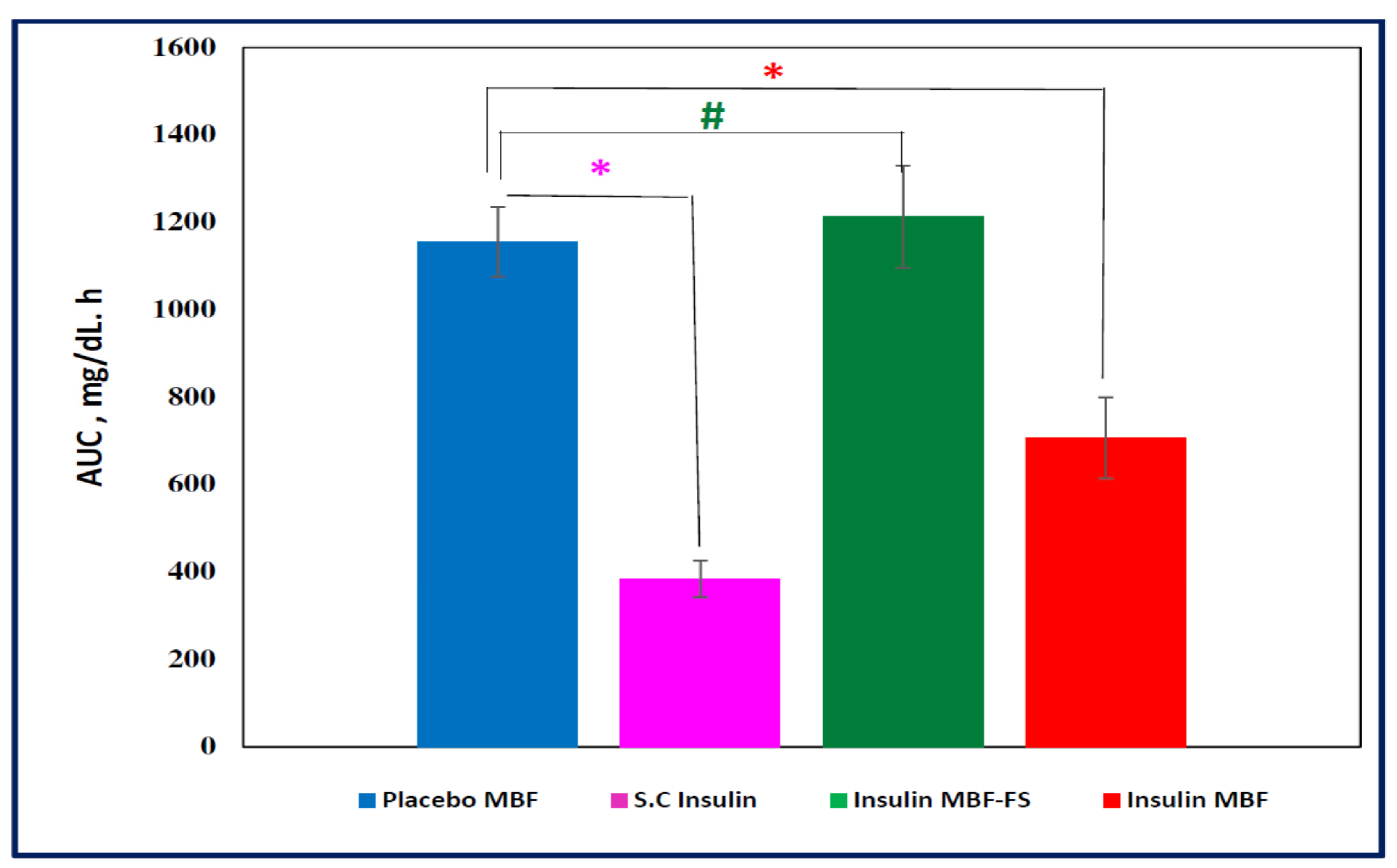
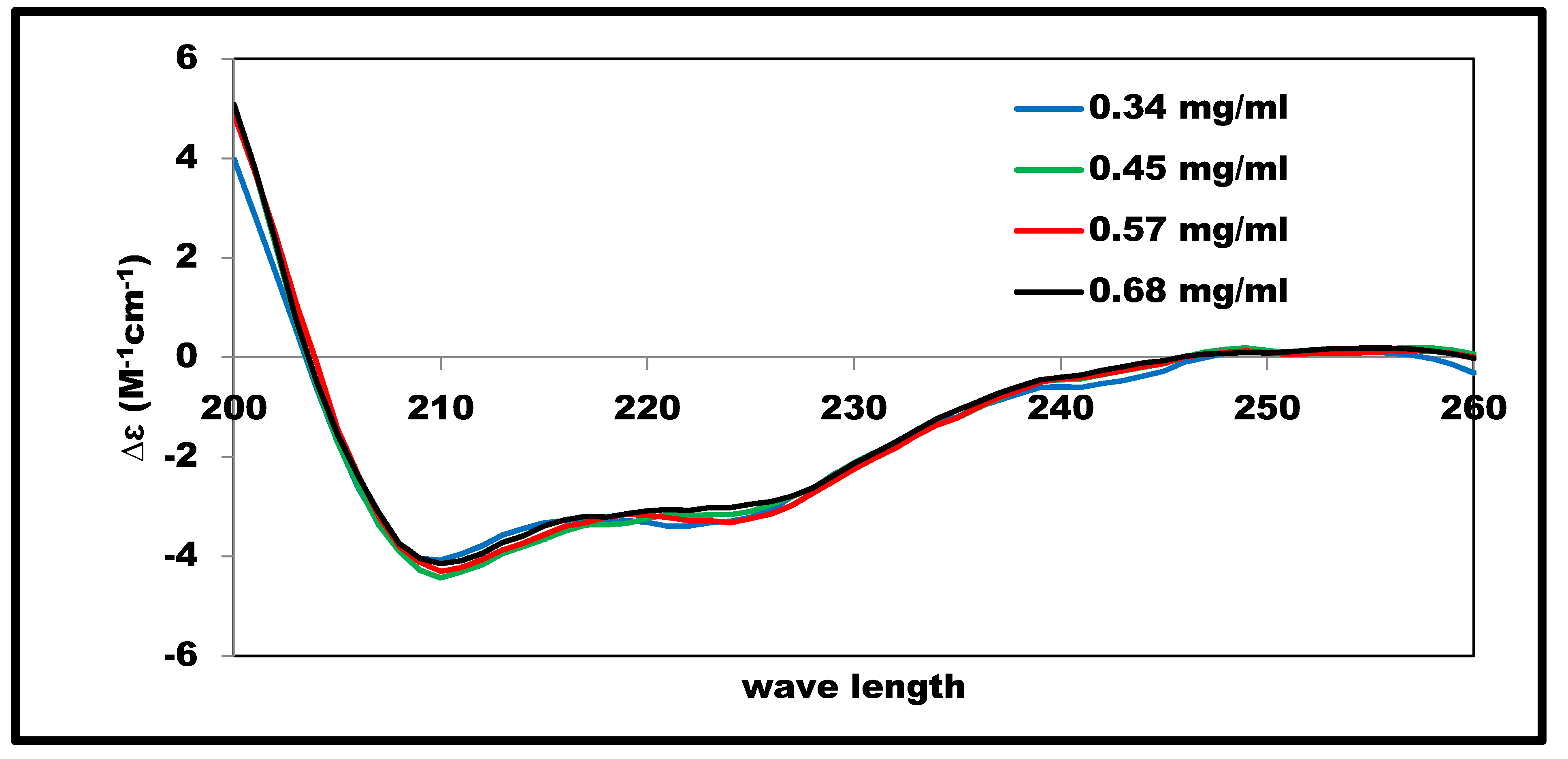
Insulin mucoadhesive buccal films (MBF) are a noninvasive insulin delivery system that offers an advantageous alternative route of administration to subcutaneous injection. One major concern in the formulation of insulin MBF is the preservation of an insulin secondary structure in the presence of the other film components. Buccal films were formulated using chitosan, glycerin, and L-arginine. The MBF-forming solutions (MBF-FS) and the films (MBF) were examined for their chemical and structural stability and for their in vivo activity. Enzyme-Linked Immunosorbent Assay (ELISA) of the insulin-loaded MBF showed that each individualized unit dose was at least loaded with 80% of the insulin theoretical dose. Results of Synchrotron Radiation Circular Dichroism (SRCD) measurements revealed that MBF-FS retained the α-helices and β–sheets conformations of insulin. Fourier transform infrared (FTIR)-microspectroscopy (FTIR-MS) examination of insulin MBF revealed the protective action of L-arginine on insulin structure by interacting with chitosan and minimizing the formation of an unordered structure and β-strand. A blood glucose-lowering effect of insulin MBF was observed in comparison with subcutaneous (S.C) injection using a rat model. As a result; chitosan-based MBFs were formulated and characterized using SRCD and FTIR-MS techniques. Furthermore, the results of in vivo testing suggested the MBFs as a promising delivery system for insulin.
Keywords: insulin; chitosan; mucoadhesive; buccal films; synchrotron radiation circular dichroism; FTIR-microspectroscopy; in vivo insulin; chitosan; mucoadhesive; buccal films; synchrotron radiation circular dichroism; FTIR-microspectroscopy; in vivo