Article

Environmental Governance Cost Prediction of Transportation Industry by Considering the Technological Constraints

1
School of Business Administration, Zhejiang University of Finance & Economics, Hangzhou 310018, China
2
Decision Sciences Institute, Fuzhou University, Fuzhou 350108, China
*
Author to whom correspondence should be addressed.
Symmetry 2020, 12(8), 1352; https://doi.org/10.3390/sym12081352
Submission received: 25 July 2020 / Revised: 9 August 2020 / Accepted: 11 August 2020 / Published: 12 August 2020

Abstract

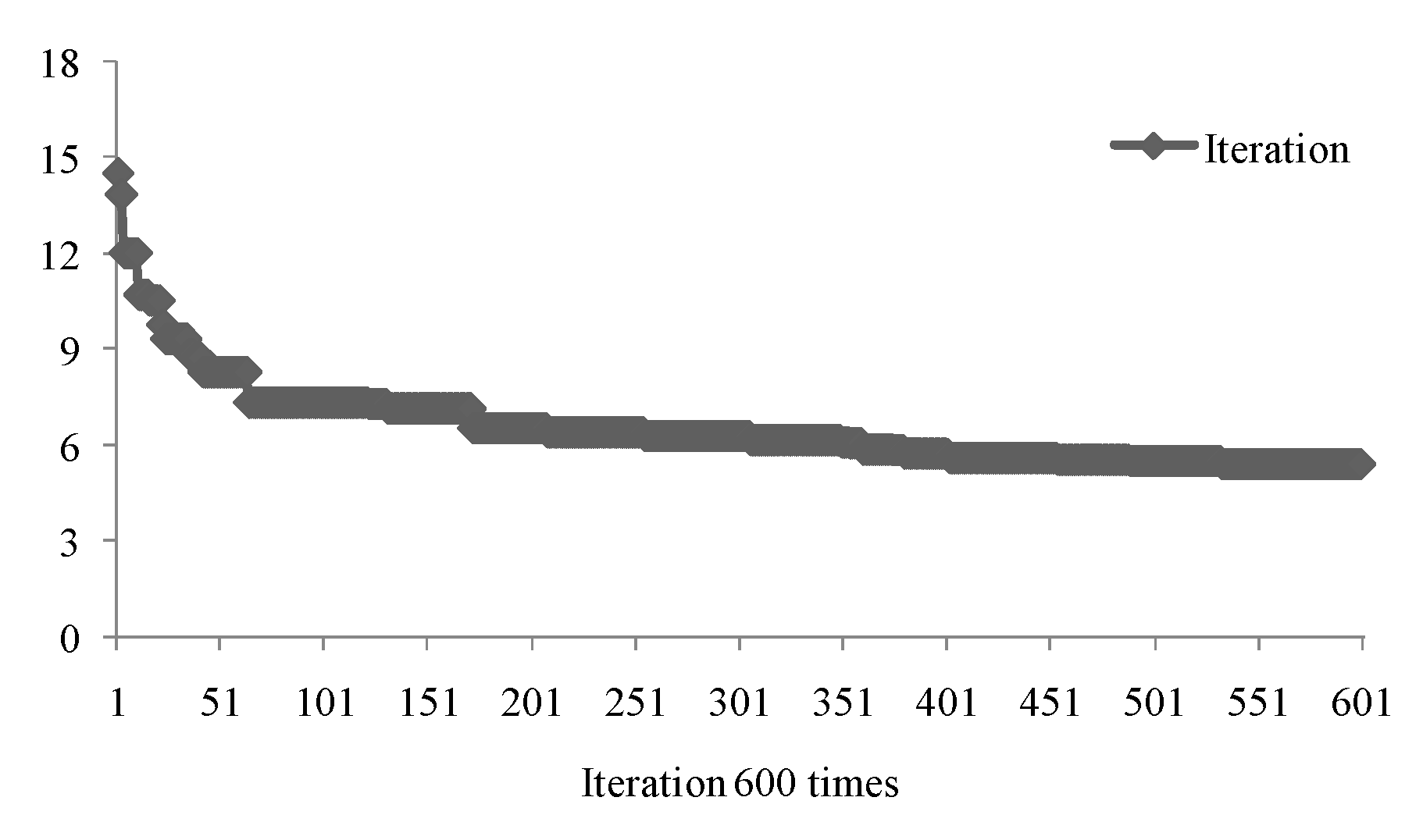
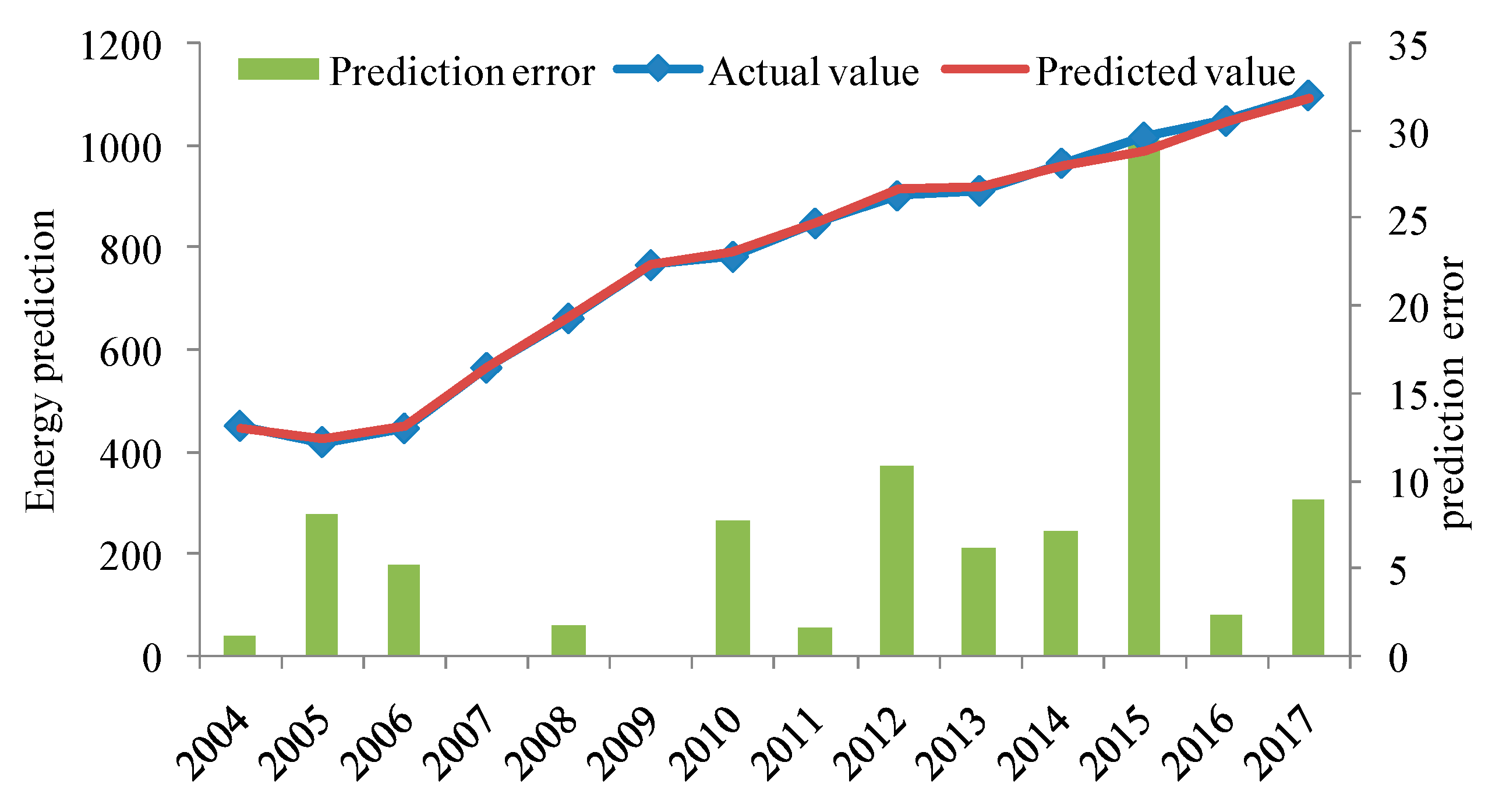
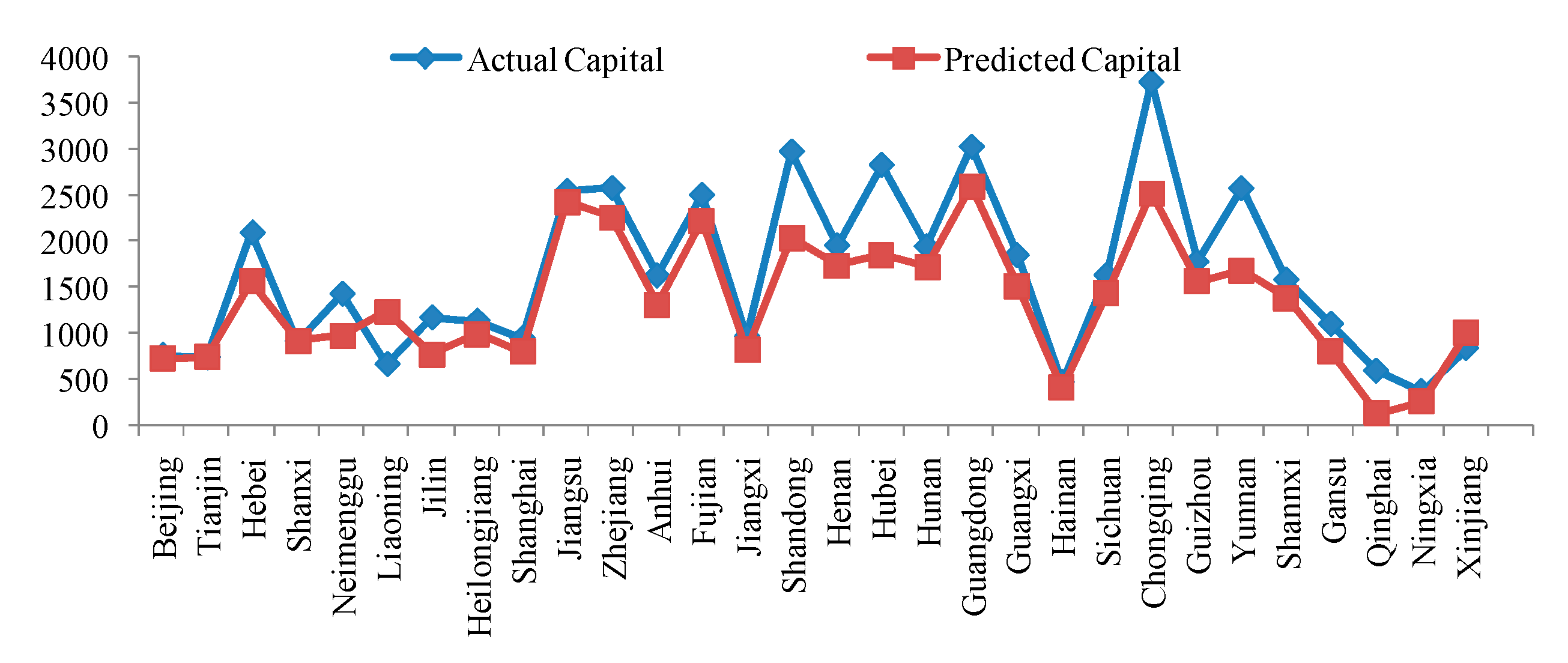
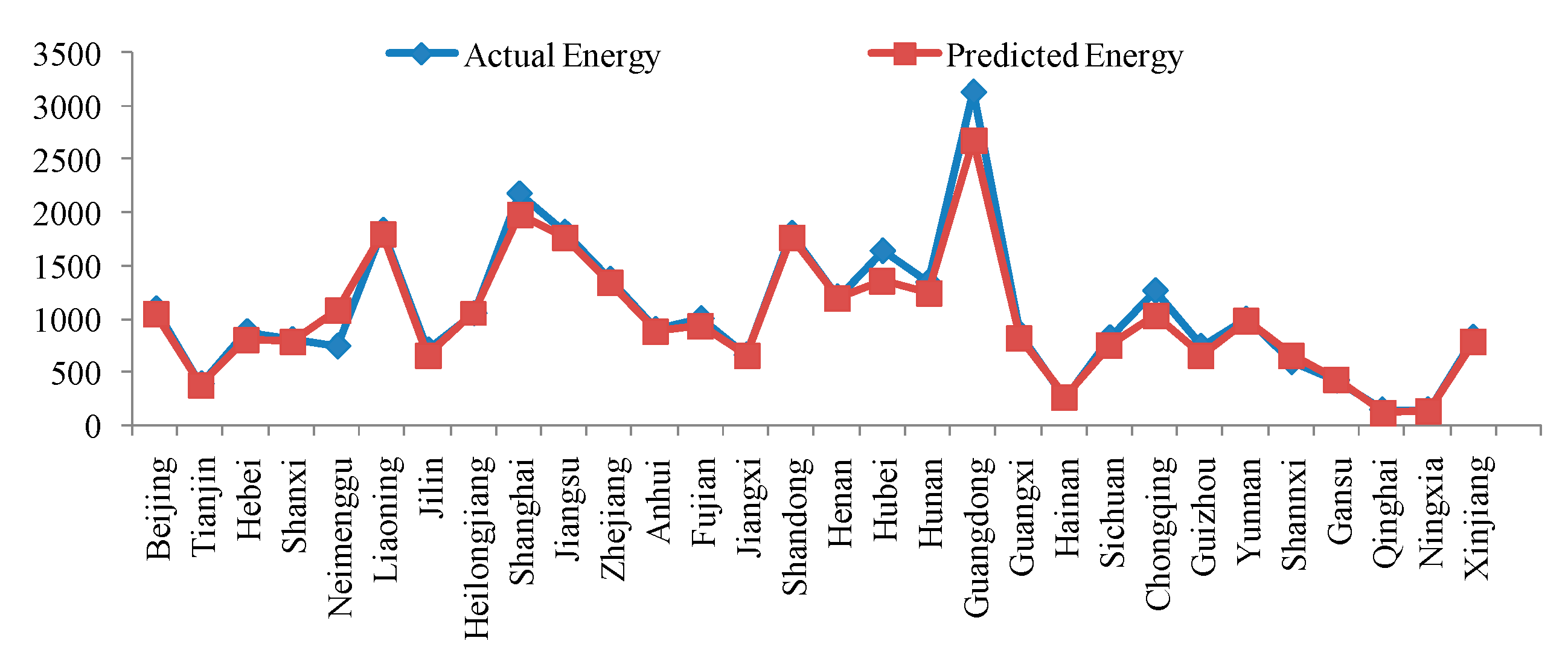
In order to solve the problem of environmental governance investment planning in the transportation industry, a cost prediction model is proposed under technological constraints, where the input output indictors emphasizes the flexibility of prediction and its characters are asymmetric, while the constructs of prediction model focuses on the standardization and its characters are symmetrical. The basic principle of the cost prediction model is based on an extended belief rule-based (EBRB) system to model the input-output relationship in investment planning, and a parameter learning model to improve the accuracy of the EBRB system. Additionally, the technological innovation factors are also embedded in the cost prediction model to investigate the influence of technology-related outcomes on investment planning. Finally, based on the data of environmental governance in China’s transportation industry from 2003 to 2016, the cost of transportation industry environmental management in China’s thirty provinces from 2017 to 2033 is predicted under the constraints of technological innovation. Results show that: (1) the accuracy of the proposed cost prediction model is higher than some existing cost prediction methods; (2) the predicted environmental governance costs have a significant regional difference; (3) the upgrading of technological innovation is conducive to saving the future environmental governance costs of the transportation industry in some provinces. In addition to the above results, the present study provides model supports and policy references for government decision makers in transportation industry-related environmental cost planning.
Keywords: cost prediction; extended belief rule-based system; environmental governance; technological constraints cost prediction; extended belief rule-based system; environmental governance; technological constraints