Article

The Effect of Nanoparticle Shape and Microchannel Geometry on Fluid Flow and Heat Transfer in a Porous Microchannel

by
Zahra Abdelmalek
1,2,
Annunziata D’Orazio
3 and
Arash Karimipour
4,*
1
Institute of Research and Development, Duy Tan University, Da Nang 550000, Vietnam
2
Faculty of Medicine, Duy Tan University, Da Nang 550000, Vietnam
3
Dipartimento di Ingegneria Astronautica, Elettrica ed Energetica, Sapienza Università di Roma, Via Eudossiana 18, 00184 Roma, Italy
4
Sustainable Management of Natural Resources and Environment Research Group, Faculty of Environment and Labour Safety, Ton Duc Thang University, Ho Chi Minh City, Vietnam
*
Author to whom correspondence should be addressed.
Symmetry 2020, 12(4), 591; https://doi.org/10.3390/sym12040591
Submission received: 4 March 2020 / Revised: 29 March 2020 / Accepted: 2 April 2020 / Published: 8 April 2020
(This article belongs to the Special Issue Aero/Hydrodynamics and Symmetry 2020)

Abstract

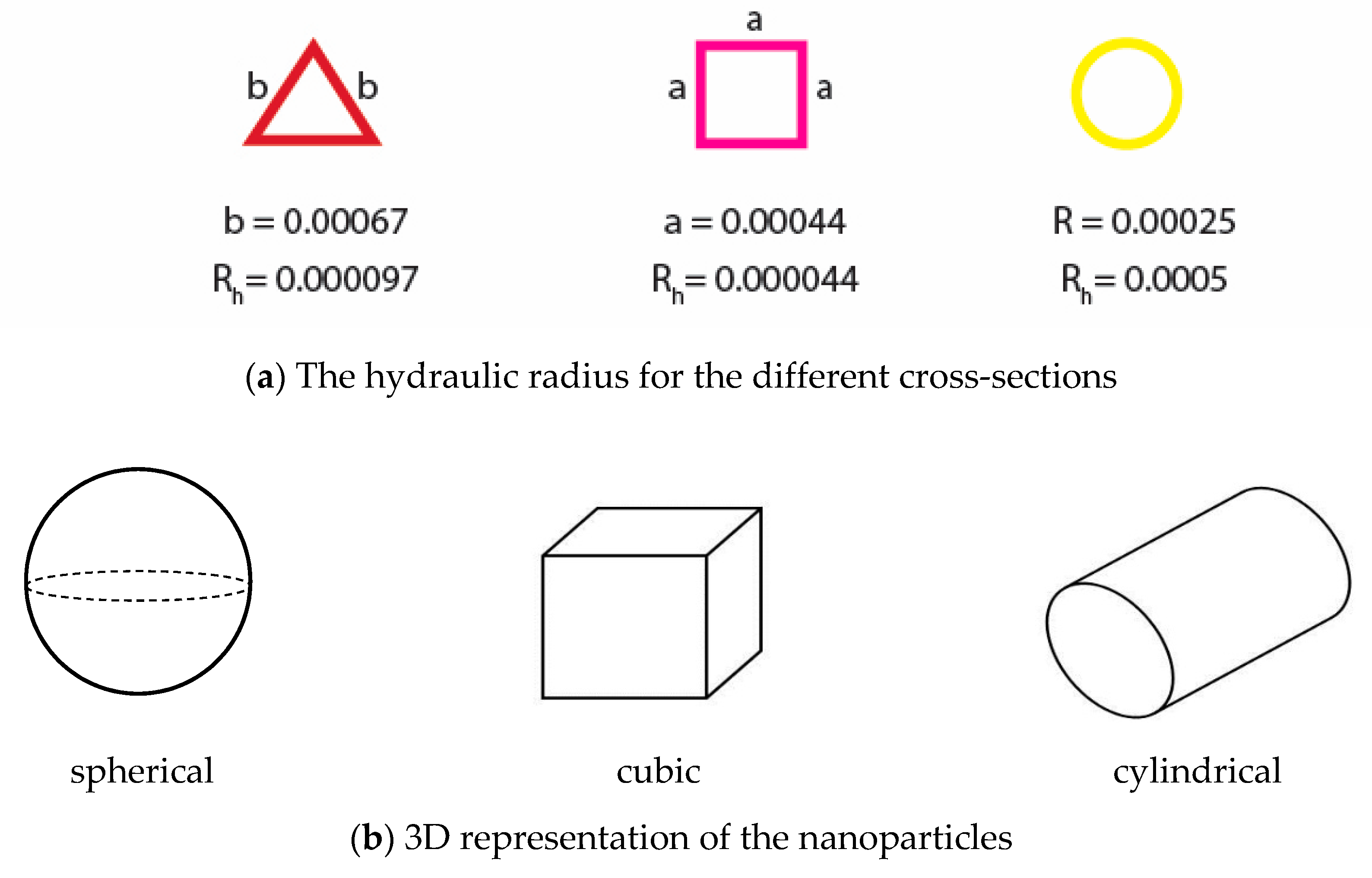
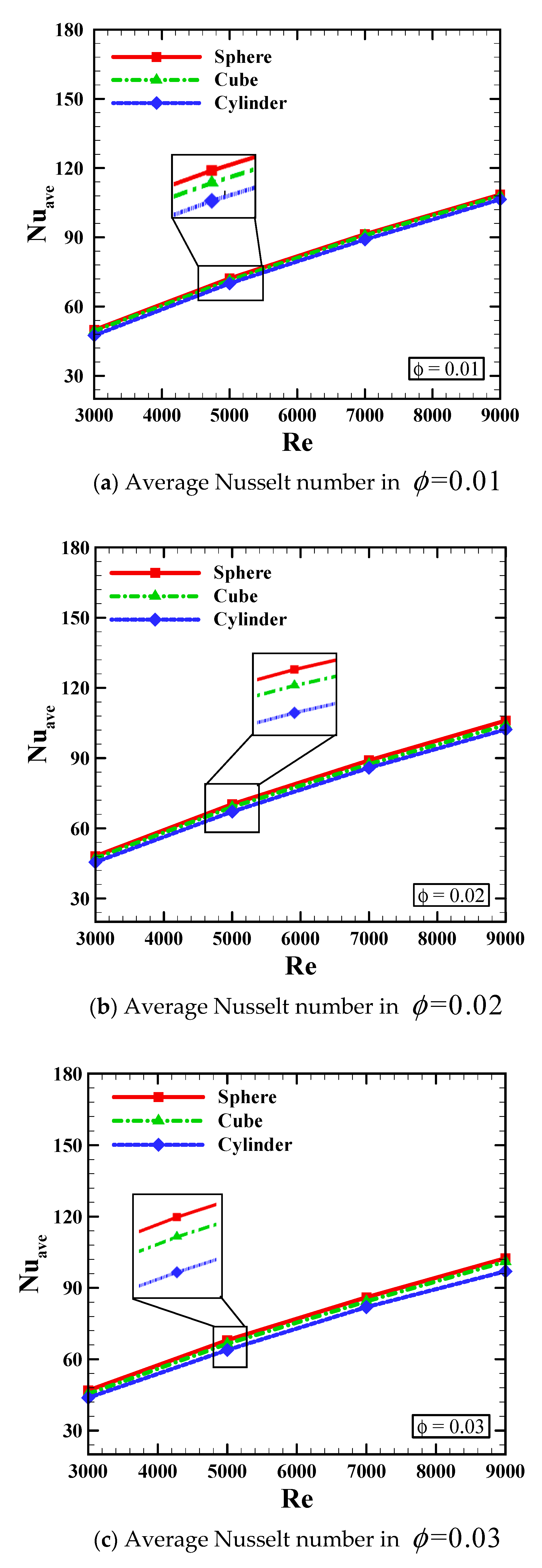
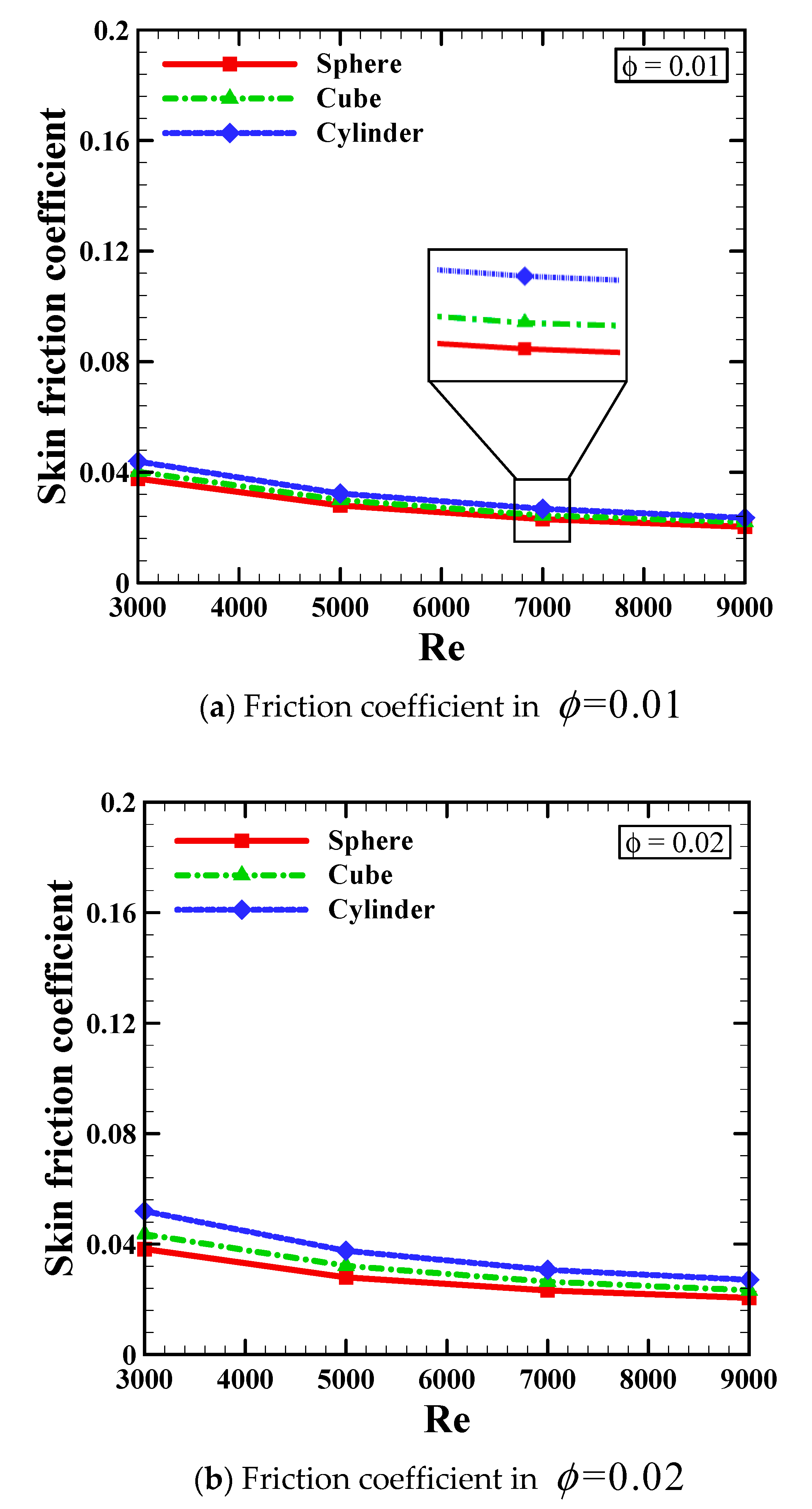
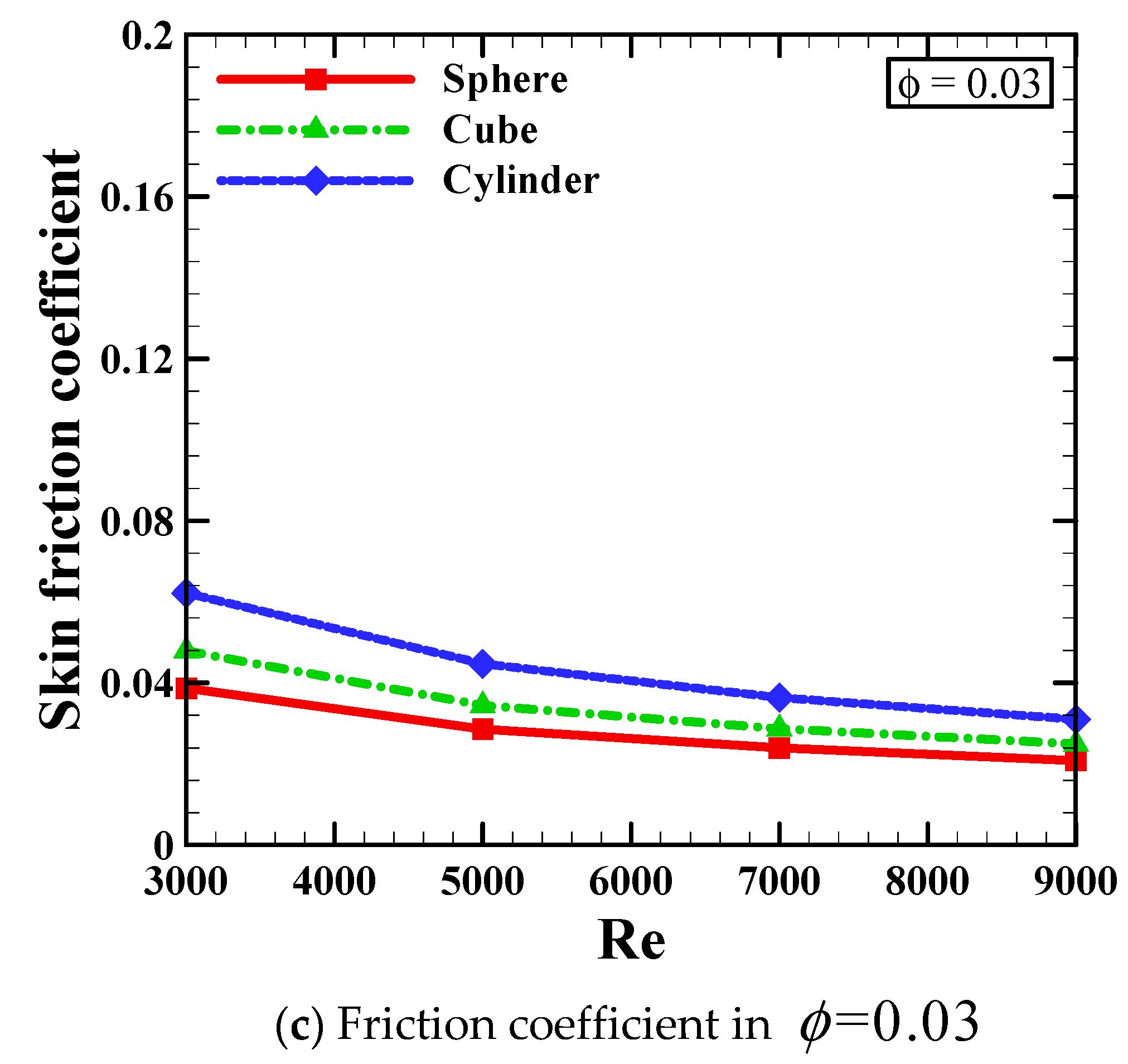
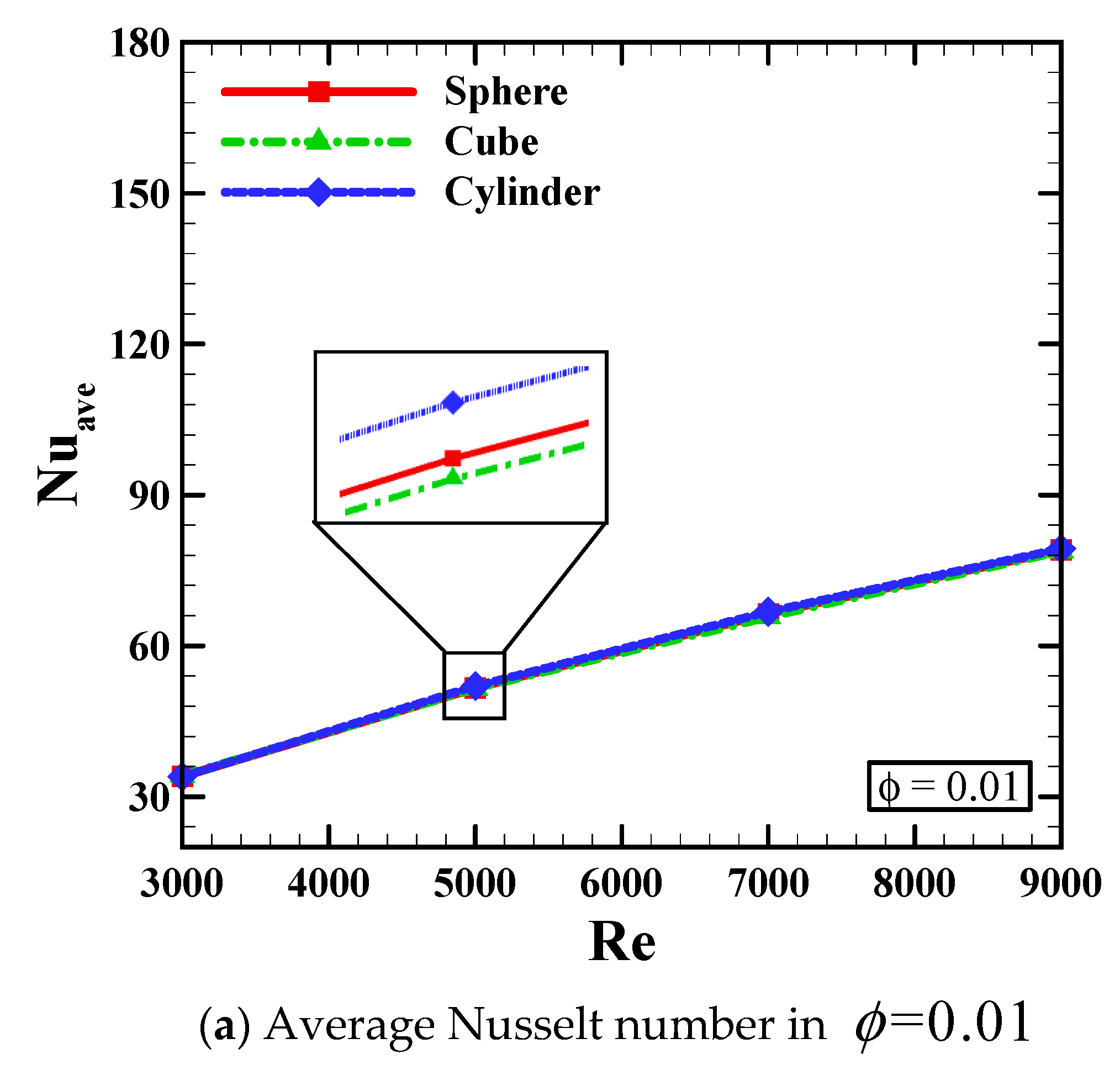
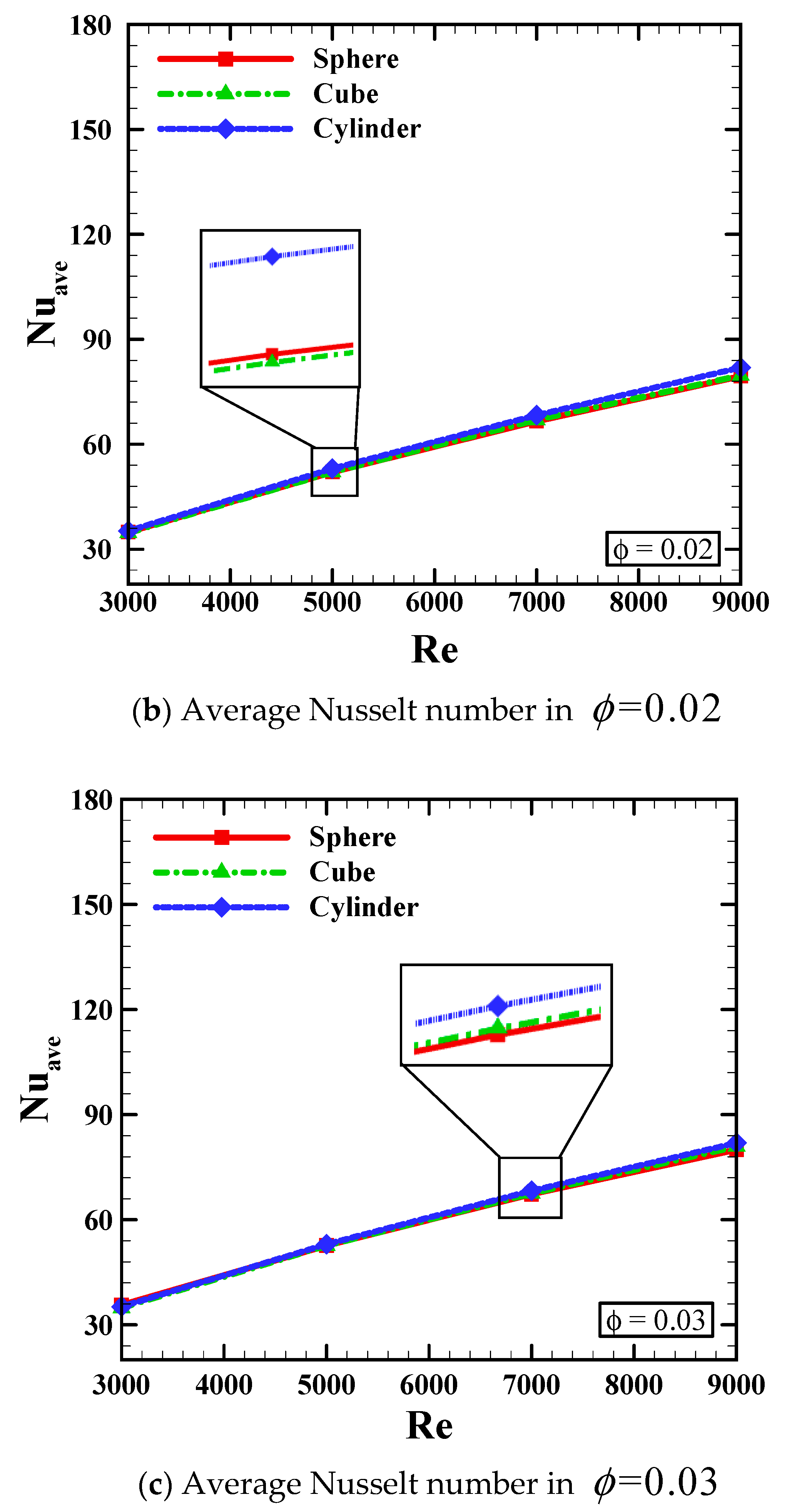
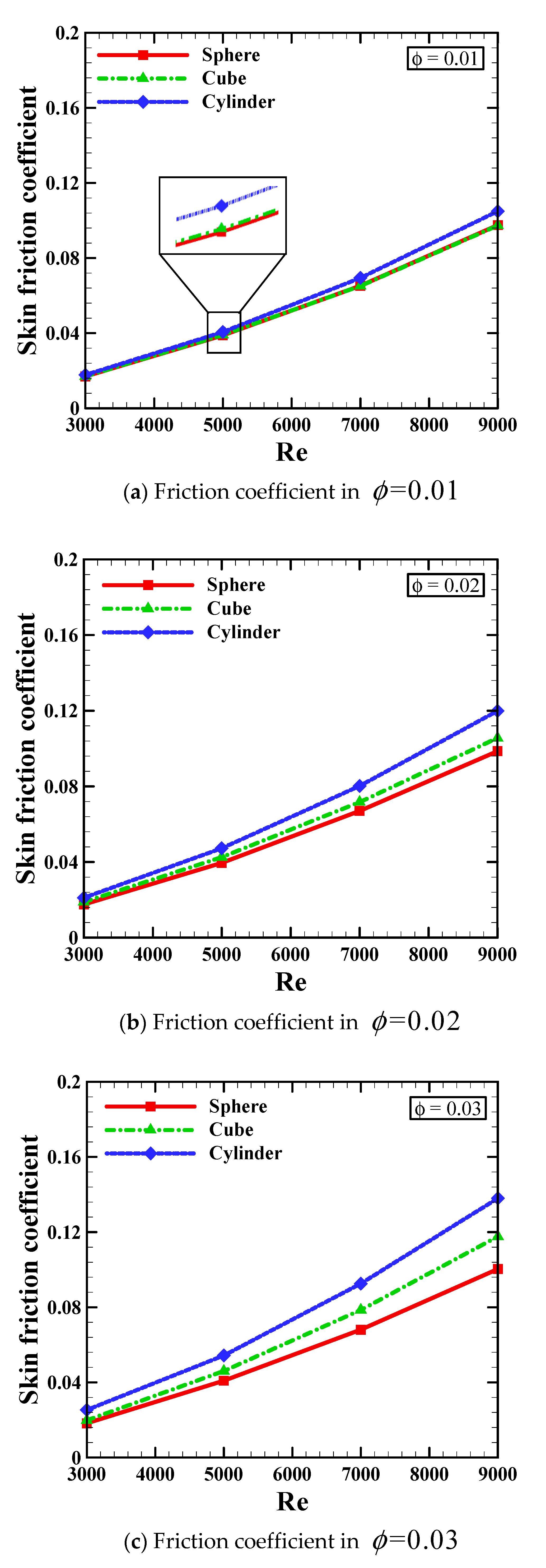
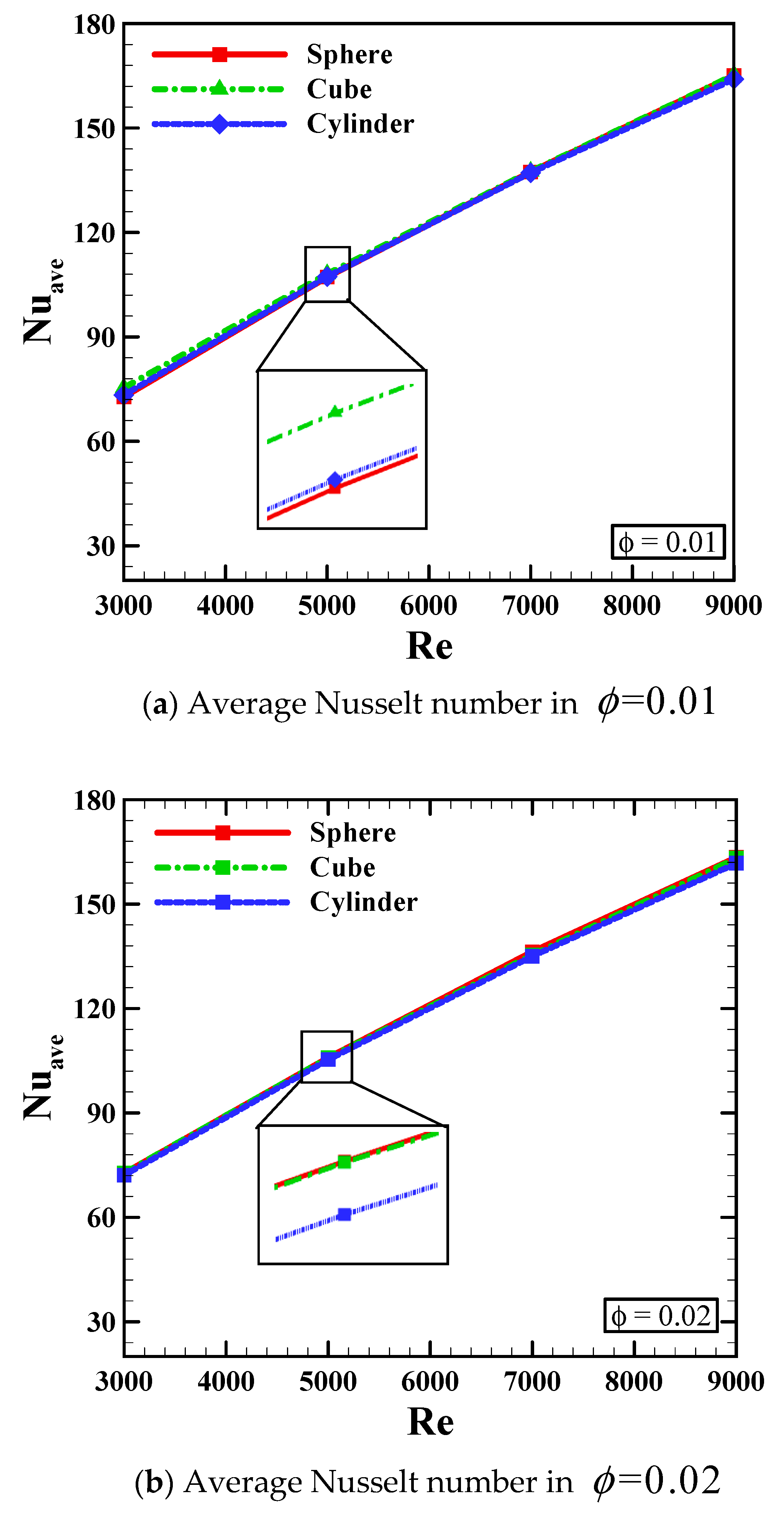
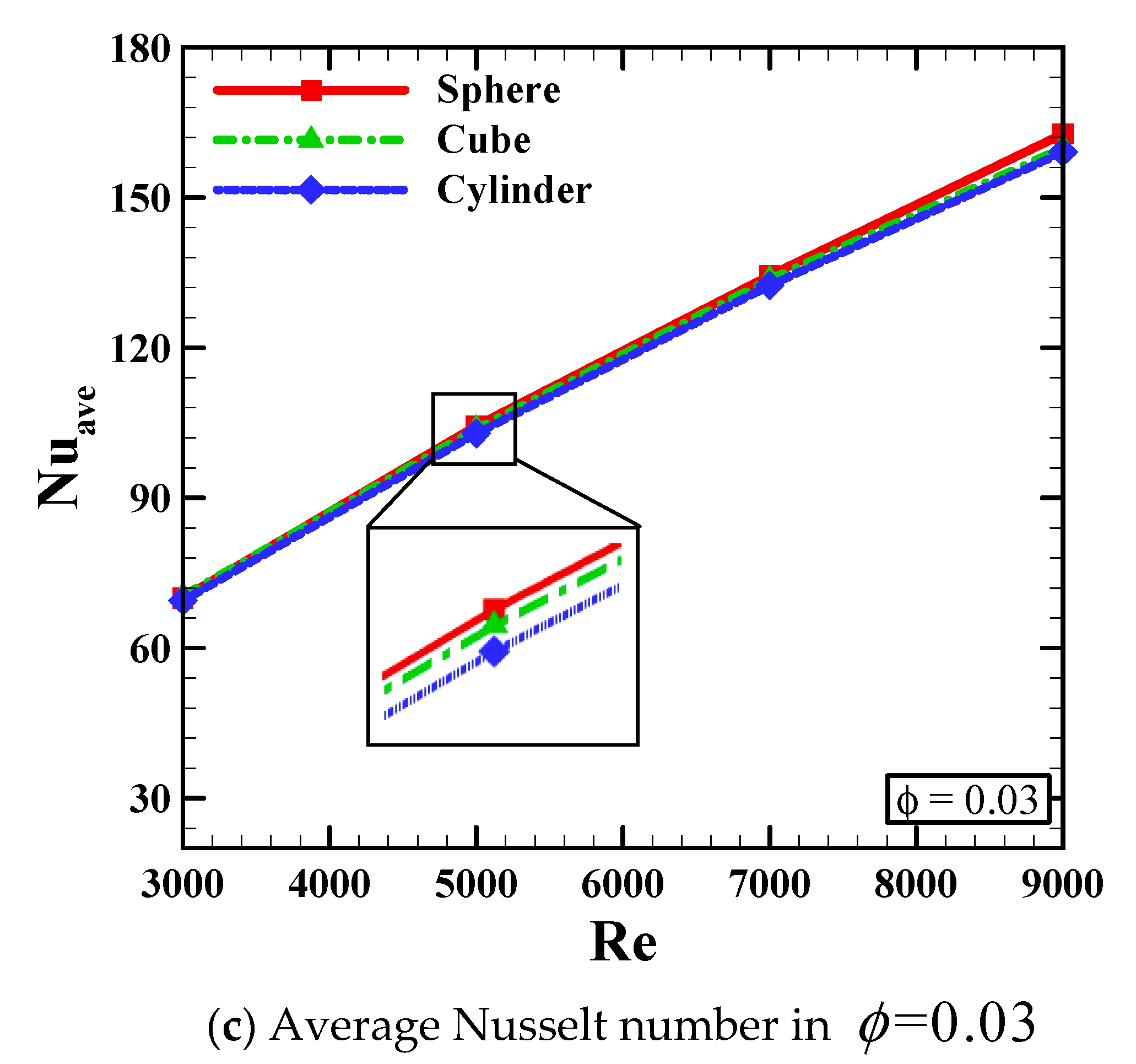
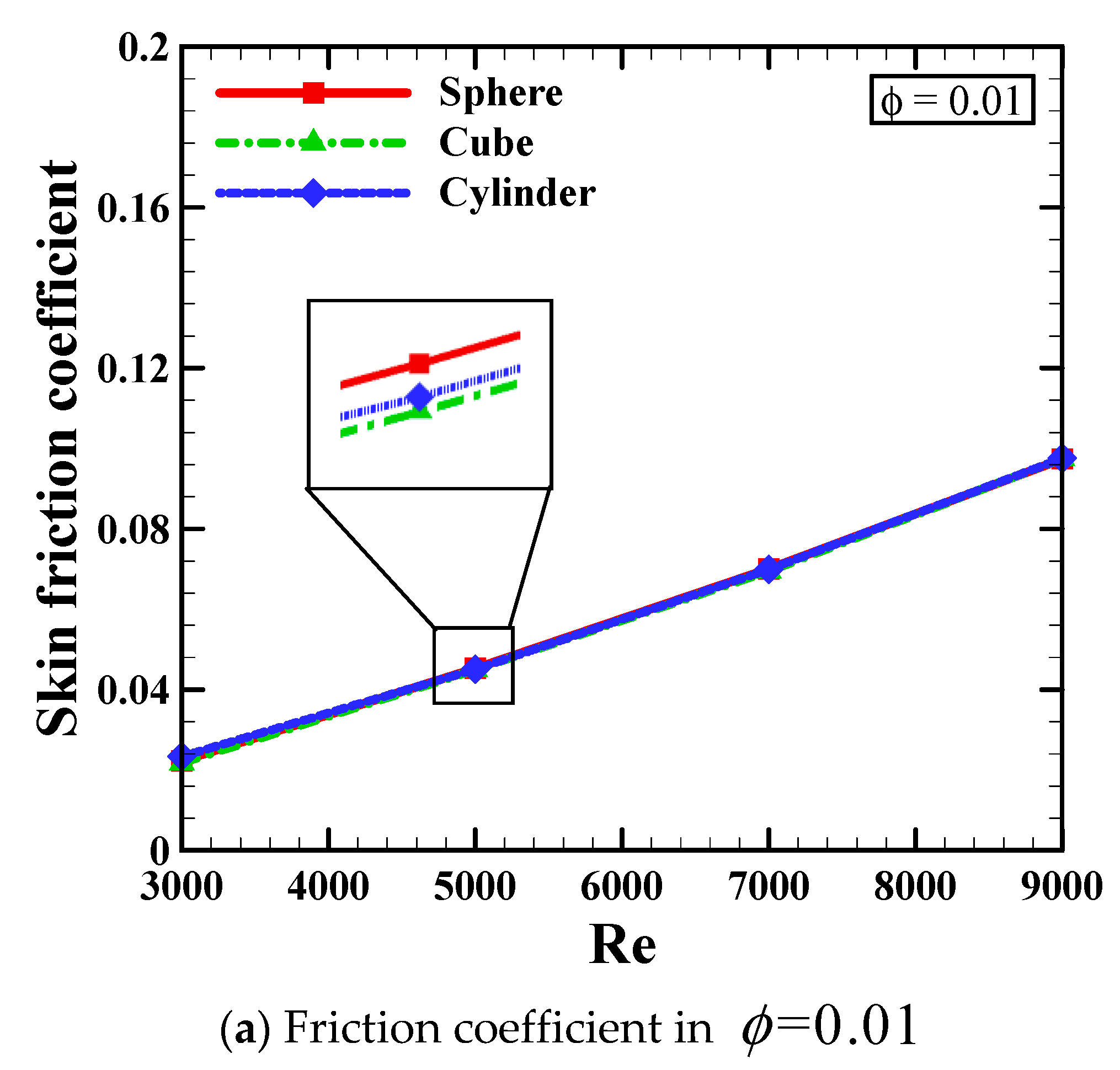
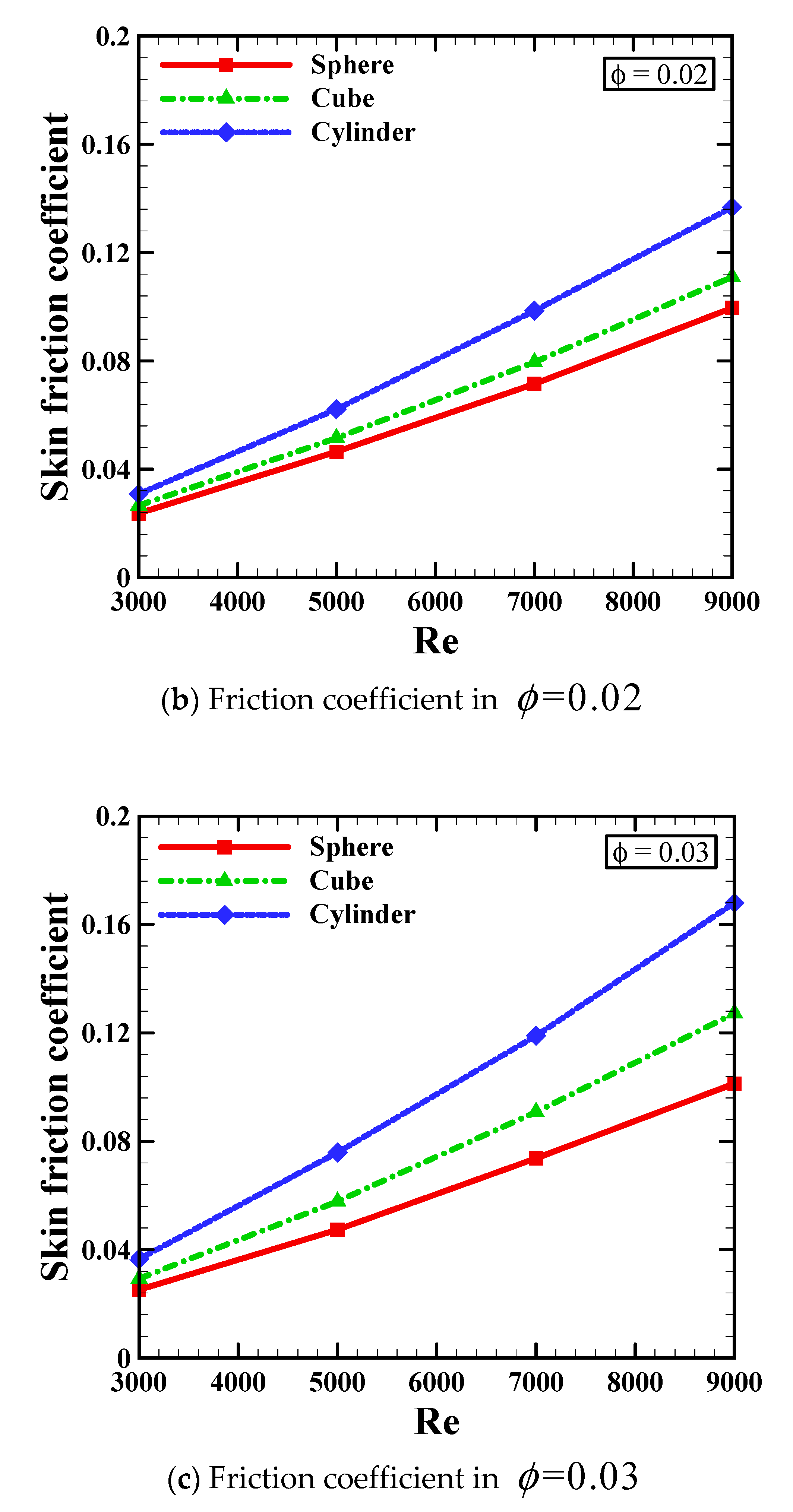
Microchannels are widely used in electrical and medical industries to improve the heat transfer of the cooling devices. In this paper, the fluid flow and heat transfer of water–Al2O3 nanofluids (NF) were numerically investigated considering the nanoparticle shape and different cross-sections of a porous microchannel. Spherical, cubic, and cylindrical shapes of the nanoparticle as well as circular, square, and triangular cross-sections of the microchannel were considered in the simulation. The finite volume method and the SIMPLE algorithm have been employed to solve the conservation equations numerically, and the k-ε turbulence model has been used to simulate the turbulence fluid flow. The models were simulated at Reynolds number ranging from 3000 to 9000, the nanoparticle volume fraction ranging from 1 to 3, and a porosity coefficient of 0.7. The results indicate that the average Nusselt number (Nuave) increases and the friction coefficient decreases with an increment in the Re for all cases. In addition, the rate of heat transfer in microchannels with triangular and circular cross-sections is reduced with growing Re values and concentration. The spherical nanoparticle leads to maximum heat transfer in the circular and triangular cross-sections. The heat transfer growth for these two cases are about 102.5% and 162.7%, respectively, which were obtained at a Reynolds number and concentration of 9000 and 3%, respectively. However, in the square cross-section, the maximum heat transfer increment was obtained using cylindrical nanoparticles, and it is equal to 80.2%.
Keywords: nanoparticle shape effect; porous medium; turbulent flow; different cross-sections nanoparticle shape effect; porous medium; turbulent flow; different cross-sections