Article

Spatial Distribution Characteristics and Influencing Factors of Public Service Facilities for Children—A Case Study of the Central Urban Area of Shenyang

Jangho Architecture College, Northeastern University, Shenyang 110169, China
*
Author to whom correspondence should be addressed.
Land 2025, 14(7), 1485; https://doi.org/10.3390/land14071485
Submission received: 3 June 2025 / Revised: 6 July 2025 / Accepted: 14 July 2025 / Published: 17 July 2025

Abstract

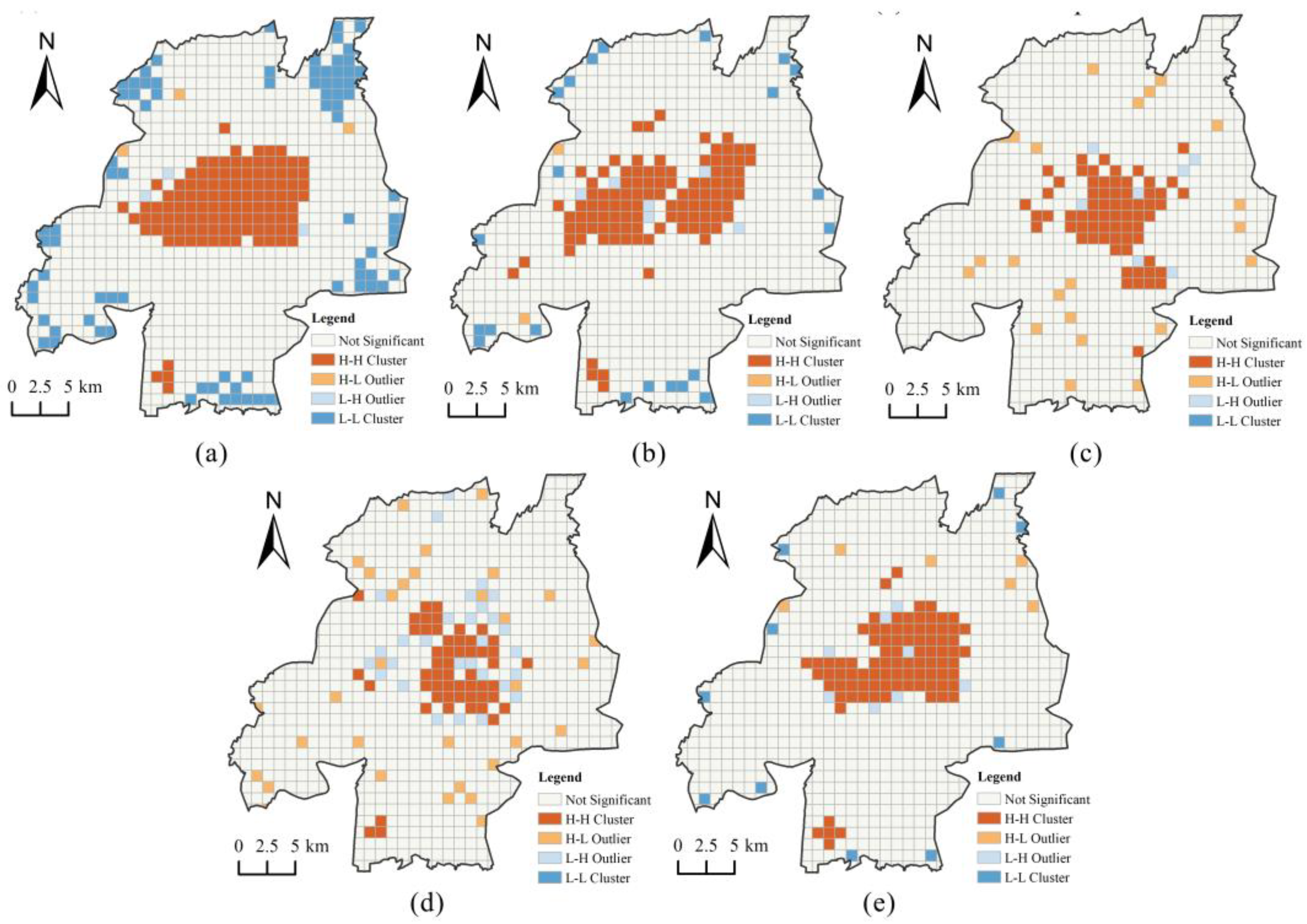
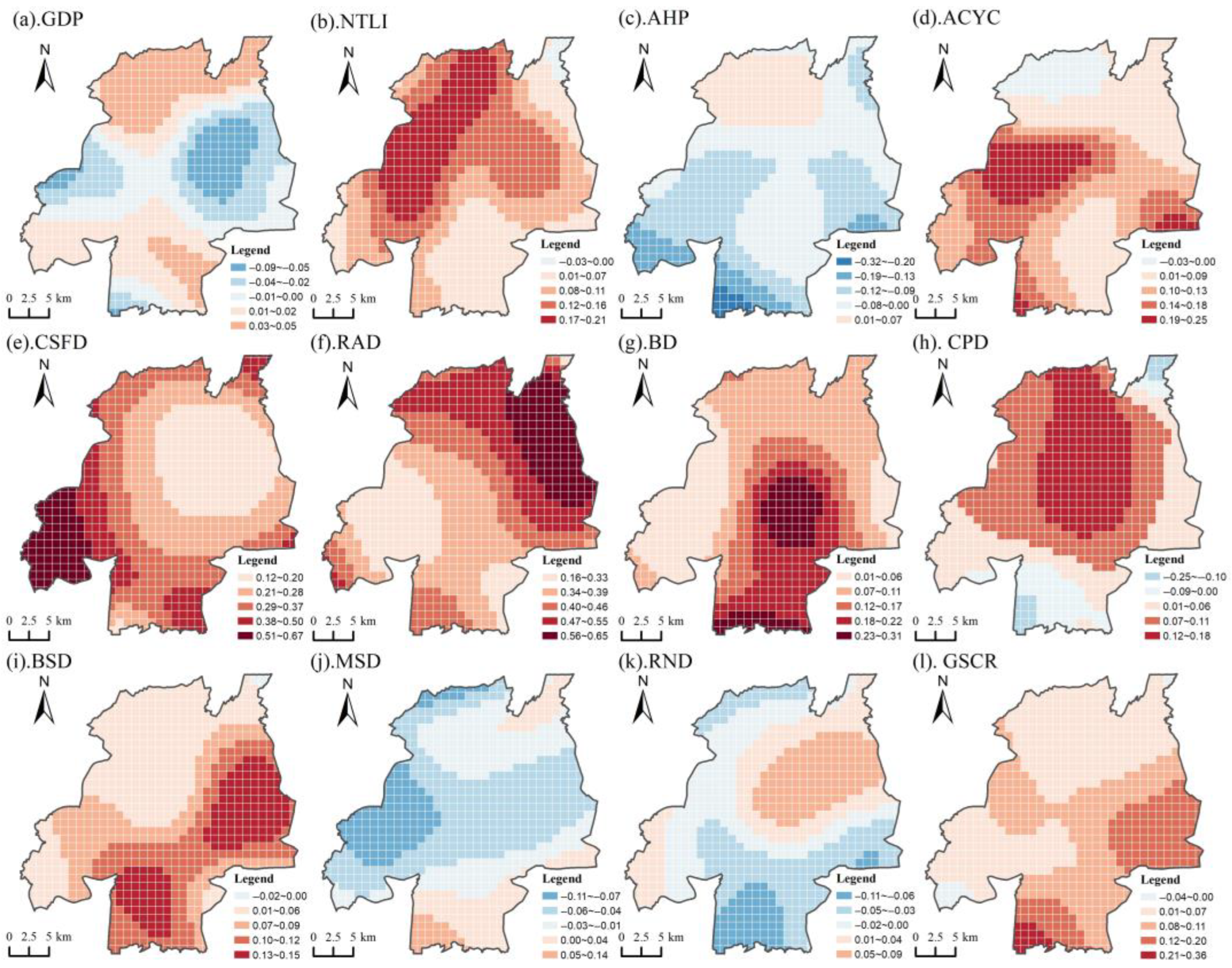
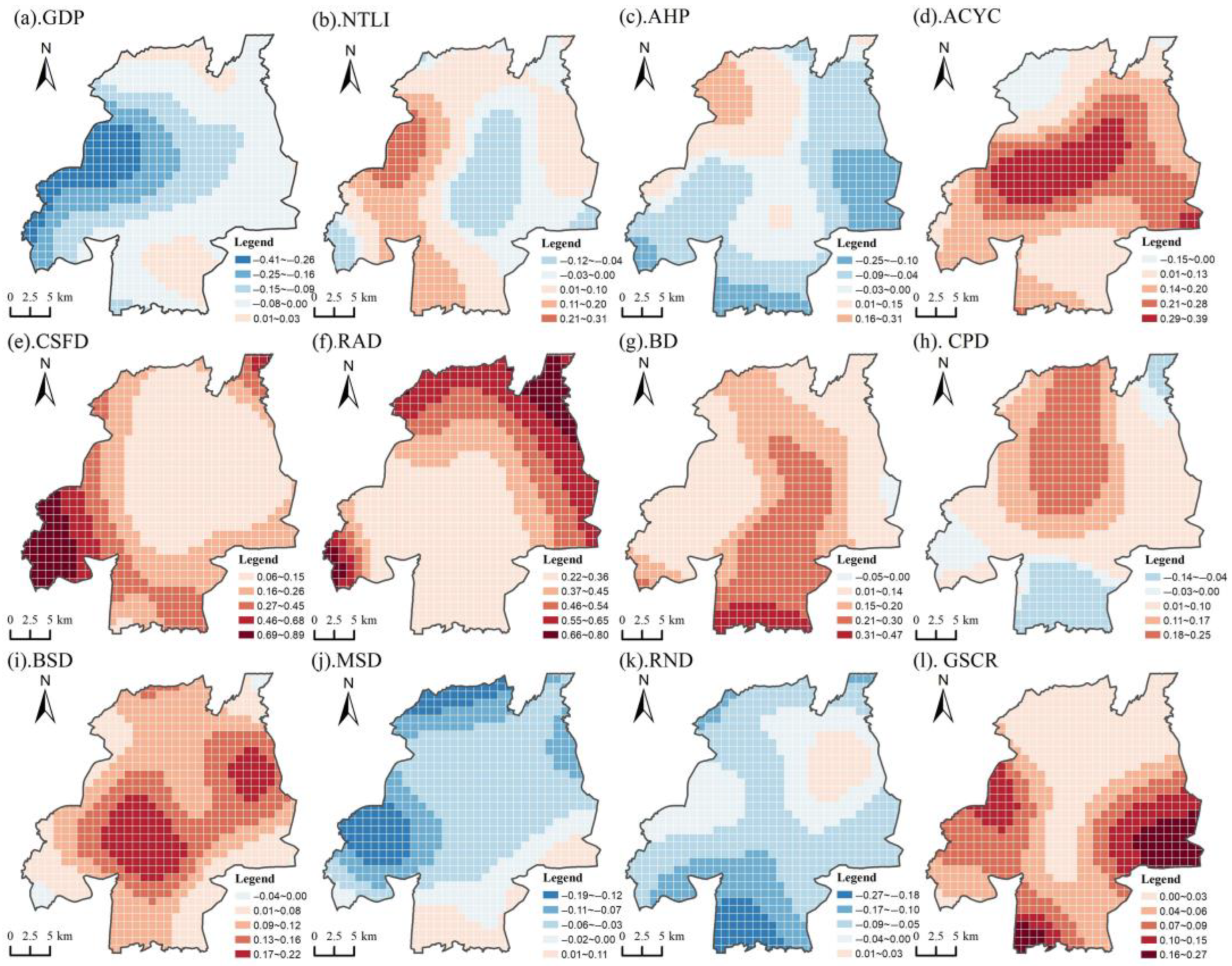
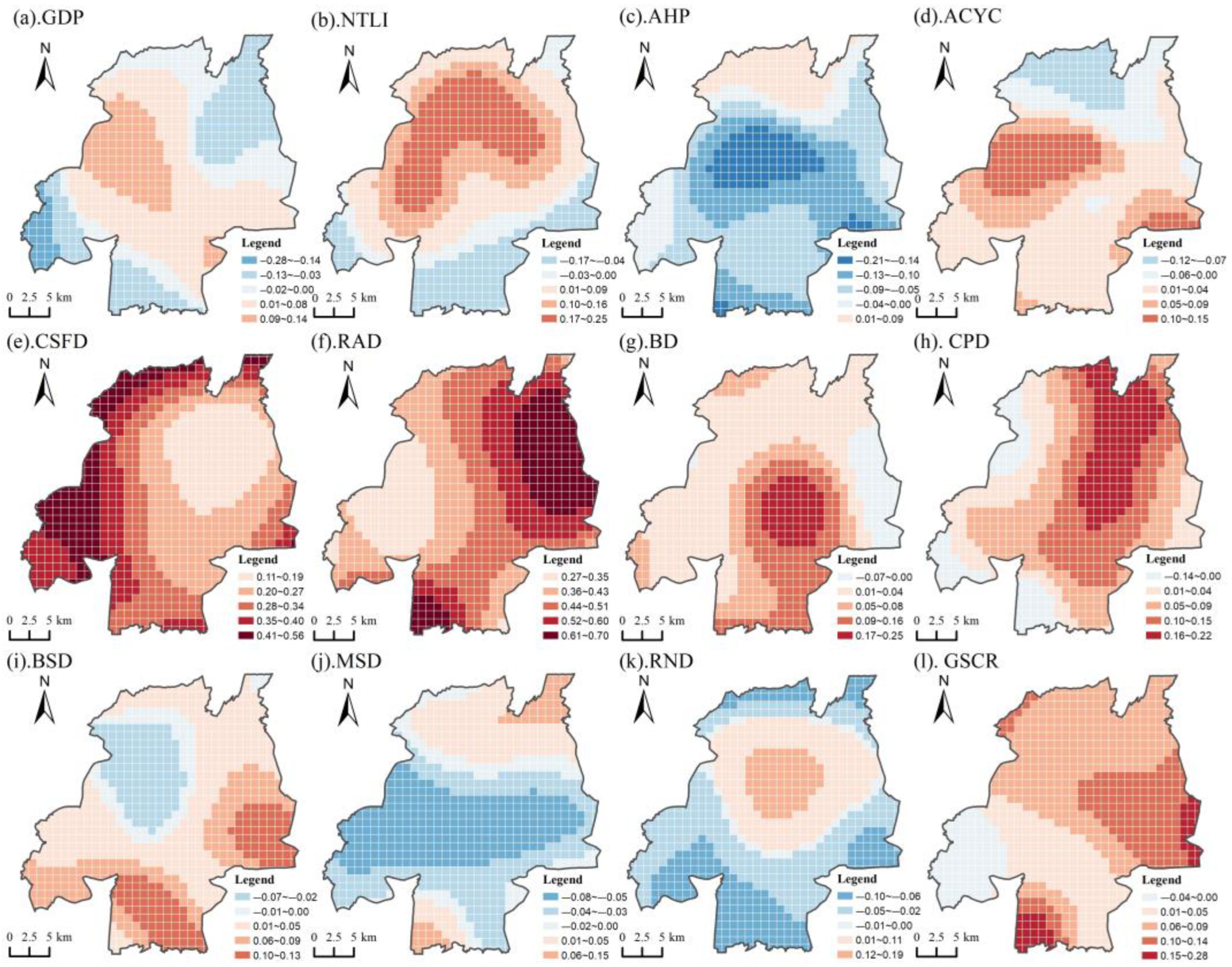
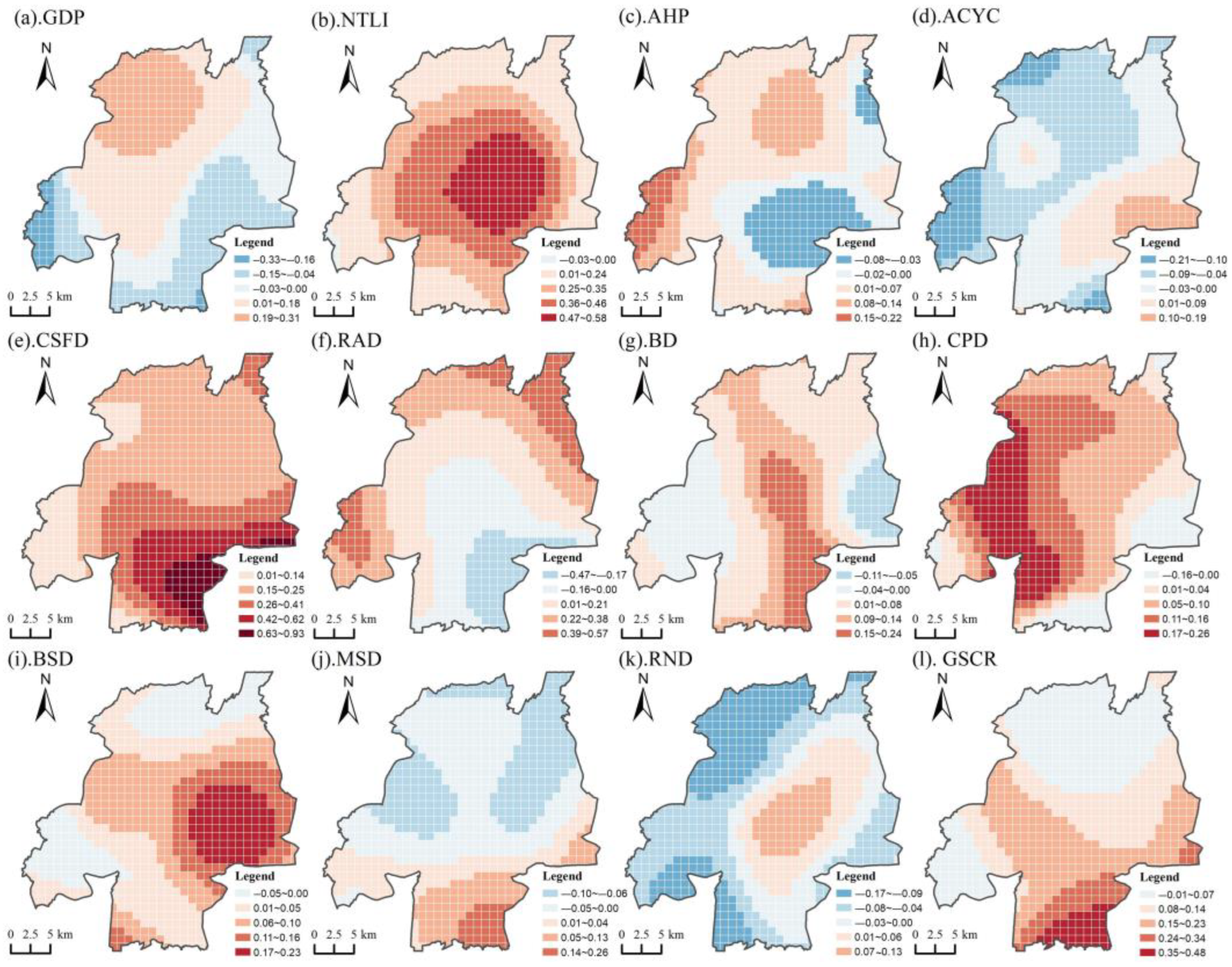
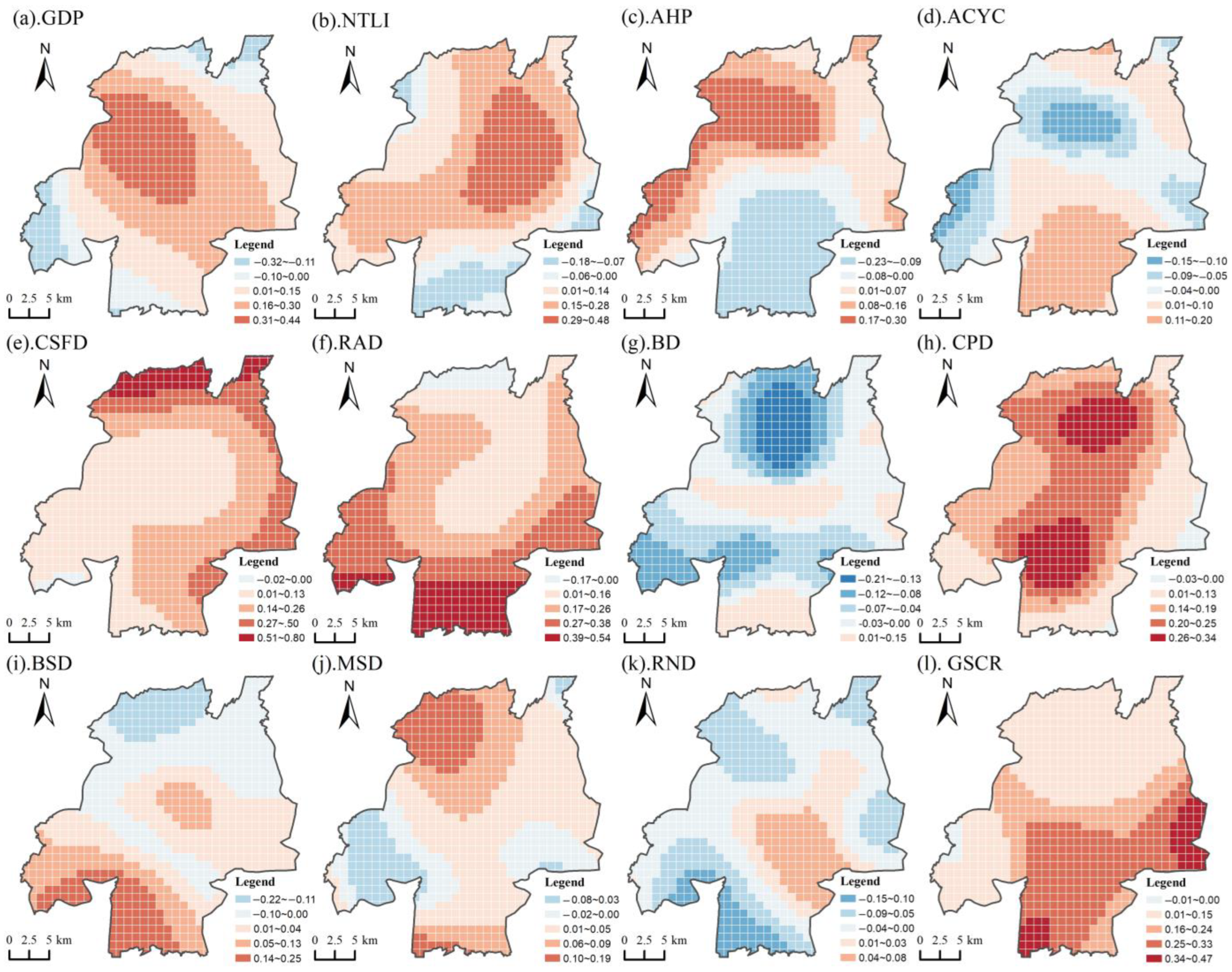
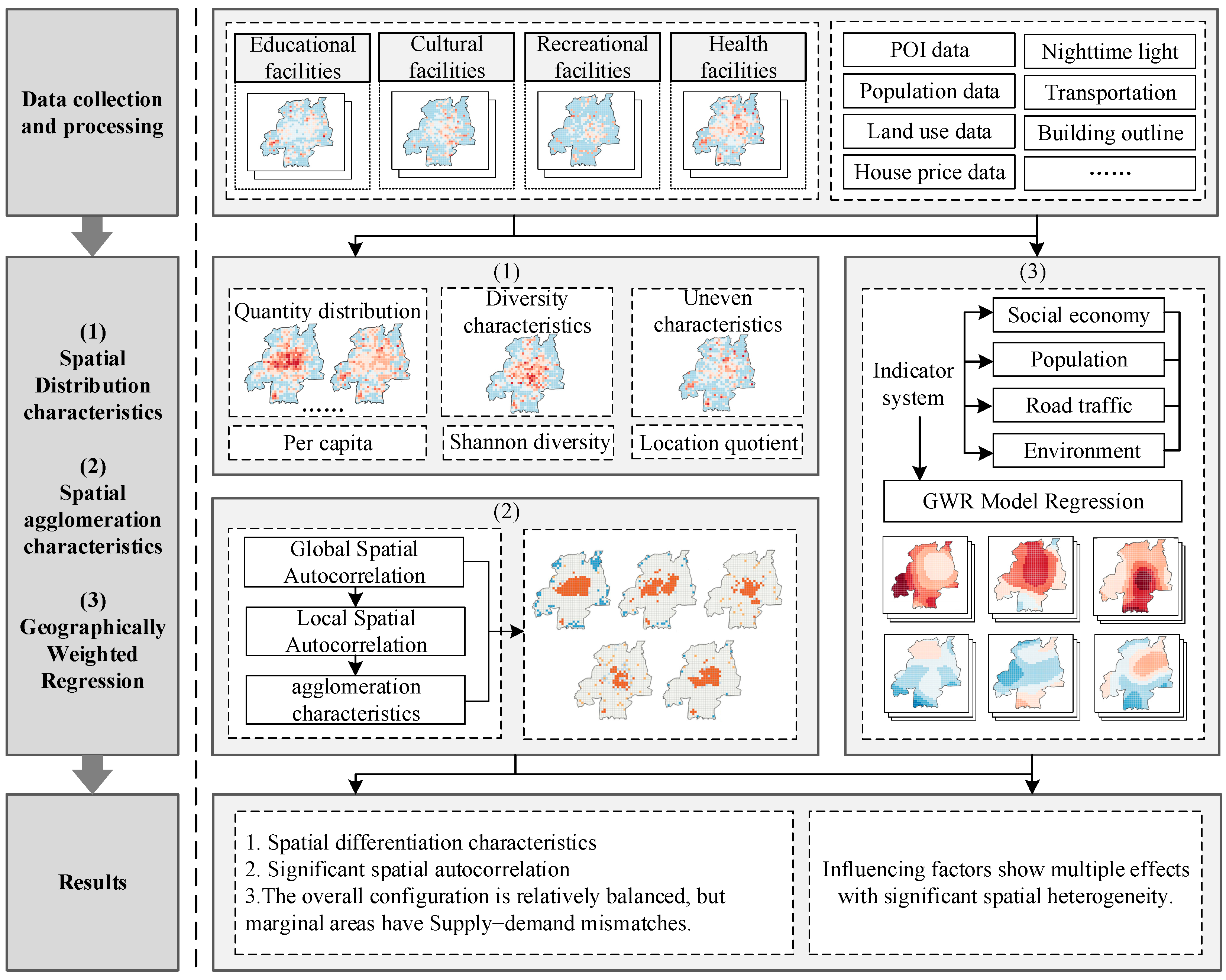
With the rapid advancement of urbanization, the increasing demand and insufficient supply of public service facilities for children have become urgent problems requiring resolution. This study employs the Shannon diversity index, the location entropy, spatial autocorrelation, and the Geographically Weighted Regression (GWR) to analyze the spatial distribution characteristics and influencing factors of children’s public service facilities in the central urban area of Shenyang. The findings of the study are as follows: (1) There are significant differences in the spatial distribution of children’s public service facilities. Higher quantity distribution and diversity index are observed in the core area and Hunnan District compared to the peripheral areas. The Gini coefficient of various facilities is below the fair threshold of 0.4, but 90.32% of the study units have location entropy values below 1, indicating a supply–demand imbalance. (2) The spatial distribution of various facilities exhibits significant clustering characteristics, with distinct differences between high-value and low-value cluster patterns. (3) The spatial distribution of facilities is shaped by four factors: population, transportation, economy, and environmental quality. Residential area density and commercial service facility density emerge as the primary positive drivers, whereas road density and average housing price act as the main negative inhibitors. (4) The mechanisms of influencing factors exhibit spatial heterogeneity. Positive driving factors exert significant effects on new urban areas and peripheral zones, while negative factors demonstrate pronounced inhibitory effects on old urban areas. Non-linear threshold effects are observed in factors such as subway station density and public transport station density.
Keywords: children’s public service facilities; spatial distribution; geographically weighted regression; spatial heterogeneity children’s public service facilities; spatial distribution; geographically weighted regression; spatial heterogeneity