Article

New Realizations at the Archaeological and Funereal Park of Takino Cemetery in Hokkaido (Japan)

by
Joseph Cabeza-Lainez
1,*,
Victor Marquet-Saget
1,
Inmaculada Rodriguez-Cunill
2,
Cesar Puchol-Barcina
3 and
Miguel Gutiérrez-Villarubia
1
1
Department of Composition, School of Architecture, University of Sevilla, 41012 Sevilla, Spain
2
Department of Painting, Faculty of Fine Arts, University of Sevilla, 41003 Sevilla, Spain
3
Department of Archaeology and Cultural Anthropology, Jeonbuk National University, Jeonju 54896, Republic of Korea
*
Author to whom correspondence should be addressed.
Land 2025, 14(5), 1124; https://doi.org/10.3390/land14051124
Submission received: 21 April 2025 / Revised: 19 May 2025 / Accepted: 19 May 2025 / Published: 21 May 2025
(This article belongs to the Special Issue Archaeological Landscape and Settlement II)

Abstract

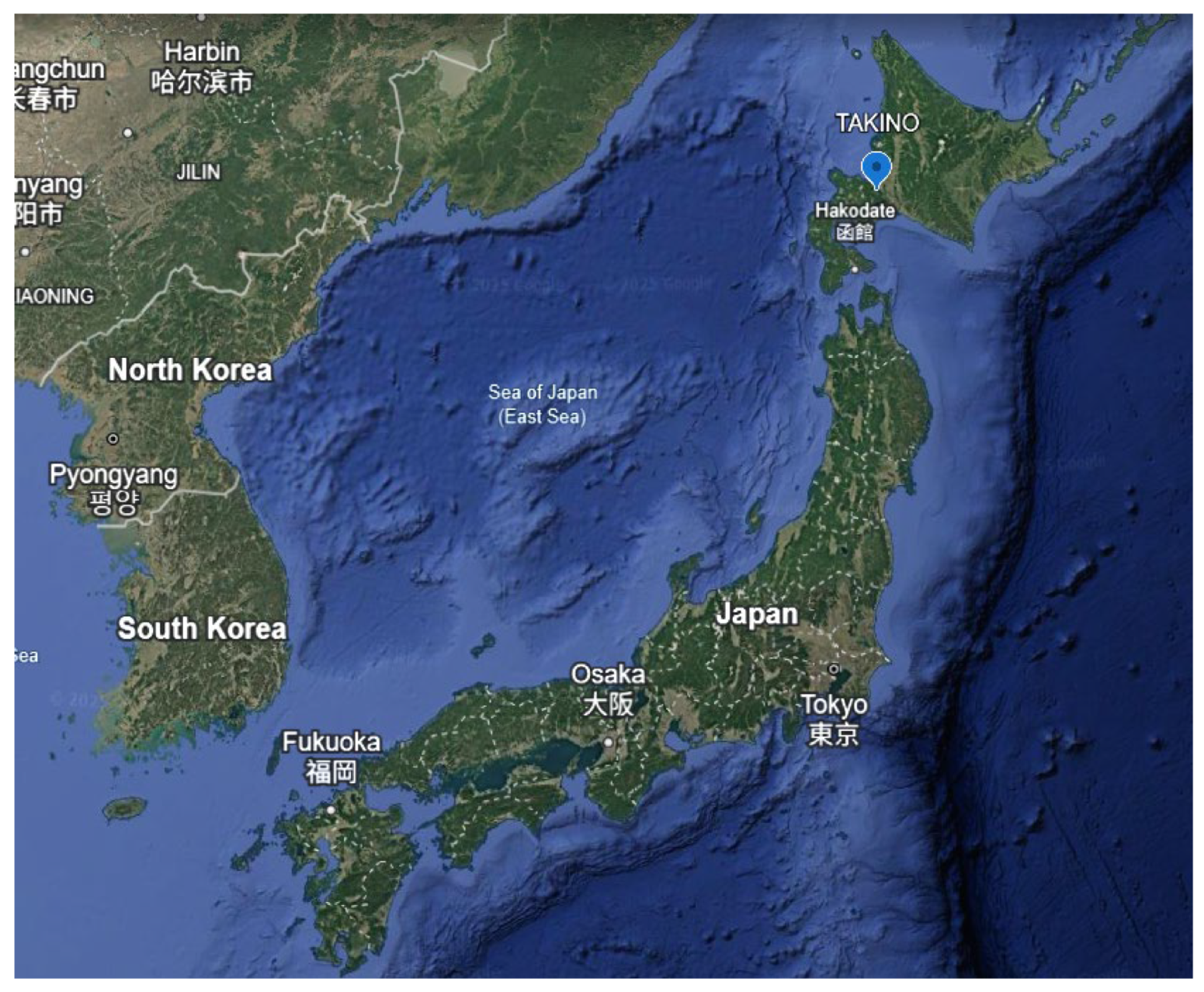
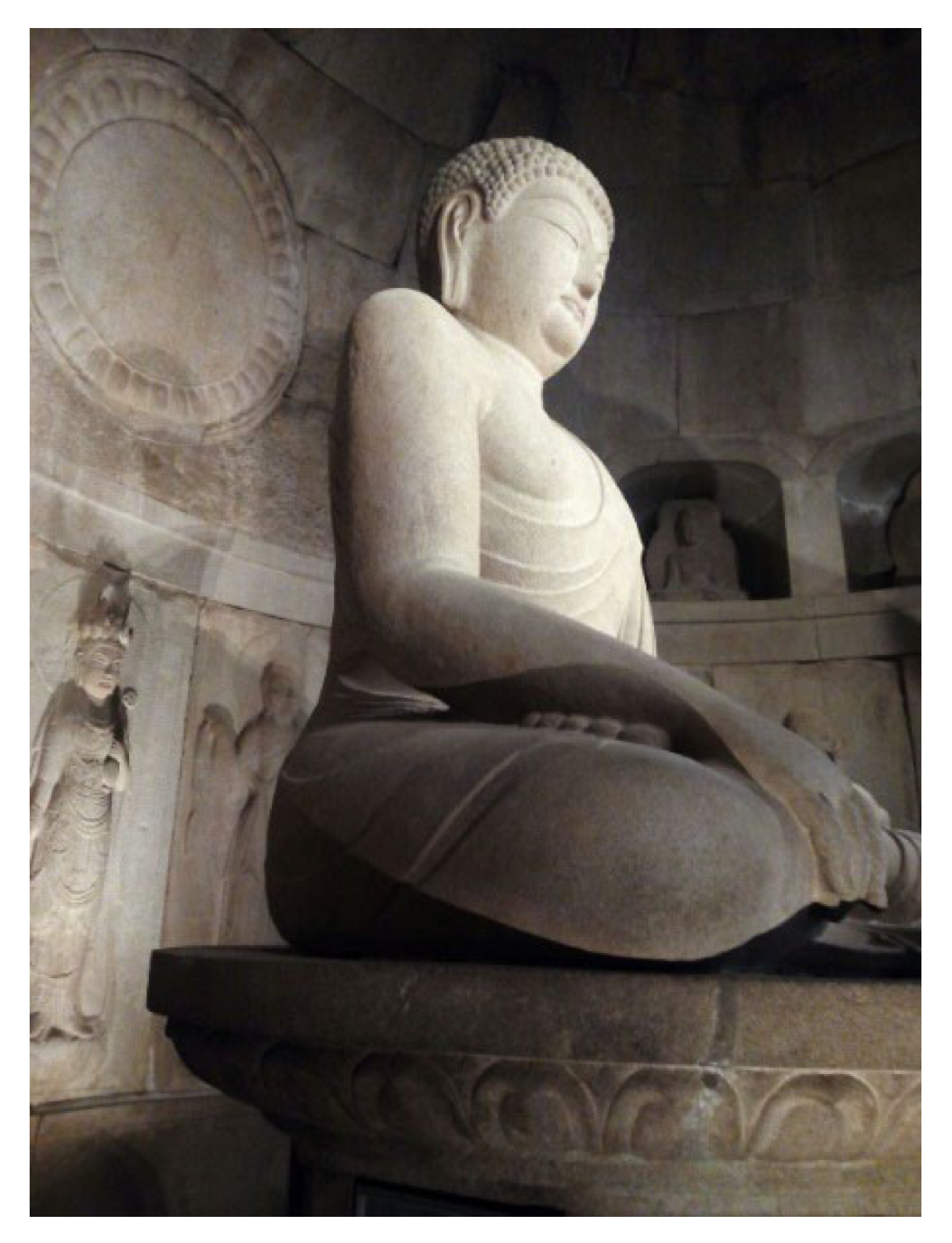
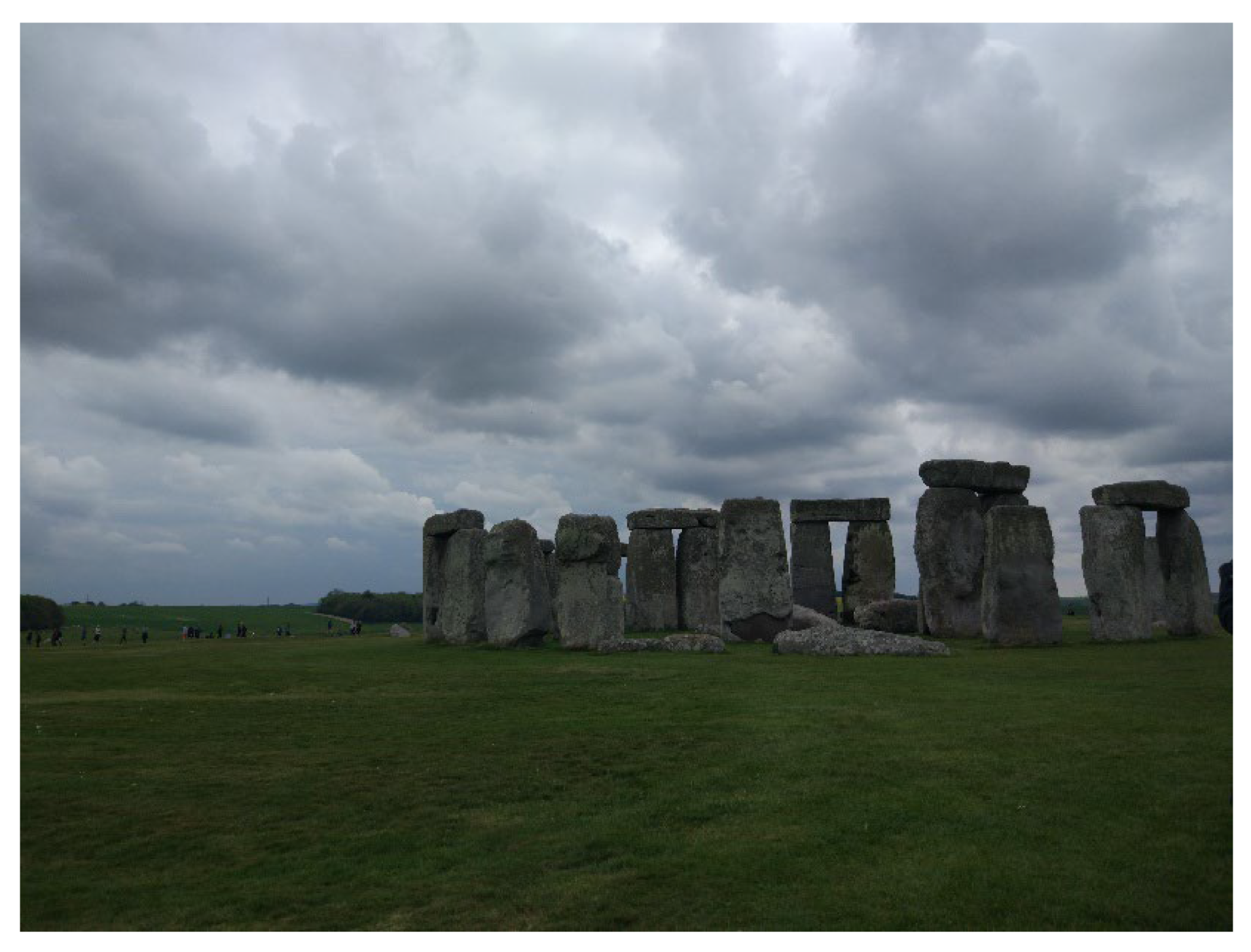
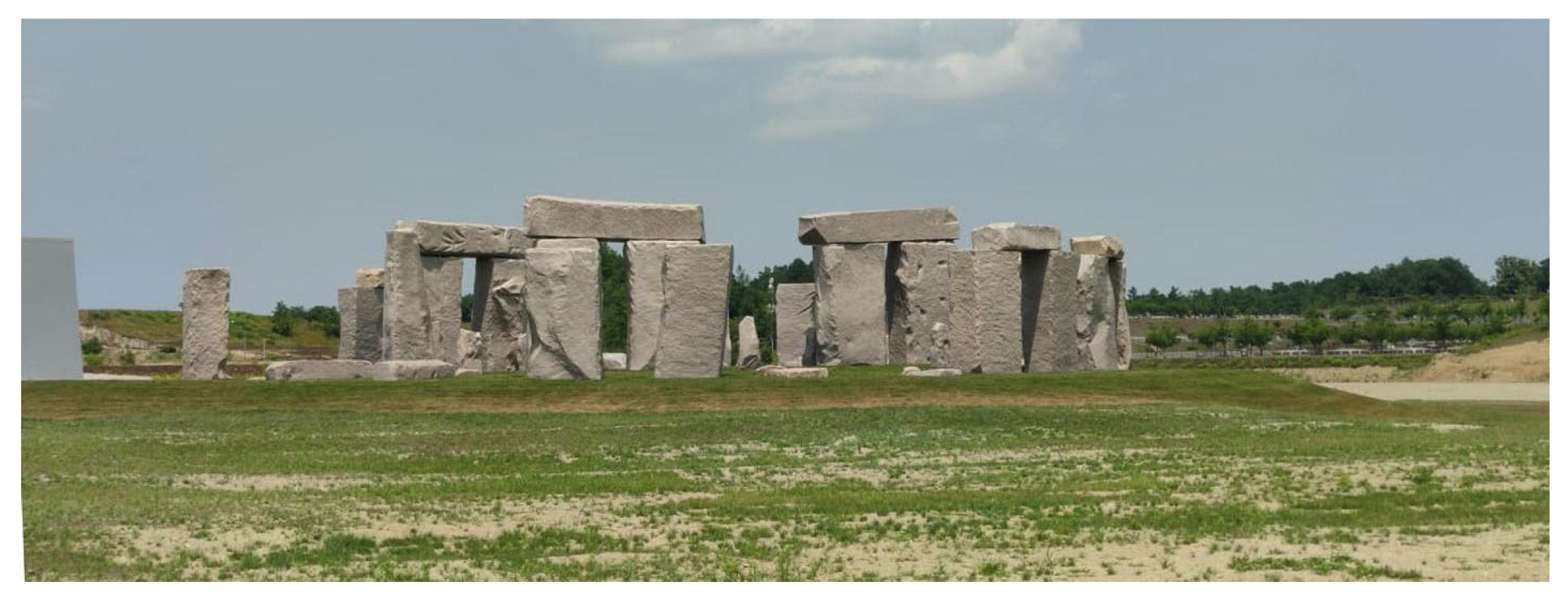
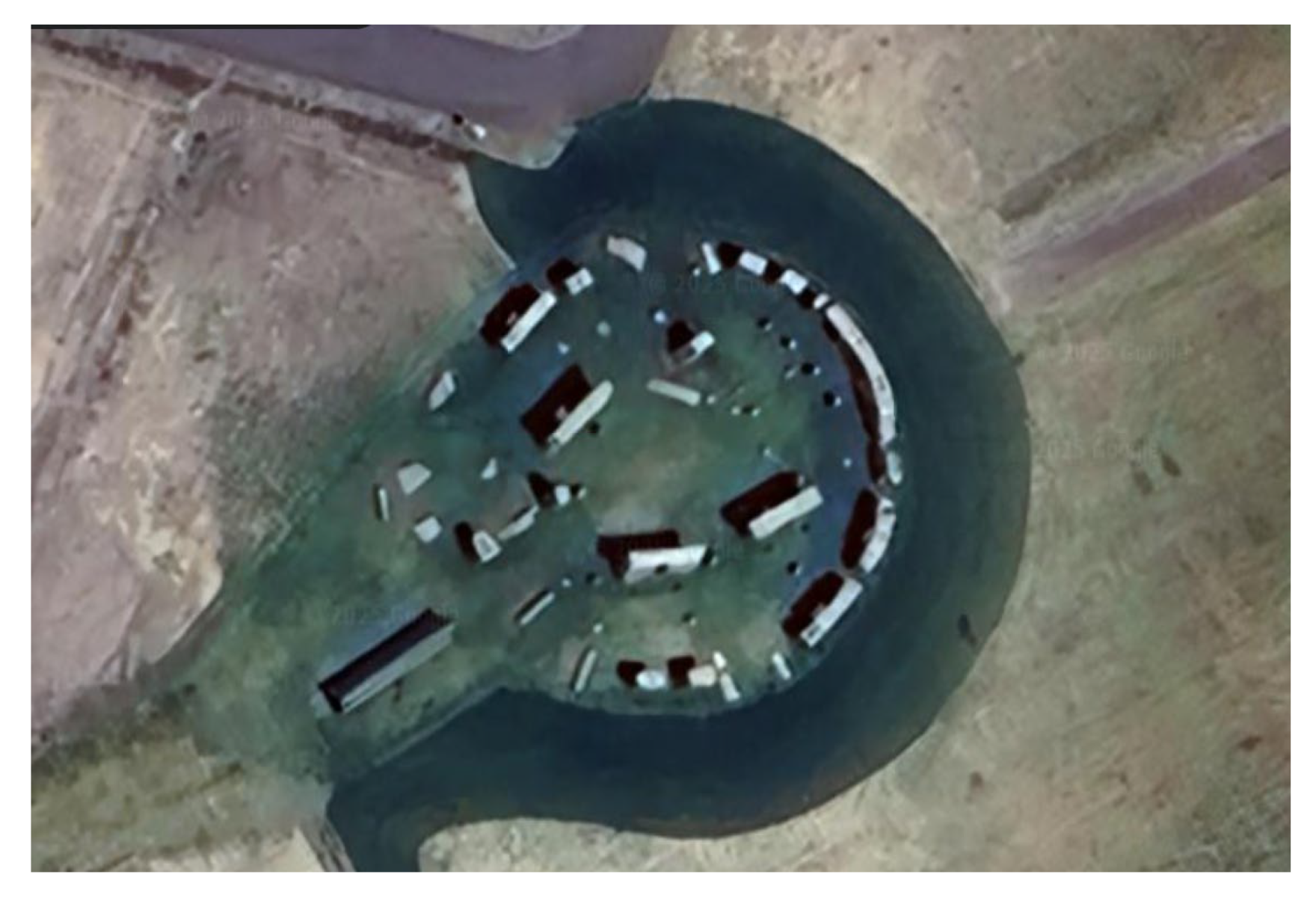
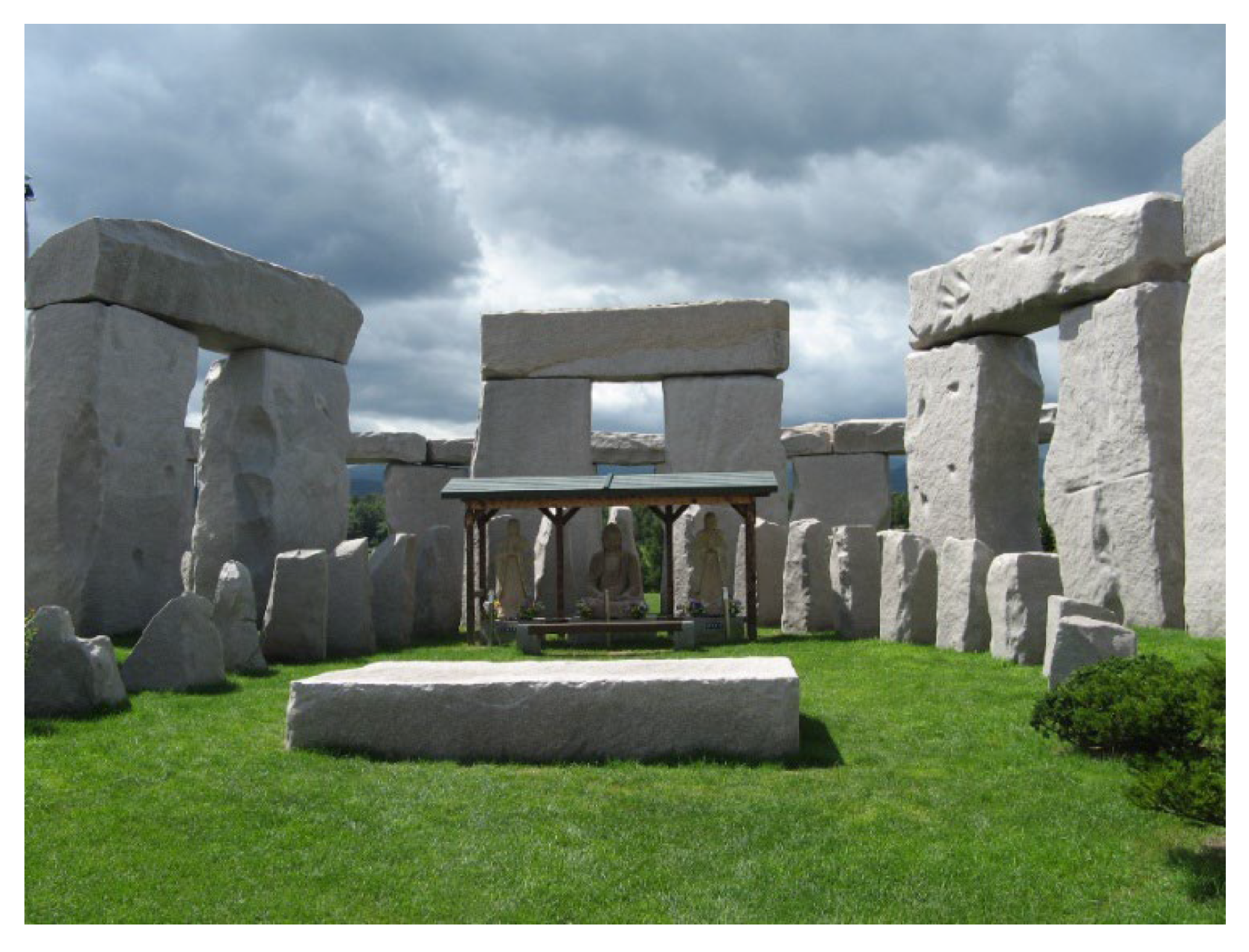
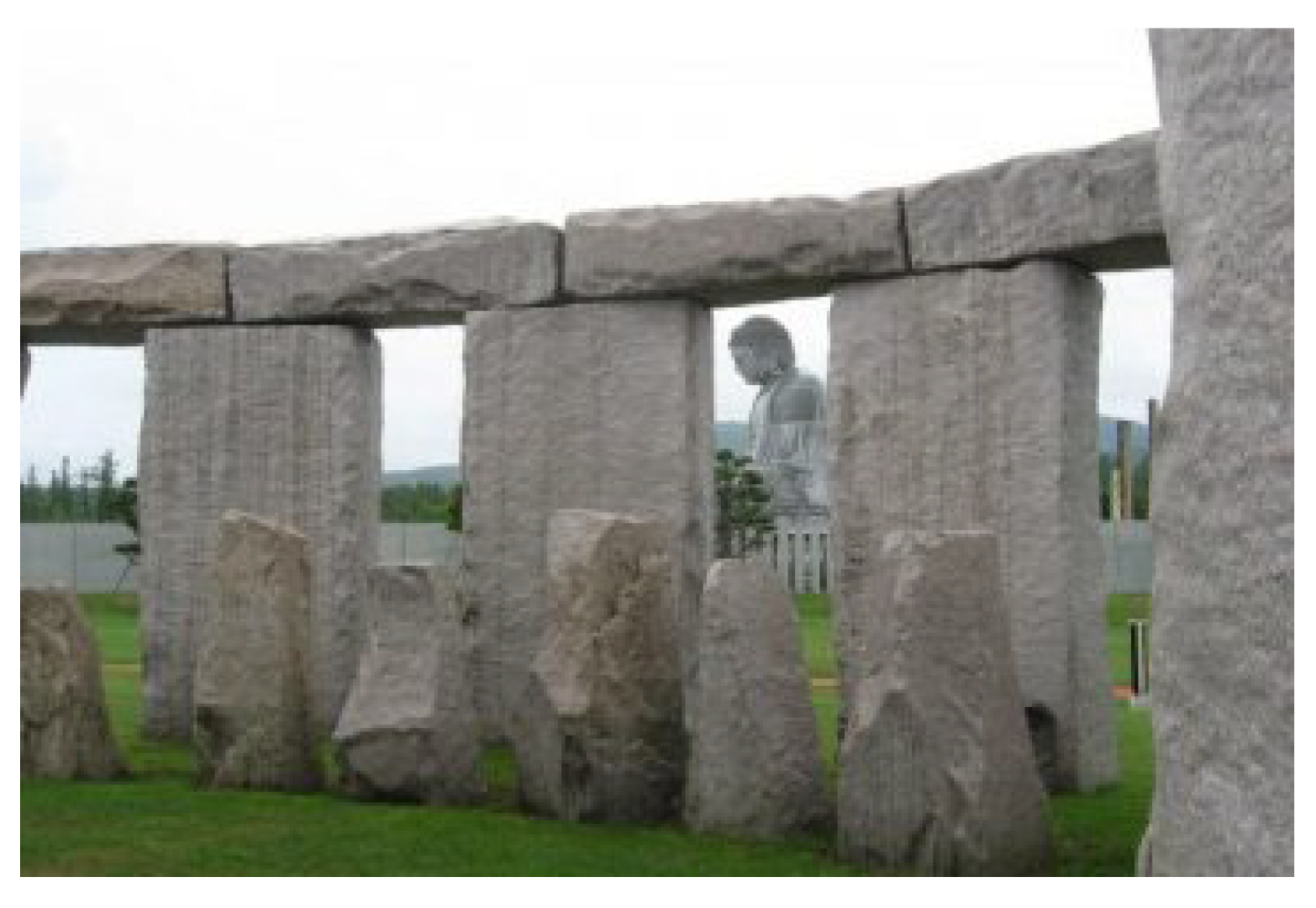
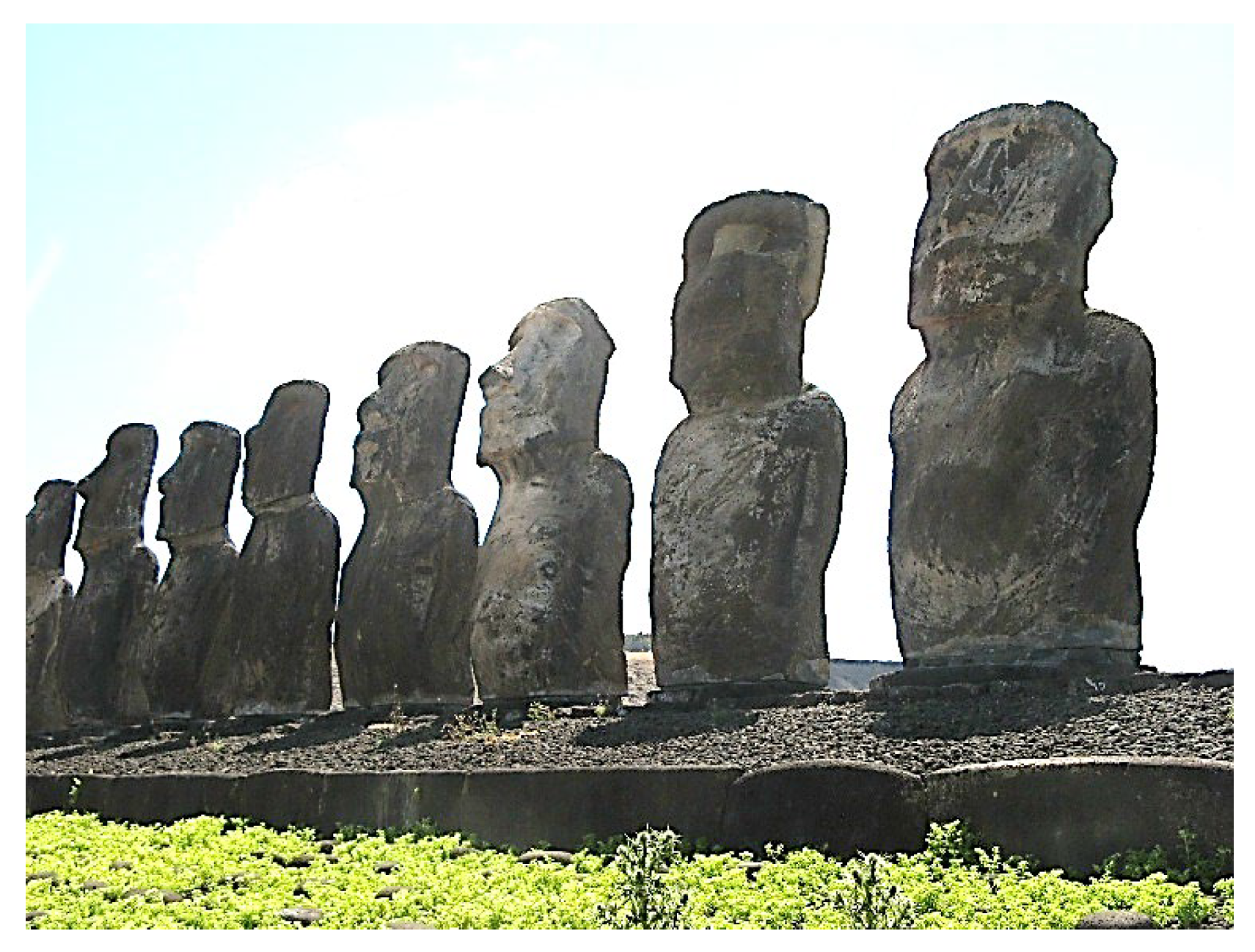
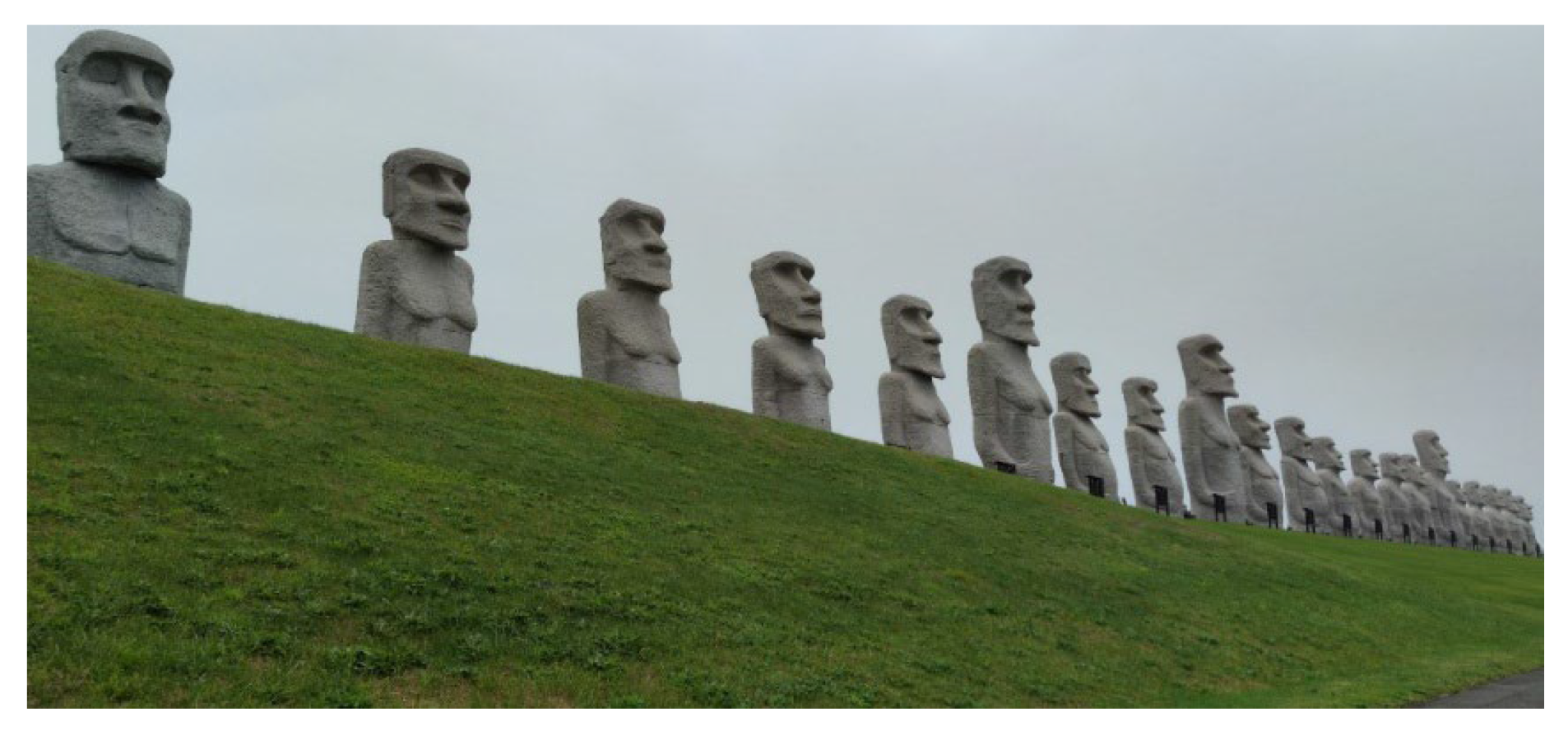
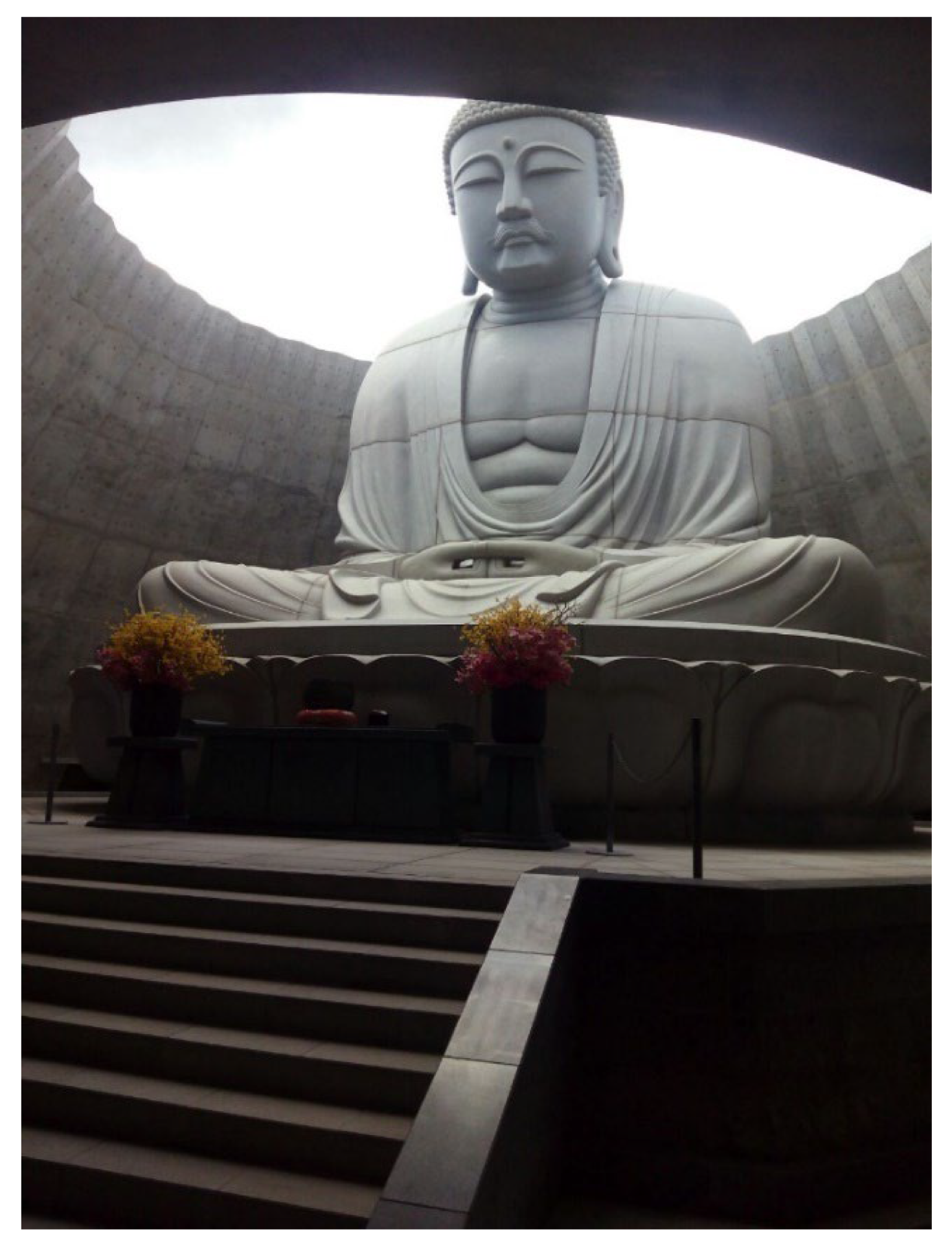
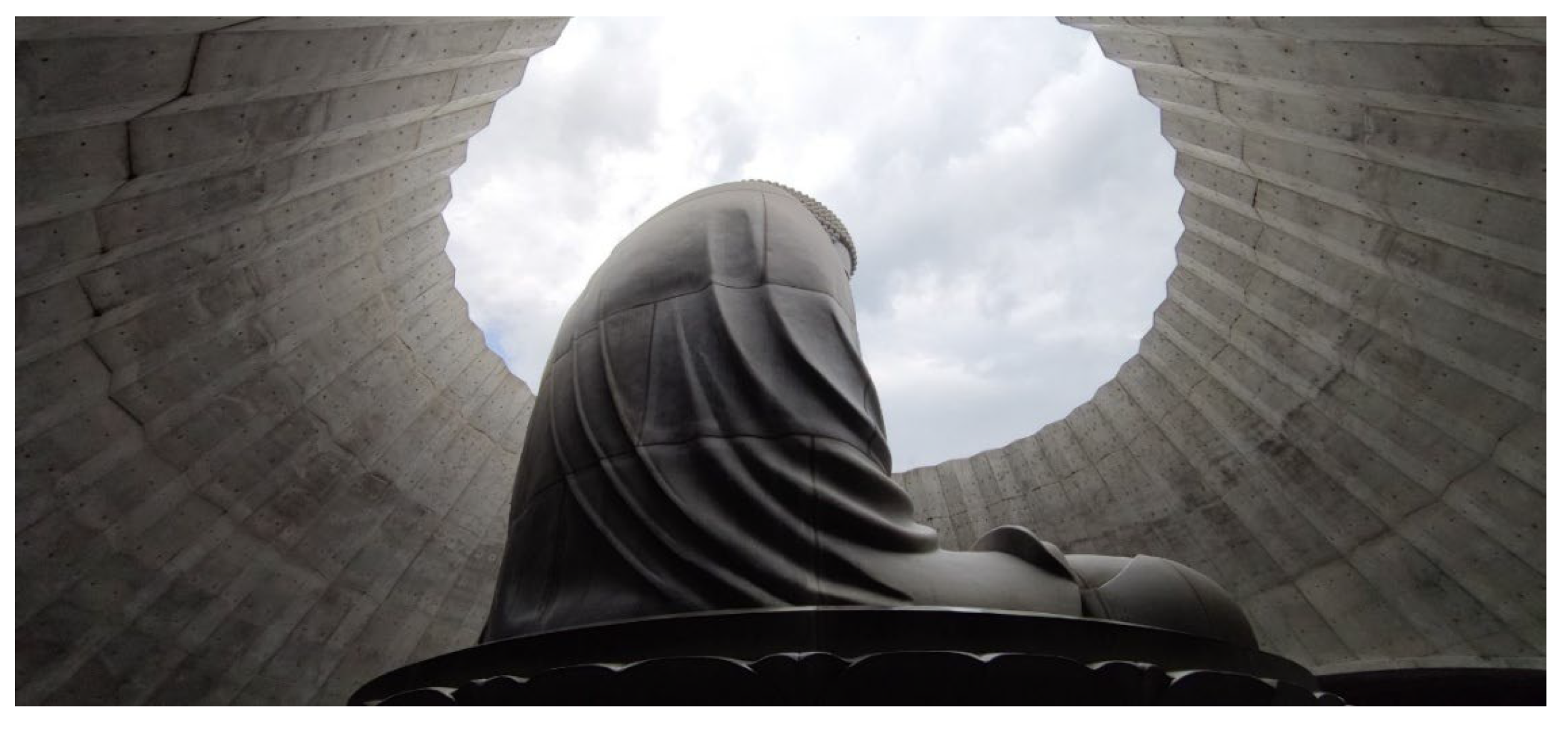
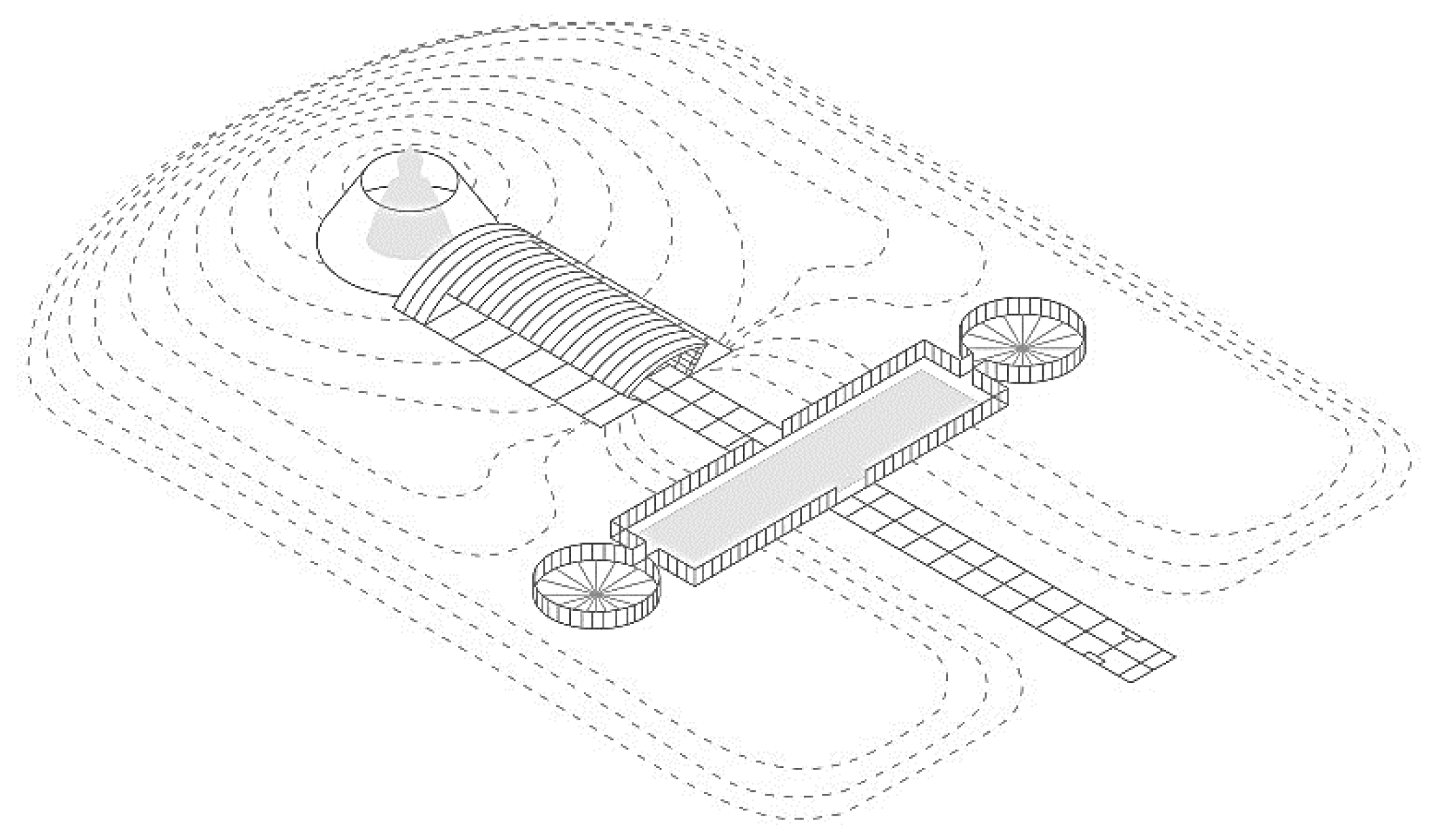
For decades, in historical research, archeological vestiges have been linked with geomancy and cults of the mythical ancestors of a group of the population. This is particularly true in Eastern Asia and especially in China, Korea, and Japan. A fundamental problem of Japanese archeology is that few of the remnants were realized in stone. One of the most important parts of archeological sciences is the study of Necropolises or ancient interments. From the 1970s onwards, in the relatively “new” and promising land of Hokkaido, cemeteries were built with the concept of landscape in mind; this is also due to the lavish vegetation features of this northernmost island of Japan. In the case of the Takino cemetery on the plains of Sapporo, Hokkaido, whose construction began in 1982, solemnity and religiousness were incorporated by producing exact stone replicas of famous funerary landmarks from antiquity as such materials were inexistent in the Nipponese Isles. This trend to grant eternity included traditional Buddhist funereal monuments like the Stupa, Seokguram grotto, and Kamakura sites, but at a certain and exuberant point, under the influence of Isamu Noguchi, it reached Stonehenge in England and the Moai from Easter Island in Polynesia (being after all located in a remote isle of the Pacific Ocean). In this article we will outline such process of generation and overall conception, analyzing the inclusion and architectural assembly of the different compounds and the recent and extraordinary additions projected and built by the celebrity architect Tadao Ando. We expect, in this manner, to facilitate the comprehension of the significance of venerable landscape sublimated through archeology for the Nipponese modern civilization.
Keywords: landscape archeology; heritage of the land; ancient stone monuments; Asian architecture; Easter Island; hypogeal chambers; architectural retrofits; Tadao Ando landscape archeology; heritage of the land; ancient stone monuments; Asian architecture; Easter Island; hypogeal chambers; architectural retrofits; Tadao Ando