1. Introduction
Urbanization, the steady shift of populations from rural to urban areas, continues to reshape societies globally [
1]. The United Nations projects that, by 2050, 70% of the world’s population will reside in cities, intensifying existing social, economic, and environmental challenges [
2]. The Economist [
3] further estimates that 86% of the developed world and 64% of Africa and Asia will be urbanized by mid-century. This rapid and expansive urbanization presents unprecedented challenges for urban planners, architects, and policymakers [
4,
5,
6]. While urbanization has spurred economic growth and innovation, it has also exacerbated inequalities, housing shortages, and environmental degradation. Rising living costs often displace working-class residents, including essential public-sector workers, while low-skilled rural migrants are frequently forced into informal settlements due to unaffordable housing [
7]. Additionally, urban heat islands, driven by vehicular emissions, industrial activity, and energy-intensive building systems, have elevated city temperatures by 1–3 °C (1–5 °F) compared to surrounding areas [
8].
In response, the Shanghai Declaration [
9] envisions ‘Cities of Harmony,’ which are urban environments that balance ecological sustainability, social equity, and economic vitality. This vision advocates for renewable energy adoption, inclusive growth, and the integration of technological innovation to enhance urban livability. It also emphasizes the need for intelligent, accessible, and community-centered urban development. Over the past decades, cities worldwide have pursued diverse strategies to improve infrastructure, services, and competitiveness, giving rise to multiple urban paradigms. However, these paradigms––such as sustainable cities, livable cities, smart cities, and x-minute cities––are often conflated in policy and planning discourse [
10,
11,
12]. This terminological ambiguity raises the critical question of whether these concepts represent distinct frameworks, or if they overlapping constructs shaped by policy trends and marketing.
Recent studies increasingly acknowledge that contemporary urban paradigms are converging rather than evolving independently. For example, de Jong et al. [
13] compared several urban concepts, including smart, sustainable, resilient, eco, and low-carbon cities, to clarify their conceptual similarities and policy orientations. Similarly, Ahvenniemi et al. [
14] critically examined the relationship between smart and sustainable cities, concluding that technological innovation alone is insufficient without broader sustainability objectives. More recently, bibliometric studies have explored specific intersections, such as smart cities and renewable energy [
15], smart, sustainable, and green city concepts, and the relationships among livability, smartness, sustainability, and urban services [
16]. In addition, Ebrahiem et al. [
17] investigated the interaction between social sustainability and the smart city concept using a systematic bibliometric approach. Several papers examined a solo concept. For example, Huang et al. [
18] focused on quality of life in smart cities. Other recent studies have examined the emergence of the 15 min city as a proximity-based planning model aligned with sustainability and resilience [
19].
Although these studies have substantially advanced understanding of individual paradigms or selected conceptual relationships, they remain fragmented in scope. Most focus on pairwise comparisons or limited groups of urban concepts, while the rapidly growing X-minute city paradigm is typically examined independently rather than in relation to established urban frameworks. Consequently, there is still limited understanding of how smart, sustainable, livable, and X-minute city paradigms collectively evolve, overlap, and influence one another within the broader body of urban research.
Therefore, and despite the growing popularity of these paradigms in both academic and policy circles, a clear knowledge gap persists regarding how they interrelate conceptually and practically. While each paradigm––smart, sustainable, livable, and X-minute cities––has been extensively studied in isolation, limited research has attempted to synthesize their thematic overlaps and trace their co-evolution within scholarly discourse. This lack of integrative understanding hampers the ability of urban planners and policymakers to formulate coherent, multi-dimensional strategies that draw on the strengths of each model. Moreover, as cities grapple with complex challenges such as climate adaptation, housing equity, and digital transformation, there is a pressing need to examine whether these paradigms converge toward a unified urban future or remain siloed in vision and implementation. Addressing this gap requires an integrated bibliometric perspective capable of simultaneously mapping the conceptual, thematic, and intellectual relationships among these four paradigms. Such an approach not only identifies the extent of their convergence, but also reveals underexplored research clusters and emerging directions that may support more holistic urban planning and policy development.
This study responds to this gap by asking: to what extent do these paradigms intersect in the academic literature? What conceptual synergies or tensions exist among them? And how can these insights inform more integrated urban policy frameworks? By addressing these questions, the study contributes to a more nuanced and strategic approach to urban planning in the 21st century.
The novelty of this study lies in the fact that previous bibliometric studies have generally focused on selected concepts, such as the relationship between smart and sustainable cities or broader classifications that include resilient, eco, or low-carbon cities. Consequently, there remains a lack of a comprehensive investigation that simultaneously examines the scholarly convergence among smart, sustainable, livable, and X-minute city paradigms. In particular, the rapidly emerging X-minute city concept has rarely been analyzed alongside the more established paradigms, despite its increasing prominence in urban planning discourse. Therefore, this study addresses this gap by providing, to the best of our knowledge, the first integrated bibliometric analysis of these four paradigms within a unified analytical framework. By combining keyword co-occurrence analysis with citation network analysis, the study not only quantifies the extent of thematic overlap, but also identifies the intellectual foundations, emerging research clusters, and underexplored conceptual relationships among these paradigms. Rather than simply comparing individual city concepts, this research maps their collective evolution and the patterns of association among the four paradigms that suggest how they increasingly contribute toward integrated approaches to contemporary urban development. In doing so, the study offers a more comprehensive understanding of the evolving landscape of urban planning research and provides a conceptual foundation for developing hybrid urban strategies that integrate technological innovation, sustainability, livability, and proximity-based planning.
Therefore, the aim of this study is to examine the conceptual relationships among smart, sustainable, livable, and X-minute city paradigms through a bibliometric analysis of academic literature. Unlike policy discourse, scholarly work is more likely to delineate conceptual boundaries [
13]. The primary hypothesis is that these paradigms exhibit substantial overlap, reflecting shared urban development priorities while retaining distinct emphases. By systematically analyzing 1439 Scopus-indexed articles, this research clarifies the terminological and conceptual intersections among these categories, traces their intellectual foundations, and assesses their implications for urban policy. The findings provide novel insights into how these paradigms complement or diverge from one another, offering a framework for more integrated and theoretically grounded urban development strategies.
2. Research Design and Selection Criteria
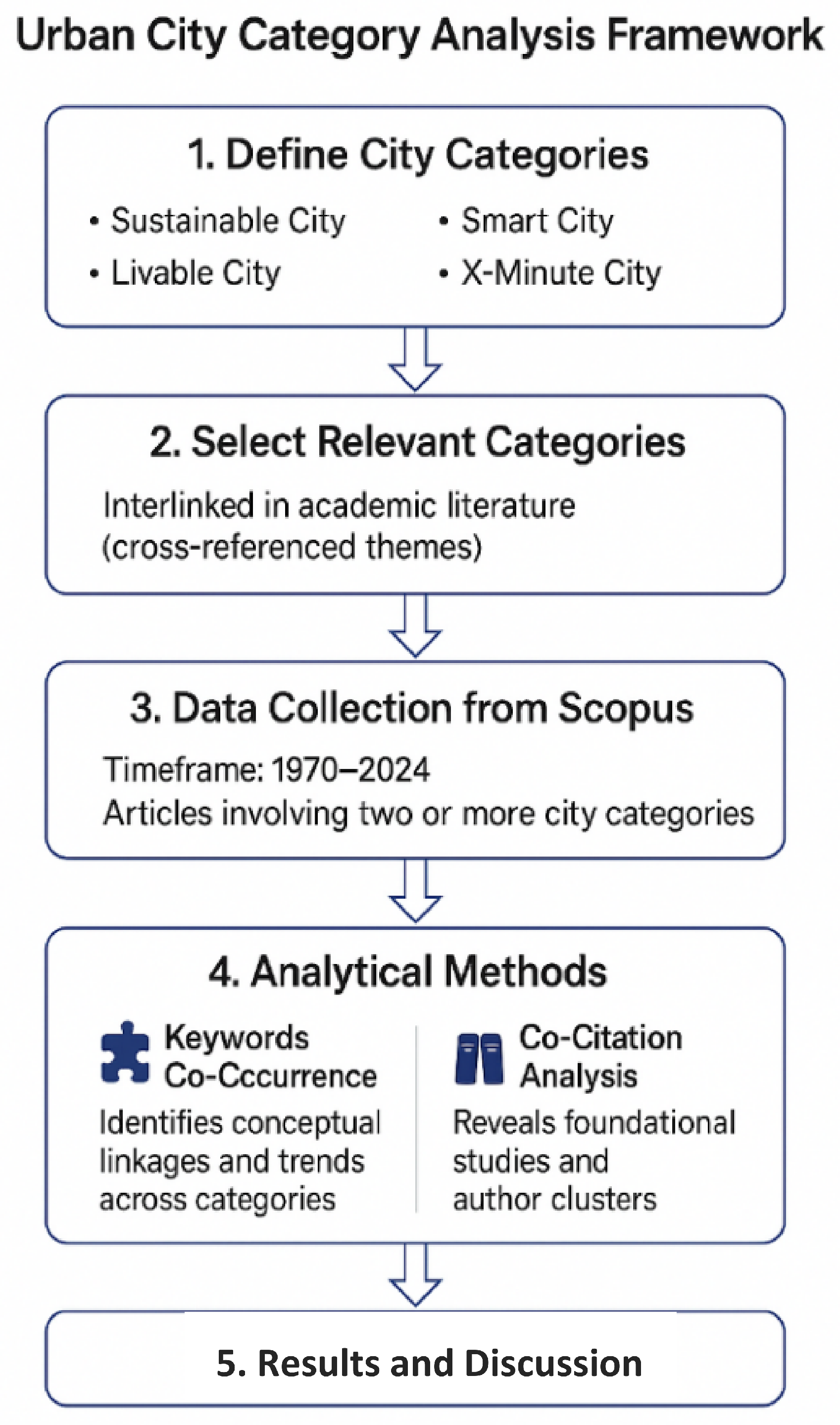
Figure 1 presents the methodological framework for this study, and
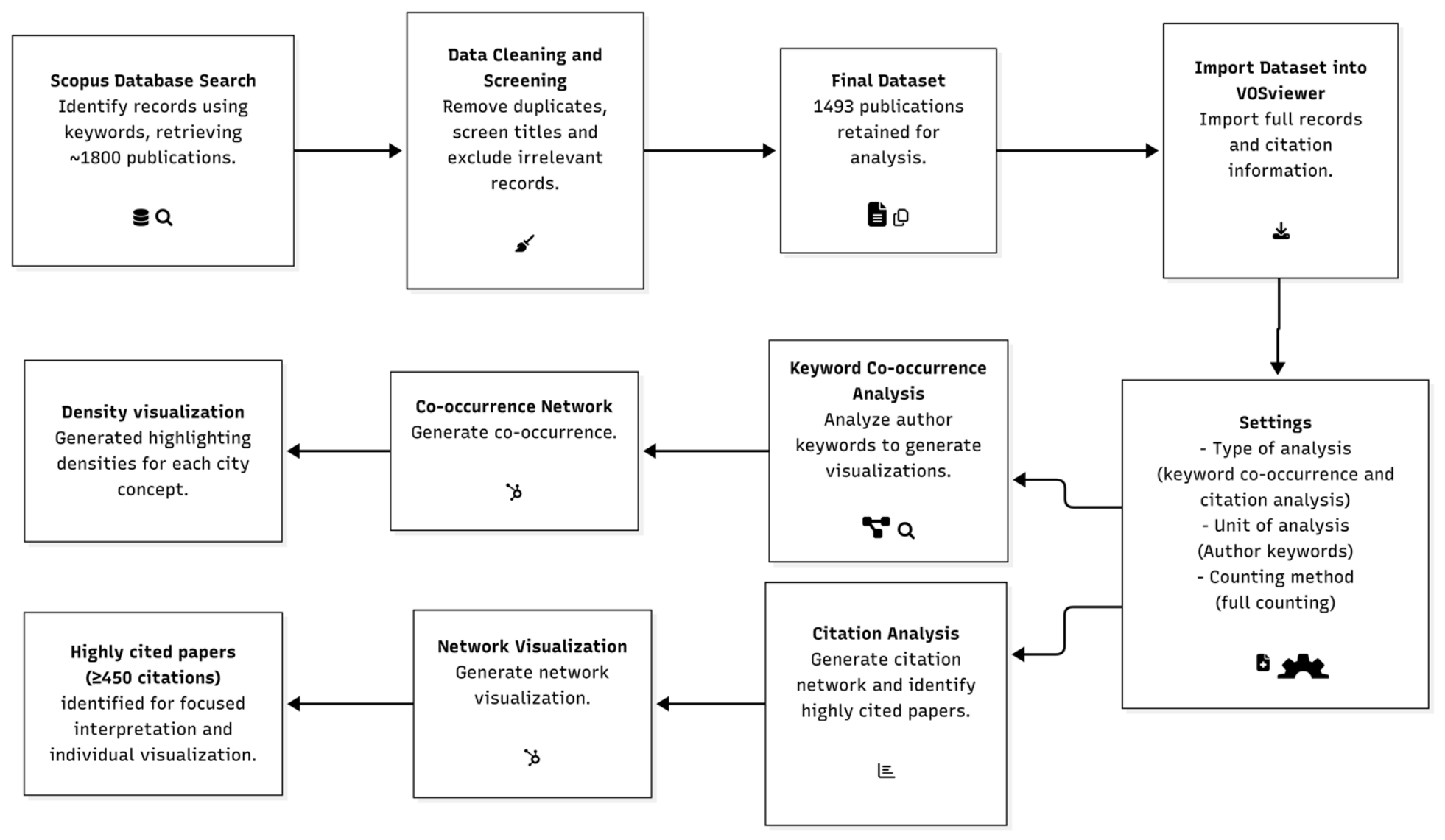
Figure 2 illustrates the VOSviewer version 1.6.20 analysis flow diagram. Given the growing number of urban development paradigms proposed in the literature, the selection of concepts for this bibliometric analysis was guided not only by policy relevance, but also by theoretical representativeness and conceptual complementarity. Rather than attempting to include every urban paradigm, this study focused on four concepts that collectively represent the principal dimensions of contemporary urban development:
Smart City represents the technological and digital transformation of cities through innovation, data, and intelligent governance.
Sustainable City represents the environmental, economic, and social sustainability agenda underpinning long-term urban development.
Livable City emphasizes human well-being, quality of life, equity, and citizen-centered urban environments.
X-Minute City represents the emerging proximity-based planning paradigm that prioritizes accessibility, walkability, mixed land use, and local service provision.
Together, these four paradigms capture four complementary perspectives––technology, sustainability, livability, and accessibility––that increasingly converge within contemporary urban planning theory and practice.
Other influential paradigms, including resilient cities, eco-cities, knowledge cities, healthy cities, and regenerative cities, were carefully considered during the study design. However, they were excluded for theoretical and methodological reasons. Several of these concepts represent specialized dimensions of the broader sustainability agenda (e.g., eco-city, regenerative city, healthy city), while others primarily focus on specific functional objectives such as disaster adaptation (resilient city) or innovation-driven economic development (knowledge city). Including all of these paradigms would substantially broaden the analytical scope, increase conceptual redundancy, and reduce the clarity of the comparative analysis. Consequently, this study deliberately focuses on the four paradigms that currently exert the greatest influence on integrated urban planning discourse and that exhibit sufficient conceptual overlap to enable meaningful bibliometric comparison. In addition to the above, and given the proliferation of urban development terminologies, the selection of city categories for bibliometric analysis was guided by two key criteria:
Policy Relevance: The chosen categories –smart city, sustainable city, livable city, and X-minute city– are widely adopted in contemporary policy discourse.
Scholarly Interconnectedness: These concepts demonstrate substantive conceptual overlaps in academic literature, warranting joint examination.
2.1. Bibliometric Analysis
A quantitative approach to reviewing and evaluating academic publications research and literature is bibliometric analysis. In order to examine different aspects of scholarly publications such as citations and their relationships, this method applies statistical and mathematical techniques [
20,
21]. The main goal of bibliometrics is to assess how a field of study has developed by mapping coherence and spatial understanding through metadata analysis, frequently with the use of co-occurrence and citation analysis. To evaluate research findings, this approach provides a methodical objective framework that is repeatable and expandable [
21]. Choosing high-quality data with thorough coverage of the research topics is essential for bibliometric analysis to be successful.
2.1.1. Data Source
Scopus was selected because it is widely recognized as one of the largest and most comprehensive citation databases for interdisciplinary research and has been extensively employed in bibliometric studies within urban planning, sustainability, and architecture [
13,
20,
21] Scopus offers comprehensive coverage of journals dating back to 1979, providing a robust longitudinal dataset well-suited to track the evolution of complex and overlapping urban paradigms over time. Compared to Web of Science, Scopus encompasses a wider array of journals from interdisciplinary domains—including social sciences, engineering, environmental studies, and architecture—which are essential for capturing the multifaceted nature of smart, sustainable, livable, and X-minute city research. Moreover, Scopus is widely recognized for its detailed metadata, citation analytics, and inclusion of emerging international scholarship, making it particularly appropriate for bibliometric and co-occurrence analysis. Therefore, to ensure both the comprehensiveness and relevance of the dataset, this study draws exclusively on Scopus records spanning from 1979 to 2024, the most recent full year of indexed publications at the time of data collection.
Although Web of Science and other bibliographic databases also index high-quality scholarly publications, Scopus was selected as the sole data source to ensure methodological consistency and reproducibility throughout the bibliometric analysis. Previous bibliometric research has shown that Scopus generally provides broader journal coverage in interdisciplinary fields such as urban studies, architecture, environmental sciences, and engineering, while maintaining high-quality citation metadata [
13]. Because the objective of this study is to identify conceptual relationships and thematic patterns, rather than to calculate absolute publication counts, the use of a single comprehensive database provides a sufficiently reliable basis for comparative analysis. Nevertheless, it is acknowledged that some publications indexed exclusively in other databases may not have been captured, and future studies could compare multiple databases to evaluate the consistency of the identified bibliometric patterns.
2.1.2. Search Strategy: Science Mapping Techniques
Science mapping examines structural relationships and intellectual exchanges within research domains [
22,
23,
24]. The analysis focuses on the structural relationships and intellectual exchanges between the various components of the study. Citation analysis bibliographic coupling co-citation analysis and co-word analysis (e.g., co-occurrences of keywords) and co-authorship analysis are some of the methods used in science mapping. Keyword co-occurrences and citation analysis are employed to accomplish the study’s objectives.
The search strategy intentionally employed standardized and explicit paradigm names rather than broader thematic keywords. The purpose of this study was to examine the evolution and interrelationships of established urban paradigms as they are explicitly conceptualized in the scholarly literature. Accordingly, search terms were limited to the official and widely adopted names of the selected concepts. Although broader keywords (e.g., ‘smart urbanism,’ ‘sustainable urban development,’ ‘walkable neighborhoods,’ or ‘proximity planning’) may identify additional publications, they also encompass diverse research topics that extend beyond the conceptual scope of the four paradigms examined in this study. Restricting the search to established paradigm names therefore improves conceptual precision, reduces ambiguity during bibliometric mapping, and enhances the reproducibility of the search strategy.
It is worth noting that a preliminary exploratory search using broader synonyms and related terminology was considered during the study design. However, these searches retrieved a large number of publications that addressed general urban planning themes without explicitly referring to the selected paradigms. Therefore, the final search strategy was intentionally restricted to standardized paradigm names to ensure conceptual consistency and analytical precision.
Co-Occurrence of Keywords
Keyword co-occurrence analysis of terms like ‘smart city,’ ‘livable city,’ ‘sustainable city,’ and ‘X-minute city’ reveals how these urban development ideas are related in scholarly works. Thematic clusters and new trends can be found by researchers by examining how frequently these terms occur together. As an example, Tomadon et al. [
25] conducted a bibliometric study on ‘sustainability indicators’ and ‘smart cities’ and found that there is a strong thematic connection between sustainability and urban planning, because terms like sustainable development, sustainability, and urban development frequently occur together. Likewise, Javidroozi et al. [
26] highlighted the convergence of these themes in recent research examining the integration of smart, sustainable, and green city concepts. These results suggest how useful co-occurrence analysis is for laying out the theoretical terrain of urban studies, identifying connections between city concepts, and directing future lines of inquiry.
It should be noted that bibliometric co-occurrence analysis identifies patterns of association based on the frequency with which concepts appear together within the scholarly literature. While these patterns provide valuable insights into the structure and evolution of research fields, they should not be interpreted as direct evidence of theoretical integration or causal relationships among concepts. Rather, the identified associations indicate shared scholarly attention and may suggest emerging conceptual linkages that warrant further theoretical or empirical investigation.
Search Methodology
Finding the relationships among the targeted city concepts in the academic article dataset is the main goal of the analysis. When two or more concepts occur together in crucial areas like titles, keywords, and abstracts, this is known as a co-occurrence. These connections are then shown in a network, where a concept’s more central position within the network indicates a higher frequency of co-occurrences. Therefore, the following search methodology was used:
Boolean Operators: The ‘AND’ operator linked distinct city categories to pinpoint explicit conceptual overlaps, while ‘OR’ captured terminological variations (
Table 1 and
Table 2).
Uniformity: The term ‘city’ was appended to each keyword (e.g., ‘sustainable city’) to standardize searches.
Multi-Concept Focus: Queries targeted publications referencing greater than or equal to two city categories to isolate interdisciplinary intersections.
A clearer visualization of relationships is made possible by this simplification, which guarantees that each category has a distinct place within the conceptual network. The resulting network illustrates how different concepts are intricately linked to one another and the density of each category in the literature. Thematic relationships are revealed by this co-occurrence analysis, which also offers a structured framework for comprehending the interconnectedness of urban development concepts.
Duplicate records were removed during the data-cleaning stage. Records were screened based on title relevance to the study concepts, and irrelevant studies were excluded before the final dataset was prepared for analysis. The analysis included the type of analysis (keyword co-occurrence and citation analysis), unit of analysis (author keywords), counting method (full counting), threshold value (450 for citation analysis detailed visualization), and standard visualization settings.
Citation Analysis
According to Appio, Cesaroni, and Di Minin [
27], citation analysis is a fundamental method for science mapping that works under the premise that citations represent the intellectual connections between publications that arise when one publication cites another. According to this analysis, a publication’s impact is based on how many citations it receives. The analysis makes it possible to identify the most important publications in a field of study. This study applies the citation analysis to studies that contain two city categories or more, in order to highlight the significant papers that investigate the connection and overlap between the different city concepts.
Visualization
VOSviewer was used to visualize bibliometric networks, clustering terms, and citations by association strength. This tool has been used in urban planning studies [
19,
28,
29,
30,
31]. This software allows two main visualizations, which are Cluster Mapping: Thematic grouping of interrelated concepts and Network Analysis: Identification of central nodes (highly cited works) and conceptual density.
A threshold of ≥450 citations was applied to identify highly influential publications and facilitate focused interpretation of seminal studies. The threshold was used only to extract a subset of highly cited papers for detailed visualization, while the main citation network analysis was conducted using the full dataset. This approached has been commonly used in the literature to facilitate data visualization [
32,
33].
3. Results
This section discusses the results for each of the different outputs: co-occurrence and citation analyses of the selected city categories.
To strengthen the credibility of the bibliometric analysis, a descriptive examination of the selected Scopus-indexed literature was conducted. The dataset includes a diverse range of academic sources, primarily composed of peer-reviewed journal articles, with some contributions from book chapters, reports, and conference proceedings. This reflects the scholarly depth and academic rigor associated with research on emerging urban paradigms.
The literature spans a broad array of disciplines, with core contributions emerging from urban planning, architecture, environmental sciences, civil engineering, and geography. Additional perspectives are drawn from transportation studies, public policy, sustainability science, and information and communication technologies. This multidisciplinary foundation underscores the complex and interconnected nature of topics such as smart cities, sustainable urbanism, livability, and temporal proximity in urban design. For instance, while some studies approach these paradigms through technological innovation and data-driven planning, others emphasize spatial equity, governance mechanisms, and community well-being.
In terms of disciplinary distribution, as shown in
Table 3, the most represented fields are Environmental Science, Urban Planning, Economics and Policy, Transportation, and Architecture, highlighting the strong environmental and planning focus of the selected publications.
Geographically, the papers reflect a wide global distribution. Authors and case studies are drawn from both highly urbanized contexts and rapidly developing regions, including countries across Europe, North America, Asia, the Middle East, and Oceania. As detailed in
Table 3, the most represented countries include India, the UK, Spain, China, and the USA, along with significant contributions from Italy, Australia, Germany, and France. This wide geographic coverage enhances the study’s relevance and ensures the broader applicability of the findings across different urban conditions, governance structures, and planning frameworks.
Overall, the descriptive overview highlights the academic diversity, global scope, and interdisciplinary nature of the selected publications, providing a strong foundation for the bibliometric mapping and thematic exploration of urban development paradigms.
3.1. Keyword Co-Occurrence Analysis
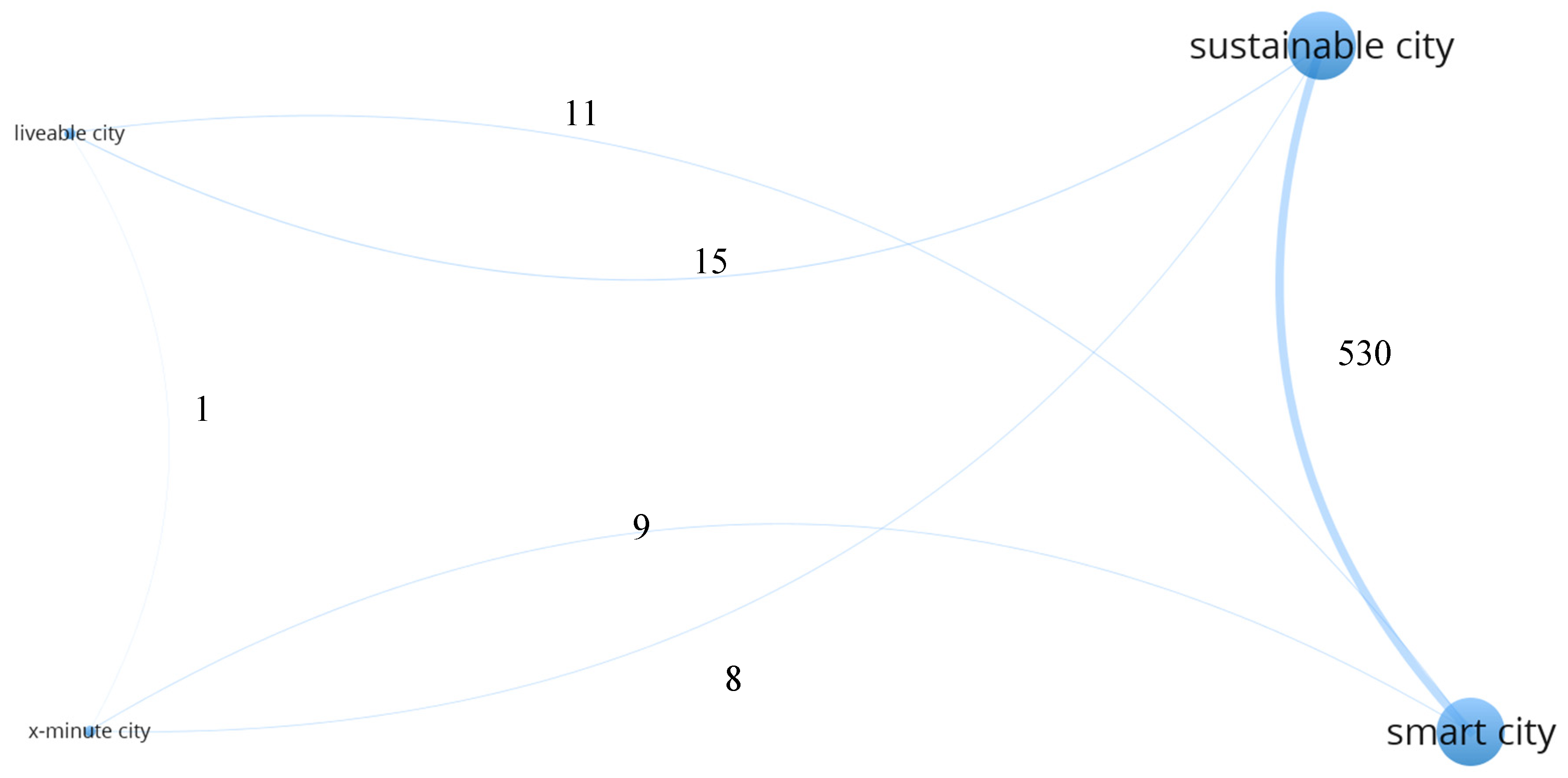
Figure 3 presents the co-occurrence network, and
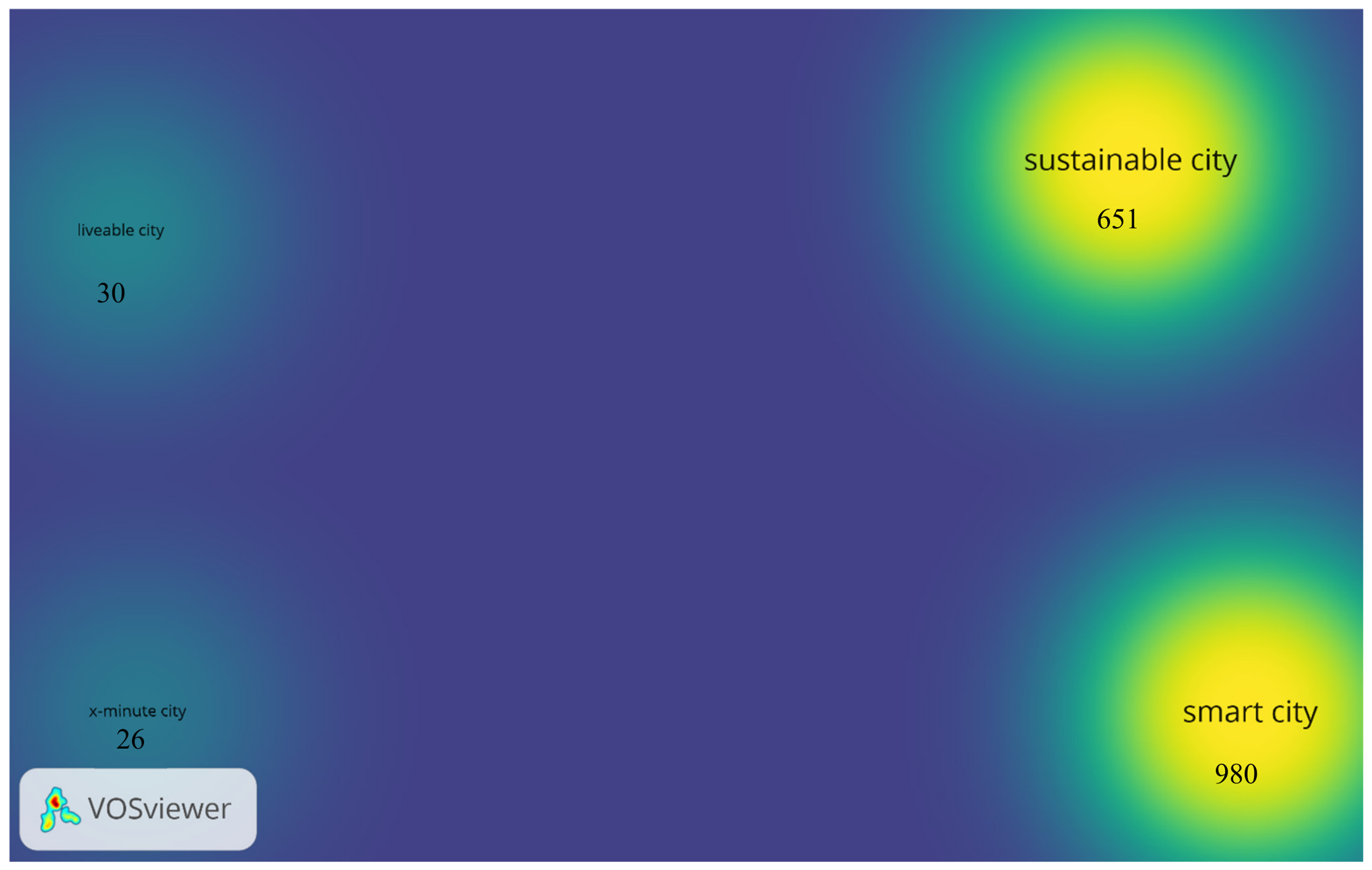
Figure 4 shows the density visualization of the four urban paradigms: smart city, sustainable city, livable city, and X-minute city. The analysis reveals distinct patterns in their scholarly representation and conceptual linkages. Due to its frequent association with other city concepts in urban research, the analysis shows that ‘smart city’ dominates the dataset, appearing in 980 articles. With 651 citations, ‘sustainable city’ comes in second. However, with only 30 and 26 articles, respectively, livable city and X-minute city are much less common, suggesting that they play more specialized roles in the larger academic conversation. To show the concentration of related keywords, the density visualization employs color intensity.
3.1.1. Conceptual Linkages
There is a clear conceptual connection between sustainable city and smart city, as evidenced by the 530 articles that examine how these two categories interact. This strong correlation highlights the need for research on how to combine sustainability and technological innovation in urban planning. Other relationships, however, are less obvious. For instance, smart city and X-minute city appear together in just nine articles, whereas livable city and X-minute city are only discussed together in one article. This suggests that there are new but little-studied intersections within these frameworks.
3.1.2. Density Visualization Insights
The clustering of smart city and sustainable city reflects shared research priorities (e.g., energy efficiency, climate resilience). Additionally, the peripheral positioning of livable city and X-minute city signals their nascent but potentially transformative role in urban theory.
This analysis underscores the need for deeper investigation into underrepresented intersections, particularly those involving X-minute city and livable city frameworks.
3.2. Citation Analysis
3.2.1. Dominance of the Smart–Sustainable City Nexus
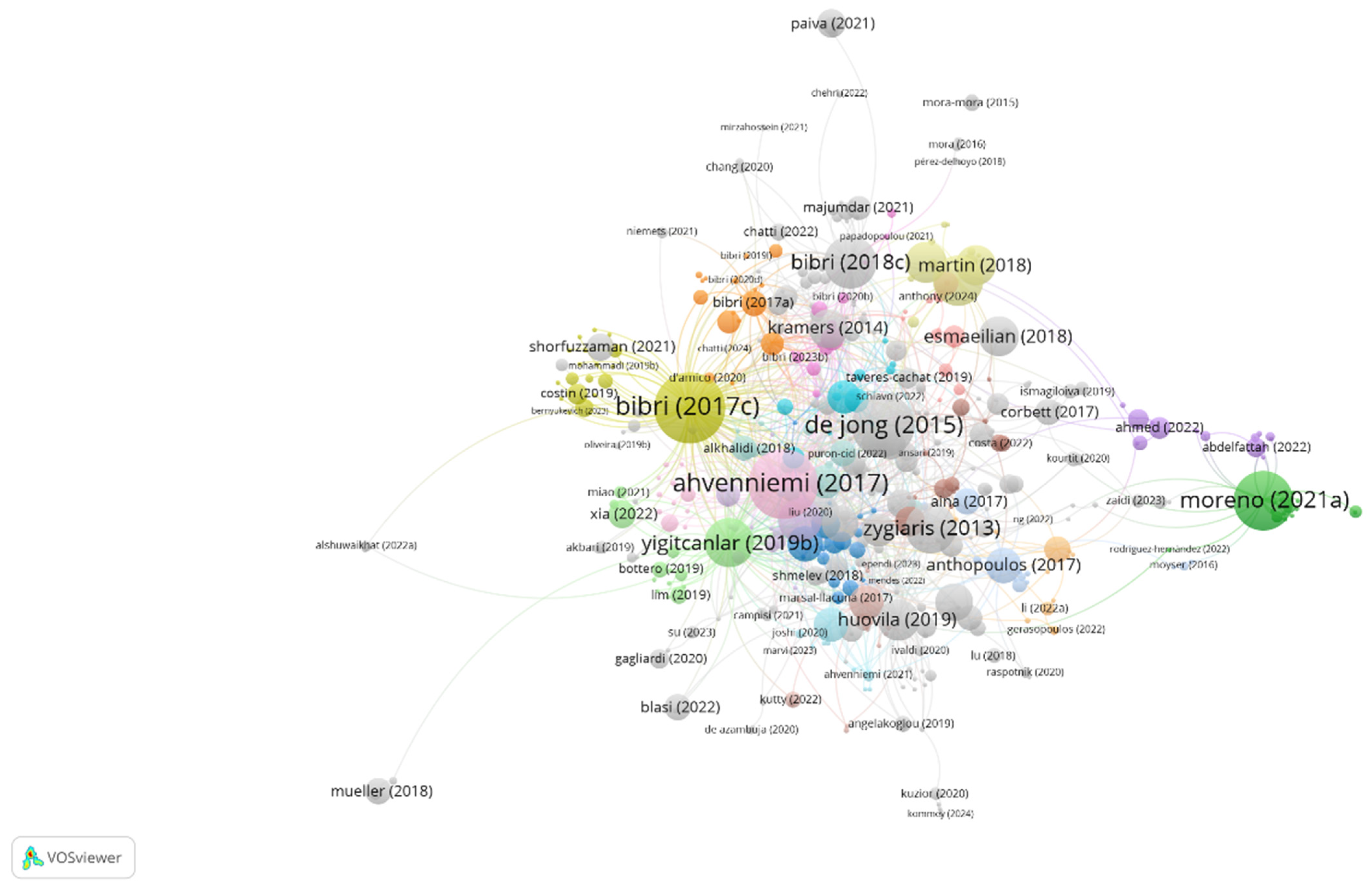
The most significant references in urban studies are highlighted in the citation analysis shown in
Figure 5, especially those that connect various city concepts. A noteworthy trend shows that most of these highly cited works concentrate on the nexus between smart city and sustainable city concepts, indicating their prominence as integrated frameworks in urban research. This connection is best illustrated by the highly cited work
Smart Sustainable Cities of the Future: An Extensive Interdisciplinary Literature Review by Bibri [
34], which has 971 citations and examines how smart technologies can improve sustainability across urban systems-. The article What Are the Differences Between Sustainable and Smart Cities? by Ahvenniemi [
14], which has received 930 citations, explores the similarities and differences between the two paradigms and emphasizes how they are intertwined in determining the future of cities. The study
Sustainable Smart Resilient Low Carbon Eco Knowledge Cities: Making Sense of a Multitude of Concepts Promoting Sustainable Urbanization (772 citations) by De Jong [
13] offers a thorough examination of how different city concepts are coming together, with a focus on sustainable and smart city concepts.
3.2.2. Emerging Connections to X-Minute Cities
Building on this theme, Morenos’ [
35] study
Introducing the 15-Minute City: Sustainability Resilience and Place Identity in Future Post-Pandemic Cities (693 citations) acknowledges the role of smart urban planning in facilitating proximity-driven development while connecting the X-minute city concept with sustainability and resilience.
3.2.3. Technological Foundations
The IoT for Smart Sustainable Cities of the Future: An Analytical Framework for Sensor-Based Big Data Applications for Environmental Sustainability (524 citations) by Bibri [
36] emphasizes the crucial connection between smart and sustainable city frameworks by examining how big data and smart technologies like the Internet of Things can promote environmental sustainability. Moreover, Gabrys [
37] focused on creating smart ecosystems to promote sustainability in his significant study Smart City Reference Model: Helping Planners to Conceptualize the Building of Smart City Innovation Ecosystems (494 citations). Programming Environments: Environmentality and Citizen Sensing in the Smart City (480 citations), written by Zygiaris [
38], strengthens the connection by examining how citizen sensing can be used to improve sustainable urban practices. Yigitcanlar [
10] makes a clear case for the interdependence of smart and sustainable city concepts in his 2019 paper Can Cities Become Smart Without Being Sustainable? A Systematic Review of the Literature (472 citations). This emphasized that the most significant papers are linking sustainable city with smart city.
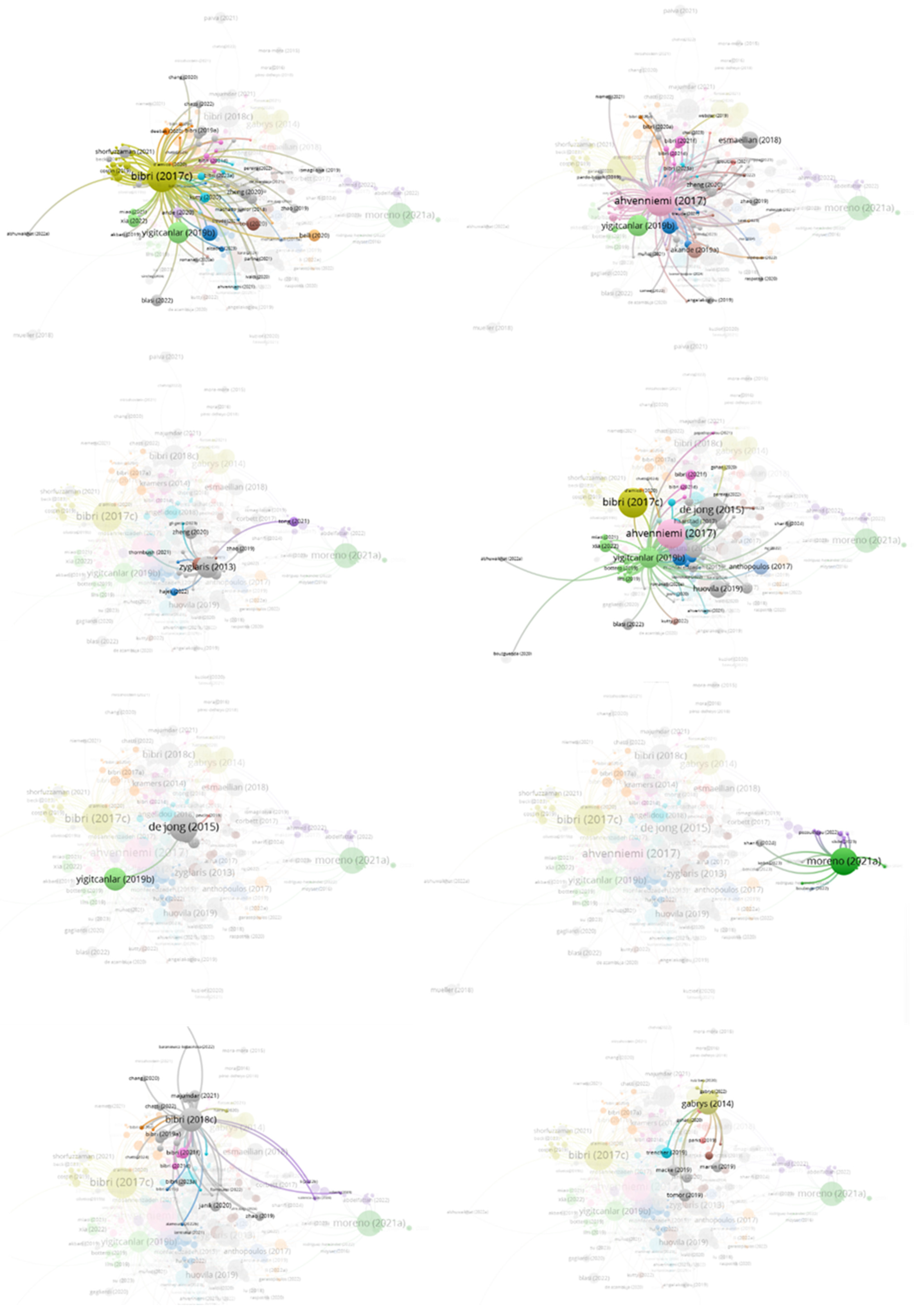
3.2.4. Link Weight Analysis
The interconnectedness of these articles and their contributions to the advancement of integrated urban concepts are further highlighted by the weight of the links between them, as shown in
Table 4. Ahvenniemi [
14] has the highest link weight (129), which is indicative of its importance in conversations bridging the ideas of smart cities and sustainability. Similar to this, Bibri [
34], which has a link weight of 125, emphasizes its significance in investigating multidisciplinary methods for combining these frameworks. With link weights of 76 and 52, respectively, Yigitcanlar [
10] and Bibri [
36] emphasize the continued focus on the symbiotic relationship between smart and sustainable cities. Conversely, Gabrys [
37] and Zygiaris [
38] display their contributions to new intersections like X-minute city planning and citizen-centric technologies, while Moreno [
35] has a link weight of 29. Despite having 772 citations, De Jong [
13] has a lower link weight of seven, indicating that it covers a wider range of topics than more narrowly focused works.
The main theme of this analysis shows that these important works play a dominant role in modern urban research, with most of them concentrating on the integration of sustainable and smart city concepts. Because of this interdependence, attaining sustainability objectives in cities frequently depends on the thoughtful use of smart technologies. The popularity of these related ideas not only suggests their fundamental significance in urban planning, but also supports their use as crucial frameworks for tackling today’s urban problems. They are essential to comprehending and creating future urban strategies because of this synergy.
3.2.5. Key Implications
This analysis validates the centrality of smart–sustainable integration while highlighting underexplored avenues for future research via the following key implementations:
The smart–sustainable city nexus dominates urban research, with technology framed as an enabler of sustainability.
The X-minute city and livable city concepts remain marginal but show promise for addressing gaps in accessibility and quality-of-life research.
Citation patterns reveal an opportunity to expand interdisciplinary work linking all four paradigms.
4. Discussion
Based on bibliometric co-occurrence and citation analysis, this section discusses the research findings with an emphasis on the four urban paradigms: livable cities, smart cities, sustainable cities, and X-minute cities.
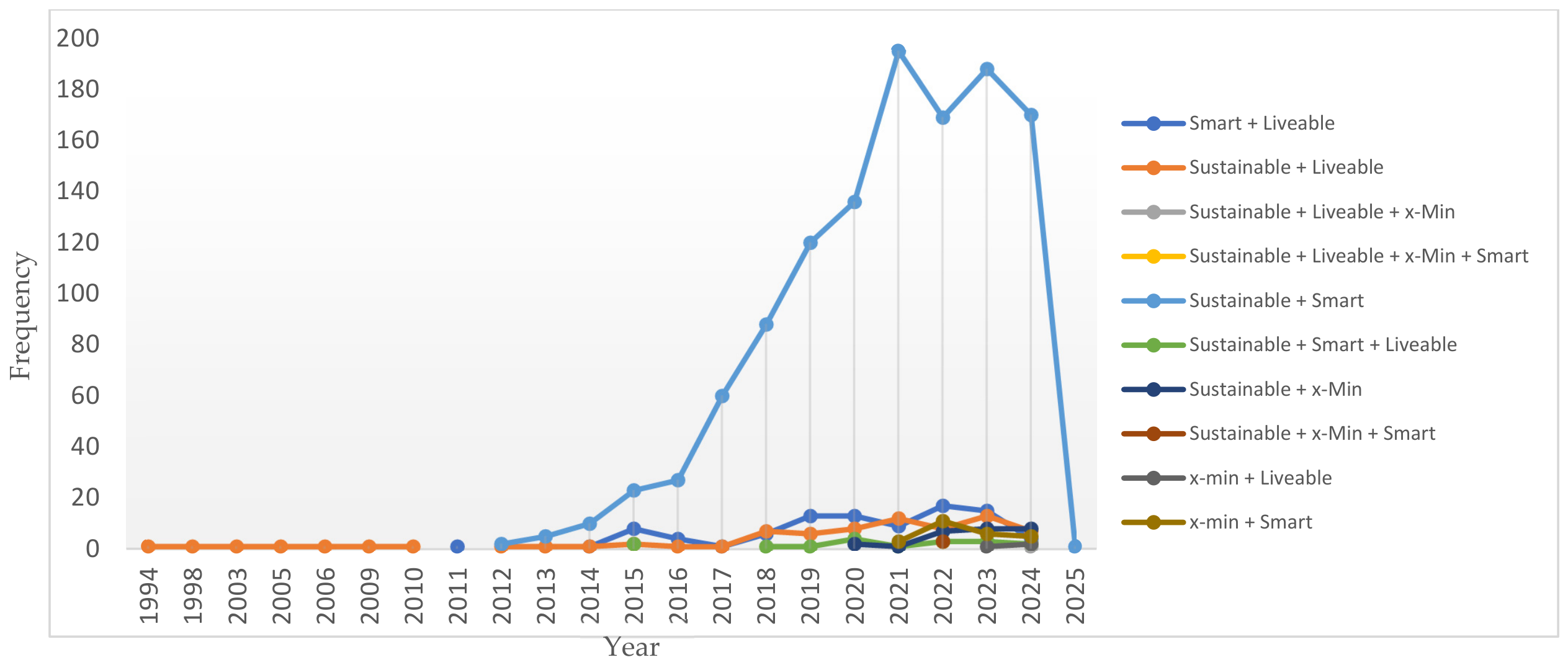
Figure 6 illustrates the four-city concept co-occurrence per year. The figure shows that the smart and sustainable city concepts are the most associated terms in the literature.
These concepts’ distinctive feature overlaps as shown in
Figure 7, and thematic synergies are highlighted in the discussion by looking at the frequency of co-occurrence and the citation patterns in scholarly literature.
4.1. Smart City
The dominance of the smart city paradigm in the bibliometric analysis reflects its role as the primary technological framework through which contemporary urban challenges are addressed. Rather than existing independently, the literature increasingly positions smart technologies as enabling mechanisms for sustainability, governance, and service delivery, explaining the paradigm’s extensive connections with other urban concepts.
In line with Lim et al. [
39], the smart city is viewed as a complex systemic transformation path that can promote economic growth and increase productivity in cities. It establishes a connection between urbanization and digitalization, two modern global concepts. The phrase ‘smart city’ has changed over the past two decades. In reality, smart cities are very complex systems that comprise a number of subsystems, such as those pertaining to mobility, the environment, people’s lives, governance, and the economy [
40]. Four forces—urban futures, the knowledge and innovation economy, the technology push, and the application pull—are influencing smart cities, according to an abstract model created by Angelidou [
41]. As stated by Giffinger and Gudrun [
42], a smart city is comprised of the following six elements: smart governance, smart people, smart living, smart mobility, smart economy, and smart environment. In addition, there has recently been more emphasis on public participation in smart city planning [
43,
44,
45], and in particular digital participatory planning [
46,
47,
48,
49,
50].
The broad conceptualization of ‘smart city’ is reflected in the findings of the co-occurrence analysis; this category features the highest frequency among the four, arising from its high level of co-association with other categories, as the articles in our bibliometric study are focused on two or more categories. Moreover, the citation analysis reveals that foundational works like Ahvenniemis [
14]
What Are the Differences Between Sustainable and Smart Cities? and Bibris [
51]
Smart Sustainable Cities of the Future predominate citations, highlighting the overlap between sustainability objectives and smart city development. The density visualization further emphasizes the importance of the smart city concept as a hub that links sustainable development, technology breakthroughs, and innovative governance.
The results imply that smart city frameworks should be used by policymakers as integrative tactics in line with sustainable, livable, and proximity-based urban planning, rather than as stand-alone remedies. By creating thorough smart city policies, several urban objectives can be advanced at once by bridging the gaps among digital infrastructure, environmental sustainability, and equitable governance.
4.2. Sustainable City
The modern definition of the sustainable city was first proposed by the Brundtland Commission in 1987, but it has since changed over time. According to the Brundtland Commission [
52], this definition places a strong emphasis on development that satisfies current needs without endangering the capacity of future generations to satisfy their own. The idea of a sustainable city gained popularity in the 1990s and was entwined with the triple bottom line approach, which highlights the interdependence of environmental social and economic sustainability as determined by a number of indicators [
53].
Through policies that lessen the demand on resources like energy and materials [
54], as well as by fostering social justice and an eco-friendly living environment [
55], sustainable cities seek to improve people’s quality of life. The 2012 Rio+20 outcome document further highlighted this multifaceted approach by giving the social dimension more consideration [
56]. Making cities and human settlements inclusive, secure, resilient, and sustainable was one of the specific objectives of the UN Sustainable Development Goals (SDGs), which were adopted in 2015 [
57].
Sustainable city is the second most frequent category in this study according to the co-occurrence analysis, indicating its fundamental significance in urban studies. As suggested by Morenos’ [
35] study on proximity-based sustainable development and Bibris’ [
34] work on smart sustainable cities, co-citation patterns exhibit a strong overlap with the X-minute and smart city concepts. This intersection emphasizes how practical implementation of sustainability frequently depends on technological solutions. In order to solve today’s issues, the analysis also shows how important it is to combine sustainability with other urban paradigms like proximity, planning, and livability. According to the findings, smart cities and the sustainable city concept are closely related in the literature, indicating how well they complement one another in tackling issues related to governance, the economy, and the environment.
Policymakers and urban planners should give top priority to initiatives that combine social and technological advancements with sustainable practices emphasizing inclusive urban environments, green infrastructure, and fair resource distribution.
4.3. Livable City
Urbanists and behavioral economists have made major contributions to foundational studies that address sustainability, quality of life, and urban planning, which have greatly influenced the idea of livability in cities. While Kevin Lynch’s 1960 book
The Image of the City [
58] emphasizes the significance of mental maps, legibility, and wayfinding in influencing how people view and move through urban environments, Jane Jacobs’ 1961 book
The Death and Life of Great American Cities [
59] transformed urban studies by arguing against car-centric urban renewal strategies and in favor of human-scale mixed-use development and lively streetscapes. William H. Whyte’s The Social Life of Small Urban Spaces [
60] and the United Nations Vancouver Declaration on Human Settlements [
61] emphasize the importance of public spaces in promoting social interaction and improving livability. These works together established the groundwork for comprehending the relationship between urban design and community well-being. Using behavioral urban economics to expand on these concepts, Caplin and Caplin improved our understanding of livability by incorporating social and psychological aspects into evaluations of housing options, neighborhood characteristics, and fair access to services. In addition to emphasizing the value of metrics for evaluating urban quality of life, their research offers insightful information about the smallest-scale decision-making processes that impact urban experiences and contentment [
58,
59,
60,
61,
62,
63].
An urban system that promotes each person’s physical, social, and mental well-being, as well as their personal development, is known as a livable city. Furthermore, the core concepts of a livable city are empowerment, equity dignity, accessibility, conviviality, and participation. In a livable city, social and physical components cooperate to advance the welfare of the neighborhood and the personal development of every citizen [
64]. A person’s perception of a place’s livability is frequently influenced by a number of factors related to quality of life, including age, wealth, cultural background, lifestyle preferences, values, and beliefs. Subjective and objective factors are the two ways to quantify the elements that influence people’s opinions of livability. The phrase ‘objective factors’ describes variables that have a numerical value, like the cost of housing, the density of hospitals and schools, the availability of public transit, and the crime rate. Factors that are intangible, spiritual, emotional, and challenging to measure or represent numerically are all examples of subjective factors.
In contrast to smart and sustainable cities, the livable city concept has a long history, but according to this study’s findings, it is not as common in bibliometric analysis. Nonetheless, its close ties to these categories may imply how important it is to building just, human-centered urban environments. In order to promote inclusive urban spaces, it is crucial to integrate livability with proximity planning and sustainability frameworks, as suggested by seminal works like Caplin’s behavioral analysis and Jacobs’ [
59] study on lively streetscapes. With its emphasis on human-centered design and quality of life, this study’s findings indicate that the livable city concept is related to the sustainable and smart city paradigms.
According to these results, livability ought to continue to be a top priority for urban policy, bolstered by expenditures on public areas, easily accessible facilities, and neighborhood-focused architecture. To guarantee that human well-being is a primary factor in urban regeneration initiatives, policymakers should also incorporate livability metrics into more comprehensive urban strategies.
4.4. X-Minute City
Portland, Oregon is where the phrase ‘X-minute city’ was first introduced in the early 2010s [
65]. According to Moreno et al. [
35], it suggests a creative planning scheme that allows people to obtain the essentials of life within 15–20 min, ideally on foot. Stated differently, an X-minute city is a section of a city whose residents can get to the most significant events within a given time frame. This idea, which integrates temporal and spatial dimensions, is founded on the chrono-urbanism theory, which maintains that the amount of time and money spent on transportation has a negative correlation with quality of urban life [
35]. The X-minute city concept is based on an urban model comprising density, diversity, proximity, and digitization criteria. To clarify, a district’s density is the maximum population it can accommodate while maintaining service delivery and resource consumption [
59]. Furthermore, proximity refers to the ease of access to facilities for everyday necessities like employment, housing, healthcare, education, entertainment, and commerce. The temporal and spatial dimensions are thus connected by proximity. More specifically, for vulnerable users, proximity is associated with increased independence, reduced dependence on cars, and higher levels of active mobility [
66,
67]. Diversity, on the other hand, refers to the coexistence of numerous identities and practices, as well as the variety of local urban functions. More resilience, vitality, inclusivity, and resident satisfaction, reduced emissions, and improved quality of life are all results of diverse travel and social interactions. Lastly, digitalization is the process of using ICT solutions to optimize the delivery of critical services [
68].
The bibliometric analysis reveals that the term ‘X-minute city’ appears less frequently than the other city categories due to its relative novelty. However, its growing significance in proximity-based urban planning is highlighted by its emerging co-association with sustainable and smart city concepts. Important works like Moreno et al. [
35]
The potential of this model to improve accessibility and lessen environmental impacts highlight sustainability and resilience. As mentioned, the idea of an X-minute city has not received much attention in the international literature, but it does show new links to sustainable and smart city paradigms.
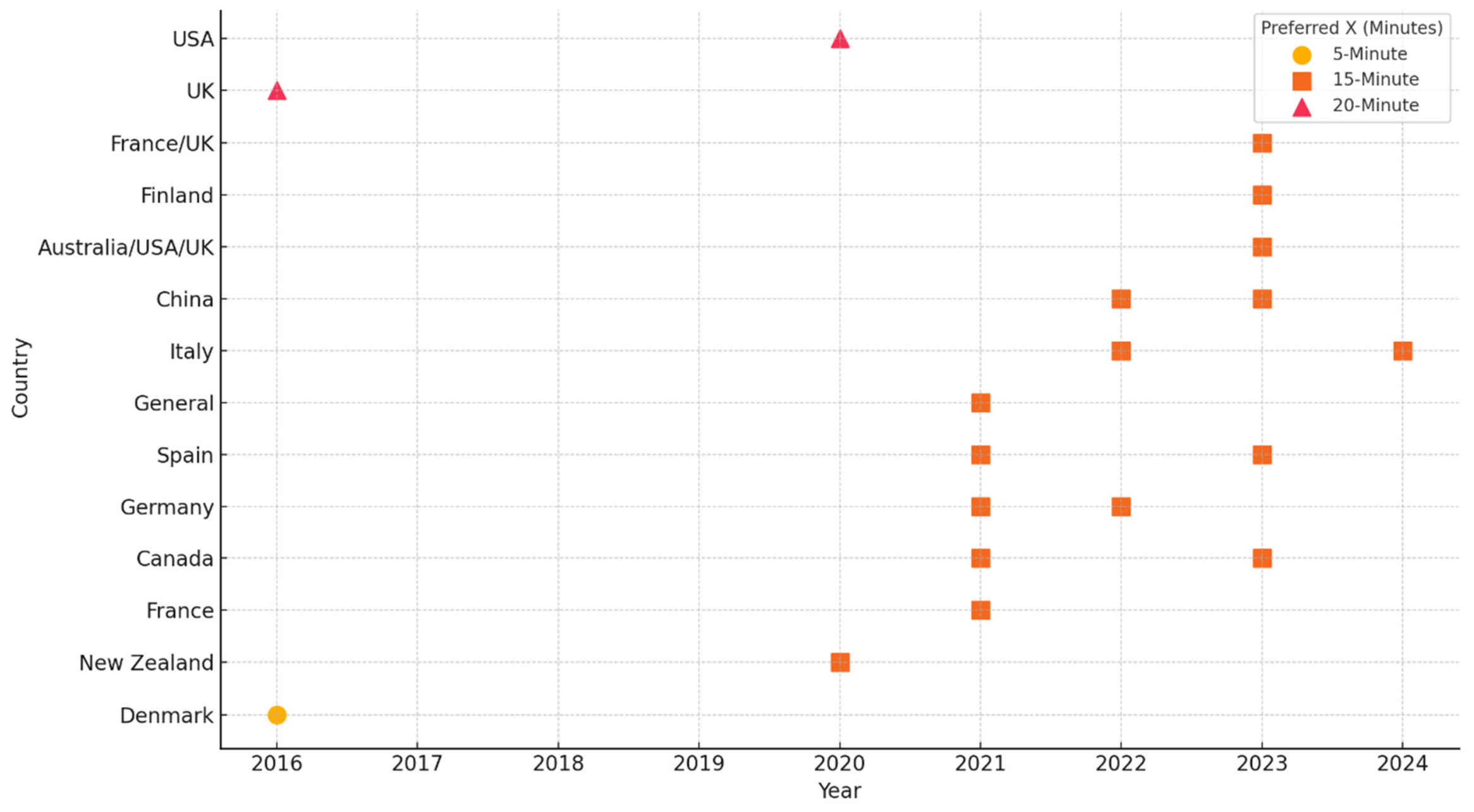
Figure 8 illustrates the distribution of X-minute city preferences across different countries and years, using distinct shapes to represent different preferred travel times: circles for 5 min cities, squares for 15 min cities, and triangles for 20 min cities. The earliest record is from 2016, where Denmark adopted a 5 min city model, and the UK indicated a preference for a 20 min city model. In 2020, New Zealand preferred the 15 min model, while the USA maintained a 20 min preference. The year 2021 witnessed a broader diversification, with France, Australia, Canada, Germany, Spain, and general urban models predominantly advocating for the 15 min city concept. By 2022, Germany, Italy, and China continued reinforcing the 15 min preference. In 2023, multiple countries and regions, including Australia/USA/UK combined cases, China, Spain, Finland, Canada, and France/UK collaborations, further emphasized the 15 min model. Italy maintained the 15 min standard in 2024 as well. Overall, the 15 min city concept clearly dominates across the majority of countries and years, whereas the 5 min and 20 min models appear much less frequently, with the 5 min city uniquely identified only once (Denmark, 2016) and the 20 min model limited to early records from the UK (2016) and the USA (2020).
Recent research on the X-minute city has increasingly shifted from promoting the concept toward addressing its conceptual, methodological, and operational challenges. For example, a recent review study has questioned how proximity should be measured and compared across different urban contexts, arguing that accessibility depends not only on travel time, but also on urban morphology, transport modes, demographic characteristics, and the distribution of essential services [
69]. Similarly, research on the operationalization of the X-minute city has highlighted the need for context-sensitive planning frameworks capable of accommodating diverse urban forms while supporting regeneration and sustainable development [
70]. These studies collectively suggest that the X-minute city is evolving from a normative planning vision into a more measurable and evidence-based urban planning framework.
The findings from the present study complement this emerging body of literature from a different perspective [
68,
71,
72]. Rather than examining how X-minute cities should be implemented, our bibliometric analysis investigates how the concept is positioned within the broader evolution of urban planning research. The observed patterns indicate that the X-minute city is increasingly associated with smart, sustainable, and livable city research, suggesting that proximity-based planning is becoming part of a wider multidisciplinary urban agenda. This perspective extends previous reviews by positioning the X-minute city not as an isolated planning concept, but as an emerging component of integrated urban planning discourse supporting the research on smart city, eco-city, and other urban planning paradigms [
73,
74,
75,
76,
77,
78,
79,
80,
81,
82,
83,
84].
Our integrated perspective represents an important contribution to the growing X-minute city literature. Previous reviews have predominantly examined the concept from the perspectives of proximity measurement, accessibility assessment, urban regeneration, or implementation strategies. In contrast, the present study investigates how the X-minute city is evolving relative to three established urban paradigms: smart, sustainable, and livable cities. By mapping these bibliometric associations, the study provides new insights into the changing intellectual landscape of urban planning research and identifies emerging directions for future interdisciplinary investigations.
4.5. Patterns of Associations Among the Four Urban Paradigms
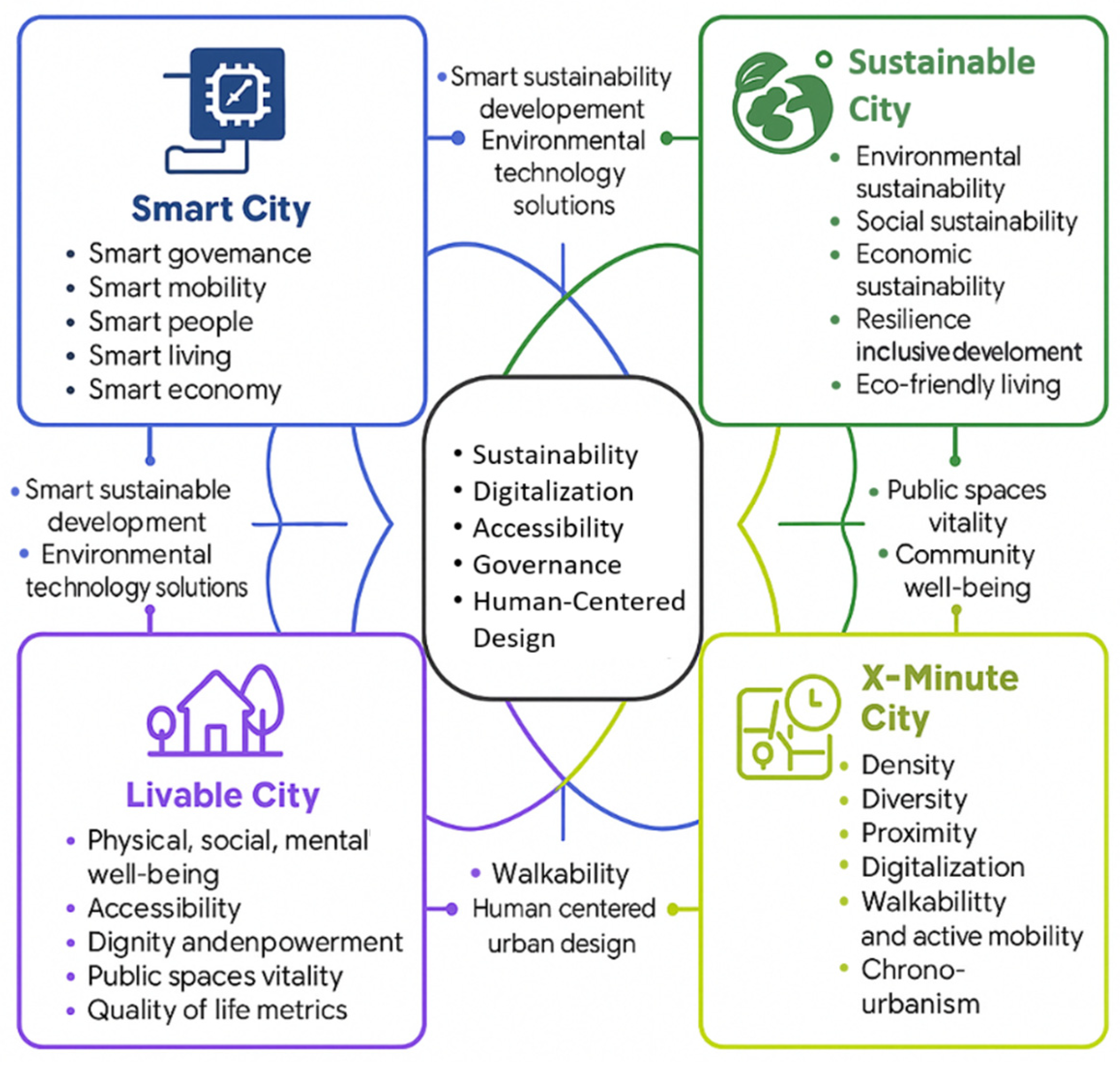
Figure 9 illustrates the conceptual relationships among the four urban paradigms analyzed in this study: smart city, sustainable city, livable city, and X-minute city. Each paradigm is defined by a distinct set of key attributes, such as smart governance, environmental sustainability, well-being, and proximity, that reflect its unique focus within urban development discourse. The diagram highlights the core overlapping principles that connect these models, including sustainability, digitalization, accessibility, governance, and human-centered design. In addition to these central elements, specific bilateral overlaps are mapped: smart city and sustainable city literature exhibits a strong pattern of co-occurrence, suggesting that these paradigms are frequently discussed together within the scholarly literature in the form of smart, sustainable development and environmental technology solutions; sustainable cities and livable cities share emphasis on public spaces and community well-being; livable cities and X-Minute cities intersect through walkability and human-centered urban design; and smart cities and X-minute cities align through digitalization for enhanced accessibility and mobility. By synthesizing these relationships,
Figure 8 provides a comprehensive visual framework that clarifies the interconnectedness and distinctiveness of each city model within the broader context of sustainable urban development.
4.6. Comparative Analysis of Conceptual Intersections
As illustrated in
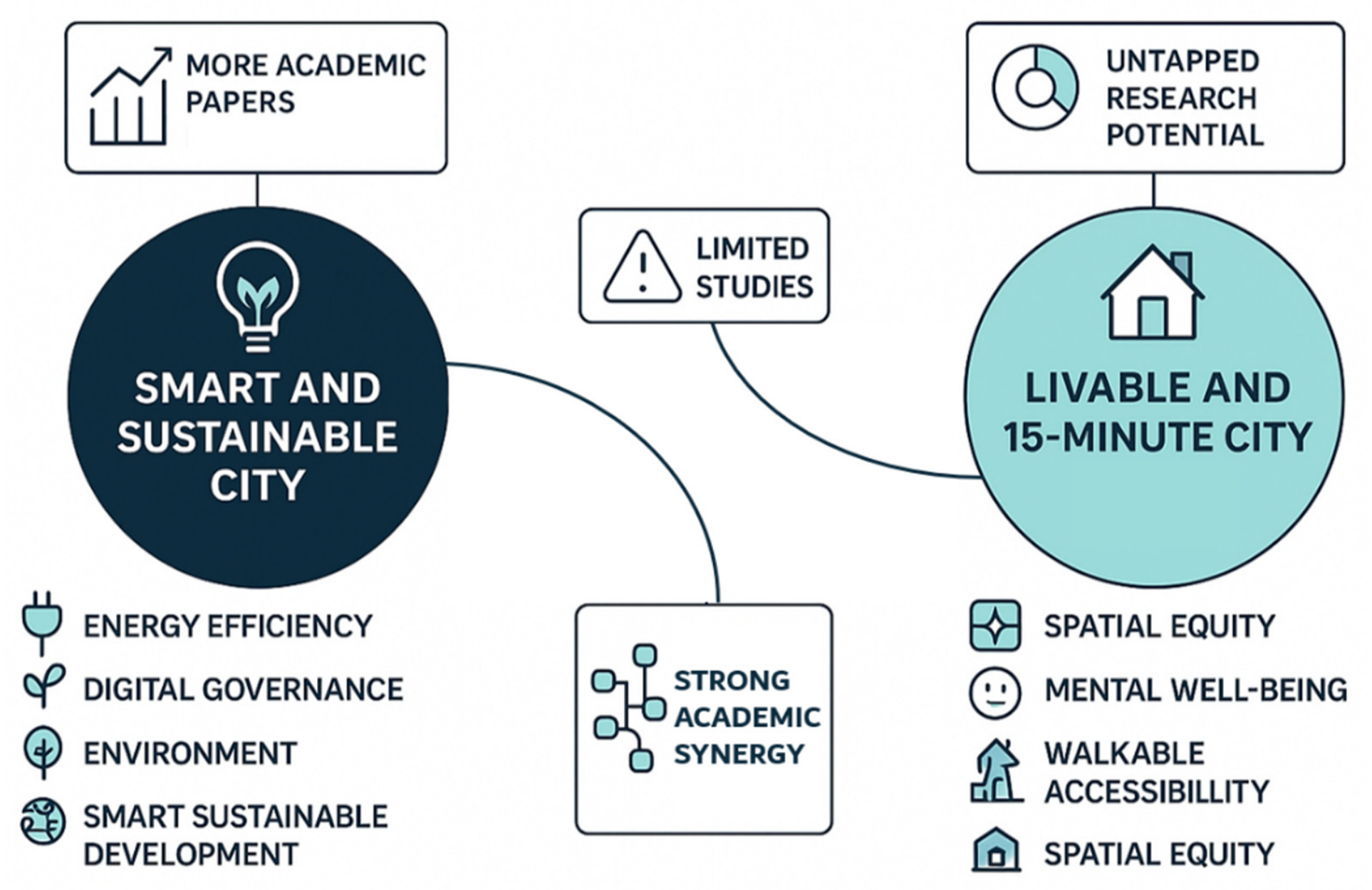
Figure 10, the citation and co-occurrence analyses underscore a hierarchy in conceptual connectivity. Smart and sustainable cities exhibit the strongest academic synergy, a relationship extensively explored in foundational works [
14,
34]. These works position smart technologies as both enablers and drivers of urban sustainability, emphasizing energy efficiency, digital governance, and environmental responsiveness.
The dominance of the smart–sustainable city nexus reflects more than simple co-occurrence within the literature. It indicates a fundamental shift in urban planning theory whereby digital technologies are increasingly viewed as enabling mechanisms for achieving sustainability objectives rather than as ends in themselves. This convergence suggests that technological innovation has become embedded within broader environmental, economic, and social agendas, moving urban planning away from technology-driven approaches toward integrated sustainability transitions. Consequently, smartness has evolved from a stand-alone paradigm into a supporting dimension of sustainable urban development.
By contrast, livable cities and X-minute cities remain underrepresented in the literature when paired with other frameworks. Their presence, however, introduces nuanced perspectives related to spatial equity, mental well-being, and walkable accessibility. The limited co-occurrence between livable and X-minute cities suggests untapped research potential, particularly in operationalizing quality-of-life metrics within proximity-driven planning models.
The comparatively weaker bibliometric links involving livable and X-minute city paradigms should not be interpreted as evidence of lower importance. Instead, they reflect the relatively recent emergence and evolving conceptualization of human-centered and proximity-based planning within the urban literature. Unlike smart and sustainable cities, which have benefited from decades of policy initiatives and international research programs, these paradigms are still developing their theoretical foundations and operational frameworks. Their growing association with the other paradigms suggests that future urban research is increasingly shifting toward integrated models that balance technological innovation with accessibility, well-being, spatial equity, and quality of life.
While the literature consistently promotes the integration of smart and sustainable paradigms, the relatively fragmented discourse on livability and chrono-urbanism invites critical inquiry. It remains unclear whether these paradigms are under-theorized or inherently niche, which reveals a gap in the urban scholarship that future work should address.
Taken together, the bibliometric patterns suggest that contemporary urban planning research is moving away from isolated planning paradigms toward integrated urban development frameworks. The strong association between smart and sustainable cities reflects the increasing recognition that technological innovation is most valuable when aligned with broader environmental and social objectives. Conversely, the comparatively weaker links involving livable and X-minute cities do not imply lower importance, but rather indicate that these human-centered paradigms are still evolving within scholarly discourse. Their growing presence alongside smart and sustainable city research suggests an emerging shift toward planning approaches that combine digital innovation with accessibility, well-being, spatial equity, and quality of life. This evolution reflects a broader transformation in urban theory, where technological, environmental, and social objectives are increasingly viewed as complementary rather than competing dimensions of urban development.
Unlike previous bibliometric studies that have primarily examined selected pairs or subsets of urban paradigms, this study provides an integrated perspective on four influential urban models within a single analytical framework. This broader perspective reveals not only the dominant relationships already recognized in the literature, but also highlights emerging associations involving proximity-based and human-centered planning paradigms. Consequently, the study contributes to a more comprehensive understanding of how urban research is evolving toward multidimensional planning approaches that simultaneously address technological innovation, sustainability, accessibility, and quality of life.
4.7. Theoretical and Practical Implications
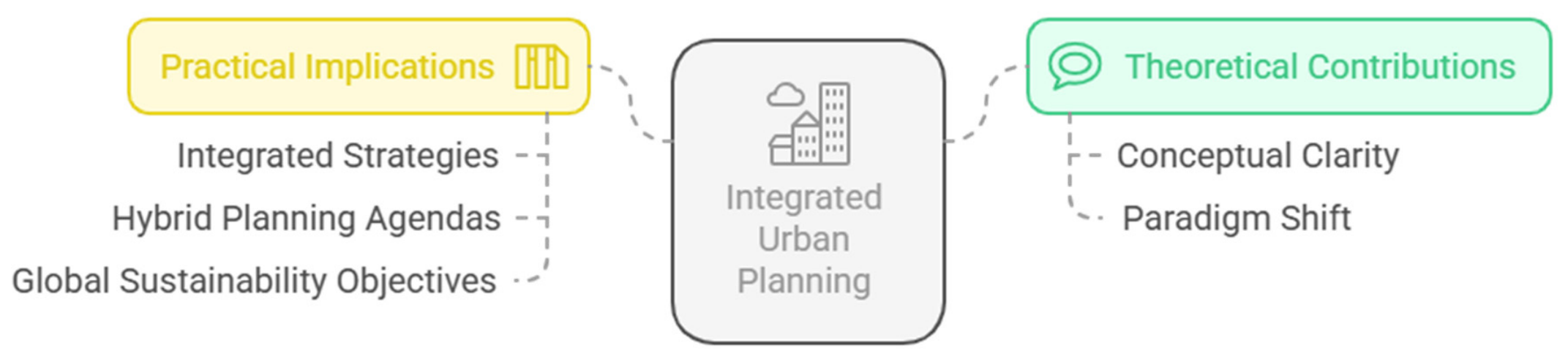
At a theoretical level, this study contributes to the conceptual clarity of urban frameworks by empirically tracing the interrelations among dominant city paradigms. It challenges the traditional compartmentalization of smart, sustainable, livable, and proximity-based planning by proposing a meta-framework grounded in bibliometric evidence. The results suggest a shift toward a post-disciplinary urbanism where technology, ecology, and human-centric values intersect fluidly.
At a practical level, for urban policymakers and planners, the findings advocate for integrated strategies that leverage the synergies among city paradigms. Urban development initiatives should simultaneously pursue smart governance, sustainable infrastructure, inclusive design, and proximity planning. Investments in digital tools, public space design, and mobility systems should be evaluated not in isolation, but for their cross-cutting impacts on livability and sustainability.
Figure 11 summarizes the aforementioned implications; these insights are particularly relevant for cities undergoing rapid transformation. Rather than adopting singular models, urban leaders are encouraged to formulate hybrid planning agendas that reflect local needs while aligning with global urban sustainability objectives.
From a theoretical perspective, the findings suggest that contemporary urban planning should no longer regard smart, sustainable, livable, and X-minute city paradigms as competing models. Instead, they appear to represent complementary dimensions of a broader urban transformation agenda. Although bibliometric associations do not establish theoretical integration, the observed patterns indicate increasing scholarly attention to multidisciplinary approaches that combine technological innovation, environmental sustainability, spatial accessibility, and human well-being. This perspective provides a useful foundation for future conceptual and empirical research seeking to develop more integrated urban planning frameworks.
Overall, the observed bibliometric patterns suggest that contemporary urban planning is transitioning from competing urban paradigms toward complementary and integrated frameworks. Rather than replacing one another, smart, sustainable, livable, and X-minute city concepts increasingly function as interdependent dimensions of urban transformation. This finding contributes to urban theory by supporting a multidimensional perspective in which technological innovation, environmental sustainability, human well-being, and spatial accessibility are no longer treated as separate planning objectives, but as mutually reinforcing components of resilient and future-ready cities.
4.8. Limitations and Future Research
Although this study offers insightful information about the relationships among city concepts, it is constrained by its reliance on bibliometric analysis, which might not fully capture all of these frameworks’ subtleties. While bibliometric analysis effectively maps scholarly trends, it may not capture the practical nuances of these paradigms in diverse urban contexts. Fieldwork case studies and qualitative analyses could all be used in future research to better understand these connections in particular urban settings. More research could also examine the X-minute city concept’s practical application and effects on quality of life and urban resilience as it develops. A comprehensive approach to tackling the complex issues of urbanization is provided by the integration of smart, sustainable, livable, and X-minute city frameworks. Future research could
Employ case studies or qualitative methods to explore how these frameworks interact in specific cities.
Investigate the real-world impacts of X-minute city implementations on urban resilience and equity.
Examine policy barriers to integrating these paradigms in governance structures.
In addition, this study intentionally focused on four influential urban paradigms to enable a coherent comparative analysis. Future research could expand the framework by incorporating additional paradigms, such as resilient, regenerative, healthy, eco-, or knowledge cities, to examine their evolving relationships within the broader urban planning literature.
Another limitation is the exclusive use of the Scopus database. Although Scopus offers extensive interdisciplinary coverage and is widely used in bibliometric research, publications indexed exclusively in other databases, such as Web of Science, were not included. Future studies could employ multiple databases to compare coverage and assess the robustness of the conceptual networks identified in this study.
Also, the search strategy focused on the established names of the selected urban paradigms. Consequently, publications discussing similar ideas using different terminology may not have been captured. Future studies could incorporate broader semantic search strategies or synonym-based queries to examine whether similar conceptual patterns emerge.
At a methodological level, the observed co-occurrence of keywords and concepts reflects patterns of association within the published literature rather than direct evidence of theoretical integration or causal relationships. Consequently, the identified conceptual linkages should be interpreted as indications of shared research attention and evolving scholarly discourse. Future research employing systematic literature reviews, qualitative synthesis, or conceptual analysis could further examine whether these bibliometric associations correspond to deeper theoretical convergence among urban paradigms.
5. Conclusions
This study used bibliometric co-occurrence and citation analyses to investigate the relationships among four major urban concepts: livable cities, sustainable cities, smart cities, and X-minute cities. This study attempted to illustrate the thematic overlaps and synergies among these frameworks by concentrating on their co-occurrence in scholarly literature, thus advancing a more comprehensive understanding of urban development paradigms.
Due to its inherent technological and systemic adaptability, the smart city concept emerged as the most frequently addressed category, and it serves as a crucial link to other city concepts, according to the analysis. Subsequently, sustainable cities emerged, showcasing their fundamental significance in urban studies and their dependence on integrative methods, especially with smart city frameworks, to accomplish social, economic, and environmental objectives. Even though livable cities were less common, their close relationships to other categories highlighted how important they are for developing human-centered urban environments. Finally, the X-minute city is a relatively new idea indicating new possibilities by focusing on accessibility and closeness while aligning with smart technologies and sustainability. By showing that these city concepts are not distinct, but rather complementary, frameworks that work together to address the intricate problems of urbanization, this study emphasizes the interconnectedness of urban paradigms.
The results highlight the necessity of interdisciplinary methods in urban planning and policymaking wherein livability metrics, proximity planning, smart technologies, and sustainable practices are combined to produce comprehensive urban strategies. By highlighting significant thematic clusters and seminal works that influence the field, this research establishes a basis for future investigation and adds to the scholarly conversation. This study’s findings have important ramifications for policymaking and urban planning. Adopting integrated strategies that capitalize on the advantages of each urban concept is encouraged for planners and policymakers. For instance, integrating smart technology into frameworks for livable and sustainable cities can improve mobility, energy efficiency, and citizen participation. In a similar vein, adopting X-minute city concepts can increase active mobility, decrease reliance on cars, and improve accessibility. The literature’s overlap shows that a multifaceted strategy is necessary to meet the various needs of urban populations while maintaining social justice and environmental resilience.
By overcoming these paradigms, cities can progress toward a future that is inclusive, equitable, and human-centered, in addition to being technologically sophisticated and environmentally sustainable. A first step toward implementing such integrated urban strategies is provided by this research.