Article

Generative Regeneration of Historic Urban Fabric: A Framework Based on Deep Learning and Multi-Objective Optimization

1
School of Art and Archaeology, Hangzhou City University, Hangzhou 310015, China
2
Zhejiang Engineering Research Center of Building’s Digital Carbon Neutral Technology, Hangzhou 310015, China
3
Zhejiang Provincial Collaborative Innovation Center for Immovable Cultural Heritage Protection Technology, Hangzhou 310015, China
4
Department of KANSEI Design Engineering, Faculty of Engineering, Yamaguchi University, Yamaguchi 753-8511, Japan
5
College of Civil Engineering and Architecture, Zhejiang University, Hangzhou 310058, China
*
Author to whom correspondence should be addressed.
Land 2026, 15(6), 976; https://doi.org/10.3390/land15060976
Submission received: 12 April 2026 / Revised: 27 May 2026 / Accepted: 30 May 2026 / Published: 3 June 2026

Abstract

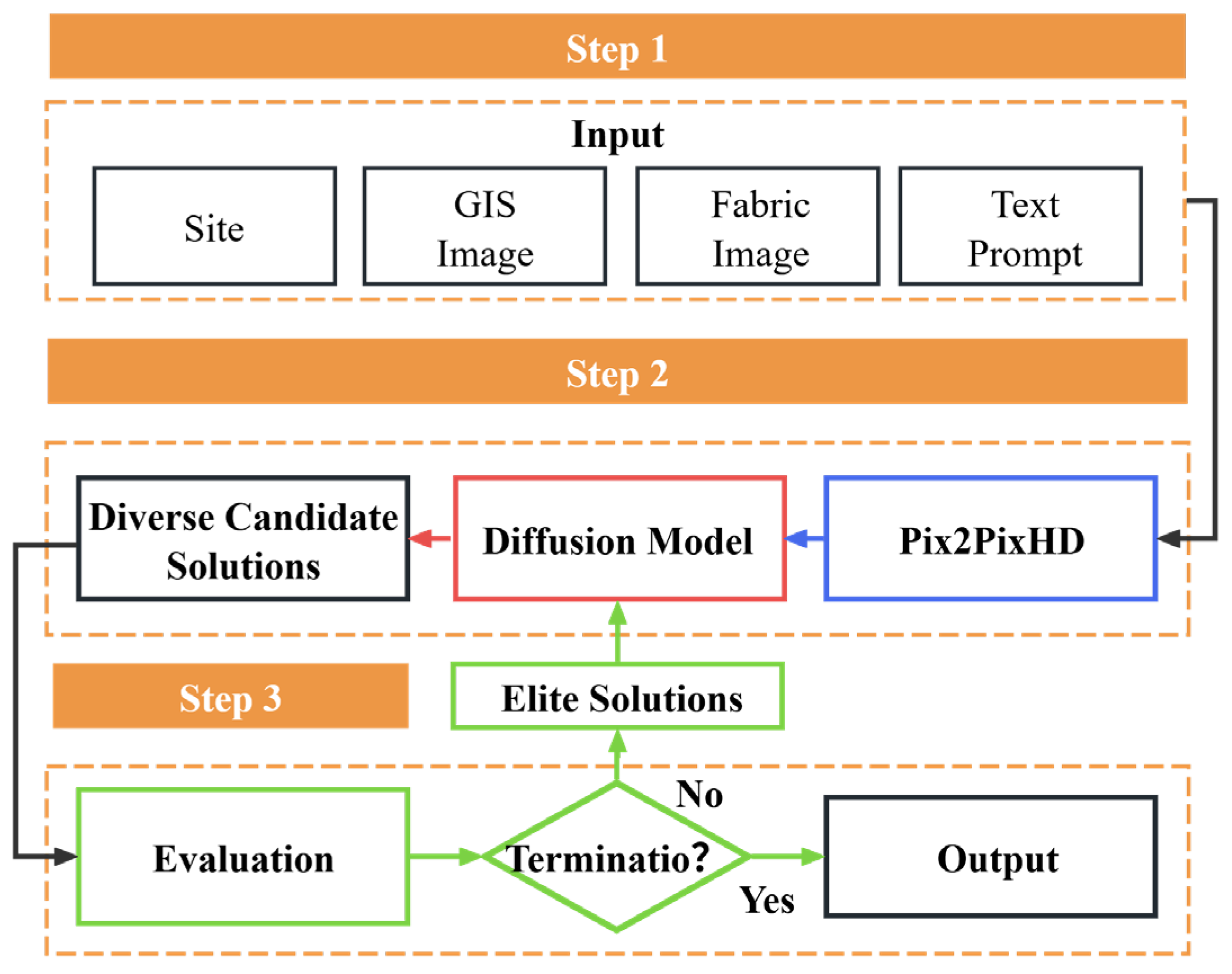
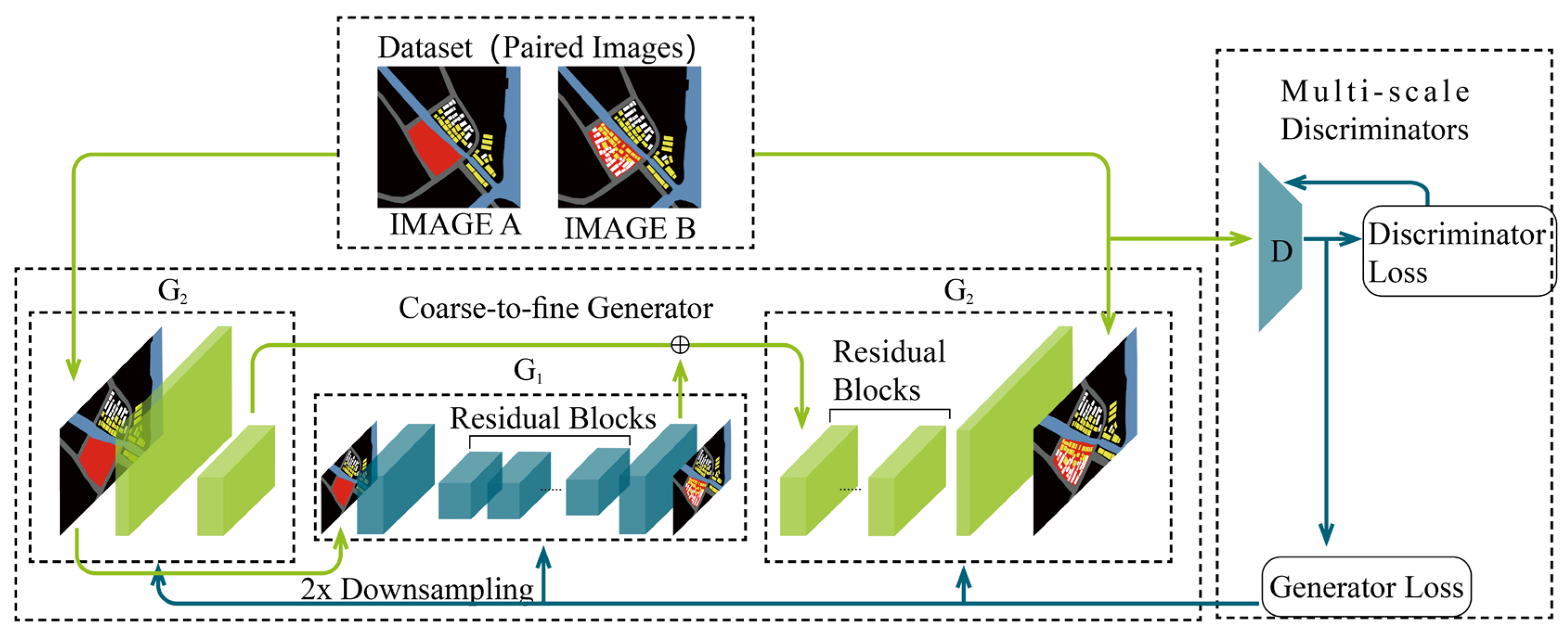
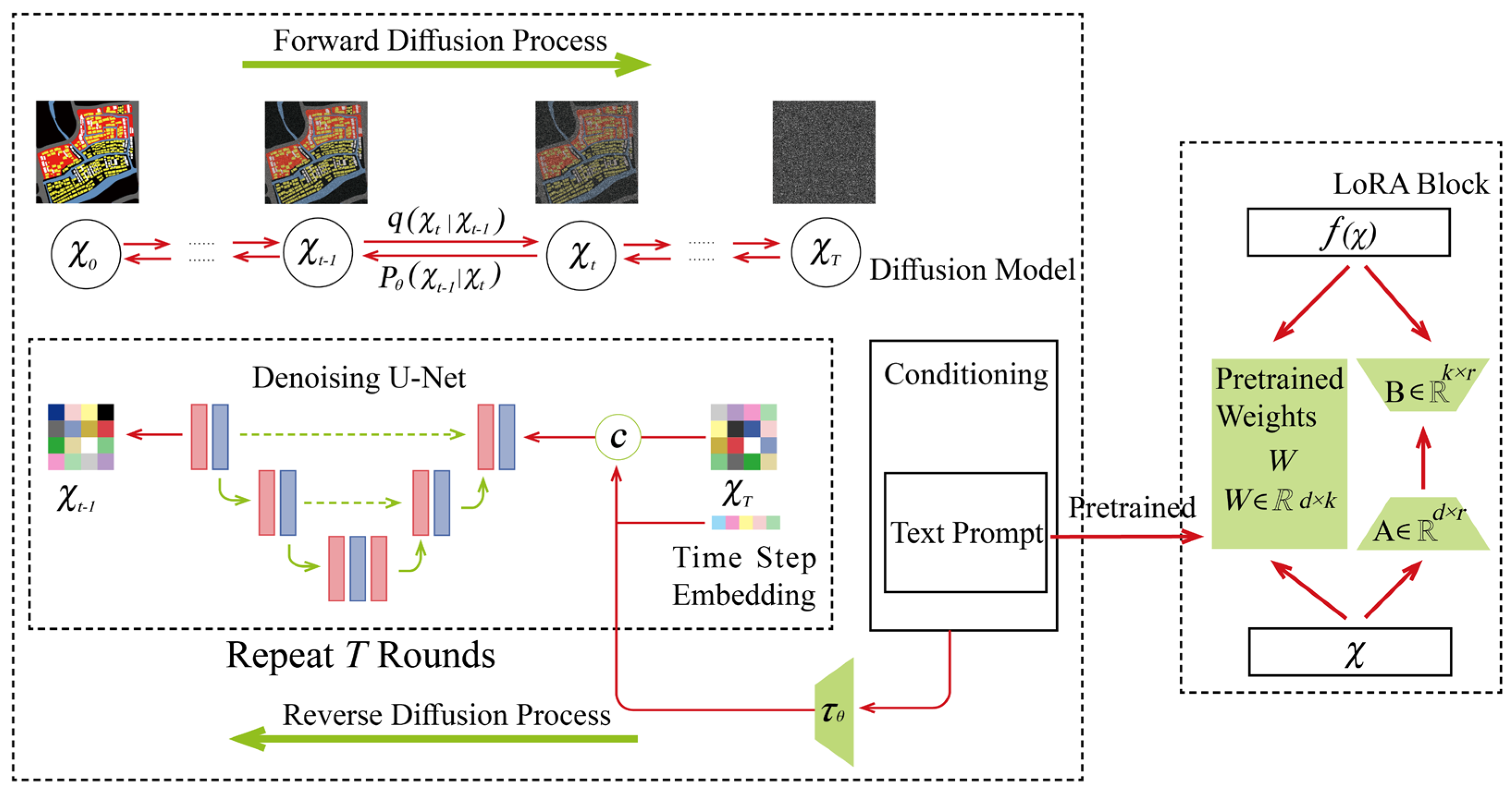
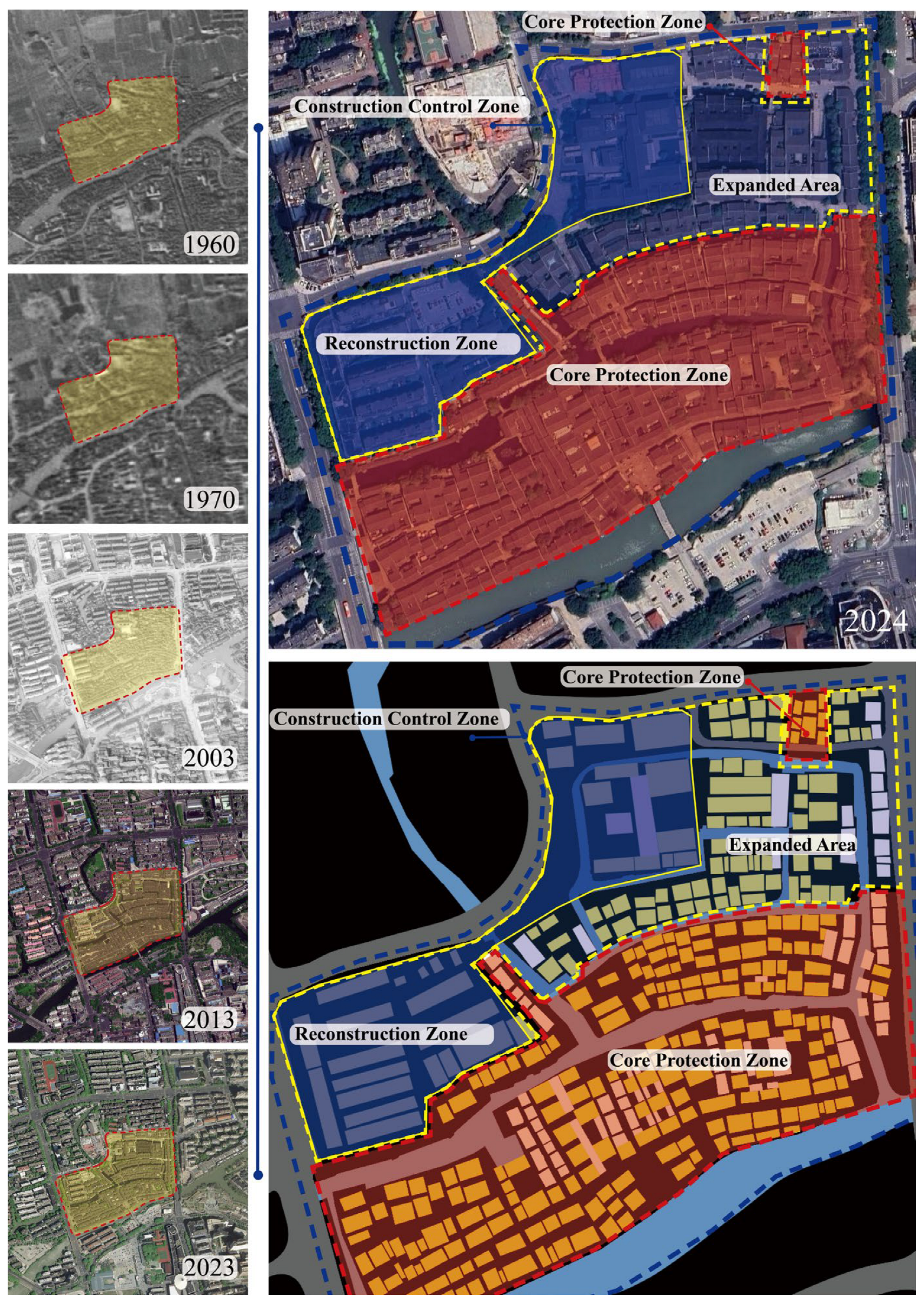
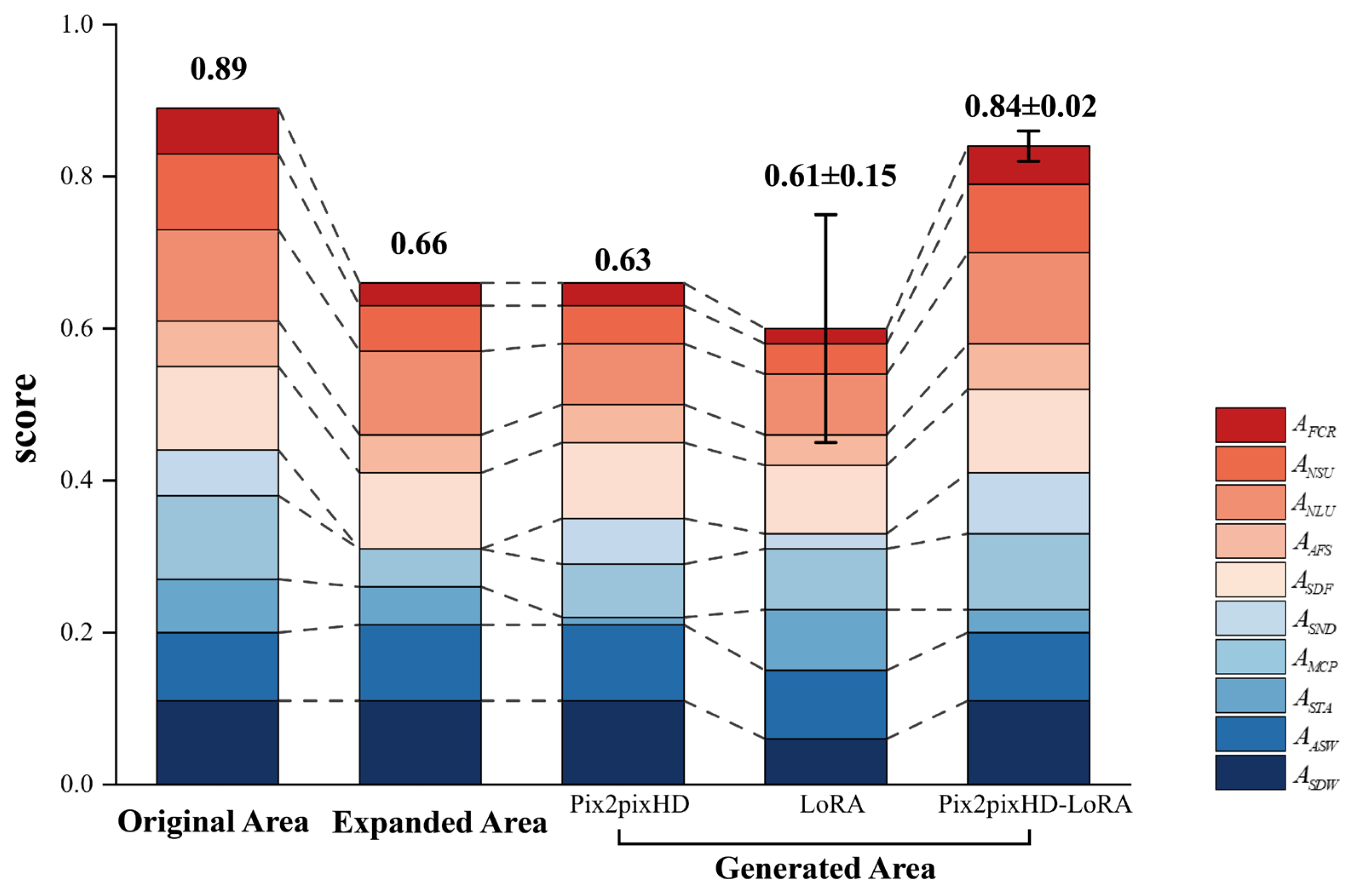
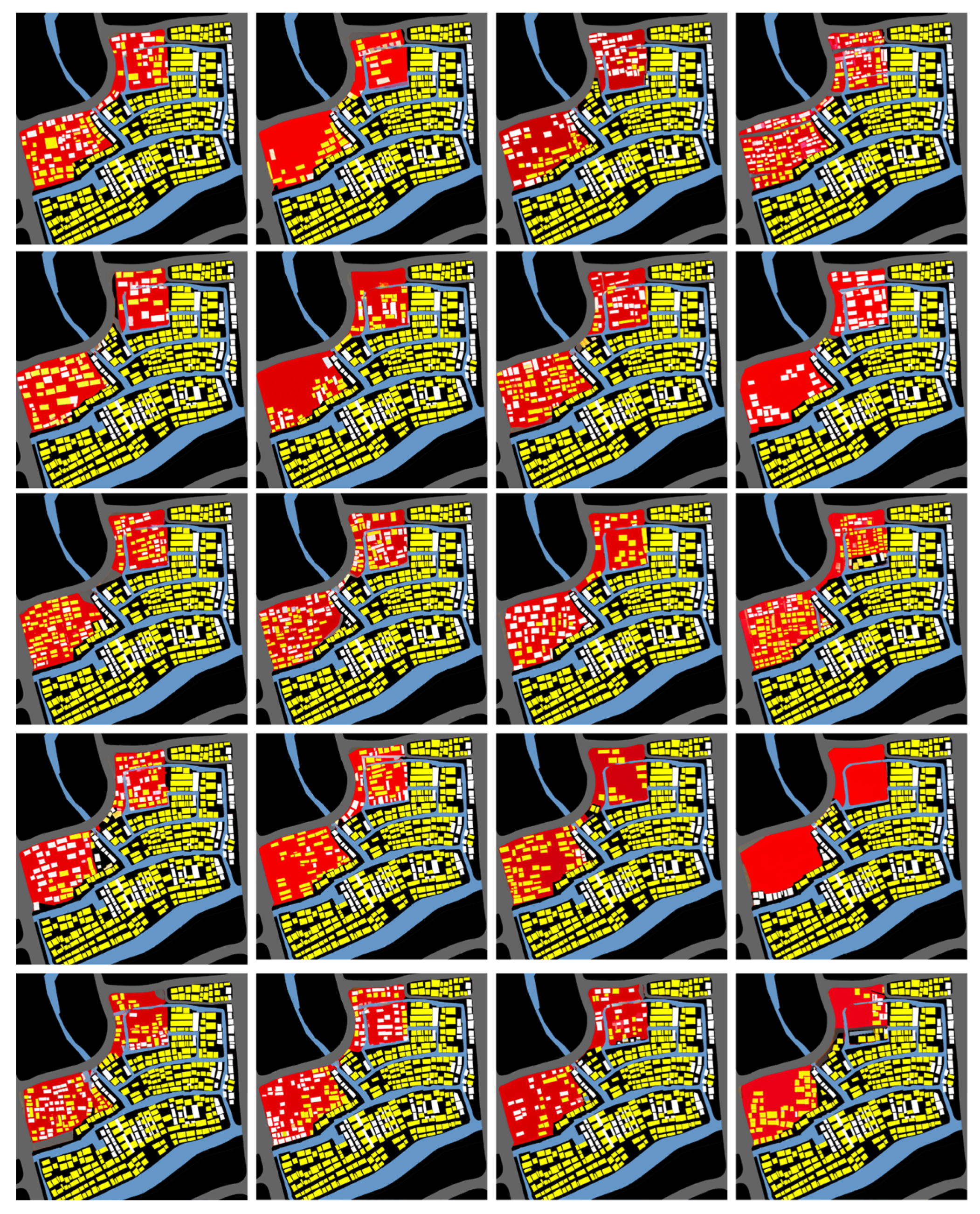
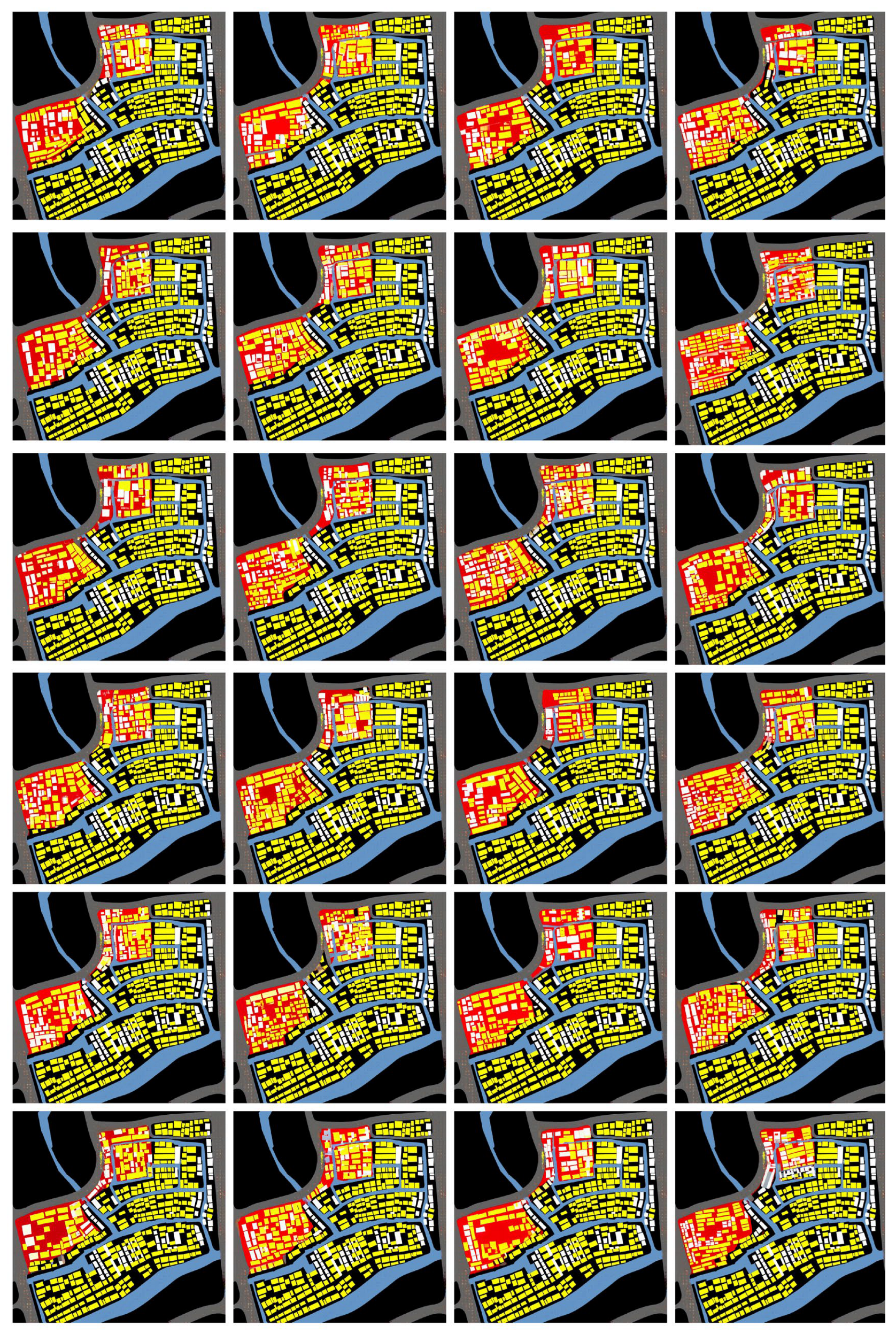
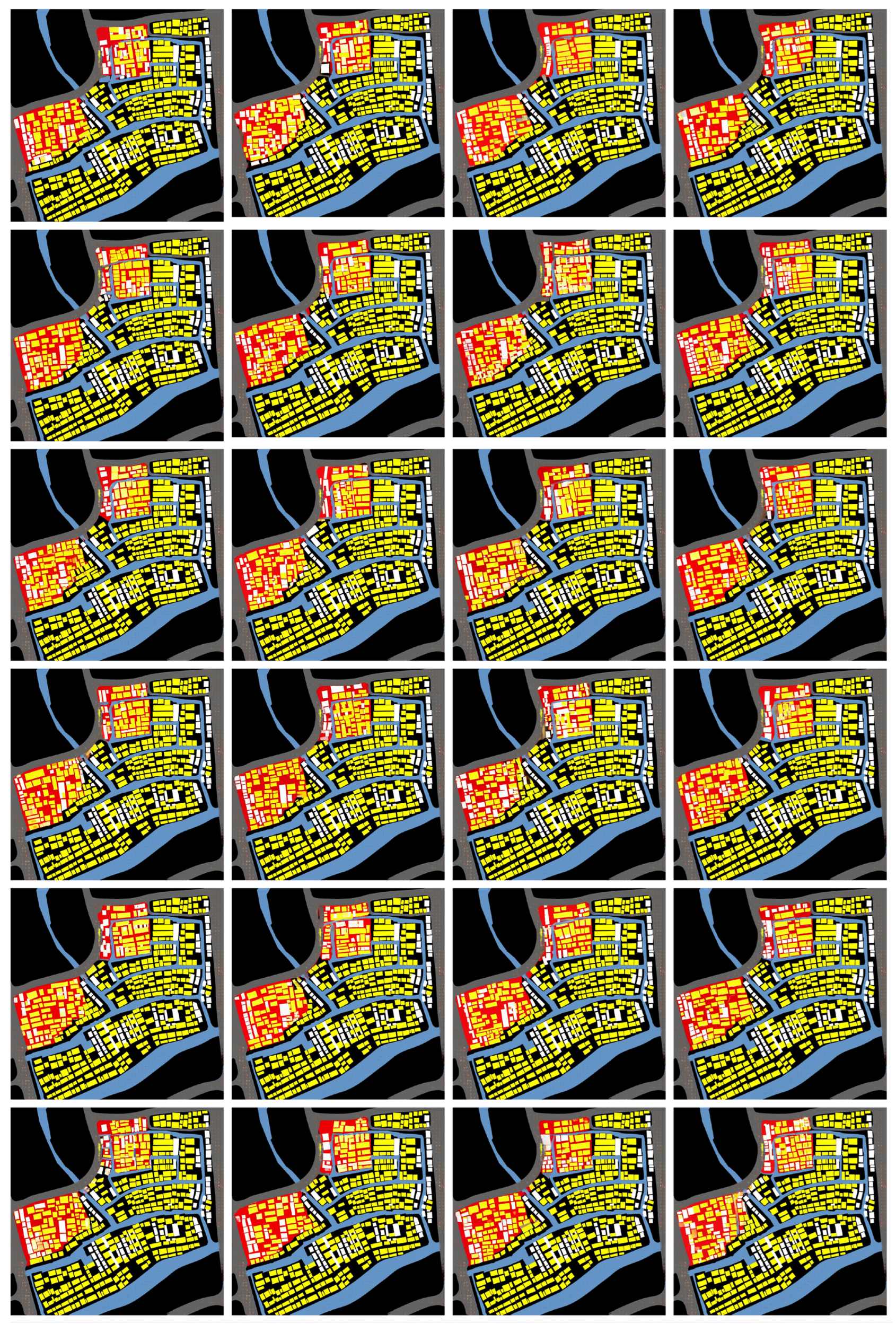
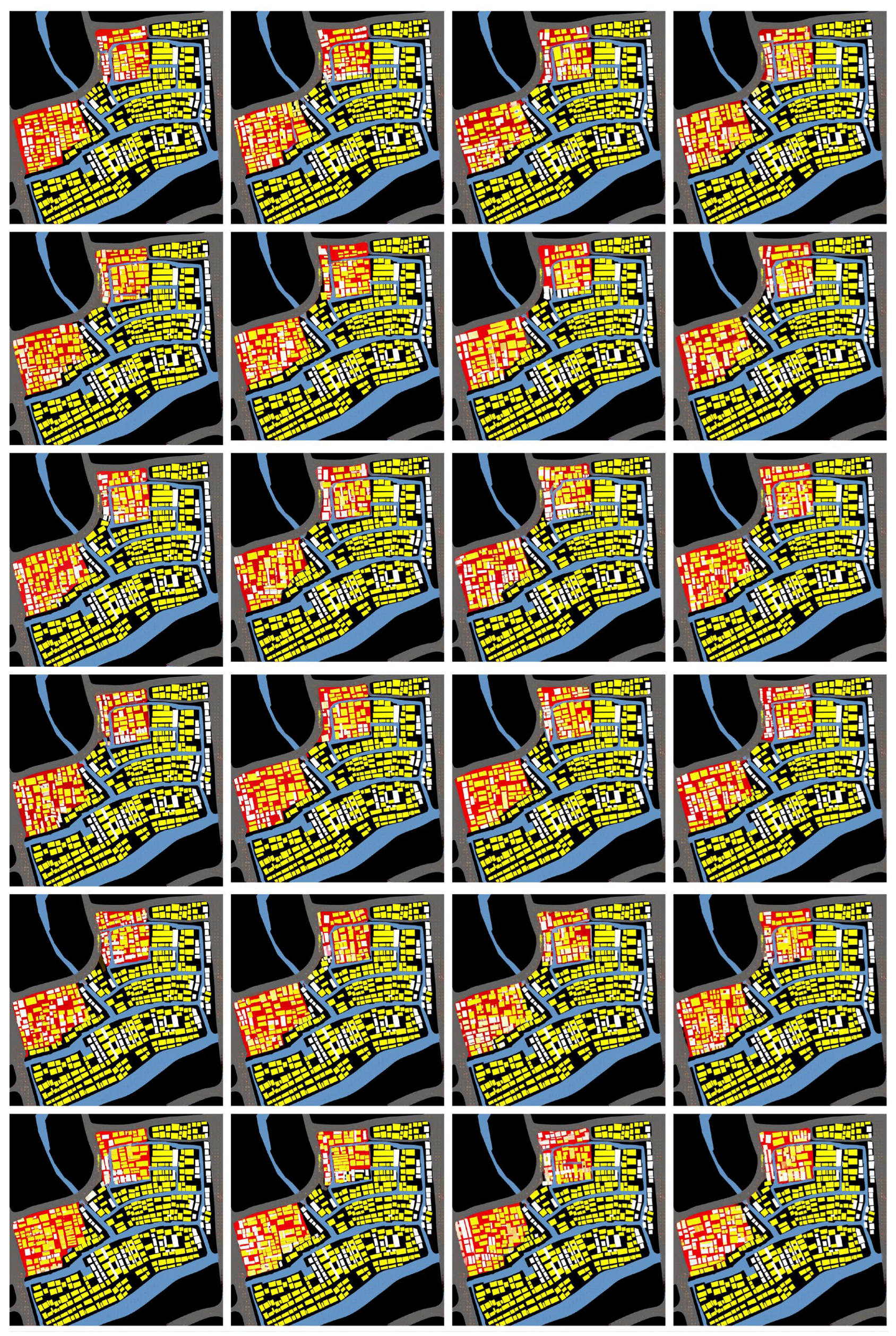
Amid China’s rapid urbanization, many historic districts face complex challenges, including fragmented traditional fabrics, disordered spatial morphology, and discontinuous street networks. To tackle these issues, this study proposes a multimodal deep learning framework that combines Generative Adversarial Networks (GANs) and Diffusion Models, establishing an integrated generation-optimization workflow for the renewal of historic districts. The methodology begins by using Pix2PixHD to generate high-precision fabric layouts, followed by fine-tuning a Diffusion Model through Low-Rank Adaptation (LoRA) to achieve diversified morphological expansion. The candidate proposals are quantitatively evaluated using a ten-indicator evaluation matrix that covers both architectural fabric and street network dimensions. Afterwards, these proposals undergo iterative optimization with a multi-objective framework to enhance both urban fabric morphology and network performance. The framework was validated through an empirical study of the Yuehe Historic District in Jiaxing. The results indicate that the generated schemes closely align with the original urban fabric. Compared with the existing expanded area (EA), the weighted comprehensive fitness score of the optimized scheme group improved from 0.66 to 0.89 ± 0.02 (a 34.8% increase), with the standard deviation decreasing from 0.07 to 0.02, indicating significantly enhanced stability. Deep learning balances morphological authenticity, generative diversity, and performance in historic district preservation and renewal.
Keywords: historic district renewal; historic urban fabric; deep learning; generative design; multi-objective optimization historic district renewal; historic urban fabric; deep learning; generative design; multi-objective optimization