1. Introduction
Within the Corn Belt ecoregion of the United States, the landscape is dominated by large-scale agriculture. In Iowa, for example, approximately 85% of all land is dedicated to farming, with a majority of acres in corn and soybean production [
1]. Large tracts of public land dedicated to conservation and recreation are scarce; less than 3% of Iowa’s land is public open space, among the lowest in the United States [
2]. In recent decades, however, over 1000 miles of former railroad rights-of-way have been converted into recreational trails in Iowa [
3]. These rail-trails are widespread and highly visible components of the regional landscape, but their ecological function in agricultural contexts remains understudied and poorly conceptualized. Although commonly regarded as greenways or linear habitat, the conditions within rail-trail corridors vary significantly along their length, shaped by right-of-way dimensions, land use context, and history of disturbance [
4]. Understanding these corridors requires attention to their heterogeneity rather than assuming a consistent or uniform ecological role.
We examine two rail-trails in the Corn Belt as case studies to address this gap in knowledge. Utilizing publicly available GIS data and spatial analysis, we highlight the structural characteristics of the trail corridor and discuss our findings with respect to key concepts in landscape ecology. We examine width, connectivity, quality, and context as structural elements [
5,
6]. We bolster our landscape analysis with insight from trail managers who describe current management regimes and limitations. Finally, taking these conversations into account, we conclude with opportunities for the design and management of rail-trail corridors from a landscape architecture perspective, presenting conceptual designs for unique landscape contexts.
The paved trail surface itself is situated within an area of land known as the right-of-way (ROW). The trail ROW is conceptually important because it frames the trail as an area, rather than just a line. We use the term “trail corridor” to encompass this linear area of land that is owned and managed by public agencies. We approach rail-trail corridors in the agricultural landscape as novel ecosystems [
7] ripe for experimentation. Instead of a restoration focus, for instance, these linear corridors may present an opportunity for “hypernature”. Hypernature is a design strategy in which landscape elements and plantings are exaggerated, amplified versions of natural systems [
8]. We explore this concept within the trail right-of-way, exploring the potential to exaggerate ecological function while also balancing the needs of human users. Explorative design studies offer guidance for trail corridors in highly altered agricultural landscapes, where the ecological function of these linear features is highly consequential.
Rail-trails inherit key aspects of the railroads that came before them—their alignment, radical earthworks, and plant communities emerging after the construction of the railroad. A mix of biotic and abiotic changes create new patterns and ecological relationships. While rail-trail corridors were not designed to function as ecological corridors, they often function as de facto ecological corridors. This may be especially true in agricultural contexts where the vegetative structure and species diversity of a rail-trail corridor contrasts sharply with adjacent monoculture croplands. Recent research on abandoned railway corridors in agricultural landscapes confirms this ecological potential, finding that railway vegetation constitutes a distinct novel ecosystem type supporting greater functional and phylogenetic plant diversity than adjacent managed grasslands, thereby contributing species and ecological niches otherwise absent from the surrounding matrix [
9]. Though they are linear, with limited right-of-way width, the contribution of these corridors to the larger landscape matrix is worthy of study. Rail-trail corridors contain a mix of historical and emergent ecologies, which require a broad set of management tools. Further, management and design intervention must also reconcile ecological goals with the experience of trail users. This study seeks to characterize and describe key parameters of rail-trail corridors, develop a typology of corridor conditions, and consider strategies and frameworks that might advance the function of these corridors.
1.1. Background and Literature Review
In human-altered and fragmented landscapes, patches of high-quality habitat and corridors that connect them are vital to maintaining the ecological functions of the landscape. These functions include support for biodiversity, maintaining ecosystem services, and creating resilience against environmental stressors. Corridors allow for the movement and flow of genetic material through the landscape while also serving as core habitat for many species. The performance of an ecological corridor or greenway is determined by a set of key parameters: the width of the corridor, its connectivity and continuity, the habitat quality of the corridor, and the surrounding landscape context [
5,
6].
Trail advocates, like the Rails-to-Trails Conservancy, have described trails as tools for conservation, noting that they “preserve important natural landscapes, provide needed links between fragmented habitats and offer tremendous opportunities for protecting plant and animal species” [
10]. However, the character and context of trails vary widely—does this assumption apply to all types of trails? A rail-trail is a type of trail corridor that repurposes abandoned railroad rights-of-way. The initial construction of railroads often involved significant alterations to the landscape, including grading modifications, soil compaction, hydrological changes, and the disruption of plant communities, all of which contribute to habitat loss, transformation, and fragmentation [
11]. Additionally, the disturbed conditions of rail corridors—characterized by exposed soils, altered hydrology, and increased edge effects—make them particularly susceptible to the colonization of non-native plant species [
12].
However, in the Western Corn Belt Plains ecoregion of the United States, the landscape is highly altered and fragmented by large-scale and intensive agriculture. In this context, the linear land associated with rail-trail right-of-way may offer a great opportunity for increasing habitat quality and connectivity in the wider landscape. Because the trail corridor is itself altered, both biotically and abiotically, it may be considered a “novel ecosystem” [
7]. Biotic changes can include declines or local extinctions of species and/or significant invasions of species from elsewhere. Abiotic changes can include changes to the hydrological regime, geology, soils, or topography [
7] (p. 602). Novel ecosystems are characterized by significantly altered species composition and abiotic conditions, distinguishing them from “hybrid ecosystems” that retain the potential for restoration to a historic state [
7].
The management of novel and hybrid ecosystems requires challenging traditional notions of restoration and conservation. The significant and largely irreversible alterations to soil, hydrology, and plant communities that accompanied railroad construction combined with subsequent invasive colonization and persistent pressure from adjacent agriculture mean that many corridor segments cannot be meaningfully restored to a historical ecological state. Pursuing restoration in these conditions, particularly given limited management resources available to land managers risks misallocating conservation effort in service of an ecological impossibility. In this context, we argue that design and management strategies oriented toward ecological amplification may be more honest and more effective than traditional, restoration-focused approaches.
The concept of “hypernature”, drawn from landscape architectural theory, describes a design strategy that seeks to exaggerate and amplify the characteristics of natural systems [
13,
14]. While hypernature has traditionally been explored in terms of aesthetic quality and human experience, we propose that its logic extends naturally to ecological function: a hypernatural corridor might exaggerate not only the appearance of ecological systems, but also their performance. Trail managers in agricultural landscapes consistently identify these corridors as critical sites of human–nature encounter: accessible across ages and abilities, and often the primary interface between users and ecological systems otherwise absent from the surrounding landscape.
To explore these propositions empirically, we examine two rail-trail corridors in the Corn Belt through the spatial analysis of right-of-way conditions, open-ended surveys with trail managers, and field documentation. We approach these questions from the perspective of landscape architecture—a discipline equipped to synthesize ecological analysis, spatial design, and human experience into actionable frameworks for complex landscapes. While corridor ecology provides the analytical foundation for understanding rail-trail structure and function, landscape architectural theory and practice offers an approach for imagining what these corridors might become. From this empirical and theoretical foundation, we develop typologies of corridor conditions—agricultural, upland woodland and grassland, riparian and urban—and propose design and management pathways oriented toward ecological performance and human experience within each.
1.2. Study Area
This study is situated in the Corn Belt region of the United States.
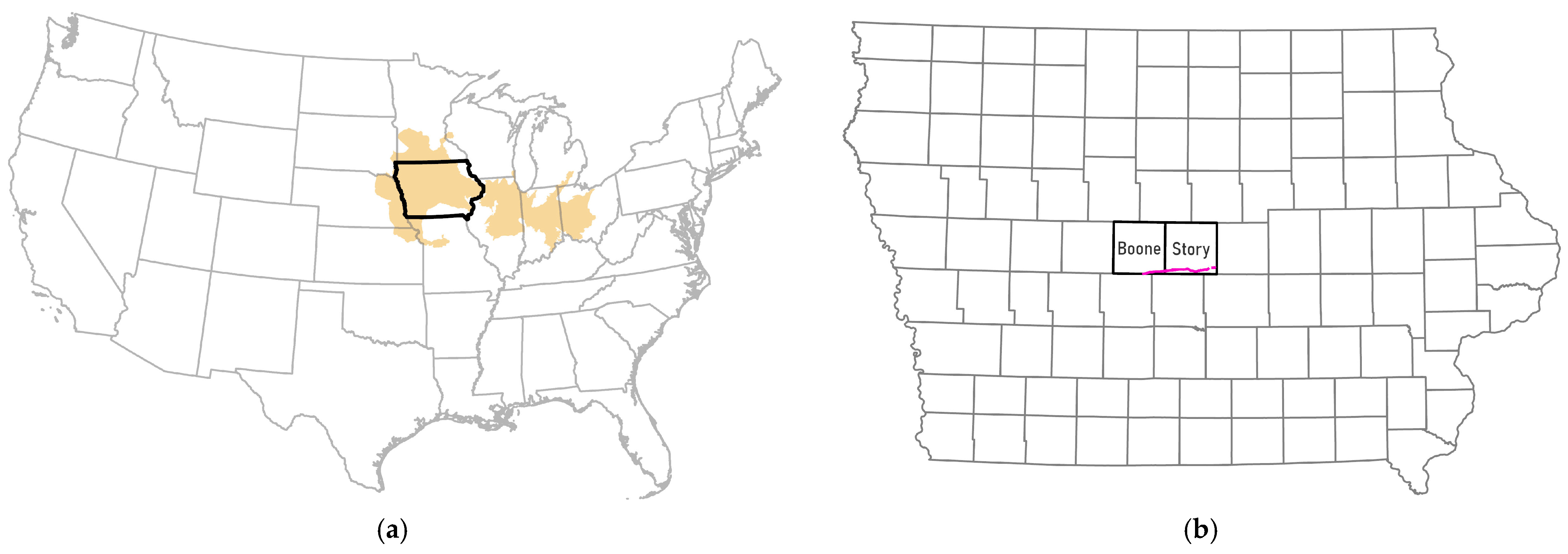
Figure 1a depicts this region, as defined by EPA Level III Ecoregions, the Western Corn Belt Plains and the Eastern Cornbelt Plains. Once covered with tallgrass prairie, this region is now dominated by cropland agriculture. Within the Corn Belt, Iowa is a largely agricultural state. This study focused on two contiguous trails across two counties in central Iowa, shown in
Figure 1b. The High Trestle Trail is in Boone County and the Heart of Iowa Nature Trail is located in Story County.
2. Materials and Methods
To characterize the structural and ecological conditions of these corridors, this study employs a mixed-methods approach [
15] integrating GIS spatial analysis, open-ended surveys with trail managers, and field documentation. GIS methods quantify the spatial characteristics of the corridor and their relationship to landscape context; open-ended surveys capture management perceptions, regimes, and resource constraints; and field visits with on-site sketching document visual and spatial characteristics at the human scale. The study follows a case study design [
16], focusing on two adjacent rail-trails in the Corn Belt selected for their similarity to other cases in the region. These two case trails are representative of many similar rail-trail corridors that transect the largely agricultural landscapes of Iowa and the Corn Belt region. The trails are managed by two different jurisdictions, enabling a comparison of management strategies and practices. Together, these methods support an in-depth exploration of corridor conditions that may be extrapolated to rail-trails in similar agricultural landscape contexts.
2.1. Data
Spatial data for the two selected trails was acquired through public sources. Data for trail centerlines and roadways was downloaded from the Iowa Department of Transportation. Data for property boundaries, i.e., trail right-of-way (ROW), was downloaded from each county’s public GIS portal. The property boundaries were filtered to include only parcels that were part of historical railroad alignments that are now occupied by trails. Parcels where the trail alignment diverges from historical railroad alignment were not considered in this study. The ROW for 30 miles of trail across two counties was considered in this study. Land cover data was accessed through the USGS Multi-Resolution Land Characteristics Consortium. The land cover data is at 30 m resolution and is classified using a modified version of the Anderson Land Cover Classification System [
17]. The landcover data is from 2023, the most recent data available.
2.2. GIS Methods
The width of the ROW was sampled every 200 linear feet perpendicular to the trail centerline. 200 feet was established as the sampling distance to capture major changes in ROW width and trail context. The Study Line Editor Toolset [
18] was used to generate cross sections perpendicular to the trail centerline every 200 feet along the corridor. These cross section lines were trimmed using the ROW boundaries. The ROW cross section lines were manually inspected, and areas where the trail does not utilize a former railroad corridor were removed. The resulting set of ROW cross section lines only includes former rail ROWs. The total number of cross-sectional ROW samples is 746.
The 30 m landcover raster was reclassified into 4 categories: riparian/wetland, agricultural, upland woodland/grassland, and urban/developed. Landcover classes were reclassified to reflect ecologically relevant distinctions corresponding to the study’s focus. The categories were created to reflect distinct differences in vegetative cover and land use in the study area landscape. Agricultural land uses were grouped together; riparian and wetland cover were grouped together; woodlands and grasslands were grouped together; and developed areas were grouped along with barren land to represent areas with little to no vegetation. The reclassification strategy is mapped in
Table 1.
Using the reclassified land cover raster, the dominant land cover group was calculated every 200 feet along the trail. For each ROW cross section, a 200 foot buffer was applied to create polygons that encompassed the area immediately outside of the trail. The polygons typically represent 4–5 acres, depending on the ROW width. A distance of 200 feet was chosen so that the majority of the polygon extended beyond the trail ROW, in order to capture the context beyond the ROW. Zonal statistics were used to calculate the majority value within the polygon, i.e., the landcover class that occurs most often within the polygon. This represents the dominant land cover context for each ROW cross-sectional sample. Each intersection of the trail and a roadway was calculated, and each crossing was classified by the characteristics of the roadway, e.g., Annual Average Daily Traffic (AADT).
2.3. Open-Ended Surveys and Semi-Structured Interviews
We collected qualitative data using open-ended survey questions and analyzed the results using thematic analysis [
15]. Surveys with open-response questions were completed by trail managers of the two case study trails (n = 2). Surveys were distributed by email to individuals with expert knowledge of trails and ecosystem management. Though the sample size is small, the sample represents individuals with a high level of expertise and exposure to the subject. The small sample size limits the generalizability of the results. That said, these managers, responsible for the day-to-day operations and long-term planning of the trails, provided expert insights into the perceived ecological function of each trail, the challenges in maintaining them, and their potential to contribute to the larger landscape ecology. The survey questions focused on: the role of the trail in habitat connectivity; management practices that affect the ecological integrity of the trail corridors; observed benefits of disruptions to local flora and fauna; and future management plans related to ecological conservation. Upon completion of the survey, a follow-up interview was conducted to clarify responses. The follow-up interviews had a sample size of n = 4, with one agency including one individual and the other agency including three individuals. The discrepancy in the number of participants is owed to the number of experts within each organization who are deeply familiar with trail corridor management. Survey responses were independently coded by two authors using an inductive thematic analysis. Each coder identified initial themes, after which discrepancies were discussed and resolved through consensus to produce a final set of themes. No additional validation procedures were conducted.
2.4. Field Visits and Trail Typologies
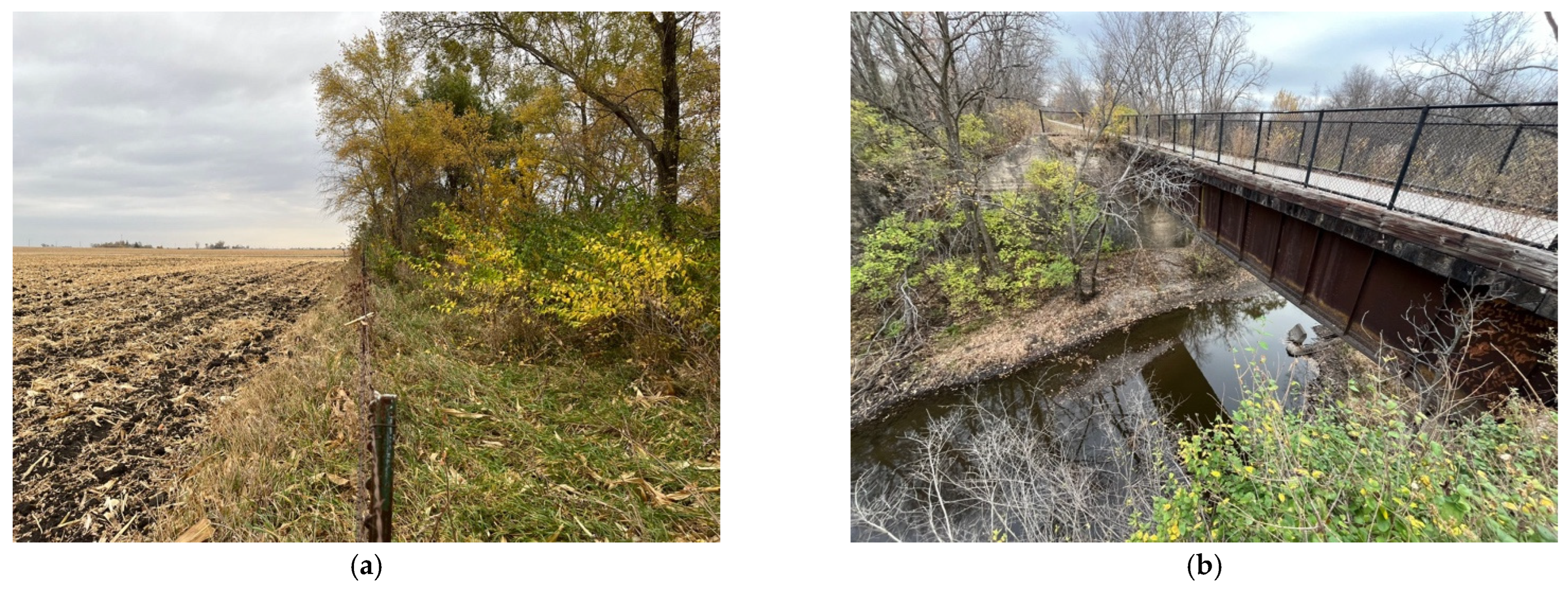
In situ sketching, photos, and notes were used to document on-the-ground conditions at the human scale. The lead author completed a bicycle ride of the study corridor in summer 2024. The research team made additional visits to key locations along the trail in 2024 and 2025. These on-site experiences informed the development of typical cross sections and trail typologies. While the initial types were generated by GIS data about landcover, the field observations enabled understanding of each type as a set of visual, formal, and spatial relationships. The site visits focused on the topographic, vegetative, and visual character along the trail (see
Figure 2). These characteristics were captured in site photos and cross-sectional sketches drawn in each of the four typical landscape contexts (agricultural, upland woodland/grassland, riparian, and urban).
In the field of landscape architecture, typologies are often used to categorize structures or landscapes based on similar formal, functional, or contextual characteristics. Such categorization allows for analysis, comparison, and critique within and across types. They are often visual studies that communicate key structural or formal features of a landscape. Kelbaugh asserts that typology is a “language of urban design that can provide coherence and shared meaning in the built environment” [
19]. In the context of this study, the land cover classification was used to generate four types in our typological study: agricultural, riparian, upland woodland/grassland, and urban. This typology is defined by its land cover context. The typology was further developed by eye-level observations of typical landforms and vegetative structure. Additionally, insights from trail managers adds another layer of information about management constraints. The typology, represented by a set of typical cross sections, allowed the researchers to consider the critical components of each type, both quantitative aspects (e.g., right-of-way dimensions) and qualitative aspects (e.g., trail management considerations).
2.5. Design Study
Lastly, the authors pursued a “research through design” approach [
20] to explore potential scenarios for future landscape management in the corridor. A graduate student of landscape architecture, through an independent study course, examined corridor dimensions, existing conditions, and context to develop design proposals for a trail corridor typology. Research on local ecosystems, keystone species and their habitat requirements, combined with priorities and constraints identified through open-ended surveys with land managers, informed the spatial design proposals. This exploratory interpretive framework builds on empirical observations but is itself highly conceptual, limiting its broad applicability in rail-trail management decisions.
3. Results
These two corridors are not presented as representative of all rail-trails, but as useful cases that make visible the relationships among infrastructure legacy, land ownership, and management practices. Site histories and institutional arrangements are treated as case-specific, while ecological patterns and design considerations are interpreted as potentially relevant to similar rail-trail contexts.
Through the GIS analysis, we observed that the width and context of the trail right-of-way vary throughout the corridor. We found that the narrowest ROW conditions were associated with urban/developed areas and agricultural areas. Larger ROW conditions were associated with upland woodland and grassland areas and riparian areas.
Table 2 summarizes the relationship between land cover context and the trail right-of-way width.
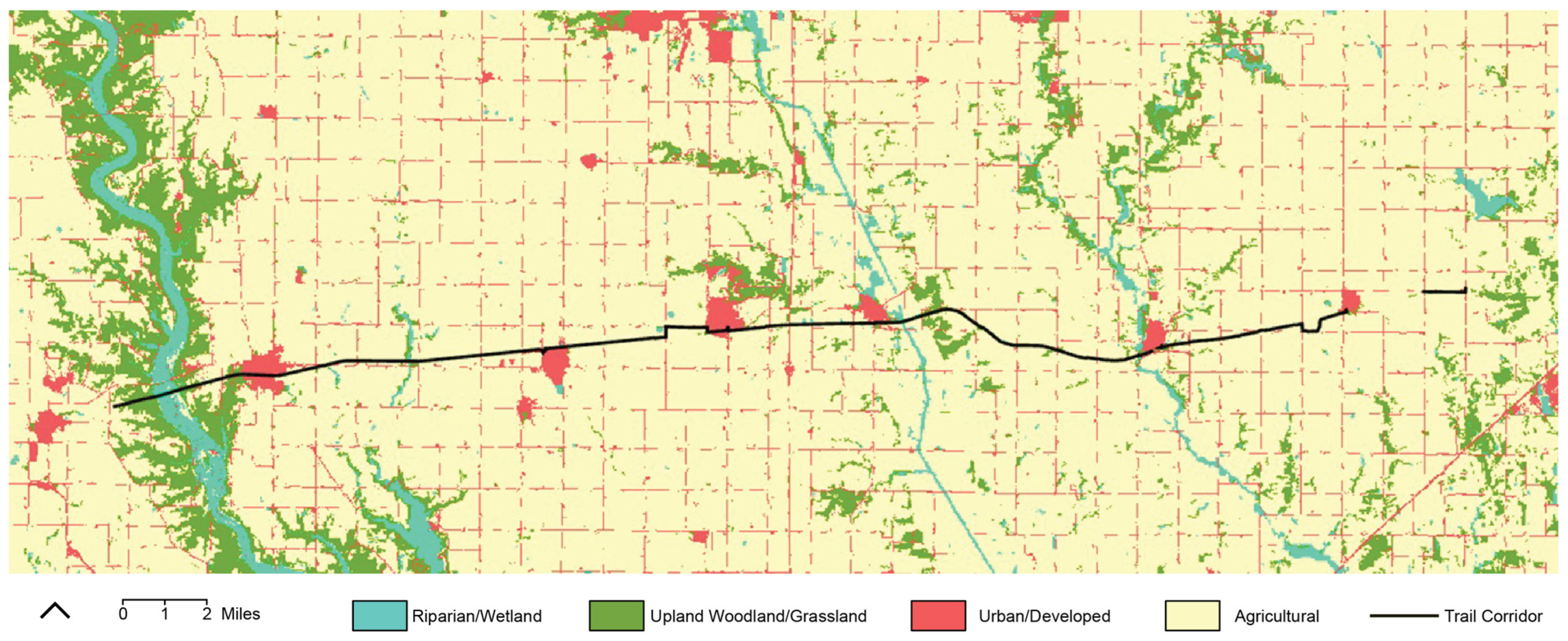
Figure 3 shows the land cover context across the study area.
In regard to connectivity, we identified two types of connectivity related to the corridor: (1) the connection between the trail corridor and large habitat patches, and (2) breaks in connectivity related to roadway crossings or gaps where the former rail corridor was lost to private ownership.
Patches of habitat along the corridor include large river valley systems and small communities along the trail. Towns generally feature extensive tree cover, creating a vegetative structure that contrasts with surrounding agricultural land. Trail managers also noted several areas with sensitive habitat adjacent to the trail, with a mix of public and private ownership.
Corridor connectivity is interrupted by roadway crossings approximately once per mile in the study area. Crossings vary by the width of roadway, the annualized average daily traffic (AADT), and whether a crossing is grade-separated. The AADT ranges from 50 vehicles per day to 48,000 vehicles per day, representing a wide range of traffic conditions. Roadways with more than 10,000 vehicles per day are described as an absolute barrier to most terrestrial wildlife, creating a continuous moving fence [
21]. Five of the 39 crossings in the study area were grade-separated, where the trail passed under a roadway through and undercrossing structure. Grade separation occurs within communities or for high-traffic interstate highways. The degree to which these grade-separated crossings serve wildlife in addition to human use is unknown.
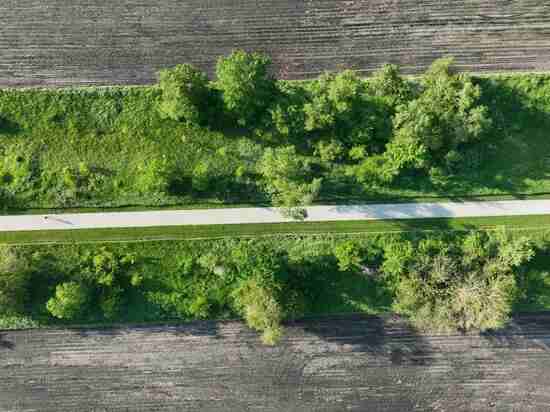
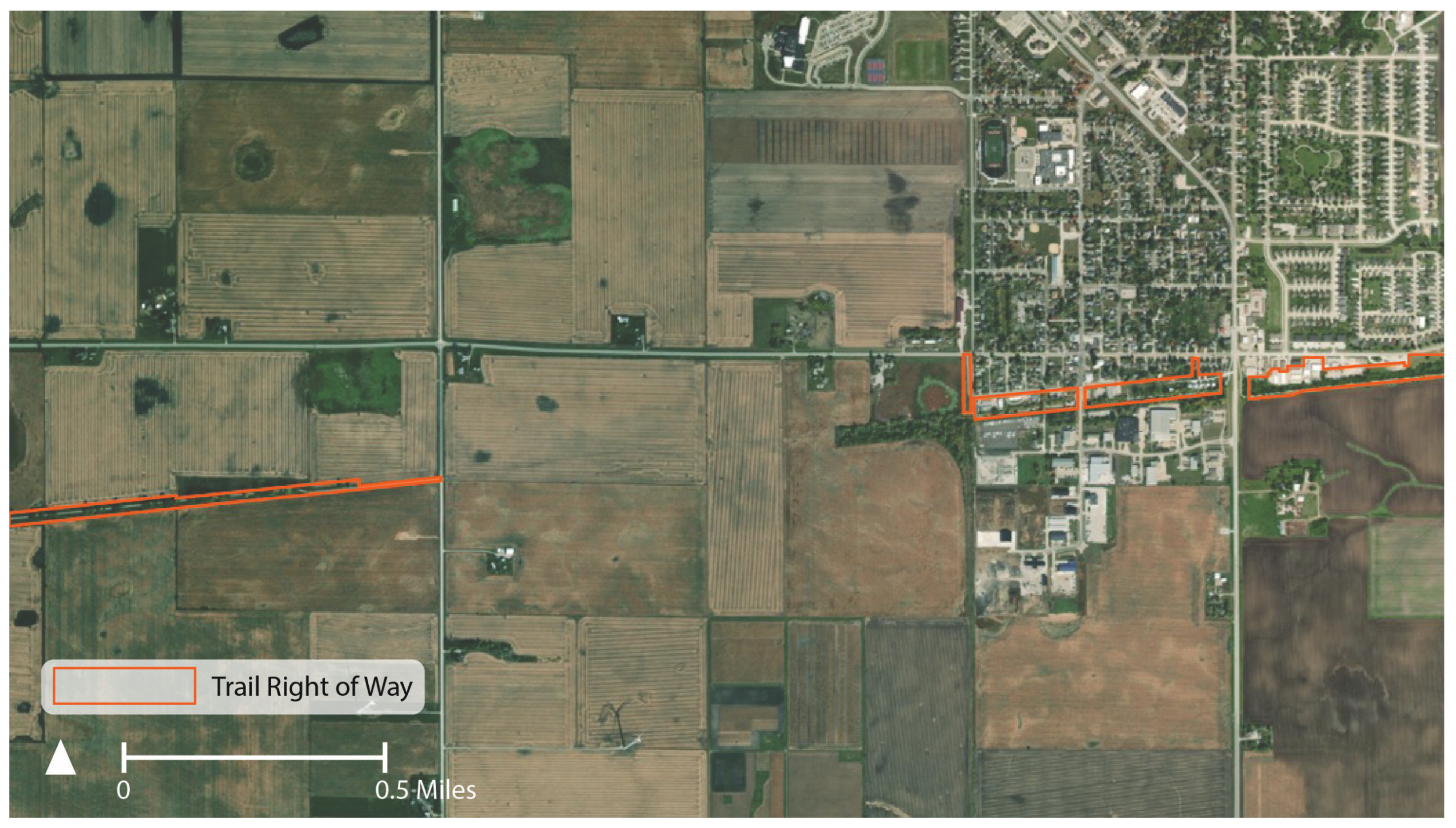
Another issue of connectivity interruption in the study area is a lack of continuity of trail ROW. In some instances, portions of the ROW were lost sometime between railroad abandonment and the acquisition of the ROW for trail development. These segments were sold or reverted back to ownership by adjacent landowners. These gaps are generally half a mile or one mile (representing the length of a quarter section or section of land in the US Public Land Survey System). For these gaps, trail users are typically routed along the nearest roadways to close the gap. The structural qualities of the corridor, however, are completely lost if the area is now farmed with annual crops, as shown in
Figure 4.
3.1. Trail Manager Insights
Open-ended surveys focused on the ecological quality of the corridors (e.g., plant communities, wildlife habitat, etc.), as well as the approach to managing the land. Below are key themes identified from the responses.
3.1.1. Goals and Objectives for Trail Corridors
Land managers reported that they view the trail corridors as ecological corridors. One agency promotes and manages the trail as a continuous corridor for flora and fauna. Another agency does not have a conservation management plan for the trail. But despite limited resources for conservation activities (invasive species management, planting, burning, etc.), the agency considers it a conservation corridor by virtue of the fact that it is protected from development and farming. Trail corridors are also part of agencies’ larger land acquisition strategies and priorities. These agencies prioritize the protection of lands that connect to established corridors, such as rivers and trails.
3.1.2. Human Dimensions
Land managers noted that there is an overwhelming opportunity to introduce people to natural landscapes and ecosystems. The trail is a gateway that connects people with types of environments that they otherwise would not interact with. Because of the steady railroad grades inherited by rail-trails, they are accessible to people across a range of ages and abilities. Trails pair human movement and health with access to natural areas.
3.1.3. Invasive Species
The trail ROW is susceptible to the same invasive species that threaten many of the region’s natural areas and native plant communities. Woodland areas have mulberries (Morus alba), honeysuckle (Lonicera maackii), buckthorn (Rhamnus cathartica), and garlic mustard (Alliara petiolate). Prairie areas have multiflora rose (Rosa multiflora), Canada thistle (Cirsium arvense), Queen Anne’s lace (Daucus carota), sweet clover (Meliltotus alba and Melilotus officinalis), brome (Bromus tectorum), and wild parsnip (Pastinaca sativa). The prairie areas are also threatened by the woody encroachment of species like autumn olive (Elaeagnus umbellata) and mulberry (Morus alba). The scale of this problem is so large that land managers are only able to focus on the removal of invasive species in small areas, where there are plant communities with higher conservation value that are worth trying to improve.
3.1.4. Adjacent Land Use and the Impact of Edges
Adjacent land use is a major factor affecting ecosystems and the management of the trail right-of-way. For the trails studied, adjacent agriculture presented the most issues. Common issues include the overspraying of farm chemicals into the trail ROW; faulty drainage due to tile drainage crossing or emptying into the trail ROW; and transverse trail crossings for farm equipment. Drainage and access issues are inherited from the previous use as a railroad corridor. In some instances, neighboring farmers cut down trees along the fenceline (within the trail ROW) to make farming with large machinery easier. Due to its linear form, the trail corridor has many neighbors throughout the study area. The number of adjacent property owners makes coordination and communication challenging.
3.1.5. Management Activities
In these areas, managers deploy conservation resources for prescribed fire and chemical applications and the mechanical removal of invasive and undesirable species. In more degraded areas, with greater populations of invasive species and fewer native plant communities, it is an uphill battle with limited resources. Maintenance-level activities occur throughout the corridor. This includes mowing the edge of the trail (typically 2’ from paved trail edge or 10’ from pavement edge to accommodate equestrian use), as well as trimming of trees and the removal of woody debris that may impact trail use.
3.2. Typical Cross Sections
On-site sketching and documentation were refined with the GIS measurements, i.e., mean right-of-way width. Information from trail manager interviews was also integrated into the typical cross sections. A cross section was developed for each of the four land cover contexts throughout the corridor. The sections highlight the structural elements and spatial relationships found in each context. Additionally, key challenges and opportunities for ecological function and management are highlighted in each. Cross sections show the key themes discussed by trail managers and locate them spatially within the trail corridor, showing relationships within the trail right-of-way and beyond. As a set of typologies, the cross sections show the diversity and nuance across the study corridor.
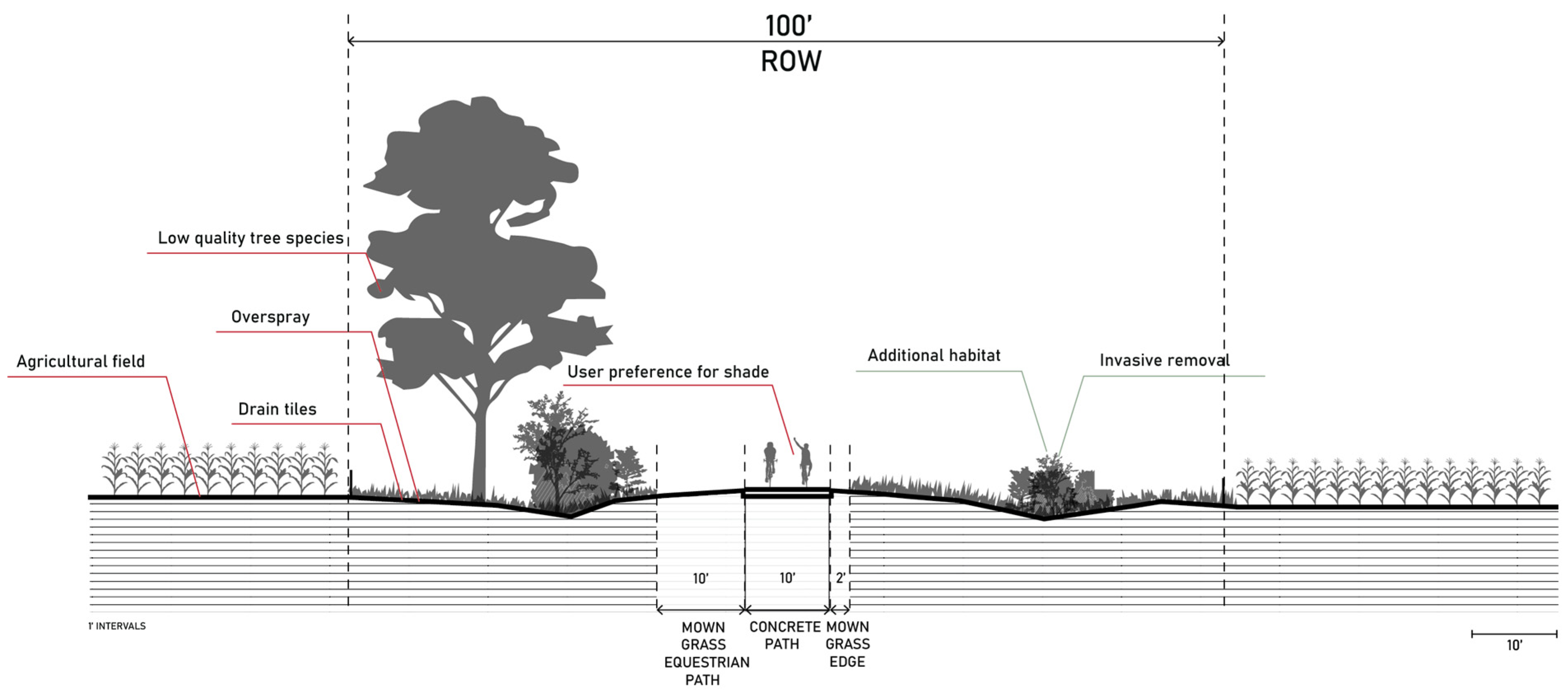
In agricultural contexts, the trail ROW offers a break in monoculture farming, providing space for a greater diversity of plant species—grasses, forbs, and woody vegetation. A typical cross section is represented in
Figure 5. The mix of herbaceous and woody vegetation varies widely in these contexts. Where ROW dimensions are most narrow and farming occurs up to the property line, there are fewer trees. Many of these areas are degraded, with large populations of non-native and invasive plants like brome grass (
Bromus tectorum). There are intermittent patches of high-quality plant communities, according to land managers. In this context, the corridor is highly impacted by adjacent land use. Tile drainage from adjacent fields runs into the trail ROW in some locations; overspray from agricultural chemicals may drift into the trail ROW; and, in some cases, neighbors remove trees along the fenceline (within the trail ROW) to make farming with large equipment and tractor booms easier. There is perhaps potential in these areas for the trail ROW to help manage excess runoff and nutrients from adjacent agriculture. Even though sections of trail in this context area are historically prairie, the removal of trees to support these ecosystems is at odds with the preferences of trail users, who prefer shade along the trail.
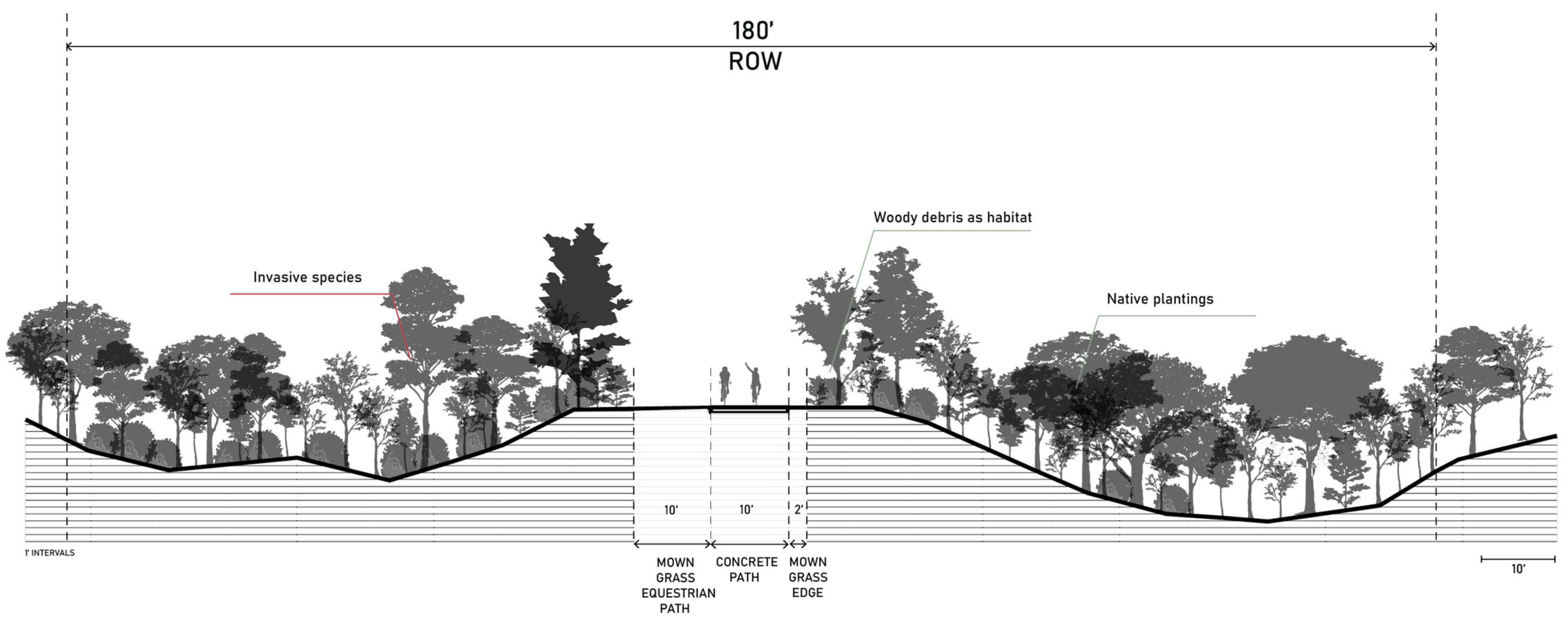
Where the trail is adjacent to upland areas not used for farming, land cover is predominantly treed with patches of grassland areas.
Figure 6 illustrates the typical dimensions and components of this type. These areas tend to have more dynamic topography with abrupt changes in elevation, not suitable for farming. The trail ROW is generally wider here, potentially due to the amount of space needed for earthwork to construct the railroad prism. These successional woodlands are challenged by populations of exotic honeysuckle (
Lonicera maackii), buckthorn (
Rhamnus cathartica), garlic mustard (
Alliara petiolate), and other invasive plants. Trail managers mentioned that maintenance is difficult in these areas due to steep slopes and downed trees from previous restoration efforts. Downed trees make traversing the area difficult, particularly with volunteers. At the same time, managers recognize the habitat value of downed trees.
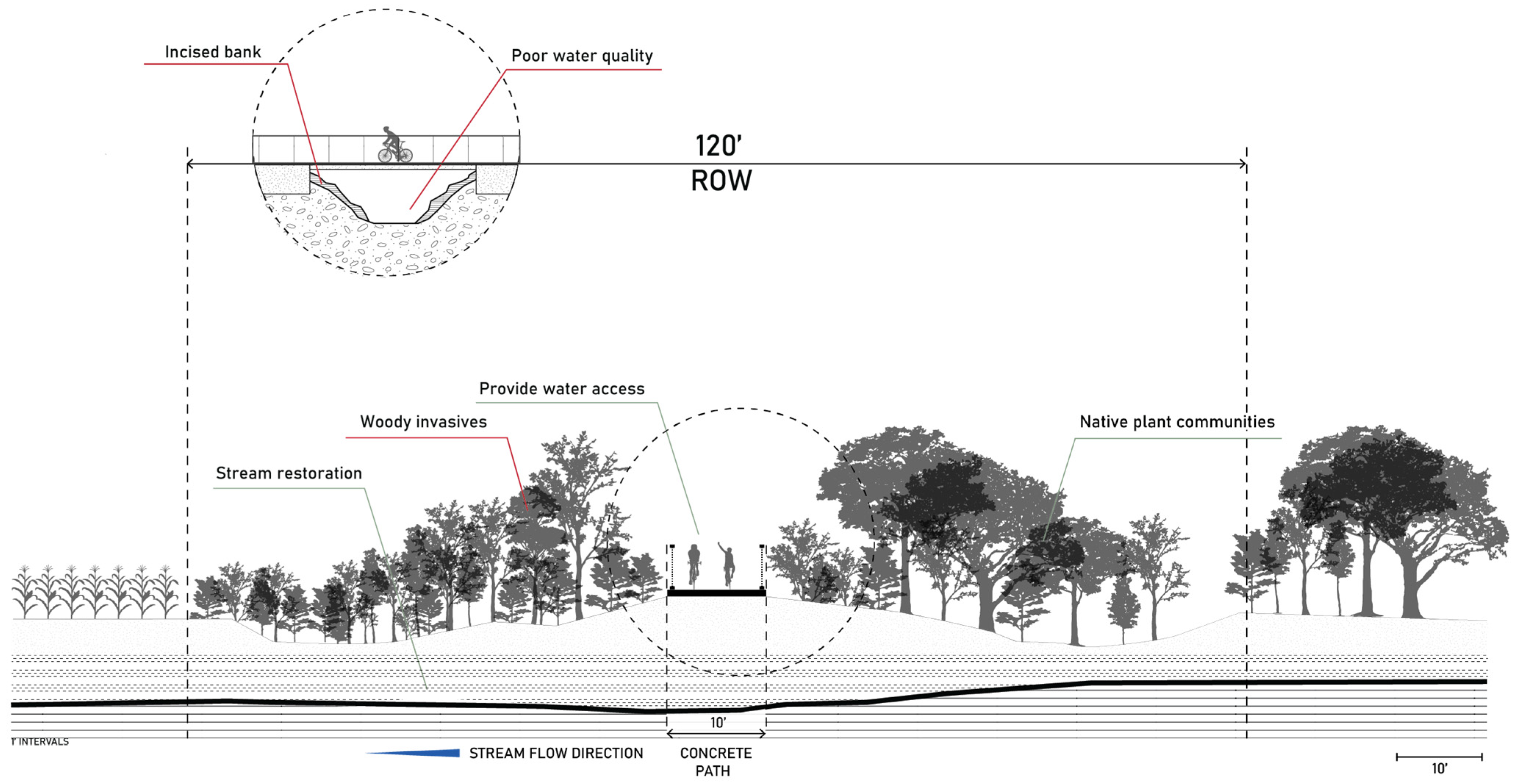
Figure 7 depicts typical conditions for riparian areas along the study corridors. Segments where the trail intersects rivers or streams constitute the least common land cover context within the study corridor. Riparian corridors represent important ecological corridors in the predominantly agricultural landscape, providing habitat for a variety of plants and animals. Thus, points where trail corridors meet rivers represent an important intersection of conservation land. In the study area, they are largely dominated by tree cover, and as such, are susceptible to many of the same threats of invasive species as the upland woodlands. The streams in the study corridor are largely degraded, with incised banks that disconnect streams from their floodplains. Stream restoration adjacent to the trail could be prioritized, as there would be a high level of visibility and interaction for trail users. Likewise, there are opportunities to develop access and infrastructure that allows trail users to interact with waterways in these locations.
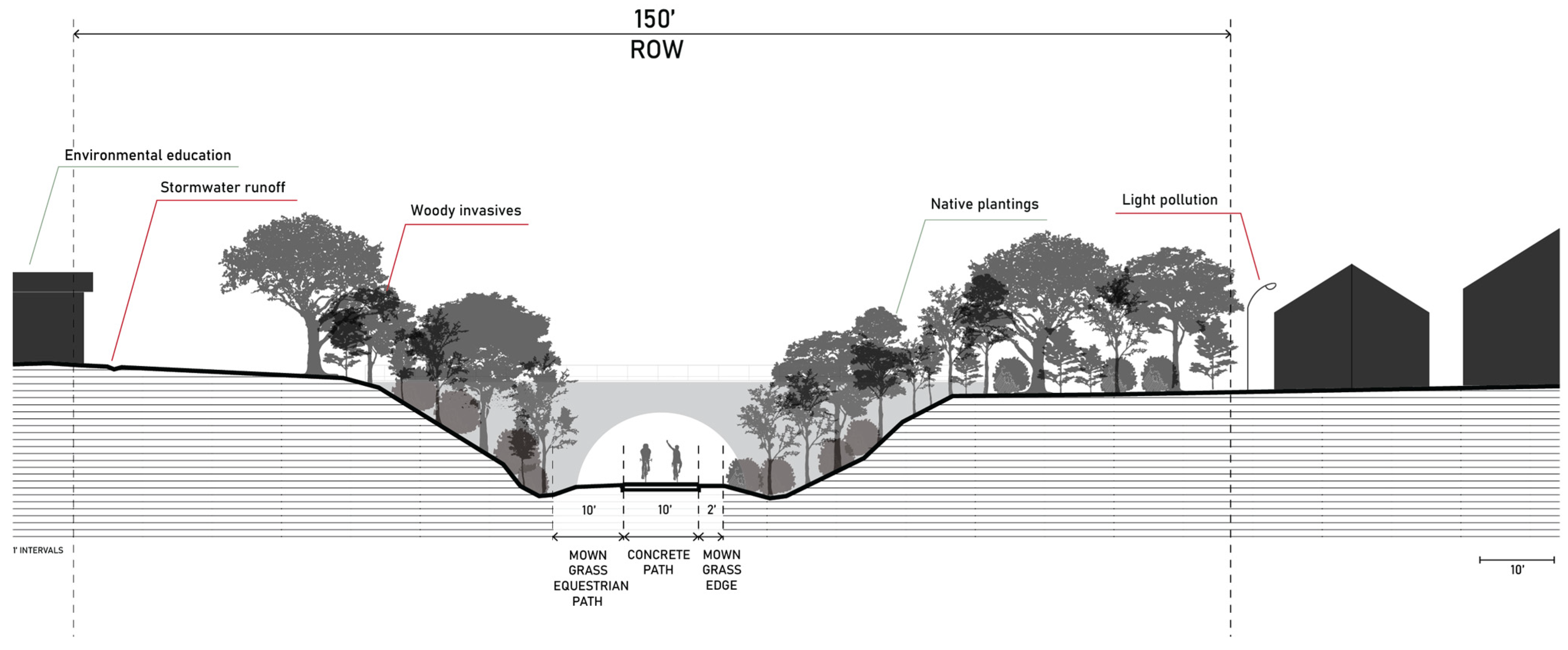
As the trail transects communities in our study corridor, there are unique conditions, opportunities, and challenges.
Figure 8 depicts a cross section with a grade separated crossing at a local road. This condition is seen multiple times in the study corridor. In developed areas, the trail corridor is largely treed with “weedy” woody vegetation. In the study area, tree of heaven (
Ailanthus altissima) is especially problematic within city boundaries. Urban stormwater and light pollution impact on the ecological function and habitat value of the corridor. Urban areas present opportunities for human–environment interaction, education, etc. One example of this is the installation of birdhouses along the trail within communities. These birdhouses represent local community members taking the initiative to improve the habitat along the trail and increase human–environment interaction through birding. While long segments outside of city boundaries are managed by county conservation agencies, segments within city boundaries are managed by the city—typically under the purview of parks departments. These trail managers may have different missions and management regimes. Moreso than in rural areas, urban trail corridors can overlap with many types of infrastructure and utilities—storm and sanitary sewers, electric power, telecommunications, and natural gas.
4. Study Limitations
As a mixed-methods case study, this research has limitations associated with data resolution, sampling, and interpretive methods. Corridor conditions reflect a particular temporal snapshot; land cover, management practices, and disturbance regimes may shift over time, potentially altering ecological patterns along the corridor.
The parcel data used to establish right-of-way dimensions is “planning-level” data and has not been verified in the field; as such, right-of-way measurements may not fully reflect on-the-ground conditions. Relatedly, the 30 m resolution of the land cover data limits the ability to characterize narrow corridor conditions in detail. To address this constraint, the analysis extended beyond the trail right-of-way to identify the dominant land cover context adjacent to the corridor.
The low number of survey respondents limits how broadly the qualitative results may be interpreted. However, the participants possess substantial professional expertise, meaning that the findings are meaningful for the case trails examined, even if they may not be broadly generalizable. Field observation and sketching are likewise highly place-specific methods; while insights may translate to similar rail-trails, they may not apply to corridors in substantially different contexts.
This study characterizes structural and contextual conditions associated with ecological function rather than directly measuring biological performance (e.g., species movement, population viability, or ecosystem services). Finally, the exploratory design of the study is interpretive and subjective by nature. Although grounded in empirical data and informed by management priorities, its outcomes are shaped by the designers’ background, experiences, and familiarity with the sites.
In total, this mixed-methods approach closely characterizes two rail-trail cases and surfaces relationships, patterns, and design considerations that may inform the study of similar corridors, even as rail-trail conditions vary widely across the Corn Belt and beyond.
5. Discussion
The findings presented here reflect conditions shaped by the unique histories, ownership structures, and management practices of the two study corridors. At the same time, these cases illuminate broader patterns that may be relevant to other rail-trails, particularly those embedded in agricultural landscapes with layered institutional legacies. In this section, we distinguish insights that are contingent on local circumstances from those with potential relevance beyond the case sites.
In our study area, rail-trail corridors are heterogeneous landscapes, with ecological significance varying based on their width, connectivity, and surrounding land use context. Biotic conditions range from remnant native plant communities of high conservation value to heavily invaded assemblages dominated by exotic species—a gradient that shapes both the ecological potential of the trail corridor and the management strategies available to land managers. This variability is shaped in large part by the landscape context surrounding the corridor. GIS analysis revealed that 67.6% of the study corridor exists within an agricultural context, where the median ROW width is narrowest at 135.6 feet and edge pressures from adjacent farming are most acute. These conditions are corroborated by open-ended surveys in which managers described chemical overspray, tile drainage intrusion, and fenceline tree removal as routine. Gregory et al. recommend establishing semi-natural transition zones between agricultural fields and corridors as buffers against these edge effects. This strategy aligns closely with conditions documented in this study, and one that hypernature might amplify through the deliberate intensification of vegetative structure at the corridor edge [
22].
Hobbs et al. suggest that a patchwork of historical, hybrid, and novel ecosystems requires a landscape management framework that incorporates ecosystems “across the spectrum of degrees of alteration” to provide “a fuller set of options for how and when to intervene, uses limited resources more effectively, and increases the chances of achieving management goals” [
23] (p. 1). Gregory et al. similarly argue that conserving a corridor is rarely as simple as acquiring land and prohibiting further land transformation, organizing their management recommendations around the distinct conditions and pressures found in different corridor contexts [
22]. Both frameworks are reflected in the management strategies described by survey respondents: trail managers prioritize the highest-quality areas along the trail. When trail managers have limited resources, they pick battles that they can win. This pragmatic approach is ecologically defensible, but it leaves open a fundamental design question: what should be done with the degraded segments that restoration cannot realistically address? It is here that hypernature offers a framework—not as an alternative to restoration where restoration is viable, but as a design philosophy for novel ecosystem conditions. Through design studios and independent study courses, students at Iowa State University’s College of Design have begun to explore this question, treating degraded rail-trail segments not as conservation failures, but as sites of design opportunity.
The concept of hypernature offers a potential alternative to conservation of historic ecosystems, proposing ecological enhancement broadly and embracing novel ecosystems along a heterogenous corridor while designing an engaging aesthetic for human users. For instance, denser plantings, exaggerated topographic features, or strategically placed habitat structures can enhance biodiversity while reinforcing the trail’s identity as a conservation corridor. Open-ended surveys identified these corridors as primary sites of human–nature encounters in the agricultural landscape, consistent with Meyer’s assertion that the aesthetic experience of landscape generates the community attachment that sustains long-term stewardship [
13]. Developing hypernature as a practical strategy for rail-trail corridors will require further research to identify which ecological functions ought to be amplified, how design interventions should be calibrated to the varied structural conditions across corridor typologies, and how land managers can best balance aesthetic and ecological goals.
A key design consideration for this rail-trail corridor, and/or other corridors with similar characteristics, is which species should be prioritized for conservation and habitat enhancement. Hilty et al. suggest that establishing a focal species might help us understand specific requirements for design. Focal species might be keystone species, umbrella species, flagship species, indicator species, specialist species, or vulnerable species [
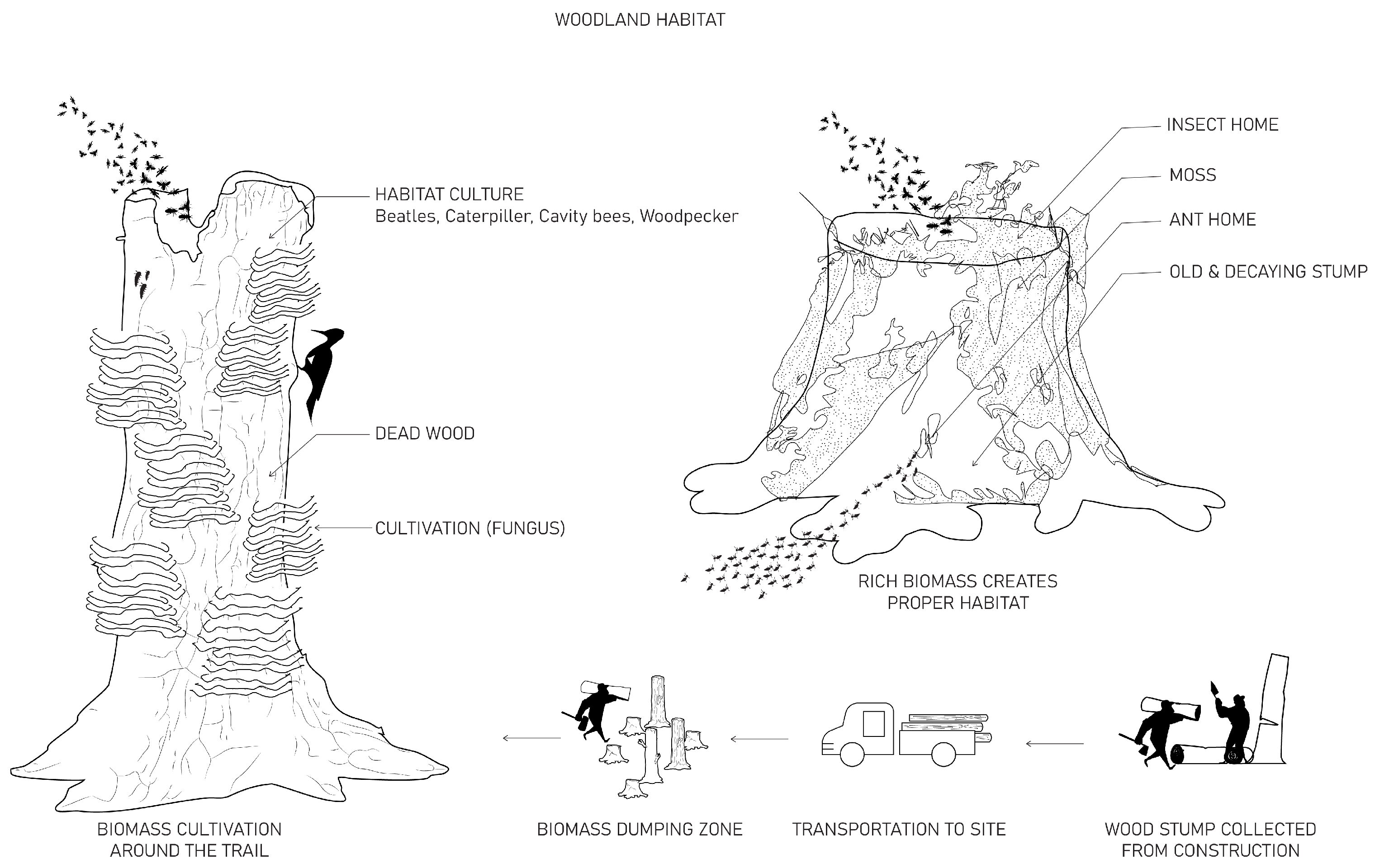
6]. Each of these designations has different implications for the design and management of a landscape. As an example, we explored design strategies to enhance the habitat for the pileated woodpecker (
Dryocopus pileatus), a keystone species whose requirements—large-diameter snags, downed woody debris, and mature forest structure—align closely with conditions found in the upland woodland and grassland typology identified in this study, where the ROW is widest and successional woodland structure is most developed. This typology-specific approach could be expanded across the full corridor, developing hypernature strategies tailored to target species of each distinct context, enhancing the ecological value and function of rail-trail corridors for a larger web of flora and fauna. The design studies presented in
Figure 9, grounded in the priorities and constraints described by land managers, offer a preliminary demonstration of how that framework might be applied in practice.
6. Conclusions
This study applies the principles of landscape ecology and landscape architecture to characterize two rail-trail corridors as novel ecosystem spaces with significant potential as conservation corridors within a specific agricultural landscape. The conclusions of this study might be applicable to rail-trails with similar histories, ownership, and management patterns. Spatial analysis revealed meaningful variability in corridor width, connectivity, and land use context. This variability has direct implications for conservation priorities, including strategic land acquisition to widen corridors at key locations and the mitigation of problematic vehicular crossings that create barriers for wildlife. Our conversations with trail managers revealed that while the rail-trail corridors studied here are considered ecologically important, this is largely because these parcels offer biological and structural diversity outside of an otherwise agriculturally dominated landscape. Segments considered ecologically valuable are prioritized for active management, while the vast majority see little intervention beyond mowing and noxious weed control. For the degraded majority, hypernature, a concept from landscape architecture theory, is brought into the conversation as a method of reimagining experimental landscapes that integrate novel ecosystem design and management to amplify key ecological functions and offer great benefits for both wildlife and human users. Looking forward, future research in this area might develop typology-specific hypernature design guidelines, expand the focal species framework across distinct corridor conditions, or evaluate how hypernature interventions are perceived and valued by human trail users.
Author Contributions
Conceptualization, A.D. and K.S.; methodology, A.D.; formal analysis, A.D.; investigation, A.D. and S.B.A.; resources, A.D.; writing—original draft preparation, A.D. and K.S.; writing—review and editing, K.S. and A.D.; visualization, A.D. and S.B.A.; supervision, A.D.; project administration, A.D. All authors have read and agreed to the published version of the manuscript.
Funding
This research received no external funding.
Institutional Review Board Statement
The study was conducted in accordance with the Declaration of Helsinki, and approved by the Institutional Review Board of Iowa State University (Study: 24-510, Committee: IRB #1, 21 November 2024).
Data Availability Statement
The raw data supporting the conclusions of this article will be made available by the authors on request.
Conflicts of Interest
The authors declare no conflicts of interest.
Abbreviations
The following abbreviations are used in this manuscript:
| AADT | Annualized Average Daily Traffic |
| GIS | Geographic Information System |
| MRLC | Multi-Resolution Land Characteristics Consortium |
| ROW | Right-of-Way |
| USGS | United States Geological Survey |
References
- Land Use. Geospatial Laboratory for Soil Informatics. Iowa State University. Available online: https://www.agron.iastate.edu/glsi/outreach/land-use/ (accessed on 30 March 2026).
- Public Lands. Iowa Natural Heritage Foundation. Available online: http://inhf.org/what-we-do/conservation-policy/natures-advocate/public-lands (accessed on 30 March 2026).
- Iowa. Rails to Trails Conservancy. Available online: https://www.railstotrails.org/state/iowa/ (accessed on 30 March 2026).
- Dunn, A.; Shiffler, K.; Azad, S.B. From Right-of-Way to Greenway: Parameters for the Ecological Function of Midwestern Rail-Trail Corridors. In Proceedings of the Fábos Conference on Landscape and Greenway Planning, Amherst, MA, USA, 11–13 April 2025; Volume 8. [Google Scholar]
- Smith, D.S.; Hellmund, P.C. Ecology of Greenways: Design and Function of Linear Conservation Areas; University of Minnesota Press: Minneapolis, MN, USA, 1993. [Google Scholar]
- Hilty, J.A.; Keeley, A.T.; Merenlender, A.M.; Lidicker, W.Z., Jr. Corridor Ecology: Linking Landscapes for Biodiversity Conservation and Climate Adaptation; Island Press: Washington, DC, USA, 2019. [Google Scholar]
- Hobbs, R.J.; Higgs, E.; Harris, J.A. Novel ecosystems: Implications for conservation and restoration. Trends Ecol. Evol. 2009, 24, 599–605. [Google Scholar] [CrossRef] [PubMed]
- McLean, R. Transformative Ground: A Field Guide to the Post-Industrial Landscape; Routledge: New York, NY, USA, 2019. [Google Scholar]
- Dylewski, Ł.; Maćkowiak, Ł.; Dyderski, M.K. Abandoned Railways Support Greater Functional and Phylogenetic Plant Diversity Than Adjacent Grassy Meadows in Agricultural Landscape. Land Degrad. Dev. 2025, 36, 614–629. [Google Scholar] [CrossRef]
- Enhancing the Environment with Trails and Greenways. Rails to Trails Conservancy. 1999. Available online: https://www.railstotrails.org/resource-library/resources/enhancing-the-environment-with-trails-and-greenways/ (accessed on 3 February 2026).
- Barrientos, R.; Ascensão, F.; Beja, P.; Pereira, H.M.; Borda-de-Água, L. Railway ecology vs. road ecology: Similarities and differences. Eur. J. Wildl. Res. 2019, 65, 12. [Google Scholar] [CrossRef]
- Nemec, K.T.; Allen, C.R.; Alai, A.; Clements, G.; Kessler, A.C.; Kinsell, T.; Major, A.; Stephen, B.J. Woody invasions of urban trails and the changing face of urban forests in the Great Plains, USA. Am. Midl. Nat. 2011, 165, 241–256. [Google Scholar] [CrossRef]
- Meyer, E.K. Sustaining beauty: The performance of appearance—A manifesto in three parts. J. Landsc. Archit. 2008, 3, 6–23. [Google Scholar] [CrossRef]
- Rinaldi, B.M. Hyper-landscapes. J. Landsc. Archit. 2014, 9, 4–5. [Google Scholar] [CrossRef]
- Creswell, J.W.; Creswell, J.D. Research Design: Qualitative, Quantitative, and Mixed Methods Approaches; Sage Publications: Thousand Oaks, CA, USA, 2017. [Google Scholar]
- Yin, R.K. Case Study Research: Design and Methods; Sage: Thousand Oaks, CA, USA, 2009; Volume 5. [Google Scholar]
- Anderson, J.R. A Land Use and Land Cover Classification System for Use with Remote Sensor Data; U.S. Government Printing Office: Washington, DC, USA, 1976; Volume 964.
- Wasserman, D. Study Line Editor. GitHub Repository, GitHub. 2019. Available online: https://github.com/d-wasserman/study-line-editor (accessed on 1 February 2026).
- Kelbaugh, D. Typology—An architecture of limits. Archit. Theory Rev. 1996, 1, 33–52. [Google Scholar] [CrossRef]
- Nijhuis, S.; de Vries, J. Design as research in landscape architecture. Landsc. J. 2019, 38, 87–103. [Google Scholar] [CrossRef]
- Seiler, A.; Bhardwaj, M. Wildlife and Traffic: An Inevitable but Not Unsolvable Problem? In Problematic Wildlife II: New Conservation and Management Challenges in the Human-Wildlife Interactions; Springer: Cham, Switzerland, 2020. [Google Scholar] [CrossRef]
- Gregory, A.; Spence, E.; Beier, P.; Garding, E. Toward Best Management Practices for Ecological Corridors. Land 2021, 10, 140. [Google Scholar] [CrossRef]
- Hobbs, R.J.; Higgs, E.; Hall, C.M.; Bridgewater, P.; Chapin, F.S., III; Ellis, E.C.; Ewel, J.J.; Hallett, L.M.; Harris, J.; Hulvey, K.B.; et al. Managing the whole landscape: Historical, hybrid, and novel ecosystems. Front. Ecol. Environ. 2014, 12, 557–564. [Google Scholar] [CrossRef]
Figure 1.
Maps depicting the study area. (a) The Corn Belt is defined here as the combination of two EPA Level III Ecoregions, the Western Corn Belt Plains and the Eastern Corn Belt Plains. Yellow represents the Corn Belt region, and the black outline represents the State of Iowa, the location of the study. (b) The study focuses on two trails that span two central Iowa counties. Boone County and Story County are outlined in black. The study trails are highlighted in magenta.
Figure 1.
Maps depicting the study area. (a) The Corn Belt is defined here as the combination of two EPA Level III Ecoregions, the Western Corn Belt Plains and the Eastern Corn Belt Plains. Yellow represents the Corn Belt region, and the black outline represents the State of Iowa, the location of the study. (b) The study focuses on two trails that span two central Iowa counties. Boone County and Story County are outlined in black. The study trails are highlighted in magenta.
Figure 2.
Photos from site visits in October 2024. (a) Exploring the fenceline at the edge of the trail ROW, where it meets a recently harvested corn field, and (b) documenting components of the riparian context, where the trail intersects a creek.
Figure 2.
Photos from site visits in October 2024. (a) Exploring the fenceline at the edge of the trail ROW, where it meets a recently harvested corn field, and (b) documenting components of the riparian context, where the trail intersects a creek.
Figure 3.
Map of reclassified land cover in relation to trail corridor.
Figure 3.
Map of reclassified land cover in relation to trail corridor.
Figure 4.
Map depicting a gap in the trail corridor due to a loss of contiguous land ownership. In this section, the trail is routed along roadways to connect the two segments of the former railroad right-of-way. Evidence of the former railroad appears in the orthographic photo, though that land is currently farmed.
Figure 4.
Map depicting a gap in the trail corridor due to a loss of contiguous land ownership. In this section, the trail is routed along roadways to connect the two segments of the former railroad right-of-way. Evidence of the former railroad appears in the orthographic photo, though that land is currently farmed.
Figure 5.
Typical trail ROW conditions in an agricultural context. Green leader lines are used to denote opportunities, while red leader lines are used to denote challenges.
Figure 5.
Typical trail ROW conditions in an agricultural context. Green leader lines are used to denote opportunities, while red leader lines are used to denote challenges.
Figure 6.
Typical trail ROW conditions in upland woodland or grassland. Green leader lines are used to denote opportunities, while red leader lines are used to denote challenges.
Figure 6.
Typical trail ROW conditions in upland woodland or grassland. Green leader lines are used to denote opportunities, while red leader lines are used to denote challenges.
Figure 7.
Typical trail ROW conditions in a riparian context. Green leader lines are used to denote opportunities, while red leader lines are used to denote challenges.
Figure 7.
Typical trail ROW conditions in a riparian context. Green leader lines are used to denote opportunities, while red leader lines are used to denote challenges.
Figure 8.
Typical trail ROW conditions in an urban context. Green leader lines are used to denote opportunities, while red leader lines are used to denote challenges.
Figure 8.
Typical trail ROW conditions in an urban context. Green leader lines are used to denote opportunities, while red leader lines are used to denote challenges.
Figure 9.
Student design study exploring intentional biomass accumulation within the trail ROW as habitat for the pileated woodpecker (Dryocopus pileatus), a keystone species.
Figure 9.
Student design study exploring intentional biomass accumulation within the trail ROW as habitat for the pileated woodpecker (Dryocopus pileatus), a keystone species.
Table 1.
Reclassification scheme.
Table 1.
Reclassification scheme.
| New Class | MRLC Class |
|---|
| Riparian/Wetland | Open Water |
| Woody Wetlands |
| Emergent Herbaceous Wetlands |
| Agricultural | Cultivated Crops |
| Pasture/Hay |
| Upland Woodland/Grassland | Deciduous Forest |
| Evergreen Forest |
| Mixed Forest |
| Shrub/Scrub |
| Grassland/Herbaceous |
| Urban/Developed | Developed Open Space |
| Developed Low Intensity |
| Developed Medium Intensity |
| Developed High Intensity |
| Barren Land |
Table 2.
Context of the right of way.
Table 2.
Context of the right of way.
| Land Cover Context | Percentage of Total | Median ROW Width (ft) |
|---|
| Riparian/Wetland | 2.9% | 194.6 |
| Agricultural | 67.6% | 135.6 |
| Upland Woodland/Grassland | 23.1% | 200.0 |
| Urban/Developed | 6.4% | 125.8 |
| Disclaimer/Publisher’s Note: The statements, opinions and data contained in all publications are solely those of the individual author(s) and contributor(s) and not of MDPI and/or the editor(s). MDPI and/or the editor(s) disclaim responsibility for any injury to people or property resulting from any ideas, methods, instructions or products referred to in the content. |