


Abstract
With the increasing prevalence of digital technology, the inherent influencing mechanisms by which digital empowerment fosters rural environmental governance remain a critical area of inquiry. However, existing research neglects the dual effects of digital technology on rural environmental governance from the aspect of stakeholders’ engagement. To address this gap, this study develops an integrated framework to investigate not only the direct impact of digital empowerment on rural environmental governance but also the mediating roles of stakeholders’ engagement and governance mechanisms, alongside the moderating role of perceived technology anxiety. Grounded in theoretical frameworks and extensive literature reviews, this study analyzes data from Jiangsu province in 2025 using an Ordinary Least Squares (OLS) model. The baseline regression results reveal that digital empowerment significantly promotes rural environmental governance, even after endogeneity analysis. Moreover, the results of the mediation effect show that digital empowerment enhances the level of rural environmental governance by accelerating stakeholders’ engagement and improving governance mechanisms. Furthermore, the moderating effect results imply that perceived technology anxiety may inhibit the negative effect of digital empowerment on rural environmental governance. Additionally, regional disparities exist in the influences of digital empowerment on rural environmental governance, with rural areas in Southern Jiangsu exhibiting a more pronounced effect compared to other regions.
1. Introduction
With the accelerating expansion of the global economy, a major global challenge remains in effectively implementing sustainability across various human settlements [1,2]. In developing countries, a significant gap exists between urban and rural development [3,4]. As the world’s largest developing country, China confronts considerable population pressure, limited resources, and environmental constraints [5]. In its rural regions, these pressures are exacerbated by funding shortages and fragmented institutional coordination [6]. In response, the Chinese government has prioritized rural environmental governance (REG) and introduced policies to engage multiple stakeholders [7,8,9]. The State Council of China has launched several national strategies, such as the Three-Year Action Plan (2018–2020) and the subsequent Five-Year Action Plan for Upgrading (2021–2025). This shift indicates that China’s rural revitalization has entered a stage focusing on strengthening governance outcomes.
In the emerging era of digitalization and intelligence, the digital economy is increasingly important in the governance of rural environments in developing countries [10,11,12,13]. The Chinese government has recognized the digital economy as a vital force in promoting rural revitalization. This is achieved through the integration of advanced digital technologies, which are transforming production, lifestyles, and governance systems [14]. However, digital empowerment is still an underexplored concept, and the relationship between digital empowerment and rural environmental governance remains unclear. In particular, China’s rural areas are facing both opportunities and difficulties in environmental governance. Rural environmental development is playing an increasingly important role in leading sustainable development. Meanwhile, it also faces opportunities and challenges of digital technology innovation [15]. On one hand, digital empowerment helps improve livelihoods, provides access to essential information, and promotes participation in a digital society, thereby supporting sustainable growth. Digital governance also enhances public services and encourages inclusive decision-making [16,17]. It has accelerated the process of rural modernization and provided new opportunities for rural governance systems and structures, supporting rural environmental improvement in the modern era. On the other hand, the inherent complexity and rapid evolution characteristic of modern digital platforms pose significant risks for the development of technology-related anxiety and psychological pressure [18,19,20]. This dual effect highlights the complex relationship between digital empowerment and environmental governance.
Currently, past research has mainly focused on the digital economy and rural development, including digital transformation of rural areas [21], the impact of digital technologies on rural areas [22], and the design of digital village indicator systems [23]. These previous studies insist that the development of the digital economy tends to alleviate the degree of environmental pollution and elevate the level of environmental governance. For instance, Asongu [24] and Ulucak et al. [25] contended that digital technology can effectively improve environmental quality by analyzing the popularity of information technology in Africa and BRICS countries. Zhong et al. [26] find that digitization can effectively alleviate the level of carbon emissions. It is also certified by the study by Wang et al. [27]. However, only a few scholars have realized the challenges that the digital economy may present to environmental governance. Particularly under the process of digital transformation, rural environmental governance participants face both psychological and technological pressures. Therefore, these scholars have put forward the “Digital Empowerment Paradox”, which highlights how digital empowerment also generates vulnerability and pressure [28,29,30]. Nevertheless, existing research has largely focused on either the positive or negative effects of digital technology on rural environmental governance [31,32,33]; the dual influences of digital empowerment on rural environmental governance are still underexplored. Understanding how digital empowerment influences rural environmental governance in a dual way is therefore essential for developing more effective support policies and practical intervention strategies.
According to Samuelson’s theory, the attributes of the rural environment conformed to pure public goods, which require a joint effort of government governance, public participation, and corporation technology support. Qian et al. holds that the process of rural ecological environment protection needs the coordination of different stakeholders’ interests through multiple ways, including the government, society, enterprises, and individuals [34]. The study conducted by Huang et al. [35] shows that the maintenance of eco-craft trails cannot solely rely on government resources. Therefore, digital empowerment may improve rural environmental governance through multi-stakeholder collaboration. However, there are few quantitative studies on the relationship between digital empowerment and rural environmental governance from the aspect of stakeholders’ participation. It is necessary to further clarify the connotation and mechanism of digital empowerment from the perspective of stakeholders’ participation.
To address this gap, this study offers an in-depth analysis of the effect of digital empowerment on rural environmental governance and its intrinsic mechanisms, especially focusing on the mediation effect of stakeholders’ engagement and governance mechanisms, as well as the moderation effect of perceived technology anxiety. The study has three main objectives: (i) to identify the positive effect of digital empowerment on rural environmental governance; (ii) to examine the negative effect of digital empowerment on rural environmental governance; and (iii) to propose recommendations for improving digital rural environmental governance.
To the best of our knowledge, this paper contributes to the existing literature in two ways. In terms of research subject, it moves beyond simply asking whether digital empowerment affects rural environments and instead explores how it does so. While prior studies have often focused on broader rural governance or digital village indicators, this research provides a multidimensional assessment of how digital empowerment influences REG. It discovers both positive and negative effects of digital empowerment on rural environmental governance effectiveness, thereby enriching both the theory and practice of inclusive rural environmental management. Moreover, regarding research perspective, this paper adopts a multi-stakeholder approach to thoroughly analyze the mechanisms through which digital empowerment affects rural environmental governance, rather than concentrating on a single group. As a structural force, digital empowerment is embedded within a relational network of multiple stakeholders. Thus, it is important to investigate how digital empowerment shapes this network and, in turn, influences REG.
The remainder of this paper is structured as follows (Figure 1). Section 2 explains the theoretical framework. Section 3 outlines the concepts of DE and the formulation of research hypotheses. Section 4 delineates the methodology of the research, encompassing participants and procedures, measures, and model settings. Section 5 shows the research results, and Section 6 presents a discussion of the results. Section 7 concludes by highlighting the potential of digital technology to empower REG.
Figure 1.
Research procedure framework.
2. Theoretical Framework
Addressing the theoretical gap in the existing literature, this study proposes a solid theoretical framework designed to meticulously unravel the complex, double-edged mechanisms through which digital empowerment influences rural environmental governance. The approach rigorously integrates two foundational theoretical perspectives: the micro-behavioral explanation power of the SOR theory and the macro-level evolutionary of the STS theory. This synergistic integration not only facilitates a holistic examination but, more importantly, offers an innovative and rigorous framework to simultaneously investigate both the behavioral mechanisms and the wider systemic dynamics influencing digital engagement. It thereby provides direct theoretical grounding for the core propositions of our proposed mediation model. The theoretical foundations for each part are elaborated below.
2.1. Stimulus-Organism-Response Theory
Stimulus-Organism-Response (S-O-R) was formally proposed by Mehrabian and Russell in 1974, building on earlier work by researchers like Woodworth and Tolman [36]. This theory is a theoretical framework to explain how external stimuli (S) influence individual behavior (R) through internal psychological processes (O) [37]. It conceptualizes behavior as a dynamic process where environmental stimuli affect an individual’s internal state, which in turn drives observable responses [38]. Within the context of rural digital environmental governance, the SOR model provides a detailed understanding of how external stimuli drive participants’ engagement through perceptions, including individuals, governments, and enterprises. Within this framework, digital literacy is defined as the key external stimulus (S) for individuals, constituting the essential ability to participate effectively in the digital environment [39]. The organism (O) constitutes the complex internal psychological states of rural residents, with a focus on their levels of political trust and perceived self-efficacy. These intermediary constructs play a decisive role in molding their perceptions, evaluations, and motivations concerning digital empowerment and governmental initiatives related to rural digital environmental governance. The resultant participation behaviors across multiple dimensions of rural digital environmental governance are subsequently conceptualized as the response (R). For the governments, stimuli (S) are defined as various digital empowerment inputs, constituting connectivity and public hardware of digital infrastructure [40]. Based on this structure, the organism (O) of government agencies is conceptualized as the collective cognitive and organizational responses of decision-makers and implementers. Government-related response (R) is operationally defined as the governance initiatives and performance. In addition, rural corporate stimuli (S) are defined as various digital empowerment regulatory and market signals, consisting of critical external information that shapes business conduct [41]. The organism (O) for enterprises encompasses the internal cognitive and motivational states of managers, with a focus on their awareness of environmental performance and associated regulatory and reputational risks. The resultant environmental behaviors of enterprises are subsequently conceptualized as the response (R), encompassing compliant responses. Consequently, the SOR framework provides a clear analytical pathway for examining how digital empowerment inputs shape the perceptions of various stakeholders, thereby influencing their engagement behaviors in rural digital environmental governance initiatives.
2.2. Socio-Technical Systems Theory
Given that the research focuses on technology implementation and the consistency between technological and organizational factors, the STS framework offers adequate theoretical grounding for this study. STS theory posits that an organization comprises two interrelated systems: the social system and the technical system [42]. This theory advocates that optimal organizational performance is achieved through the joint optimization of human factors within the social system and technical factors within the technical system [43]. Specifically, technical systems pertain to the use of tools, techniques, and methods by organizational members, thus generating value for customers or clients. Conversely, social systems emphasize the individuals participating in the system and the interactions among them [44].
STS theory provides a critical macro-level lens for examining the complex socio-technical systems, such as the impact of digital empowerment on rural environmental governance [45]. It powerfully highlights that interactions among such systems involve fundamental elements (e.g., people, processes, goals, culture, technologies, and infrastructures and are vital for organizations to achieve their desired outcomes [46]. This aligns closely with the focus of the present study. Accordingly, it is appropriate to adopt STS theory to examine how digital empowerment interfaces with human factors and social organizations in affecting rural environmental governance. It embraces a more holistic and integrated perspective.
2.3. Integration of Theoretical Perspectives
Based on the above statements, the SOR framework provides essential insights into individual behavior, while the STS framework delivers a systemic perspective of the dynamic relationship between the technology system and social system (Figure 2). The integration of these two theories compensates for the deficiencies inherent in each, enabling a comprehensive understanding of how digital empowerment connects to rural environmental governance. Existing research has discovered that the complementary nature of these theories makes their combined use not only appropriate but also analytically effective [47]. Specifically, STS theory serves to conceptually deepen, systematically embed, and continually reshape every element within the SOR framework. For example, the selection and definition of digital stimuli (e.g., online monitoring data, public complaint platforms, and performance dashboards) are not merely predefined and exogenous inputs within the S-O-R framework. Instead, these stimuli are profoundly shaped and filtered by the encompassing socio-technical system. STS provides the essential analytical lens to understand the systemic forces, such as governance mechanisms and institutional development.
Figure 2.
The proposed theoretical model.
3. Connation and Hypothesis
3.1. Connation of Digital Empowerment
Digital empowerment represents an extension and evolution of empowerment theory in the information age. The concept of “empowerment,” initially advanced by American scholar Solomon, aims to enhance individuals’ social participation, self-efficacy, and perceived control [48]. Fundamentally, empowerment functions serve as a mechanism to assist individuals in achieving desired objectives [49]. The theoretical basis of digital empowerment combines two distinct yet complementary concepts of “digitalization” and “empowerment” [50]. Specifically, digitalization refers primarily to the means of action, and empowerment focuses on the underlying process.
Conceptually, digital empowerment can be defined as the process by which digital tools equip individuals with specific competencies [51], enabling them to use digital technologies effectively to accomplish their goals [52]. It reflects the extent to which digital technologies and information systems are strategically integrated and applied within an industry, region, or organization to optimize production, enhance decision-making, and streamline operations. Empirically, the continuous enhancement of digital infrastructure has accelerated the adoption of digital technologies across many sectors. This infrastructure acts as a critical enabler, facilitating the spread of digital innovations and empowering various industries to pursue digital transformation [53].
3.2. The Positive Role of Digital Empowerment on Rural Environmental Governance
With the deepening expansion of the digital economy, digital governance has emerged as a novel paradigm for advancing rural environmental sustainability. It is found that the application of digital technologies in rural areas can optimize resource allocation, reduce transaction costs, and facilitate economies of scale, thereby alleviating information asymmetry and enhancing rural environmental governance outcomes [54]. Currently, the integration of digital technologies and rural environmental governance is accelerating, driven by digital economic progress [55]. The implementation of advanced tools (e.g., big data, IoT, cloud computing, and real-time monitoring) significantly improves the effectiveness of rural environmental governance by achieving intelligent management of rural environmental information [56]. For example, Changshu City in Jiangsu Province has implemented a comprehensive digital monitoring system that oversees rural living environments. This system integrates IoT-based sensor networks and cloud computing platforms to track and manage multiple domains, including household waste collection, sewage discharge monitoring, and the recycling of agricultural residues such as crop straw [57]. By enabling real-time data acquisition, dynamic analysis, and automated early warnings, the platform supports closed-loop management and enhances the precision and effectiveness of rural environmental governance.
Moreover, the digitalization of information in rural areas helps overcome limitations imposed by agricultural production cycles, equipment availability, and transportation logistics. This transformation enables effective integration of rural industrial chains and enhances the utilization efficiency of agricultural resources [58]. Consequently, it contributes to an improved rural ecological environment. The rural area of Yixing in Jiangsu Province has implemented a “Smart Ecological Farmland Interception System” designed specifically for the protection of the Taihu Lake Basin, setting a good example of digital development in agriculture [59]. Based on the above analysis, this study proposes Hypothesis H1 as follows:
H1.
Digital empowerment has a significant positive influence on rural environmental governance.
3.3. The Positive Mediation Effect of Stakeholders’ Engagement
Grounded in the SOR (Stimulus-Organism-Response) framework, this study conceptualizes digital literacy, digital infrastructure, and digital applications as the primary stimuli (S) affecting stakeholders’ participation in rural environmental governance.
For farmers, digital literacy acts as a critical external stimulus (S) within the rural areas [60]. It enhances their perceptions of local ecological vulnerabilities and evaluation of governance measures, which are key aspects of their internal organism state (O). Specifically, digital empowerment raises awareness of sustainability issues directly affecting their communities, such as agricultural pollution or water resource degradation. By lowering information barriers and facilitating knowledge-sharing on rural-specific environmental practices, it improves farmers’ digital literacy and practical understanding of ecological protection. These shifts in cognition and capability (O) ultimately strengthen their participation behaviors (R) in village-level environmental initiatives [61].
For governments, digital infrastructure and applications serve as stimuli (S) that alter institutional capacity and perception of efficacy (O) regarding rural environmental governance. It enables real-time monitoring of remote rural areas, transparent communication with dispersed rural populations, and data-driven policy adjustments tailored to local environmental conditions, thereby increasing regulatory efficiency and responsiveness [62]. This enhanced institutional capacity and perception of efficacy (O) promotes more engaged and adaptive governance participation (R) in addressing complex rural ecological challenges.
For enterprises, digital infrastructure and applications also act as critical stimuli (S) that reshape strategic and operational cognition (O) by providing clear sustainability signals linked to rural supply chains, enhancing environmental traceability of agricultural products, and fostering innovation networks focused on rural environmental solutions. This cognitive shift motivates enterprises to reconfigure internal resources and invest in building technological capabilities for rural market integration. The digital infrastructure itself serves as a key strategic resource to improve information sharing and knowledge integration, thereby optimizing the allocation of innovative resources aimed at reducing the rural ecological footprint. The development of these capabilities enables green technological innovation tailored to rural areas, forming the basis for a sustainable competitive advantage. Thus, cognitive transformation (O) drives concrete green innovation outcomes and enhanced environmental performance (R) [63]. These results strengthen corporate reputation, advance ESG commitments in the agricultural sector, and increase access to green financing. Positive market and financial feedback, in turn, reinforce strategic cognitive transformation (O), creating a self-reinforcing cycle that promotes sustained and collaborative engagement in multi-stakeholder rural environmental governance (R). Thus, we propose the following hypothesis:
H2.
Digital empowerment positively influences rural environmental governance by promoting stakeholders’ engagement.
3.4. The Positive Mediation Effect of Governance Mechanisms
Moreover, based on the Socio-Technical Systems (STSs) theory, participation in rural environmental governance is an outcome of the interaction between the social subsystem and the technical subsystem. Within this multi-stakeholder context, governance mechanisms serve as the critical factors that mediate the co-evolution of these two subsystems, forming the essential pathway through which digital empowerment influences governance performance [64]. Effective rural environmental governance often relies on administrative mobilization. Governments can strengthen supervision and impose structured constraints on farmers’ environmental behaviors by establishing comprehensive regulations and guidelines [65]. These institutional constraints, which are embodied in formal rules, oversight frameworks, and mobilization strategies, systematically shape both farmer participation and the implementation of technologies [66]. Digital empowerment strengthens these mechanisms by improving the capacity of institutions to disseminate environmental policies and operational procedures directly to farmers, thereby raising awareness and increasing compliance [67]. Notably, the application of digital technology is guided by institutional arrangements, which facilitate farmers’ engagement through monitored information access, regulated behavioral expectations, and technology-assisted training [68]. Moreover, digital empowerment enhances evaluation mechanisms by strengthening digital capacity. This standardized digital approach not only enables farmers to assess rural environmental conditions more effectively but also offers valuable feedback for monitoring environmental quality [69]. Based on this analysis, the following hypothesis is proposed:
H3.
Digital empowerment enhances rural environmental governance by improving governance mechanisms.
3.5. The Negative Moderation Effect of Perceived Technology Anxiety
Despite the wide application of digital technologies, it may also bring about some negative consequences. Particularly, the inherent complexity and continuous changes in digital technologies may bring about stress, ultimately culminating in technology anxiety [70,71]. Technology anxiety is conceptualized as a state of psychological distress characterized by feelings of tension, apprehension, and helplessness that arise when individuals interact with unfamiliar technological tools or novel operational interfaces [72,73]. According to Yin et al. [74], emerging technologies may provoke anxiety when users lack sufficient technical competence. In rural areas, the lack of systematic digital training fosters significant psychological barriers, notably anxiety regarding technological adaptation and automation-induced role replacement. Prior studies not only acknowledge the role of digital empowerment in improving operational efficiency but also note that the skill barriers associated with such technologies can provoke anxiety, particularly among those less familiar with technology [75,76].
Technology-induced anxiety can erode an individual’s perceived self-efficacy, fostering a sense of professional inadequacy [77], which in turn affects their trust towards the adoption of digital technologies. For example, Technology anxiety can diminish self-efficacy by fostering a sense of incapacity in handling new technologies, which may further trigger resistance to innovation, skepticism toward governance institutions, and reduced trust in digitally mediated processes [78]. According to SOR, this anxiety directly impairs the internal state (O) of stakeholders, reducing their willingness and ability to engage effectively in rural environmental governance processes (R) [79]. Over time, this can slow the pace of digital integration, reduce cooperation across stakeholder groups, and hinder the long-term sustainability of governance reforms. In light of this analysis, the following hypothesis is proposed:
H4.
Perceived technology anxiety can weaken the positive role of digital empowerment in rural environmental governance.
In summary, the theoretical framework in this study is illustrated in Figure 2. Initially, digital empowerment can exert a direct influence on rural environmental governance via path H1. Second, stakeholders’ engagement and governance mechanisms serve as mediators through paths H2 and H3, respectively. In these paths, digital empowerment positively affects the level of rural environmental governance. Moreover, the perceived technology anxiety exerts a moderating effect through path H4. In this path, digital empowerment negatively affects the level of rural environmental governance (Figure 3).
Figure 3.
Hypothesis framework.
4. Methodology
4.1. Participants and Procedures
This study focuses on stakeholders involved in rural environmental governance, including governments, rural residents, and enterprises. In this study, we select Jiangsu province as the research sample. As part of China’s nationwide rural revitalization strategy, Jiangsu has experienced expanding investments in digital infrastructure and rural development, making it a suitable empirical context for this study [80]. The developments help ensure the comprehensive implementation of rural digital communication initiatives. Furthermore, there exists a pronounced disparity in economic development, digital infrastructure, governmental capacity, and social capital between its southern (e.g., Suzhou, Wuxi, Changzhou, Nanjing, Zhenjiang), central, and northern regions [81] (Figure 4). In addition, the region continues to experience economic underdevelopment, with numerous rural communities confronting constraints including inadequate infrastructure and relatively low-income levels [82]. These structural constraints create a unique environment for observing how digital empowerment affects rural environmental governance.
Figure 4.
The map of Jiangsu Province.
A multiple-method design was adopted, which allowed for descriptive and inferential data collection and analyses [83]. The data for this study are primarily derived from several authoritative sources, including Jiangsu Statistical Yearbook, Jiangsu Rural Statistical Yearbook, Jiangsu Ecological and Environmental Statistics Yearbook, Jiangsu Public Finance Yearbook, Jiangsu County Statistical Yearbook, Reports from the People’s Bank of China Nanjing Branch, and Peking University’s digital financial inclusion index. Specifically, indicators pertaining to rural environmental governance were drawn from Jiangsu Rural Statistical Yearbook, Jiangsu Ecological and Environmental Statistics Yearbook, and Jiangsu County Statistical Yearbook on Environment, whereas metrics associated with the digital economy were sourced from the Jiangsu Statistical Yearbook and Peking University’s Digital Financial Inclusion Index. Control variables derive data from the Jiangsu Statistical Yearbook, Jiangsu Public Finance Yearbook, and Reports from the People’s Bank of China Nanjing Branch. Data about stakeholders’ participation behavior and perceived technology anxiety were collected through the distribution of paper questionnaires on-site, allowing for direct interaction with participants and obtaining authentic feedback. The formal survey was conducted in January 2025. The items of the questionnaire are rated using a 5-point Likert scale, where “1” represents “Strongly Disagree” and “5” represents “Strongly Agree” [84]. To ensure a broad and representative sample, 610 questionnaires were collected involving rural households, government officials, and corporate employees. After removing surveys with more than five unanswered questions, 572 valid responses were retained.
4.2. Measures
4.2.1. Rural Environmental Governance (REG)
The level of rural environmental governance (REG) reflects the extent to which a rural area meets environmental protection and low-carbon emission reduction targets [85]. Drawing on the studies of Li et al. [85] and Wang et al. [86], this study constructs an evaluation index system for rural environmental governance, encompassing ecological environment governance, low-carbon governance, and living environment governance (see Table A1 in Appendix A). To integrate these diverse indicators into a cohesive rural environmental governance index, the entropy method is applied. This approach is widely recognized for its relative objectivity, producing evaluation outcomes that are considered impartial and well-founded [87,88].
4.2.2. Digital Empowerment (DE)
The core explanatory variable in this study is the level of digital empowerment (DE), which serves as a key enabler of low-carbon transition and supports the modernization of rural ecological systems. The level of digital empowerment is assessed through establishing an evaluation index in most studies [89,90]. Following the study of Deng et al. [90], DE is evaluated using a composite index constructed from three dimensions: digital infrastructure, digital literacy, and digital application (see Table A2 in Appendix A). Digital infrastructure reflects the availability of essential technological resources. It is assessed through two secondary indicators: (a) connectivity, represented by the household broadband penetration rate and 4G/5G network coverage; (b) public hardware facilities, indicated by the density of public surveillance cameras and the availability of interactive service terminals [91,92,93]. Digital literacy refers to the knowledge and skills necessary for using digital tools effectively. This dimension is assessed based on core smartphone proficiency, measured as the proportion of villagers with demonstrated smartphone competency [94]. Digital application, as the central dimension, captures the actual use of digital tools in village governance and public service delivery. It is evaluated through the following indicators: (a) e-governance penetration, measured by the proportion of village affairs information published online and the number of public services accessible via online platforms; and (b) the ubiquity of digital platforms, represented by the percentage of households actively participating in the primary village online communication forum (e.g., WeChat groups) [95]. Collectively, these dimensions form a structured framework for analyzing how digital empowerment contributes to sustainable rural development. This study also applies the entropy method to measure the level of the digital economy.
4.2.3. Control Variable
To address potential endogeneity concerns stemming from omitted variable bias, this study introduces the following control variables, with reference to the studies of Hou et al. [96] and Wei et al. [97]. Economic development is measured by the gross regional product index. This indicator reflects underlying economic capacity, which may independently influence environmental investment decisions. The rural population is measured as the population per square kilometer in rural areas. To address the effects of outliers and heteroscedasticity, a logarithmic transformation is applied to the rural population density data. The level of fiscal support in rural areas is measured by the percentage of local budgetary spending allocated to agriculture, forestry, and water resources. Technological investment is operationalized as the share of science and technology spending in total public budgetary expenditures (%). The level of human capital is assessed by the percentage of the population enrolled in higher education institutions.
4.2.4. Mediating Variables
The mediating variables in this study include stakeholders’ engagement and governance mechanisms (see Table A3 in Appendix A). The stakeholders’ engagement scale is derived from Kujala et al. and consists of the government’s engagement, farmers’ participation, and corporates’ participation, constituting a composite index for analysis [98]. In the context of digital-empowered rural environmental governance, government participation evolves into a form of engaged and adaptive co-governance that leverages real-time data and digital platforms to facilitate multi-stakeholder collaboration and iterative policy learning [22]. A sample item is: “We have prioritized the application of “digital technology/smart governance” in environmental work”. In addition, farmers’ engagement behavior is measured through public-sphere and private-sphere behavior. Public-sphere behavior includes participation in collective cleaning activities and attendance at village-level environmental meetings. Private-sphere behavior explains whether households use clean energy, energy-efficient appliances, and sanitation compliance in residential areas [99]. Moreover, corporates’ participation was assessed through motivation for participation and participation behavior. A representative item includes: “We believe that participating in rural environmental governance is an important component of corporate social responsibility.” In this study, the scale demonstrated good reliability, with a Cronbach’s α of 0.84 and a composite reliability (CR) of 0.90.
As another mediating variable, governance mechanisms reflect the institutional and organizational processes through which digital empowerment influences rural environmental governance. As theorized, these mechanisms operate through administrative mobilization and regulatory supervision. This pathway helps explain why villages with comparable levels of digital technology may achieve markedly different environmental outcomes [34]. The critical factor lies in how effectively digital tools are integrated into local governance systems. To operationalize this theoretical construct, the following dimensions and corresponding measurable indicators are defined. Administrative mobilization is reframed beyond traditional top-down mandates to include technology-facilitated governance processes. This reconceptualization is empirically captured by the construct of policy dissemination agility, which is defined as the village administration’s agility in mobilizing citizens through information. Operationally, it is quantified by the timeliness of village-level policy notifications [100]. In addition, regulatory supervision captures the establishment and enforcement of formal rules that monitor and regulate environmental behavior. This dimension is assessed through supervision intensity, quantified by the average number of person-days dedicated to environmental inspections. Data for all indicators were collected via structured interviews with village administrators responsible for the operation of relevant digital platforms.
4.2.5. Moderating Variables
To align with the specific focus of this research, the scale for assessing perceived technology anxiety was adapted from the study conducted by Meuter et al. [101], with minor refinements made. The modified scale measures anxiety associated with the use of digital tools in rural environmental governance: self-perceived competence, concerns about potential mistakes, comprehension and learning of technology, and operational procedures (see Table A4 in Appendix A). A sample item is, “I think the operation process of these digital tools is too complicated for me.” The scale demonstrated high internal consistency, with Cronbach’s α = 0.94 and composite reliability (CR) = 0.95.
Descriptive statistics for all variables are presented in Table 1. The rural environmental governance index has a mean of 0.181 and a standard deviation of 0.081, indicating a moderate level of overall performance with limited variation across the sampled regions. In contrast, the digital empowerment index shows a lower mean (0.120) and considerable variation, as evidenced by its wide range, suggesting substantial disparities in digital development among provinces.
Table 1.
Variable descriptions.
4.3. Model Setting
To explore the effect of digital empowerment on rural environmental governance, the following basic model (Model (1)) is constructed according to Hypothesis H1:
where i denotes the village; represents the level of rural environmental governance; indicates the degree of digital empowerment, quantified by a comprehensive index combining measures of digital infrastructure, digital literacy, and digital technology application; represents a vector of control variables capturing economic development, rural population, fiscal support, technological investment, and human capital level (for detailed measurements, see Section 4.2.3) [96]; indicates county fixed effect; is the constant term; and are the estimated coefficients; denotes the random error term.
Based on the preceding theoretical analysis and hypotheses outlined in this study, stakeholders’ engagement and governance mechanisms serve as mediation factors in the impact of digital empowerment on rural environmental governance. This study employs a two-step mediation analysis to examine the underlying mechanisms, which is consistent with the method outlined by Jiang [102]. Specifically, the mediator is first regressed on the independent variables. Then, the mediator is incorporated into the benchmark model to assess its mediating role, thereby testing Hypotheses H2 and H3 via the formal mediation model (Model 2) [96].
where represents the mediating variable (i.e., stakeholders’ engagement and governance mechanisms). All other variables remain consistent with Equation (1).
In addition, to explore the moderation effect of perceived technology anxiety on the digital empowerment’s influence on rural environmental governance, this study introduces the interaction between the digital economy and perceived technology anxiety. The following moderation effect model (Model (3)) is constructed according to Hypothesis H4:
where represents the moderating variable (i.e., perceived technology anxiety).
5. Results
5.1. Baseline Regression Analysis
Regression analyses in this study are performed using a two-way fixed-effects specification, which considers the region as a fixed effect. To eliminate scale discrepancies and facilitate comparison of the relative effect sizes across variables, all continuous independent variables were standardized. The results of baseline regression are shown in Table 2. Column (1) shows that for each unit increase in digital empowerment, rural environmental governance significantly increases by 0.172 units (p < 0.01). Meanwhile, column (2) shows that digital empowerment also significantly affects rural environmental governance after considering control variables. Its development actively contributes to advancing rural environmental governance. This finding aligns with our theoretical expectations, thereby supporting Hypothesis H1. The findings in Table 2 further indicate that human capital exhibits a robust positive coefficient, underscoring that enhancing resident competencies is a driver for advancing governance outcomes.
Table 2.
Baseline regression results.
5.2. Endogeneity Analysis
While a comprehensive set of factors influencing rural environmental governance has been discovered, it may still omit certain indicators that are difficult to measure. Potential endogeneity, such as reverse causality, could exist between digital empowerment and rural environmental governance. To address these concerns, this study employs a series of methodological approaches following the study by He et al. [103] to mitigate potential estimation biases.
5.2.1. Robustness Tests
Robustness testing is essential for verifying the empirical validity and reliability of model estimates. This study employs the Oster identifiable sets to assess the robustness of the relationship between digital empowerment and rural environmental governance and to ensure the methodological soundness of the findings [104]. This verification ensures result consistency across different model configurations and provides a credible basis for theoretical interpretation and policy recommendations.
Based on Oster’s framework, the identifiable sets are generated by comparing the estimated coefficient of the key explanatory variable with the R-squared statistics obtained from regressions with partial and full sets of controls. The absence of zero within these sets indicates that the baseline findings are robust to potential omitted variable bias. As shown in Table 3, the identified set excludes zero, ranging from 0.15024 to 0.15029. Furthermore, the estimated δ value of 24.343 suggests that unobserved variables would need to exert at least 24 times the influence of observed variables to nullify the estimated effect (β = 0). Consequently, the primary results from the baseline regression remain robust to potential omitted variable bias.
Table 3.
Oster-identified sets results.
5.2.2. Two-Stage Least Squares Regression
The validity of the baseline estimates may also be challenged by reverse causality, another endogeneity source. Given that a high level of rural environmental governance generates a strong demand for intelligent operational processes and acknowledging the reciprocal influence existing between this demand and digital technologies, rural environmental governance could potentially shape digital development. Thus, a two-stage least squares (2SLS) estimation strategy is utilized to address endogeneity concerns.
Drawing on the studies of Zhang et al. [105], the number of fixed telephones per 100 people in 2001 and the distance to the township government are selected as the instrumental variables. The primary factors contributing to the selection of these indicators are outlined below. The diffusion of innovations often exhibits path dependence. Villages with more fixed telephones possessed foundational communication infrastructure. This established a critical baseline that facilitated the subsequent adoption and integration of internet-based digital technologies, thereby strongly predicting current levels of digital enablement. Moreover, distance to the township government serves as a key determinant of local infrastructure availability and administrative resource allocation. Proximity to government centers historically correlates with earlier and more reliable access to essential communication infrastructure, which formed the foundational backbone for subsequent Internet connectivity. Furthermore, the initial establishment of fixed telephones and distance to the township government have no significant influence on rural environmental governance, thus meeting the endogeneity requirement for instrumental variables.
As shown in Table 4, columns (1) and (2) present 2SLS regression results of the density of fixed telephones as instrumental variables, while columns (3) and (4) report 2SLS regression results of the distance to the township government as instrumental variables. The first-stage results reveal a statistically significant positive relationship between the selected instrumental variables and digital empowerment, thereby supporting the validity of the selected instrumental variables. Moreover, the insufficient identification test yields p-values of 0.000 for the LM statistic, providing strong evidence against the null hypothesis of “insufficient identification of instrumental variables”. The F-statistics in the weak instrument tests all exceed the threshold of 10, confirming that weak instrument bias is not a concern in our analysis [106]. The second-stage estimates confirm that digital empowerment maintains a statistically significant positive effect on rural environmental governance after addressing potential endogeneity. The above results collectively validate the relevance of the chosen instrument variables and reinforce the robustness of the baseline regression estimates.
Table 4.
2SLS regression results.
5.2.3. Falsification Test
To examine the potential impact of omitted variables on our baseline regression results, a falsification test is conducted with a random permutation method, following the studies of Cornaggia and Li [107]. For this test, the digital empowerment indicator is randomly reassigned across regions using values drawn from a normal distribution, and regression analysis is performed on each permuted dataset. To ensure statistical reliability, this randomization and estimation procedure is iterated independently 1000 times. Under this falsification framework, if the coefficients cluster is concentrated around 0, it suggests that our main findings are unlikely to be driven by omitted variables. The falsification test results are summarized in Table 5. It reports the distribution of regression coefficients for reassigned digital empowerment indicators under the random permutation method. As shown, the regression coefficients are tightly distributed around 0 and are insignificant, indicating the baseline regression result is not affected by uncontrolled factors in this study.
Table 5.
The falsification test results.
5.3. Mediation Effect Analysis
According to Model (1) and Model (2), mediation effects are tested to examine whether digital empowerment affects rural environmental governance through stakeholders’ engagement and governance mechanisms. Column 1 represents the overall effect of digital empowerment on environmental governance performance without considering mediating variables. Columns 2 and 4 show the effect of digital empowerment on mediating variables. Columns 3 and 5 show the regression analysis results incorporating both digital empowerment and the mediator variable simultaneously. As shown in Columns 1 and 3, the relationship between digital empowerment and rural environmental governance is partially mediated by stakeholders’ engagement. Furthermore, the mediating coefficient of stakeholders’ engagement is 0.051 (0.421 × 0.121). These results indicate that digital empowerment contributes to stakeholders’ engagement, which in turn enhances rural environmental governance, thereby supporting Hypothesis H2. Similarly, the results in columns 1, 4, and 5 of Table 6 also demonstrate the mediating effect of governance mechanisms, validating Hypothesis H3.
Table 6.
Test results of the mediation effect.
To further examine the mediating role of stakeholder engagement and governance mechanisms, the bootstrap method proposed by Talaş [108] was employed with 1000 resamples. As presented in Table 7, the confidence intervals for both the indirect and direct effects exclude zero, suggesting that digital empowerment influences rural environmental governance through stakeholder engagement and governance mechanisms. Thus, Hypotheses H2 and H3 remain valid.
Table 7.
Bootstrap test of mediation effect.
5.4. Moderation Effect Analysis
Model (3) tested the moderating role of perceived technology anxiety, with results reported in Table 8. The interaction term between digital empowerment and perceived technology anxiety is negative and statistically significant ( = −0.151, p < 0.10). This result indicates that perceived technology anxiety moderates the relationship negatively by weakening the positive effect of digital empowerment on rural environmental governance. This finding supports Hypothesis H4. To visually illustrate this interaction pattern, Figure 5 plots the simple slopes of digital empowerment on rural environmental governance at high (one standard deviation above the mean) and low (one standard deviation below the mean) levels of perceived technology anxiety. As shown in Figure 5, the positive relationship between digital empowerment and rural environmental governance is substantially stronger when technology anxiety is low (simple slope = 0.122, p < 0.01) compared to when it is high (simple slope = 0.013, p = 0.312). This pattern confirms that technology anxiety attenuates the benefits of digital empowerment, suggesting that psychological barriers can undermine technological interventions in rural environmental governance.
Table 8.
Test results of the moderation effect.
Figure 5.
Slope chart of the moderating effect.
5.5. Heterogeneity Analysis
Given regional variations in digital development, its impact on rural environmental governance may not be spatially unified. To examine this potential heterogeneity, the impacts of digital empowerment on rural environmental governance in Southern Jiangsu, Central Jiangsu, and Northern Jiangsu are examined. The regression results in Table 9 indicate a significant positive coefficient for digital empowerment in Southern Jiangsu, highlighting the considerable role of digital empowerment in promoting rural environmental governance in this region. This facilitative effect is less evident in the central and northern Jiangsu. It also indicates that economic development and human capital level significantly affect the application of digital empowerment in rural environmental governance. Moreover, fiscal support plays an opposite role in the southern and northern areas of Jiangsu province.
Table 9.
Heterogeneity analysis results.
6. Discussion
6.1. Theoretical Implications
6.1.1. Double-Edge Pathway Model and Overall Effects
This study aimed to examine how digital empowerment affects rural environmental governance positively and negatively from the aspect of stakeholders’ participation. Drawing from established frameworks in the existing literature [32,55], the research hypothesized that a double-edged way would shape the effect of digital empowerment on rural environmental governance. These findings extend the digital governance literature by revealing that digital empowerment operates through both enabling (stakeholder engagement) and constraining (technology anxiety) mechanisms simultaneously. This dual-pathway conceptualization moves beyond the simplistic linear models prevalent in prior research [109,110], offering a more nuanced understanding of how digital tools interact with human factors in rural contexts.
6.1.2. Mediating Role of Stakeholders’ Engagement and Governance Mechanism
By highlighting the mediating role of stakeholder engagement, this study identifies digital platforms as coordination mechanisms that address transaction costs and information asymmetry barriers. This finding thereby extends existing theory by demonstrating how technology can dismantle the structural obstacles that have traditionally excluded marginalized rural populations from environmental decision-making processes. Beyond these efficiency gains, it suggests that digital empowerment offers a pathway toward more inclusive environmental governance by mitigating participation deficits through technological means. The findings align with the research results of Du et al. [110]. The possible reason is that by deploying accessible digital platforms and participatory interfaces, it reduces transaction costs and information asymmetries that traditionally hindered engagement from farmers, local businesses, and community organizations. This evolution facilitates collaborative monitoring and enhances transparency in environmental reporting. This implies that digitally mediated stakeholder engagement improves overall rural environmental outcomes. Additionally, digital empowerment propels governance mechanisms by introducing real-time data collection, remote sensing, and intelligent analytics. The shift in governance mechanisms from top-down regulation to collaborative oversight strengthens institutional legitimacy and local compliance [111]. Subsequently, the innovative governance mechanism improves rural environmental governance through transparent governance and adaptive policy innovation.
6.1.3. Moderation Role of Perceived Technology Anxiety
This finding suggests that perceived technology anxiety undermines digital empowerment’s efficacy in rural environmental governance through a distinct psychological pathway. Specifically, anxiety impairs stakeholders’ behavioral intention to adopt digital tools. This mechanism is particularly salient in rural contexts where inadequate training and technical support erode self-efficacy, defined as the belief in one’s capability to use technology effectively [112]. Diminished self-efficacy, in turn, generates anticipatory anxiety regarding potential difficulties or failure when engaging with unfamiliar technologies, thereby creating a self-reinforcing cycle that inhibits meaningful digital engagement [113]. Consequently, while digital empowerment holds theoretical promises for enhancing governance outcomes, its practical benefits may be constrained by the psychological burdens of adaptation, particularly when technological complexity outpaces users’ perceived competence. This interpretation aligns with established technology adoption literature, which emphasizes the interrelationships among technology anxiety, behavioral intention, and usage outcomes during periods of rapid digital transformation [75].
6.1.4. Regional Disparities
Our findings regarding the positive correlation between economic growth and governance effectiveness align seamlessly with the Environmental Kuznets Curve [114]. This suggests that reaching a mature stage of economic development triggers a significant expansion in both the investment capital and operational expertise required for effective rural environmental management. In practice, the structural shift likely manifests at the village level, where economically advanced communities possess the requisite surplus to fund sophisticated digital infrastructure. However, infrastructure alone does not guarantee governance quality; this is where education emerges as a pivotal enabling factor. As prior studies have documented [115], higher educational attainment correlates with both the technical capacity and the civic willingness to navigate digital platforms. In the rural context examined here, this reservoir of human capital appears to bridge the gap between tool availability and active participation. Ultimately, our data suggests that cognitive resources are the indispensable counterpart to financial capital in driving a truly transformative digital agenda.
An intriguing finding emerged regarding technical investment in Northern Jiangsu, where its effect was not statistically significant. This insignificance can be plausibly attributed to regional disparities in the capacity to effectively leverage such investments [116]. This finding resonates with the well-documented ‘productivity paradox’ observed in technology adoption, where substantial investments may not yield immediate measurable benefits due to time lags and learning curves [117,118]. However, the challenge extends beyond a simple temporal delay. A more fundamental bottleneck lies in the deficiency of “absorptive capacity” within the region [119]. For technological investment to generate environmental benefits, firms require a certain level of technical expertise, skilled labor, and supporting infrastructure to adapt imported technologies to local conditions. If these complementary assets are underdeveloped in Northern Jiangsu compared to other regions, the potential environmental benefits of the investment would remain unrealized [120]. In such a context, technical capital may sit idle or be used inefficiently, failing to translate into improved environmental outcomes. This interpretation suggests that future policy should focus not only on promoting investment but also on building local capacity to absorb and adapt these technologies.
Fiscal support presents a more complex picture across regions. In economically developed areas such as Southern Jiangsu, fiscal support significantly facilitates the digitalization of rural environmental governance, confirming findings from previous research [121]. However, in Central and Northern Jiangsu, its effect appears insignificantly or constrained, highlighting the need to combine fiscal support with ecological compensation rather than traditional productive subsidies. This regional disparity underscores that financial resources alone are insufficient; their effectiveness depends on the broader institutional and economic context in which they are deployed.
Rural population further complicates the digital governance landscape. Rural areas with larger populations, such as Southern Jiangsu, face heightened pressure on household waste disposal and sewage treatment systems, which can dilute per capita environmental governance performance [122]. This population-driven pressure represents a structural challenge that digital tools alone cannot easily resolve, underscoring the need for governance innovations that account for demographic realities.
6.2. Practical Implications
6.2.1. Organizational Strategies
To strengthen multi-stakeholders’ participation in digitally rural environmental governance, a coordinated effort among village committees, local environmental agencies, and digital service providers is essential [123]. This collaboration should focus on an inclusive platform and institutional design to transform passive compliance into active engagement. Initially, participation channels must be transparent and accessible, enabling farmers and community representatives to contribute meaningfully to monitoring, decision-making, and feedback processes. Furthermore, sustained involvement relies on both capacity-building and recognition. Regular participatory workshops and task-specific digital literacy training are essential for improving digital capacity [124]. Concurrently, clear incentive mechanisms (e.g., public acknowledgment or small rewards) are crucial. Together, these measures foster local ownership and long-term commitment to digital environmental initiatives.
These proposed measures have been increasingly implemented across Chinese villages, yielding positive outcomes that serve as replicable models. Regarding participatory platform design, Fengjiawan in Panzhou City has utilized a “Digital Village” cloud platform enabling residents to document their environmental participation via photos and text, effectively shifting villagers from passive recipients to active contributors [125]. Regarding incentive mechanisms, Xinhe Town in Meihekou developed an Electronic QR Code Points Supermarket system, where each household earns redeemable points for environmental behaviors through a unique QR code [126]. This addresses the perennial sustainability challenge in rural governance by linking immediate tangible benefits to sustained engagement [96]. In addition, Jinjing Town in Changsha County’s “Smart Sanitation Integrated Management Platform” exemplifies coordinated effort among village committees, agencies, and service providers [127]. The platform enables real-time monitoring and grid-based rapid response, significantly improving waste collection efficiency while facilitating community feedback mechanisms that have engaged thousands of villagers. Collectively, these cases demonstrate that the proposed approach has proven effective in diverse Chinese rural contexts, offering practical blueprints for broader implementation.
6.2.2. Policy Interventions
At the policy level, collaboration among environmental protection, rural development, and digital economy authorities is essential to establish an integrated digital infrastructure and public service framework for rural environmental governance. Priority measures should include subsidizing IoT sensor deployment in rural ecologically sensitive zones, developing open-access environmental data platforms, and setting up village-level digital support centers [128]. Furthermore, policy must actively promote data interoperability across environmental monitoring, agricultural management, and public service systems. Developing and mandating standardized data interfaces will significantly improve coordination and reduce administrative costs associated with information silos [129]. Critically, digital governance frameworks should be designed with embedded participatory mechanisms. This includes guaranteeing public access to environmental data and establishing formal channels for community feedback on digital tools, thereby ensuring that technological empowerment simultaneously strengthens institutional capacity and fosters public trust and engagement.
6.2.3. Human-Centric Digital Empowerment
This study highlights the dual psychological nature of digital governance. It can enhance participatory efficacy yet also provoke technology anxiety [130]. Consequently, a more nuanced approach is needed to deliberately mitigate the cognitive and emotional burdens of digital tools while ensuring their empowering and sustainable integration. Operationally, this requires environmental monitoring and reporting systems to offer adjustable engagement modes to alleviate pressure for real-time response. Interfaces must prioritize high usability, integrating visual guides, voice-input options, and offline functionality to accommodate users with limited digital literacy [131]. Furthermore, capacity-building for village cadres and environmental stewards should extend beyond technical training to include psychological coping strategies and peer-support mechanisms, especially for those in resource-constrained or socially isolated contexts. Finally, maintaining trust and long-term engagement depends on establishing regular feedback channels and committing to the adaptive iteration of digital tools based on user experience.
7. Conclusions
This study constructs the “dual-impact model of digital empowerment” to study the intricate mechanisms by which digital empowerment influences rural environmental governance in China, from the stakeholders’ perspectives. It highlights the positive mediating roles of stakeholders’ engagement and governance mechanisms, alongside the negative moderating role of technology anxiety. Additionally, there exist regional disparities in which the digital empowerment influences rural environmental governance, with Southern Jiangsu exhibiting a more pronounced effect compared to other regions of Jiangsu province. Theoretically, it offers a novel perspective on how digital empowerment impacts rural environmental governance within specific contexts. Practically, it provides actionable insights for managers and policymakers, including strategies to optimize technology design, enhance technical support, and boost users’ confidence.
However, potential limitations should be acknowledged. The empirical analysis is based on data from Jiangsu Province—a region characterized by relatively advanced economic development, well-established digital infrastructure, and proactive policy implementation. Although Jiangsu exhibits notable internal diversity across its southern, central, and northern areas, its overall level of economic development, digital infrastructure, and policy implementation remains significantly higher than the national average. Consequently, the findings may not fully represent conditions in less developed or structurally different regions of China. Future research should therefore expand the geographical scope to include provinces with varying levels of industrialization, resource endowments, and governance capacities, enabling cross-regional comparative analysis that can yield deeper theoretical insights into how contextual factors shape these relationships. Another limitation concerns the measurement of human capital. This study focuses on general human capital, and the information on gender and age is not considered in the measurement of human capital. Future research could utilize individual-level survey data to account for age-related depreciation and gender-specific labor market returns, thereby providing more robust evidence on the relationships examined in this paper.
Author Contributions
Writing—original draft preparation, Y.Z.; writing—review and editing, visualization, Y.Z.; Conceptualization, methodology, W.J.; formal analysis, J.Y.; supervision, J.Y.; funding acquisition, Y.Z. All authors have read and agreed to the published version of the manuscript.
Funding
Humanities and Social Sciences Foundation of the Ministry of Education (21YJCZH226).
Data Availability Statement
The data used to support the findings of this study are included within the article.
Acknowledgments
The authors would like to express their appreciation to all interviewees and reviewers of the paper.
Conflicts of Interest
The authors declare no conflicts of interest.
Appendix A
Table A1.
Evaluation index of rural environmental governance.
Table A2.
Evaluation index of digital empowerment.
Table A3.
Evaluation of mediating variables.
Table A4.
The scale of moderating variables.
References
- Su, S.; Zang, Z.Y.; Yuan, J.F.; Pan, X.Y.; Shan, M. Considering critical building materials for embodied carbon emissions in buildings: A machine learning-based prediction model and tool. Case Stud. Constr. Mater. 2024, 20, e02887. [Google Scholar] [CrossRef] [Scilit]
- Branca, G.; Hissa, H.; Benez, M.C.; Medeiros, K.; Lipper, L.; Tinlot, M.; Bockel, L.; Bernoux, M. Capturing synergies between rural development and agricultural mitigation in Brazil. Land Use Policy 2013, 30, 507–518. [Google Scholar] [CrossRef] [Scilit]
- Zhang, M.; Wang, L.J.; Ma, P.P.; Wang, W.W. Urban-rural income gap and air pollution: A stumbling block or stepping stone. Environ. Impact Assess. Rev. 2022, 94, 106758. [Google Scholar] [CrossRef] [Scilit]
- Jin, X.; Zuo, X.; Dong, X.; Dong, Y.; Ding, H. Analysis of the policy guarantee mechanism of rural infrastructure based on deep learning. Technol. Forecast. Soc. Change 2021, 166, 120605. [Google Scholar] [CrossRef] [Scilit]
- Zhang, J.S.; Yuan, J.F.; Zuo, J.; Mao, R.C. Unveiling the spatiotemporal dynamics and sectoral nexus of urban carbon metabolism: Insights from community-level analysis. J. Environ. Manag. 2025, 393, 127036. [Google Scholar] [CrossRef] [Scilit]
- Cheng, G.; Dou, H.; Xu, S.; Dai, R.; Liang, X.; Huang, Y.; Wu, X.; Zhang, J.; Wang, C. Rural human settlement environment improvement: Process, status and China’s sample. Environ. Dev. Sustain. 2025, 27, 17805–17832. [Google Scholar] [CrossRef] [Scilit]
- Sun, A.; Zhai, X.; Pian, L.F.; Li, L.; Jia, S.; Yuan, J.; Su, S. A multi-agent system for neighborhood-scale carbon simulation: Integrating intelligent multi-source sensing with interaction-driven modeling. Sustain. Cities Soc. 2026, 138, 107166. [Google Scholar] [CrossRef] [Scilit]
- Zhang, T.T.; He, D.; Kuang, T.; Chen, K. Effect of rural human settlement environment around nature reserves on farmers’ well-being: A field survey based on 1002 farmer households around six nature reserves in China. Int. J. Environ. Res. Public Health 2022, 19, 6447. [Google Scholar] [CrossRef] [Scilit]
- Liu, D.; Gong, Q. Promoting farmers’ participation in rural settlement environment improvement programmes: Evidence from China. Int. J. Environ. Res. Public Health 2022, 19, 8585. [Google Scholar] [CrossRef] [Scilit]
- Meng, F.; Chen, H.; Yu, Z.; Xiao, W.; Tan, Y. What drives farmers to participate in rural environmental governance? evidence from villages in Sandu town, Eastern China. Sustainability 2022, 14, 3394. [Google Scholar] [CrossRef] [Scilit]
- Qing, C.; Guo, S.L.; Deng, X.; Xu, D.D. Farmers’ awareness of environmental protection and rural residential environment improvement: A case study of Sichuan province, China. Environ. Dev. Sustain. 2022, 24, 11301–11319. [Google Scholar] [CrossRef] [Scilit]
- Wang, B.; Hu, D.; Hao, D.; Li, M.; Wang, Y. Influence of government information on farmers’ participation in rural residential environment governance: Mediating effect analysis based on moderation. Int. J. Environ. Res. Public Health 2021, 18, 12607. [Google Scholar] [CrossRef] [Scilit] [PubMed]
- Zhou, S.Y.; Qing, C.; Guo, S.L.; Deng, X.; Song, J.H.; Xu, D.D. Why “say one, thing, and do another” a study on the contradiction between farmers,” intention and behavior of garbage classification. Agriculture 2022, 12, 1159. [Google Scholar] [CrossRef] [Scilit]
- Rijswijk, K.; Klerkx, L.; Bacco, M.; Bartolini, F.; Bulten, E.; Debruyne, L.; Dessein, J.; Scotti, I.; Brunori, G. Digital transformation of agriculture and rural areas: A socio-cyber-physical system framework to support responsibilisation. J. Rural Stud. 2021, 85, 79–90. [Google Scholar] [CrossRef] [Scilit]
- Amaliah, Y.; Husni, A.H.A.A.; Ansar, M.C.; Chowdhury, K. The research landscape of rural sustainable livelihood: A scientometric analysis. Front. Sustain. 2025, 6, 1548378. [Google Scholar] [CrossRef] [Scilit]
- Qin, T.Y.; Wang, L.J.; Zhou, Y.X.; Guo, L.; Jiang, G.; Zhang, L. Digital technology-and-services-driven sustainable transformation of agriculture: Cases of China and the EU. Agriculture 2022, 12, 297. [Google Scholar] [CrossRef] [Scilit]
- Cao, L.; Niu, H.; Wang, Y. Utility analysis of digital villages to empower balanced urban-rural development based on the three-stage DEA-Malmquist model. PLoS ONE 2022, 17, e0270952. [Google Scholar] [CrossRef] [Scilit]
- Angioletti, L.; Fronda, G. Neuroscientific protocols for the assessment and management of physiological responses to digital technostress. Soc. Neurosci. 2024, 20, 147–153. [Google Scholar] [CrossRef] [Scilit]
- Marsh, E.; Vallejos, E.P.; Spence, A. The digital workplace and its dark side: An integrative review. Comput. Hum. Behav. 2022, 128, 107118. [Google Scholar] [CrossRef] [Scilit]
- Bhattacharyya, S.S. Co-working with robotic and automation technologies: Technology anxiety of frontline workers in organisations. J. Sci. Technol. Policy Manag. 2023, 15, 926–947. [Google Scholar] [CrossRef] [Scilit]
- Mei, Y.; Miao, J.Y.; Lu, Y.H. Digital villages construction accelerates high-quality economic development in rural China through promoting digital entrepreneurship. Sustainability 2022, 14, 14224. [Google Scholar] [CrossRef] [Scilit]
- Chen, X.; Xing, L.; Wang, K.; Lu, J. How does digital governance affect the level of domestic waste separation for rural residents? Empirical evidence from rural areas in Jiangsu Province, China. Front. Public Health 2023, 11, 1122705. [Google Scholar] [CrossRef] [Scilit] [PubMed]
- Chen, Z.; Meng, Q.; Yan, K.; Xu, R. The analysis of family farm efficiency and its influencing factors: Evidence from rural China. Land 2022, 11, 487. [Google Scholar] [CrossRef] [Scilit]
- Asongu, S.A. ICT, openness and CO2 emissions in Africa. Environ. Sci. Pollut. Res. 2018, 25, 9351–9359. [Google Scholar] [CrossRef] [Scilit] [PubMed]
- Ulucak, R.; Danish; Khan, S.U.D. Does information and communication technology affect CO2 mitigation under the pathway of sustainable development during the mode of globalization. Sustain. Dev. 2020, 28, 857–867. [Google Scholar] [CrossRef] [Scilit]
- Zhong, M.; Cao, M.; Zou, H. The carbon reduction effect of ICT: A perspective of factor substitution. Technol. Forecast. Soc. Change 2022, 181, 121754. [Google Scholar] [CrossRef] [Scilit]
- Wang, J.; Dong, K.; Dong, X.; Taghizadeh-Hesary, F. Assessing the digital economy and its carbon-mitigation effects: The case of China. Energy Econ. 2022, 113, 106198. [Google Scholar] [CrossRef] [Scilit]
- Liang, X.; Guo, G.; Shu, L.; Gong, Q.; Luo, P. Investigating the double-edged sword effect of AI awareness on employee’s service innovative behavior. Tour. Manag. 2022, 92, 104564. [Google Scholar] [CrossRef] [Scilit]
- Kokshagina, O.; Schneider, S. The digital workplace: Navigating in a jungle of paradoxical tensions. Calif. Manag. Rev. 2023, 65, 129–155. [Google Scholar] [CrossRef] [Scilit]
- Zheng, S.; Guo, Z.; Liao, C.; Li, S.; Zhan, X.; Feng, X. Booster or stumbling block? Unpacking the ‘double-edged’ influence of artificial intelligence usage on employee innovative performance. Curr. Psychol. 2025, 44, 7800–7817. [Google Scholar] [CrossRef] [Scilit]
- Marsh, E.; Vallejos, E.P.; Spence, A. Overloaded by information or worried about missing out on it: A quantitative study of stress, burnout, and mental health implications in the digital workplace. SAGE Open 2024, 14, 21582440241268830. [Google Scholar] [CrossRef] [Scilit]
- Fleischer, J.; Wanckel, C. Job satisfaction and the digital transformation of the public sector: The mediating role of job autonomy. Rev. Public Pers. Adm. 2024, 44, 431–452. [Google Scholar] [CrossRef] [Scilit]
- Liu, S.; Cheng, P. The influence mechanism of enterprise digitalization on employee taking charge. Int. J. Manpow. 2025, 46, 556–572. [Google Scholar] [CrossRef] [Scilit]
- Qian, M.; Cheng, Z.; Wang, Z.; Qi, D. What Affects Rural Ecological Environment Governance Efficiency? Evidence from China. Int. J. Environ. Res. Public Health 2022, 19, 5925. [Google Scholar] [CrossRef] [Scilit] [PubMed]
- Huang, M.F.; Peng, L.P. Participatory actions for investigating eco-craft trail activities: A case of Pinglin in Taiwan. Paddy Water Environ. 2025, 23, 23–38. [Google Scholar] [CrossRef] [Scilit]
- Mehrabian, A.; Russell, J.A. An Approach to Environmental Psychology; The MIT Press: Cambridge, MA, USA, 1974. [Google Scholar]
- Hewei, T.; Youngsook, L. Factors affecting continuous purchase intention of fashion products on social E-commerce: SOR model and the mediating effect. Entertain. Comput. 2022, 41, 100474. [Google Scholar] [CrossRef] [Scilit]
- Chakraborty, D.; Singu, H.B.; Kar, A.K.; Biswas, W. From fear to faith in the adoption of medicine delivery application: An integration of SOR framework and IRT theory. J. Bus. Res. 2023, 166, 114140. [Google Scholar] [CrossRef] [Scilit]
- Awdziej, M.; Jaciow, M.; Lipowski, M.; Tkaczyk, J.; Wolny, R. Students digital maturity and its implications for sustainable behavior. Sustainability 2023, 15, 7269. [Google Scholar] [CrossRef] [Scilit]
- Saputra, F.T.; Indrabudi, T.; Dirgahayu, D.; Karman, K.; Mudjiyanto, B. Initiatives of the Indonesian Government for Digital Transformation in Rural Areas. In E3S Web of Conferences; EDP Sciences: Paris, France, 2023; Volume 444, p. 03001. [Google Scholar] [CrossRef] [Scilit]
- Wang, Y.; Xu, J.; Zhang, G. An evolutionary game study of collaborative innovation across the whole industry chain of rural E-commerce under digital empowerment. Systems 2024, 12, 353. [Google Scholar] [CrossRef] [Scilit]
- Di Maio, P. Towards a meta-model to support the joint optimization of socio technical systems. Systems 2014, 2, 273–296. [Google Scholar] [CrossRef] [Scilit]
- Sony, M.; Naik, S. Industry 4.0 integration with socio-technical systems theory: A systematic review and proposed theoretical model. Technol. Soc. 2020, 61, 101248. [Google Scholar] [CrossRef] [Scilit]
- Zha, H.; Li, W.; Wang, W.; Xiao, J. The paradox of AI empowerment in primary school physical education: Why technology may hinder, not Help, teaching efficiency. Behav. Sci. 2025, 15, 240. [Google Scholar] [CrossRef] [Scilit] [PubMed]
- Zhang, X.; Nutakor, F.; Minlah, M.K.; Li, J. Can digital transformation drive green transformation in manufacturing companies? Based on socio-technical systems theory perspective. Sustainability 2023, 15, 2840. [Google Scholar] [CrossRef] [Scilit]
- Konteh, F.H.; Mannion, R.; Jacobs, R. IT and the quality and efficiency of mental health care in a time of COVID-19: Case study of mental health providers in England. JMIR Form. Res. 2022, 6, e37533. [Google Scholar] [CrossRef] [Scilit]
- Agyabeng-Mensah, Y.; Afum, E.; Baah, C. Stakeholder pressure and circular supply chain practices: Moderating roles of environmental information exchange capability and circular innovation orientation. Bus. Strategy Environ. 2024, 33, 5703–5720. [Google Scholar] [CrossRef] [Scilit]
- Liao, K.C.; Liu, J. Digital infrastructure empowerment and urban carbon emissions: Evidence from China. Telecomm. Policy 2024, 48, 102764. [Google Scholar] [CrossRef] [Scilit]
- Li, T.; Wang, S.; Chen, P.; Liu, X.; Kong, X. Geographical patterns and influencing mechanisms of digital rural development level at the county scale in China. Land 2023, 12, 1504. [Google Scholar] [CrossRef] [Scilit]
- Rao, J. Comprehensive land consolidation as a development policy for rural vitalization: Rural in Situ Urbanization through semi socio-economic restructuring in Huai Town. J. Rural Stud. 2022, 93, 386–397. [Google Scholar] [CrossRef] [Scilit]
- Zhang, L.M.; Chen, M.S. China’s digital economy: Opportunities and risks. Int. Organ. Res. J. 2019, 14, 275–303. [Google Scholar] [CrossRef] [Scilit]
- Kostetskyi, P. Does digitalization lead to better transparency: Bibliometric approach. Bus. Ethics Leadersh. 2021, 5, 102–107. [Google Scholar] [CrossRef] [Scilit]
- Teece, D.J. Profiting from innovation in the digital economy: Enabling technologies, standards, and licensing models in the wireless world. Res. Policy 2018, 47, 1367–1387. [Google Scholar] [CrossRef] [Scilit]
- Ma, S.; Wei, W.; Li, J. Has the digital economy improved the ecological environment? empirical evidence from China. Environ. Sci. Pollut. Res. 2023, 30, 91887–91901. [Google Scholar] [CrossRef] [Scilit] [PubMed]
- Xu, K. Challenges, Opportunities and Future Paths: Environmental Governance of Big Data Initiatives in China. Sustainability 2023, 15, 9975. [Google Scholar] [CrossRef] [Scilit]
- Khan, N.; Ray, R.L.; Kassem, H.S.; Hussain, S.; Zhang, S.; Khayyam, M.; Ihtisham, M.; Asongu, S.A. Potential role of technology innovation in transformation of sustainable food systems: A review. Agriculture 2021, 11, 984. [Google Scholar] [CrossRef] [Scilit]
- Changshu Municipal People’s Government. Digital Empowerment in Rural Governance: Changshu Sets a New Benchmark for “Smart Villages”. 2023. Available online: https://www.changshu.gov.cn/zgcs/c100298/202301/8cbdfbd3714e4f01bbc3e868370af422.shtml (accessed on 12 January 2023).
- Kamble, S.S.; Gunasekaran, A.; Gawankar, S.A. Achieving sustainable performance in a data-driven agriculture supply chain: A review for research and applications. Int. J. Prod. Econ. 2020, 219, 179–194. [Google Scholar] [CrossRef] [Scilit]
- Wuxi Municipal People’s Government. Concerning the “Pilot Work Plan for Farmland Drainage Treatment in Key Areas of Yixing City”. 2024. Available online: https://www.wuxi.gov.cn/doc/2022/12/16/4179406.shtml (accessed on 15 January 2023).
- He, Z.J.; Jia, Y.F.; Ji, Y.F. Analysis of influencing factors and mechanism of farmers’ green production behaviors in China. Int. J. Environ. Res. Public Health 2023, 20, 961. [Google Scholar] [CrossRef] [Scilit]
- Zhao, G.D.; Sun, H.W. Impact of digital village development on farmers’ human settlement environment improvement behaviors. Front. Sustain. Food Syst. 2025, 8, 1526399. [Google Scholar] [CrossRef] [Scilit]
- Pereira, G.V.; Estevez, E.; Cardona, D.; Chesñevar, C.; Collazzo-Yelpo, P.; Cunha, M.A.; Diniz, E.H.; Ferraresi, A.A.; Fischer, F.M.; Garcia, F.C.O.; et al. South American expert roundtable: Increasing adaptive governance capacity for coping with unintended side effects of digital transformation. Sustainability 2020, 12, 718. [Google Scholar] [CrossRef] [Scilit]
- Li, L.; Yi, Z.; Jiang, F.; Zhang, S.; Zhou, J. Exploring the mechanism of digital transformation empowering green innovation in construction enterprises. Dev. Built Environ. 2023, 15, 100199. [Google Scholar] [CrossRef] [Scilit]
- Pan, D.; Yu, Y.; Ji, K. The impact of rural living environment improvement programs on the subjective well-being of rural residents in China. Humanit. Soc. Sci. Commun. 2024, 11, 546. [Google Scholar] [CrossRef] [Scilit]
- Su, Y.; Qiu, Y.; Xuan, Y.; Shu, Q.; Li, Z. A configuration study on rural residents’ willingness to participate in improving the rural living environment in less-developed areas—Evidence from six provinces of western China. Front. Environ. Sci. 2023, 10, 1104937. [Google Scholar] [CrossRef] [Scilit]
- Li, Q.; Gao, M. Trust evolution, institutional constraints, and land trusteeship decisions among Chinese farmers. Agric. Econ. 2023, 69, 485–497. [Google Scholar] [CrossRef] [Scilit]
- Zhai, C.; Ding, X.H.; Zhang, X.; Jiang, S.; Zhang, Y.; Li, C. Assessing the effects of urban digital infrastructure on corporate environmental, Social and Governance (ESG) Performance: Evidence from the Broadband China Policy. Systems 2023, 11, 515. [Google Scholar] [CrossRef] [Scilit]
- Bocean, C.G. A cross-sectional analysis of the relationship between digital technology use and agricultural productivity in EU countries. Agriculture 2024, 14, 519. [Google Scholar] [CrossRef] [Scilit]
- Olutoberu, T.S.; Busari, M.A.; Folorunso, O.; Adebayo, M.; Azeez, S.O.; Hammed, S.G.; Oyedepo, J.A.; Ojo, O.; Ajiboye, G.A. Digital land suitability assessment in Southwest Nigeria for maize production using most-limiting soil native fertility factors and geographical information system. Farming Syst. 2025, 3, 100168. [Google Scholar] [CrossRef] [Scilit]
- Johnson, A.; Dey, S.; Nguyen, H.; Groth, M.; Joyce, S.; Tan, L.; Glozier, N.; Harvey, S.B. A review and agenda for examining how technology-driven changes at work will impact workplace mental health and employee well-being. Aust. J. Manag. 2020, 45, 402–424. [Google Scholar] [CrossRef] [Scilit]
- Troisi, O.; Fenza, G.; Grimaldi, M.; Loia, F. COVID-19 sentiments in smart cities: The role of technology anxiety before and during the pandemic. Comput. Hum. Behav. 2022, 126, 106986. [Google Scholar] [CrossRef] [Scilit]
- Su, Z.; Lin, Y.; Huang, Z. Balancing opportunities and challenges: The double-edged psychological impacts of digital technology empowerment on rural homestay practitioners. Front. Psychol. 2025, 16, 1669754. [Google Scholar] [CrossRef] [Scilit]
- Nazareno, L.; Schiff, D.S. The impact of automation and artificial intelligence on worker well-being. Technol. Soc. 2021, 67, 101679. [Google Scholar] [CrossRef] [Scilit]
- Yin, M.; Jiang, S.; Niu, X. Can AI really help? The double-edged sword effect of AI assistant on employees’ innovation behavior. Comput. Hum. Behav. 2024, 150, 107987. [Google Scholar] [CrossRef] [Scilit]
- Miah, M.T.; Késmárki-Gally, S.E.; Dancs, A.; Fekete-Farkas, M. A systematic review of industry 4.0 technology on workforce employability and skills: Driving success factors and challenges in South Asia. Economies 2024, 12, 35. [Google Scholar] [CrossRef] [Scilit]
- Tams, S.; Thatcher, J.B.; Grover, V. Concentration, competence, confidence, and capture: An experimental study of age, interruption-based technostress, and task performance. J. Assoc. Inf. Syst. 2018, 19, 857–908. [Google Scholar] [CrossRef] [Scilit]
- Ruan, H.; Chen, J.; Wang, C.; Xu, W.; Tang, J. Social network, sense of responsibility, and resident participation in China’s rural environmental governance. Int. J. Environ. Res. Public Health 2022, 19, 6371. [Google Scholar] [CrossRef] [Scilit] [PubMed]
- Li, G.; Liang, Y.; Wang, H.; Chen, J.; Chang, X. Factors influencing users’ willingness to adopt connected and autonomous vehicles: Net and configurational effects analysis using PLS-SEM and FsQCA. J. Adv. Transp. 2022, 2022, 7489897. [Google Scholar] [CrossRef] [Scilit]
- Abbasi, M.; Váz, P.; Silva, J.; Martins, P. Machine learning approaches for predicting maize biomass yield: Leveraging feature engineering and comprehensive data integration. Sustainability 2025, 17, 256. [Google Scholar] [CrossRef] [Scilit]
- Nong, W.; Wen, J.; He, J. Spatial-temporal variations and driving factors of the coupling and coordination level of the digital economy and sustainable rural development: A case study of China. Agriculture 2024, 14, 849. [Google Scholar] [CrossRef] [Scilit]
- Zhao, X.F.; Tu, L.X.; Li, W.W.; Jia, W.H. On intensive land use of development zones with different leading functions: A case study of 188 development zones at or above the provincial level in Jiangsu Province. Land Resour. Sci. Technol. Manag. 2024, 41, 33–45. (In Chinese) [Google Scholar] [CrossRef]
- Dašić, D.; Živković, D.; Vujić, T. Rural tourism in development function of rural areas in Serbia. Ekon. Poljopr. 2020, 67, 719–733. [Google Scholar] [CrossRef] [Scilit]
- Adione, A.A.; Abamara, N.C.; Vivalya, B.M.N. Determinants of the utilization of youth-friendly sexual and reproductive health services in public secondary schools of Kogi State, Nigeria: An explorative study. BMC Public Health 2023, 23, 1091. [Google Scholar] [CrossRef] [Scilit]
- Xie, D.; Cobb, C.L. Revised NEO Personality Inventory (NEO-PI-R). In The Wiley Encyclopedia of Personality and Individual Differences; Wiley: New York, NY, USA, 2020; pp. 335–350. [Google Scholar] [CrossRef] [Scilit]
- Li, X.; Huang, S.; Shi, W.; Lin, Q. Efficiency calculation and evaluation of environmental governance using the theory of production, life, and ecology based on panel data from 27 provinces in China from 2003 to 2020. Systems 2023, 11, 174. [Google Scholar] [CrossRef] [Scilit]
- Wang, J.; Zhou, F.; Xie, A. The impact of integrated development of agriculture and tourism on rural ecological environment quality. Wirel. Commun. Mob. Comput. 2022, 2022, 6113324. [Google Scholar] [CrossRef] [Scilit]
- Raju, K.S.; Kumar, D.N. Ranking of global climate models for India using multi-criterion analysis. Clim. Res. 2014, 60, 103–117. [Google Scholar] [CrossRef] [Scilit]
- Wang, D.; Zhao, Y.; Liu, H. Higher education, population mobility, and the development of the digital economy. Financ. Res. Lett. 2024, 69, 106112. [Google Scholar] [CrossRef] [Scilit]
- Wang, Z.; Ma, D.; Tang, J. Asymmetric fiscal policies and digital economy development: An empirical analysis based on the global digital value chain perspective. Int. Rev. Financ. Anal. 2024, 96, 103556. [Google Scholar] [CrossRef] [Scilit]
- Deng, H.; Bai, G.; Shen, Z.; Xia, L. Digital economy and its spatial effect on green productivity gains in manufacturing: Evidence from China. J. Clean. Prod. 2022, 378, 134539. [Google Scholar] [CrossRef] [Scilit]
- Muslimin, M.; Naim, M. The challenges of the digital divide in ASEAN and its impact on digital business acceleration. J. Ekon. Manaj. Bisnis 2024, 2, 42–46. [Google Scholar] [CrossRef] [Scilit]
- Huang, S.; Han, F.; Chen, L. Can the digital economy promote the upgrading of urban environmental quality? Int. J. Environ. Res. Public Health 2023, 20, 2243. [Google Scholar] [CrossRef] [Scilit]
- Mavromatis, I.; Jin, Y.; Stanoev, A.; Portelli, A.; Weeks, I.; Holden, B.; Glasspole, E.; Farnham, T.; Khan, A.; Raza, U.; et al. UMBRELLA: A one-stop shop bridging the gap from lab to real-world IoT experimentation. IEEE Access 2024, 12, 42181–42213. [Google Scholar] [CrossRef] [Scilit]
- Ji, H.; Dong, J.; Pan, W.; Yu, Y. Associations between digital literacy, health literacy, and digital health behaviors among rural residents: Evidence from Zhejiang, China. Int. J. Equity Health 2024, 23, 68. [Google Scholar] [CrossRef] [Scilit]
- Prachumrasee, K.; Kamnuansilpa, P.; Setthasuravich, P. Digital public service ecosystems in local governance: Insights from Northeastern Thailand’s local administrative organizations. FWU J. Soc. Sci. 2025, 19, 111–135. [Google Scholar] [CrossRef] [Scilit]
- Hou, J.; Li, X.; Chen, F.; Hou, B. The Effect of Digital Economy on Rural Environmental Governance: Evidence from China. Agriculture 2024, 14, 1974. [Google Scholar] [CrossRef] [Scilit]
- Wei, J.; Hu, R.; Li, Y.; Shen, Y. Regional disparities, dynamic evolution, and spatial spillover effects of urban-rural carbon emission inequality in China. Front. Ecol. Evol. 2024, 12, 1309500. [Google Scholar] [CrossRef] [Scilit]
- Kujala, J.; Sachs, S.; Leinonen, H.; Heikkinen, A.; Laude, D. Stakeholder engagement: Past, present, and future. Bus. Soc. 2022, 61, 1136–1196. [Google Scholar] [CrossRef] [Scilit]
- Yeboah, F.K.; Kaplowitz, M.D. Explaining Energy Conservation and Environmental Citizenship Behaviors Using the Value-Belief-Norm Framework. Hum. Ecol. Rev. 2016, 22, 137–159. [Google Scholar] [CrossRef] [Scilit]
- Dong, H.; Li, H. Promoting sexuality education for children and adolescents on a large scale: Program design, organizational cooperation network and administrative mobilization. Children 2022, 9, 1474. [Google Scholar] [CrossRef] [Scilit]
- Meuter, M.L.; Ostrom, A.L.; Bitner, M.J.; Roundtree, R. The influence of technology anxiety on consumer use and experiences with self-service technologies. J. Bus. Res. 2003, 56, 899–906. [Google Scholar] [CrossRef] [Scilit]
- Jiang, T. Mediating effects and moderating effects in causal inference. China Ind. Econ. 2022, 5, 100–120. (In Chinese) [Google Scholar] [CrossRef]
- He, G.; Li, Z.; Yu, L.; Zhou, Z. Contribution to poverty alleviation: A waste or benefit for corporate financing? J. Int. Financ. Mark. Inst. Money 2023, 89, 101875. [Google Scholar] [CrossRef] [Scilit]
- Oster, E. Unobservable selection and coefficient stability: Theory and evidence. J. Bus. Econ. Stat. 2019, 37, 187–204. [Google Scholar] [CrossRef] [Scilit]
- Zhang, W.; Fan, H.; Zhao, Q. Seeing green: How does digital infrastructure affect carbon emission intensity? Energy Econ. 2023, 127, 107085. [Google Scholar] [CrossRef] [Scilit]
- Andrews, I.; Stock, J.H.; Sun, L. Weak Instruments in Instrumental Variables Regression: Theory and Practice. Annu. Rev. Econ. 2019, 11, 727–753. [Google Scholar] [CrossRef] [Scilit]
- Cornaggia, J.; Li, J. The value of access to finance: Evidence from M&As. J. Financ. Econ. 2019, 131, 232–250. [Google Scholar] [CrossRef] [Scilit]
- Talaş, H.; Gök, E.N.; Akçakanat, Ö.; Gültekin, G.; Terzioğlu, M.; Tutcu, B.; Uyar, G.F.Ü. The Contribution of Sustainability and Governance Signals to Return on Equity Prediction: Evidence from Tree-Based Machine Learning, Bootstrapped Grouped CV and SHAP. J. Risk Financ. Manag. 2026, 19, 106. [Google Scholar] [CrossRef] [Scilit]
- Dai, Q.; Chen, J.; Zheng, Y. Assessing the impact of community-based homestay experiences on tourist loyalty in sustainable rural tourism development. Sci. Rep. 2025, 15, 122. [Google Scholar] [CrossRef] [Scilit] [PubMed]
- Du, M.; Huang, Y.; Dong, H.; Zhou, X.; Wang, Y. The measurement, sources of variation, and factors influencing the coupled and coordinated development of rural revitalization and digital economy in China. PLoS ONE 2022, 17, e0277910. [Google Scholar] [CrossRef] [Scilit]
- Racionero, P.H.; Lizcano, E.; Miret-Pastor, L.; Mascarell, Y. The Spanish Mediterranean Fishing Guilds (Cofradías): An Example of Collaborative Management with a Key Role in Sustainable Fisheries. Fisheries 2019, 44, 172–182. [Google Scholar] [CrossRef] [Scilit]
- Hsieh, J.P. Leverage Points for Addressing Digital Inequality: An Extended Theory of Planned Behavior Perspective. Counseling and Psychological Services Dissertations. Ph.D. Thesis, Georgia State University, Atlanta, GA, USA, 2022. [Google Scholar]
- Mamolo, L.A. Online Learning and Students’ Mathematics Motivation, Self-Efficacy, and Anxiety in the “New Normal”. Educ. Res. Int. 2022, 2022, 9439634. [Google Scholar] [CrossRef] [Scilit]
- Li, R.; Wang, Q.; Li, L.; Hu, S. Do natural resource rent and corruption governance reshape the environmental Kuznets curve for ecological footprint? Evidence from 158 countries. Resour. Policy 2023, 85, 103890. [Google Scholar] [CrossRef] [Scilit]
- Shin, S.Y.; Kim, D.; Chun, S.A. Digital Divide in Advanced Smart City Innovations. Sustainability 2021, 13, 4076. [Google Scholar] [CrossRef] [Scilit]
- Chang, Q.; Sha, Y.; Chen, Y. The Coupling Coordination and Influencing Factors of Urbanization and Ecological Resilience in the Yangtze River Delta Urban Agglomeration, China. Land 2024, 13, 111. [Google Scholar] [CrossRef] [Scilit]
- Bronsoler, A.; Doyle, J.; Reenen, J.V. The Impact of Health Information and Communication Technology on Clinical Quality, Productivity, and Workers. Annu. Rev. Econ. 2022, 14, 23–46. [Google Scholar] [CrossRef] [Scilit]
- Nyiwul, L.; Hu, Z.; Koirala, N.P. Innovation and water productivity: Empirical evidence from water-related patents. Appl. Econ. Perspect. Policy 2025, 47, 515–555. [Google Scholar] [CrossRef] [Scilit]
- Jucevičius, R.; Juknevičienė, V.; Mikolaitytė, J.; Šaparnienė, D. Assessing the Regional Innovation System’s Absorptive Capacity: The Approach of a Smart Region in a Small Country. Systems 2017, 5, 27. [Google Scholar] [CrossRef] [Scilit]
- Steinhauser, S.; Doblinger, C.; Hüsig, S. The Relative Role of Digital Complementary Assets and Regulation in Discontinuous Telemedicine Innovation in European Hospitals. J. Manag. Inf. Syst. 2020, 37, 1155–1183. [Google Scholar] [CrossRef] [Scilit]
- Zhang, W.; Liang, S.; Wu, W.; Zhuang, H.; He, Q. Willingness to perform environmentally friendly practices in rural areas: Evidence from environmental regulation in agriculture. Front. Environ. Sci. 2025, 13, 1502291. [Google Scholar] [CrossRef] [Scilit]
- Vinti, G.; Vaccari, M. Solid Waste Management in Rural Communities of Developing Countries: An Overview of Challenges and Opportunities. Clean Technol. 2022, 4, 1138–1151. [Google Scholar] [CrossRef] [Scilit]
- Wang, W.; Cheng, M.; Zhang, B. Ecological Enhancement Through Smart Green Village Development: Strategic Options, Key Influencing Factors, and Simulation Evidence from Hunan Province, China. Sustainability 2025, 17, 6041. [Google Scholar] [CrossRef] [Scilit]
- McMahon, R.; McNally, M.B.; Nitschke, E.; Napier, K.; Malvido, M.A.; Akçayır, M. Codesigning community networking literacies with rural/remote Northern Indigenous communities in Northwest Territories, Canada. J. Comput.-Mediat. Commun. 2024, 29, zmad042. [Google Scholar] [CrossRef] [Scilit]
- Guizhou Daily. Digital Empowerment: Painting a New Picture of Beautiful Villages in Panzhou. 2023. Available online: https://baijiahao.baidu.com/s?id=1856910170499388898&wfr=spider&for=pc (accessed on 22 August 2023). (In Chinese)
- Xinhe Town, Meihekou City: New Atmosphere in Rural Governance Through Points Exchange. Available online: https://agri.jl.gov.cn/xczx/hmxc/202512/t20251201_3515387.html (accessed on 22 August 2023).
- Hunan Daily. Jinjing Town, Changsha County: Technology Empowerment, Smart Sanitation Adds ‘Background Color’ to Rural Revitalization. 2023. Available online: http://www.csx.gov.cn/zwgk/zfxxgkml/gzdt75/zwdt18/202511/t20251103_12041800.html (accessed on 22 August 2023).
- Shafi, U.; Mumtaz, R.; García-Nieto, J.; Hassan, S.A.; Zaidi, S.A.R.; Iqbal, N. Precision Agriculture Techniques and Practices: From Considerations to Applications. Sensors 2019, 19, 3796. [Google Scholar] [CrossRef] [Scilit]
- Vadlamudi, M.L. The Role of Blockchain in Securing Healthcare Data Integration. Eur. J. Comput. Sci. Inf. Technol. 2025, 13, 41–63. [Google Scholar] [CrossRef] [Scilit]
- Aftab, M.F.; Myeong, S. An analysis of foreign residents’ perceptions and behaviors regarding digital government portal services in the Republic of South Korea. Int. Rev. Adm. Sci. 2022, 89, 536–554. [Google Scholar] [CrossRef] [Scilit]
- Marinho, J.; Martins, N.C. Immersive, Secure, and Collaborative Air Quality Monitoring. Computers 2025, 14, 231. [Google Scholar] [CrossRef] [Scilit]
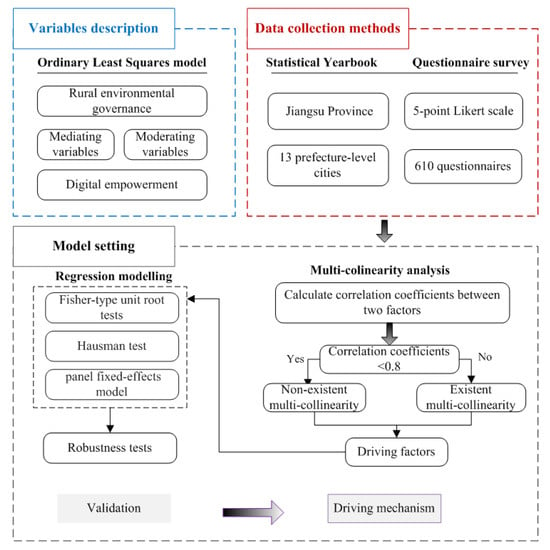
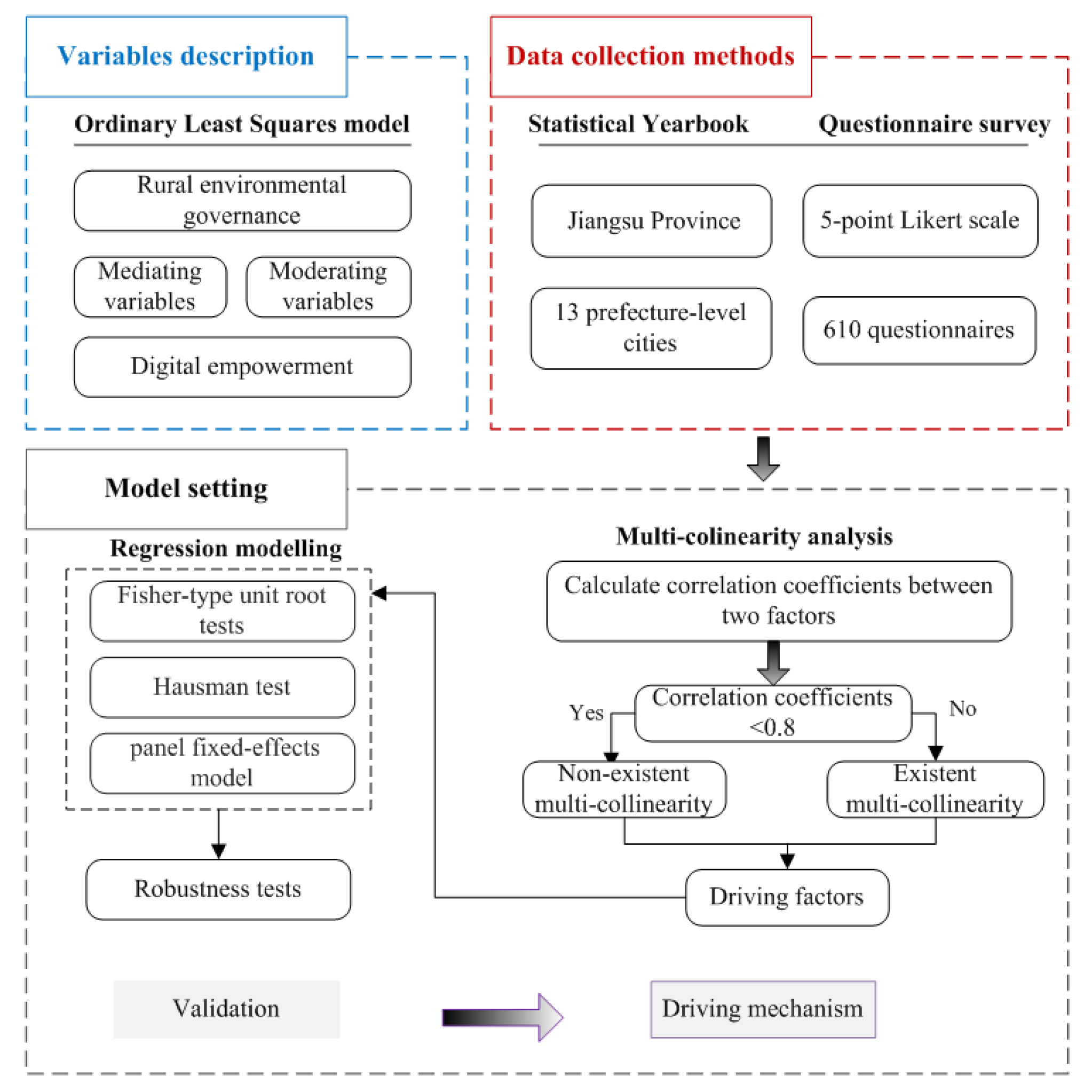
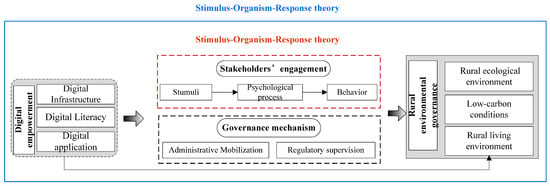
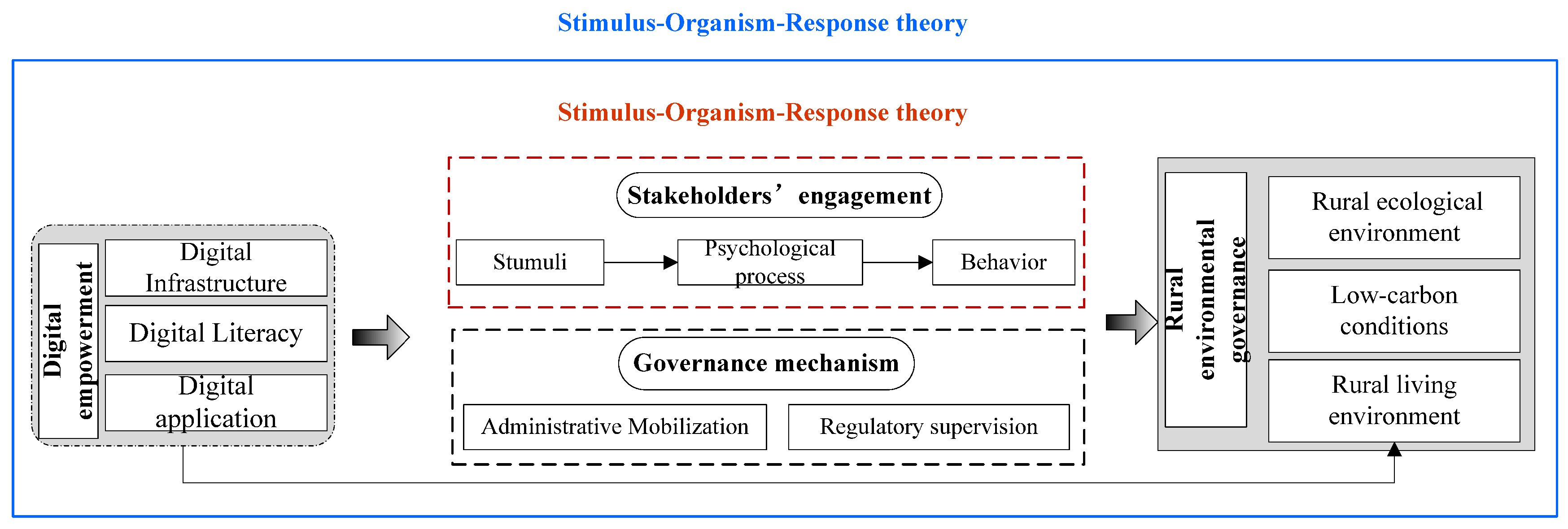
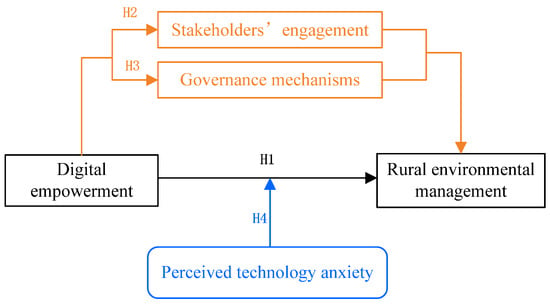
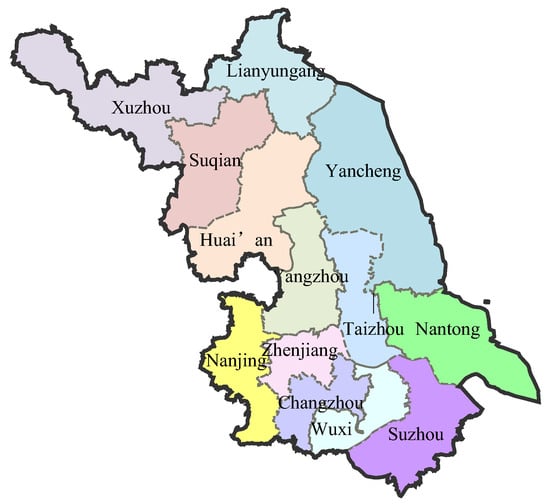
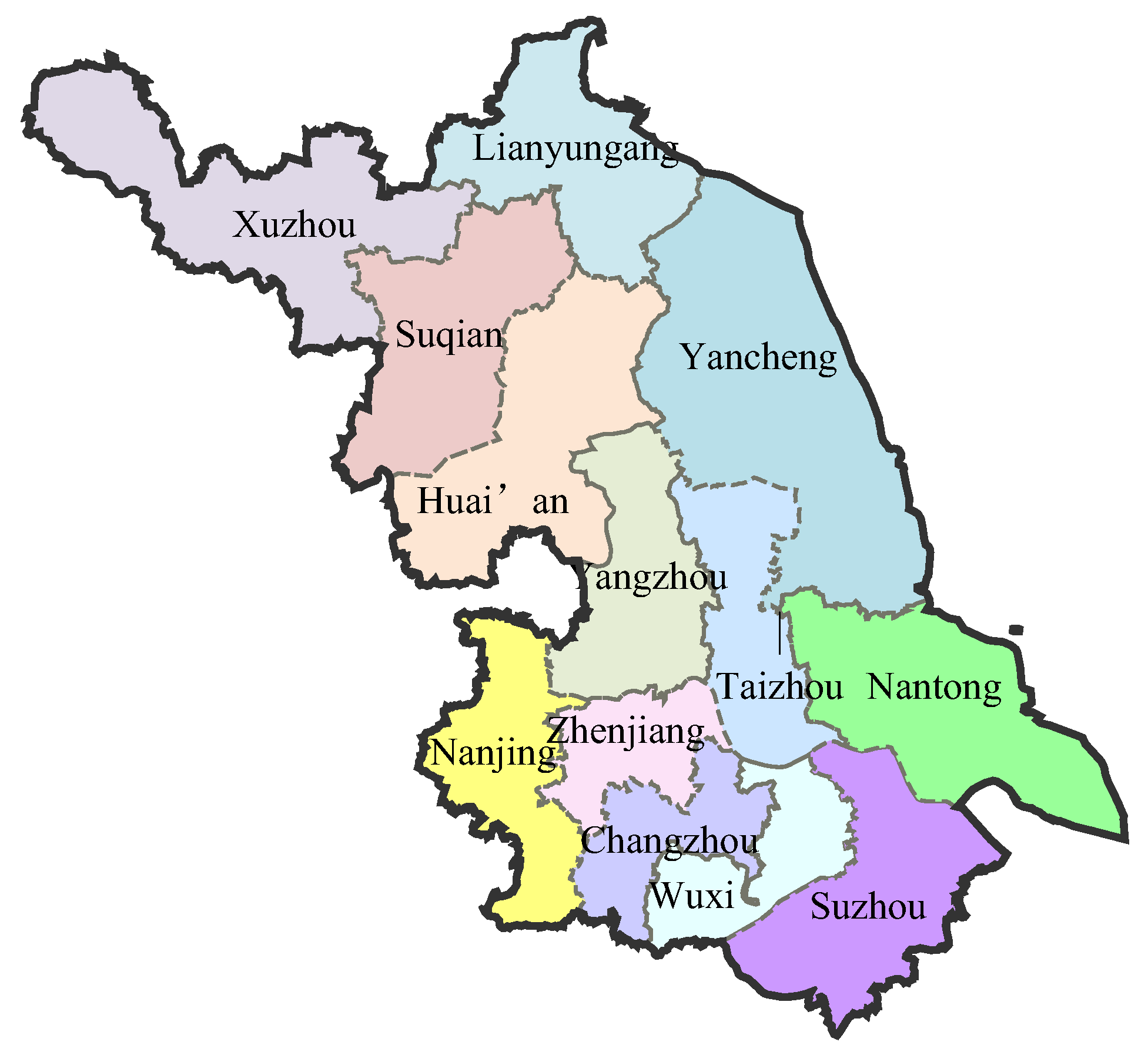
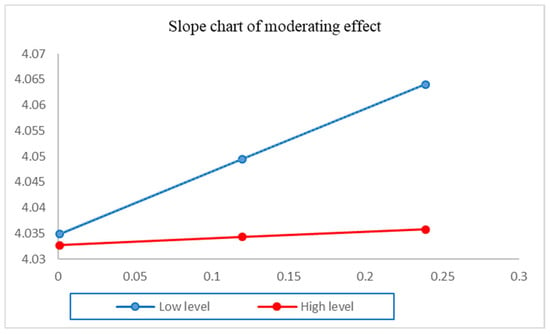
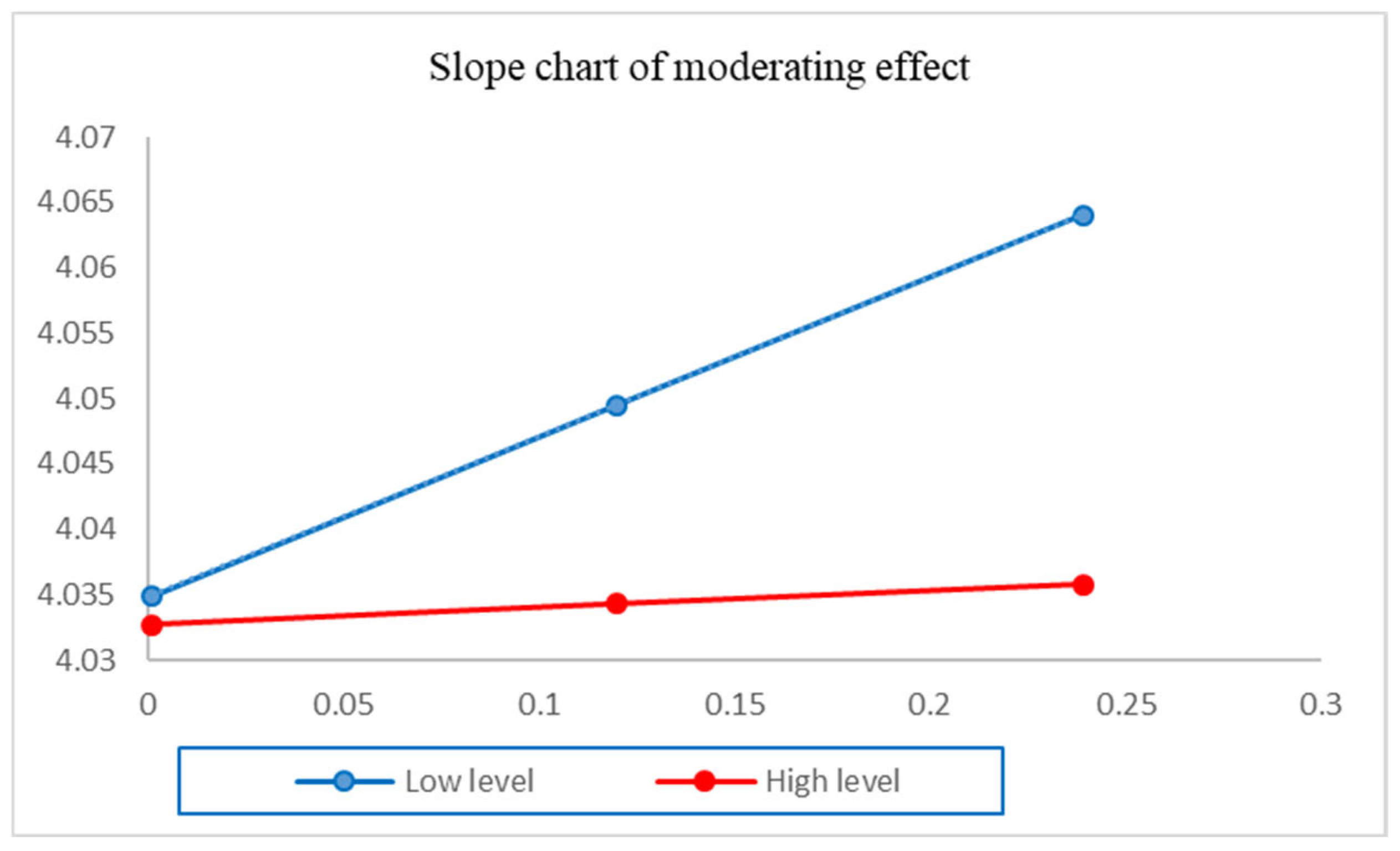

Disclaimer/Publisher’s Note: The statements, opinions and data contained in all publications are solely those of the individual author(s) and contributor(s) and not of MDPI and/or the editor(s). MDPI and/or the editor(s) disclaim responsibility for any injury to people or property resulting from any ideas, methods, instructions or products referred to in the content. |
© 2026 by the authors. Licensee MDPI, Basel, Switzerland. This article is an open access article distributed under the terms and conditions of the Creative Commons Attribution (CC BY) license.