4.1. Comparison with Existing Research
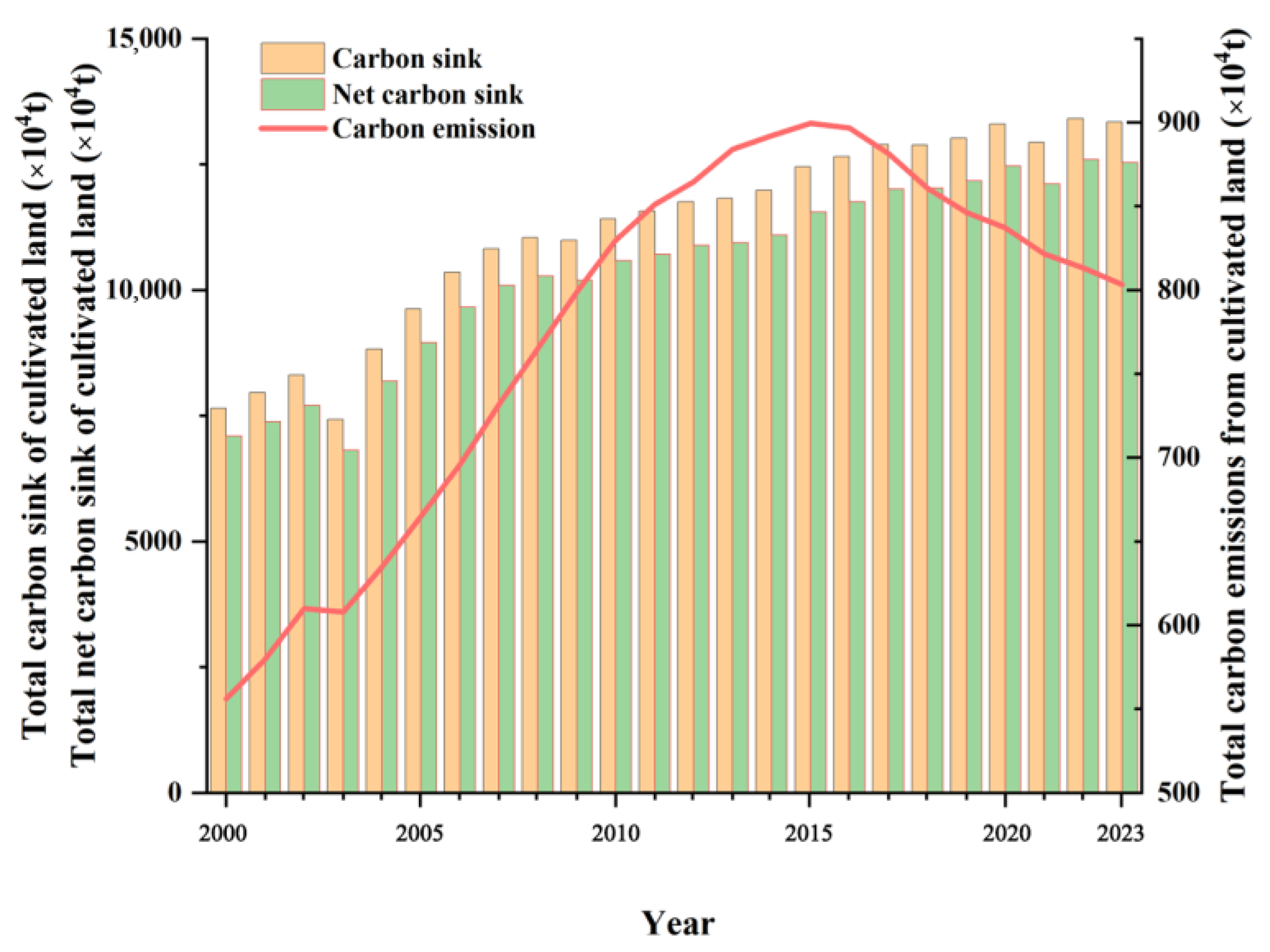
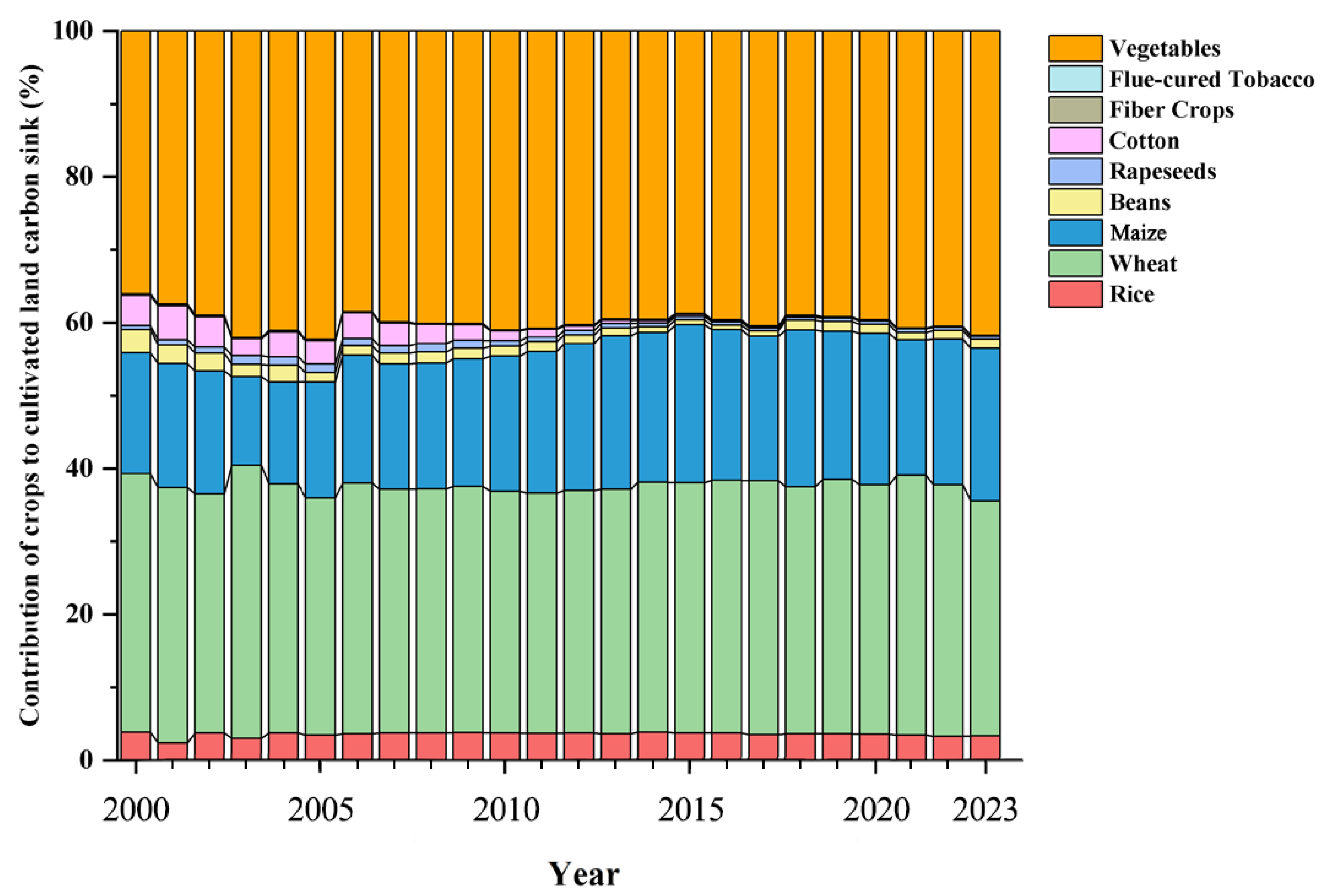
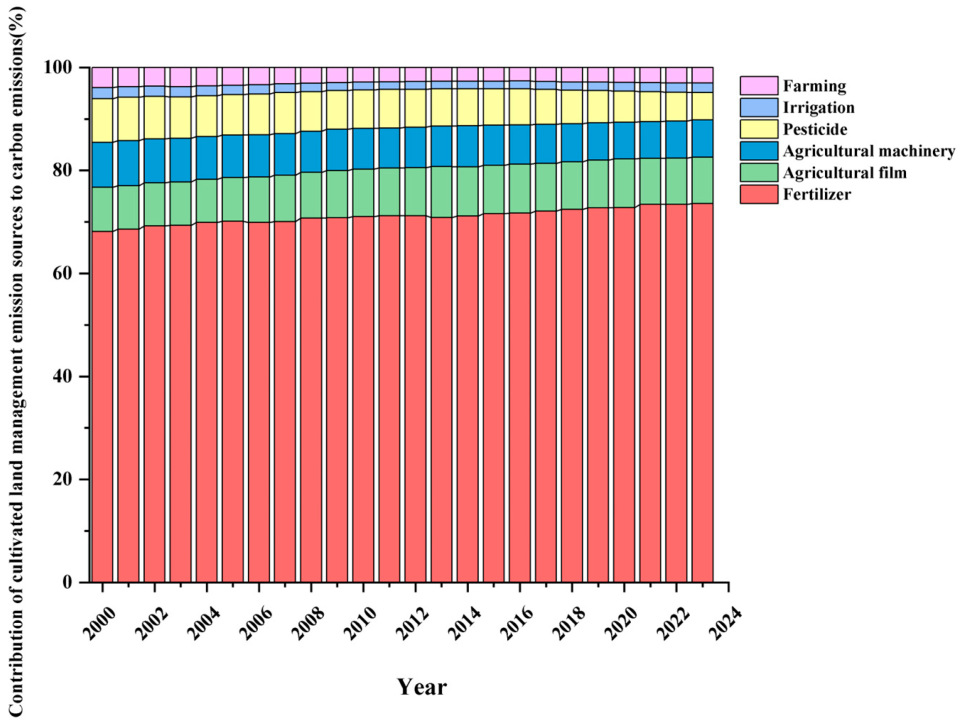
This study systematically analyzed the spatio-temporal differentiation and driving factors of the cultivated land net carbon sink in Henan Province from 2000 to 2023. The key findings include a significant increasing trend in the net carbon sink, a spatial pattern characterized by higher values in the south and east and lower values in the north and west, the dominance of wheat, maize, and vegetables as primary carbon sink contributors, and fertilizer application as the main carbon emission source. Notably, a preliminary decoupling between carbon sink growth and carbon emissions was observed after 2016. The following discussion interprets these core findings in the context of existing literature.
Based on the analysis of spatio-temporal dynamics and driving mechanisms of the cultivated land net carbon sink in Henan Province from 2000 to 2023, the following discussion contextualizes the core findings within the broader research landscape, derives actionable policy insights, and addresses the limitations of this study along with future research directions.
The significant upward trend in Henan’s cultivated land net carbon sink, which grew at an average annual rate of 2.51%, aligns broadly with recent studies focusing on carbon sink dynamics in major agricultural regions of China. For instance, Song and Zhang also reported enhanced agricultural carbon sequestration capacity in some of China’s primary grain-producing areas, driven by eco-agricultural policies and technological advances [
35,
36]. However, our study further reveals that this growth was primarily fueled by three specific crops—wheat, maize, and vegetables—whose combined contribution rose from 82.12% in 2000 to 89.53% in 2023. This highlights the critical role of crop structure adjustment in regional carbon sink enhancement, providing a more granular understanding than studies focusing solely on aggregate sink values.
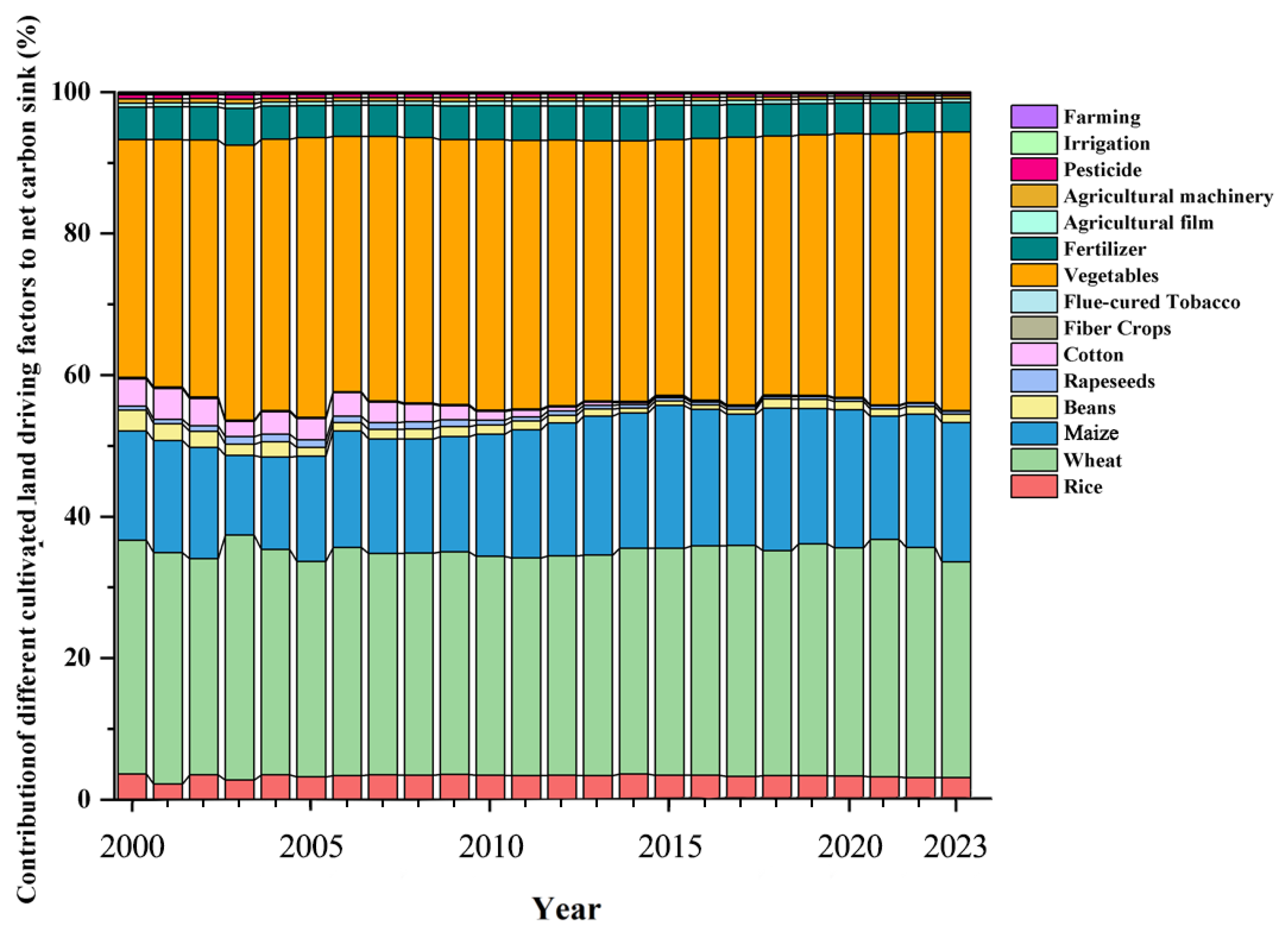
Regarding driving factors, the ridge regression analysis reveals that wheat, maize, and vegetables are the most significant positive drivers of net carbon sink, all demonstrating nearly identical standardized coefficients. This result corroborates the critical role of these three strategic crops in regional carbon sequestration. Irrigation infrastructure and farming activities also demonstrate substantial positive effects, highlighting the importance of water management and cultivation practices in enhancing carbon sink capacity. Interestingly, while fertilizer application is a primary emission source, the model indicates its net effect on the net carbon sink remains positively significant, underscoring its dual role in simultaneously driving emissions and enabling the crop growth that underpins carbon sequestration. The elasticity analysis further quantifies these relationships, showing farming area with the highest elasticity. This nuanced finding, achieved through a robust statistical approach, moves beyond simply identifying emission sources to elucidating the complex net effects within the cultivated land carbon budget, providing a more actionable foundation for targeted policy interventions [
37,
38].
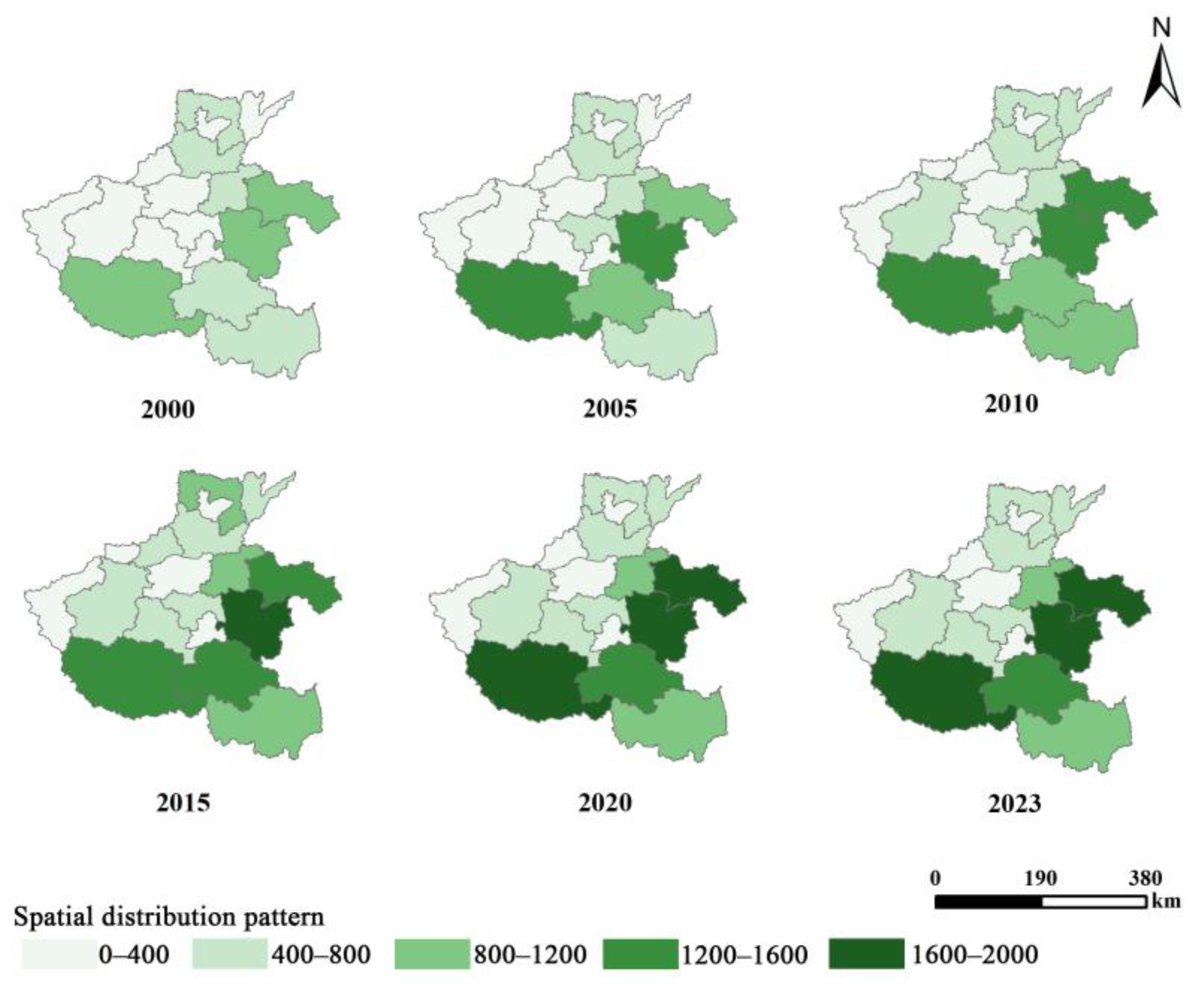
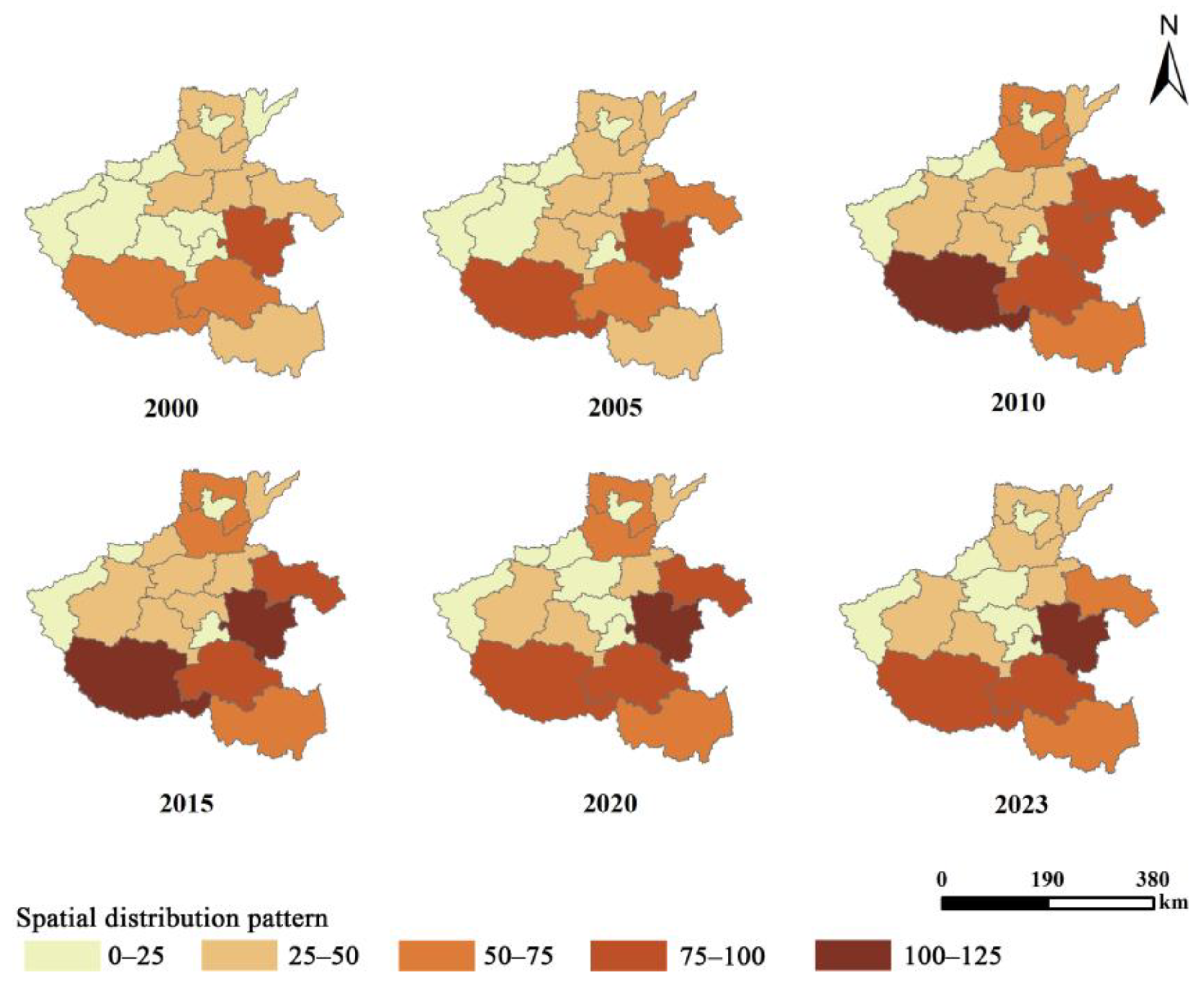
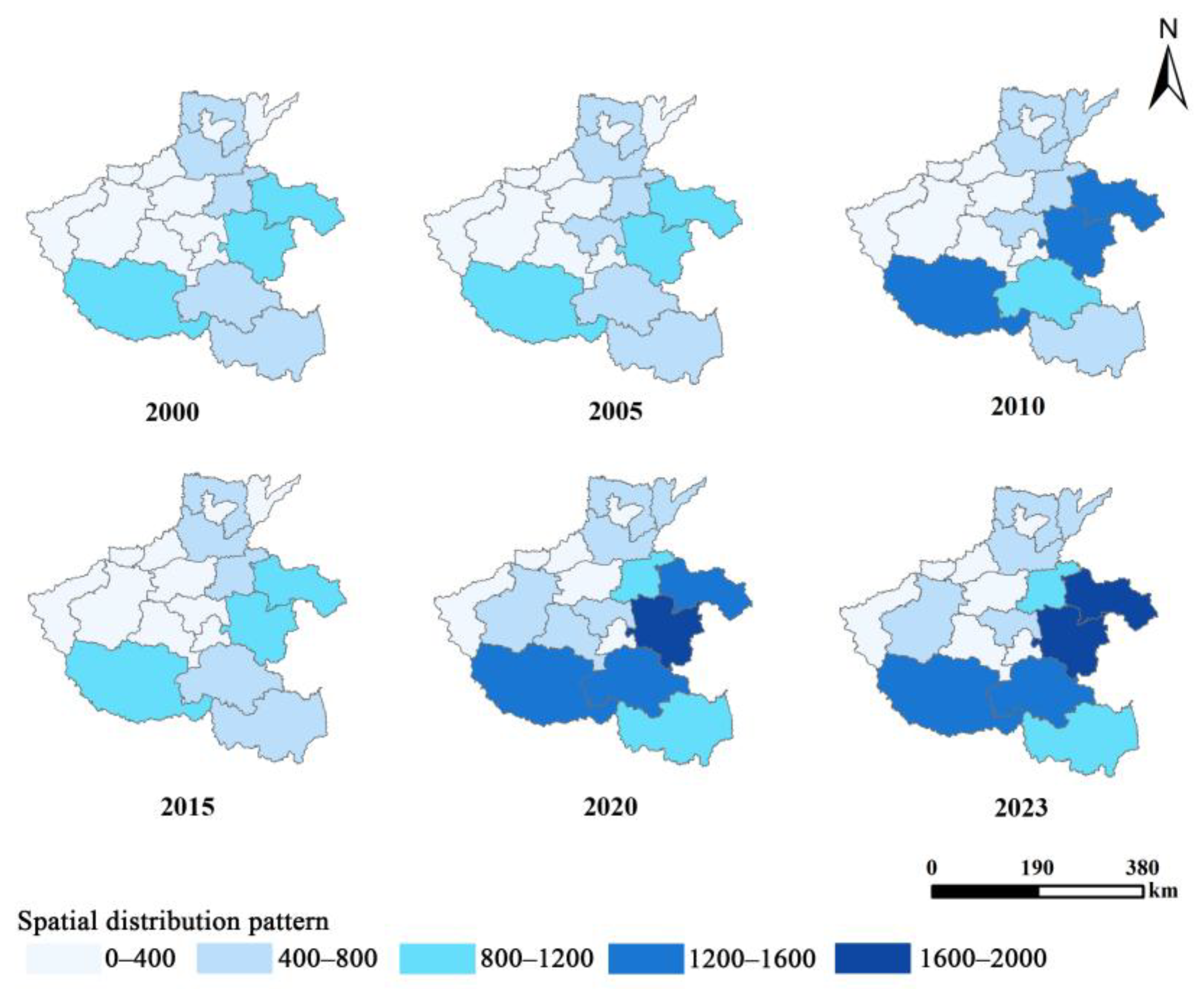
The observed spatial pattern of higher values in the south and east and lower values in the north and west is consistent with descriptions of spatial heterogeneity in land use efficiency and agro-ecological functions in Henan Province found in prior research [
39,
40]. The southern and eastern plains, with superior cultivated land resources and intensive agricultural production, formed high-value net carbon sink areas. Interestingly, this finding contrasts somewhat with observations in the Yangtze River Delta, where optimized development zones showed carbon deficits due to intensive land use [
41]. Our study suggests that some high-intensity agricultural areas in Henan can maintain high net carbon sinks. This discrepancy might stem from our detailed accounting of carbon fixation by major crops and the consideration of technological advancements like protected agriculture, which enhances carbon sinks. This suggests that the relationship between agricultural intensity and carbon sink capacity is not simply negative but is modulated by crop types and management practices. This modulation is fundamentally linked to the quantity and efficiency of biomass carbon input, a principle underlying our finding regarding crop-specific contributions.
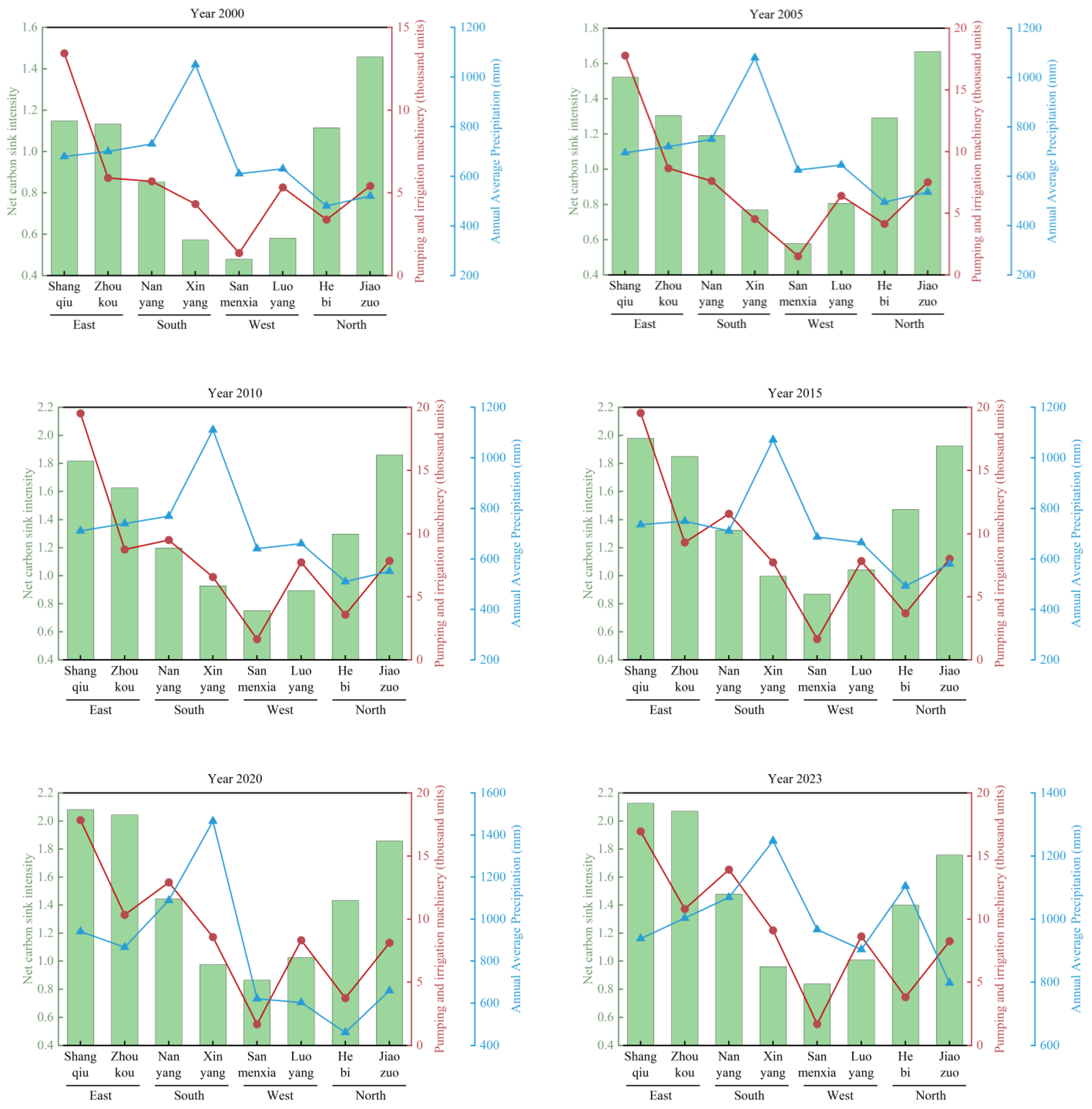
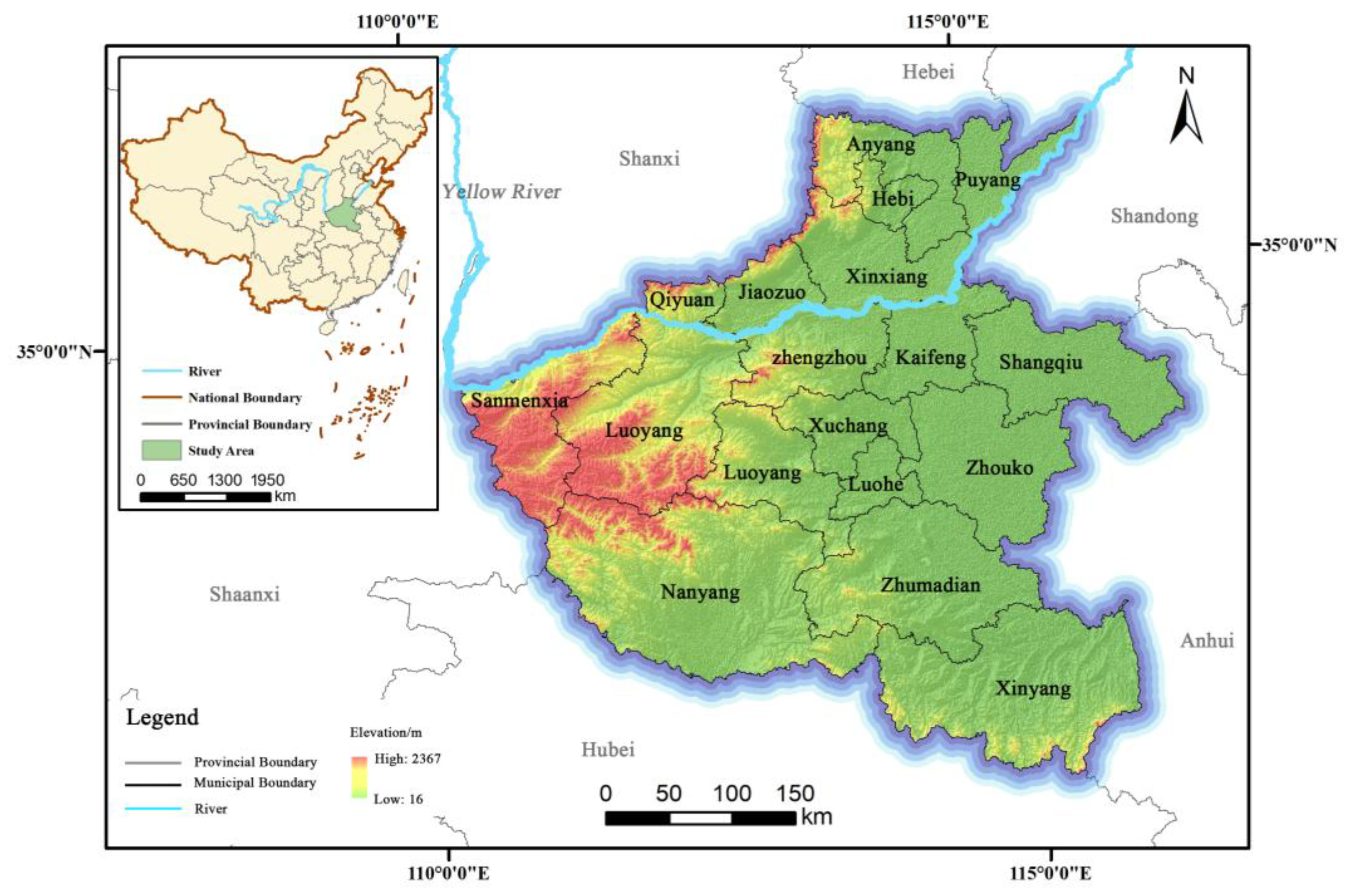
The observed spatial disparity in net carbon sinks, characterized by higher values in the south and east and lower values in the north and west, is mechanistically driven by distinct combinations of agro-climatic and managerial factors rather than being merely descriptive. The correlation analysis reinforces this interpretation, revealing a significant positive relationship between net carbon sink intensity and the density of agricultural drainage and irrigation machinery, alongside a non-significant weak negative correlation with mean annual precipitation. This quantifies the divergent pathways underlying the regional patterns. The superior net carbon sink in southern Henan, exemplified by Nanyang, Xinyang, and Zhumadian, primarily stems from a superior hydrothermal endowment. High precipitation exceeding 1000 mm in cities like Xinyang, coupled with higher accumulated temperatures, facilitates longer growing seasons and supports high-yielding multi-cropping systems such as rice paddies, thereby enhancing biomass production and carbon fixation. In contrast, the high net carbon sink in the eastern plains, exemplified by Zhoukou and Shangqiu, is forged through intensive irrigation-supported cultivation on optimal topography. While precipitation here is moderate, it is supplemented by the most extensive irrigation infrastructure in the province, enabling stable water supply for large-scale double-cropping systems of wheat and maize. This creates a powerful carbon sink engine driven by maximized sown area, the factor with the highest positive elasticity in our model. However, this very intensity also makes it the epicenter of carbon emissions, primarily from fertilizer application, resulting in a net balance that is the product of strong countervailing fluxes. The lower values in the western and northern regions are constrained by inherent biophysical limitations such as fragmented topography and poorer soil quality, reflected in the lowest provincial density of irrigation machinery, which restricts both crop productivity and the scale of high-input agriculture. This spatial heterogeneity underscores that effective strategies must be tailored to local contexts, as standardized approaches ignoring regional specificities are likely to be ineffective.
Our finding that the growth of Henan’s net carbon sink was fundamentally driven by increased biomass input from strategic crops aligns with a fundamental principle observed across diverse agroecosystems: sustaining or augmenting carbon input is a primary lever for enhancing soil carbon stocks. This principle is corroborated by studies in systems such as tropical cropping systems, where external organic amendments like rice straw mulch have been identified as the key driver of soil organic carbon accumulation [
42]. However, Henan’s case demonstrates a more complex and managed transition within an intensive food production system. Here, carbon sink growth is achieved not through simple external addition, but through the deliberate optimization of crop structure towards high-biomass, high-value varieties, integrated with improved agronomic practices—a pathway distinct from those reliant solely on amendments or suffering carbon loss from land-use change.
Furthermore, the emerging “decoupling” trend observed after 2016, characterized by continued carbon sink growth alongside declining emissions, finds parallels in documented improvements of agricultural environmental efficiency in some regions following the implementation of low-carbon agricultural policies like the Zero-Growth Action Plan for Fertilizers [
43].
The pronounced disparity in net carbon sink growth among cities, with Nanyang and Zhoukou exhibiting increases of approximately 88.21% and 85.45%, respectively, compared to Zhengzhou’s modest 4.56%, can be attributed to a confluence of factors rooted in their divergent development pathways and agricultural systems. Cities like Nanyang and Zhoukou, which are traditionally dominant agricultural production bases, benefited from substantial expansions in the cultivation area of high-carbon-sink crops, particularly vegetables and maize, coupled with significant improvements in irrigation infrastructure. This allowed them to translate land and water resource advantages into direct carbon sequestration gains. Furthermore, their relatively lower urbanization pressure helped preserve larger contiguous tracts of cultivated land, sustaining the scale of farming activities that demonstrated a high positive elasticity in our analysis. In contrast, Zhengzhou, as the provincial capital and a major metropolitan area, has undergone rapid urban expansion and industrial transformation. This process has inevitably led to the conversion of some cultivated land, constrained the growth of agricultural acreage, and increased the competition for resources like water. Consequently, despite potential improvements in input efficiency, the fundamental shrinkage of the agricultural land base and the shift in regional economic focus limited the city’s capacity for substantial net carbon sink enhancement. This contrast underscores that within high-carbon-emission pressure areas, a region’s carbon sink trajectory is governed not only by on-farm management practices but is also profoundly shaped by broader socio-economic transitions and city-level land-use change dynamics. Consequently, these findings demonstrate that effective strategies must be tailored to local contexts, as standardized approaches that ignore regional specificities are likely to be ineffective.
The spatial heterogeneity and varied effectiveness of management practices underscore a critical insight for high-carbon-emission pressure areas: generic solutions are insufficient. This is exemplified by the practice of no-tillage, which is widely promoted for carbon sequestration. Our study, mirroring findings from certain field experiments in tropical environments, did not detect a significant soil organic carbon benefit from no-tillage in this specific context. This reinforces the necessity for locally calibrated strategies. Moreover, the formulation of effective strategies must be informed by the severe consequences of alternative development models, such as the large-scale conversion of carbon-rich peatlands leading to profound and long-term carbon debt [
44]. Henan’s achievement lies in enhancing the carbon sink within an existing vital agricultural landscape without resorting to ecosystem conversion, offering a constructive alternative narrative.
In summary, our findings corroborate existing research on macro trends and primary emission sources, enhancing the robustness of the conclusions. Simultaneously, they offer more detailed or potentially divergent insights concerning the specific structure of carbon sink growth drivers, the carbon sink potential within high-intensity agricultural areas, and the significant pressure exerted by mechanization on the net carbon sink. These comparisons and discussions deepen the understanding of the complexities surrounding the carbon balance of cultivated land systems in high-carbon-emission pressure areas and provide a scientific basis for formulating more targeted, regionally differentiated low-carbon cultivated land use policies.
4.2. Policy Implications
Empirical findings necessitate integrated yet spatially differentiated policy actions to enhance carbon sink efficiency. To translate the observed spatio-temporal patterns into actionable pathways, a refined zoning governance framework is proposed, aligning measures with the distinct agro-ecological and socio-economic profiles identified across Henan Province. The eastern high-yield and high-emission zone, exemplified by prefectures such as Zhoukou and Shangqiu, where net carbon sink values peak but fertilizer-induced emissions dominate, should prioritize emission-efficient intensification through mandatory precision fertilization calibrated to local soil conditions [
45], accelerated adoption of renewable energy-powered agricultural machinery to displace diesel use, and further optimization of the high-carbon-sink wheat–maize–vegetable rotation systems via advanced agronomic management. The southern high carbon sink zone, including Nanyang, Xinyang and Zhumadian, which serve as provincial carbon sequestration cores, requires policies focused on sink conservation and sustainable enhancement by safeguarding high-quality farmland from conversion, supporting the existing efficient crop systems like vegetables and rice, and promoting integrated water-saving technologies to consolidate the positive role of irrigation infrastructure. In contrast, the western fragmented and ecologically sensitive zone, encompassing areas like Sanmenxia with constrained topography and lower sink capacity, needs targeted strategies for ecological restoration and low-impact development, including the implementation of soil organic carbon restoration projects, the adoption of conservation tillage and agroforestry suited to local conditions, and the design of ecological compensation mechanisms to incentivize farmers for ecosystem service provision. Concurrently, the northern peri-urban and industrial interface zone, typified by Zhengzhou and Xinxiang, facing urban expansion pressure, must emphasize cultivated land protection and circular integration by enforcing strict farmland protection buffers against urban encroachment, fostering circular agriculture models that utilize urban organic waste streams, and facilitating technology transfer from adjacent industries to decarbonize agricultural production [
46].
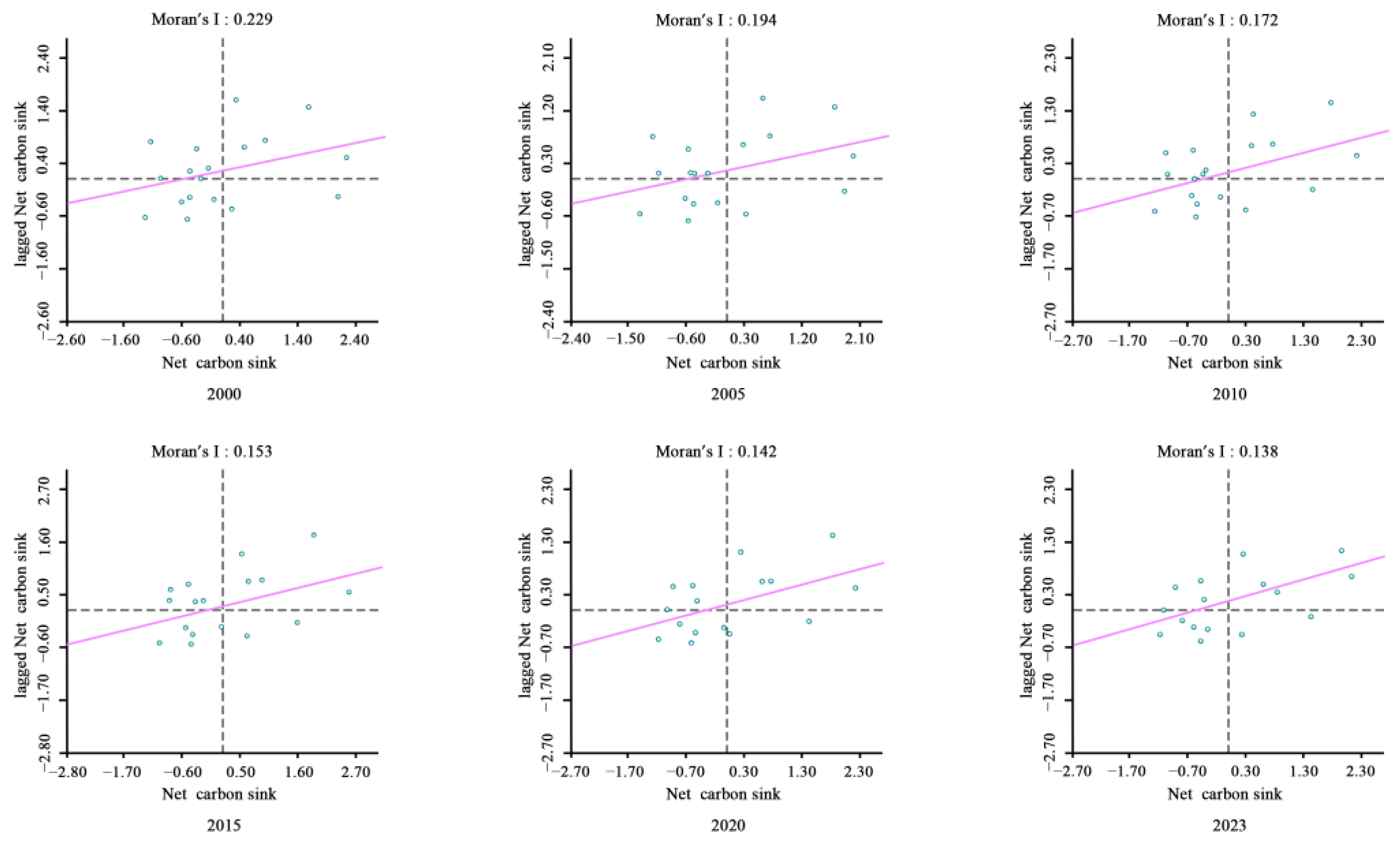
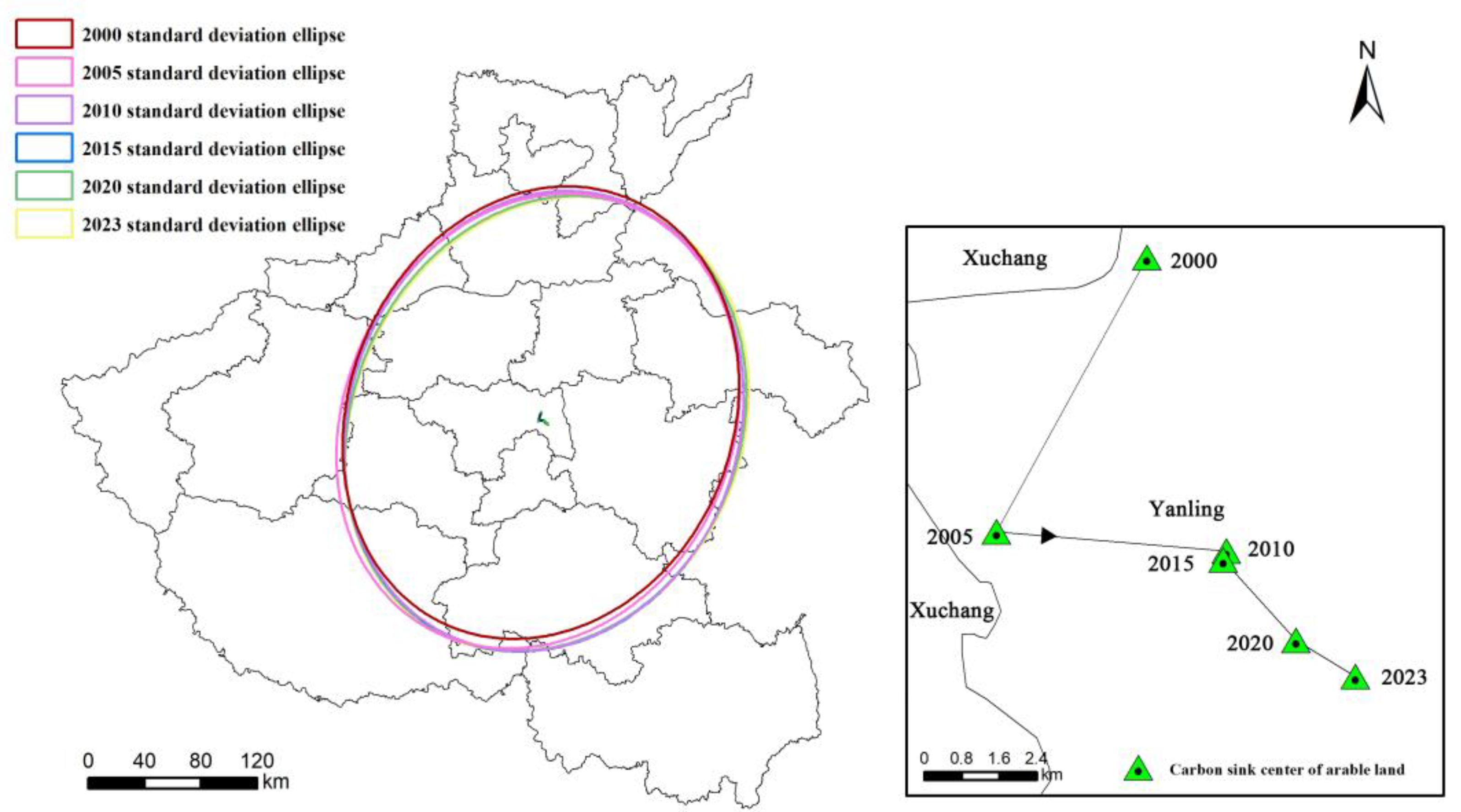
We argue that achieving China’s dual-carbon goals necessitates a transition in Henan from static, aggregate carbon accounting toward a governance paradigm empowered by dynamic spatio-temporal modeling and management. Our study demonstrates the value of applying tools such as spatial autocorrelation and gravity-center migration to diagnose evolving patterns and drivers of net carbon sinks, which helps identify specific geographical and temporal phases of change. We therefore conclude that institutionalizing such dynamic analytics is essential for designing targeted, adaptive policies with spatially and temporally differentiated benchmarks, enabling real-time monitoring of intervention efficacy and transforming carbon management from a retrospective accounting exercise into a proactive, evidence-based steering mechanism for the dual-carbon transition. This addition directly clarifies how our research supports the necessary evolution in governance strategy.
To be effectively operationalized, this dynamic spatial management approach should integrate two cross-cutting lessons from international experience: the systematic integration of advanced agronomic technologies and the promotion of circular economy principles. For instance, in high-yield zones, emission-efficient intensification should include not only precision fertilization but also adapted water-saving technologies, drawing on lessons from systems like alternate wetting and drying, which have proven effective in reducing emissions in irrigated agriculture [
47]. Concurrently, policies should actively foster the efficient reuse of crop residues, transforming potential waste into a carbon-saving resource, as evidenced in evolving large-scale farming models [
48]. These integrated approaches align with and amplify our findings on the importance of managing carbon inputs and leveraging technology.