Review

Urban Energy Transitions: A Systematic Review

by
Or Yatzkan
1,
Reuven Cohen
2,
Eyal Yaniv
3 and
Orit Rotem-Mindali
1,*
1
Department of Environment, Planning and Sustainability, Bar Ilan University, Ramat-Gan 5290002, Israel
2
Department of Mathematics, Bar Ilan University, Ramat-Gan 5290002, Israel
3
Graduate School of Business Administration, Bar Ilan University, Ramat-Gan 5290002, Israel
*
Author to whom correspondence should be addressed.
Land 2025, 14(3), 566; https://doi.org/10.3390/land14030566
Submission received: 26 January 2025 / Revised: 4 March 2025 / Accepted: 5 March 2025 / Published: 8 March 2025

Abstract

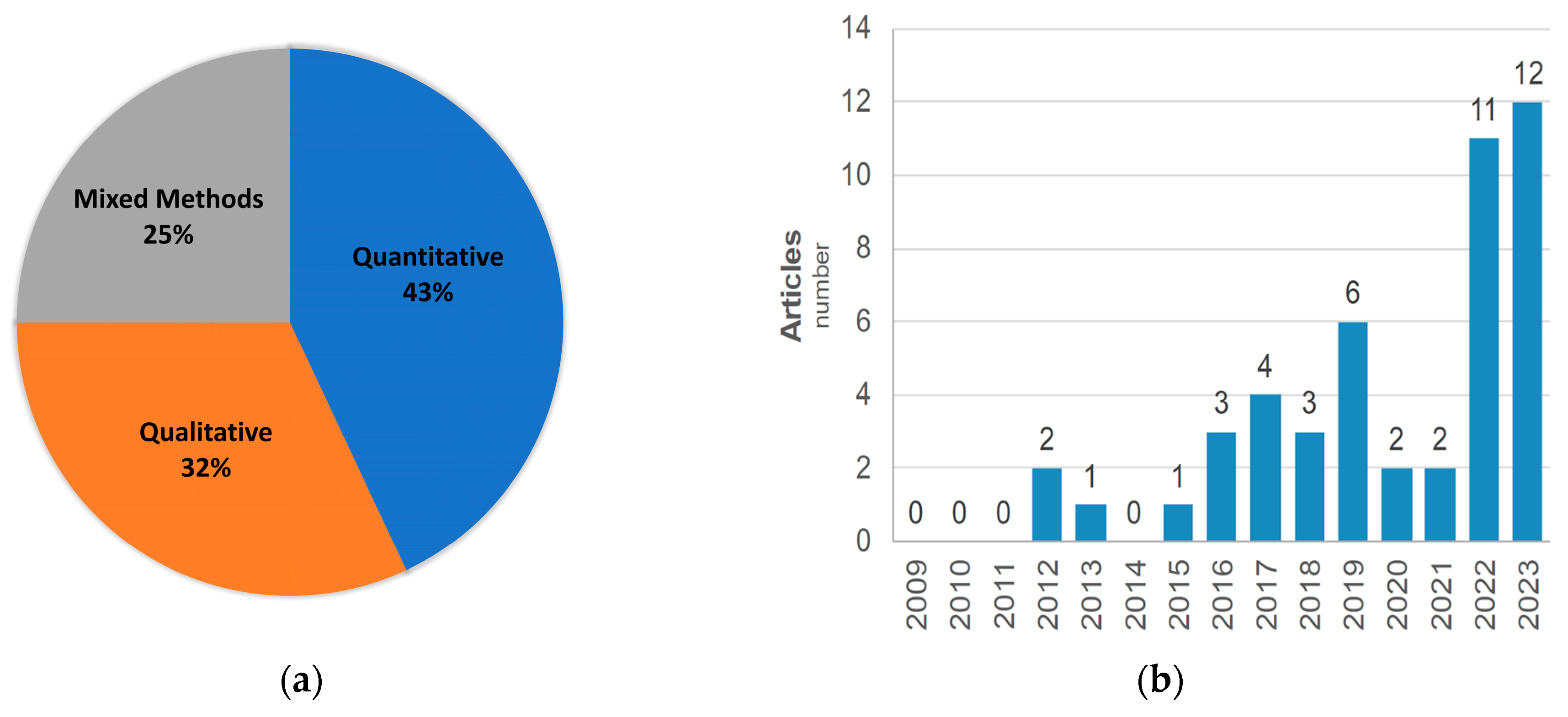
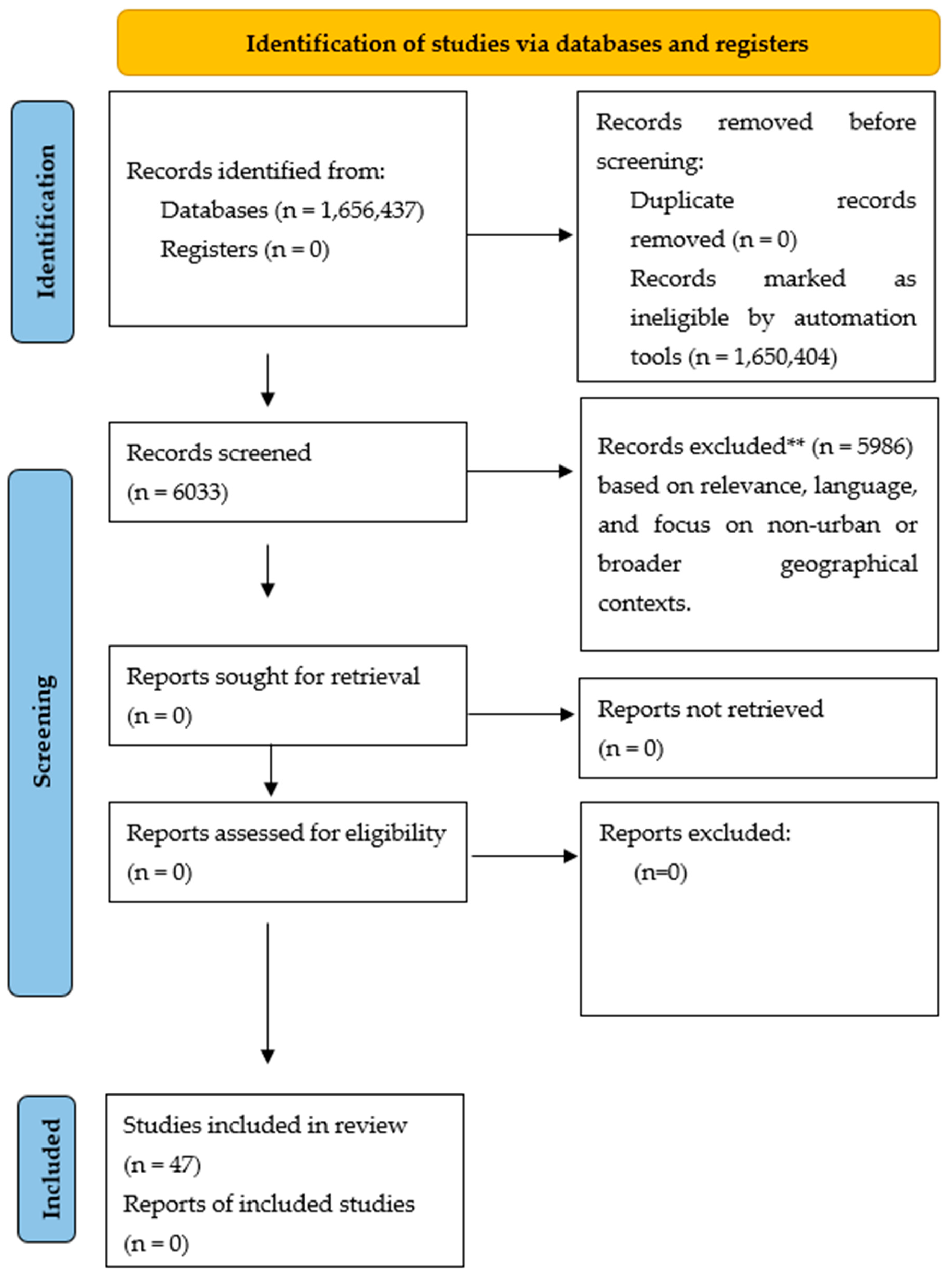
Urban energy efficiency and sustainability are critical challenges, as cities worldwide attempt to balance economic growth, environmental sustainability, and energy consumption. This systematic review examines the dynamics of urban energy management, focusing on how local authorities navigate energy transitions through efficiency measures, renewable energy adoption, and policy interventions. Specifically, it seeks to answer the following research question: how do local authorities implement energy-efficient practices and adopt renewable energy technologies to reduce emissions, optimize cost-effectiveness, and influence urban policy-making? The goal of this study is to assess the effectiveness of these approaches in different urban contexts. By reviewing 47 articles, this study identifies the unique characteristics of urban energy management and highlights the need for tailored, context-specific solutions, such as integrating decentralized renewable energy systems, optimizing building energy performance, and developing policy incentives that consider local socio-economic conditions. The findings reveal varying degrees of success among cities, with particular challenges in lower-income municipalities, where financial and institutional barriers hinder the implementation of sustainable energy projects. This study concludes that localized approaches and long-term strategies are essential for achieving sustainable urban energy transitions, offering a comprehensive perspective on the complexities of urban energy systems and their evolving policy landscape. Future research should focus on assessing the long-term impact of municipal energy policies, exploring innovative financing mechanisms for renewable energy integration, and examining the role of digital technologies in optimizing urban energy management.
Keywords: urban energy transitions; energy; energy efficiency; renewable energy; cities; municipal energy policies urban energy transitions; energy; energy efficiency; renewable energy; cities; municipal energy policies