Article

A Simulated Assessment of Land Use and Carbon Storage Changes in the Yanqi Basin under Different Development Scenarios

1
College of Geography and Remote Sensing Science, Xinjiang University, Urumqi 830017, China
2
Xinjiang Key Laboratory of Oasis Ecology, Xinjiang University, Urumqi 830017, China
*
Author to whom correspondence should be addressed.
Land 2024, 13(6), 744; https://doi.org/10.3390/land13060744
Submission received: 25 March 2024 / Revised: 18 May 2024 / Accepted: 21 May 2024 / Published: 26 May 2024

Abstract

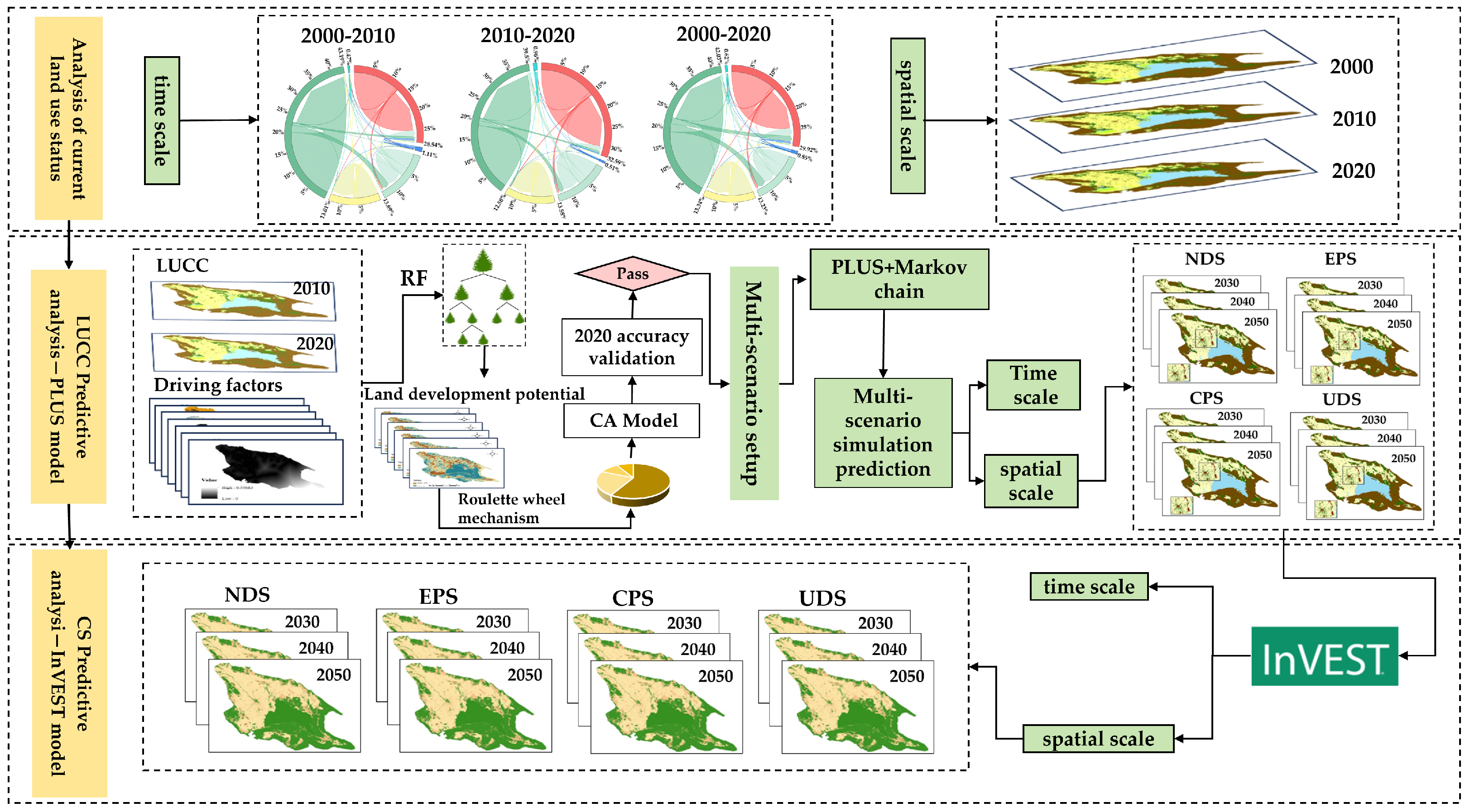
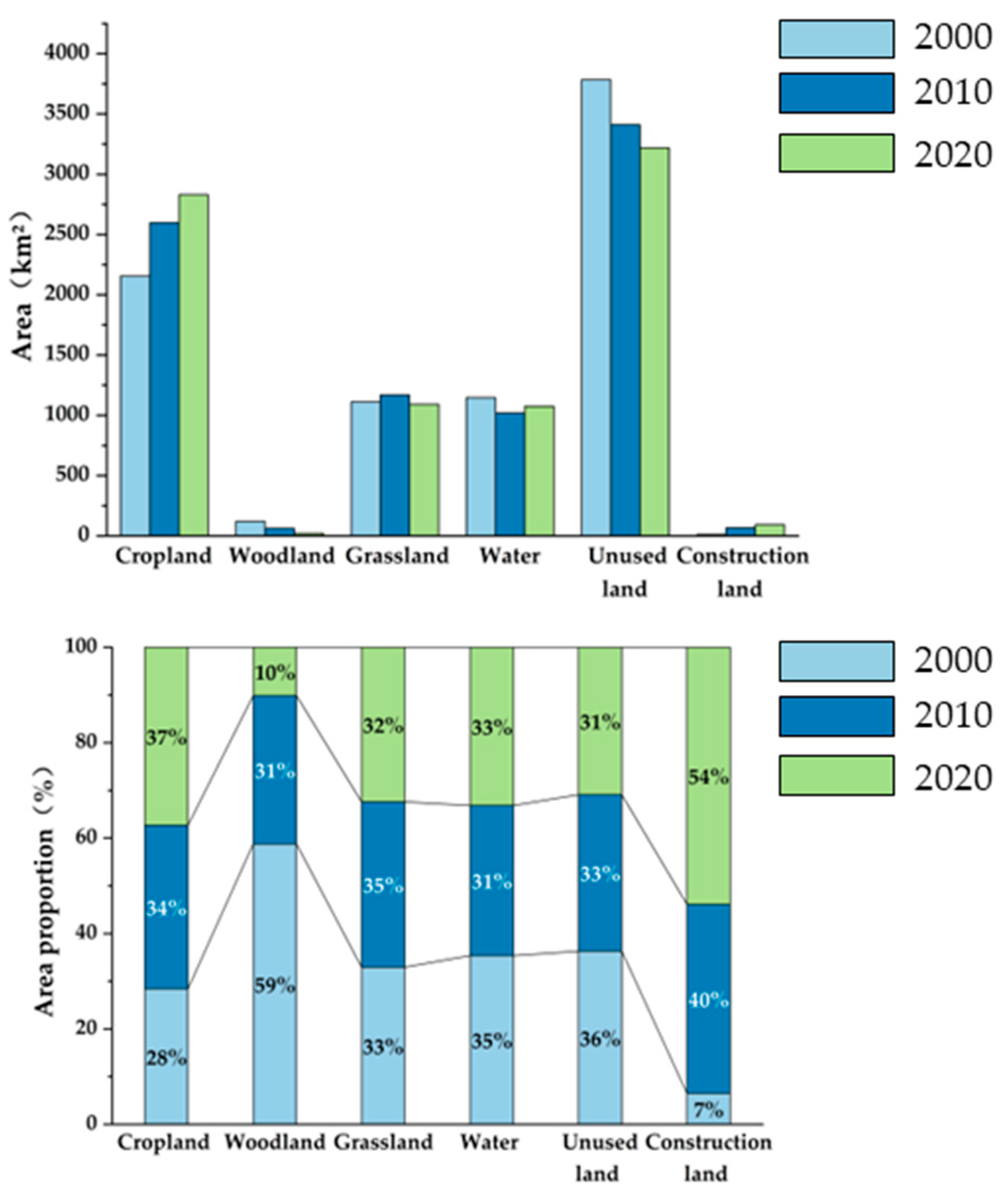
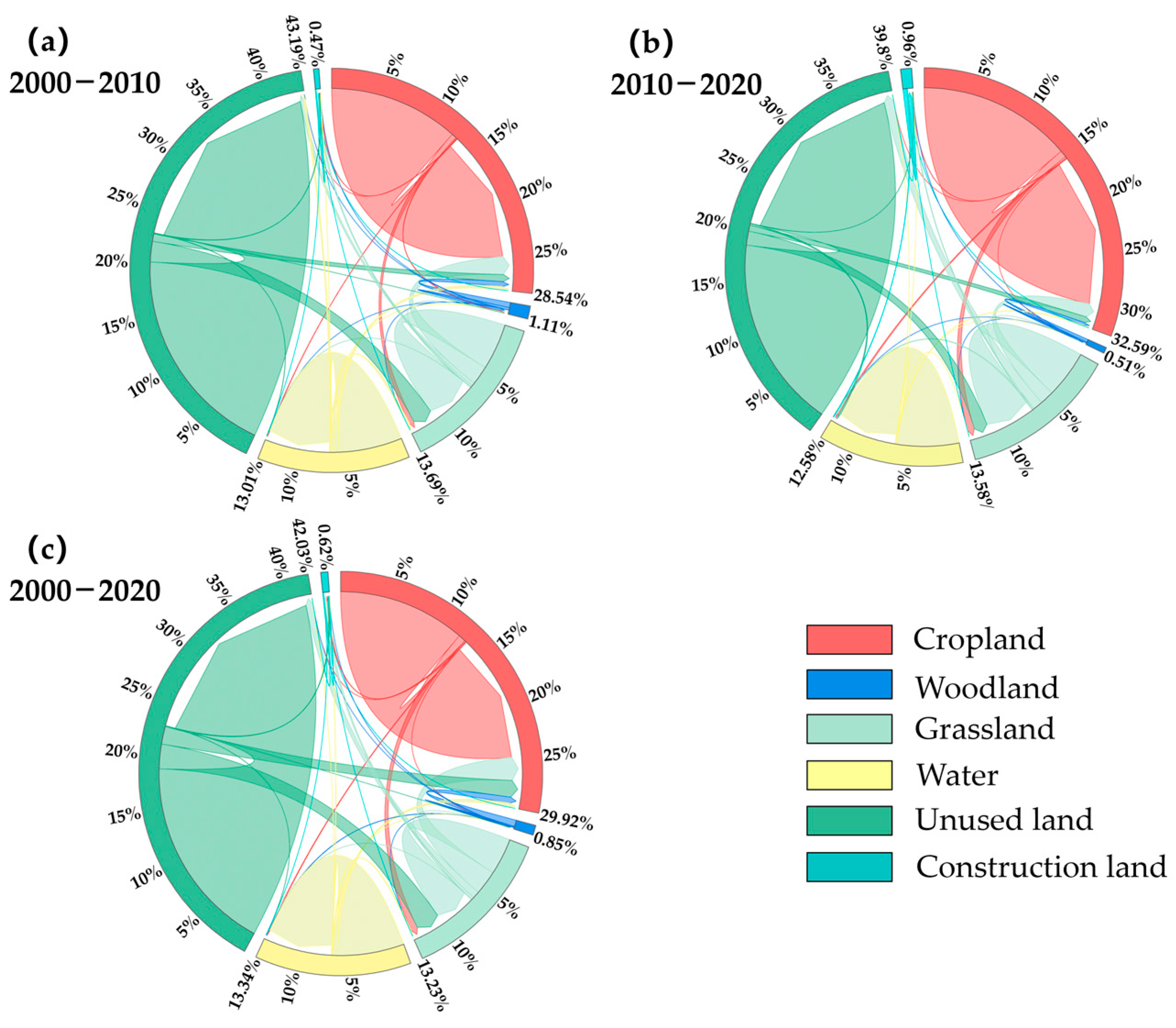
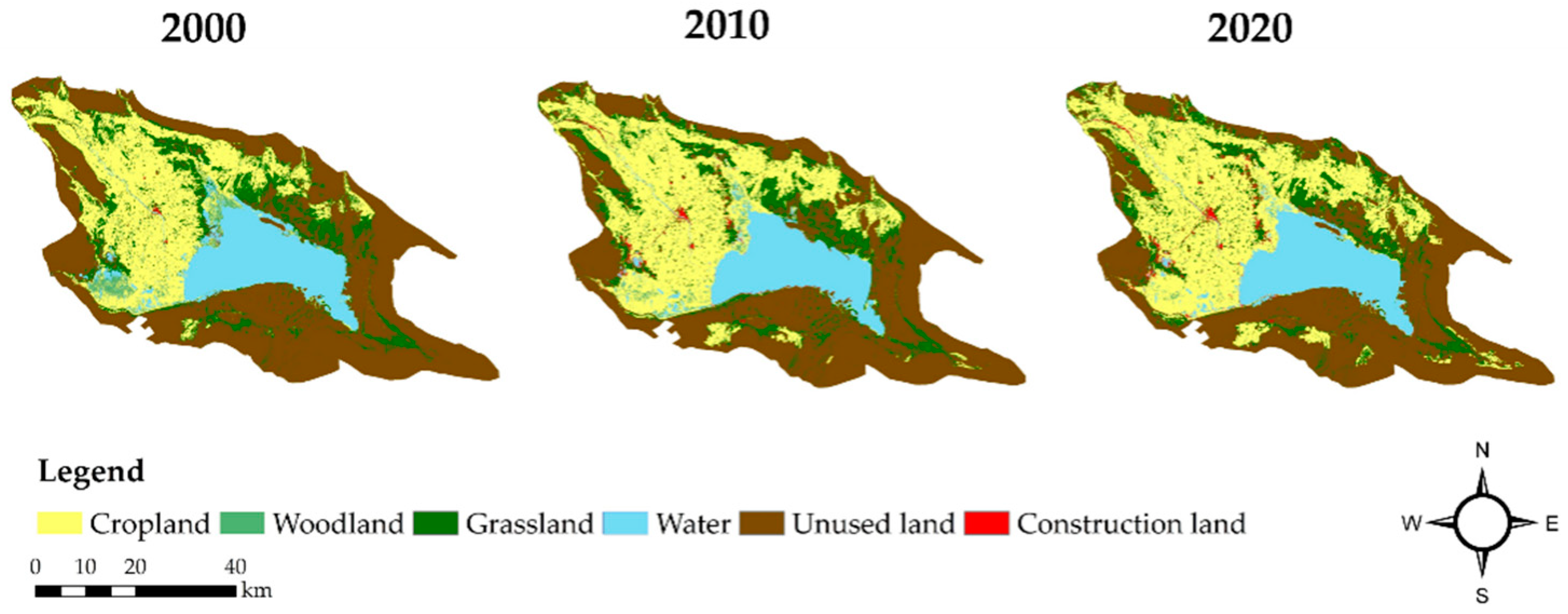
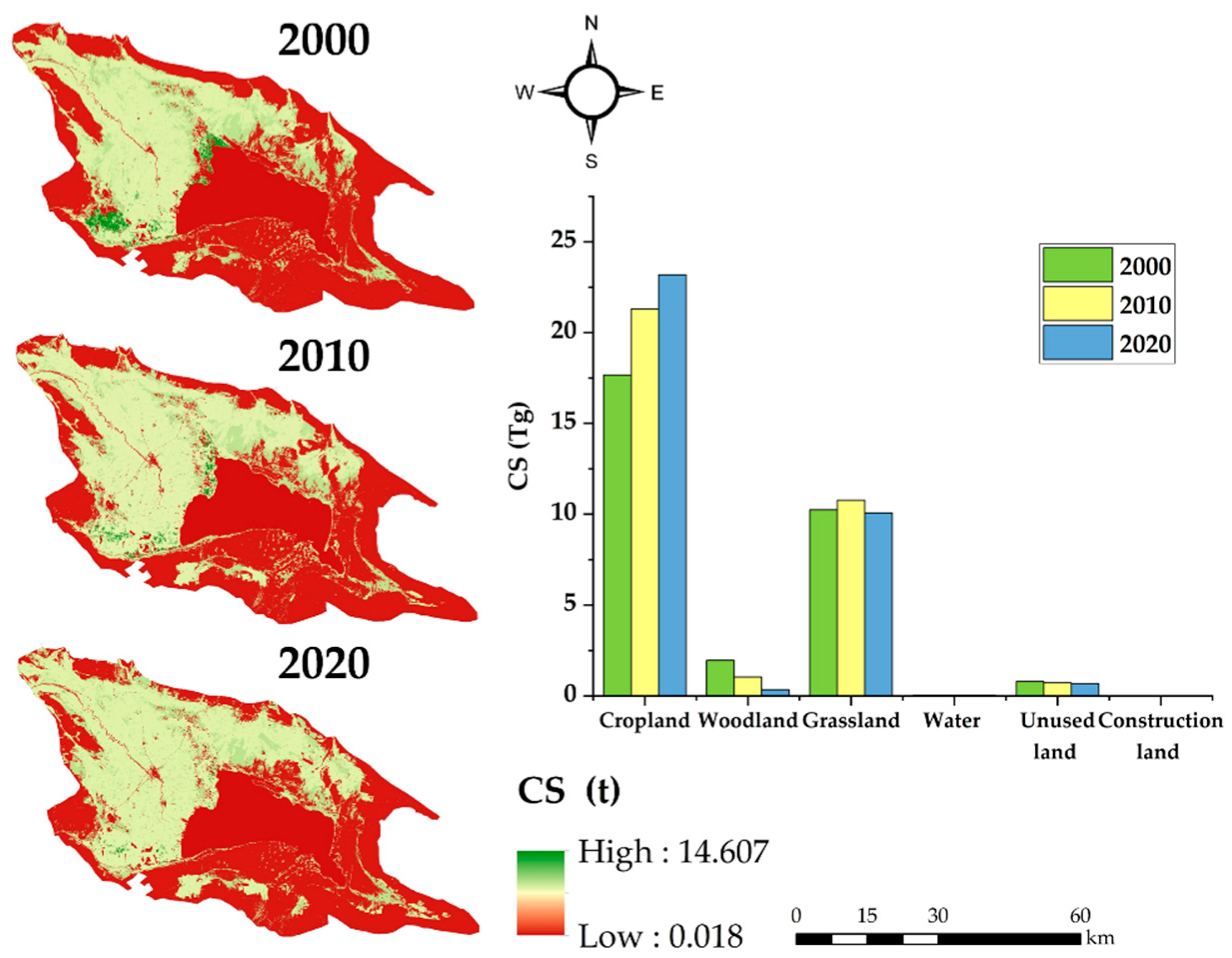
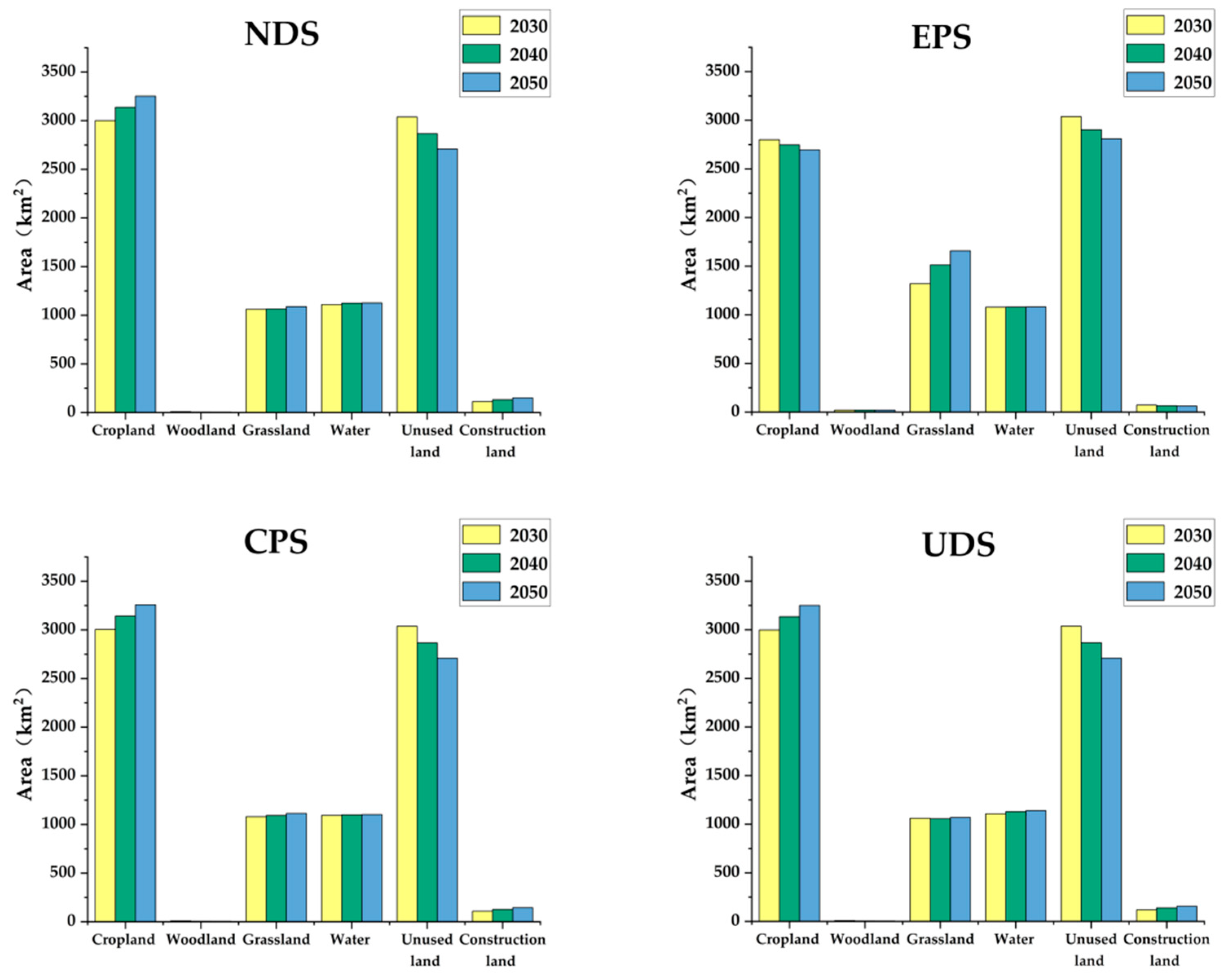
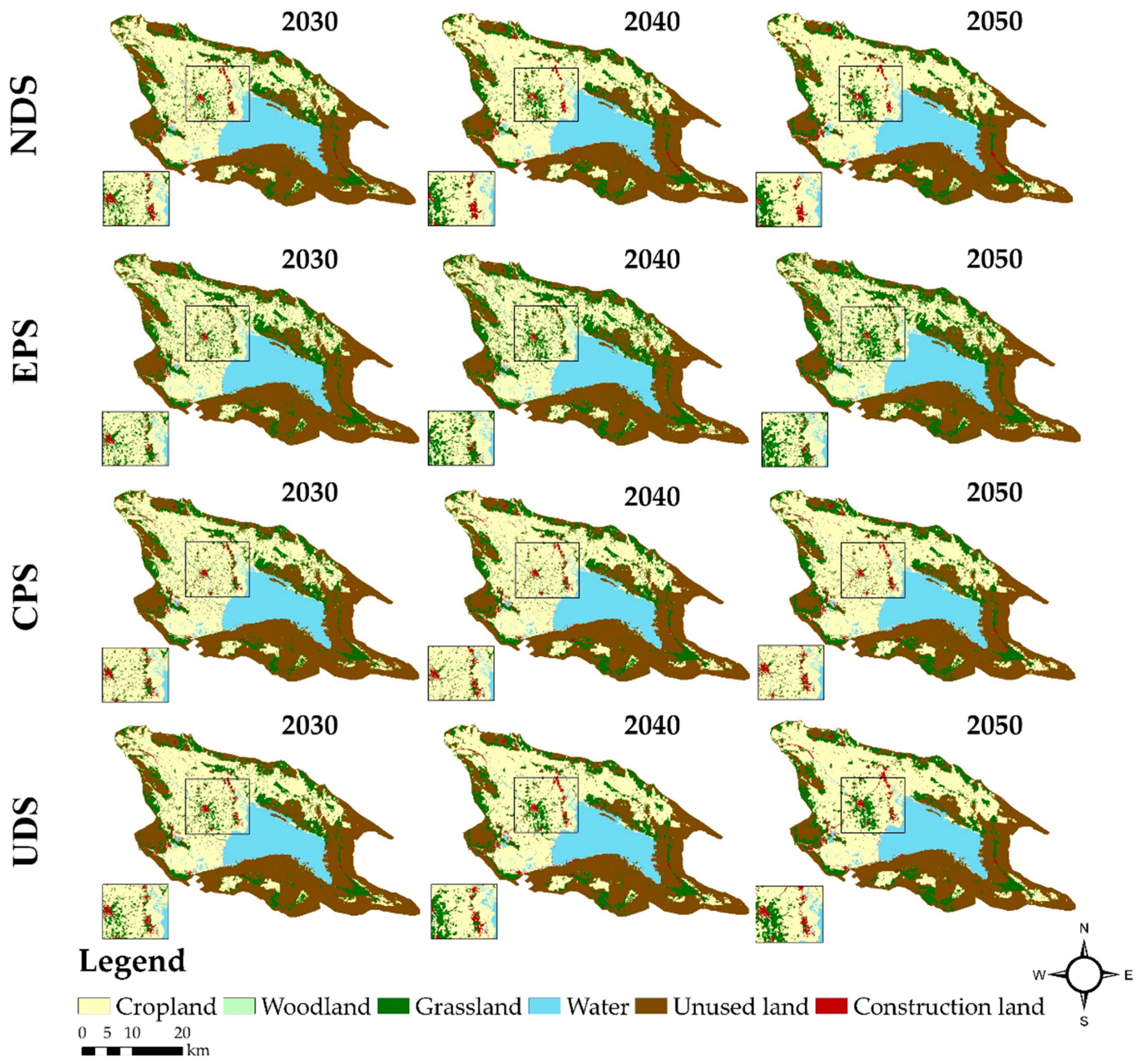
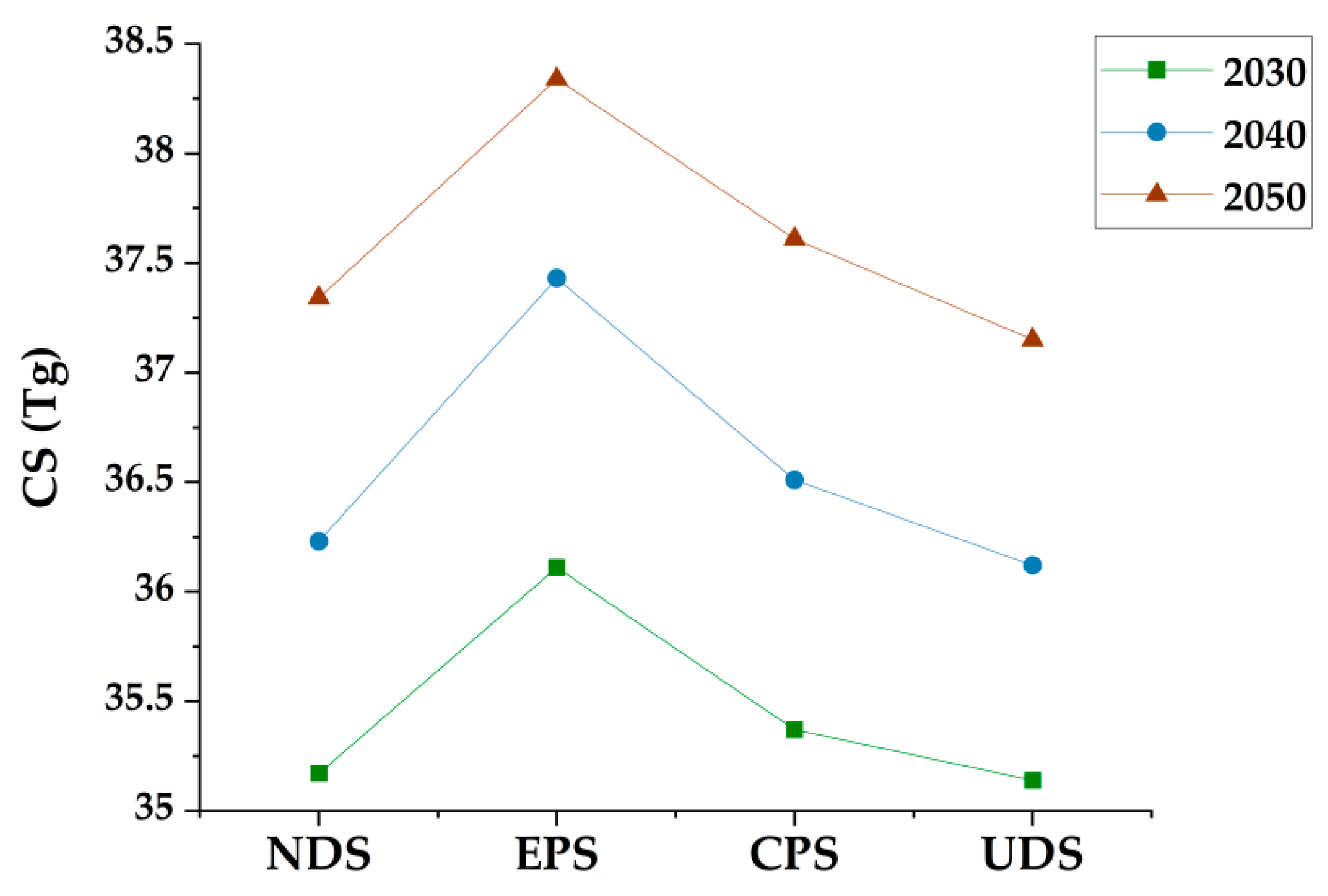
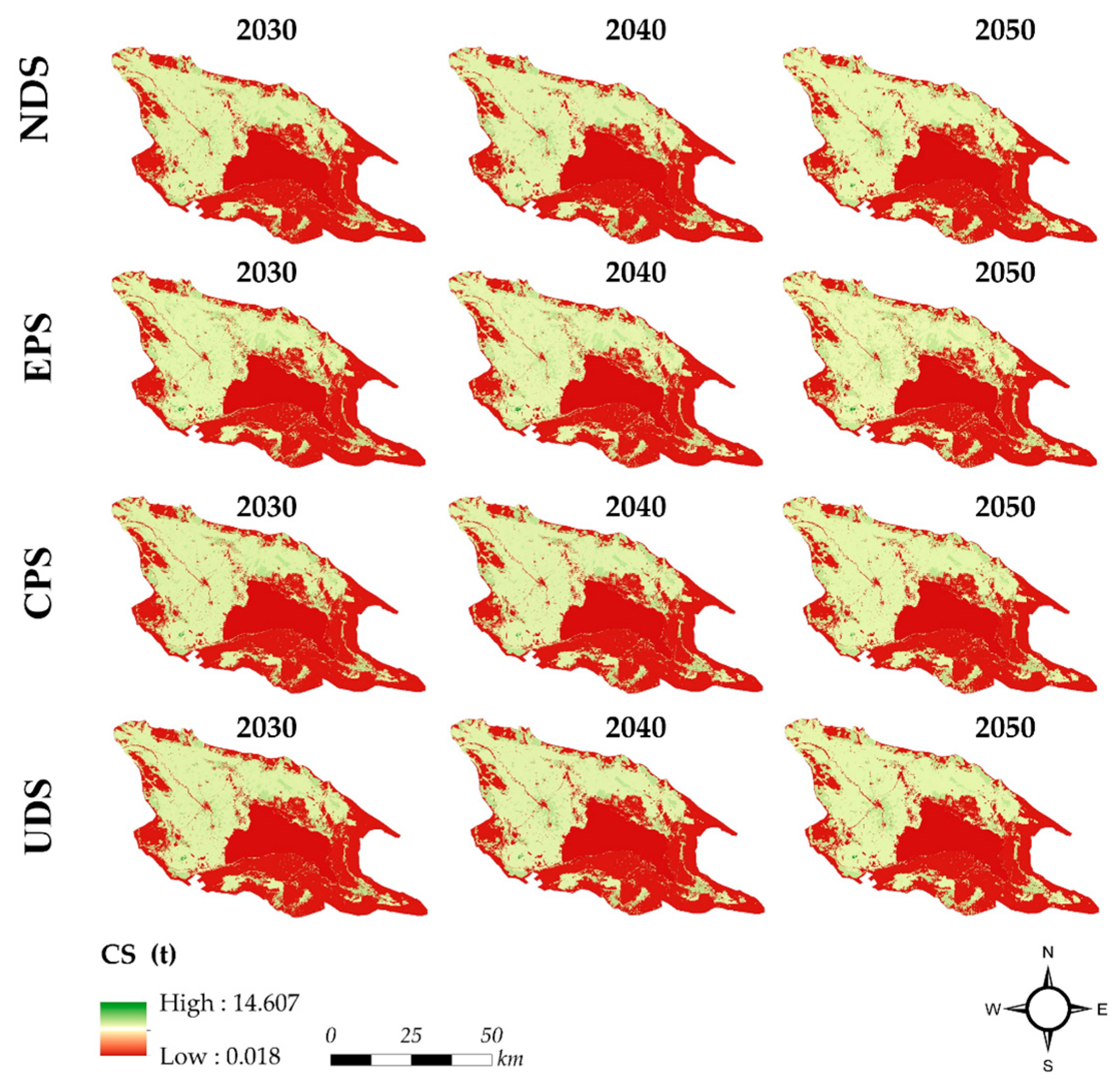
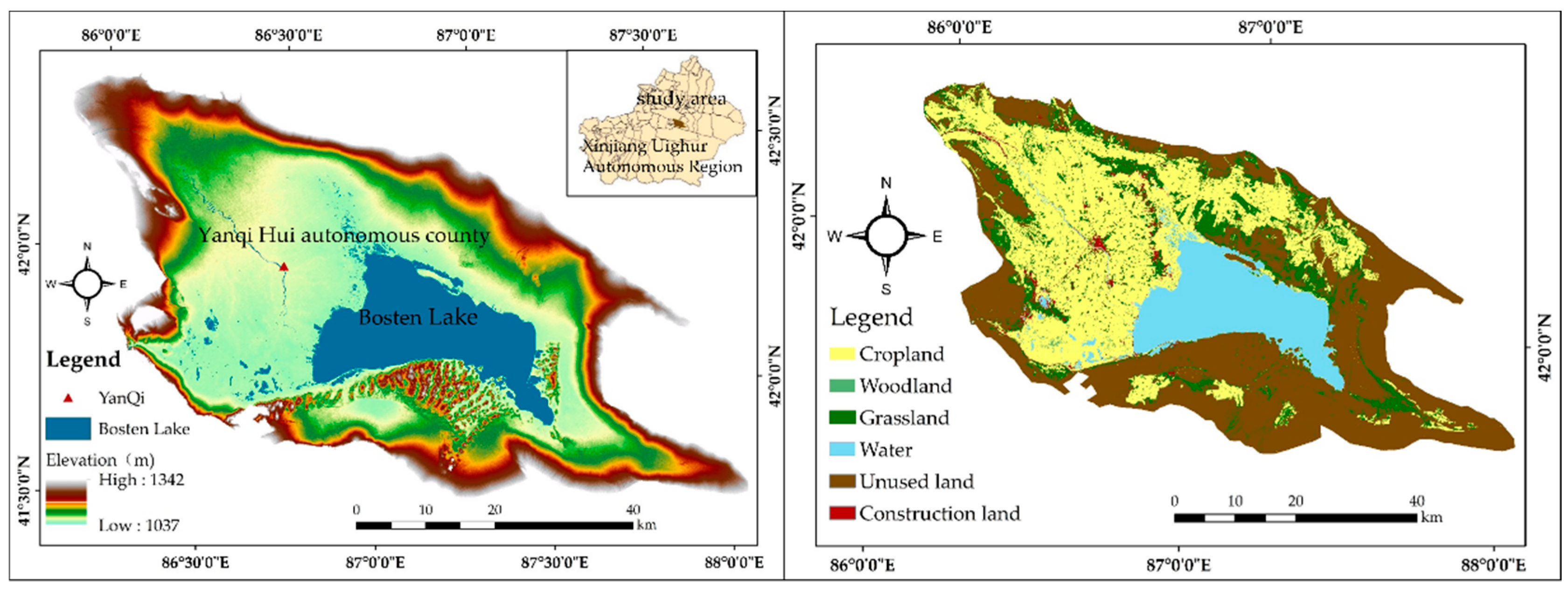
The most extensive carbon reservoir system on Earth is found in the vegetation and soil in terrestrial ecosystems, which are essential to preserving the stability of ecosystems. Land use/cover change (LUCC) patterns in terrestrial ecosystems significantly impact carbon storage (CS). Therefore, it is imperative to investigate the relationship between LUCC and CS to coordinate regional ecological conservation and industrial development. In this study, the characteristics of spatial and temporal changes in land use and CS in the Yanqi Basin from 2000 to 2020 were revealed using the PLUS (patch-generating land use simulation) model and the CS module of the InVEST (Integrated Valuation of Ecosystem Services and Tradeoffs) model. This study also predicted the spatial and temporal evolution of CS and the response mechanism of the Yanqi Basin from four scenarios—natural development scenario (NDS), ecological protection scenario (EPS), cropland protection scenario (CPS), and urban development scenario (UDS) for the years 2030, 2040, and 2050. This study shows the following: (1) Between 2000 and 2020, the Yanqi Basin witnessed an expansion in cropland and construction land, the order of the land use dynamic degree which is as follows: construction land > cropland > woodland > unused land > water > grassland. At the same time, the CS exhibited a trend of growth that was followed by a decline, a cumulative decrease of 3.61 Tg. (2) Between 2020 and 2050, woodland, grassland, and unused land decreased under the NDS and UDS. Meanwhile, grassland and woodland showed an expanding trend, and there was a decrease in cropland and construction land under the EPS; the CPS projected an increase in cropland to 3258.06 km2 by 2050. (3) CS under the UDS is always the lowest, and CS under the EPS is the highest; moreover, by 2050, CS under the EPS is projected to increase by 1.18 Tg compared with that under the UDS. The spatial distribution of CS shows a high value in the western part of the region and a low value in the eastern part of the region, which is more in line with the historical spatial distribution. (4) The development of land by human activities is one of the major factors leading to the change of CS. The direct cause of the decrease in CS is the transformation of large areas of cropland and woodland into construction land. Therefore, woodlands must be protected to improve CS and prevent ecological degradation. At the same time, future land use planning in the Yanqi Basin needs to limit the conversion rate of various types of land, control the construction land, optimize the urban pattern, improve the regional CS level, adhere to the concept of striving to achieve carbon neutrality, and realize the sustainable development of the region to provide scientific suggestions for carrying out macro-decision making regarding land use planning in arid areas.
Keywords: land use change; carbon storage; PLUS model; InVEST model; scenario simulation; Yanqi Basin land use change; carbon storage; PLUS model; InVEST model; scenario simulation; Yanqi Basin