Article

Use of Genus Cistus in Phytotechnologies: Application in a Closed Mercury Mine

1
Department of Agricultural Chemistry and Food Science, Autonomous University of Madrid (UAM), 28049 Madrid, Spain
2
CIEMAT, Avenida Complutense 40, 28040 Madrid, Spain
3
Agronomical Engineering Department, Technical University of Cartagena (UPCT), 30203 Cartagena, Spain
*
Authors to whom correspondence should be addressed.
Land 2023, 12(8), 1533; https://doi.org/10.3390/land12081533
Submission received: 13 July 2023 / Revised: 30 July 2023 / Accepted: 31 July 2023 / Published: 2 August 2023

Abstract

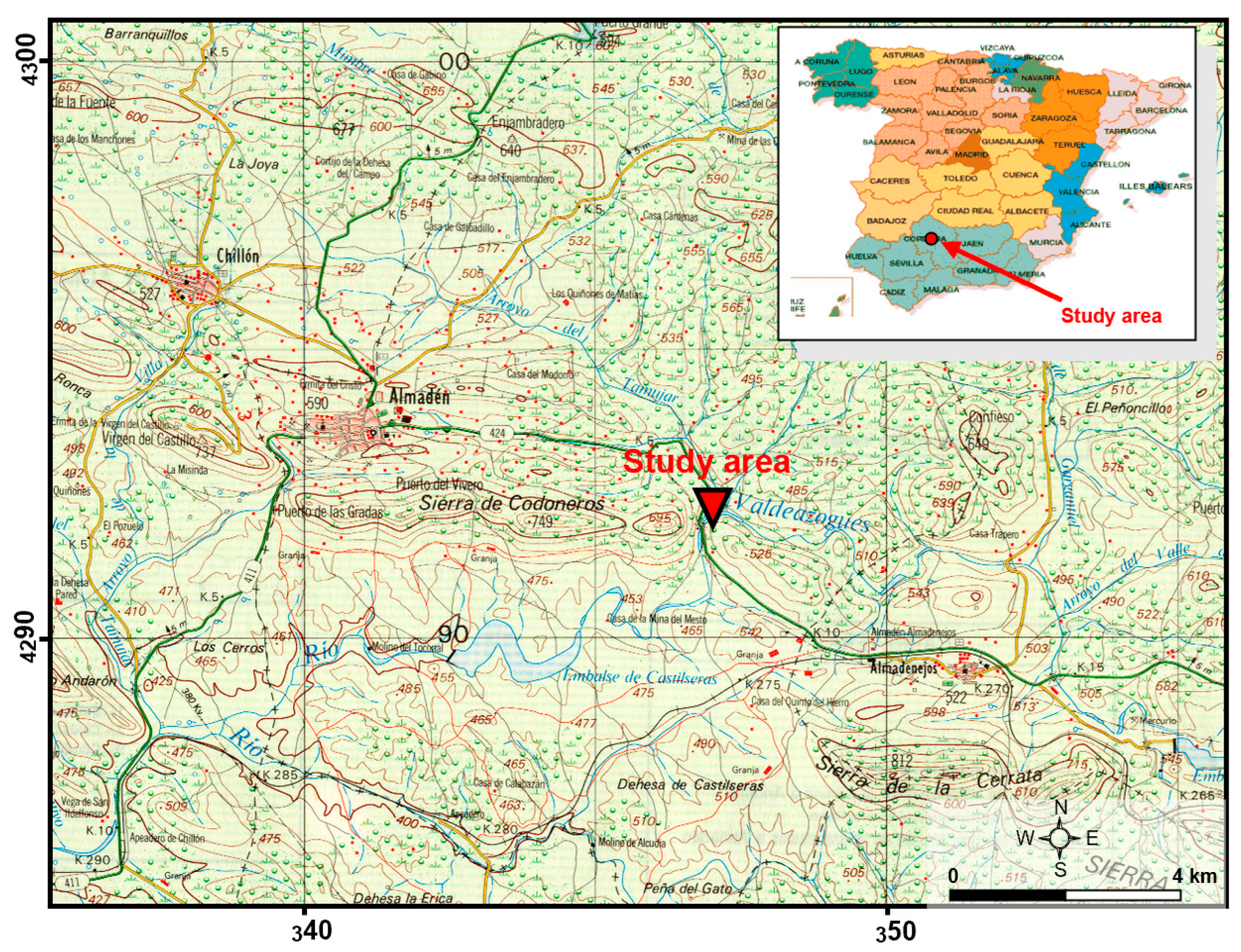
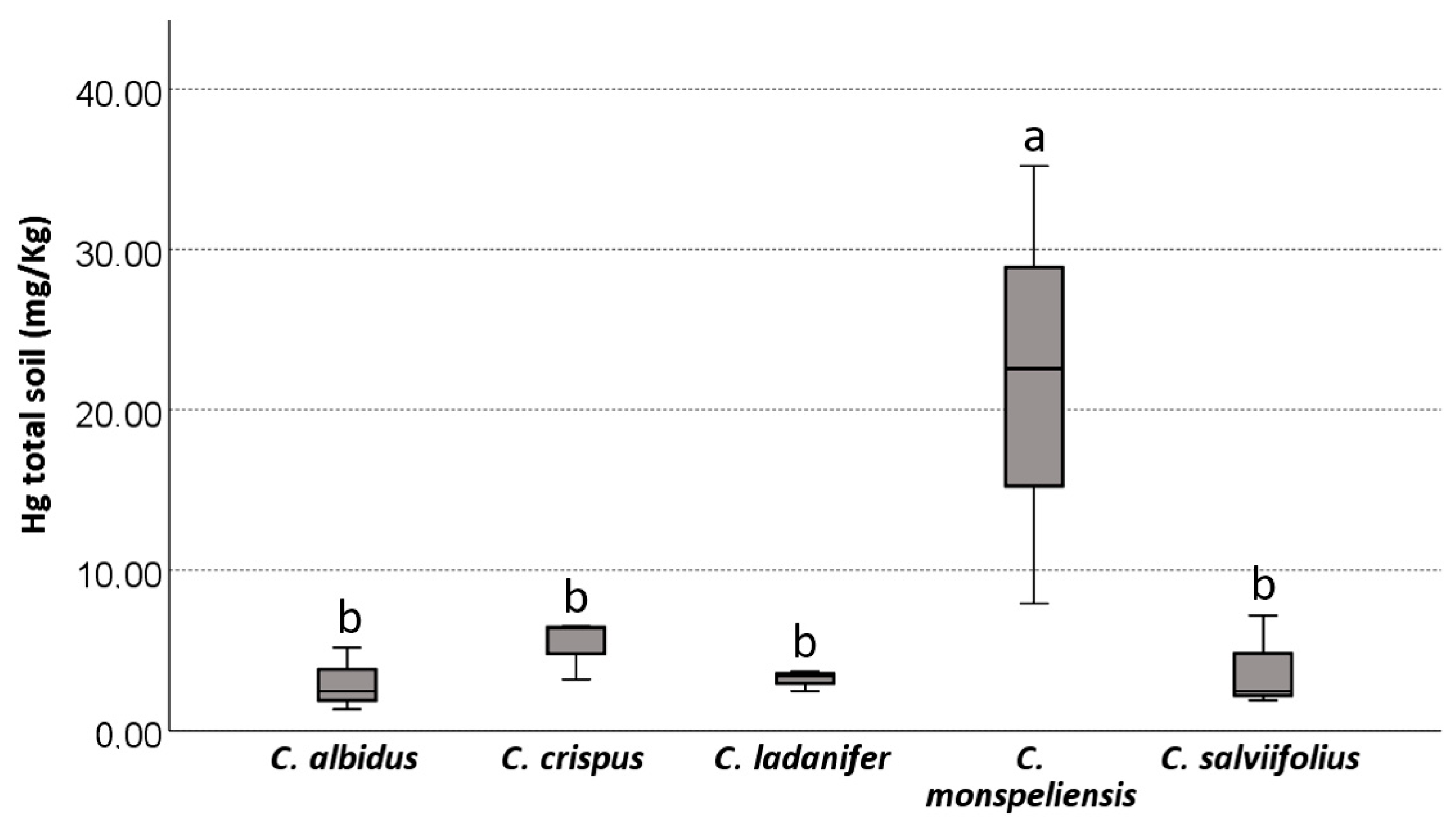
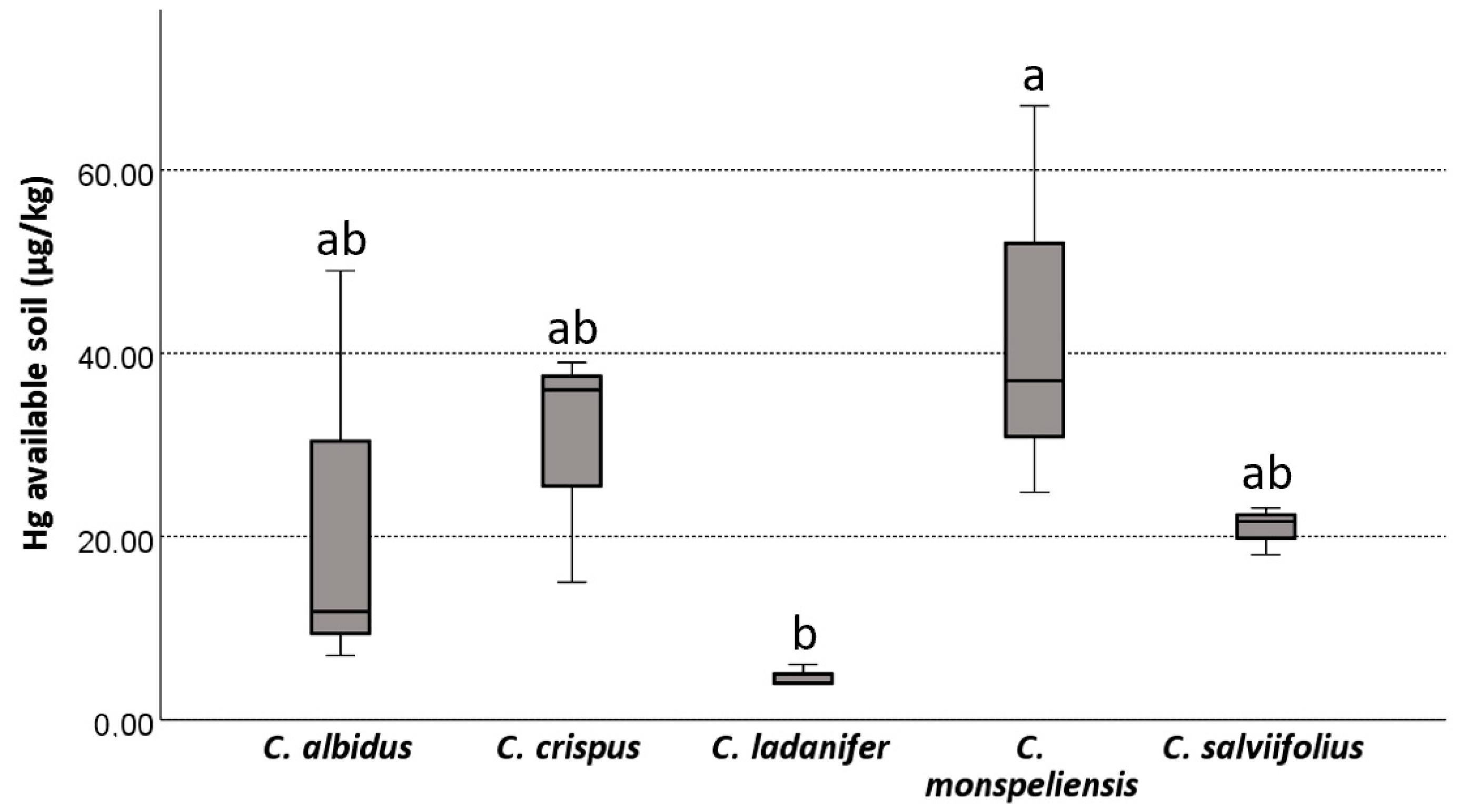
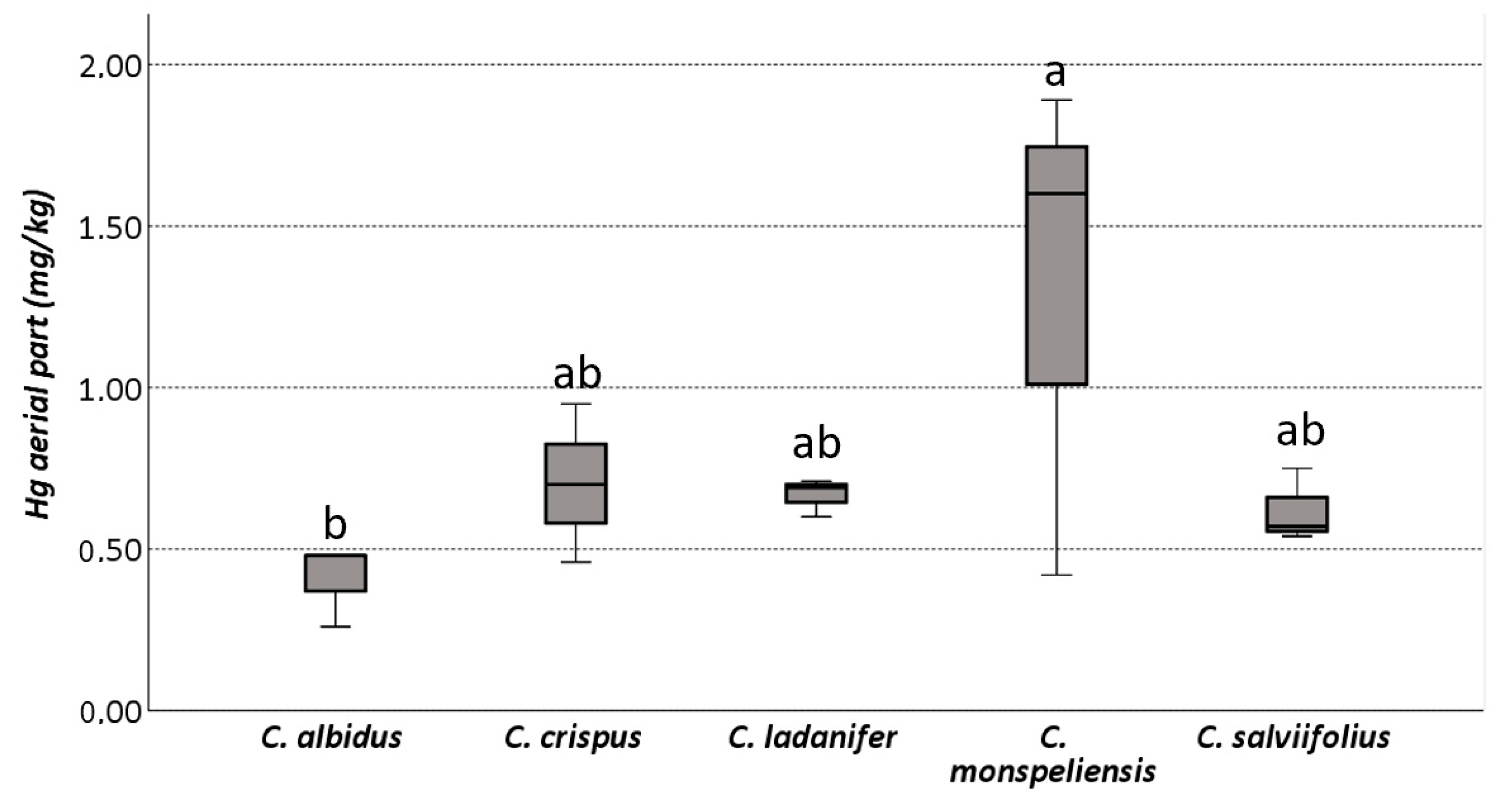
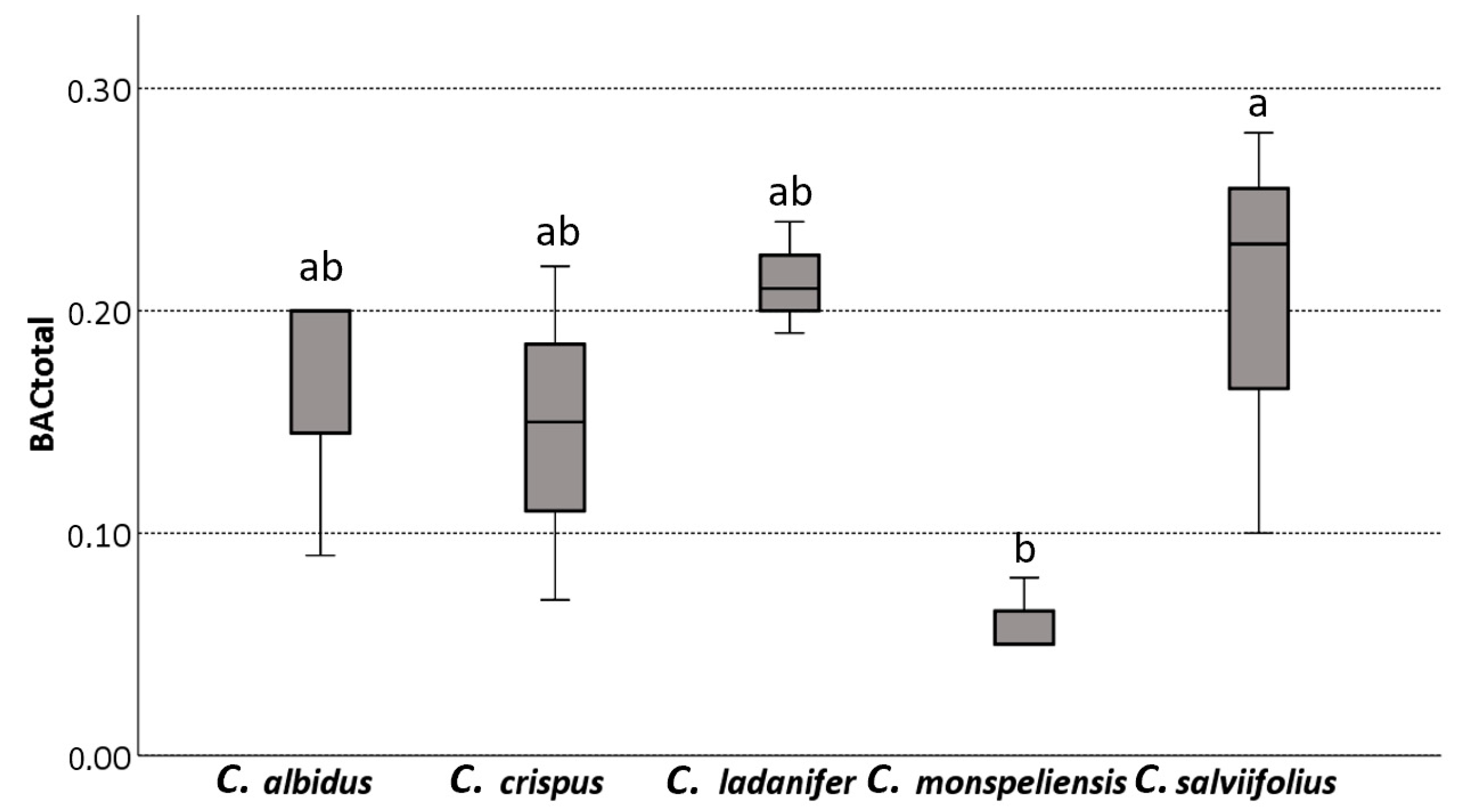
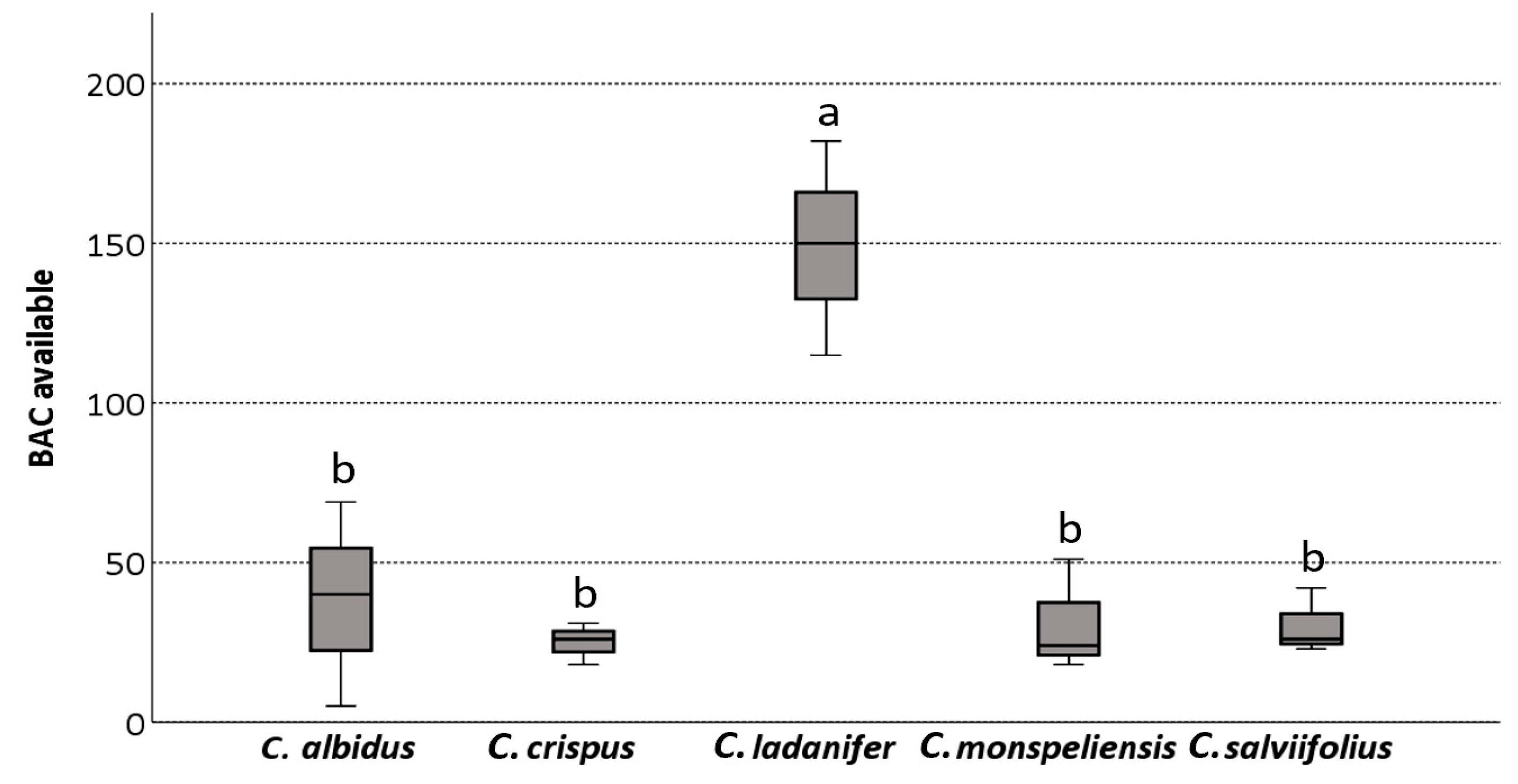
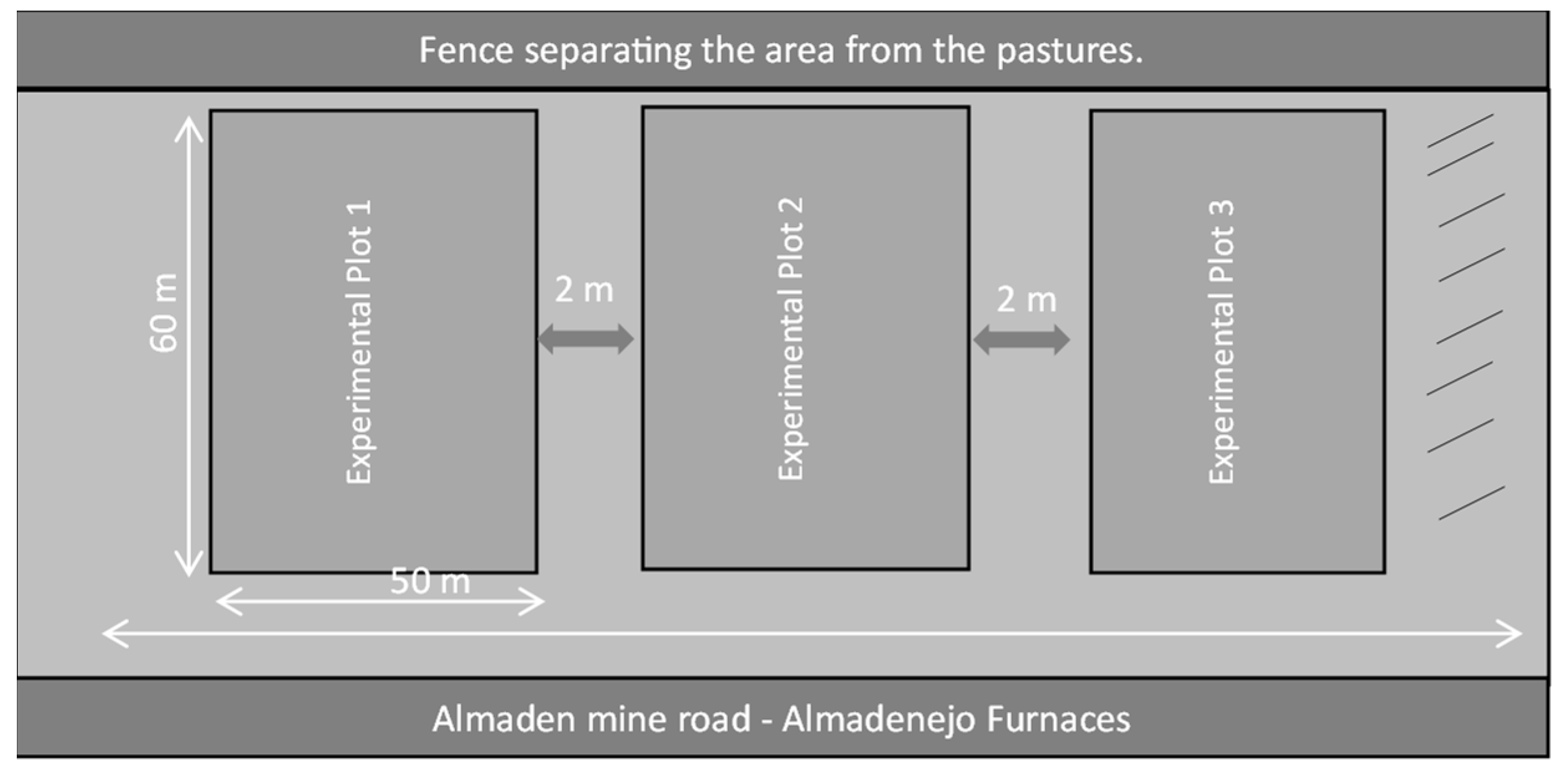
The Almadén mining district is known to be one of the richest mercury areas in the world. Despite the high concentrations of this metal, this territory has well-established vegetation that provides a wide range of mercury-tolerant plants that can be used as ecosystem services. This is the case of some species of Cistus that grow wild and spontaneously as part of the natural flora of Almadén. The objective of this study was to evaluate if there were differences between the absorption and distribution of Hg of five species of the genus Cistus in spontaneous growth and to evaluate their potential application in phytotechnologies. The work has been carried out with plant samples collected under field conditions in the “Fuente del Jardinillo” located in the old mining area of Almadén (Ciudad Real). The experimental plot was divided into three previously characterised subplots to ensure that all the sampled plants had grown in similar soil conditions (pH, organic matter content, EC, CEC, total Hg and available Hg). Additionally, the experiment was carried out in triplicate. The results showed that despite the homogeneity of the soil, the absorption of Hg in the aerial part of the plants showed significant differences related to Cistus species. The values in the bioaccumulation of mercury in the aerial part were also different. Based on the uptake of mercury by the plants sampled in this study, its potential use in phytotechnologies was established, classifying them as phytoextractors (Cistus albidus, C. ladanifer and C. monspeliensis) and phytostabilisers (C. crispus and C. salviifolius).
Keywords: phytoremediation; soil pollution; ecosystem services; Almadén; mercury; intragenus; Cistus phytoremediation; soil pollution; ecosystem services; Almadén; mercury; intragenus; Cistus