Article

Ecological Security of Desert–Oasis Areas in the Yellow River Basin, China

1
School of Geography and Planning, Ningxia University, Yinchuan 750021, China
2
School of Public Administration, China University of Geosciences, Wuhan 430074, China
3
Center for Turkmenistan Studies, China University of Geosciences, Wuhan 430074, China
*
Author to whom correspondence should be addressed.
Land 2023, 12(11), 2080; https://doi.org/10.3390/land12112080
Submission received: 2 October 2023 / Revised: 3 November 2023 / Accepted: 16 November 2023 / Published: 18 November 2023

Abstract

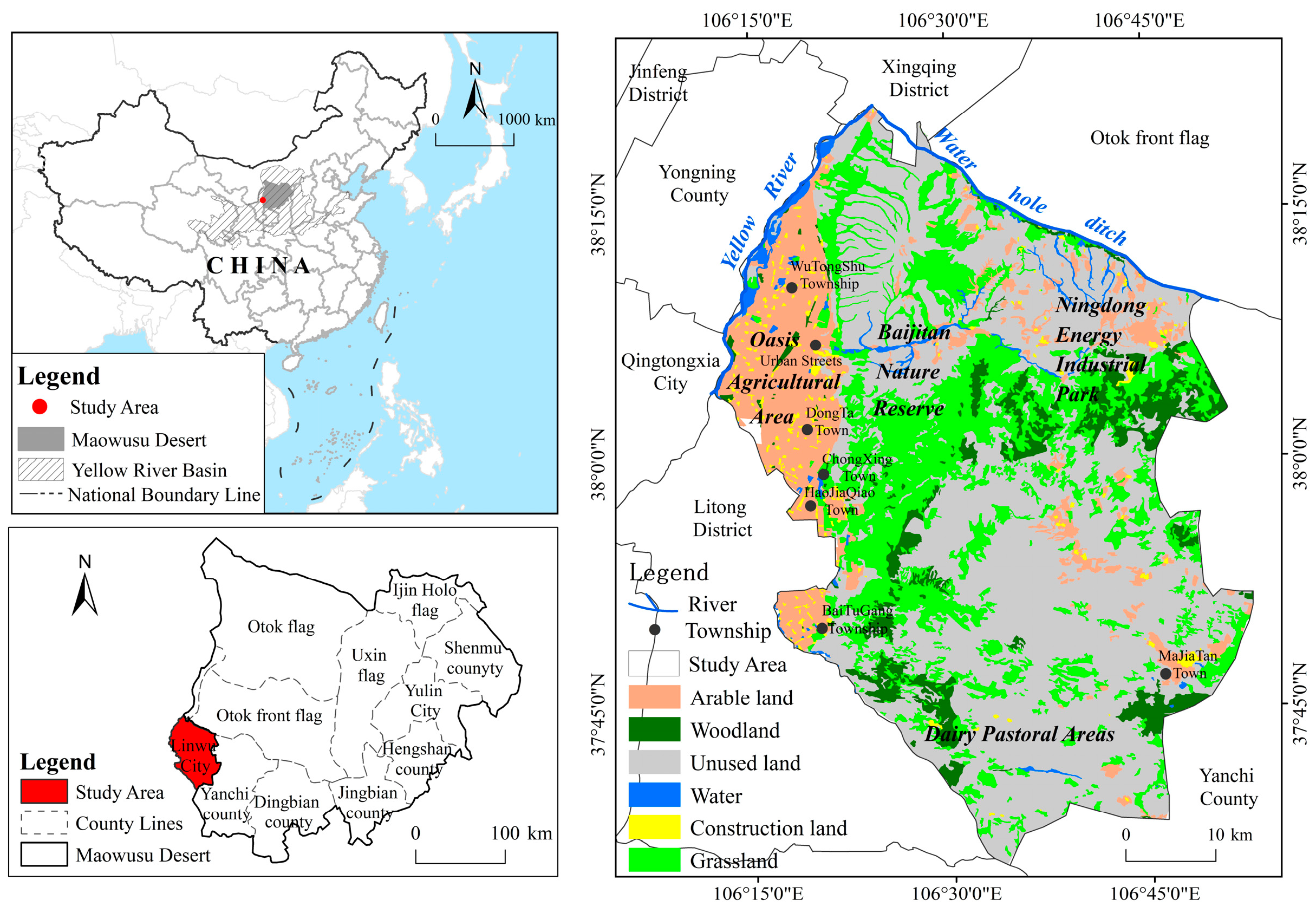
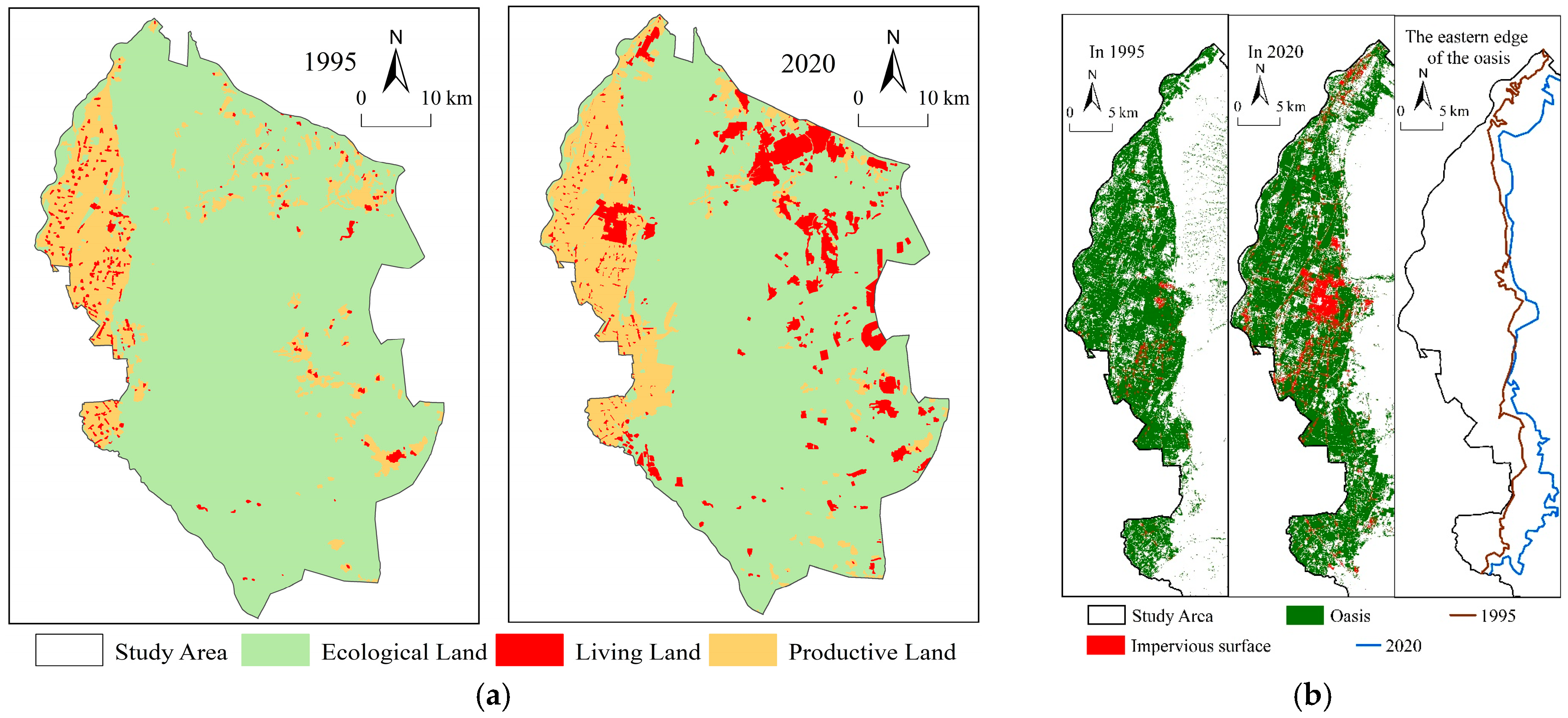
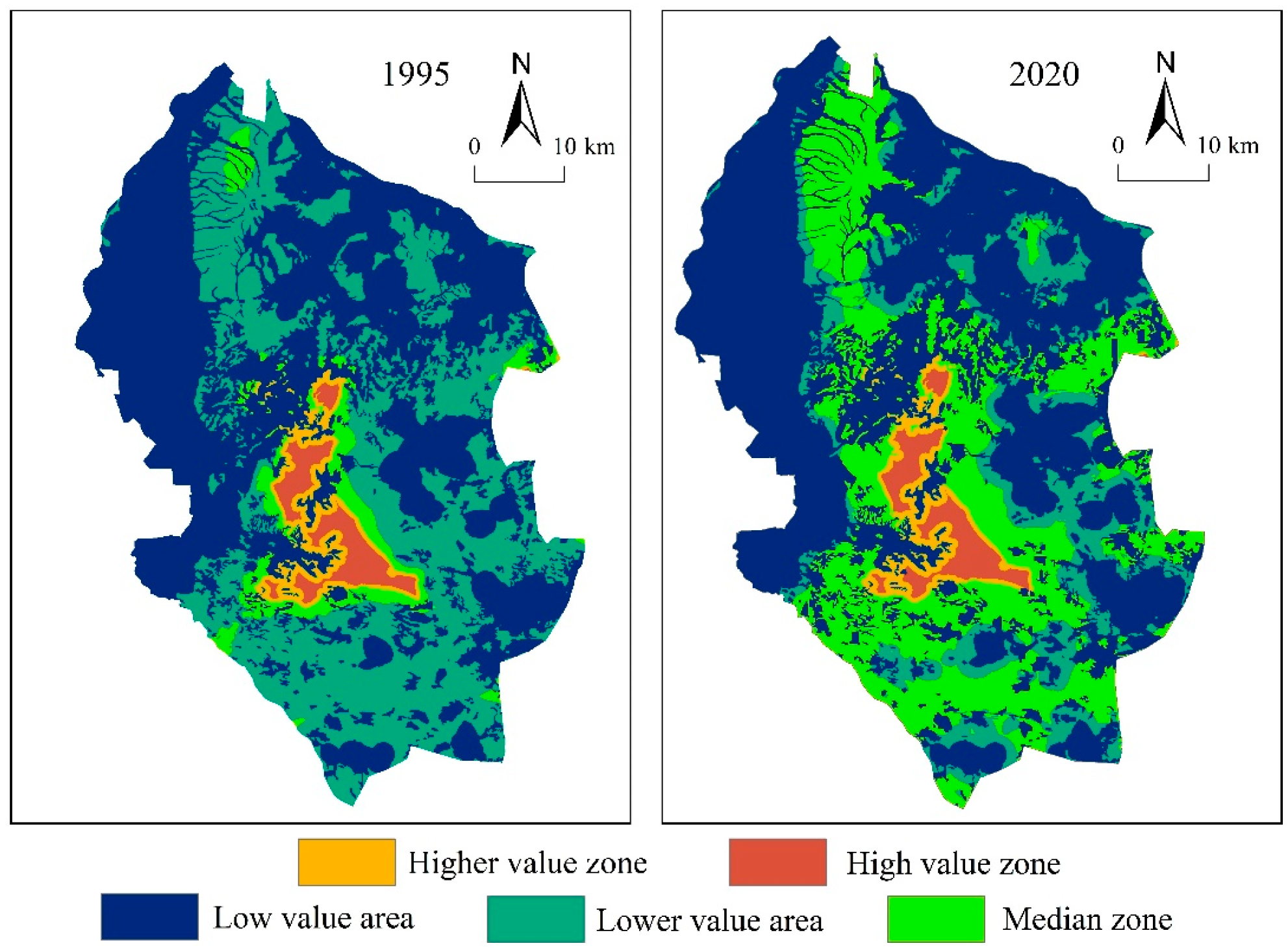
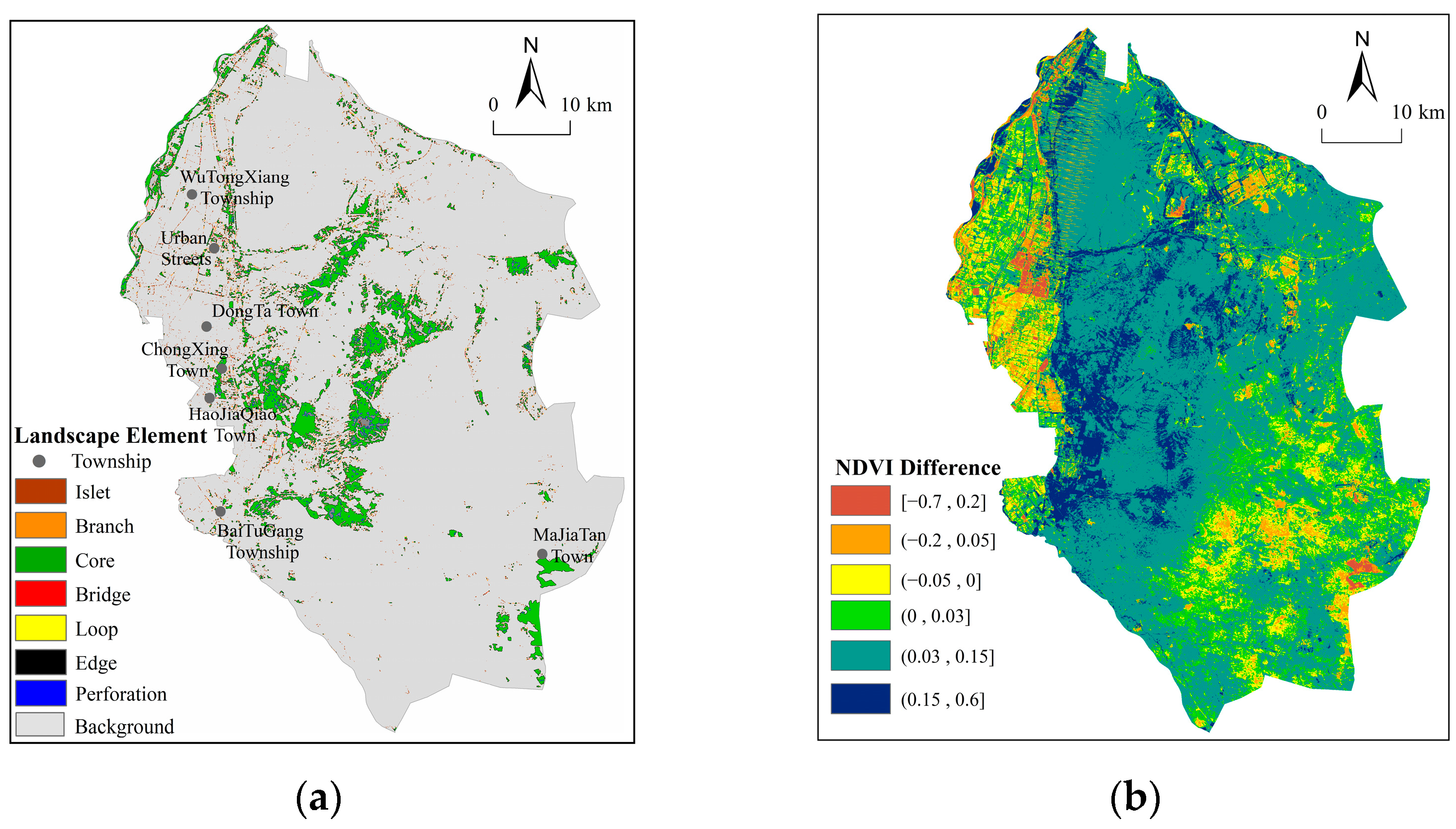
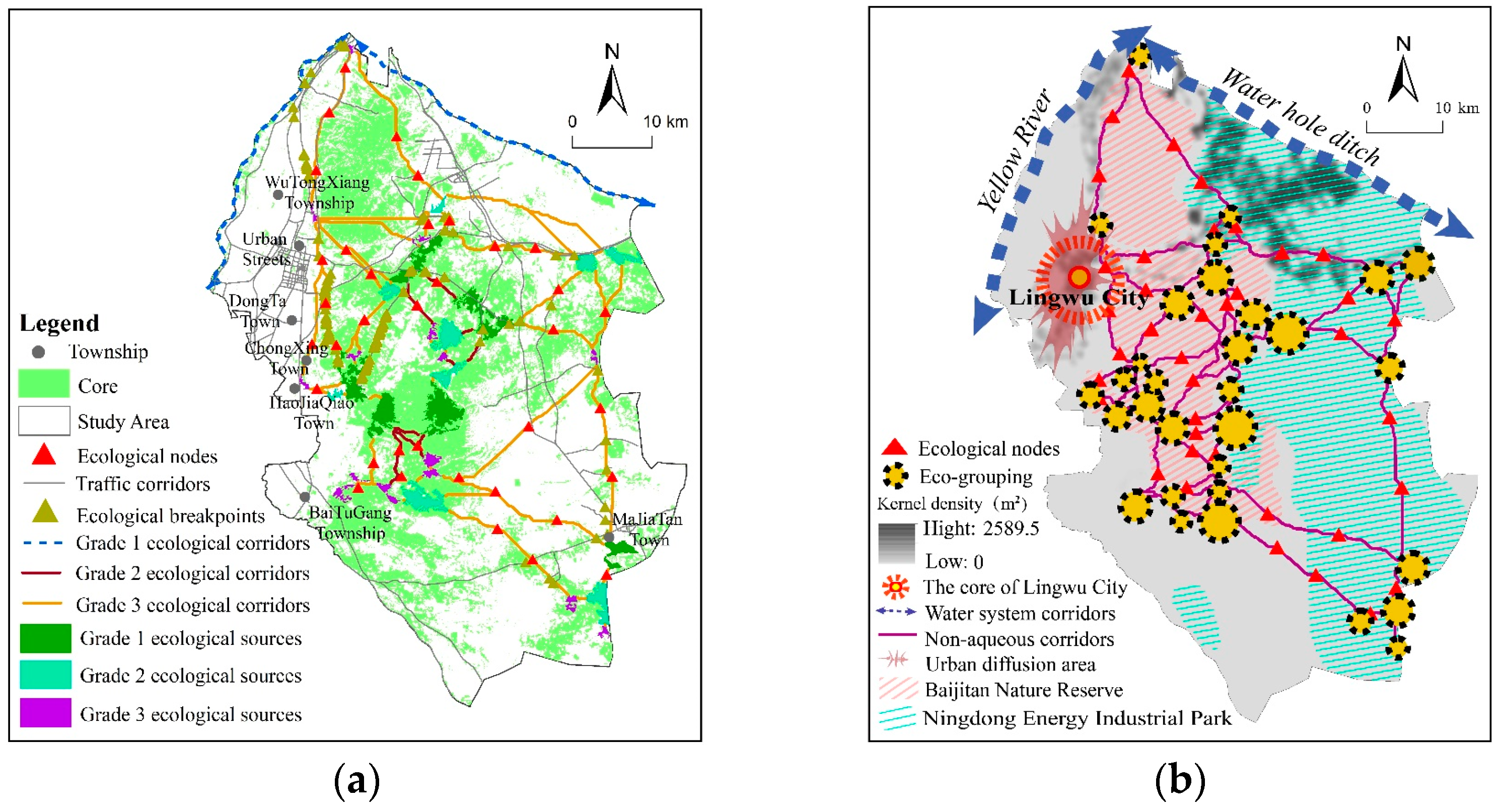
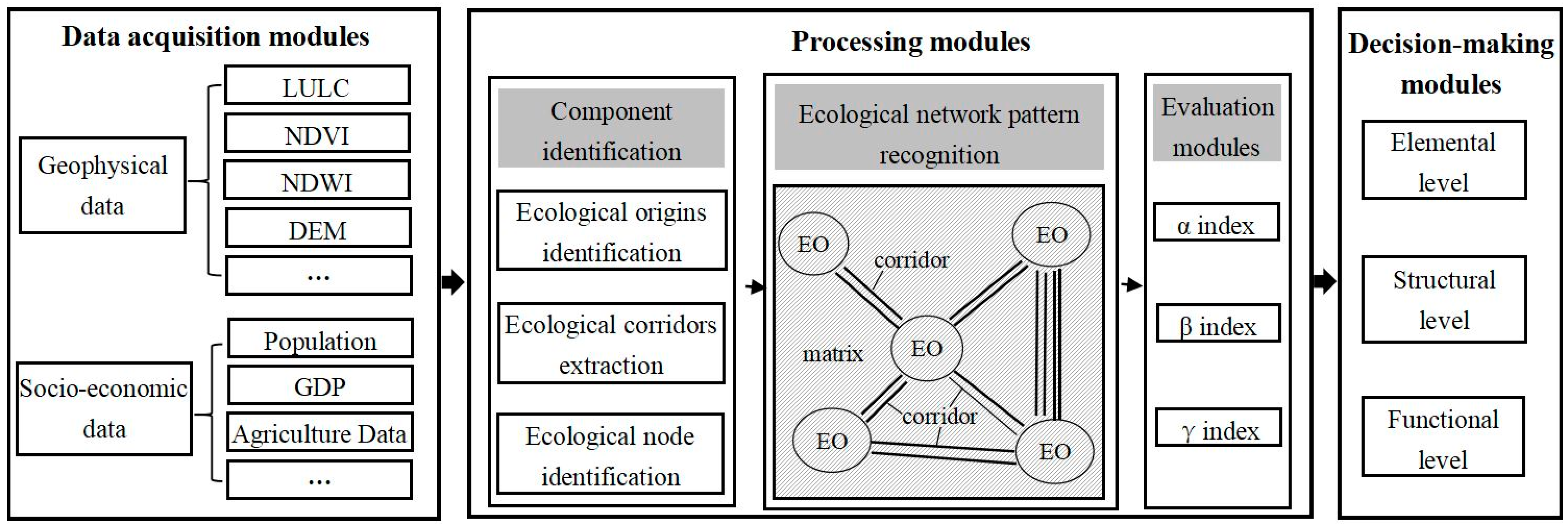
The desert–oasis interaction zone plays a crucial role in safeguarding oasis ecological security and maintaining stability within oases. This paper proposed a framework of EN-DSS, based on long-term remote sensing data and fundamental data, adopted morphological spatial pattern analysis (MSPA) and Linkage Mapper among other methods, and it took Lingwu City in the Ningxia Hui Autonomous Region, which is located in the desert–oasis interaction zone in the upper reaches of the Yellow River, as a case study. The results indicate the following: since 1995, this desert–oasis system has exhibited the characteristics whereby the oasis is expanding eastward and the desert is significantly receding. The vegetation coverage has improved overall, forming an ecological security pattern characterized predominantly by shrub forests, which is referred to as the “one core, two corridors, three zones, and multiple clusters” pattern. This pattern has significantly reduced the risk of wind and sand erosion in the agricultural irrigation areas along the Yellow River. However, the construction of this ecological security pattern still faces challenges, including high construction and maintenance costs and the need to enhance the network’s quality. In the future, it will be necessary to strengthen the integrated ecological network construction of ecological areas, agricultural areas, and urban areas to enhance the stability of this regional ecological network system.
Keywords: morphological spatial pattern analysis (MSPA); circuit theory; ecological security; desert oasis zone morphological spatial pattern analysis (MSPA); circuit theory; ecological security; desert oasis zone