Essay

Phytoremediation Potential of Four Native Plants in Soils Contaminated with Lead in a Mining Area

1
Shaanxi Land Engineering Construction Group Co., Ltd., Xi’an Jiaotong University, Technology Innovation Center for Land Engineering and Human Settlements, Xi’an 712000, China
2
Key Laboratory of Degraded and Unused Land Consolidation Engineering, The Ministry of Natural Resources, Xi’an 710075, China
3
Institute of Land Engineering and Technology, Shaanxi Provincial Land Engineering Construction Group Co., Ltd., Xi’an 710075, China
4
Shaanxi Provincial Land Consolidation Engineering Technology Research Center, Xi’an 710075, China
*
Author to whom correspondence should be addressed.
Land 2021, 10(11), 1129; https://doi.org/10.3390/land10111129
Submission received: 29 September 2021 / Revised: 21 October 2021 / Accepted: 22 October 2021 / Published: 24 October 2021
(This article belongs to the Special Issue Contamination of Soils and Environmental Risks)

Abstract

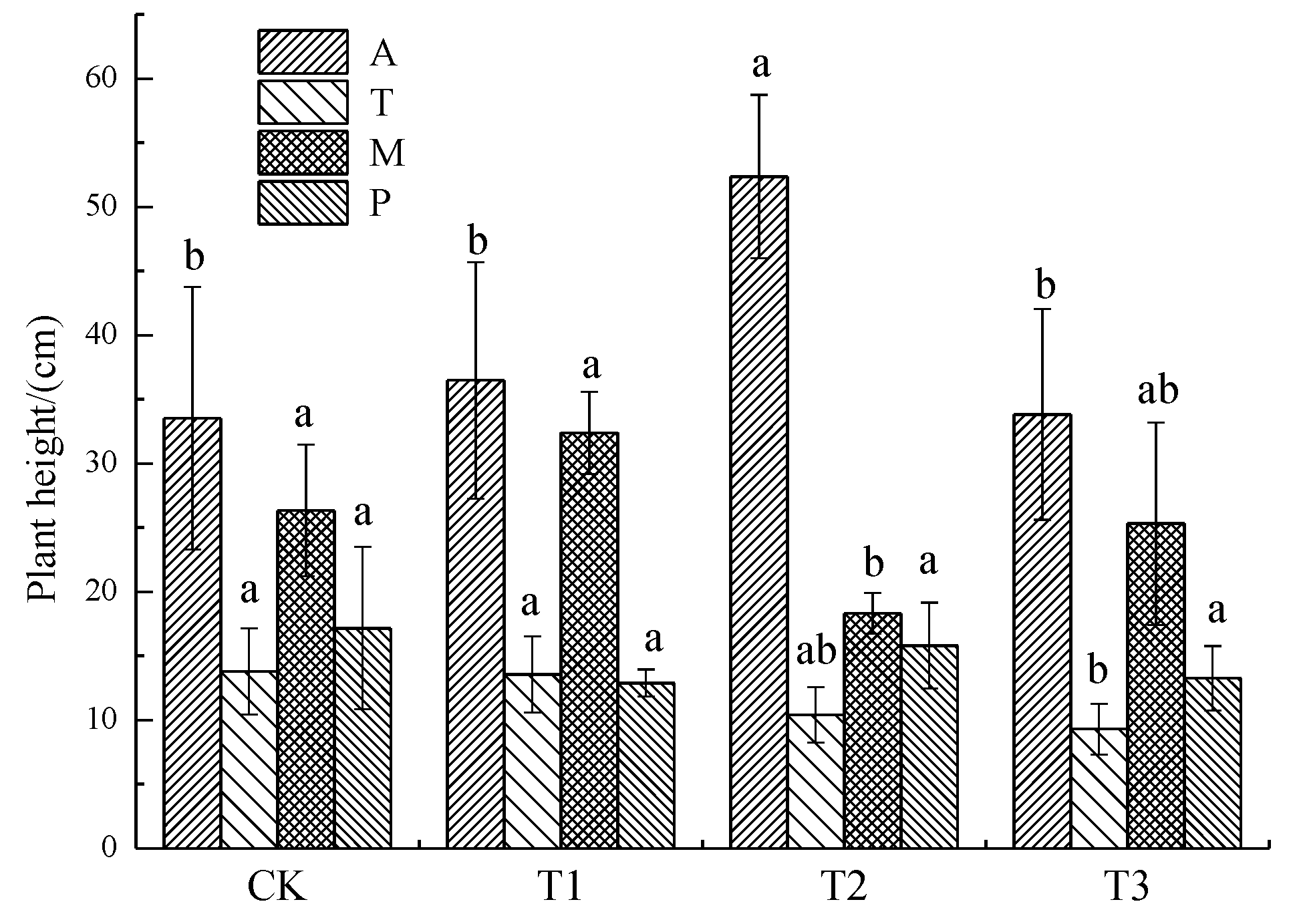
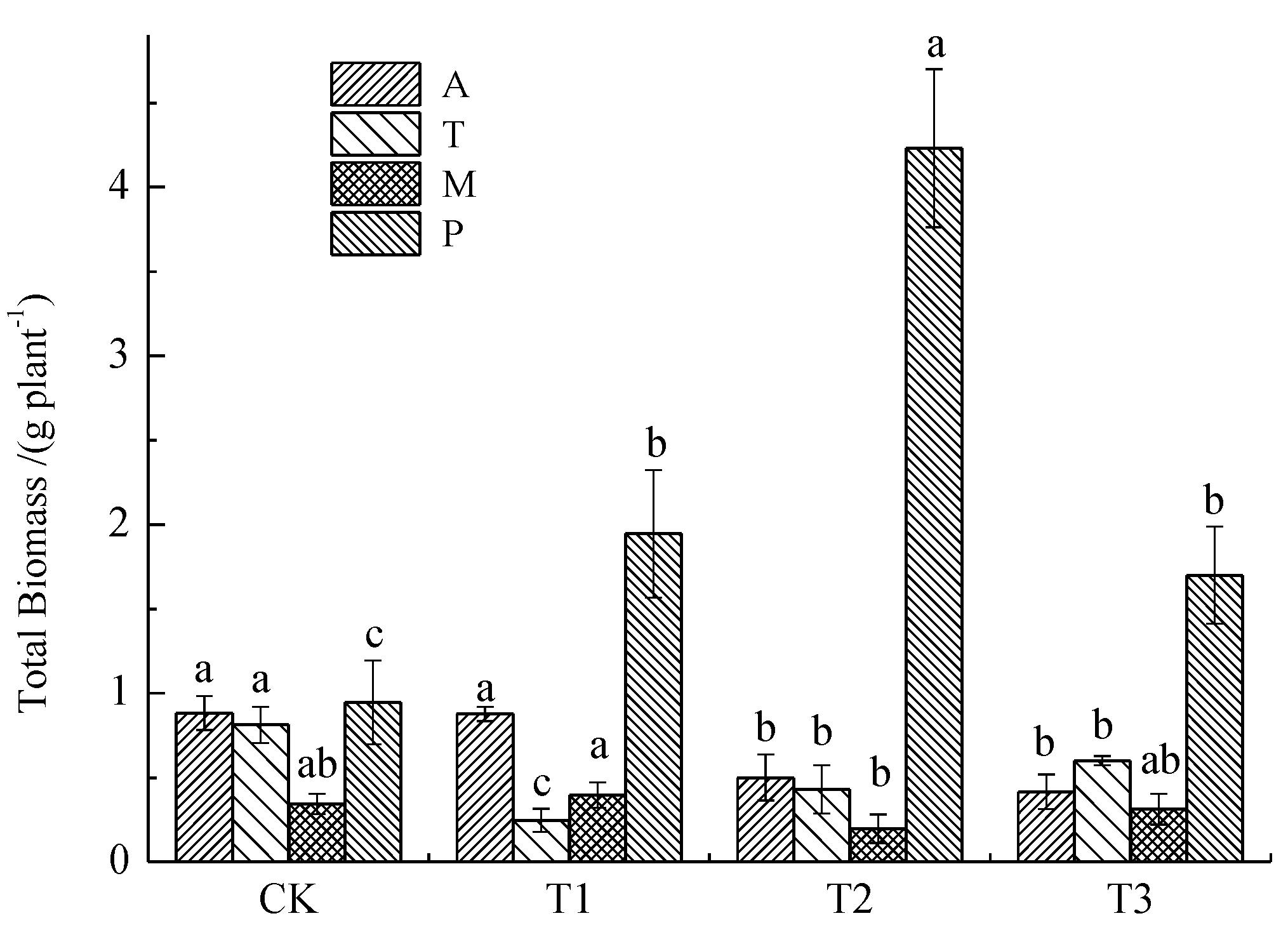
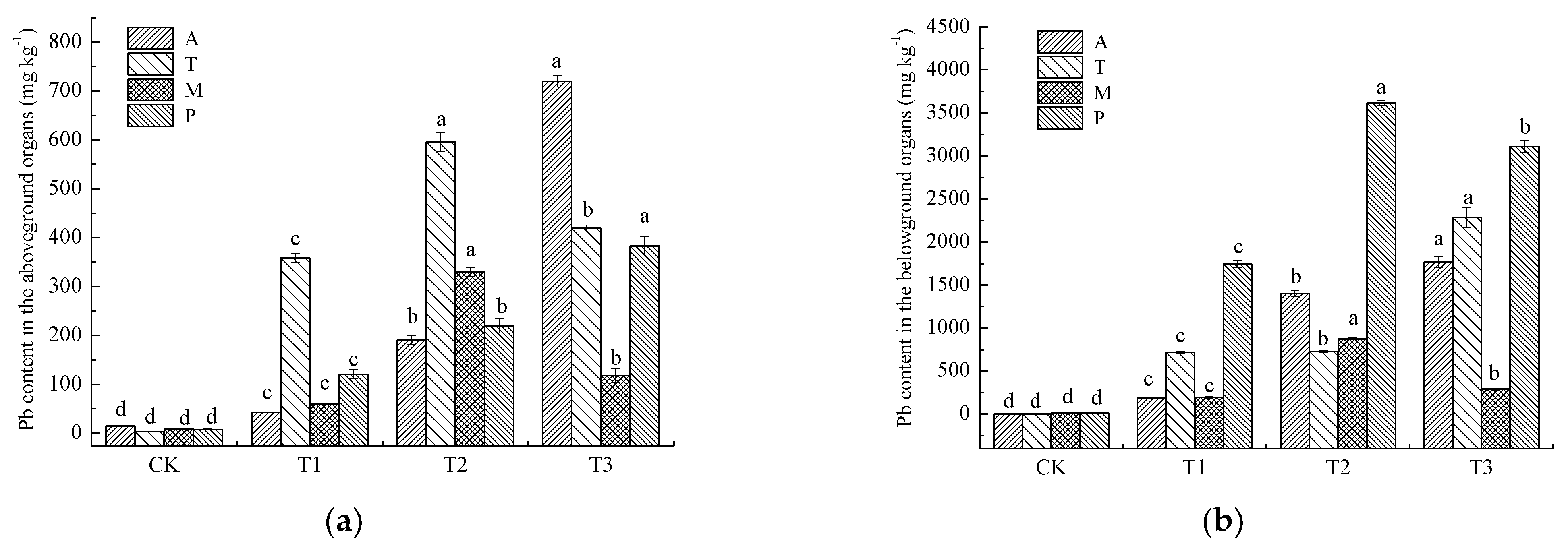
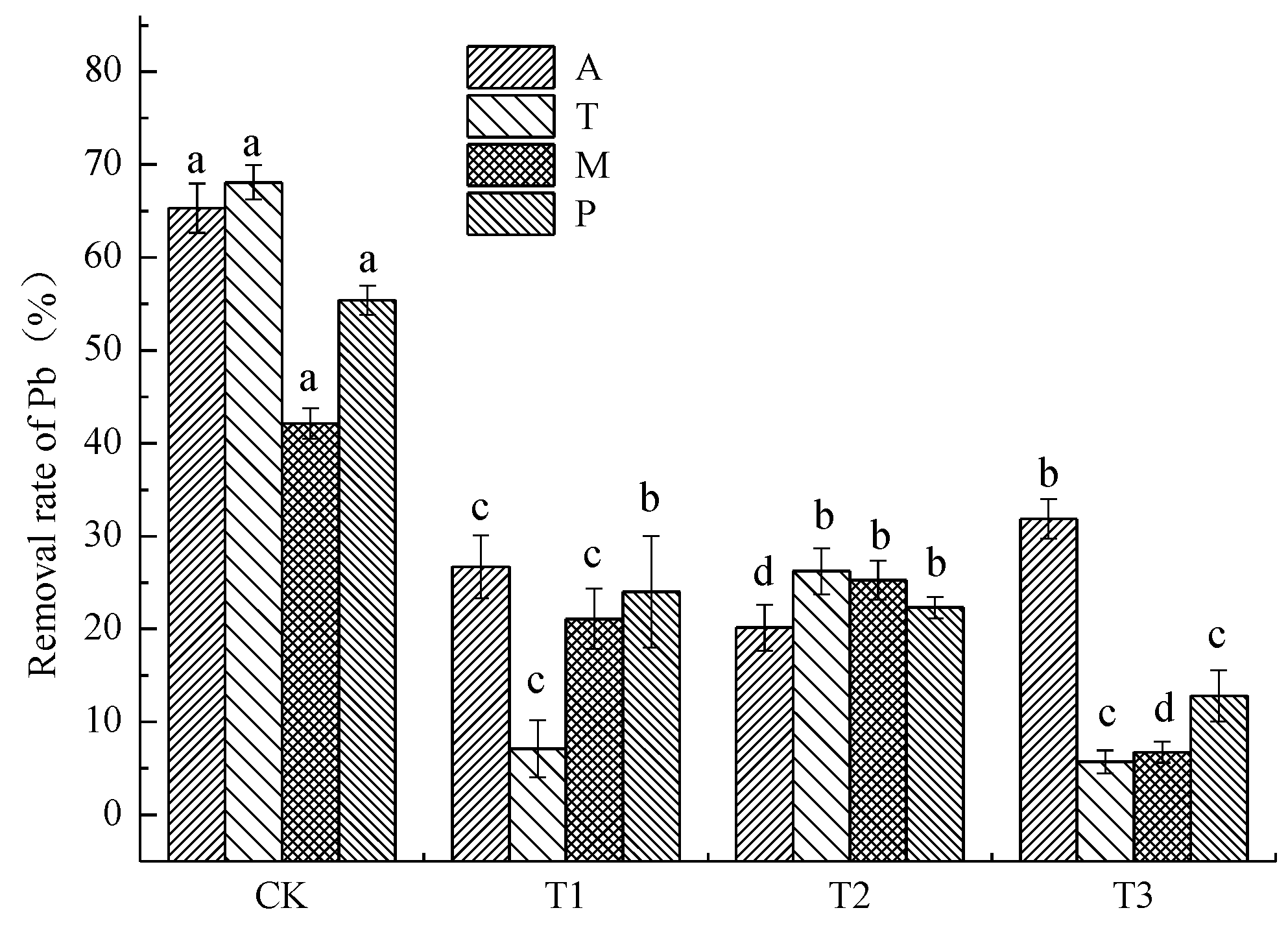
Metal pollution in soils is an issue of global concern, and lead (Pb) pollution is considered to be the most serious type. The arid and semi-arid areas of Northwest China are rich in Pb ore resources. In this study, four native crops [wormwood (Artemisia capillaris), dandelion (Taraxacum mongolicum), alfalfa (Medicago sativa), and plantain (Plantago asiatica L.)] that grow naturally around tailings slag in a mining area in Northwest China were selected to screen their ecological restoration impacts on Pb-contaminated soil. In pot experiments, four different metal lead pollution gradients (0, 2, 3, and 5‰ w/w) were set, and crop growth indexes such as plant height, root length, and biomass, together with the changes of soil Pb content in different tissues and organs before and after planting were analyzed. The results showed the difference in the amount of accumulated Pb in relation to the level of Pb content in the soil. It was found that wormwood and plantain have great potential as remediation plants for soil metal lead pollution in the arid and semi-arid lead bearing mining areas of Northwest China.
Keywords: lead contaminated/pollution; phytoremediation; tolerance; accumulation; distribution lead contaminated/pollution; phytoremediation; tolerance; accumulation; distribution