Intelligent Assessment of Landslide Impact Force Considering the Uncertainty of Strength Parameters



Abstract
1. Introduction
2. Stochastic Analysis Method for Peak Impact Force of Landslide on Piers Based on Neural Network
2.1. Three-Dimensional Numerical Model of Landslide Large-Deformation Sliding Impact Pier
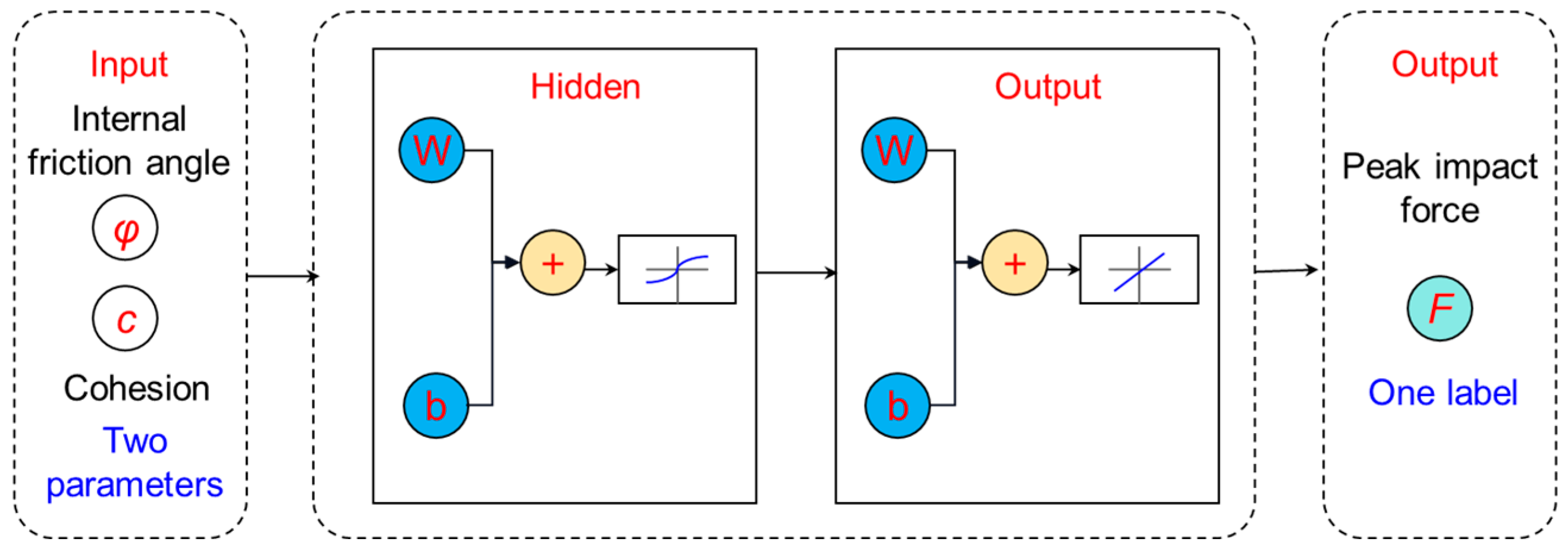
2.2. Neural Network Proxy Model for Peak Impact Force of Landslide
2.3. Stochastic Analysis Method for the Peak Impact Force of Landslides on Bridge Piers
3. Validation of the Analysis Model of Landslide Impacting Rigid Structure
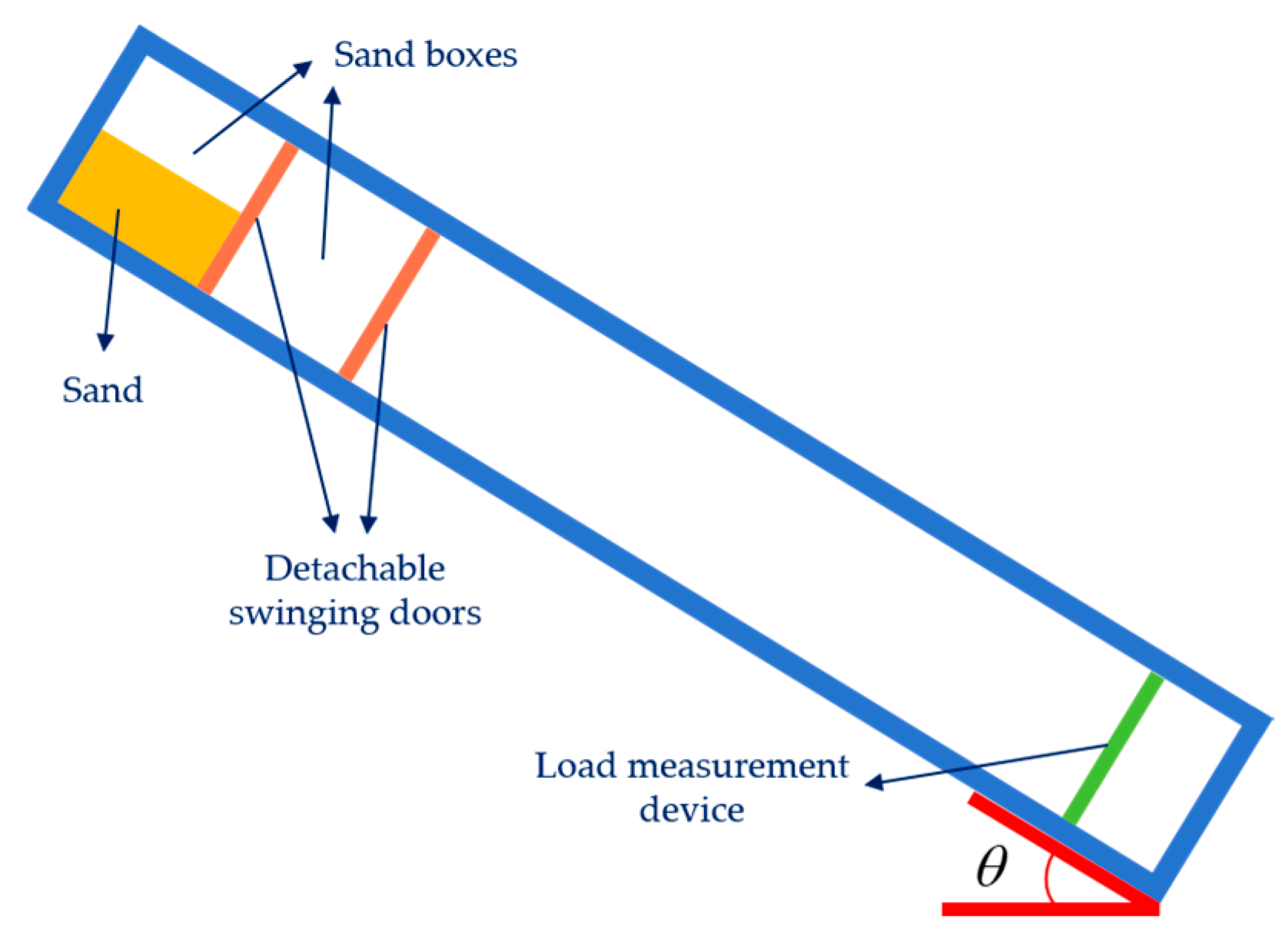
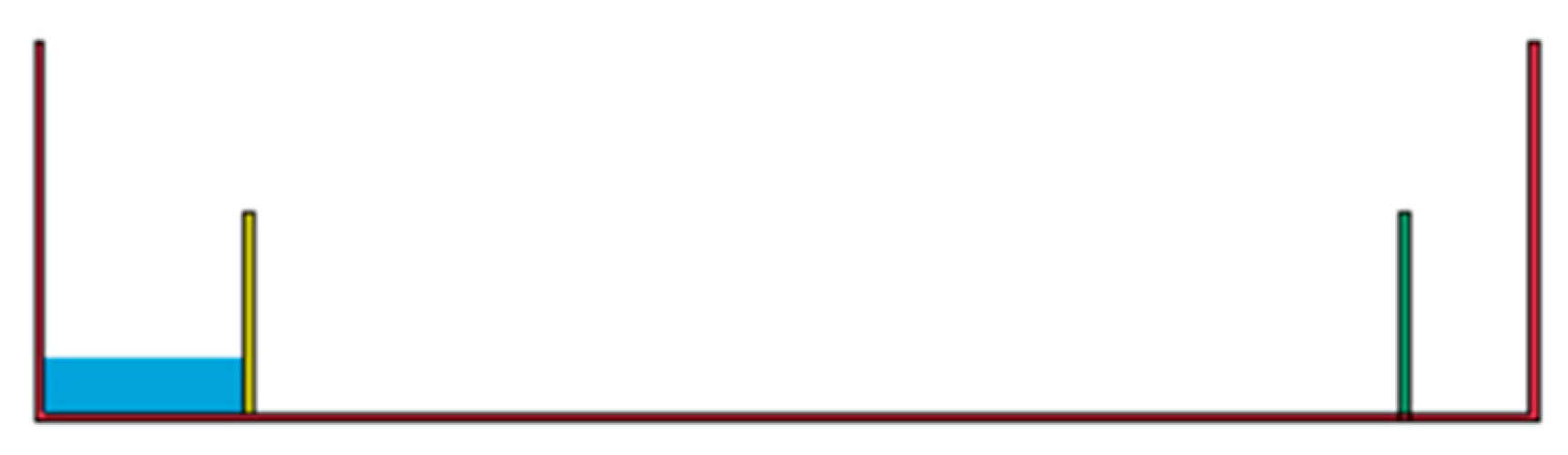
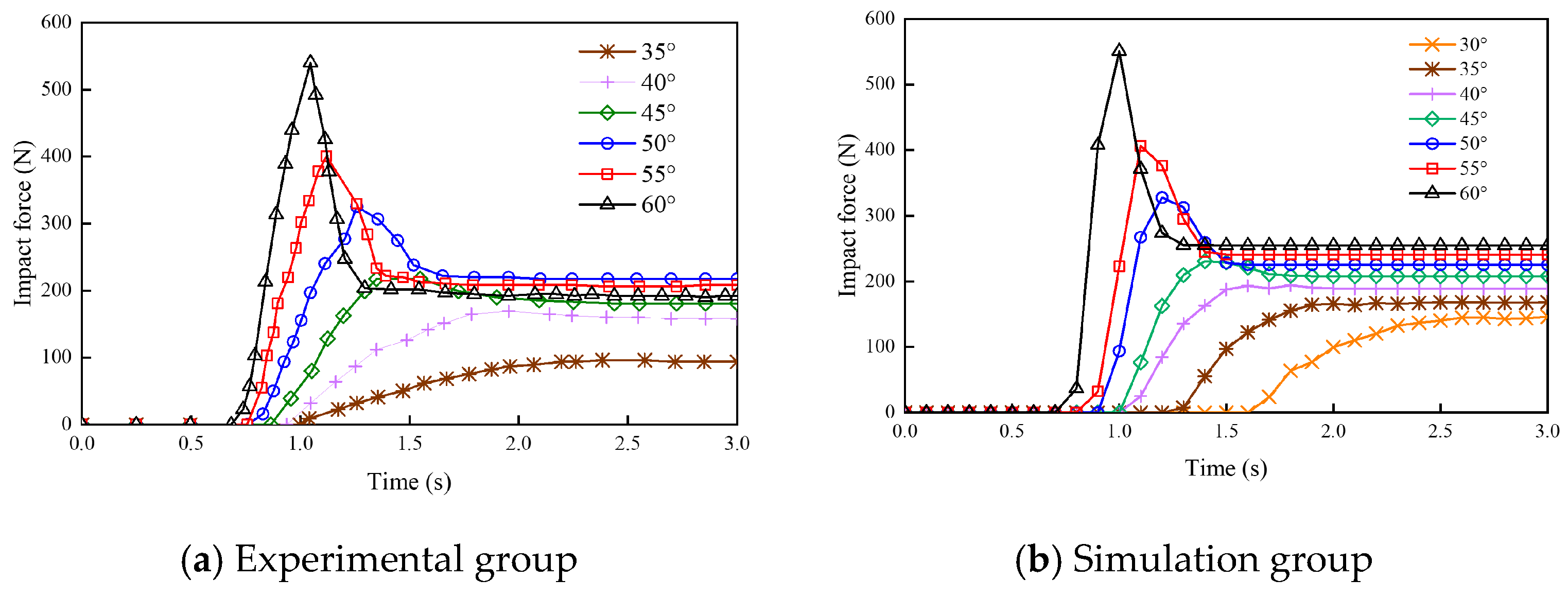
Experiment of Dry Sand Impacting Baffle
4. Prediction and Analysis of Peak Impact Force of Landslide Impacting Bridge Piers
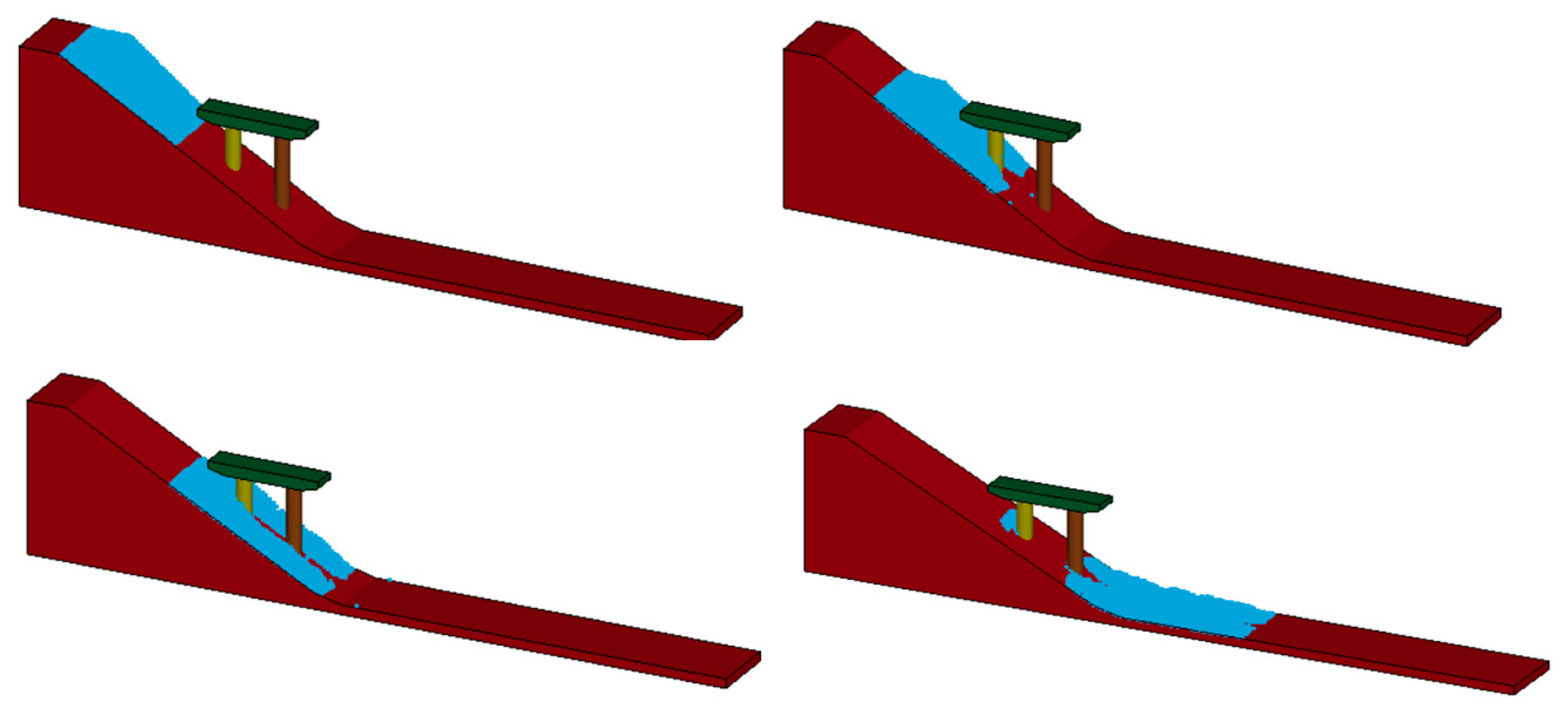
4.1. Numerical Simulation of a Conceptual Landslide Impacting Piers
4.2. Training and Accuracy Verification of Neural Network
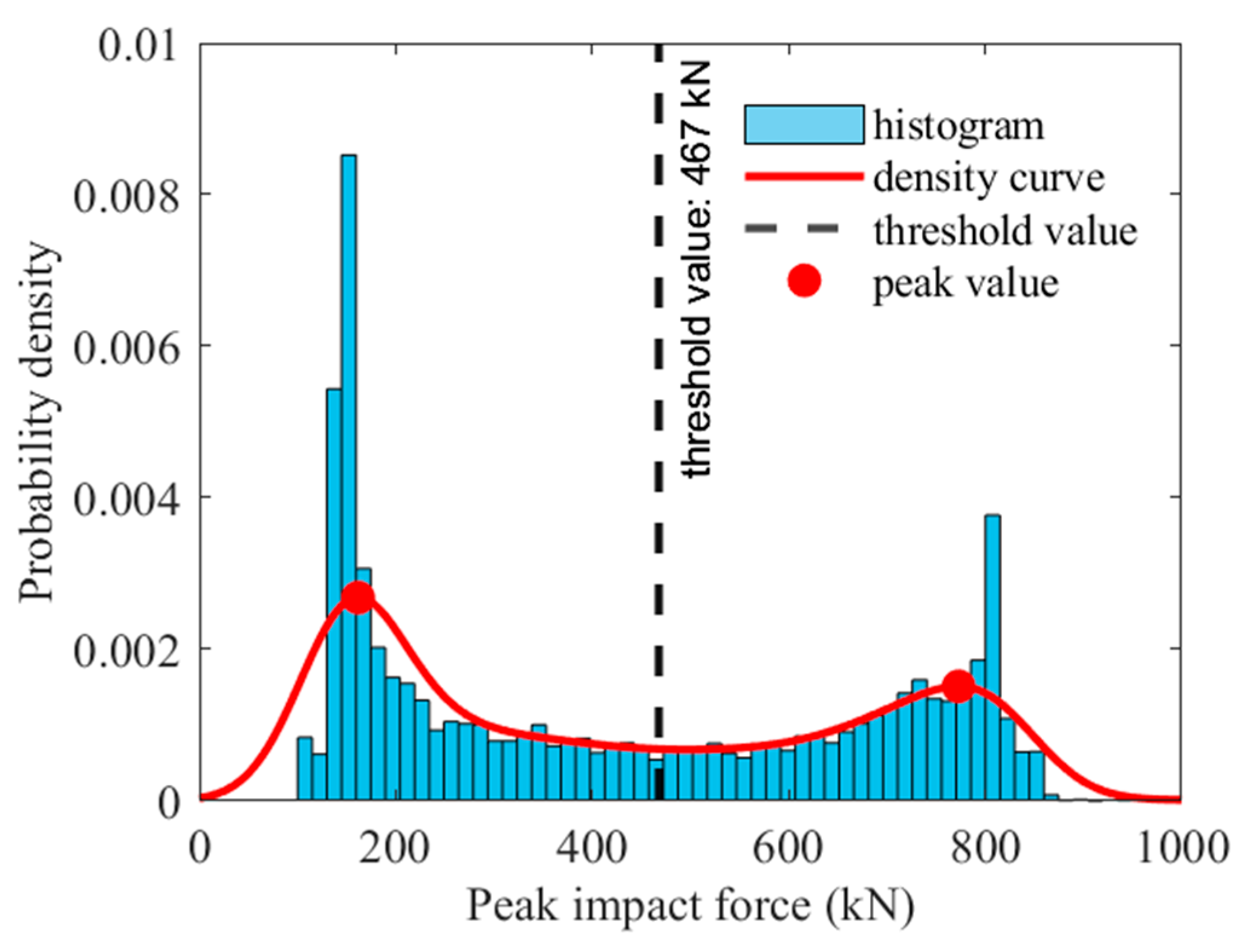
4.3. Probability Distribution of the Peak Impact Force
5. Conclusions
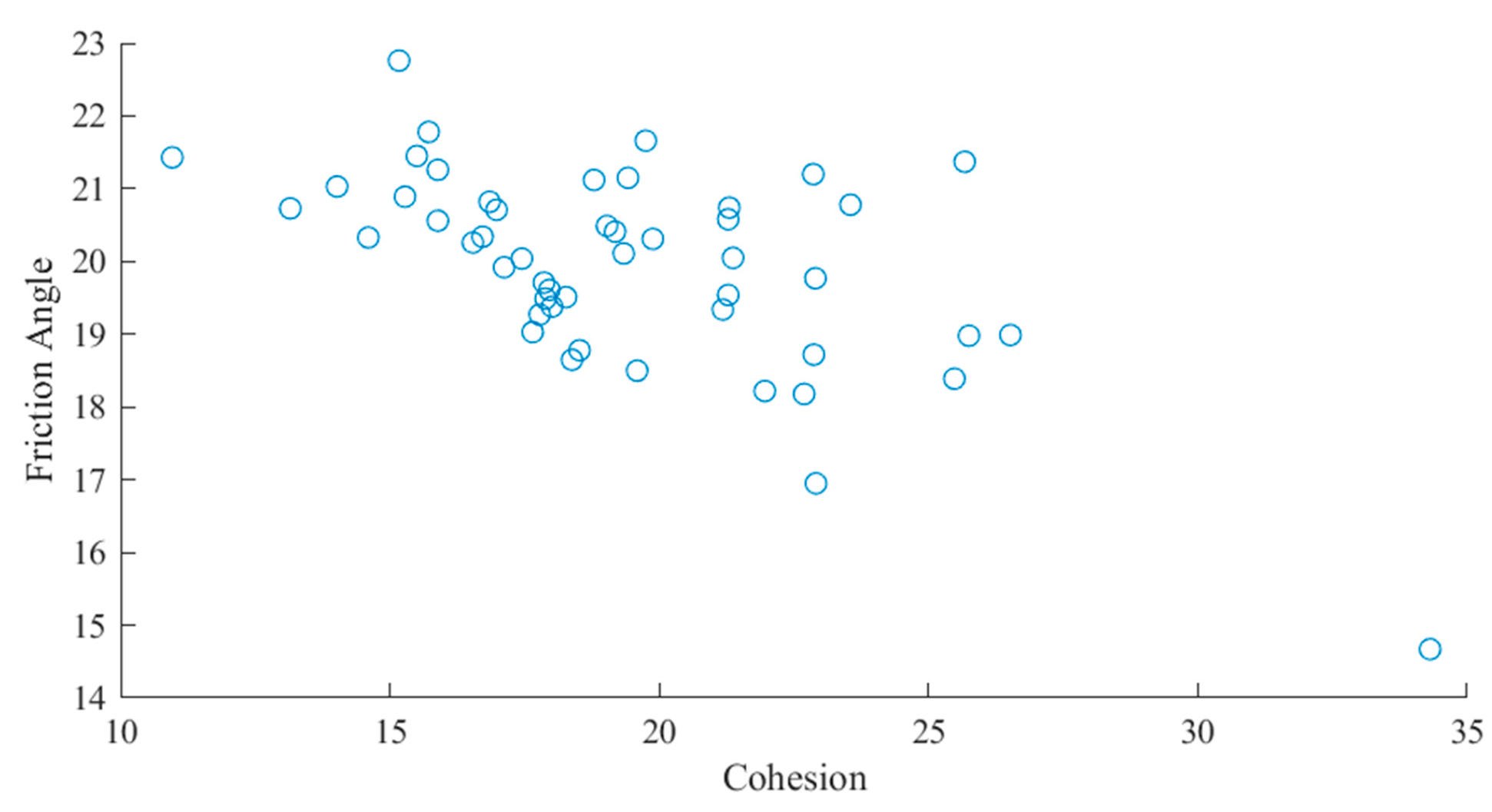
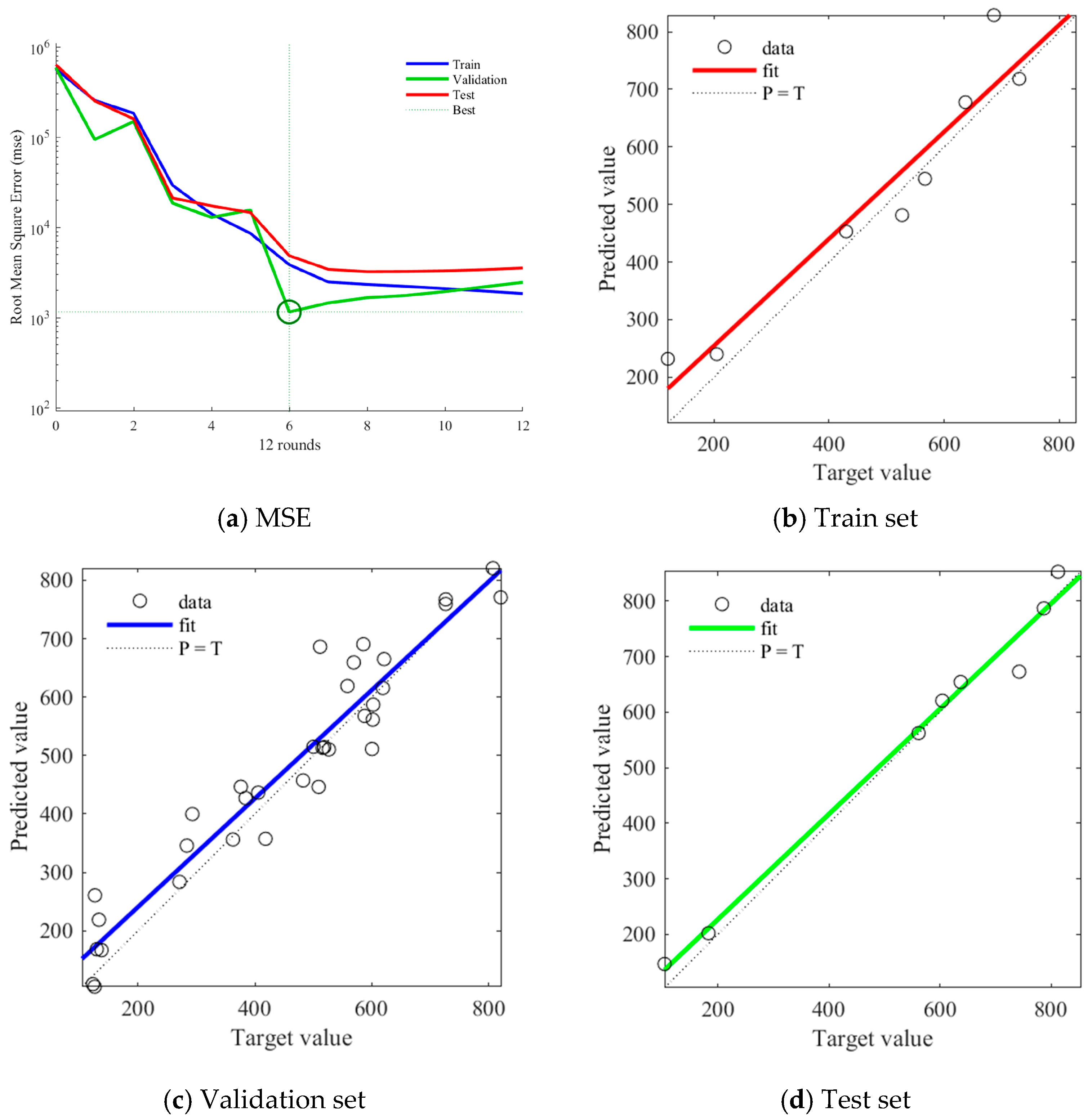
- Trained on 50 SPH simulation datasets, the neural network surrogate model achieved strong predictive accuracy, as evidenced by Pearson correlation coefficients of 0.957 for the training set, 0.992 for the validation set, and 0.992 for the test set. The high consistency across all datasets confirms the model’s robustness and reliability for subsequent probabilistic analyses.
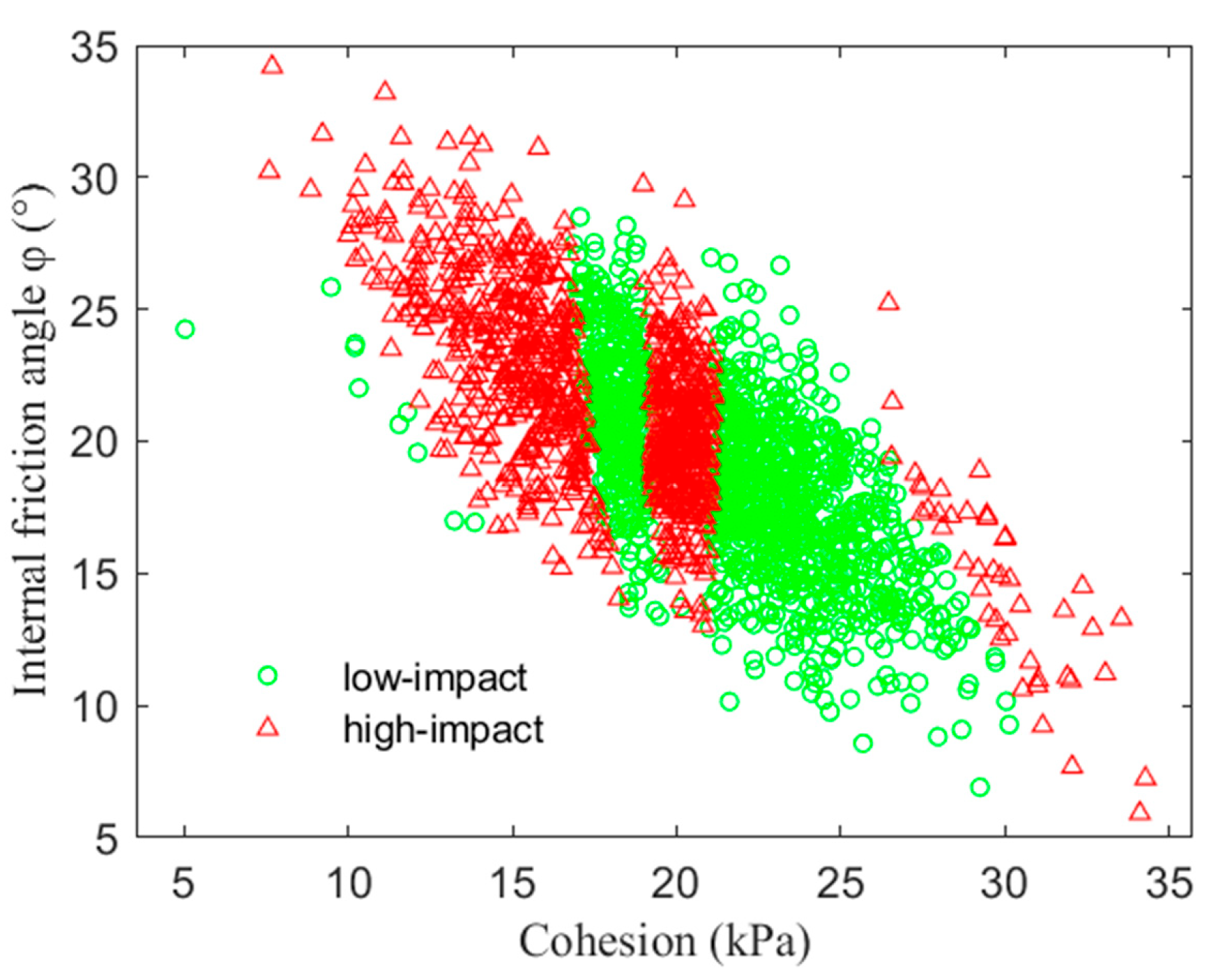
- Monte Carlo simulations involving 10,000 samples revealed a bimodal distribution in peak impact forces. Two distinct failure modes were identified: a low-impact mode (F < 467 kN), which dominated when cohesion exceeded 20 kPa, and a high-impact mode (F ≥ 467 kN), primarily governed by internal friction angles above 22°. These results highlight the competitive interplay between strength parameters in determining failure behavior.
- The developed surrogate model enhances risk assessment efficiency by several orders of magnitude, enabling rapid regional-scale screening of infrastructure’s vulnerability to landslides. It offers direct applicability in revising bridge impact design standards and formulating reinforcement strategies for existing structures, thereby providing a theoretical foundation for resilience-based design.
- The surrogate model is trained on a focused dataset of 50 SPH simulations, which may constrain its extrapolation capability to geological conditions and structural configurations beyond those parameterized in this work. Future research will expand the training database to encompass a wider range of scenarios, thereby enhancing the model’s robustness and generalizability for practical engineering applications.
Author Contributions
Funding
Data Availability Statement
Conflicts of Interest
References
- Lei, D.; Xiao, H.M.; Ran, J.H.; Luo, B.; Jiang, G.L.; Xue, T.L. Experimental study on seismic reinforcement of bridge foundation on silty clay landslide with inclined interlayer. Earthq. Eng. Eng. Vib. 2024, 23, 193–207. [Google Scholar] [CrossRef]
- Diallo, I.D.; Darraz, C.; Sidibe, D.; Tilioua, A. Studies of soil degradation, synthetic evaluation of the direct consequences on the landslides of bridges in Southern-Guinea. IOP Conf. Ser. Earth Environ. Sci. 2022, 975, 012004. [Google Scholar] [CrossRef]
- Nichol, D.; Graham, J.R. Remediation and monitoring of a highway across an active landslide at Trevor, North Wales. Eng. Geol. 2001, 59, 337–348. [Google Scholar] [CrossRef]
- Luis, B.; Gabaldón, F. Rehabilitation and Lessons Learned from the Collapse of Viaduct 1 Located on the Caracas–La-Guaira Highway in Venezuela. Struct. Eng. Int. 2017, 27, 380–387. [Google Scholar] [CrossRef]
- Liu, Y.; Xiang, C.; Yan, H.X.; He, G. It was a close call. Wake up Monkey River. Guizhou Rule of Law News, 3 July 2025. (In Chinese) [Google Scholar]
- Morgenstern, N.R. Performance in geotechnical practice. HKIE Trans. 2000, 7, 2–15. [Google Scholar] [CrossRef]
- Chen, X.Y. Influence of soil strength parameters on slope stability. Water Conserv. Sci. Technol. Econ. 2022, 28, 61–65. (In Chinese) [Google Scholar]
- Gao, G. Research on the Influence of Soil Strength Parameters on the Stability of Temporary Soil Slope. Constr. Technol. 2020, 49, 1629–1630. (In Chinese) [Google Scholar]
- Hu, B.R. Study on soil strength parameters and slope deformation and failure. Subgrade Eng. 2009, 165–166. (In Chinese) [Google Scholar]
- Zhao, J.; Jiang, L.W.; Luo, Q.; Zhang, W.S.; Wu, X.Z. Correlation analysis of soil strength parameter variation level and influencing factors. J. Eng. Geol. 2018, 26, 592–601. (In Chinese) [Google Scholar]
- Wu, D.F. Analysis of the influence of shear strength parameters of high fill soil on the stress deformation of culvert structure under the dam. Water Conserv. Tech. Superv. 2022, 183–186. (In Chinese) [Google Scholar]
- Wei, Y.; Zhao, J. Analysis of soil strength parameters in soft soil slope stability analysis. Hong Kong Eng. Technol. 2017, 54, 33–34. (In Chinese) [Google Scholar]
- Gao, J.T.; Hu, Z.Y.; Jiang, L.L. Parameter Tuning Method Based on Monte Carlo Tree Search. Comput. Appl. 2025, 1–16. (In Chinese) [Google Scholar]
- Lu, S. Reliability Analysis of Landslide Considering Spatial Variability Based on Stochastic Response Surface Method. Master’s Thesis, Chengdu University of Technology, Chengdu, China, 2021. (In Chinese). [Google Scholar]
- Wang, D.K.; Lou, W.Z.; Feng, H.Z.; Zheng, X.Y. Reliability Optimization Design Method for Small Servo Based on FORM Method. J. Test. Technol. 2020, 34, 413–417+424. (In Chinese) [Google Scholar]
- Zhang, X.G. About statistical learning theory and support vector machine. J. Autom. 2000, 36–46. (In Chinese) [Google Scholar]
- He, X.; Li, S.J.; Liu, Y.X.; Zhou, Y. Artificial Neural Network Method for Stability Prediction of Geotechnical Slope. Geomechanics 2003, 3. (In Chinese) [Google Scholar]
- Kang, F.; Han, S.X.; Salgado, R.; Li, J.J. System probabilistic stability analysis of soil slopes using Gaussian process regression with Latin hypercube sampling. Comput. Geotech. 2015, 63, 13–25. [Google Scholar] [CrossRef]
- Mahmoodzadeh, A.; Mohammadi, M.; Ali, H.F.H.; Ibrahim, H.H.; Abdulhamid, S.N.; Nejati, H.R. Prediction of safety factors for slope stability: Comparison of machine learning techniques. Nat. Hazards 2022, 111, 1771–1799. [Google Scholar] [CrossRef]
- Wang, Y.K.; Tang, H.M.; Huang, J.S.; Wen, T.; Ma, J.W.; Zhang, J.R. A comparative study of different machine learning methods for reservoir landslide displacement prediction. Eng. Geol. 2022, 298, 106544. [Google Scholar] [CrossRef]
- Li, D.Q.; Tang, X.S.; Zhou, C.B. Uncertainty Characterization and Reliability Analysis of Rock and Soil Parameters Based on Copula Theory; Science Press: Beijing, China, 2015; pp. 57–88. (In Chinese) [Google Scholar]
- Zhang, W.J.; Gao, Y.F.; Huang, Y.; Maeda, K. Regularization Correction and Application of Numerical Model of Soil and Water Coupling SPH. Trans. Chin. Soc. Geotech. Eng. 2018, 40, 262–269. (In Chinese) [Google Scholar]
- Zhang, W.J.; Maeda, K.; Saito, H.; Li, Z.Q.; Huang, Y. Numerical analysis on seepage failures of dike due to water level-up and rainfall using a water–soil-coupled smoothed particle hydrodynamics model. Acta Geotech. 2016, 11, 1401–1418. [Google Scholar] [CrossRef]
- Pei, T.; Qiu, T.; Shen, C.P. Applying Knowledge-Guided Machine Learning to Slope Stability Prediction. J. Geotech. Geoenviron. Eng. 2023, 149, 14. [Google Scholar] [CrossRef]
- Cui, K.; Jing, X. Research on prediction model of geotechnical parameters based on BP neural network. Neural Comput. Appl. 2019, 31, 8205–8215. [Google Scholar] [CrossRef]
- Ahmadipur, A. Experimental and Analytical Investigation of Impact Force from a Dry Granular Sliding Mass on a Rigid Obstruction. Doctoral Dissertation, The Pennsylvania State University, University Park, PA, USA, December 2018. [Google Scholar]
- Hou, B.W.; Xu, Q.Y.; Zhang, Y.B.; Han, J.Y.; Zhong, Z.L. Analysis of seismic response of socket underground linear pipeline in soil parameters. Eng. Mech. 2025, 42, 133–144. [Google Scholar]





Disclaimer/Publisher’s Note: The statements, opinions and data contained in all publications are solely those of the individual author(s) and contributor(s) and not of MDPI and/or the editor(s). MDPI and/or the editor(s) disclaim responsibility for any injury to people or property resulting from any ideas, methods, instructions or products referred to in the content. |
© 2025 by the authors. Licensee MDPI, Basel, Switzerland. This article is an open access article distributed under the terms and conditions of the Creative Commons Attribution (CC BY) license (https://creativecommons.org/licenses/by/4.0/).
Share and Cite
Hong, X.; Zhang, W.; Wang, X.; Chen, H.; Xue, Y. Intelligent Assessment of Landslide Impact Force Considering the Uncertainty of Strength Parameters. Water 2025, 17, 3595. https://doi.org/10.3390/w17243595
Hong X, Zhang W, Wang X, Chen H, Xue Y. Intelligent Assessment of Landslide Impact Force Considering the Uncertainty of Strength Parameters. Water. 2025; 17(24):3595. https://doi.org/10.3390/w17243595
Chicago/Turabian StyleHong, Xinyi, Weijie Zhang, Xin Wang, Hongxin Chen, and Yongqi Xue. 2025. "Intelligent Assessment of Landslide Impact Force Considering the Uncertainty of Strength Parameters" Water 17, no. 24: 3595. https://doi.org/10.3390/w17243595
APA StyleHong, X., Zhang, W., Wang, X., Chen, H., & Xue, Y. (2025). Intelligent Assessment of Landslide Impact Force Considering the Uncertainty of Strength Parameters. Water, 17(24), 3595. https://doi.org/10.3390/w17243595