Removal of Cr(VI) from an Aqueous Solution via a Metal Organic Framework (Ce-MOF-808)


Abstract
1. Introduction
2. Experimental Section
2.1. Materials and Apparatus
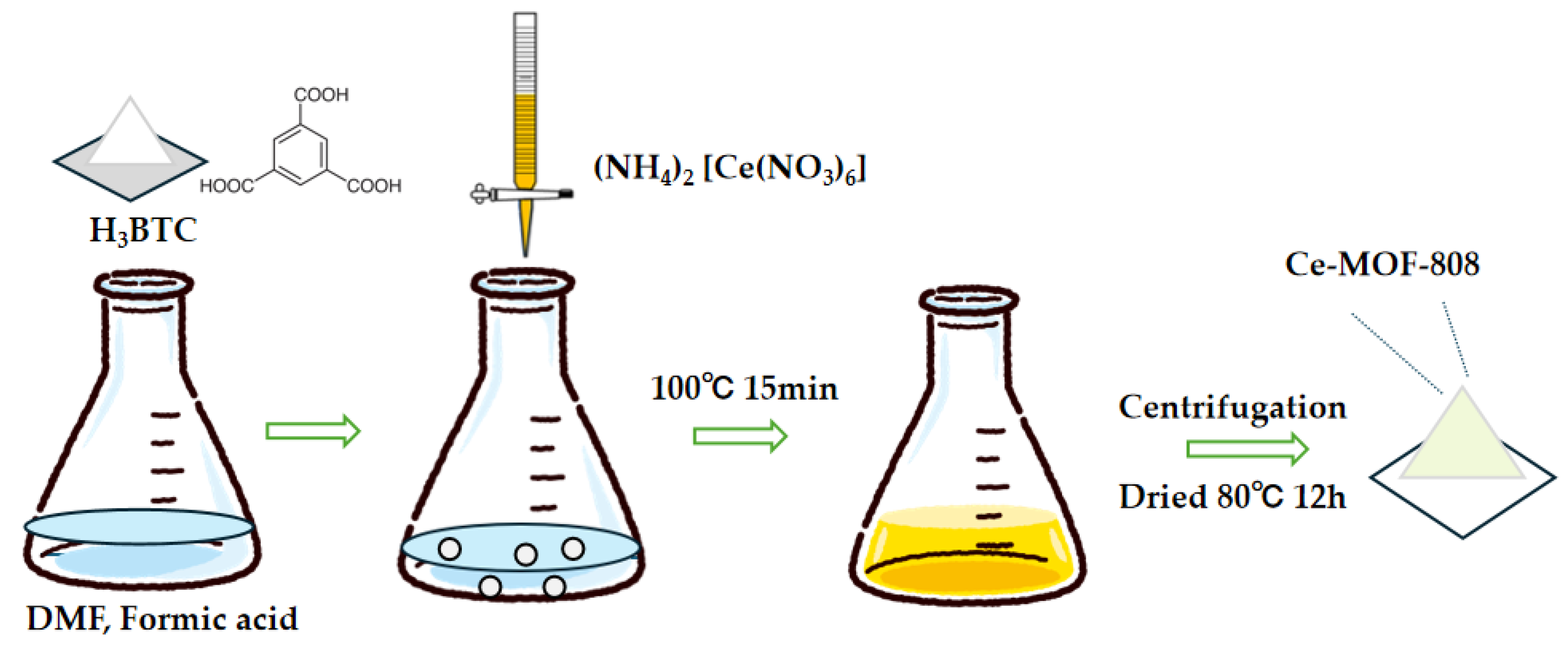
2.2. Synthesis of Adsorbent (Ce-MOF-808)
2.3. Adsorption Experiment
2.4. Adsorption Isotherms
2.5. Kinetic Model
2.6. Adsorption Thermodynamics
2.7. Adsorption Experiments Using Real Water Samples
2.8. Characterization
3. Results and Discussion
3.1. Characterization of Ce-MOF-808
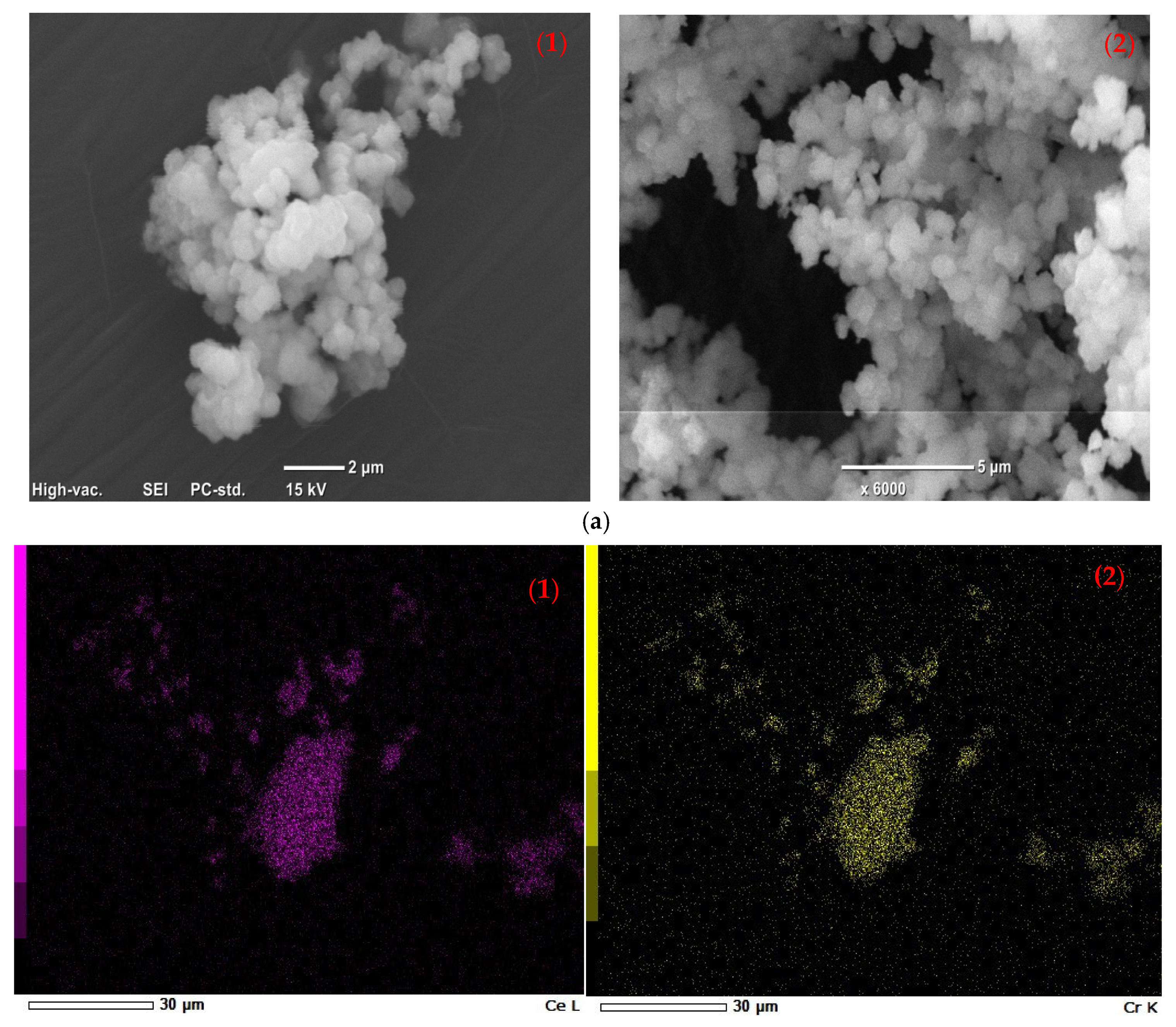
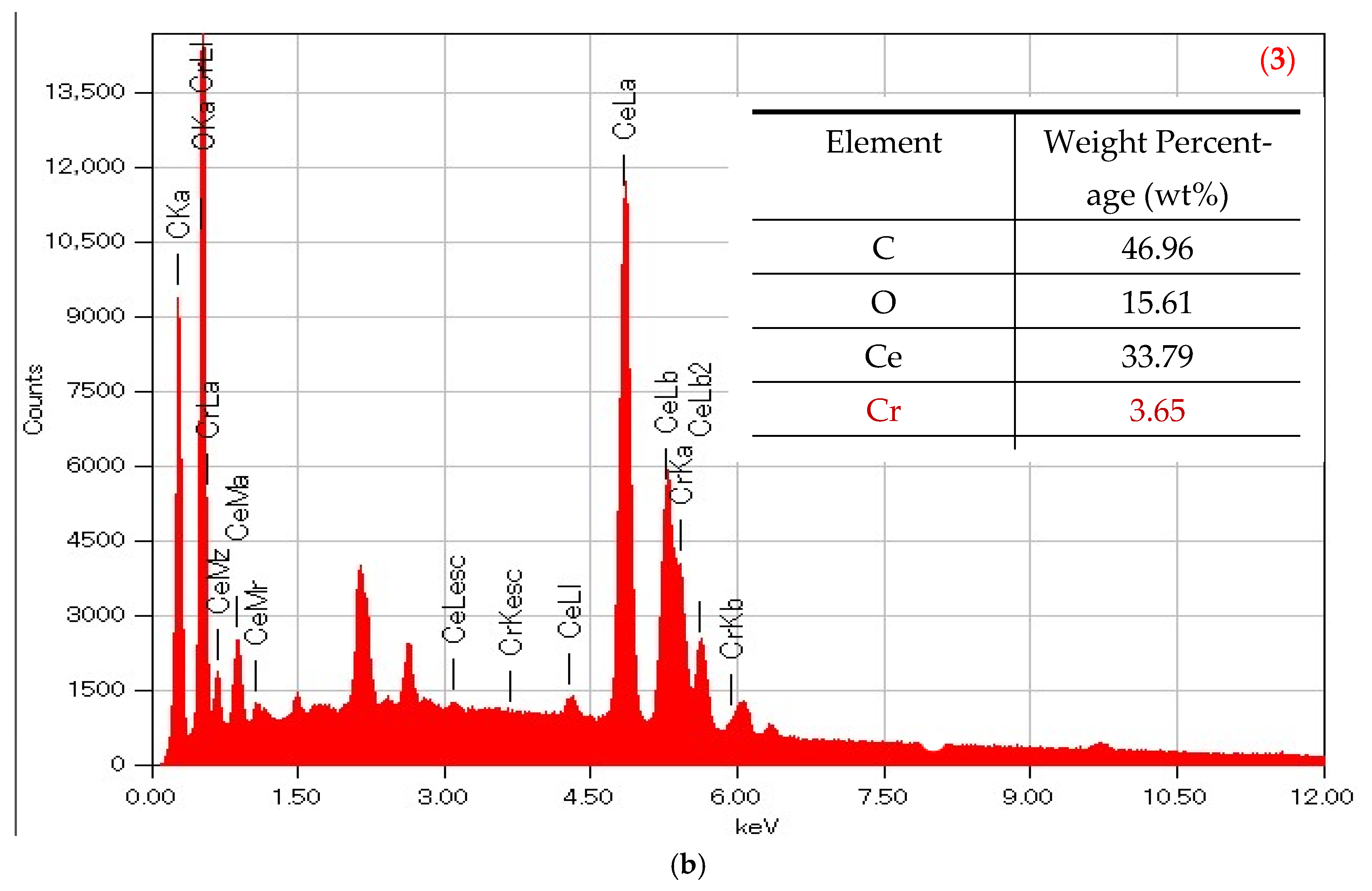
3.1.1. SEM-EDS Analysis
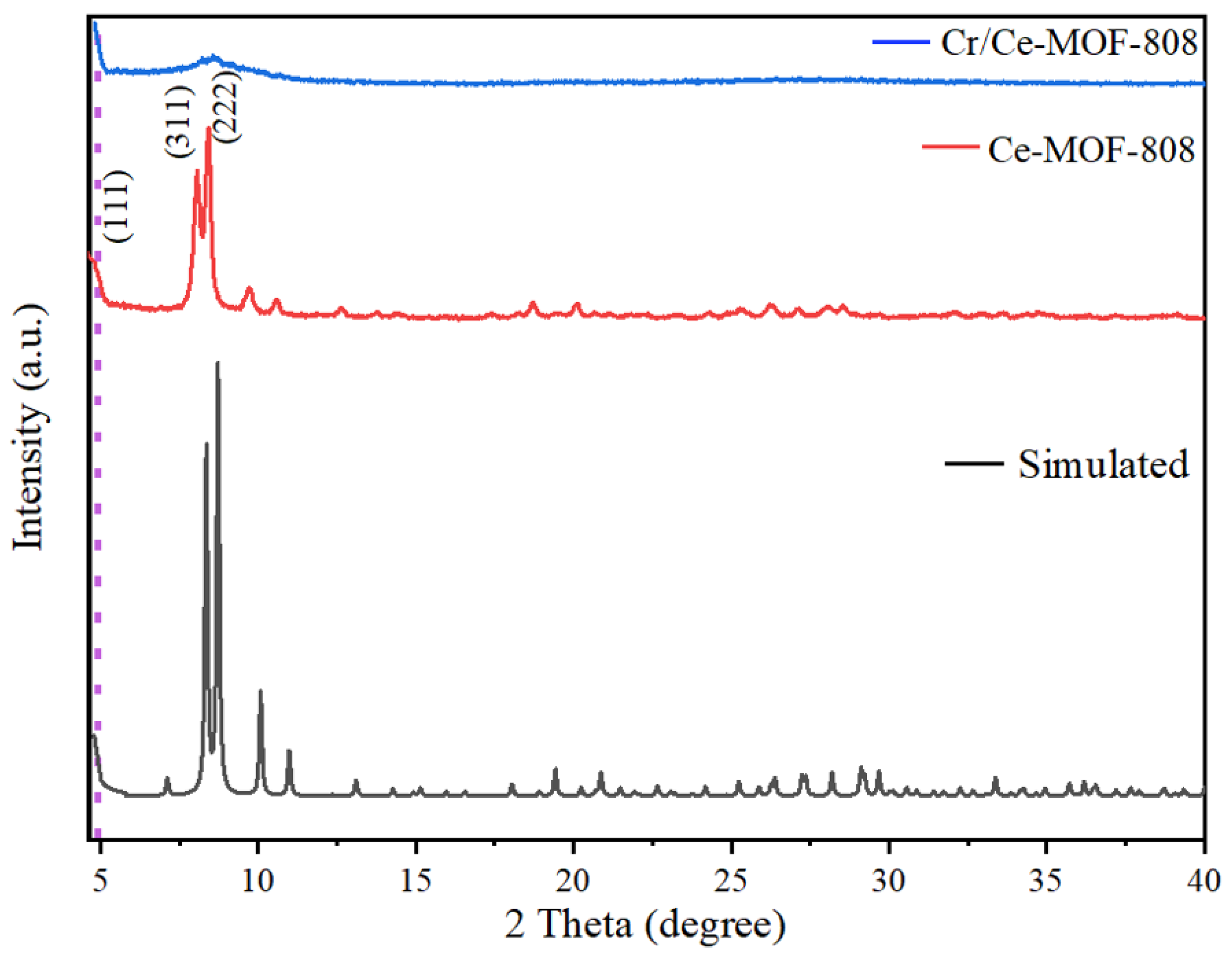
3.1.2. XRD Analysis
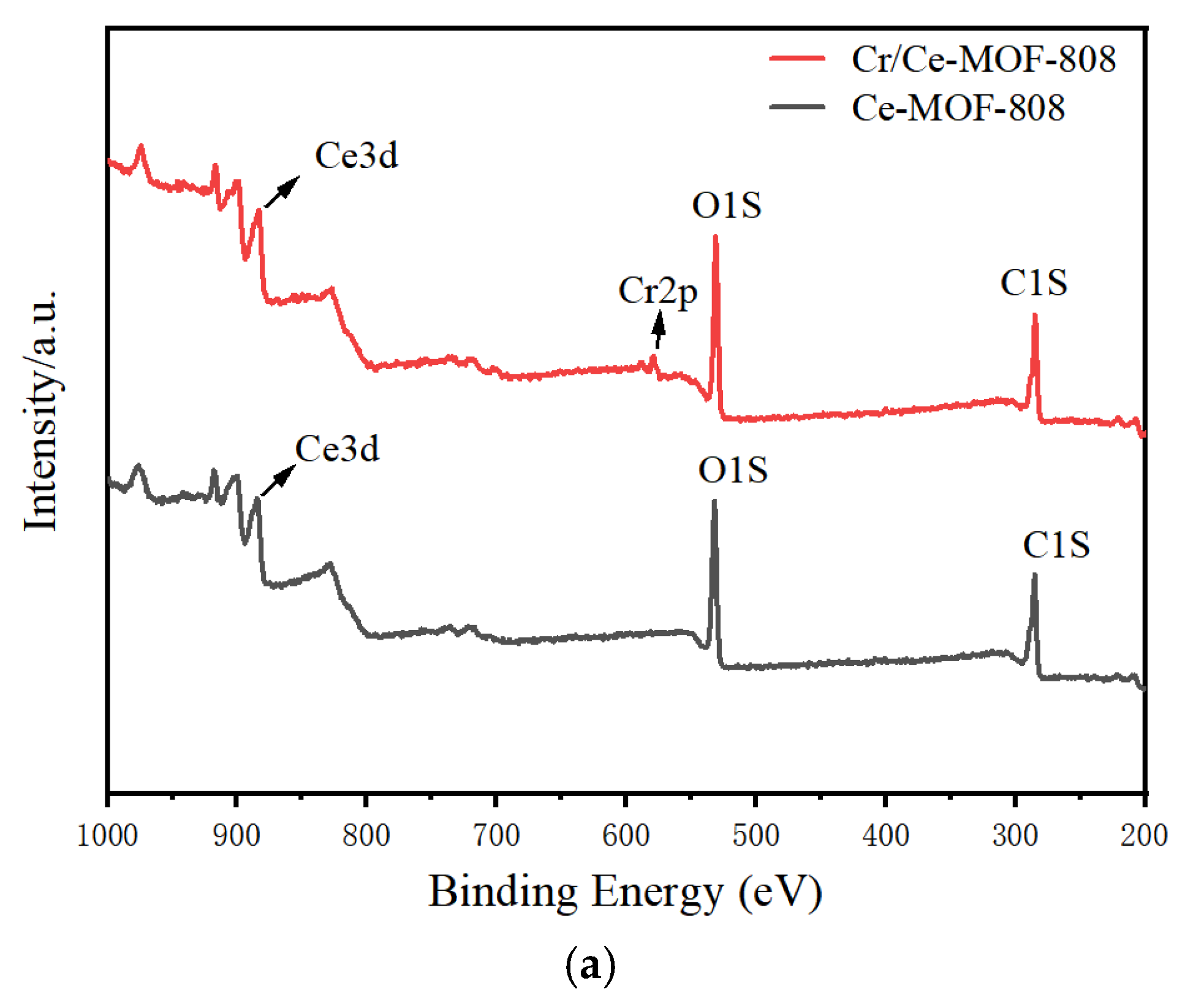
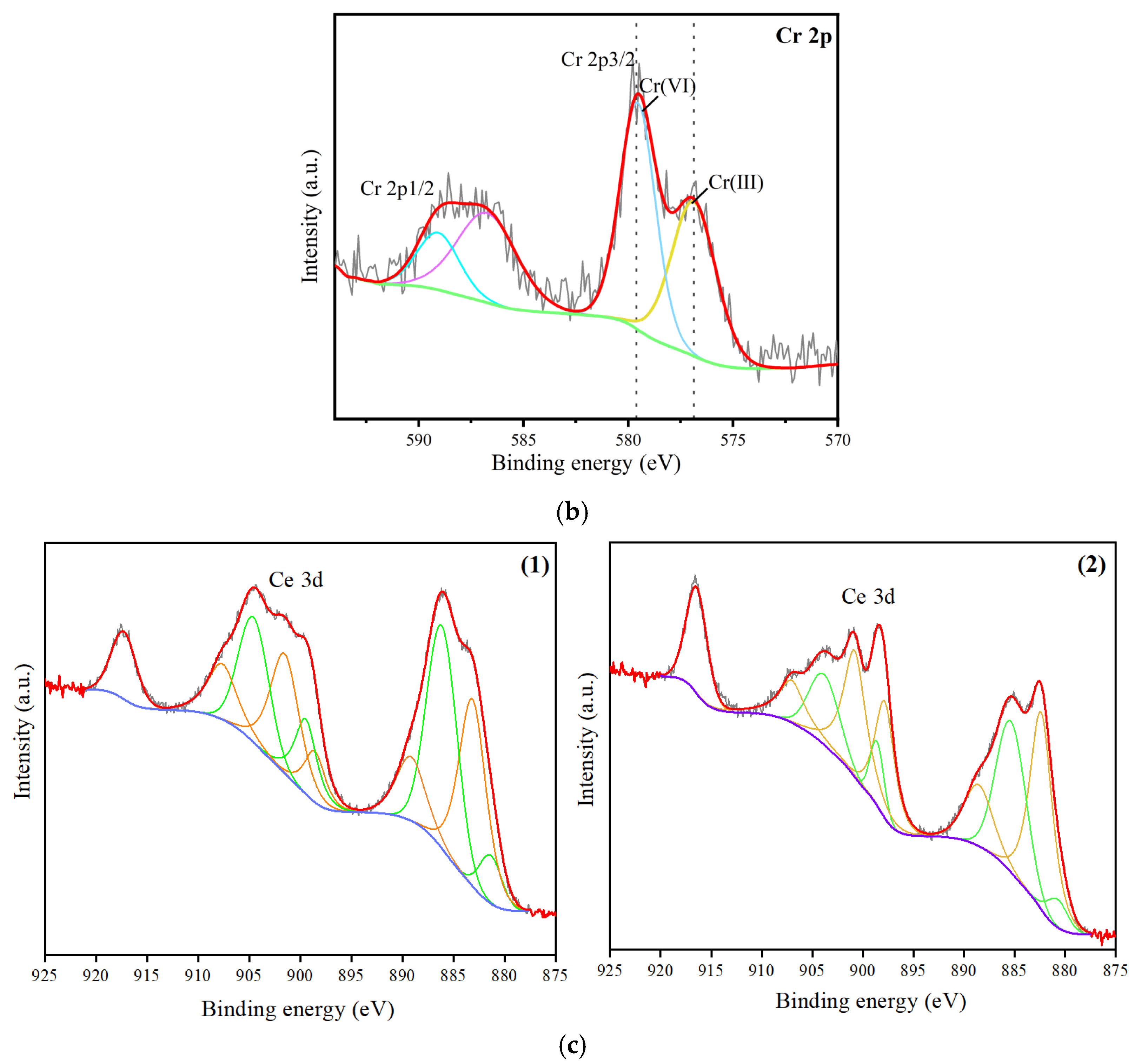
3.1.3. XPS Analysis
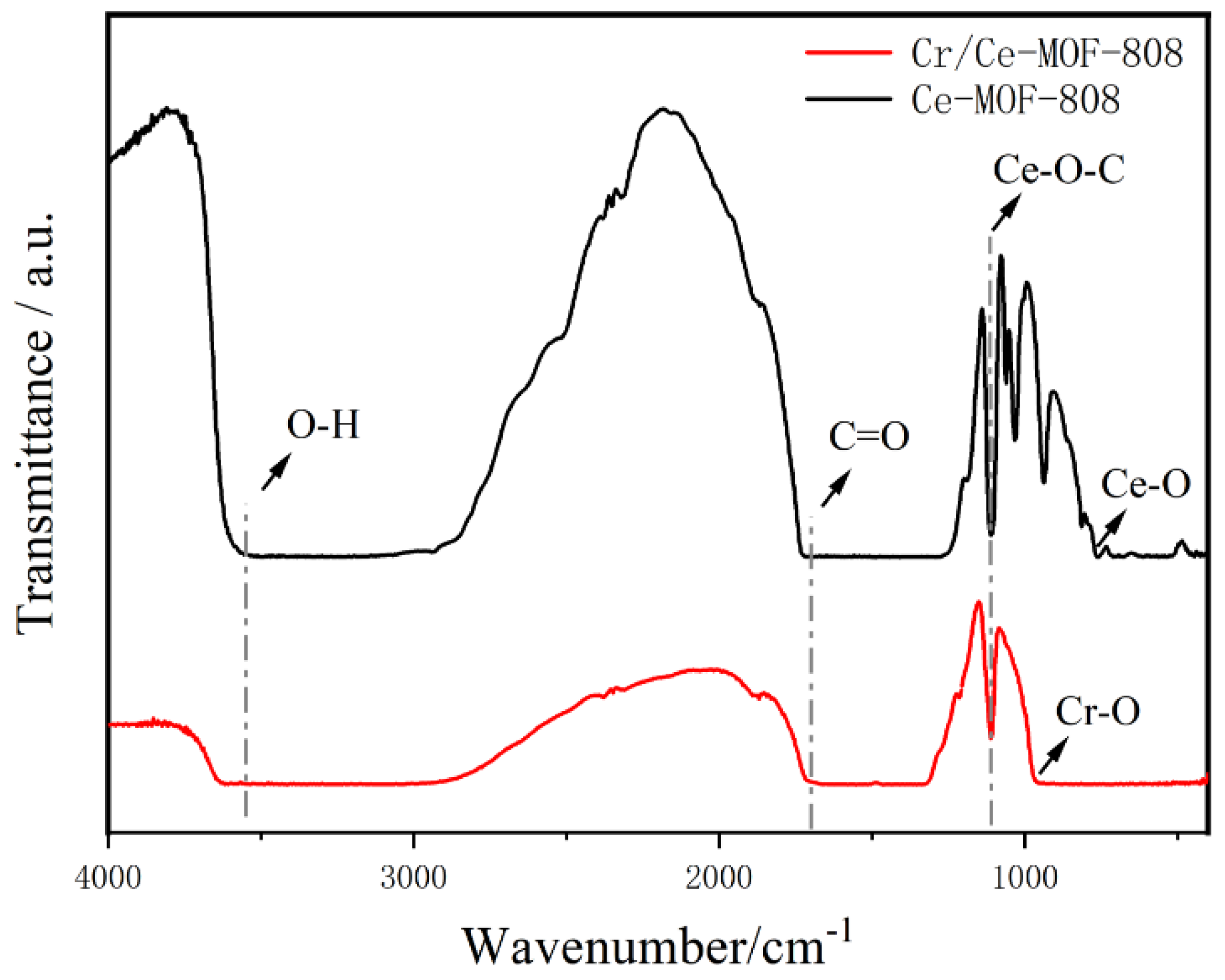
3.1.4. FT-IR Spectra
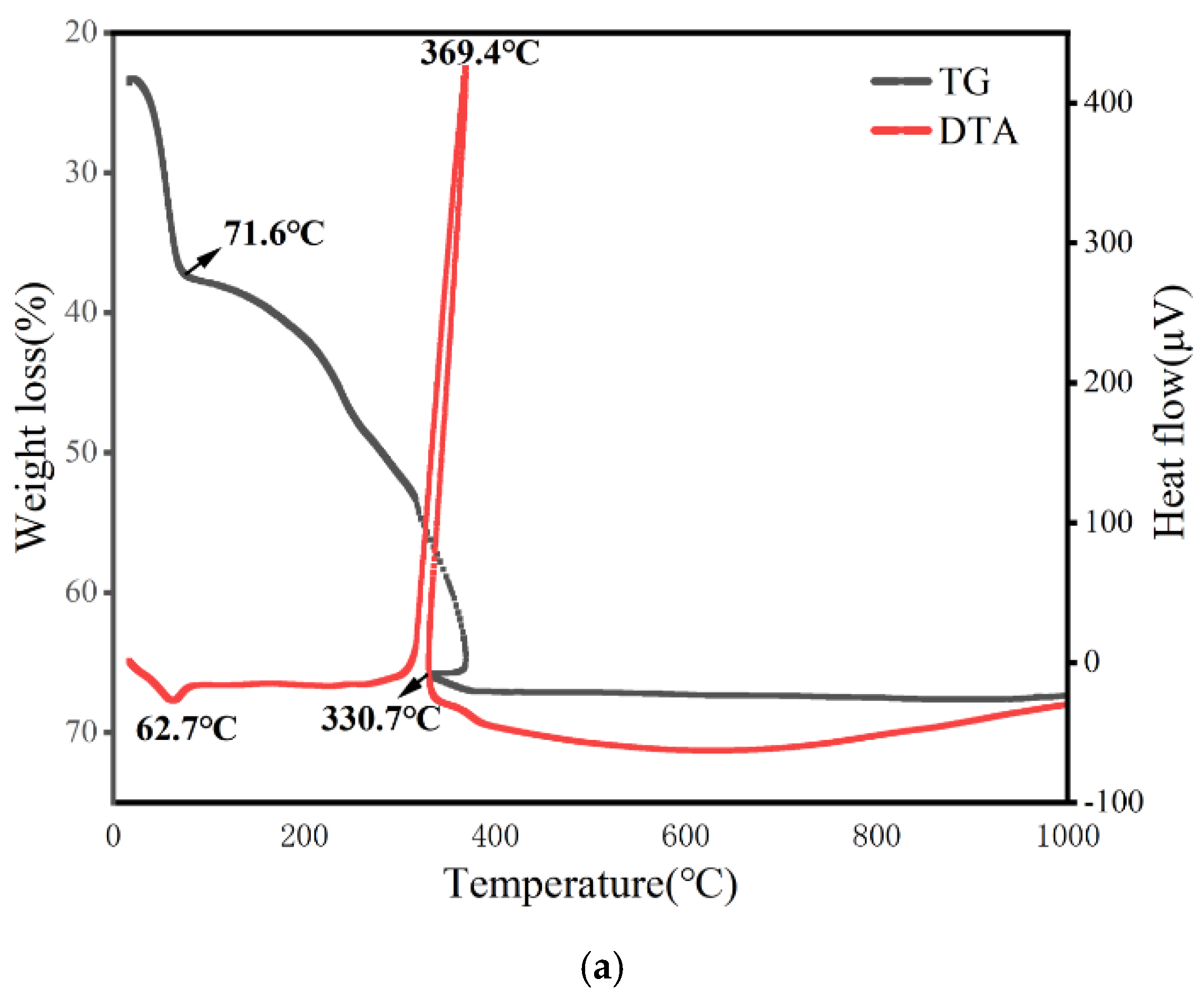
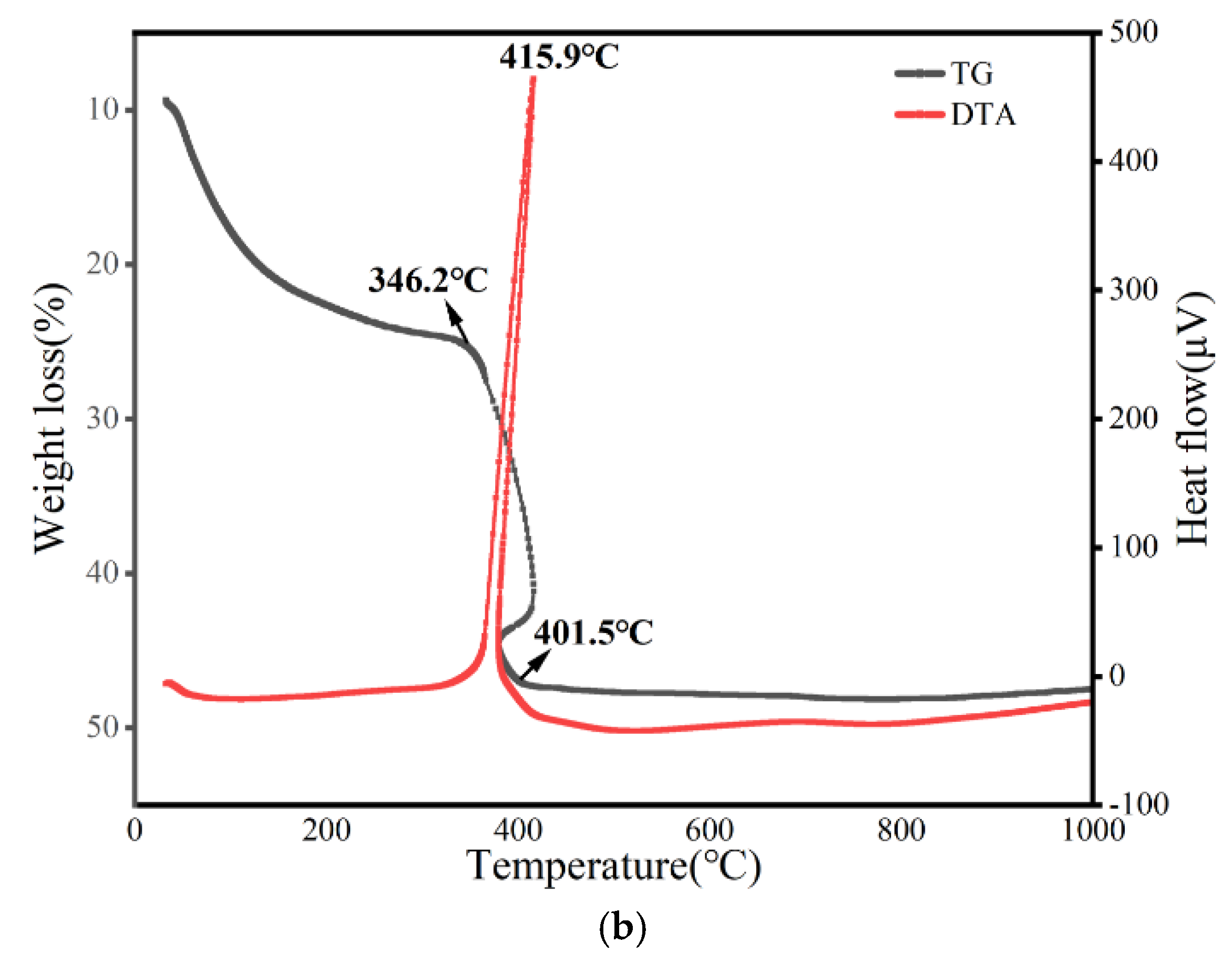
3.1.5. TG-DTA Analysis
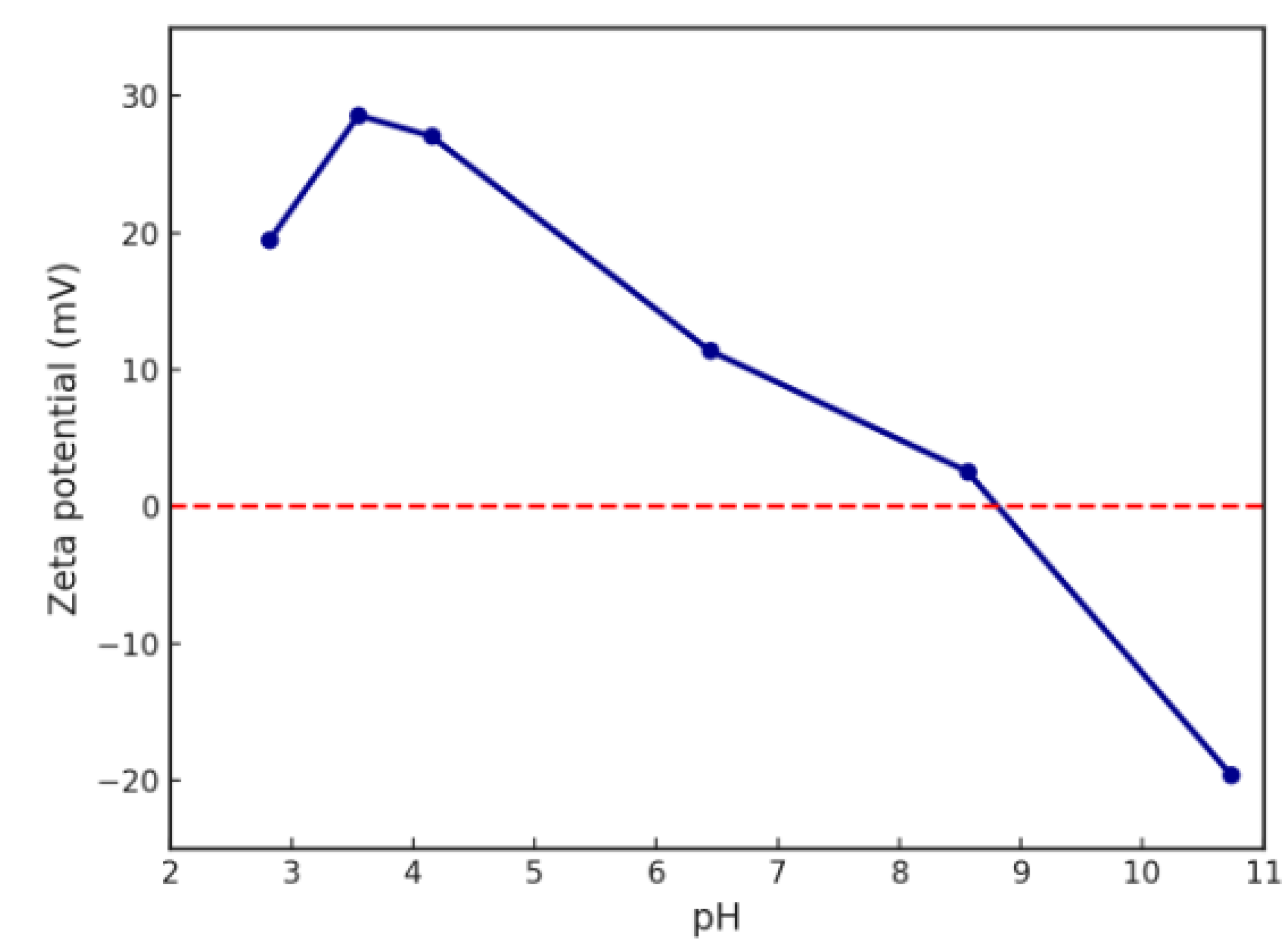
3.1.6. Zeta Potential Analysis
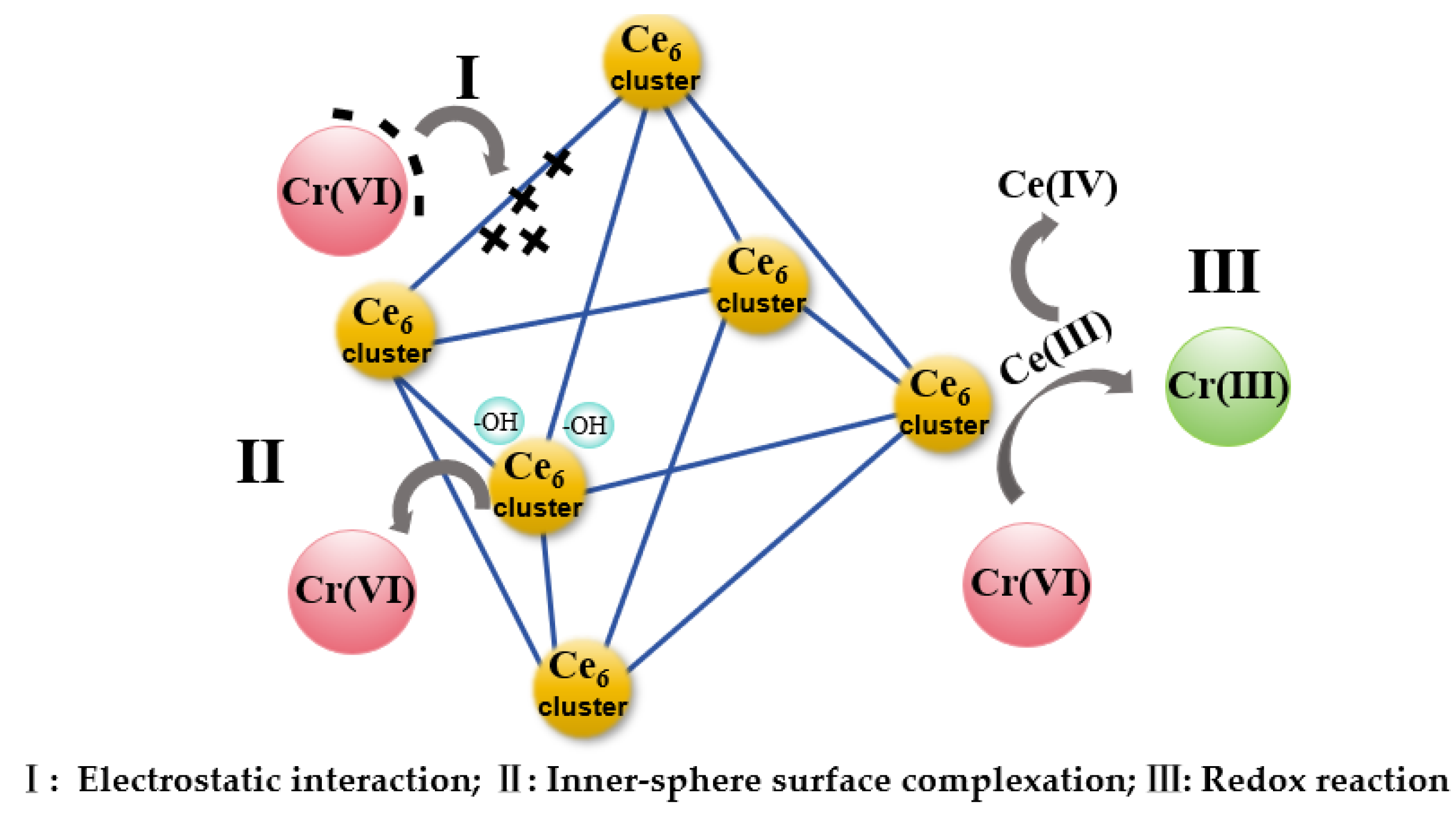
3.1.7. Mechanism of Cr(VI) Removal by Ce-MOF-808
3.2. Adsorption Experiments
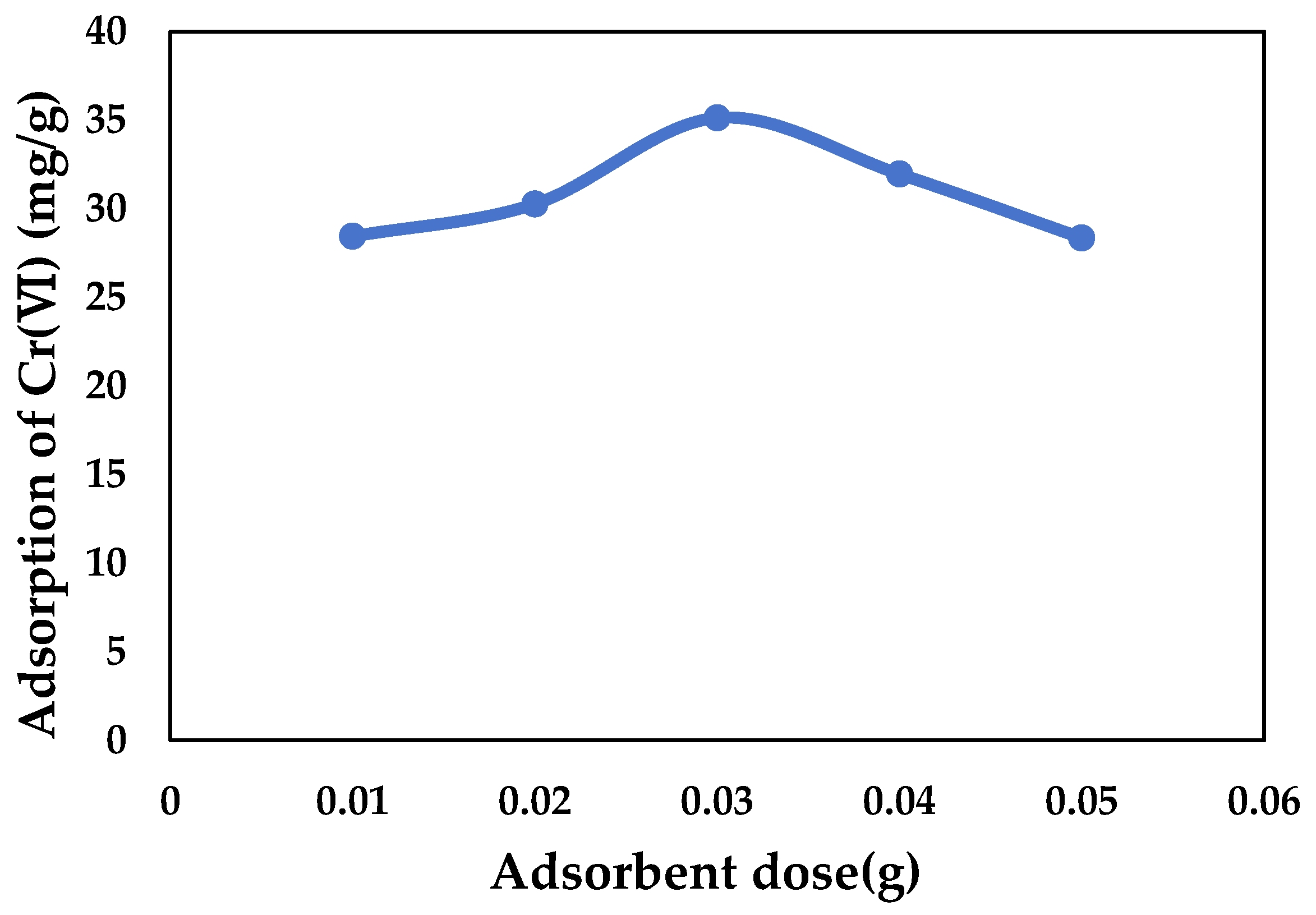
3.2.1. Effect of Adsorbent Dosage
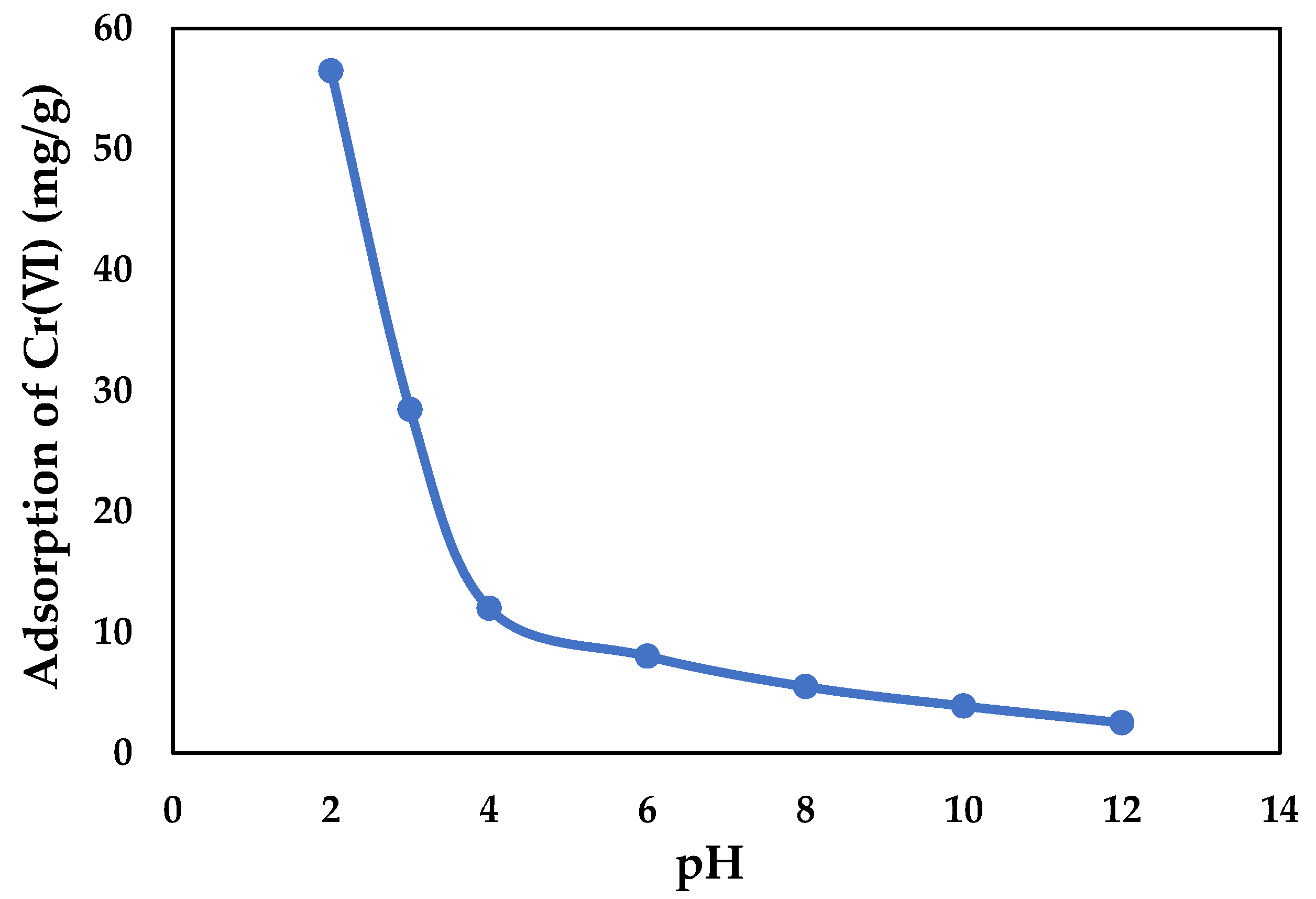
3.2.2. Effect of pH Value
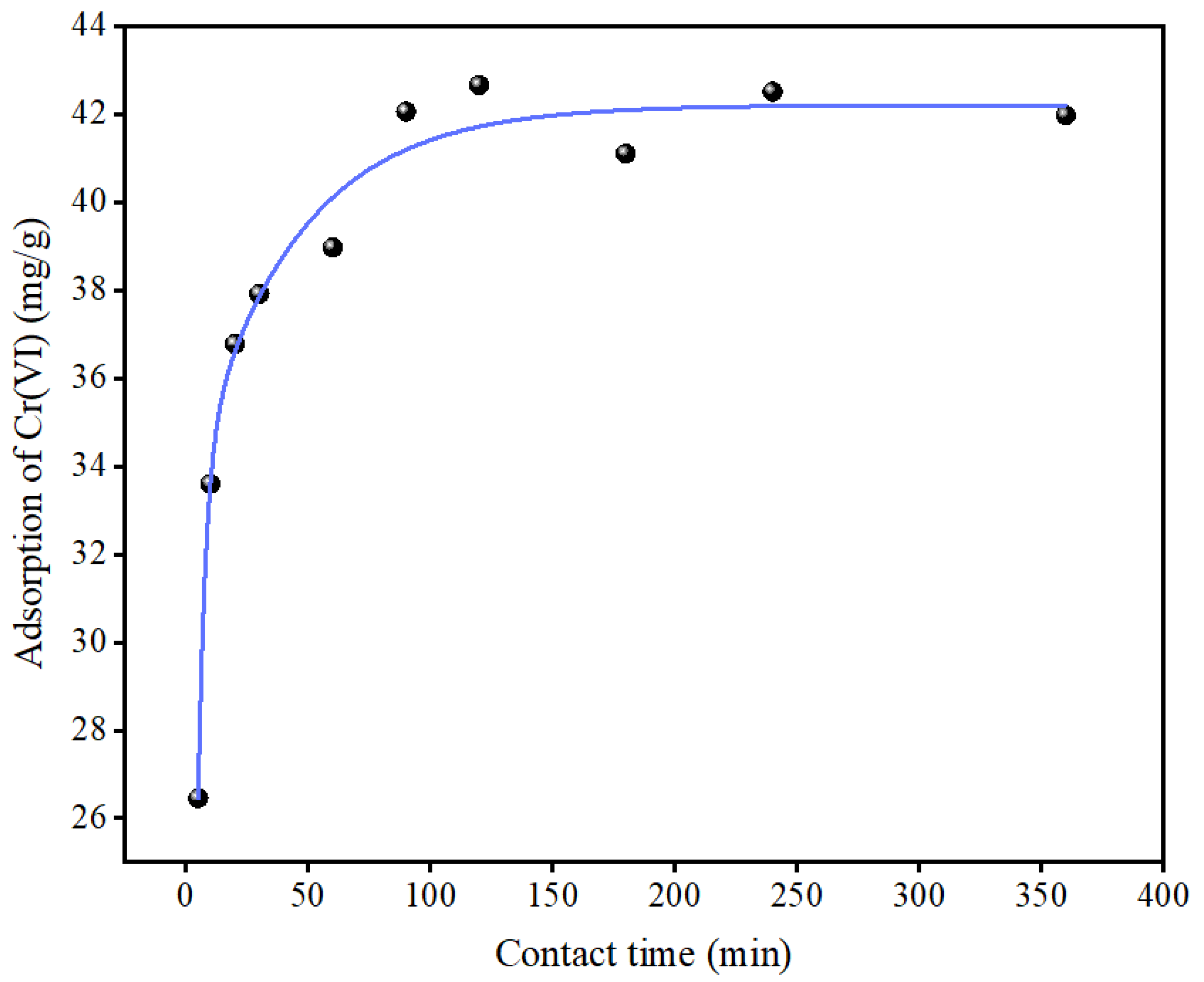
3.2.3. Effect of Contact Time
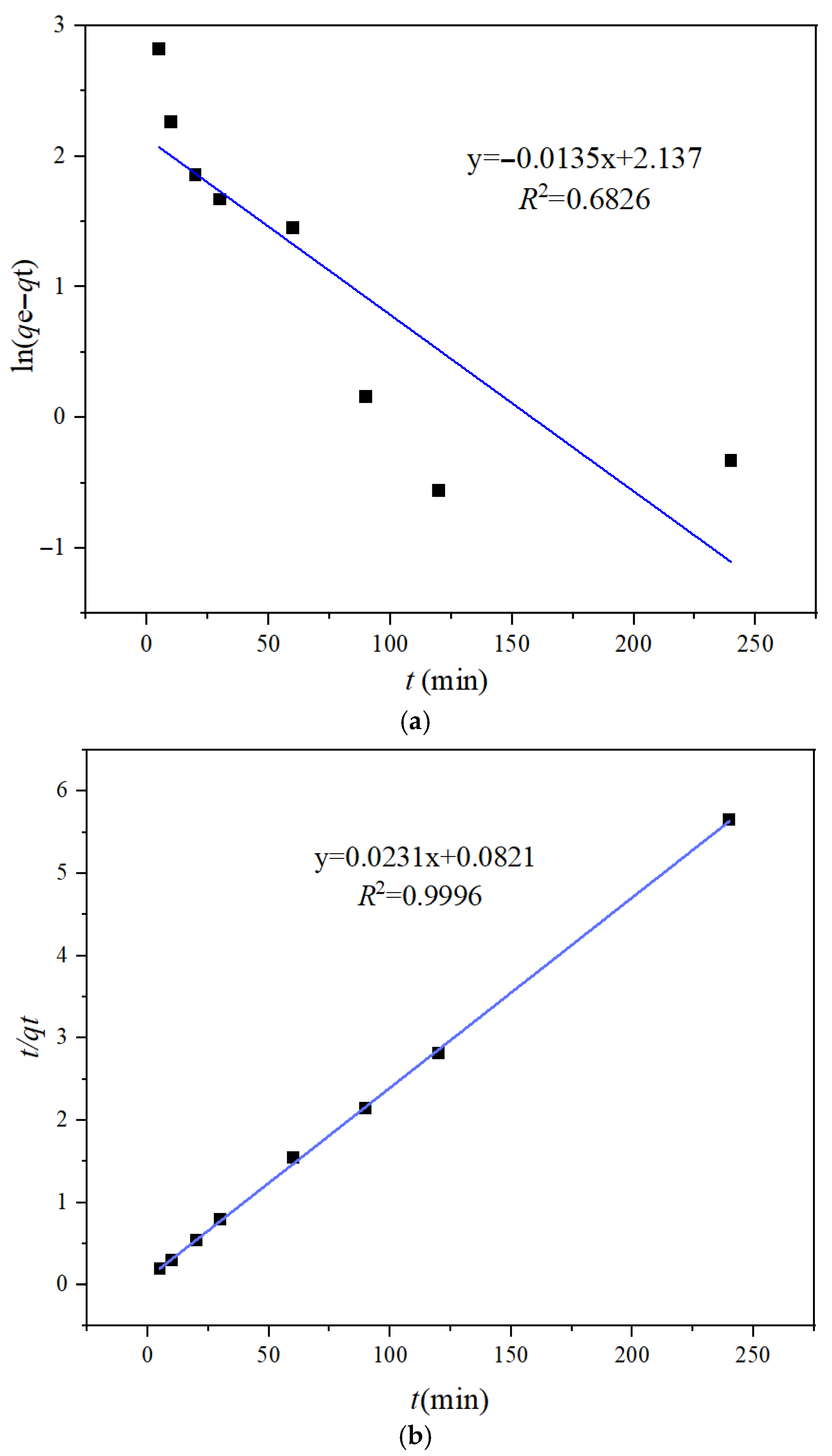
3.2.4. Adsorption Kinetics Study
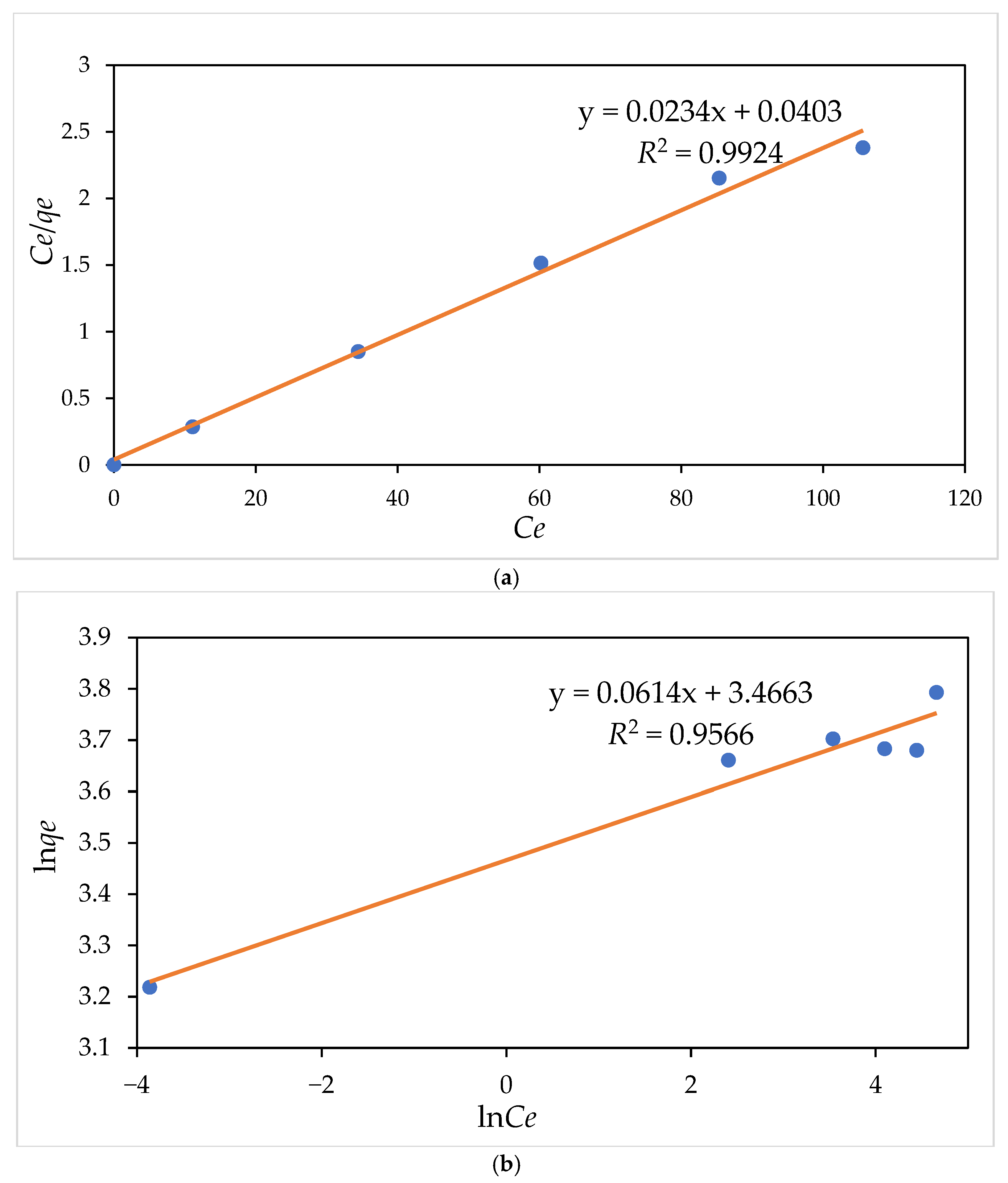
3.2.5. Adsorption Isotherms
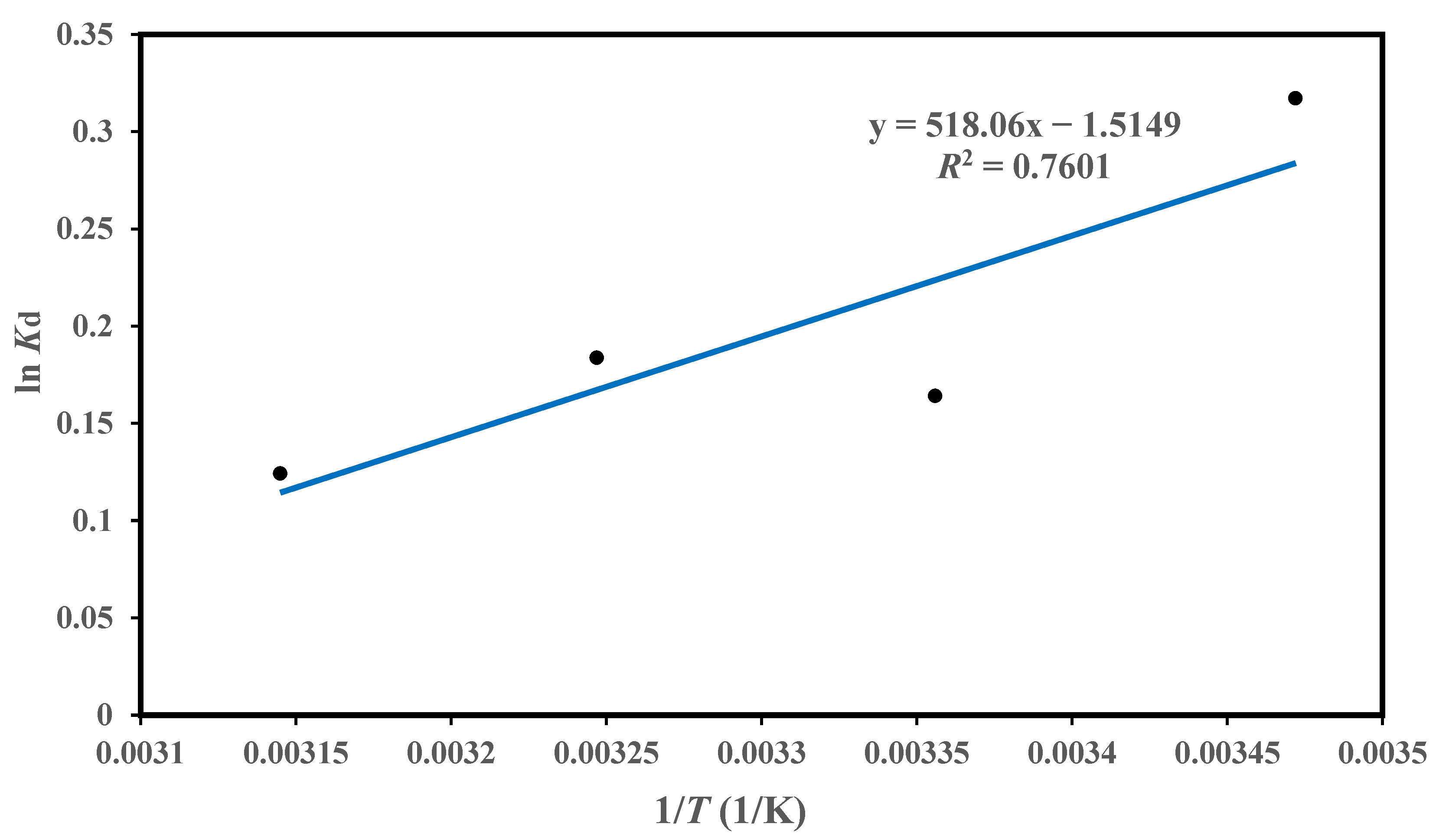
3.2.6. Thermodynamic Analysis
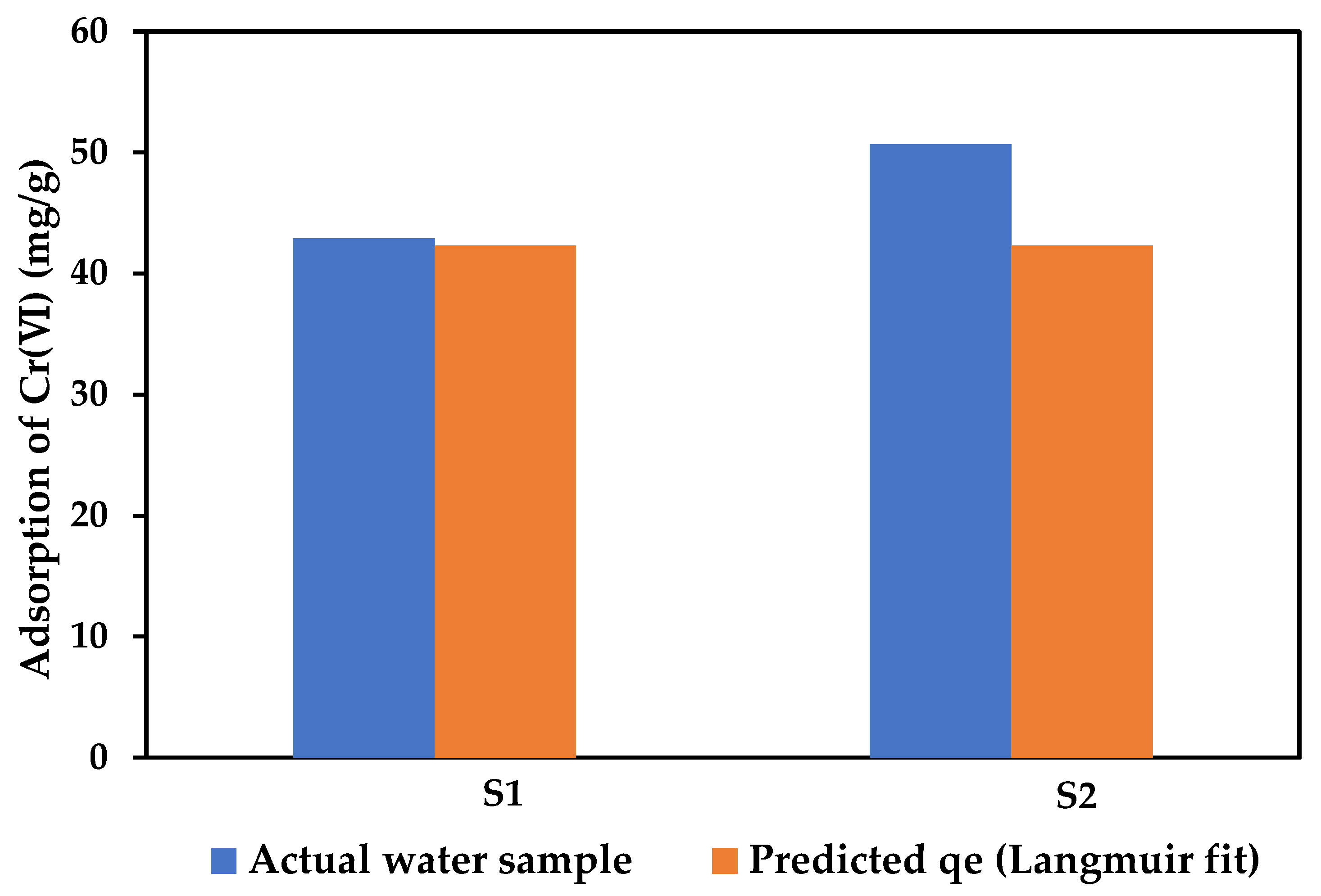
3.3. Adsorption Performance in Actual Water Samples
3.4. Comparison with Other Adsorbents
4. Conclusions
Author Contributions
Funding
Data Availability Statement
Acknowledgments
Conflicts of Interest
References
- Sekaran, M.; Thiagarajan, K. Biochemical Detoxification of Hexavalent Chromium (Cr6+) by the Endophytic Fungus Aspergillus ruber Isolated from the Marine Alga Portieria hornemannii. J. Environ. Chem. Eng. 2025, 13, 117254. [Google Scholar] [CrossRef]
- Nakkeeran, E.; Chandi, P.; Tasrin, S.; Rangabhashiyam, S.; Selvaraju, N. Continuous biosorption assessment for the removal of hexavalent chromium from aqueous solutions using Strychnos nux vomica fruit shell. Bioresour. Technol. Rep. 2018, 3, 256–260. [Google Scholar] [CrossRef]
- Lian, G.; Wang, B.; Lee, X.; Li, L.; Liu, T.; Lyu, W. Enhanced removal of hexavalent chromium by engineered biochar composite fabricated from phosphogypsum and distillers’ grains. Sci. Total Environ. 2019, 697, 134119. [Google Scholar] [CrossRef] [PubMed]
- Georgaki, M.N.; Charalambous, M.; Kazakis, N.; Talias, M.A.; Georgakis, C.; Papamitsou, T.; Mytiglaki, C. Chromium in water and carcinogenic human health risk. Environments 2023, 10, 33. [Google Scholar] [CrossRef]
- Alemu, A.; Gabbiye, N. Assessment of chromium contamination in the surface water and soil at the riparian of Abbay River caused by the nearby industries in Bahir Dar city, Ethiopia. Water Pract. Technol. 2017, 12, 72–79. [Google Scholar] [CrossRef]
- Stanin, F.T. The Transport and Fate of Chromium (VI) in the Environment; CRC Press: Boca Raton, FL, USA, 2005. [Google Scholar]
- Richard, F.C.; Bourg, A.C. Aqueous geochemistry of chromium: A review. Water Res. 1991, 25, 807–816. [Google Scholar] [CrossRef]
- Suručić, L.; Janjić, G.; Marković, B.; Tadić, T.; Vuković, Z.; Nastasović, A.; Onjia, A. Speciation of hexavalent chromium in aqueous solutions using a magnetic silica-coated amino-modified glycidyl methacrylate polymer nanocomposite. Materials 2023, 16, 2233. [Google Scholar] [CrossRef]
- Barrera-Díaz, C.E.; Lugo-Lugo, V.; Bilyeu, B. A review of chemical, electrochemical and biological methods for aqueous Cr(VI) reduction. J. Hazard. Mater. 2012, 223, 1–12. [Google Scholar] [CrossRef]
- Jin, W.; Du, H.; Zheng, S.; Zhang, Y. Electrochemical processes for the environmental remediation of toxic Cr(VI): A review. Electrochim. Acta 2016, 191, 1044–1055. [Google Scholar] [CrossRef]
- Peng, H.; Guo, J. Removal of chromium from wastewater by membrane filtration, chemical precipitation, ion exchange, adsorption electrocoagulation, electrochemical reduction, electrodialysis, electrodeionization, photocatalysis and nanotechnology: A review. Environ. Chem. Lett. 2020, 18, 2055–2068. [Google Scholar] [CrossRef]
- Crini, G.; Lichtfouse, E. Advantages and disadvantages of techniques used for wastewater treatment. Environ. Chem. Lett. 2019, 17, 145–155. [Google Scholar] [CrossRef]
- Singh, S.; Anil, A.G.; Khasnabis, S.; Kumar, V.; Nath, B.; Adiga, V.; Ramamurthy, P.C. Sustainable removal of Cr(VI) using graphene oxide-zinc oxide nanohybrid: Adsorption kinetics, isotherms and thermodynamics. Environ. Res. 2022, 203, 111891. [Google Scholar] [CrossRef] [PubMed]
- Liu, B.; Xin, Y.N.; Zou, J.; Khoso, F.M.; Liu, Y.P.; Jiang, X.Y.; Yu, J.G. Removal of chromium species by adsorption: Fundamental principles, newly developed adsorbents and future perspectives. Molecules 2023, 28, 639. [Google Scholar] [CrossRef] [PubMed]
- John, Y.; David, V.E., Jr.; Mmereki, D. A comparative study on removal of hazardous anions from water by adsorption: A review. Int. J. Chem. Eng. 2018, 1, 3975948. [Google Scholar] [CrossRef]
- Wang, T.; Liu, W.; Xiong, L.; Xu, N.; Ni, J. Influence of pH, ionic strength and humic acid on competitive adsorption of Pb (II), Cd (II) and Cr(III) onto titanate nanotubes. Chem. Eng. J. 2013, 215, 366–374. [Google Scholar] [CrossRef]
- Bhatnagar, A.; Minocha, A.K. Conventional and non-conventional adsorbents for removal of pollutants from water—A review. Indian J. Chem. Technol. 2006, 13, 203–217. [Google Scholar]
- Castro-Castro, J.D.; Macías-Quiroga, I.F.; Giraldo-Gomez, G.I.; Sanabria-González, N.R. Adsorption of Cr(VI) in aqueous solution using a surfactant-modified bentonite. Sci. World J. 2020, 1, 3628163. [Google Scholar] [CrossRef]
- Gorzin, F.; Bahri Rasht Abadi, M.M. Adsorption of Cr(VI) from aqueous solution by adsorbent prepared from paper mill sludge: Kinetics and thermodynamics studies. Adsorpt. Sci. Technol. 2018, 36, 149–169. [Google Scholar] [CrossRef]
- Fenti, A.; Chianese, S.; Iovino, P.; Musmarra, D.; Salvestrini, S. Cr(VI) sorption from aqueous solution: A review. Appl. Sci. 2020, 10, 6477. [Google Scholar] [CrossRef]
- Rowsell, J.L.; Yaghi, O.M. Metal-organic frameworks: A new class of porous materials. Microporous Mesoporous Mater. 2004, 73, 3–14. [Google Scholar] [CrossRef]
- Cai, G.; Yan, P.; Zhang, L.; Zhou, H.C.; Jiang, H.L. Metal-organic framework-based hierarchically porous materials: Synthesis and applications. Chem. Rev. 2021, 121, 12278–12326. [Google Scholar] [CrossRef]
- Jiang, H.; Xu, Q. Porous metal-organic frameworks as platforms for functional applications. Chem. Commun. 2011, 47, 3351–3370. [Google Scholar] [CrossRef]
- Das, S.; Heasman, P.; Ben, T.; Qiu, S. Porous organic materials: Strategic design and structure–function correlation. Chem. Rev. 2017, 117, 1515–1563. [Google Scholar] [CrossRef] [PubMed]
- Cohen, S.M. Postsynthetic methods for the functionalization of metal-organic frameworks. Chem. Rev. 2012, 112, 970–1000. [Google Scholar] [CrossRef] [PubMed]
- Kitagawa, S.; Kitaura, R.; Noro, S.I. Functional porous coordination polymers. Angew. Chem. Int. Ed. 2004, 43, 2334–2375. [Google Scholar] [CrossRef] [PubMed]
- Guo, Y.; Ge, J.; Zhang, J.; Zeng, Q. Review of MOF/Organosilicon Composites. Silicone Mater. 2023, 37, 87. [Google Scholar]
- Chen, C.; Fei, L.; Wang, B.; Xu, J.; Li, B.; Shen, L.; Lin, H. MOF-based photocatalytic membrane for water purification: A review. Small 2024, 20, 2305066. [Google Scholar] [CrossRef]
- Jung, B.K.; Hasan, Z.; Jhung, S.H. Adsorptive removal of 2,4-dichlorophenoxyacetic acid (2,4-D) from water with a metal-organic framework. Chem. Eng. J. 2013, 234, 99–105. [Google Scholar] [CrossRef]
- Fan, Y.; Lu, T.; Wang, X.; Lu, G.; Tong, K.; Wang, Q.; Li, B. Fabrication of dual-functional Zr-based MOF incorporating amino and sulfoxide derivatives for simultaneous removal and detection of tetracycline antibiotics. Sep. Purif. Technol. 2024, 339, 126676. [Google Scholar] [CrossRef]
- Chen, P.; Wang, Y.; Zhuang, X.; Liu, H.; Liu, G.; Lv, W. Selective removal of heavy metals by Zr-based MOFs in wastewater: New acid and amino functionalization strategy. J. Environ. Sci. 2023, 124, 268–280. [Google Scholar] [CrossRef]
- Begum, J.; Hussain, Z.; Noor, T. Adsorption and kinetic study of Cr(VI) on ZIF-8 based composites. Mater. Res. Express 2020, 7, 015083. [Google Scholar] [CrossRef]
- Wu, S.; Ge, Y.; Wang, Y.; Chen, X.; Li, F.; Xuan, H.; Li, X. Adsorption of Cr(VI) on nano Uio-66-NH2 MOFs in water. Environ. Technol. 2018, 39, 1937–1948. [Google Scholar] [CrossRef] [PubMed]
- Jia, D.; Li, Y.; Cai, H.; Duan, Y.; Li, J.; Ling, C. MIL-101(Fe) metal-Organic framework nanoparticles functionalized with amino groups for Cr(VI) capture. ACS Appl. Nano Mater. 2023, 6, 6820–6830. [Google Scholar] [CrossRef]
- Zhang, L.Z.; Chen, L.; Yan, G.Y.; Liang, R.W.; Ou, H.H. Post-modification engineering of cerium metal-organic frameworks for efficient visible light-driven water oxidation. Rare Met. 2024, 43, 5802–5812. [Google Scholar] [CrossRef]
- Hu, Z.; Wang, Y.; Zhao, D. The chemistry and applications of hafnium and cerium (IV) metal-organic frameworks. Chem. Soc. Rev. 2021, 50, 4629–4683. [Google Scholar] [CrossRef]
- Jacobsen, J.; Ienco, A.; D’Amato, R.; Costantino, F.; Stock, N. The chemistry of Ce-based metal-organic frameworks. Dalton Trans. 2020, 49, 16551–16586. [Google Scholar] [CrossRef]
- Finelli, V.; Rojas-Buzo, S.; Signorile, M.; Bonino, F.; Bordiga, S. Exploring Ce(IV)-MOFs redox behavior for catalysis by spectroscopies. Nano Mater. Sci. 2024, 7, 761–772. [Google Scholar] [CrossRef]
- Farrag, M. In situ preparation of palladium nanoclusters in cerium metal-organic frameworks Ce-MOF-808, Ce-UiO-66 and Ce-BTC as nanoreactors for room temperature Suzuki cross-coupling reaction. Microporous Mesoporous Mater. 2021, 312, 110783. [Google Scholar] [CrossRef]
- Langmuir, I. The adsorption of gases on plane surfaces of glass, mica and platinum. J. Am. Chem. Soc. 1918, 40, 1361–1403. [Google Scholar] [CrossRef]
- Na, C.J.; Yoo, M.J.; Tsang, D.C.; Kim, H.W.; Kim, K.H. High-performance materials for effective sorptive removal of formaldehyde in air. J. Hazard. Mater. 2019, 366, 452–465. [Google Scholar] [CrossRef]
- Alharbi, R.M.; Abdel-Raouf, N.; Mohamed, M.S.; Fathy, W.A.; Ibraheem, I.B.M.; Hozayen, W.G. Phycomediation of cadmium contaminated aqueous solutions using Chlamydomonas sp.: Process optimization and adsorption characterization. Front. Bioeng. Biotechnol. 2025, 13, 1558757. [Google Scholar] [CrossRef]
- Nnadozie, E.C.; Ajibade, P.A. Isotherm, kinetics, thermodynamics studies and effects of carbonization temperature on adsorption of Indigo Carmine (IC) dye using C. odorata biochar. Chem. Data Collect. 2021, 33, 100673. [Google Scholar] [CrossRef]
- Montazer-Rahmati, M.M.; Rabbani, P.; Abdolali, A.; Keshtkar, A.R. Kinetics and equilibrium studies on biosorption of cadmium, lead, and nickel ions from aqueous solutions by intact and chemically modified brown algae. J. Hazard. Mater. 2011, 185, 401–407. [Google Scholar] [CrossRef] [PubMed]
- Mahmoodi, N.M.; Hayati, B.; Bahrami, H.; Arami, M. Dye adsorption and desorption properties of Mentha pulegium in single and binary systems. J. Appl. Polym. Sci. 2011, 122, 1489–1499. [Google Scholar] [CrossRef]
- Abidin, S.Z.; Chin, S.Y.; Roslan, N.A.; Yunus, N.M. Kinetic Studies of Free Fatty Acid Esterification using Cation Exchange Resins as Catalyst. Indian J. Sci. Technol. 2017, 10, 1–5. [Google Scholar] [CrossRef]
- Zou, M.; Zhang, H.; Miyamoto, N.; Kano, N.; Okawa, H. Adsorption of an anionic surfactant (sodium dodecyl sulfate) from an aqueous solution by modified cellulose with quaternary ammonium. Polymers 2022, 14, 1473. [Google Scholar] [CrossRef]
- Zhang, L.; Luo, H.; Liu, P.; Fang, W.; Geng, J. A novel modified graphene oxide/chitosan composite used as an adsorbent for Cr(VI) in aqueous solutions. Int. J. Biol. Macromol. 2016, 87, 586–596. [Google Scholar] [CrossRef]
- Ebelegi, A.N.; Namibia, A.; Donbebe, W. Interpretation of Adsorption Thermodynamics and Kinetics. Open J. Phys. Chem. 2020, 10, 166–182. [Google Scholar] [CrossRef]
- Zou, M.; Zhang, H.; Zhang, H.; Miyamoto, N.; Kano, N. Removal of Sodium Dodecylbenzenesulfonate from Aqueous Solution Using Quaternary Ammonium-Modified Paper Fibers. ACS Omega 2025, 10, 26901–26912. [Google Scholar] [CrossRef]
- Demirbas, A.; Sari, A.; Isildak, O. Adsorption thermodynamics of stearic acid onto bentonite. J. Hazard. Mater. 2006, 135, 226–231. [Google Scholar] [CrossRef]
- Sun, W.; Li, X.; Sun, C.; Huang, Z.; Xu, H.; Shen, W. Insights into the pyrolysis processes of Ce-MOFs for preparing highly active catalysts of toluene combustion. Catalysts 2019, 9, 682. [Google Scholar] [CrossRef]
- Hassan, H.M.; Alruwaili, H.A.; Alhumaimess, M.S.; Alanazi, A.H.; El-Aassar, M.R.; Alshammari, M.S.; Alsohaimi, I.H. Sustainable nitrophenol reduction using Ce-mof-808-supported bimetallic nanoparticles optimized by response surface methodology. Environ. Res. 2025, 264, 120340. [Google Scholar] [CrossRef] [PubMed]
- Hoffmann, M.M.; Darab, J.G.; Fulton, J.L. An infrared and X-ray absorption study of the equilibria and structures of chromate, bichromate, and dichromate in ambient aqueous solutions. J. Phys. Chem. A 2002, 105, 1772–1782. [Google Scholar] [CrossRef]
- Gupta, S.; Babu, B.V. Removal of Toxic Metal Cr(VI) from Aqueous Solutions Using Sawdust as Adsorbent: Equilibrium, Kinetics and Regeneration Studies. Chem. Eng. J. 2009, 150, 352–365. [Google Scholar] [CrossRef]
- Palansooriya, K.N.; Kim, S.; Igalavithana, A.D.; Hashimoto, Y.; Choi, Y.E.; Mukhopadhyay, R.; Ok, Y.S. Fe (III) loaded chitosan-biochar composite fibers for the removal of phosphate from water. J. Hazard. Mater. 2021, 415, 125464. [Google Scholar] [CrossRef]
- Liu, F.Q.; Chen, J.L.; Fei, Z.H.; Ge, J.J.; Li, A.M.; Zhang, Q.X. Thermodynamics and Kinetics of the Adsorption of Amino-naphthol sulfonic acid onto a New Bifunctional Hypercrosslinked Polymeric Adsorbent. Chin. J. Appl. Chem. 2003, 20, 1123–1128. [Google Scholar]
- Alsaiari, N.S.; Alsaiari, M.S.; Alzahrani, F.M.; Amari, A.; Tahoon, M.A. Synthesis, characterization, and application of the novel nanomagnet adsorbent for the removal of Cr(vi) ions. Rev. Adv. Mater. Sci. 2023, 62, 20230145. [Google Scholar] [CrossRef]
- Luis, P.; Yazid, H.; Bouzid, T.; Mountassir EI Mouchtari, E.; Bahsis, L.; Himri, M.E. Insights into the adsorption of Cr(VI) on activated carbon prepared from walnut shells: Combining response surface methodology with computational calculation. Clean Technol. 2024, 6, 199–220. [Google Scholar] [CrossRef]
- Ci, E.; Zhao, F.; Liu, T.; Yang, C.; Liu, F.; Zhao, T. Enhancing adsorption of Cr(VI) from aqueous solutions: Core-Shell engineered Polyaniline@MOF composites overcome Thermodynamic-Kinetic Trade-Off effect. Sep. Purif. Technol. 2025, 362, 131839. [Google Scholar] [CrossRef]
- Choudhary, B.; Paul, D.; Singh, A.; Gupta, T. Removal of hexavalent chromium upon interaction with biochar under acidic conditions: Mechanistic insights and application. Environ. Sci. Pollut. Res. 2017, 24, 16786–16797. [Google Scholar] [CrossRef]
- Dinh, V.P.; Nguyen, M.D.; Nguyen, Q.H.; Do, T.T.T.; Luu, T.T.; Luu, A.T.; Tan, L.V. Chitosan-MnO2 nanocomposite for effective removal of Cr(VI) from aqueous solution. Chemosphere 2020, 257, 127147. [Google Scholar] [CrossRef]



| Pseudo-First-Order Model | Pseudo-Second-Order Model | ||||||
|---|---|---|---|---|---|---|---|
| Target | qexp (mg/g) | qe (mg/g) | k1 (min−1) | R2 | qe (mg/g) | k2 (g/mg min−1) | R2 |
| Cr(VI) | 43.23 | 8.478 | 0.0135 | 0.683 | 43.29 | 0.0065 | 0.999 |
| Target | T (°C) | Langmuir Isotherm | Freundlich Isotherm | |||||
|---|---|---|---|---|---|---|---|---|
| qmax (mg/g) | RL | KL | R2 | KF (mg/g) | 1/n | R2 | ||
| Cr(VI) | 25 | 42.74 | 0.0224 | 0.58 | 0.992 | 32.01 | 0.0614 | 0.957 |
| Sample | T (K) | ∆H° (KJ/mol) | ∆S° (J/mol) | ∆G° (KJ/mol) |
|---|---|---|---|---|
| Cr(VI) | 288 | −4.31 | −12.59 | −0.68 |
| 298 | - | - | −0.55 | |
| 308 | - | - | −0.43 | |
| 318 | - | - | −0.30 |
| Sample | (mg/g) | (mg/g) | (mg/g) |
|---|---|---|---|
| 5.02 | 4.7 | 7.84 | |
| 13.94 | 0.98 | 7.57 |
| Target | Adsorbent | qmax (mg/g) | Reference |
|---|---|---|---|
| Cr(VI) | Sludge (AC*) | 23.18 (exp) | [19] |
| Fe3O4-BC-ZIF-8 | 125 (L) | [58] | |
| Organoclays | 10.04 (L) | [18] | |
| Walnut Shells (AC*) | 38.46 (L) | [59] | |
| PANI@MOF | 369.5 (exp) | [60] | |
| Eucalyptus bark (AC*) | 10 (exp) | [61] | |
| Chitosan-MnO2 | 61.56 (L) | [62] | |
| Ce-MOF-808 | 42.74 (L) | This study |
Disclaimer/Publisher’s Note: The statements, opinions and data contained in all publications are solely those of the individual author(s) and contributor(s) and not of MDPI and/or the editor(s). MDPI and/or the editor(s) disclaim responsibility for any injury to people or property resulting from any ideas, methods, instructions or products referred to in the content. |
© 2025 by the authors. Licensee MDPI, Basel, Switzerland. This article is an open access article distributed under the terms and conditions of the Creative Commons Attribution (CC BY) license (https://creativecommons.org/licenses/by/4.0/).
Share and Cite
Zhang, H.; Zou, M.; Zhang, H.; Miyamoto, N.; Kano, N. Removal of Cr(VI) from an Aqueous Solution via a Metal Organic Framework (Ce-MOF-808). Water 2025, 17, 3594. https://doi.org/10.3390/w17243594
Zhang H, Zou M, Zhang H, Miyamoto N, Kano N. Removal of Cr(VI) from an Aqueous Solution via a Metal Organic Framework (Ce-MOF-808). Water. 2025; 17(24):3594. https://doi.org/10.3390/w17243594
Chicago/Turabian StyleZhang, Hongfei, Ming Zou, Haixin Zhang, Naoto Miyamoto, and Naoki Kano. 2025. "Removal of Cr(VI) from an Aqueous Solution via a Metal Organic Framework (Ce-MOF-808)" Water 17, no. 24: 3594. https://doi.org/10.3390/w17243594
APA StyleZhang, H., Zou, M., Zhang, H., Miyamoto, N., & Kano, N. (2025). Removal of Cr(VI) from an Aqueous Solution via a Metal Organic Framework (Ce-MOF-808). Water, 17(24), 3594. https://doi.org/10.3390/w17243594