Article

A Numerical Investigation of the Nonlinear Flow and Heat Transfer Mechanism in Rough Fractured Rock Accounting for Fluid Phase Transition Effects
1
School of Civil Engineering, Chongqing University, Chongqing 400045, China
2
China Key Laboratory of New Technology for Construction of Cities in Mountain Area, Ministry of Education, Chongqing University, Chongqing 400045, China
3
National Joint Engineering Research Center of Geohazards Prevention in the Reservoir Areas (Chongqing), Chongqing 400045, China
4
Communications New Technology Development Company of Shanxi Province, Taiyuan 030012, China
*
Author to whom correspondence should be addressed.
Water 2024, 16(2), 342; https://doi.org/10.3390/w16020342
Submission received: 7 November 2023 / Revised: 20 December 2023 / Accepted: 22 December 2023 / Published: 19 January 2024
(This article belongs to the Special Issue Thermo-Hydro-Mechanical Coupling in Fractured Porous Media)

Abstract

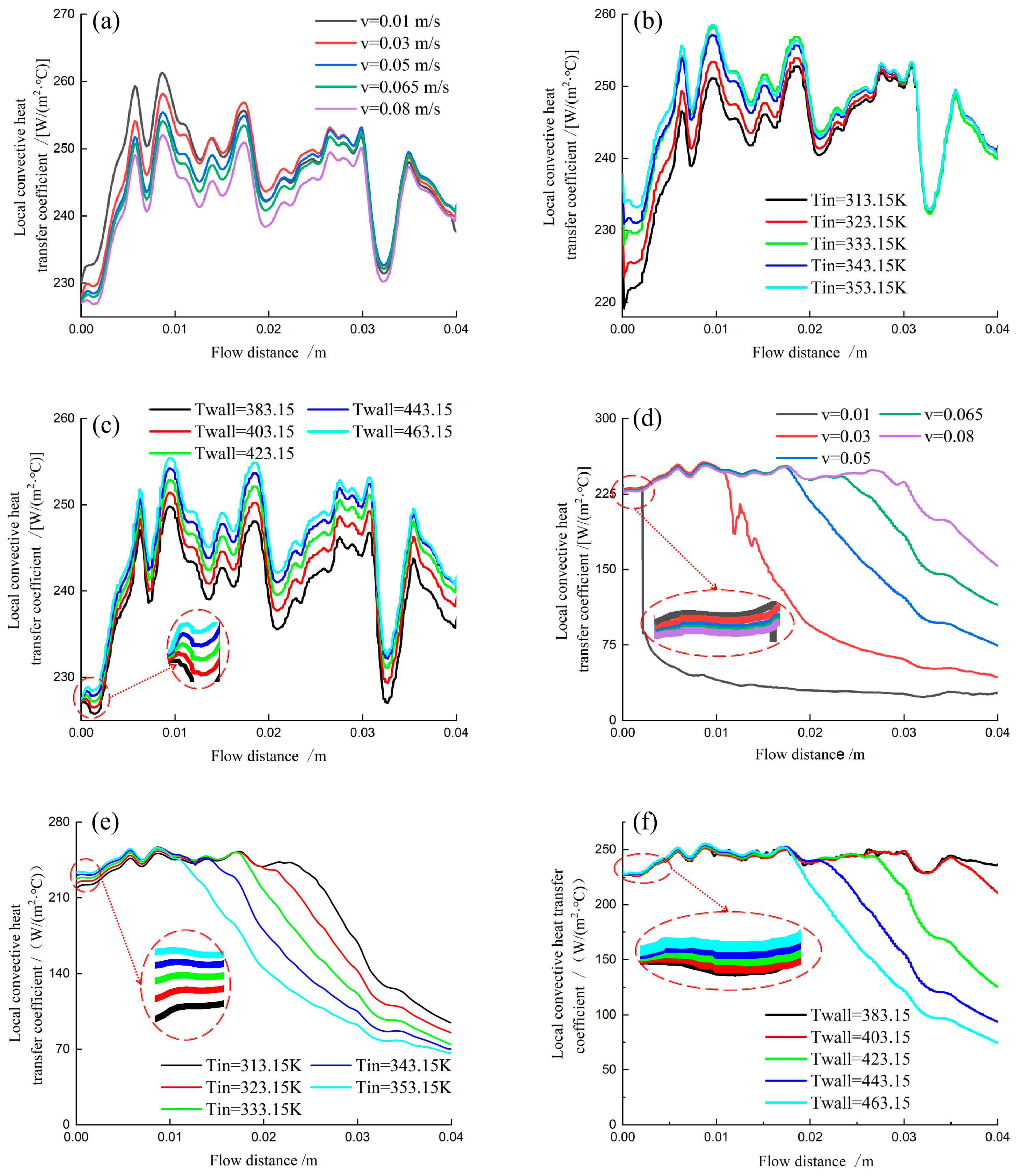
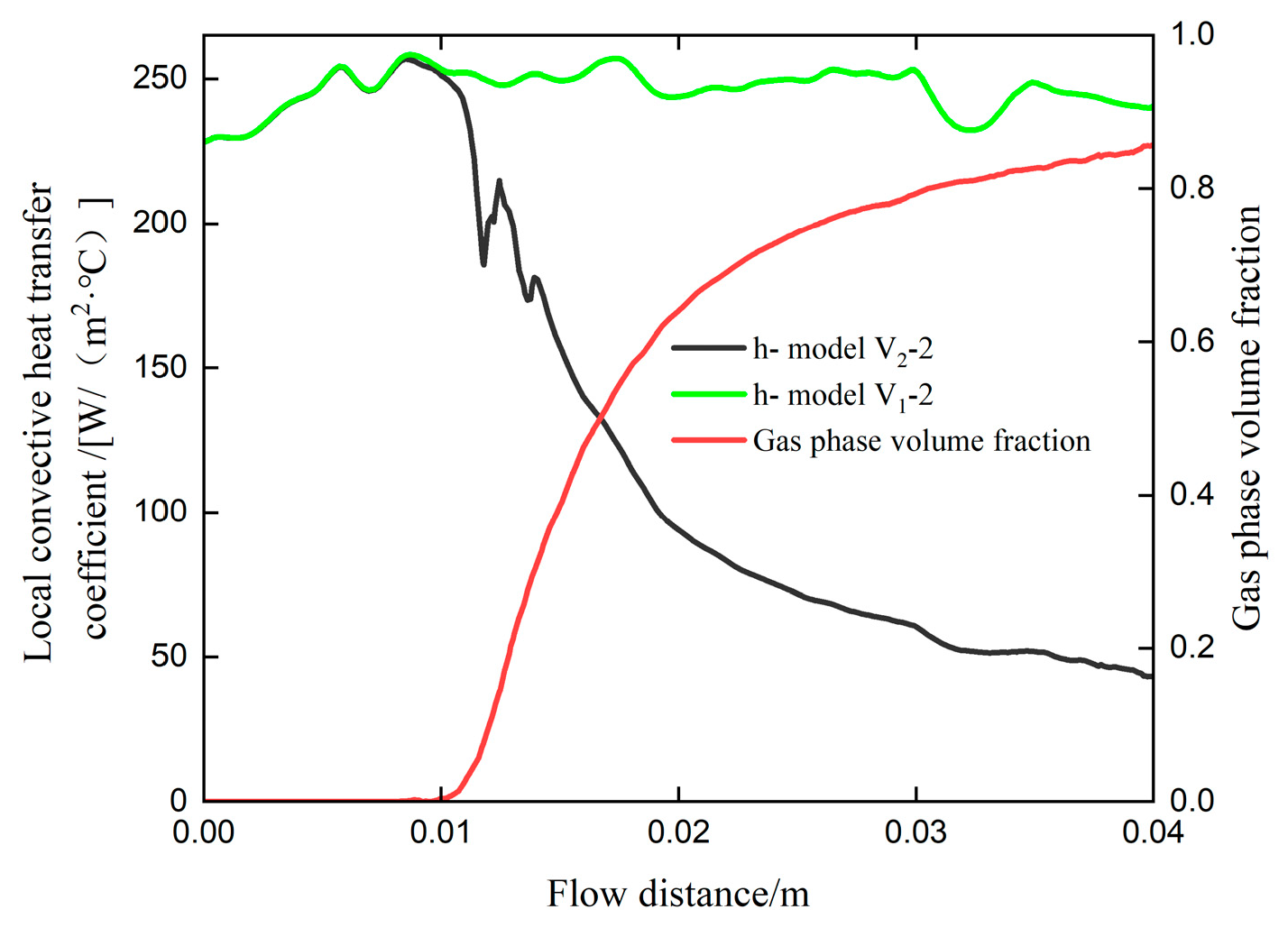
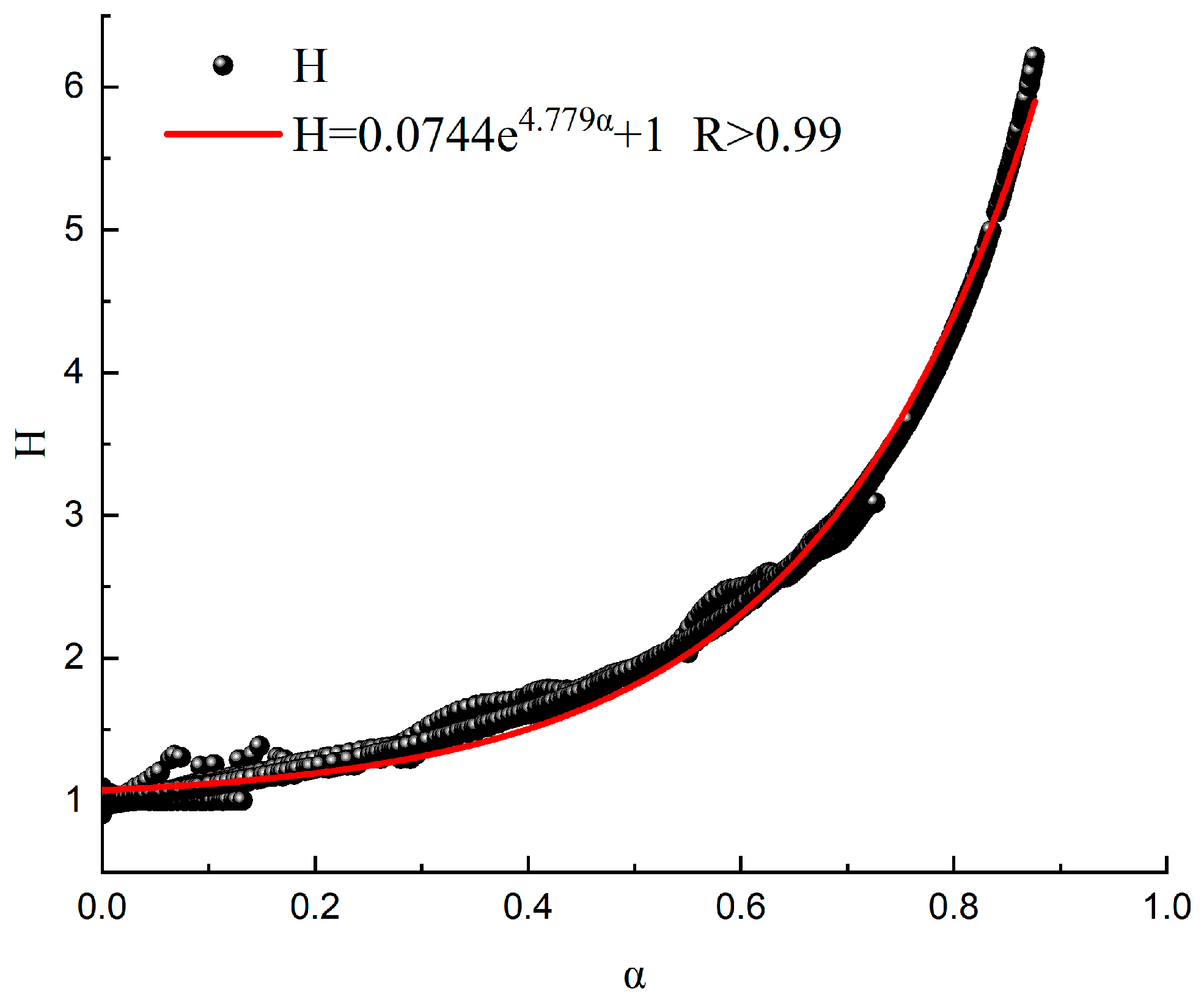
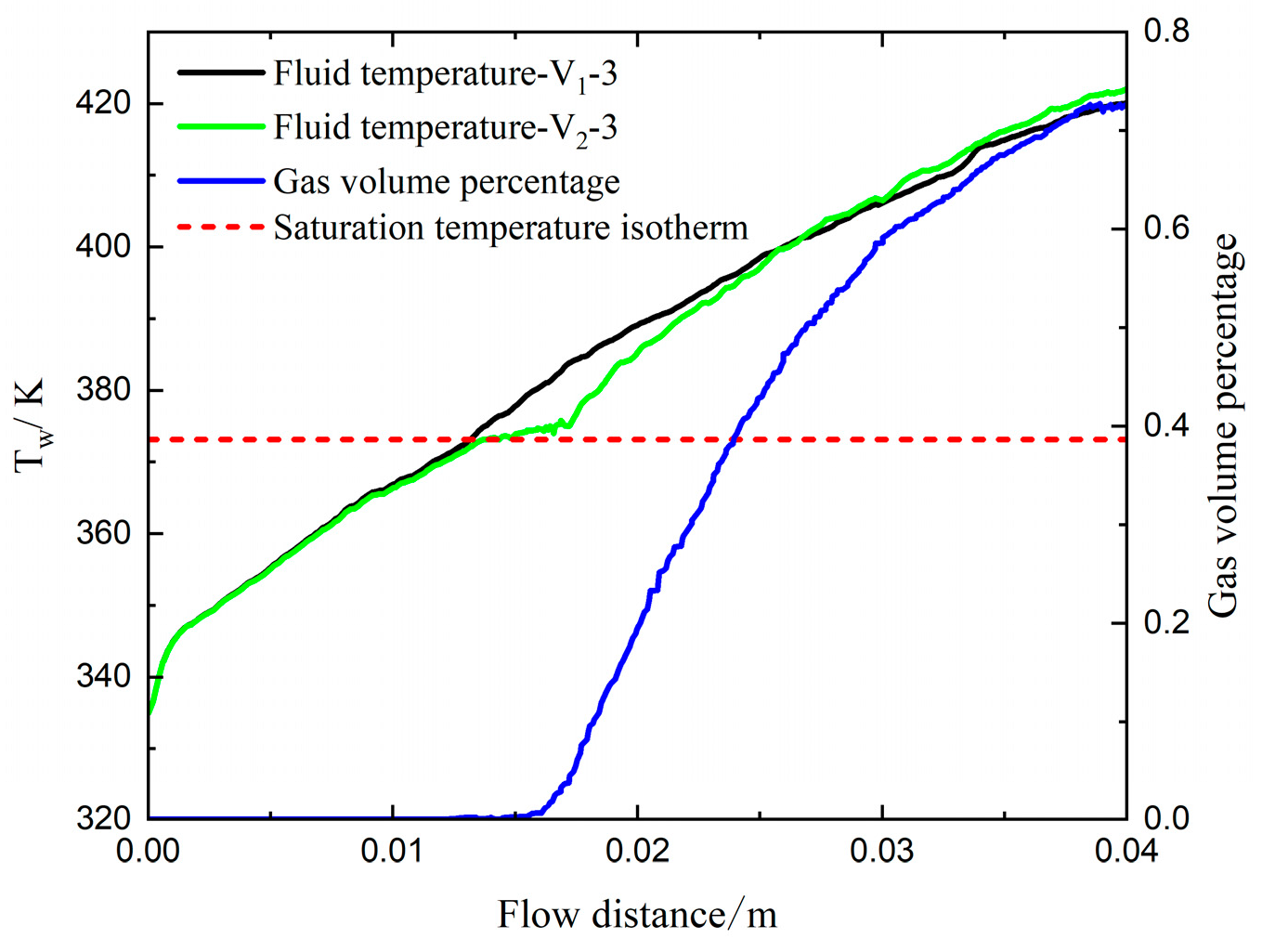
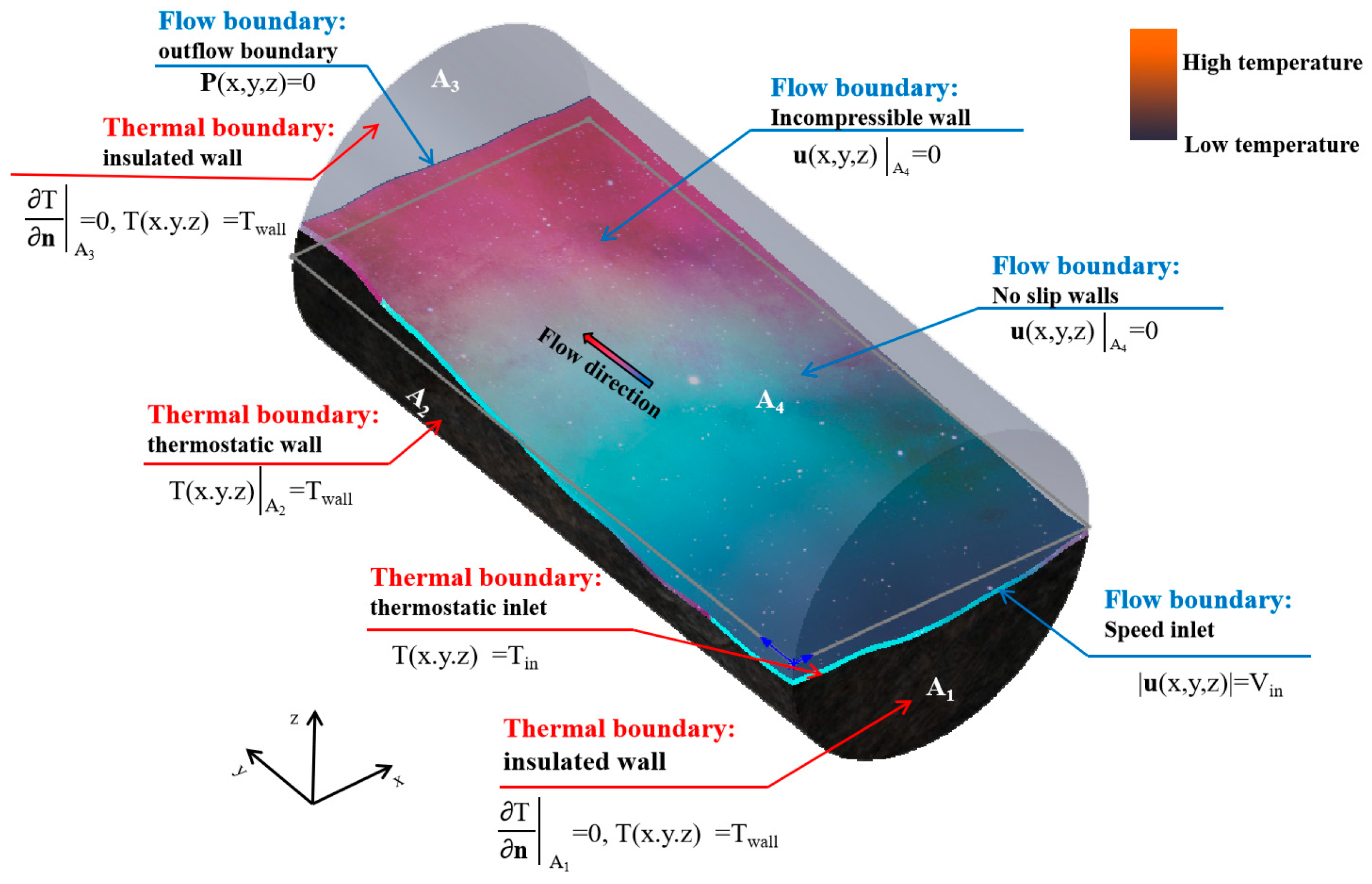
The study of the seepage and heat transfer law of three-dimensional rough fractures is of great significance in improving the heat extraction efficiency of underground thermal reservoirs. However, the phase transition effects of fluids during the thermal exploitation process profoundly influence the intrinsic mechanisms of fracture seepage and heat transfer. Based on the FLUENT 2020 software, single-phase and multiphase heat–flow coupling models were established, and the alterations stemming from the phase transition in seepage and heat transfer mechanisms were dissected. The results indicate that, without considering phase transition, the geometric morphology of the fractures controlled the distribution of local heat transfer coefficients, the magnitude of which was influenced by different boundary conditions. Moreover, based on the Forchheimer formula, it was found that the heat transfer process affects nonlinear seepage behavior significantly. After considering the phase transition, the fluid exhibited characteristics similar to shear-diluted fluids and, under the same pressure gradient, the increment of flow rate was higher than the increment in the linearly increasing scenario. In the heat transfer process, the gas volume percentage played a dominant role, causing the local heat transfer coefficient to decrease with the increase in gas content. Therefore, considering fluid phase transition can more accurately reveal seepage characteristics and the evolution law.
Keywords: seepage heat transfer; heat–flow coupling; nonlinear seepage; phase transition seepage heat transfer; heat–flow coupling; nonlinear seepage; phase transition