Article

Experimental Analysis on Hanging Dam Formation and Evolution

Department of Civil Engineering, University of Manitoba, 66 Chancellor Circle, Winnipeg, MB R3T 2N2, Canada
*
Author to whom correspondence should be addressed.
Water 2023, 15(24), 4242; https://doi.org/10.3390/w15244242
Submission received: 29 September 2023 / Revised: 1 December 2023 / Accepted: 8 December 2023 / Published: 11 December 2023
(This article belongs to the Special Issue Advances in River Ice Science and Its Environmental Implications)

Abstract

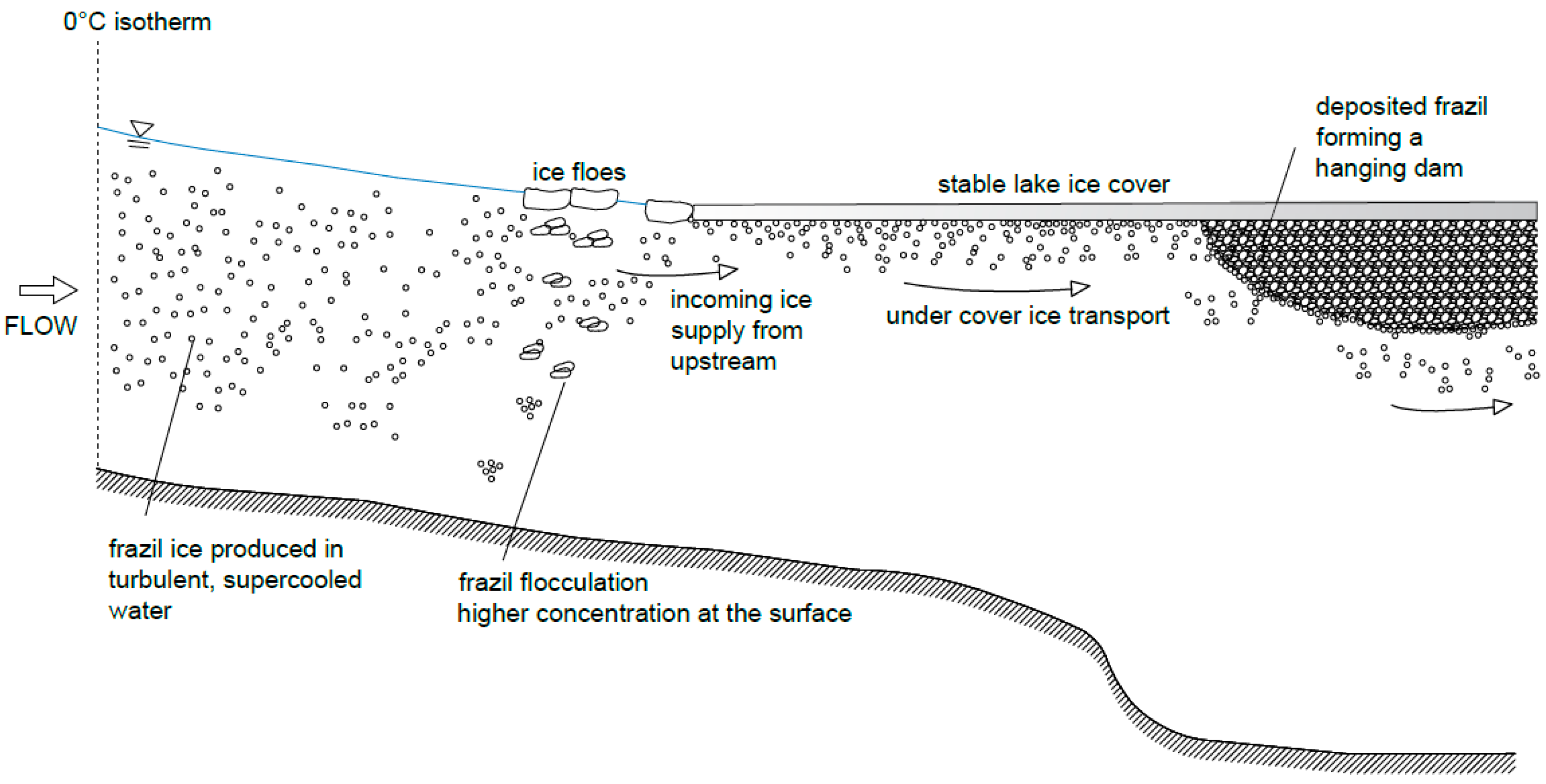
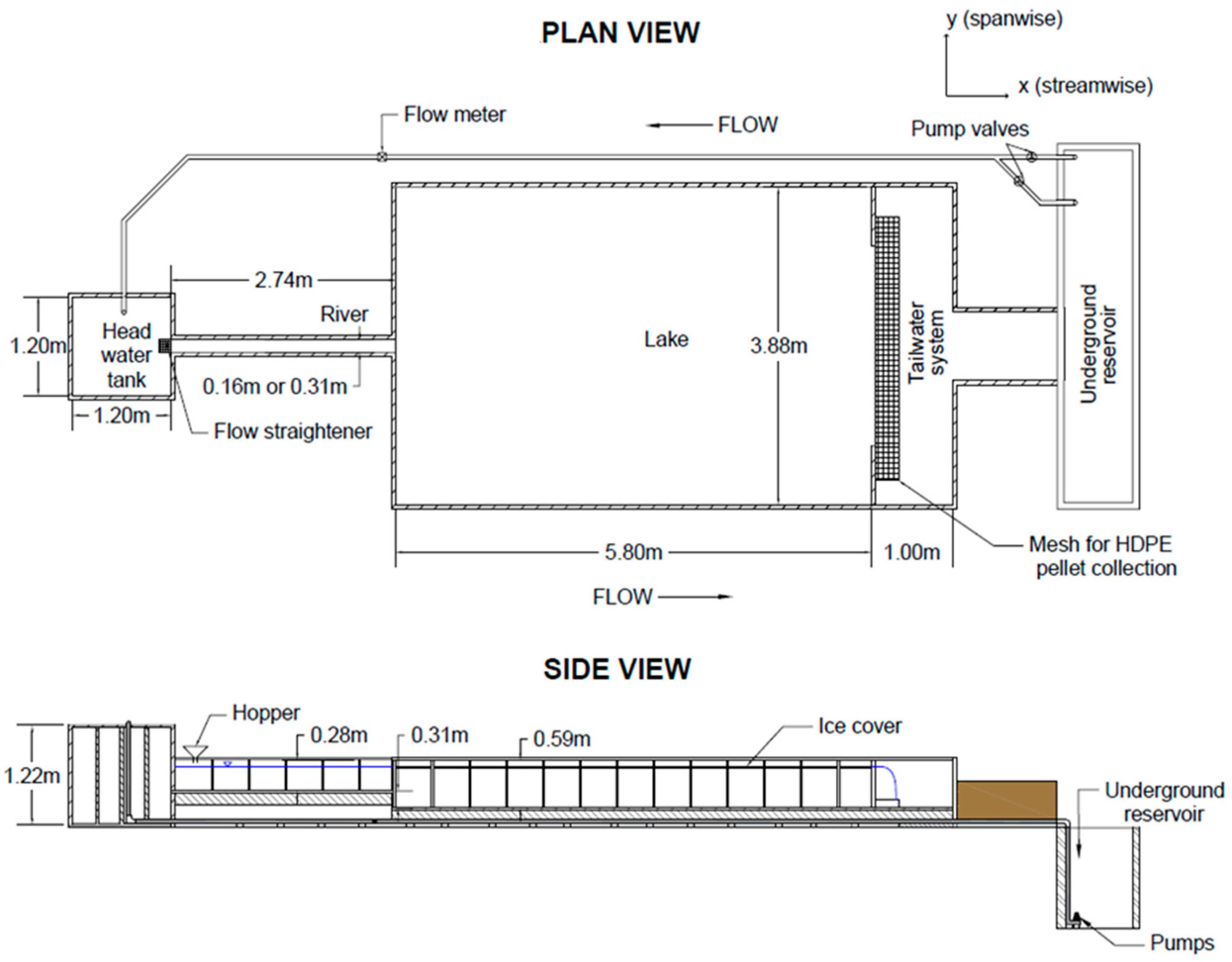
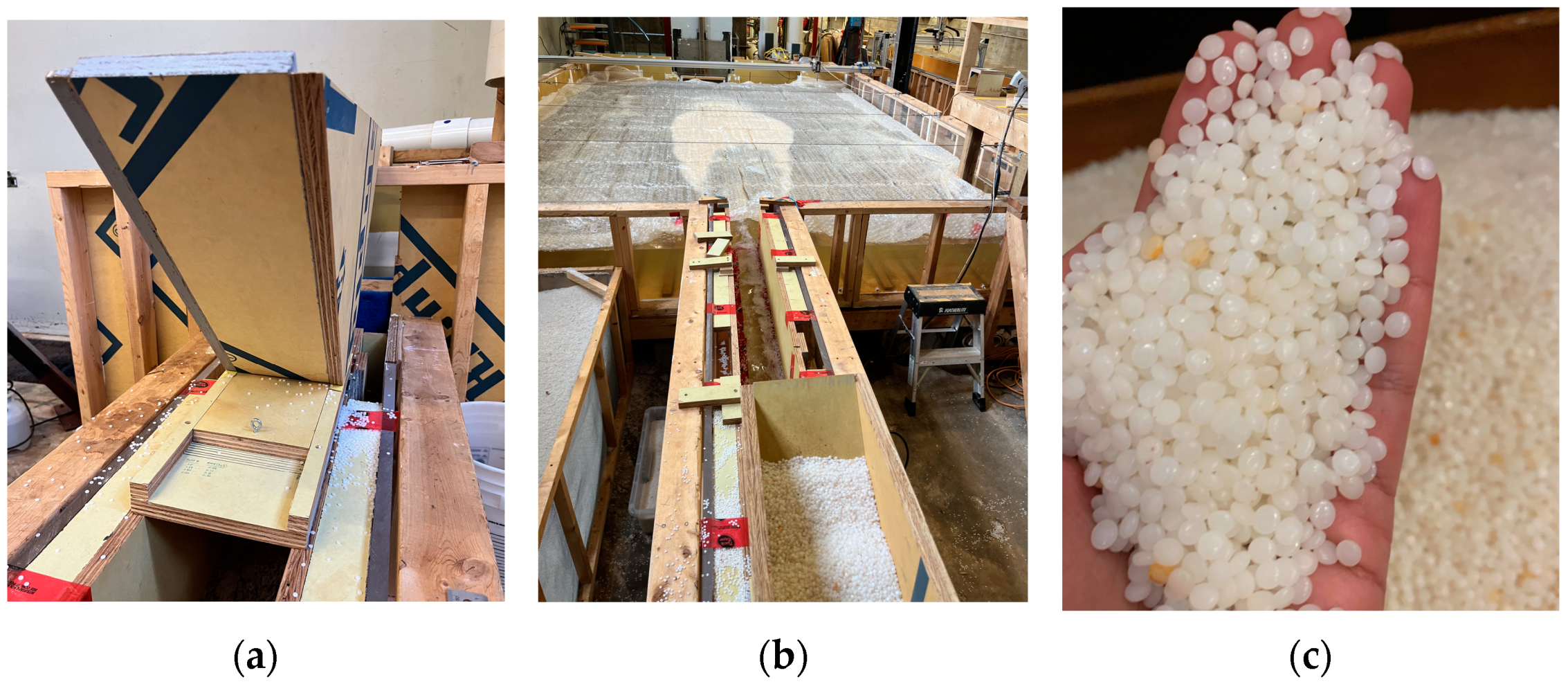
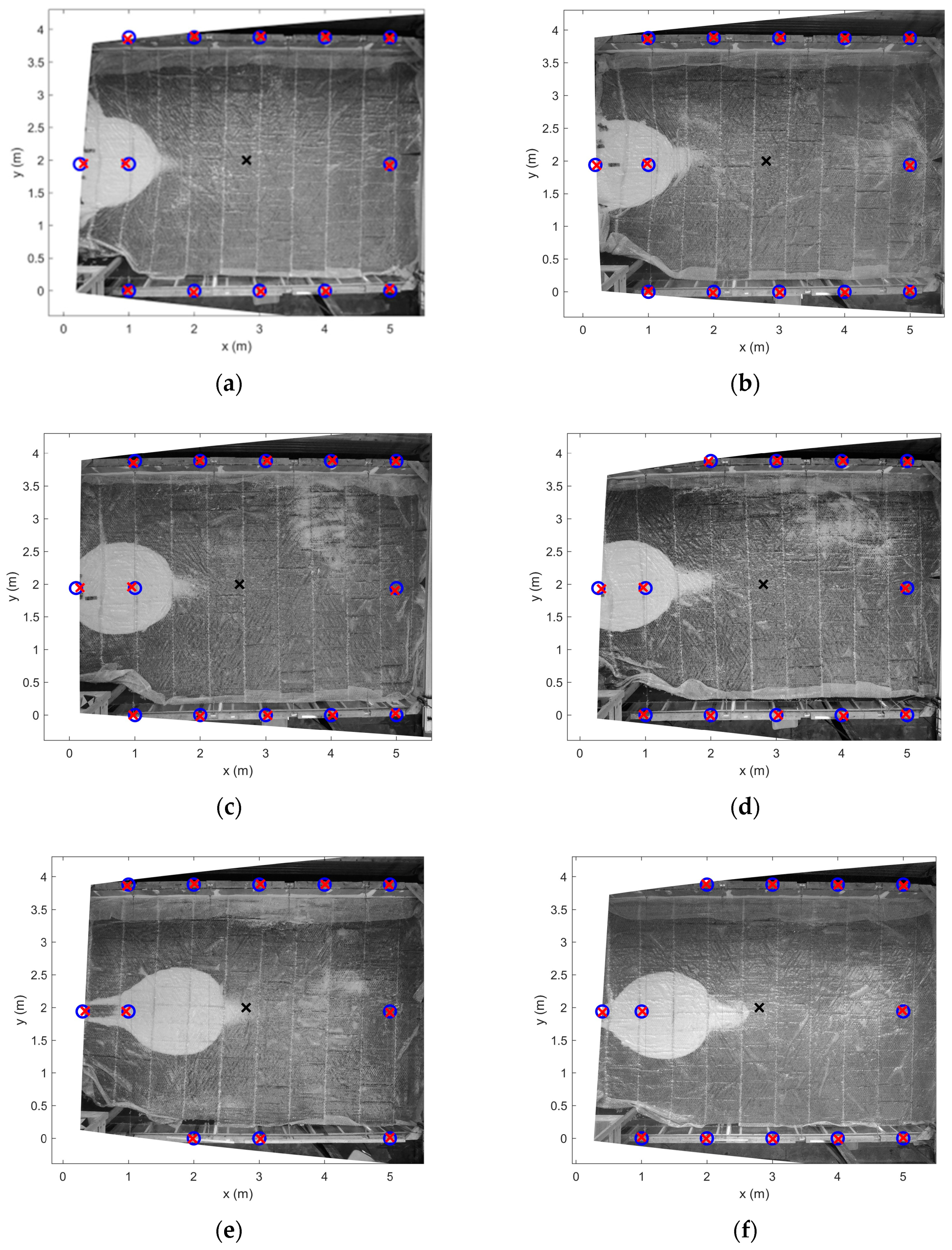
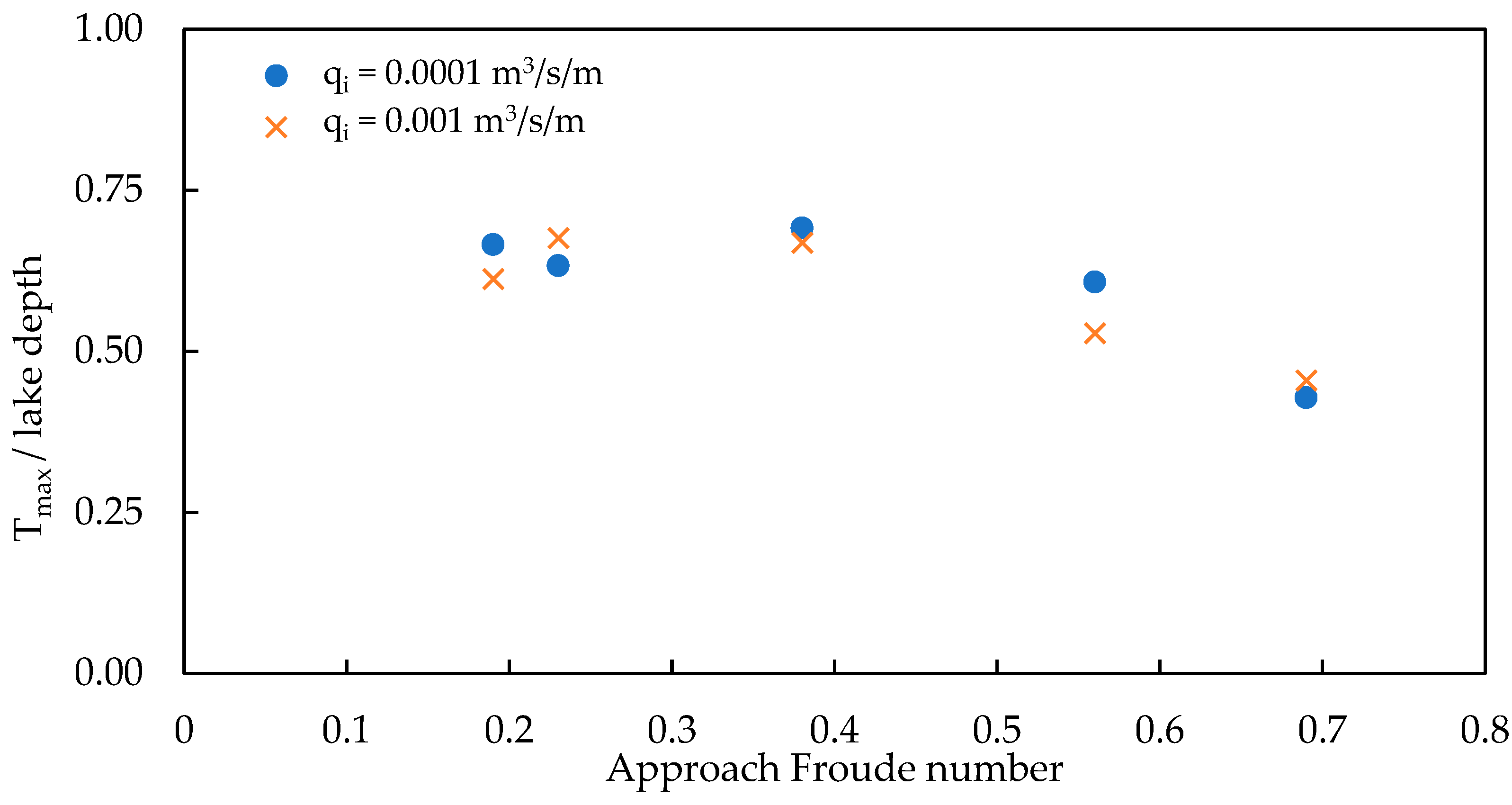
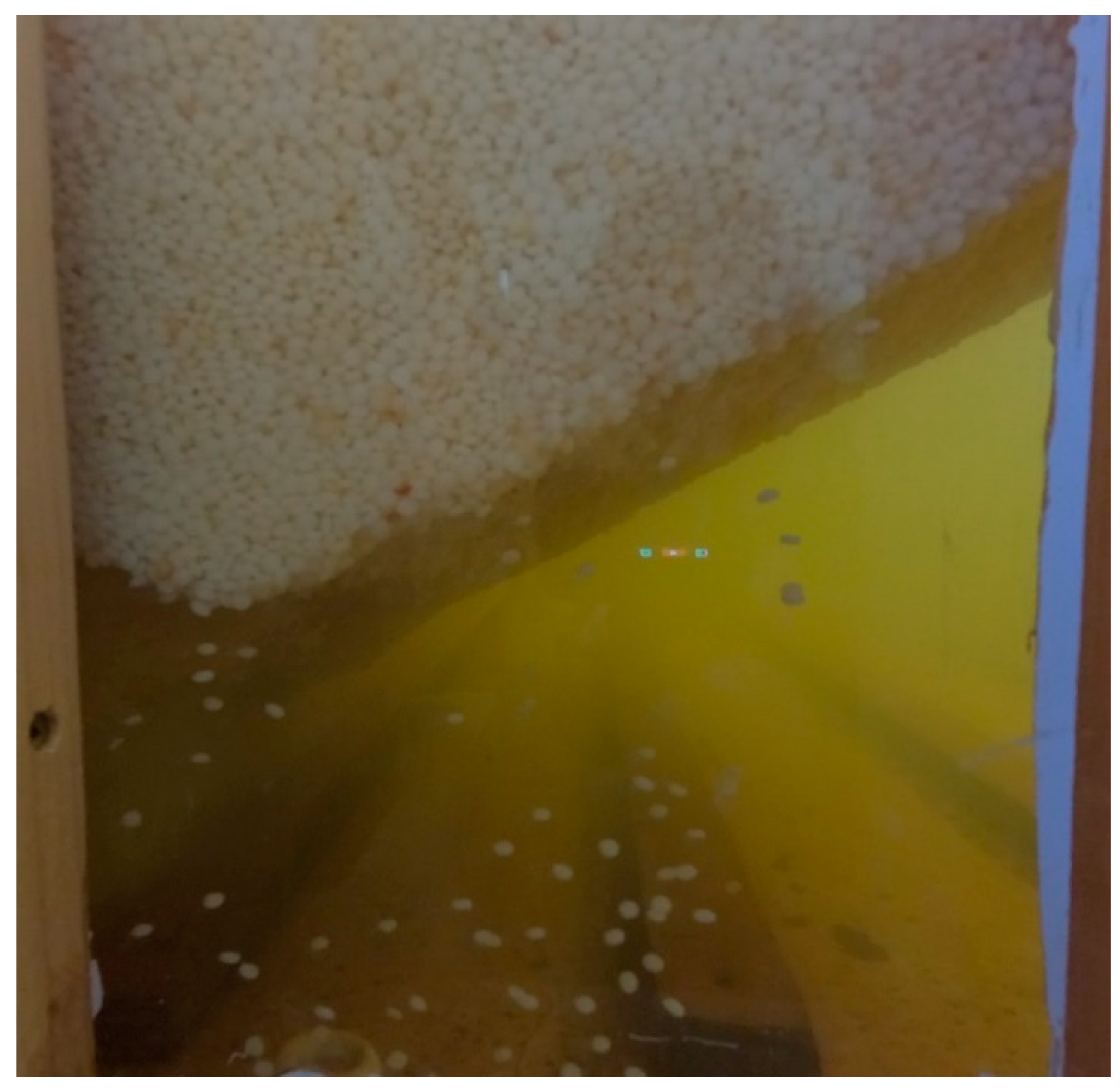
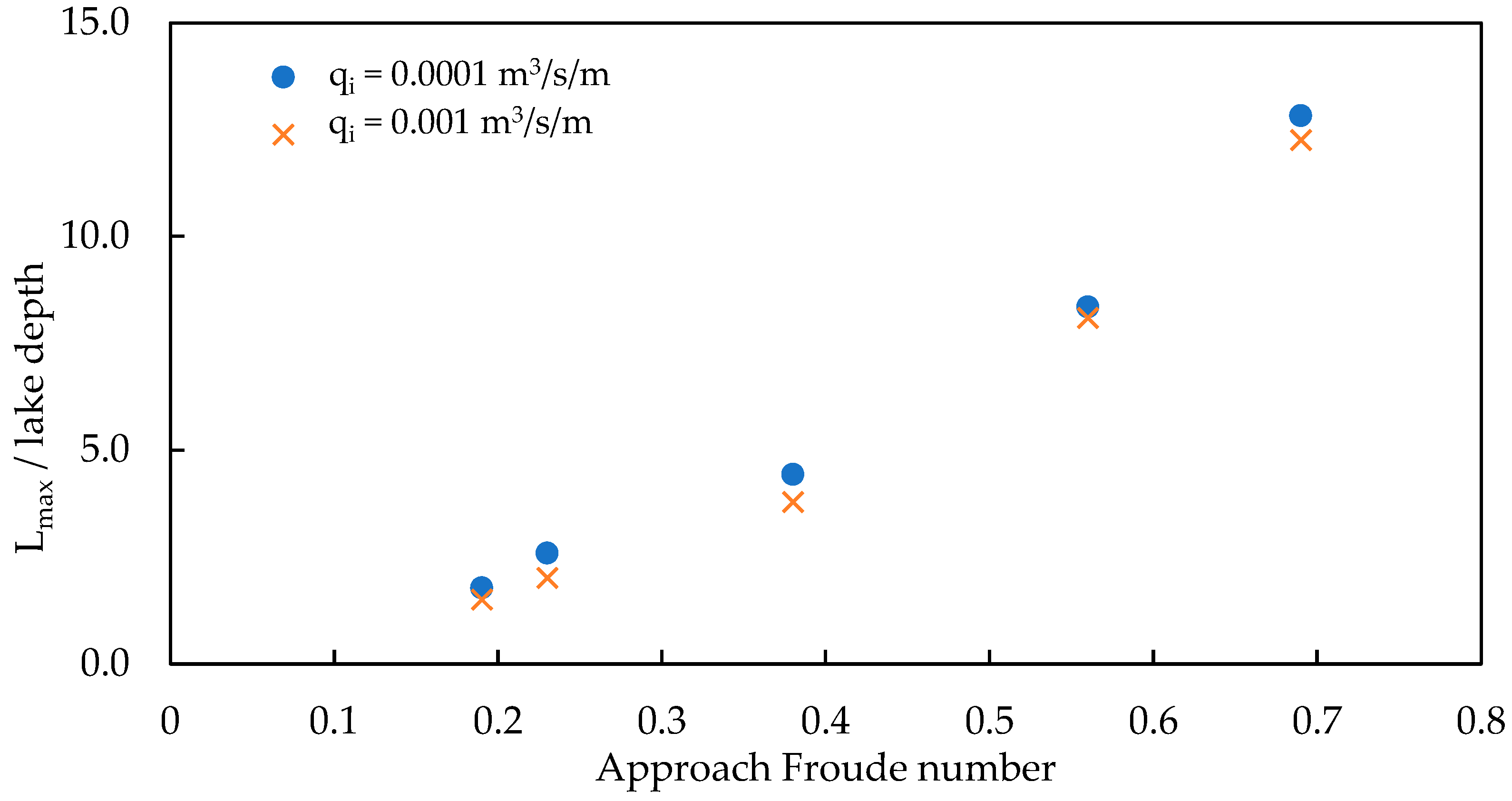
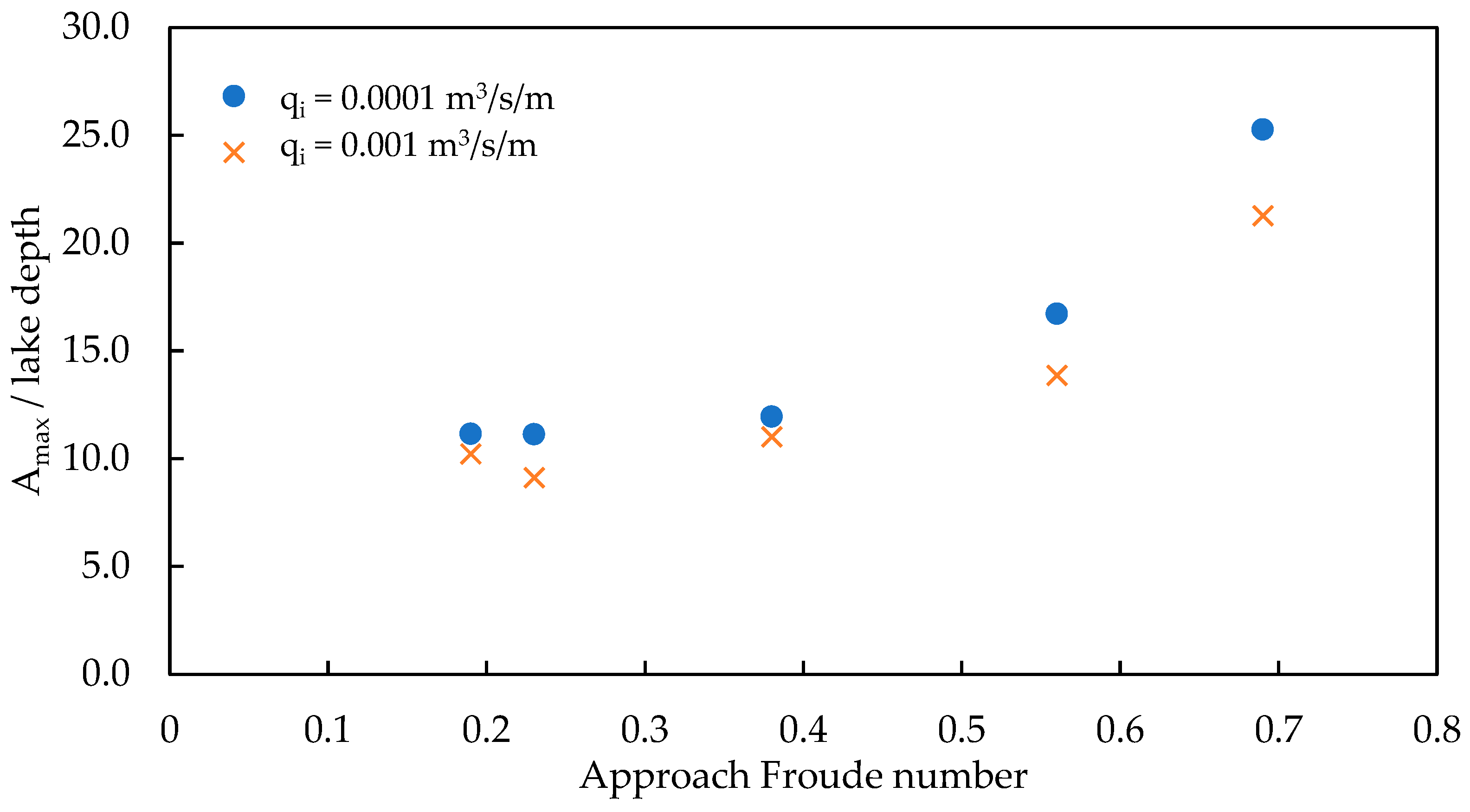
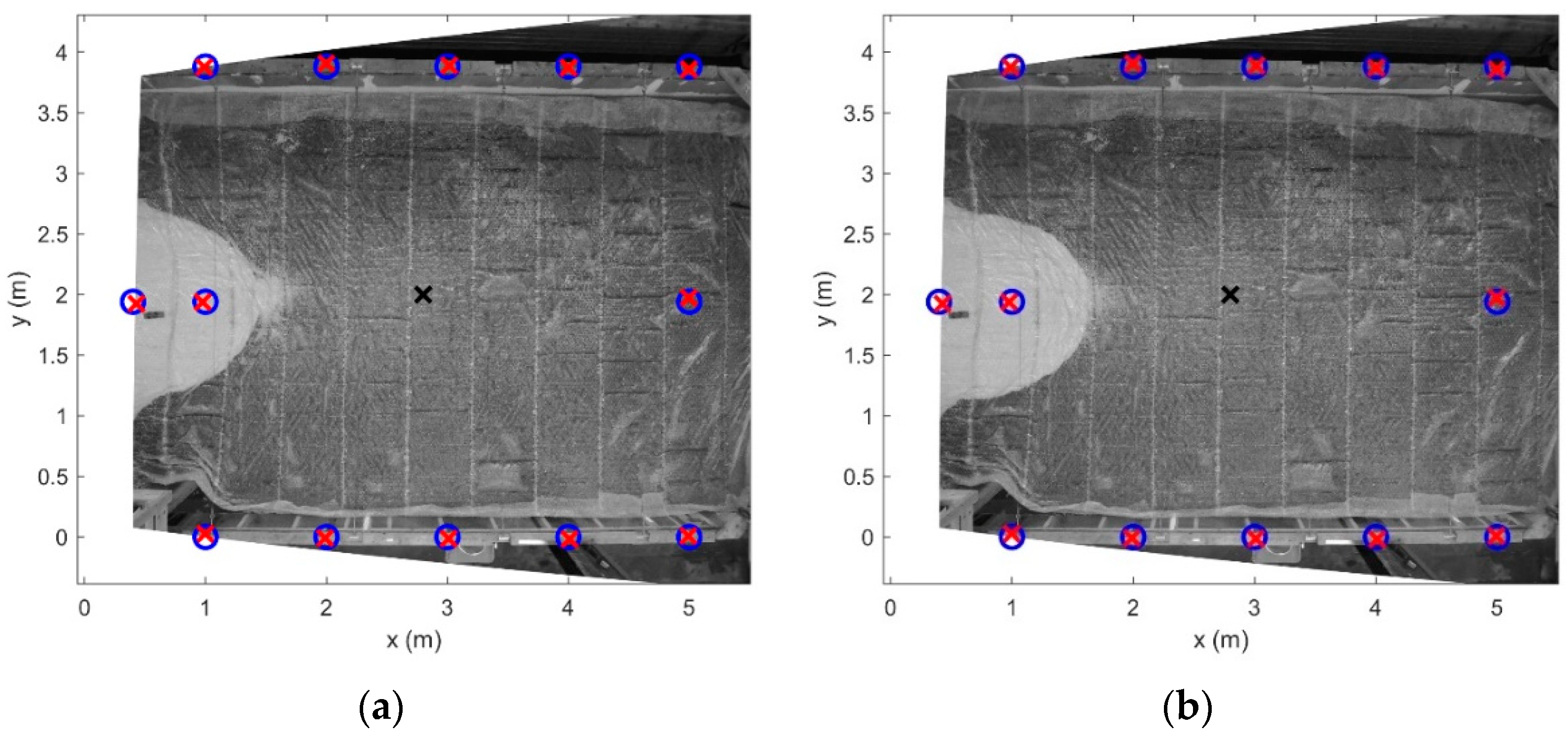
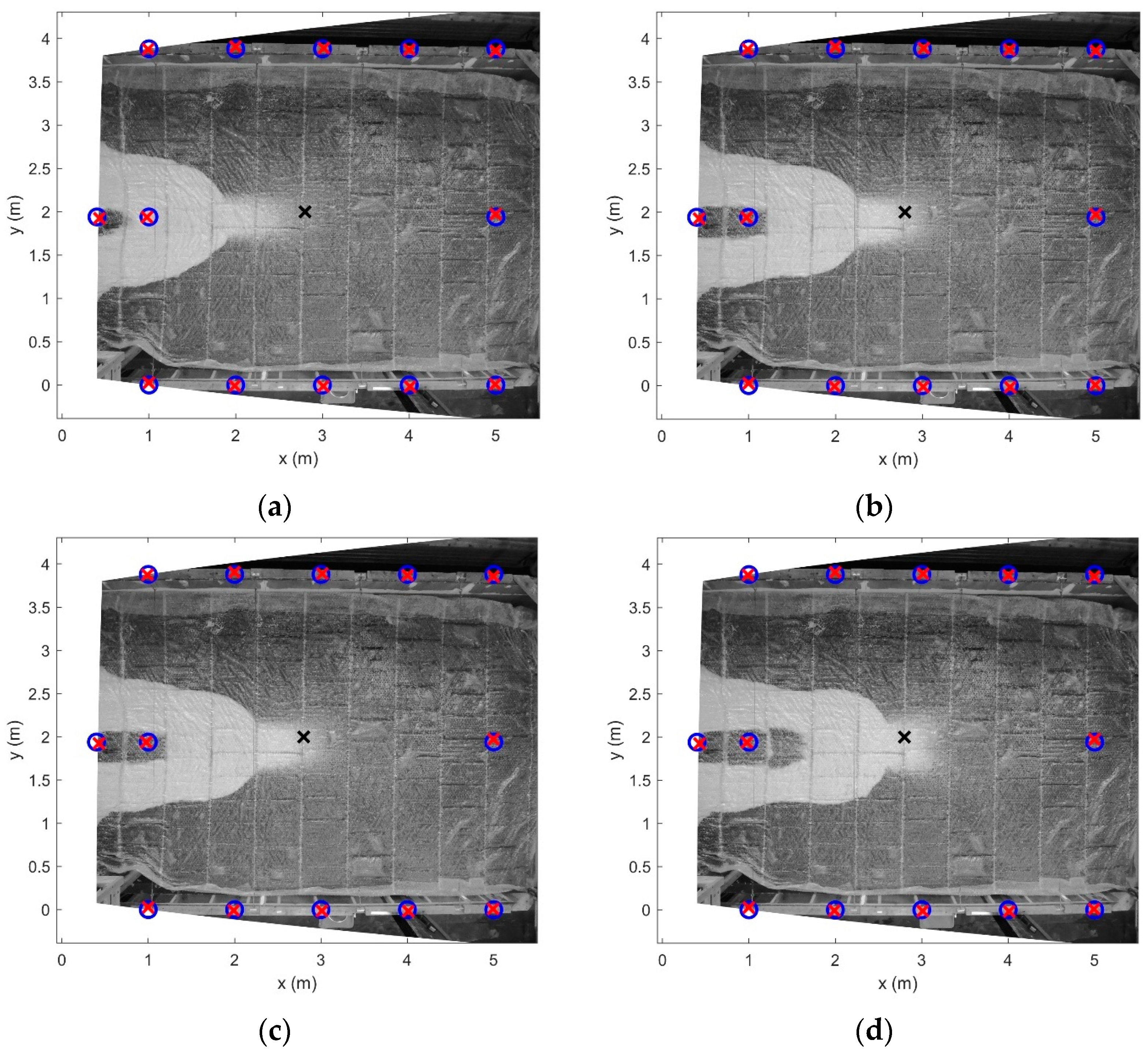
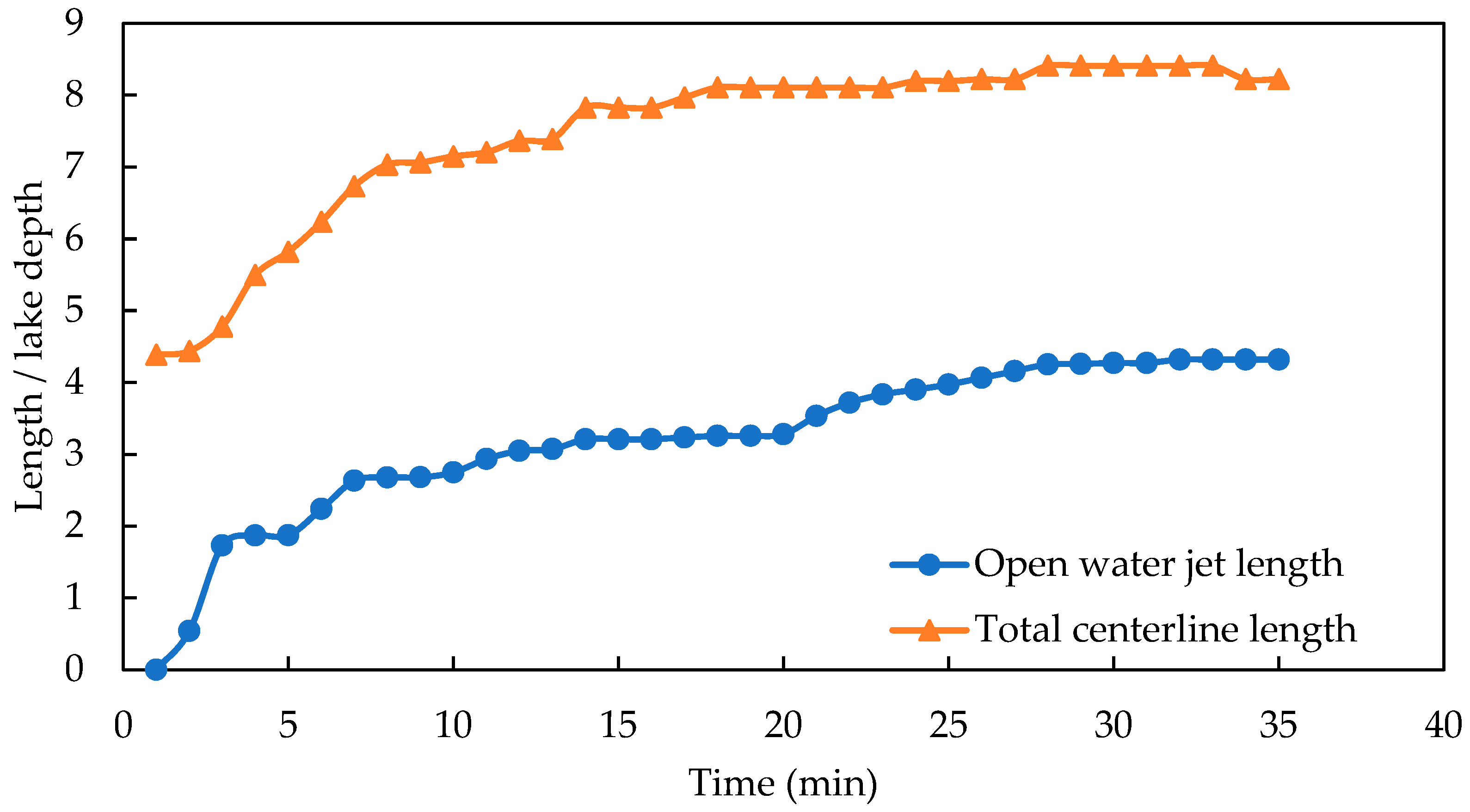
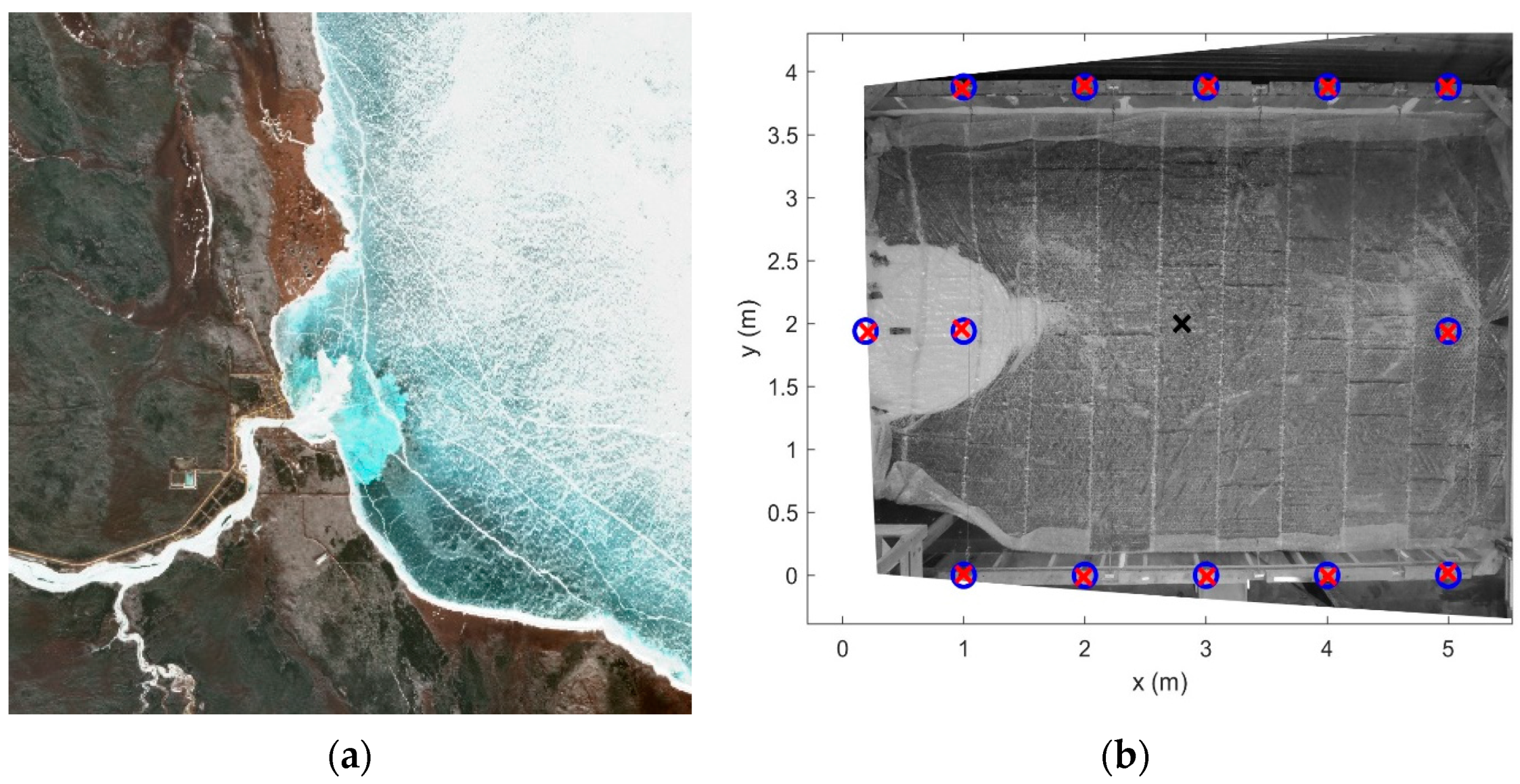
Hanging dams are thick accumulations of frazil ice beneath an existing ice cover that are formed during the freeze-up period at locations where a fast-flowing river section enters a section with relatively low velocity. Hanging dams can have a substantial impact on the hydraulics of an ice-covered river. This paper presents an experimental study on hanging dam formation and evolution conducted using a laboratory physical model of a river issuing water into a relatively large reservoir using simulated frazil ice and a simulated ice cover. The incoming ice supply rate and the approach Froude number of the river are the two parameters that have an impact on the hanging dam formation with respect to several physical characteristics of the hanging dam. Hanging dam erosion was observed by increasing the approach Froude number of the river after a hanging dam had already formed. Both the formation and erosion of the hanging dam were qualitatively compared with field observations of hanging dam occurrences using satellite imagery and hydrometric data to support the applicability of the experimental results to a field scenario. The results presented in this paper comprise the first published qualitative laboratory data on hanging dam formation, helping to improve our understanding of the fundamental mechanisms of hanging dam formation and evolution.
Keywords: hanging dam formation and evolution; physical modelling; incoming ice supply rate; approach Froude number; river ice engineering; ice transport; ice deposition hanging dam formation and evolution; physical modelling; incoming ice supply rate; approach Froude number; river ice engineering; ice transport; ice deposition