Article

Experimental and Numerical Determination of Head Loss Coefficients of Two-Way Surcharged Manholes


by
Onur Dündar
1,*,
İsmail Hakkı Özölçer
1 and
Emrah Doğan
2
1
Department of Civil Engineering, Zonguldak Bülent Ecevit University, Zonguldak 67100, Turkey
2
Department of Civil Engineering, Sakarya University, Sakarya 54050, Turkey
*
Author to whom correspondence should be addressed.
Water 2023, 15(23), 4082; https://doi.org/10.3390/w15234082
Submission received: 21 September 2023 / Revised: 12 November 2023 / Accepted: 14 November 2023 / Published: 24 November 2023

Abstract

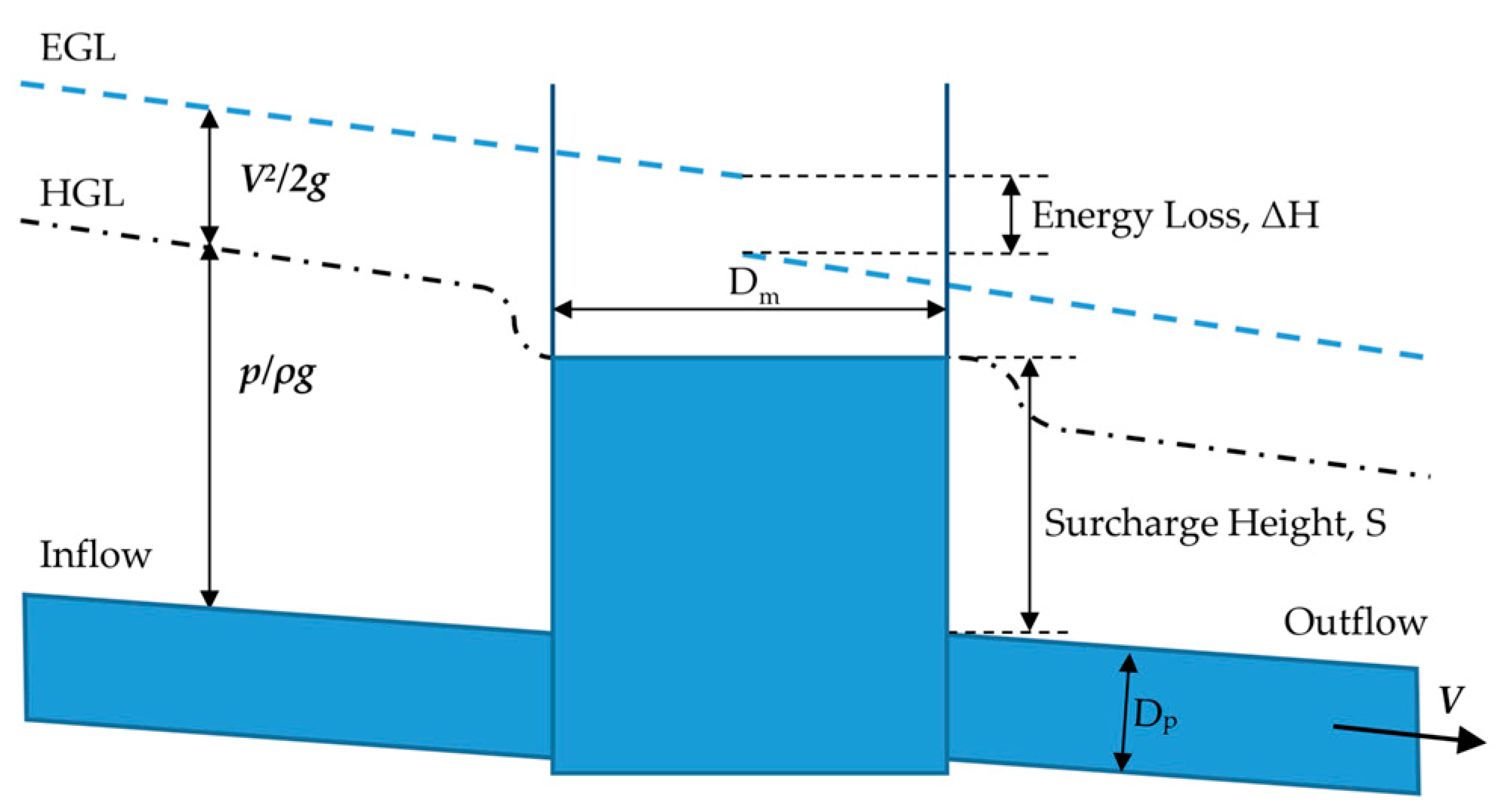
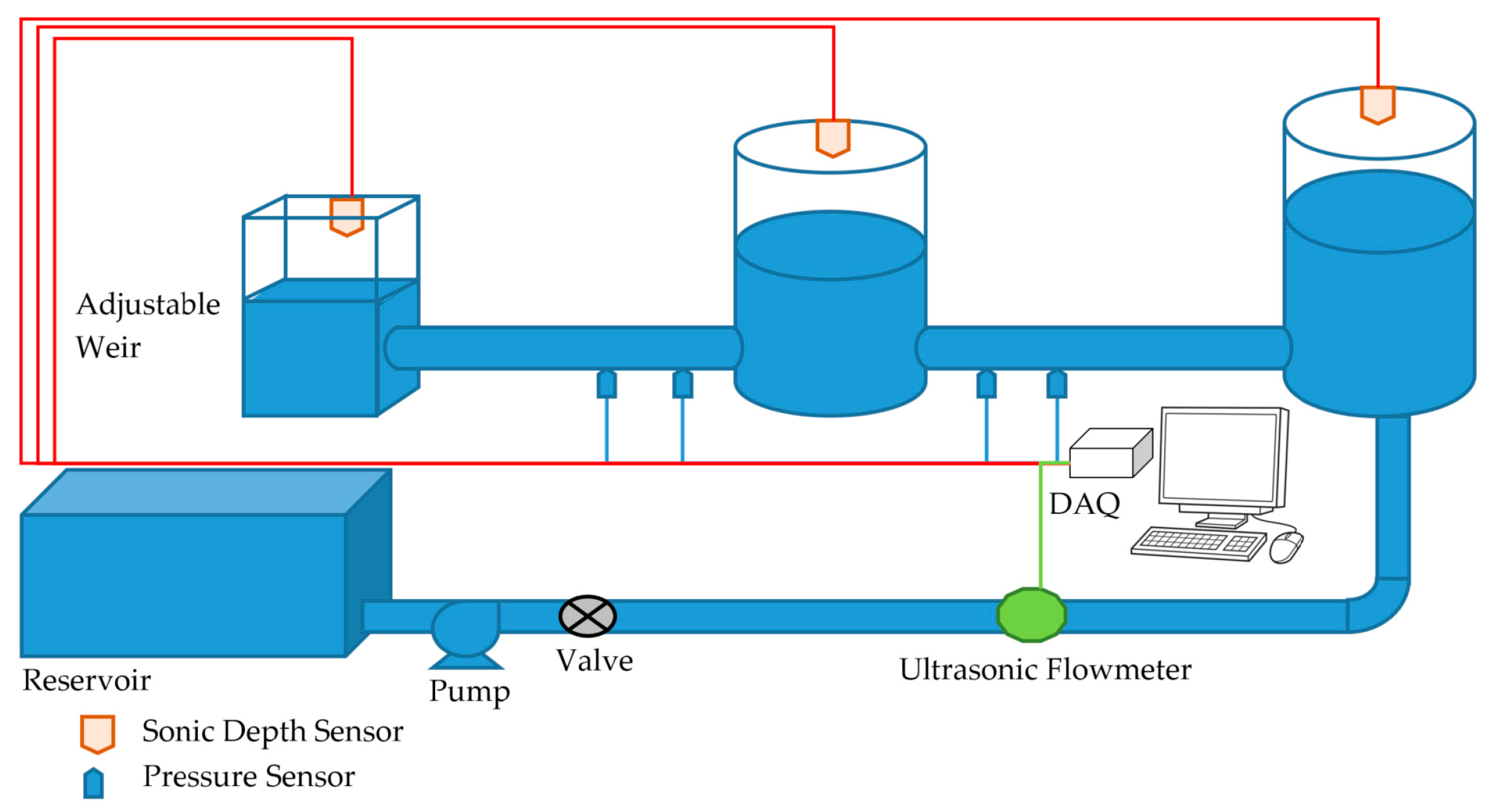
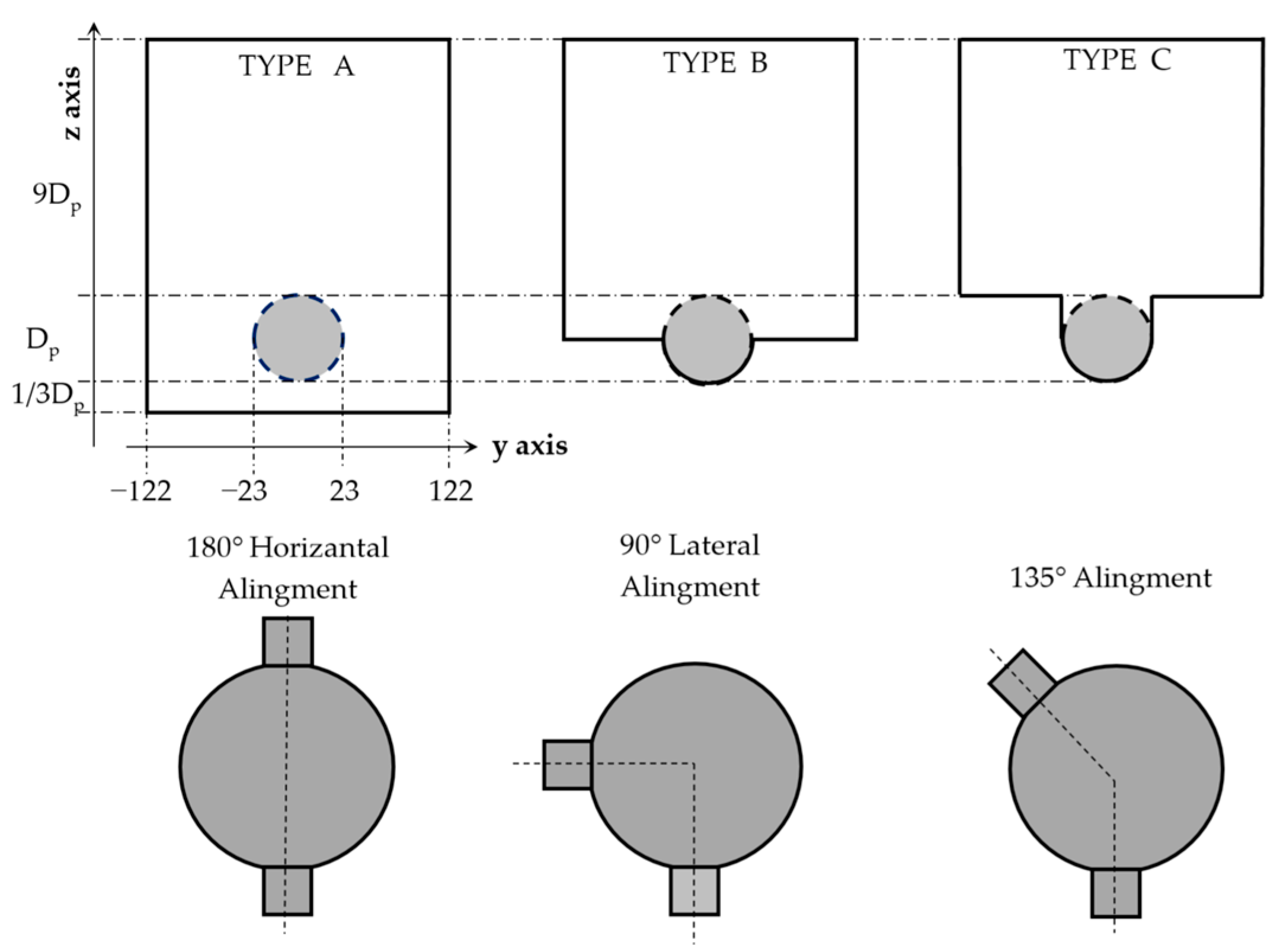
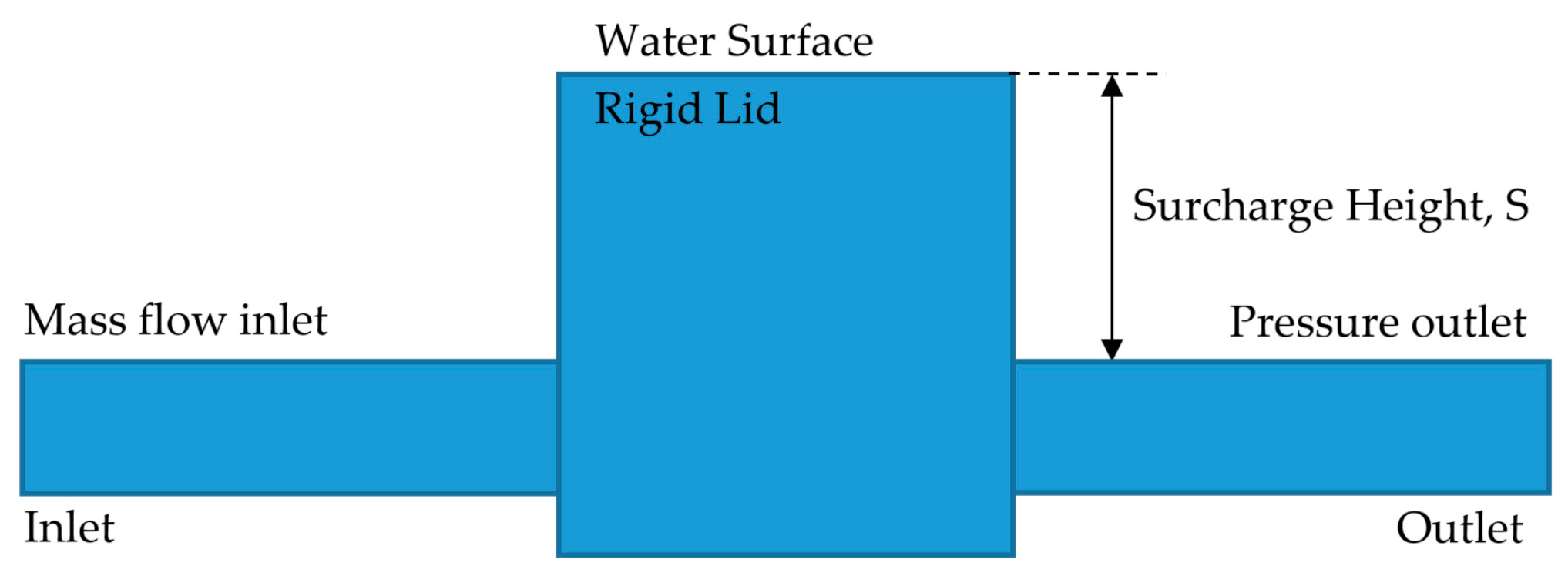
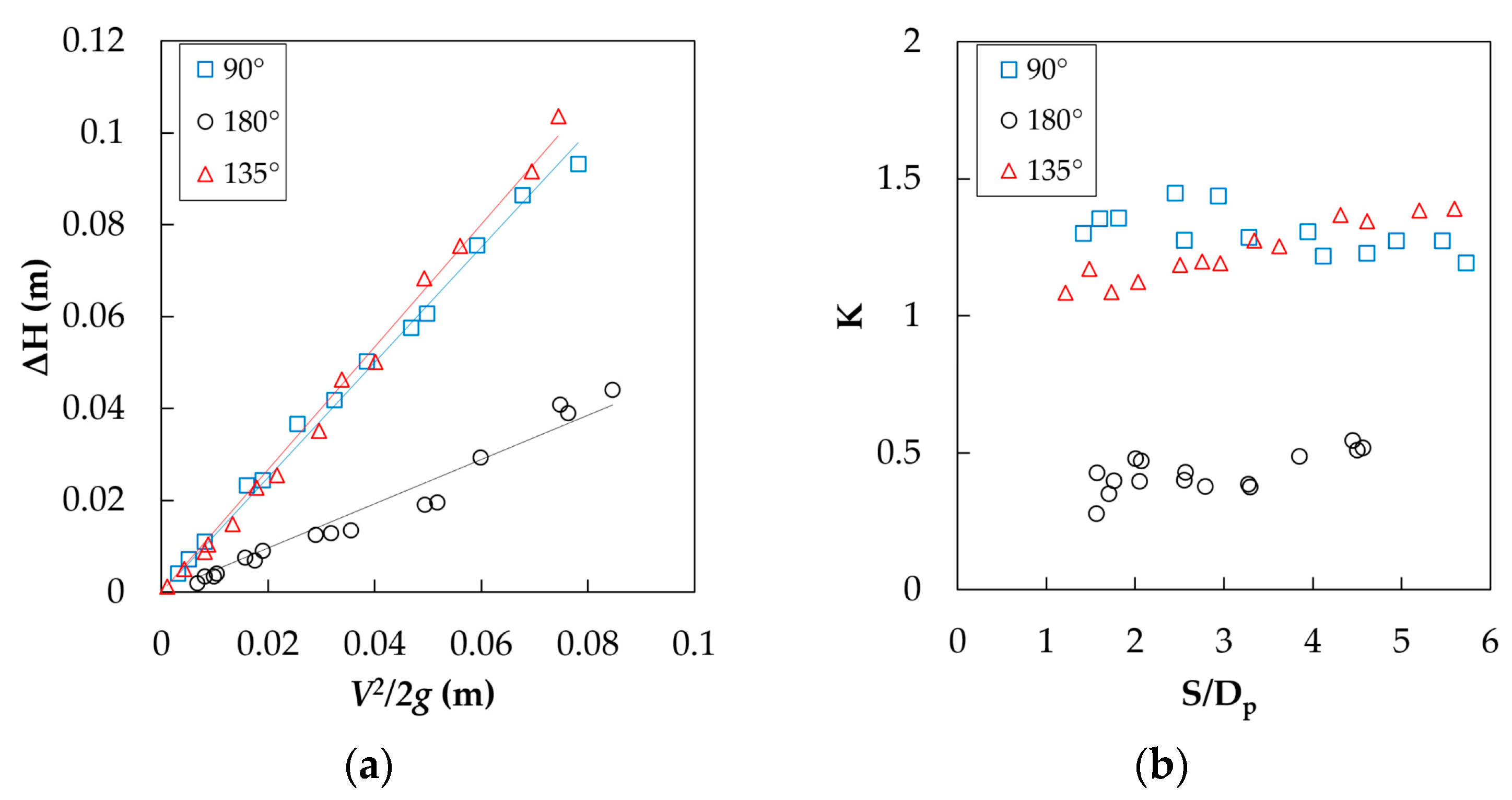
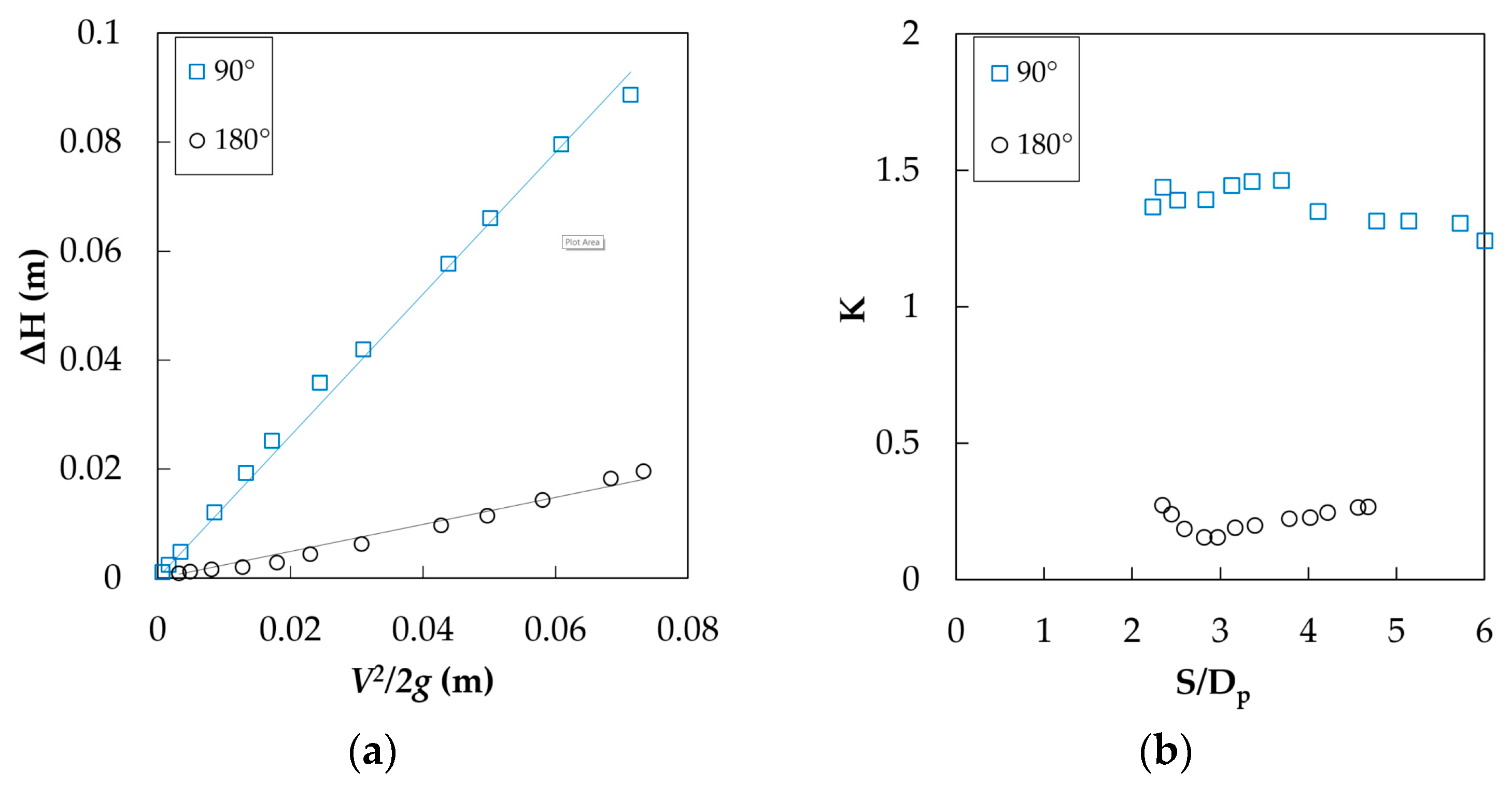
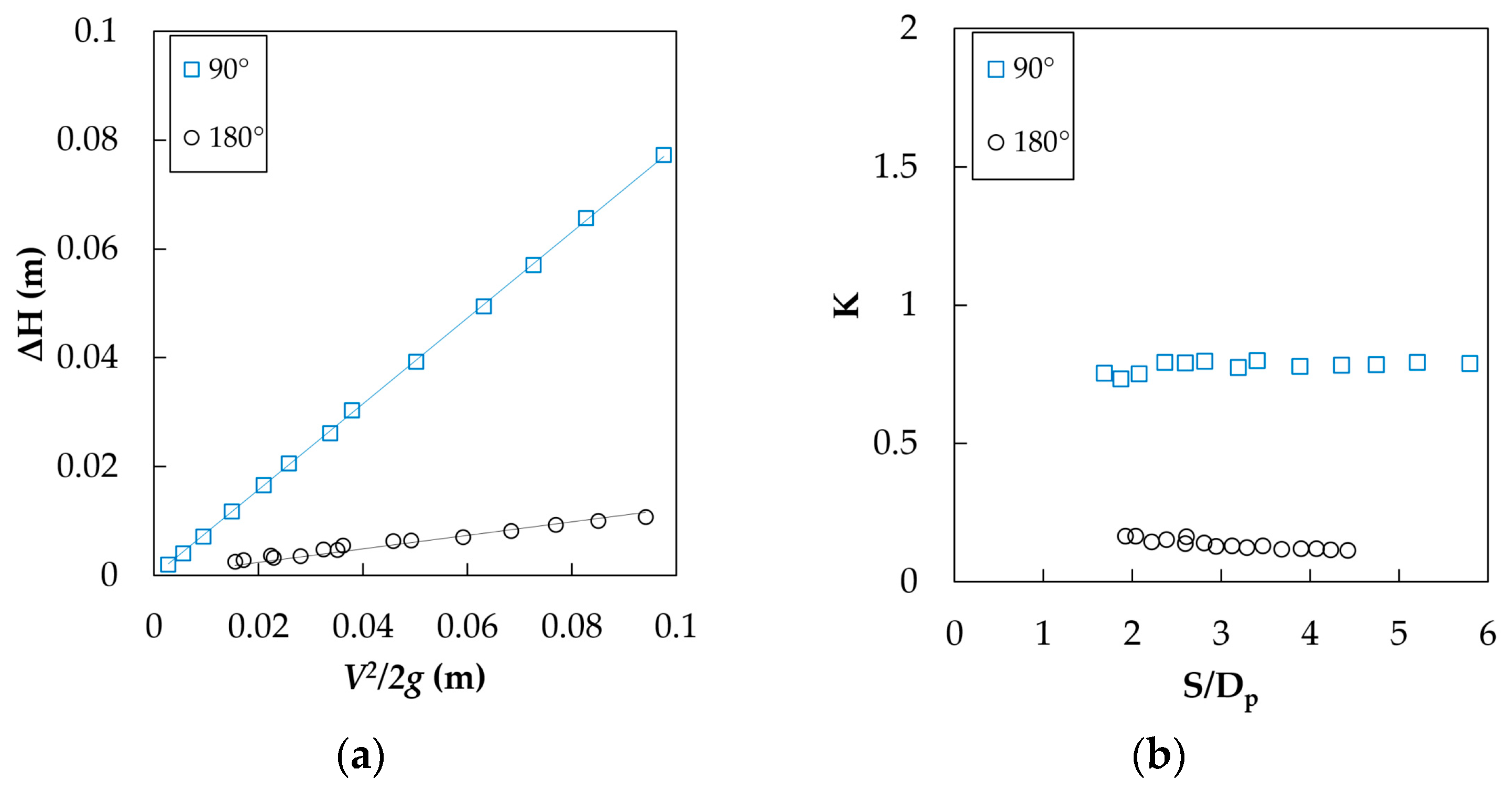
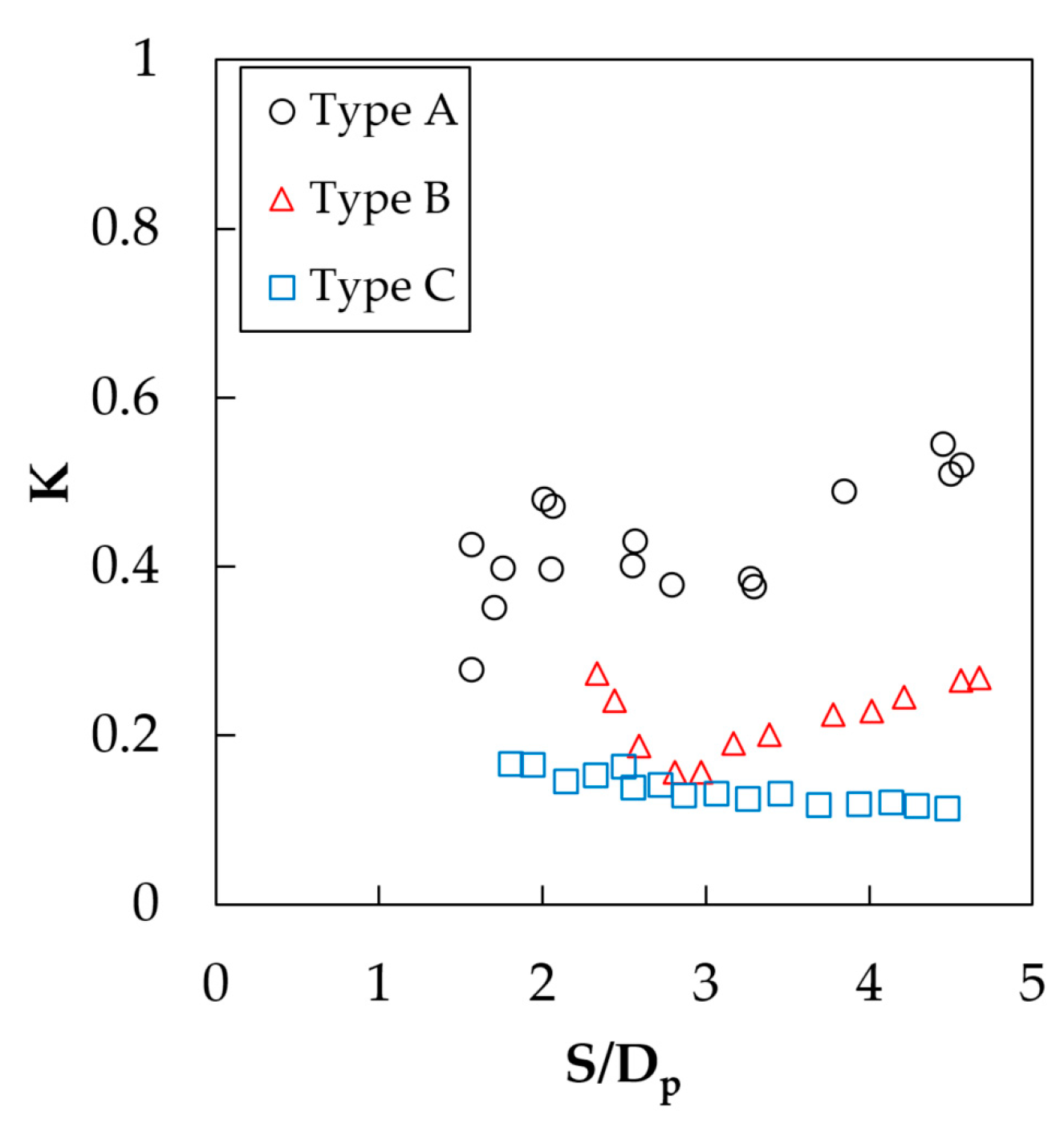
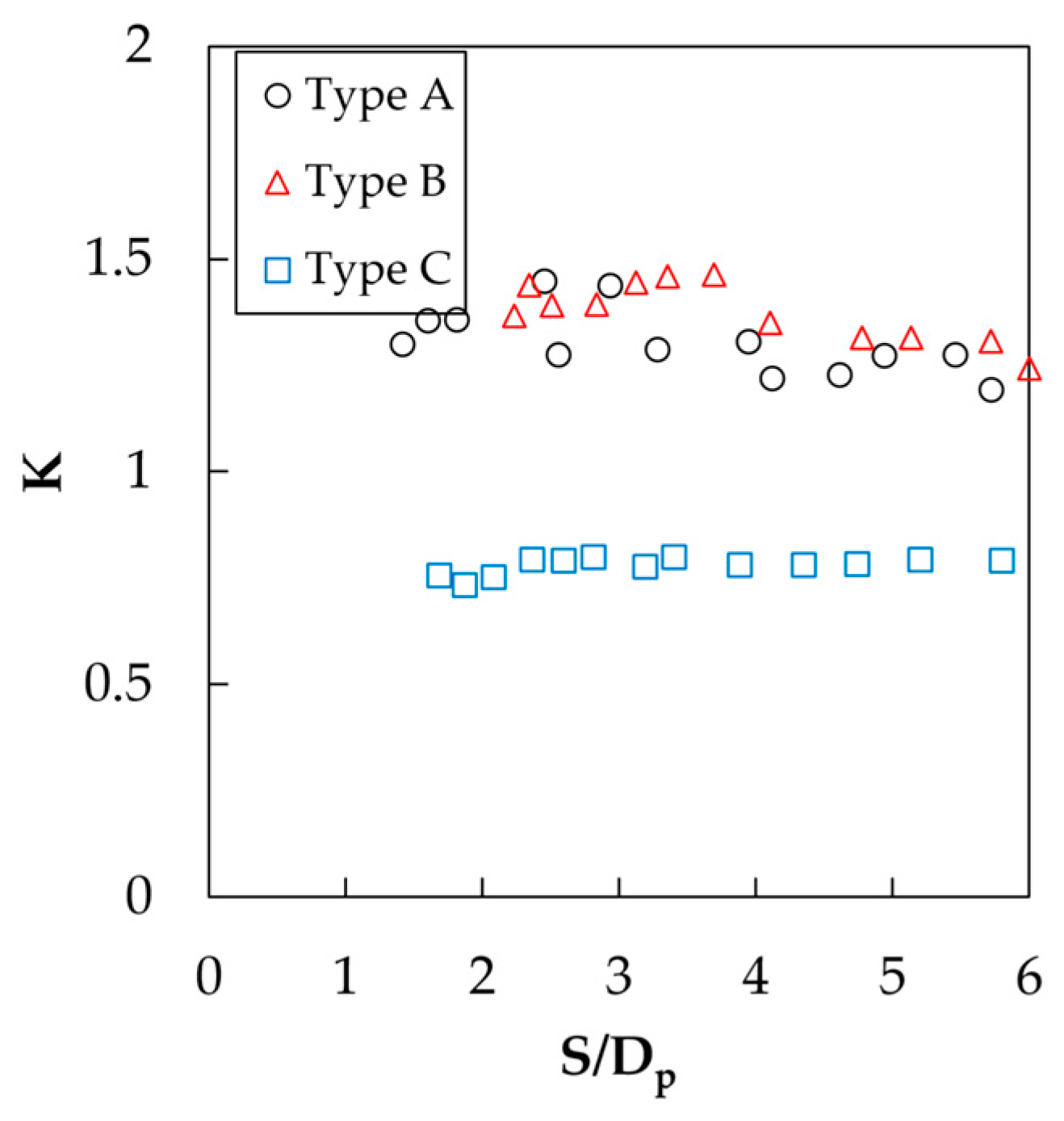
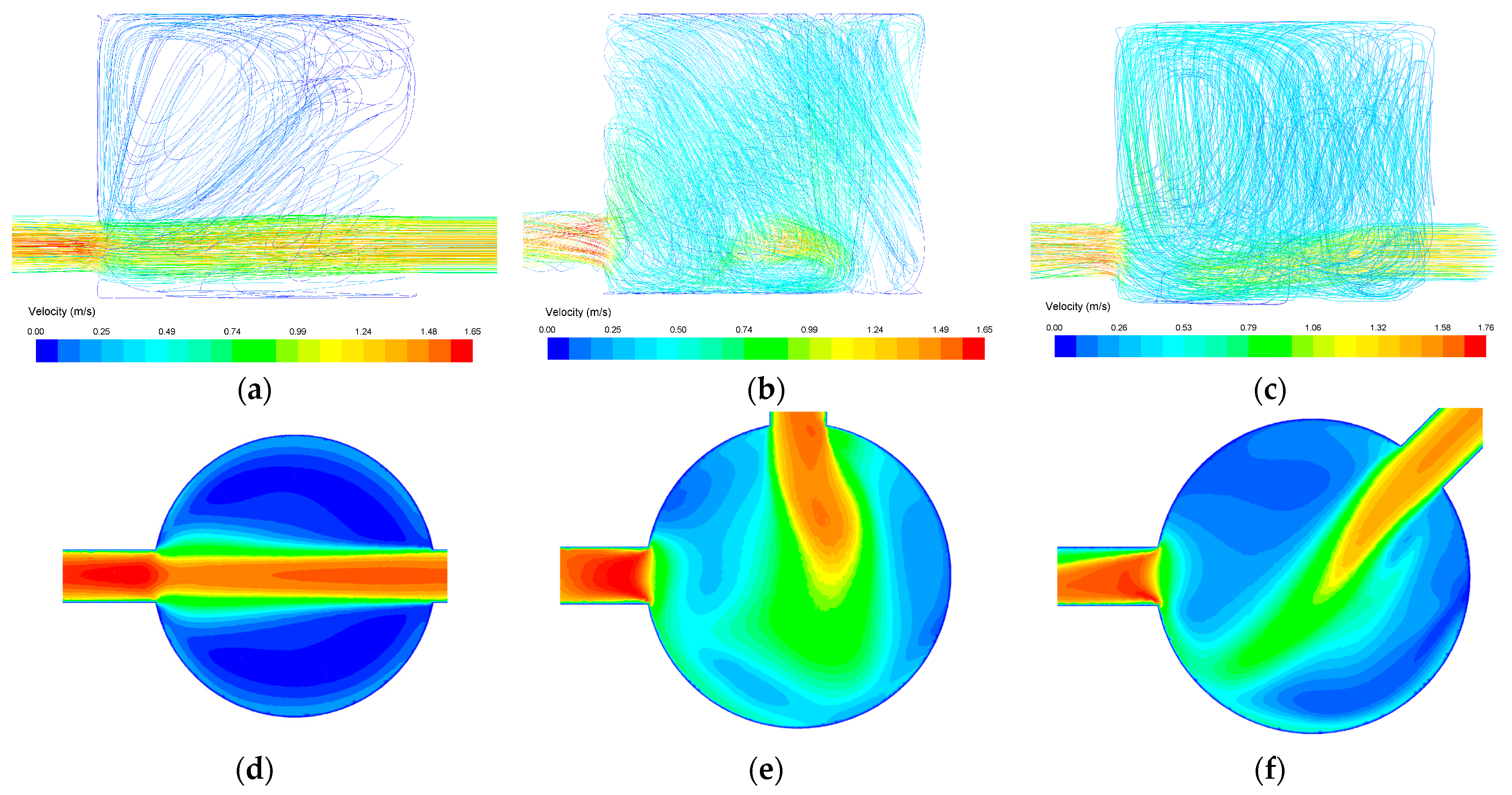
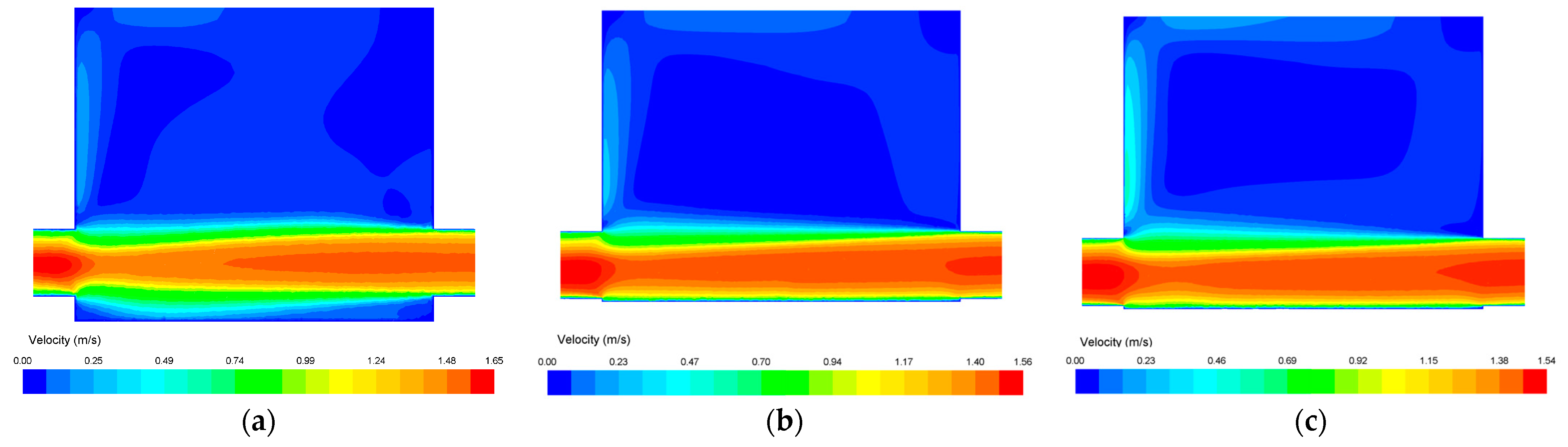
The loss coefficient is one of the most critical parameters in computing the hydraulic grade line of sewer systems. The head loss coefficient of a manhole is dependent on various hydraulic and structural characteristics, such as manhole mold, connection angle, and the ratio of manhole diameter to pipe diameter. Three different manhole molds, flat, half-bench, and full-bench, and connection angles of 180°, 90°, and 135° are investigated, where the manhole diameter to pipe diameter ratio is 5.3. This paper presents the results of experimental and numerical investigations focused on determining the loss coefficient for two-way straight-through and angled manholes. The flow structure inside the chimney is the significant parameter for the magnitude of the energy loss coefficient. The head loss coefficient is almost constant under the surcharged flow conditions for all kinds of manholes. In terms of head loss coefficients, half-channel manholes do not have a significant advantage over flat-bottomed manholes in the cases of 135° and 90° flow inputs. The full-bench bottom manhole head loss coefficient is the smallest. The computational fluid dynamic modeling results agree with the experimental studies.
Keywords: energy loss; manhole; surcharge flow; sewer junction; sewer hydraulic; CFD energy loss; manhole; surcharge flow; sewer junction; sewer hydraulic; CFD