Article

Temporal/Spatial Variation of Terrestrial Water Storage and Groundwater Storage in Typical Inland River Basins of Central Asia

1
State Key Laboratory of Desert and Oasis Ecology, Xinjiang Institute of Ecology and Geography, Chinese Academy of Sciences, Urumqi 830011, China
2
Key Laboratory of GIS & RS Application, Xinjiang Uygur Autonomous Region, Urumqi 830011, China
3
School of Geography Sciences and Tourism, Xinjiang Normal University, Urumqi 830054, China
4
Research Center for Ecology and Environment of Central Asia, Chinese Academy of Sciences, Urumqi 830011, China
5
China-Pakistan Joint Research Center on Earth Sciences, CAS-HEC, Islamabad 45320, Pakistan
*
Author to whom correspondence should be addressed.
Water 2021, 13(23), 3385; https://doi.org/10.3390/w13233385
Submission received: 22 September 2021 / Revised: 20 November 2021 / Accepted: 22 November 2021 / Published: 1 December 2021
(This article belongs to the Section Hydrogeology)

Abstract

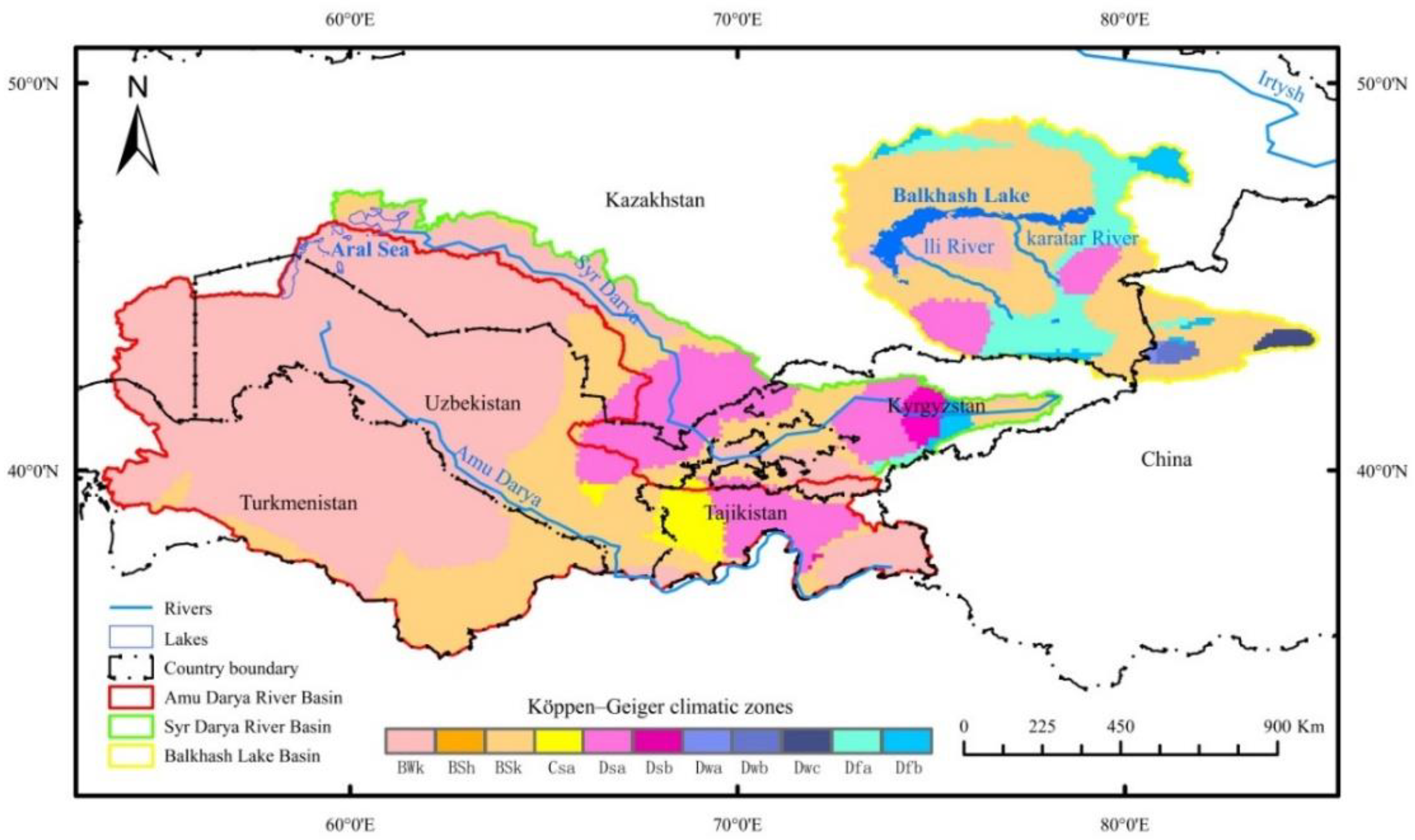
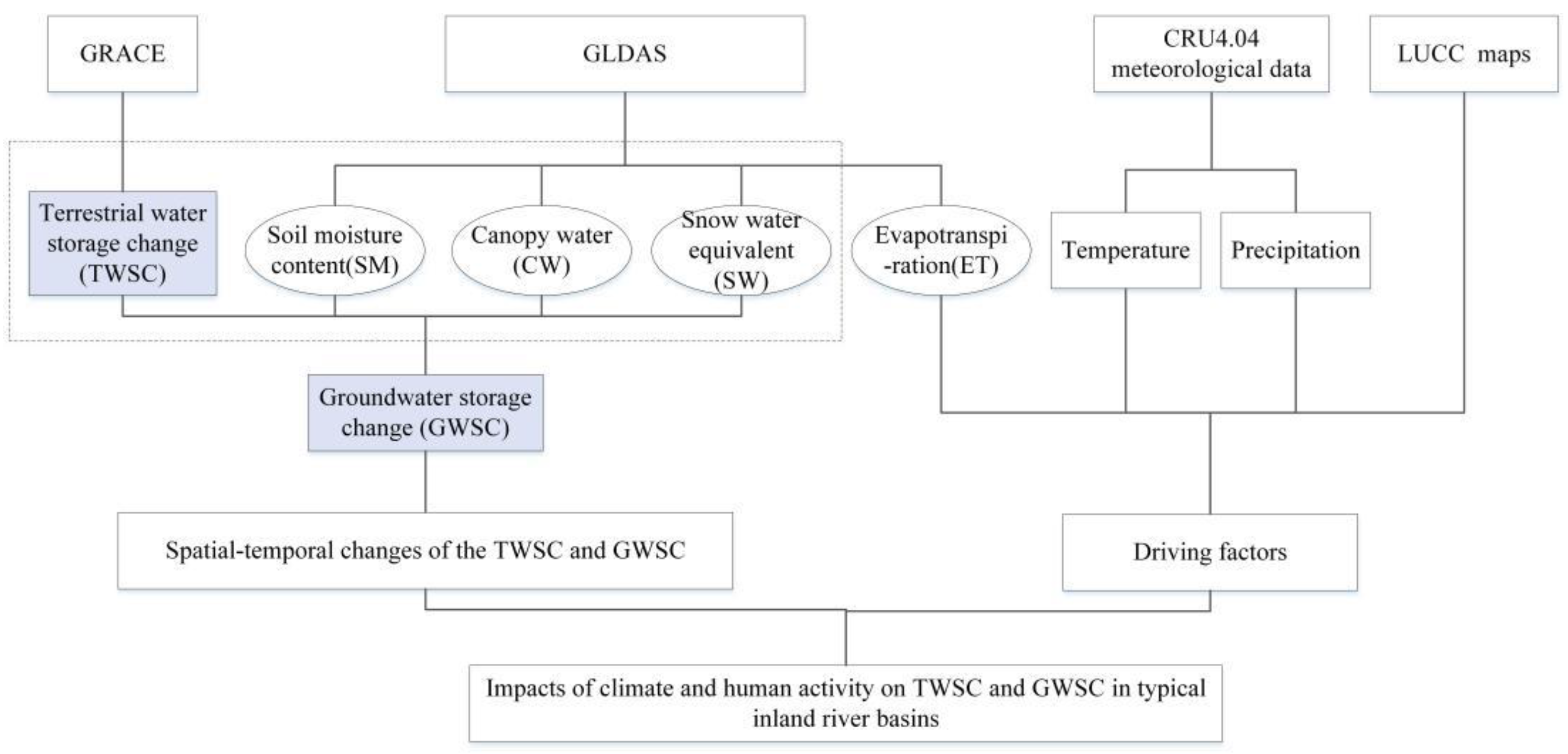
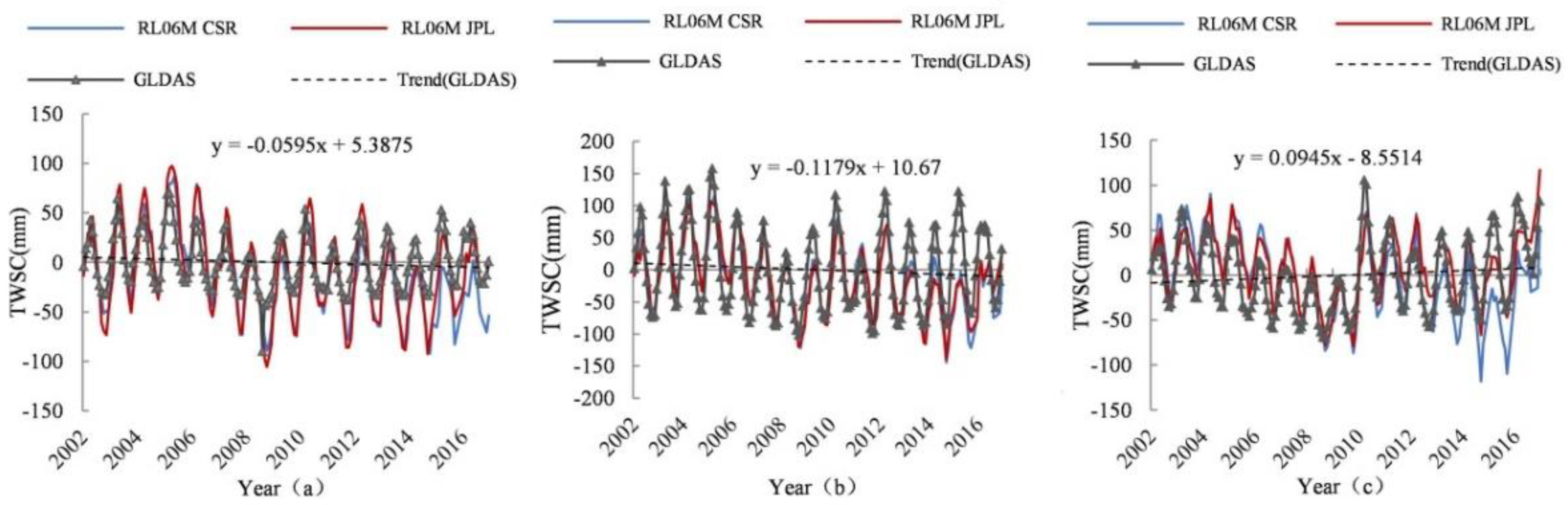
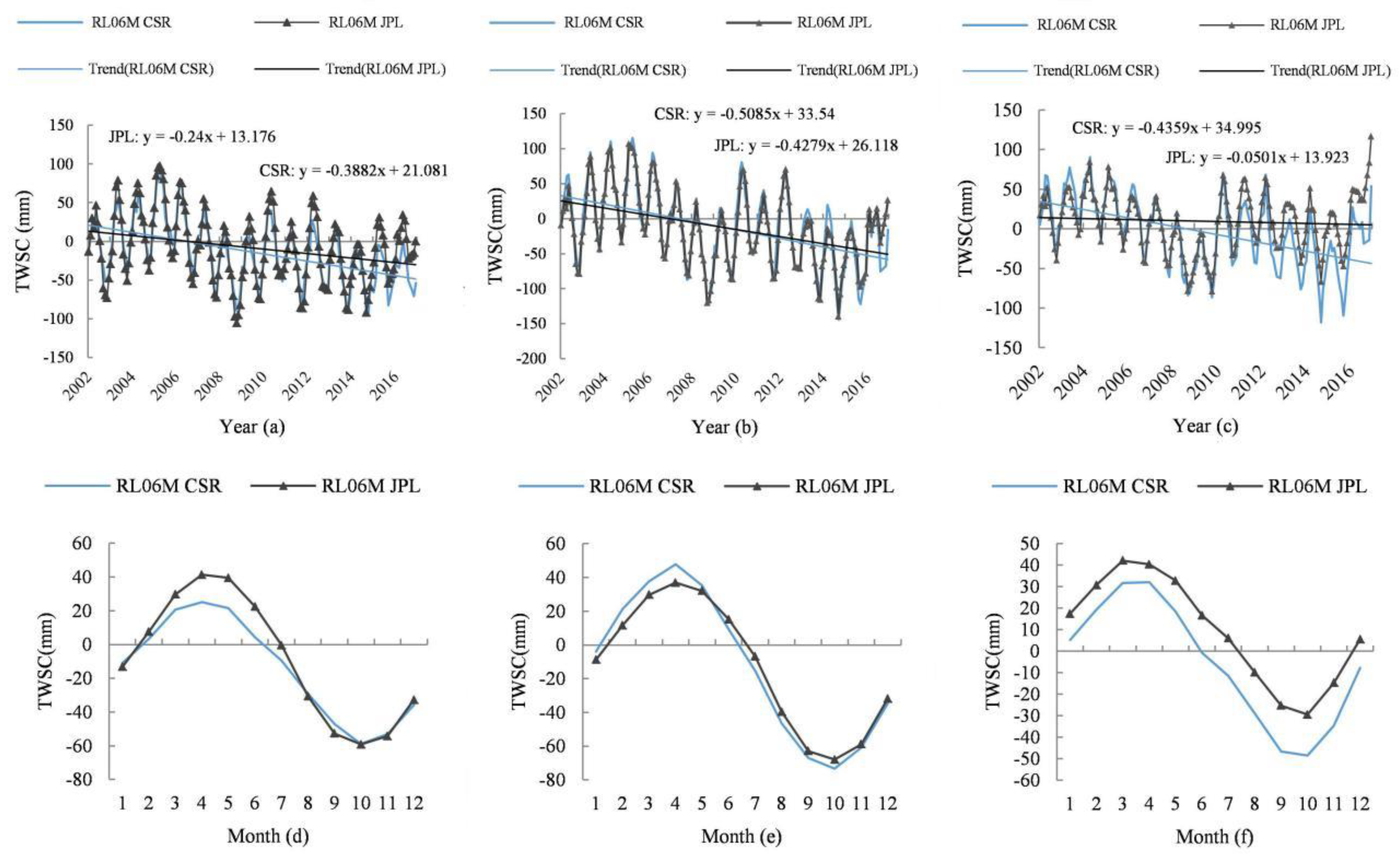
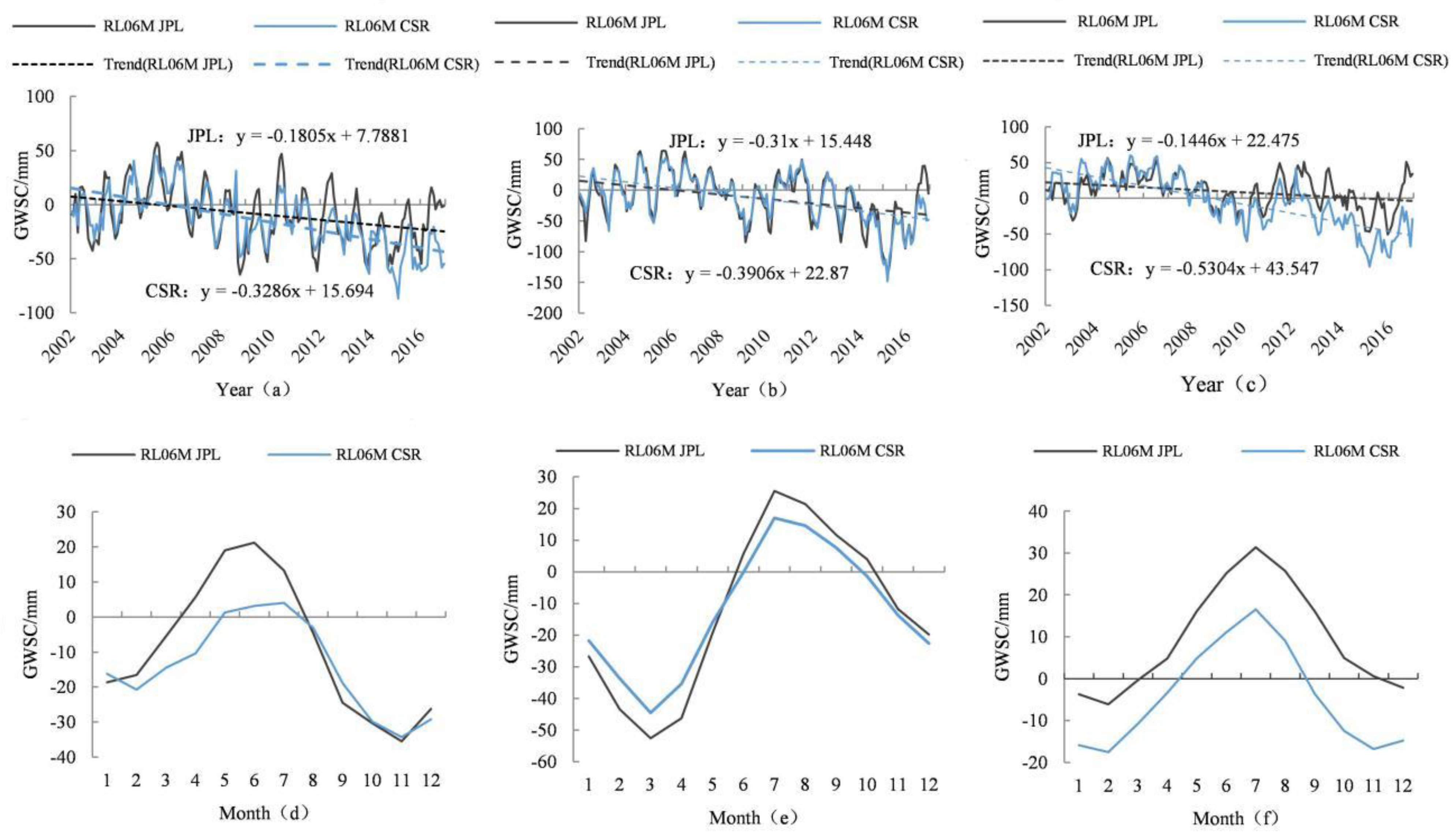
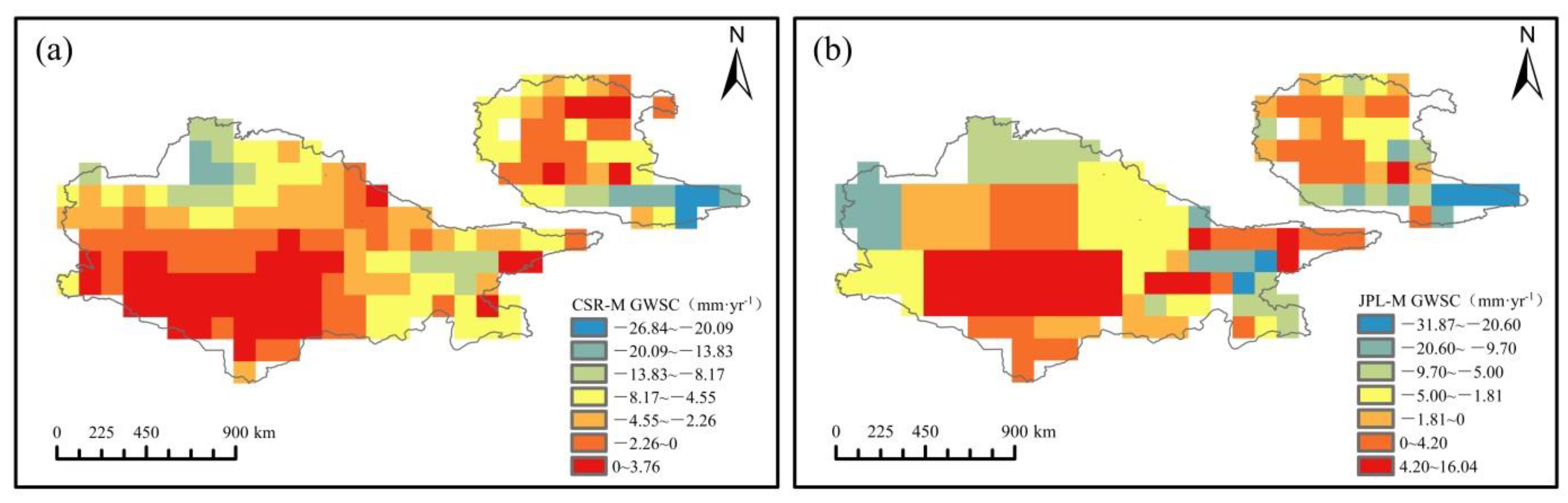
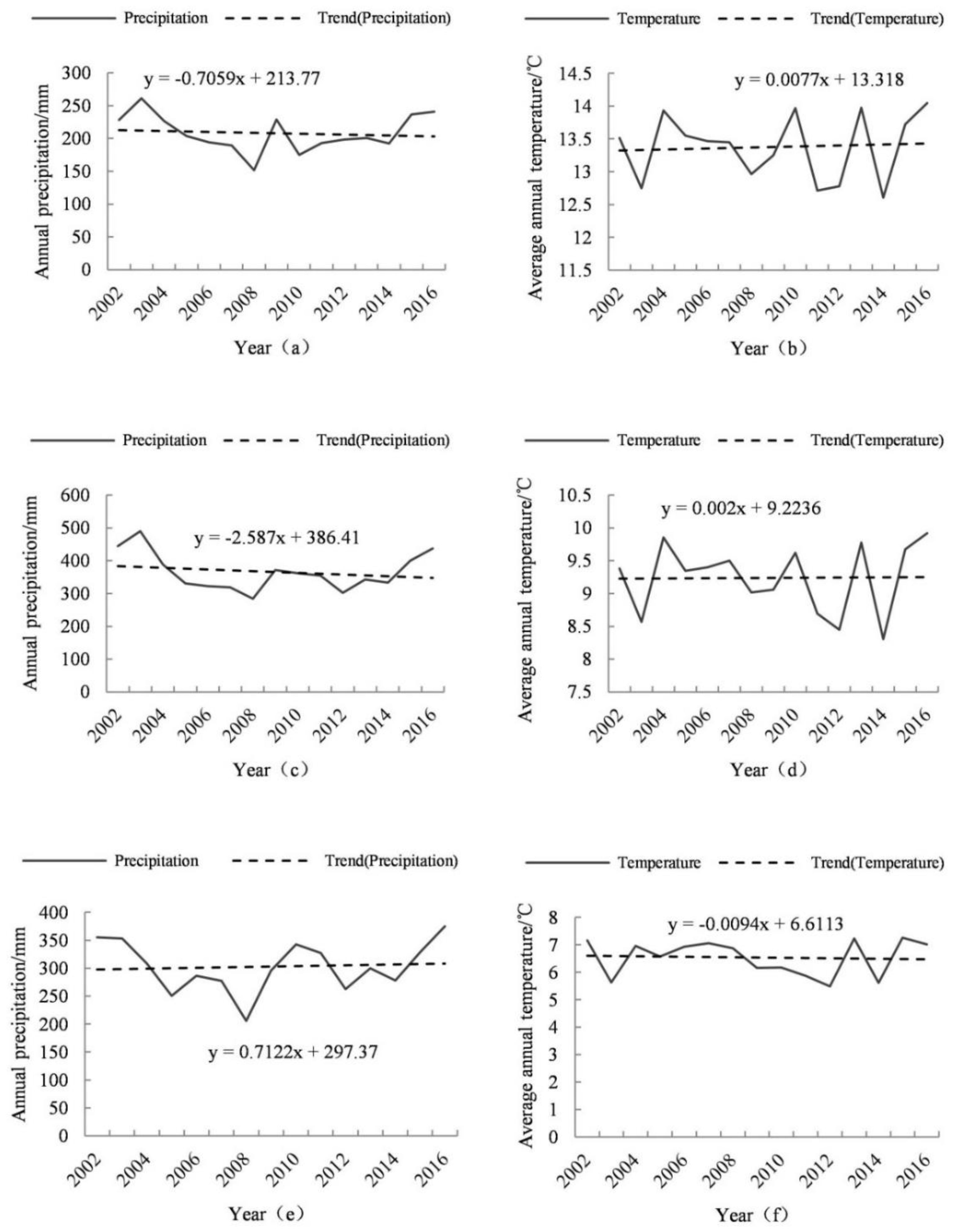
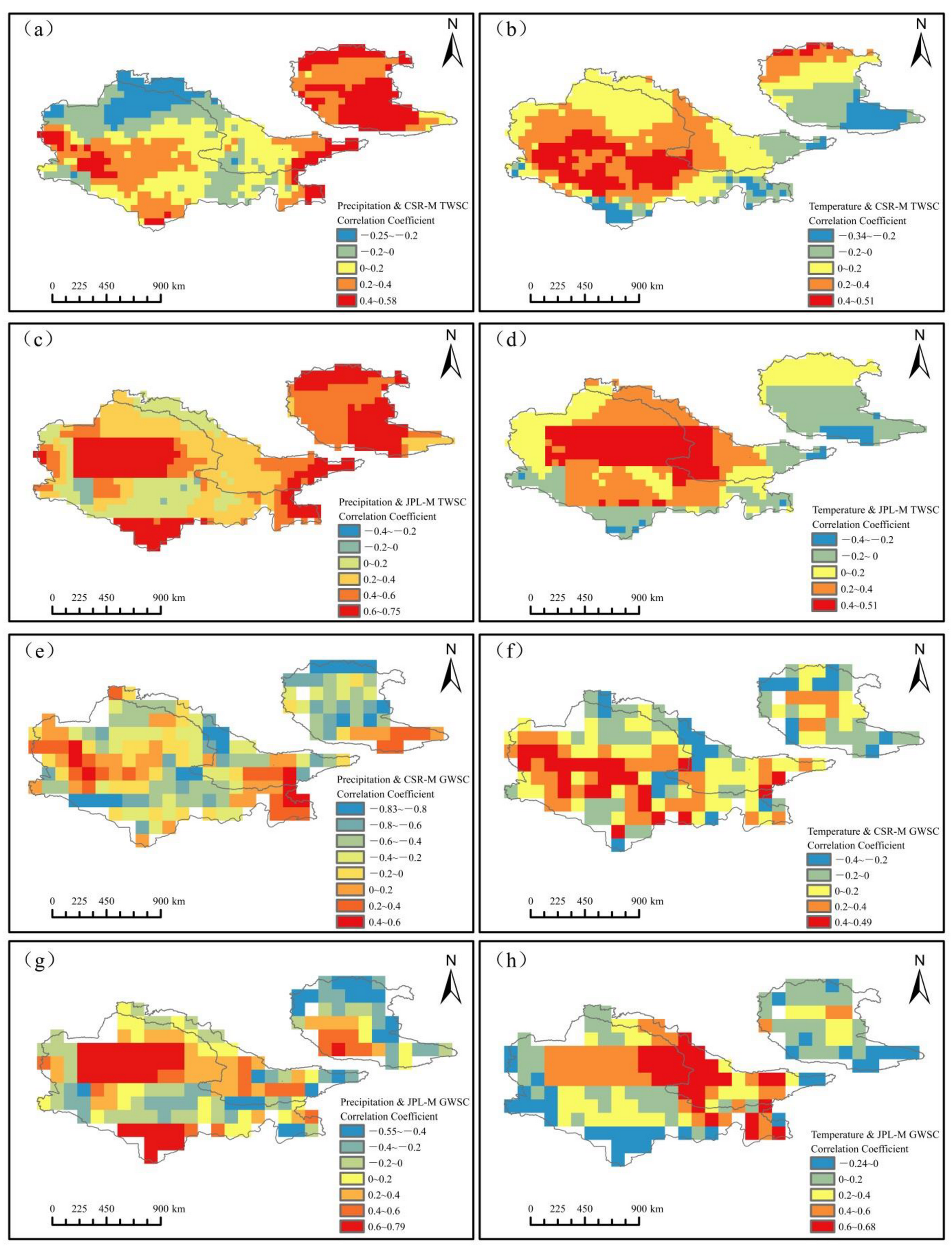
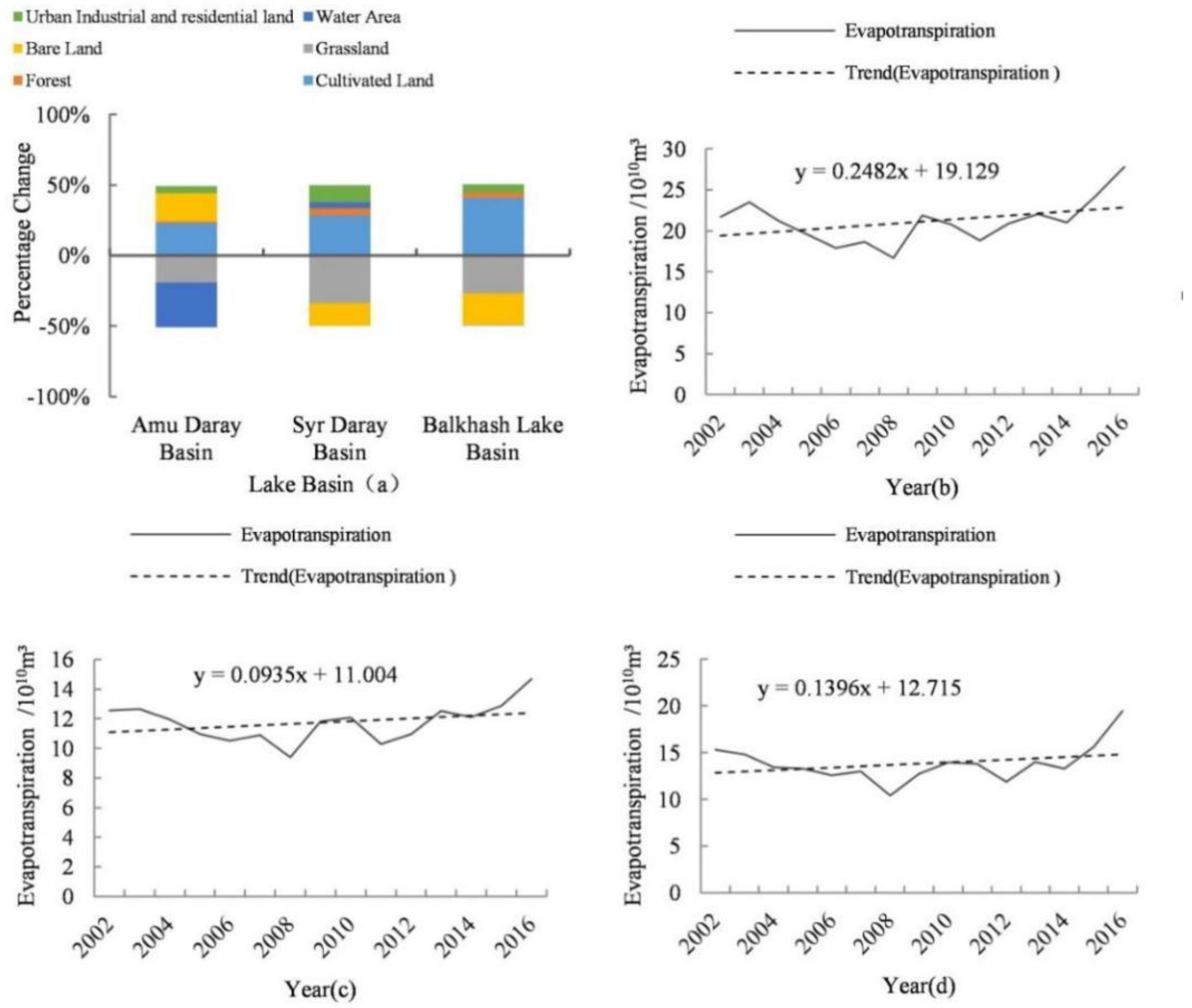
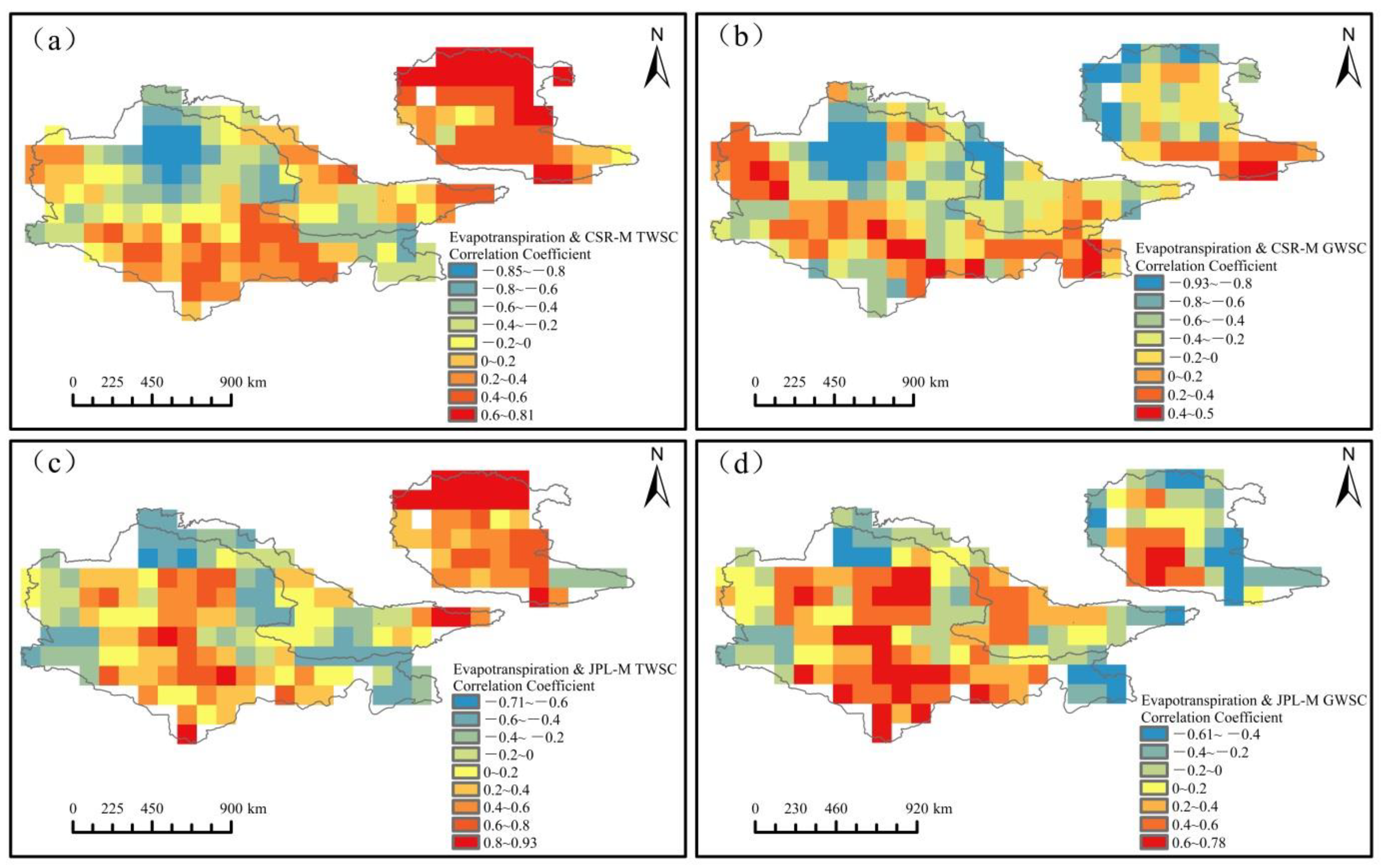
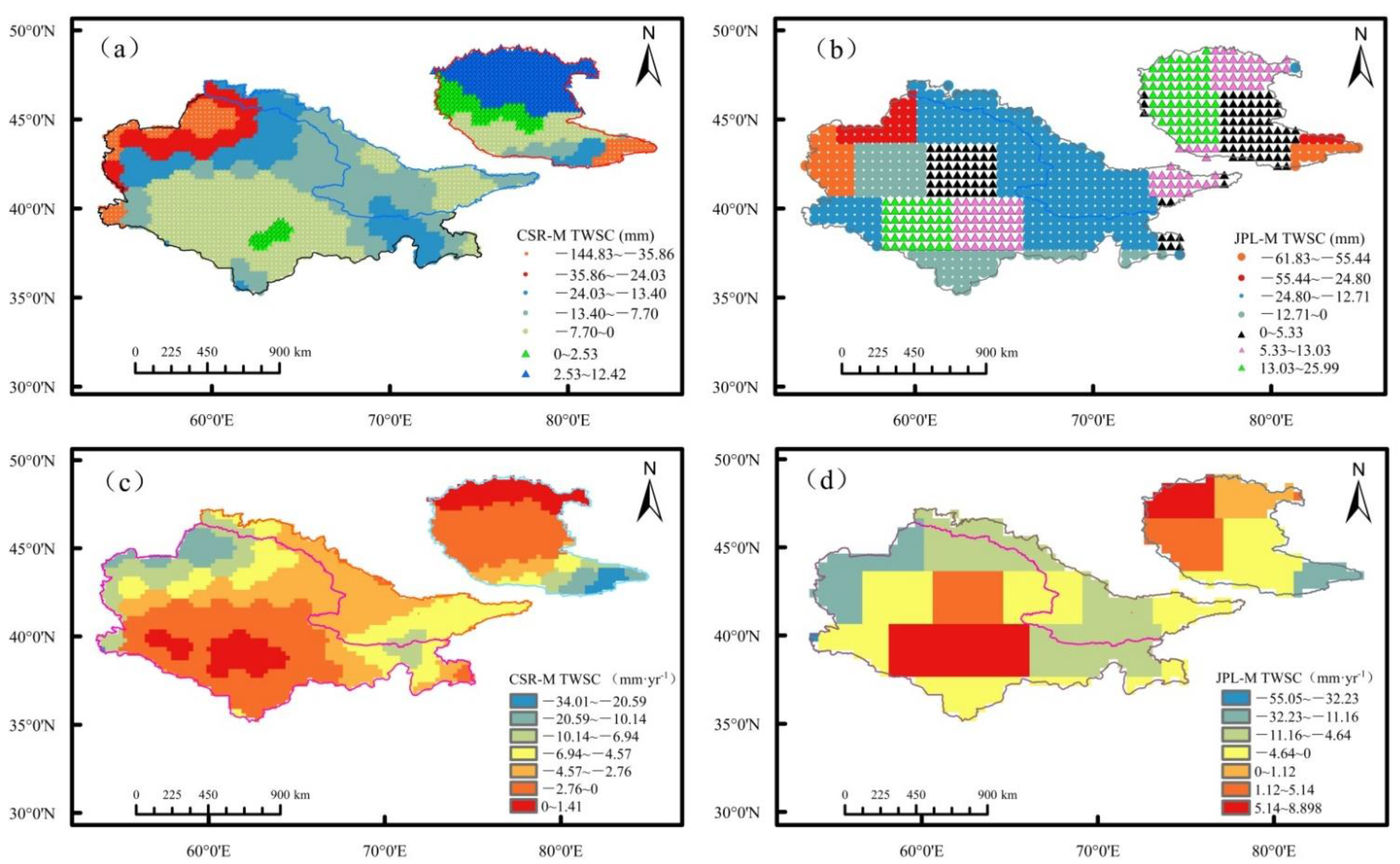
In this study, the Amu Darya river basin, Syr Darya river basin and Balkhash lake basin in Central Asia were selected as typical study areas. Temporal/spatial changes from 2002 to 2016 in the terrestrial water storage (TWS) and the groundwater storage (GWS) were analyzed, based on RL06 Mascon data from the Gravity Recovery and Climate Experiment (GRACE) satellite, and the sum of soil water content, snow water equivalent and canopy water data that were obtained from Global Land Data Assimilation System (GLDAS). Combing meteorological data and land use and cover change (LUCC) data, the joint impact of both human activities and climate change on the terrestrial water storage change (TWSC) and the groundwater storage change (GWSC) was evaluated by statistical analysis. The results revealed three findings: (1) The TWS retrieved by CSR (Center for Space Research) and the JPL (Jet Propulsion Laboratory) showed a decreasing trend in the three basins, and the variation of TWS showed a maximum surplus in spring (March–May) and a maximum deficit in autumn (September–November). (2) The decreasing rates of groundwater storage that were extracted, based on JPL and CSR Mascon data sets, were −2.17 mm/year and −3.90 mm/year, −3.72 mm/year and −4.96 mm/year, −1.74 mm/year and −3.36 mm/year in the Amu Darya river basin, Syr Darya river basin and Balkhash lake basin, respectively. (3) In the Amu Darya river basin, annual precipitation showed a decreasing trend, while the evapotranspiration rate showed an increasing trend due to an increasing temperature, and the TWS decreased from 2002 to 2016 in most areas of the basin. However, in the middle reaches of the Amu Darya river basin, the TWS increased due to the increase in cultivated land area, water income from flooded irrigation, and reservoir impoundment. In the upper reaches of the Syr Darya river basin, the increase in precipitation in alpine areas leads to an increase in glacier and snow meltwater, which is the reason for the increase in the TWS. In the middle and lower reaches of the Syr Darya river basin, the amount of evapotranspiration dissipation exceeds the amount of water replenished by agricultural irrigation, which leads to a decrease in TWS and GWS. The increase in precipitation in the northwest of the Balkhash lake basin, the increase in farmland irrigation water, and the topography (higher in the southeast and lower in the northwest) led to an increase in TWS and GWS in the northwest of the Balkhash lake basin. This study can provide useful information for water resources management in the inland river basins of Central Asia.
Keywords: GRACE; terrestrial water storage; groundwater storage; climate change GRACE; terrestrial water storage; groundwater storage; climate change