


Abstract
The objective of this study is to elucidate the mechanism by which blockages occur in sewer pipes following the deposition of fat, oil, and grease (FOG) and suspended solids (SS). In this study, a simulated wastewater flow experiment was conducted to elucidate the mechanism of sewer pipe blockage using lauric acid as fatty acid and florisil to simulate FOG and SS blockages, respectively. Unplasticized polyvinyl chloride pipes (ϕ = 50 mm) with a flow speed of 2 L/min and 1% inclination were used in this experiment. In “Case L & F (lauric acid florisil),” the deposition of florisil and adhesion of solids increased at the bottom of the sewer pipe over a set period. After seven days, decreases in lauric acid concentration from 1000 to 57 mg/L and in Ca2+ concentration from 18 to 0.8 mg/L were observed. FOG deposits formed solids by the saponification of lauric acid and Ca2+ from tap water. In the simulated kitchen wastewater, either lauric acid or florisil exhibited solid deposition and adhesion. Based on these findings, the blockage mechanism was elucidated to confirm FOG deposition of and SS influenced by the combination of lauric acid, Ca2+, and florisil.
1. Introduction
Fat, oil, and grease (FOG) in wastewater are discharged from restaurants and food processing factories. FOG impacts the performance of wastewater treatment facilities [1], and the treated wastewater quality. Furthermore, FOG causes blockages in sewer and sewer pipes. Recently, a severe problem of blockage of the sewer pipes was observed by FOG deposits in London [2]. The direct discharge of FOG into wastewater sewage is not permitted in most municipalities. Specifically, 30 mg/L or less in Japan and 60 mg/L or less in Singapore are the regulations for oil contamination of wastewater. Therefore, it is imperative to reduce the concentration of animal fats and vegetable oils in wastewater using grease traps and/or oil collecting equipment. A grease trap requires routine maintenance to sustain the adequate performance of the oil-water separation process. However, many grease traps are poorly maintained, resulting in costly repairs and health problems after a certain period [3].
Sewer pipe blockage by FOG is significant concern around the world and requires extensive research on the FOG deposition from wastewater. The distance from the FOG sources to the deposition points in the lower sewer pipe is approximately 50 to 200 m. Besides, FOG deposits affect 25.0 to 37.5% of wastewater overflow in sewage [4]. About 60% of sewer blockages in Hong Kong are caused by FOG deposits [5]. In 2004, the U.S. Environmental Protection Agency (EPA) reported that approximately 3 to 10 billion gallons of untreated wastewater were discharged, and about 50% of sewage blockages are caused by FOG deposits in sewer pipes [6]. Environmental problems have been reported due to FOG deposits on sewer pipes that are flushed away by heavy rain and drifted ashore to Tokyo Bay. In addition, if a business causes sewer blockage and can be identified, it must pay the required high cost of recovery. In this regard, sewer blockage by FOG deposits is a significant concern for Japanese businesses [7]. Up to 70% of the sanitary sewage overflows that occur in Malaysia are caused by FOG. In 2010 alone, the wastewater municipality in Malaysia received a total of 22,184 blockage inquiries [8]. The concentration of FOG in wastewater from restaurants in Thailand ranged from 730 to 1100 mg/L. Besides, this high concentration of FOG is from the effluents of fast-food restaurants [9]. Oil and grease have been identified as the major components causing beach pollution in both Sydney and Cartagena de Indias [10]. Thus, the problems and accidents involving sewer blockage due to FOG can occur anywhere in the world.
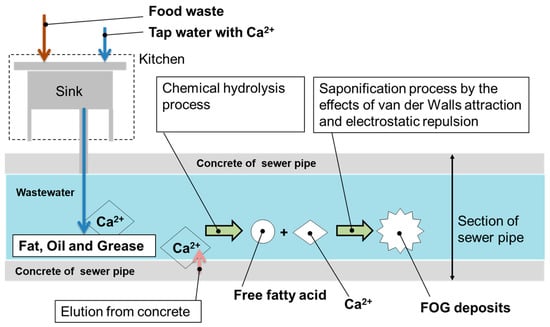
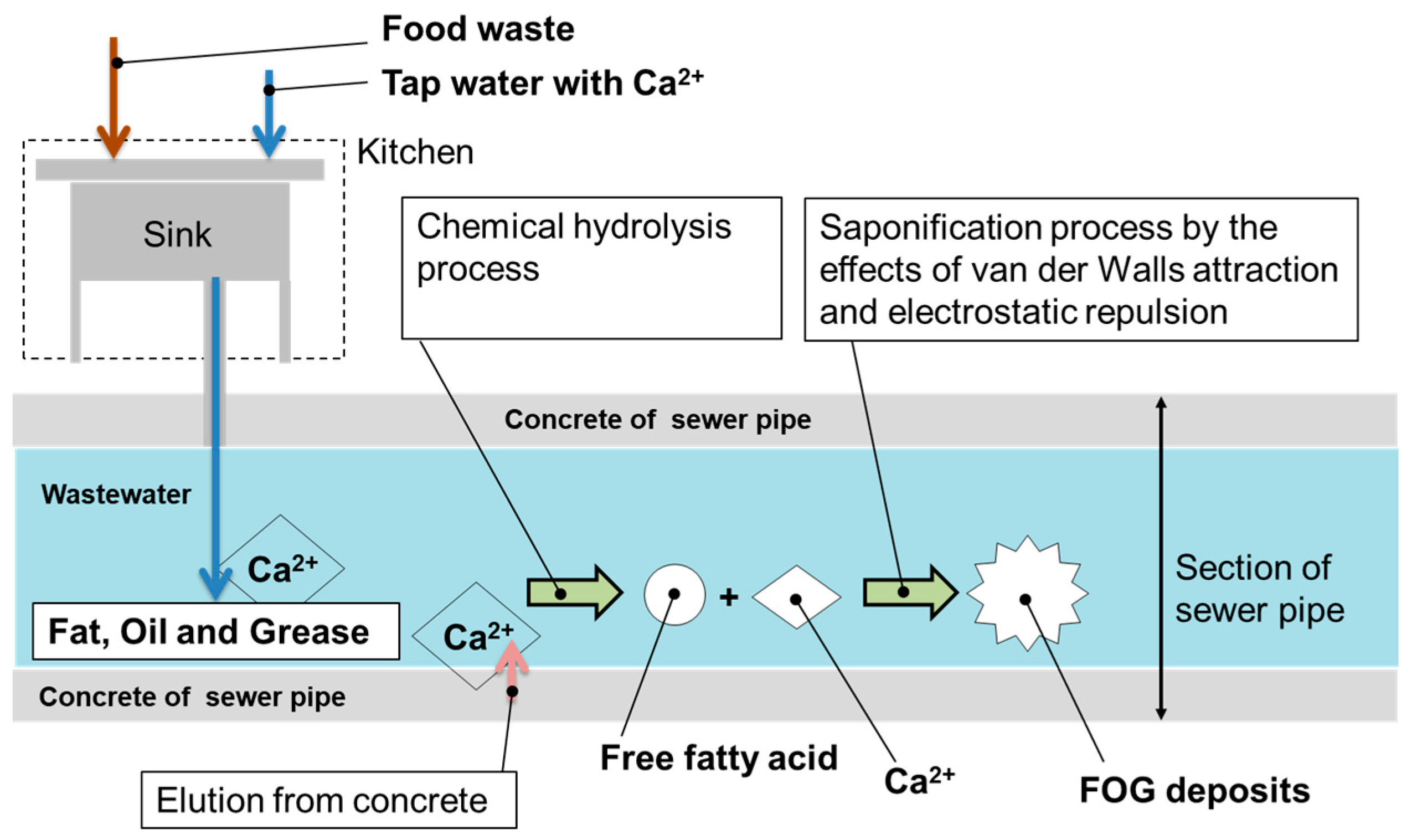
Moreover, very few research studies have been conducted to explain the mechanism of sewer pipe blockages due to the FOG deposition. According to the analytical results from the FOG samples, the main component was composed of high concentrations of palmitic acid and calcium [4]. From the FOG characteristics, significant increases in the Ca+ content are observed, and the proportion of oil in FOG deposits as water hardness increases [11]. When 1 g oil was added to 1 L of calcium chloride solution at pH 9, FOG deposits were observed on the 28th day. Oil was converted to free fatty acids by alkali hydrolysis forming FOG deposits with Ca [12]. The metal soap formation indicated the mechanism of blockages inside the sewer pipe due to FOG deposition, hydrolysis of natural fat, minerals in wastewater from concrete sewer pipes, and oxidants in the wastewater [13]. Free fatty acids promote saponification (COO−) discharged from the kitchen and calcium (Ca2+) eluted from the concrete sewer, and the FOG deposit due to the effects of Van der Waals attraction and electrostatic repulsion. FOG deposits are reproduced by mixing the two major components (COO− and Ca2+) under laboratory conditions [12]. The proposed mechanism of FOG deposit formation is shown in Figure 1.
Figure 1.
Proposed mechanism of fat, oil, and grease deposit formation in sewer lines [12].
Wastewater discharges from restaurants and food processing factories have suspended solids (SS), including carbohydrates and proteins in addition to oil and fat. Alkaline detergents are also used in dishwashers. Organics or chemical substances such as detergents in wastewater are the main factors contributing to blockages in sewer pipes. There are multiple effects such as SS or oil and fat in wastewater, the velocity of wastewater, and the condition inside the wall of the sewer pipe. However, the blockage mechanism in the sewer pipe has not been elucidated accurately to enable the determination of a feasible solution. Previous studies have focused on understanding the phenomena related to blockage and dealing with individual physical-chemical and biological treatments. There is an urgent need to understand the blockage mechanism for new types of FOG and SS to find an effective solution for preventing blockage and wastewater treatment for food industries, fast food restaurants, and households.
Therefore, the purpose of this research is to determine the reason for blockage at the lab scale and clarify the mechanism of blockage formation in the sewer pipe due to FOG deposition and SS through wastewater flows from the viewpoint of physical and/or chemical conditions. This approach will help to quantify pipe blockage in the sewer by wastewater due to oil from restaurants or food processing factories. A blockage inside the sewer pipe can be understood to occur due to SS and FOG deposition as demonstrated using a simulated experiment of sewer pipe blockage with a reproducible diameter and inclination of the pipe, which is commonly used in the sewerage system in Japan.
2. Materials and Methods
2.1. Equipment for the Simulated Experiment of Sewer Pipe Blockage
FOG deposits, SS, wastewater temperature, wastewater speed, and microorganisms interact to cause blockage of sewer systems in kitchens, restaurants, and food factories. The simulated experiment for sewer pipe blockage was conducted using the artificial equipment involving sewer pipes to find the direct relationship between the interaction of FOG deposit and SS and the blockage in sewer pipes.
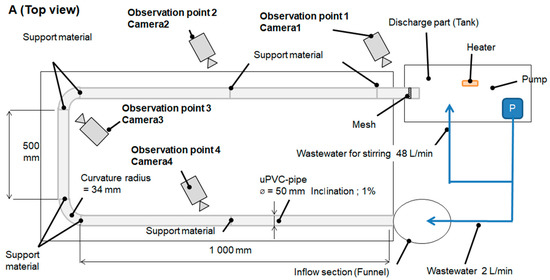
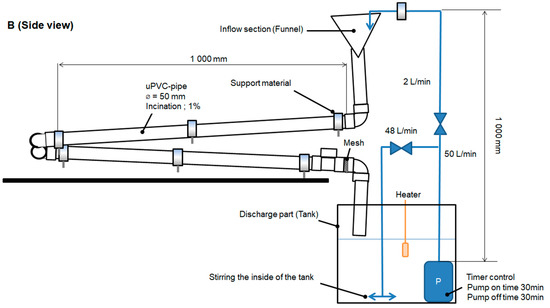
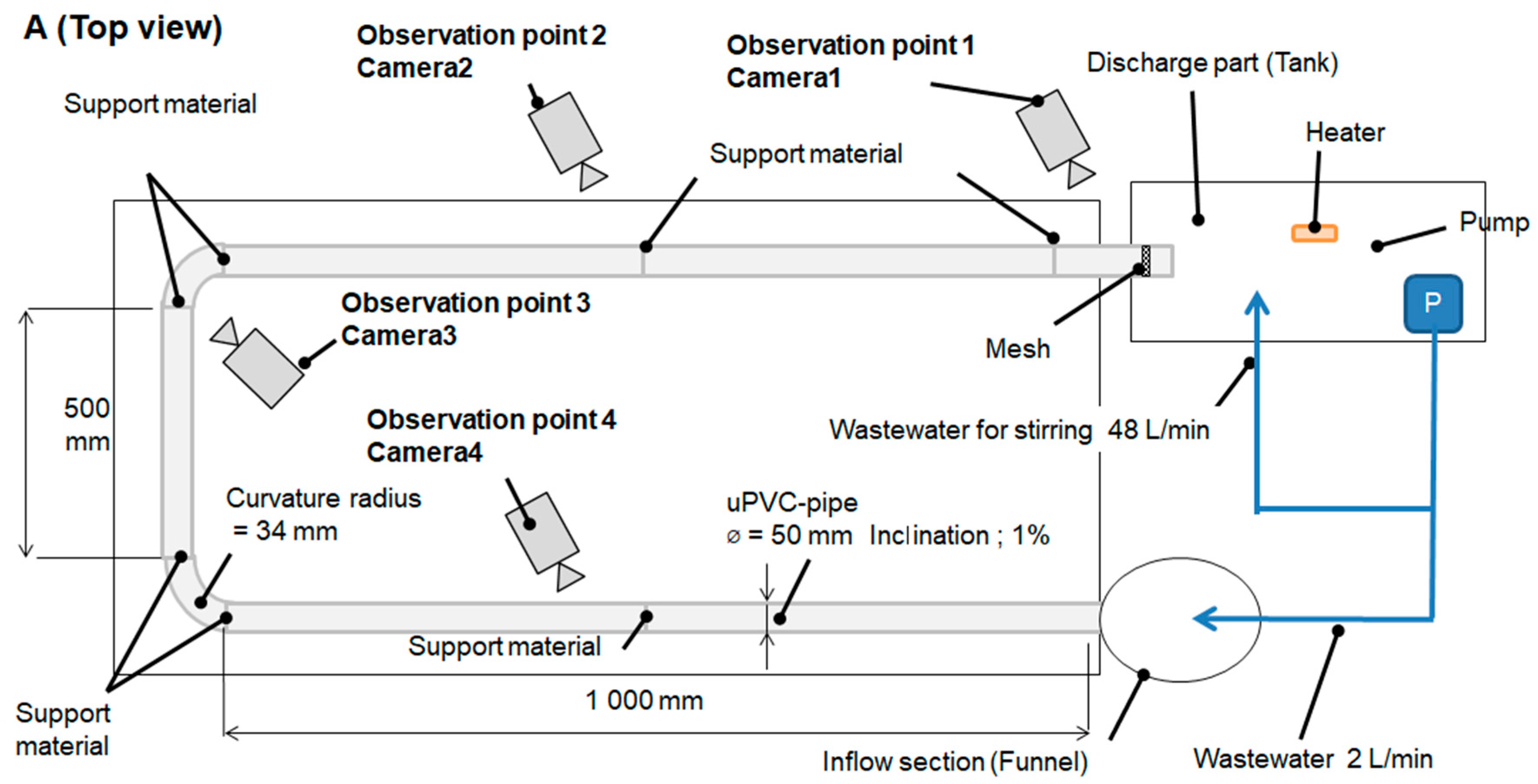
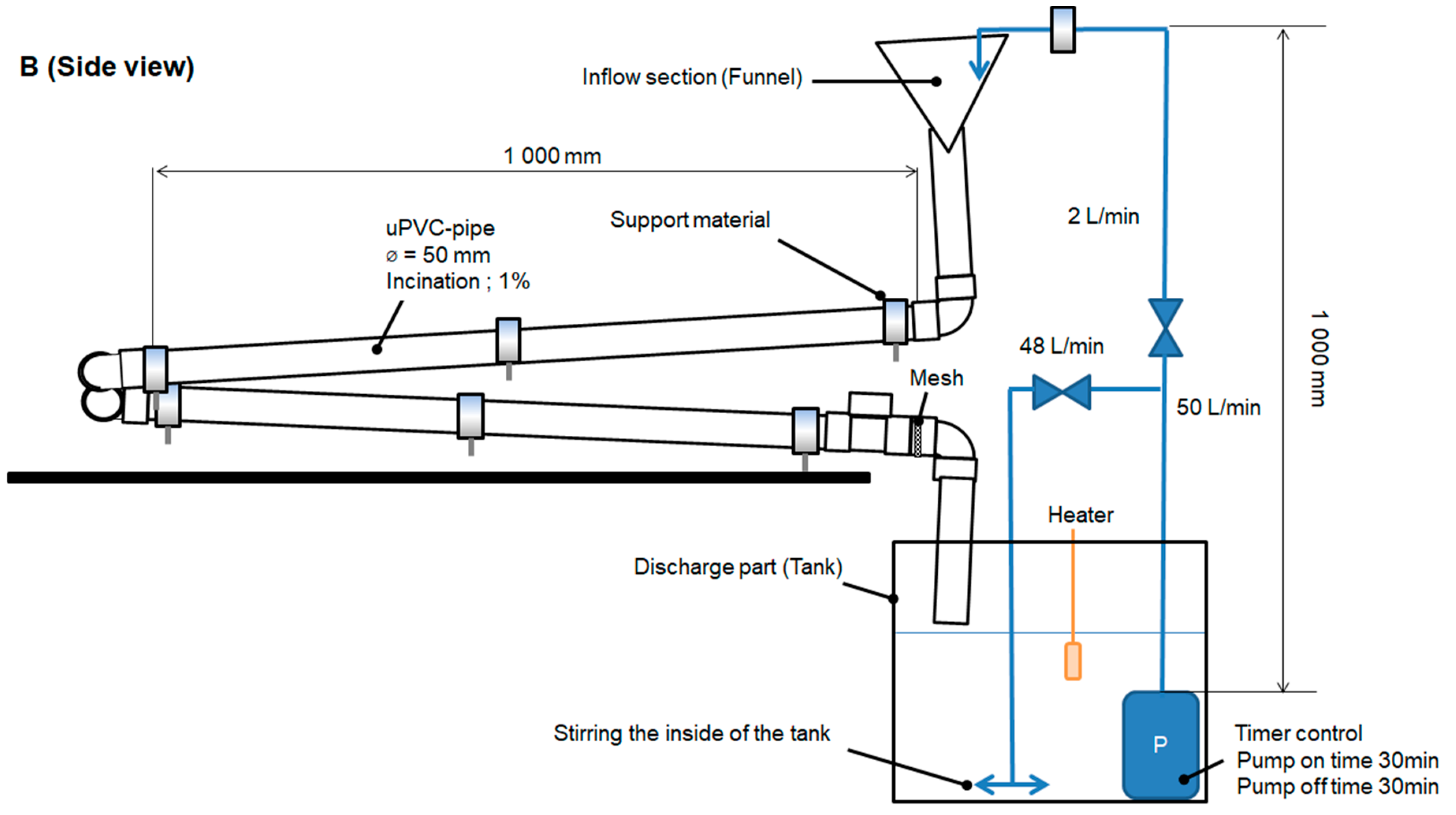
Transparent unplasticized polyvinyl chloride pipes (uPVC pipe, ϕ = 50 mm) and 1% pipe inclination were used for the sewer pipes of the equipment. A screening mesh made of plastic with openings of 5 mm was set between the final parts of the sewer pipe to create blockages in the sewer pipe easily. The equipment was set up in an experimental room with a room temperature of 20 °C. A pump was installed to circulate the simulated wastewater in the equipment. The pump was operated intermittently, with a pumping-on time of 30 min and a pumping-off time of 30 min (total circulated volume 60 L/time). The experiment was performed at a velocity of 8 L/min for simulated wastewater. As a result, the velocity of the wastewater was too high to check the blockage in the sewer pipe. There was a possibility of blockage in the sewer pipe where the wastewater flow was weak. Previous studies have reported that the blockage in sewer pipes occurred at a point away from the FOG source [4]. Hence, the adopted velocity of the simulated wastewater was 2 L/min. Four cameras were set to observe the flow of change for simulated wastewater in the sewer pipe (Figure 2).
Figure 2.
Outline of the equipment for simulated experiment to elucidate blockage mechanism in the sewer pipe: (A) top view and (B) side view.
2.2. Combination of Simulated Wastewater
Tap water (SS concentration 0 mg/L, Ca2+ concentration 18 mg/L, oil concentration 0 mg/L), lauric acid (C12H24O2) as saturated and unsaturated fatty acids for FOG deposit and florisil as SS of vegetable scrap were used to prepare 20 L of simulated wastewater for the experiment. Lauric acid is also included in commercial detergents for dishwashers or soaps [14].
Three types of simulated wastewater were used: Case L & F (lauric acid and florisil), Case F (florisil), and Case L (lauric acid). The concentrations of lauric acid and florisil were simulated in general kitchen wastewater using a disposer performance test in Japan [15]. These concentrations were adjusted to 1000 mg/L lauric acid and 1750 mg/L florisil concentration. Ca2+ was included in the tap water as a mineral. The temperature in simulated wastewater was maintained at 40 to 45 °C during the experiment. The reasons were that the melting point of lauric acid was approximately 45 °C, the simulated wastewater was supposed to be similar to kitchen wastewater from the restaurant, and according to our experience, kitchen wastewater has a temperature of approximately 40 °C. The temperature was maintained during the experiment using a small heater. Simulated wastewater is shown in Table 1. The physical properties of lauric acid [16] and florisil [17] used in this experiment are shown in Table 2.
Table 1.
Concentration of the types of simulated wastewater used in the experiment.
Table 2.
Physical properties of the lauric acid and florisil for the experiment.
2.3. Experimental Procedure to Simulate Sewer Pipe Blockage
The experimental conditions of the velocity or temperature of the simulated wastewater and other parameters are listed in Table 3. There are cases where wastewater flows continuously in actual sites. Although the experiment was performed in batch type, the operation of the equipment was brought closer to the real site under the experimental conditions shown in Table 3.
Table 3.
Experimental parameters and conditions considering different parameters of wastewater flow conditions.
Seven days was set as the operating period. Images were taken at each 10 min interval to observe changes, deposition, and adhesion inside the sewer pipe. Low concentrations of lauric acid and florisil were reported for the wastewater quality on the 2nd day. During this period, the need to add lauric acid and florisil was assessed to cause a blockage. Then, lauric acid and florisil of additional half of the amount (lauric acid 10 g and florisil 17.5 g) were added into the wastewater on the 2nd day of the experiment. Besides, tap water was added until the amount of simulated wastewater reached 20 L to compensate for the evaporated wastewater. The concentrations of lauric acid, florisil, and Ca2+ were analyzed on the 1st, 2nd, and 7th day. FOG deposits were formed on the sewer pipe on the 5th day, and therefore the wastewater quality was not analyzed to consider how sampling affected the blockage. This experiment included water quality analysis and was performed twice to confirm the reproducibility of the findings.
The lauric acid concentration was analyzed by adding 60 mL of hexane to 1 L of simulated wastewater, stirring the simulated wastewater at 250 rpm for 10 min, extracting the hexane layer, and volatilizing hexane completely at 80 °C. The concentration was calculated by dividing the lauric acid weight by the amount of the sample. In the analysis of the concentration of florisil, 200 mL of simulated wastewater using glass fiber filter paper (pore size one μm), whose weight was measured, was filtered, and the filter paper was dried at 110 °C for 2 h and weighed again. The concentration was calculated by dividing the measured weight by the amount of sample water. The concentration of Ca2+ in tap water was measured by adding 2 mL of hydrochloric acid (1 + 1) to the simulated wastewater filtered using a membrane filter (pore size 0.45 μm), and then topping up the sample to 100 mL and adding 10 mL of lanthanum (La, 50 g/L). This solution was then analyzed by atomic absorption spectrometry.
3. Results
3.1. Results for Case L & F (Lauric Acid and Florisil)
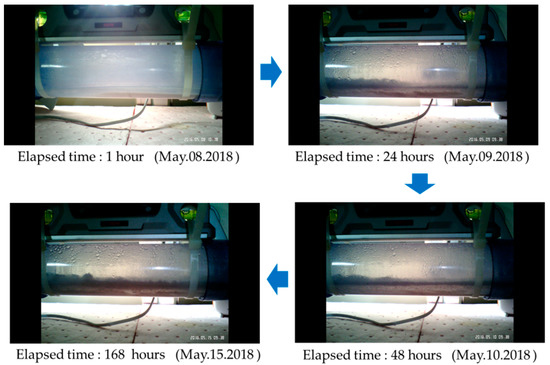
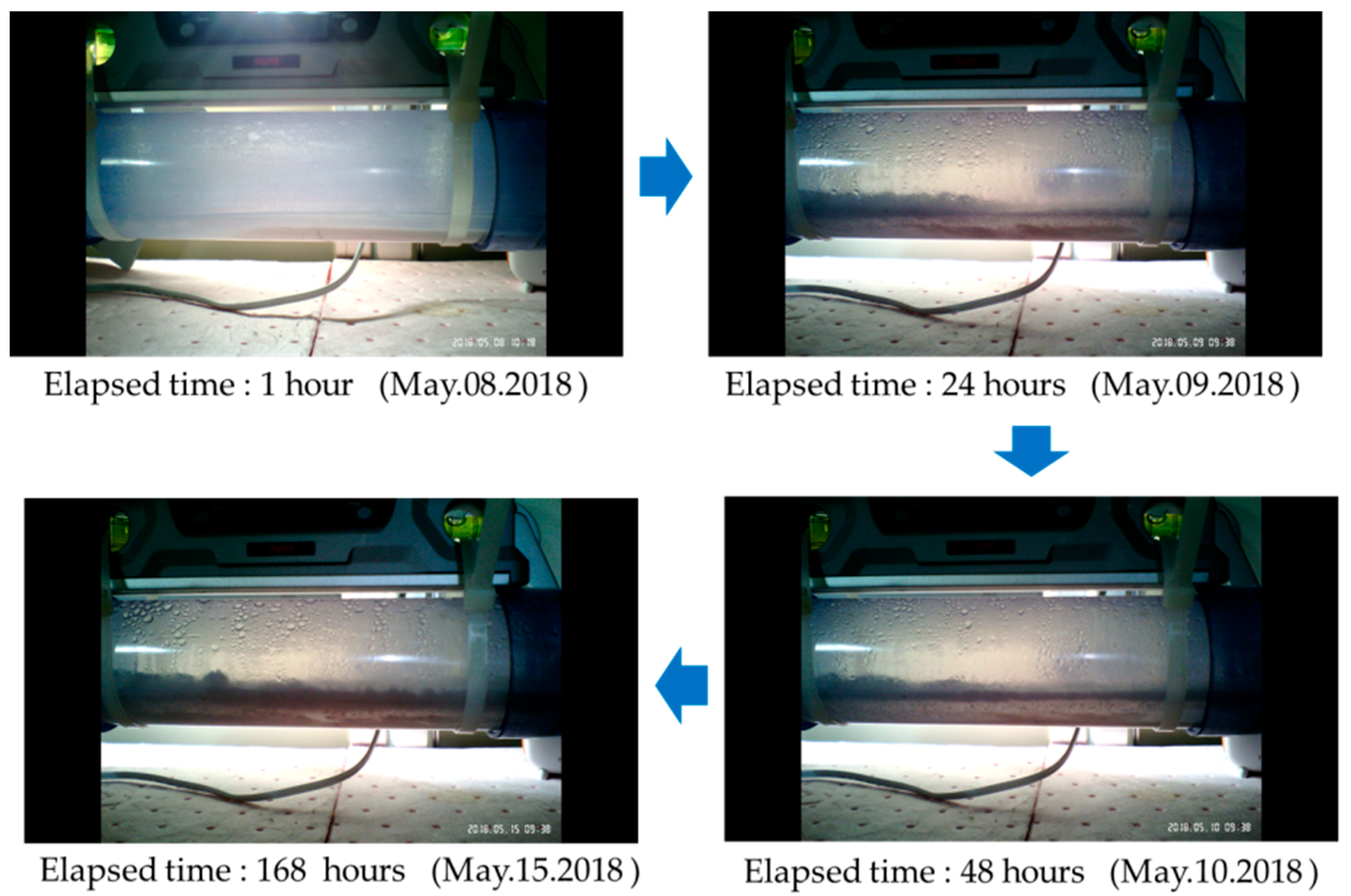
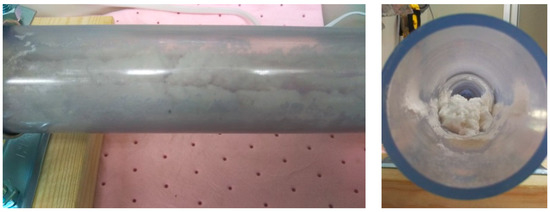
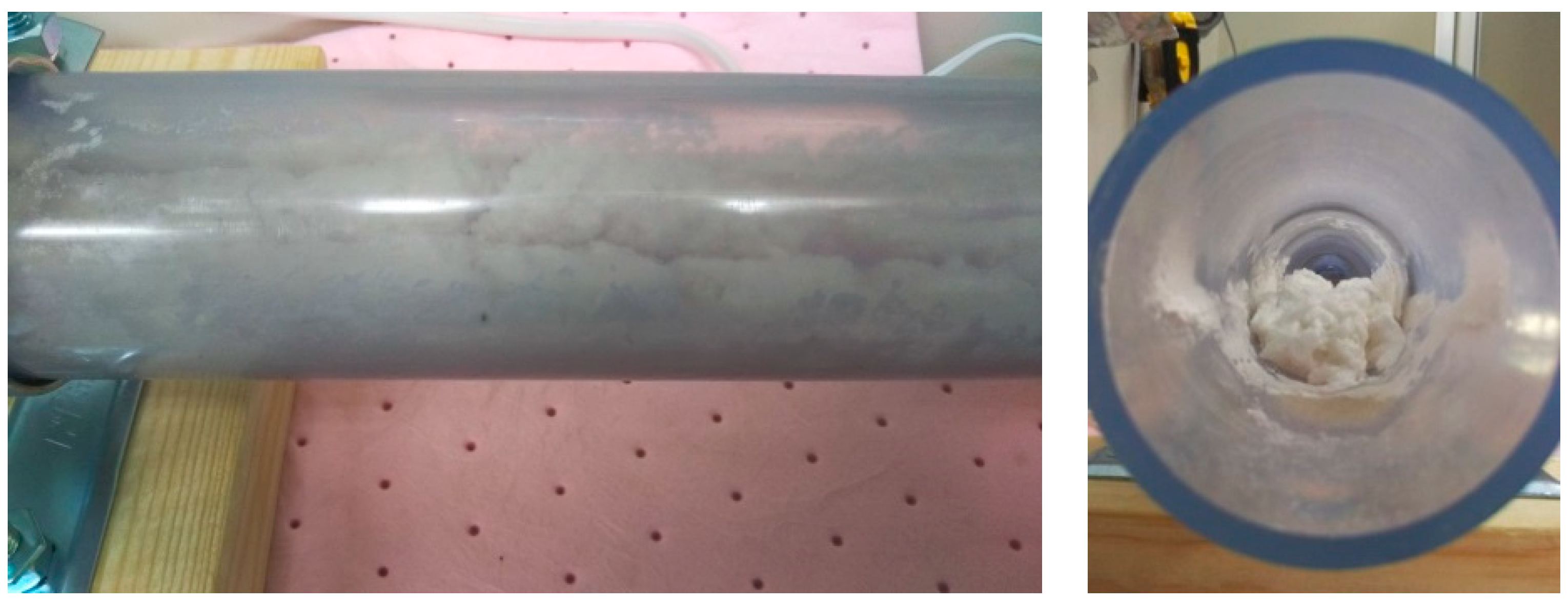
The analysis of Case L & F (lauric acid and florisil) was conducted from 8 May 2018 to 15 May 2018. From the results, solid deposits in the sewer pipe were observed at the observation point 2 and 4 of the straight pipe. The deposition process of solids at the observation point 4 is shown in Figure 3, and the clogging condition of the sewer pipe after the 7th day is shown in Figure 4.
Figure 3.
Deposition process of solids in the sewer pipe in the simulated experiment (Observation point 4).
Figure 4.
Clogging inside the sewer pipe on the 7th day in the simulated experiment (Observation point 4).
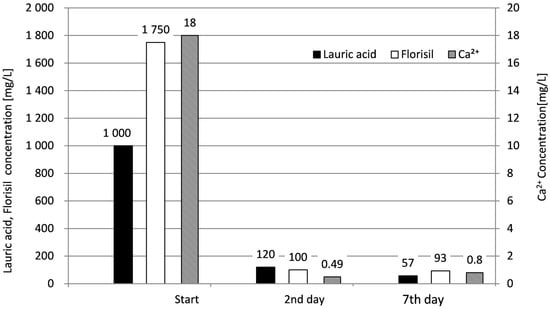
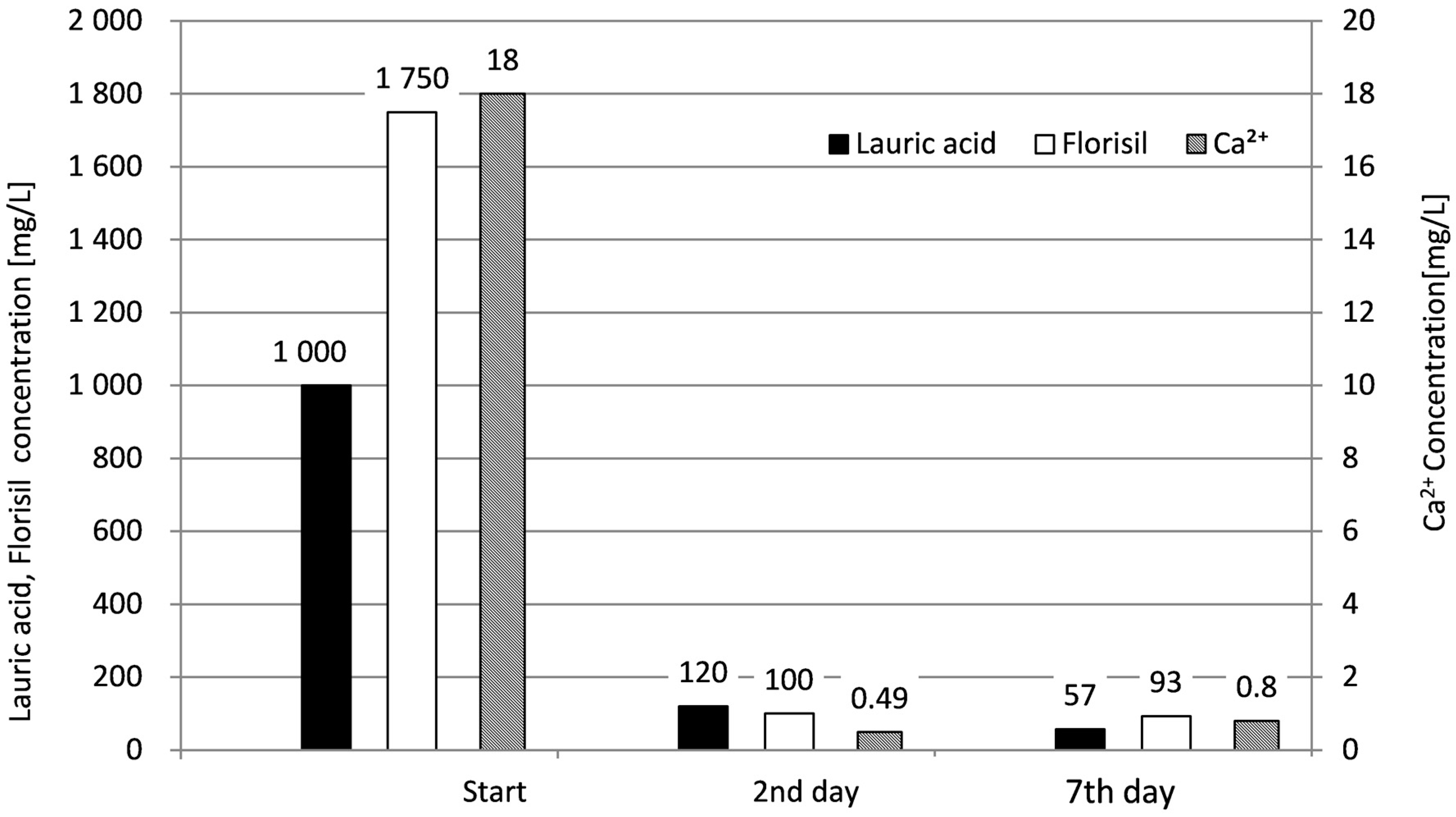
The deposition of florisil was observed on the pipe bottom after 1 h of the experiment. The deposition process of florisil and solids was found at the bottom of the pipe 24 h. The deposition and adhesion of solid were observed after 48 h. After 72 h, an increase in the thickness of adherence was observed over time. There was no overflow of the simulated wastewater from the sewer pipe, since the operation of the pump was at a constant discharge flow rate of 2 L/min. The speed of wastewater in the unblocked part increased, and therefore, the simulated wastewater flow was not affected. The results of water quality analysis at the 1st and 7th day in the experiment are shown in Figure 5.
Figure 5.
Comparison of water quality analytical findings for Case L & F (lauric acid and florisil) for different days.
Water quality analysis on the 2nd day showed a decrease in the concentration of lauric acid, florisil, and Ca2+. The solids adhering to the pipe were estimated by the saponification of lauric acid and Ca2+. Moreover, the florisil concentration decreased to 100 from 1750 mg/L in the sewer pipe. Afterward, the amount of solids and florisil increased with the addition of lauric acid and florisil and clogged the pipe. Water quality analysis on the 7th day showed a decrease in the concentrations of lauric acid, florisil, and Ca2+ and the deposition of florisil, and the saponification of lauric acid and Ca2+ persisted. Case L & F was conducted twice, and the results of water quality and blockage in the sewer pipe were the same in both experiments. On an average, water quality results for the 2nd and 7th day are shown in Table 4.
Table 4.
Average of water quality results.
3.2. Result for Case F (florisil)
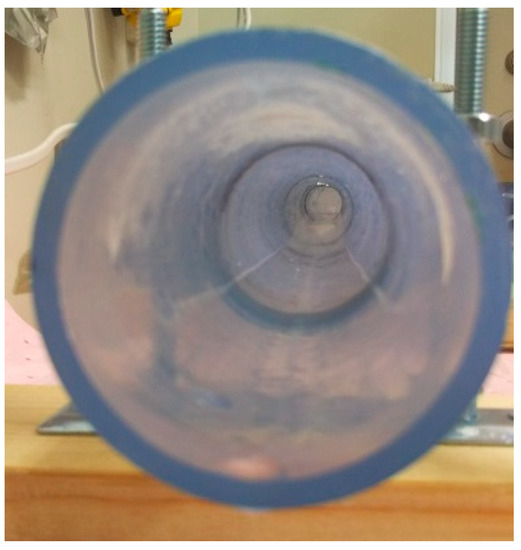
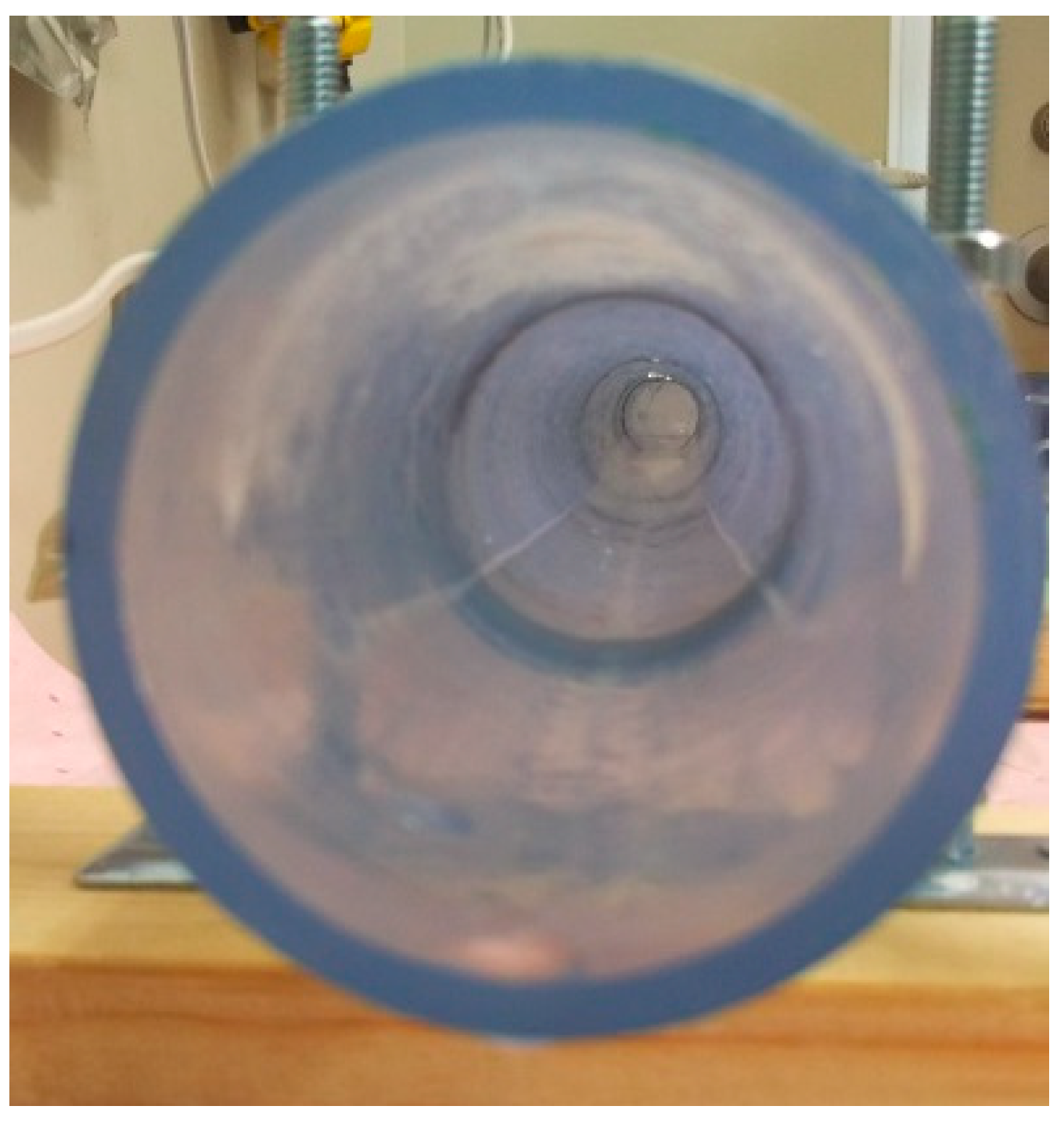
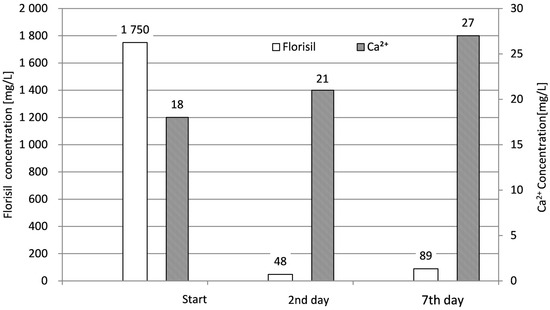
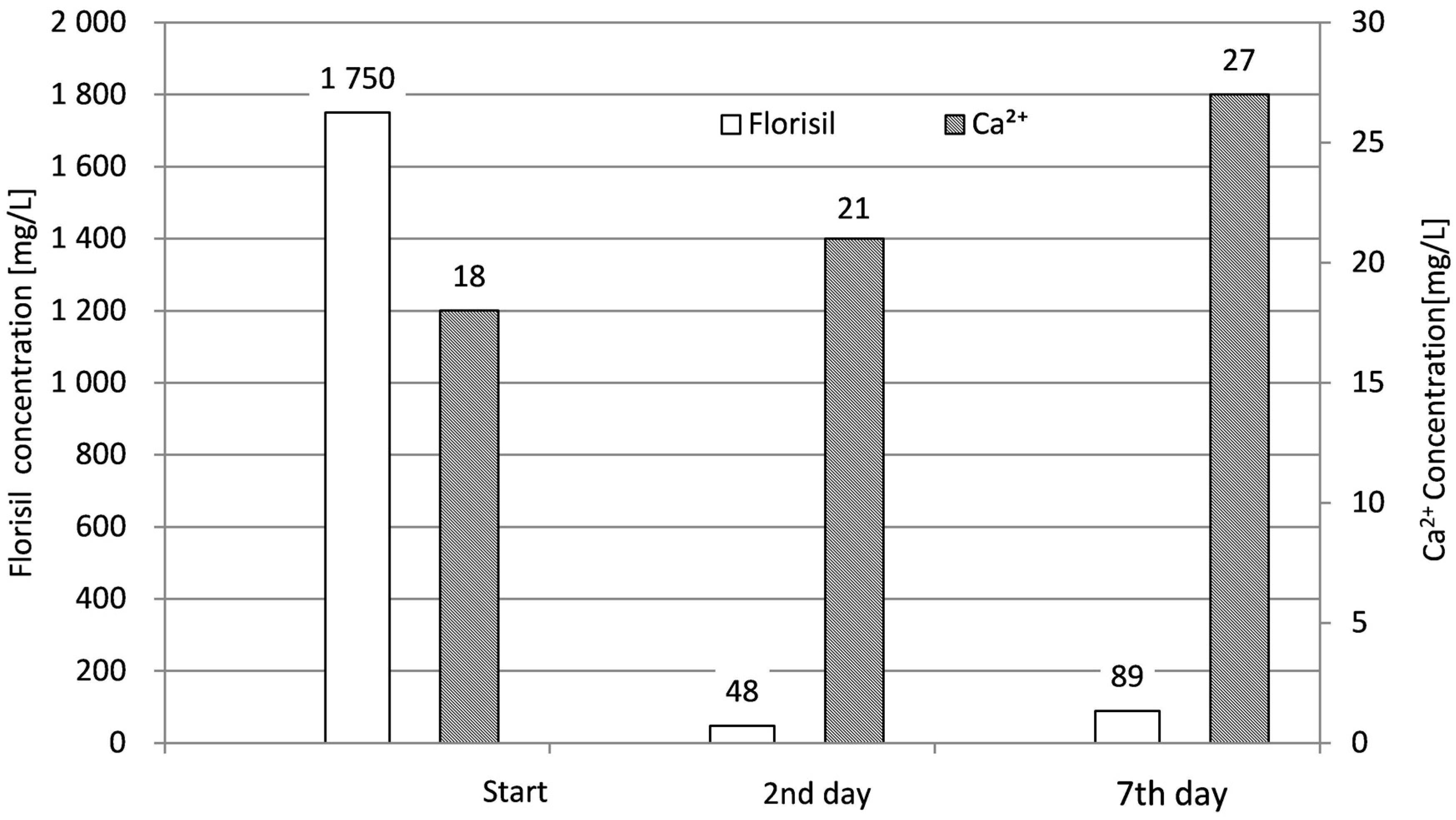
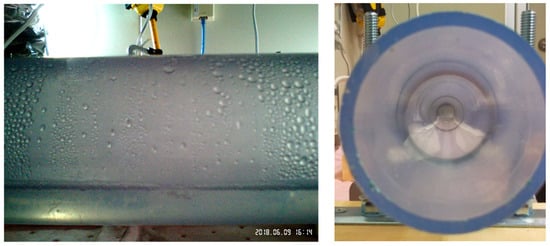
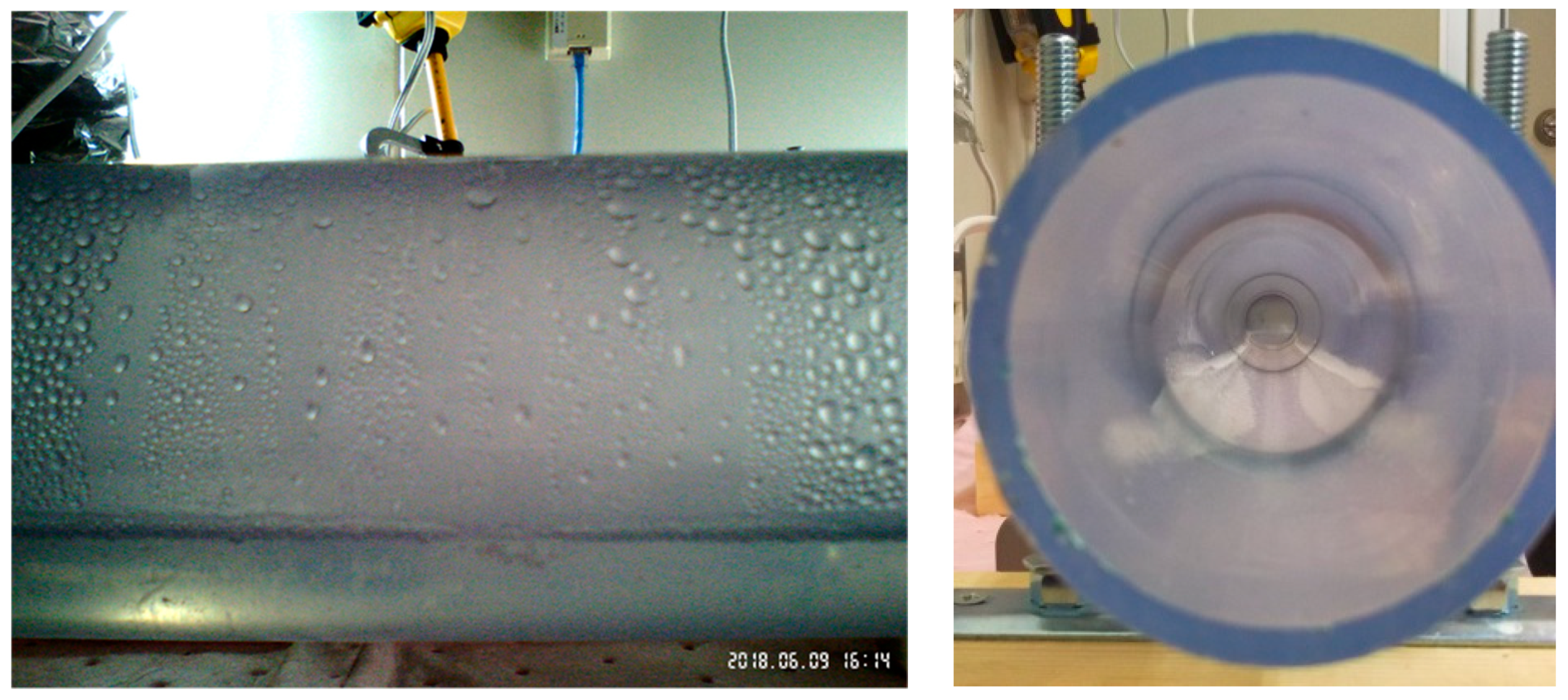
The experiment with Case F was conducted from 22 May 2018 to 29 May 2018. The image of the sewer pipe on the 7th day is shown in Figure 6. The deposition of florisil on the pipe was observed; however, the formation of the deposits was not observed. Moreover, neither the adhesion nor deposition of solids in the pipe was observed. The findings of the water quality analysis are shown in Figure 7. Water quality analysis on the 2nd and 7th days in the experiment showed that the florisil concentration decreased to 89 from 1750 mg/L on the 7th day. This result confirmed the deposition of florisil on the pipe as observed in this experiment. The Ca2+ concentration increased from 18 to 27 mg/L. The amount of simulated wastewater decreased, and the Ca2+ concentration was increased by evaporation from the tank because the sample temperature was maintained between 40 and 45 °C. Evaporation of simulated wastewater was observed for all experiments.
Figure 6.
Sewer pipe blockage condition on the 7th day from the simulated experiment (Observation point 4).
Figure 7.
Comparison of water quality analytical results for Case F for different durations.
3.3. Result for Case L (Lauric Acid)
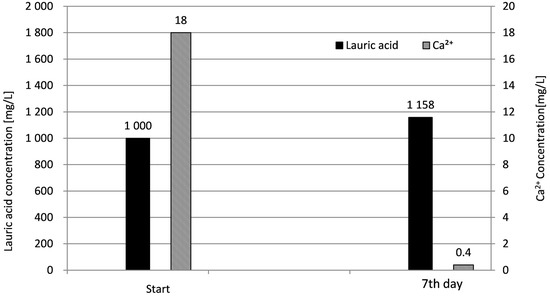
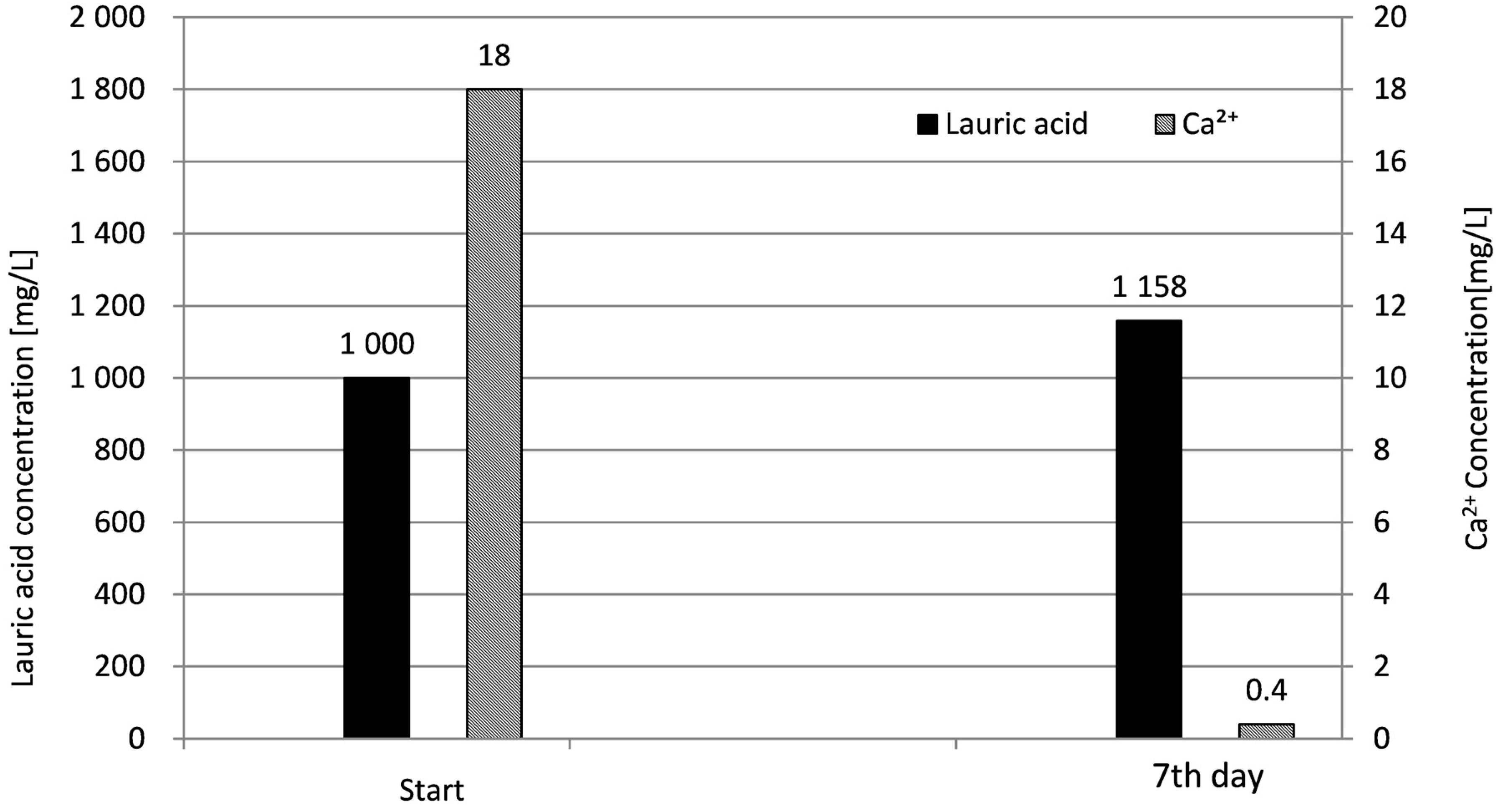
The experiment on lauric acid was conducted from 7 June 2018 to 14 June 2018. The images of the sewer pipe on the 2nd day and 7th days are shown in Figure 8. Neither deposition nor adhesion of solids on the pipe was observed on 2nd day. However, the deposit of solids and a little adherence to the pipe were observed on the 7th day. The water quality analytical results are shown in Figure 9.
Figure 8.
Sewer pipe after 2nd and 7th days (observation point 4, left: 2nd day, right: 7th day).
Figure 9.
Comparison of water quality analysis in Case L during different periods.
Water quality was not analyzed on the 2nd day because deposits and adhesion of solid were not observed. Moreover, the water quality analysis required a sample volume corresponding to 10% of the total sample. In this regard, from the results of the water quality analysis on the 7th day of the experiment, the concentration of lauric acid concentration increased from 1000 to 1158 mg/L, and the concentration of Ca2+ decreased from 18 to 0.4 mg/L. Decreasing the Ca2+ concentration was due to the reaction of lauric acid and Ca2+. For this reason, the solids were considered to deposit FOG from lauric acid and Ca2+. Moreover, an increase in lauric acid concentration was supposed to be due to the evaporation of water and the addition of lauric acid; however, it was lower than the concentration when additional amounts were added.
4. Discussion
4.1. Discussion on the Experimental Results
Formation of FOG deposits by He et al. (2013) [12] was confirmed after 2 days in the laboratory using the grease interceptor wastewater mixed with Ca concentration of 50 mg/L. The FOG deposition and FOG adhesion on the sewer pipe was observed 48 h after the start of the experiment. Therefore, the speed of formation of FOG deposits in this experiment was comparable with the result reported by He et al. (2011) [18].
Clogging in the sewer pipe was observed in Case L & F and was not observed in Case L and Case F. FOG deposition and FOG adhesion in the pipe were observed at the points 2 and 4. On the other hand, at the observation point 3, FOG deposits were observed to adhere to the sidewall of the sewer pipe but did not form any deposits. The deposition of florisil at the bottom of the sewer pipe was observed before FOG deposition at the observation points 2 and 4. However, this was not observed at the point 3. Thus, the FOG deposits flowing were not caught by florisil and did not deposit at the bottom of the sewer pipe of observation point 3. The blockage was not observed when FOG deposits were not detected by florisil like Case L and observation point 3. From the above, solutions of blockage include removing SS before wastewater started flowing into the sewer pipe and/or introducing a new sewer pipe which can cancel SS deposit on the bottom.
Moreover, Case L & F was conducted twice, and the results of water quality and blockage in the sewer pipe were the same in both experiments. Therefore, this experiment was stable and showed reproducibility of the blockage in the sewer pipe.
Considering that the amount of water required for wastewater quality analysis affects the experimental results, the wastewater quality analysis was not performed each day during the experiment. However, an increase in the amount of FOG deposition was observed with progress of the time in Case L & F. Neither FOG deposition nor FOG adhesion on the pipe was observed on the 2nd day in Case L. However, a small amount of FOG deposition and FOG adhesion to the pipe was observed on the 7th day.
From the above, it was estimated that the saponification of lauric acid and Ca2+ proceeded over time, and the concentrations of lauric acid and Ca2+ gradually decreased. On the other hand, in Case F, since the deposition of florisil was observed immediately after the start of the experiment, it was estimated that the florisil concentration decreased shortly after the addition of florisil, and then became constant.
The evaporation of simulated wastewater was maintained between 40 and 45 °C, which led to an increase in the concentration of lauric acid, florisil, and Ca2+. In the actual site, the temperature of kitchen wastewater flows at an approximate temperature of 40 °C or more and fatty acid, SS, and Ca2+ are concentrated by the evaporation of wastewater in the sewer pipe. Therefore, wastewater temperature is a critical factor that influences the blockage in the sewer pipe. Moreover, fatty acids become more viscous as the temperature decreases [19]. Therefore, in the vicinity of the wastewater source, the temperature of the wastewater did not decrease and the fatty acid had a low viscosity. However, away from the wastewater source, the temperature of the wastewater was dropped, and the viscosity of fatty acids increased, which made it easier for the fatty acids to adsorb on the SS and/or the side surfaces of sewer pipes, resulting in easier clogging.
4.2. Sewer Pipe Blockage Mechanism
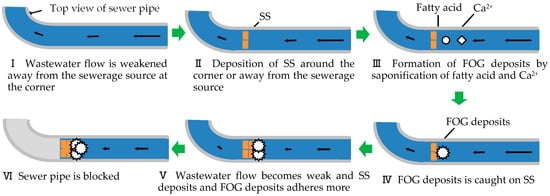
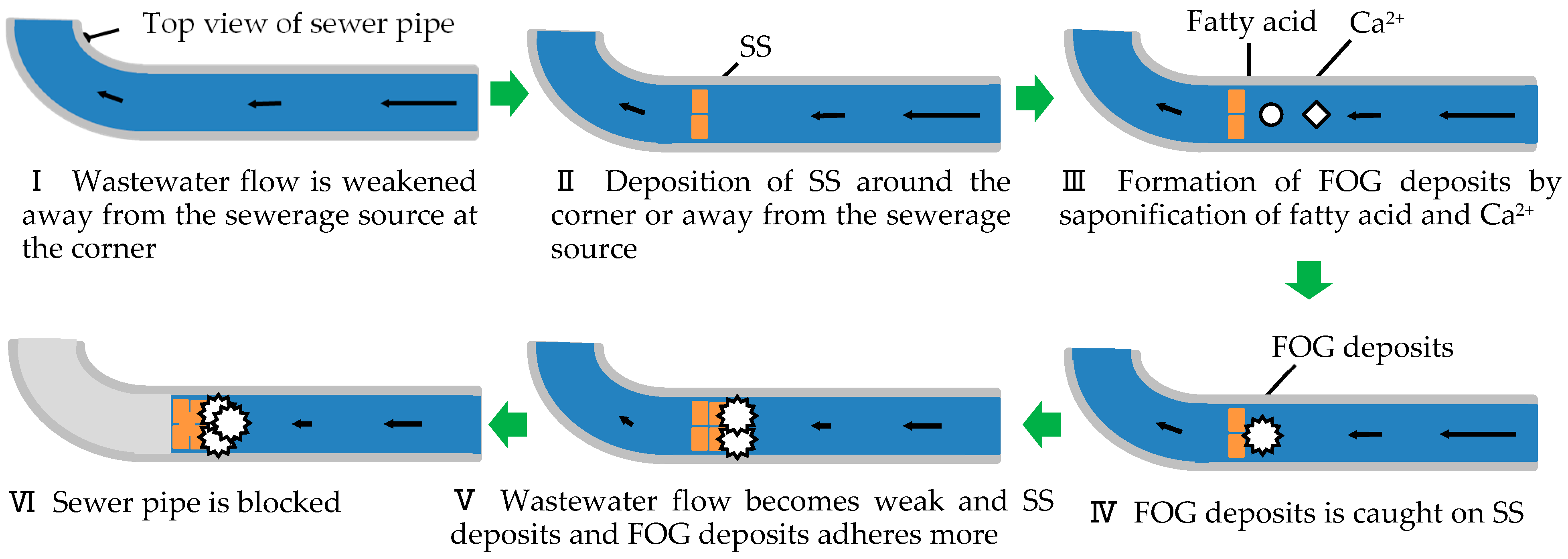
The blockage mechanism inside the sewer pipe by SS and FOG deposits from the saponification of fatty acids and Ca2+ can be explained as follows: first, the water flow is weakened away from the sewerage source at the corners of the sewer pipe; second, SS is deposited because of the weakening of the flow; third, FOG depositions occur due to the saponification of fatty acid and Ca2+ in wastewater; fourth, FOG deposition is accelerated due to catching on SS and adhering to the sewer pipe; and fifth, wastewater flow becomes weak, and deposition of SS and FOG adhesion increases. Finally, sewer pipe blockage occurs. The blockage mechanism in the sewer pipe is observed from experimental results as shown in Figure 10.
Figure 10.
Elucidated mechanism of the sewer pipe blockage.
From the experimental results, it was concluded that the blockage could be prevented by combining the three elements: lauric acid, Ca2+, and florisil. It has been shown that the FOG deposits with the highest SS concentration had the highest oil content, and old sewers with gentle slopes have a possible accumulation of SS and/or FOG and contribute to their high concentrations in the wastewater [11]. Therefore, the blockage mechanism observed in this experiment result can simulate blockage incidents and already reported by FOG deposits at the actual sites.
4.3. Future Subject
The approximate cost of restoration from the blockage of the sewer pipe is 1000 to 10,000 USD in Japan. Therefore, the economic losses for businesses and administrations is substantial. In this regard, understanding of the sewer pipe blockage mechanism is very important to improve these situations and decrease the additional cost for wastewater management.
In the actual sites, various factors such as the use of dish-washing detergents, changing of wastewater temperature, different particle size SS, and various types of fatty acids are acting in combination with each other. This experimental condition is the ideal condition consisting of a kind of fatty acid and SS, and it is only one of these factors thought to affect sewer pipe blockage. However, it is expected that the findings of this study will lead to the elucidation of the sewer pipe blockage mechanism occurring at the actual site.
5. Conclusions
The mechanism of blockage of the sewer pipe was investigated using an experiment simulating wastewater flow, assuming the properties of kitchen wastewater are maintained. From the findings of this research, the following conclusions are drawn:
- (1)
- In Case L & F, a decrease in the concentration of lauric acid and Ca2+ was observed, and the formation of FOG deposits due to saponification of lauric acid and Ca2+ was observed.
- (2)
- In Case F, the concentration of florisil was observed to have decreased due to the accumulation on the bottom of the pipe, but the drainpipe was not blocked.
- (3)
- In Case L, a decrease in the concentration of lauric acid and Ca2+ was observed, and the formation of FOG deposits due to saponification of lauric acid and Ca2+ was observed. Although some FOG deposition and FOG adhesion to the pipe was observed, it did not lead to blockage.
- (4)
- In this experiment, sewer pipe blockage was not observed in the simulated wastewater lacking either SS or lauric acid. Therefore, it was shown that pipe blockage due to FOG deposits requires the co-existence of fatty acids and SS.
- (5)
- The sewer pipe blocking mechanism using SS and FOG deposits was proven from the reports of the actual sites.
Author Contributions
Conceptualization, T.O. and R.N.; methodology, T.O., H.Y., E.A. and R.N.; validation, T.O. and H.Y.; formal analysis, T.O., H.Y. and R.N.; writing—original draft preparation, T.O.; writing—review and editing, T.A., M.A. and R.N.; visualization, T.O. and R.N.; supervision, R.N.; project administration, R.N. All authors have read and agreed to the published version of the manuscript.
Funding
This research and the APC were funded by Japan Society for the Promotion of Science (JSPS) KAKENHI, Grant Number 20H03104.
Acknowledgments
This work was supported by Japan Society for the Promotion of Science (JSPS) KAKENHI, Grant Number 20H03104.
Conflicts of Interest
The authors declare no conflict of interest.
References
- Eriko, A.; Toshihiko, O.; Ryozo, N. Economic evaluation for energy recycling system by oil-water separation equipment in food processing factory. J. Jpn. Inst. Energy 2016, 95, 275–282. [Google Scholar]
- Thames Water Fatbergs Feeding off London Food Outlets. Available online: https://corporate.thameswater.co.uk/Media/News-releases/Fatbergs-feeding-off-London-food-outlets (accessed on 10 October 2018).
- Takuro, K.; Hidetoshi, K.; Kai-Qin, X. Variable oil properties and biomethane production of greasetrap waste derived from different resources. Int. Biodeterior. Biodegrad. 2017, 119, 273–281. [Google Scholar] [CrossRef] [Scilit]
- Keener, K.M.; Ducoste, J.J.; Holt, L.M. Properties influencing fat, oil and grease deposit formation. Water Environ. Res. 2008, 80, 2241–2246. [Google Scholar] [CrossRef] [Scilit] [PubMed]
- Chan, H. Removal and recycling of pollutants from Hong Kong restaurant wastewaters. Bioresour. Technol. 2010, 101, 6859–6867. [Google Scholar] [CrossRef] [Scilit] [PubMed]
- Environmental Protection Agency (EPA). Report to Congress: Impacts and Control of CSOs and SSOs; U.S. Environmental Protection Agency (EPA): Washington, DC, USA, 2004.
- Toshihiko, O.; Eriko, A.; Ryozo, N. Evaluation of environmental sustainability indicators for oil-water separation equipment. J. Environ. Conserv. Eng. 2016, 45, 640–649. [Google Scholar] [CrossRef] [Scilit]
- Indah Water Consortium. IWK Sustainability Report 2010. Available online: https://www.iwk.com.my/cms/upload_files/resource/sustainabilityreport/SustainabilityReport2010.pdf (accessed on 20 May 2020).
- Stoll, U.; Gupta, H. Management strategies for oil and grease residues. J. Waste Manag. Res. 1997, 15, 23–32. [Google Scholar] [CrossRef] [Scilit]
- Monica, E.U.; Nora, R.S.; Laura, S.C.; David, V.M.; Edgar, Q.B. Oil and grease as a water quality index parameter for the conservation of marine biota. Water 2019, 11, 856. [Google Scholar] [CrossRef] [Scilit]
- Williams, J.B.; Clarkson, C.; Mant, C.; Drinkwater, A.; May, E. Fat, oil and grease deposits in sewers: Characterisation of deposits and formation mechanisms. Water Res. 2012, 46, 6319–6328. [Google Scholar] [CrossRef] [Scilit] [PubMed]
- He, X.; Francis, L.; de los Reyes, F.L., III; Michael, L.L.; Lisa, O.D.; Simon, E.L.; Joel, J.D. Mechanisms of fat, oil and grease (FOG) deposit formation in sewer lines. Water Res. 2013, 47, 4451–4459. [Google Scholar] [CrossRef] [Scilit] [PubMed]
- Thomas, W.; David, G.; Michael, O.; Thomas, P.C. International evolution of fat, oil and grease (FOG) waste management. J. Environ. Manag. 2017, 187, 424–435. [Google Scholar] [CrossRef] [Scilit]
- Pantzaris, T.P.; Mohd, J.A. Properties and Utilization of Palm Kernel Oil. Palm Oil Dev. 2001, 35, 11–23. [Google Scholar]
- Disposer Wastewater Treatment System Performance Standards for Sewage (Draft); Japan Sewage Works Association: Tokyo, Japan, 2004; p. 40.
- Tokyo Chemical Industry Co., LTD. Safety Data Sheet. Available online: https://www.tcichemicals.com/eshop/en/jp/commodity/L0011/ (accessed on 19 December 2019).
- Tokyo Chemical Industry Co., LTD. Safety Data Sheet. Available online: https://cica-web.kanto.co.jp/CicaWeb/msds/E_16230.pdf (accessed on 19 December 2019).
- He, X.; Iasmin, M.; Dean, L.O.; Lappi, S.E.; Ducoste, J.J.; de los Reyes, F.L. Evidence for fat, oil and grease (FOG) deposit formation. Environ. Sci. Technol. 2011, 45, 4385–4391. [Google Scholar] [CrossRef] [Scilit] [PubMed]
- Japan Oil Chemists’ Society. Oleochemistry Data Book; Maruzen Publishing: Tokyo, Japan, 2013; pp. 103–105. [Google Scholar]

© 2020 by the authors. Licensee MDPI, Basel, Switzerland. This article is an open access article distributed under the terms and conditions of the Creative Commons Attribution (CC BY) license (http://creativecommons.org/licenses/by/4.0/).