


Abstract
Under the context of global warming, accelerated glacier melting poses a severe threat to regional water security, necessitating systematic quantification of the spatiotemporal evolution of glacier mass balance (GMB) and its impacts on runoff. This study employed the Spatial Processes in Hydrology (SPHY) distributed hydrological model, integrated with remote sensing data, meteorological observations, and Coupled Model Intercomparison Project Phase 6 (CMIP6) climate scenarios, to reconstruct the spatiotemporal evolution of glacier mass balance in the Manas River Basin on the northern slope of Tianshan Mountains from 2000 to 2014, quantify the coupling relationships between glacier mass balance and climate factors as well as glacier meltwater runoff, and project future trends from 2015 to 2045. Results showed that glaciers in the basin experienced persistent negative mass balance during the study period, with a 15-year mean glacier mass balance of −0.87 , cumulative loss of 12.16 , and glacier area shrinkage of 11.9%. Glacier mass balance exhibited significant spatiotemporal heterogeneity, with the most severe mass loss occurring in steep south-facing slopes, and glacier thickness change displayed a “single-peak” altitudinal dependence with the ablation peak elevation stabilized at approximately 4400 m. Glacier mass balance showed a significant negative correlation with melt-season positive accumulated temperature (r = −0.9, p < 0.01), with a temperature sensitivity coefficient of 55.17 %·°C−1. The contribution rate of glacier meltwater runoff increased from 19.93% to 29.50%, showing a significant negative correlation with glacier mass balance (r = −0.73, p < 0.01), revealing the phenomenon of “compensatory runoff increase”. Under three future scenarios, glacier mass balance loss exhibited an intensifying trend, with the most severe loss in high-altitude areas, and glacier meltwater runoff continued to increase but demonstrated unsustainability. This study provides a scientific basis for predicting “peak water” timing and adaptive water resource management in high mountain glacierized basins under climate change.
1. Introduction
As a vital component of the global cryosphere, glaciers are recognized as “solid reservoirs” and sensitive indicators of climate change [1]. Under global warming, glaciers are experiencing widespread accelerated melting, and persistent negative GMB (glacier mass balance) has become a global phenomenon [2]. GMB serves not only as a key indicator of regional climate change but also as the material basis for watershed runoff variations, directly affecting regional water security and socioeconomic sustainable development [3]. The Tianshan Mountains, as the largest mountain system in Central Asia, host over 15,000 glaciers with a total area of approximately 15,400 km2, earning the designation as the “Central Asian Water Tower” [4]. According to the Second Chinese Glacier Inventory, Xinjiang contains 18,311 glaciers covering approximately 24,000 km2, with the largest ice reserves in China, serving as the lifeline for oasis agriculture and ecosystems in arid regions [5]. However, studies based on remote sensing observations and mass balance monitoring indicate that Tianshan glaciers have exhibited a significant negative balance trend over the past decades, with continuous ice-reserve depletion and glacier area shrinkage rates reaching 0.4–0.6 [6,7]. Glacier melting not only alters the spatiotemporal distribution patterns of watershed water resources but may also trigger the premature arrival of the “peak water” inflection point in glacier meltwater runoff, posing long-term threats to downstream water security [3]. Therefore, systematically quantifying the spatiotemporal evolution of GMB, revealing its climate response mechanisms, and assessing its runoff contributions are of great significance for adaptive water resource management in the region.
As a critical link between glacier dynamics and climate change, accurate estimation of GMB relies on multiple methods including geodetic, glaciological, and hydrological modeling approaches [8]. The geodetic method retrieves glacier thickness changes through remote sensing, offering advantages of broad spatial coverage and long time series but constrained by temporal resolution of remote sensing data; the glaciological method, based on field observations of accumulation and ablation, provides high accuracy but is costly with limited spatial representativeness; the hydrological modeling approach, by coupling glacier mass conservation equations, enables continuous simulation and future projection of GMB [9]. Integrating glacier thickness changes from hydrological model outputs with glacier area extracted from remote sensing can effectively enhance the spatiotemporal continuity and accuracy of GMB estimation, providing quantitative evidence for revealing the intrinsic linkage between GMB and glacier meltwater runoff. Glacier-hydrological models serve as core tools for quantifying ice-snow runoff components and GMB in high-altitude cold regions. Currently, widely applied models include physically based energy balance models and temperature-index degree-day models [10]. Energy balance models can accurately simulate glacier ablation processes by explicitly calculating energy components such as solar radiation, longwave radiation, sensible heat flux, and latent heat flux; however, their high demands for meteorological data (e.g., radiation, wind speed, humidity) limit their application in data-scarce regions [11]. In contrast, degree-day models require only temperature and precipitation data, offering advantages of fewer parameters, high computational efficiency, and robust performance, and have been widely applied in glacier-hydrological simulations at regional and watershed scales [10,12]. The Spatial Processes in Hydrology (SPHY) model is a raster-based fully distributed hydrological model that integrates multiple physical process modules including glacier, snow, groundwater, soil, and evapotranspiration, employs the degree-day factor method to simulate glacier ablation and snowmelt processes, and can quantify the dynamic changes in runoff components (rainfall runoff, snowmelt runoff, glacier meltwater runoff, and baseflow) at high spatiotemporal resolution [13]. This model has been successfully applied and validated in glacierized basins including the Himalayas [14], the Tibetan Plateau [15], and the northern slope of Tianshan Mountains [16].
In recent years, significant progress has been made in GMB and glacier-hydrological process research in the Tianshan region; however, notable gaps remain in characterizing spatiotemporal heterogeneity, elucidating climate response mechanisms, and projecting future evolution. Regarding GMB spatiotemporal evolution, Farinotti et al. estimated the mean GMB of glaciers on the northern slope of Tianshan at −0.5 to −0.9 using the geodetic method [4], and Brun et al. obtained estimates of −0.2 to −0.6 using multi-source satellite altimetry data [6]; however, these studies primarily focused on regional average conditions without in-depth investigation of GMB spatial differentiation characteristics, altitudinal dependence, and topographic control effects, making it difficult to identify critical zones of glacier response to climate change. Concerning climate response and runoff contribution, existing studies have revealed the impacts of temperature and precipitation on GMB [17]; however, most studies focus only on single climate factors, lacking systematic analysis of multi-scale driving mechanisms (coupling of climate and topographic factors). Moreover, although some studies have quantified the contribution of glacier meltwater to watershed runoff [18,19], few have established quantitative relationships between GMB and glacier meltwater contribution rates, failing to reveal the coupling mechanisms between glacier mass loss and runoff recharge, and unable to identify the “compensatory runoff increase” phenomenon and its sustainability. Regarding future scenario projections, existing studies predominantly employ statistical downscaling methods to predict future runoff changes but lack systematic assessment of glacier response differences across altitudinal gradients and have not adequately considered the evolution trends of GMB and runoff components under the latest CMIP6 (Coupled Model Intercomparison Project Phase 6) climate scenarios [18], limiting scientific prediction of the timing of the “peak water” inflection point in watershed water resources.
In summary, existing research exhibits deficiencies in three key aspects: (1) lack of fine-scale characterization of GMB spatiotemporal heterogeneity; (2) lack of quantitative analysis of the coupling relationship between GMB and glacier meltwater contribution rates, hindering revelation of the intrinsic mechanisms underlying “compensatory runoff increase”; and (3) lack of future projections based on the latest CMIP6 scenarios. These gaps limit scientific prediction of watershed water resource evolution trends and formulation of adaptive management strategies. This study focuses on the Manas River Basin (MRB) in Xinjiang, employing the SPHY distributed hydrological model integrated with remote sensing data, meteorological observations, and global glacier change datasets to systematically quantify the spatiotemporal evolution characteristics of GMB and runoff components from 2000 to 2014, and project future change trends under different climate scenarios from 2015 to 2045. The specific objectives of this study include: (1) reconstructing the spatiotemporal variation characteristics of GMB during the historical period and identifying the ablation peak elevation and topographic control effects; (2) quantifying the response relationships between GMB and climate factors as well as their impacts on glacier meltwater runoff; and (3) evaluating the evolution trends of GMB and glacier meltwater runoff under different future emission scenarios. The findings can provide a scientific basis for sustainable water resource management and climate change adaptation strategies in the basin.
2. Study Area
The Manas River Basin (85°01′ E–86°32′ E, 43°27′ N–45°21′ N) is located in the middle section of the northern slope of Tianshan Mountains and the southern margin of the Junggar Basin, originating from the Yilianhabierga Mountains (Figure 1). The basin is characterized by a typical continental arid climate with scarce precipitation and uneven spatiotemporal distribution. The basin has a mean annual temperature of approximately 5.7 °C and mean annual precipitation of approximately 300 mm, with average temperatures below 0 °C in most months except May to September [20]. According to the Second Chinese Glacier Inventory, MRB (Manas River Basin) contains over 700 glaciers with a total area of approximately 608 km2, harboring abundant ice reserves [5]. Areas above 3600 m elevation are covered with perennial snow, and ice-snow meltwater serves as a vital source of river recharge [21]. In recent years, influenced by climate warming, glaciers in MRB have exhibited accelerated melting trends, with continuous glacier area shrinkage and persistent mass balance deficit [17]. This study focuses on the catchment controlled by the Kensiwate hydrological station, which is located at the main control section after the confluence of the main stream and tributaries at an elevation of approximately 900 m. The upstream mountainous area features relatively abundant precipitation and widespread glacier-snow coverage, serving as the primary runoff generation zone of the basin.
Figure 1.
Geographic location and glacier distribution in the Manas River Basin.
3. Data and Methods
3.1. Data
This study constructed a glacier-hydrological process simulation driving database based on multi-source remote sensing and hydrometeorological observation data (Table 1). Remote sensing and glacier monitoring data serve as the core support for glacier dynamics analysis and model validation. Glacier boundary extraction employed Landsat series imagery from 2000 to 2014 (spatial resolution of 30 m) to monitor the spatiotemporal evolution of glacier area (http://www.gscloud.cn/, accessed on 20 December 2025) [22]; the initial glacier boundaries were based on the Randolph Glacier Inventory 6.0 (RGI6.0) dataset provided by the National Snow and Ice Data Center (NSIDC) (https://www.glims.org/RGI/, accessed on 20 December 2025) [23]. GMB estimation utilized the global glacier elevation change dataset released by Hugonnet et al. (https://doi.org/10.6096/13, accessed on 20 December 2025) [24], which is based on multi-source satellite altimetry data with temporal resolution covering three periods (2000–2004, 2005–2009, 2010–2014) and spatial resolution of 100 m, effectively enhancing the spatiotemporal continuity and accuracy of glacier thickness change estimation. Additionally, the MOD10A1 snow cover product (500 m spatial resolution) was used for validation and calibration of the SPHY model snow module. The product underwent preprocessing including multi-index snow discrimination algorithms to improve accuracy in forested and mountainous areas, and Hidden Markov Model-based cloud removal combined with multi-source data fusion methods to generate daily cloud-free snow cover area data, significantly enhancing data quality and reliability (http://www.gscloud.cn/, accessed on 20 December 2025) [25].
Table 1.
Summary of research data.
Meteorological and hydrological data provide critical inputs and the basis for model calibration and validation. Temperature data were derived from the ERA5-LAND reanalysis dataset (1995–2014, spatial resolution of 0.1°), including daily mean, maximum, and minimum temperatures (https://cds.climate.copernicus.eu/, accessed on 20 December 2025) [26]; precipitation data were obtained from the China Meteorological Forcing Dataset (CMFD, 1995–2014, spatial resolution of 0.1°), which integrates ground observations and reanalysis data to more accurately represent precipitation characteristics in China (https://data.tpdc.ac.cn/zh-hans/data/, accessed on 20 December 2025) [27]. Hydrological validation data consisted of observed daily runoff from the Kensiwate hydrological station from 2000 to 2014, with the period 2000–2009 used for model calibration and 2010–2014 for model validation. Auxiliary geographic data included SRTM DEM data at 30 m resolution, obtained from the HydroSHEDS dataset provided by the United States Geological Survey (USGS), for extracting topographic parameters such as elevation, slope, and aspect, serving as the basis for model runoff generation and routing calculations [28]; soil data from the HiHydroSoil dataset provided by FutureWater (spatial resolution of 250 m), containing soil hydraulic parameters; and land-use data from the GlobCover2009 dataset released by the European Space Agency (ESA) (spatial resolution of 300 m) [29]. All data underwent preprocessing including projection transformation, resampling to a unified spatial resolution (500 m), and outlier removal to ensure data consistency and reliability. Specifically, continuous variables (e.g., meteorological variables) were resampled using bilinear interpolation, while categorical variables (e.g., land cover types) were resampled using nearest-neighbor method. This resolution balances computational efficiency with the need to capture glacier spatial heterogeneity.
3.2. Methods
3.2.1. Hydrological Model
The Spatial Processes in Hydrology (SPHY) model is a raster-based spatially distributed hydrological model developed by FutureWater in the Netherlands, integrating glacier, snow, groundwater, soil, evapotranspiration, routing, and reservoir management modules, specifically designed for simulating complex glacier-snow-hydrological processes in high-altitude cold regions [13]. The core advantage of the SPHY model lies in its employment of the degree-day factor (DDF) method to simulate glacier ablation and snowmelt processes, which requires only temperature and precipitation as driving data, substantially reducing meteorological data requirements compared to energy balance models and making it particularly suitable for high-altitude cold regions with sparse meteorological observations [10]. Meanwhile, the model can more accurately characterize the spatial heterogeneity of glacier ablation by distinguishing between debris-free and debris-covered glaciers and assigning different degree-day factors to each.
The applicability of the degree-day model in the Tianshan region has been validated by multiple field studies. Comparative studies at Urumqi Glacier No. 1 demonstrated that degree-day and energy balance models exhibit similar simulation accuracy during the ablation season [30,31]. Systematic analysis of the spatial variability of degree-day factors on observed glaciers in western China revealed significant linear relationships between degree-day factors and ablation calculated by energy balance models [32]. Research at Keqikaerbashi Glacier in the Tianshan further confirmed good agreement between enhanced degree-day models and energy balance estimates for ablation calculations [33]. These studies demonstrate that in data-scarce high-altitude regions, the degree-day model can significantly reduce data requirements and computational costs while maintaining accuracy, making it an effective tool for basin-scale glacier hydrological modeling.
This study employed the SPHY model to simulate the hydrological processes of the MRB from 1995 to 2014 at a daily time step, with 1995–1999 serving as the model warm-up period and 2000–2014 as the formal simulation period. The model partitions watershed runoff into four components: rainfall runoff, glacier meltwater runoff, snowmelt runoff, and baseflow. The total runoff for each grid cell is obtained by summing the four components:
where is the runoff for each grid cell (); is the glacier meltwater runoff (); is the snowmelt runoff (); is the rainfall runoff (); and is the baseflow ().
The physical mechanisms of the model include the following key processes: First, precipitation type discrimination is based on a single temperature threshold method, where precipitation occurs as solid form (snowfall) when daily mean temperature is below the critical temperature ; otherwise, it occurs as liquid precipitation (rainfall). Second, snow accumulation and melting processes are calculated using the degree-day factor method. The snowmelt module distinguishes between potential snowmelt and actual snowmelt, with potential snowmelt representing the maximum theoretical snowmelt that can occur under given temperature conditions:
where is the potential snowmelt on day t (mm); is the snow degree-day factor (mm·°C−1·d−1); and is the mean temperature on day t (°C). Actual snowmelt is constrained by the snow storage from the previous day, and snow status is updated daily through the snow storage dynamic balance equation. The total snow storage in the basin is obtained by summing the snow amount across all non-glacier-covered grid cells.
The glacier ablation process is also based on the degree-day factor method; however, considering the significant influence of debris cover on glacier ablation, the model classifies glacier cover types into two categories: debris-free glaciers (clean ice) and debris-covered glaciers (debris-covered ice), and employs different degree-day factors for each. The glacier ablation calculation formulas for different cover types are:
where and are the ablation amounts of debris-free glaciers and debris-covered glaciers on day t, respectively (mm); and are the corresponding degree-day factors (mm·°C−1·d−1); and are the area fractions of debris-free glaciers and debris-covered glaciers within a single grid cell, respectively; is the ablation amount for a single grid cell on day t (mm); and is the glacier area fraction of the grid cell.
It should be noted that not all glacier meltwater is converted into surface runoff, as a portion infiltrates underground to recharge the groundwater system; therefore, the model introduces a glacier runoff factor for correction:
where is the glacier meltwater runoff (mm); and is the corrected glacier runoff factor.
3.2.2. GMB Calculation
This study employed the geodetic method combined with SPHY model outputs to calculate basin-scale GMB [34]. This method is based on the principle of mass conservation and estimates GMB by monitoring the spatiotemporal changes in glacier thickness.
The SPHY model simulates interannual changes in glacier thickness () based on the mass continuity equation and outputs raster data in GeoTIFF format [13]. To obtain basin-scale GMB, this study integrated glacier thickness changes () simulated by SPHY with glacier area () extracted from Landsat imagery, and calculated basin-scale GMB through volume-to-mass conversion. The calculation formula is as follows:
where is the thickness change in the i-th glacier pixel (m); is the area of the i-th glacier pixel (); is the ice density, for which this study adopted the mean density value of 850 ± 60 recommended by Huss for mountain glaciers [35]; is the total glacier area in the basin (); and is the water density, taken as the standard value of 1000 .
3.2.3. Accuracy Validation
Model accuracy validation is a critical step in ensuring the reliability of simulation results. This study conducted systematic calibration and validation of the SPHY model from three aspects: snow simulation, runoff processes, and glacier thickness changes.
The snow module serves as a critical foundation for glacier ablation and runoff simulation, and its accuracy directly affects the reliability of snowmelt runoff and GMB calculations. This study employed the MODIS MOD10A1 snow cover product to calibrate the snow module by comparing snow cover fraction (SCF) [25]. SCF is defined as the ratio of snow-covered area to the total area of the study region, and the calculation formula is as follows:
where is the snow-covered area on day t (); and is the total area of the study region ().
The accuracy of runoff simulation is a core indicator for evaluating model performance, with the model warm-up period set to 1995–1999. Observed daily runoff data from the Kensiwate hydrological station from 2000 to 2014 were used for model calibration and validation, with 2000–2009 as the calibration period and 2010–2014 as the validation period. Model performance evaluation employed three metrics: the coefficient of determination (R2), Nash–Sutcliffe efficiency coefficient (NSE), and root mean square error (RMSE), with calculation formulas as follows:
where n is the sample size (length of observed and simulated time series); and are the observed discharge and mean of observed values, respectively (); and and are the simulated discharge and mean of simulated values, respectively (). The optimal values for R2 and NSE are 1, and the optimal value for RMSE is 0. It is generally considered that model performance is acceptable when NSE > 0.5 and R2 > 0.6, and model performance is good when NSE > 0.75 and R2 > 0.8 [36].
To validate the model’s capability in simulating GMB, this study compared the annual mean glacier thickness changes () output by the SPHY model with the global glacier elevation change dataset () provided by Hugonnet et al. [24]. This dataset is derived from multi-source satellite altimetry data using the geodetic method and has been widely validated globally. The evaluation metrics selected were root mean square error (RMSE) and mean absolute error (MAE), with calculation formulas as follows:
where n is the number of glacier grid cells; and and are the SPHY simulated value and the global glacier elevation change dataset value for the i-th grid cell, respectively ().
Through the above multi-objective calibration and validation, the key parameter values of the SPHY model were finally determined (Table 2). These parameters comprehensively consider the climate characteristics, glacier types, and hydrological process features of the study area, and can reasonably represent the glacier-hydrological processes in MRB.
Table 2.
Calibrated parameters and their values for the SPHY model.
3.2.4. Future Climate Scenario Data and Processing
To quantitatively assess the potential impacts of climate change on runoff and GMB in MRB, this study constructed a climate forcing dataset for 2015–2045 based on future climate scenario data from the Coupled Model Intercomparison Project Phase 6 (CMIP6) [37]. This study selected five GCMs (Table 3), covering different climate sensitivities and parameterization schemes. Regarding scenario selection, this study chose three Shared Socioeconomic Pathways (SSPs) scenarios: SSP1–2.6 (low emission scenario, representing a sustainable development pathway), SSP2–4.5 (medium emission scenario, representing a middle-of-the-road development pathway), and SSP5–8.5 (high emission scenario, representing a fossil fuel-driven rapid development pathway). The Delta statistical downscaling method was employed to uniformly downscale the model data to 0.1° resolution [38]. To reduce the impacts of systematic biases in individual models and inter-model differences, this study employed multi-model ensemble mean (MME) to minimize model uncertainty and enhance the robustness of climate projections [39]. Finally, daily meteorological forcing data for the basin from 2015 to 2045 were generated, including daily maximum, minimum, and mean temperatures as well as daily precipitation, meeting the input requirements of the SPHY model.
Table 3.
Basic information of CMIP6 climate models.
4. Results
4.1. Model Validation
4.1.1. Snow Cover and Runoff Validation
The reliability of the model snow module was validated by comparing the multi-year monthly mean SCF simulated by the SPHY model from 2000 to 2014 with the MODIS product retrieval results (Figure 2). The simulated SCF and MODIS observations exhibited consistent single-peak intra-annual variation patterns. The high-snow-cover period extended from November to May of the following year, with the peak occurring in February (simulated value 50.0%; MODIS observed value 53.0%). After entering the ablation period starting in May, SCF declined rapidly and reached the annual minimum in July. After September, SCF increased again and stabilized in winter. This seasonal evolution pattern is highly consistent with the snow dynamics characteristics in the northern slope of Tianshan Mountains and the Tibetan Plateau region [40,41]. Statistical metrics indicated high agreement between simulated and observed values, with R2 = 0.95, NSE = 0.91, and RMSE = 5.02. The good consistency across all months, particularly during the critical snowmelt period (May–July), demonstrates that the model can accurately capture the snow accumulation and melting processes in the basin.
Figure 2.
Comparison of multi-year monthly mean SCF between SPHY model simulation and MODIS product retrieval.
Figure 3 presents the comparison between observed daily runoff at the Kensiwate hydrological station and SPHY model simulated runoff from 2000 to 2014, with 2000–2009 as the calibration period and 2010–2014 as the validation period. The simulated runoff and observed runoff exhibited high consistency at both intra-annual and inter-annual scales, with R2 = 0.91, NSE = 0.87, and RMSE = 20.81 for the calibration period; and R2 = 0.87, NSE = 0.86, and RMSE = 27.29 for the validation period, which corresponds to “very good” simulation performance according to the evaluation criteria of Moriasi et al. [36]. The errors mainly originated from the underestimation of peak flow during the extreme precipitation event in 2012, reflecting the model’s lag in runoff generation response to short-duration intense precipitation; however, this still demonstrates that the model parameters possess strong stability and predictive capability in representing the runoff generation and routing processes in the basin.
Figure 3.
Comparison between observed runoff at Kensiwate hydrological station and SPHY model simulated runoff from 2000 to 2014.
4.1.2. Glacier Thickness Change Validation
To validate the SPHY model’s capability in simulating glacier ablation processes, this study compared the annual mean glacier thickness changes output by the model with the global glacier elevation change dataset provided by Hugonnet et al. (Figure 4) [24]. From the perspective of interannual variation (Figure 4a), the simulated glacier thickness from 2000 to 2014 exhibited a continuous negative change trend, with an accelerated ablation trend of 0.0011 . The five-year average of simulated values was highly consistent with the change trend of the global glacier elevation change dataset, with both exhibiting characteristics of accelerating glacier-ablation rates. The period-by-period comparison (Figure 4b) further confirmed the simulation accuracy, with errors between simulated and observed values for all three periods within the acceptable error range. Residual analysis (Figure 4c) showed that the residual fluctuation range was strictly controlled within −0.05 to 0.15 , with mean residuals of 0.054, 0.058, and 0.058 for the three periods, respectively, indicating no systematic cumulative bias.
Figure 4.
Simulation and validation of glacier thickness changes in MRB from 2000 to 2014, (a) comparison of interannual variation, (b) comparison of mean values across different periods, (c) time series of simulation residuals.
To further reveal the spatial differentiation patterns of model simulation accuracy, this study divided the basin into three altitudinal gradients according to elevation: low-altitude zone (<3900 m), middle-altitude zone (3900–4400 m), and high-altitude zone (>4400 m), and analyzed the spatial distribution characteristics of simulation errors in glacier thickness changes for three periods: 2000–2004, 2005–2009, and 2010–2014 (Figure 5). Results showed that simulation errors exhibited significant altitudinal dependence and spatiotemporal evolution characteristics. From the perspective of altitudinal gradients, the low-altitude zone exhibited the highest simulation accuracy, with mean biases of −0.27, −0.26, and −0.07 for the three periods, respectively; errors gradually decreased over time, indicating continuous improvement in the model’s capability to simulate the low-altitude ablation zone. The middle-altitude zone showed mean biases of −0.28, −0.41, and −0.31 , with relatively stable errors and spatially scattered overestimation areas, mainly concentrated in regions with intense glacier ablation. The high-altitude zone exhibited the largest simulation errors, with mean biases of −0.58, −0.49, and −0.35 for the three periods, respectively. From the perspective of temporal evolution, simulation errors across all altitudinal gradients were relatively large during 2005–2009, particularly in the middle- and high-altitude zones, which is consistent with the context of intense climate fluctuations and accelerated glacier ablation during this period [17]. During 2010–2014, errors across all altitudinal gradients decreased, with the low-altitude error declining to −0.07 , approaching an unbiased state, indicating improved model responsiveness to recent climate change. From the perspective of spatial distribution, areas with larger errors were sporadically distributed across all altitudinal gradients; however, overall, simulation errors in most areas were controlled within a reasonable range, demonstrating good applicability of the model in the MRB.
Figure 5.
Spatial distribution of simulation errors in glacier-thickness changes across different altitudinal gradients in MRB from 2000 to 2014, (a) Low-elevation zone, 2000–2004 period; (b) Mid-elevation zone, 2000–2004 period; (c) High-elevation zone, 2000–2004 period; (d) Low-elevation zone, 2005–2009 period; (e) Mid-elevation zone, 2005–2009 period; (f) High-elevation zone, 2005–2009 period; (g) Low-elevation zone, 2010–2014 period; (h) Mid-elevation zone, 2010–2014 period; (i) High-elevation zone, 2010–2014 period.
To quantitatively assess the simulation accuracy of the model across different altitudinal gradients, Figure 6 presents the comparison of RMSE and MAE for glacier thickness change simulations in different altitudinal zones across three periods. From the perspective of altitudinal gradients, the low-altitude zone exhibited the highest simulation accuracy, with RMSE values of 0.49, 0.49, and 0.50 for the three periods, respectively, and MAE values of 0.38, 0.40, and 0.37 , respectively, showing the smallest errors and stable temporal variation. The middle-altitude zone exhibited the largest simulation errors, with RMSE values of 0.65, 0.62, and 0.65 , and MAE values of 0.52, 0.55, and 0.53 , showing consistently high error levels across the three periods. The high-altitude zone showed RMSE values of 0.60, 0.54, and 0.55 , and MAE values of 0.50, 0.51, and 0.45 , with errors intermediate between the low- and middle-altitude zones; however, it is noteworthy that Figure 5 revealed the largest systematic bias in the high-altitude zone, while Figure 6 showed similar MAE and RMSE values with MAE declining to 0.45 during 2010–2014, indicating that although the high-altitude zone exhibits systematic overestimation of glacier ablation, the spatial consistency of errors is relatively good. From the perspective of temporal evolution, errors in the low-altitude and high-altitude zones remained stable or showed slight improvement across the three periods, while errors in the middle-altitude zone remained consistently high.
Figure 6.
RMSE and MAE of glacier-thickness change simulations across different altitudinal gradients from 2000 to 2014.
4.2. Spatiotemporal Evolution of GMB
4.2.1. Temporal Heterogeneity
Figure 7 presents the interannual and cumulative change characteristics of GMB in MRB from 2000 to 2014. From the perspective of annual mean GMB, glaciers in the basin remained in a persistent negative balance state throughout the study period, with a 15-year mean GMB of −0.87 and an overall trend line slope of k = −0.0005 , indicating a slight intensification trend in glacier mass loss. Period-by-period analysis revealed significant staged change characteristics in GMB: the mean GMB for 2000–2004 was −0.83 , with a slight recovery trend within the period (k = 0.012 ); the mean GMB for 2005–2009 declined to −0.88 , with an enhanced recovery trend within the period (k = 0.0319 ), but exhibited pronounced interannual fluctuations, with GMB reaching a relatively high value of −0.65 in 2009; the mean GMB for 2010–2014 further declined to −0.89 , with the most significant recovery trend within the period (k = 0.075 ), but an extreme negative balance (−1.04 ) occurred in 2010. GMB exhibited recovery trends within each period, but the mean values gradually decreased between periods, reflecting the characteristics of “intra-period fluctuation and inter-period deterioration”. From the perspective of cumulative GMB, glacier mass in the basin experienced continuous loss, with cumulative GMB declining from −0.84 in 2000 to −13 in 2014, resulting in a 15-year loss of 12.16 , equivalent to an average glacier thinning of approximately 12 m in the basin.
Figure 7.
Interannual and cumulative changes in GMB in MRB from 2000 to 2014.
4.2.2. Spatial Heterogeneity
Figure 8 presents the spatial distribution of GMB in MRB from 2000 to 2014 and its spatiotemporal evolution characteristics. From the perspective of overall pattern (Figure 8a), GMB in the basin exhibited significant spatial heterogeneity, with areas of severe glacier mass loss mainly distributed in the northwestern, eastern, and southern marginal zones of the basin, while areas with relatively lighter mass loss were mainly concentrated in the central part of the basin. From the perspective of temporal evolution, the spatial distribution patterns of GMB across the three periods remained generally consistent, but the degree of loss gradually intensified: during 2000–2004 (Figure 8b), the area of high-loss zones was relatively small; during 2005–2009 (Figure 8c), high-loss zones expanded; during 2010–2014 (Figure 8d), high-loss zones continued to expand, with the area of red zones further increasing.
Figure 8.
Spatial-distribution characteristics of GMB in MRB from 2000 to 2014, (a) 2000–2014 period; (b) 2000–2004 period; (c) 2005–2009 period; (d) 2010–2014 period.
Figure 9 further presents the differentiation characteristics of GMB under different slope and aspect combinations. From the perspective of slope, GMB exhibited significant slope dependence: in steep slope zones (20–30°), the degree of mass loss showed the greatest variation across different aspects, with relatively lighter loss in the north-facing (N) direction, while the southeast-facing (SE) to southwest-facing (SW) directions experienced the most severe loss; in moderate slope zones (10–20°), GMB was relatively uniform, with GMB across all aspects maintained at approximately −1.0 ; in gentle slope zones (0–10°), mass loss was lighter and spatially more uniform. From the perspective of aspect, GMB exhibited pronounced sunny–shady slope differences: sunny slope directions (SE, S, SW) experienced the most severe loss under steep slope conditions, with GMB in steep slope zones of south-facing (S) and southwest-facing (SW) slopes reaching −1.5 ; shady slope directions (N, NE, NW) showed significantly lower loss in steep slope zones compared to sunny slopes; east-facing (E) slopes exhibited GMB intermediate between sunny and shady slopes. Overall, the steep slope–sunny slope combination represents the area with the most severe glacier-mass loss in the basin, while glaciers in gentle slope zones and shady slope directions remained relatively stable.
Figure 9.
Slope-aspect differentiation characteristics of GMB in MRB from 2000 to 2014.
4.3. Response of GMB to Climate Factors
4.3.1. Correlation Analysis
Figure 10 presents the response relationships between GMB and key climate factors during the melt season in MRB from 2000 to 2014. From the perspective of temperature factors (Figure 10a), GMB exhibited a significant negative correlation with melt-season positive accumulated temperature (PAT) (r = −0.9, p < 0.01). When PAT increased from 2100 °C to 2400 °C, GMB declined from approximately −0.65 to −1.05 , reflecting the high sensitivity of glaciers to temperature changes. From the perspective of precipitation factors (Figure 10b), GMB exhibited a weak positive correlation with melt-season precipitation (r = 0.15, p > 0.1), with the correlation not reaching statistical significance, indicating that the influence of precipitation on GMB is relatively limited. Overall, melt-season temperature is the dominant climate factor controlling the interannual variation in GMB in the basin, while the influence of precipitation is relatively secondary.
Figure 10.
Correlation between GMB and melt-season climate factors in MRB from 2000 to 2014, (a) Correlation between GMB and PAT; (b) Correlation between GMB and ablation season precipitation.
4.3.2. Sensitivity of GMB to Climate Change
Figure 11 quantifies the sensitivity-response characteristics of GMB to temperature and precipitation perturbations in MRB. The sensitivity analysis established four climate scenarios: precipitation ±10 mm and temperature ±1 °C, to quantify the response magnitude of GMB to changes in different climate factors. Results showed that the sensitivity of GMB to temperature changes was far higher than to precipitation changes; when temperature increased by 1 °C, the relative change in GMB reached +55.17%; conversely, when temperature decreased by 1 °C, the relative change in GMB was −42.53%, indicating that cooling can effectively mitigate glacier mass loss, although the mitigation magnitude is slightly lower than the intensification magnitude of warming. The influence of precipitation changes on GMB was relatively small: a 10 mm decrease in precipitation resulted in a relative change in GMB of +5.75%; a 10 mm increase in precipitation resulted in a relative change in GMB of −9.08%, with the magnitude being only approximately 1/6 of the temperature perturbation effect.
Figure 11.
Sensitivity response of GMB to climate change in MRB.
4.4. Evolution of Runoff Components and Glacier Meltwater Contribution
Figure 12 presents the interannual variation in runoff components and the evolution characteristics of their contribution rates to total runoff in MRB from 2000 to 2014. From the perspective of interannual variation in runoff components (Figure 12a), total runoff exhibited an increasing trend (k = 0.57 ), with annual mean discharge fluctuating between 35–65 , reaching the lowest value in 2008 (approximately 35 ) and the peak in 2012 (approximately 63 ); this interannual fluctuation was primarily driven by climate factors. Temperature exhibited a slight increasing trend (k = 0.02 °C·a−1), with annual mean temperature fluctuating between 4 and 6 °C, and precipitation showed an increasing trend (k = 2.35 ), indicating that the basin climate exhibited warming and wetting characteristics during the study period. From the perspective of individual runoff components, glacier meltwater runoff exhibited a significant increasing trend (k = 0.59 ), reflecting the accelerated glacier ablation trend under the context of climate warming; rainfall runoff showed a slight decreasing trend (k = −0.02 ), with large interannual fluctuations ranging from 10–25 ; snowmelt runoff exhibited a decreasing trend (k = −0.07 ), declining from approximately 15 in 2000 to approximately 10 in 2014; baseflow remained relatively stable (k = 0.07 ), maintained between 5 and 8 .
Figure 12.
Interannual variation in runoff components (a) and evolution of contribution rates (b) in MRB from 2000 to 2014.
From the perspective of runoff component contribution rates (Figure 12b), watershed runoff exhibited typical glacier-snow-rainfall mixed recharge characteristics, but the component structure underwent significant changes: rainfall runoff was the primary recharge source, with contribution rates of 33.21% (2000–2004), 38.02% (2005–2009), and 29.95% (2010–2014) for the three periods, respectively, showing a fluctuation pattern of initial increase followed by decrease; snowmelt runoff contribution rate declined from 32.14% to 24.99% and then recovered to 26.60%, with the decline during 2005–2009 possibly related to reduced snow storage caused by temperature increase; glacier meltwater runoff contribution rate exhibited a significant increasing trend, rising from 19.93% to 24.30% and further to 29.50%, with an increase of 9.57 percentage points, becoming the second largest runoff recharge source; baseflow contribution rate remained relatively stable, maintained between 12.69% and 14.76%. Overall, both total runoff and glacier meltwater runoff exhibited significant increasing trends, indicating that accelerated glacier ablation under the context of climate warming is the primary driver of increased watershed runoff [19].
Figure 13 reveals the intrinsic linkage between GMB and glacier meltwater runoff contribution rate, establishing a quantitative relationship between glacier ablation processes and watershed hydrological response. Results showed that GMB exhibited a significant negative correlation with glacier meltwater runoff contribution rate (r = −0.73, p < 0.01), indicating that the more severe the glacier mass loss, the higher the contribution rate of glacier meltwater to watershed runoff. From the perspective of data point distribution, when GMB was at a relatively high level (approximately −0.65 ), the glacier meltwater contribution rate remained at a lower level of 10–20%; whereas when GMB declined to a lower level (approximately −1.0 ), the glacier meltwater contribution rate could reach 30–50%. This strong negative correlation indicates that under the context of continuous glacier mass loss, the contribution of glacier meltwater to watershed runoff exhibits pronounced interannual variability and is closely related to GMB status.
Figure 13.
Correlation between GMB and glacier meltwater runoff contribution rate in MRB from 2000 to 2014.
4.5. Glacier Mass and Area Changes
Figure 14 presents the change characteristics of glacier mass and area in MRB from 2000 to 2014. From the perspective of glacier mass loss under different density scenarios (Figure 14a), using the mean density of 0.85 recommended by Huss for calculation [35], the annual mean glacier mass loss in the basin fluctuated between 0.23 and 0.31 Gt, exhibiting a slight intensification trend (k = 0.002 ). The interannual variation trends under the three density scenarios remained highly consistent, with density selection having some influence on the absolute values of mass loss but not altering the long-term change trend. From the perspective of cumulative mass loss and area change (Figure 14b), the cumulative glacier mass loss in the basin reached 3.96 Gt from 2000 to 2014. During the same period, glacier area exhibited a continuous shrinkage trend (k = −4.36 ), declining from approximately 520 km2 in 2000 to approximately 468 km2 in 2014, with a cumulative reduction of approximately 62 km2 and an area shrinkage rate of 11.9%. Observations showed that glacier mass loss and area shrinkage exhibited synchronous change characteristics in the time series.
Figure 14.
Trends of glacier mass and area changes in MRB from 2000 to 2014, (a) annual mean glacier mass loss under different ice densities, (b) cumulative mass loss and glacier area change trends at density of 0.85 kg·m−3.
4.6. Future Scenario Projections
Figure 15 presents the evolution trends of GMB under future scenarios (2015–2045) in MRB. Future scenario projections showed that GMB loss exhibited continuous intensification trends under all three SSPs, but with significant differences in intensification rates and magnitudes. Under the low emission scenario SSP1–2.6, the mean GMB was −1.10 , with a loss rate of k = −0.008 , representing an intensification of approximately 0.23 compared to the historical period. Under the medium-emission scenario SSP2–4.5, the mean GMB was −1.11 , with a loss rate of k = −0.011 , close to the SSP1–2.6 scenario, indicating that the deterioration magnitude of GMB under the medium-emission pathway does not differ substantially from the low-emission scenario. Under the high-emission scenario SSP5–8.5, the mean GMB declined to −1.20 , with a loss rate of k = −0.014 , representing an intensification of approximately 0.33 compared to the historical period mean, and GMB declined to approximately −1.5 after 2040. From the perspective of interannual fluctuation, the fluctuation amplitude of GMB under future scenarios (shaded areas) was significantly larger than that during the historical period, with the SSP5–8.5 scenario exhibiting the largest uncertainty range.
Figure 15.
Historical and future scenario evolution of GMB in MRB from 2000 to 2045.
Figure 16 presents the altitudinal differentiation characteristics of GMB under three climate scenarios from 2015 to 2045 in MRB. From the perspective of altitudinal gradients, GMB exhibited significant altitudinal dependence under all scenarios: the low-altitude zone showed the lightest mass loss, with mean GMB of −0.86 (SSP1–2.6), −0.87 (SSP2–4.5), and −0.95 (SSP5–8.5) under the three scenarios, respectively; the middle-altitude zone showed intermediate mass loss magnitude, with mean GMB of −1.02, −1.03, and −1.15 , respectively; the high-altitude zone exhibited the most severe mass loss, with mean GMB of −1.27, −1.28, and −1.37 , respectively. From the perspective of spatial distribution, high-loss zones of GMB under future scenarios were mainly concentrated in the high-altitude glacier zones in the central and northern parts of the basin, while low-loss zones were mainly distributed in the low-altitude areas at the basin margins.
Figure 16.
Altitudinal differentiation characteristics of GMB under different climate scenarios in MRB from 2015 to 2045, (a) Low-elevation distribution under SSP1-2.6 scenario (b); Mid-elevation distribution under SSP1-2.6 scenario; (c) High-elevation distribution under SSP1-2.6 scenario; (d) Low-elevation distribution under SSP2-4.5 scenario; (e) Mid-elevation distribution under SSP2-4.5 scenario; (f) High-elevation distribution under SSP2-4.5 scenario; (g) Low-elevation distribution under SSP5-8.5 scenario; (h) Mid-elevation distribution under SSP5-8.5 scenario; (i) High-elevation distribution under SSP5-8.5 scenario.
Figure 17 presents the evolution trends of glacier meltwater runoff and its contribution rate to total runoff under three climate scenarios from 2015 to 2045 in MRB. From the perspective of glacier meltwater runoff evolution, all three scenarios exhibited significant increasing trends, but with notable differences in growth rates. Under the SSP1–2.6 scenario, glacier meltwater runoff increased from approximately 12 in 2015 to approximately 17 in 2045, with a growth trend of k = 0.11 . Under the SSP2–4.5 scenario, glacier meltwater runoff increased from approximately 12 to approximately 18 , with a growth trend of k = 0.14 . Under the SSP5–8.5 scenario, glacier meltwater runoff increased from approximately 13 to approximately 20 , with a growth trend of k = 0.19 . From the perspective of glacier meltwater runoff contribution rate, all three scenarios exhibited slight increasing trends, but with large interannual fluctuations. The growth trends were k = 0.096 under the SSP1–2.6 scenario, k = 0.152 under the SSP2–4.5 scenario, and k = 0.125 under the SSP5–8.5 scenario.
Figure 17.
Evolution of glacier meltwater runoff and its contribution rate under different climate scenarios in MRB from 2015 to 2045.
5. Discussion
5.1. Comparison with Existing Studies
The mean GMB of −0.87 estimated in this study for MRB from 2000 to 2014 is highly consistent with existing research results from the northern slope of Tianshan Mountains: Farinotti et al. estimated GMB of −0.5 to −0.9 for the northern slope of Tianshan Mountains based on the geodetic method [4], and Brun et al. obtained results of −0.2 to −0.6 using multi-source satellite altimetry data [6]. The glacier area shrinkage rate was 11.9% (2000–2014, approximately 0.79% per year), slightly higher than the mean shrinkage rate for the northern slope of Tianshan Mountains (0.4–0.6% per year) reported by [17], and the annual mean mass loss was 0.26 , consistent with the estimates (0.2–0.3 ) by Brun et al. for the Tianshan region [6]. The glacier meltwater runoff contribution rate (19.93–29.50%) was slightly higher than the 15–25% estimated by Duethmann et al. for the upper Tarim River [18], and this difference may be related to the higher glacier coverage in MRB. These comparisons demonstrate that the GMB estimation results of this study possess good reliability at the regional scale and can reflect the overall change trends of glaciers on the northern slope of Tianshan Mountains.
The significant negative correlation between GMB and glacier meltwater runoff contribution rate (r = −0.73, p < 0.01) revealed in this study provides quantitative evidence for the “compensatory runoff increase” phenomenon, which is highly consistent with the “peak water” theory proposed by Huss and Hock: intensified glacier mass loss leads to short-term increases in meltwater runoff, but this increase comes at the cost of depleting glacier reserves and is unsustainable [3]. Singh et al. also observed similar phenomena in the Baspa River Basin in the western Himalayas, where the glacier meltwater contribution rate increased from 15% in 1985 to 28% in 2015, with a change magnitude similar to that in this study [42].
This study revealed the driving mechanisms of GMB in MRB from two dimensions, climate factors and topographic factors, further enriching the understanding of controlling factors of glacier changes in the Tianshan region. From the perspective of climate factors, melt-season PAT is the dominant factor controlling the interannual variation in GMB (r = −0.9, p < 0.01), while the influence of precipitation is relatively limited (r = 0.15, p > 0.1). The sensitivity coefficient of GMB to temperature changes reached 55.17 %·°C−1, significantly higher than the global average level (30–40%) [43], which is closely related to the continental arid climate characteristics of the basin; annual precipitation is only approximately 300 mm, melt-season precipitation accounts for less than 40%, and the compensatory effect of precipitation on GMB is limited. From the perspective of topographic factors, GMB in steep slope (20–30°) sunny slope (SE, S, SW) combination areas can reach −1.5 , while GMB in gentle slope (0–10°) shady slope (N, NE, NW) areas is approximately −0.5 , with the former being 2–3 times that of the latter. This significant difference is primarily driven by the spatial differentiation of solar radiation, with sunny slopes receiving 30–50% higher solar radiation intensity than shady slopes [44]. Research by Farinotti et al. in the Tianshan region also found that the influence of aspect on glacier ablation can reach 20–40%, consistent with the results of this study [4]. This study provides new evidence for understanding the multi-scale driving mechanisms of GMB on the northern slope of Tianshan Mountains through quantitative analysis of the coupling effects between climate factors and topographic factors.
5.2. Altitudinal Dependence of Glacier Thickness Changes and Peak Ablation Elevation
Figure 18 reveals the distribution patterns of glacier thickness changes with elevation and their spatiotemporal evolution characteristics in MRB. From the perspective of comprehensive comparison across the three periods (Figure 18a), glacier thickness changes exhibited significant altitudinal dependence, showing pronounced nonlinear characteristics. The relationship between mean glacier thickness changes and elevation from 2000 to 2014 can be well described by a single-peak fitting curve (Figure 18b), with the fitting curve reaching its peak at approximately 4400 m, indicating that this elevation zone is the area with the most intense glacier ablation in the basin. Period-by-period fitting results (Figure 18c–e) showed that the single-peak fitting curves for 2000–2004, 2005–2009, and 2010–2014 all reached their peaks near 4400 m, with this critical elevation remaining relatively stable throughout the study period.
Figure 18.
Distribution characteristics of glacier thickness changes with elevation and single-peak fitting curves in MRB from 2000 to 2014, (a) Distribution of annual mean elevation change across three time periods by elevation; (b) Distribution of 2000–2014 mean elevation change by elevation; (c) Distribution of 2000–2014 mean elevation change by elevation; (d) Distribution of average elevation change from 2005 to 2009 by elevation; (e) Distribution of average elevation change from 2010 to 2014 by elevation.
This “single-peak” altitudinal dependence is consistent with the “peak ablation elevation” phenomenon observed by Brun et al. in the Himalayan region [6]. Brun et al. found that the peak ablation elevation in the Himalayan region was approximately 5000–5200 m, while the 4400 m peak elevation in this study is consistent with the lower latitude and continental climate characteristics of MRB [6]. Based on the 4400 m peak ablation elevation, this study divided the basin into three altitudinal gradients: low-altitude zone (<3900 m), middle-altitude zone (3900–4400 m), and high-altitude zone (>4400 m); this division scheme effectively captures the altitudinal differentiation characteristics of GMB, with the middle-altitude zone being the area with the most intense glacier ablation.
5.3. Extreme Years and Interannual Fluctuation Characteristics
This study identified 2010 as an extreme negative value year for GMB (−1.04 ), with GMB in this year being 19.5% lower than the 15-year mean. Meteorological data showed that the melt-season PAT in 2010 reached 2400.85 °C, approximately 6.2% higher than the multi-year mean (2259.74 °C), while precipitation was 231.16 mm, approximately 6.4% higher than the multi-year mean (217.20 mm). Although precipitation increased slightly in 2010, the high-temperature-dominated ablation effect far exceeded the compensatory effect of precipitation, resulting in an extreme negative GMB value. This extreme climate combination has a nonlinear amplification effect on GMB: high temperature not only directly increases glacier ablation, but also further intensifies mass loss by reducing albedo (snow transforming to ice surface) and extending the melt season length [45]; moreover, temperature increase causes precipitation to occur more in liquid form, weakening the compensatory effect of solid precipitation on GMB and placing glaciers under “high-temperature stress” [46]. Conversely, GMB in 2009 was at a relatively high value (−0.65 ), with lower melt-season PAT (2100.48 °C) in this year, and precipitation of 200.53 mm, approximately 7.7% lower than the multi-year mean. Although precipitation decreased in 2009, the lower temperature significantly suppressed glacier ablation, maintaining GMB at a relatively high level. This indicates that in this basin, the controlling effect of temperature on GMB is far stronger than that of precipitation, and under low-temperature conditions, GMB can still maintain a relatively good state even when precipitation decreases [47]. This interannual fluctuation characteristic indicates that a single extreme year can cause GMB to deviate from the multi-year mean by more than 20%, highlighting the high sensitivity of GMB to short-term climate anomalies.
From the perspective of long-term trends, although GMB exhibited recovery trends within each period (2000–2004, 2005–2009, 2010–2014) (k = 0.012, 0.0319, 0.075 ), the mean values gradually decreased between periods (−0.83, −0.88, −0.89 ), resulting in an overall slight intensification trend in loss (k = −0.0005 ); this characteristic of “intra-period fluctuation and inter-period deterioration” is consistent with the climate transition phenomenon observed by Duan et al. in the Tianshan region, reflecting that glaciers on the northern slope of Tianshan Mountains are undergoing a transition process from relative stability to accelerated ablation [48].
5.4. Glacier Evolution Trends Under Future Scenarios
Future scenario projections based on CMIP6 multi-model ensemble showed that GMB loss in MRB exhibited continuous intensification trends under all three emission scenarios (SSP1–2.6, SSP2–4.5, SSP5–8.5) from 2015 to 2045, but with significant differences in intensification rates and magnitudes. Under the SSP1–2.6 scenario, the mean GMB was −1.10 , representing a 26.4% increase compared to the historical period (−0.87 ); under the SSP5–8.5 scenario, the mean GMB declined to −1.20 , representing a 37.9% increase compared to the historical period. This result is consistent with the projection trends by Wang et al. in the Tianshan region [49]. The phenomenon that the degree of GMB loss intensifies with increasing emission scenarios is primarily driven by the differences in temperature increase magnitudes under different scenarios. According to CMIP6 multi-model ensemble projections, the annual mean temperature increases in MRB from 2015 to 2045 under the SSP1–2.6, SSP2–4.5, and SSP5–8.5 scenarios are approximately 0.8 °C, 1.2 °C, and 1.6 °C, respectively, and the significant warming under high emission scenarios directly leads to increased melt-season PAT, thereby intensifying glacier mass loss [50].
From the perspective of altitudinal differentiation, GMB loss in the high-altitude zone (>4400 m) under future scenarios was the most significant, with GMB in the high-altitude zone declining to −1.27, −1.28, and −1.37 under the three future scenarios, respectively. This phenomenon that the degree of GMB loss in the high-altitude zone far exceeds that in the low-altitude zone is closely related to the “elevation-dependent warming amplification effect” observed in global high-mountain regions [51]. The warming rate in high-altitude areas is typically 1.5–2 times that in low-altitude areas, and this elevation-dependent warming causes the surface temperature of high-altitude glaciers originally near the freezing point to cross the melting threshold, transforming historically relatively stable high-altitude glaciers into a state of rapid ablation [52].
From the perspective of glacier meltwater runoff, glacier meltwater runoff exhibited significant increasing trends under all three future scenarios, with growth rates of 0.11, 0.14, and 0.19 , respectively. Under the SSP5–8.5 scenario, glacier meltwater runoff will increase from approximately 13 in 2015 to approximately 20 in 2045, with an increase of 53.8%.However, this runoff increase comes at the cost of depleting glacier reserves and has obvious unsustainability [19]. The continuous increasing trend of glacier meltwater runoff from 2015 to 2045 predicted in this study indicates that MRB may not yet have reached the “peak water” tipping point, but accelerated ablation under high-emission scenarios will cause the tipping point to arrive earlier. Under future scenarios, glacier meltwater runoff contribution rate exhibited a slight increasing trend, but with large interannual fluctuations, with growth trends of 0.096, 0.152, and 0.125 under the three scenarios, respectively; this slight increasing trend reflects the dynamic balance between glacier meltwater increase and total runoff increase, but with the continuous depletion of glacier reserves, this balance will gradually be disrupted [1,3].
5.5. Research Limitations and Prospects
Although the SPHY model demonstrated high accuracy in MRB (runoff simulation NSE ≥ 0.86, glacier thickness change RMSE ≤ 0.65 m·a−1), inherent limitations of the degree-day approach warrant discussion. First, the degree-day model assumes a linear temperature-melt relationship, neglecting spatial heterogeneity in solar radiation. This study mitigates radiation component errors by distinguishing debris-free and debris-covered glaciers (with different degree-day factors) and analyzing slope-aspect differentiation of GMB (Figure 9). However, this study employs a binary classification approach for debris-covered glaciers, without considering spatial heterogeneity in debris thickness and type. Studies have shown a nonlinear relationship between debris thickness and ablation rates (Østrem curve): thin debris layers (<2–5 cm) enhance ablation by reducing albedo, while thick debris layers (>5–10 cm) suppress ablation through insulation effects [53,54]. Additionally, debris properties such as lithology and grain size influence thermal conductivity and albedo [55,56]. In the Manas River Basin, debris-covered glaciers account for approximately 15–20% of total glacier area, primarily distributed in glacier termini. While this simplification has limited impact on basin-scale GMB estimation, it may introduce biases in local-scale ablation estimates. Additionally, this study resampled input datasets with varying spatial resolutions (30 m to 0.1°) to a unified 500 m resolution, which to some extent limits the model’s ability to characterize microscale processes. Downscaling coarse-resolution meteorological data (0.1°) to 500 m may not fully capture microclimatic variations in complex terrain, although we partially mitigated this through elevation-based lapse rate corrections for temperature and precipitation. Furthermore, the use of a static SRTM DEM (acquired in 2000) throughout the modeling period (2000–2014) does not account for topographic changes due to glacier retreat, which may introduce minor errors in hydrological routing and meteorological forcing interpolation in heavily glacierized sub-basins. Future studies could incorporate time-series DEMs derived from multi-temporal remote sensing (e.g., ASTER, TanDEM-X) to better capture topographic evolution. Second, degree-day factors vary with elevation, and single-parameter approaches may introduce errors. We assessed spatial error distribution through multi-elevation validation (Figure 5 and Figure 6), showing highest accuracy in low-elevation zones (RMSE~0.49 m·a−1) with larger but acceptable errors in mid-to-high elevation zones. Third, the degree-day model exhibits lag in responding to short-duration intense precipitation events, as evidenced by peak flow underestimation in 2012 (Figure 3).
Based on the main sources of uncertainty identified in this study, future research should prioritize the following activities: (1) Establish a comprehensive glacier-meteorological observation system with high spatiotemporal resolution, including deploying automatic weather stations at different elevation gradients to acquire meteorological variables required for energy-balance models, conducting field surveys on typical debris-covered glaciers to measure debris thickness and thermophysical parameters, and establishing stake networks for direct glacier mass balance observations. These field observation activities will directly address the largest data gaps faced by this study, potentially reducing simulation errors in mid-to-high elevation zones by 20–30% and providing a foundation for transitioning from degree-day to energy-balance models; (2) Integrate thermal infrared remote sensing to retrieve spatial distribution of debris thickness [57,58], couple glacier dynamics models (e.g., OGGM) to enable dynamic glacier boundary updates, and adopt physically based models (e.g., energy balance models considering debris layer heat conduction) to more accurately characterize debris cover effects on glacier ablation, thereby improving predictions of “peak water” timing [59]; (3) Introduce isotope-tracing techniques to quantitatively distinguish the contribution proportion and lag effects of glacier meltwater in groundwater systems through hydrogen-oxygen isotope analysis, deepening mechanistic understanding of the “compensatory runoff increase” phenomenon and assessing sustainability impacts of glacier retreat on downstream water resources [60]; (4) Building on the above work, construct a multi-sphere coupled “glacier-climate-vegetation-hydrology” model to systematically assess cascading effects of glacier retreat on watershed ecosystems. These priority-ranked research directions will provide a more solid scientific foundation for comprehensively understanding the evolution patterns of the “glacier-hydrology-ecology” system in high-cold mountainous regions under climate change.
The methodology employed in this study is most applicable to basins dominated by small to medium-sized mountain glaciers (0.1–50 km2) in continental climate regions, where the degree-day approach provides a reasonable balance between accuracy and computational efficiency. Caution is advised when applying this approach to very small glaciers (<0.1 km2) inadequately resolved at 500 m resolution, large valley glaciers or ice caps (>100 km2) requiring glacier dynamics models, maritime climate regions where energy balance components are critical, or basins where debris-covered glaciers constitute >50% of total glacier area.
6. Conclusions
Based on the SPHY distributed hydrological model, this study systematically analyzed the spatiotemporal evolution characteristics of GMB and runoff components in MRB from 2000 to 2014, revealed the response mechanisms of GMB to climate factors and its impacts on glacier meltwater runoff, and projected future change trends under different climate scenarios from 2015 to 2045. The main conclusions are as follows:
(1) The SPHY model was validated through multiple dimensions using MODIS snow-cover products, hydrological station runoff observations, and global glacier-thickness change datasets. Results demonstrated that the model can reliably simulate the glacier-snow-hydrological processes in the basin (SCF: R2 = 0.95, NSE = 0.91; runoff: R2 = 0.87–0.91, NSE = 0.86–0.87; glacier-thickness change RMSE ≤ 0.65 ).
(2) Glaciers in the basin remained in persistent negative balance from 2000 to 2014, with a 15-year mean GMB of −0.87 , cumulative loss of 12.16 , glacier area shrinkage of 11.9%, and cumulative mass loss of 3.96 Gt. GMB exhibited significant spatiotemporal heterogeneity, with the most severe GMB loss (approximately −1.5 ) in steep slope (20–30°) sunny slope (SE, S, SW) combination areas, which was 2–3 times that of gentle slope shady slope areas. Glacier thickness changes exhibited “single-peak” altitudinal dependence, with the peak ablation elevation at approximately 4400 m.
(3) GMB exhibited a significant negative correlation with melt-season PAT (r = −0.9, p < 0.01), with temperature being the dominant climate factor; the influence of precipitation was limited (r = 0.15, p > 0.1). Sensitivity analysis showed that a 1 °C temperature increase resulted in a relative change in GMB of +55.17%. Glacier meltwater contribution rate increased from 19.93% to 29.50%, becoming the second largest runoff recharge source. GMB exhibited a significant negative correlation with glacier meltwater runoff contribution rate (r = −0.73, p < 0.01), providing quantitative evidence for the “compensatory runoff increase” phenomenon.
(4) GMB exhibited deterioration trends under all three scenarios (SSP1–2.6, SSP2–4.5, SSP5–8.5) from 2015 to 2045, with mean GMB of −1.10, −1.11, and −1.20 , respectively, representing increases of 26.4–37.9% compared to the historical period. The high-altitude zone (>4400 m) exhibited the most severe GMB loss (−1.27 to −1.37 ), reflecting the influence of the “elevation-dependent warming amplification effect”. Glacier meltwater runoff continued to increase, with growth rates of 0.11–0.19 , but this increase relying on reserve depletion has unsustainability, indicating that the basin may not yet have reached the “peak water” tipping point, but accelerated ablation under high-emission scenarios will cause the tipping point to arrive earlier.
Author Contributions
Methodology, C.Z.; data curation, C.Z.; writing—original draft preparation, C.Z.; Writing—review and editing, F.C.; resources, F.C.; funding acquisition, F.C.; supervision, F.C. and C.H.; Investigation, C.H.; Formal analysis, F.W.; project administration, F.W.; Software, T.W.; validation, T.W.; Conceptualization, A.L.; visualization, A.L. All authors have read and agreed to the published version of the manuscript.
Funding
This research was funded by the National Natural Science Foundation of China grant number [52569004, 52169005]; the Corps Science and Technology Innovation Talents Program Project of China grant number [2023CB008-08]; the Special Fund for Starting High-level Talent Research in Shihezi University, grant number [RCZK202501] and the “Tianchi Talent” Introduction Program of Xinjiang Uygur Autonomous Region, grant number [BT-2025-TCYC-0124].
Institutional Review Board Statement
Not applicable.
Informed Consent Statement
Not applicable.
Data Availability Statement
ERA5-Land reanalysis dataset is publicly available via the European Centre for Medium-Range Weather Forecasts (ECMWF) (https://cds.climate.copernicus.eu/, accessed on 20 December 2025). The China Meteorological Forcing Dataset (CMFD) V1.6 is publicly available via the National Tibetan Plateau Data Center (https://data.tpdc.ac.cn/zh-hans/data/, accessed on 20 December 2025). Landsat imagery data is publicly available via the Geospatial Data Cloud (http://www.gscloud.cn/, accessed on 20 December 2025). The MOD10A1 snow cover product is publicly available via the National Snow and Ice Data Center (NSIDC) (https://nsidc.org/data, accessed on 20 December 2025). The global glacier elevation change dataset (Accelerated global glacier mass loss in the early twenty-first century) is publicly available via ETH Zurich (https://doi.org/10.6096/13, accessed on 20 December 2025). The CMIP6 climate model data is publicly available via the Program for Climate Model Diagnosis and Intercomparison (PCMDI) (https://pcmdi.llnl.gov/CMIP6/, accessed on 20 December 2025).
Conflicts of Interest
The authors declare that they have no known competing financial interests or personal relationships that could have appeared to influence the work reported in this paper.
Abbreviations
The following abbreviations are used in this manuscript:
| GMB | Glacier Mass Balance |
| MRB | Manas River Basin |
| SPHY | Spatial Processes in Hydrology |
| CMIP6 | Coupled Model Intercomparison Project Phase 6 |
| DDF | Degree-Day Factor |
| SCF | Snow Cover Fraction |
| NSE | Nash-Sutcliffe Efficiency |
| RMSE | Root Mean Square Error |
| MAE | Mean Absolute Error |
| PAT | Positive Accumulated Temperature |
| SSPs | Shared Socioeconomic Pathways |
| MME | Multi-Model Ensemble |
| GCMs | General Circulation Models |
| NSIDC | National Snow and Ice Data Center |
| RGI | Randolph Glacier Inventory |
| CMFD | China Meteorological Forcing Dataset |
| DEM | Digital Elevation Model |
| SRTM | Shuttle Radar Topography Mission |
| ESA | European Space Agency |
| ECMWF | European Centre for Medium-Range Weather Forecasts |
| MODIS | Moderate Resolution Imaging Spectroradiometer |
| OGGM | Open Global Glacier Model |
References
- Immerzeel, W.W.; Lutz, A.F.; Andrade, M.; Bahl, A.; Biemans, H.; Bolch, T.; Hyde, S.; Brumby, S.; Davies, B.J.; Elmore, A.C.; et al. Importance and vulnerability of the world’s water towers. Nature 2020, 577, 364–369. [Google Scholar] [CrossRef] [Scilit]
- Zemp, M.; Huss, M.; Thibert, E.; Eckert, N.; McNabb, R.; Huber, J.; Barandun, M.; Machguth, H.; Nussbaumer, S.U.; Gartner-Roer, I.; et al. Global glacier mass changes and their contributions to sea-level rise from 1961 to 2016. Nature 2019, 568, 382–386. [Google Scholar] [CrossRef] [Scilit]
- Huss, M.; Hock, R. Global-scale hydrological response to future glacier mass loss. Nat. Clim. Change 2018, 8, 135–140. [Google Scholar] [CrossRef] [Scilit]
- Farinotti, D.; Longuevergne, L.; Moholdt, G.; Duethmann, D.; Mölg, T.; Bolch, T.; Vorogushyn, S.; Güntner, A. Substantial glacier mass loss in the Tien Shan over the past 50 years. Nat. Geosci. 2015, 8, 716–722. [Google Scholar] [CrossRef] [Scilit]
- Guo, W.Q.; Liu, S.Y.; Xu, L.; Wu, L.Z.; Shangguan, D.H.; Yao, X.J.; Wei, J.F.; Bao, W.J.; Yu, P.C.; Liu, Q.; et al. The second Chinese glacier inventory: Data, methods and results. J. Glaciol. 2015, 61, 357–372. [Google Scholar] [CrossRef] [Scilit]
- Brun, F.; Berthier, E.; Wagnon, P.; Kääb, A.; Treichler, D. A spatially resolved estimate of High Mountain Asia glacier mass balances from 2000 to 2016. Nat. Geosci. 2017, 10, 668–673. [Google Scholar] [CrossRef] [Scilit]
- Shean, D.E.; Bhushan, S.; Montesano, P.; Rounce, D.R.; Arendt, A.; Osmanoglu, B. A Systematic, Regional Assessment of High Mountain Asia Glacier Mass Balance. Front. Earth Sci. 2020, 7, 363. [Google Scholar] [CrossRef] [Scilit]
- Cogley, J.G. Present and future states of Himalaya and Karakoram glaciers. Ann. Glaciol. 2011, 52, 69–73. [Google Scholar] [CrossRef] [Scilit]
- Huss, M.; Jouvet, G.; Farinotti, D.; Bauder, A. Future high-mountain hydrology: A new parameterization of glacier retreat. Hydrol. Earth Syst. Sci. 2010, 14, 815–829. [Google Scholar] [CrossRef] [Scilit]
- Hock, R. Temperature index melt modelling in mountain areas. J. Hydrol. 2003, 282, 104–115. [Google Scholar] [CrossRef] [Scilit]
- Pellicciotti, F.; Brock, B.; Strasser, U.; Burlando, P.; Funk, M.; Corripio, J. An enhanced temperature-index glacier melt model including the shortwave radiation balance: Development and testing for Haut Glacier d’Arolla, Switzerland. J. Glaciol. 2005, 51, 573–587. [Google Scholar] [CrossRef] [Scilit]
- Zhang, G.Q.; Yao, T.D.; Xie, H.J.; Wang, W.C.; Yang, W. An inventory of glacial lakes in the Third Pole region and their changes in response to global warming. Glob. Planet. Change 2015, 131, 148–157. [Google Scholar] [CrossRef] [Scilit]
- Terink, W.; Lutz, A.F.; Simons, G.W.H.; Immerzeel, W.W.; Droogers, P. SPHY v2.0: Spatial Processes in HYdrology. Geosci. Model Dev. 2015, 8, 2009–2034. [Google Scholar] [CrossRef] [Scilit]
- Lutz, A.F.; Immerzeel, W.W.; Shrestha, A.B.; Bierkens, M.F.P. Consistent increase in High Asia’s runoff due to increasing glacier melt and precipitation. Nat. Clim. Change 2014, 4, 587–592. [Google Scholar] [CrossRef] [Scilit]
- Su, F.; Zhang, L.; Ou, T.; Chen, D.; Yao, T.; Tong, K.; Qi, Y. Hydrological response to future climate changes for the major upstream river basins in the Tibetan Plateau. Glob. Planet. Change 2016, 136, 82–95. [Google Scholar] [CrossRef] [Scilit]
- He, B.; Chang, J.; Guo, A.; Wang, L.; Li, Z.; Zhai, D.; Gao, F. Spatial and temporal runoff variability in response to climate change in alpine mountains. J. Hydrol. 2025, 654, 132779. [Google Scholar] [CrossRef] [Scilit]
- Zhao, G.N.; Zhang, Z.Y.; Liu, L.; Li, Z.Q.; Wang, P.Y.; Xu, L.P. Simulation and construction of the glacier mass balance in the Manas River Basin, Tianshan, China from 2000 to 2016. J. Geogr. Sci. 2020, 30, 988–1004. [Google Scholar] [CrossRef] [Scilit]
- Duethmann, D.; Bolch, T.; Farinotti, D.; Kriegel, D.; Vorogushyn, S.; Merz, B.; Pieczonka, T.; Jiang, T.; Su, B.D.; Güntner, A. Attribution of streamflow trends in snow and glacier melt-dominated catchments of the Tarim River, Central Asia. Water Resour. Res. 2015, 51, 4727–4750. [Google Scholar] [CrossRef] [Scilit]
- Li, Z.H.; Shi, X.G.; Tang, Q.H.; Zhang, Y.Q.; Gao, H.L.; Pan, X.C.; Dery, S.J.; Zhou, P. Partitioning the contributions of glacier melt and precipitation to the 1971-2010 runoff increases in a headwater basin of the Tarim River. J. Hydrol. 2020, 583, 124579. [Google Scholar] [CrossRef] [Scilit]
- Ji, X.; Chen, Y.F. Characterizing spatial patterns of precipitation based on corrected TRMM 3B43 data over the mid Tianshan Mountains of China. J. Mt. Sci. 2012, 9, 628–645. [Google Scholar] [CrossRef] [Scilit]
- Liu, Y.; Xu, J.H.; Lu, X.Y.; Nie, L. Assessment of glacier- and snowmelt-driven streamflow in the arid middle Tianshan Mountains of China. Hydrol. Process. 2020, 34, 2750–2762. [Google Scholar] [CrossRef] [Scilit]
- Wang, T.X.; Chen, F.L.; Long, A.H.; Zhang, Z.Y.; He, C.F.; Lyu, T.; Liu, B.; Huang, Y.H. Glacier area change and its impact on runoff in the Manas River Basin, Northwest China from 2000 to 2020. J. Arid Land 2024, 16, 877–894. [Google Scholar] [CrossRef] [Scilit]
- Pfeffer, W.T.; Arendt, A.A.; Bliss, A.; Bolch, T.; Cogley, J.G.; Gardner, A.S.; Hagen, J.O.; Hock, R.; Kaser, G.; Kienholz, C.; et al. The Randolph Glacier Inventory: A globally complete inventory of glaciers. J. Glaciol. 2014, 60, 537–552. [Google Scholar] [CrossRef] [Scilit]
- Hugonnet, R.; McNabb, R.; Berthier, E.; Menounos, B.; Nuth, C.; Girod, L.; Farinotti, D.; Huss, M.; Dussaillant, I.; Brun, F.; et al. Accelerated global glacier mass loss in the early twenty-first century. Nature 2021, 592, 726. [Google Scholar] [CrossRef] [Scilit]
- Muhammad, S.; Thapa, A. An improved Terra-Aqua MODIS snow cover and Randolph Glacier Inventory 6.0 combined product (MOYDGL06*) for high-mountain Asia between 2002 and 2018. Earth Syst. Sci. Data 2020, 12, 345–356. [Google Scholar] [CrossRef] [Scilit]
- Muñoz-Sabater, J.; Dutra, E.; Agustí-Panareda, A.; Albergel, C.; Arduini, G.; Balsamo, G.; Boussetta, S.; Choulga, M.; Harrigan, S.; Hersbach, H.; et al. ERA5-Land: A state-of-the-art global reanalysis dataset for land applications. Earth Syst. Sci. Data 2021, 13, 4349–4383. [Google Scholar] [CrossRef] [Scilit]
- He, J.; Yang, K.; Tang, W.J.; Lu, H.; Qin, J.; Chen, Y.Y.; Li, X. The first high-resolution meteorological forcing dataset for land process studies over China. Sci. Data 2020, 7, 25. [Google Scholar] [CrossRef] [Scilit]
- Lehner, B.; Grill, G. Global river hydrography and network routing: Baseline data and new approaches to study the world’s large river systems. Hydrol. Process. 2013, 27, 2171–2186. [Google Scholar] [CrossRef] [Scilit]
- Bartholomé, E.; Belward, A.S. GLC2000: A new approach to global land cover mapping from Earth observation data. Int. J. Remote Sens. 2005, 26, 1959–1977. [Google Scholar] [CrossRef] [Scilit]
- Jing, Z.F.; Jiao, K.Q.; Yao, T.D.; Wang, N.L.; Li, Z.Q. Mass balance and recession of Urumqi glacier No. 1, Tien Shan, China, over the last 45 years. In Proceedings of the International Symposium on High-Elevation Glaciers and Climate Records, Lanzhou, China, 5–9 September 2005; pp. 214–217. [Google Scholar]
- Han, T.D.; Ding, Y.J.; Ye, B.S.; Liu, S.Y.; Jiao, K.Q. Mass-balance characteristics of Urumqi glacier No. 1, Tien Shan, China. In Proceedings of the International Symposium on High-Elevation Glaciers and Climate Records, Lanzhou, China, 5–9 September 2005; pp. 323–328. [Google Scholar]
- Zhang, Y.; Liu, S.Y.; Ding, Y.J. Observed degree-day factors and their spatial variation on glaciers in western China. In Proceedings of the International Symposium on High-Elevation Glaciers and Climate Records, Lanzhou, China, 5–9 September 2005; pp. 301–306. [Google Scholar]
- Wu, Z.; Zhang, H.W.; Liu, S.Y.; Chen, J.Y. Influence of debris cover on glacier response to climate change: Insights from Koxkar glacier using dynamic simulation. Arab. J. Geosci. 2019, 12, 506. [Google Scholar] [CrossRef] [Scilit]
- Kaser, G.; Juen, I.; Georges, C.; Gómez, J.; Tamayo, W. The impact of glaciers on the runoff and the reconstruction of mass balance history from hydrological data in the tropical Cordillera Blanca, Peru. J. Hydrol. 2003, 282, 130–144. [Google Scholar] [CrossRef] [Scilit]
- Huss, M. Density assumptions for converting geodetic glacier volume change to mass change. Cryosphere 2013, 7, 877–887. [Google Scholar] [CrossRef] [Scilit]
- Moriasi, D.N.; Arnold, J.G.; Van Liew, M.W.; Bingner, R.L.; Harmel, R.D.; Veith, T.L. Model evaluation guidelines for systematic quantification of accuracy in watershed simulations. Trans. ASABE 2007, 50, 885–900. [Google Scholar] [CrossRef] [Scilit]
- O’Neill, B.C.; Tebaldi, C.; van Vuuren, D.P.; Eyring, V.; Friedlingstein, P.; Hurtt, G.; Knutti, R.; Kriegler, E.; Lamarque, J.F.; Lowe, J.; et al. The Scenario Model Intercomparison Project (ScenarioMIP) for CMIP6. Geosci. Model Dev. 2016, 9, 3461–3482. [Google Scholar] [CrossRef] [Scilit]
- Wetterhall, F.; Bárdossy, A.; Chen, D.L.; Halldin, S.; Xu, C.Y. Daily precipitation-downscaling techniques in three Chinese regions. Water Resour. Res. 2006, 42, W11423. [Google Scholar] [CrossRef] [Scilit]
- Eyring, V.; Bony, S.; Meehl, G.A.; Senior, C.A.; Stevens, B.; Stouffer, R.J.; Taylor, K.E. Overview of the Coupled Model Intercomparison Project Phase 6 (CMIP6) experimental design and organization. Geosci. Model Dev. 2016, 9, 1937–1958. [Google Scholar] [CrossRef] [Scilit]
- Hébert, R.; Lovejoy, S. Regional Climate Sensitivity- and Historical-Based Projections to 2100. Geophys. Res. Lett. 2018, 45, 4248–4254. [Google Scholar] [CrossRef] [Scilit]
- Tang, Z.G.; Wang, X.R.; Wang, J.; Wang, X.; Li, H.Y.; Jiang, Z.L. Spatiotemporal Variation of Snow Cover in Tianshan Mountains, Central Asia, Based on Cloud-Free MODIS Fractional Snow Cover Product, 2001–2015. Remote Sens. 2017, 9, 1045. [Google Scholar] [CrossRef] [Scilit]
- Singh, V.; Jain, S.K.; Shukla, S. Glacier change and glacier runoff variation in the Himalayan Baspa river basin. J. Hydrol. 2021, 593, 125918. [Google Scholar] [CrossRef] [Scilit]
- Oerlemans, J.; Reichert, B.K. Relating glacier mass balance to meteorological data by using a seasonal sensitivity characteristic. J. Glaciol. 2000, 46, 1–6. [Google Scholar] [CrossRef] [Scilit]
- Kaushik, S.; Ravanel, L.; Magnin, F.; Trouvé, E.; Yan, Y.J. Ice Aprons in the Mont Blanc Massif (Western European Alps): Topographic Characteristics and Relations with Glaciers and Other Types of Perennial Surface Ice Features. Remote Sens. 2022, 14, 5557. [Google Scholar] [CrossRef] [Scilit]
- Oerlemans, J.; Giesen, R.H.; Van den Broeke, M.R. Retreating alpine glaciers: Increased melt rates due to accumulation of dust (Vadret da Morteratsch, Switzerland). J. Glaciol. 2009, 55, 729–736. [Google Scholar] [CrossRef] [Scilit]
- Kaser, G.; Grosshauser, M.; Marzeion, B. Contribution potential of glaciers to water availability in different climate regimes. Proc. Natl. Acad. Sci. USA 2010, 107, 20223–20227. [Google Scholar] [CrossRef] [Scilit]
- Mernild, S.H.; Knudsen, N.T.; Hoffman, M.J.; Yde, J.C.; Hanna, E.; Lipscomb, W.H.; Malmros, J.K.; Fausto, R.S. Volume and velocity changes at Mittivakkat Gletscher, southeast Greenland. J. Glaciol. 2013, 59, 660–670. [Google Scholar] [CrossRef] [Scilit]
- Duan, K.Q.; Yao, T.D.; Wang, N.L.; Liu, H.C. Numerical simulation of Urumqi Glacier No. 1 in the eastern Tianshan, central Asia from 2005 to 2070. Chin. Sci. Bull. 2012, 57, 4505–4509. [Google Scholar] [CrossRef] [Scilit]
- Wang, S.; Yao, T.D.; Pu, J.C. Response of glaciers to future climate change in the Beida River catchment, northeast Tibetan Plateau. J. Mt. Sci. 2022, 19, 3582–3596. [Google Scholar] [CrossRef] [Scilit]
- Hock, R.; Bliss, A.; Marzeion, B.; Giesen, R.H.; Hirabayashi, Y.; Huss, M.; Radic, V.; Slangen, A.B.A. GlacierMIP—A model intercomparison of global-scale glacier mass-balance models and projections. J. Glaciol. 2019, 65, 453–467. [Google Scholar] [CrossRef] [Scilit]
- Pepin, N.; Bradley, R.S.; Diaz, H.F.; Baraer, M.; Caceres, E.B.; Forsythe, N.; Fowler, H.; Greenwood, G.; Hashmi, M.Z.; Liu, X.D.; et al. Elevation-dependent warming in mountain regions of the world. Nat. Clim. Change 2015, 5, 424–430. [Google Scholar]
- Vuille, M.; Carey, M.; Huggel, C.; Buytaert, W.; Rabatel, A.; Jacobsen, D.; Soruco, A.; Villacis, M.; Yarleque, C.; Timm, O.E.; et al. Rapid decline of snow and ice in the tropical Andes—Impacts, uncertainties and challenges ahead. Earth-Sci. Rev. 2018, 176, 195–213. [Google Scholar] [CrossRef] [Scilit]
- Nicholson, L.; Benn, D.I. Calculating ice melt beneath a debris layer using meteorological data. J. Glaciol. 2006, 52, 463–470. [Google Scholar] [CrossRef] [Scilit]
- Reid, T.D.; Brock, B.W. An energy-balance model for debris-covered glaciers including heat conduction through the debris layer. J. Glaciol. 2010, 56, 903–916. [Google Scholar] [CrossRef] [Scilit]
- Rounce, D.R.; Hock, R.; Shean, D.E. Glacier Mass Change in High Mountain Asia Through 2100 Using the Open-Source Python Glacier Evolution Model (PyGEM). Front. Earth Sci. 2020, 7, 331. [Google Scholar] [CrossRef] [Scilit]
- Anderson, L.S.; Anderson, R.S. Modeling debris-covered glaciers: Response to steady debris deposition. Cryosphere 2016, 10, 1105–1124. [Google Scholar] [CrossRef] [Scilit]
- Mihalcea, C.; Mayer, C.; Diolaiuti, G.; Lambrecht, A.; Smiraglia, C.; Tartari, G. Ice ablation and meteorolopical conditions on the debris-covered area of Baltoro glacier, Karakoram, Pakistan. In Proceedings of the International Symposium on High-Elevation Glaciers and Climate Records, Lanzhou, China, 5–9 September 2005; p. 292. [Google Scholar]
- Rounce, D.R.; McKinney, D.C. Debris thickness of glaciers in the Everest area (Nepal Himalaya) derived from satellite imagery using a nonlinear energy balance model. Cryosphere 2014, 8, 1317–1329. [Google Scholar] [CrossRef] [Scilit]
- Svinka, L.; Karuss, J.; Lamsters, K. Ice thickness inversion assessment: A comparison study for Waldemarbreen and Irenebreen glaciers, Svalbard. Polar Sci. 2025, 43, 101167. [Google Scholar] [CrossRef] [Scilit]
- Walvoord, M.A.; Kurylyk, B.L. Hydrologic Impacts of Thawing Permafrost-A Review. Vadose Zone J. 2016, 15, vzj2016.01.0010. [Google Scholar] [CrossRef] [Scilit]
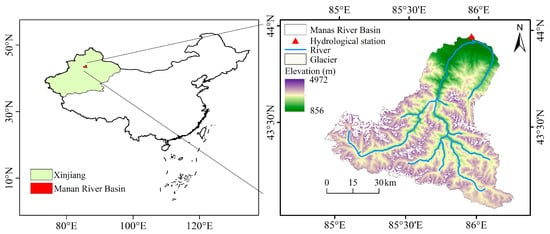
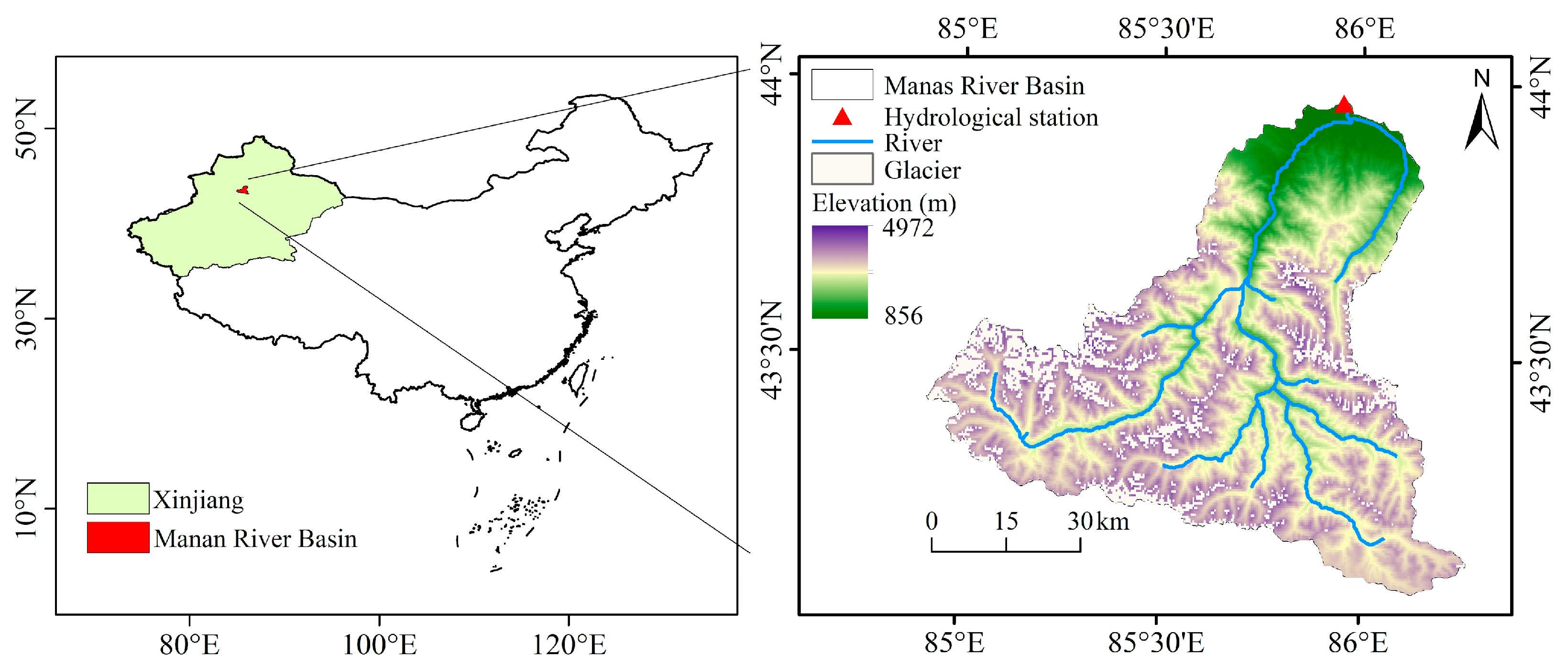
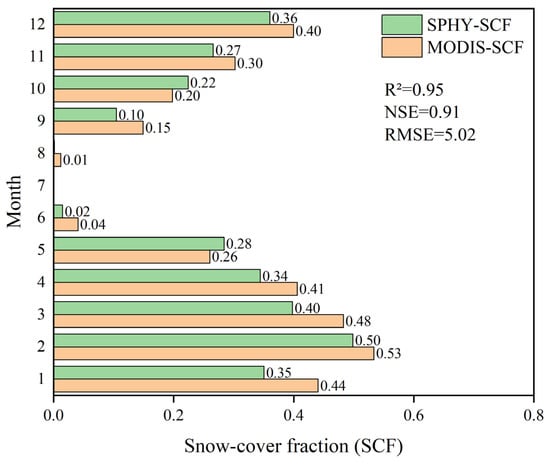
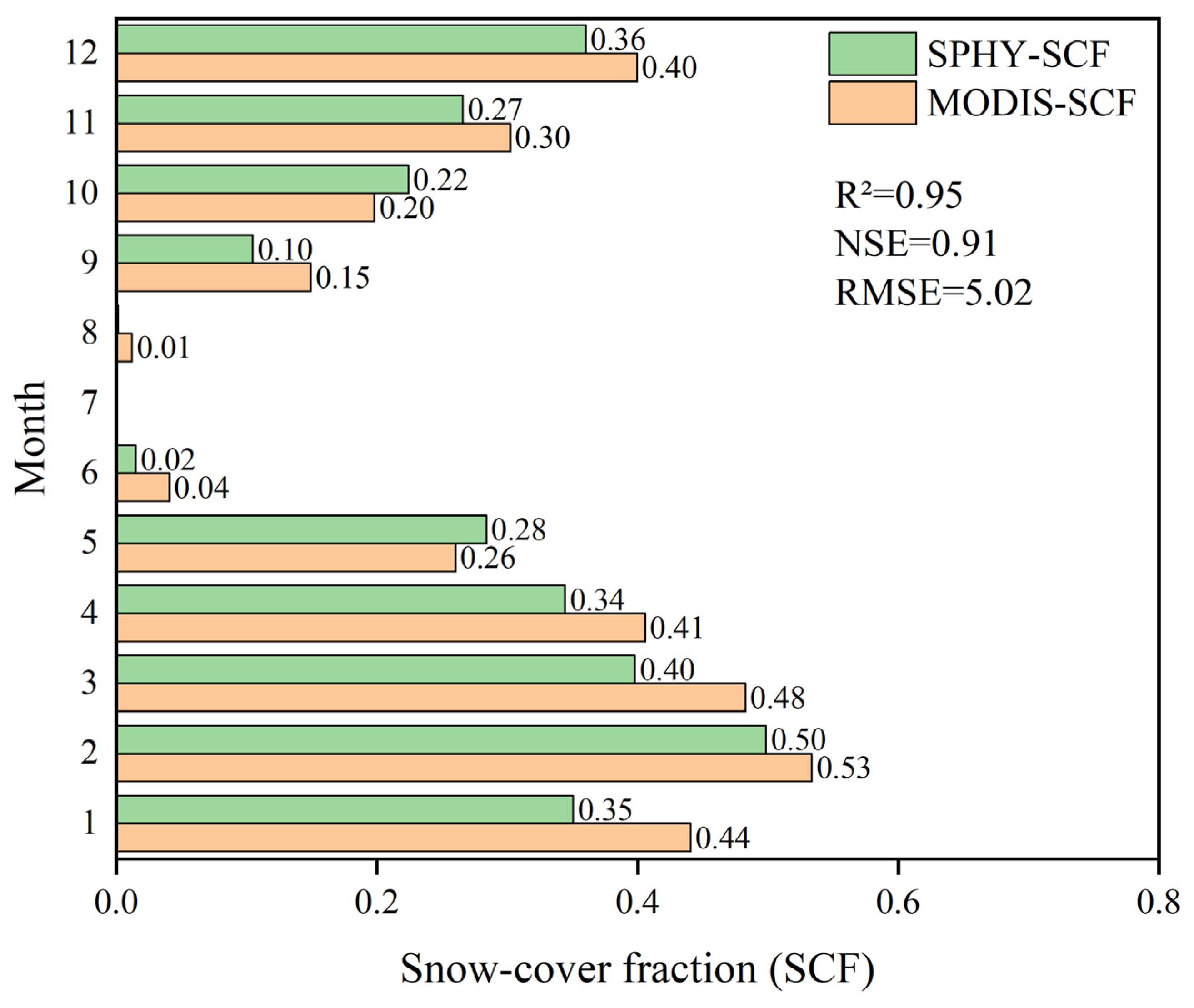
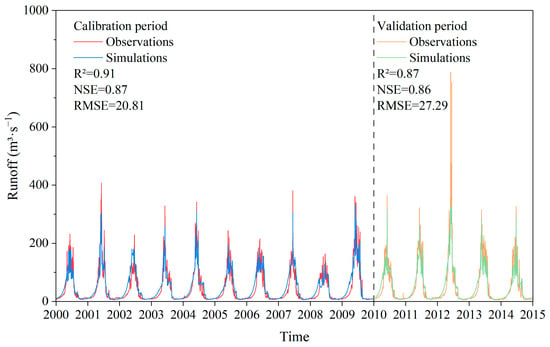
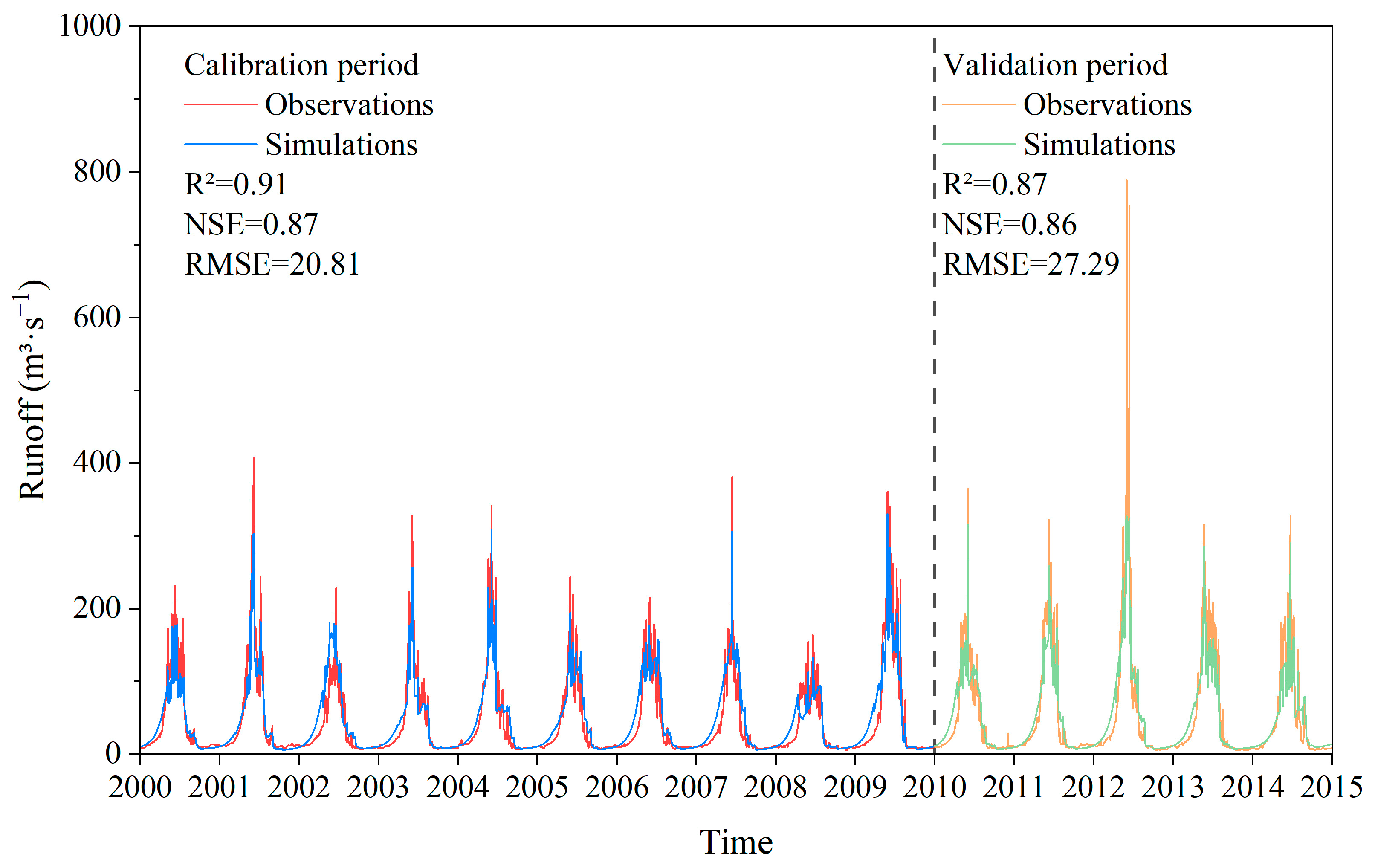
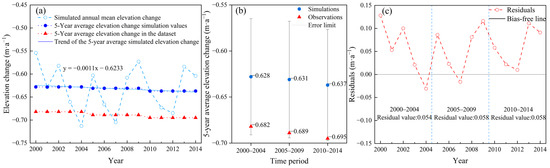
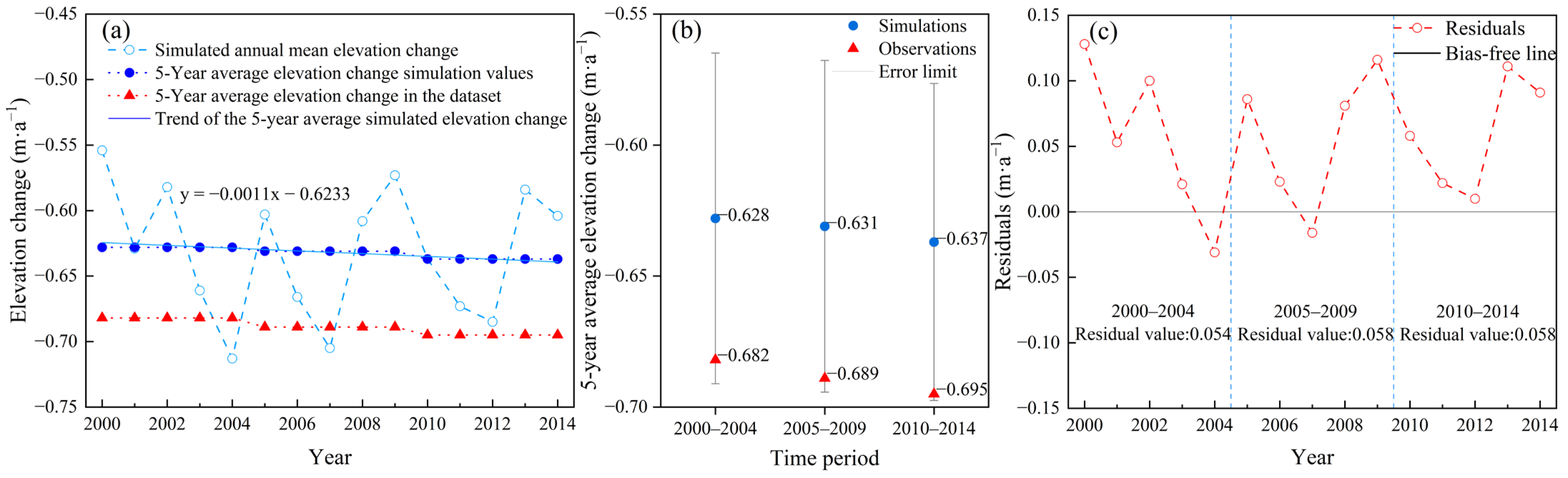
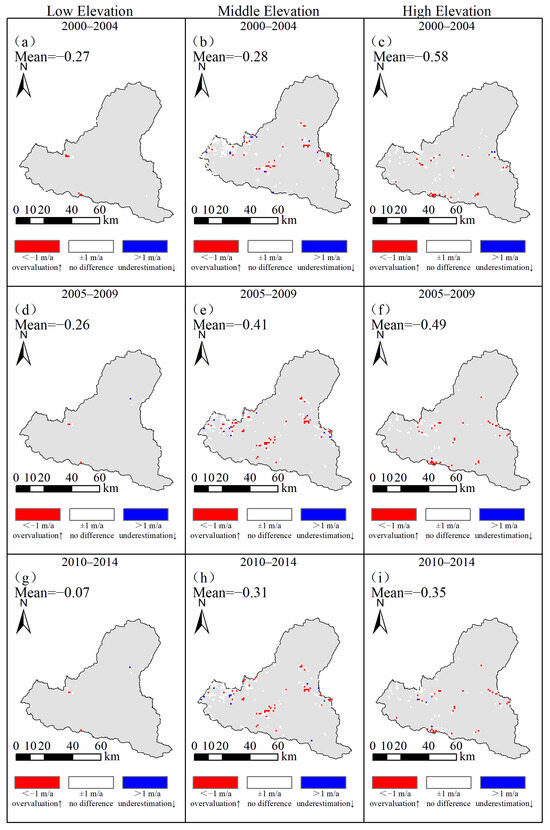
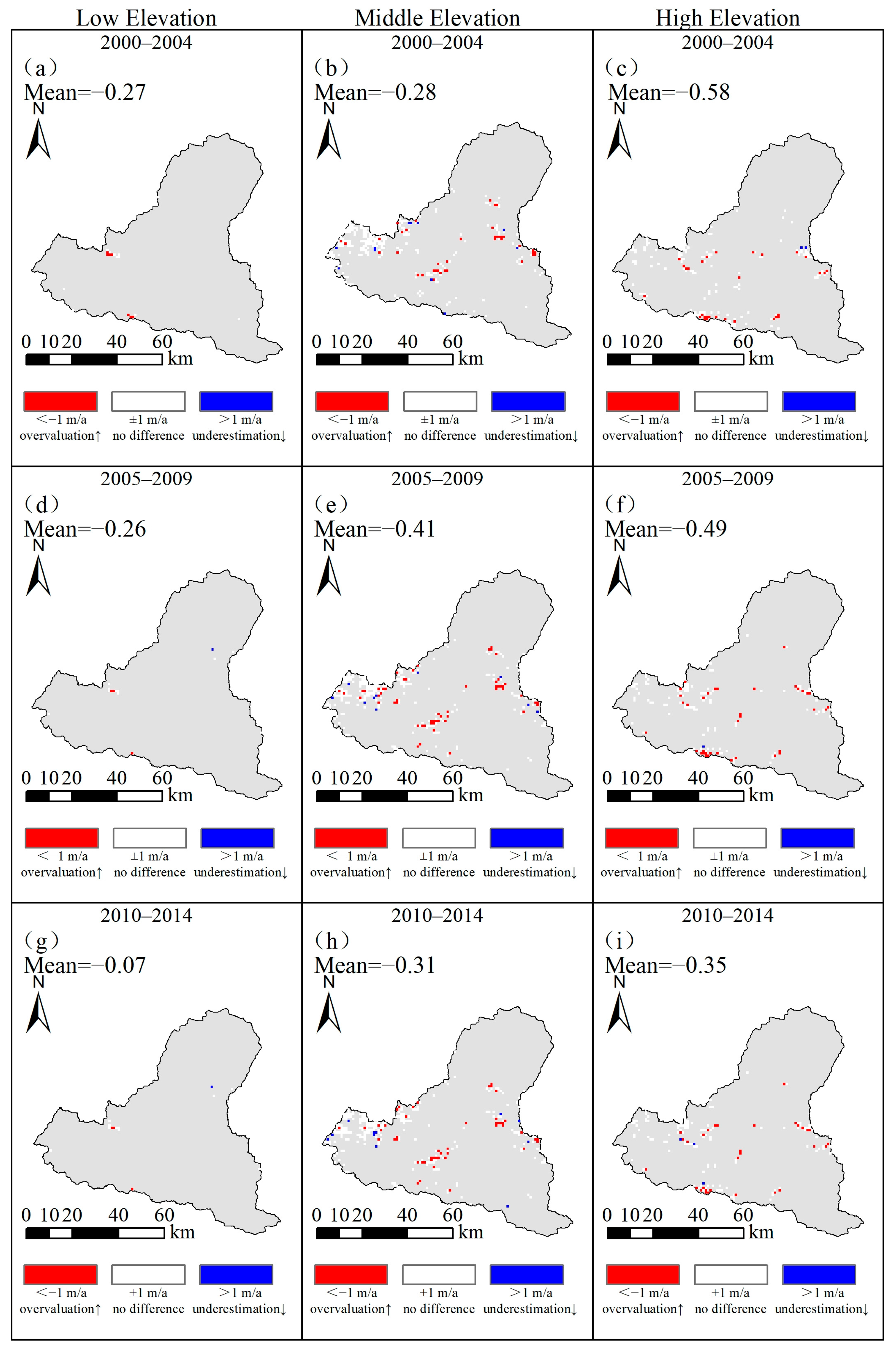
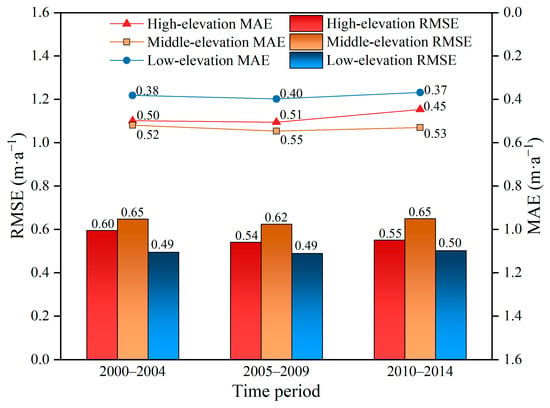
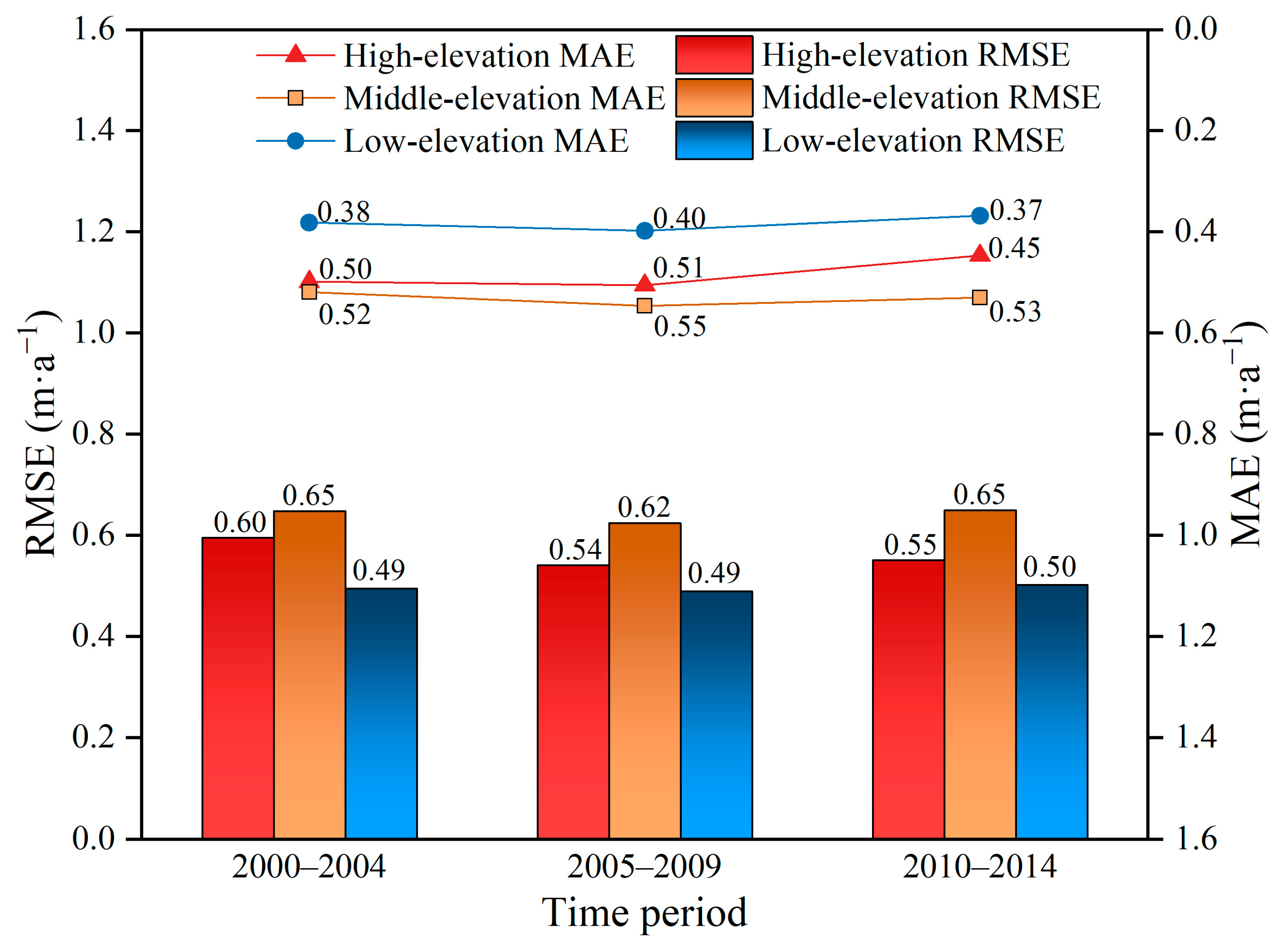
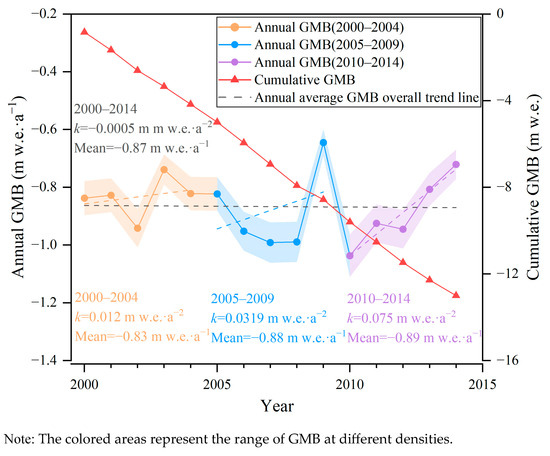
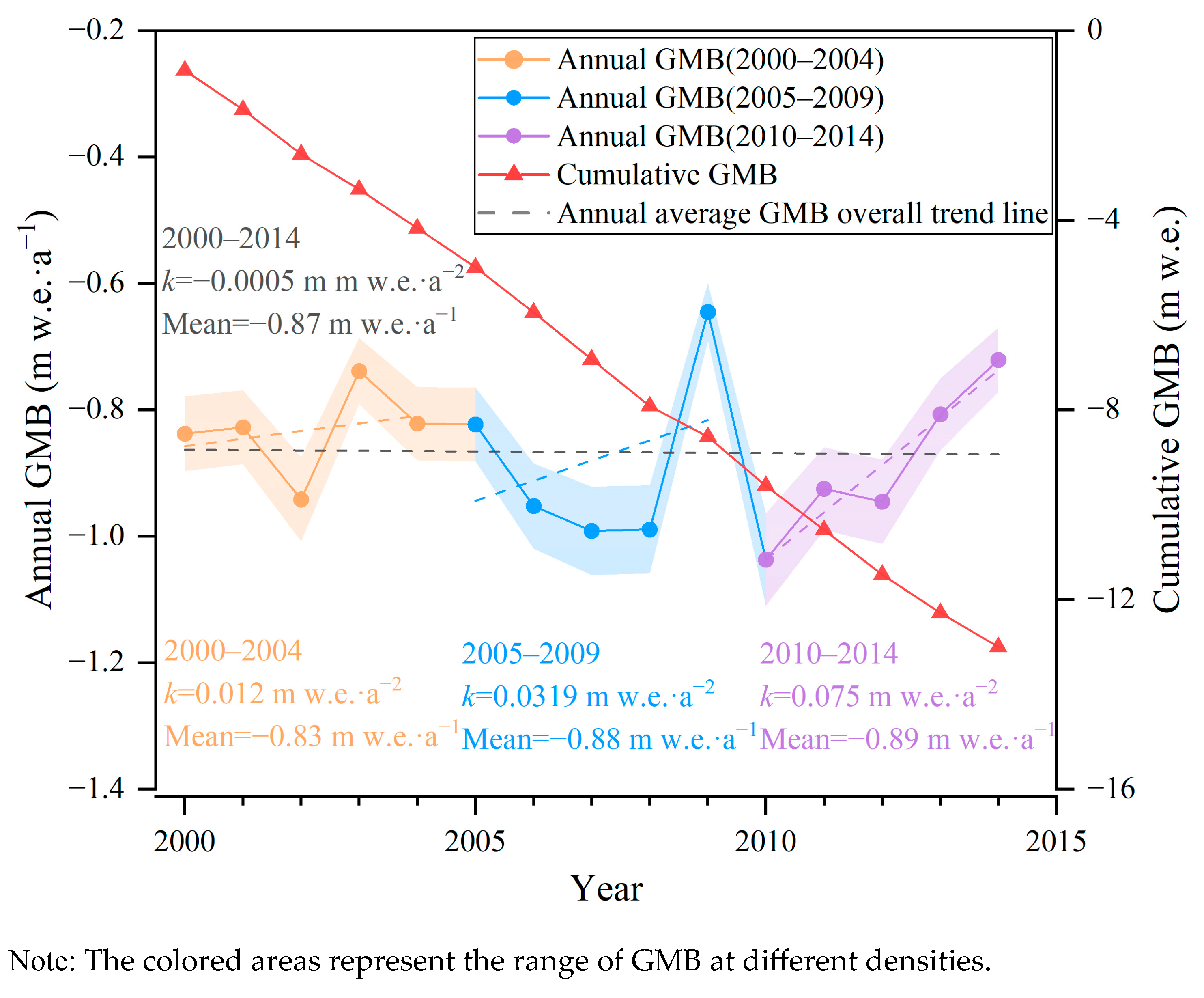
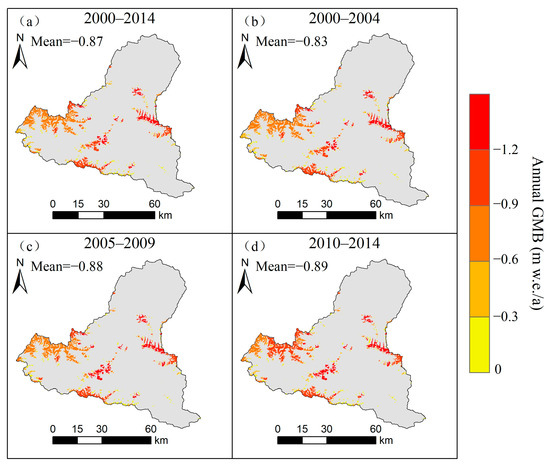
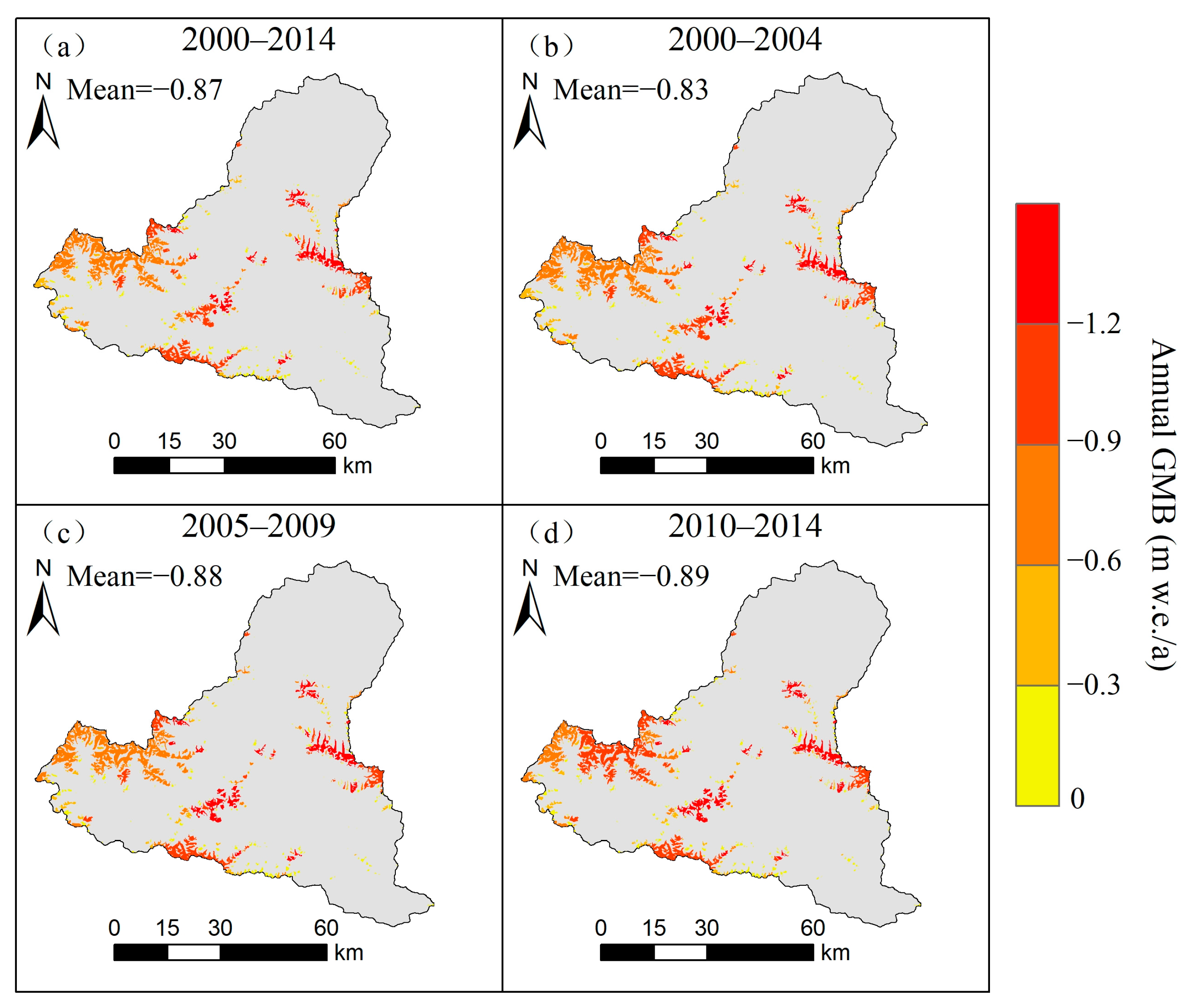
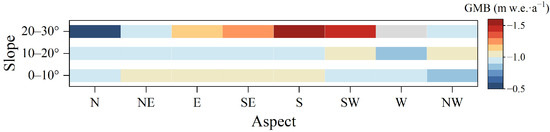
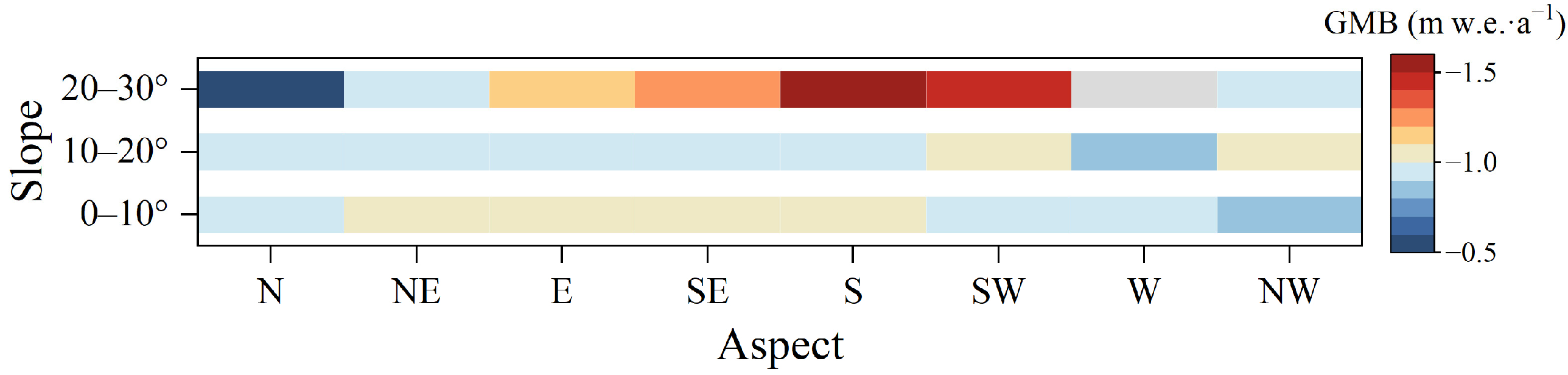
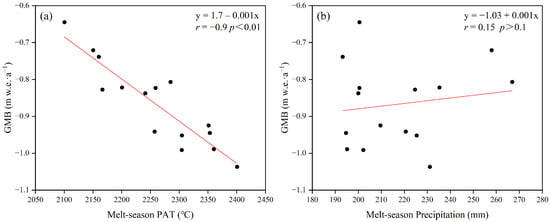
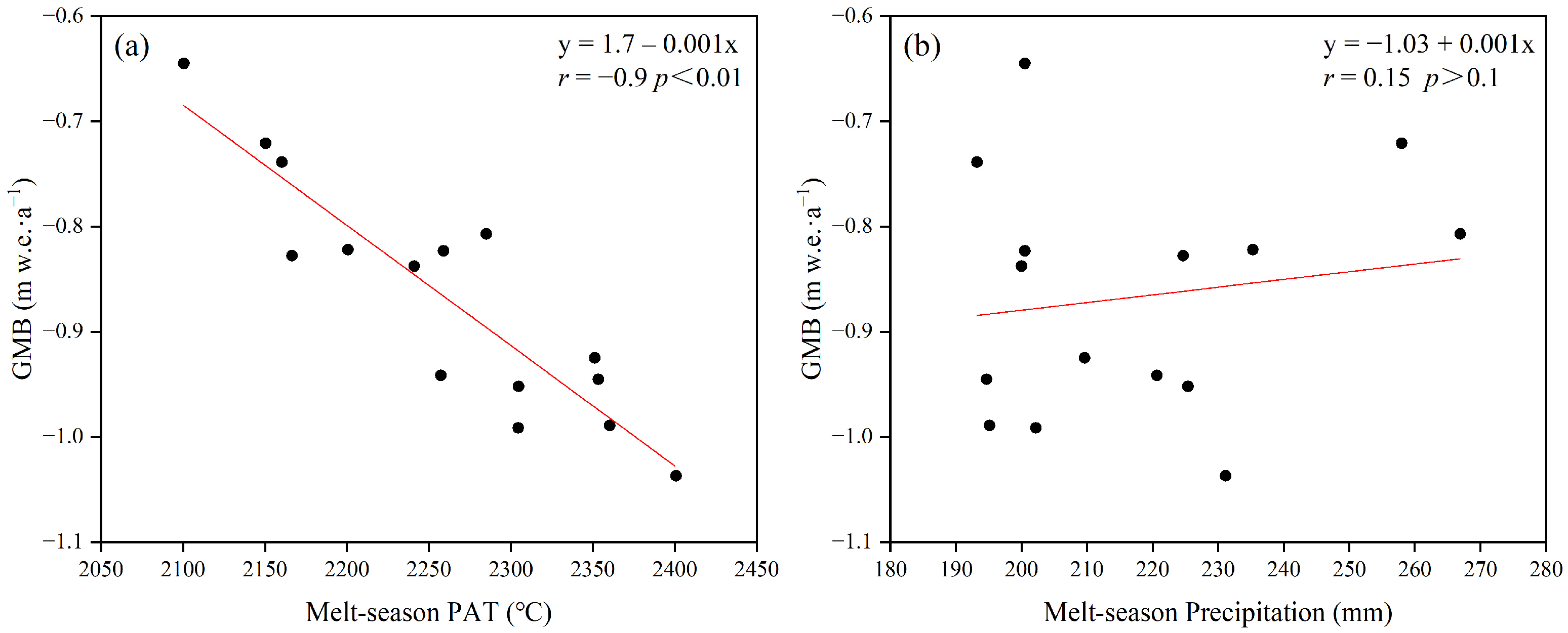
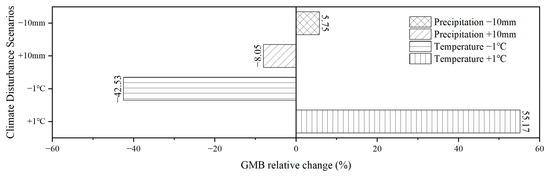
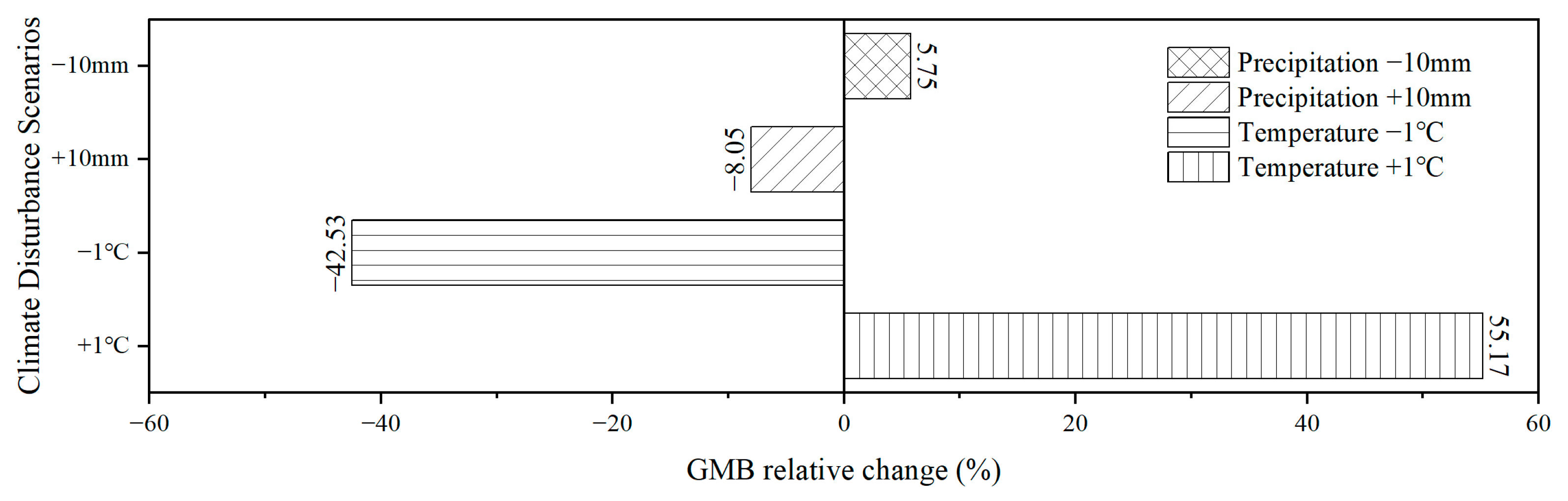
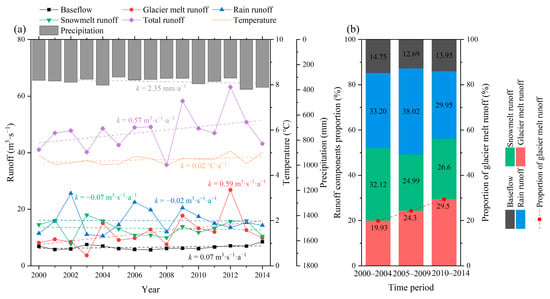
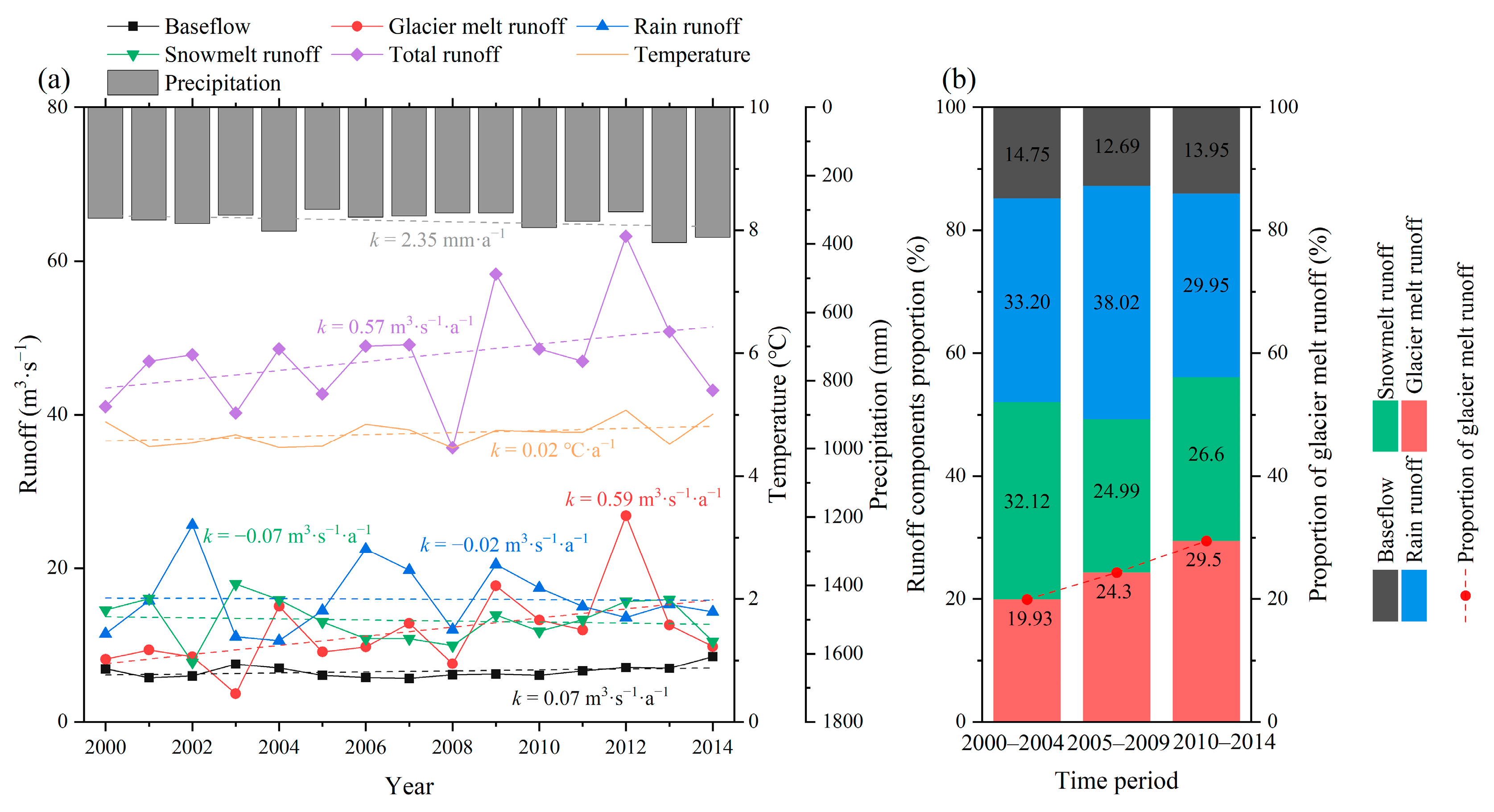
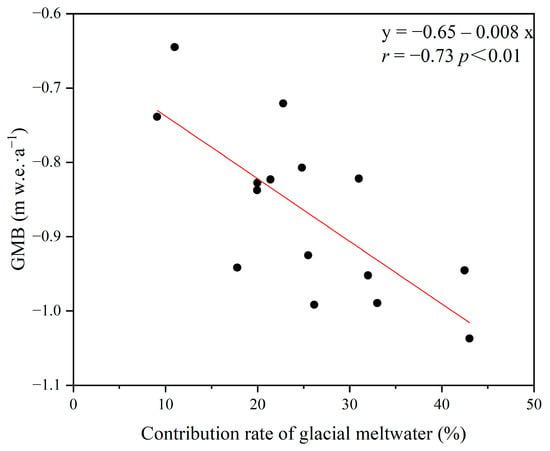
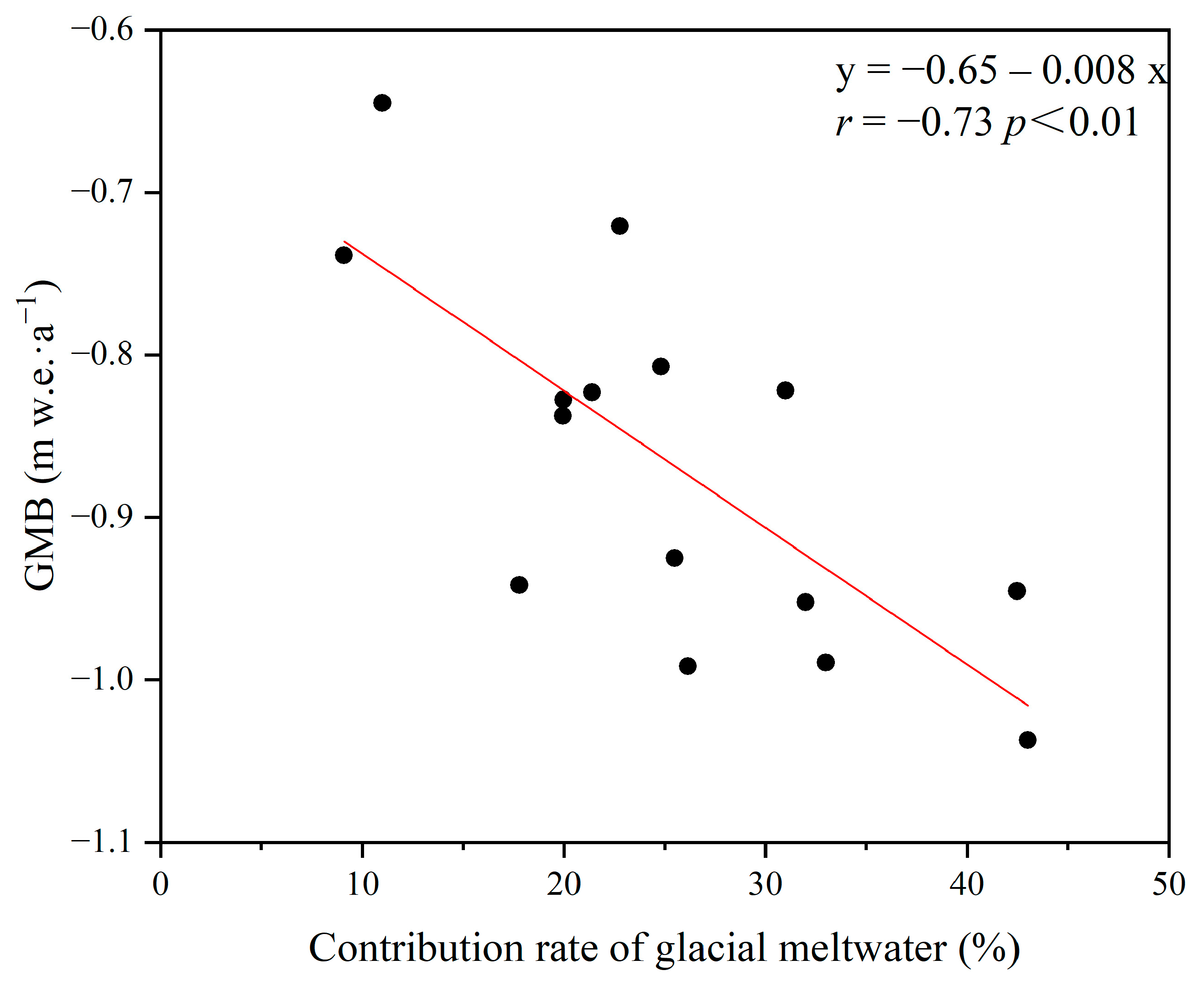
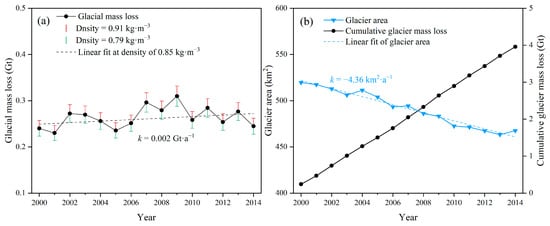
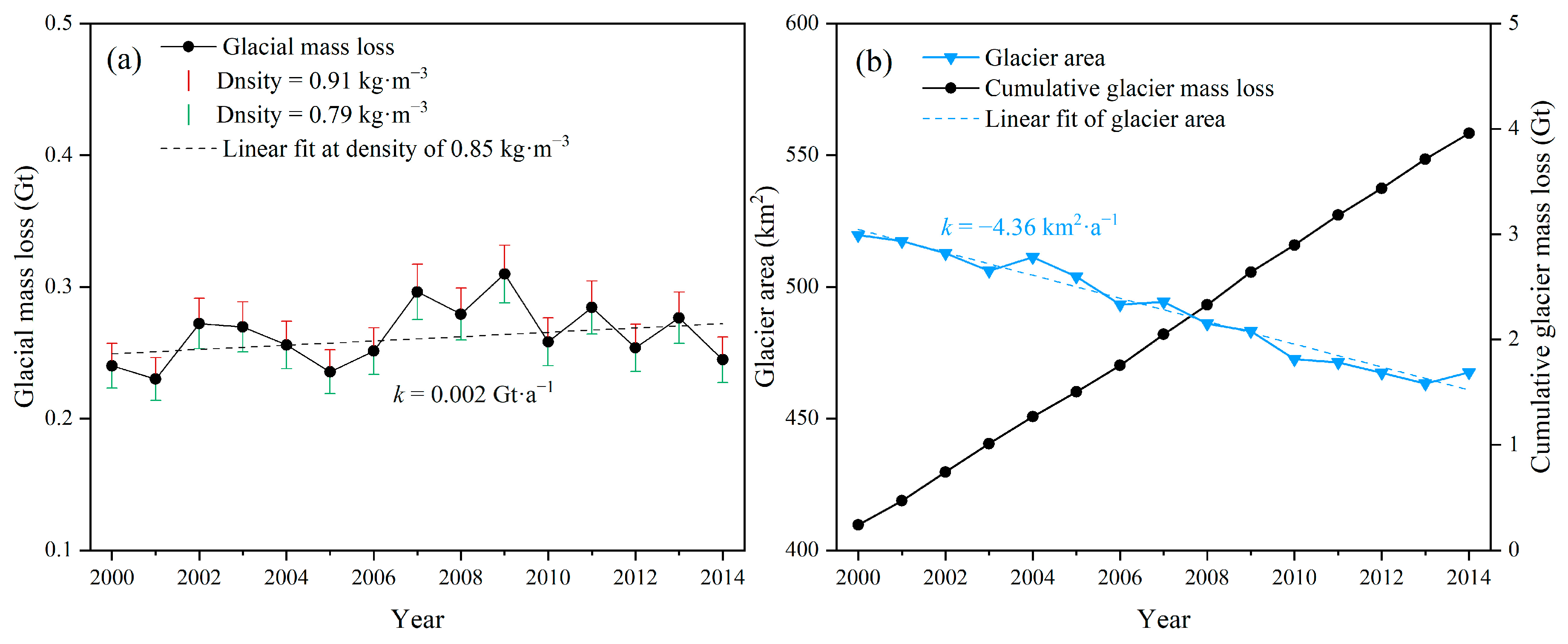
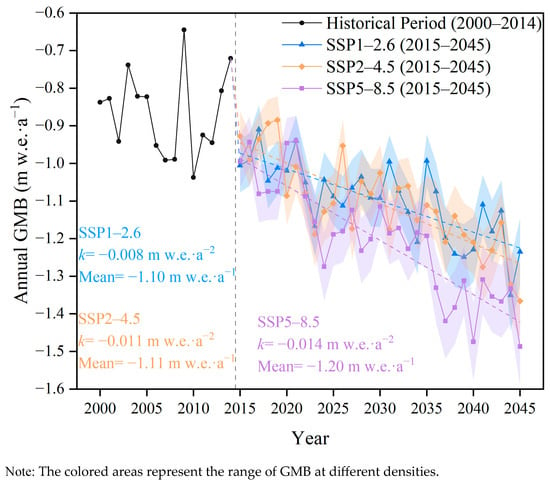
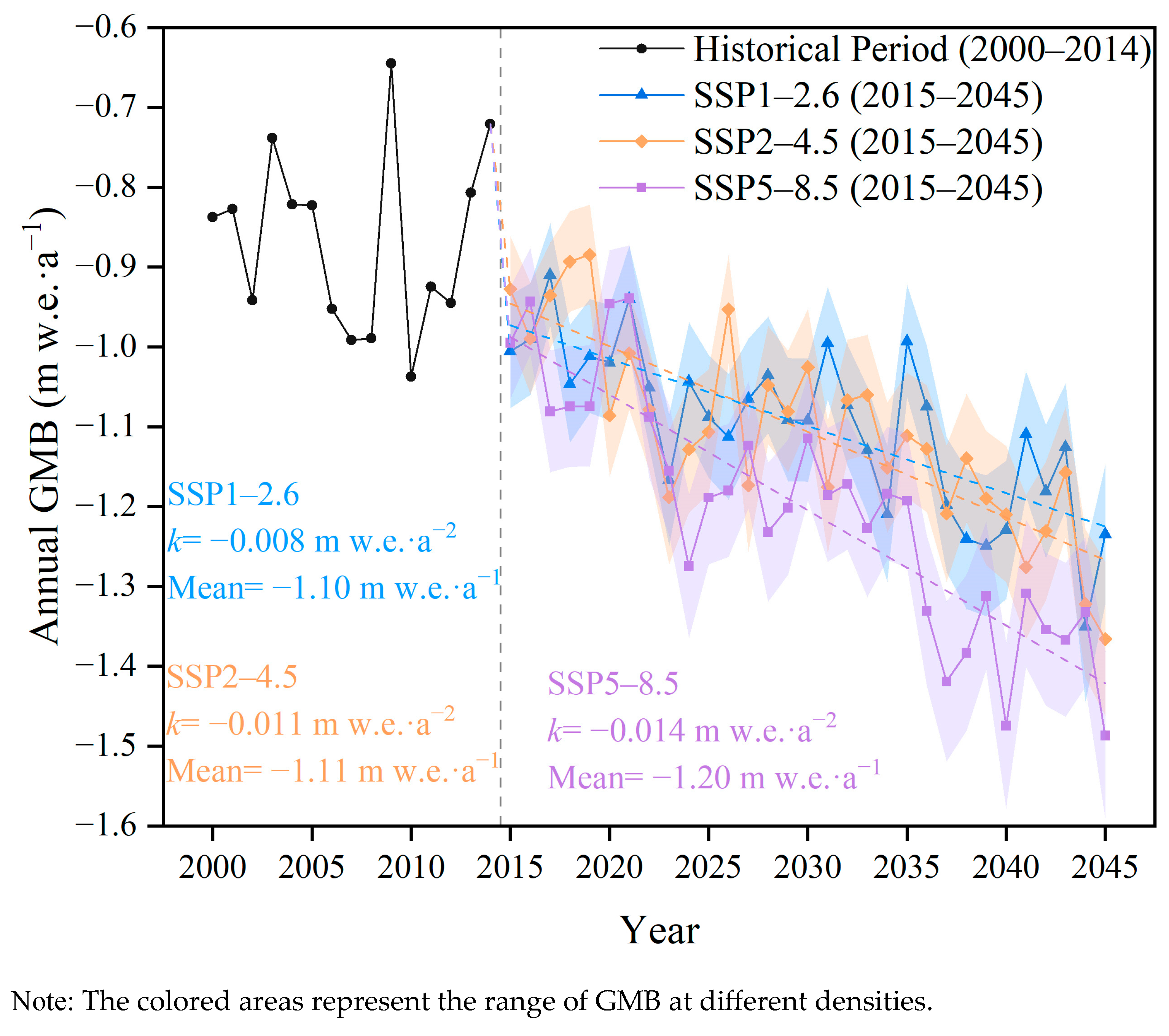
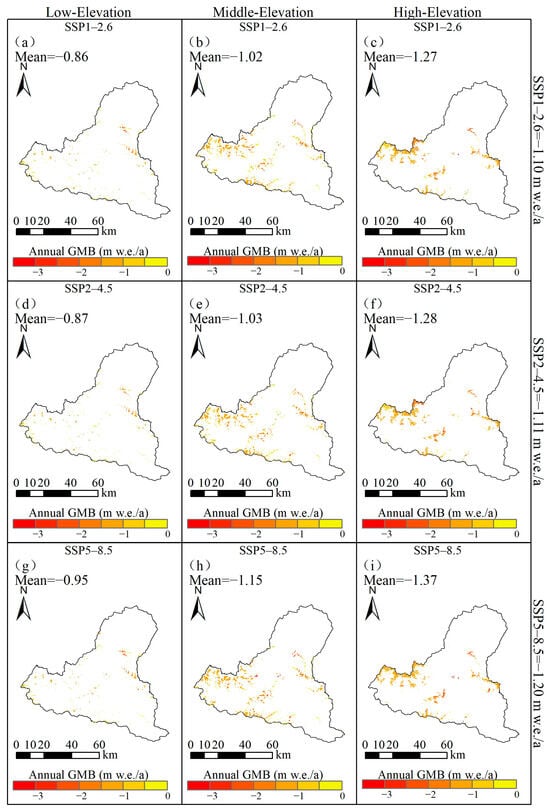
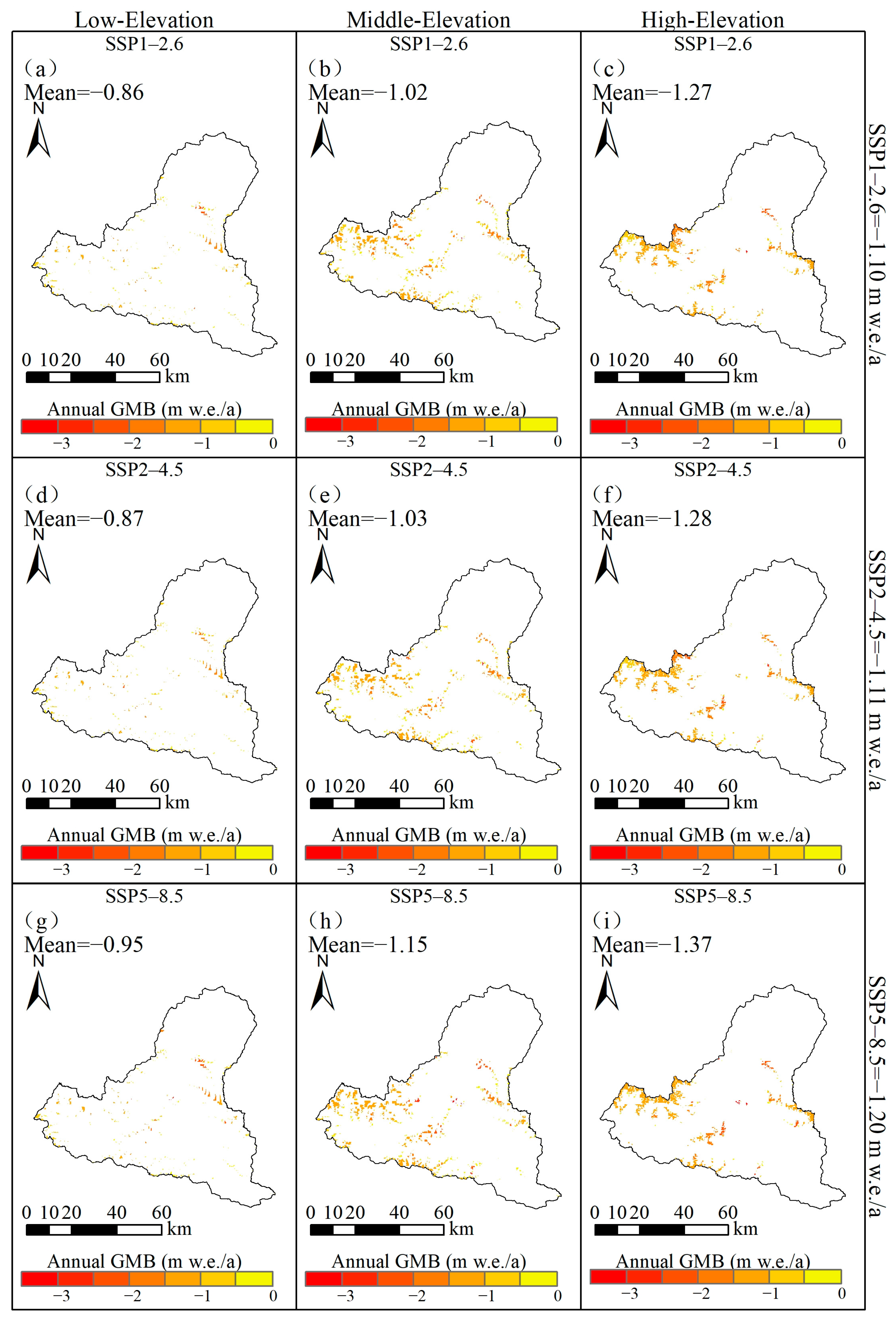
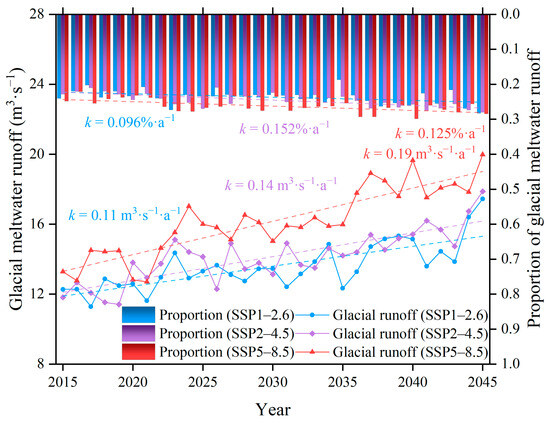
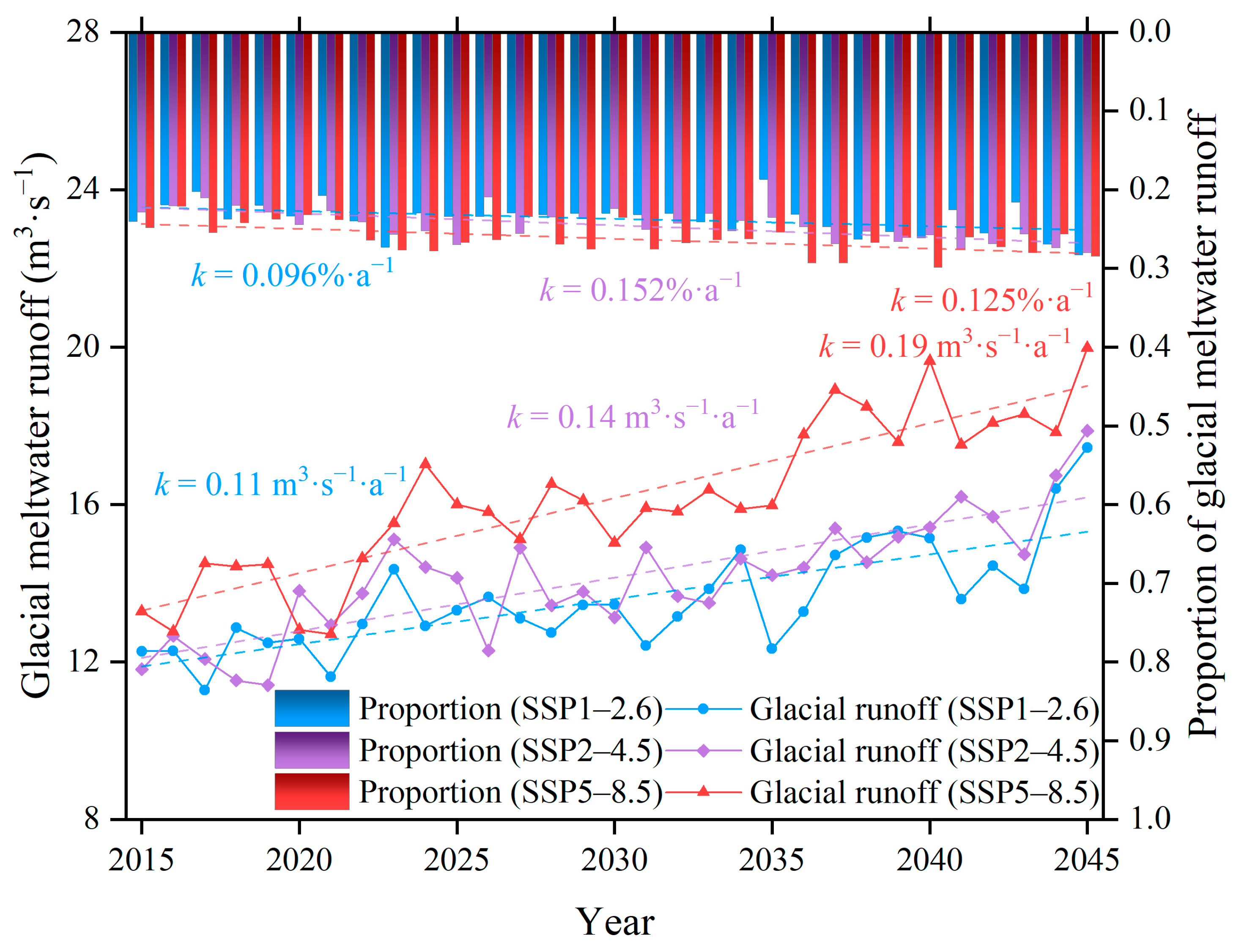
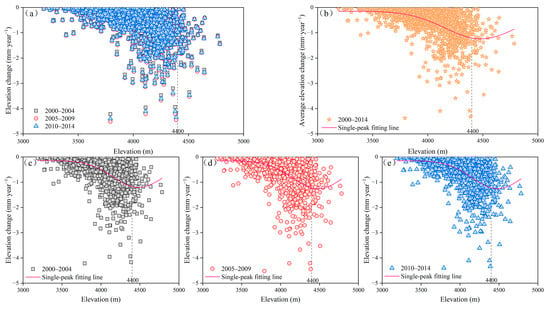
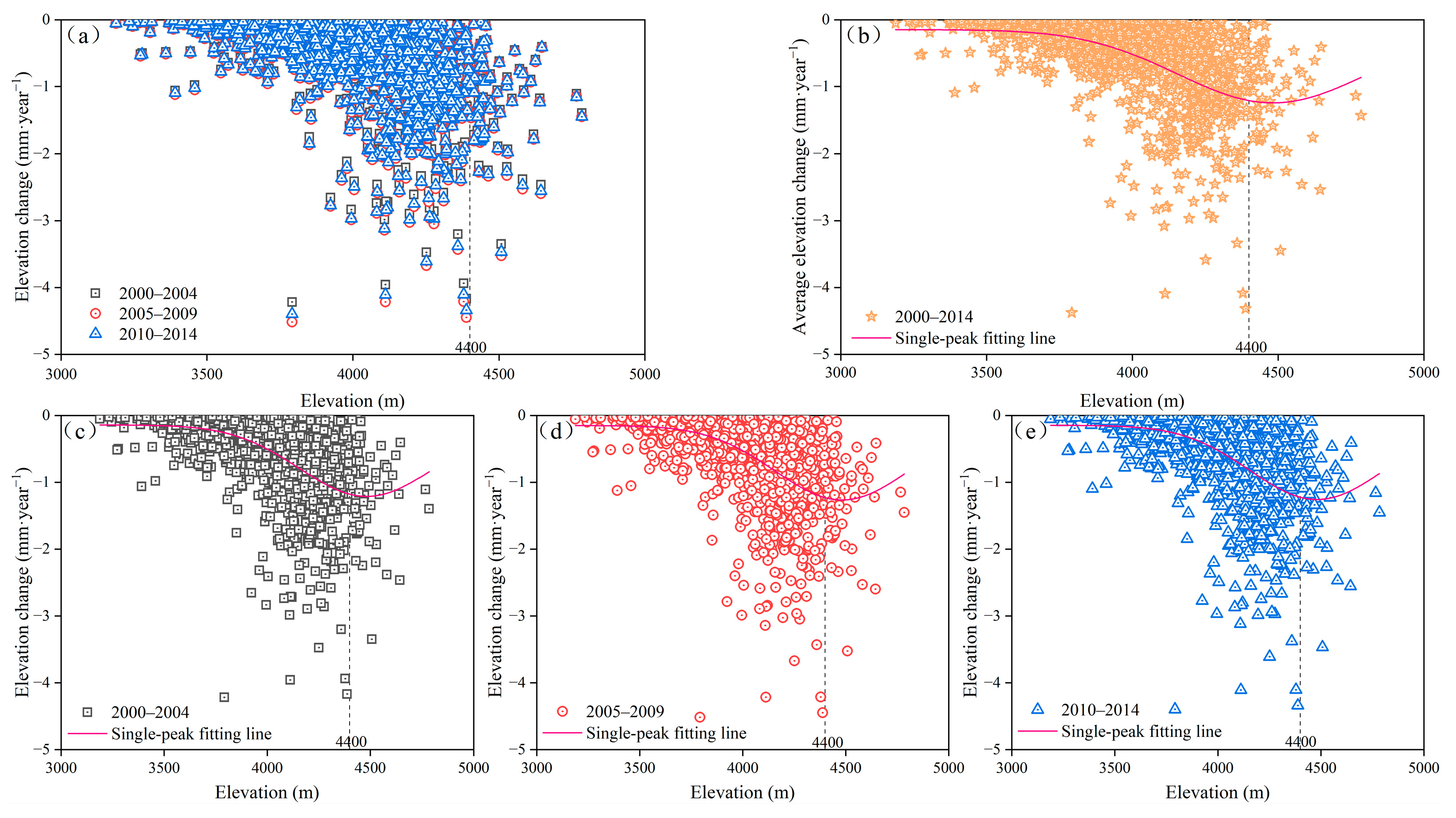

Disclaimer/Publisher’s Note: The statements, opinions and data contained in all publications are solely those of the individual author(s) and contributor(s) and not of MDPI and/or the editor(s). MDPI and/or the editor(s) disclaim responsibility for any injury to people or property resulting from any ideas, methods, instructions or products referred to in the content. |
© 2026 by the authors. Licensee MDPI, Basel, Switzerland. This article is an open access article distributed under the terms and conditions of the Creative Commons Attribution (CC BY) license.