Article

Spatiotemporal Characteristic of XCO2 and Its Changing Contribution Rate from Different Influencing Indicators in Mongolian Plateau of Central Asia


1
College of Geographical Science, Inner Mongolia Normal University, Hohhot 010022, China
2
Inner Mongolia Key Laboratory of Remote Sensing & Geography Information System, Inner Mongolia Normal University, Hohhot 010022, China
3
College of Computer Science and Technology, Inner Mongolia Normal University, Hohhot 010022, China
4
Division of Environmental and Natural Resource Management, Institute of Geography and Geoecology, Mongolian Academy of Sciences, Ulaanbaatar 15170, Mongolia
5
Department of Environment and Forest Engineering, School of Engineering and Technology, National Univesity of Mongolia, Ulaanbaatar 15170, Mongolia
6
Inner Mongolia Yitaibaotan Envirmental Technology Co., Ltd., Hohhot 010022, China
*
Author to whom correspondence should be addressed.
Atmosphere 2025, 16(5), 560; https://doi.org/10.3390/atmos16050560
Submission received: 6 January 2025 / Revised: 2 May 2025 / Accepted: 3 May 2025 / Published: 8 May 2025

Abstract

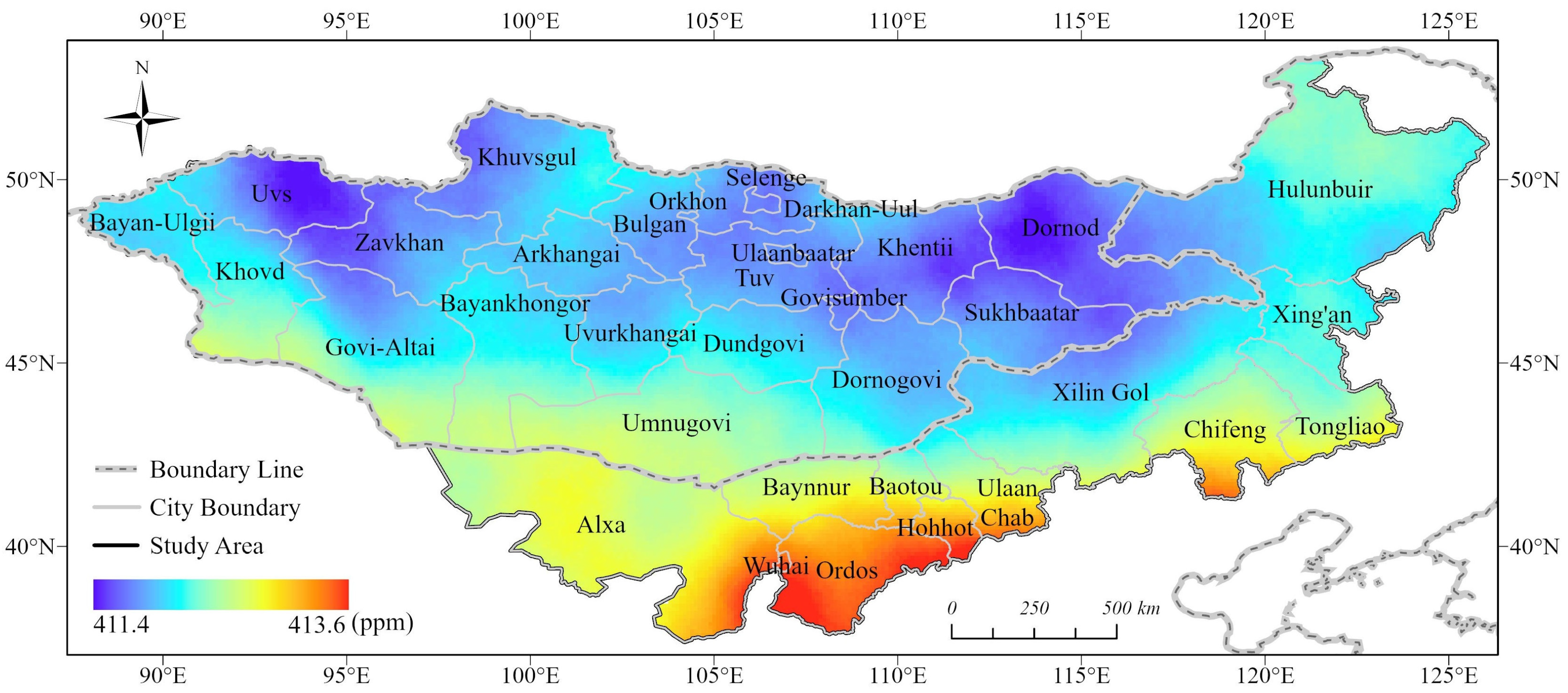
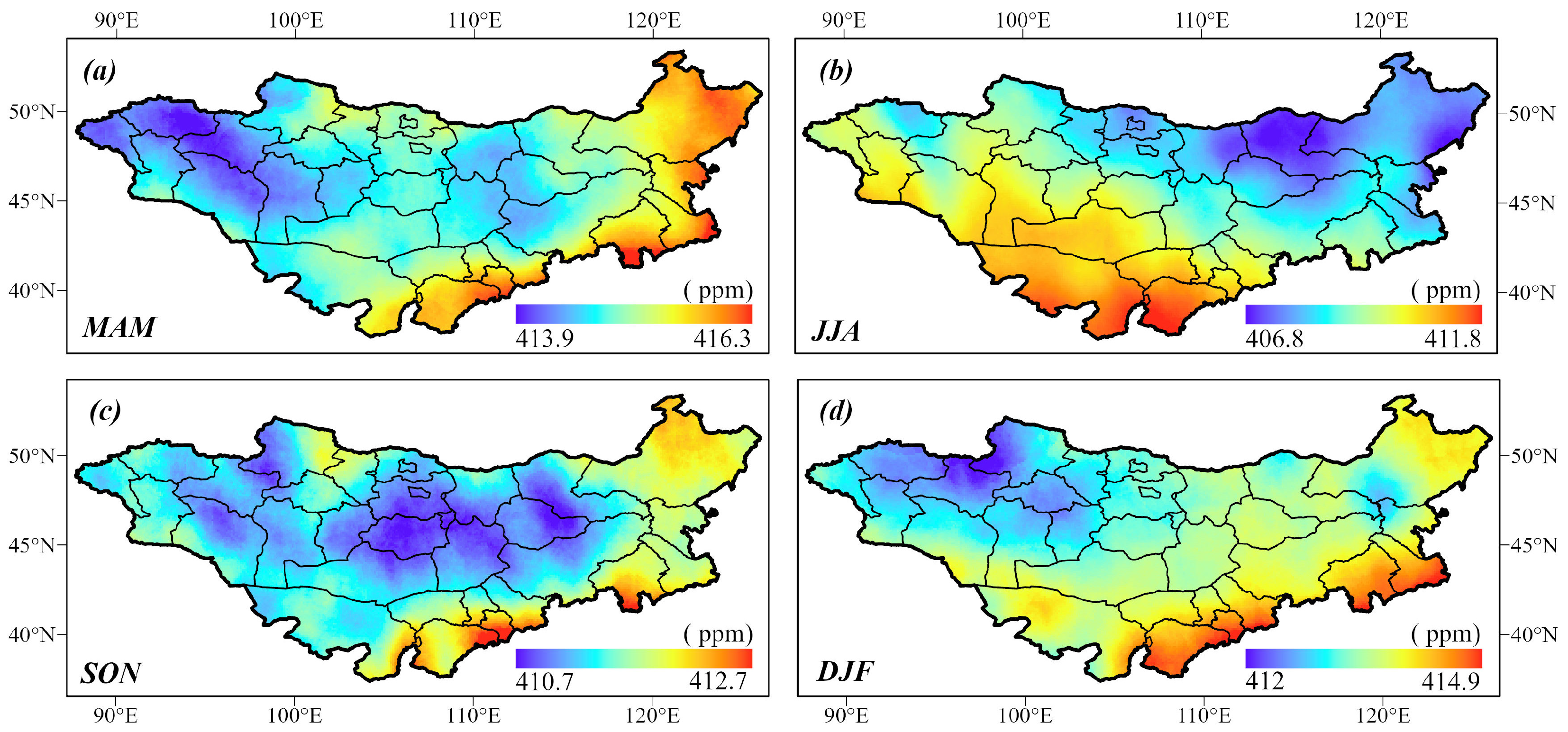
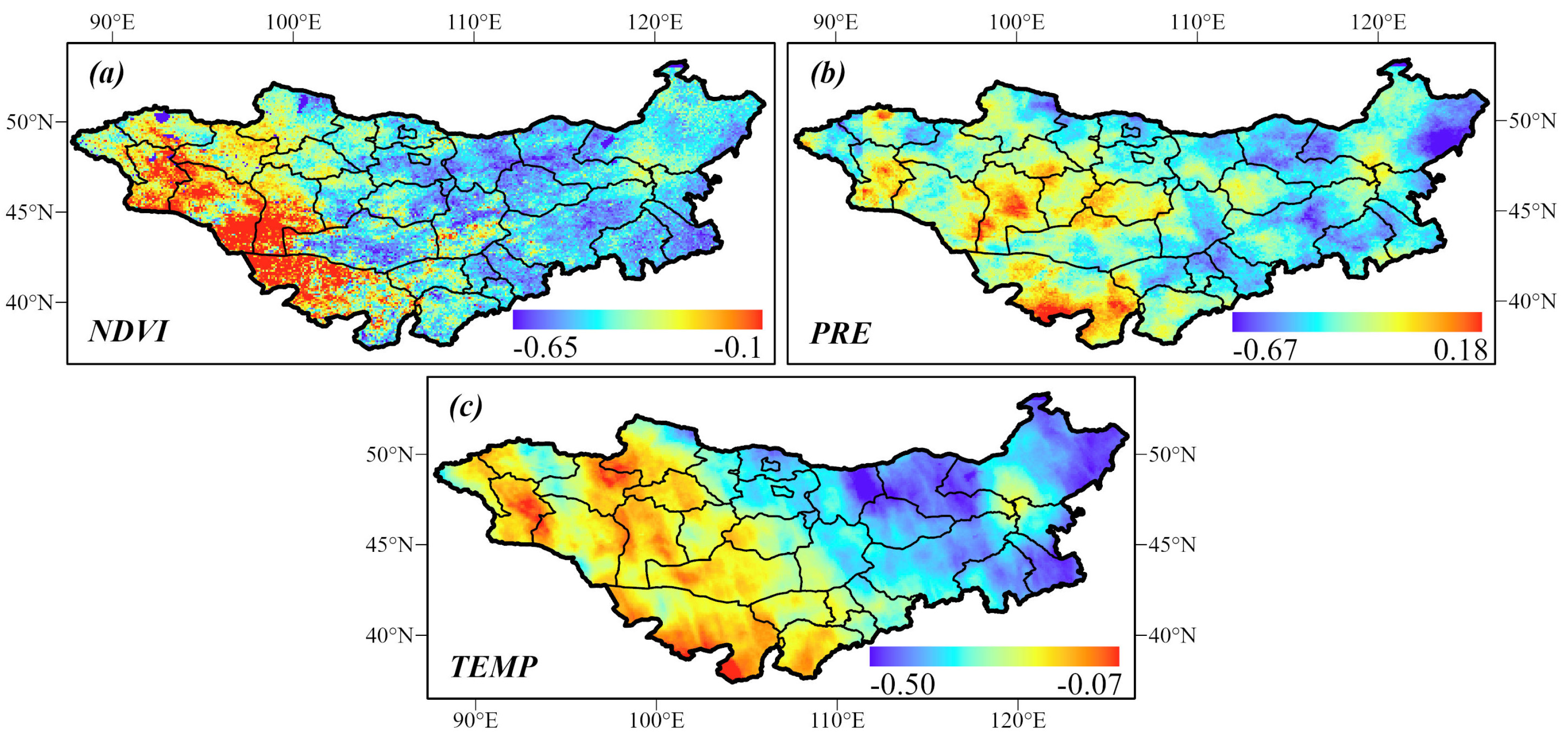
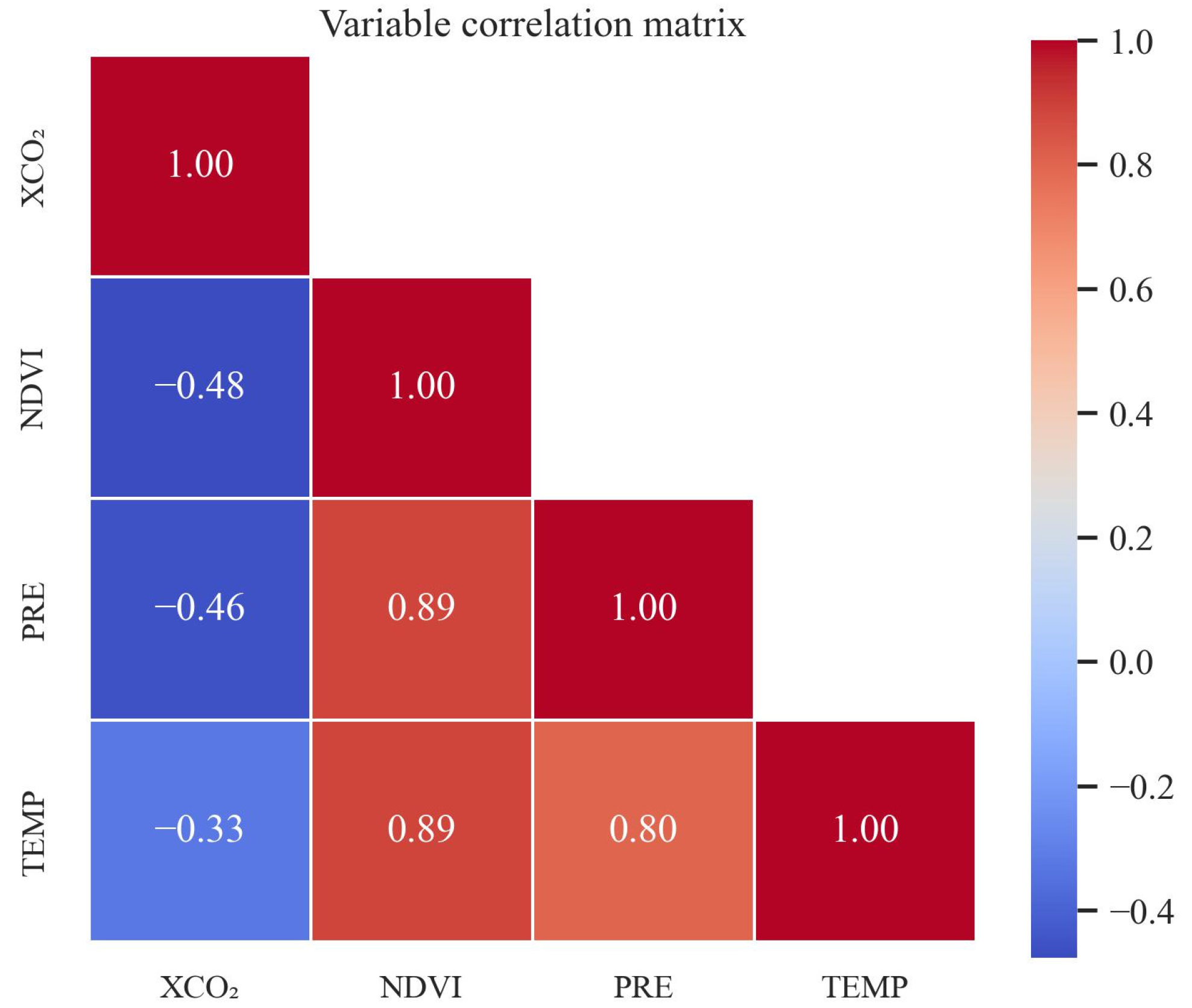
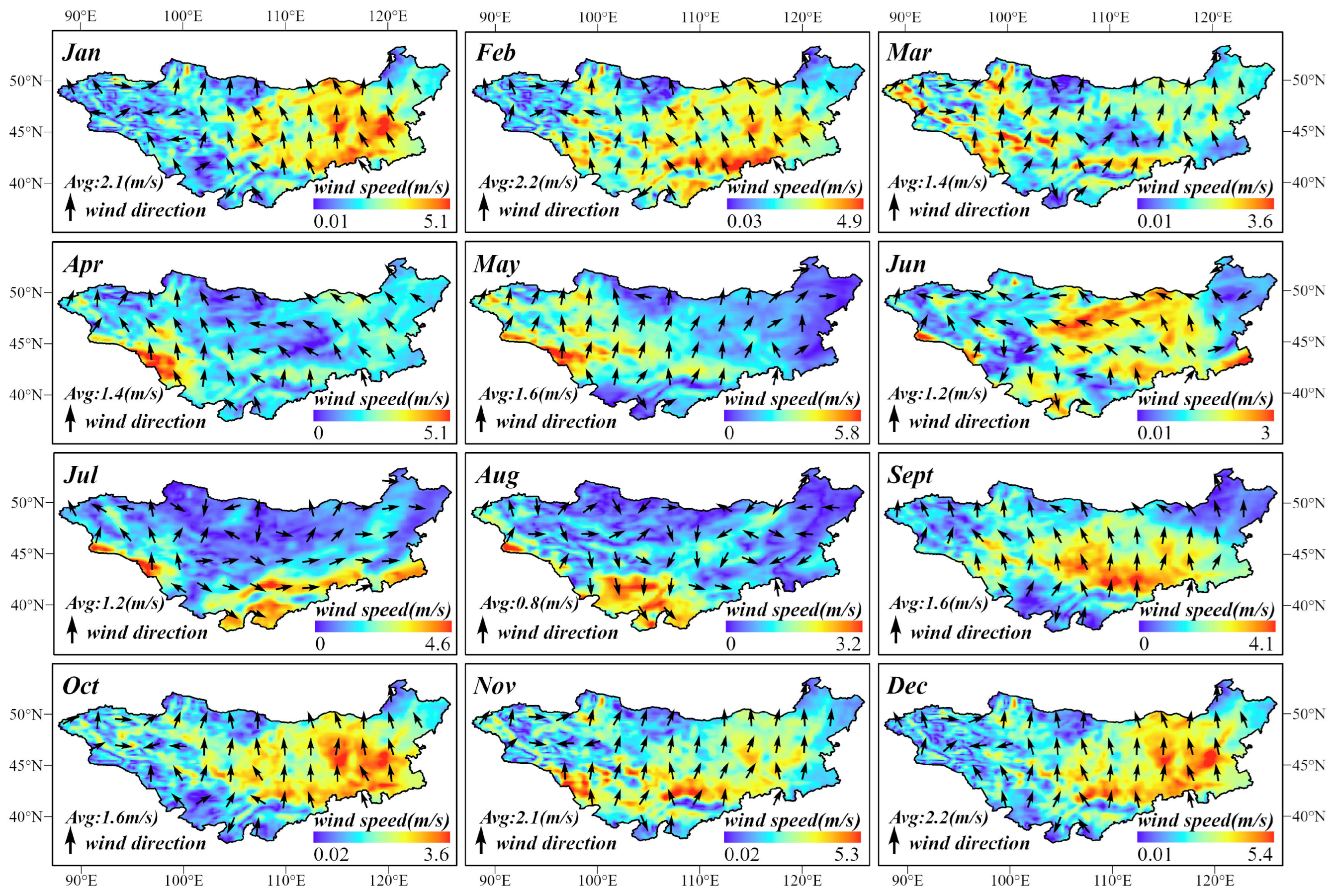
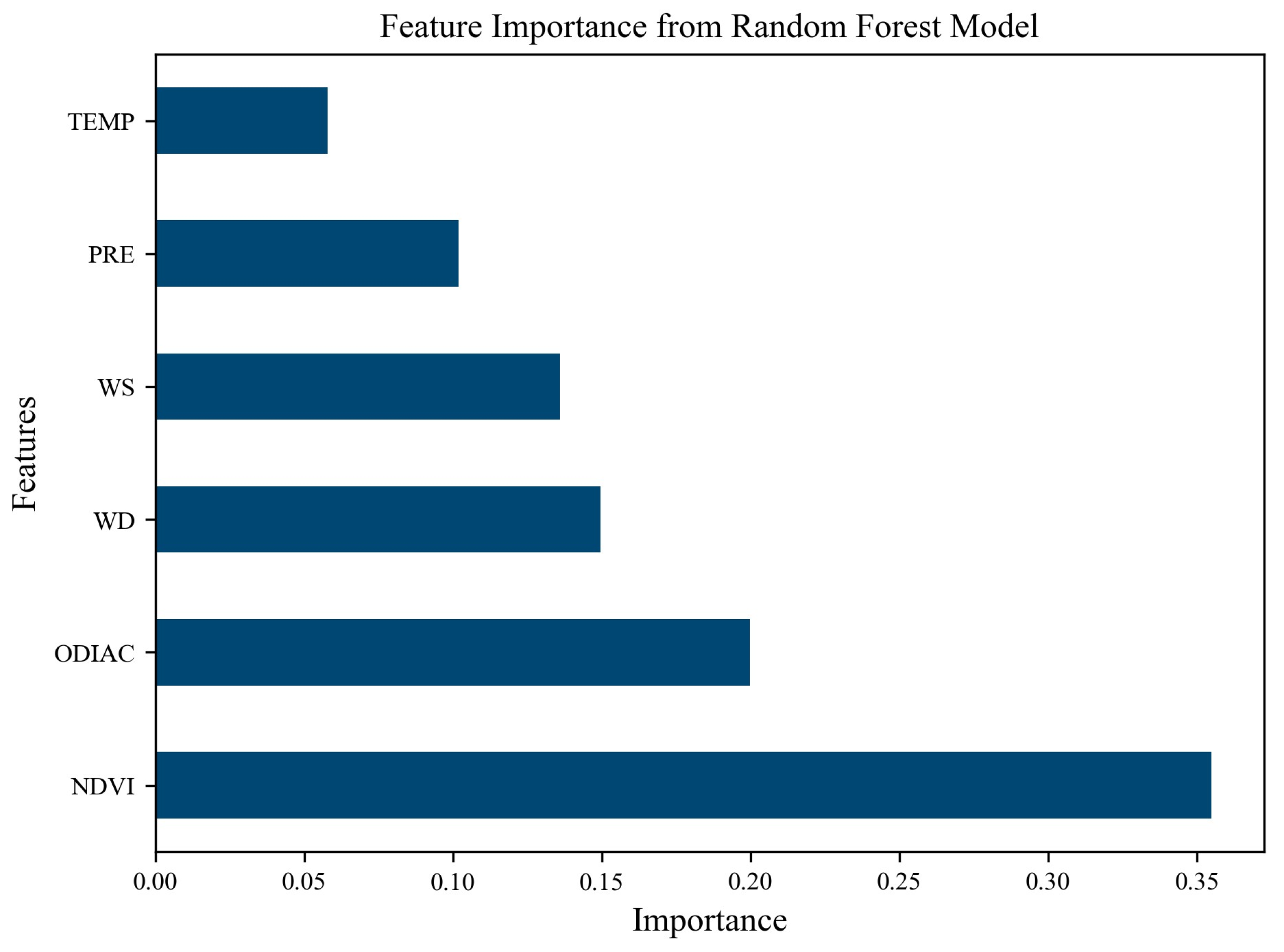
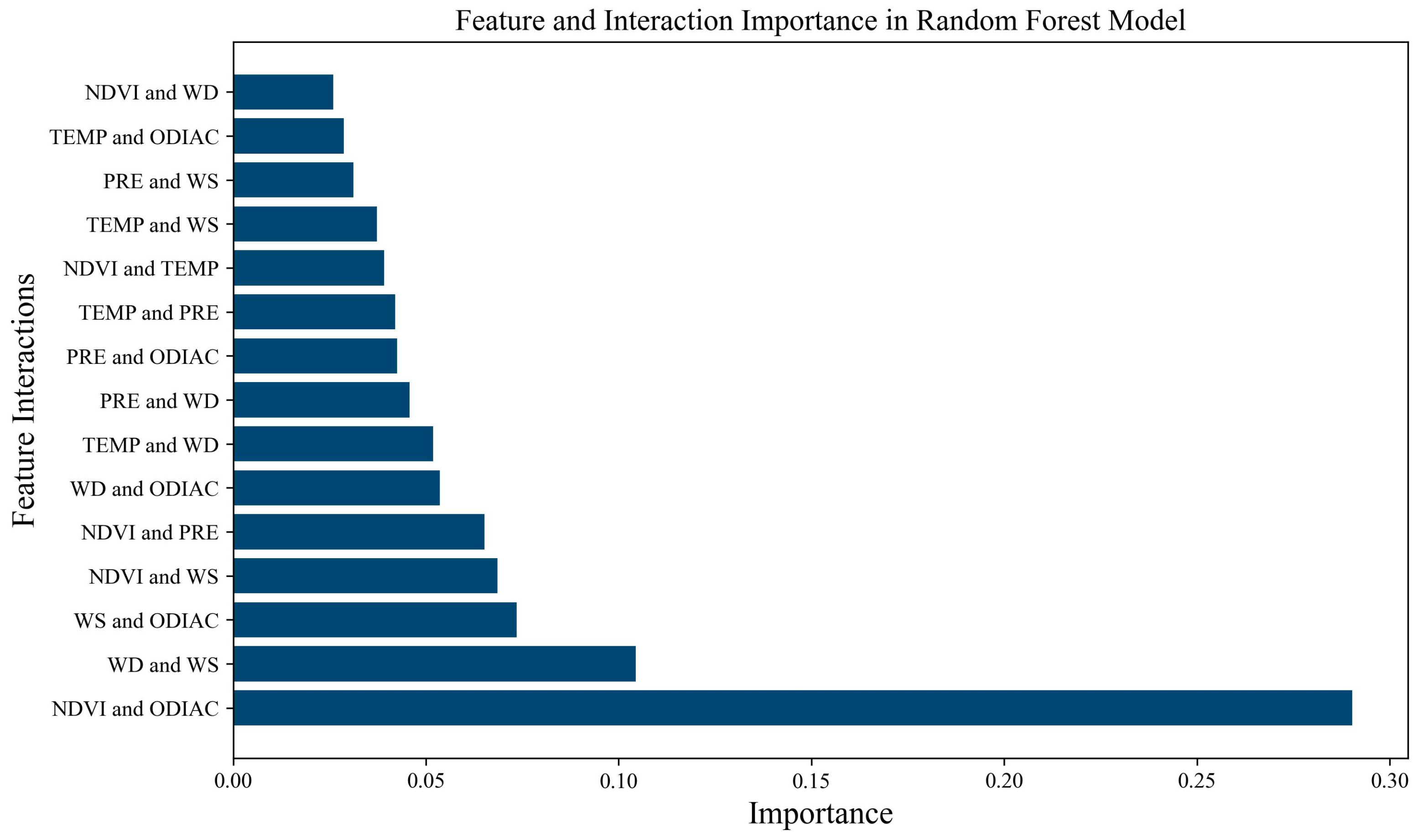
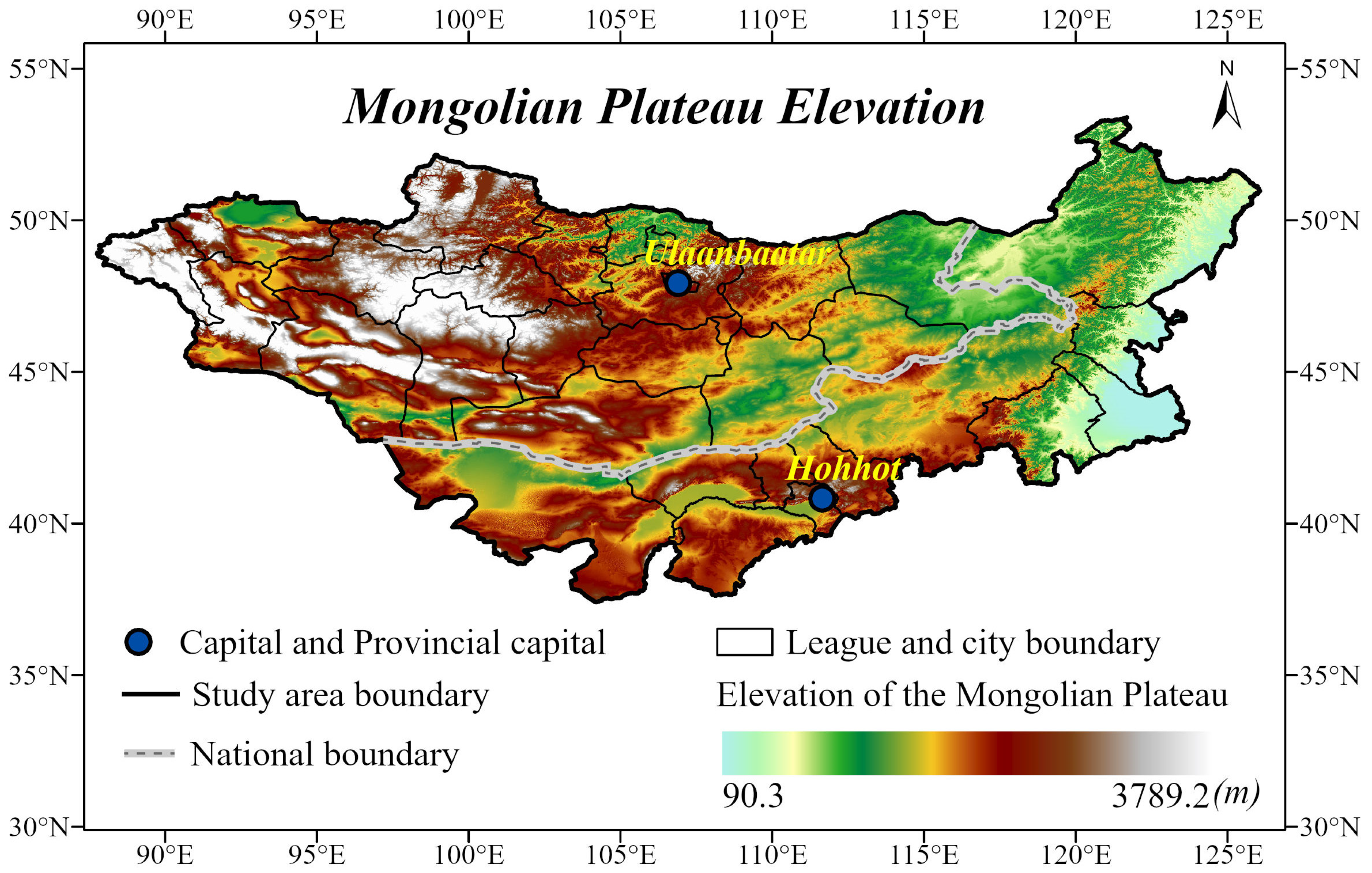
The Mongolian Plateau plays a crucial role in global carbon cycling, but the spatiotemporal characteristics of XCO2 concentration and its driving mechanism remain insufficiently explored. To solve this scientific issue, the synergistic methodology of mathematical statistics—the Pearson correlation and random forest model—was established using the main source of Orbiting Carbon Observatory 2 (OCO-2) satellite data. Results indicate the following: (1) Average XCO2 concentration of the Mongolian Plateau was 412 ppm, with an annual growth rate of 2.29 ppm/a from 2018 to 2022, along with higher values in the south and lower values in the north. The seasonal change displayed a clear temporal feature, in the order of spring (414.83 ppm) > winter (413.4 ppm) > autumn (411.3 ppm) > summer (409.12 ppm). The spatial distributions in spring, autumn, and winter were relatively consistent, all showing higher XCO2 concentrations in the east and lower concentrations in the west, whereas summer exhibited the opposite pattern. (2) From the perspective of the natural environment, XCO2 change was negatively correlated with the normalized difference vegetation index (NDVI), precipitation (PRE), and temperature (TEMP). Temporal analysis further revealed that this negative correlation was most pronounced in the eastern region, in which these three elements were all relatively high. (3) According to the random forest model, the influence of both single and interactive factors on the plateau’s XCO2 varied significantly. A comparison of driving factors revealed that the NDVI had the highest contribution rate (0.35), followed by fossil fuel combustion emissions (ODIAC), wind direction (WD), and wind speed (WS). As for interaction effects, the combination of NDVI and ODIAC showed the highest contribution rate (over 0.25), indicating a strong joint influence on XCO2. Other important interactions included WS and WD, ODIAC and WS, and NDVI and WS (all above 0.05). These findings provide valuable insights into the driving mechanisms of XCO2 on the Mongolian Plateau, offering a reference for regional carbon emission reduction policies.
Keywords: space-time features of XCO2; contribution rate; single and interactive factors; Mongolian Plateau of Asia space-time features of XCO2; contribution rate; single and interactive factors; Mongolian Plateau of Asia