
Article

Characterization of VOCs during Nonheating and Heating Periods in the Typical Suburban Area of Beijing, China: Sources and Health Assessment

1
College of Resources and Environment, University of Chinese Academy of Sciences, Beijing 100049, China
2
Beijing Yanshan Earth Critical Zone National Research Station, Chinese Academy of Sciences, Beijing 101400, China
3
National Engineering Laboratory for VOCs Pollution Control Material & Technology, Beijing 101400, China
4
Resource and Environmental Branch, China National Institute of Standardization, Beijing 100191, China
*
Author to whom correspondence should be addressed.
Atmosphere 2022, 13(4), 560; https://doi.org/10.3390/atmos13040560
Submission received: 21 February 2022 / Revised: 24 March 2022 / Accepted: 28 March 2022 / Published: 30 March 2022
(This article belongs to the Special Issue Remote Sensing and Multiple Observations of Air Quality in China)

Abstract

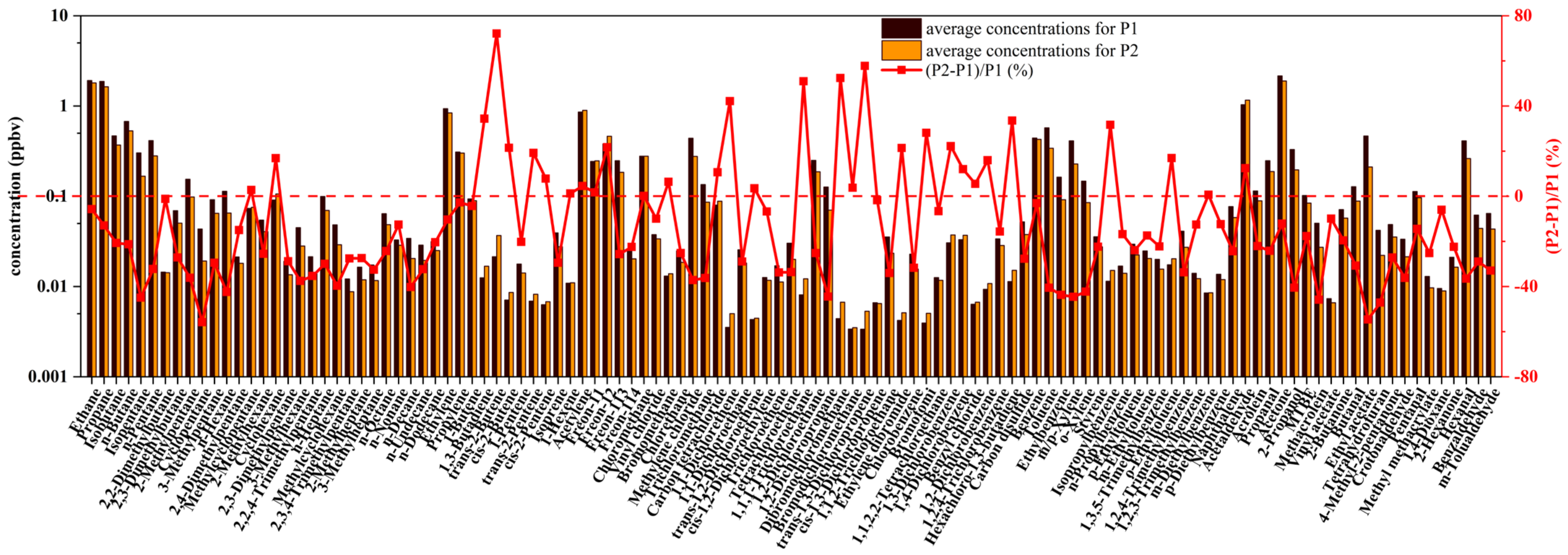
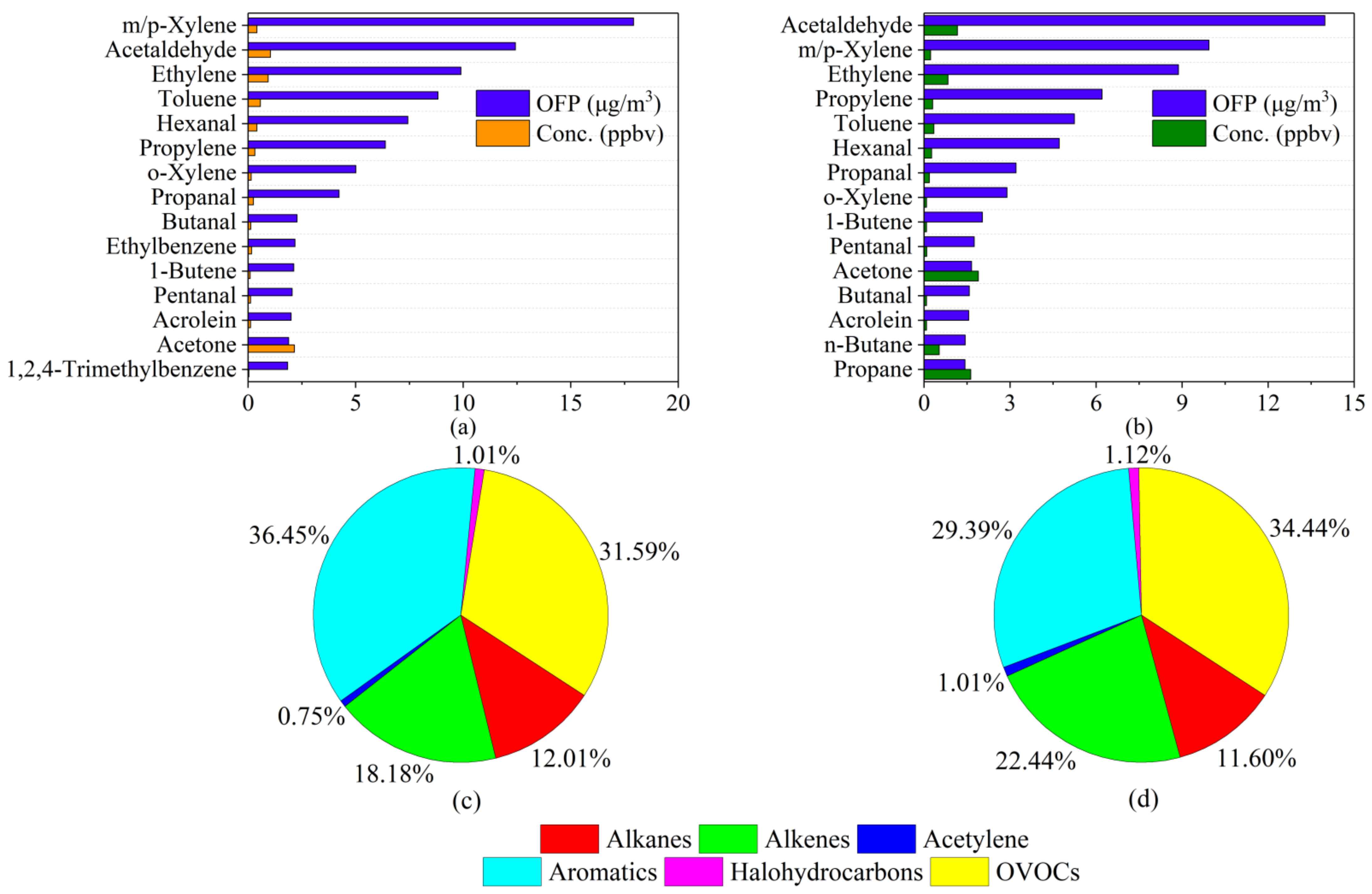
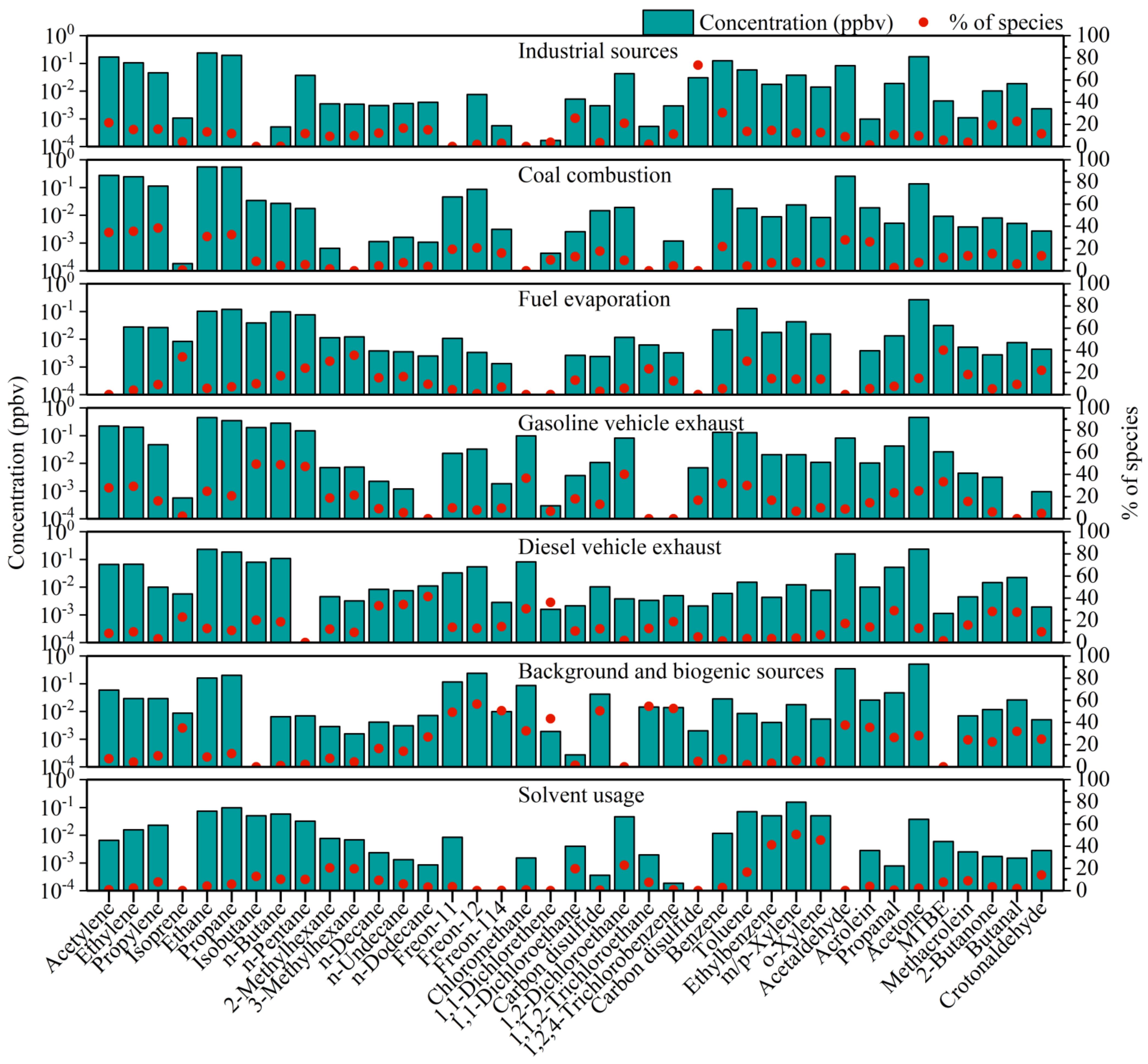
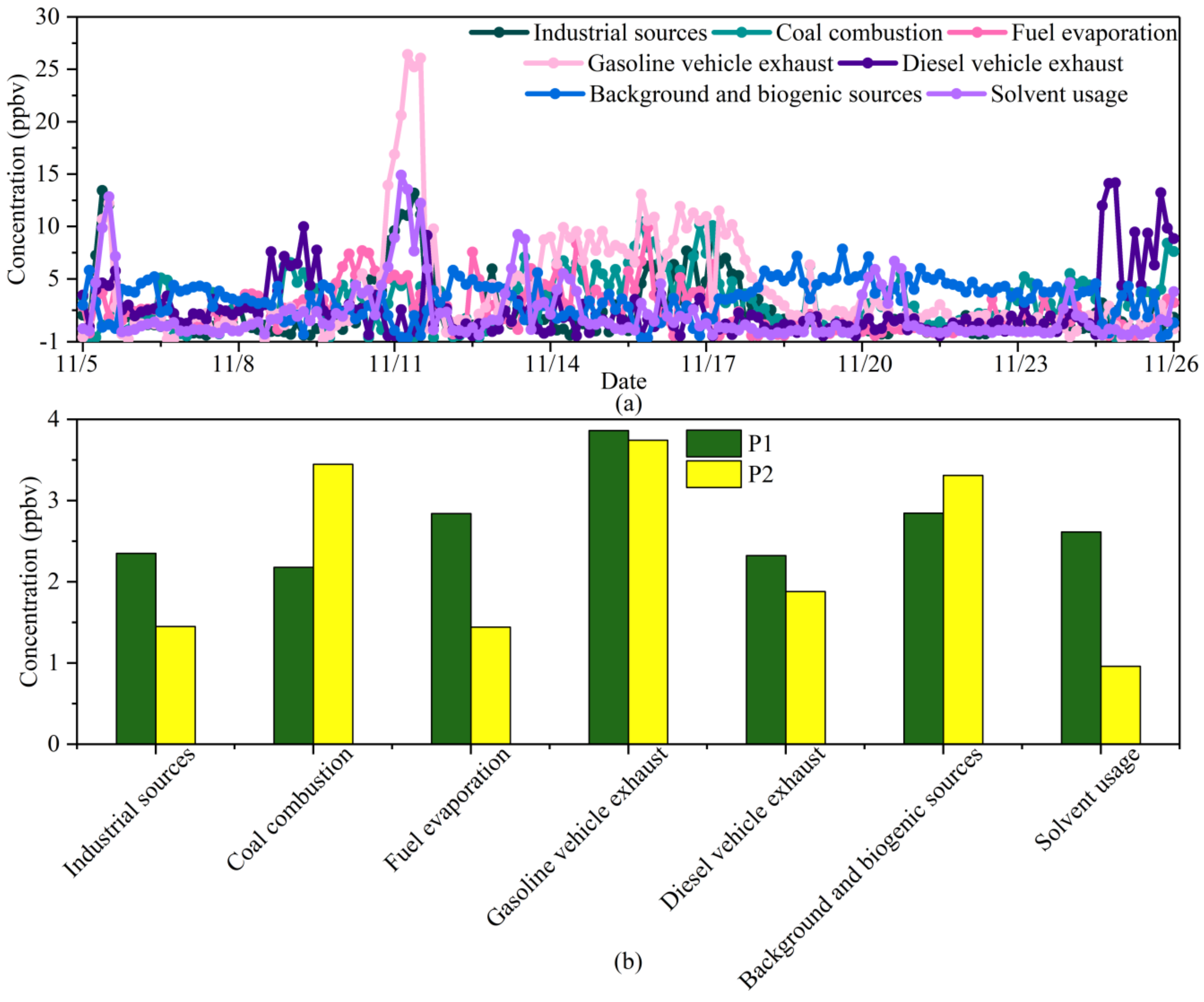
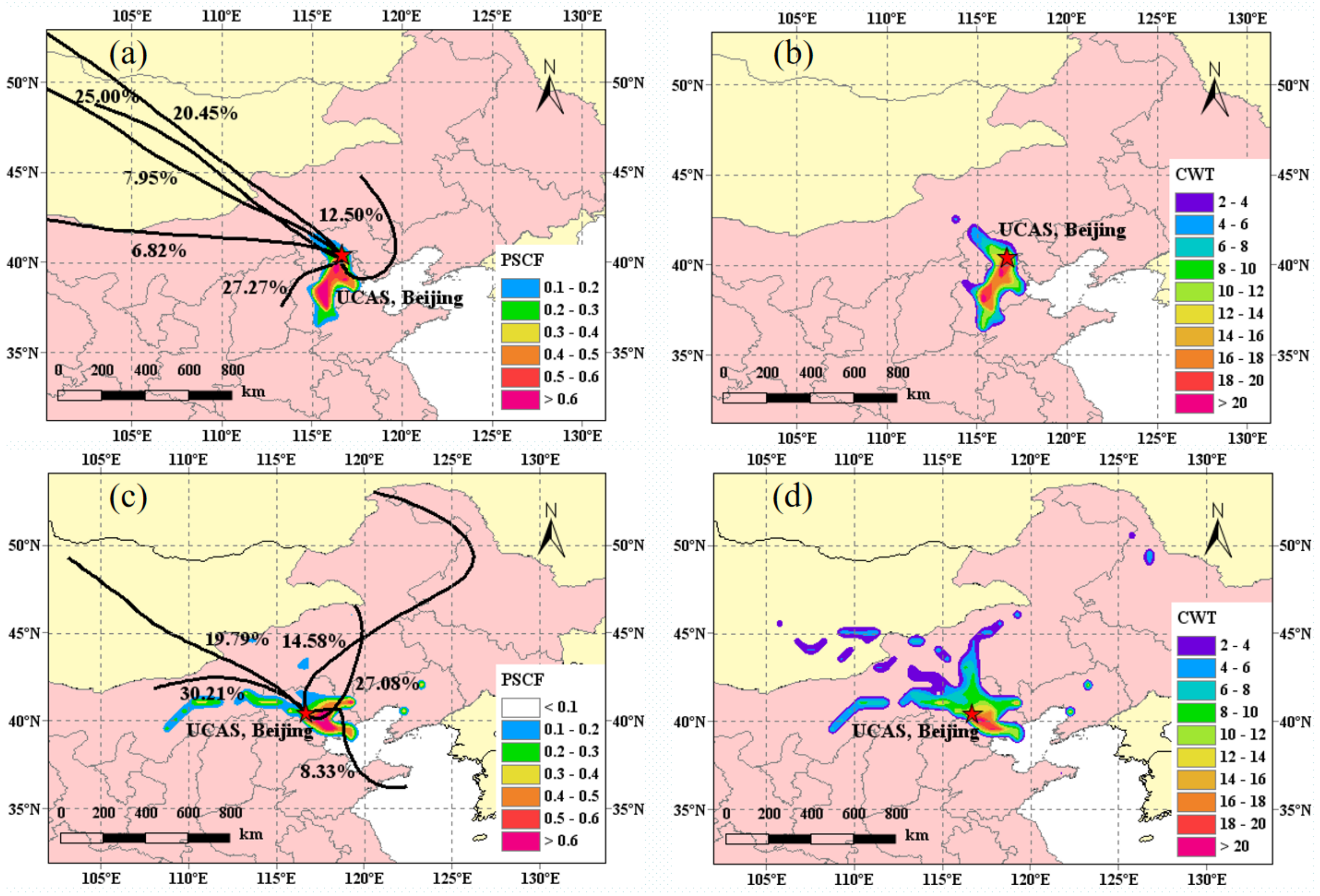
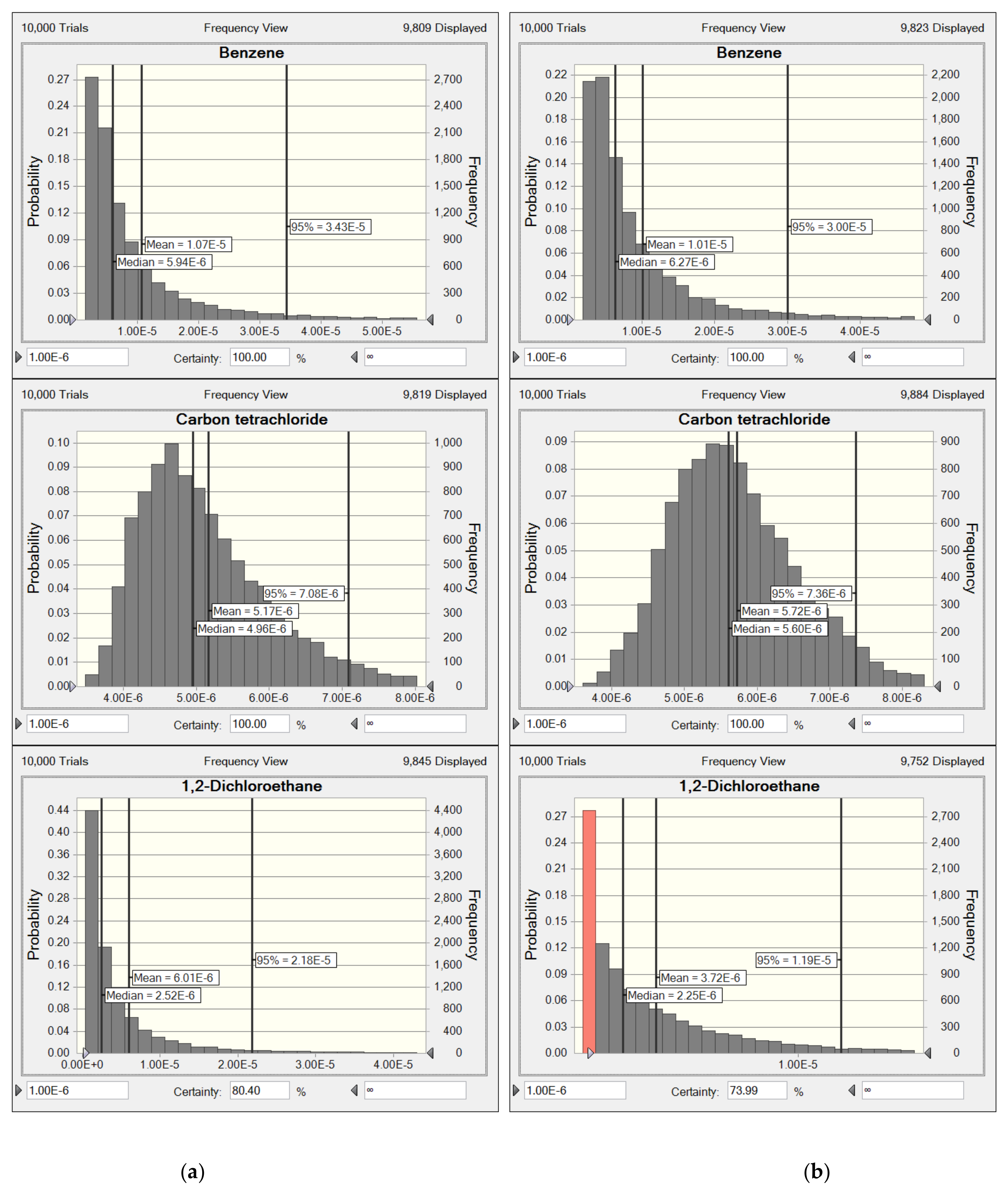
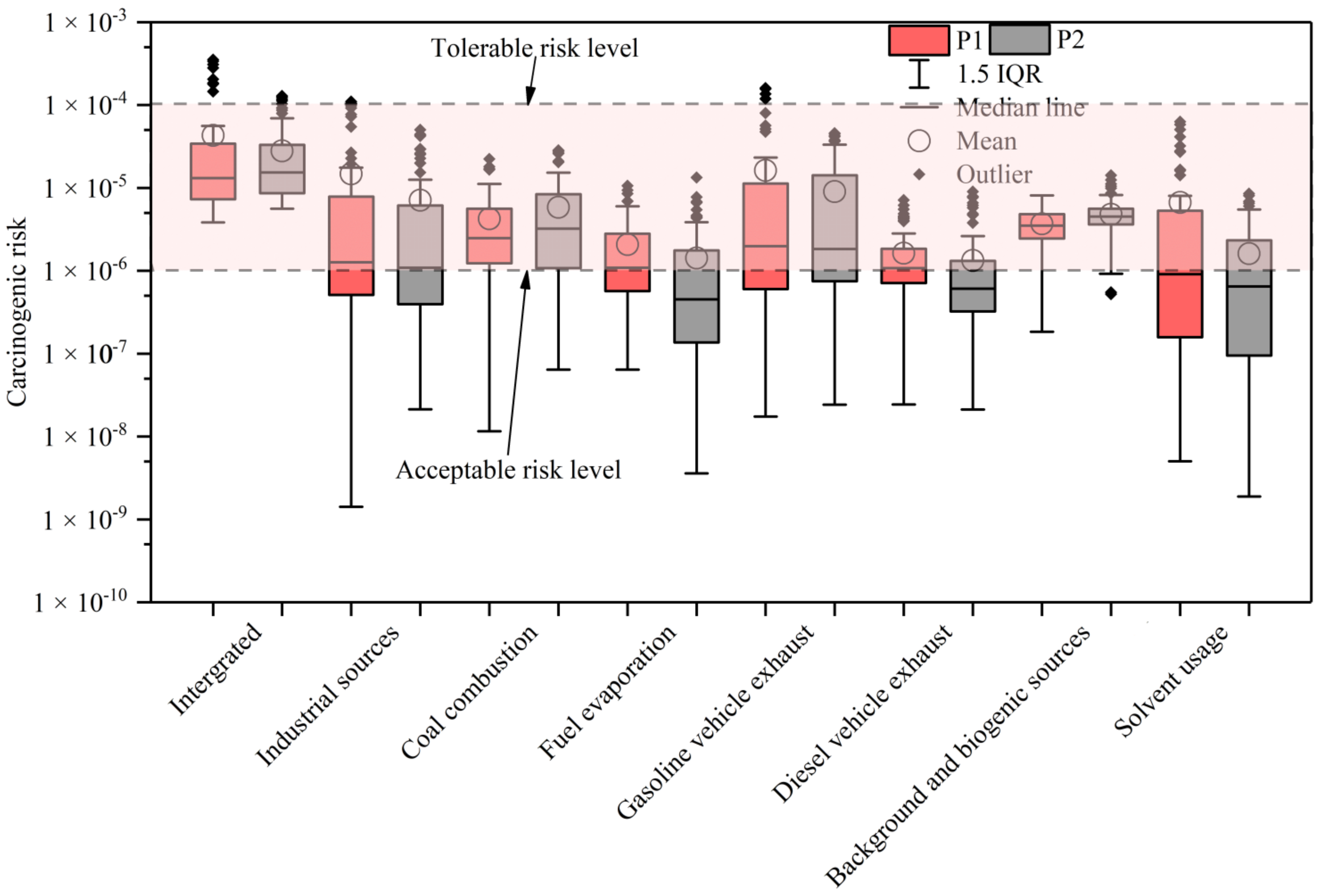
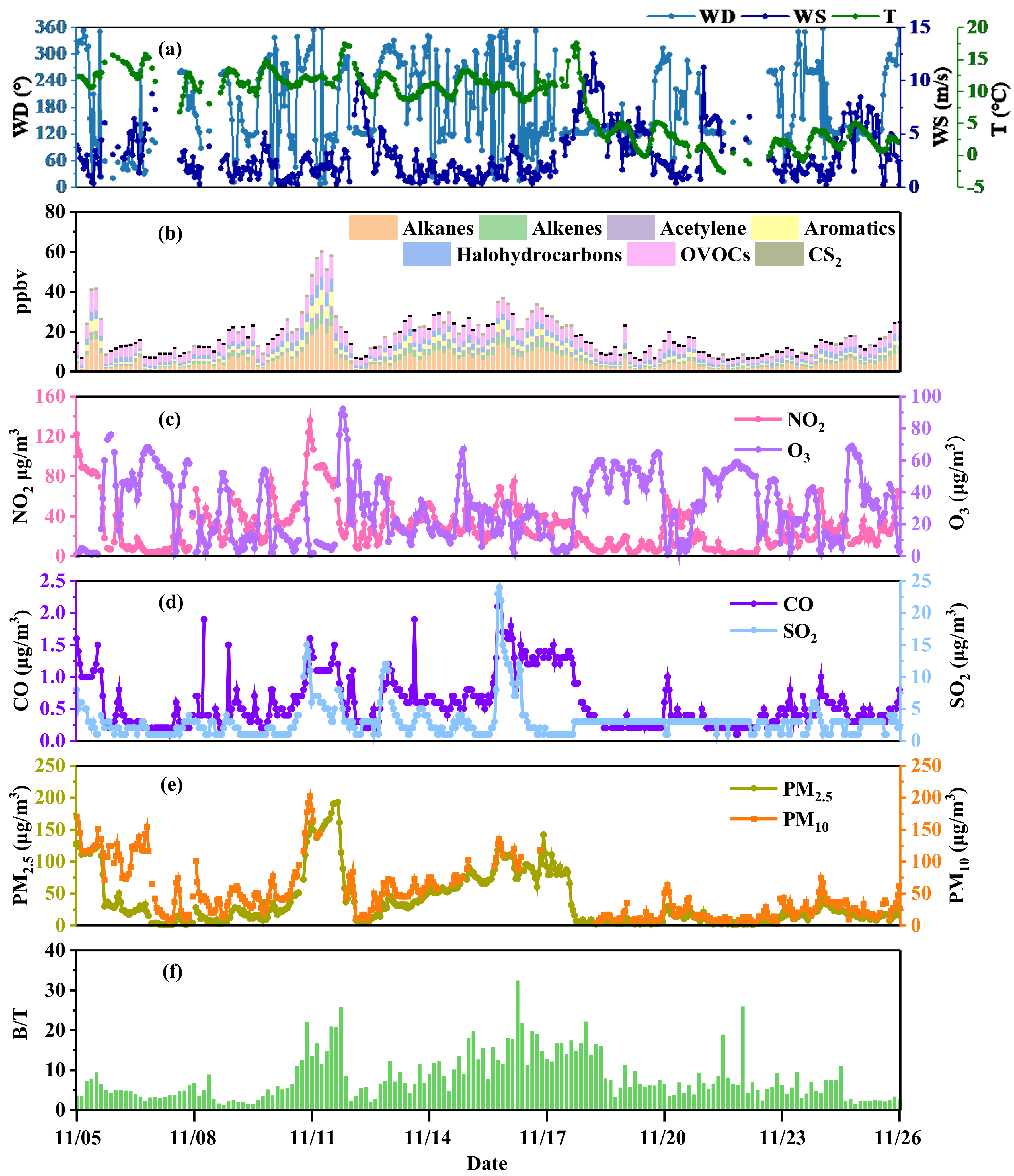
In recent years, the “coal to electricity” project (CTEP) using clean energy instead of coal for heating has been implemented by Beijing government to cope with air pollution. However, VOC pollution after CTEP was rarely studied in suburbs of Beijing. To fill this exigency, 116 volatile organic compounds (VOCs) were observed during nonheating (P1) and heating (P2) periods in suburban Beijing. The results showed that the total of VOCs (TVOCs) was positively correlated with PM2.5, PM10, NO2, CO, and SO2 but negatively correlated with O3 and wind speed. The average TVOCs concentration was 19.43 ± 12.41 ppbv in P1 and 16.25 ± 8.01 ppbv in P2. Aromatics and oxygenated VOCs (OVOCs) were the main contributors to ozone formation potential (OFP). Seven sources of VOCs identified by the positive matrix factorization (PMF) model were industrial source, coal combustion, fuel evaporation, gasoline vehicle exhaust, diesel vehicle exhaust, background and biogenic sources, and solvent usage. The contribution of coal combustion to VOCs increased significantly during P2, whereas industrial sources, fuel evaporation, and solvent usage exhibited opposite trends. The potential source contribution function (PSCF) and concentration weighted trajectory (CWT) were used to analyze the source distributions. The results showed that VOC pollution was caused mainly by air mass from southern Hebei during P1 but by local emissions during P2. Therefore, although the contribution of coal combustion after heating increased, TVOCs concentration during P2 was lower than that during P1. Chronic noncarcinogenic risks of all selected VOC species were below the safe level, while the carcinogenic risks of most selected VOC species were above the acceptable risk level, especially for tetrachloromethane and 1,2-dichloroethane. The cancer risks posed by gasoline vehicle emissions, industrial enterprises, and coal combustion should be paid more attention.
Keywords: volatile organic compounds (VOCs); heating; ozone formation potential (OFP); source apportionment; health assessment; regional transmission volatile organic compounds (VOCs); heating; ozone formation potential (OFP); source apportionment; health assessment; regional transmission