
Article

Projections of Future Drought by CMIP5 Multimodel Ensembles in Central Asia

1
School of Tourism & Research Institute of Human Geography, Xi’an International Studies University, Xi’an 710128, China
2
State Key Laboratory of Desert and Oasis Ecology, Xinjiang Institute of Ecology and Geography, Chinese Academy of Sciences, Urumqi 830011, China
*
Author to whom correspondence should be addressed.
Atmosphere 2022, 13(2), 232; https://doi.org/10.3390/atmos13020232
Submission received: 10 December 2021 / Revised: 28 January 2022 / Accepted: 28 January 2022 / Published: 29 January 2022

Abstract

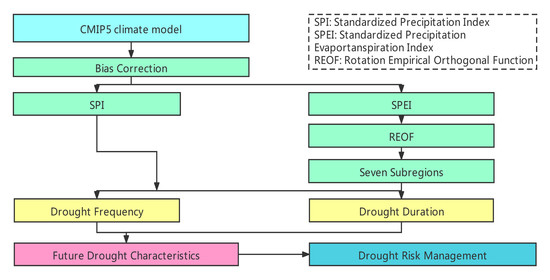
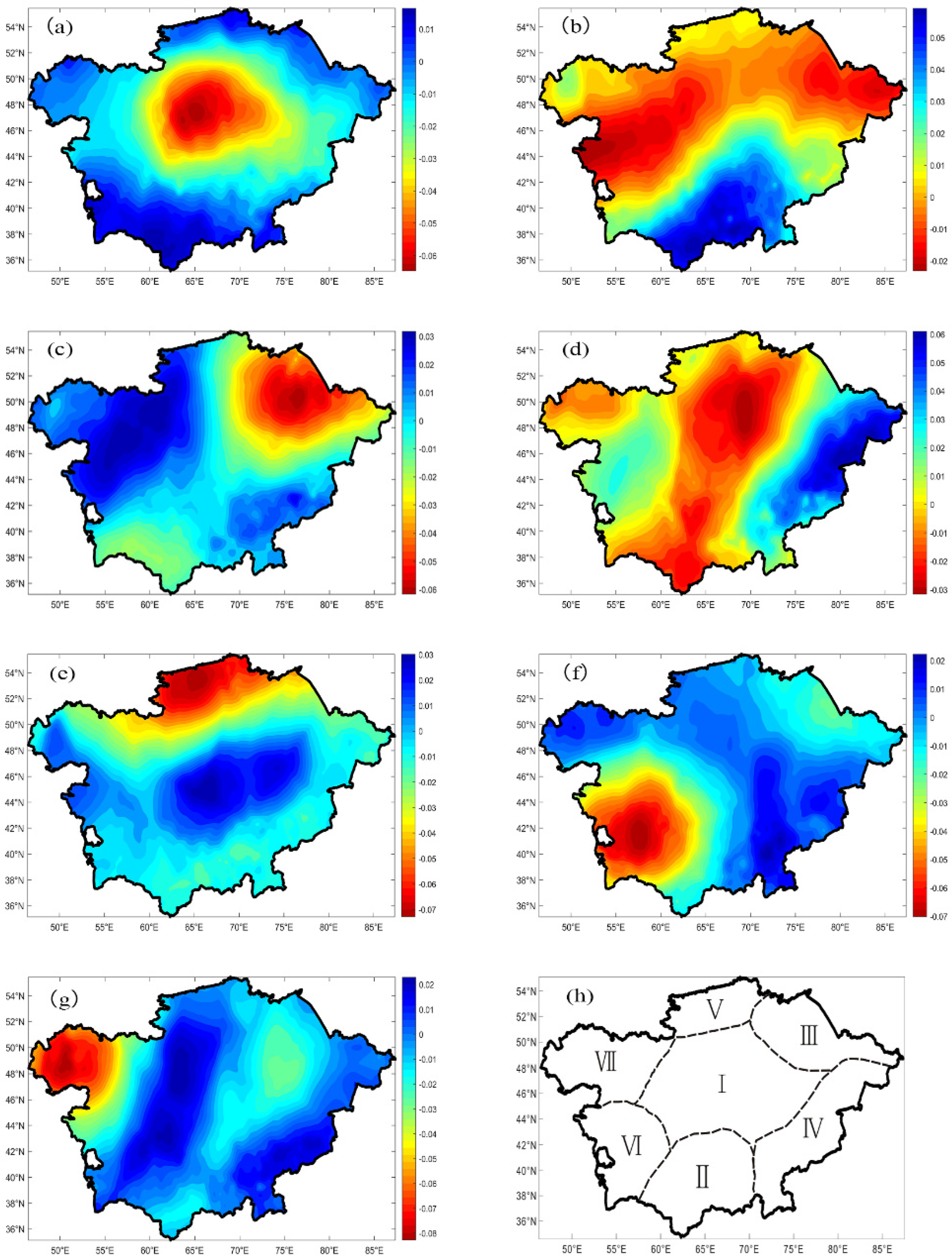
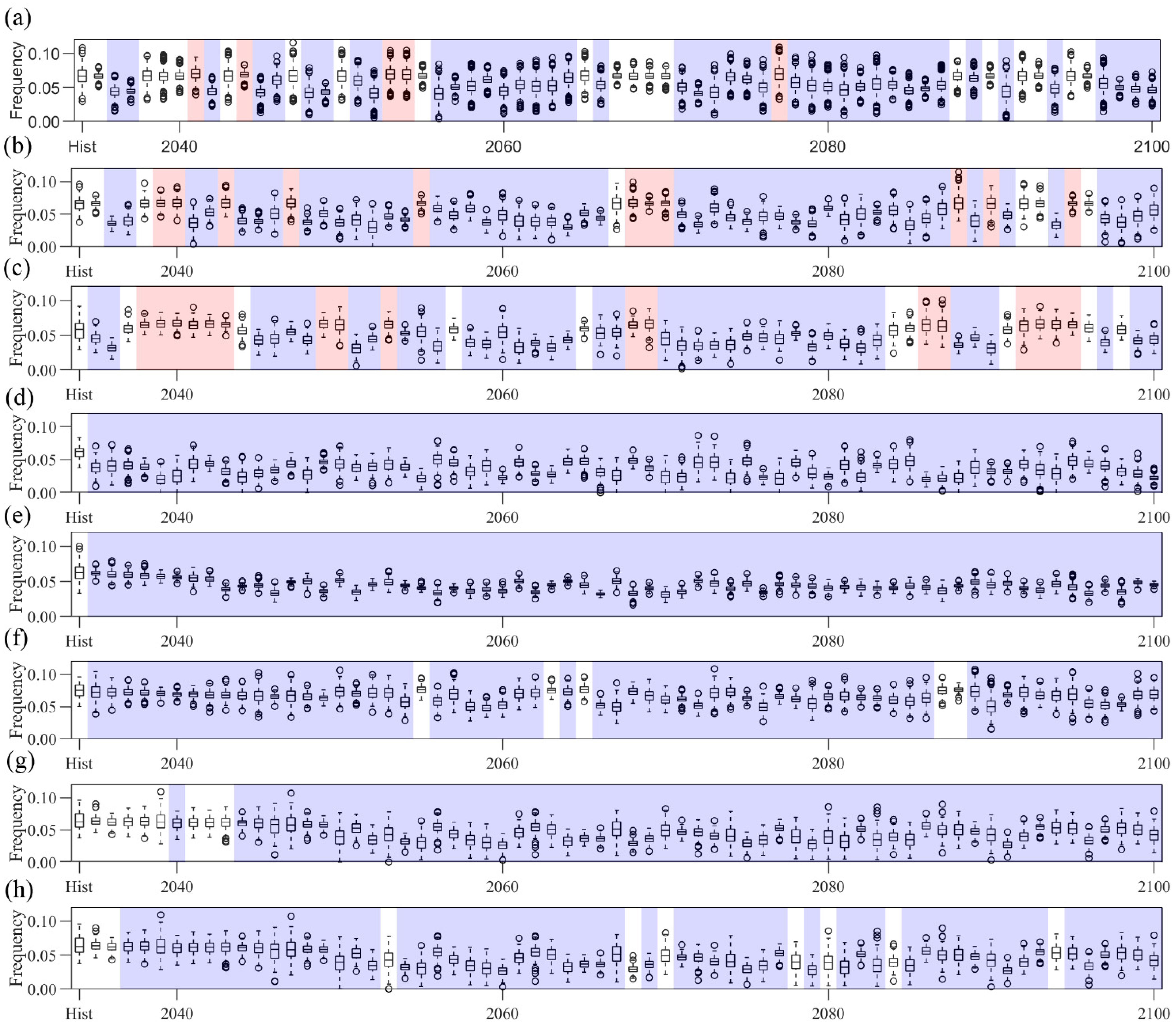
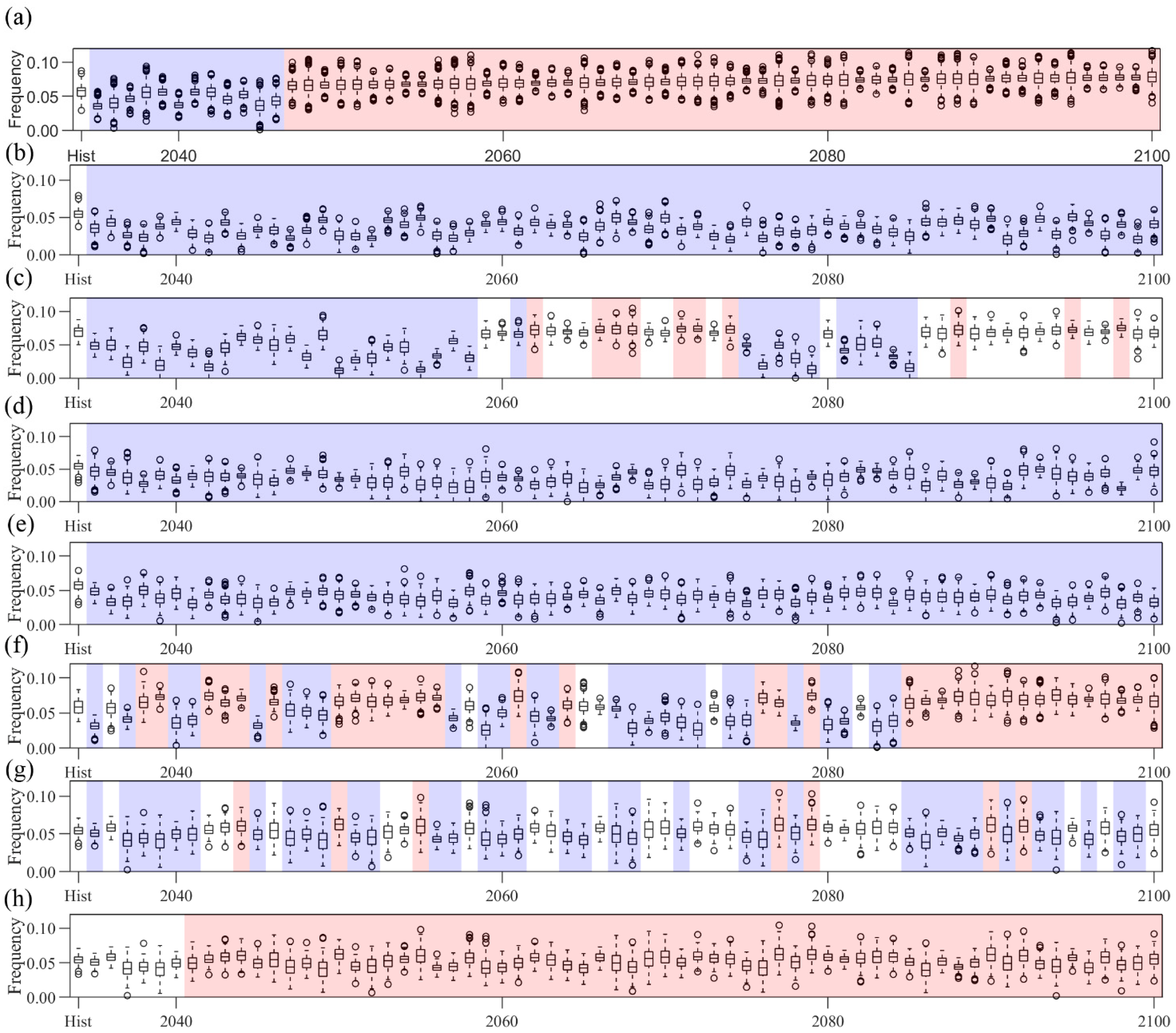
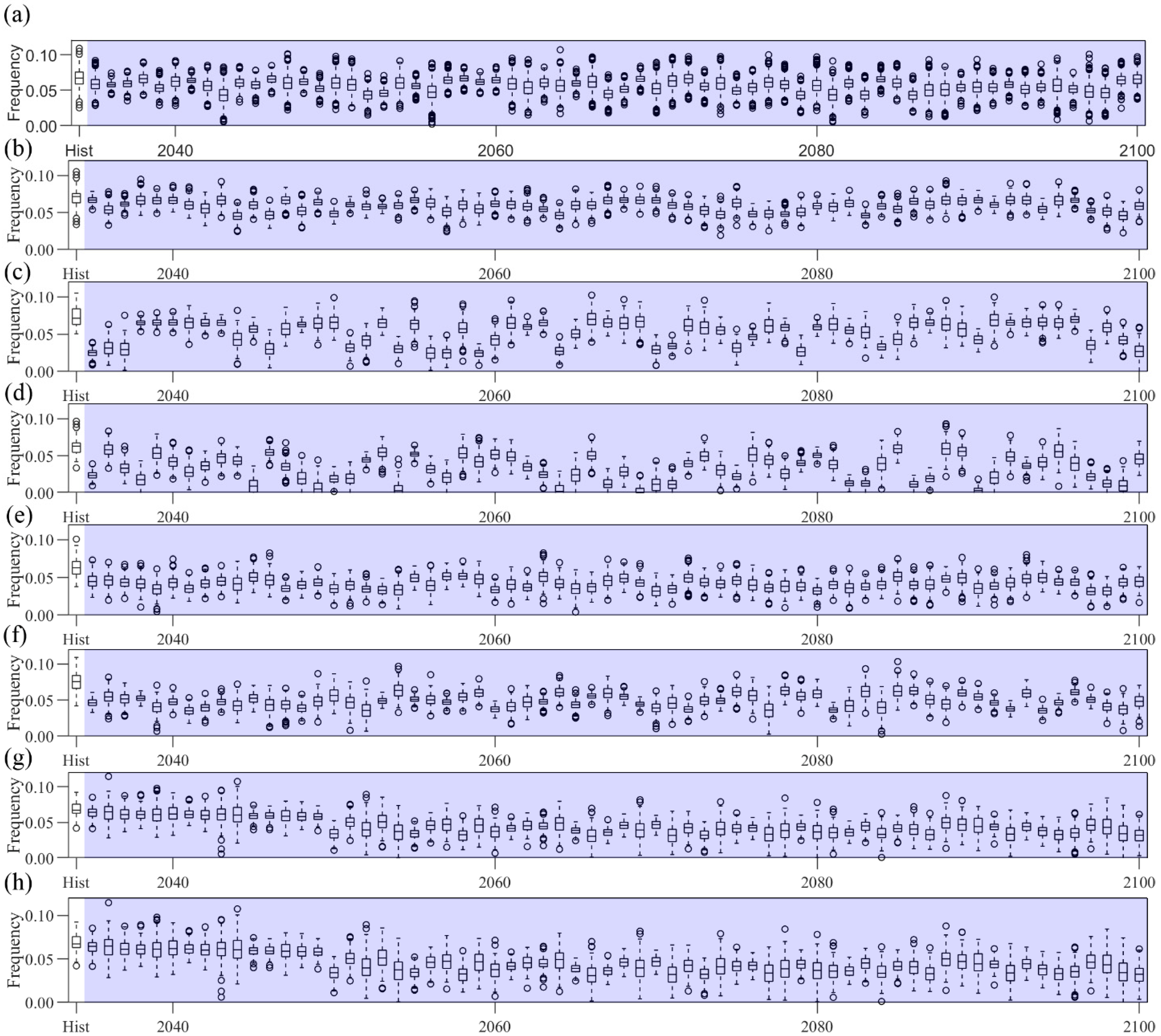
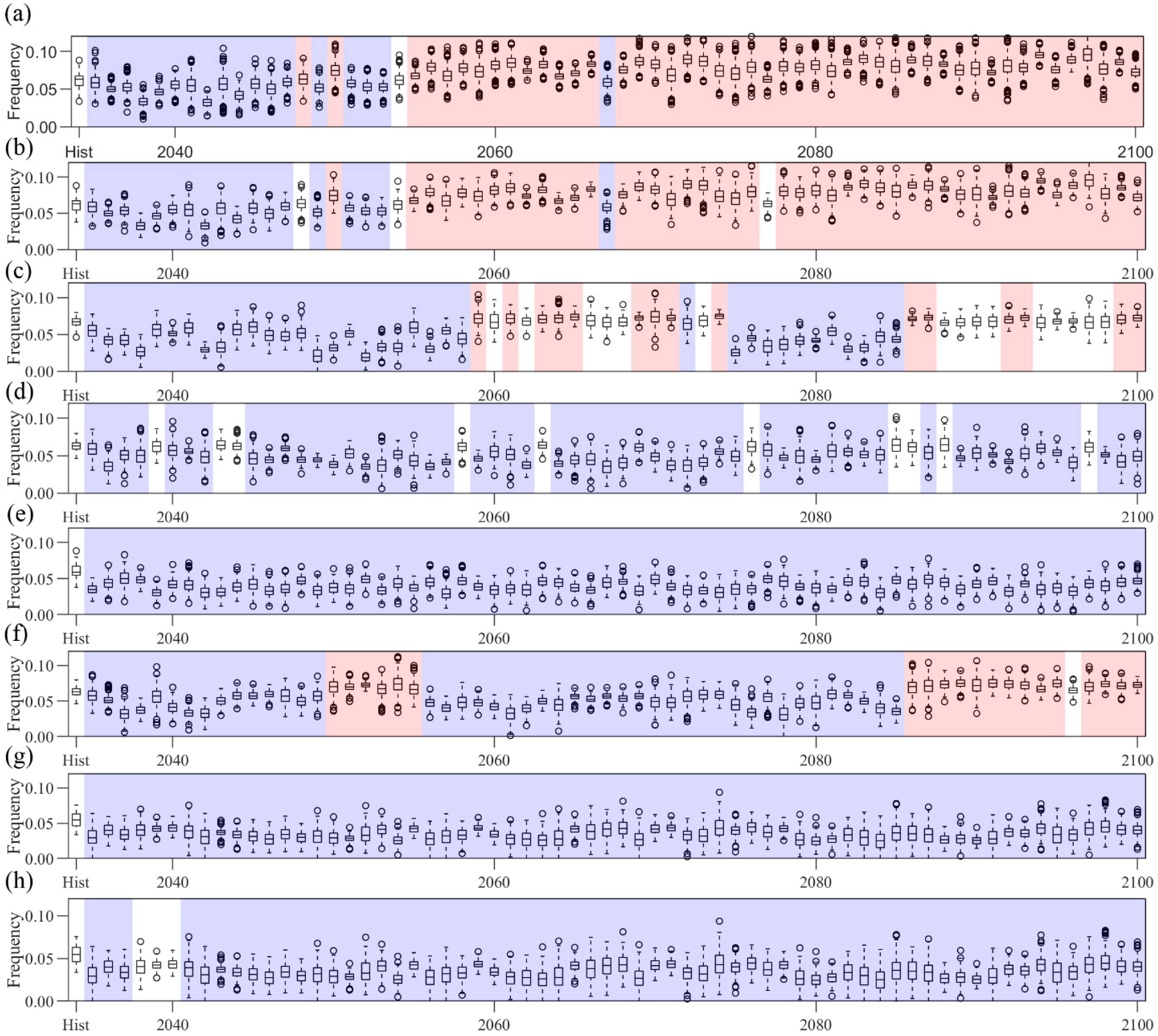
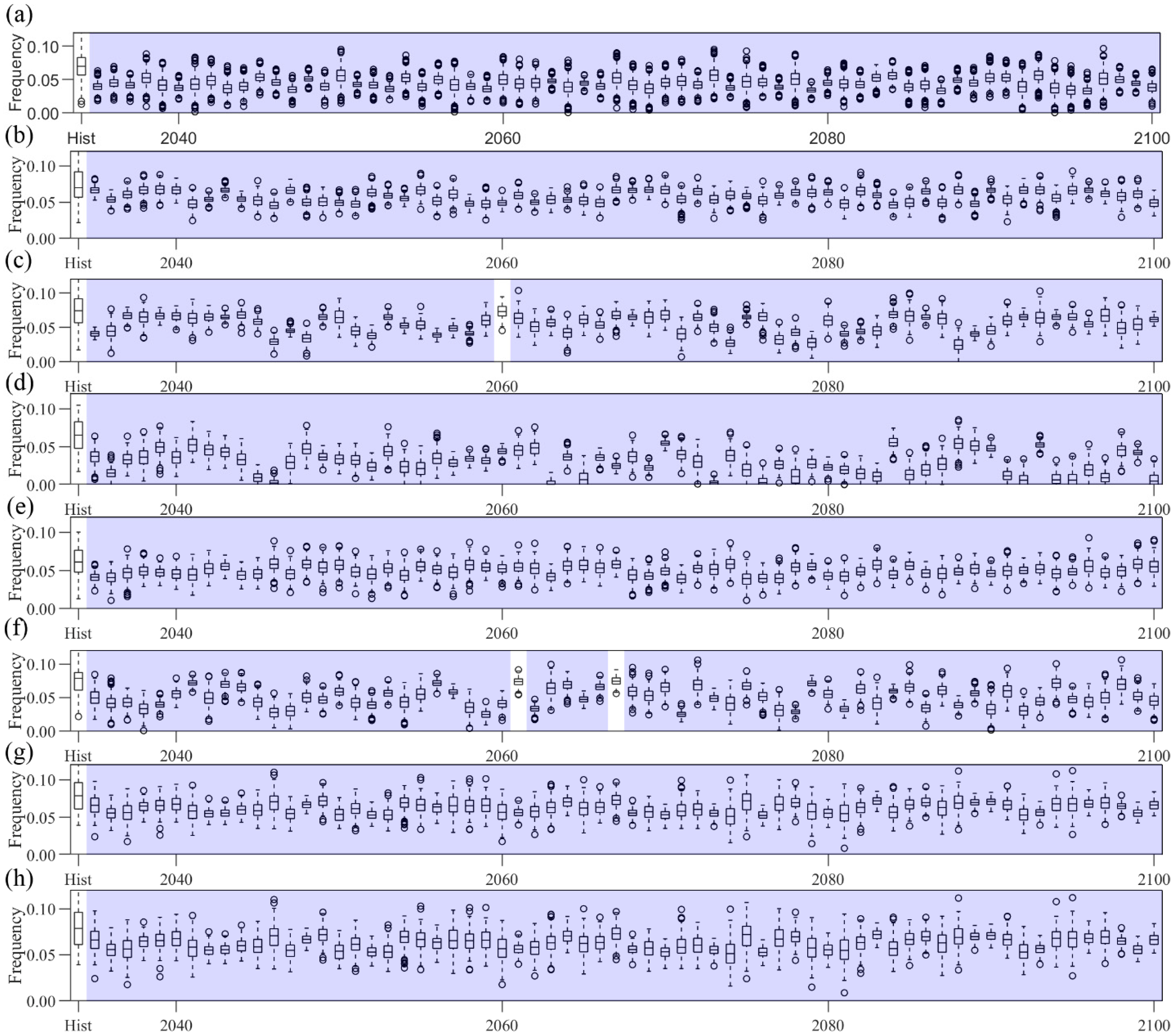
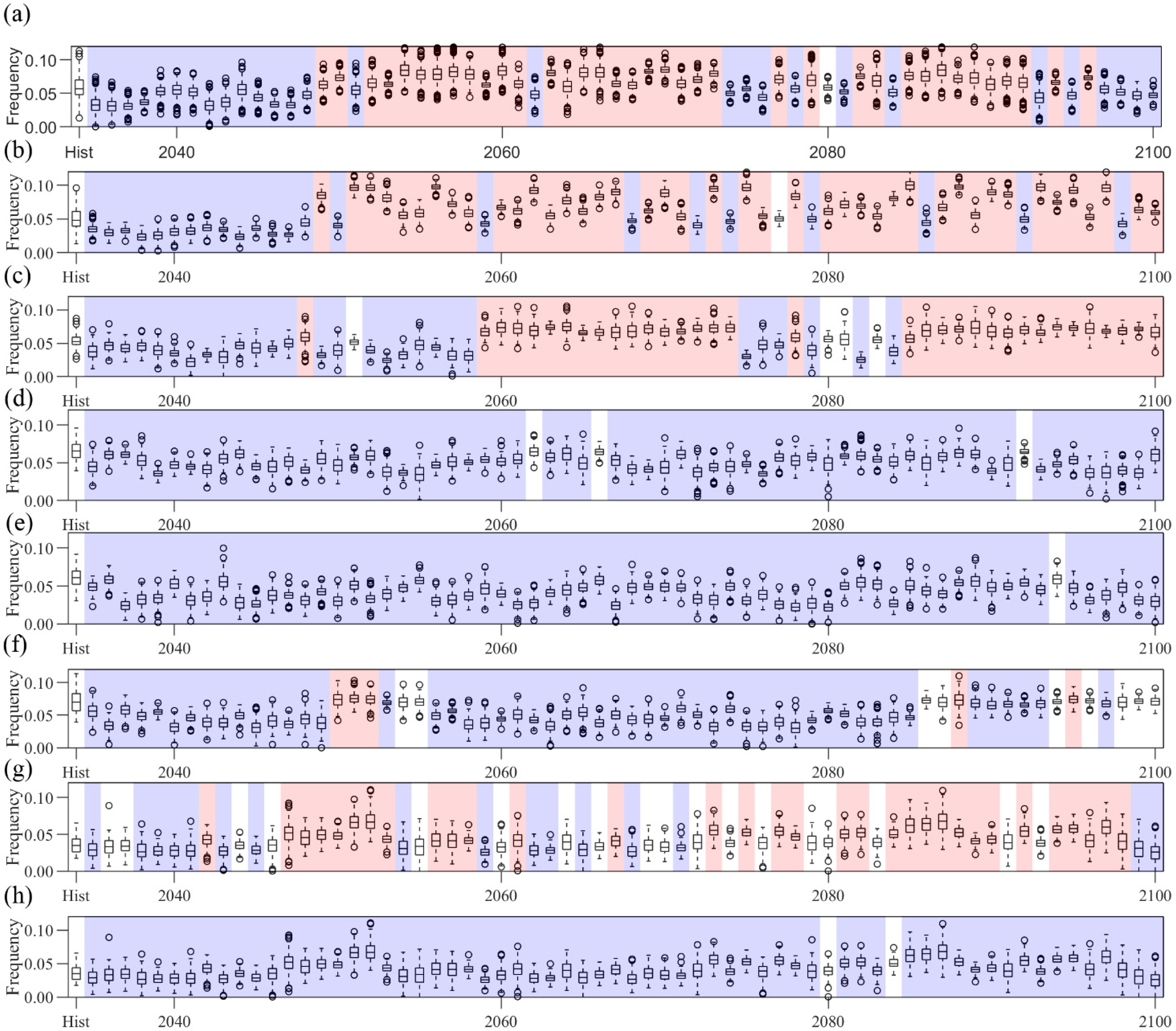
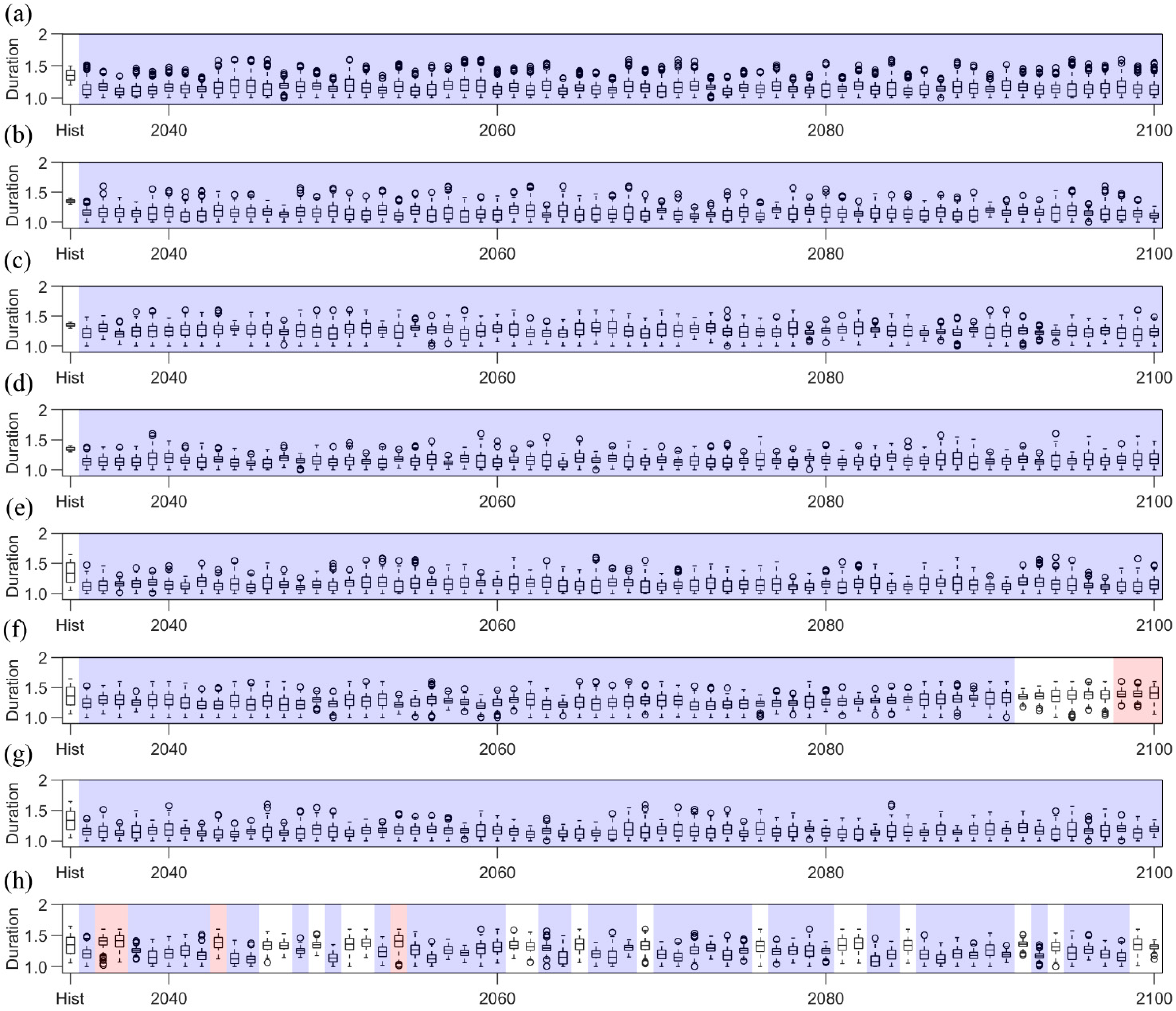
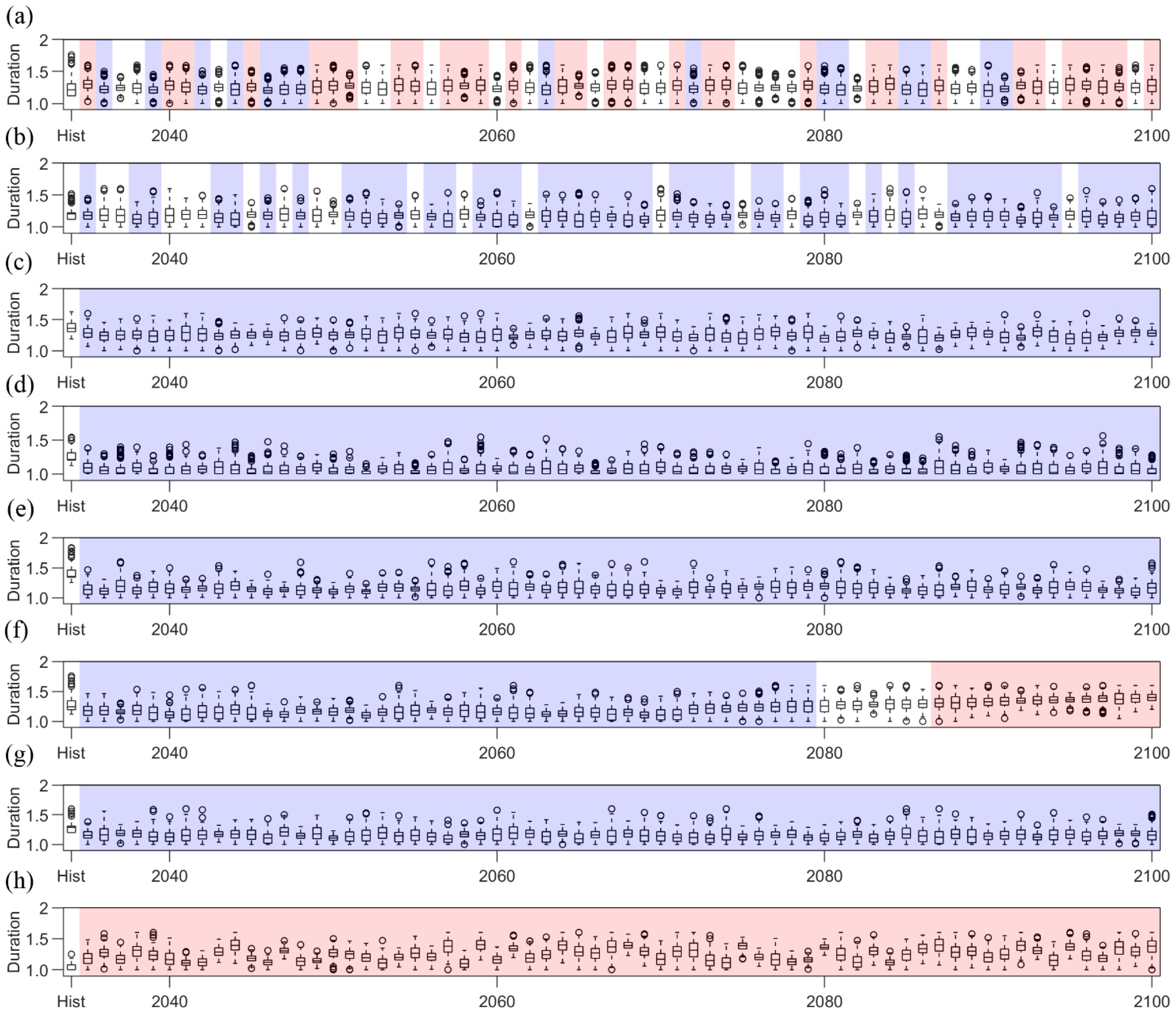
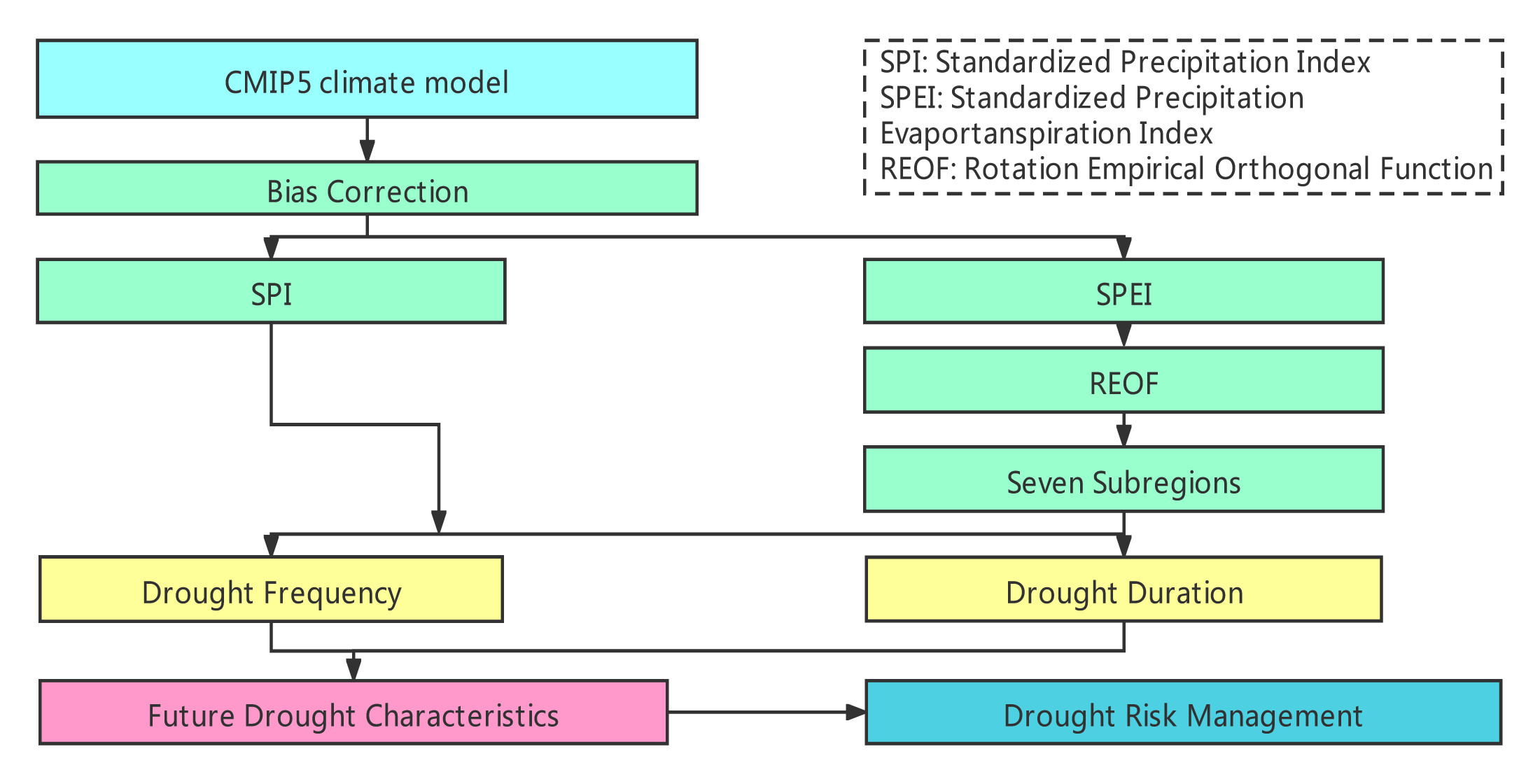
Future changes in drought characteristics in Central Asia are projected at the regional scale using 21 climate models from phase 5 of the Coupled Model Intercomparison Project (CMIP5). Based on the standardized precipitation index (SPI) and standardized precipitation evapotranspiration index (SPEI), drought characteristics were characterized by drought frequency at 1-, 3-, and 12-month timescales. The drought duration was analyzed based on SPI1 and SPEI1. Drought indices were calculated by the multimodel ensemble (MME) from 21 CMIP5 models. The varimax rotation method was used to identify drought conditions for the entire area and seven drought subregions. In general, the projection results of future drought in Central Asia are related to the choice of drought index, and SPI and SPEI show different results. The drought frequency based on SPEI1, SPEI3, and SPEI12 showed an increasing trend in the future periods, that is, the drought frequency based on monthly, seasonal, and annual timescales will show an increase trend in the future periods. However, for SPI1, SPI3, and SPI12, the drought frequency will decrease in the future. SPI projected that the duration of drought will decrease in the future, while SPEI mainly showed an increasing trend. The results of the study should be of sufficient concern to policymakers to avoid land degradation, crop loss, water resource deficit, and economic loss.
Keywords: drought characteristics; SPEI; SPI; drought division; Central Asia drought characteristics; SPEI; SPI; drought division; Central Asia
Graphical Abstract