Article

Observational Analysis of Aerosol–Meteorology Interactions for the Severe Haze Episode in Korea

1
Research Institute of Radiation-Satellite, Gangneung-Wonju National University, Gangneung 25457, Korea
2
Department of Atmospheric Environmental Sciences, Gangneung-Wonju National University, Gangneung 25457, Korea
3
Department of Atmospheric Environmental Sciences, Pusan National University, Busan 46241, Korea
4
Climate and Air Quality Research Department, National Institute of Environmental Research, Incheon 22689, Korea
5
Convergence Meteorological Research Department, National Institute of Meteorological Sciences, Seogwipo, Jeju 63568, Korea
*
Author to whom correspondence should be addressed.
Atmosphere 2021, 12(1), 33; https://doi.org/10.3390/atmos12010033
Submission received: 1 December 2020 / Revised: 21 December 2020 / Accepted: 24 December 2020 / Published: 30 December 2020
(This article belongs to the Special Issue Aerosol-Climate Interaction)

Abstract

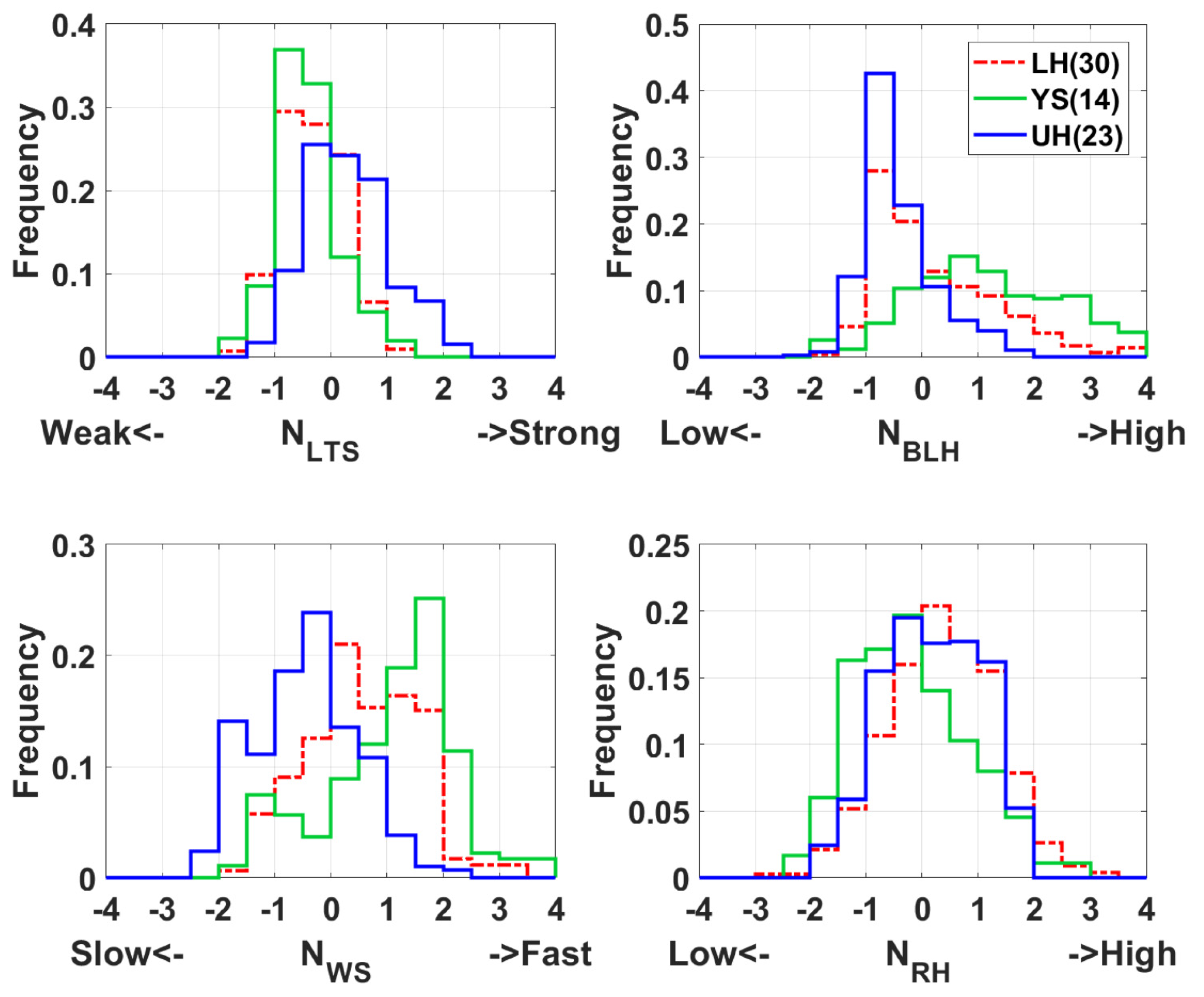
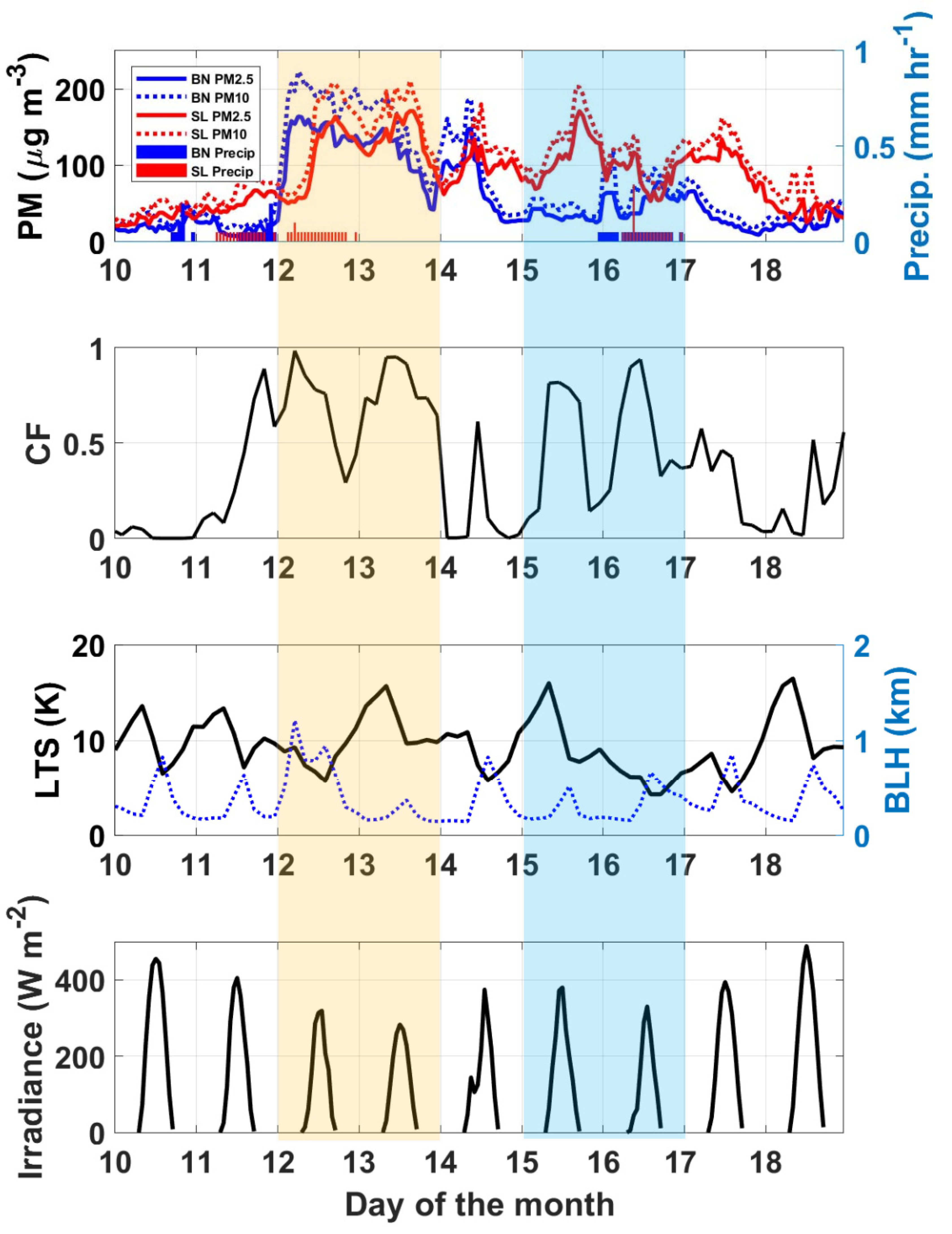
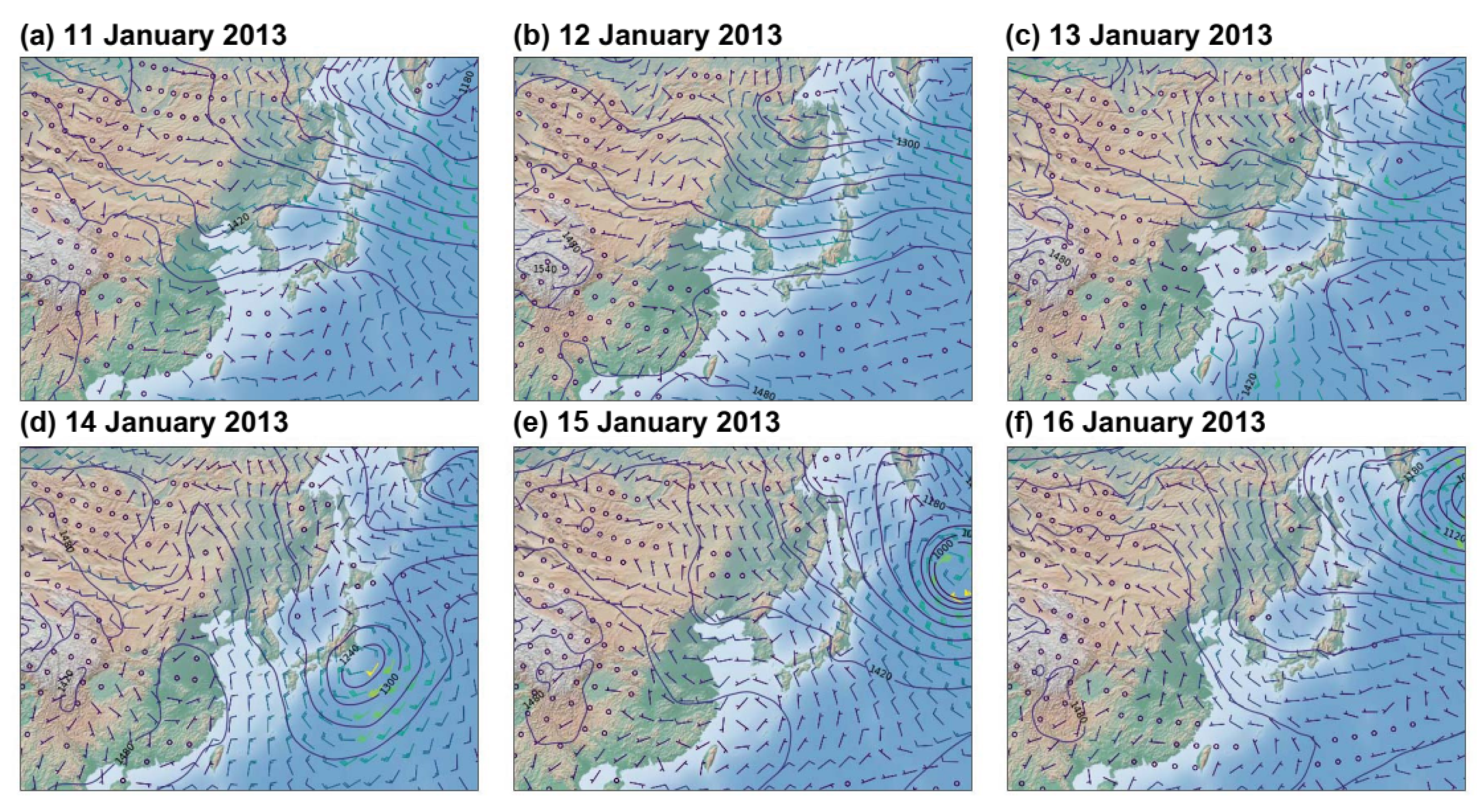
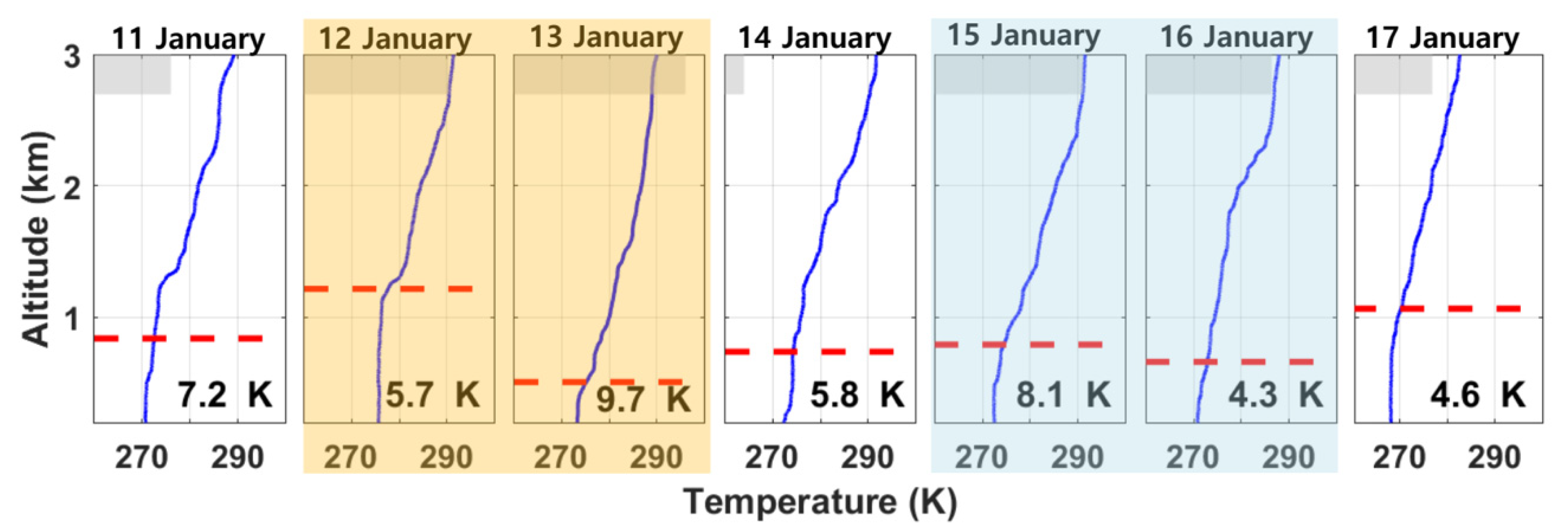
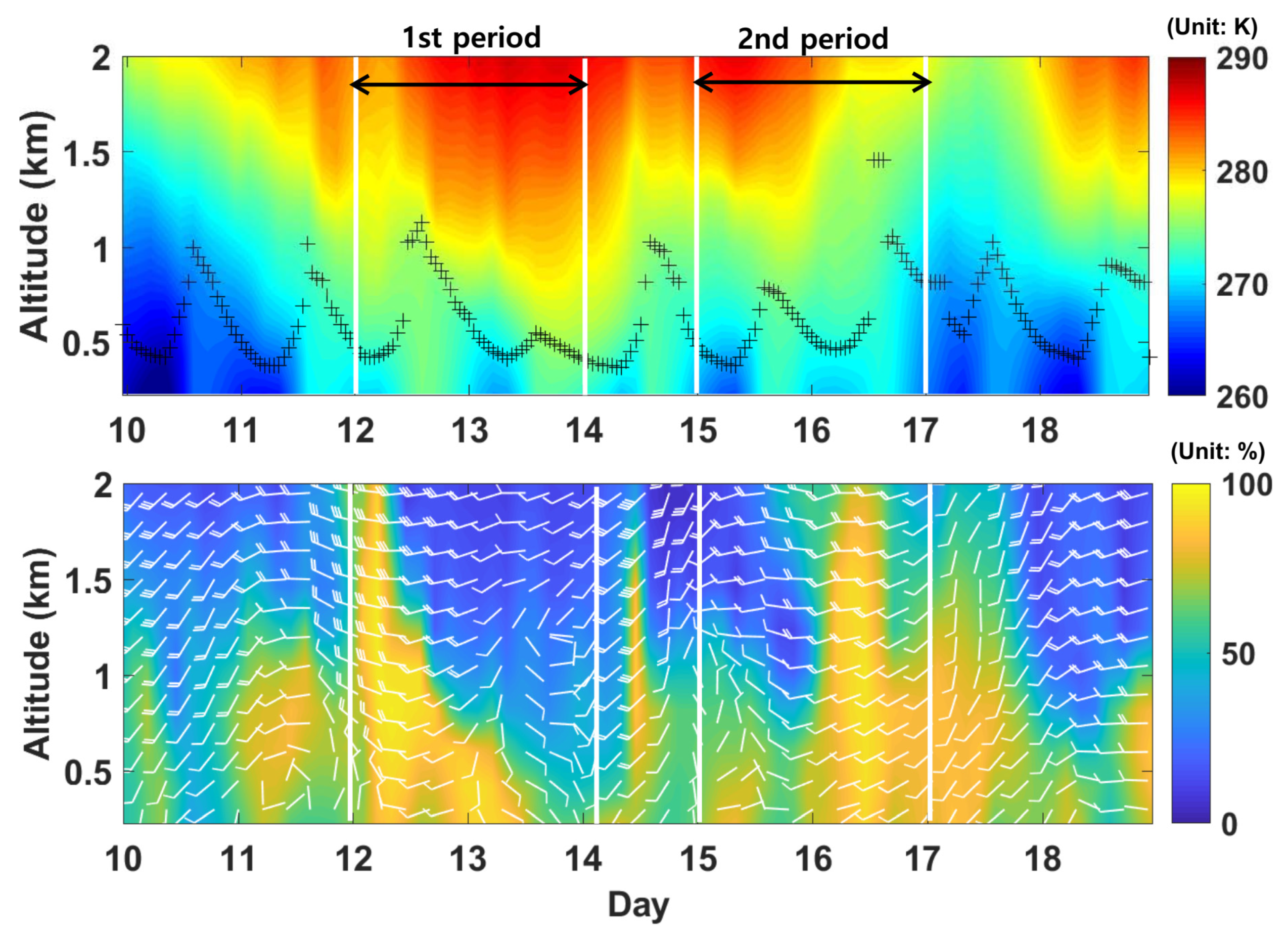
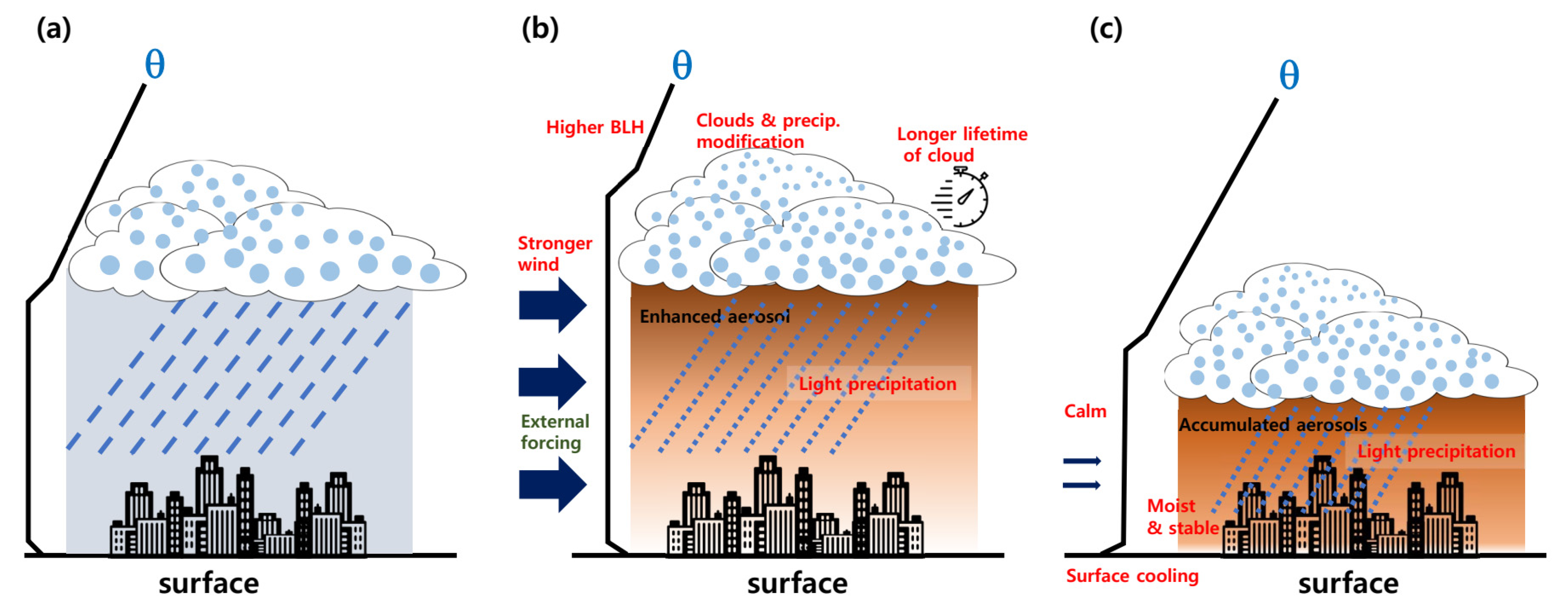
Korea has occasionally suffered from various kinds of severe hazes such as long-range transported aerosol (LH), yellow sand (YS), and urban haze (UH). We classified haze days into LH, YS, and UH and analyzed the characteristics of its associated meteorological conditions for 2011–2016 using reanalysis data and surface observations. The results show that higher boundary layer height and stronger wind speed were found for the LH and YS hazes relative to those for UH. Intensive analysis on a golden episode of 10–18 January 2013 indicates that the cloud fraction increased along with extended light precipitation at a weaker rate by enhanced aerosol loading for an unprecedented LH event, which in turn brought about a decrease in boundary layer height (BLH) with less irradiance, that is, much stronger stability. Later, the intensified stability after the LH event accumulated and increased domestic aerosols, and eventually resulted in the longer-lasting severe haze. This study suggests that aerosol–meteorology interactions play an important role in both short-term weather and fine particle forecasts, especially on polluted days.
Keywords: haze; aerosol; meteorology; interactions; stability; precipitation haze; aerosol; meteorology; interactions; stability; precipitation