Article

Monitoring and Modeling Roof-Level Wind Speed in a Changing City


by
Kathrin Baumann-Stanzer
1,*,
Sirma Stenzel
1,
Gabriele Rau
1,
Martin Piringer
1,
Felix Feichtinger
2 and
Théophane Costabloz
3
1
Zentralanstalt für Meteorologie und Geodynamik, Hohe Warte 38, 1190 Vienna, Austria
2
Institut für Erneuerbare Energie, University of Applied Sciences (FH Technikum Wien), Höchstädtplatz 6, 1200 Vienna, Austria
3
École nationale de la météorologie, 42 Avenue Gaspard Coriolis, 31 057 Toulouse CEDEX, France
*
Author to whom correspondence should be addressed.
Atmosphere 2020, 11(1), 87; https://doi.org/10.3390/atmos11010087
Submission received: 13 November 2019 / Revised: 27 December 2019 / Accepted: 31 December 2019 / Published: 10 January 2020
(This article belongs to the Special Issue Atmospheric Dispersion of Pollutants in Urban Environments)

Abstract

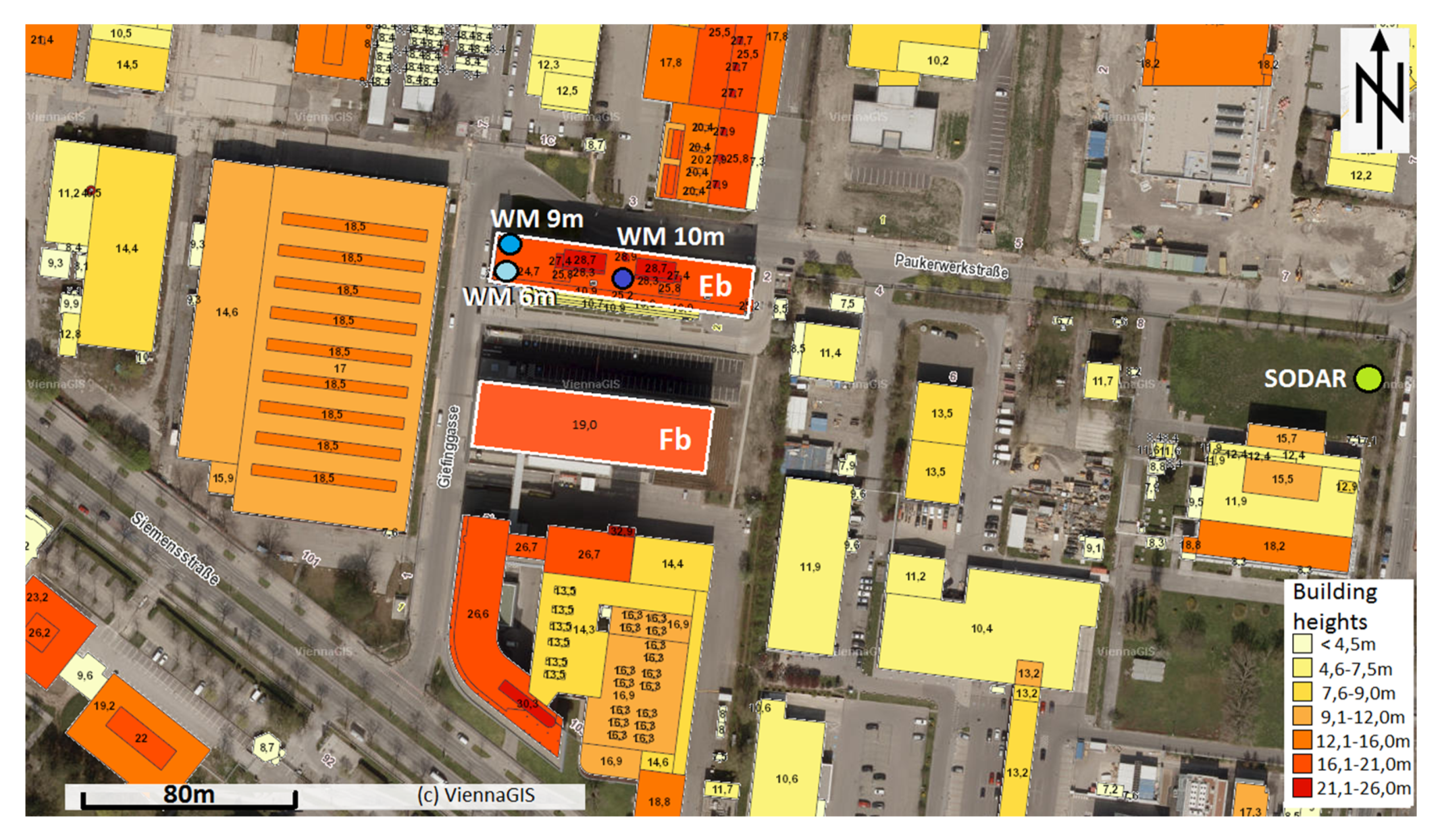
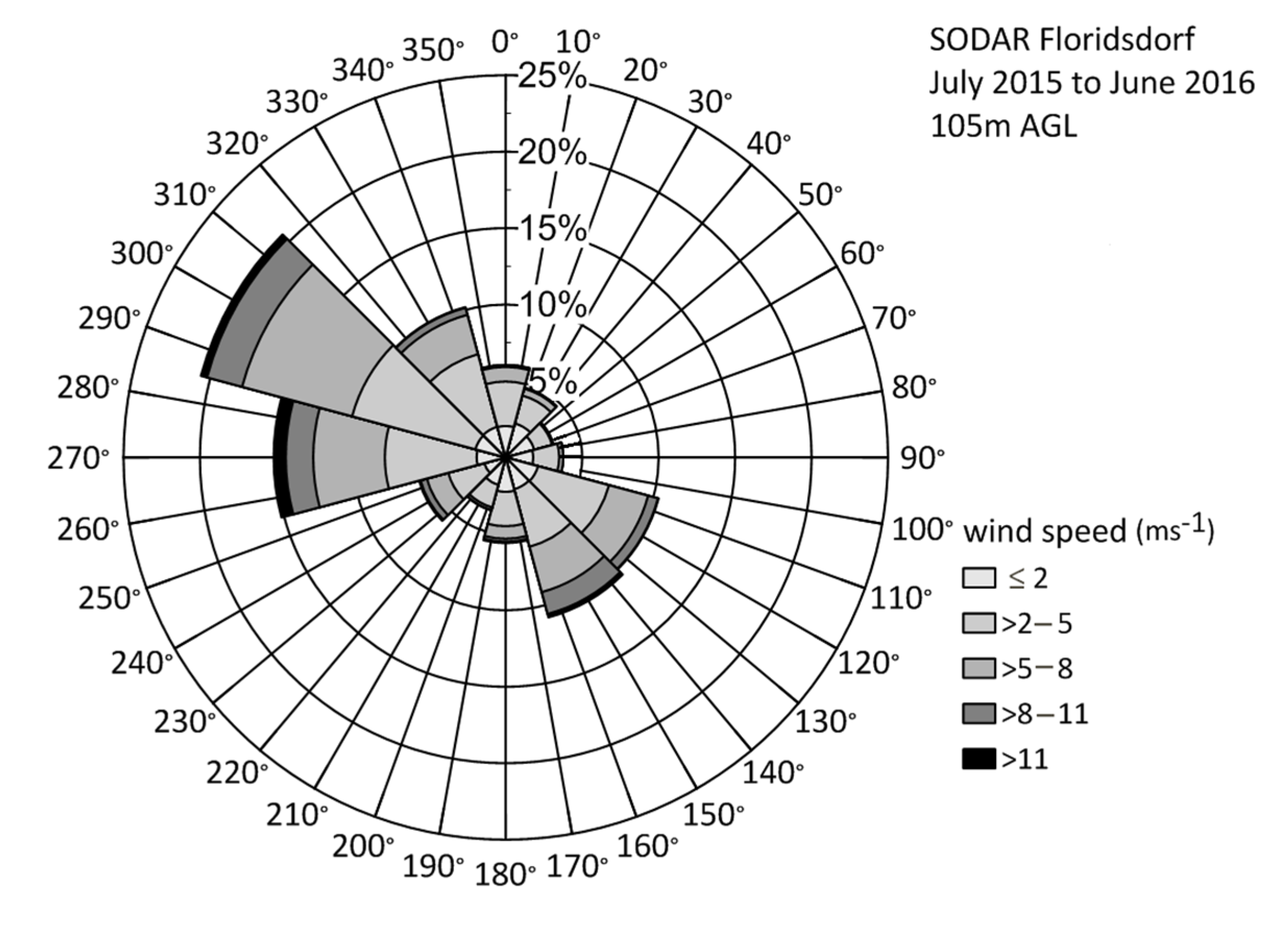
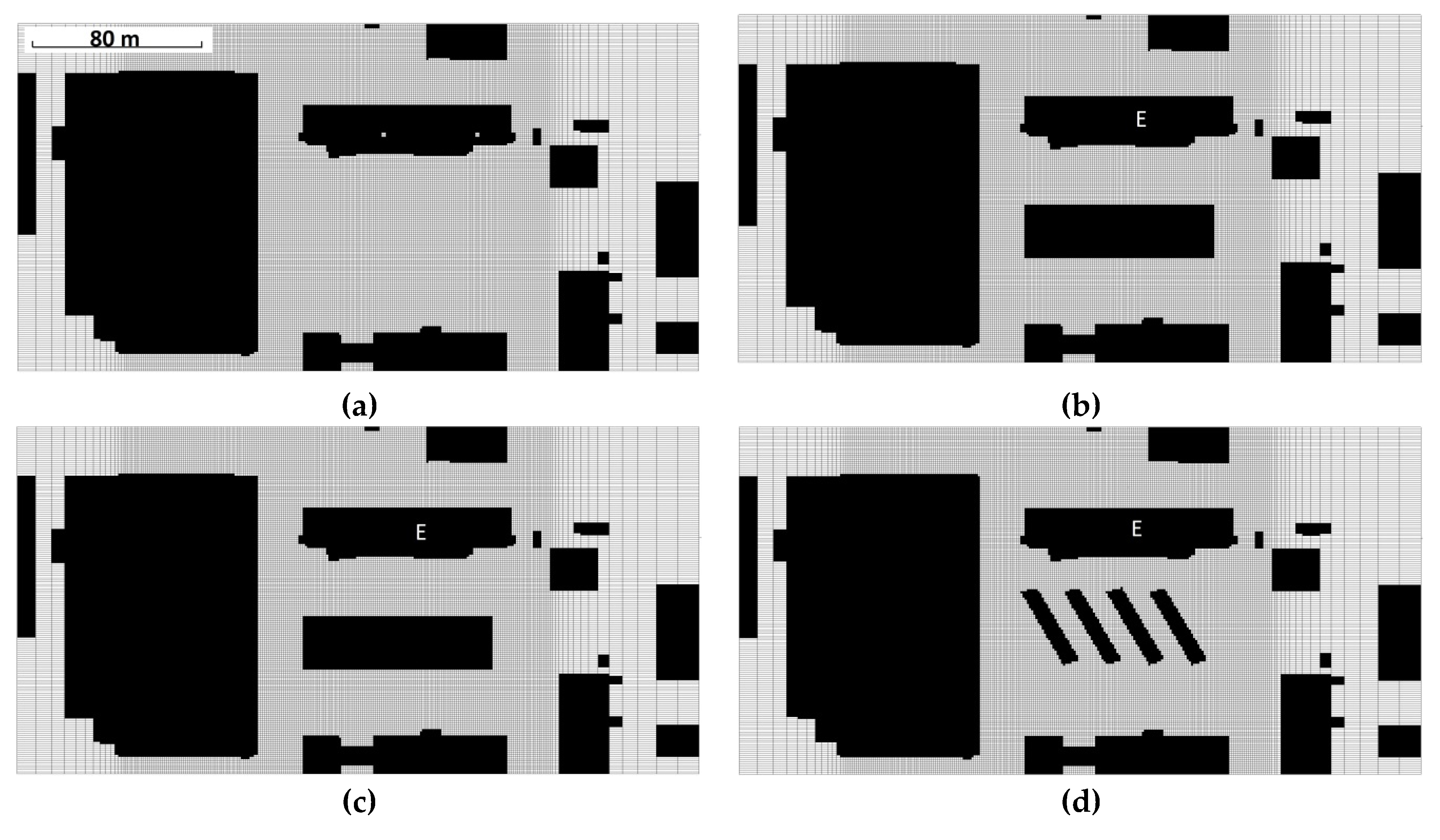
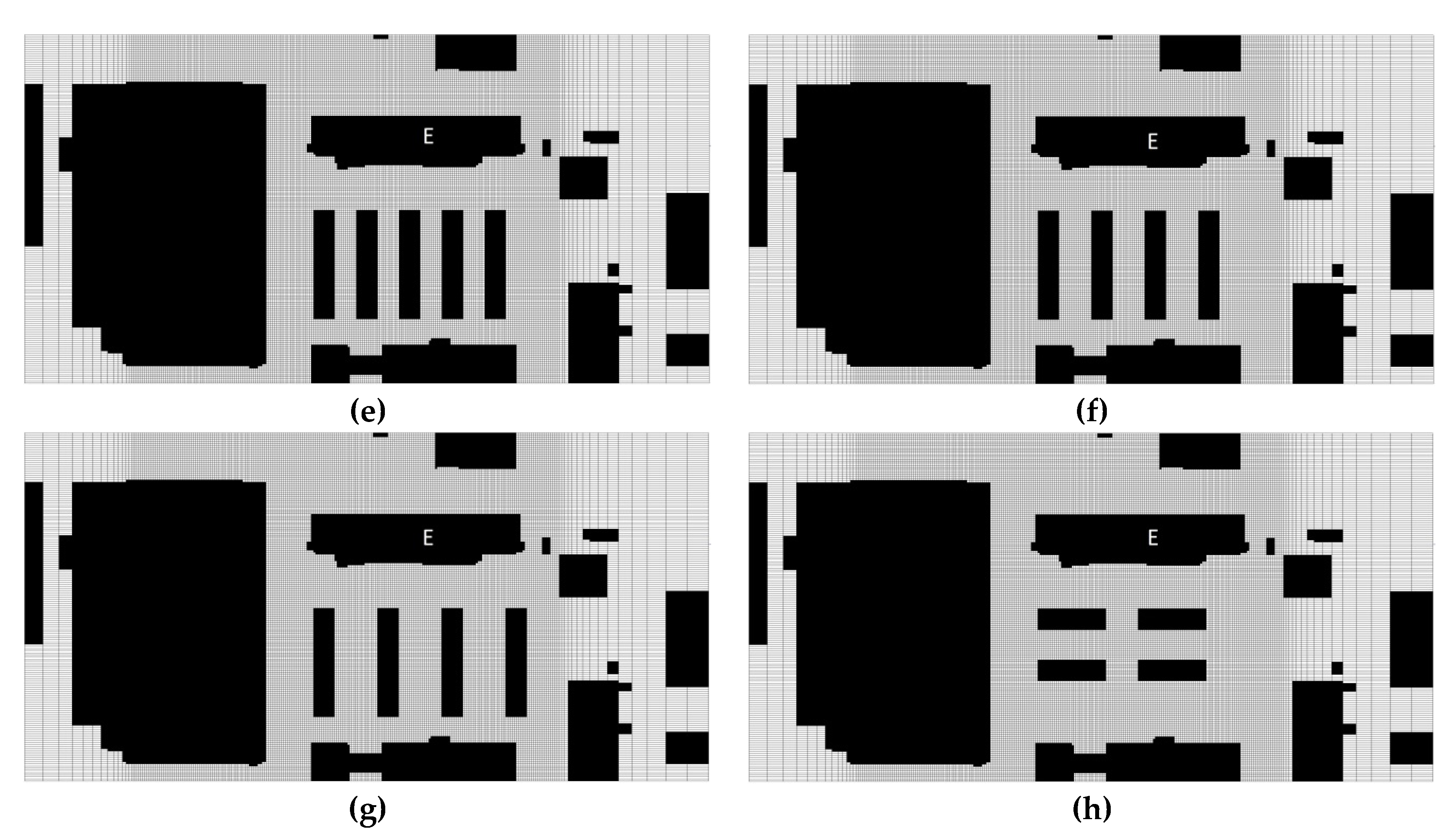
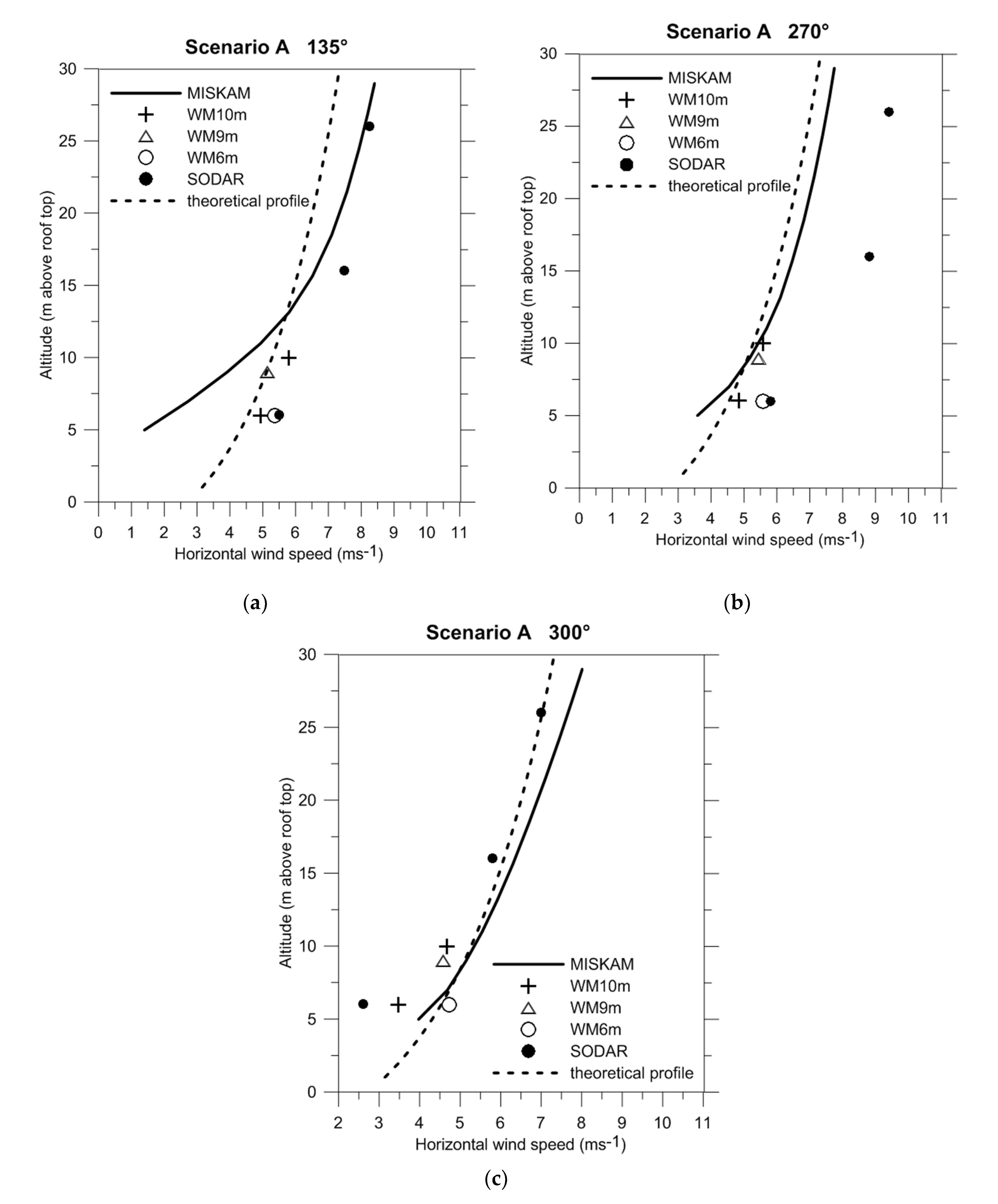
Results of an observational campaign and model study are presented demonstrating how the wind field at roof-level in the urban area of Vienna changed due to the construction of a new building nearby. The investigation was designed with a focus on the wind energy yield of a roof-mounted small wind turbine but the findings are also relevant for air dispersion applications. Wind speed profiles above roof top are simulated with the complex fluid dynamics (CFD) model MISKAM (Mikroskaliges Klima- und Ausbreitungsmodell, microscale climate and dispersion model). The comparison to mast measurements reveals that the model underestimates the wind speeds within the first few meters above the roof, but successfully reproduces wind conditions at 10 m above the roof top (corresponding to about 0.5 times the building height). Scenario simulations with different building configurations at the adjacent property result in an increase or decrease of wind speed above roof top depending on the flow direction at the upper boundary of the urban canopy layer (UCL). The maximum increase or decrease in wind speed caused by the alternations in building structure nearby is found to be in the order of 10%. For the energy yield of a roof-mounted small wind turbine at this site, wind speed changes of this magnitude are negligible due to the generally low prevailing wind speeds of about 3.5 m s−1. Nevertheless, wind speed changes of this order could be significant for wind energy yield in urban areas with higher mean wind speeds. This effect in any case needs to be considered in siting and conducting an urban meteorological monitoring network in order to ensure the homogeneity of observed time-series and may alter the emission and dispersion of pollutants or odor at roof level.
Keywords: urban wind field; CFD modeling; meteorological monitoring network urban wind field; CFD modeling; meteorological monitoring network